

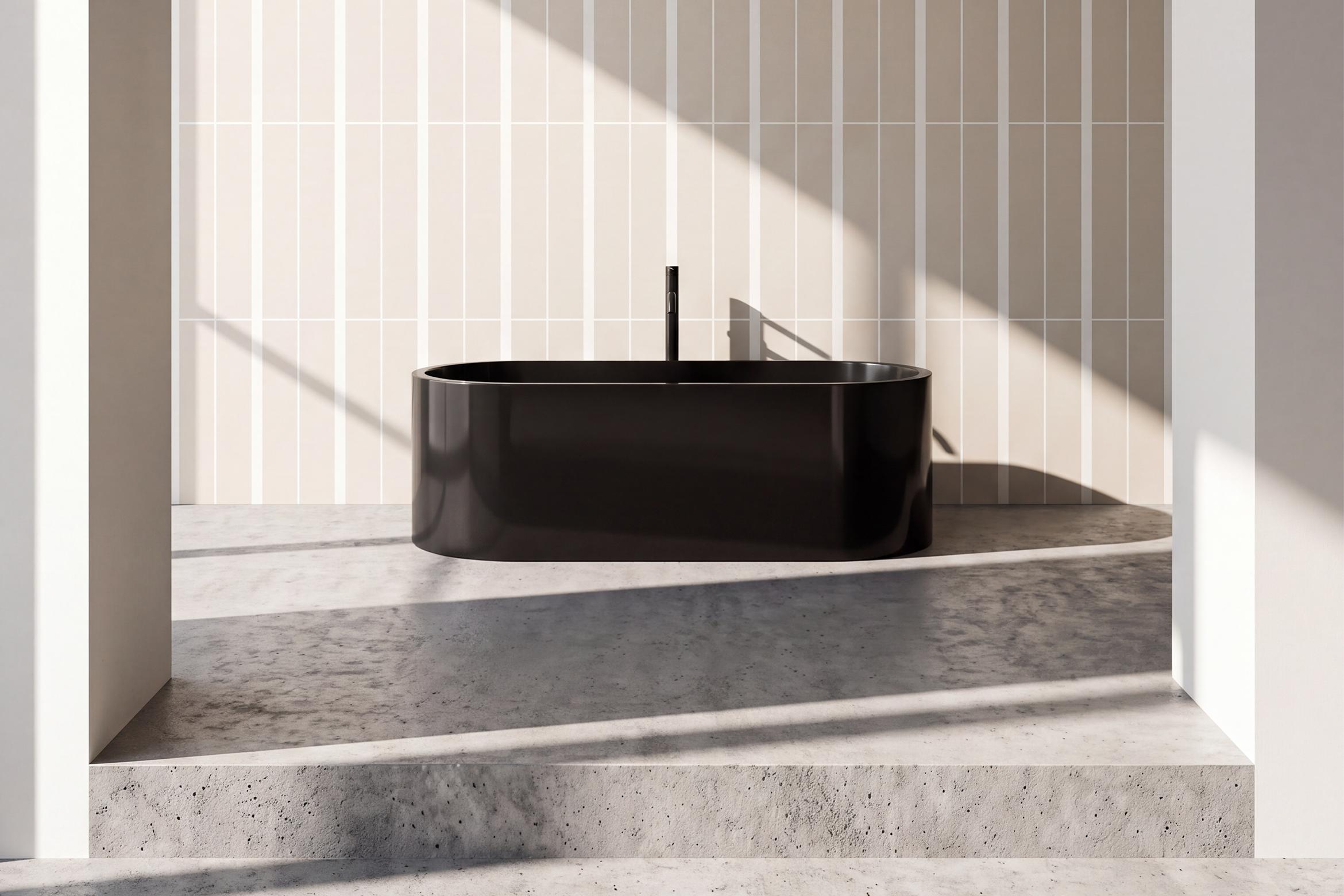
Beyond introducing a collection of porcelain surfaces, the Italian design house presents an architectural system that places colour, pattern and customisation at the centre of spatial design. It is a proposition that elevates the role of the surface, transforming it from a finishing material into a defining architectural element.
Conceived as a flexible design language rather than a predetermined range of products, MARULA invites architects and designers to think beyond the conventional role of ceramic. Walls, floors and bespoke joinery become part of a unified composition, connected through a shared chromatic vocabulary that allows interiors to feel cohesive, immersive and deeply considered.
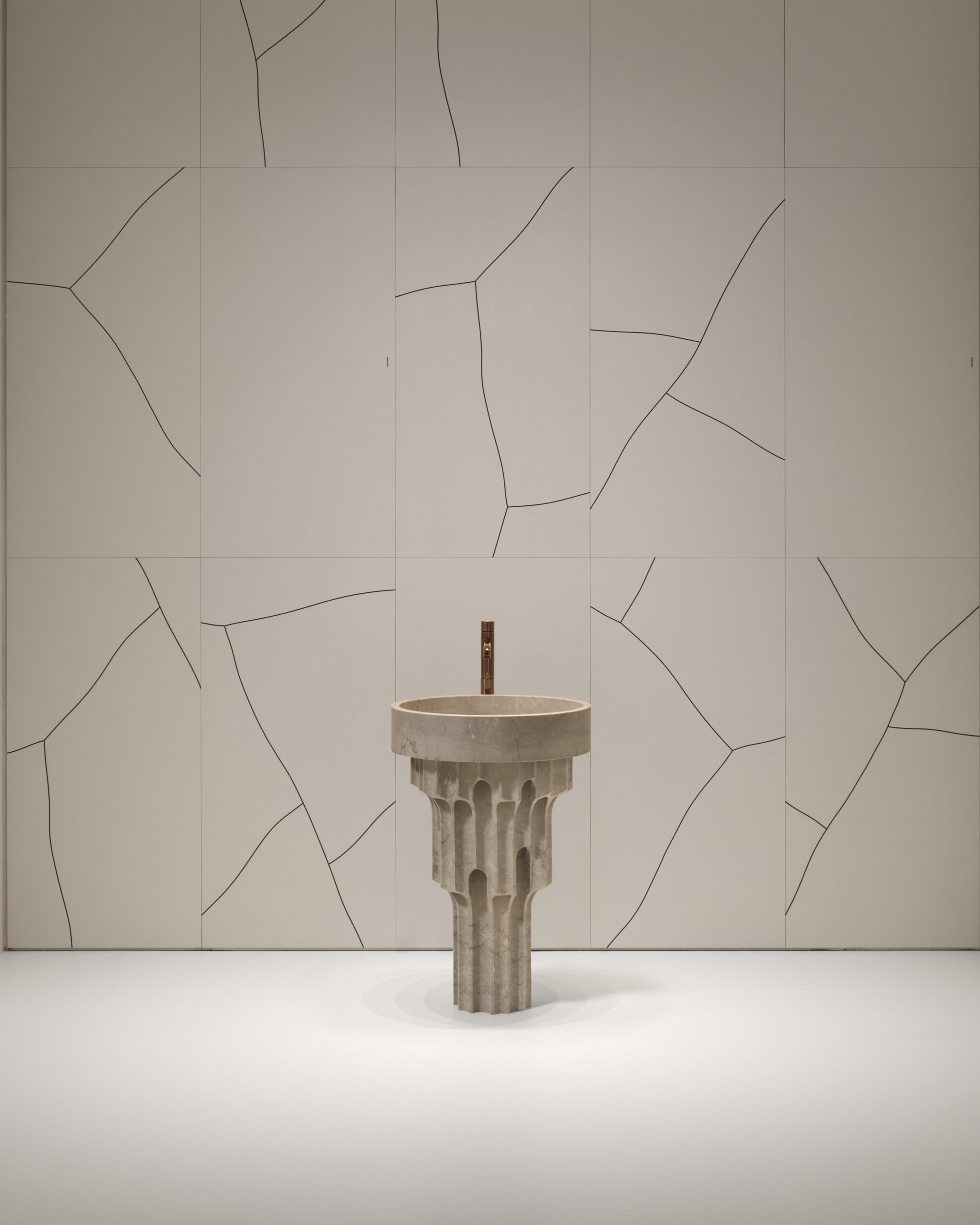
At its heart, MARULA posits the idea that colour should be liberated from convention. Rather than prescribing palettes or fixed decorative schemes, MARULA invites designers to compose their own. Every surface can be customised through an expansive spectrum of colours and graphic interventions, enabling subtle tonal compositions or bold chromatic contrasts that respond to the unique character of each project.
The result is an approach where porcelain stoneware moves beyond durability and performance to become an expressive architectural medium. Colour establishes rhythm, pattern introduces texture, and surfaces create dialogue between volumes, light and material. Interiors become layered compositions rather than collections of individual finishes.
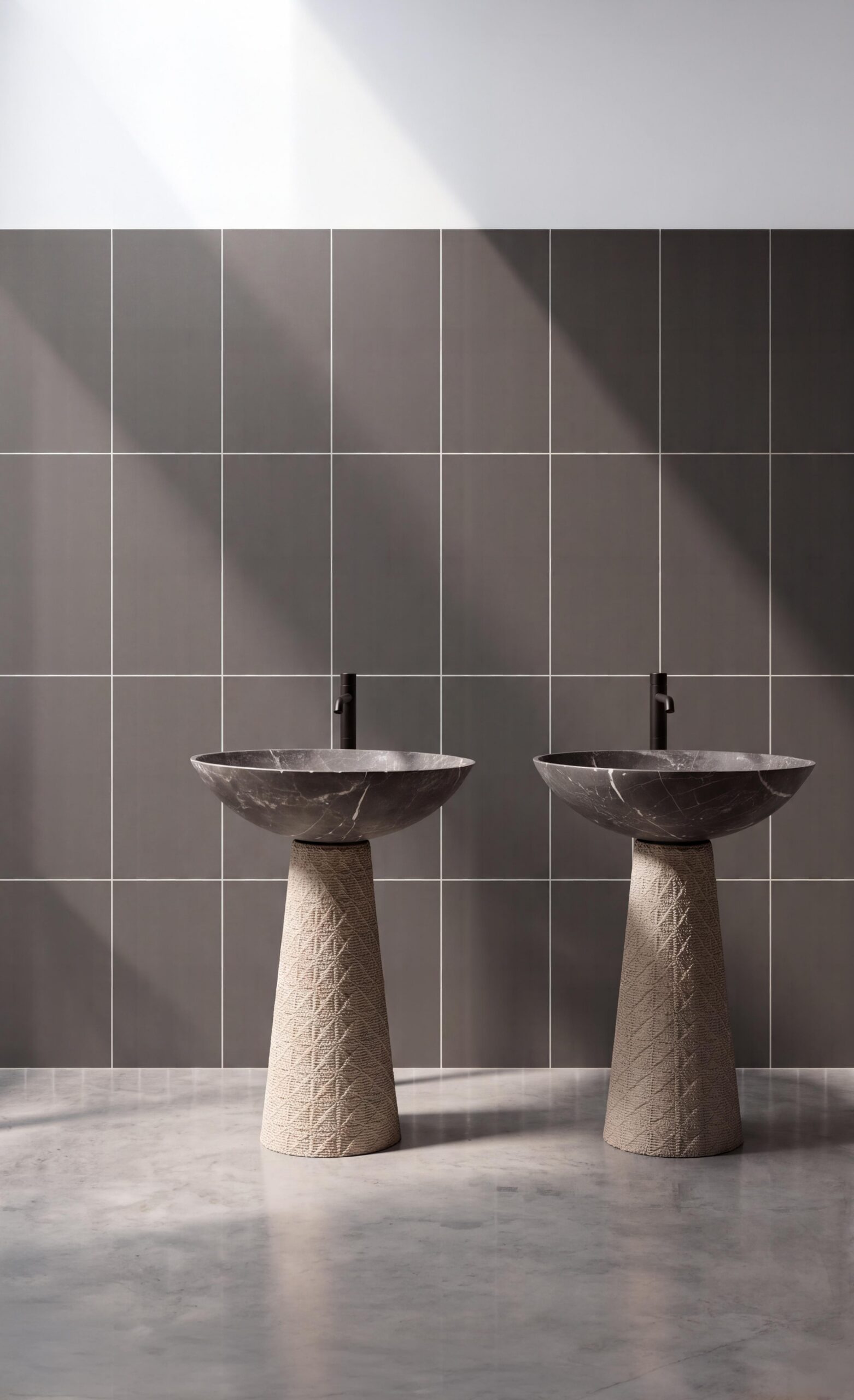
The collection debuts with a series of graphic motifs by four long-standing collaborators of antoniolupi, each bringing a distinct creative perspective. Carlo Colombo explores restraint through Inciso, where finely articulated lines lend the surface a quiet precision. Gumdesign’s Tralerighe and Cromatica investigate repetition and rhythm, creating graphic compositions that shift with light and movement. Giorgio Rava looks to geological formations in Litica, drawing on the irregular beauty of stratified stone, while Mario Trimarchi contributes three designs that reference the natural world through memory and abstraction, exploring feathers, bamboo and tribal markings with poetic subtlety.
Rather than acting as decorative statements, these patterns are conceived as points of departure. Reinterpreted through colour, they become infinitely adaptable, allowing every interior to develop its own distinct architectural identity while maintaining a refined sense of cohesion.
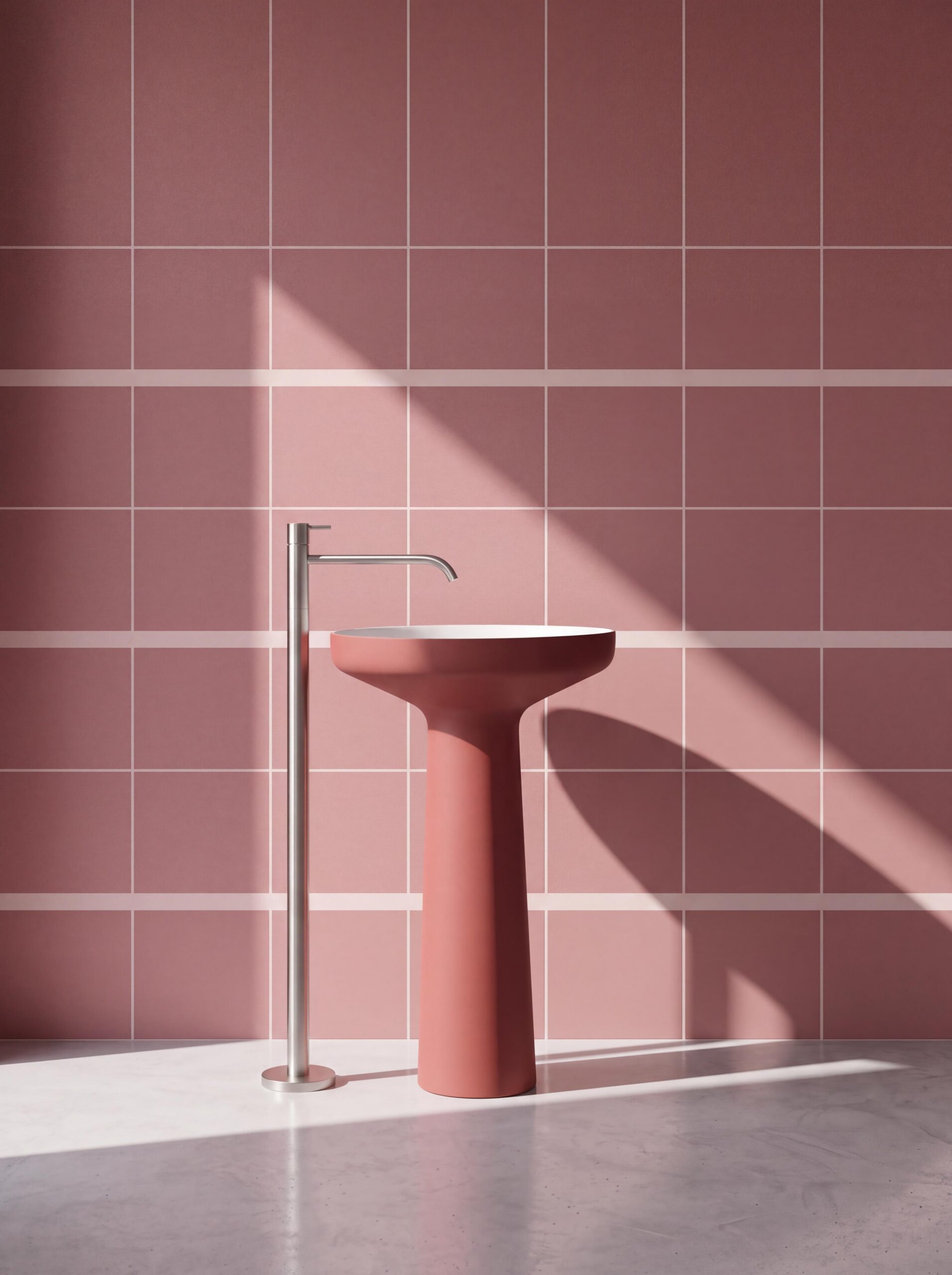
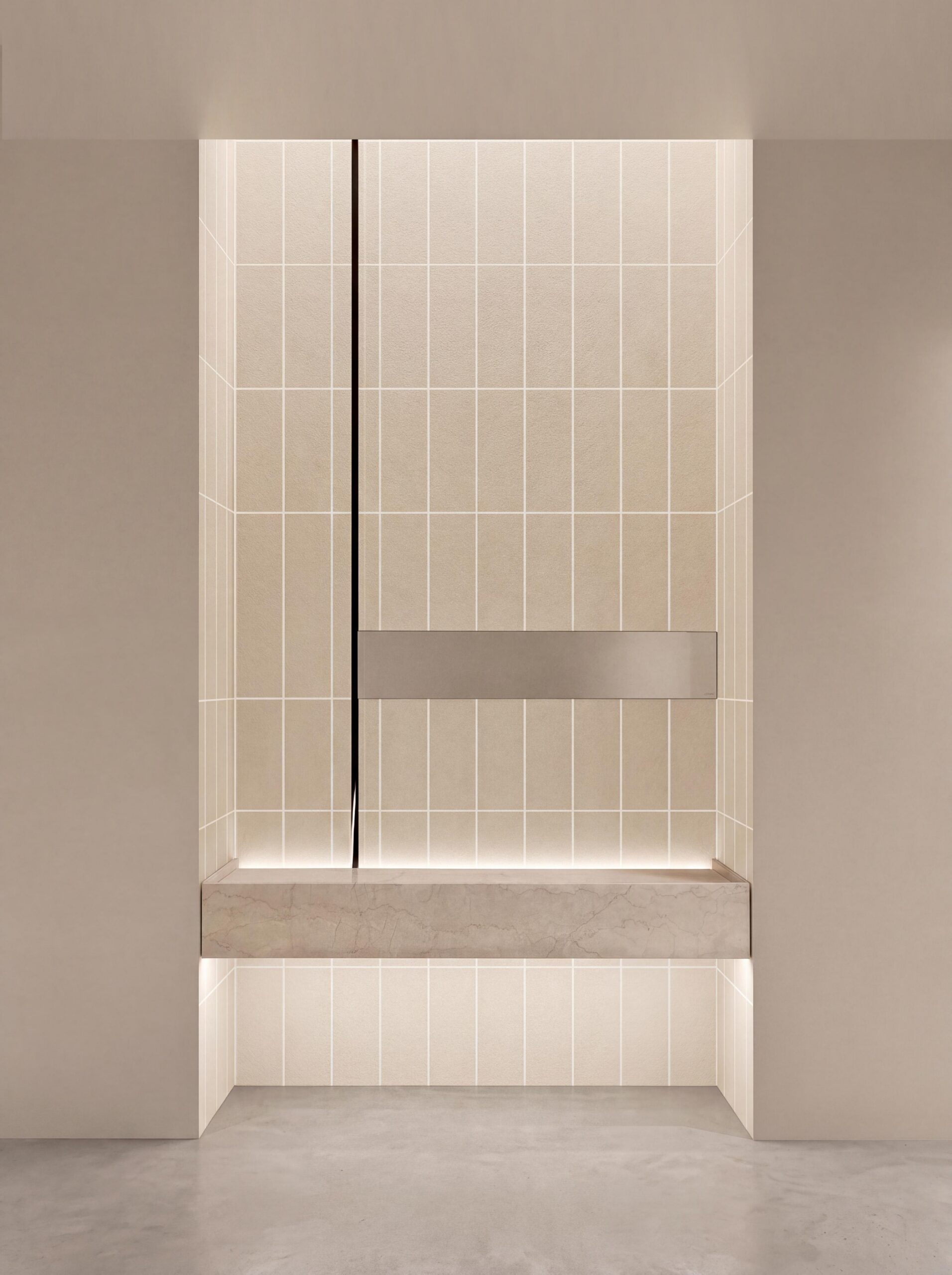
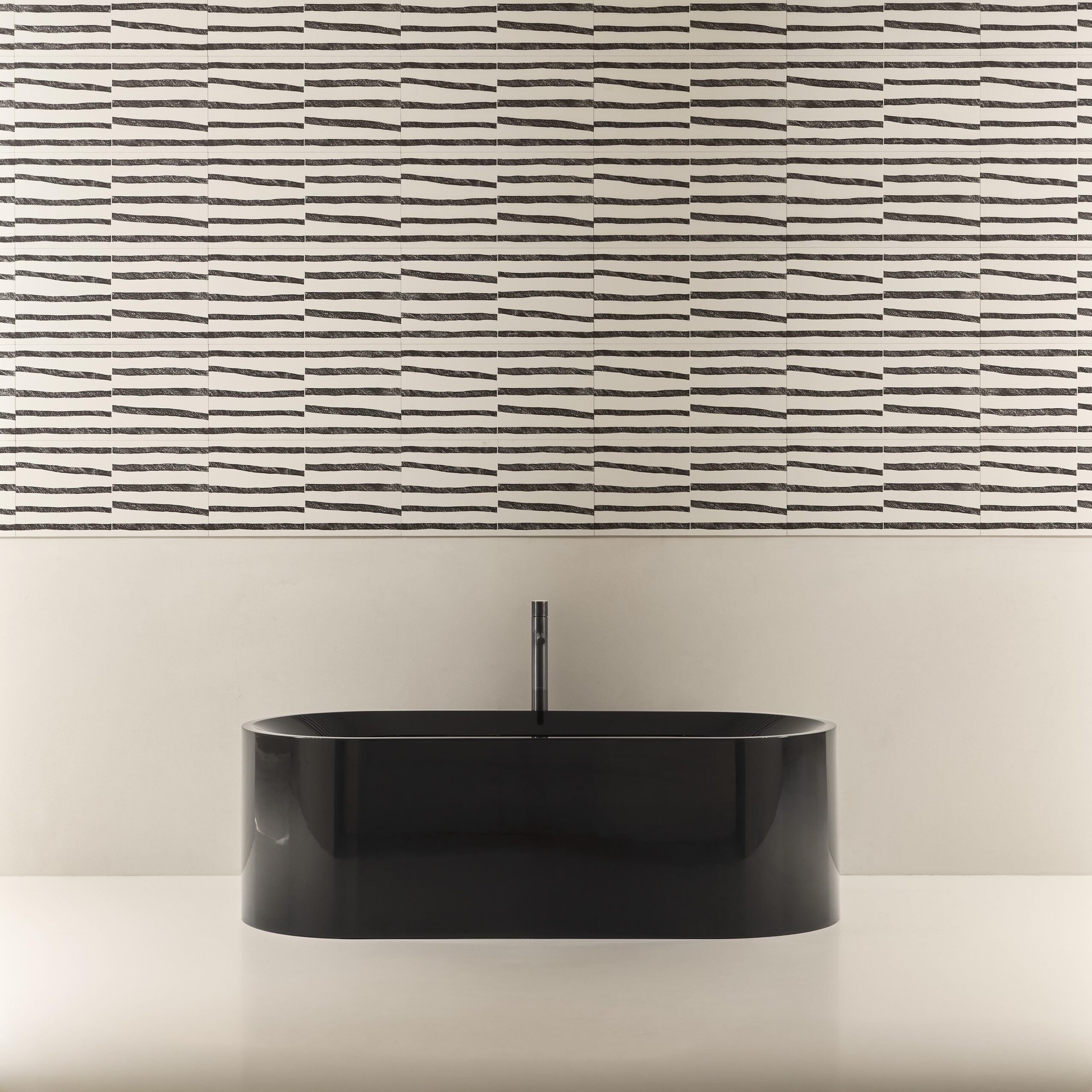
What makes MARULA particularly compelling is its ability to dissolve traditional boundaries between finishes. Painted walls, plaster, lacquered cabinetry, glazed surfaces and porcelain can co-exist within the same chromatic vocabulary, creating interiors that feel unified without becoming uniform. It is an approach that privileges continuity, precision and atmosphere in equal measure.
Effectively MARULA is a complete architectural proposition that gives designers the freedom to compose space with colour, pattern and material as one interconnected language. In doing so every surface contributes to the whole. Moreover, in elevating porcelain stoneware from finish to framework, antoniolupi has created a system of remarkable clarity and sophistication—one that embellishes architecture while becoming architecture itself.