

For many visitors from Australia, New Zealand and the wider Asia-Pacific region, Morocco is a mesmerising destination. As a tourist hub, however, it comes with all the usual problems of that often extractive industry – clichés, draining money outwards rather than in, and focusing on past stereotypes at the expense of contemporary dynamism.
Situated at a crossroads of Africa and Europe as well as Islamic, Amazigh, Arab and Jewish cultures, the north-west corner of the African continent has always been a rich melting pot of influences. The historic monuments in cities such as Marrakech, Fes or Rabat are of course exquisite, but what about the lives and works of creatives there today? The cultural richness extends in the here and now, especially through the interactions of past and present, local and global. As Louis Barthélemy notes below, “there is a strong sense of hybridity between heritage and contemporaneity which makes the scene particularly vibrant right now.”
We picked out a sample – far from exhaustive – of standout artists working in Morocco right now. Photography, as you’ll see, holds an especially prominent place, while all kinds of creatives are engaging with traditional arts and crafts across what is a quietly dynamic scene – one which design and art enthusiasts from the rest of the world, including visitors from our region, should follow closely.
Rwinalife
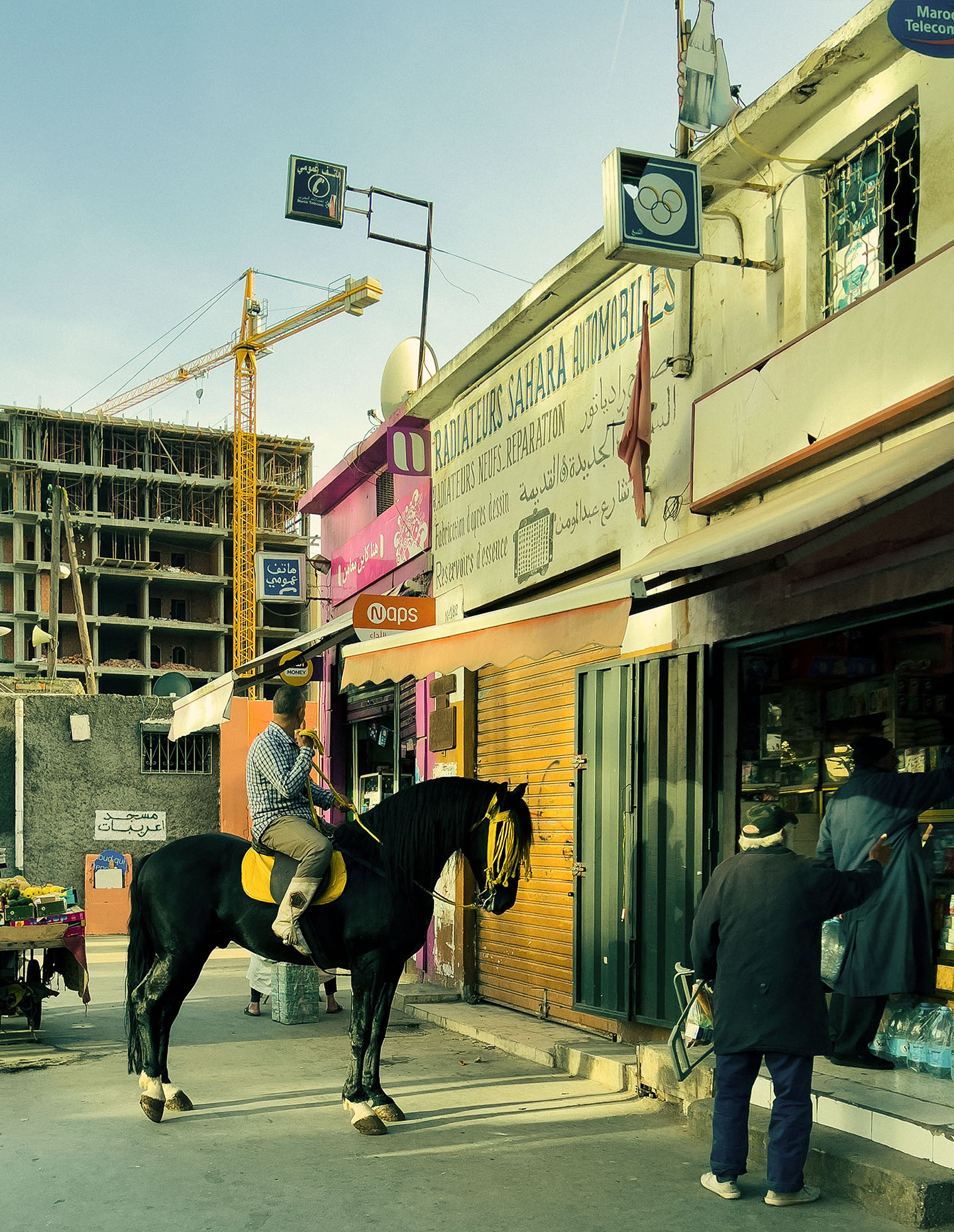
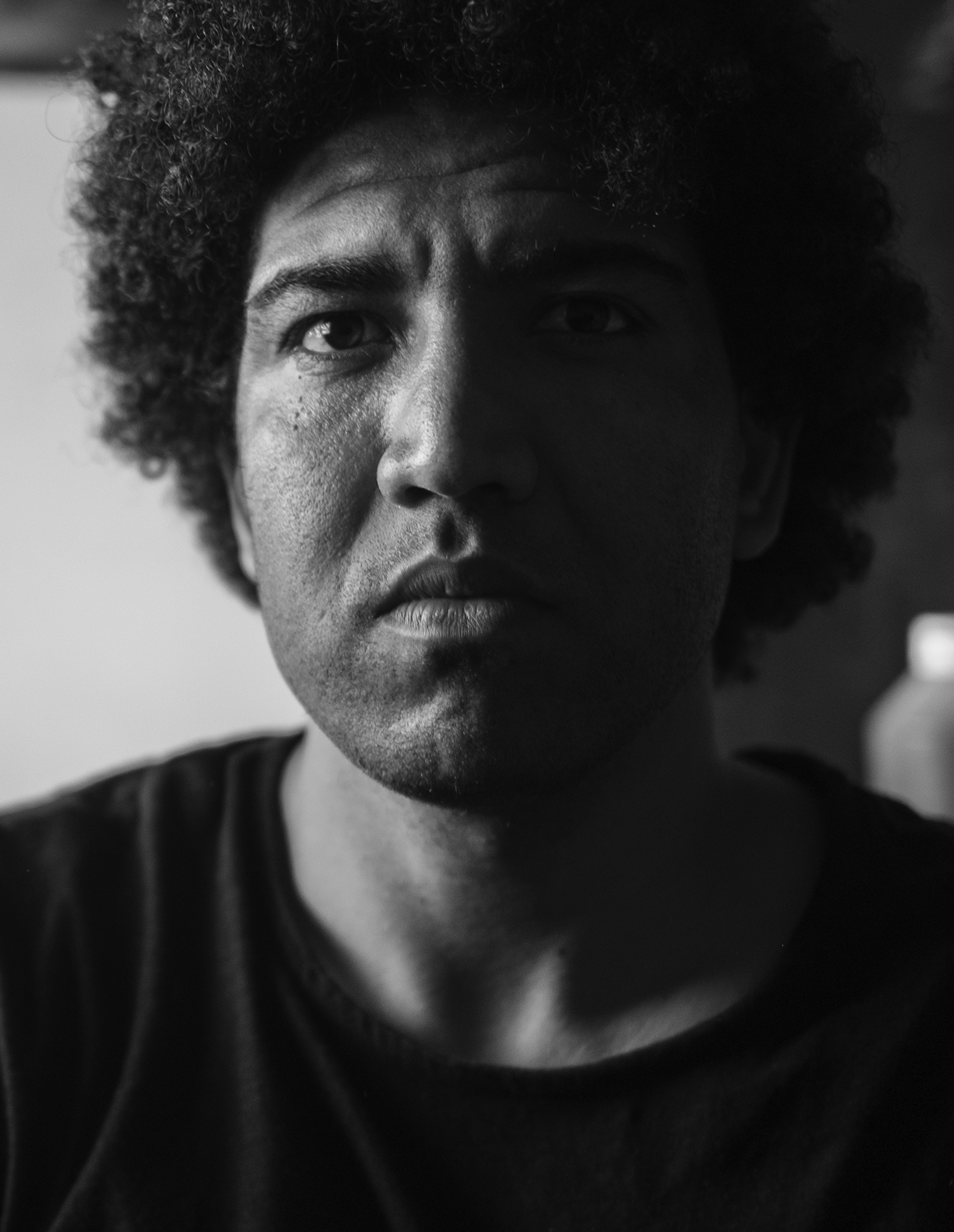
Ali El Madani, also known as Rwinalife, is a visual artist based in Casablanca. Through his artistic creations, Ali captures and shares the narrative of his everyday life, taking viewers on a journey where art and poetry intertwine. He dedicates his time mainly to street photography, as well as delving into poetry writing, particularly in Arabic.
Ali weaves the story of Casablanca – his hometown – through the lens of his emotions. His work offers an intimate glimpse into the city’s vibrant culture, rich history and evocative landscapes, inviting viewers to experience Casablanca from a heartfelt and personal perspective.
Where do you find inspiration for your work?
I find inspiration in different forms of art such as painting, cinema and street photography. People, the city, light, colours and movement – everything around me inspires me. My inspirations include Abbès Saladi, Chaïbia Talal the naive artist and Daoud Aoulad-Syad, Henri Cartier-Bresson, Vivian Maier, Saul Leiter, Arnold Daniel and others who have shaped my artistic vision.
What is one thing you would like audiences in a place like Australia to know about the arts scene today in Morocco?
I want audiences around the world to discover the local art scene in Morocco and the work of local artists. Often, Morocco is seen only through a tourist’s perspective, but here we have many talented artists whose work deserves to be explored and recognised.
Future plans?
I have recently finished my first photo zine called Casa Dayz. I am also working on my next exhibition: focusing on coffee shops in Morocco from an exterior point of view.
Related: Leopold Banchini Architects in Marrakech
Zineb Bouchra
Please tell us a little about yourself and your practice.
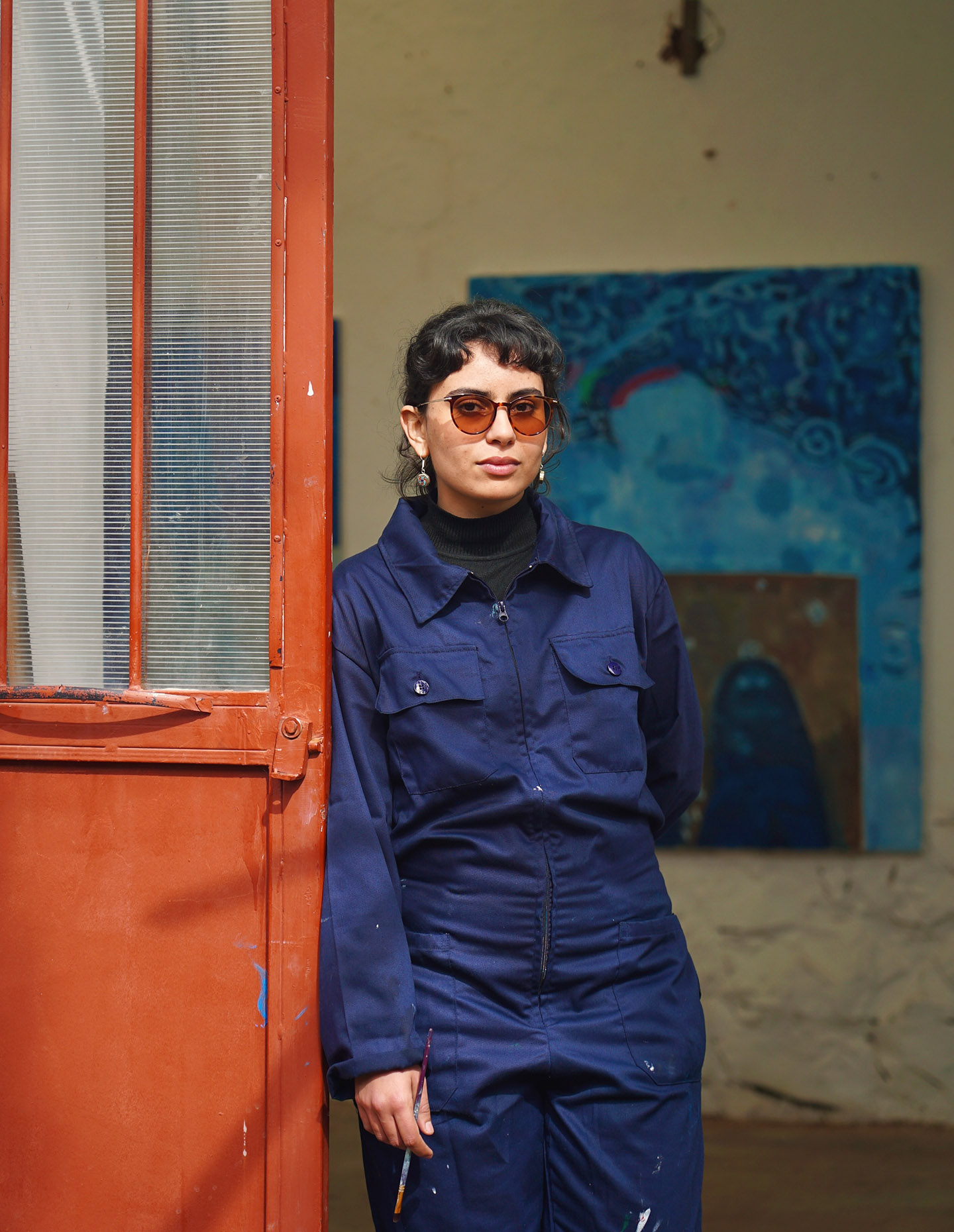
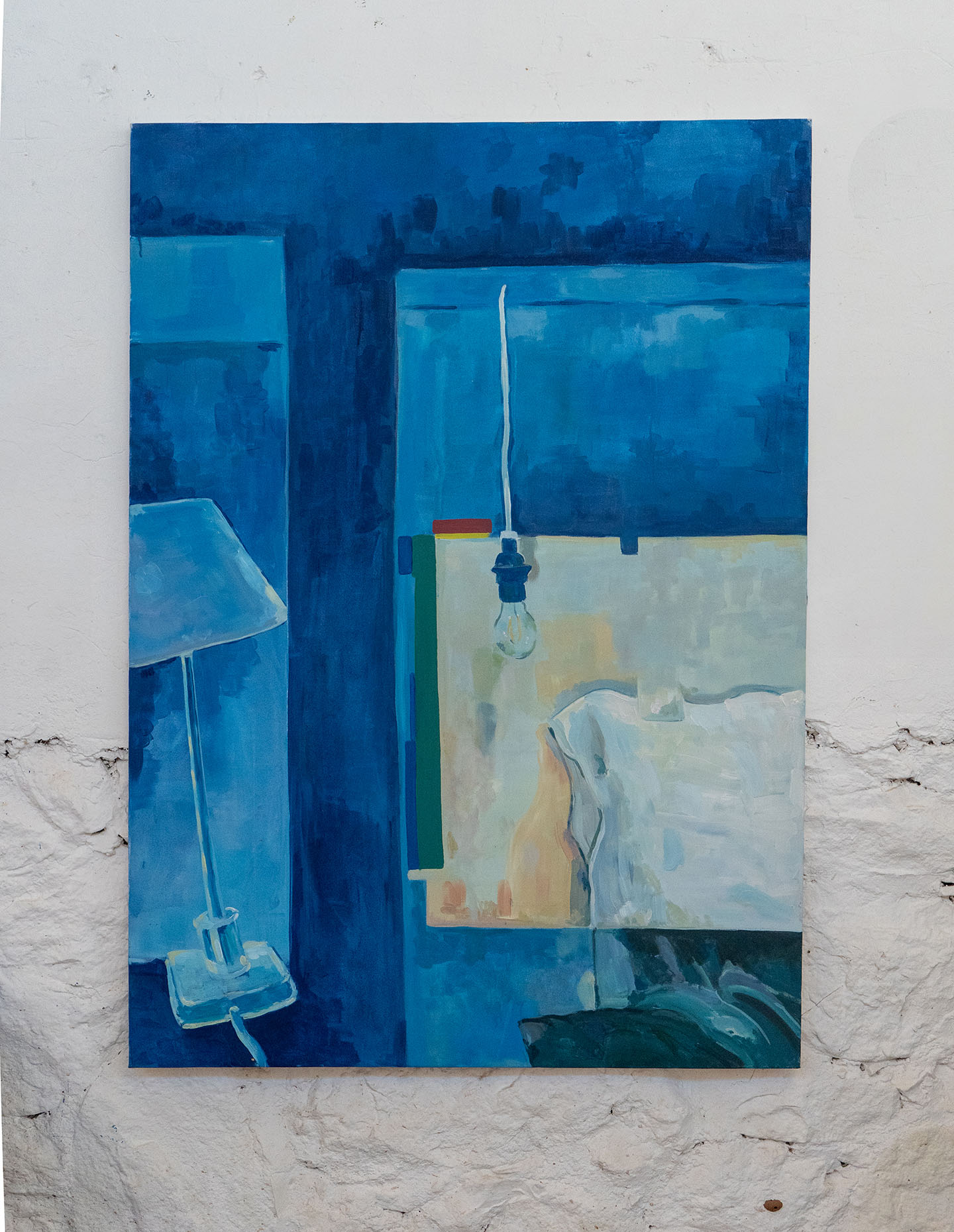
I am a Moroccan artist based in Marrakech. My practice is an exploration of the moments and feelings that language often fails to capture. Through painting I look for ways to hold onto ephemeral emotions; creating a contemplative space for quiet questioning. Each piece is an invitation for the viewer to step into a dialogue that exists entirely beyond words.
Where do you find inspiration?
My inspiration comes from the physical certainty of a moment rather than a visual memory. Because I live with Aphantasia, my mind doesn’t store clear or vivid images; my memories exist as fragments and sensory rhythms. I use the fluidity of acrylics and the movement to translate those sensations into a permanent ‘memory.’
And one thing you’d like audiences here to know about the arts scene in Morocco?
There is a deep, quiet questioning happening among young Moroccan artists right now. It is a scene in a state of contemplative evolution. Beyond the traditional aesthetics people might expect, we are using our work to explore internal landscapes and universal emotions that transcend borders. It’s a very raw and honest energy.
What do you have planned for the future?
I’ve just returned from an inspiring 15-day artist residency that allowed me to dive deeper into my research on figurative abstraction. My current focus is specifically on exploring Aphantasia through my work – translating that lack of a visual mental library into something tangible. I’m currently developing this new series and look forward to sharing these pieces in upcoming exhibitions soon.
Abdellah Rouabzi
Please tell me a bit about yourself.
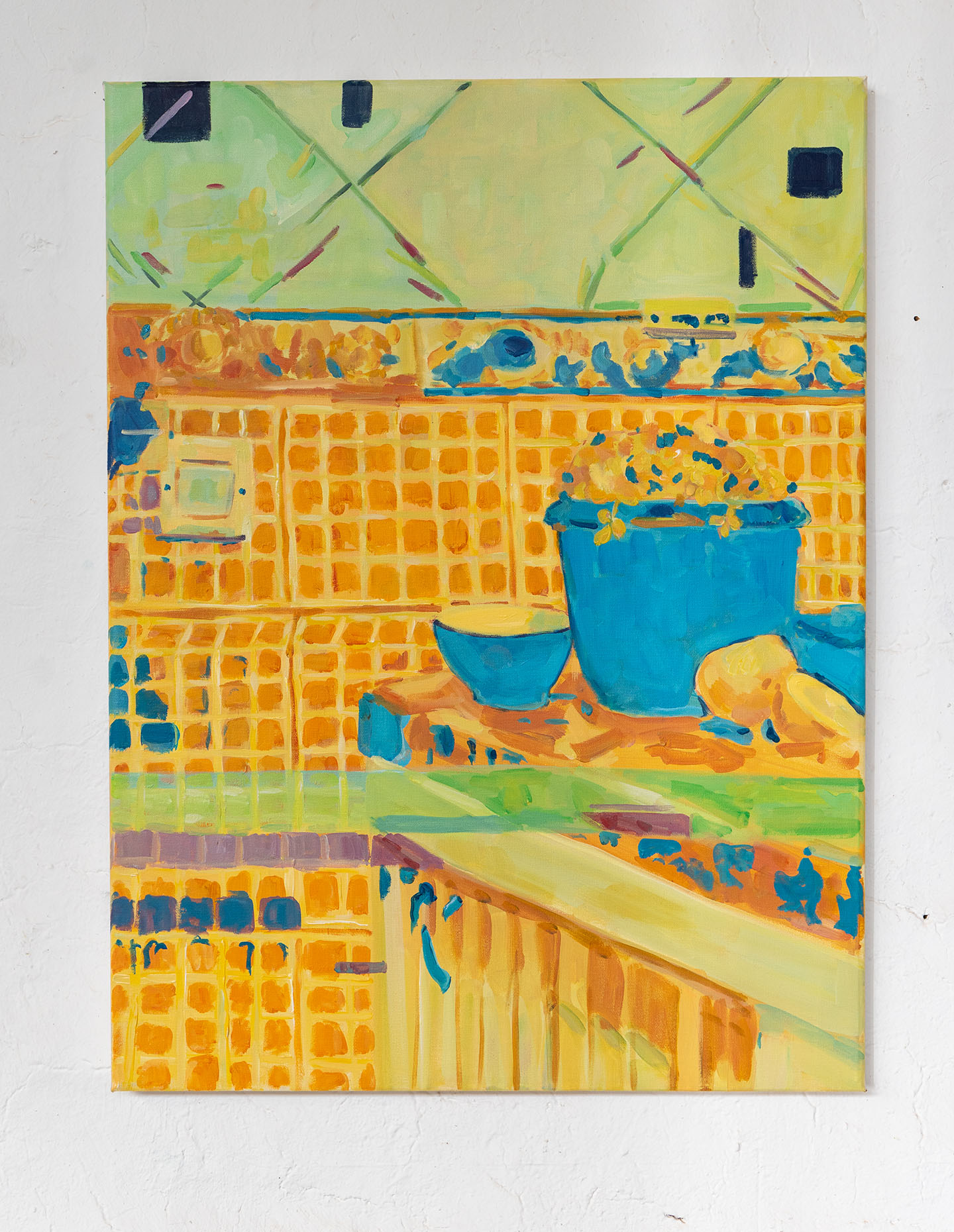
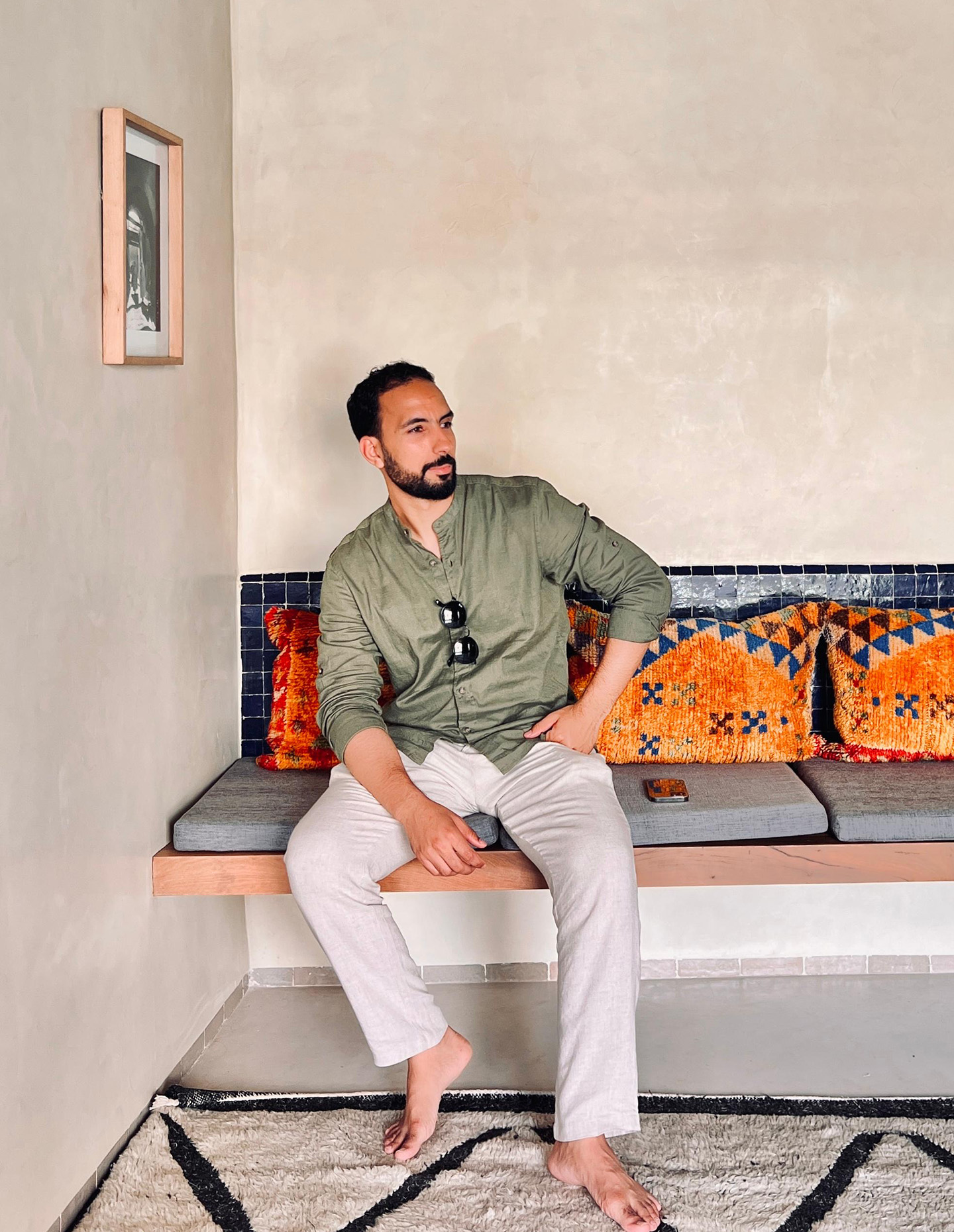
I am 34 years old and based in Marrakech. I come from an Amazigh family from the Atlas Mountains, and I am very proud of my roots and cultural heritage. I originally began my career as an artisan specialising in leather goods. This craft helped me develop a deep sensitivity to materials, details and aesthetics.
Later, I joined Bo Studio, a creative company specialising in branding, logo design and photo shoots. I started as an assistant, but over time I learned a great deal while working closely with Marie Bastide and the team, gaining valuable experience within the studio. Through this journey, I developed my skills in visual creation and photography. Today, I work as a photographer at Bo Studio, and I also serve as the Image Director for the brand Marie Bastide in Marrakech.
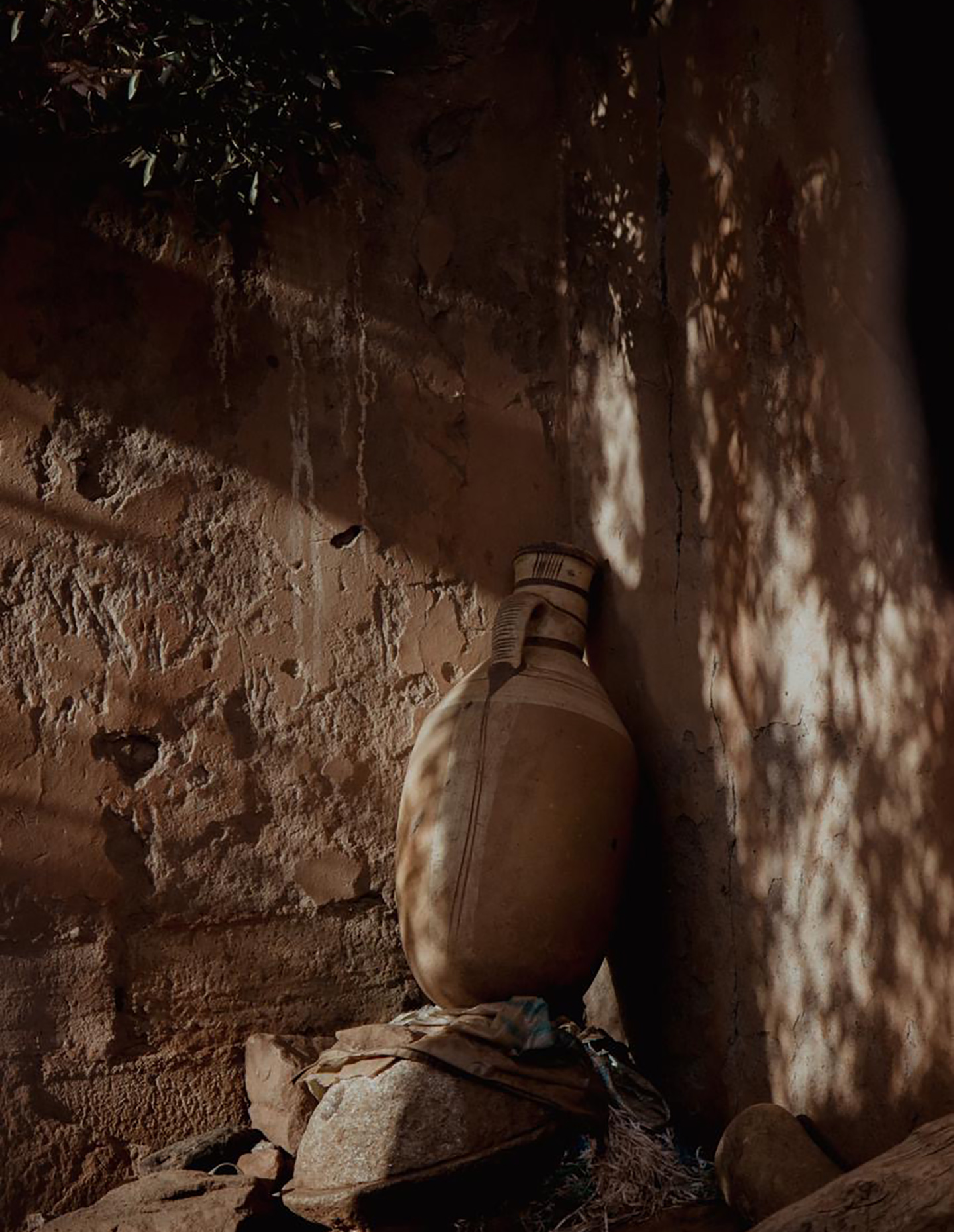
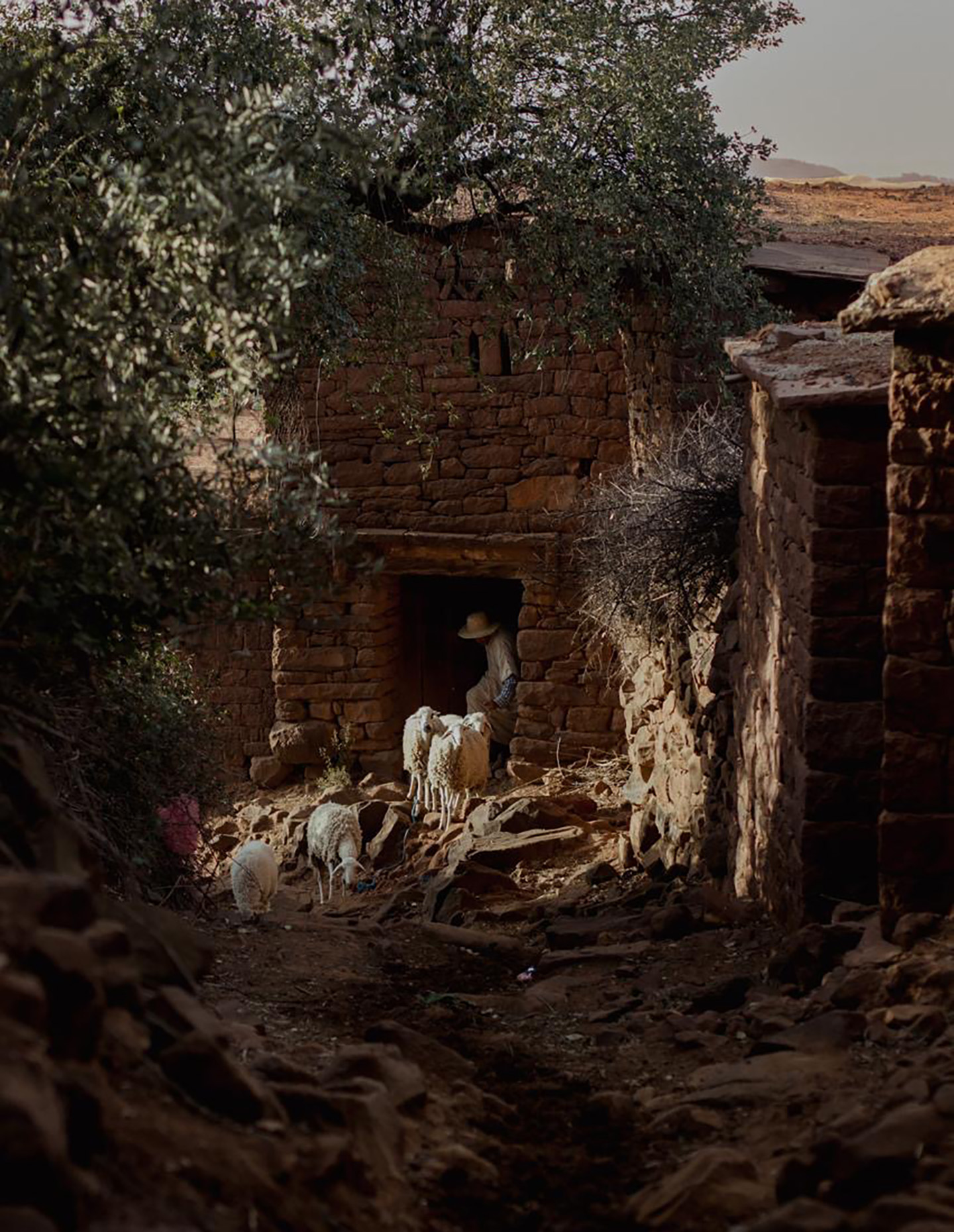
I feel a strong connection to the mountains because my childhood there was very different and unique. On weekends, I often return to the mountains, far from the noise of the city. The colours of the earth and the landscapes of the Atlas are a constant source of inspiration for me, and they often influence both my photography and the way I approach colour in my editing.
One thing to share with our audience?
One important thing audiences in places like Australia should know is that the arts scene in Morocco today is incredibly dynamic and evolving. It is not only about preserving tradition, but also about reinterpreting it in contemporary ways. Many artists, designers, photographers and artisans are blending ancestral craftsmanship with modern creativity, creating a dialogue between heritage and innovation.
Moroccan art is deeply connected to culture, identity and landscape, from the colours of the Atlas Mountains to the textures of traditional crafts like weaving, leatherwork and embroidery. At the same time, a new generation of creatives is using photography, fashion, design and digital media to tell new stories about Morocco. What makes the Moroccan arts scene special today is this balance: a strong respect for tradition combined with a desire to experiment, collaborate and share Moroccan culture with the world.
What’s in store in the future?
I plan to continue developing my work in photography and visual storytelling. I want to create new photo series that explore Moroccan identity. At the same time, I plan to keep growing my role in image direction, developing strong visual identities for brands and creative projects. My goal is to keep building bridges between tradition and modern visual culture, while sharing a different perspective of Morocco with international audiences.
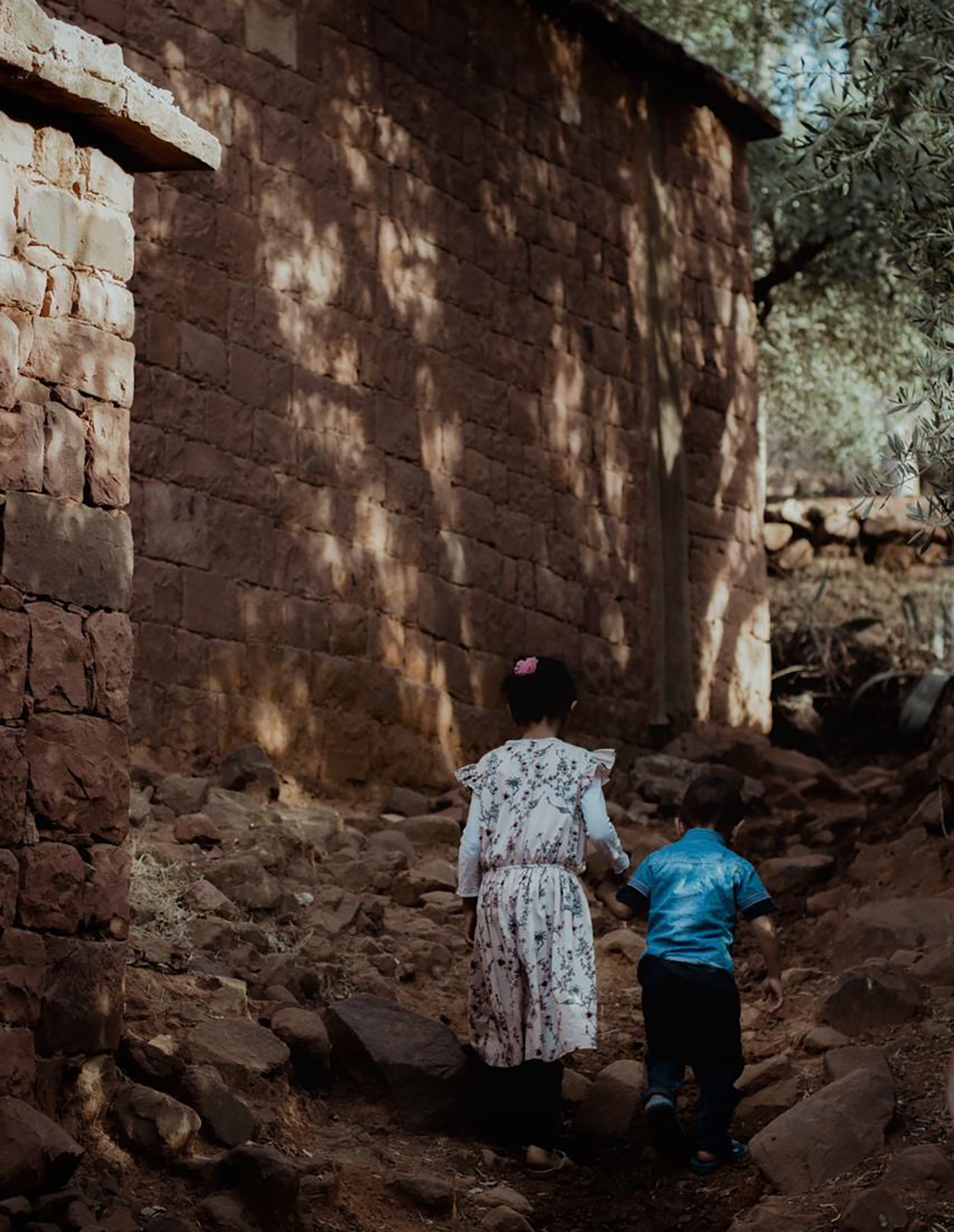
Salaheddine El Bouaaichi
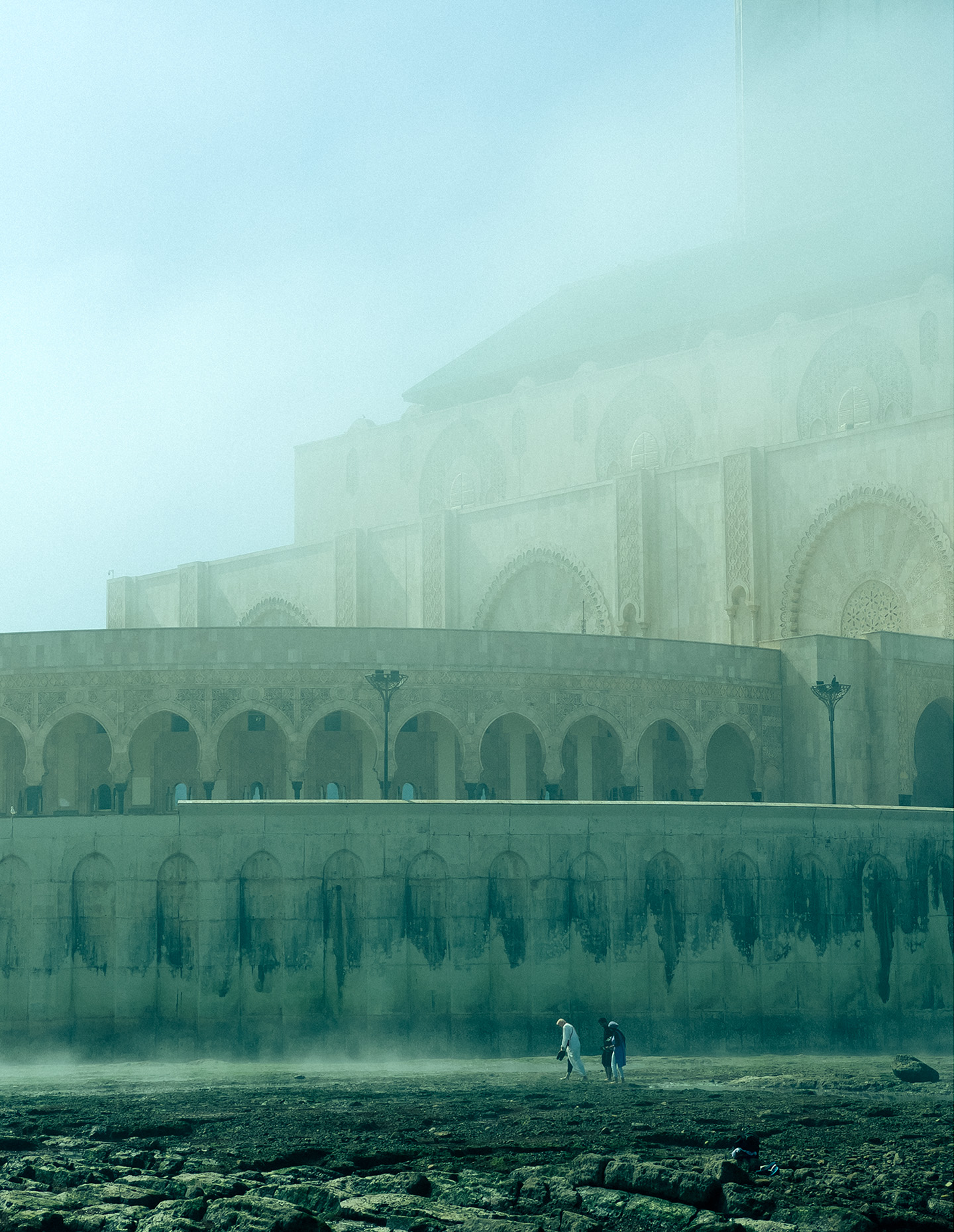
Salaheddine is a Marrakech-born and raised photographer and visual storyteller whose practice has grown organically from the streets and communities that shaped him. Since 2016, he has used photography as a way to observe and engage with the social rhythms of Morocco, bringing a sensitive eye to the cultural pulse of his city.
His work sits at the crossroads of documentary and poetic imagery, shifting between raw realism and a more elevated, poetic gaze. He does not only capture moments but also weaves a visual narrative that reflects the essence of his culture and the diverse stories in Marrakech’s urban landscape.
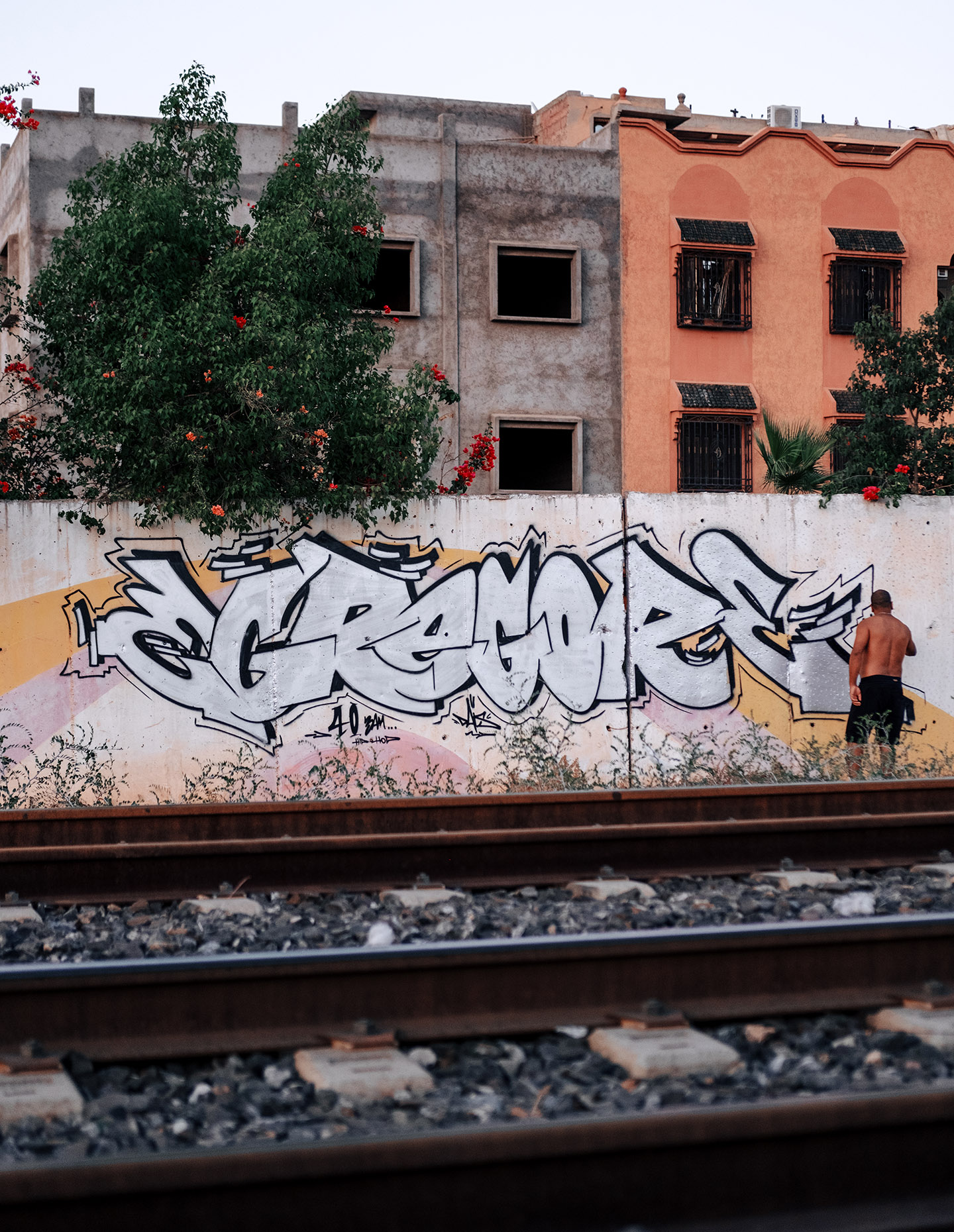
Through portraits, street scenes, and close collaborations with the local hip-hop/rap community, Salaheddine creates visual narratives that honour the people, spaces and cultural expressions defining contemporary urban Morocco.
He has also contributed to the independent music scene by creating album, mixtape and EP covers for emerging and known artists, grounding his practice in a wider commitment to preserving and empowering the stories of his city.
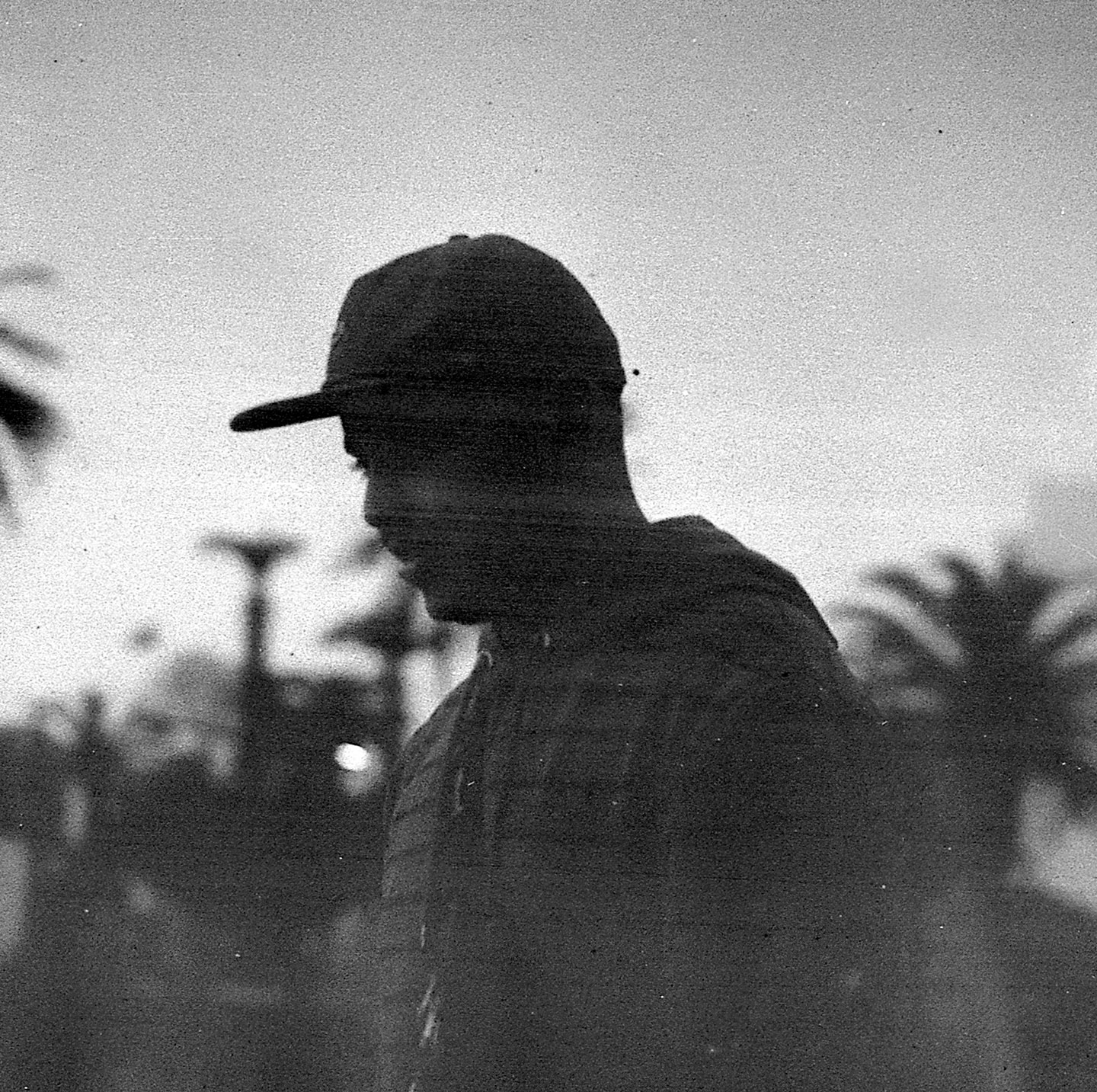
Your sources of inspiration?
I think most of the time, for me the inspiration comes from the streets, public space and listening to rap music which I find very impactful.
How is the the arts scene in Morocco today?
The Moroccan art scene is moving – slowly shaping itself through photography, music, dance and cultural work. You can feel the growth, especially in photography. I’m inviting people from Australia to come discover this evolving scene. There’s something raw and exciting happening here.
What about future work?
For now, I have two ongoing exhibitions: Storytellers, a collective exhibition at the National Museum of Photography in Rabat; and WHEELS – Witness in Motion روايض !! هوما رجليا, a duo exhibition with Yassine Sellam at Riad Alena Art Residency (RAAR), presented during the 1-54 Contemporary African Art Fair program. For future projects, I’m moving with the flow – seeking new residencies, new ideas and new sources of inspiration. Alongside that, documenting the Moroccan hip-hop scene remains my main long-term project, one I continue to build with care and consistency.
Louis Barthélemy
Please tell us about yourself and your practice.
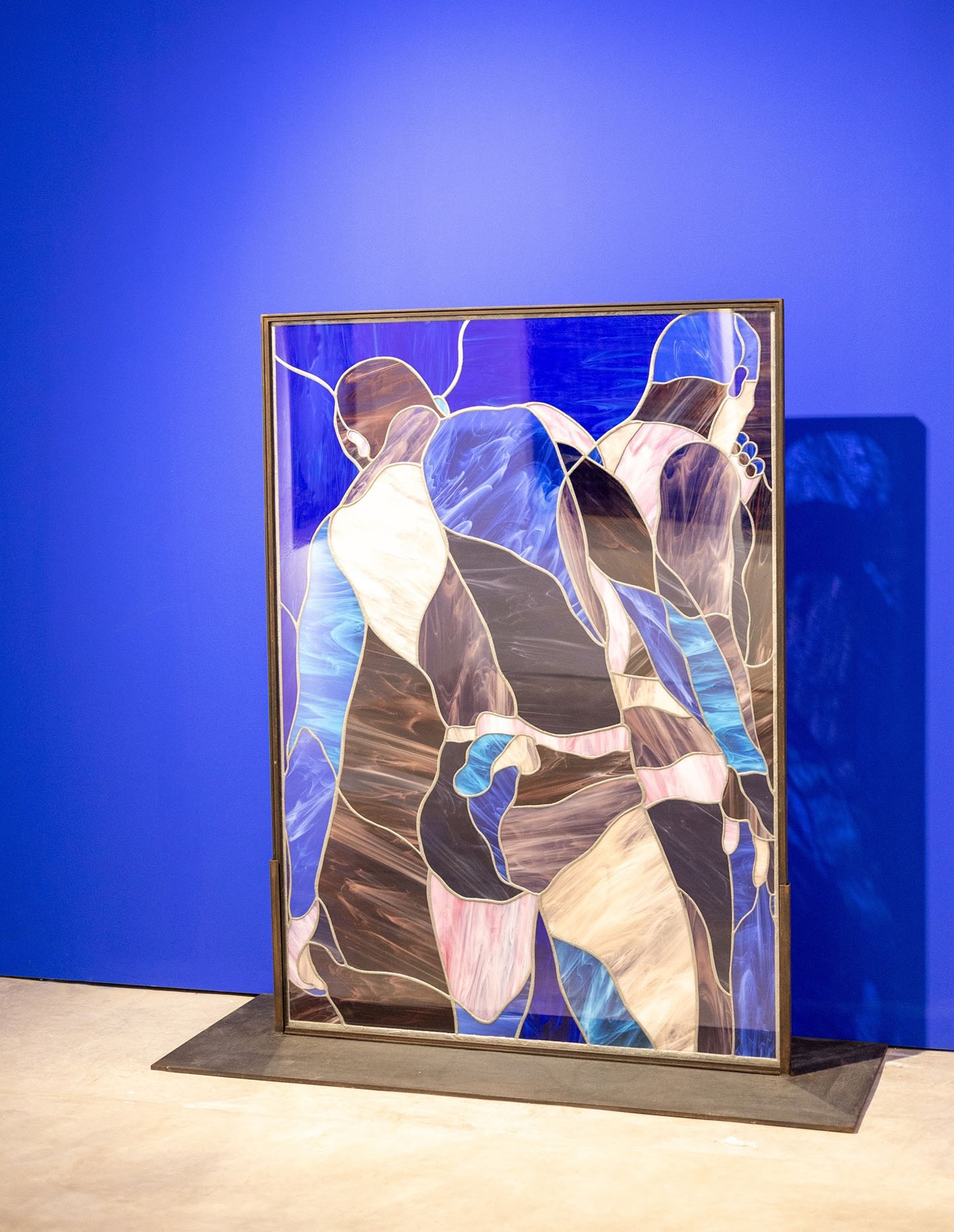
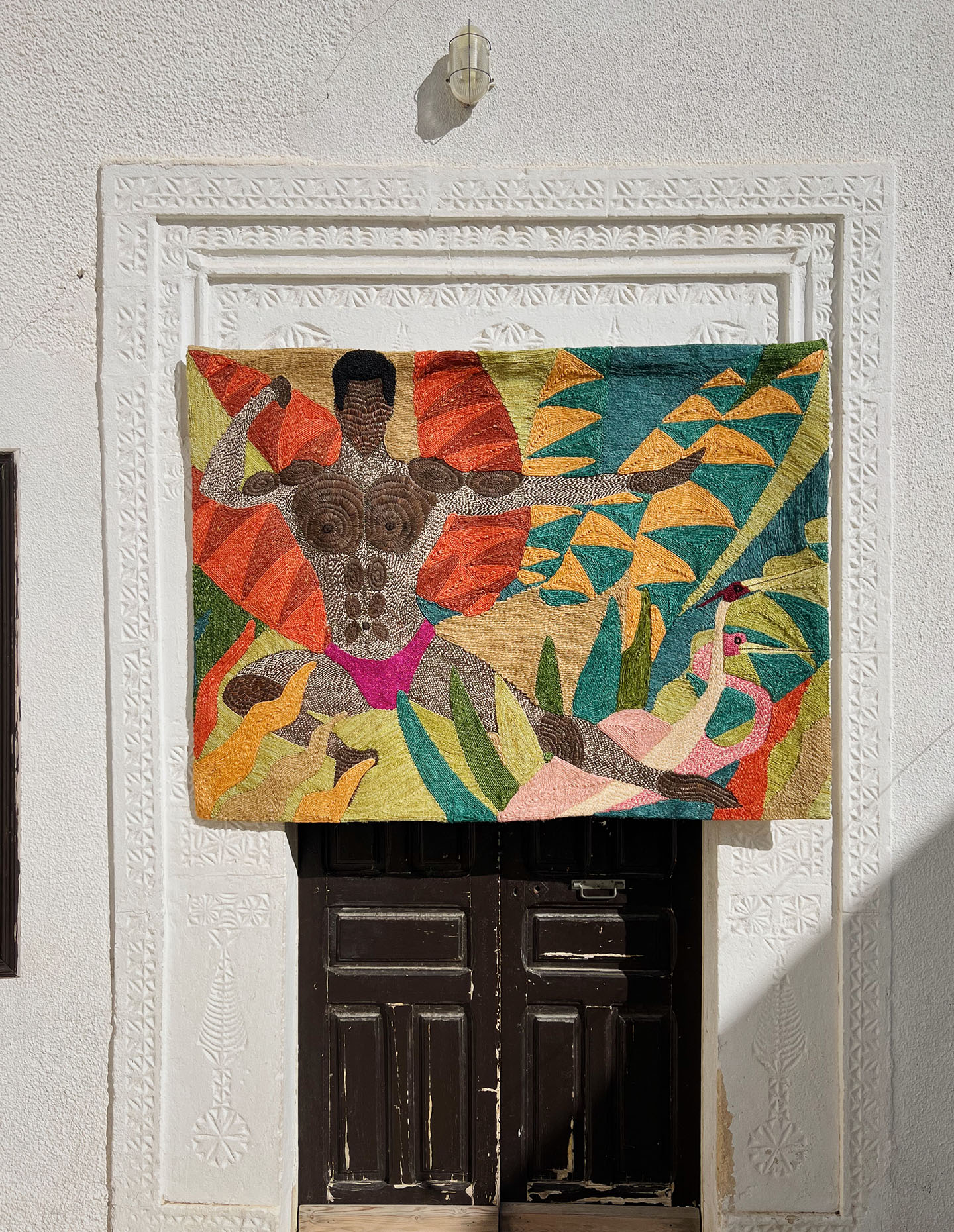
I am a multidisciplinary artist and designer working primarily across textiles, ceramics, plaster and glass. My practice is deeply collaborative and rooted in dialogue with master artisans across different geographies. I am particularly interested in how traditional craft languages can be reactivated to tell contemporary stories, often bridging historical narratives with a more playful or poetic visual vocabulary.
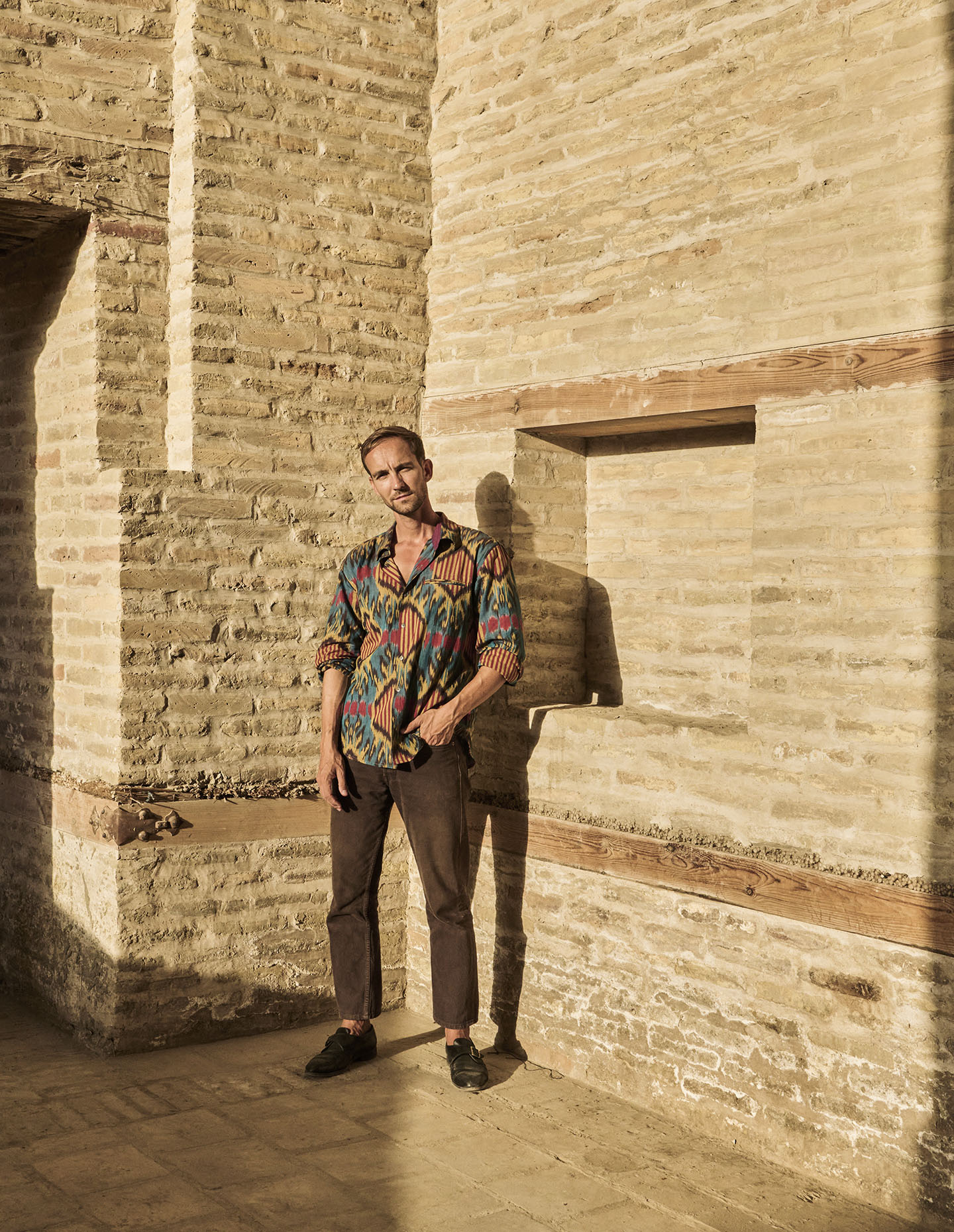
Where do you find inspiration for your work?
My inspiration almost always begins with travel and encounters. I spend a great deal of time meeting artisans and immersing myself in local craft ecosystems, many of which are under threat. From there, I research the cultural and historical context, and develop drawings that merge my visual language with the artisan’s technique. The process is as much human and anthropological as it is aesthetic.
What is one thing you would like audiences in a place like Australia to know about the arts scene today in Morocco?
Morocco’s contemporary arts scene is remarkably dynamic and layered. What is especially exciting is the way many artists and makers are re-engaging with vernacular materials and craft traditions while speaking a very international visual language. There is a strong sense of hybridity between heritage and contemporaneity which makes the scene particularly vibrant right now.
What do you have planned for the future?
I am currently part of two group exhibitions in Morocco: Under the Tent at Galerie Abla Ababou in Rabat, where I am presenting appliqué works created with khayamiya master Tarek El Safty; and In Between Blues at DADA, inaugurated during 1-54, featuring stained glass and textile appliqué pieces.
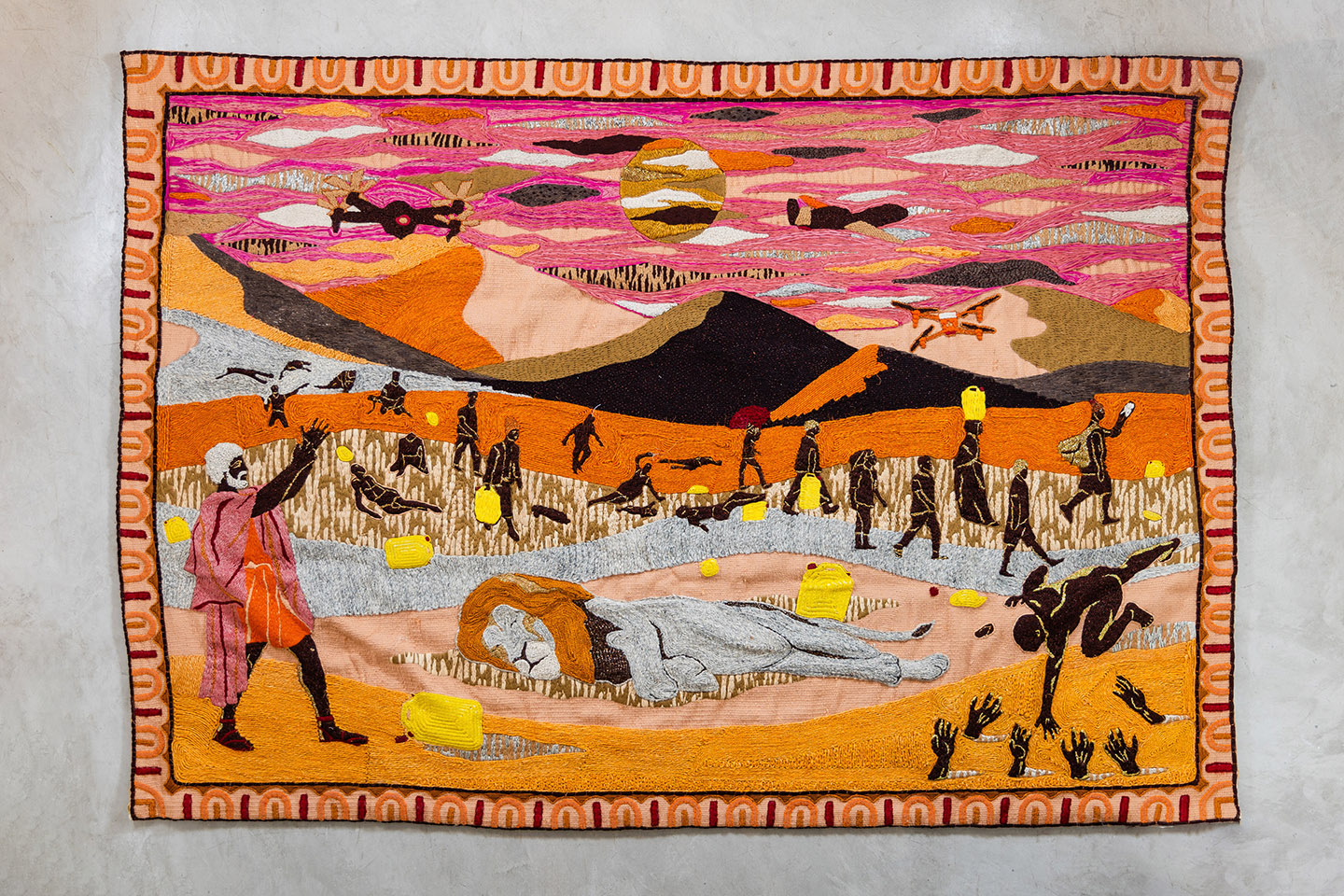
My next fair will be Investec Cape Town with Eclectica Gallery, presenting four tapestries produced in collaboration with artisans in Abomey, Benin. The works reflect on the French colonial punitive campaigns and the ongoing questions around looted heritage and restitution. In parallel, I am completing several major commissions in Paris, including monumental tapestries for a new members’ club and, for Maison Crivelli, an embroidered ceiling and a unique rug conceived as part of a fully immersive sensorial environment.
(And some honourable mentions)
- Hiba Baddou is a filmmaker, photographer, painter, performer and art director who graduated from the International Film School (EICAR) in Paris.
- Marouane Beslem is a versatile visual artist documenting the layers of contemporary Moroccan identity from Tangier.
- Don’t forget the globally renowned Hassan Hajjaj, who joined STORIESINDESIGN podcast in Australia not along ago.
- And we can’t help but mention the excellent MAMMA for an archive of Modernist architecture across the country – check out their map here!