

Quality sleep is a serious contender among the most important pillars of health, happiness and wellbeing. Take it from the Sleep Foundation; sleep is integral to growth, healing, immune system function, memory and emotional regulation. While the kitchen has commonly been referred to as the heart of the home, the bedroom is now being given its due as we begin to pay as much attention to one’s comfort when asleep as awake.
For designers, the conversation is shifting beyond the practicalities of sleep toward the need for a bedroom to embody a refuge. There is emphasis on safeguarding rest and recovery, especially when almost every other setting in life requires interaction. Senior Interior Designer at SJB Interiors, Alice Villella, considers the right bed a crucial element in ensuring a residential design enhances the lives of its inhabitants. “You spend 30% of your life asleep; therefore, it makes sense that your bed would be a vital part of the design elements within your home,” Villella explains.
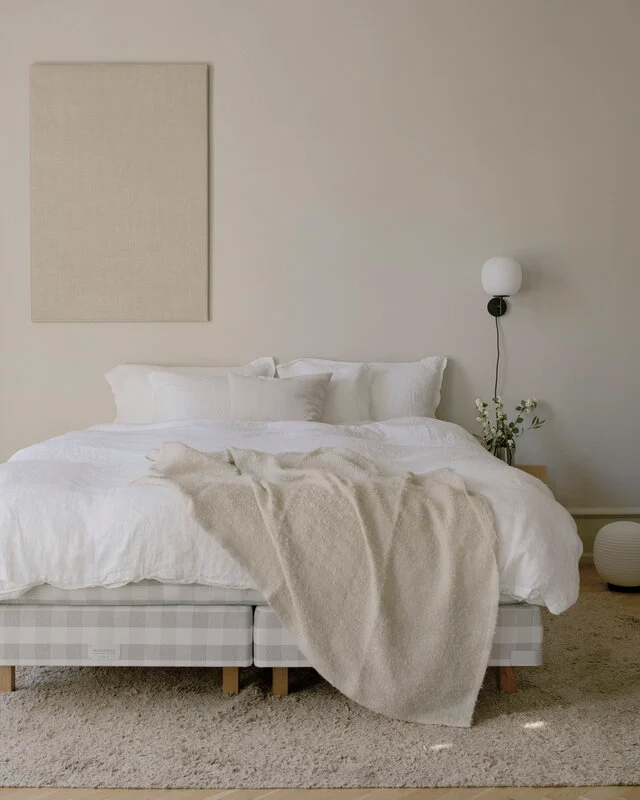
When designing a space, consideration goes into not only how it looks but how it feels. Quality of light, interior architecture and circulation all play a role. However, the furnishings that make contact with and cradle a body are important contributors to the quality of life a home provides. For this reason, beds are no longer an afterthought. Instead, when interior designers begin to strategise furnishings and fixtures, the bed is a primary factor. Because the ideal bed is unique to every individual, some designers, like Villella, prompt their clients to get ahead of the game.
“Often we will initiate the conversation earlier and encourage clients to think about the importance of sleep and recovery and how the type of bed they choose is intrinsic to this process,” Villella says. “We will encourage clients to try out different types of beds prior to the furniture, fixtures and equipment stage, even if often they are not quite ready to consider the bed until the furnishing stage.”
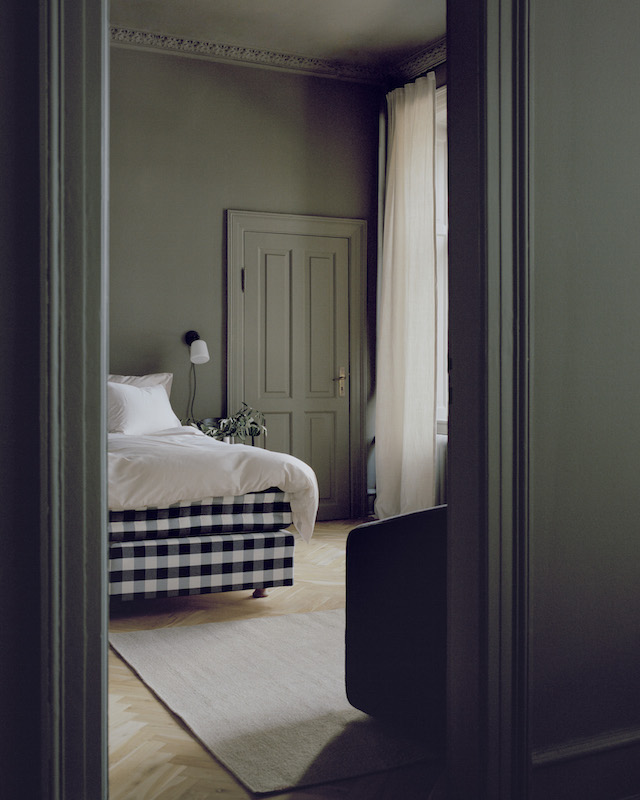
Within the design process, the bed often informs a primary suite’s layout with the headboard design, upholstery, bedding, covers and accessories all contributing to the impact of a bedroom and the sense of protective security a bed can offer. As Villella emphasises, “It is the sanctuary within the home. The recharge centre. The bed is always the focal point of the room and its placement, design and functionality are very important.”
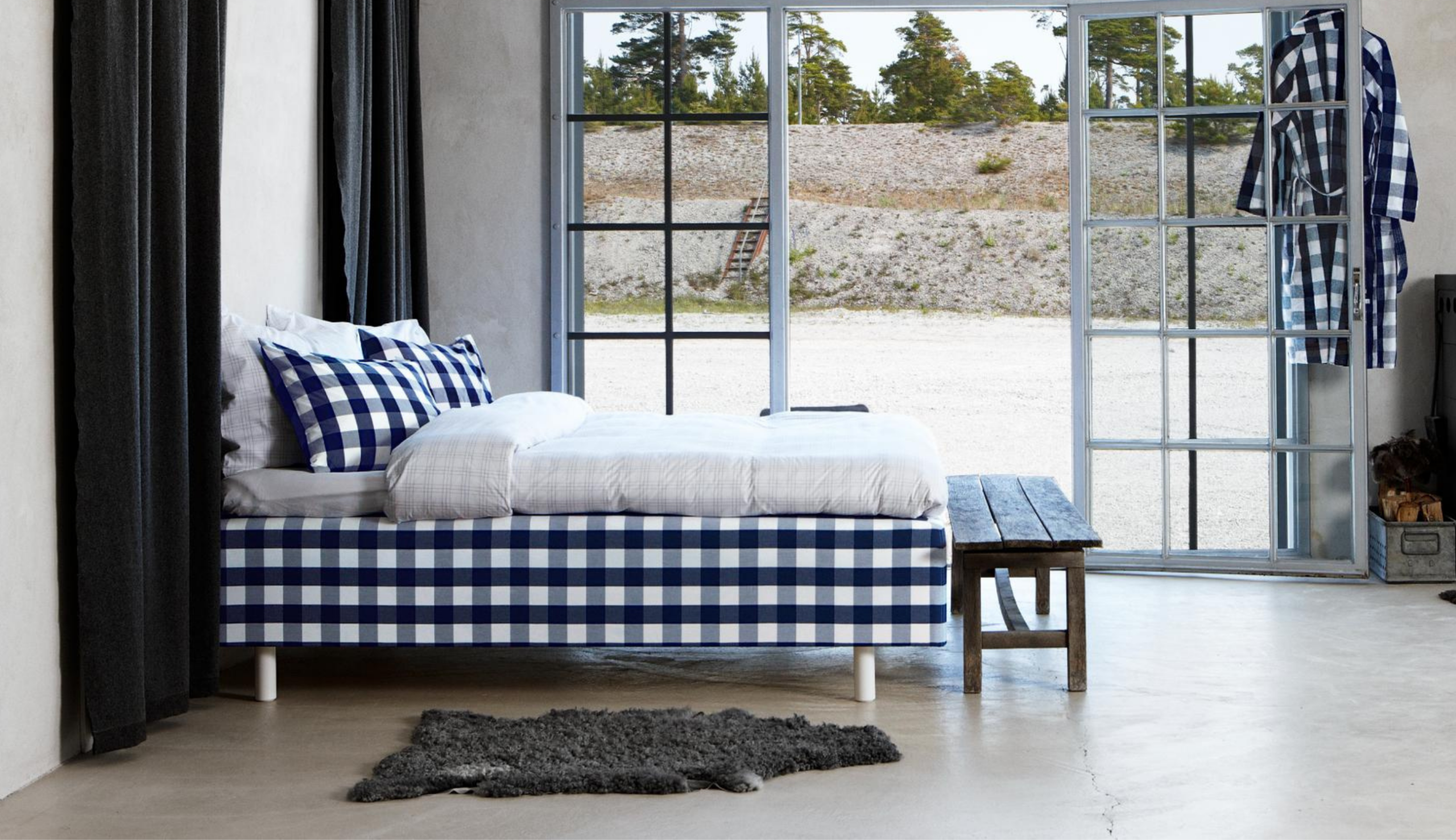
For over six generations, Hästens has been supporting the design community to create spaces with premium sleeping products. With Swedish heritage, the family-run company has cultivated expertise in craftsmanship, quality and durability since the 1850s. Testament to this, Hästens has even supplied the Swedish Royal Court. Hästens products emphasise natural materiality that is optimal for ventilation and is allergen-free, such as horsetail hair, wool, flax and pine wood.
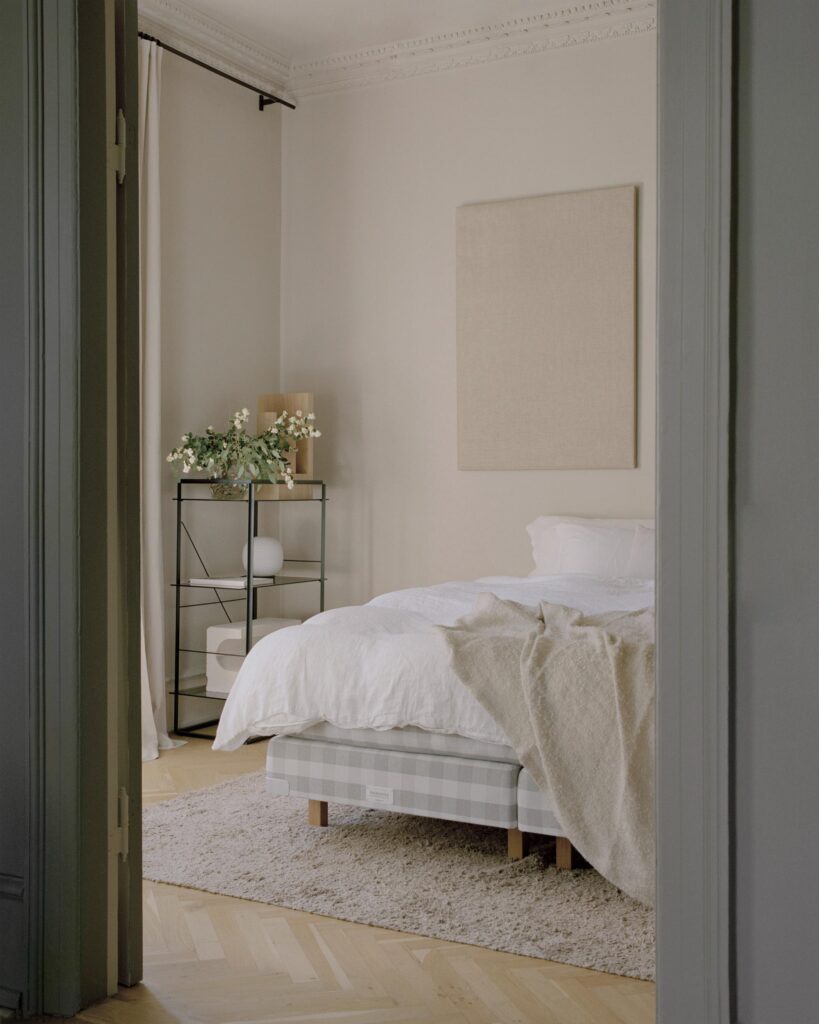
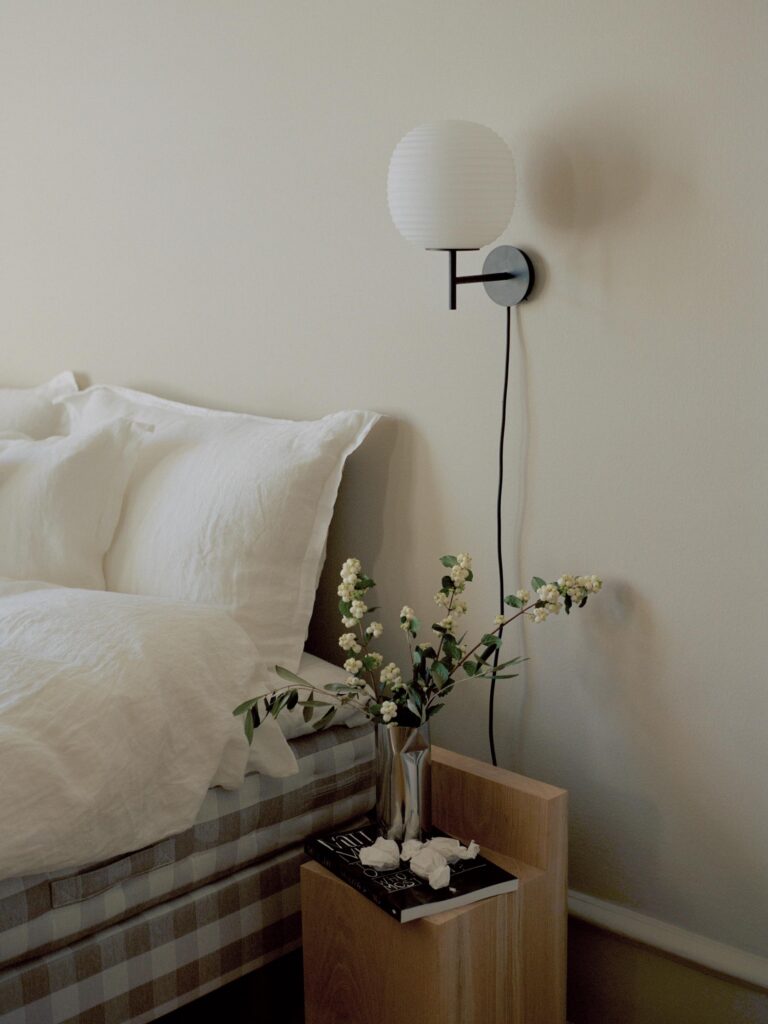
Since 1978, when Jack Ryde created Hästen’s iconic blue and white checked visual identity, Hästens has combined its knowledge of enduring fabrication with diverse design minds — embracing the way visual design and physical comfort complement one another. Collaborators include Ilse Crawford’s well-being-focused collection Being, interior designer Ferris Rafauli, design duo Bernadotte and Kylberg and couture designer Lars Nilsson.
Today, many people invest in watches that track sleep quality, alarm clocks that retune a circadian rhythm and supplements, teas and pillow sprays with the hope of inducing a blissful slumber. Naturally then, the merit of investing in the bedrock of rest and recovery — the bed itself — is only gaining popularity. As Villella reflects, “Well-being is becoming much more important for clients these days. Therefore, I envisage these conversations will become more common in future as clients fully understand the benefits of a great bed on their sleep and their general recovery process.”