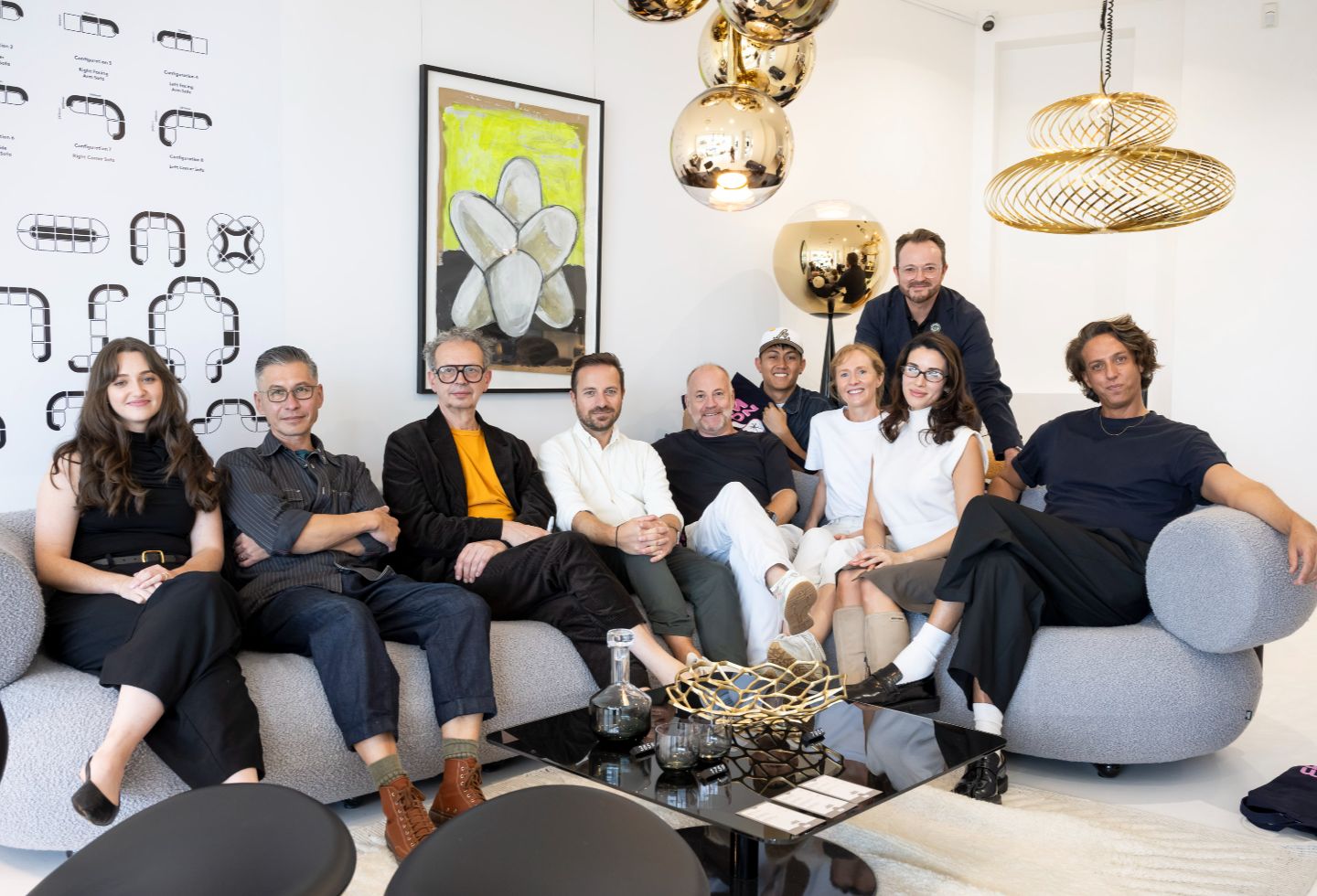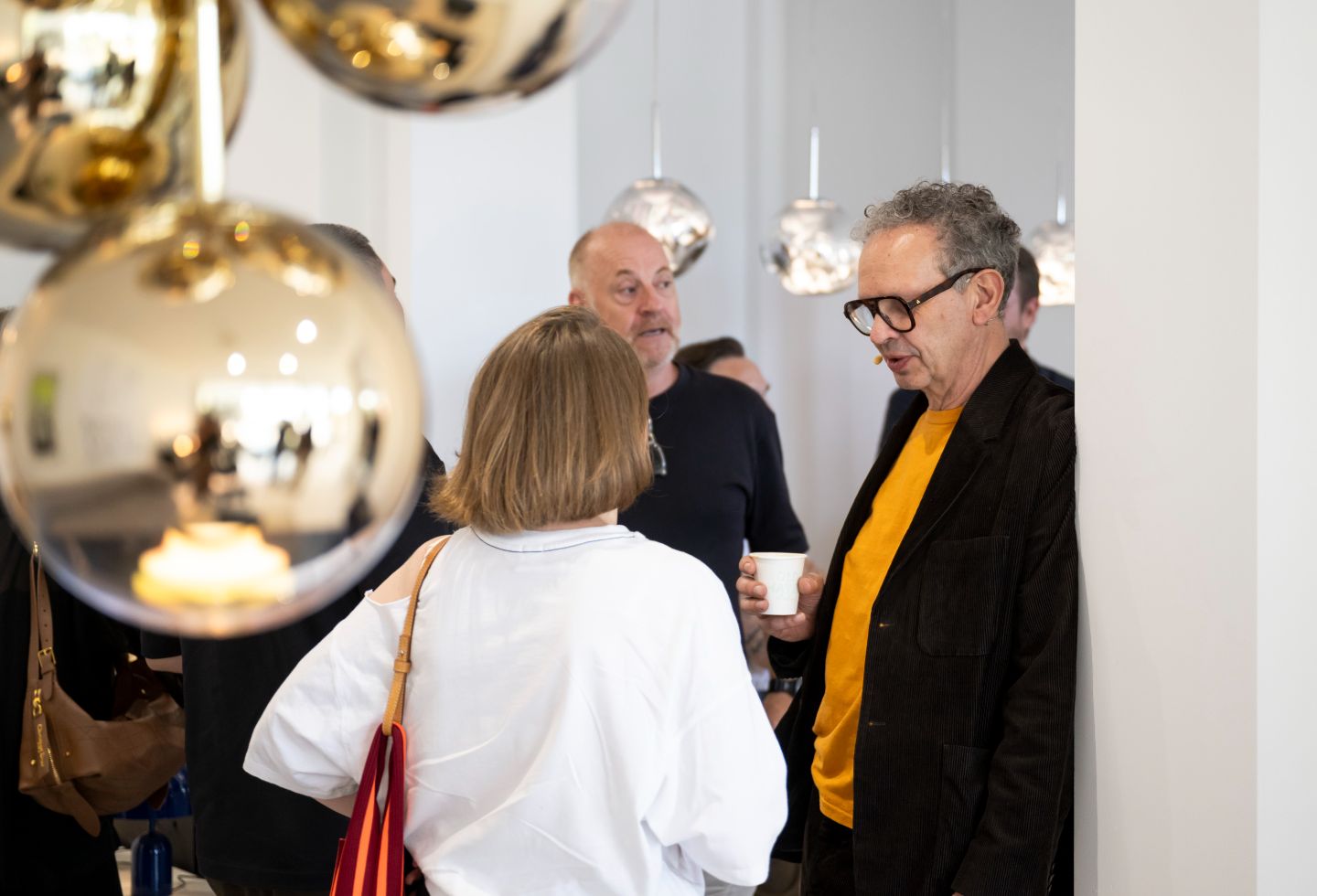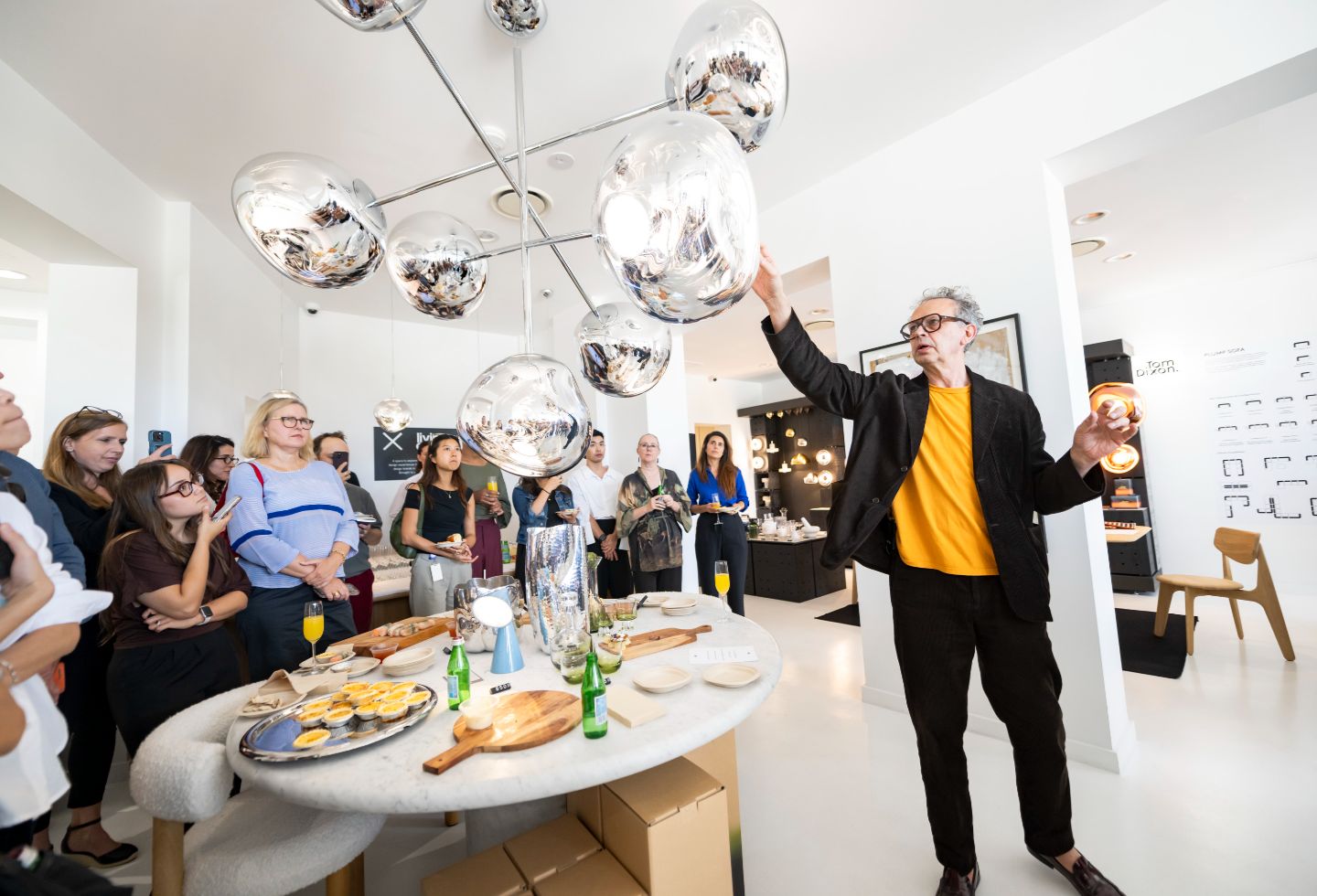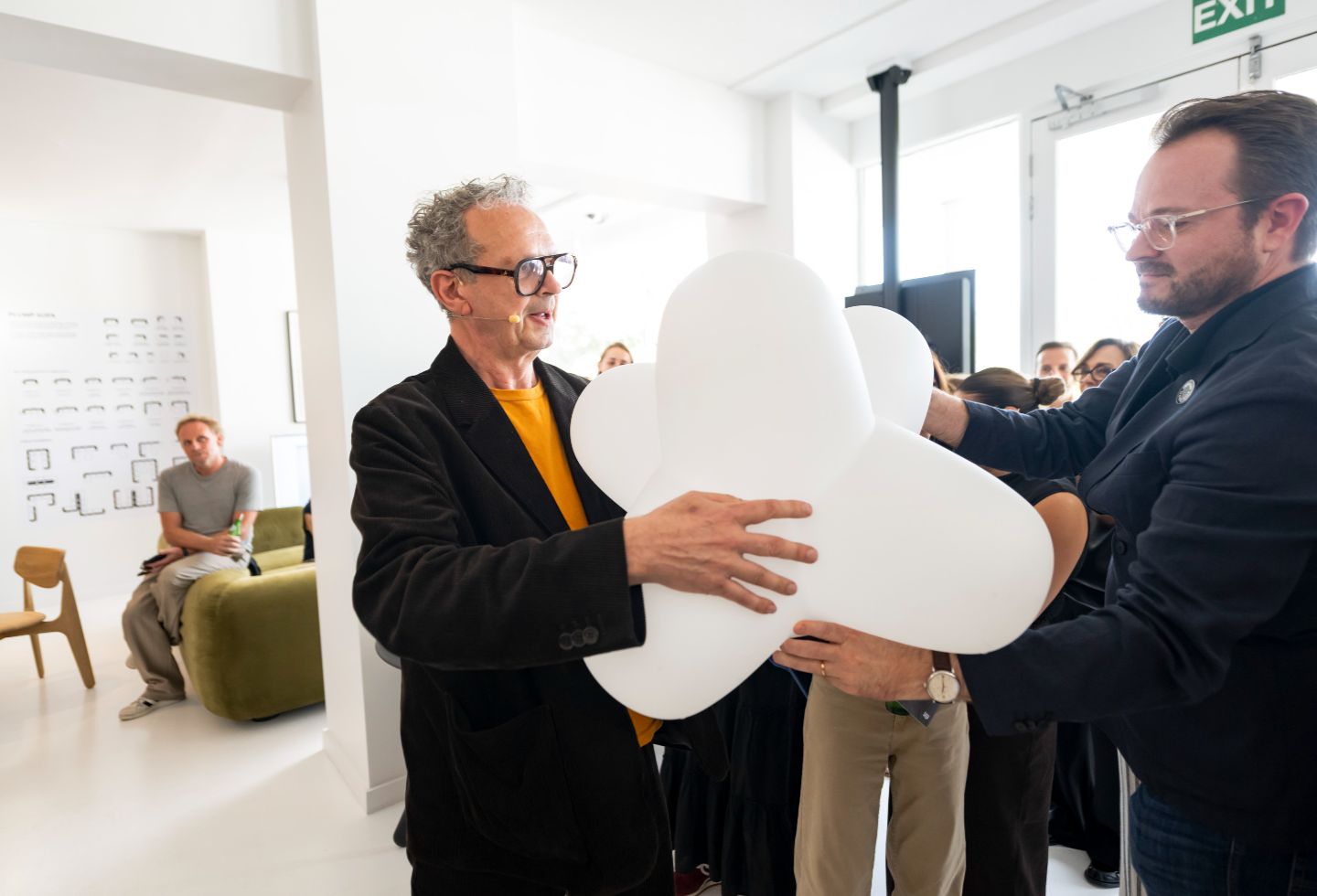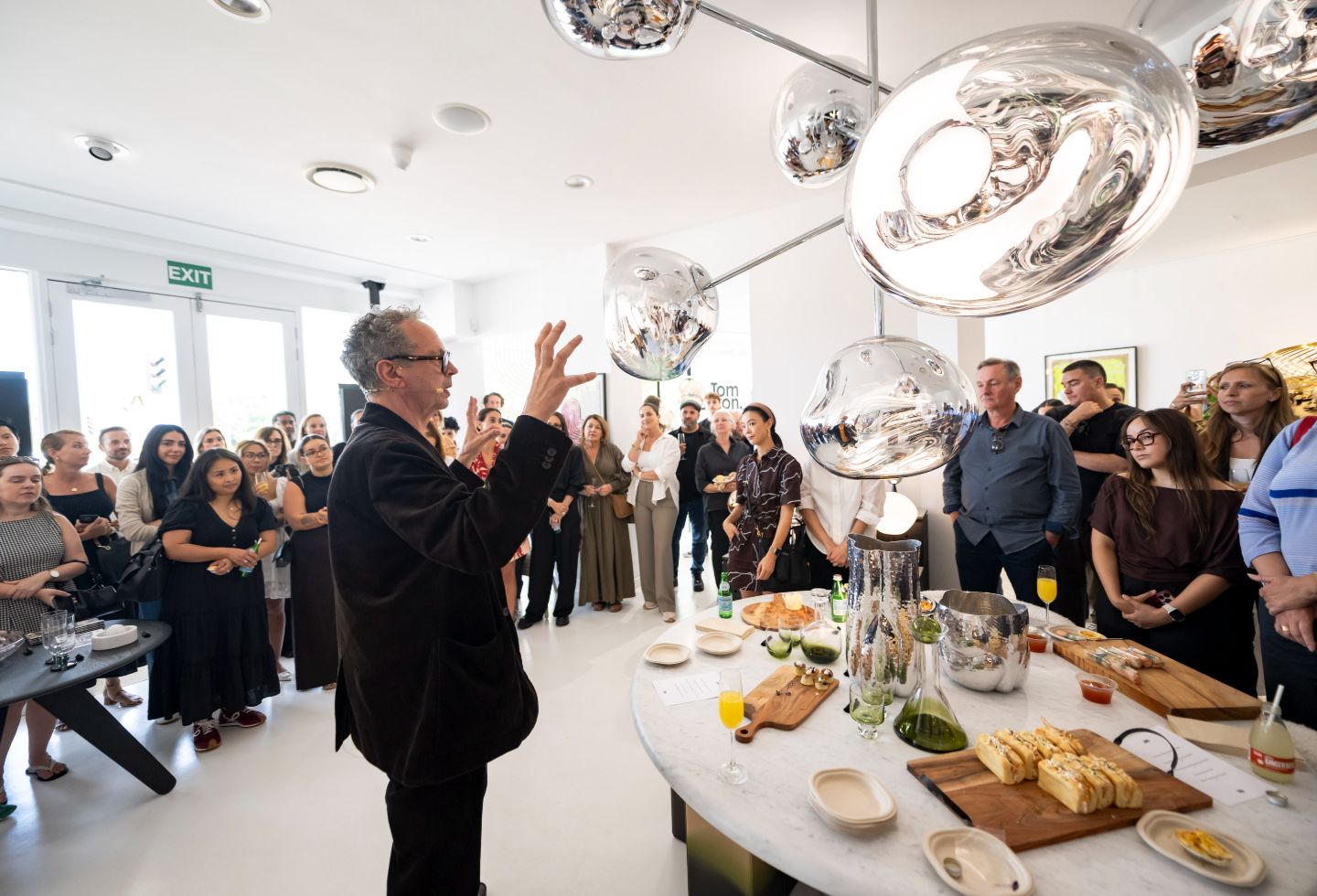


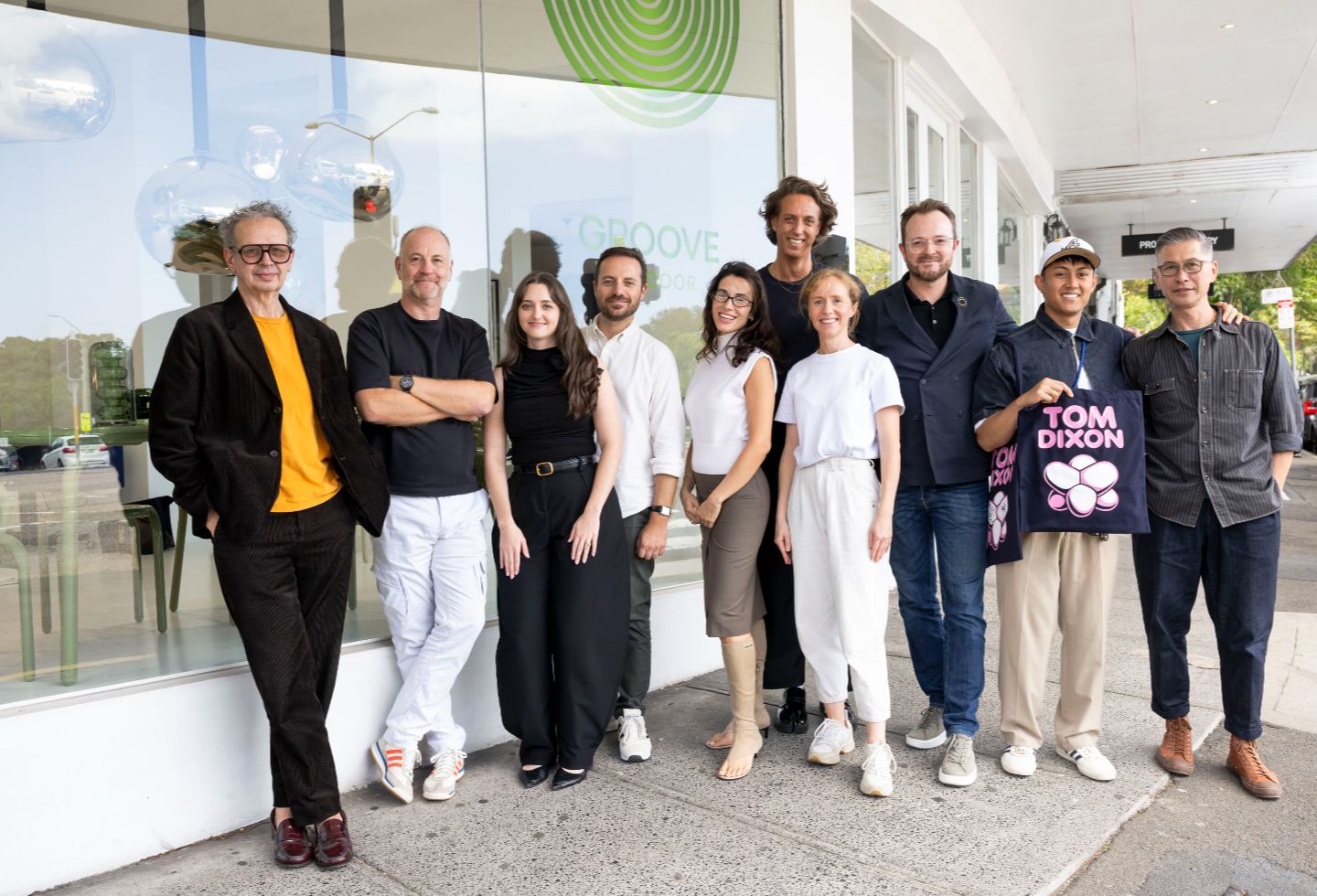
At Living Edge’s Woollahra store in Sydney’s eastern suburbs, the Tom Dixon takeover has been in place since 2025 – and now the man himself has been back in town to check it out! London-based Tom Dixon is on a whistle-stop tour of the Asia-Pacific region, including visits to Taiwan, Auckland, Sydney and Brisbane.
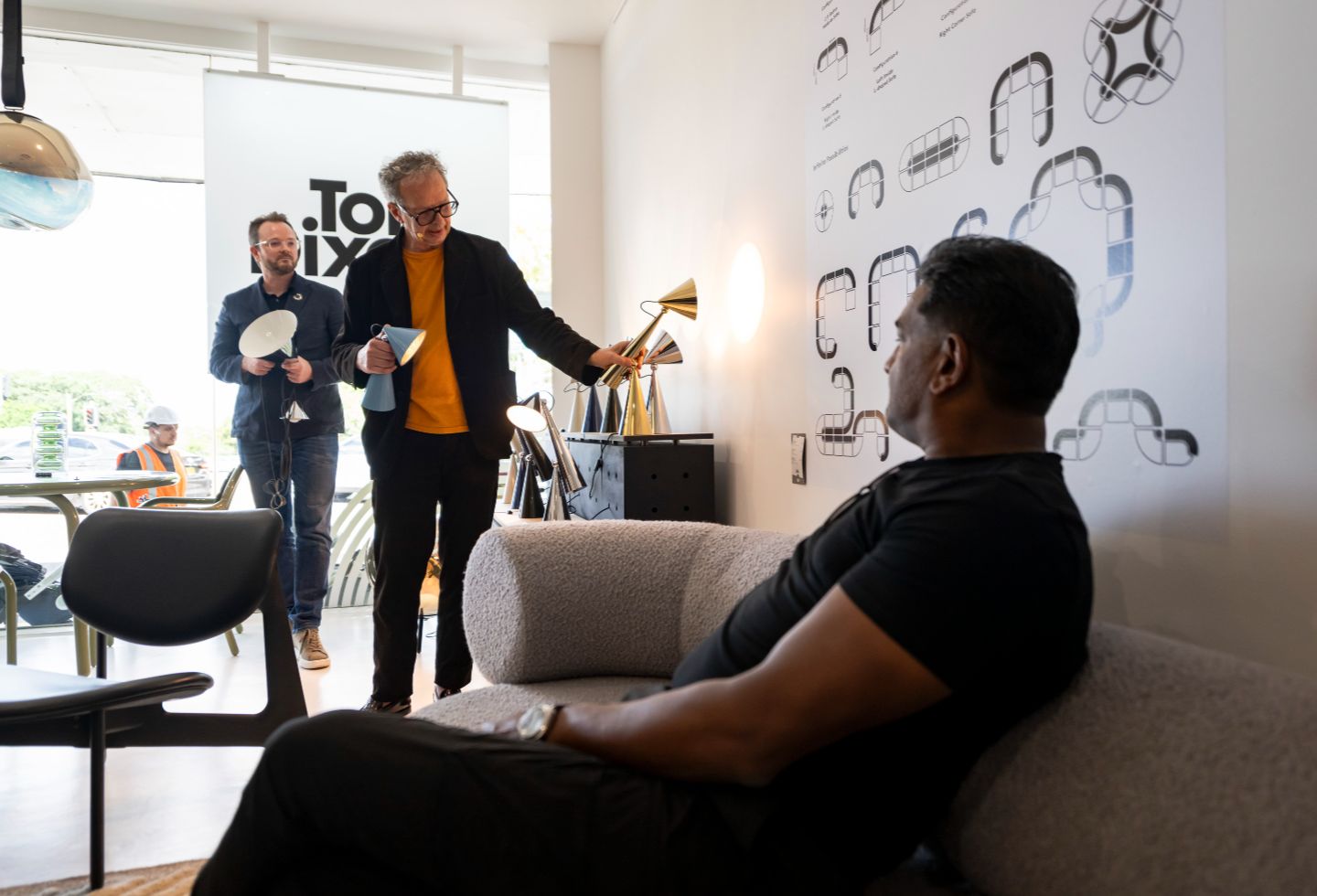
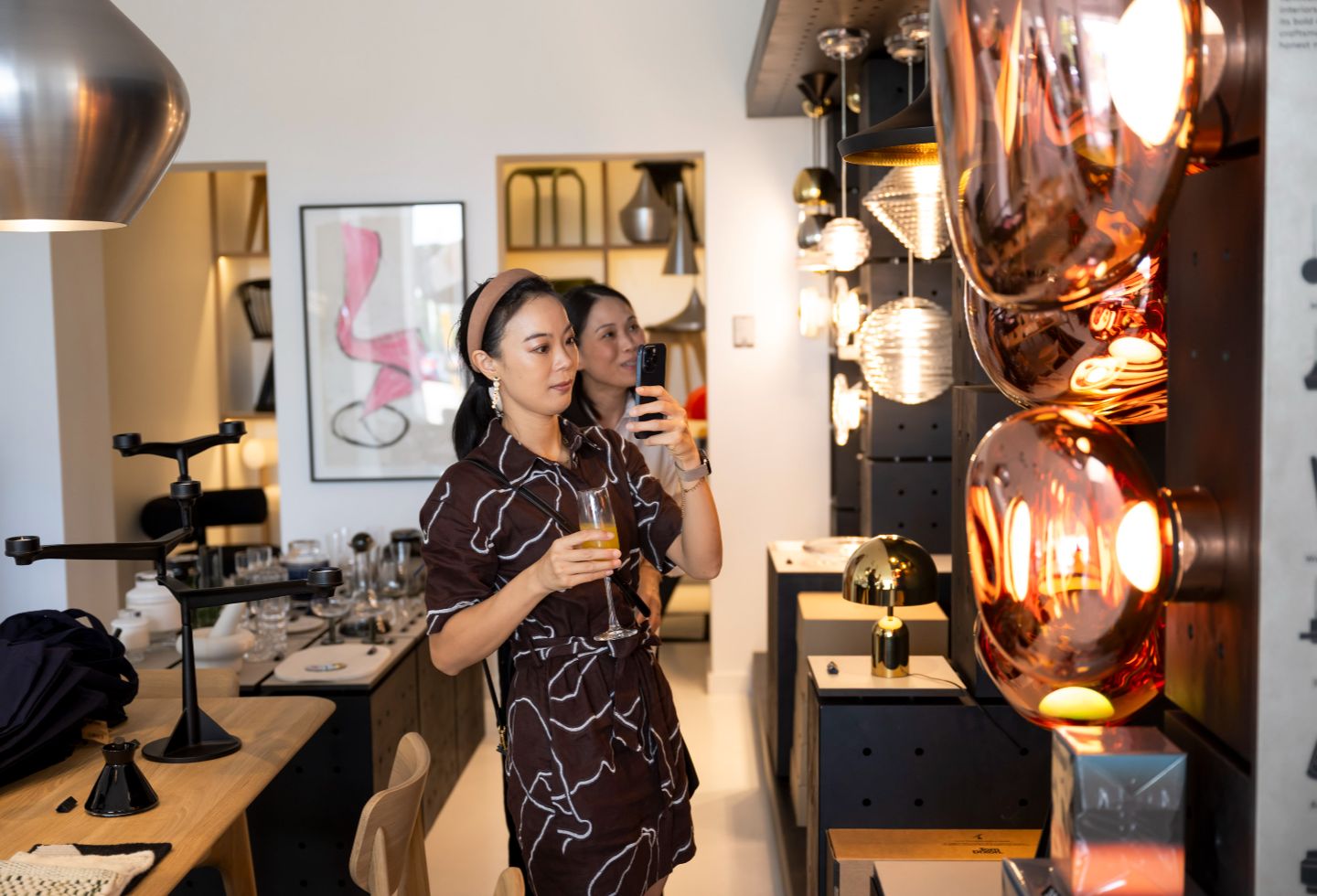
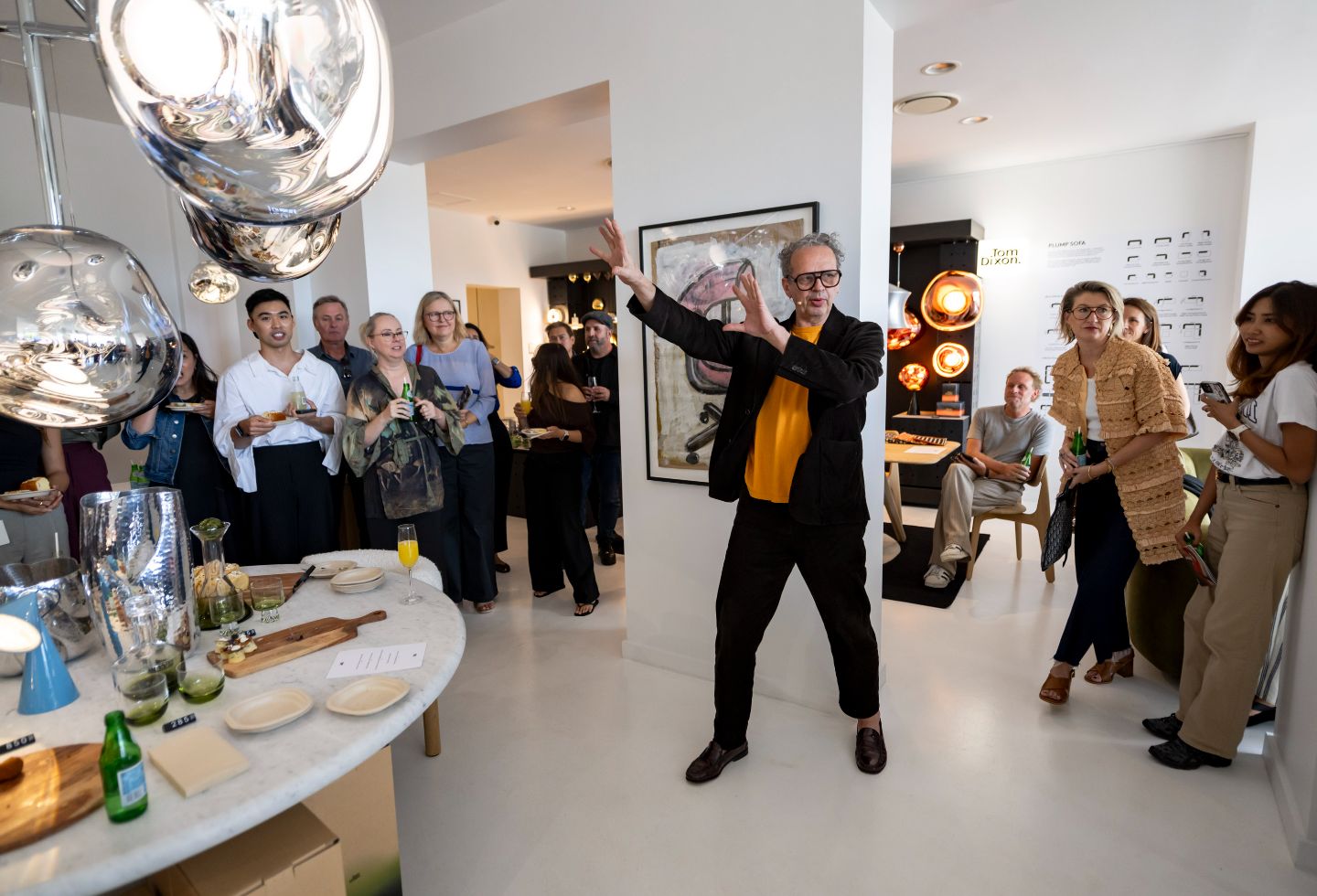
I met with him in Sydney at the Living Edge Queen Street store that is currently dedicated to showcasing his work, both contemporary collections and some older pieces. Located in a highly prominent, prestigious spot, the store is neither a pop-up nor quite permanent. Instead, it’s somewhere in between, allowing for fully fitted out takeovers based on a single designer, brand or theme. Living Edge describes it as a space to explore an ongoing series of design experiences from some of the leading design brands.
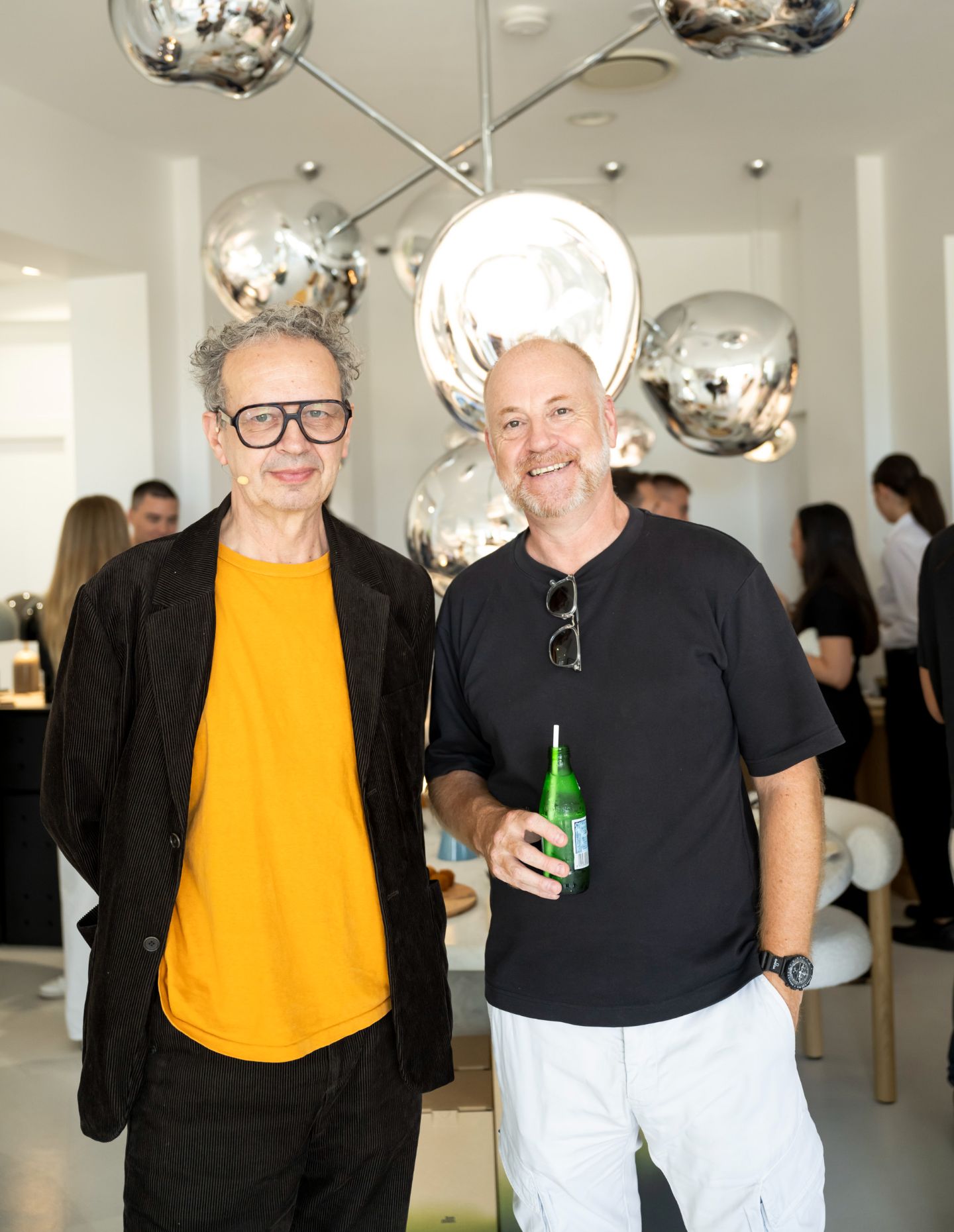
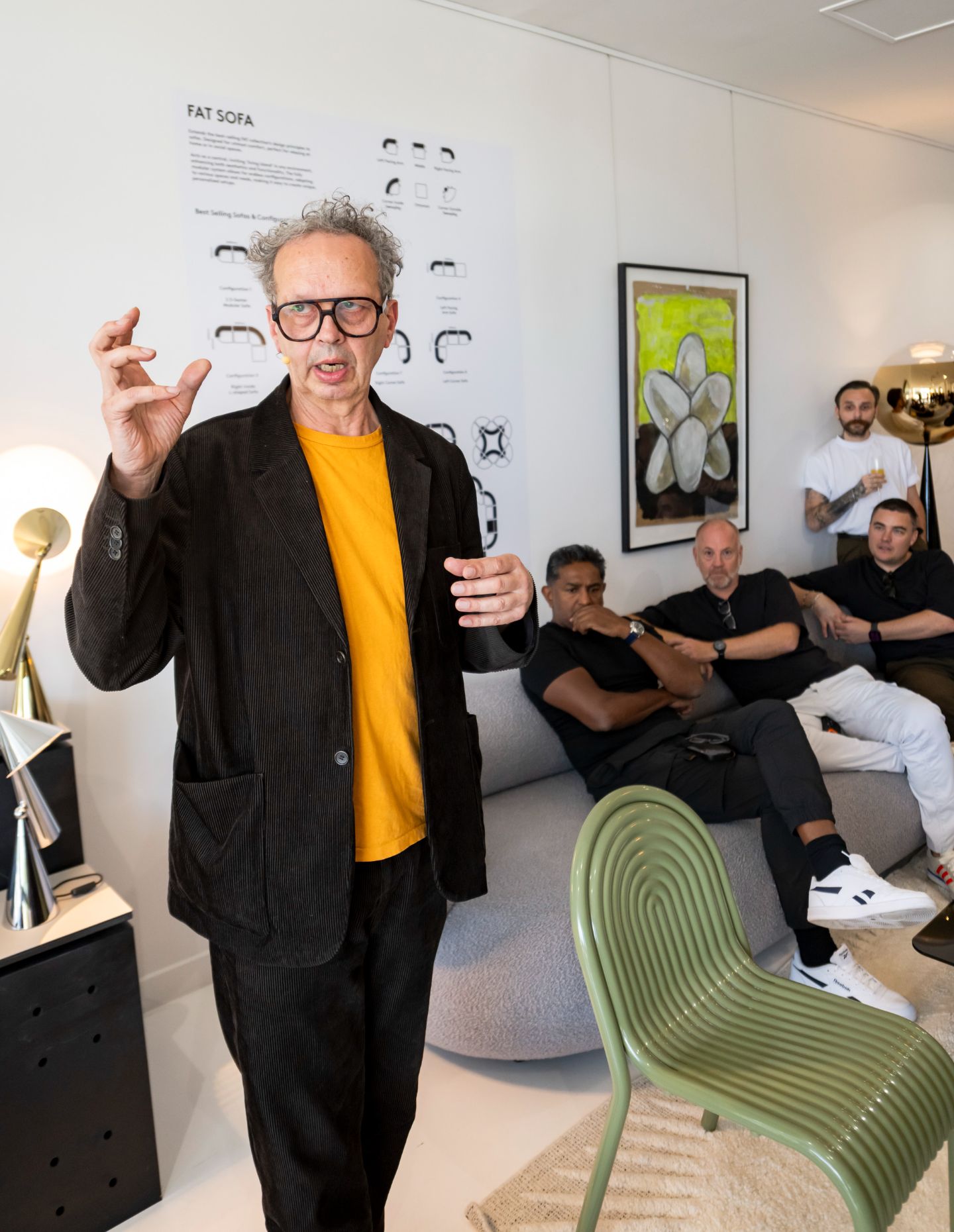
“It’s really nice when people recognise that there’s something cohesive,” says Dixon, during his visit to the store. “From the very beginning of creating my own label, the whole point was [that] designers don’t really get a chance to show their whole world in one place.”
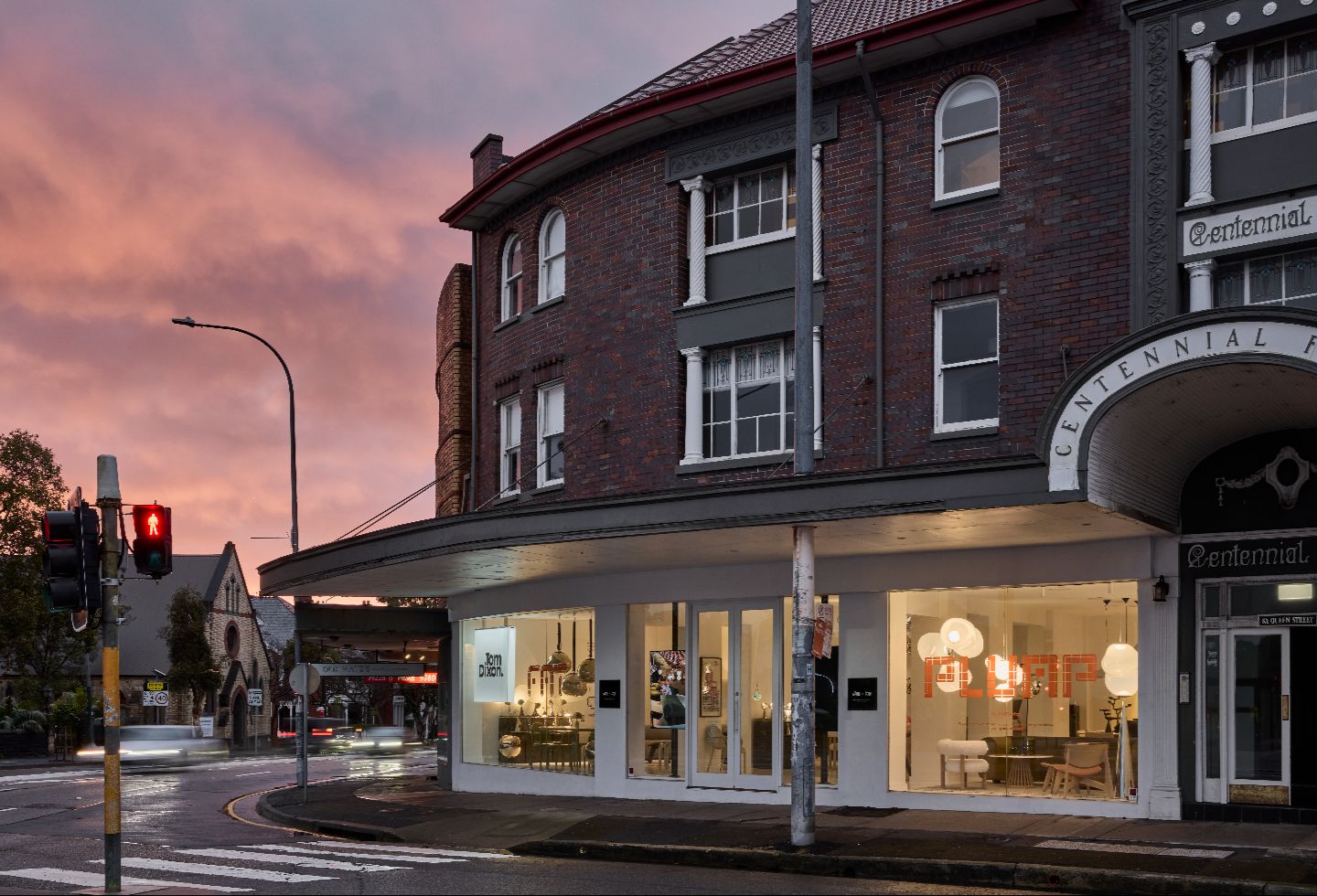
While Tom Dixon the brand of course has its own HQ in London, the designer emphasises the differences between that setup and the Sydney space created with Living Edge. It’s certainly more luminous in Sydney, he notes, while also contrasting the the brick arches of the London setting with the more domestic scale of the Woollahra store.
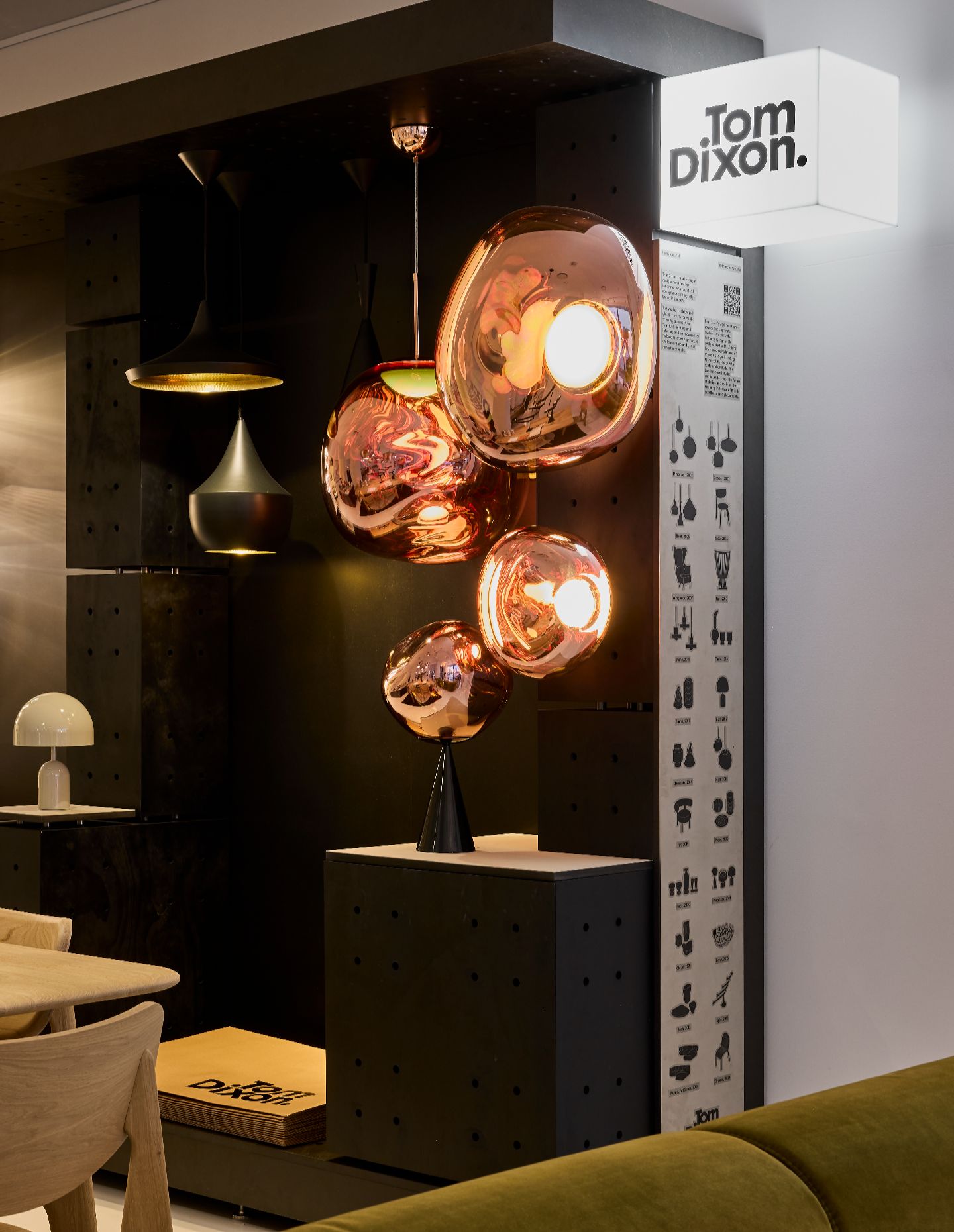
“I’m not a control freak – I like to see the stuff remixed. It’s good to see it through somebody else’s lens.”
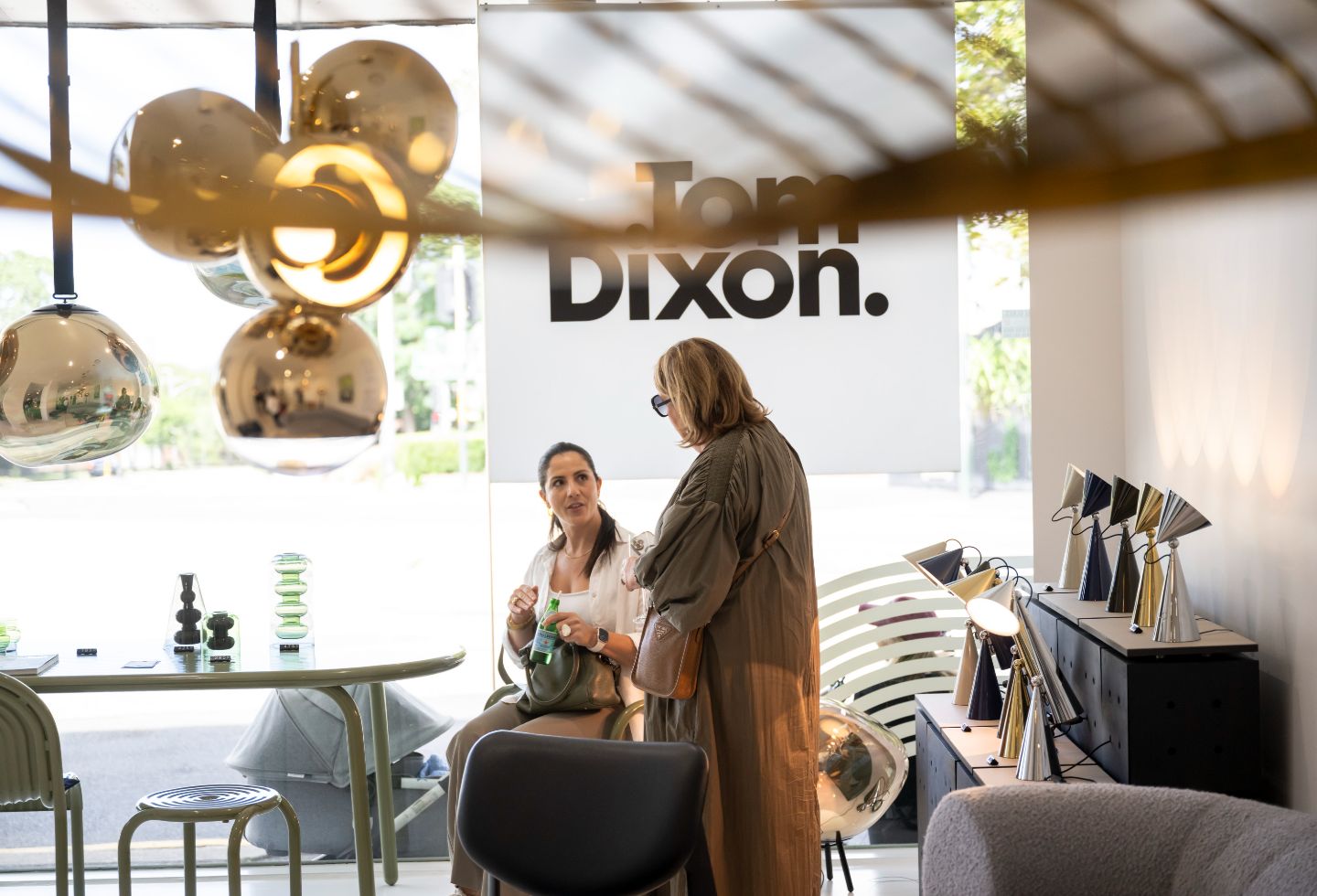
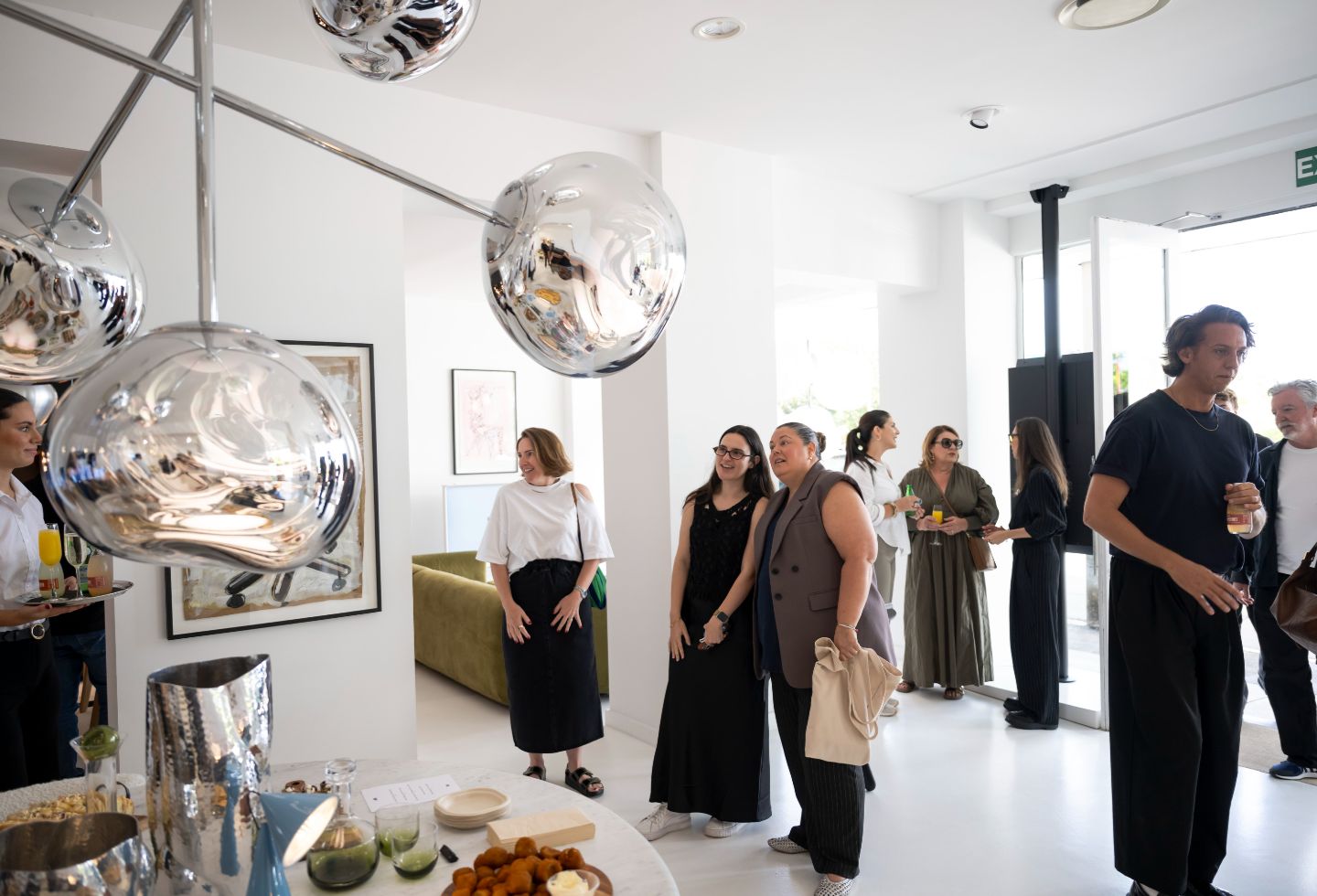
So, does this dedicated store represent a different form of retail experience for visitors?
“Well,” reflects Dixon, “it’s something that I’ve been playing with in Milan and London –how you activate stuff. Obviously, the nature of how people shop has completely changed over the last ten years, so you need these physical spaces for the [furniture and lighting] business.”
Related: Roberto Palomba in Australia
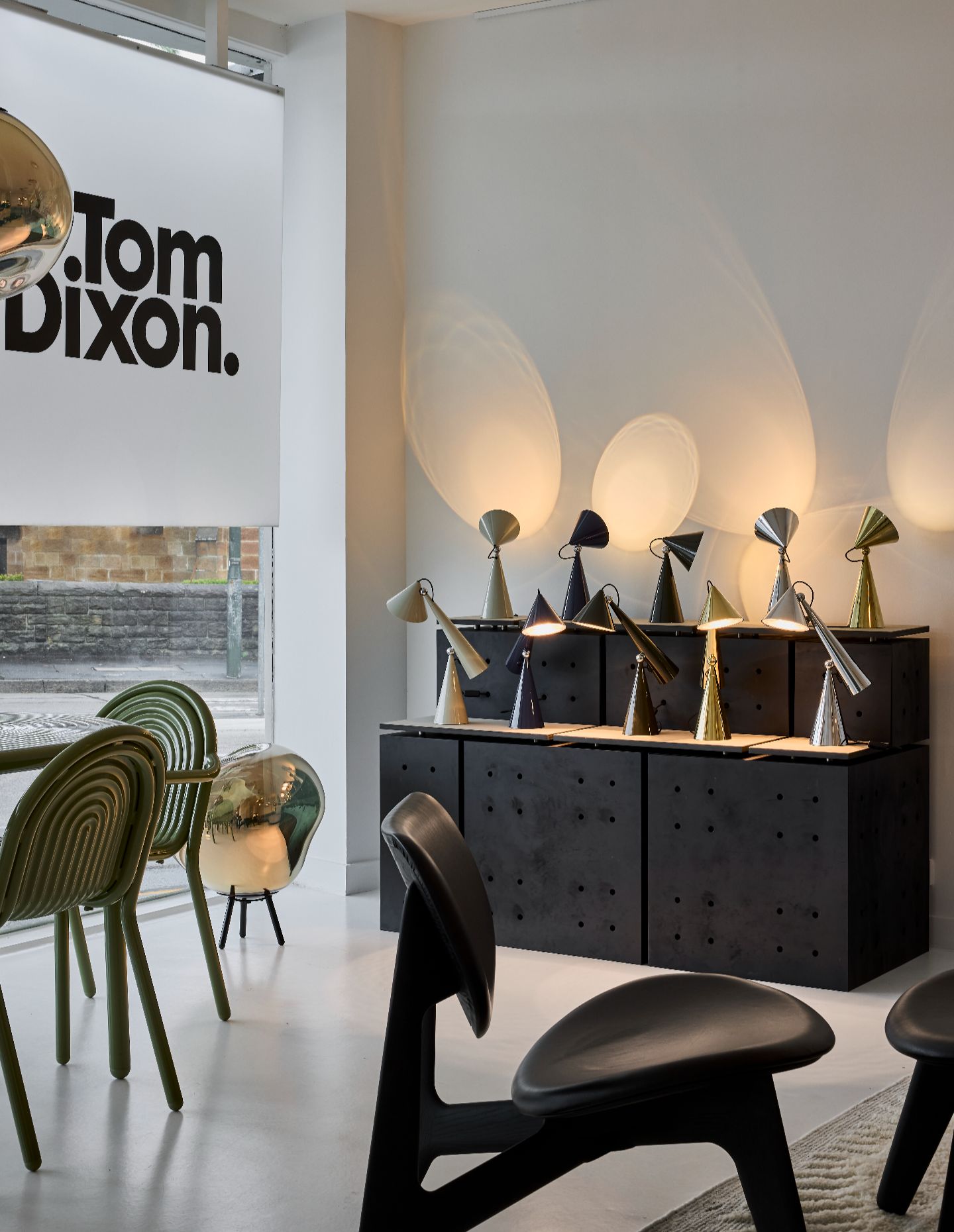
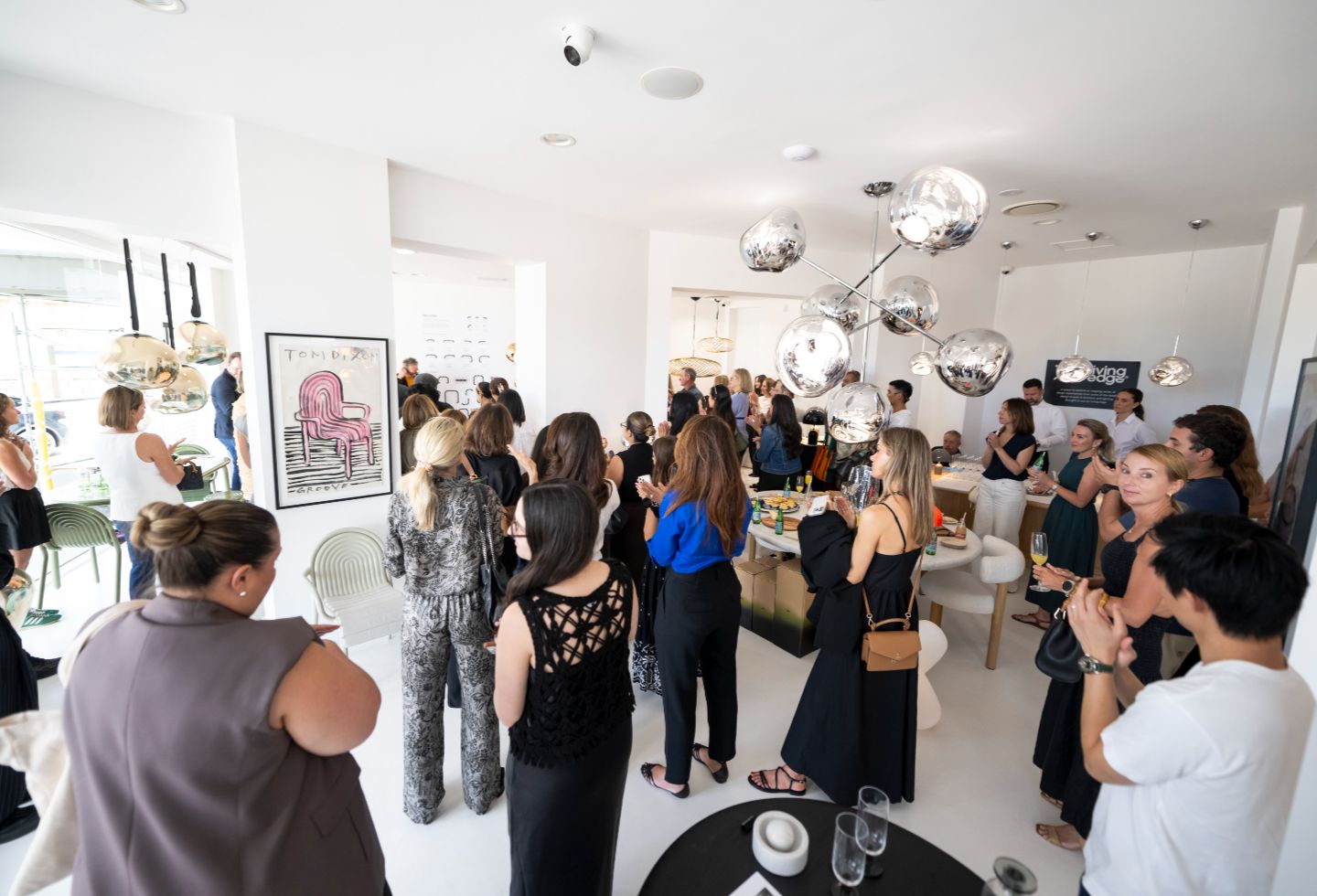
Indeed, the comparison of Milan comes up several times. For the last five years, Tom Dixon has had a restaurant space in the prestigious heart of the Italian design capital. In the context of a marketing budget arms race around the annual Milan Design Week, it’s been an attempt to strike a similar balance between temporary and permanent. Living Edge’s Woollahra store is another, refined iteration of this drive towards semi-permanent, mobile retail design and experiential richness.
Turning to the products themselves, Tom highlights the Groove outdoor chair – inspired by, or at least in sync with, the perception of an Australian “corrugation nation” material vernacular. “I’m interested in making things that are robust,” he says in relation to the often-harsh Australian environment.
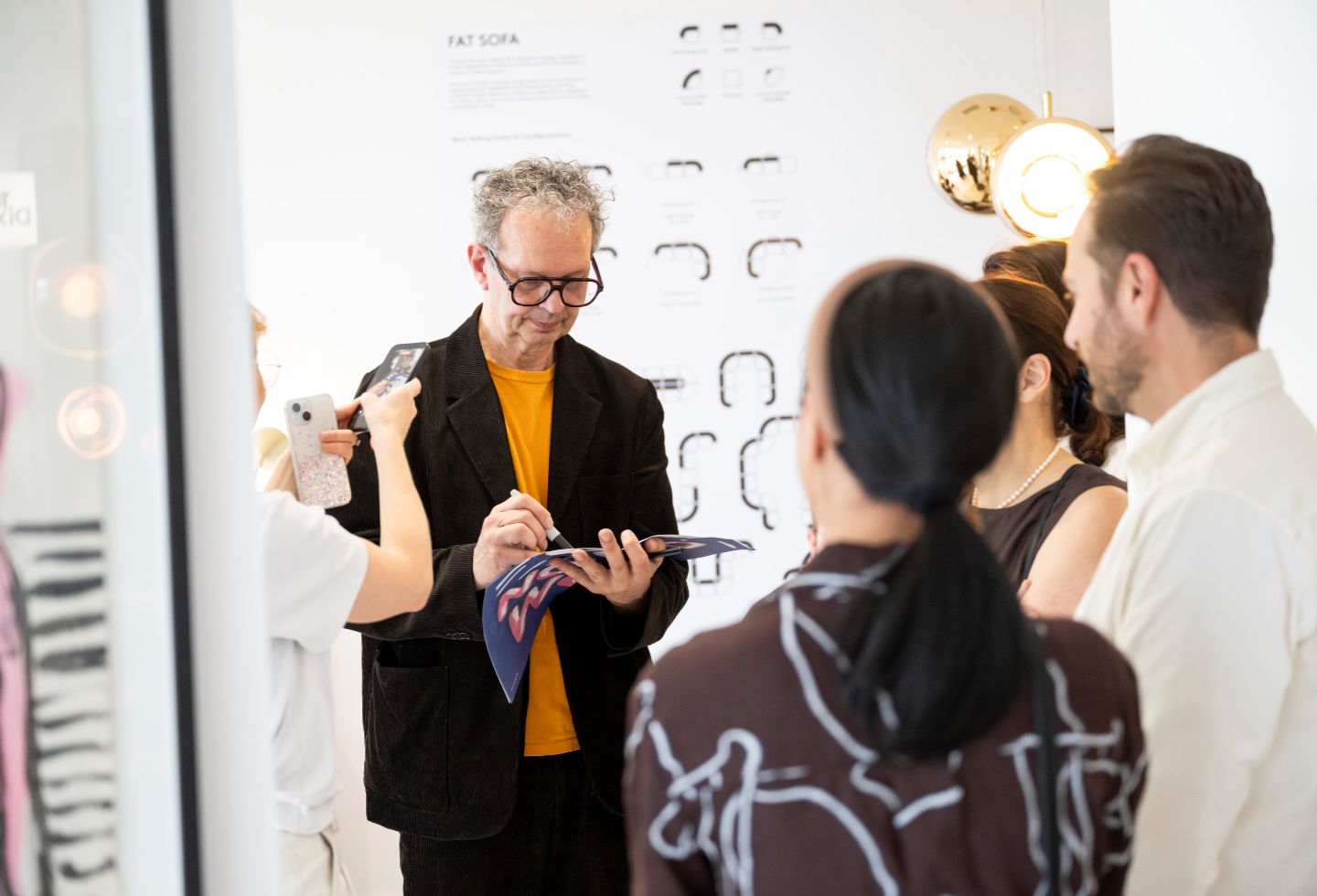
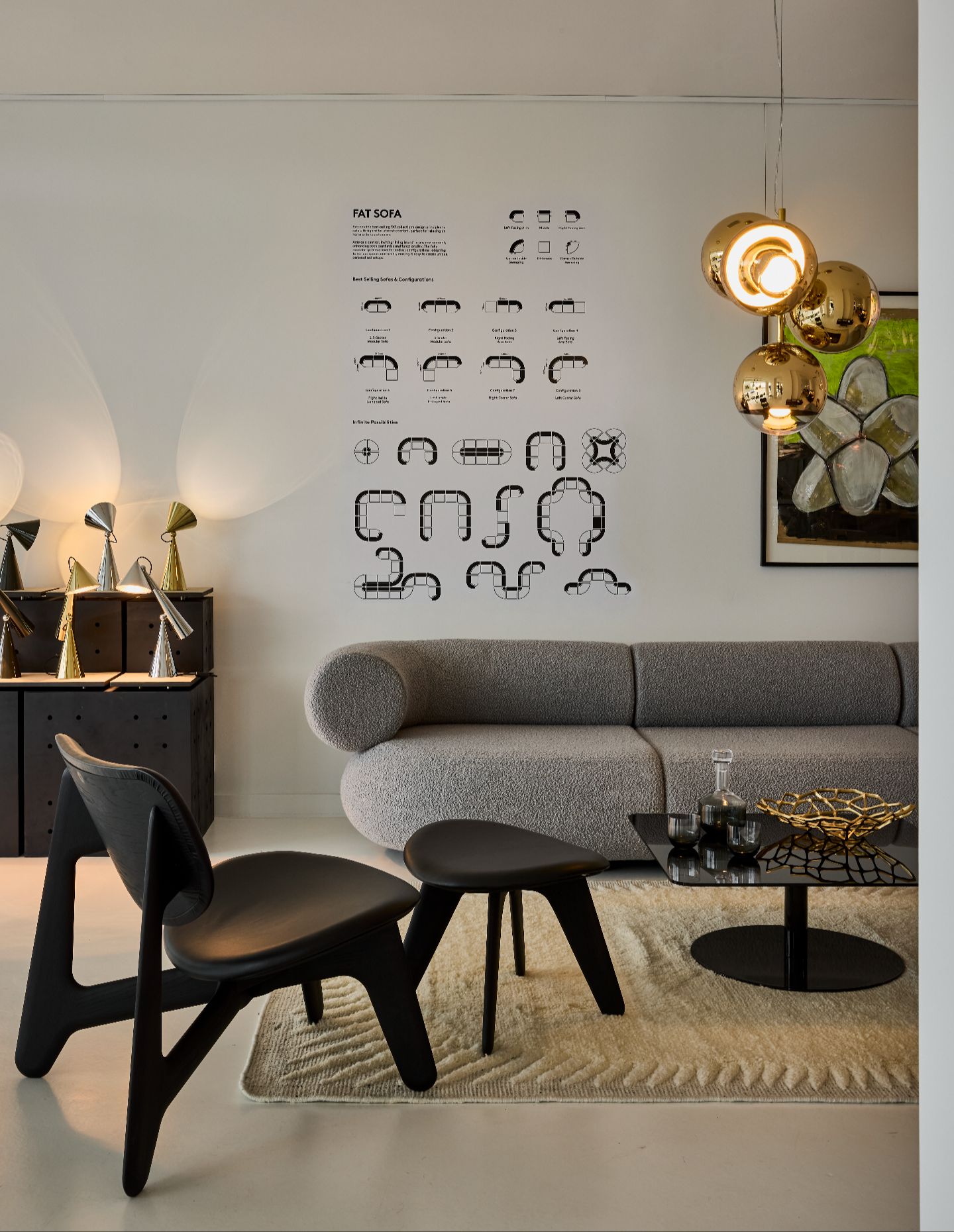
Then there are the Fat and Plump modular sofas, displayed here with some striking diagrams showing how many non-linear configurations are possible.
Reflecting on these modular collections, Dixon concludes: “I have this theory that kitchens have been, for a really long time, shoved against the wall. And then the kitchen island came into being – suddenly, you had something that was a social space or a workspace, and other people could participate. The linear is not really good for the modern world. So, the Fat sofa is intended to be probably pushed to the middle of the room, to not have a focal point, but to act in a much more modern way for using collective furniture.”