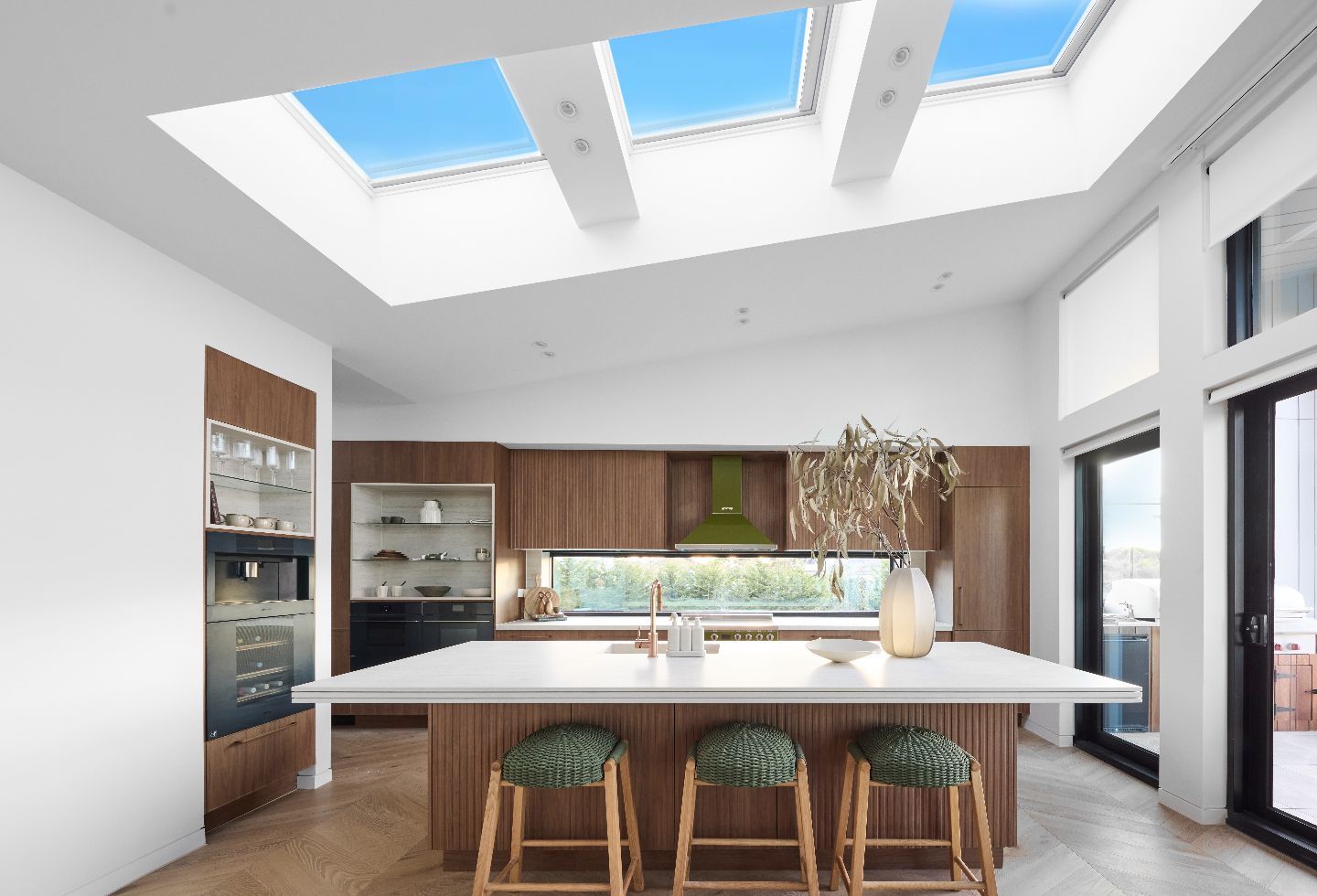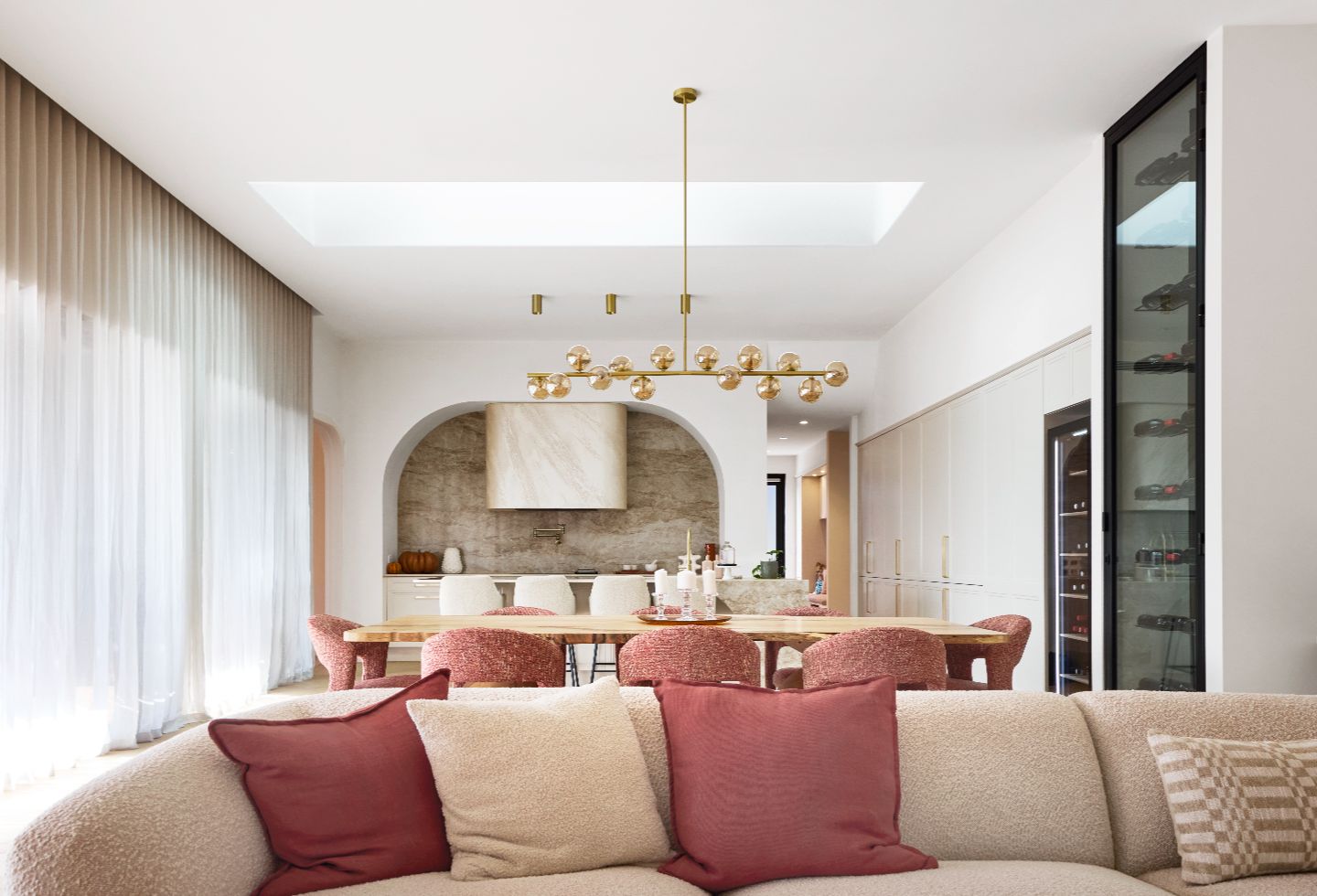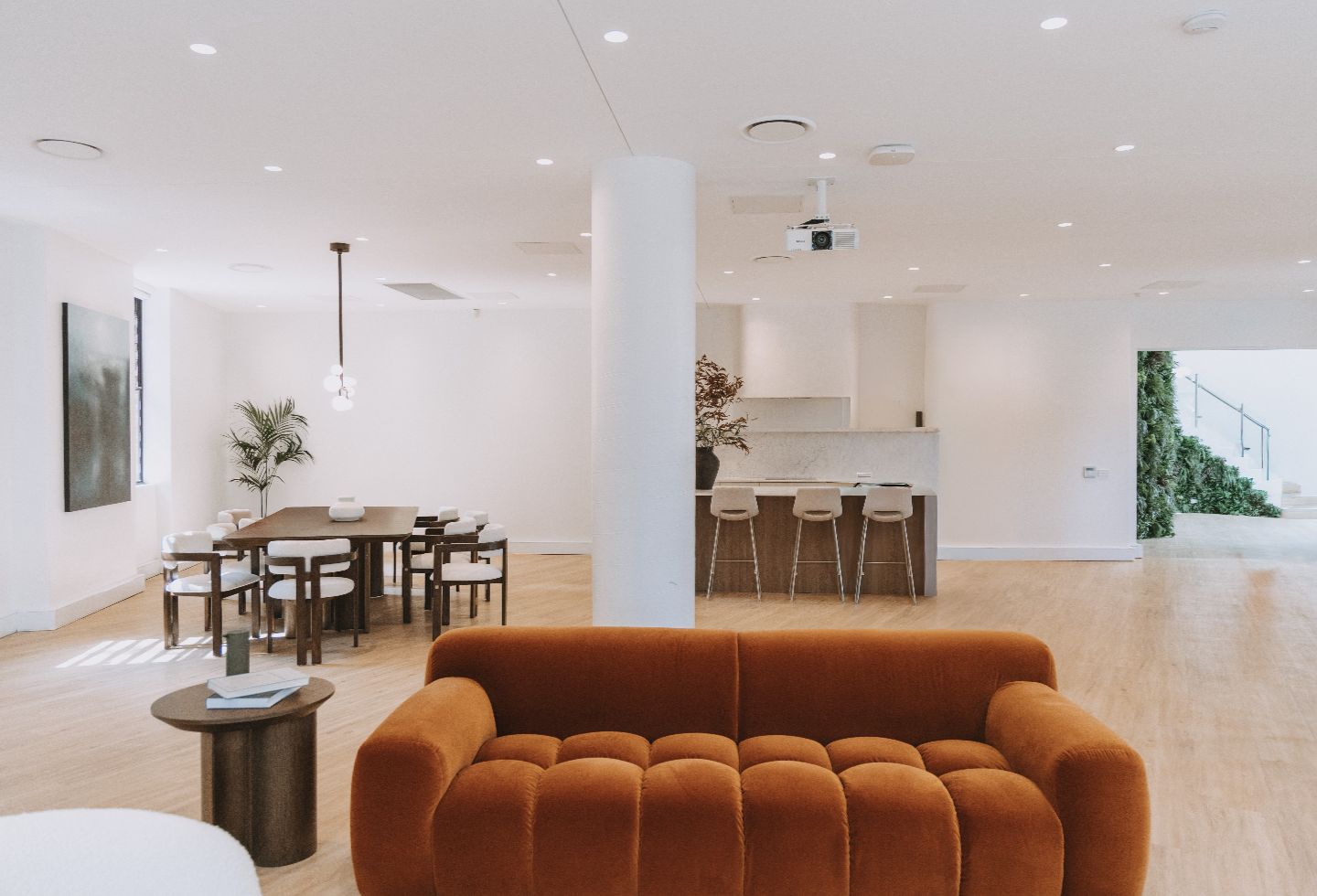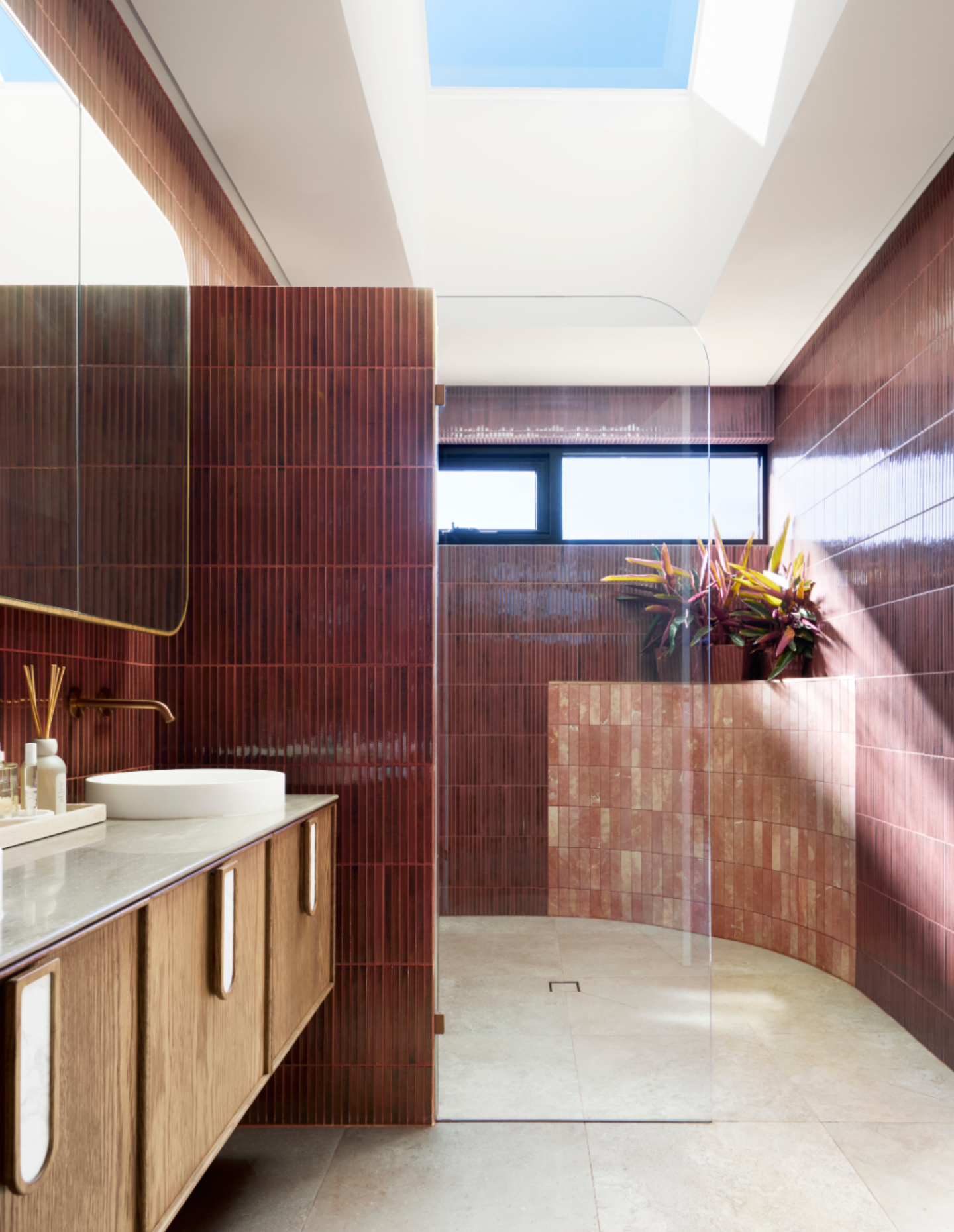

At VELUX’s Alexandria showroom in Sydney, visitors are now able to walk through not just the physical space but parallel virtual variations too. With the use of immersive VR goggles, several different virtual environments are presented – all focused on the importance of natural light.
Anders Dam Vestergaard, VELUX Executive Vice President, travelled all the way from Europe for the launch. Joining me to discuss the significance of natural light and ventilation across the built environment, Anders started with what he sees as a loss of connection to the outdoors over the long term – indeed, a very long term.
“Gradually, but constantly, we have been moving on a vector that has taken us away from nature and it started, basically, with the formation of cities,” says Anders.
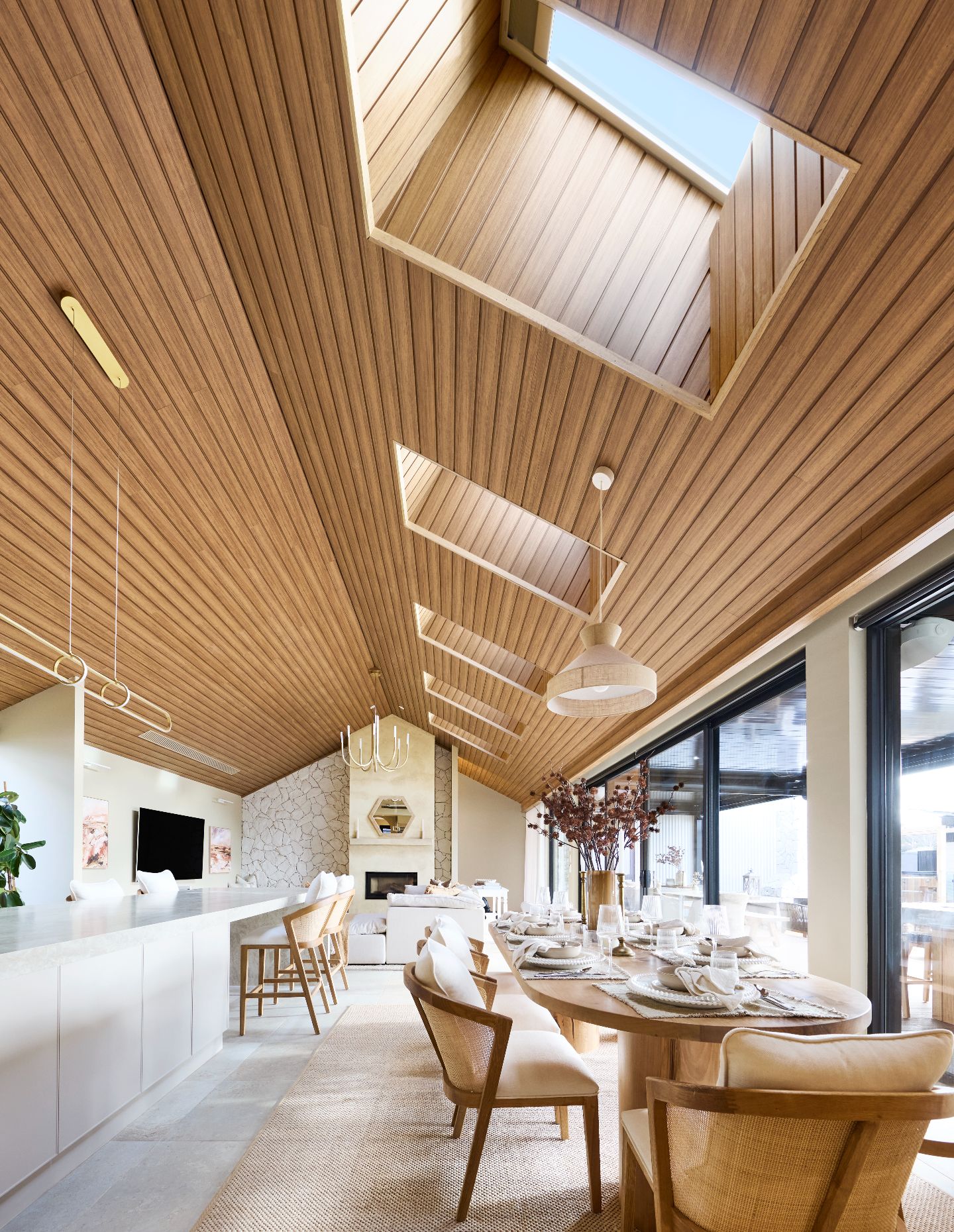
“People have always used some kind of shelter against the adverse effects from nature. What has changed is that now our working time or studying time [involves] spending your full day indoors. So, our buildings have increased in quality, but predominantly in shielding from nature. We have optimised only one dimension. We are not getting enough daylight, not given enough oxygen, and we are basically not getting exposure to nature. I think that is the fundamental problem [behind] a lot of wellbeing side effects such as mood and higher stress.”
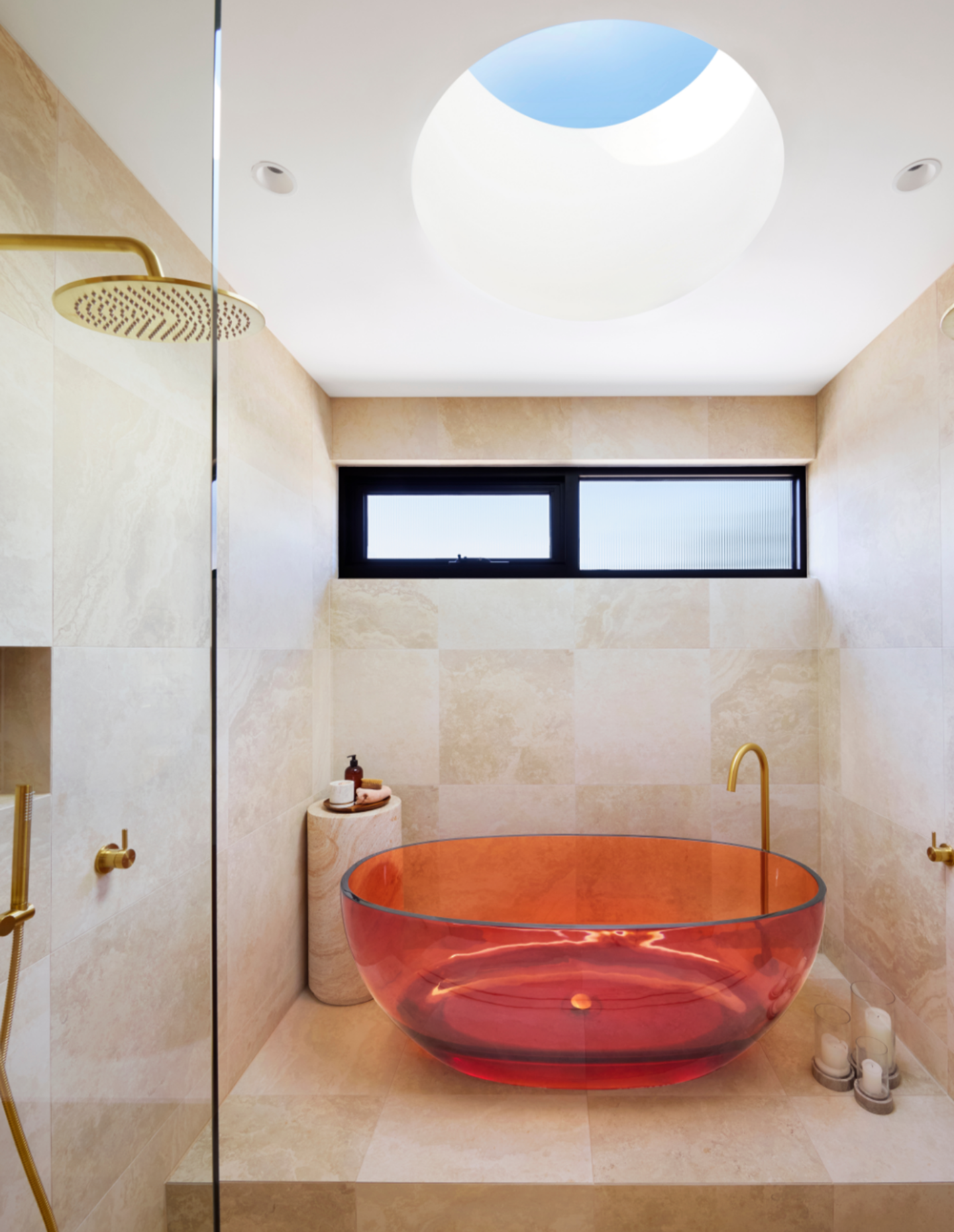
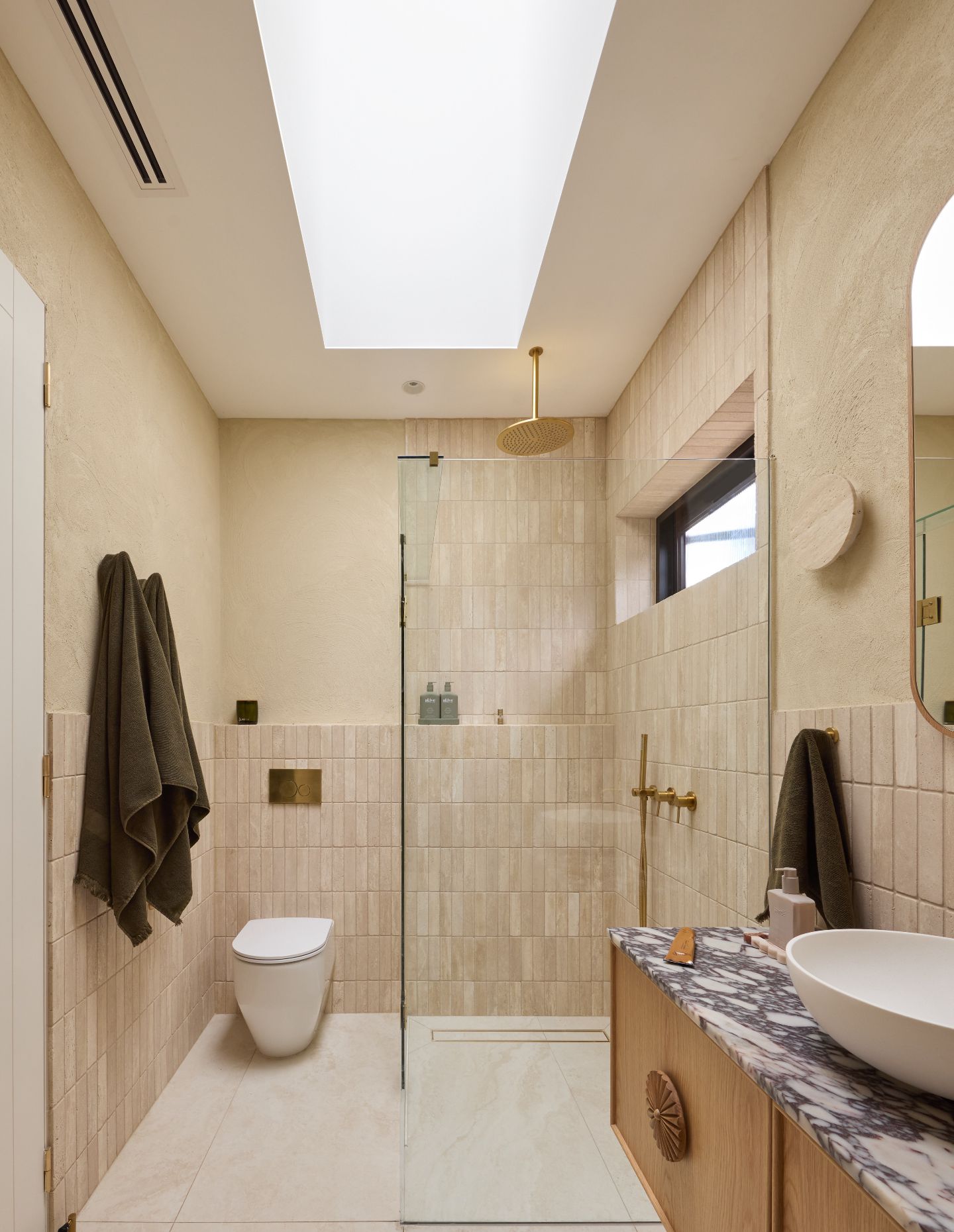
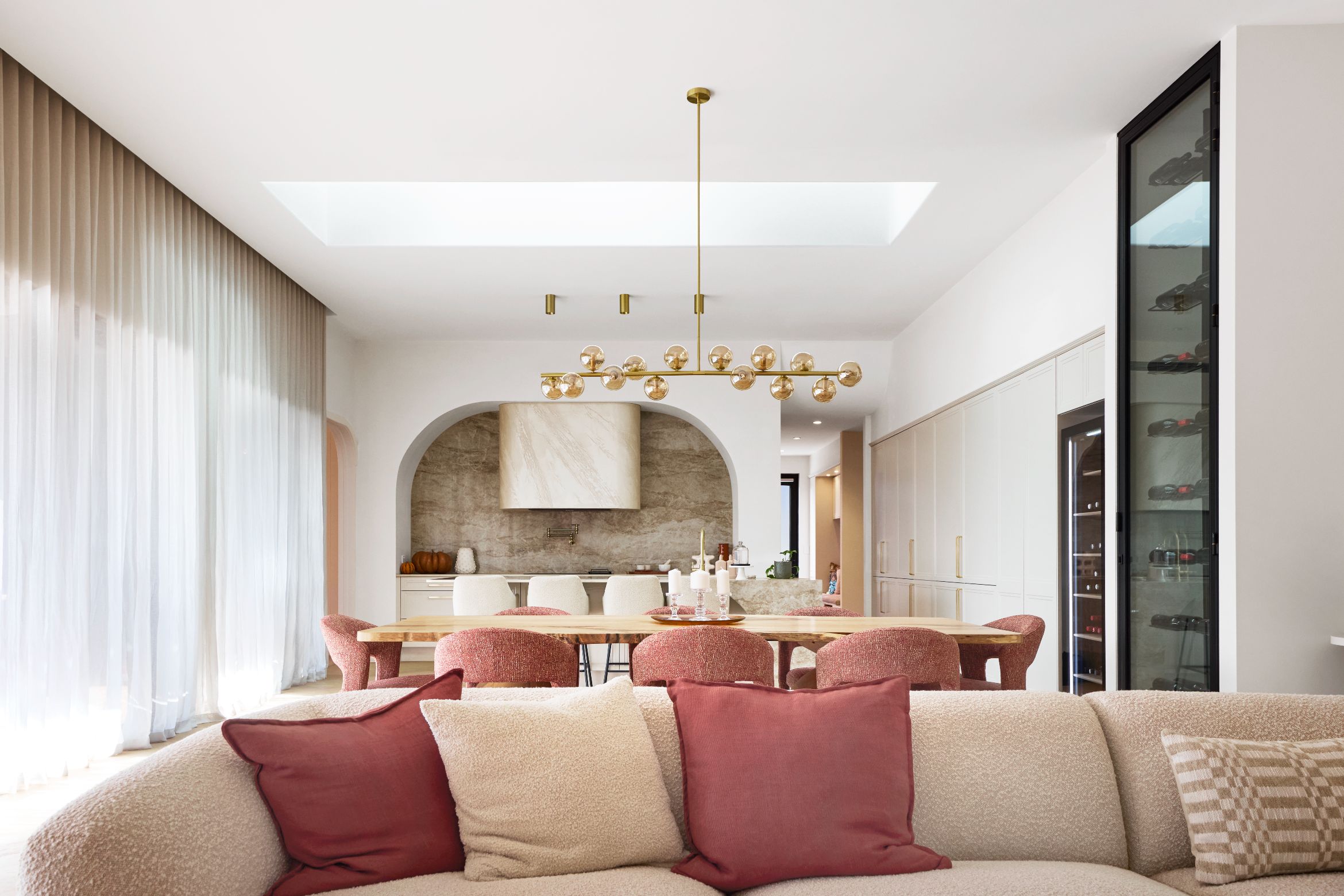
What follows, of course, is an emphasis on the need to design spaces well and with a focus beyond the single dimension of shelter and enclosure. Where VELUX comes in is with the possibility of introducing more natural light and ventilation to interior spaces by way of skylights, for instance.
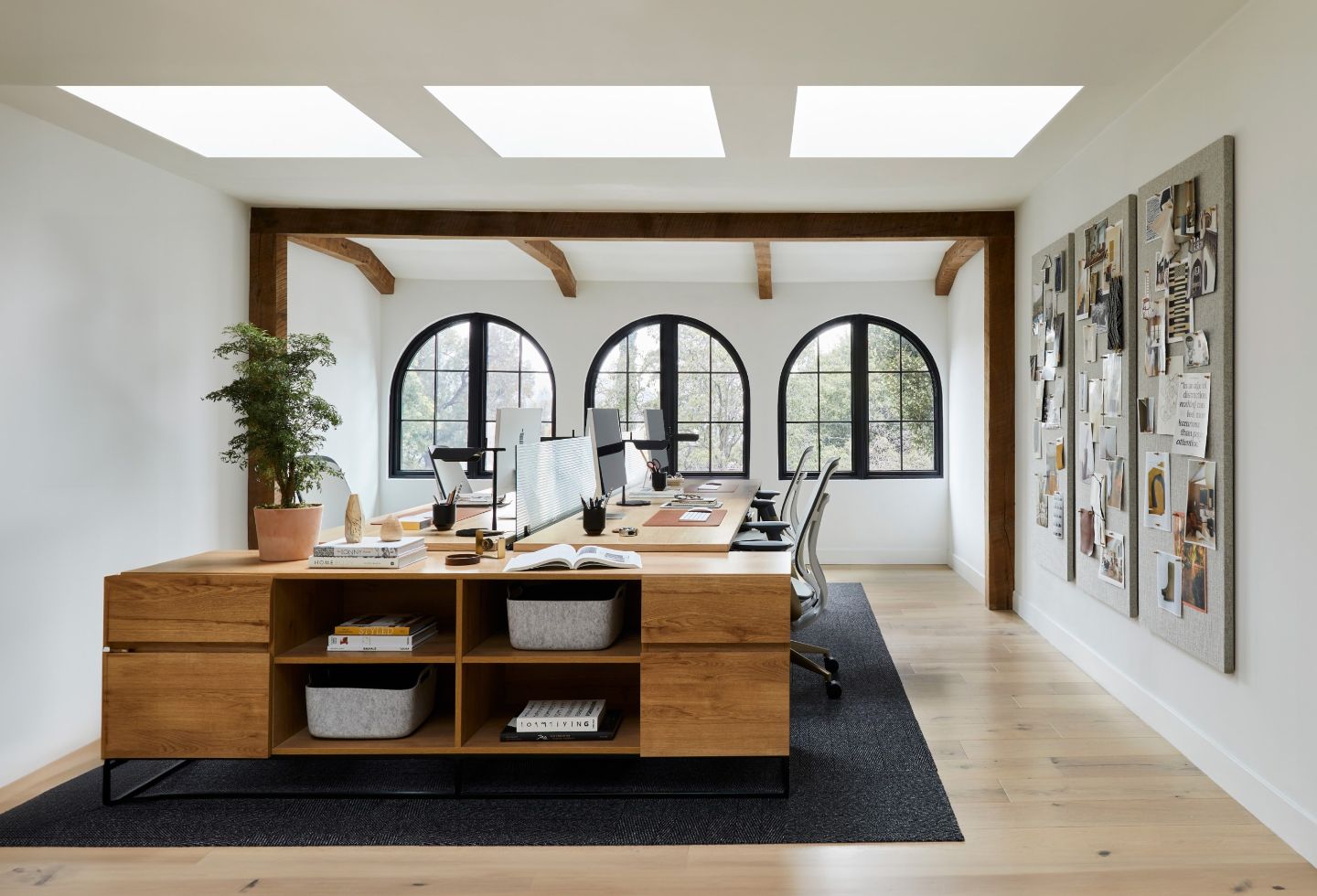
“If you go to the forest,” continues Anders, “there’s almost a fight to be the tallest, to get the most exposure to sunlight. And the closest you can get to the sun is through your roof, and roof is often the forgotten façade of a home. Most people think about the roof as only one dimension – that is, to keep out adverse effects from – but they completely forego the chance of utilising it as an important design element for bringing in wellbeing.”
Related: Lighting an 80th floor penthouse
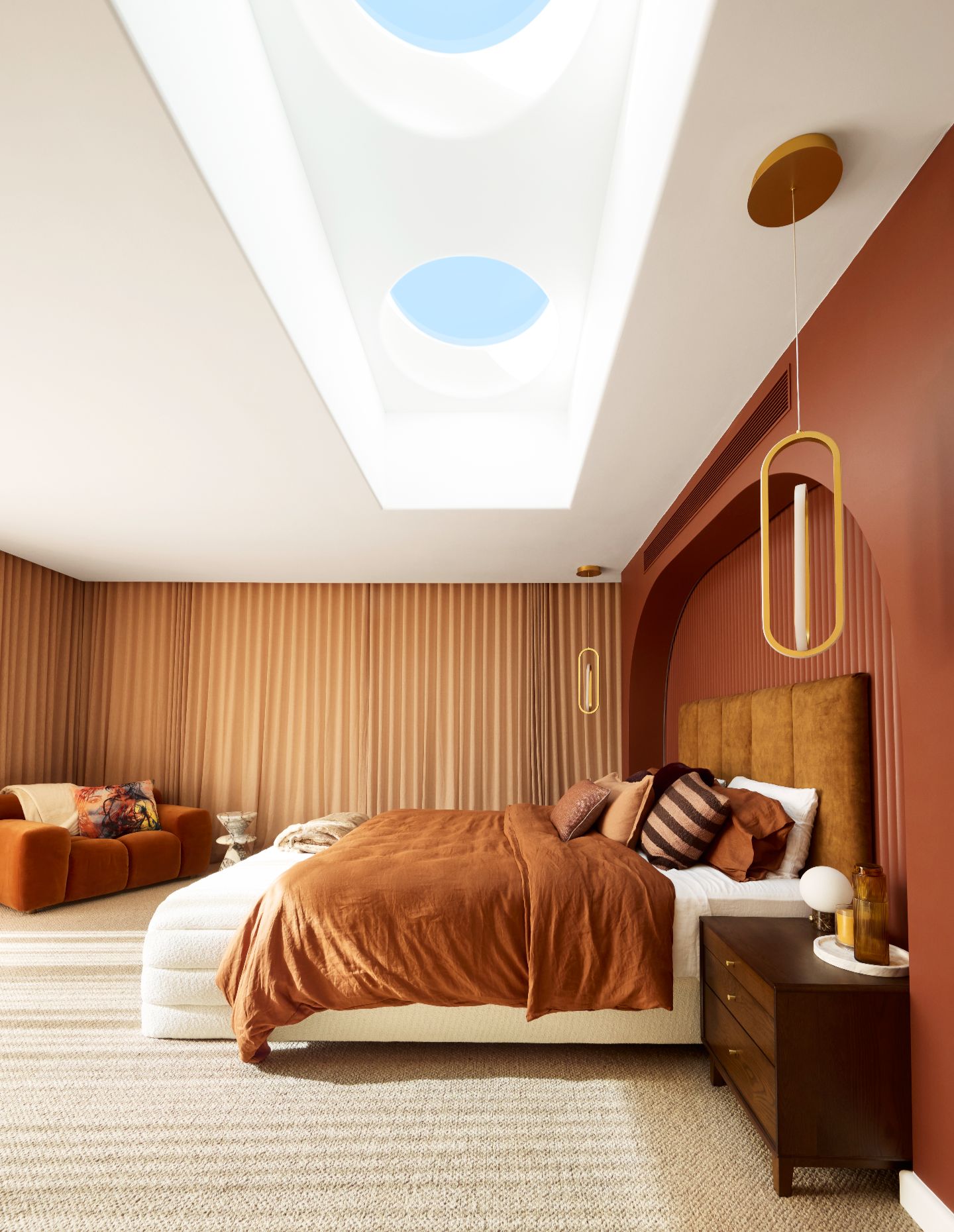
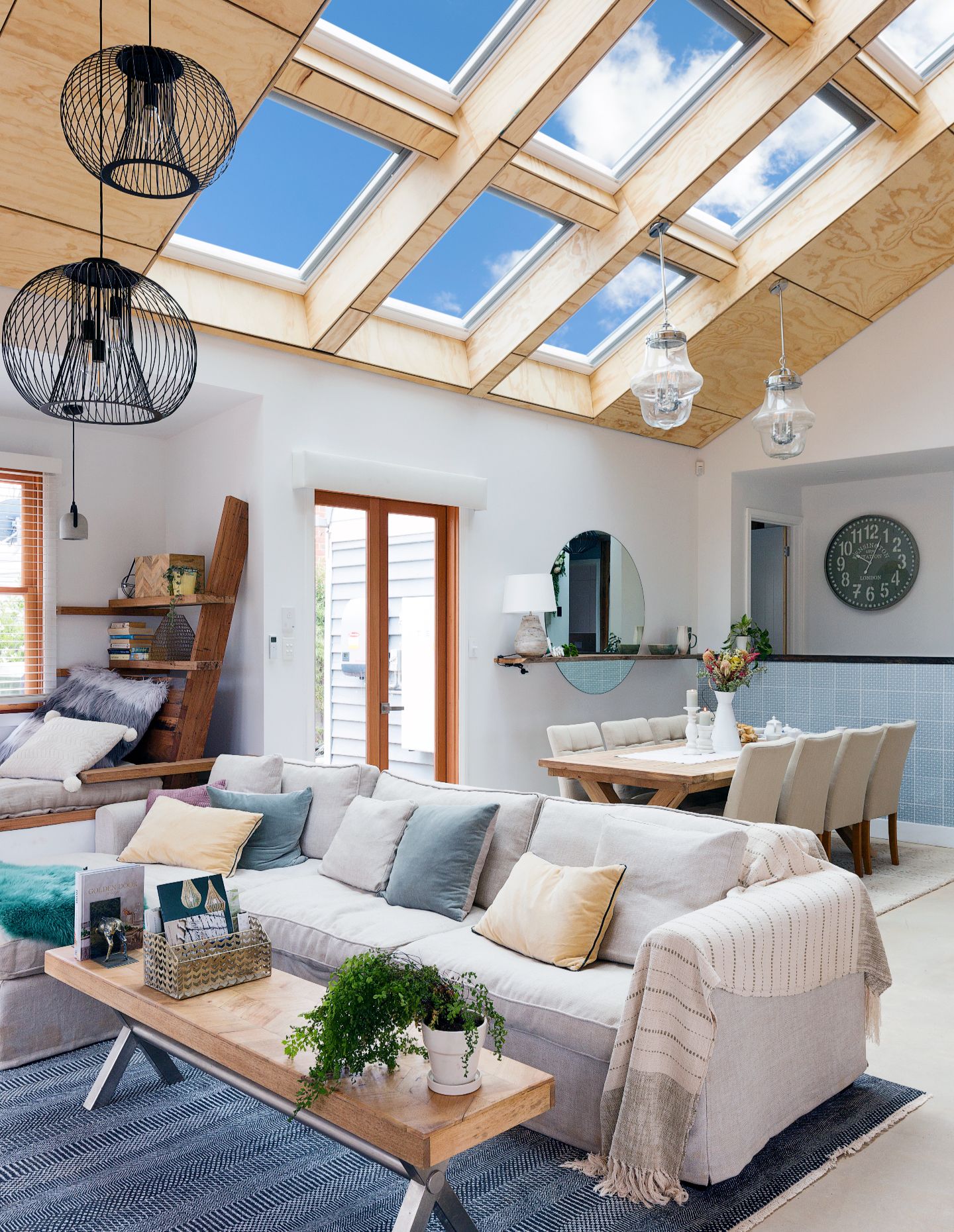
The VR experience is indeed most heightened (no pun intended) where skylights suddenly transform a space. The visitor can quite convincingly experience a change from enclosed interior to seeing light and sky from above.
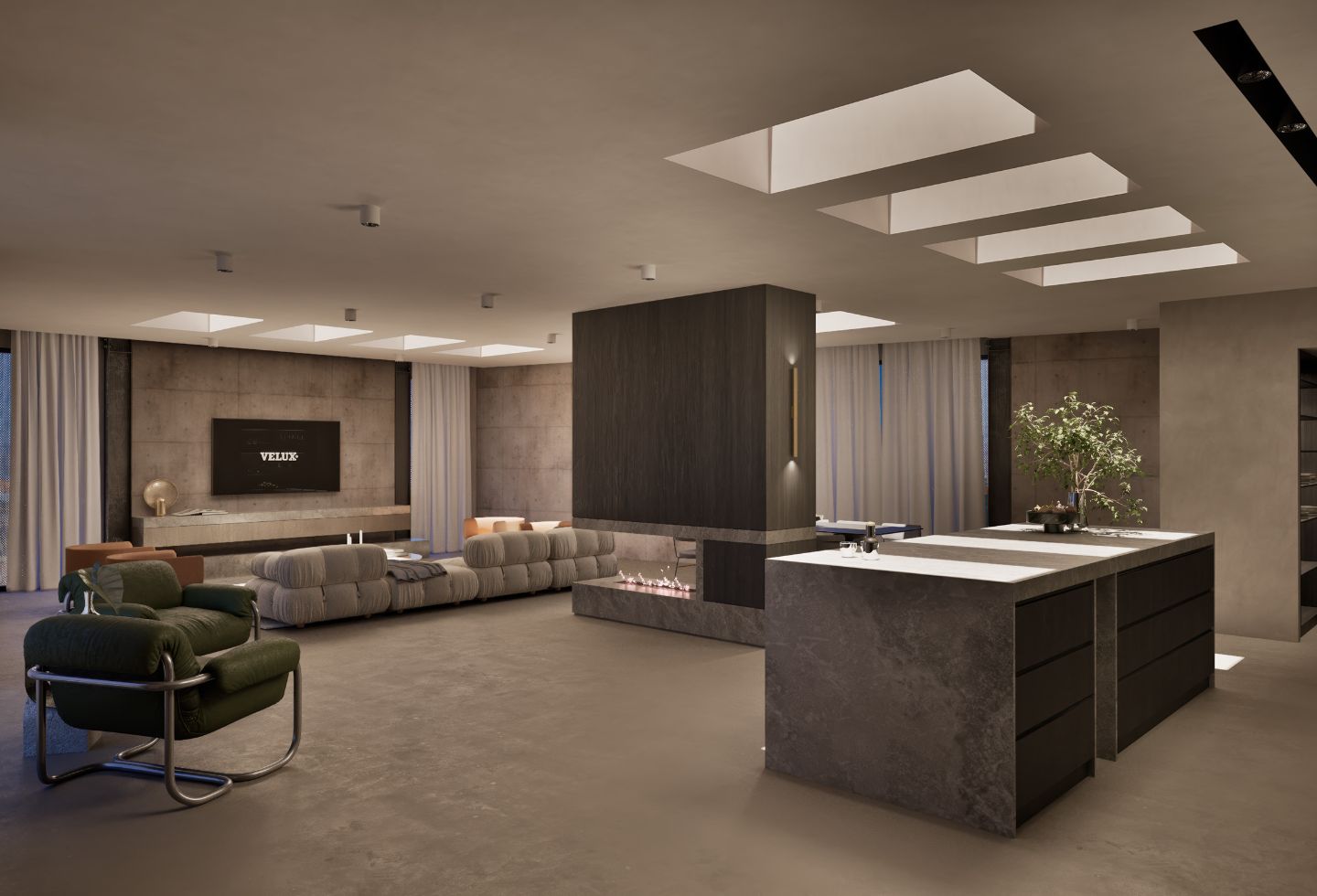
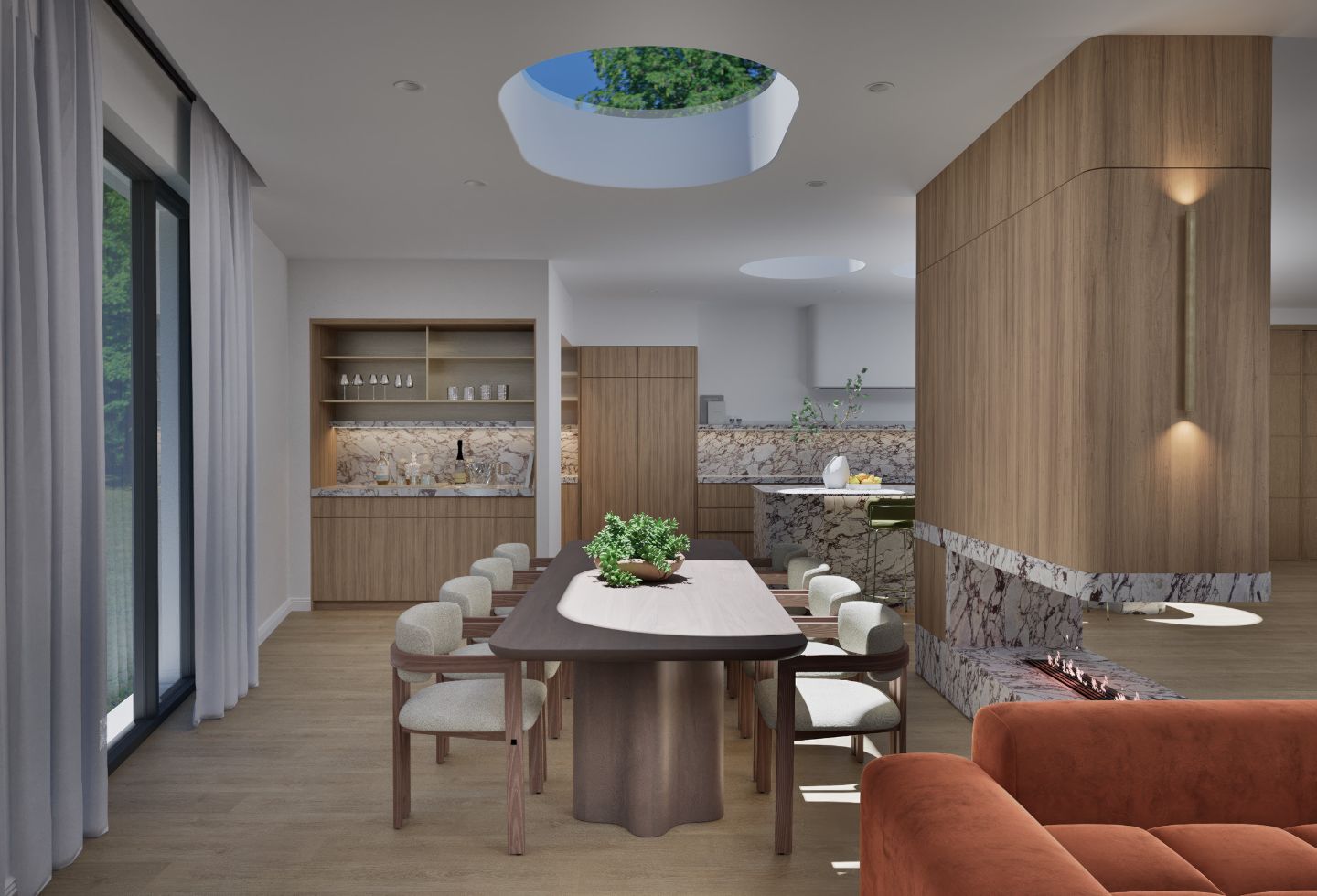
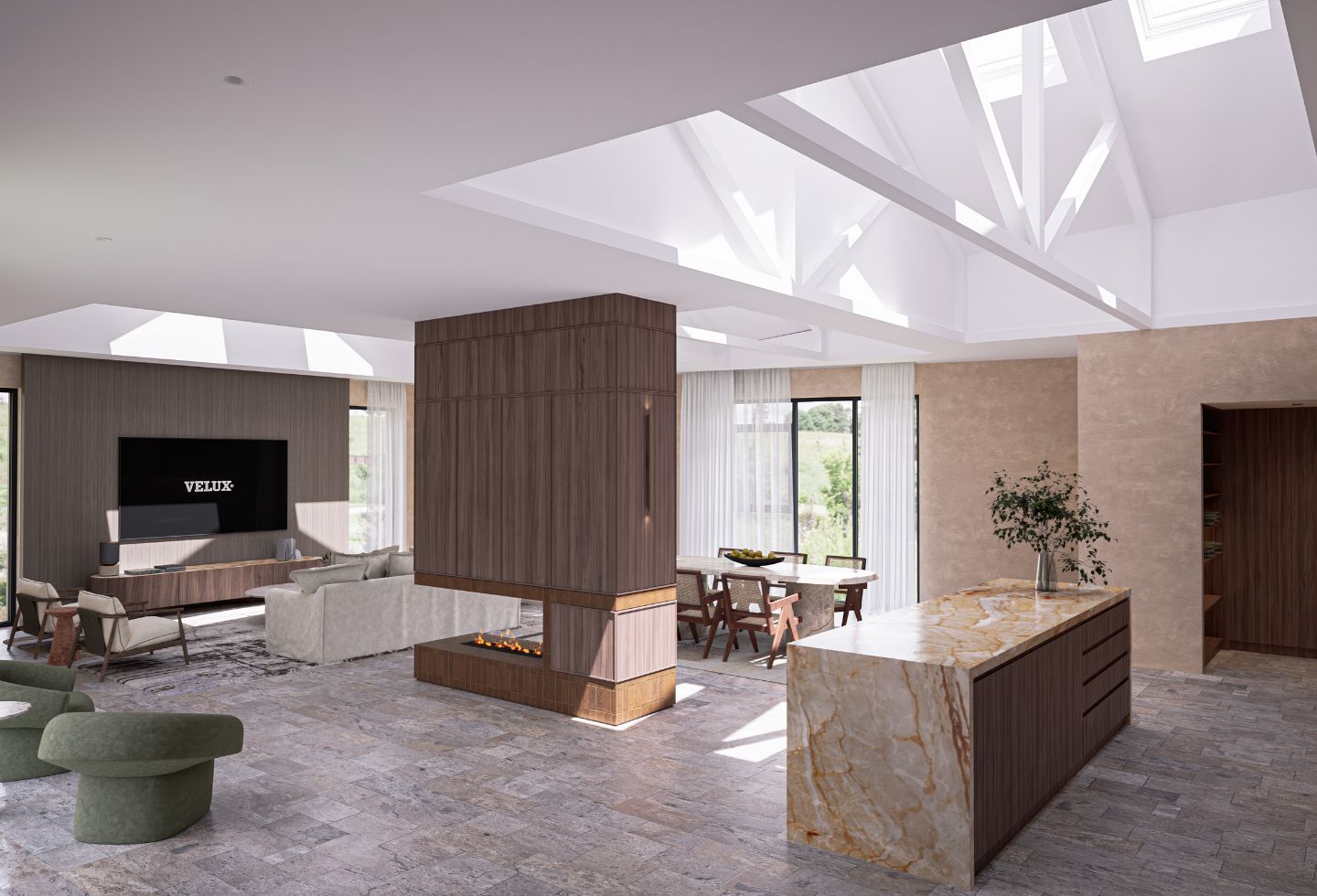
“Humankind, our designers and architects, have for thousands of years understood that ventilation is best done at the top of any building,” he adds, drawing attention to the lessions that contemporary design can learn from vernacular and indigenous traditions. “And it’s also a very dramatic effect – I think if you open up your roof, you get a dramatised effect of daylight.”
Cultural and climatic factors very much play into these design calculations too. A house in tropical Australia will obviously involve very different considerations to an office in Scandinavia, but the principle of accessing appropriately the outdoors remains a universal one.
Photography and renders courtesy of VELUX