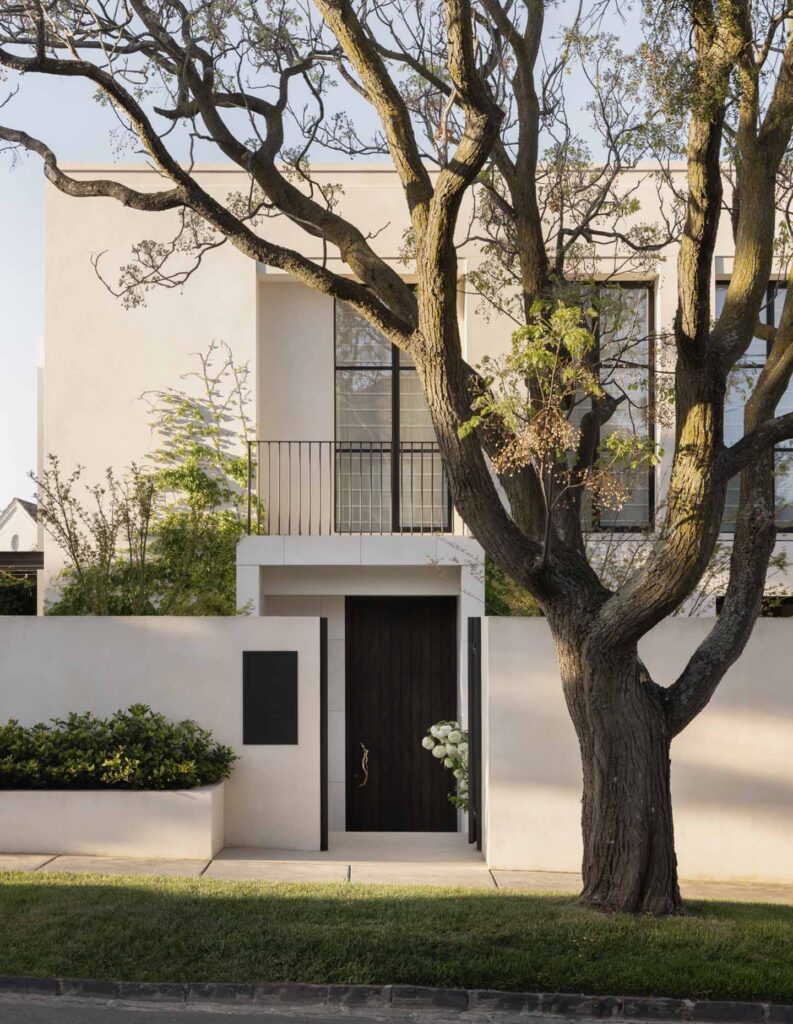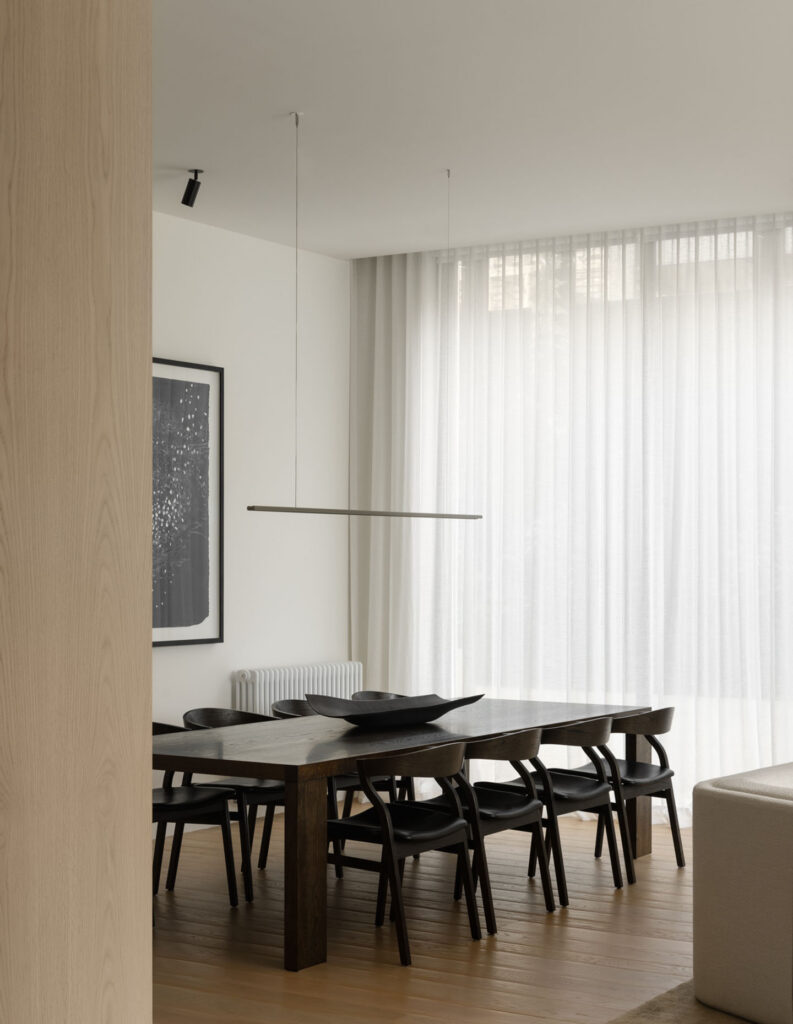

For Paul Conrad, Conrad Residence presented an opportunity rarely afforded in practice: the chance to build a home without compromising the ideas that have shaped his work for years. Conceived for himself, his wife and their two young children, the Malvern residence became both a family home and a testing ground for the studio’s design philosophy.
“Designing my own home allowed a level of freedom that is not often possible in client work,” Conrad says. “There was room to test proportion, material and detail with less constraint, and to take certain risks that would normally be moderated.”
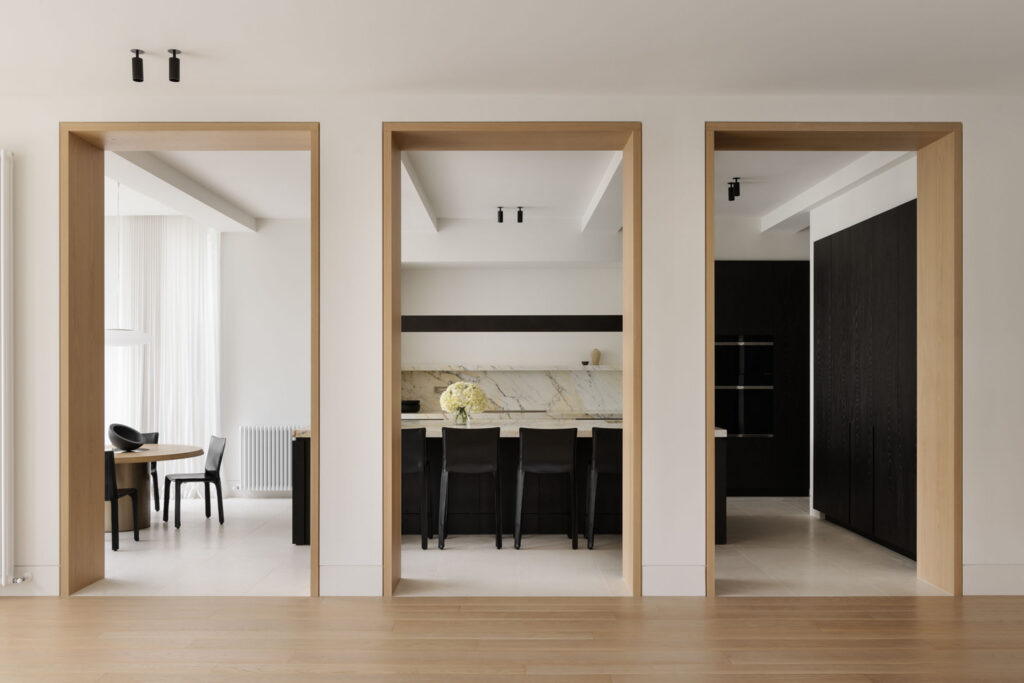
Those decisions were never about experimentation for its own sake. Instead, every move was guided by how the family lives today and how those routines might evolve over time. “It needed to be considered, but also deeply liveable,” he explains. “That alignment made the process both direct and genuinely enjoyable.”
That thinking begins with an idea that sits at the heart of Conrad’s practice: architecture starts from the inside.
“Interior architecture sits at the centre of every project in the studio,” he says. “It establishes how a space is understood and lived in, which ultimately carries the greatest weight.”
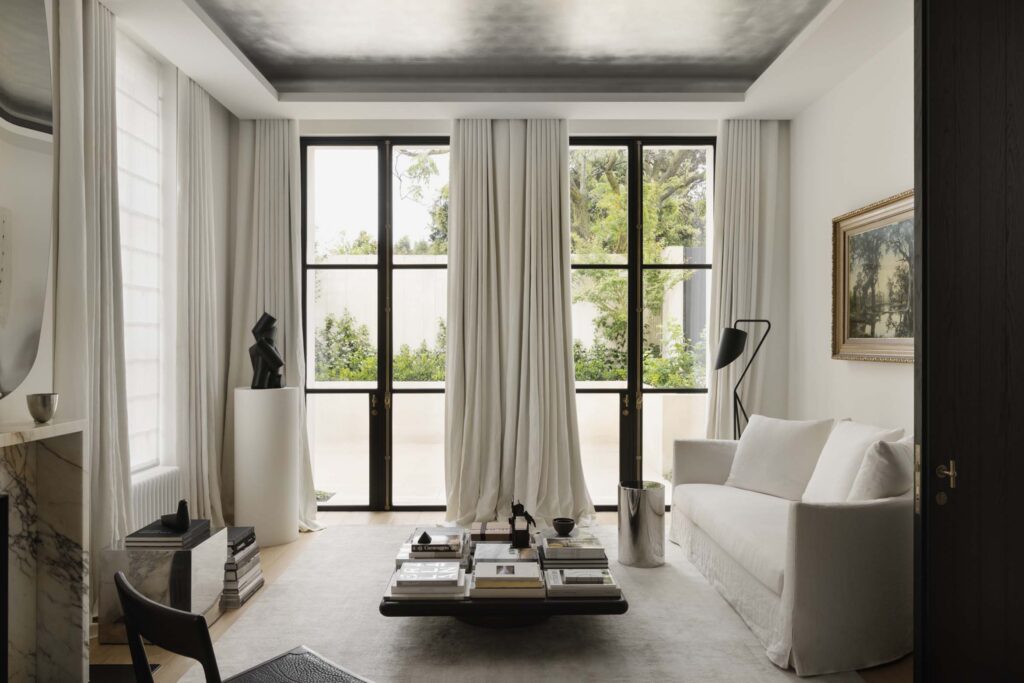
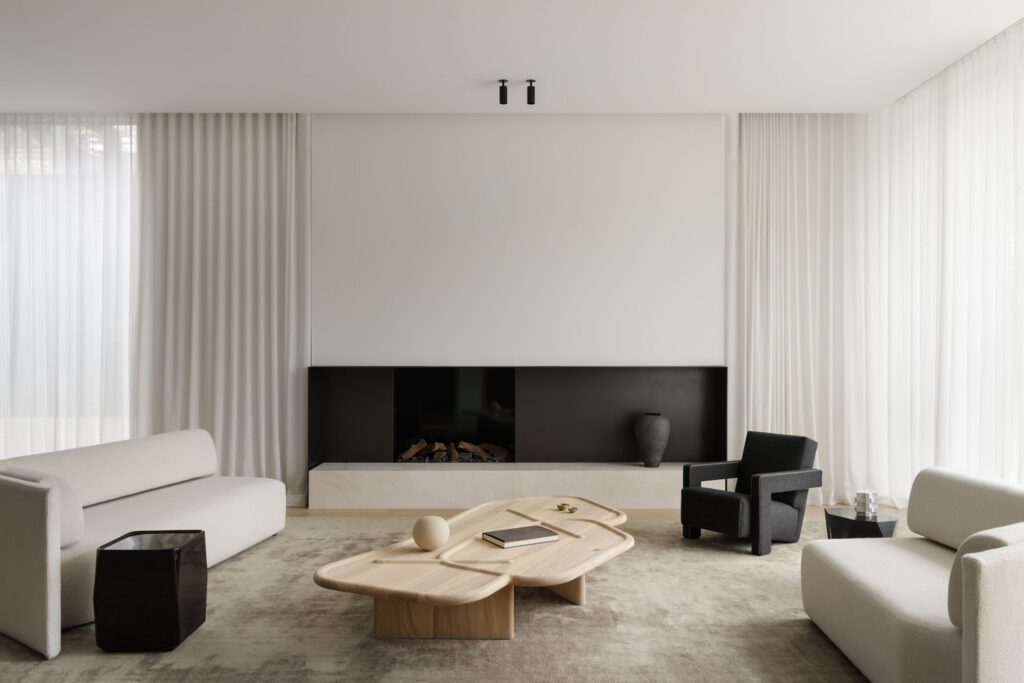
Rather than beginning with a formal architectural gesture, the internal order of the house established the framework early. Proportion, scale and atmosphere were resolved first, allowing the exterior to emerge from spaces that already possessed their essential character. The result is a residence that feels restrained and composed, where the confidence of the façade gives way to carefully calibrated interiors.
The relatively compact Malvern site also demanded a more measured response than many of the studio’s larger residential commissions.
Related: Finding refuge at Pudhur House
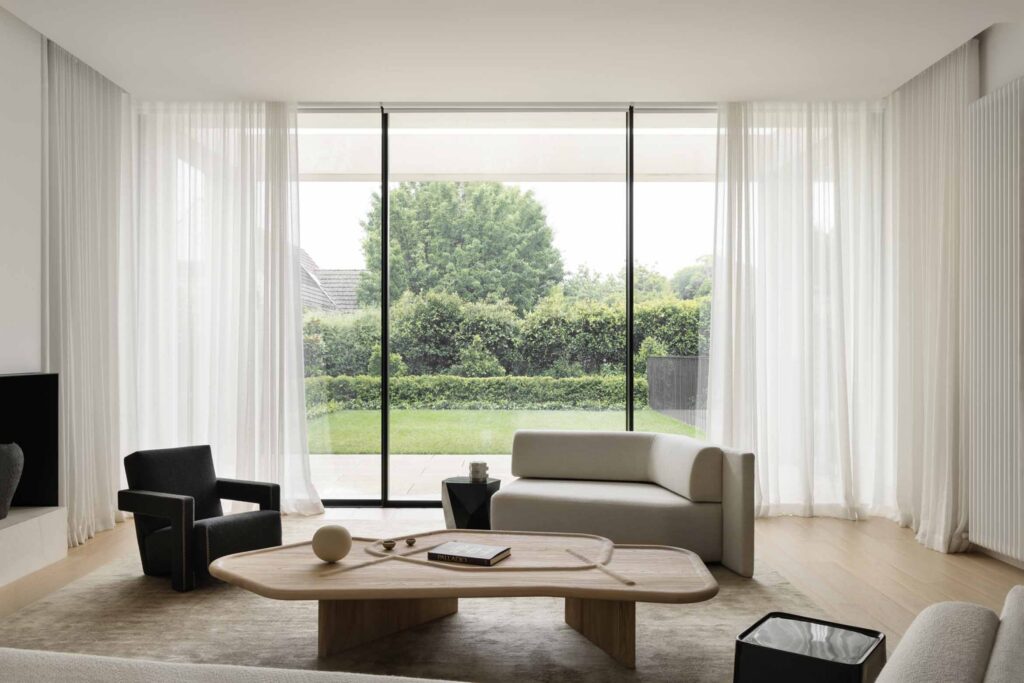
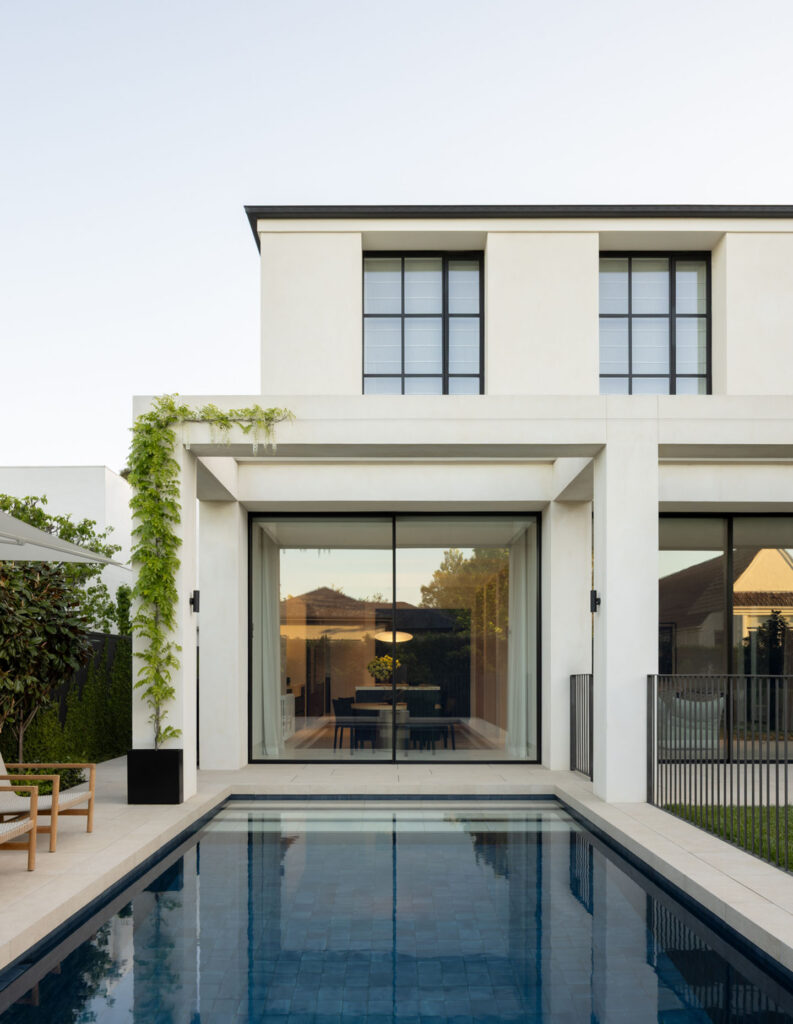
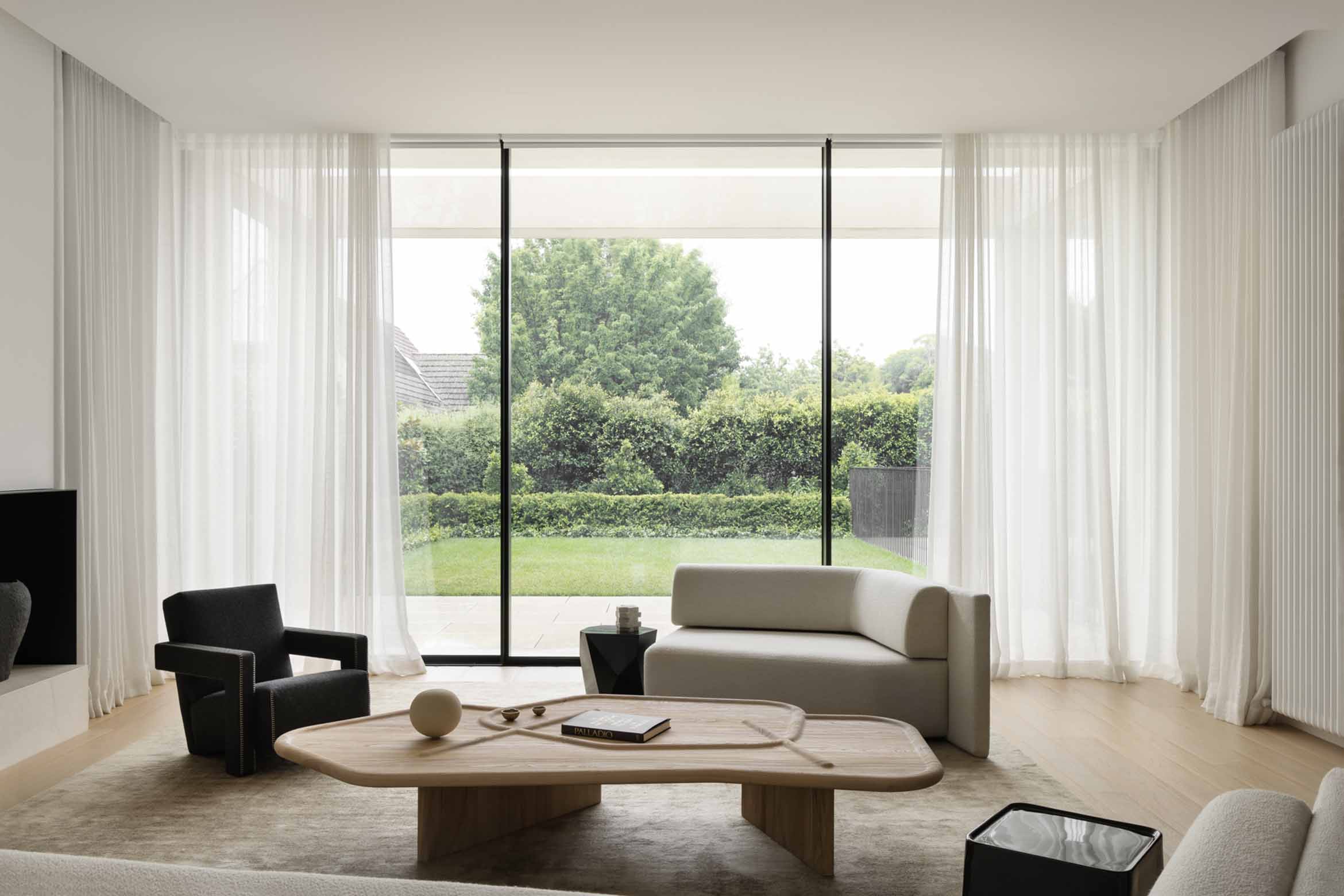
“Securing a northern orientation was important and informed the arrangement from the outset,” Conrad explains. The home maintains a continuous relationship with its garden through expansive glazing and long sightlines, treating landscape not as something viewed beyond the house but as part of the interior experience itself. Greenery becomes another architectural layer, softening the transition between inside and out.
Movement through the home is equally deliberate. At its centre, an elliptical staircase anchors the plan beneath a skylight, becoming far more than a circulation element.
“The stair anchors the house and sits centrally within the plan,” Conrad says. “Ascending, the space opens and light becomes more expansive as you reach the upper level. Descending, the volume compresses, creating a slightly more enclosed and sheltered condition at the basement.”
Integrated lighting reinforces these changing spatial conditions, subtly registering movement throughout the day and giving the home an almost cinematic sequence of arrival, ascent and retreat.
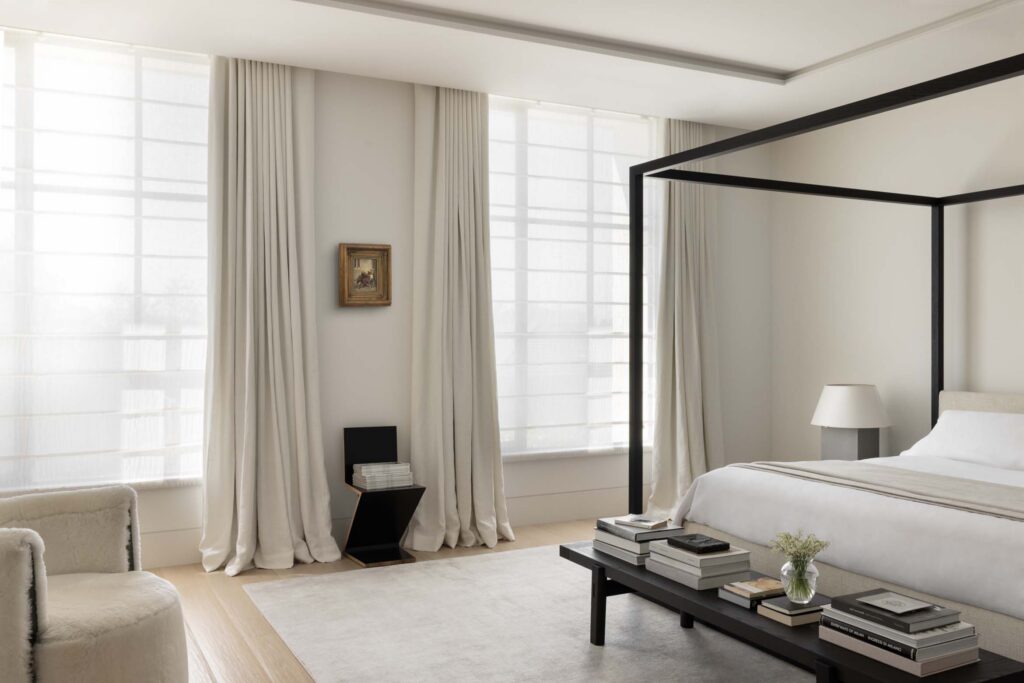
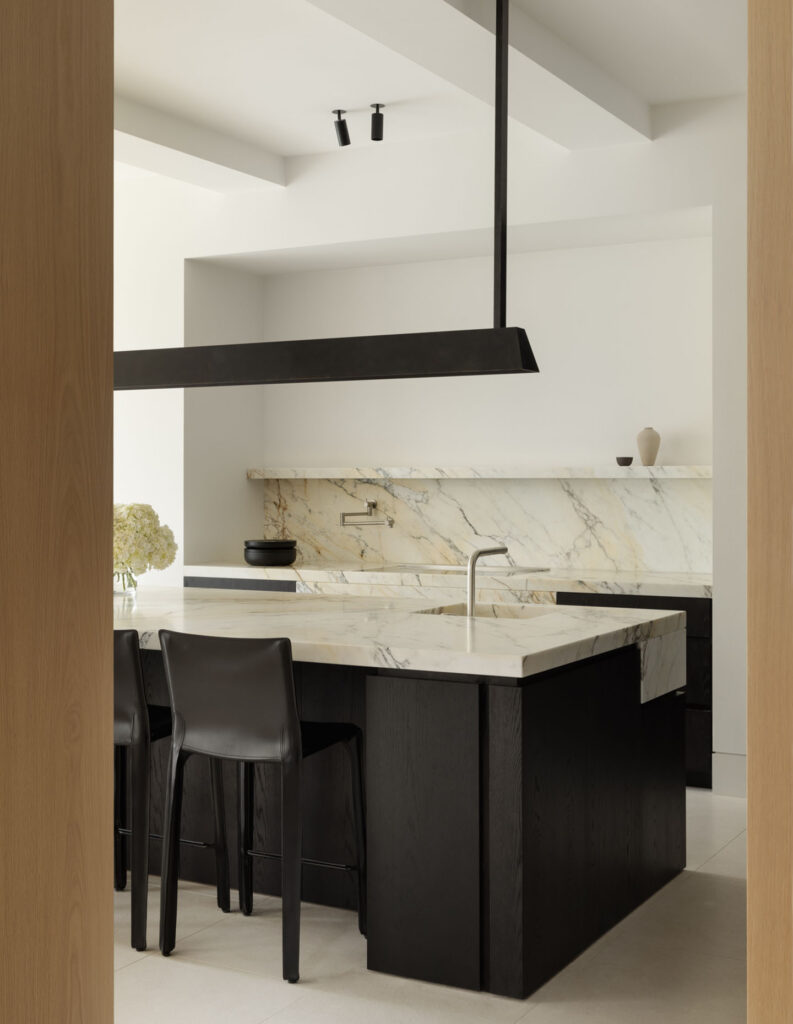
While the architecture is deliberately restrained, the material palette embraces imperfection. Limestone, European oak, marble and aged brass have been selected not because they celebrate time and age.
“There is an acceptance that surfaces will wear, soften and deepen over time,” Conrad says. “That process gives the house continuity and permanence, while reducing the need for replacement.”
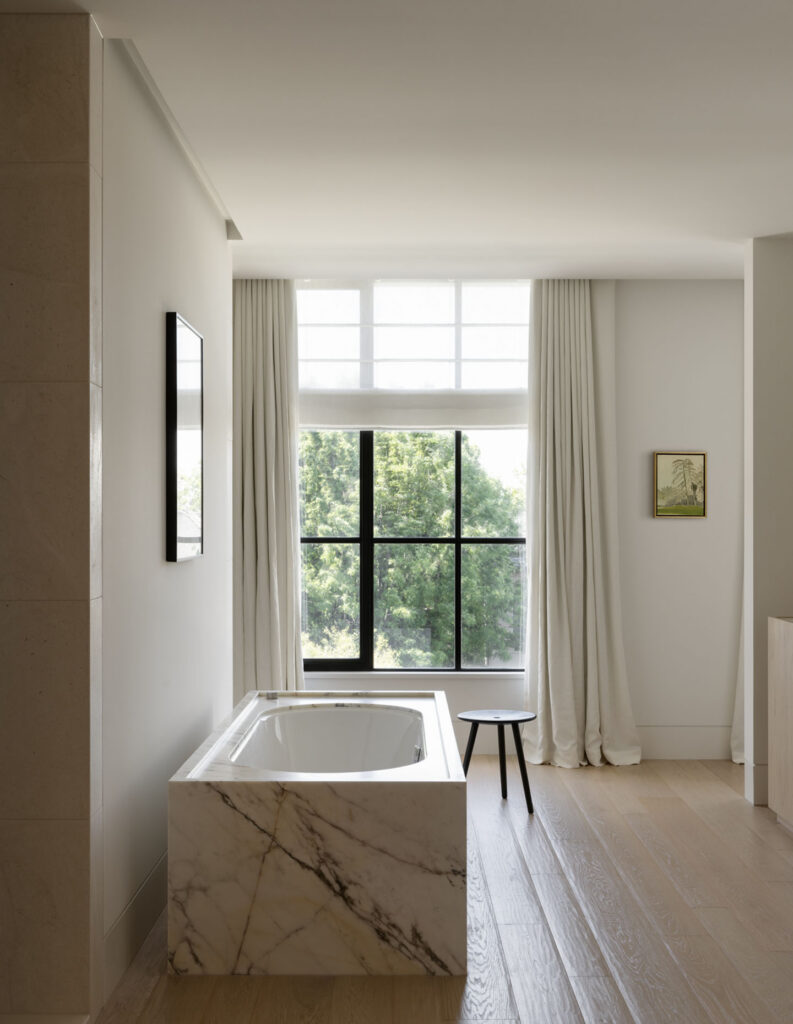
Rather than preserving surfaces in a pristine state, the house welcomes everyday family life as another layer of finish. Materials are expressed honestly or hand-finished to expose their texture, allowing the inevitable marks of occupation to contribute to the home’s character.
Light, too, is treated as an architectural material rather than simply a functional requirement.
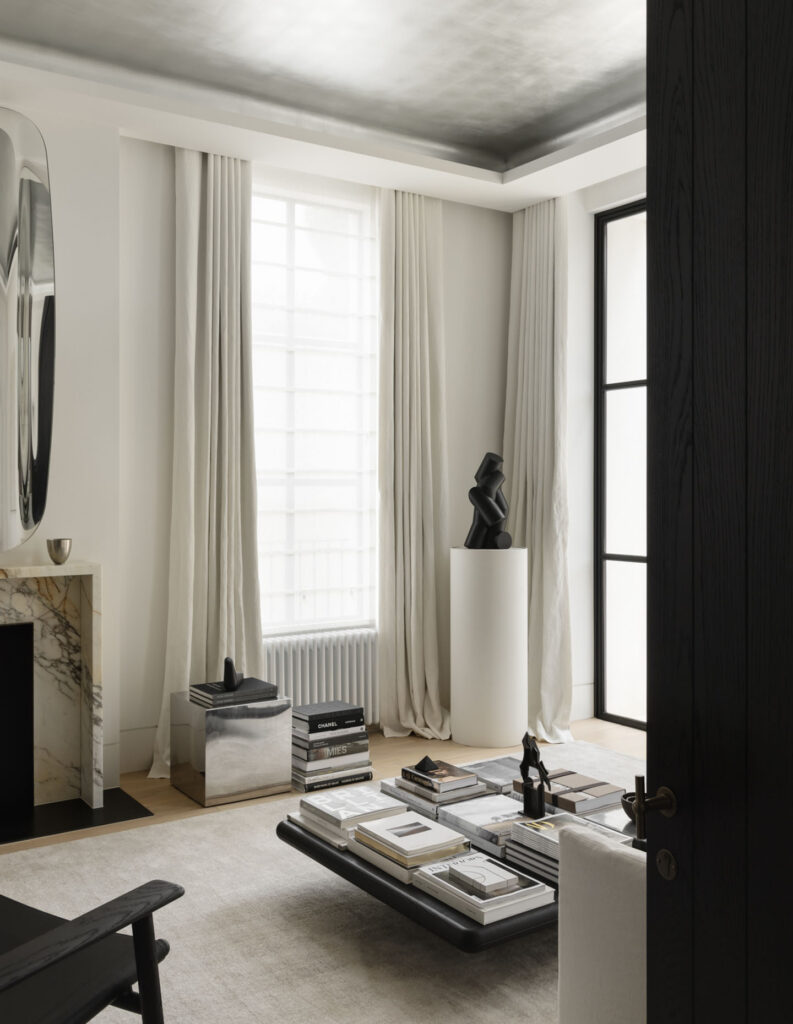
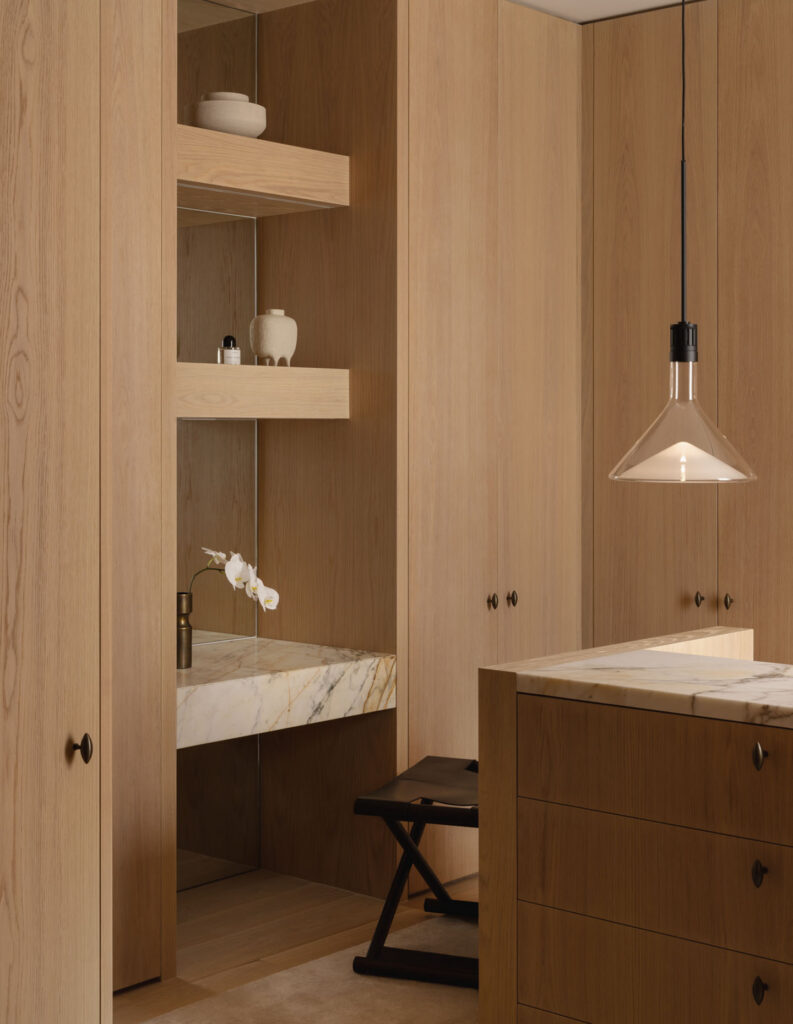
“Light is considered early and resolved as part of the architecture,” Conrad explains. Natural light moves through the house via the central skylight and generous rear glazing, establishing a rhythm that shifts across the day. Artificial lighting responds in turn, calibrated to occupation, activity and time, with colour temperatures changing to support circadian rhythms — from cooler, energising light in the morning to warmer tones as evening approaches. The result is an environment that quietly adapts to its occupants without demanding constant adjustment.
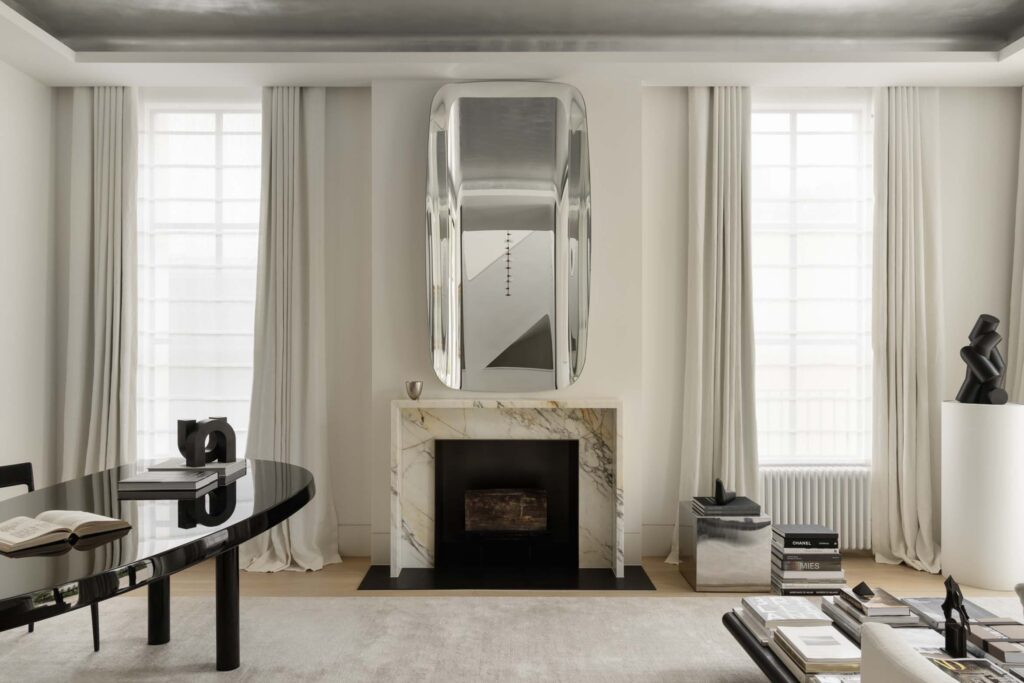
Perhaps no room captures Conrad’s thinking more clearly than the study. Positioned on axis with the staircase, it occupies a space somewhere between library, gallery and workplace.
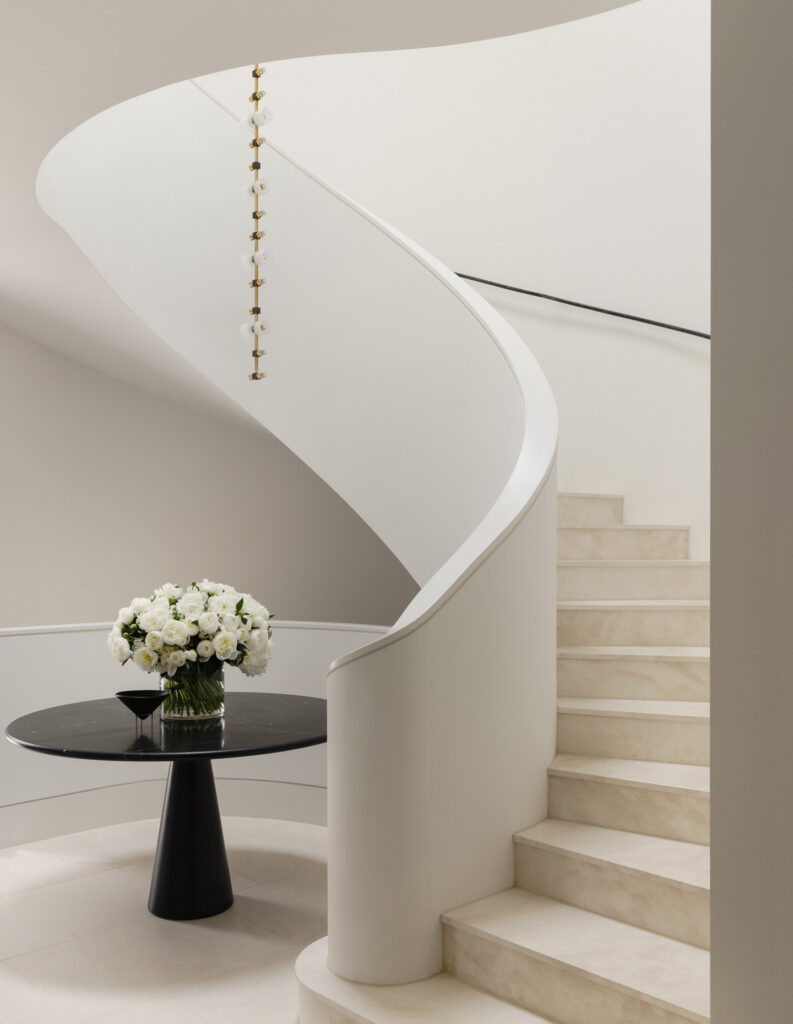
“The study reflects the broader intent of the house and the studio,” he says. “Books, objects and artwork are held with equal importance, creating a setting that supports both focus and a slower, more contemplative way of working.”
Rather than separating professional and domestic life, the room becomes an extension of both — a place where architecture, art and reflection coexist within a calm, enduring setting.
Conrad Residence is a home intended to evolve alongside the family that inhabits it. Interior architecture leads the process, materials improve with age and atmosphere is shaped as much by light and movement as by form. The result is not simply a showcase of design, but a considered framework for everyday life.