
On a Brisbane street lined with weatherboard cottages, a steep-roofed brick house with white dormer windows and a creeping vine has long read like an image from a children’s picture book. Its front lawn, traditional letterbox and compact gabled form have made it a local landmark that the neighbours point out or imagine living in. For architect Rebecca Caldwell of Maytree Studios, the first visit fixed the project’s name in place: the house “just looked like something out of a fairytale.”
So many people, she notes, have told the owners that they know and love this house. That persistence in collective memory is rare: a 1953 brick home in a suburb dominated by timber, its street presence intact across decades of incremental change. Without heritage listing, however, that presence was never guaranteed. The house could easily have been demolished or radically altered to suit contemporary expectations. Instead, it embraces its form and neighbourhood continuity along with it.
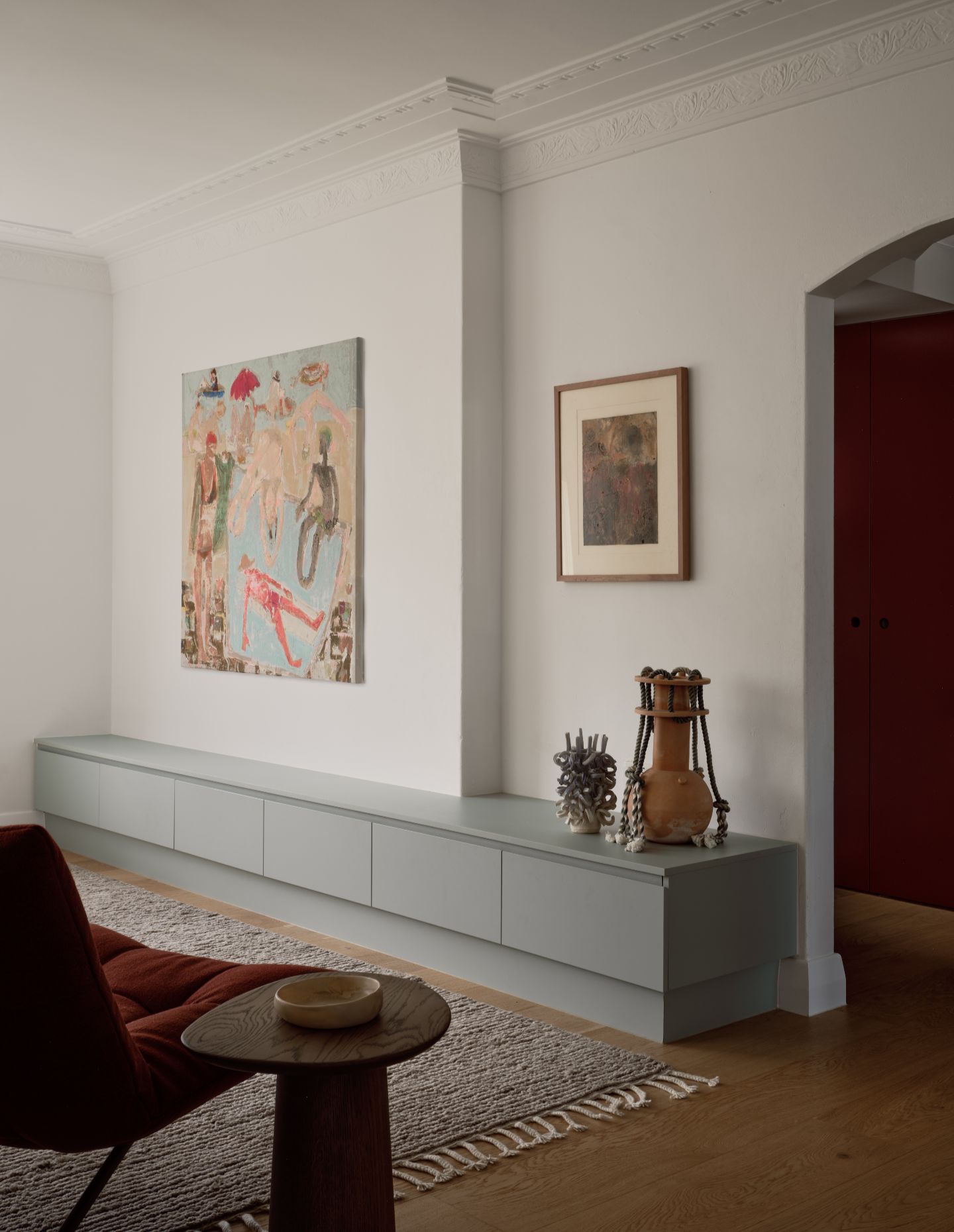
Fairytale House has held a single family across three generations. The current custodians, Ben and Taryn, live here with their three children, in a home first built and then carefully tended to by Ben’s family. Inside, they inherited an interior that was at odds with Brisbane’s white-on-white domestic design: each room painted different shades of yellow and ochre by Ben’s mum. Rather than wiping the slate clean, Maytree and the clients treated this palette as a starting point, a store of memory and character to be honoured even as the house was re-planned for contemporary family life.
The brief called for natural light and a more legible circulation sequence in what had been a dark, divided layout; it also required an additional bedroom and improved amenity for a family of five. The most impactful gesture was the removal of the rear A-frame lean-to carving out a double-height void. This one move unlocked volume and connection, drawing daylight deep into the plan, visually linking the two levels and reorienting the house towards the garden without adding a square metre.
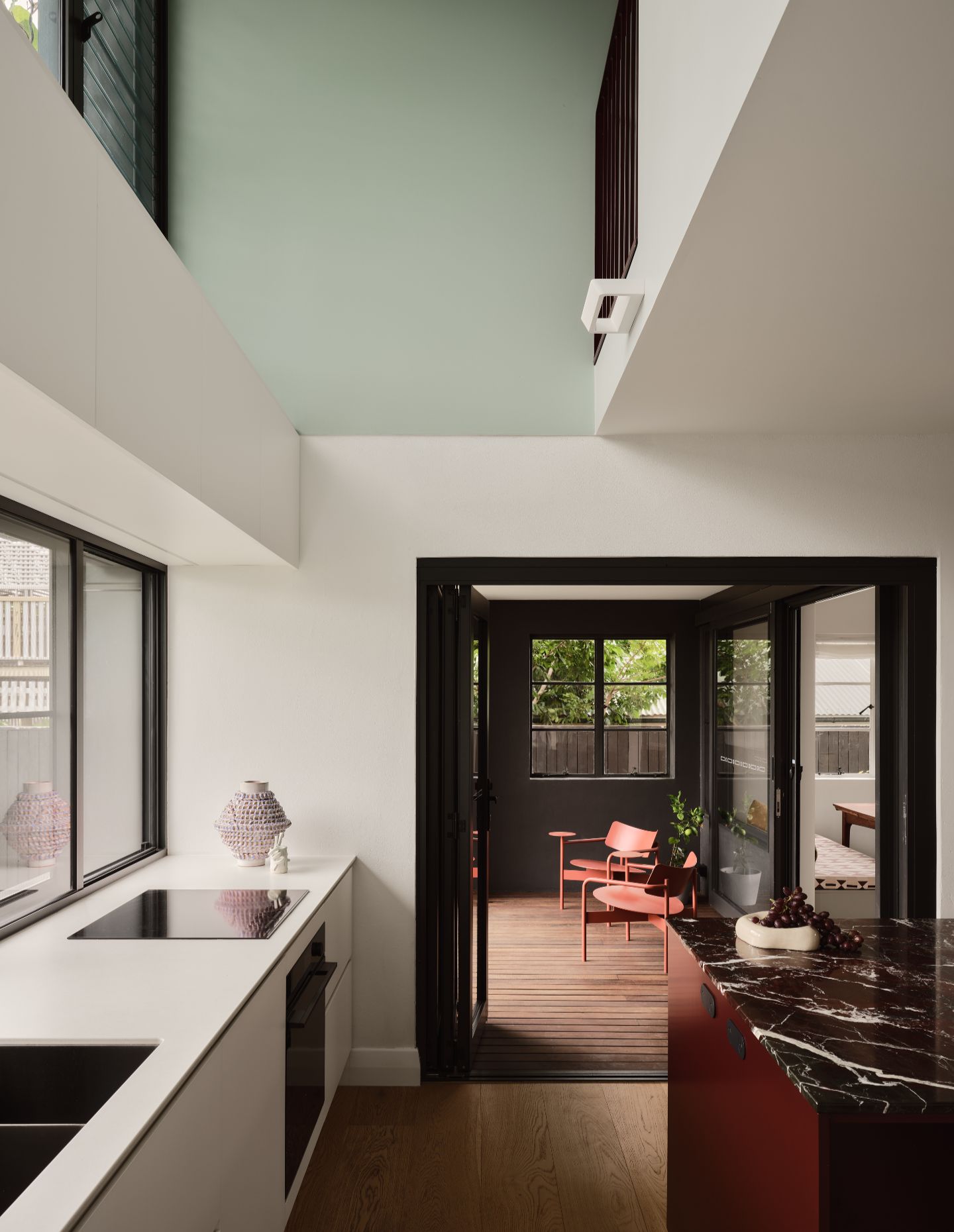
Within that clarified volume, the interiors are anything but cautious. A deep claret stair cuts upward through the void, drawing the eye through the house and continuing the tradition of a palette that is rich rather than recessive in the house.
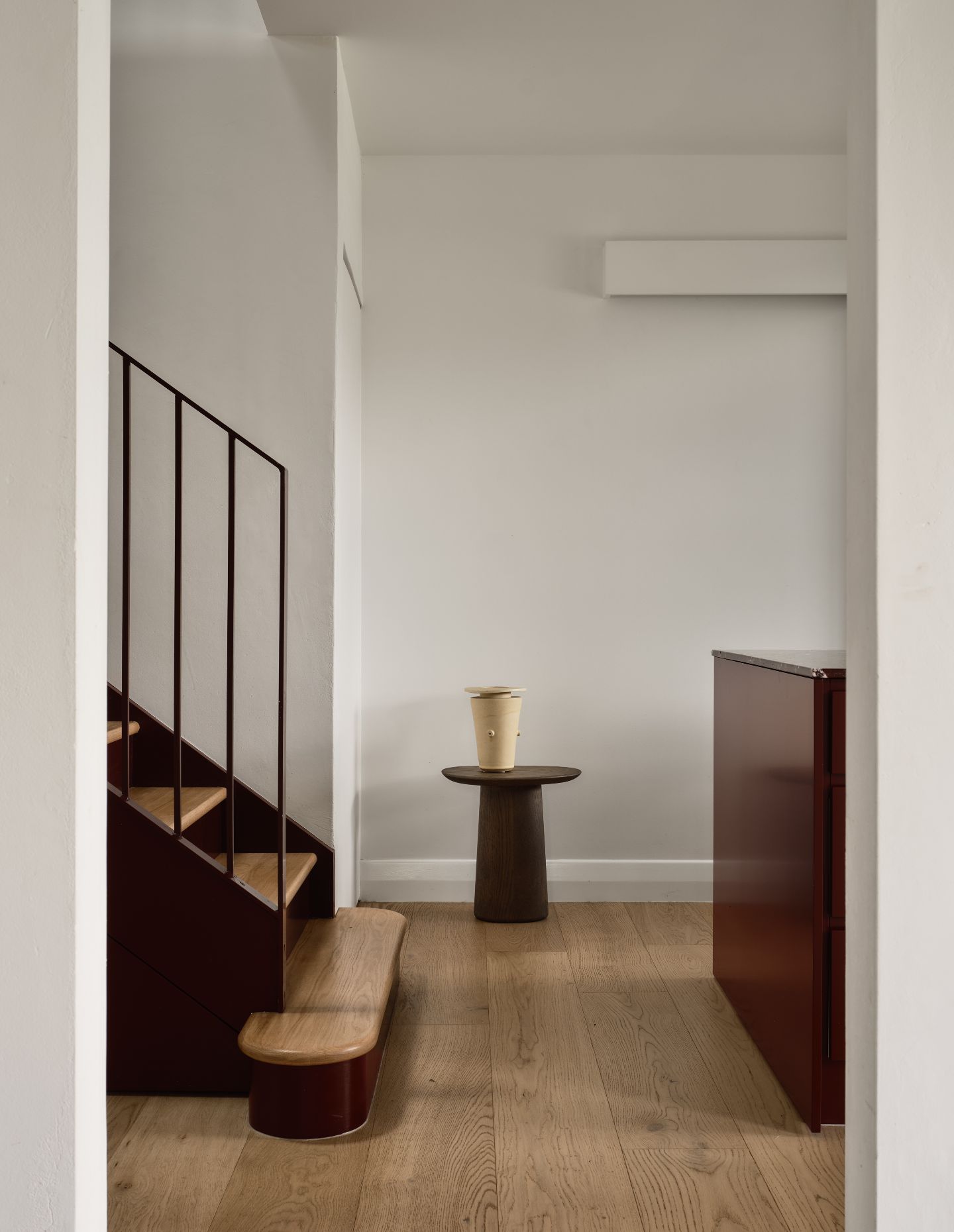
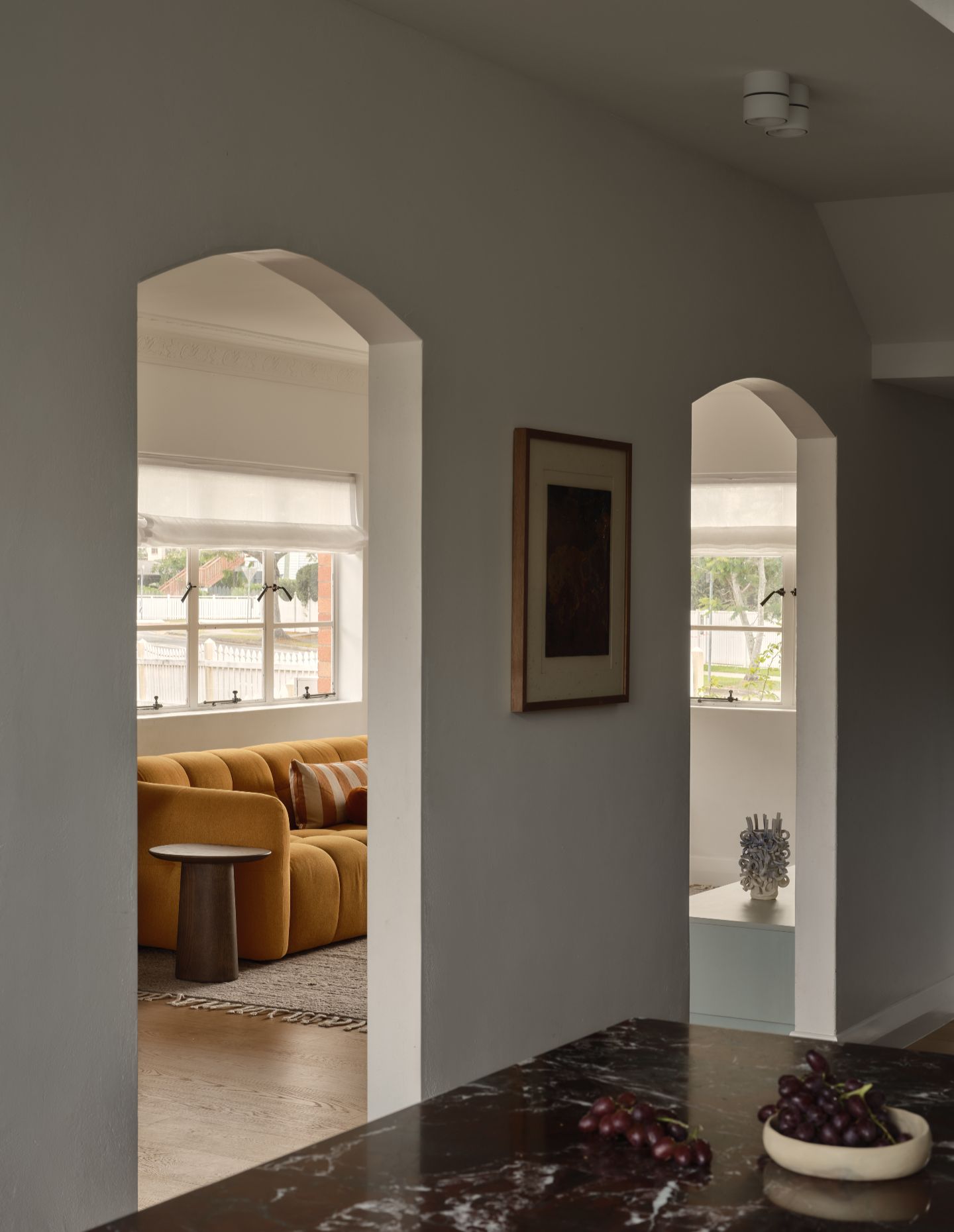
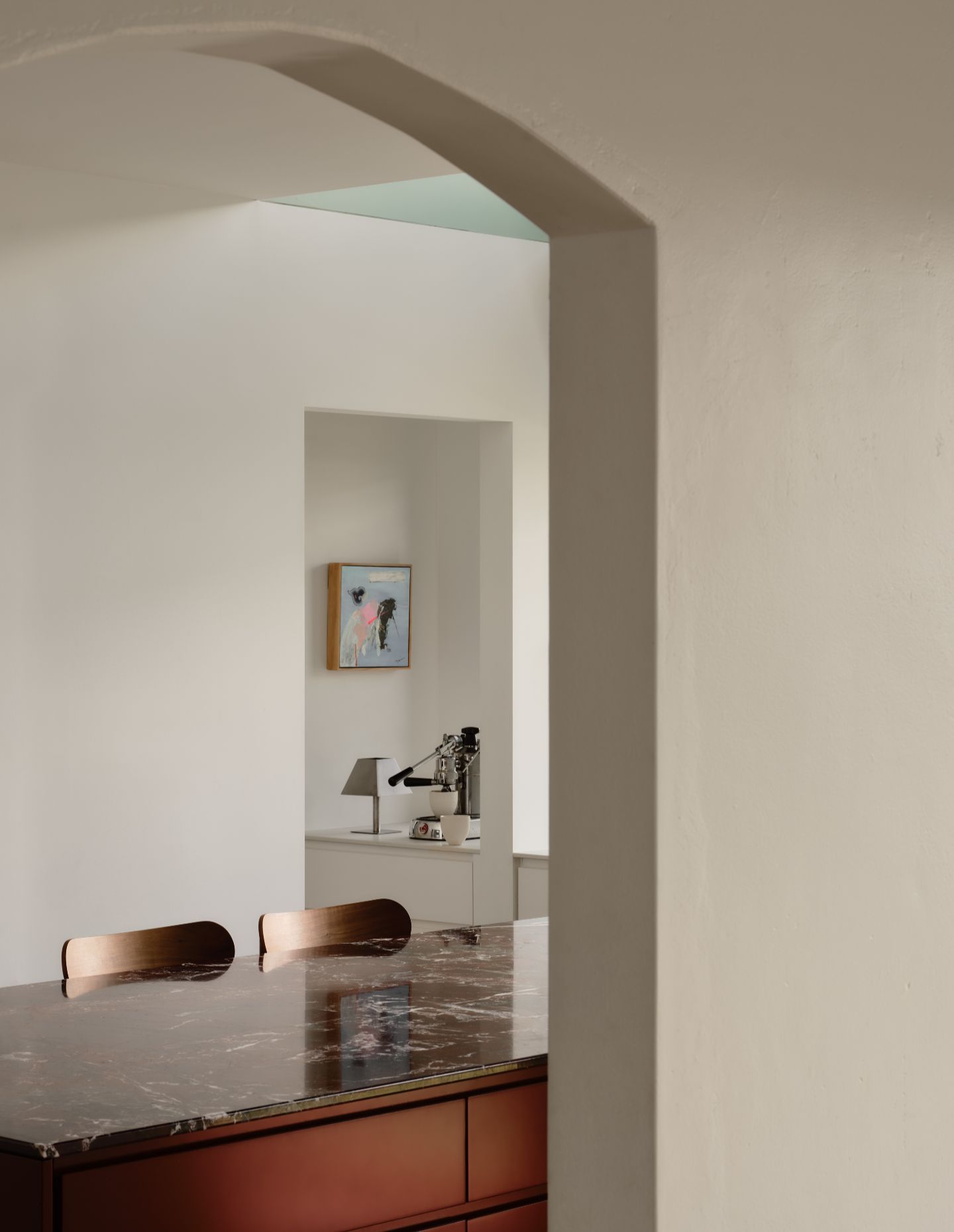
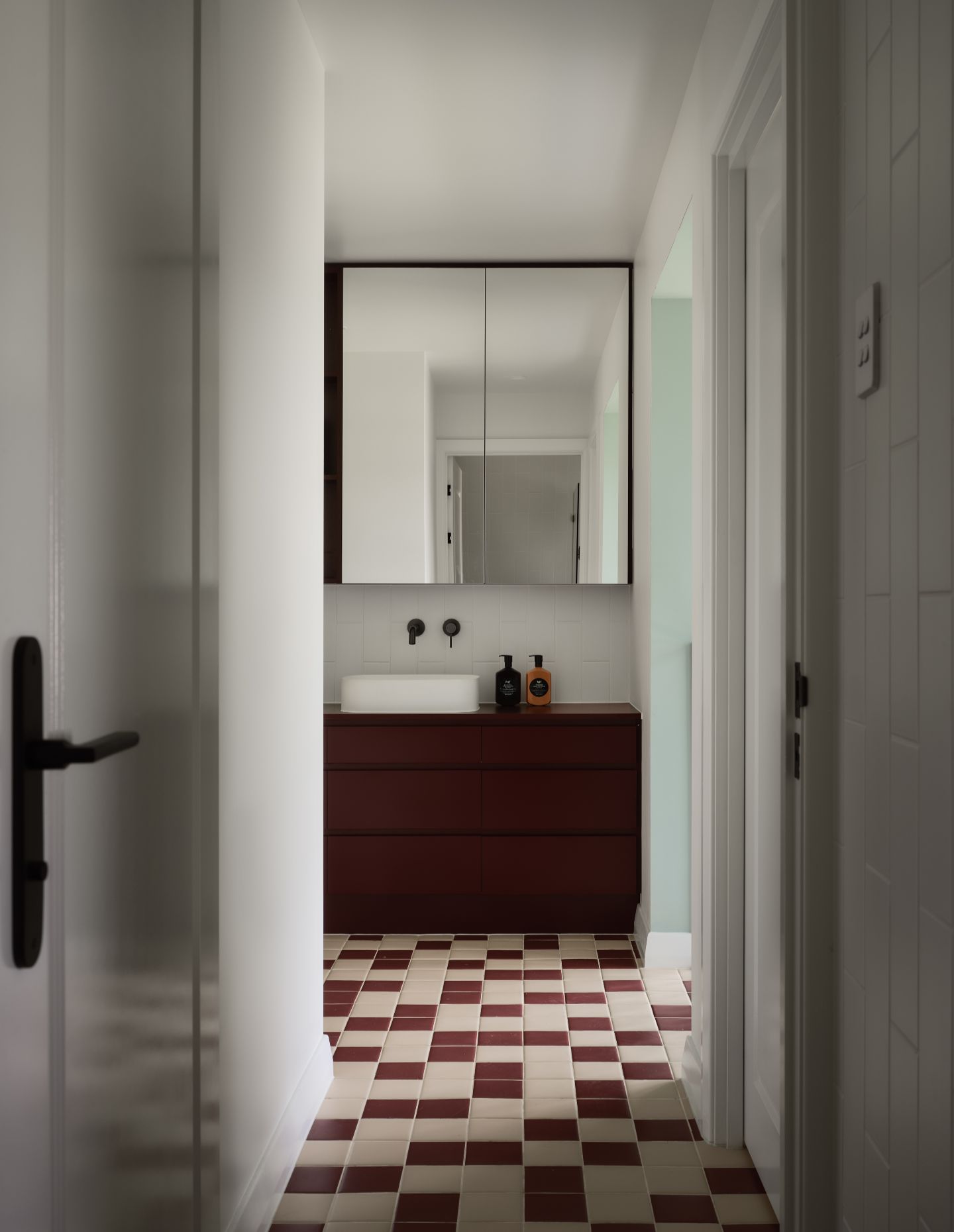
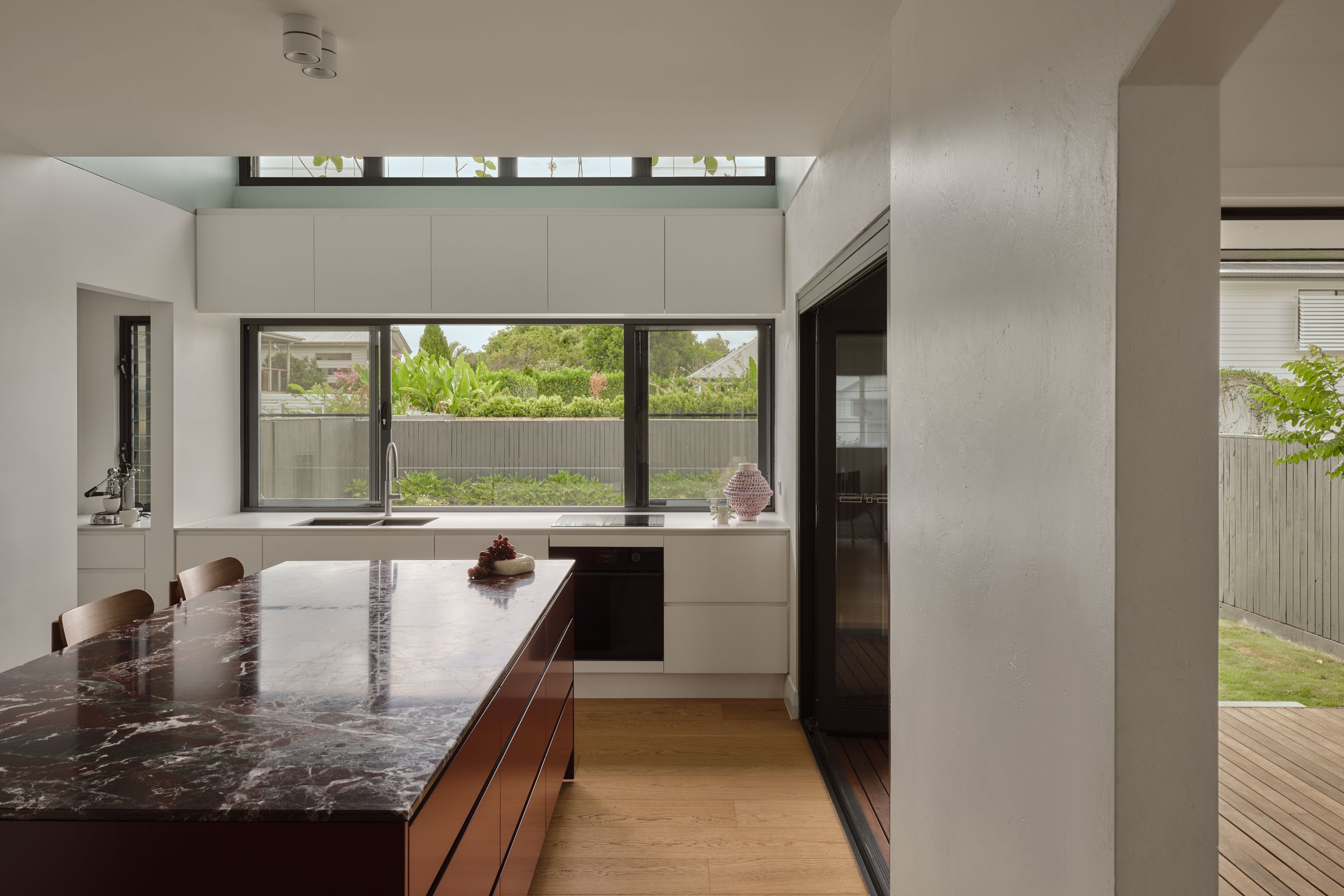
In the kitchen, a Rosso Levanto marble island sits like a jewel at the heart of the house, its veining intensified by the surrounding restraint of stone and timber. Bold joinery and patterned tiling offer loose cues to the home’s mid-century origins without slipping to nostalgic pastiche. The whimsy of the existing house invites expression and play building on a foundation of difference rather than sameness.
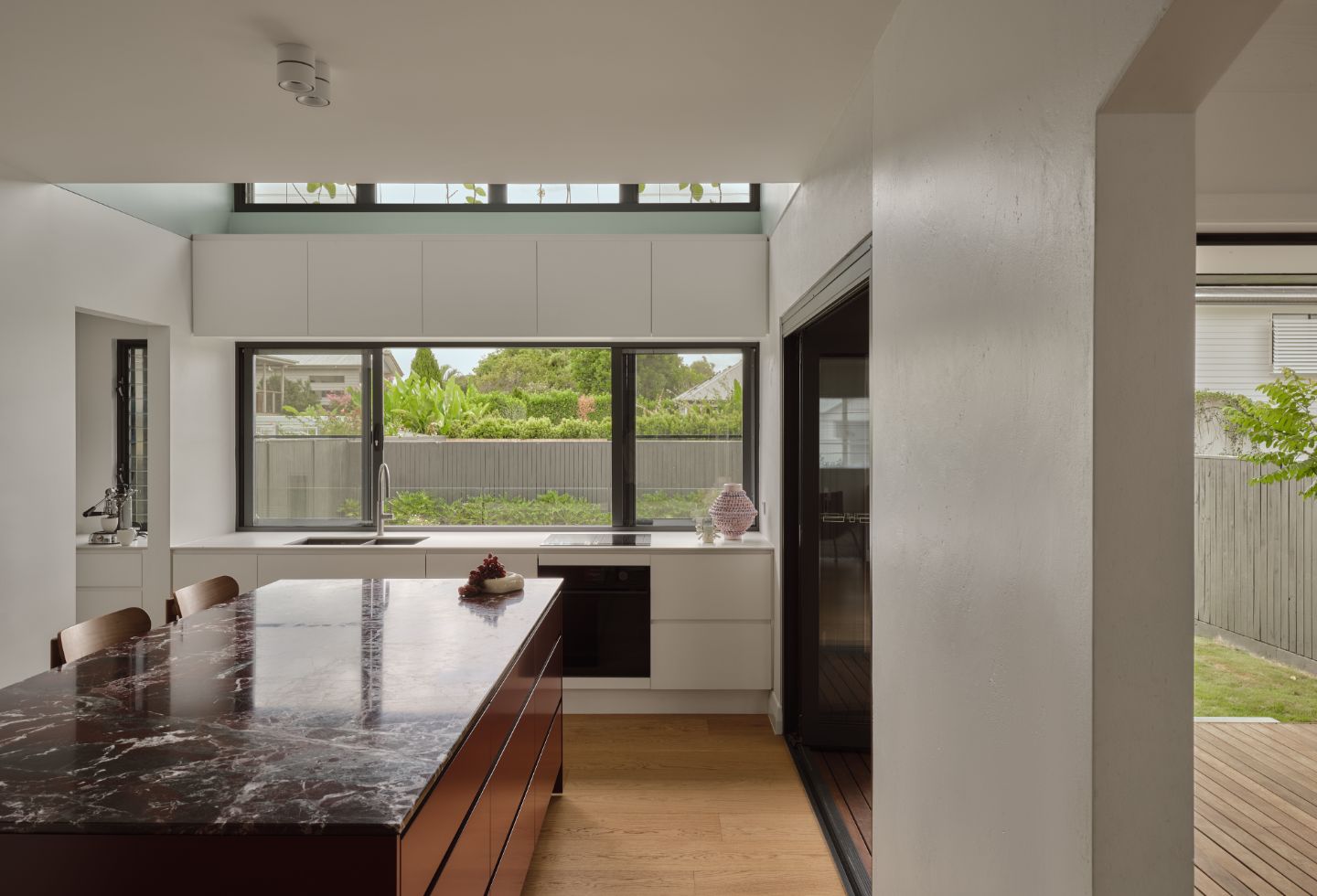
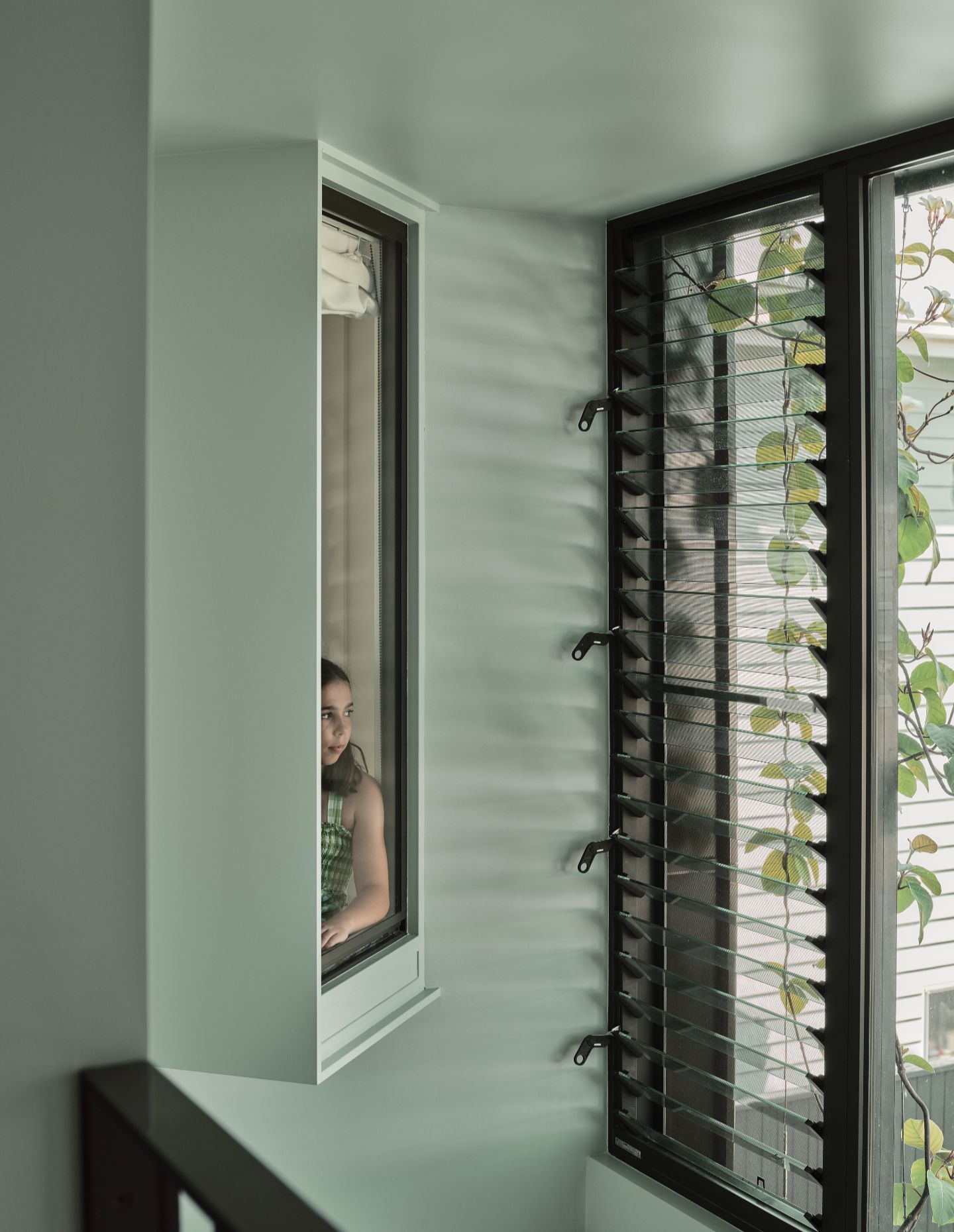
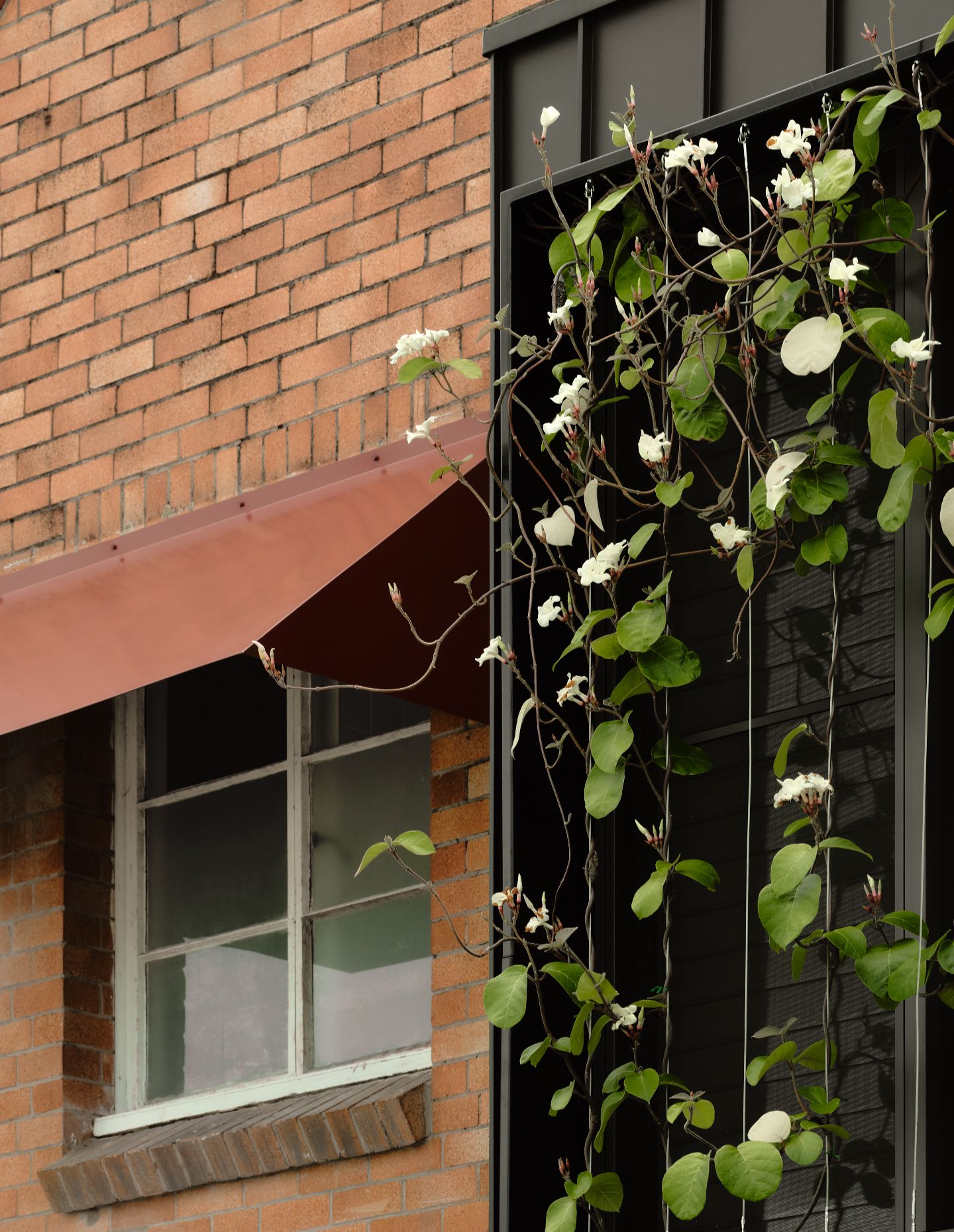
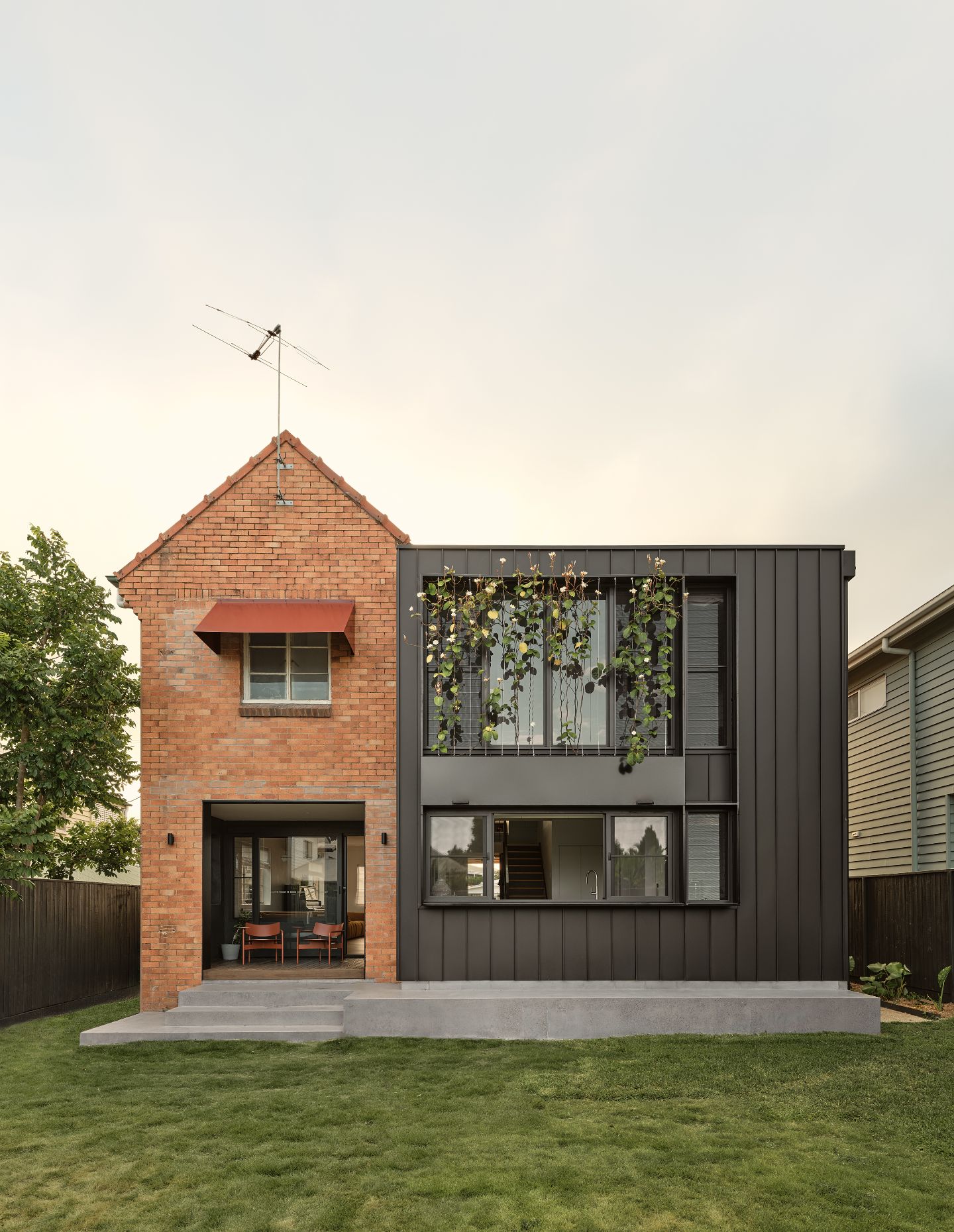
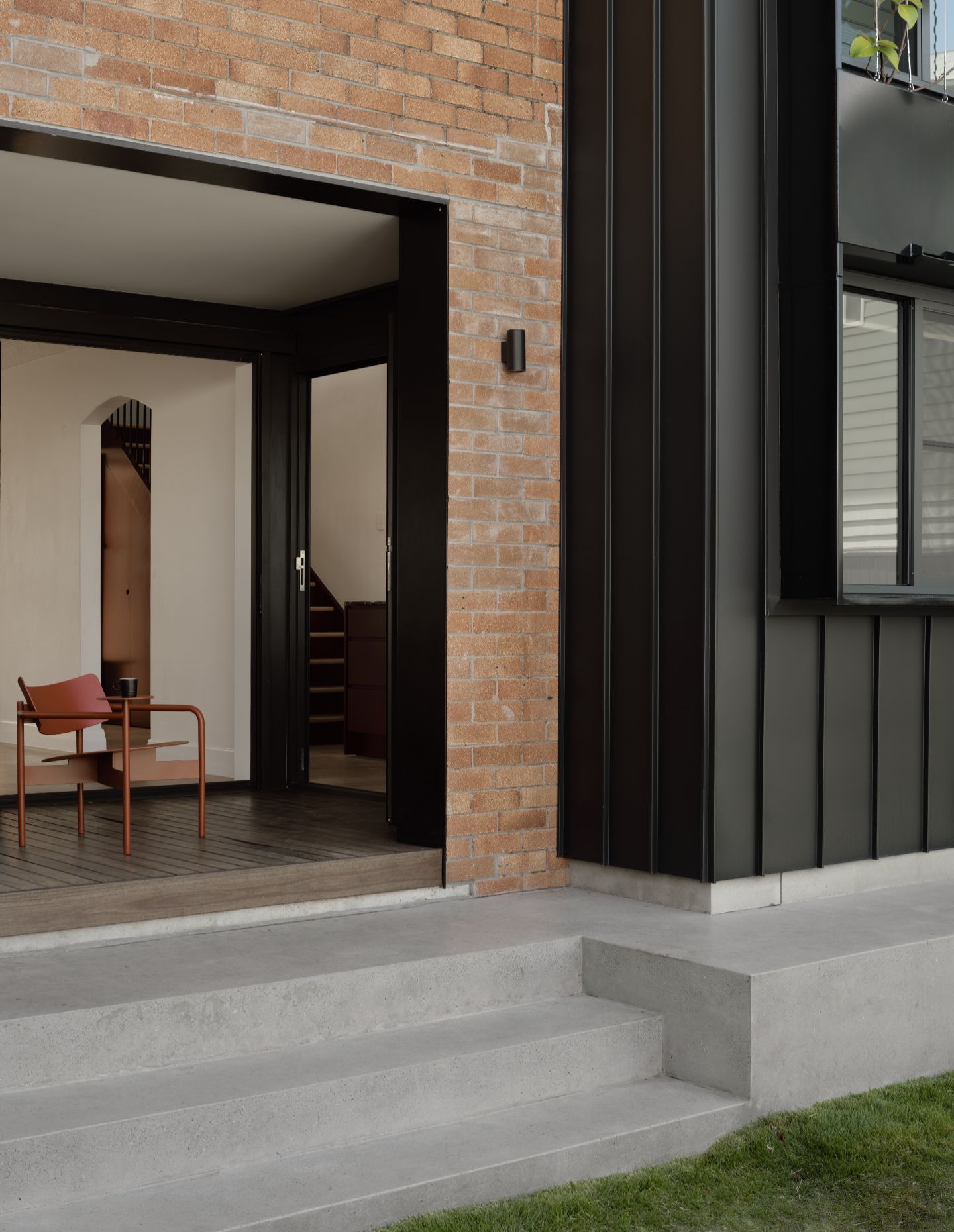
Climate responsiveness is evident in the house’s renewal instead of demolition. At the rear, a full-height glazed wall with integrated planter boxes supports a deciduous creeping native frangipani vine. In summer, its dense foliage shades the large eastern kitchen window; in winter, when the vine is bare and sunlight can reach deep into the interior.
Related: A calm home for hospitality stalwarts in SA
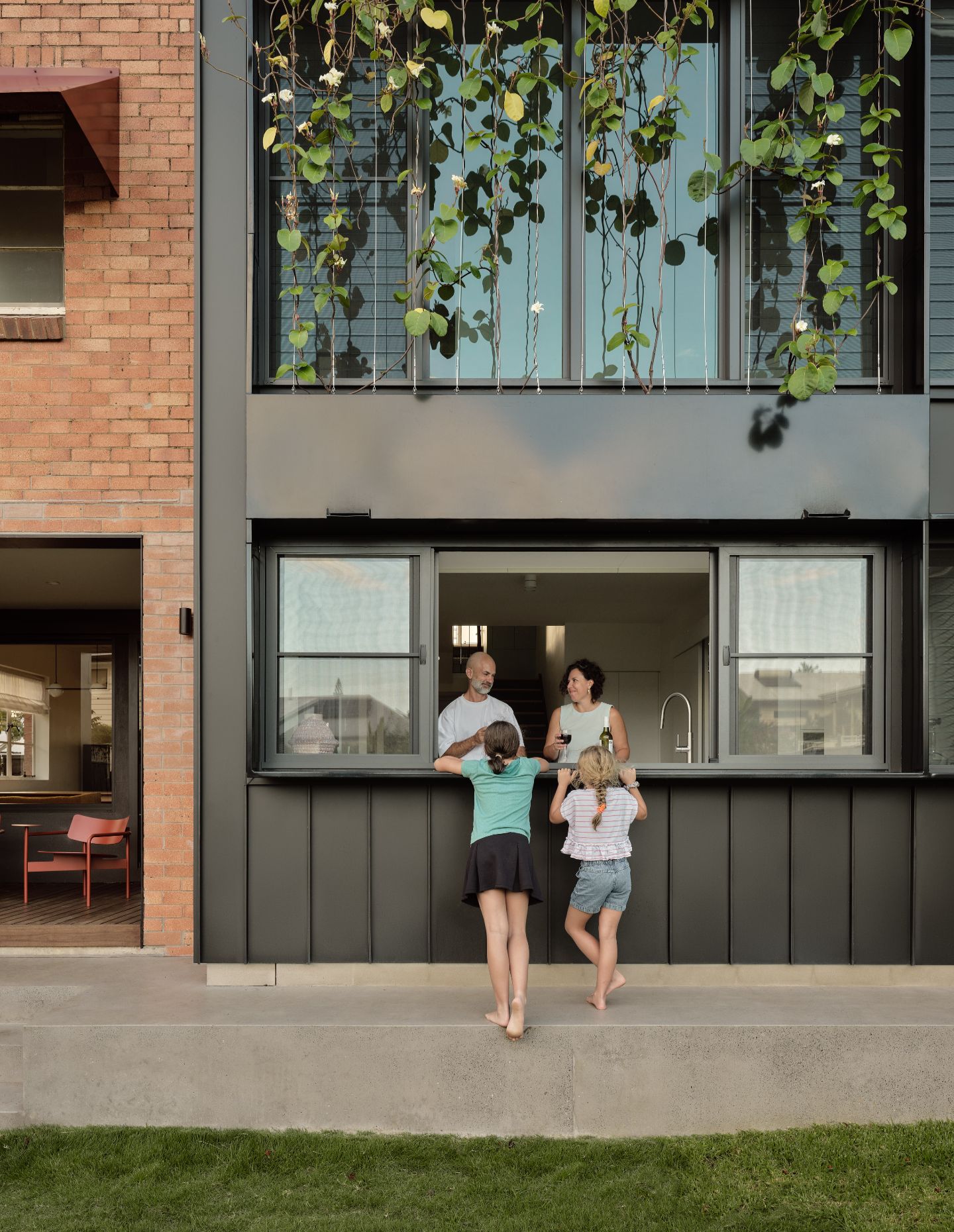
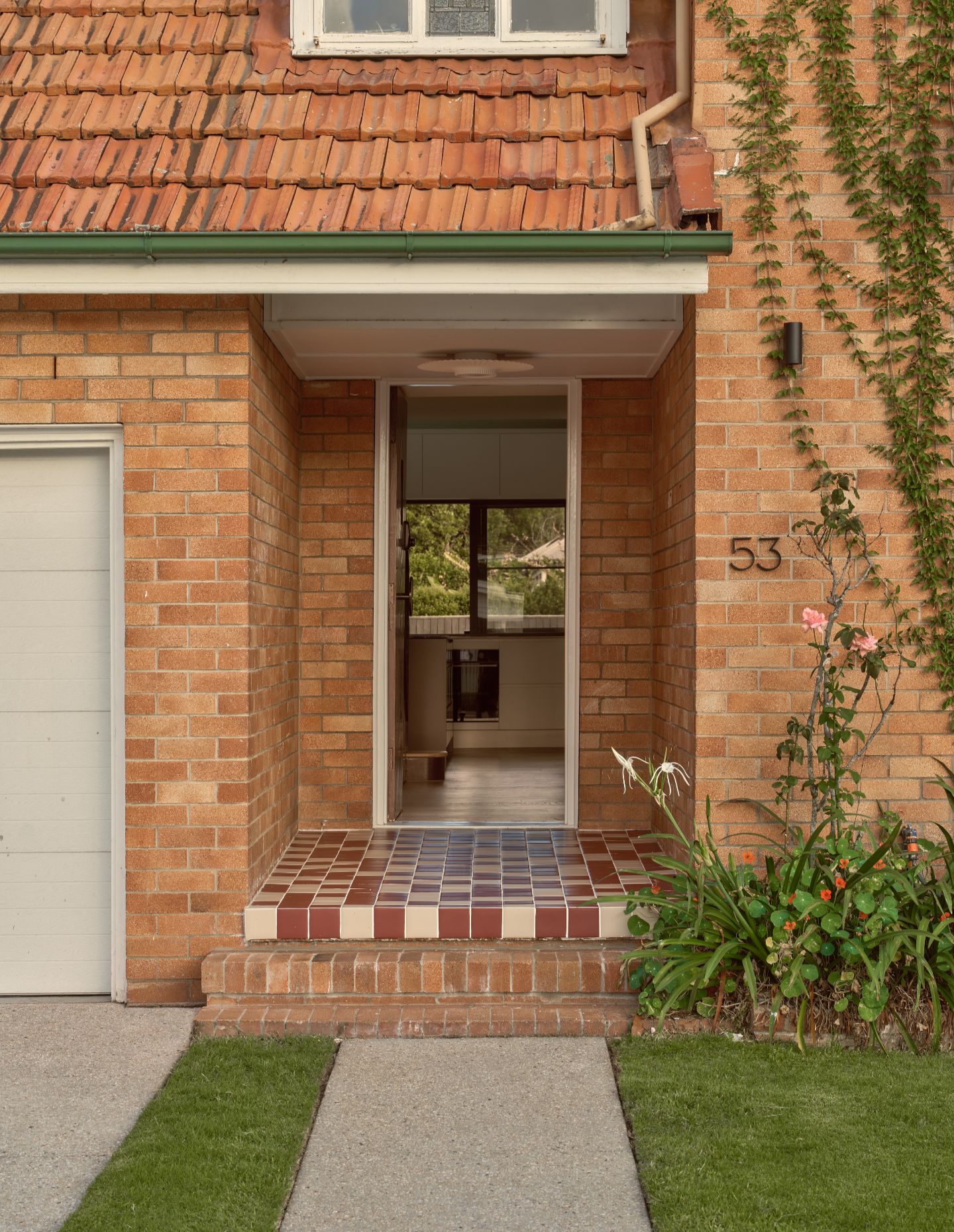
From the street, however, Fairytale House still presents the same steep roof, modest scale and picture‑book silhouette that neighbours have recognised for decades. Within the preserved envelope, daily routines now unfold across luminous volumes, stronger connections to the garden and a richer more expressive material palette.
Rather than overwriting the story of a much‑loved family home, Maytree’s intervention turns the page, allowing a third generation – and an invested community – to inhabit a new chapter of the house they already know by heart.