
Designed as a counterpoint to apartment living, this Hong Kong home draws on the familiarity of a country house, using natural materials and flexible spaces to create an interior shaped by lived-in comfort.
This apartment was designed for a filmmaker, but its starting point is not cinema or spectacle. Instead, the architects at New Office Works looked to the quieter, more familiar idea of a country house, a place shaped by routine, material comfort and the slow accumulation of lived experience. That sensibility carries through the apartment, creating a home that feels grounded and adaptable rather than overtly designed.
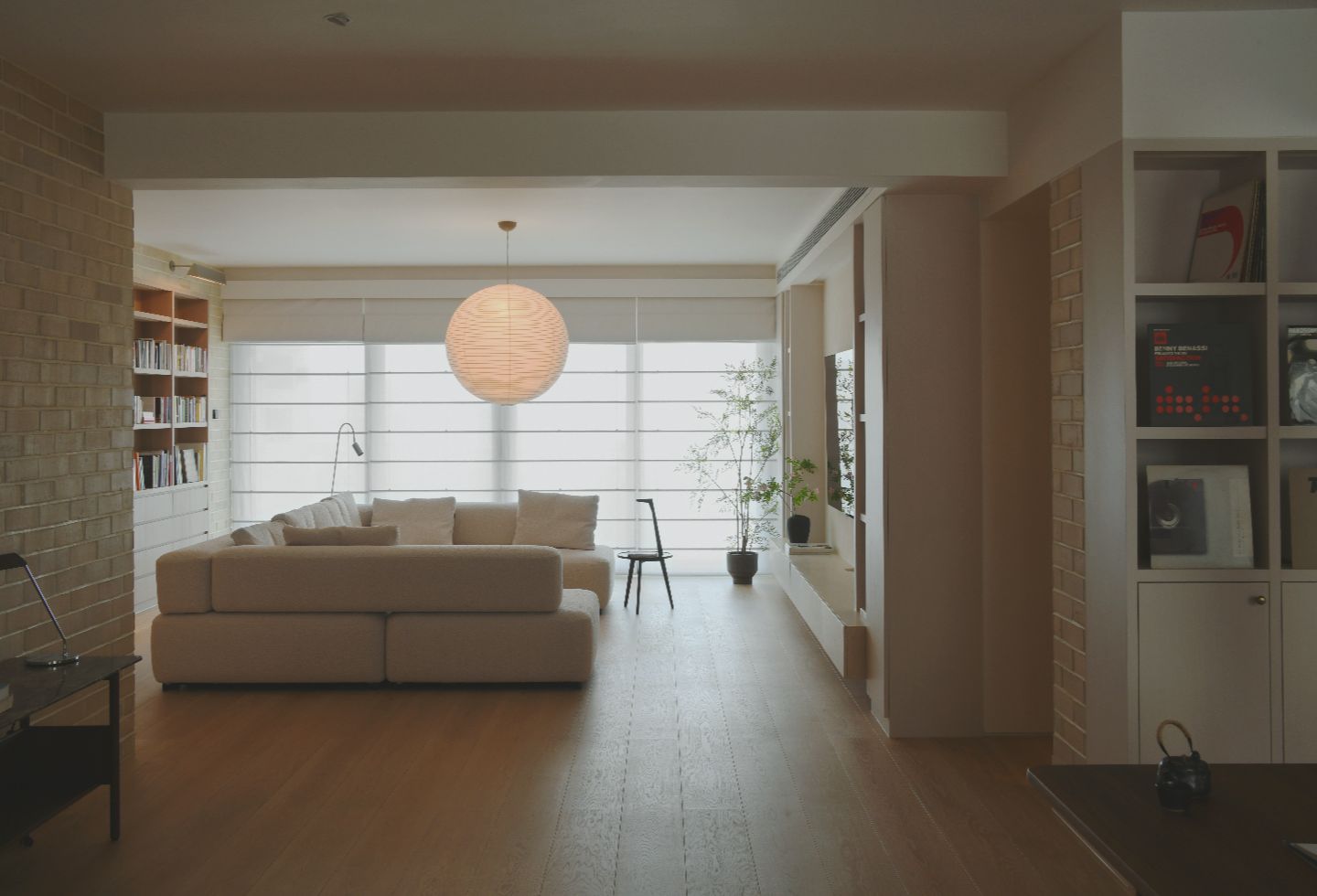
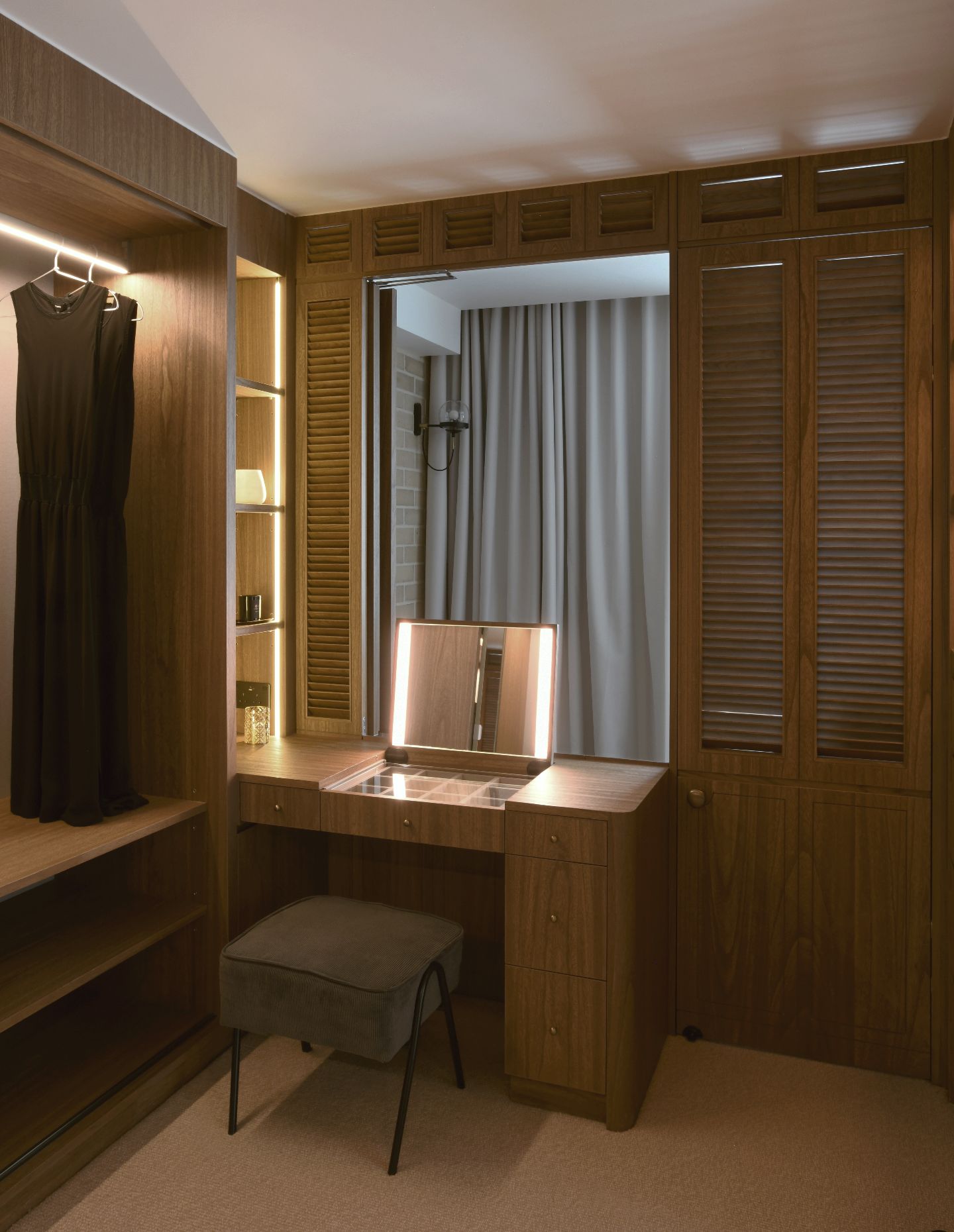
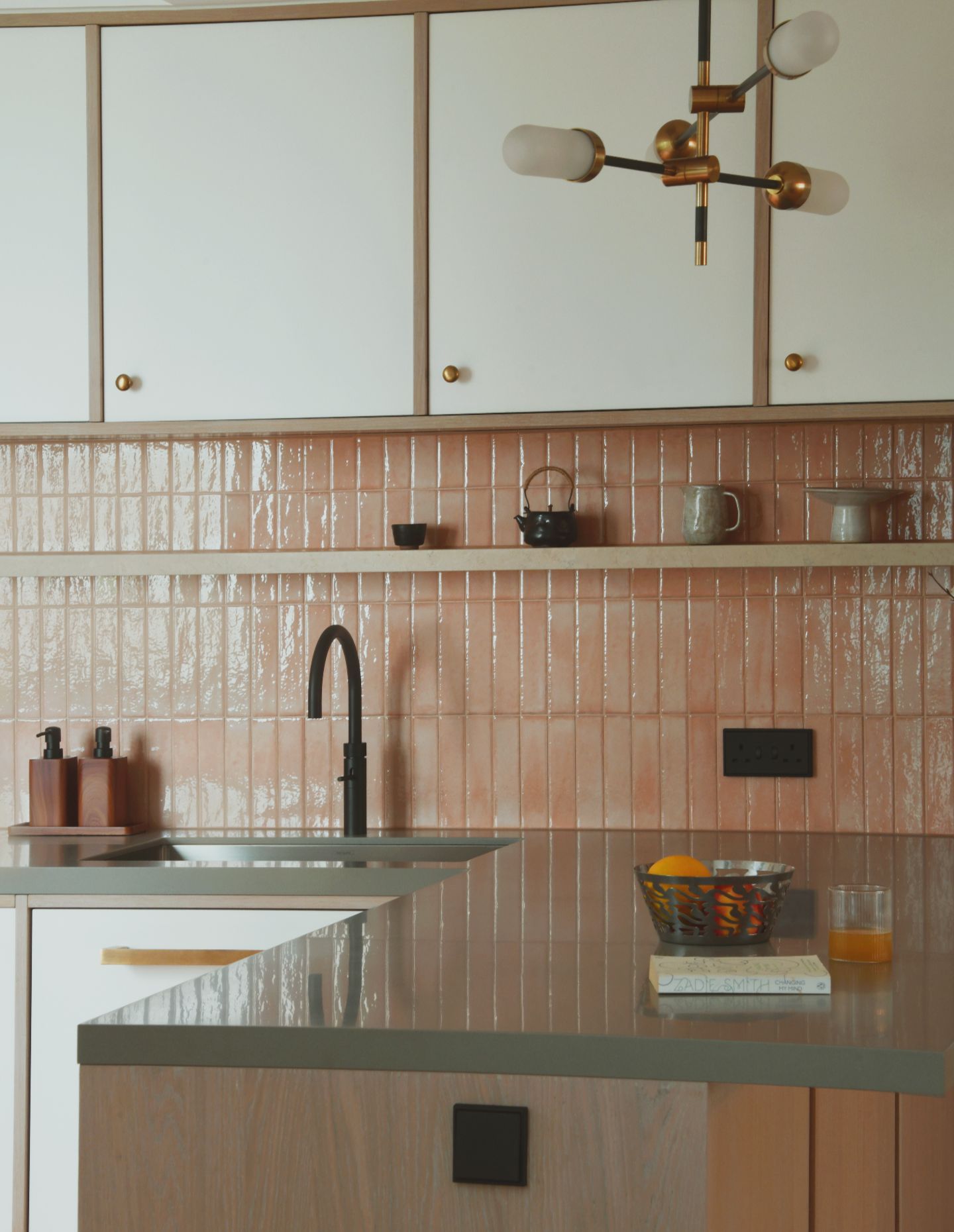
Natural materials set the tone throughout. Timber, brick and layered textiles bring warmth and texture, softening the edges of apartment living and lending the interior a sense of ease. The palette is restrained and calm, allowing the materials themselves to do the work, while the plan prioritises flexibility so the spaces can shift with the rhythms of daily life.
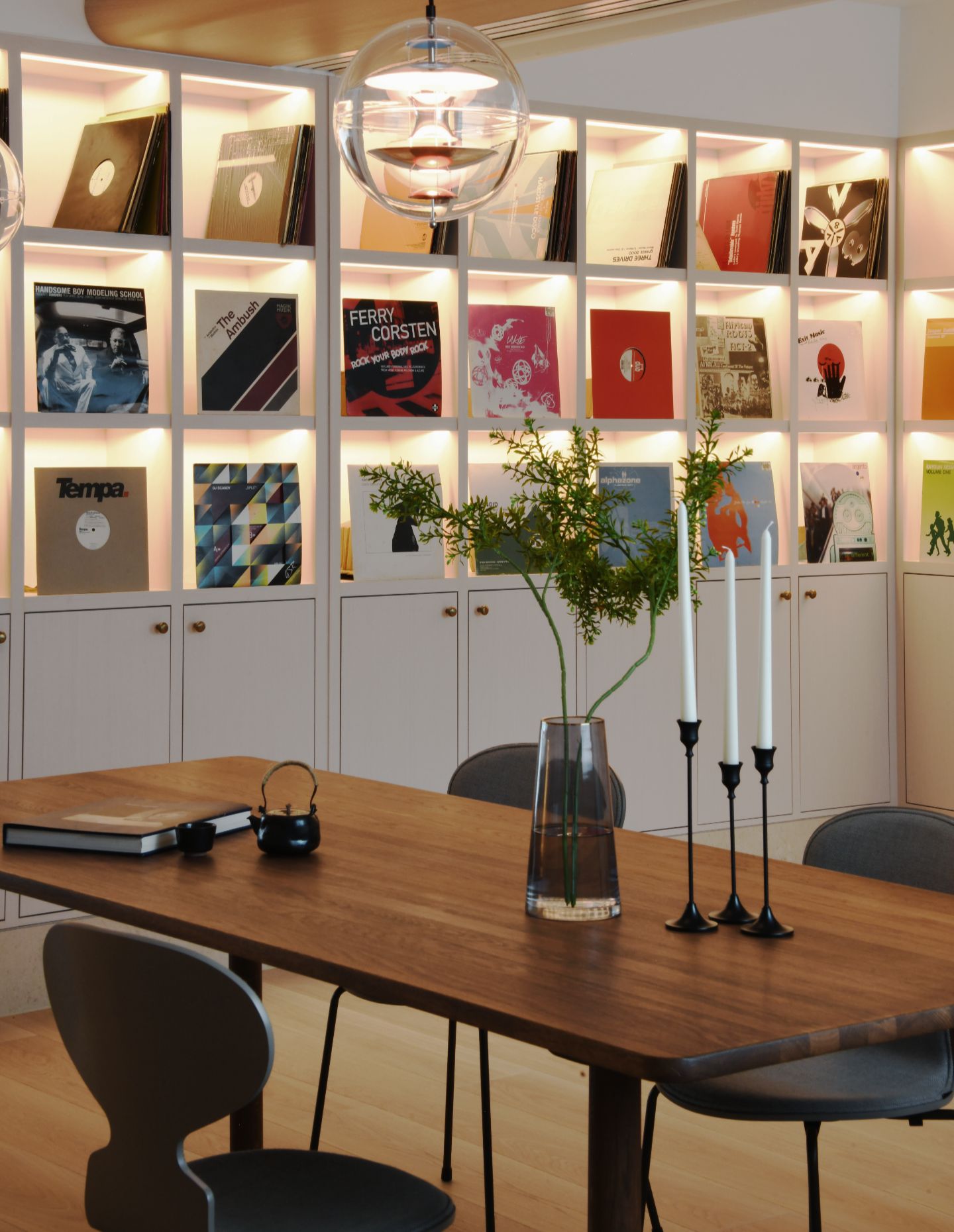
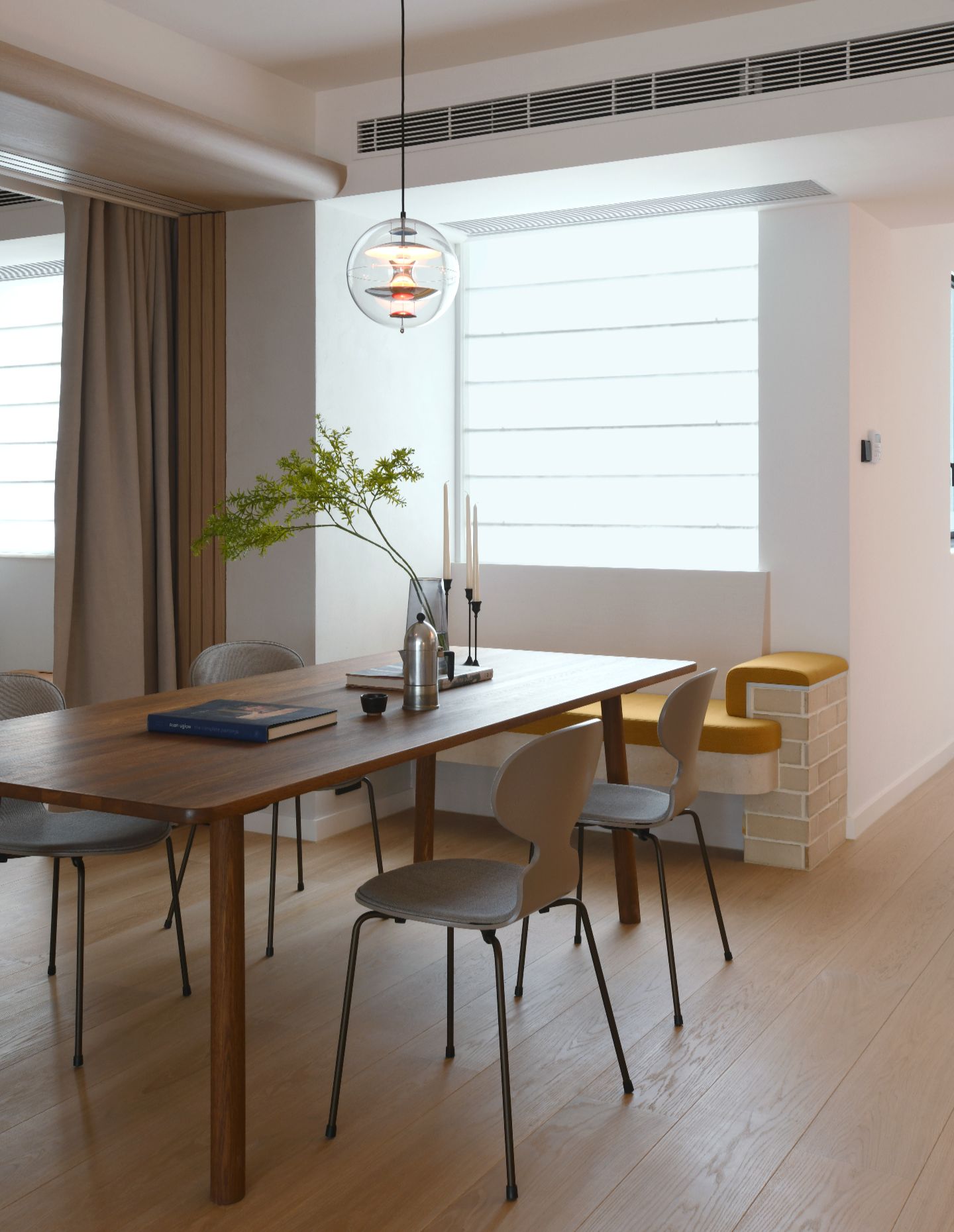
One of the defining elements is the reading room, positioned near the entry and separated from the dining area by a series of glass sliding partitions. These panels introduce a gentle threshold rather than a hard division, allowing light and views to move freely through the apartment. When opened, the dining space expands to accommodate larger gatherings, an important consideration for a client whose life often involves collaboration and hosting. When closed, the reading room becomes a quieter retreat, still visually connected to the rest of the home.
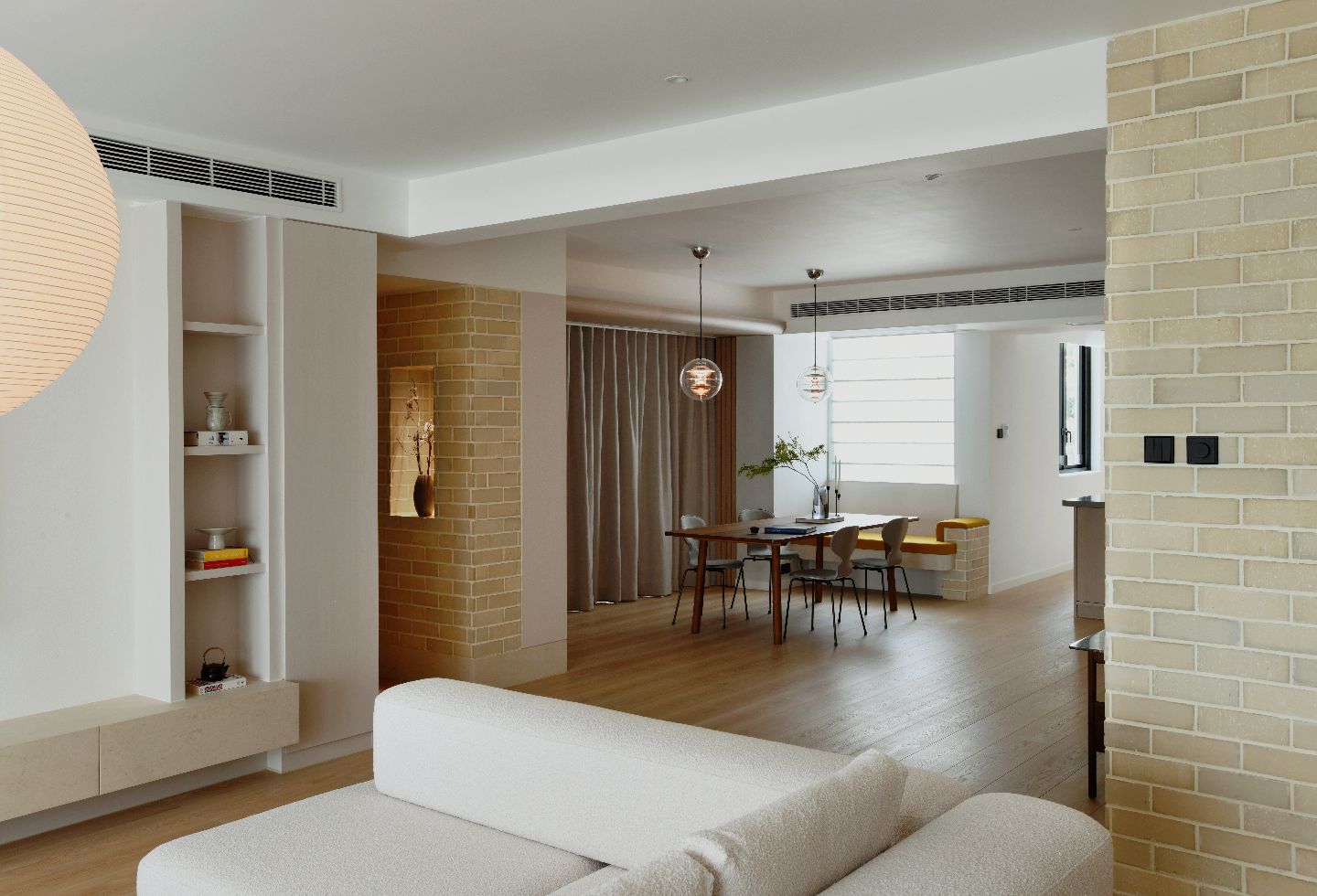
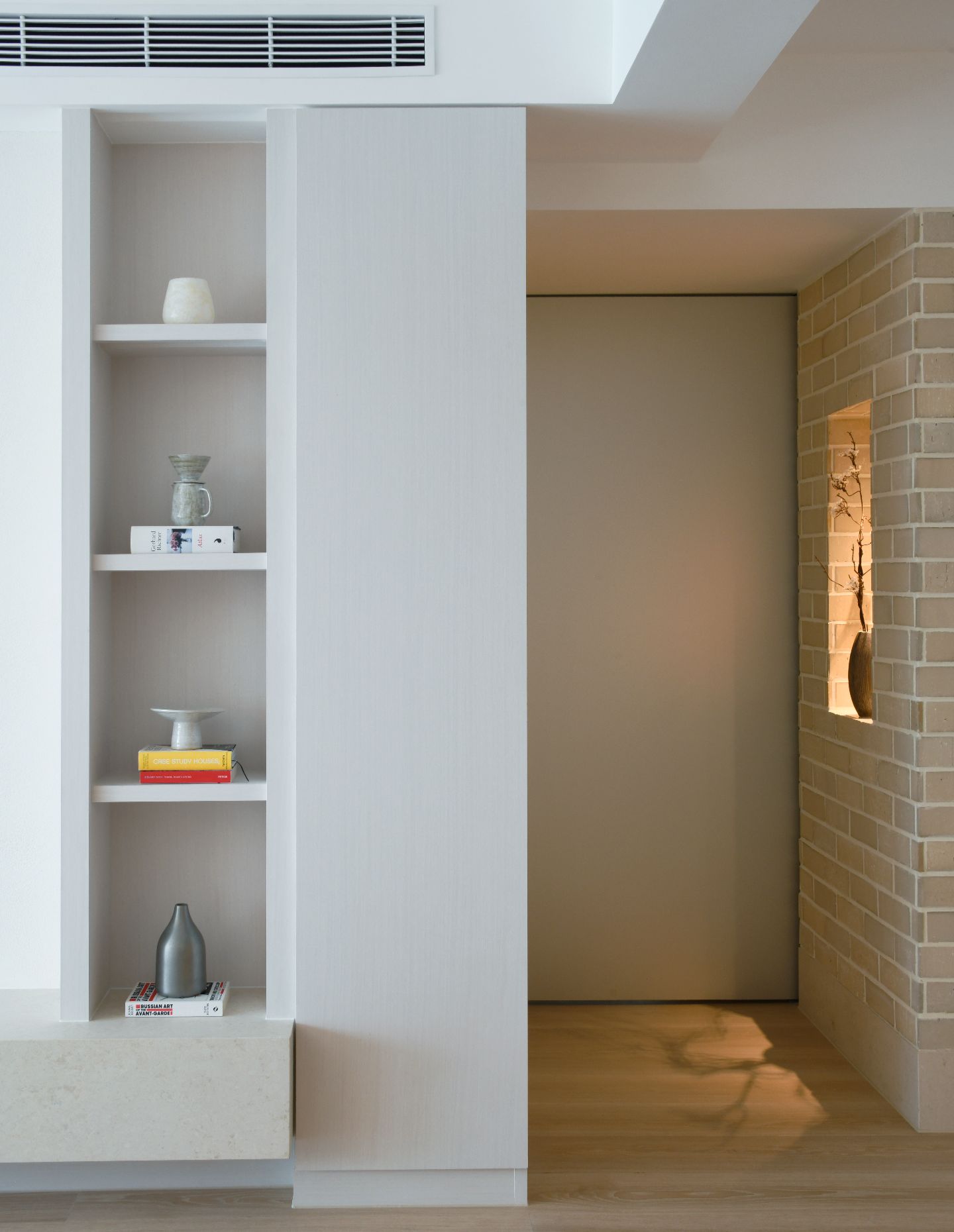
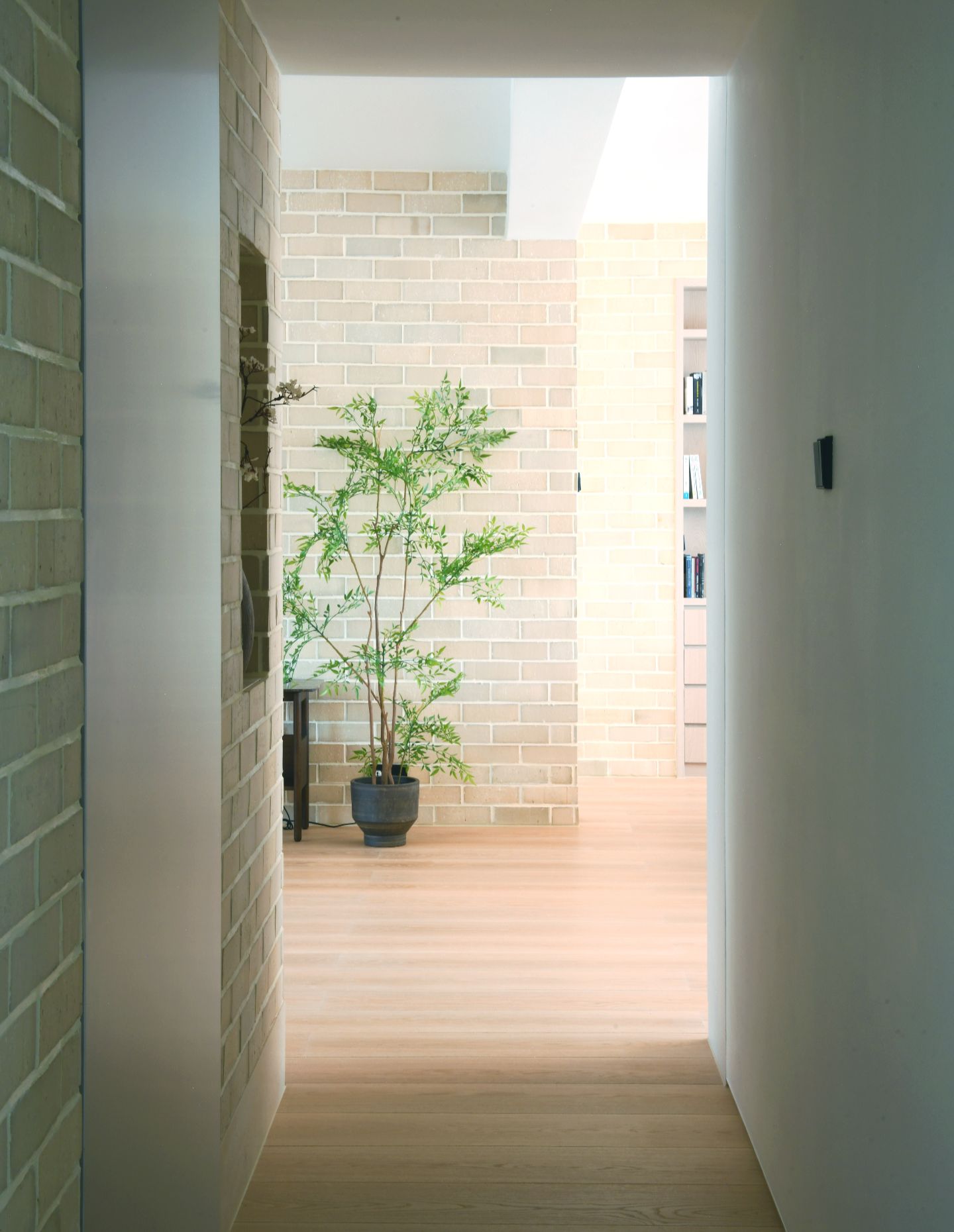
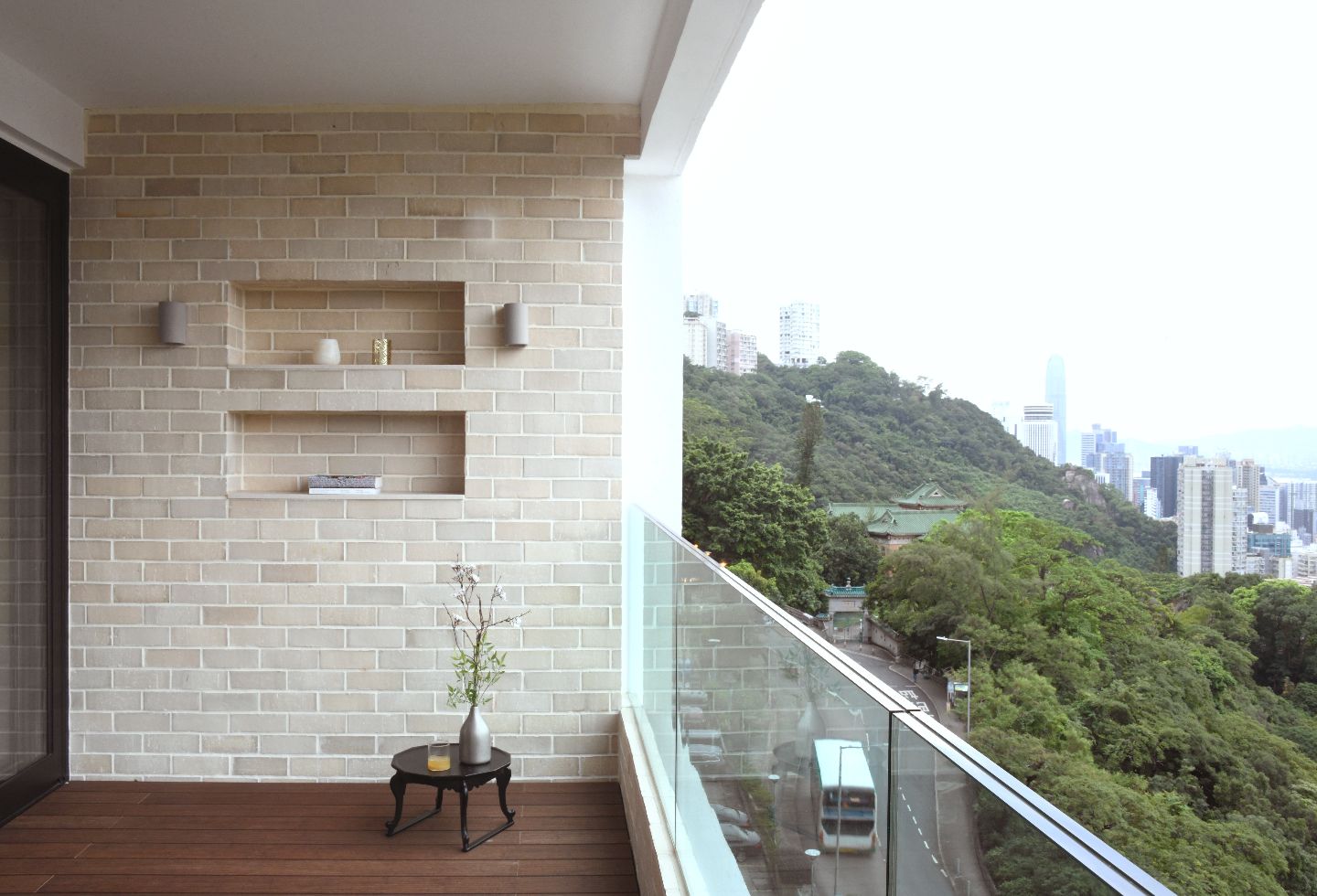
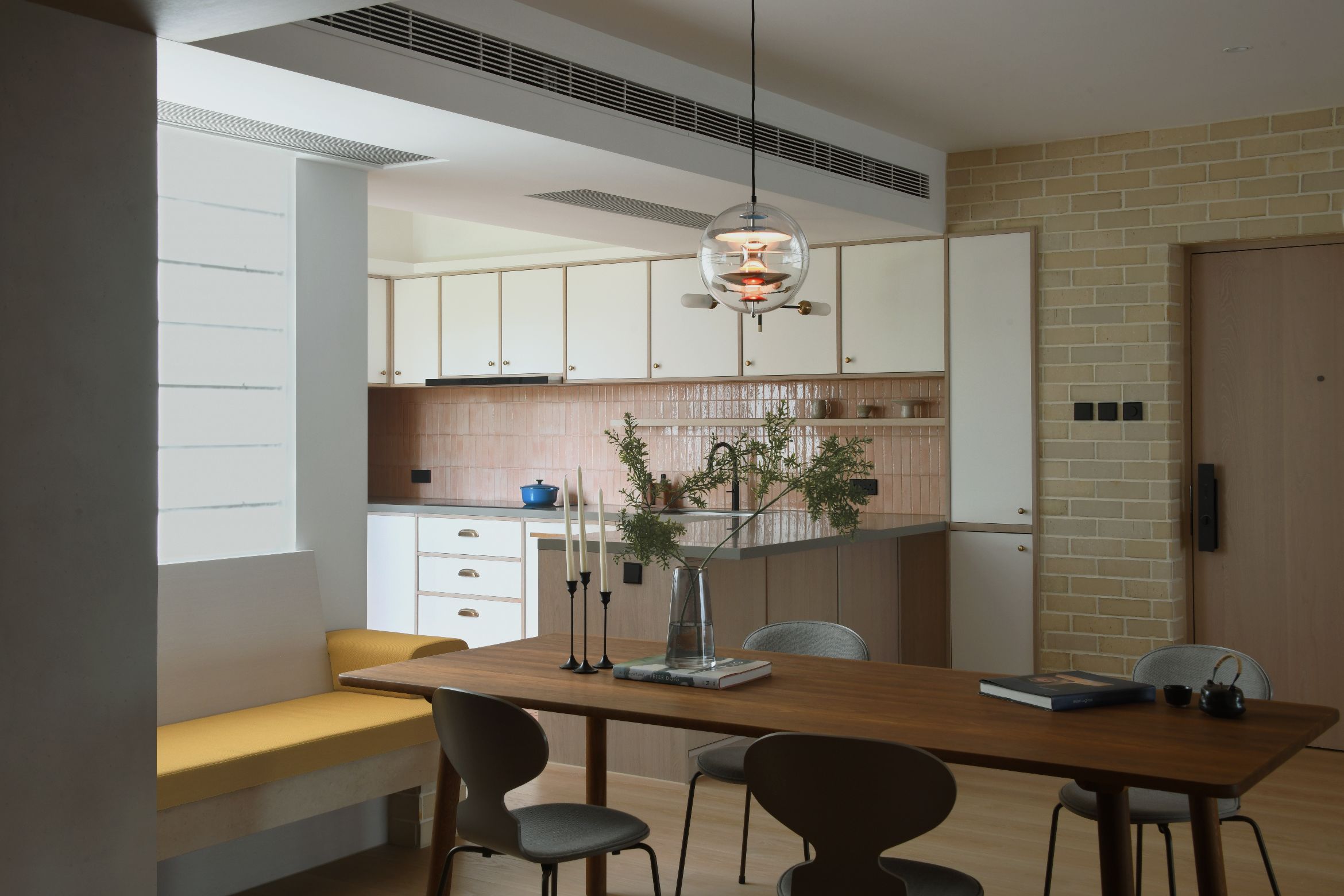
The walls of the living and dining areas are lined with handcrafted beige bricks from Krause Bricks, an Australian maker with a long history of artisanal production. The bricks have a subtle pink undertone that responds softly to daylight, creating a warm and settled atmosphere as light shifts across the space. Beyond their visual quality, the bricks speak to a broader interest in durability and longevity, offering strong thermal performance and a material lifespan measured in generations.
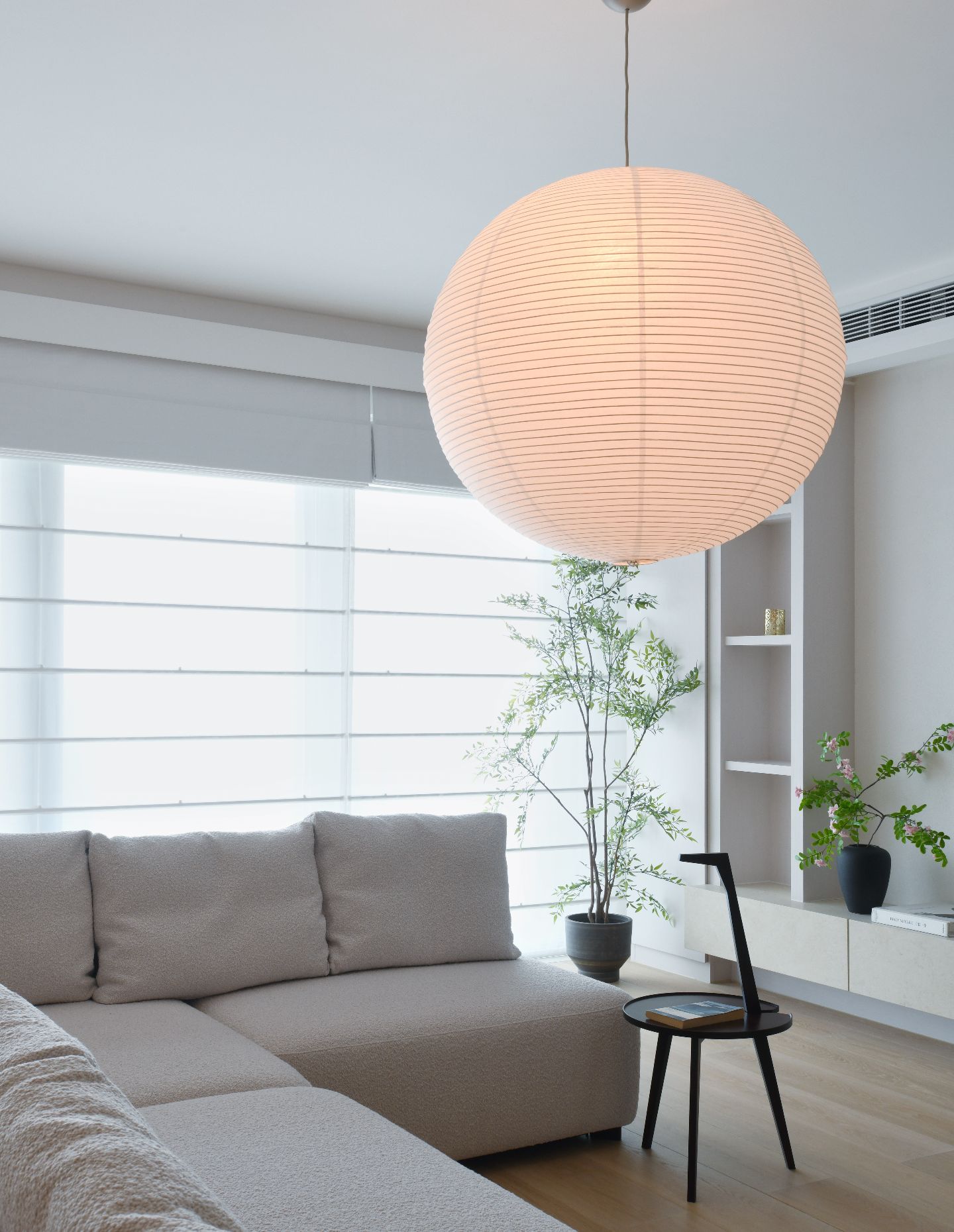
Textiles play a significant supporting role. Roman blinds introduce softness and help regulate light throughout the apartment, filtering glare while maintaining a gentle brightness. Their fabric folds add a domestic quality that balances the more robust materials, ensuring the interior never feels austere or overly formal.
Related: All colour and charm
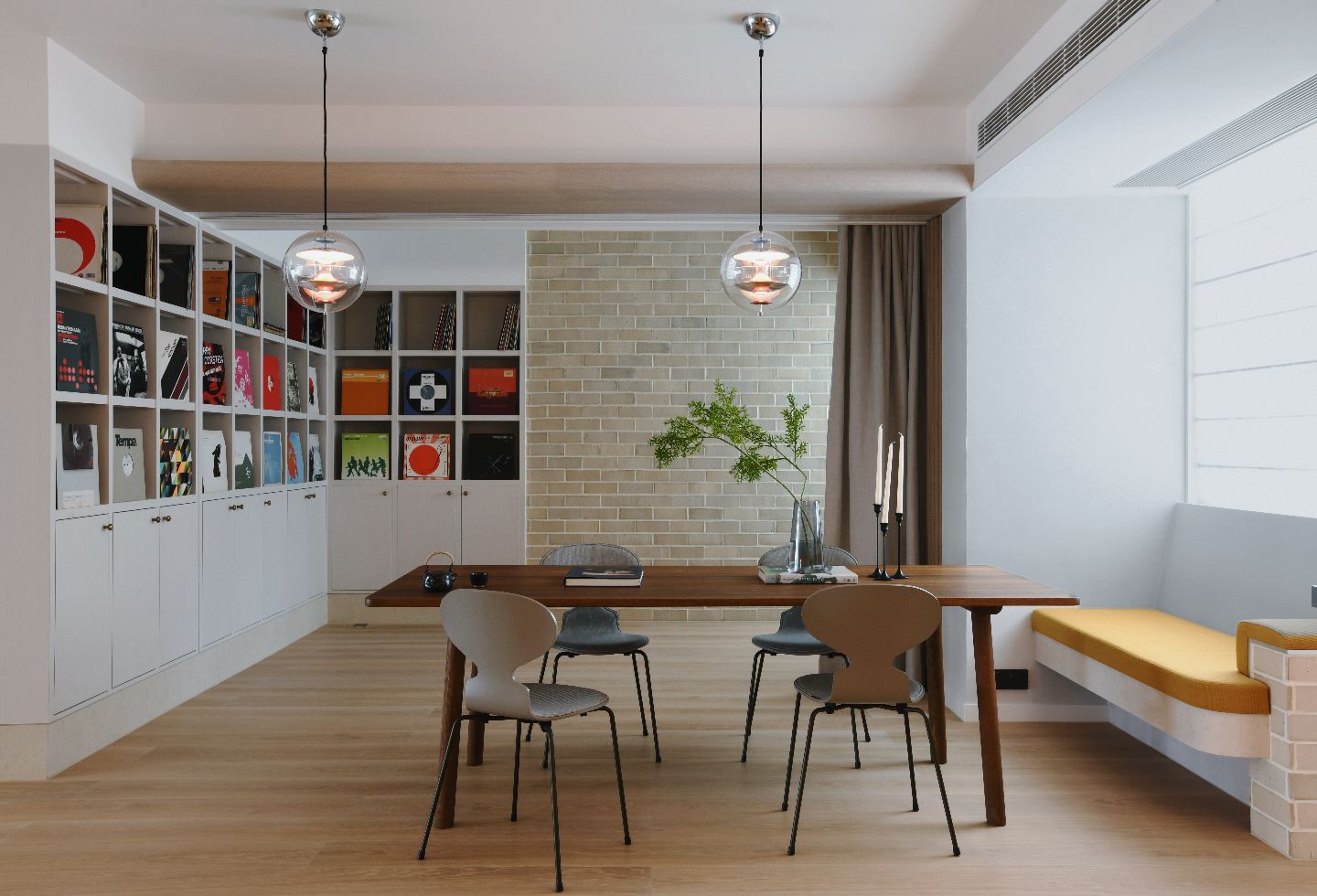
Lighting has been carefully considered, with the VP Globe pendant by Verner Panton providing a focal point within the dining area. Designed in 1969, the light brings a subtle note of nostalgia and optimism, referencing both the Space Age and the warm glow of traditional street lighting. Here, it sits comfortably within the interior, contributing to the atmosphere without dominating it.
Environmental responsibility is embedded rather than announced. The use of recyclable, long lasting materials, the thermal mass of the brickwork and the careful management of natural light all contribute to a home that is efficient and enduring. These decisions feel practical and measured, aligned with a way of living that values quality over excess.
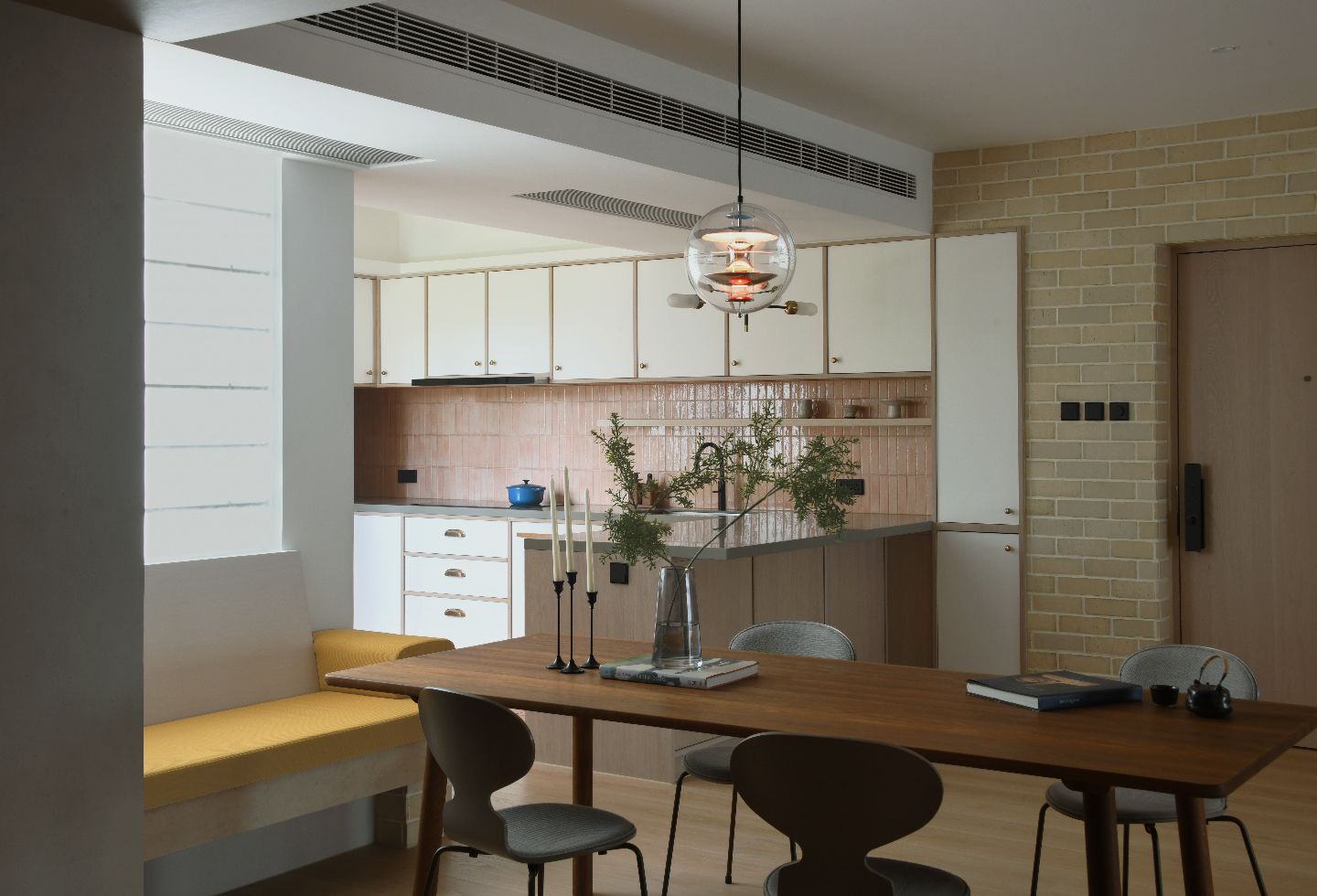
Ultimately, House for a Filmmaker is a home shaped by restraint and thoughtfulness. It is a place designed to support creativity without demanding attention, where materials age gracefully and rooms adapt to changing needs. Rather than presenting a fixed image of how life should look, the apartment offers a flexible framework, one that allows living, working and gathering to unfold naturally over time.