
This article originally appeared in the magazine – find out more and subscribe here!
These kinds of sheds are secret places, especially when they are empty. They are usually wooden structures with gaping holes and creaking floorboards. Filtered shafts of light tend to knife through the ceilings, showing multiple specks of dust. They smell of animals and lanolin and, when inactive, they are quiet refuges.
Now the director of landscape practice Spirit Level, Hugh Main’s early understanding of quiet stillness and architectural spaces, both inside and outside, have influenced his creative approach to landscape design. Space, horizon lines, distant hills, plains of grass and the granite boulders of New England continue to appear as elements in his ongoing design.
“Creating a garden is like coming home,” says Main. “It has to make you feel something.”
Main’s design is informed by the Spanish designer Fernando Caruncho, whose work is concerned with conceptual scale, and the variations from old themes of garden formality. Main is also consumed with a passion for Japanese cultures of garden design that recognise stillness and beauty and pay attention to intricate detail, for instance, that of a plant leaf. This approach is about understanding not to impose too much onto the natural world, Main explains.
There is, of course, a history of dominion over land and plant elements inside and outside garden design. This is about the order, structure and control of vegetal elements. It reflects a will to impose and construct a garden that only reflects human power. Main says he is not interested in controlling garden space but searches for a way to be more attuned with the specifics of landscape. In other words, he spends time looking at how to work with contours and shapes, how to understand the history of a place and its original plant inhabitants.
When Main first starts a project, he begins with people and works out what they want to use the garden for. He develops an intuitive reaction to the clients’ desires. “The answers are there, you just have to ask the right questions,” says Main. “The garden is where clients will talk about sex, drugs and death. The garden is where clients can arrive and look for a moment and then their shoulders drop.”
With over 24 years of garden design practice behind him, Main agreed to design a garden for his parent’s new farm, Eulabury, in the New England countryside. This was a significant project because gardening with his parents has been a lifelong activity where, even when he was young, he was able to lead his parents in the process of gardening. These early experiences were why he became a gardener. His aunt used to share her Vogue Living magazines with Main and those glossy pages informed his vision.
Related: Thinking about gardens with Phillip Withers
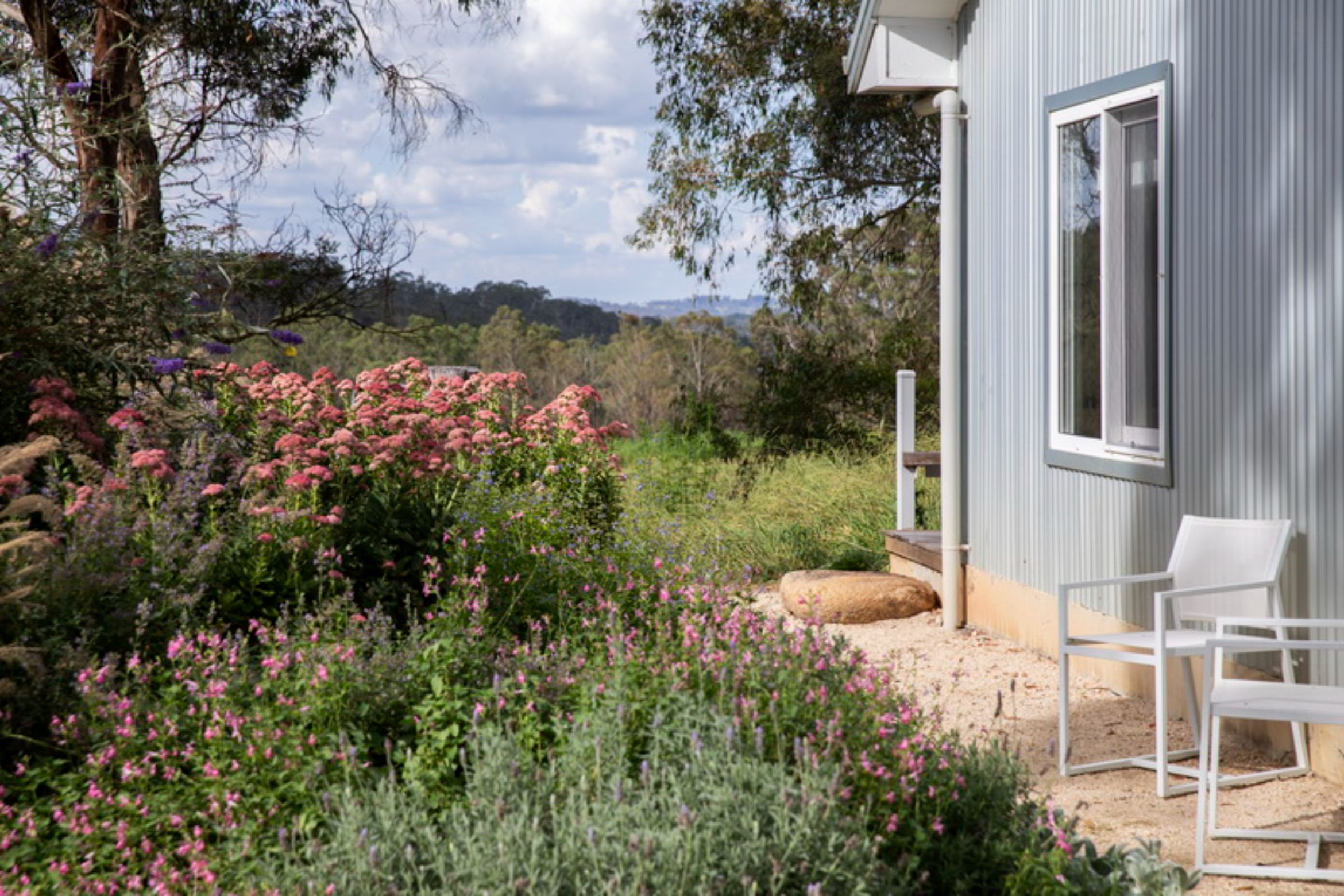
At Eulabury, his parents built a new home, and they soon began their second significant garden together. There was land, a paddock and a house, and he wanted to “connect with the landscape and the horizon line. The country supports and nurtures us, like a family member.” Main’s parents brought with them, from their previous place, all of their favourite cattle. They brought Spotty the sheep and Spotty’s boyfriend and so all the sheep on the property are descendants.
This time around, Main was very conscious that he was going to be building a garden environment on unceded land. He knew about Aboriginal songlines and the significance of certain trees and he also knew that extant trees and plants on the property were not all natives. There was little access to knowledge about what plants grew on the location prior to grazing and farming.
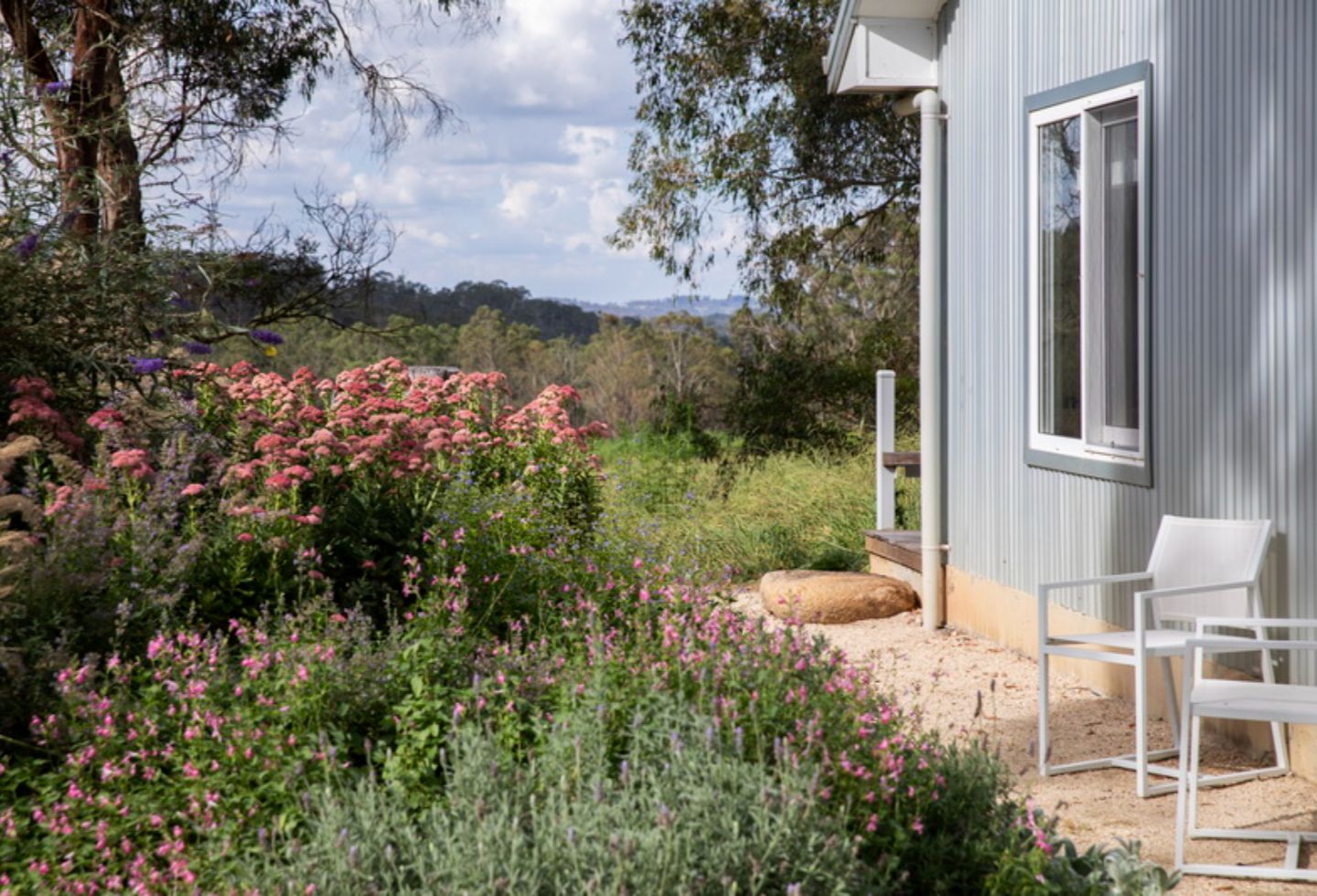
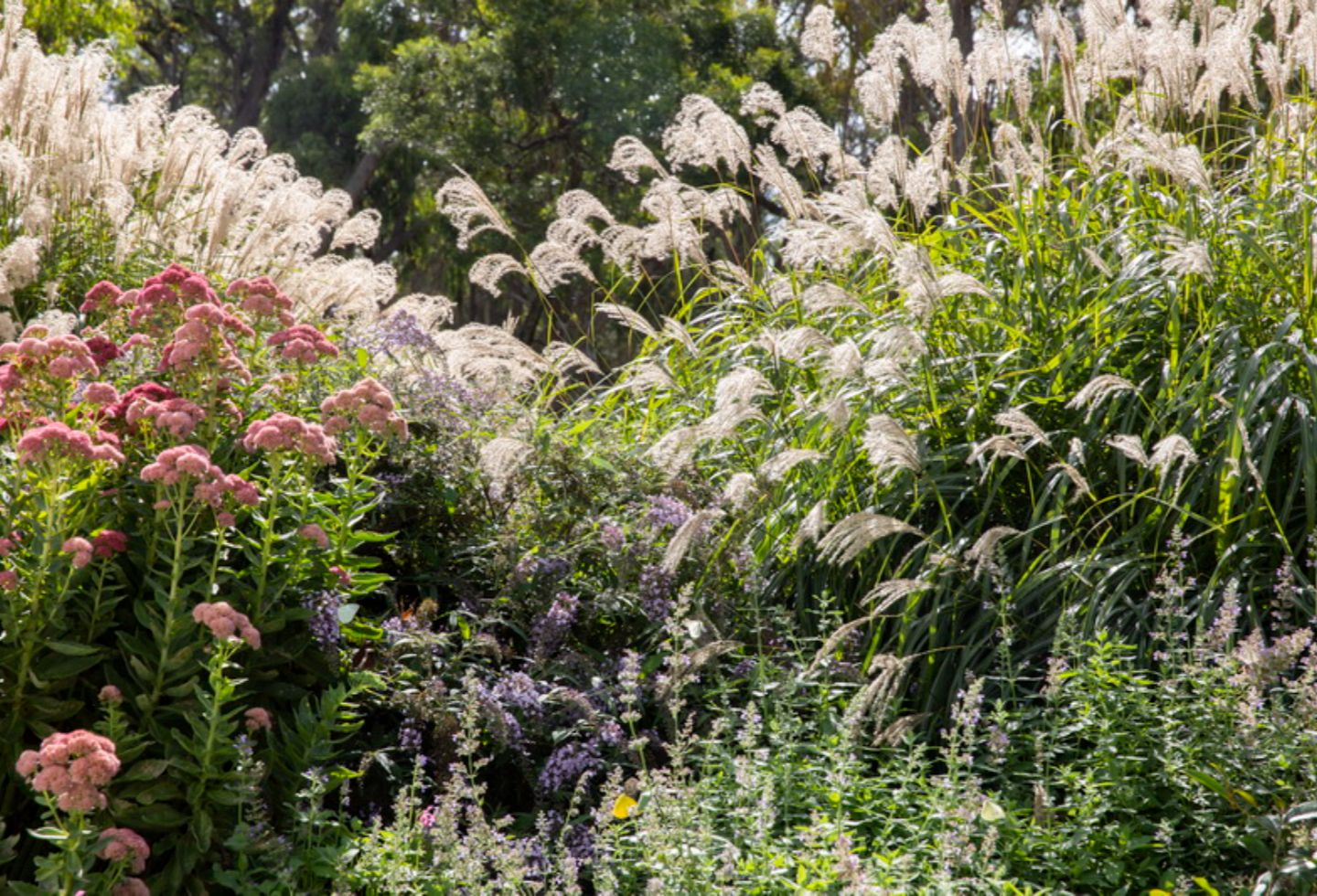
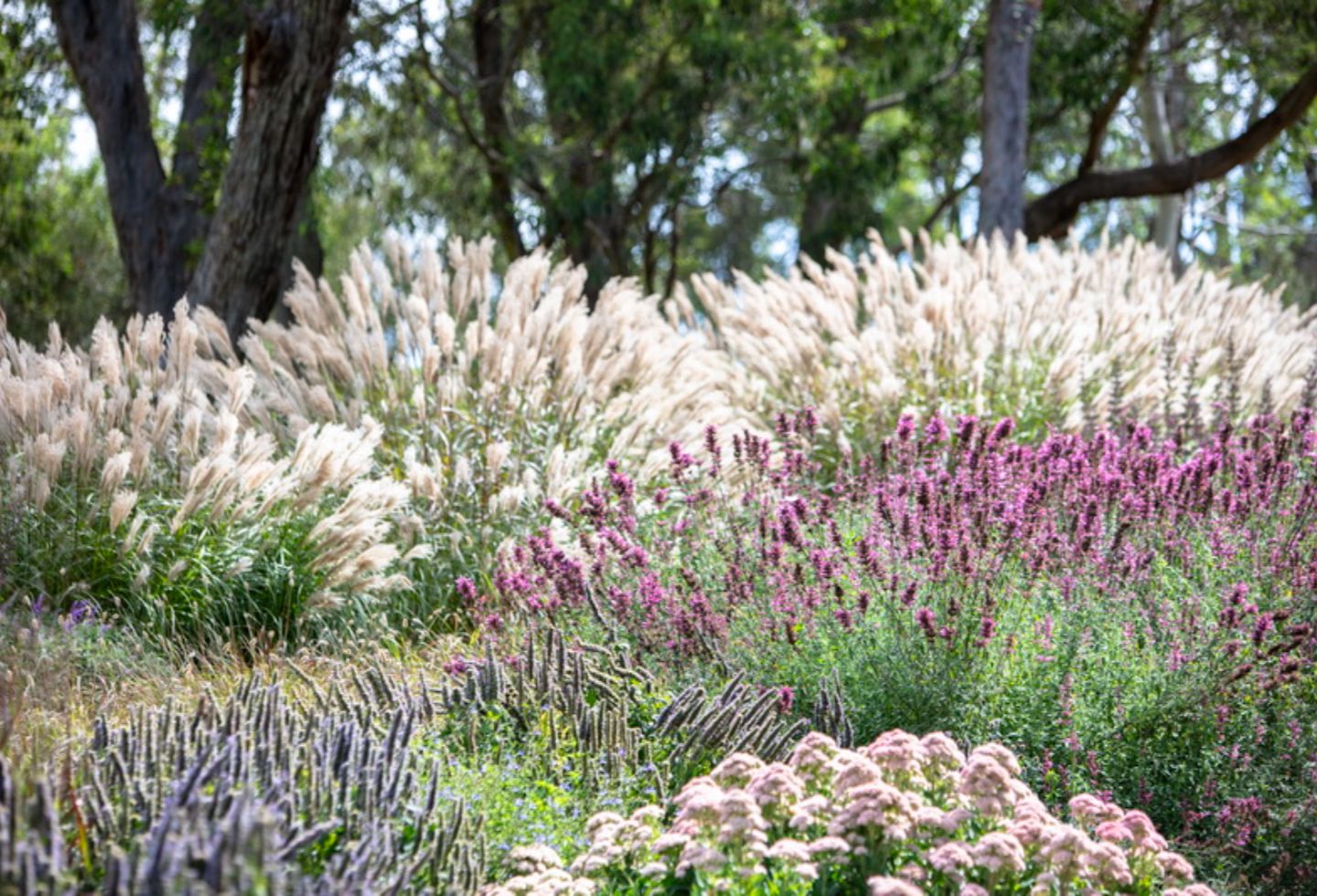
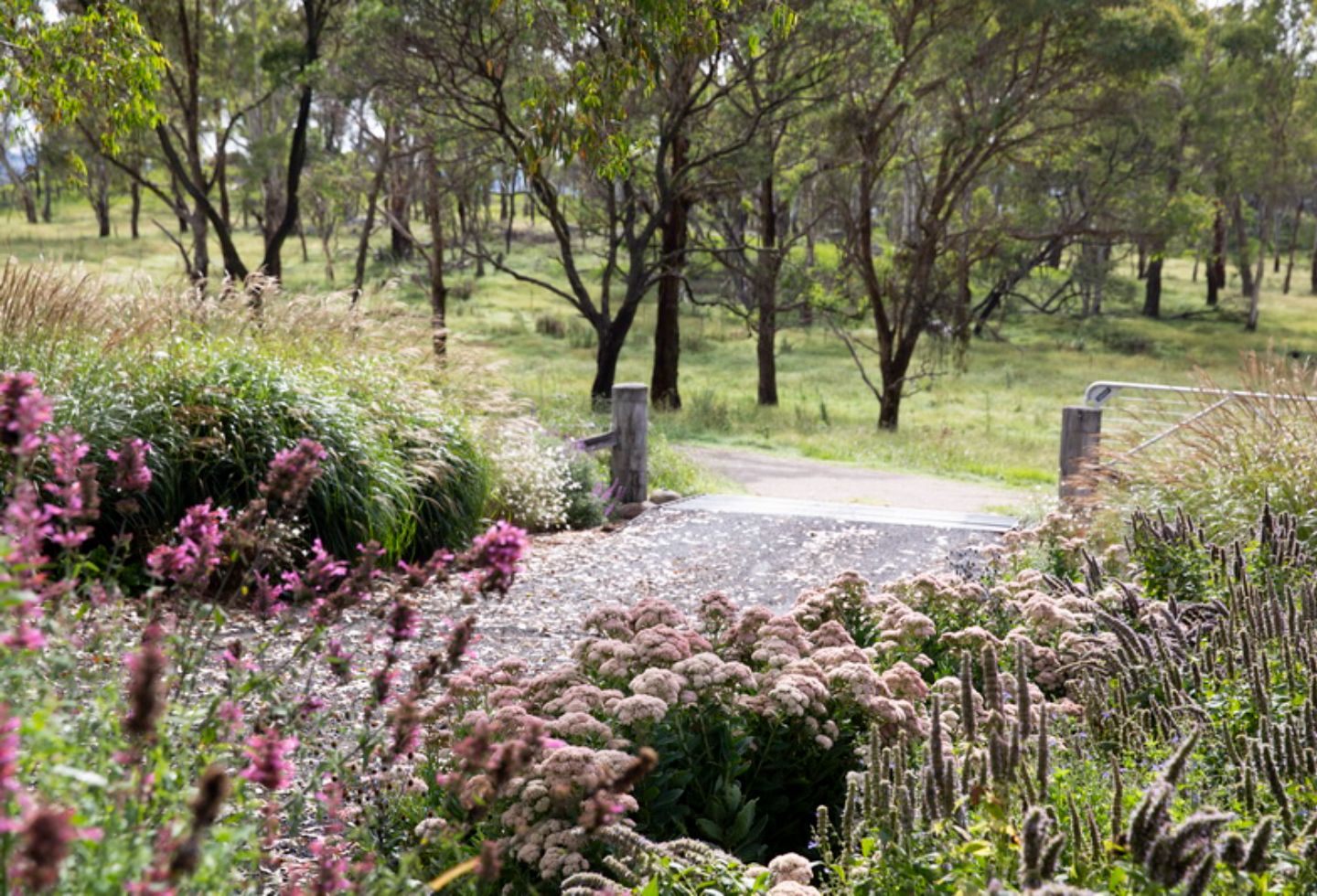
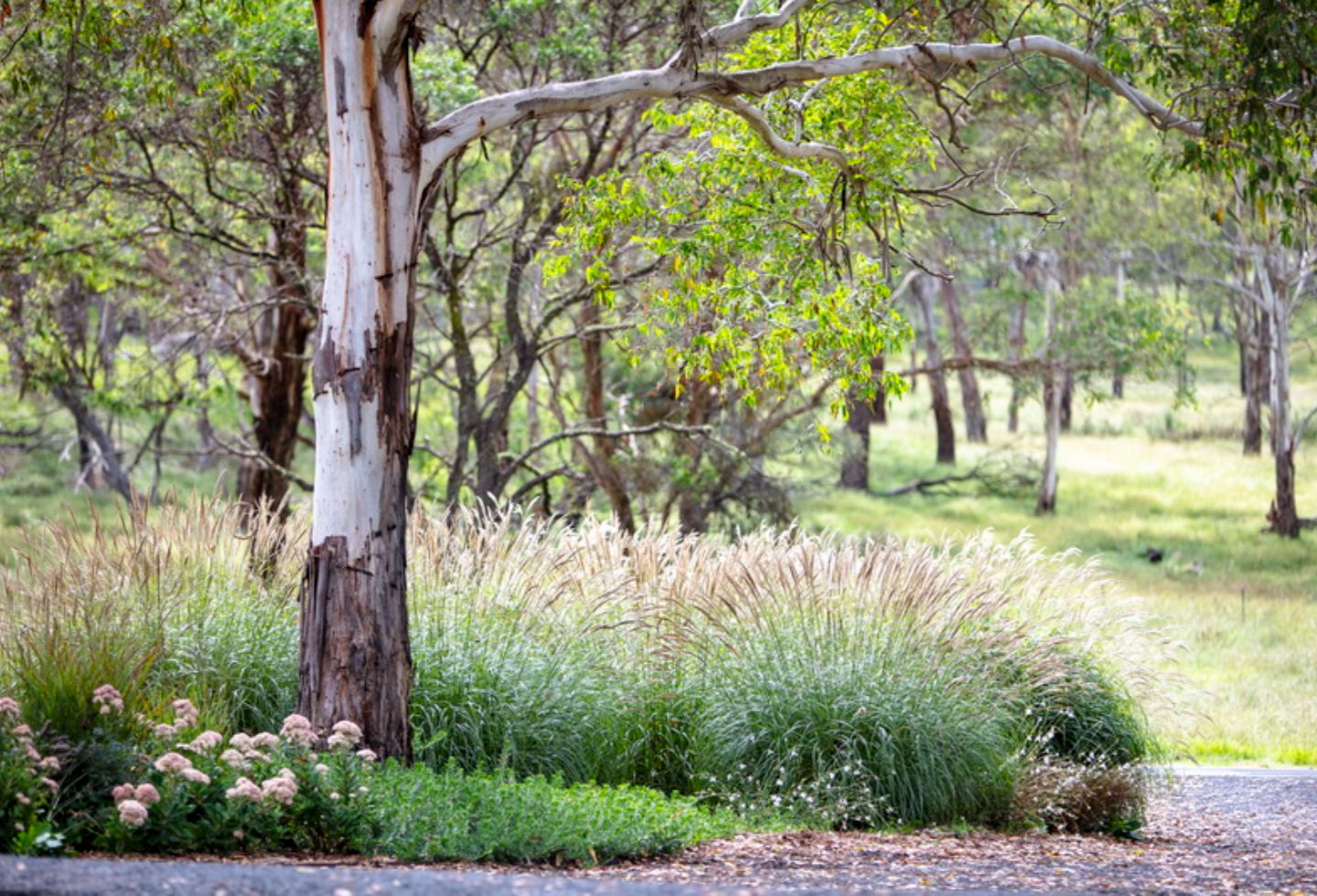
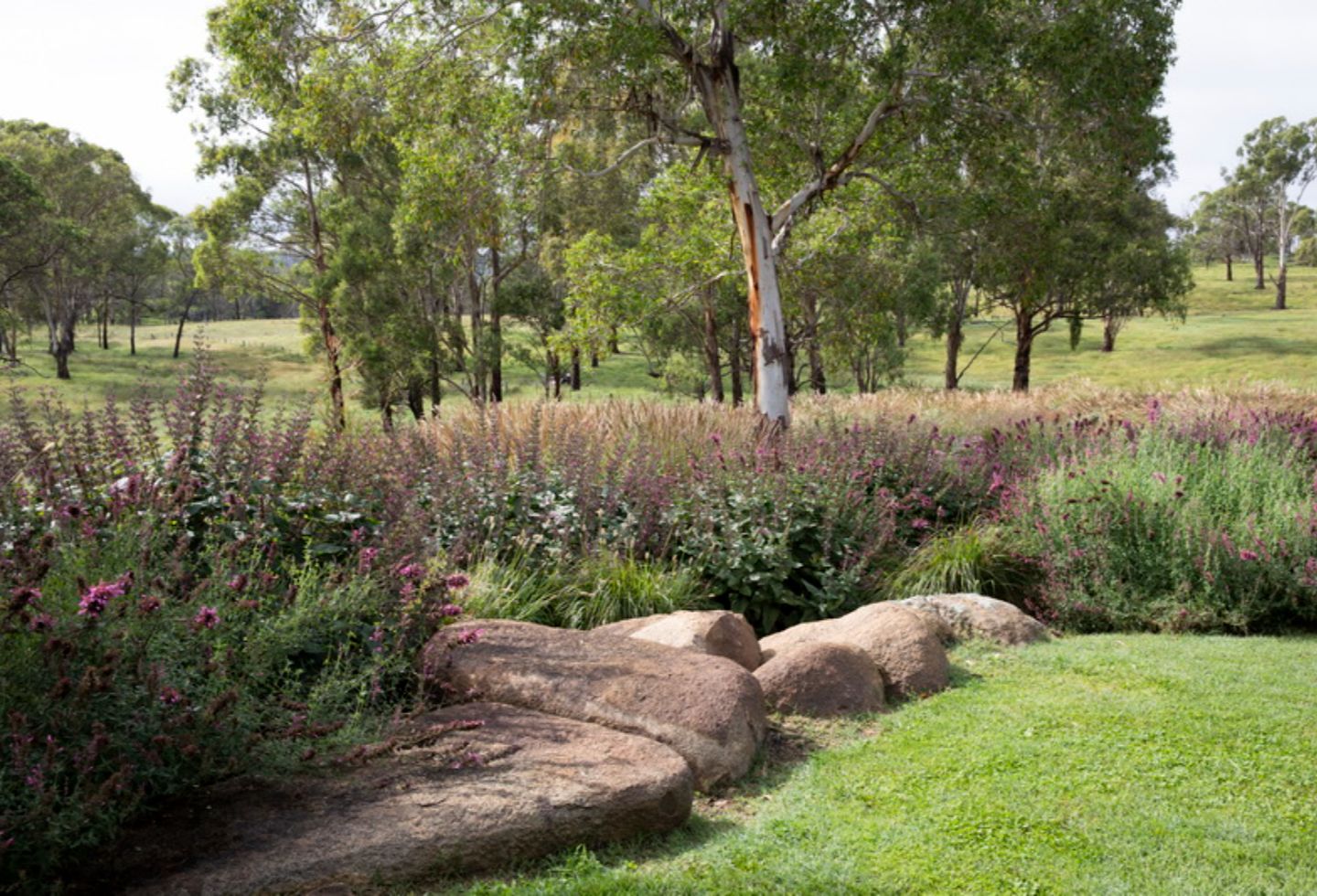
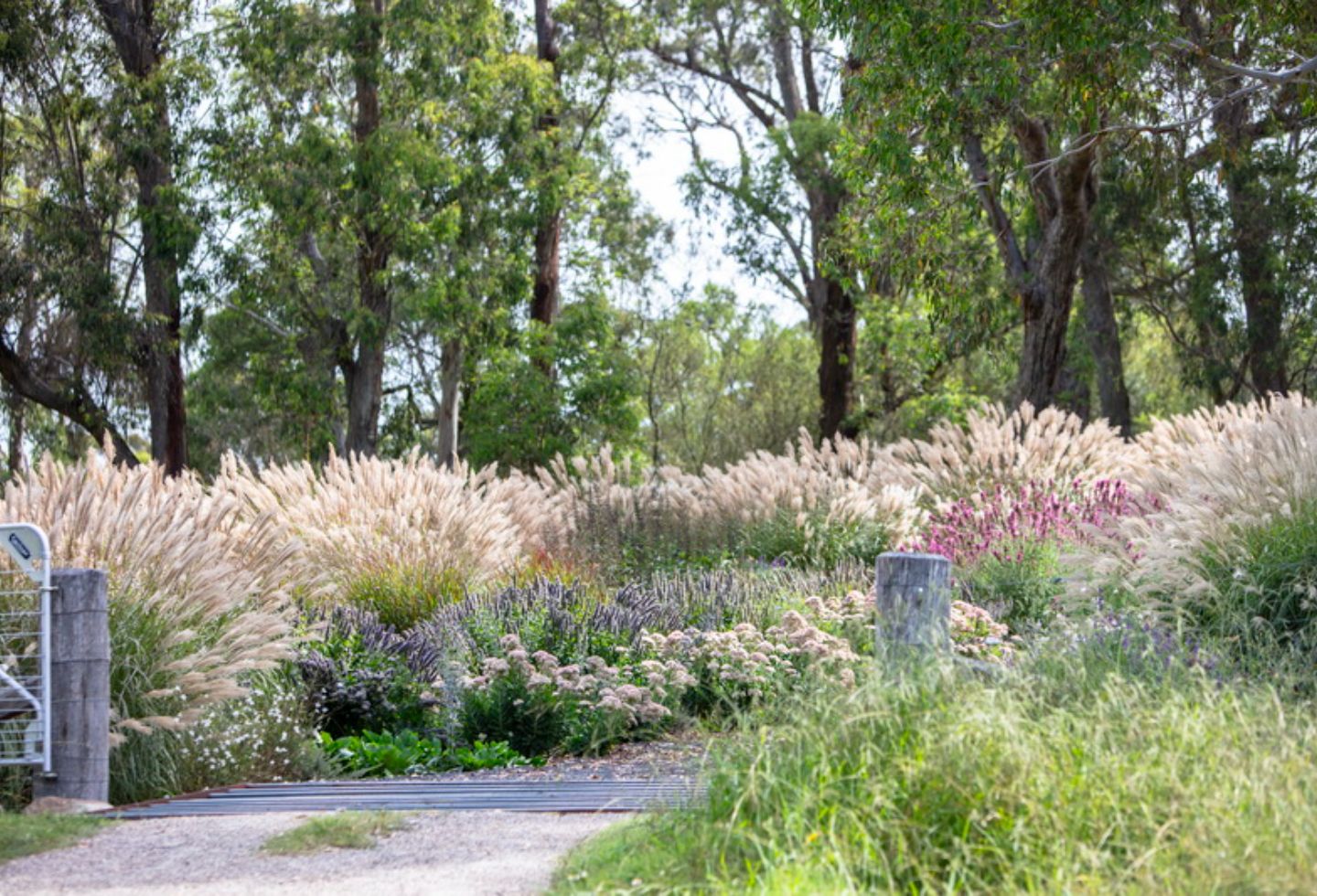
With these challenges in mind, he approached the garden as part of the landscape, pushing out into the paddock without imposition. He planted natives and Miscanthus but also maintained some of the prettiness and femininity of his childhood garden too: a return to home. The palette is soft with sage green and greys; the granite boulders and grasses were already there in the paddock, so a lot of biotic matter was not cleared.
For Main, the horizon line of this property was critically important. “It indicates sunrise and sunset, the horizon is where we observe incoming weather, so we can see the future. The horizon line is a really significant source of information. But the shape of the house is important and so too is whether the country itself is soft rolling hills or coastal headland. The planting is meant to mimic the sweep of the horizon.”
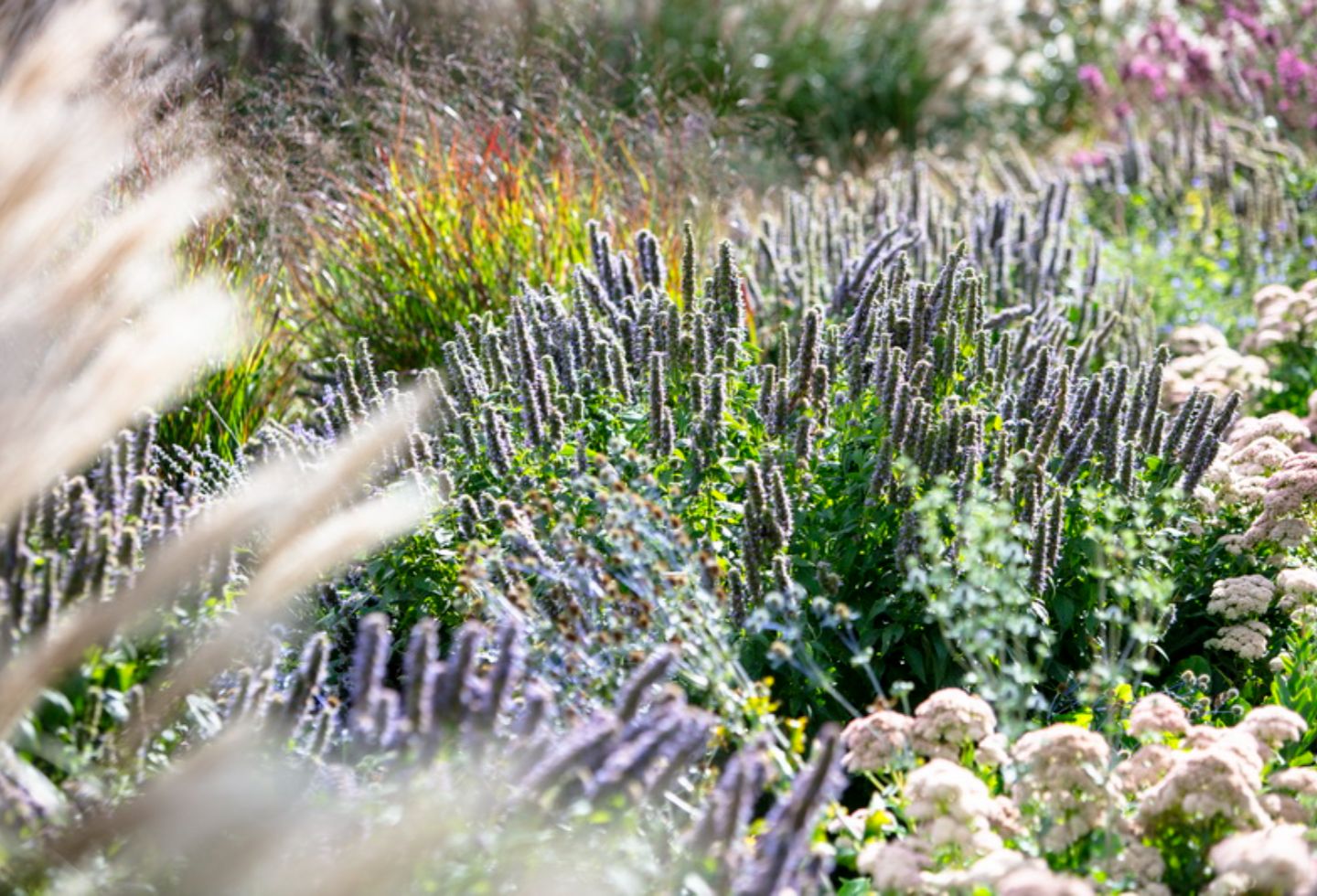
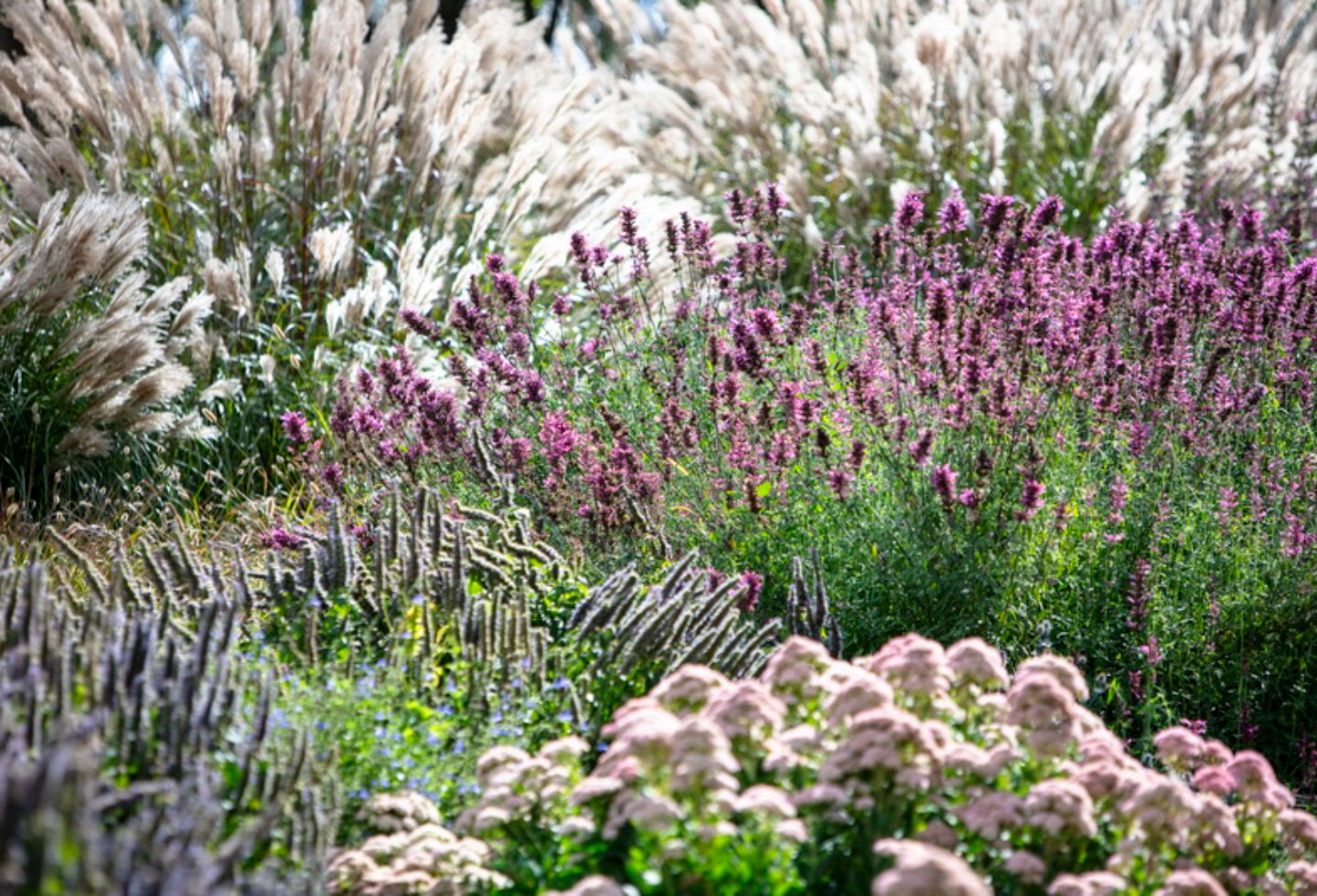
Main sourced a variety of plants from Woodside Plants in Gloucester and from Carolyn Robinson’s in Tenterfield, while growing many others himself. He adds: “Gardens offer a place where we talk. We talk about gardening, but we also talk while we garden. A garden is not a place where we grow plants to impress but where we learn where plants thrive. A garden is a place to breathe.”