

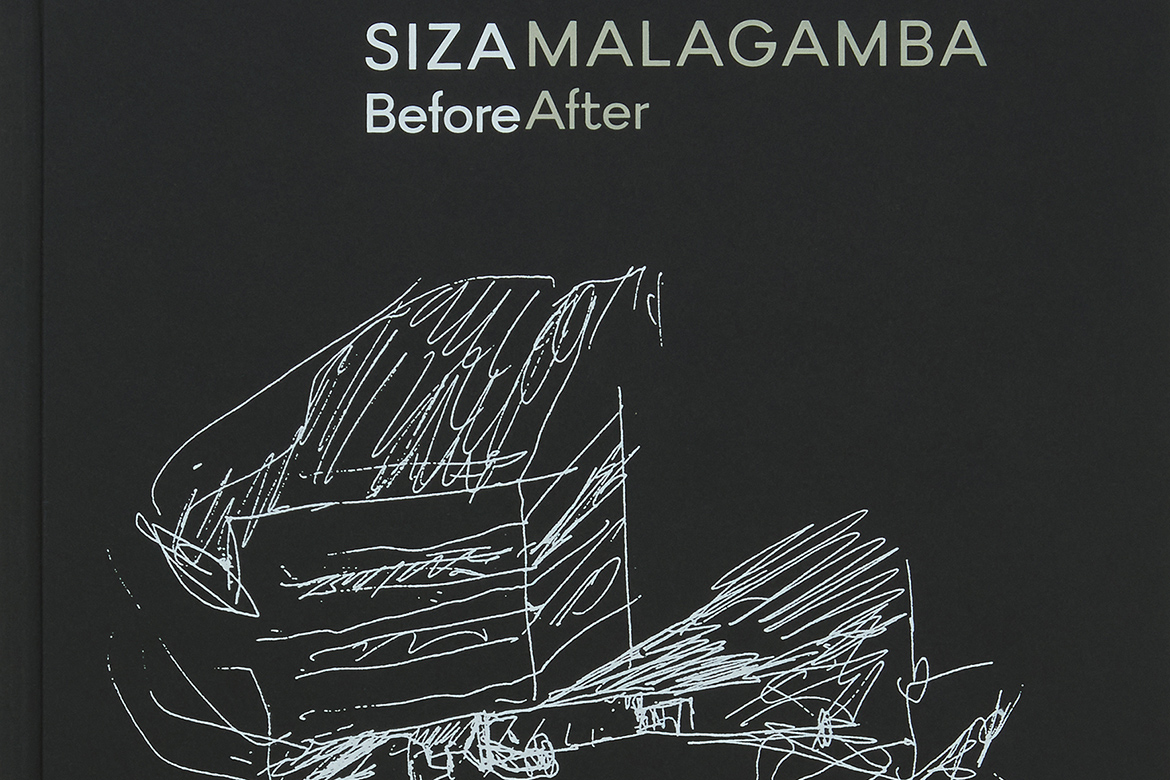
This book originated from the wish to deepen and distill a collaboration that has been developing without interruption since 1993.” So begins Before After, a book that presents the famous Portuguese architect’s work as documented by photographer Duccio Malagamba.
Rather than presenting a conventional monograph, Before After – published by Phaidon – focuses on the direct dialogue between Siza’s sketches and Malagamba’s photographs of finished works. The central premise is the comparison between the initial moment of design and the built result, foregrounding the way early drawings anticipate spatial qualities, material decisions and formal outcomes. By intentionally compressing the complex processes of design development and construction into a before-and-after sequence, the book emphasises the clarity and predictive capacity of Siza’s hand drawings, positioning them as both analytical tools and expressions of architectural intent.
The projects included span several decades of Siza’s practice and range from cultural institutions and religious buildings to housing and private residences. Works such as the Santa Maria Church and Parish Centre in Marco de Canaveses, the Galician Centre of Contemporary Art in Santiago de Compostela and the Serralves Museum of Contemporary Art in Porto are presented through paired images that highlight continuity between sketch and realised form.
Related: Siza in Milan
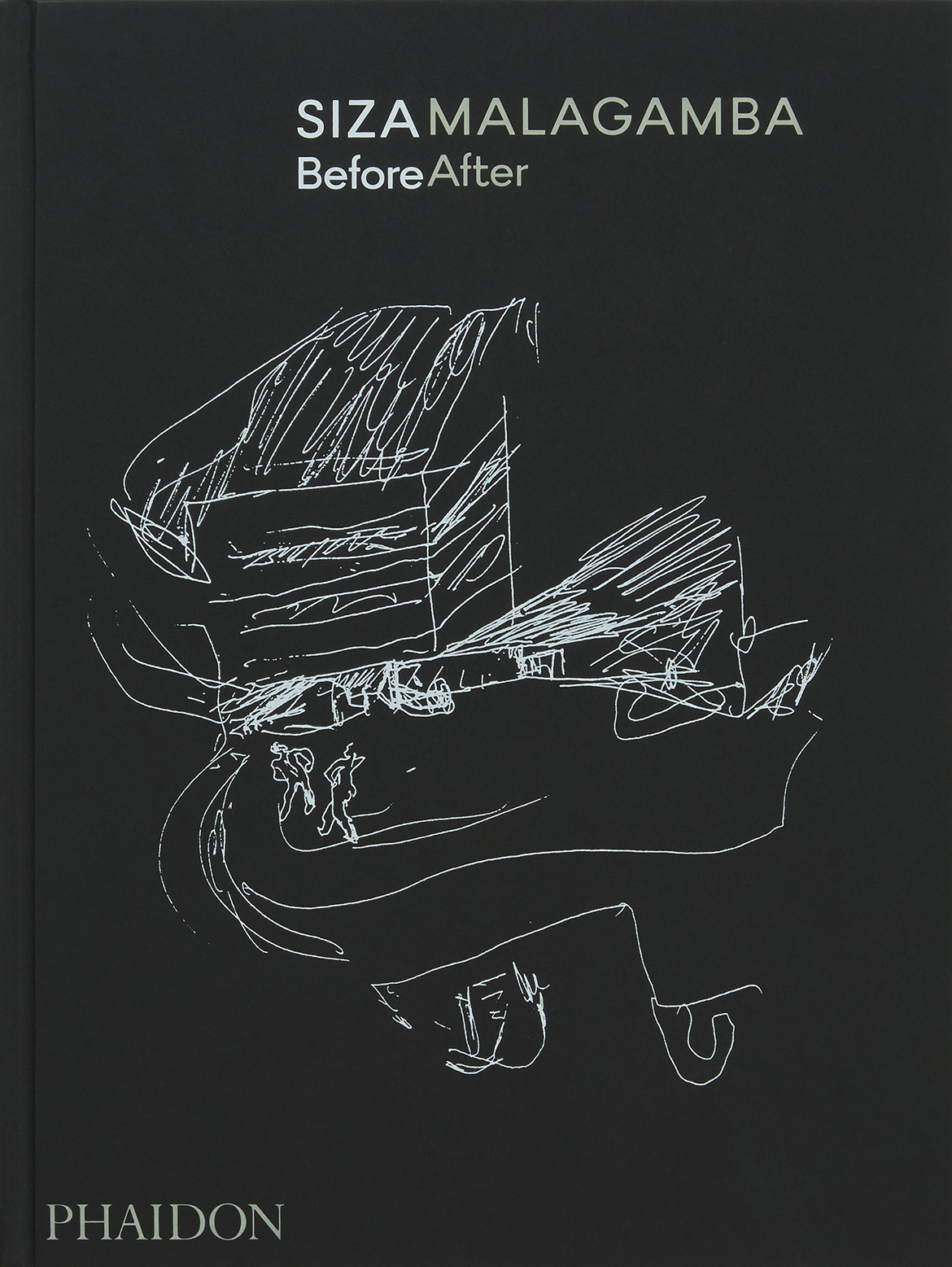
Before After also incorporates reflections and conversations between architect and photographer, offering insight into questions of authorship, interpretation and the transformation of architecture once occupied and adapted by users.
A recurring theme is the idea that interior and exterior should be understood as a single architectural act, alongside a broader reflection on how buildings evolve beyond the architect’s control. Malagamba’s photographs, typically taken once projects are complete and inhabited, aim to capture this final stage while maintaining fidelity to the original architectural intention.
For architects, the publication offers value less as a historical survey and more as a study of process. By placing drawing and building in direct correspondence, Before After provides a focused look at how architectural ideas are distilled, communicated and ultimately realised, making it a useful reference for understanding the role of sketching, observation and collaboration within contemporary practice.