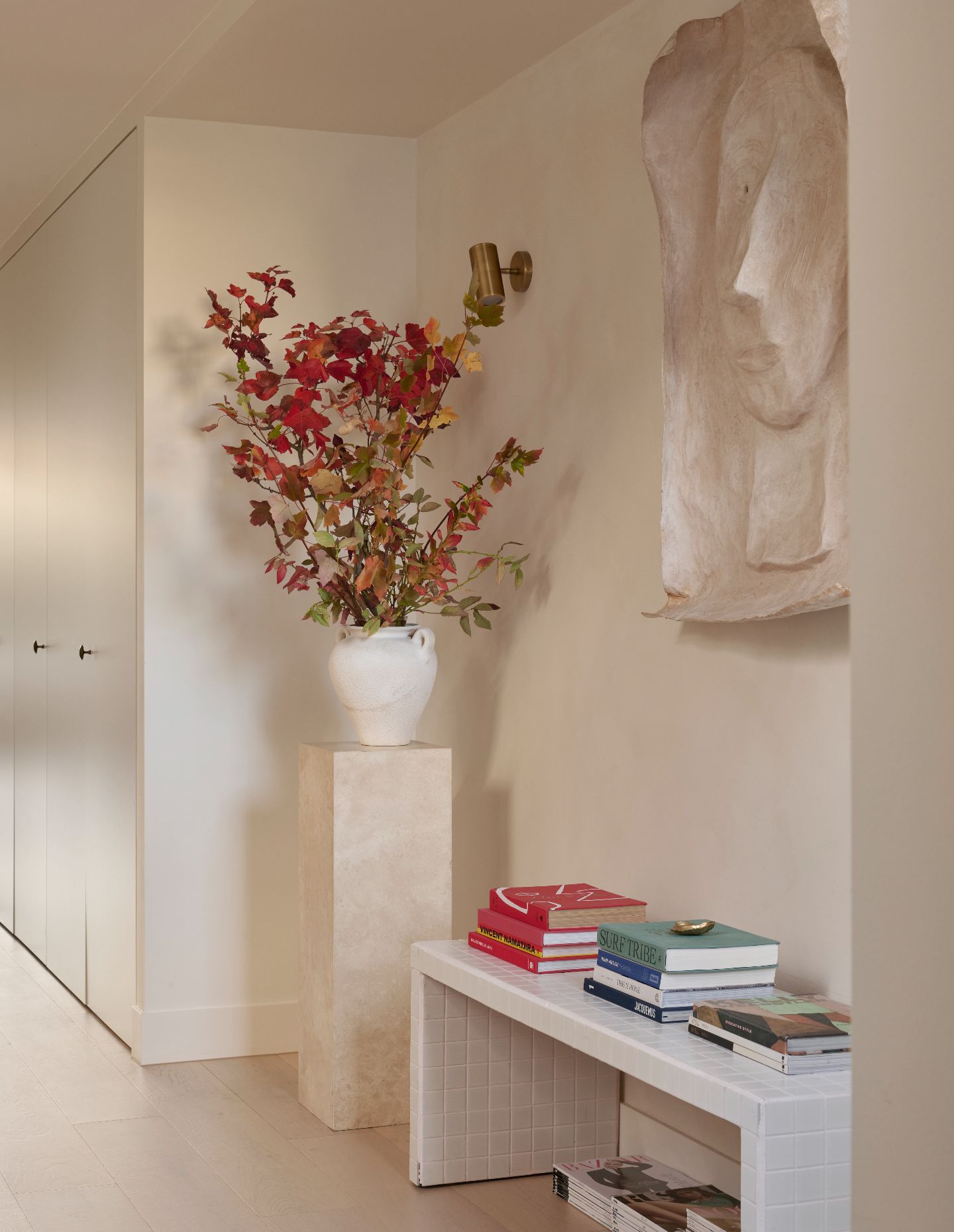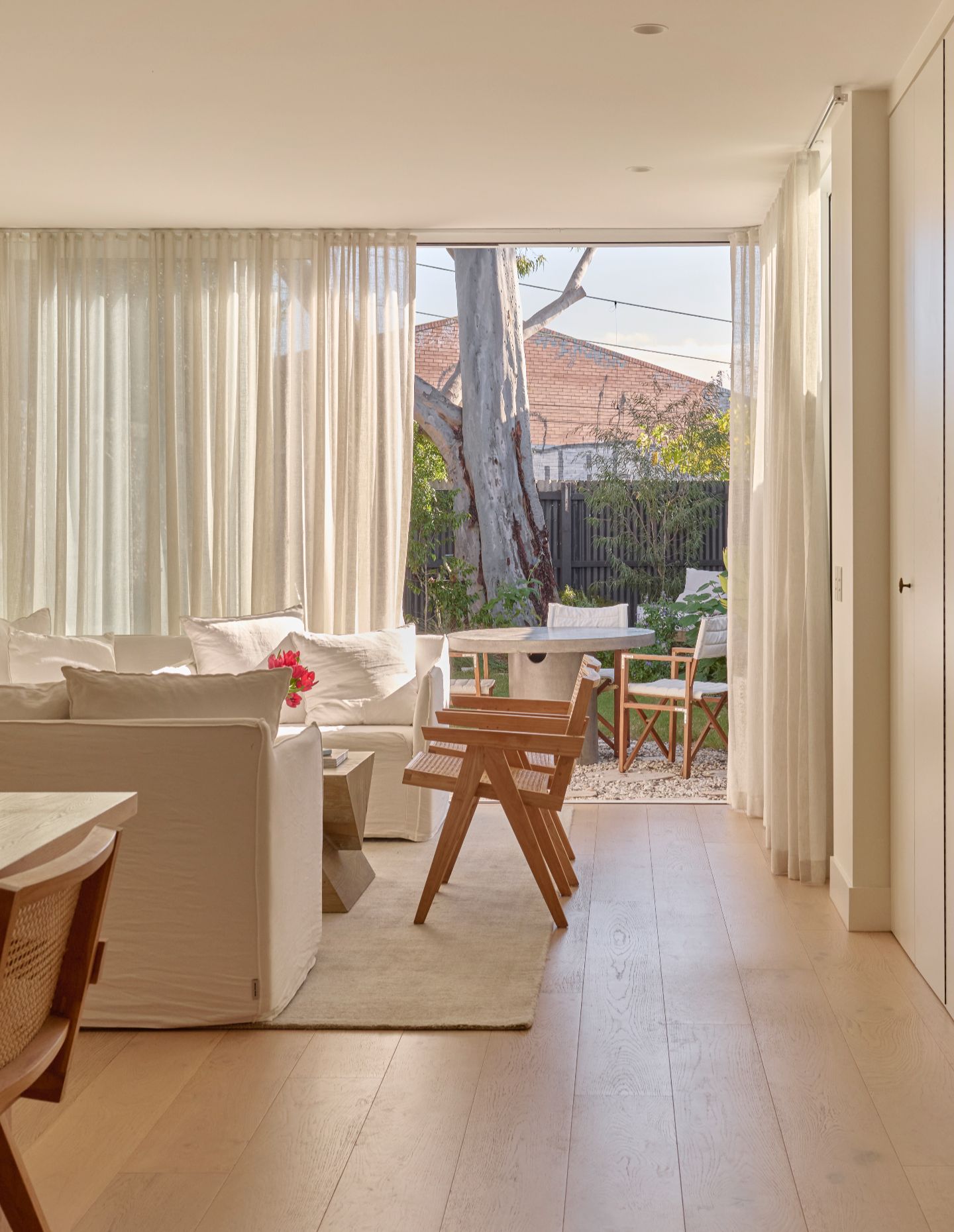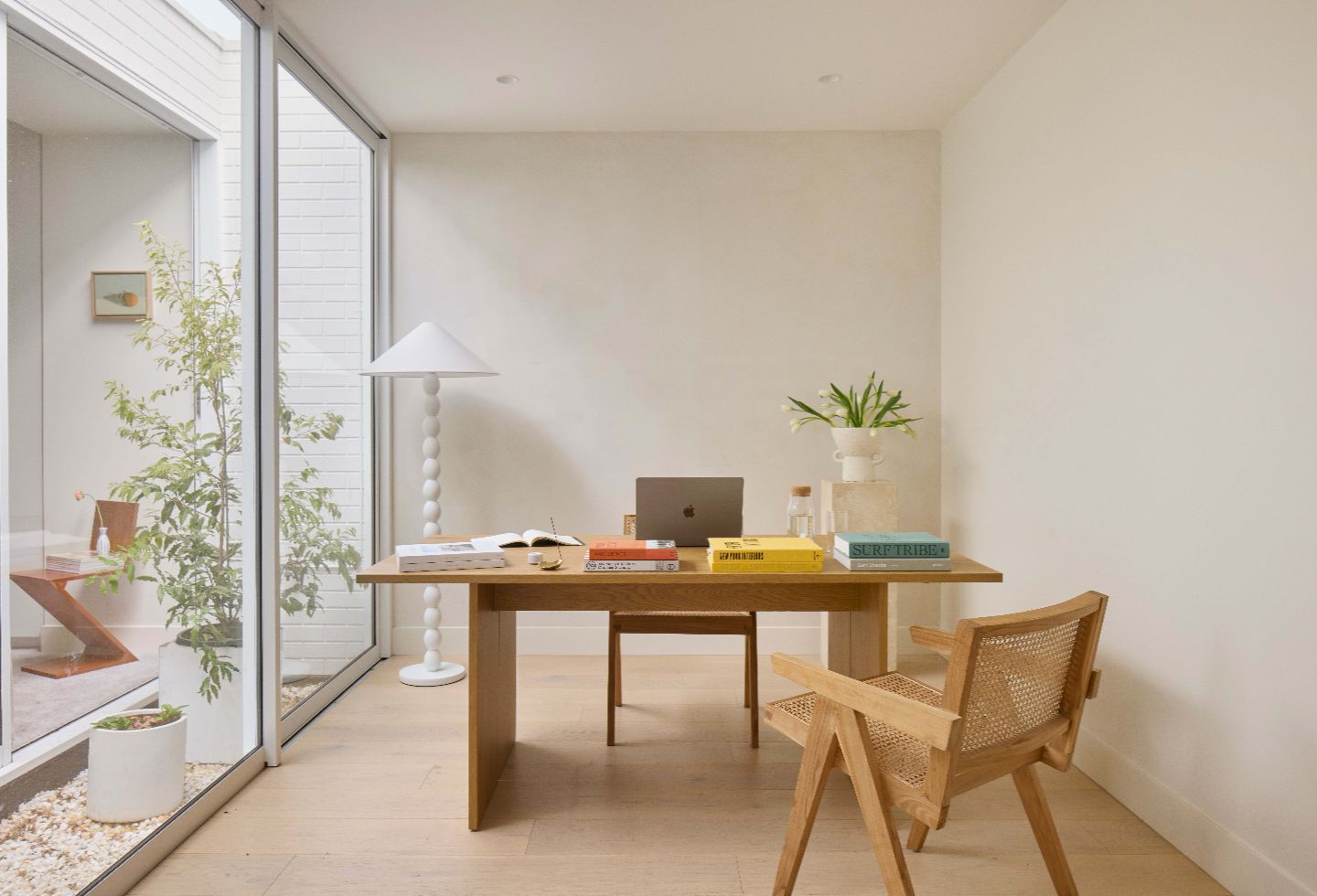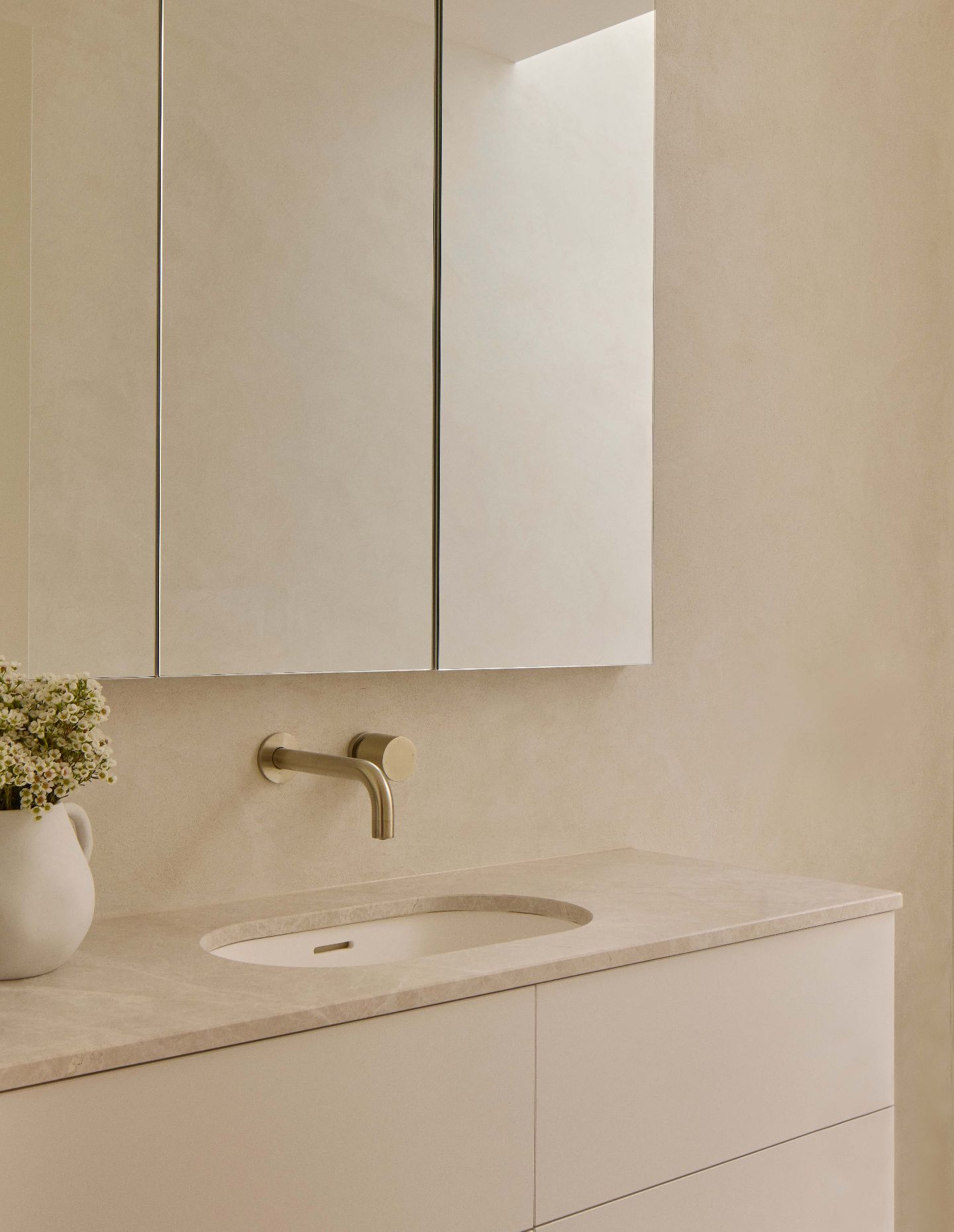

After a decade honing his craft at practices Foster + Partners and Skidmore, Owings & Merrill, followed by a stint as Design Director at GURNER™, Ash Roberts has ventured out on his own. Founded in 2024, Melbourne-based architecture studio Ardo represents a return to fundamentals: light, proportion, materiality and the quiet rhythms of daily life. Specialising in private residential projects, heritage renovations, multi-residential developments and select retail work across Melbourne, Ardo seeks to make waves in the architecture and design world.
We spoke with Roberts about his design philosophy, his international experience and what wellness in architecture really means.
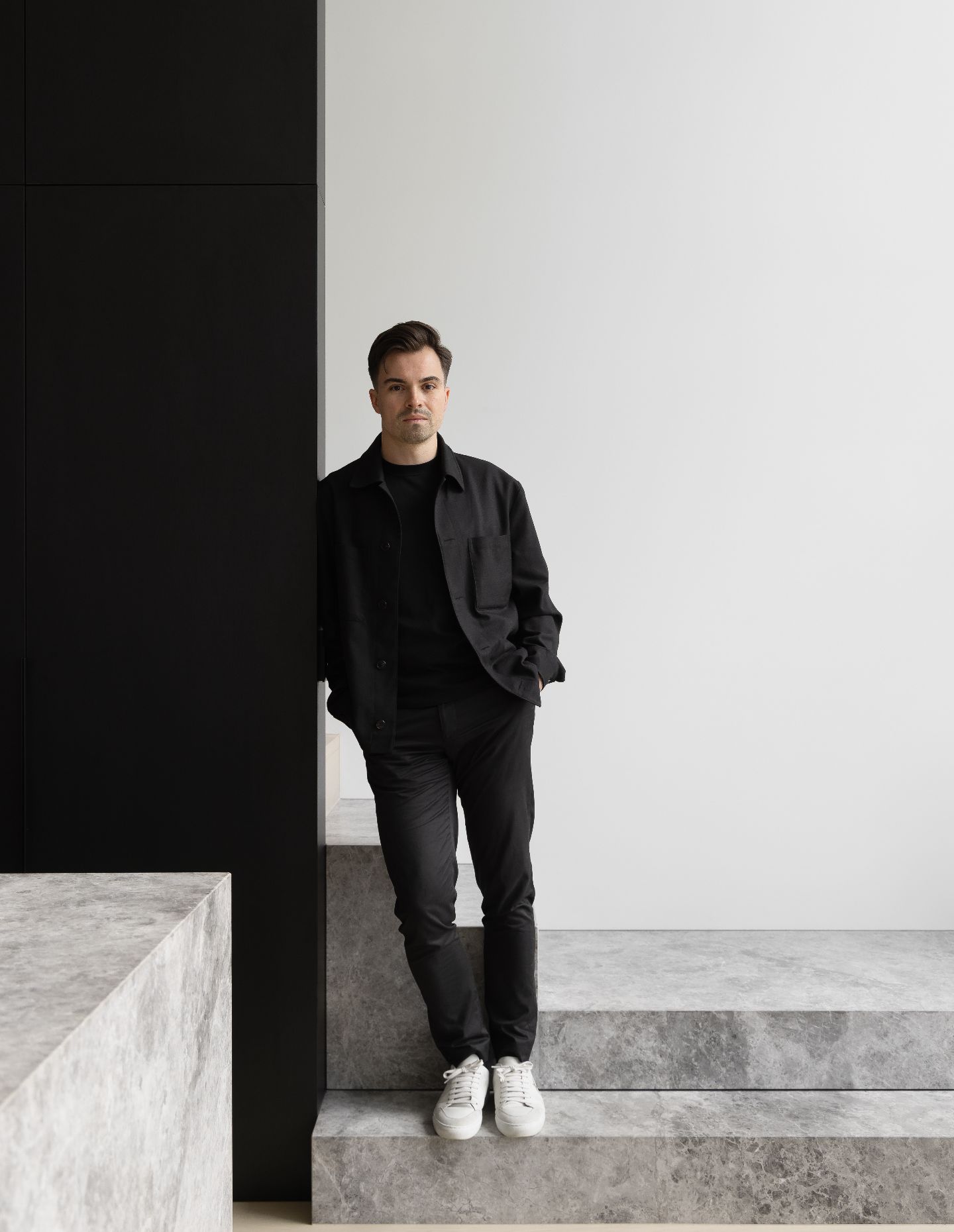
What led you to start your own practice, and what did you want to do differently?
Ardo began from a desire to create spaces that feel genuinely connected to the people who live in them. After years of working in larger practices and time spent in the development space, I wanted to translate that experience into a more hands-on way of working by creating spaces that feel intentional and well considered.
Starting my own practice allowed me to refocus on lived experience—how light moves through a space, how materials age and how a home supports the rhythm of someone’s day. I intended to build a studio where the process is personal, collaborative and grounded, and where the architecture feels honest and considered.
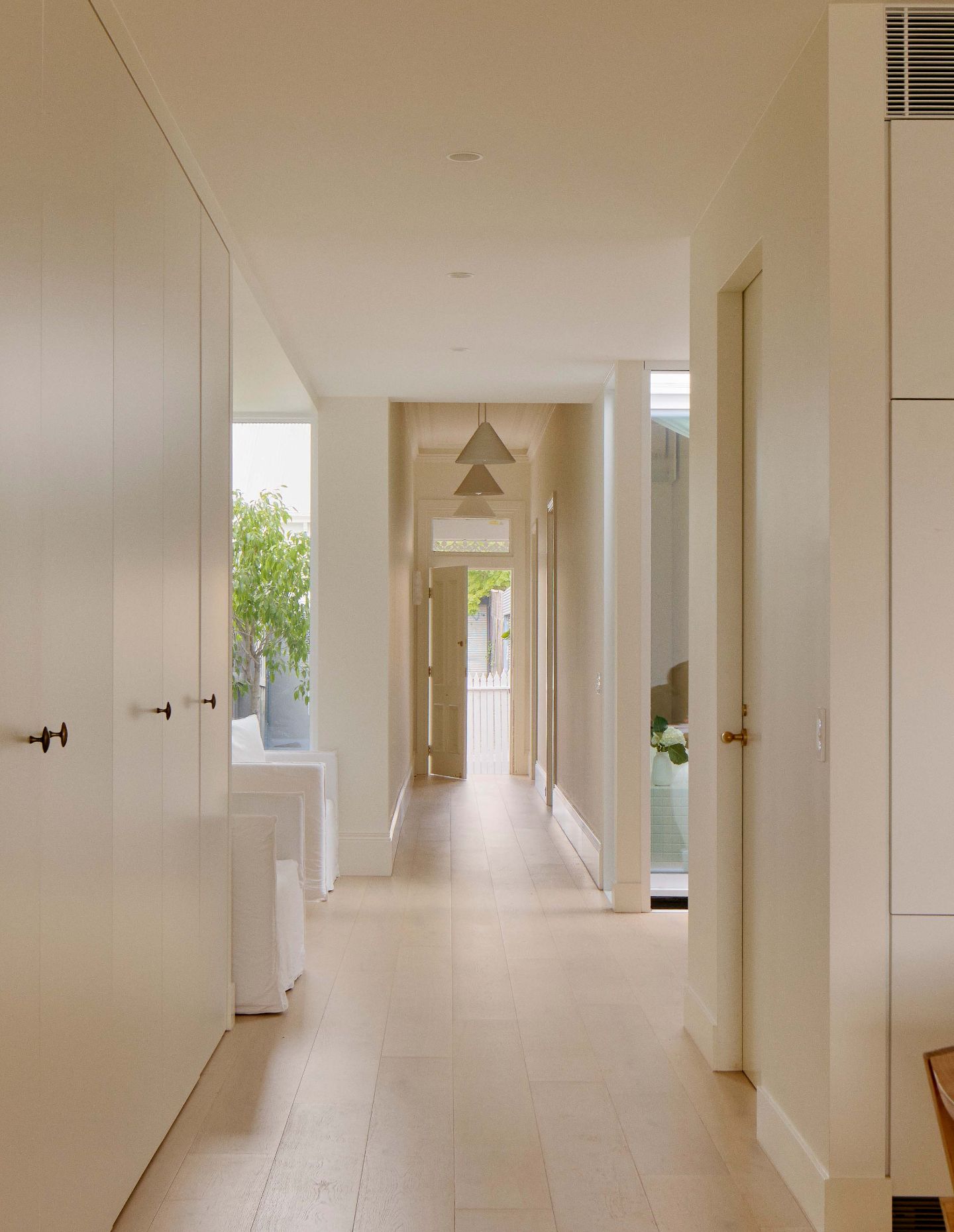
How do you define wellness in architecture?
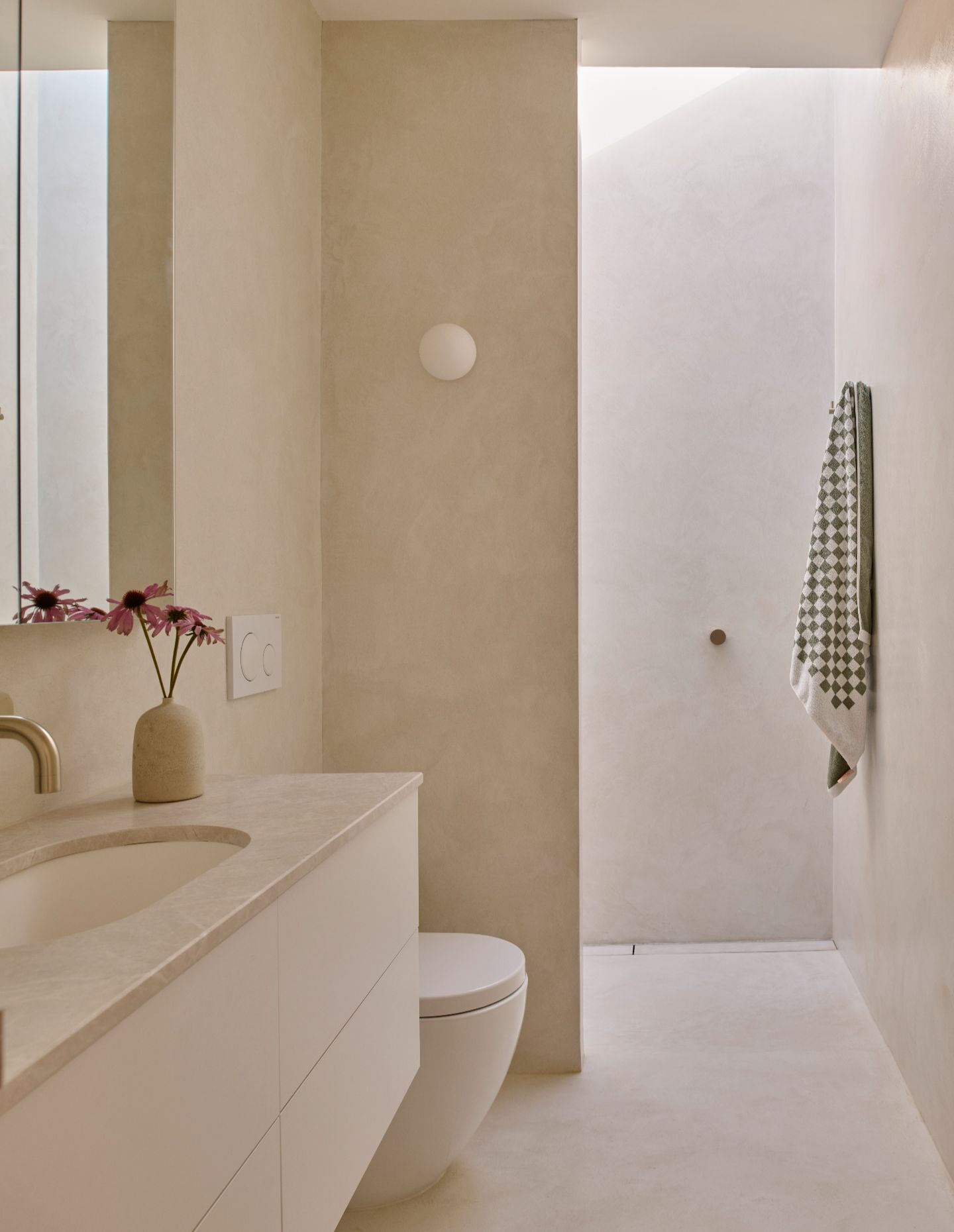
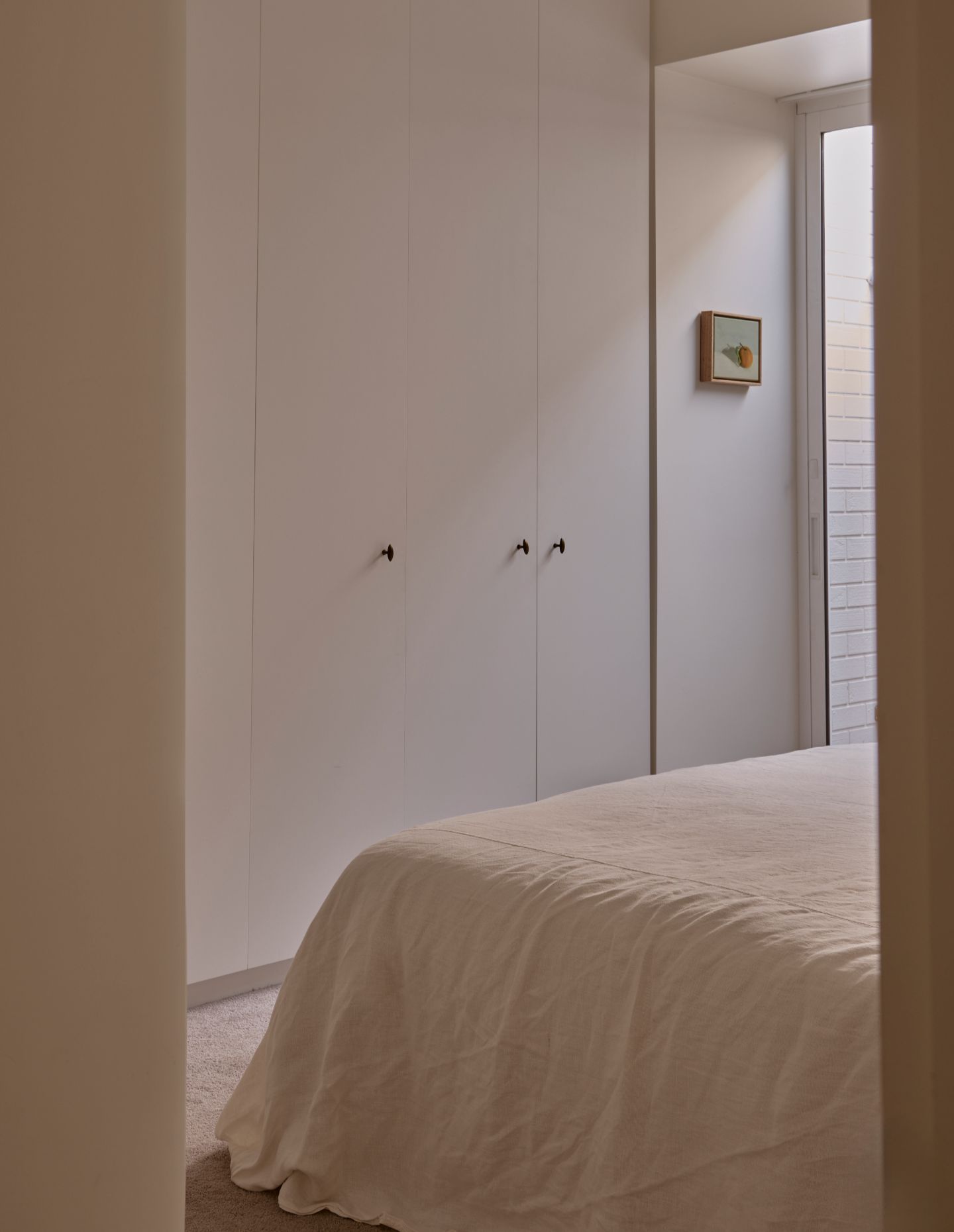
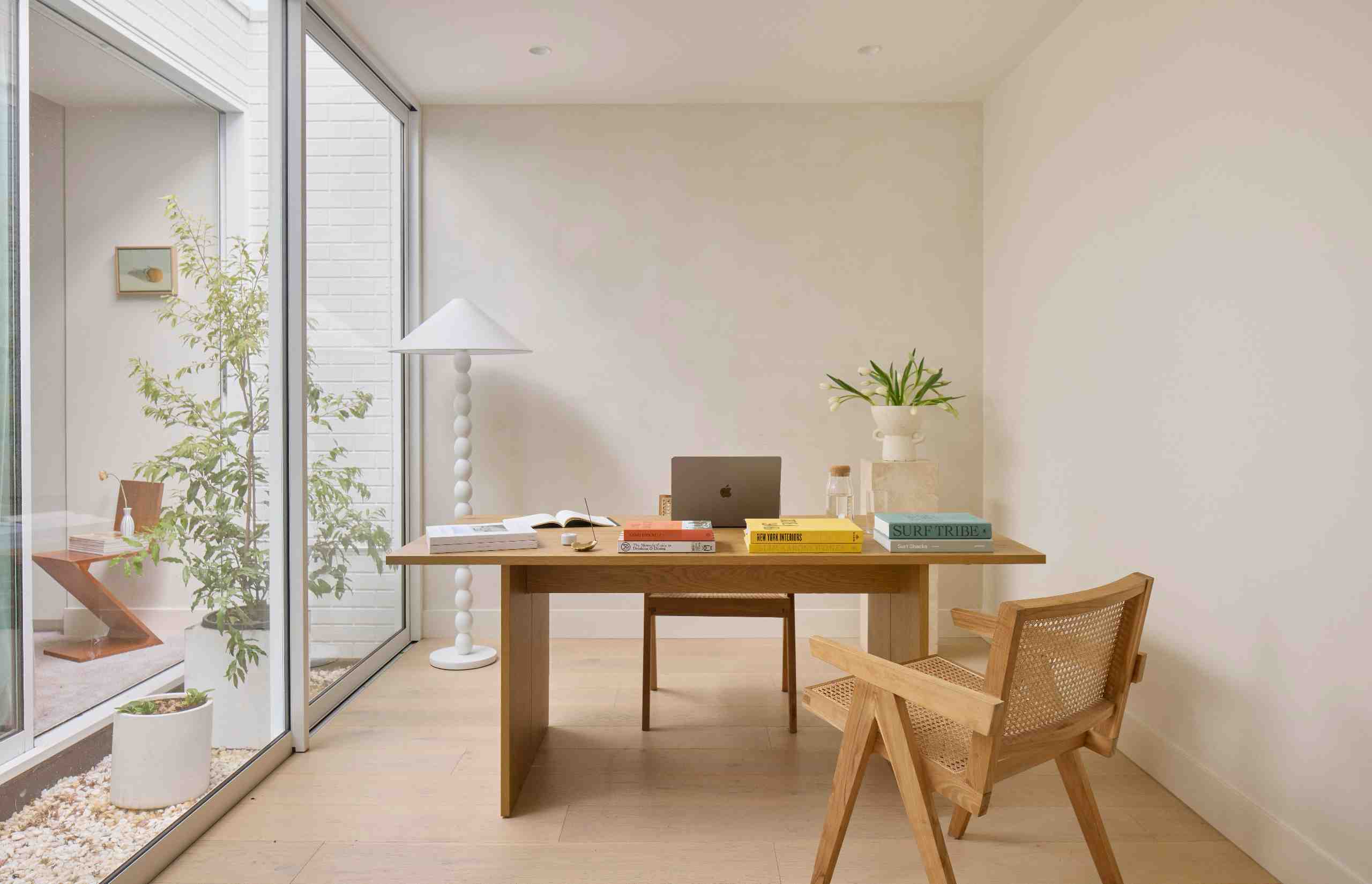
For me, wellness is less about trends and more about how a space makes you feel when you move through it. It’s the softness of natural light, the clarity of well-proportioned rooms, the comfort that comes from materials you want to touch.
Wellness can be created through restraint, by removing noise, considering flow and choosing materials that feel timeless and grounding. Wellness in a home is when a space supports your routines, restores your energy and feels intuitively right.
Related: Enlightened modernity with a soulful heart
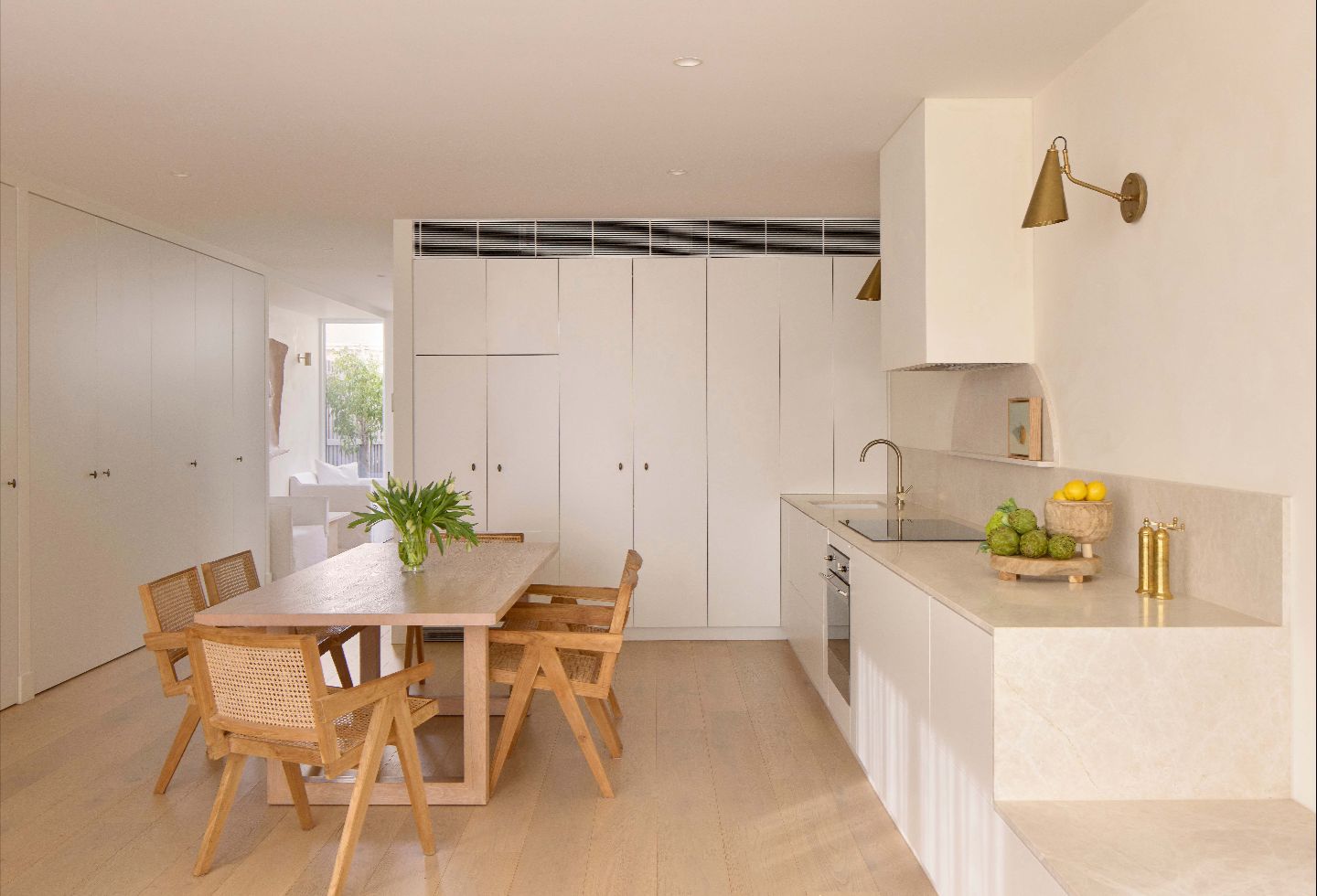
Having worked with Foster + Partners and Skidmore, Owings & Merrill before returning to Australia, how did those experiences influence your sensibility and the way you now work with clients?
Foster + Partners and SOM both taught me discipline, both in design but also in decision making and in the importance of process, detail and clear communication. Working internationally reinforced how impactful good design can be at any scale, but it also showed me that the most meaningful work happens when you’re close to the people you’re designing for.
At Ardo, I bring that global rigour into a much more personal way of working, staying closely involved with clients and creating spaces that genuinely reflect how they live.
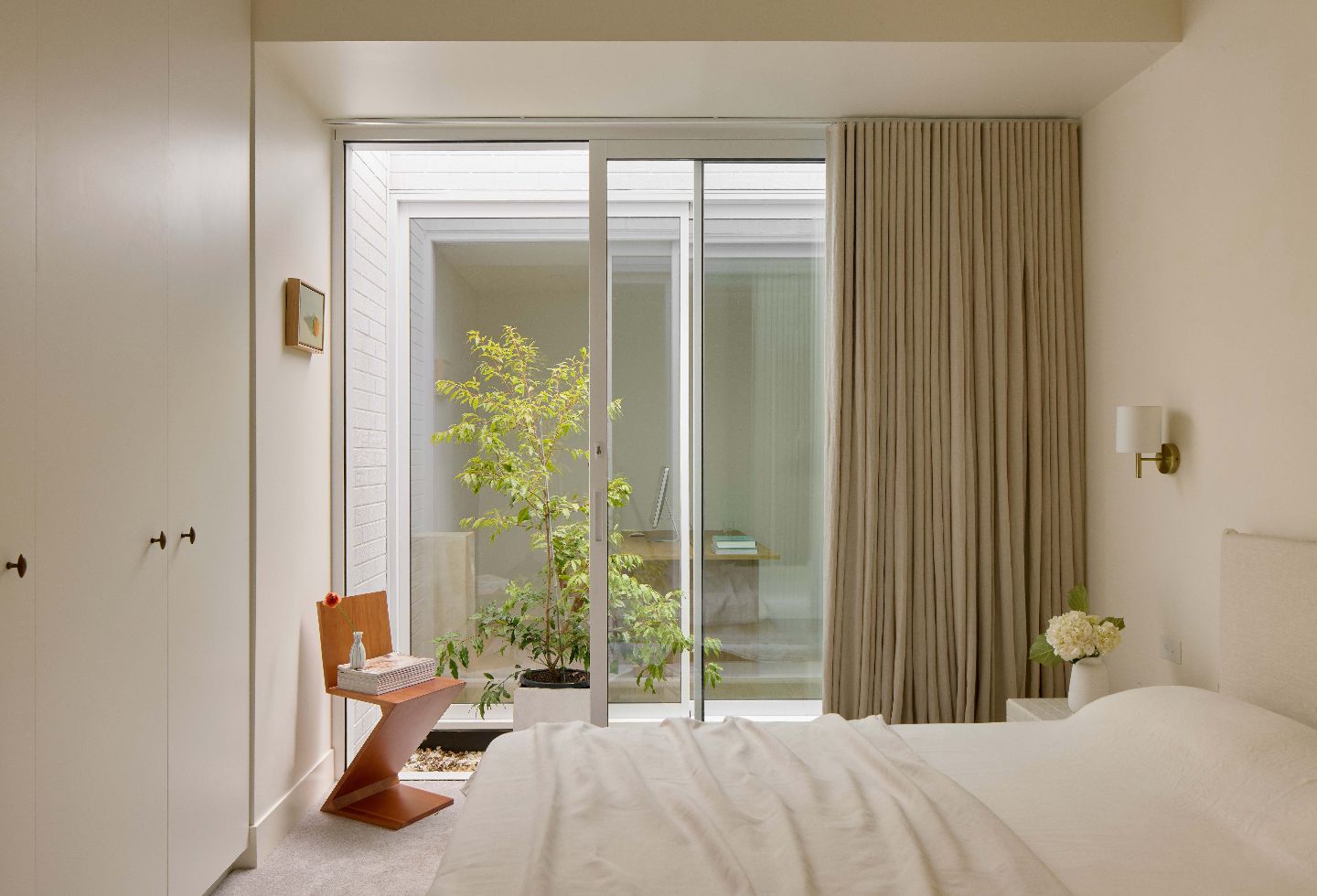
How do you know when a design feels resolved?
To me, a design feels resolved when everything is working together—the plan is clear, the proportions feel balanced and the idea carries through without needing to be pushed. When nothing feels forced and the decisions feel natural, that’s when I know it’s resolved.
What materials or spatial qualities do you keep returning to, and why?
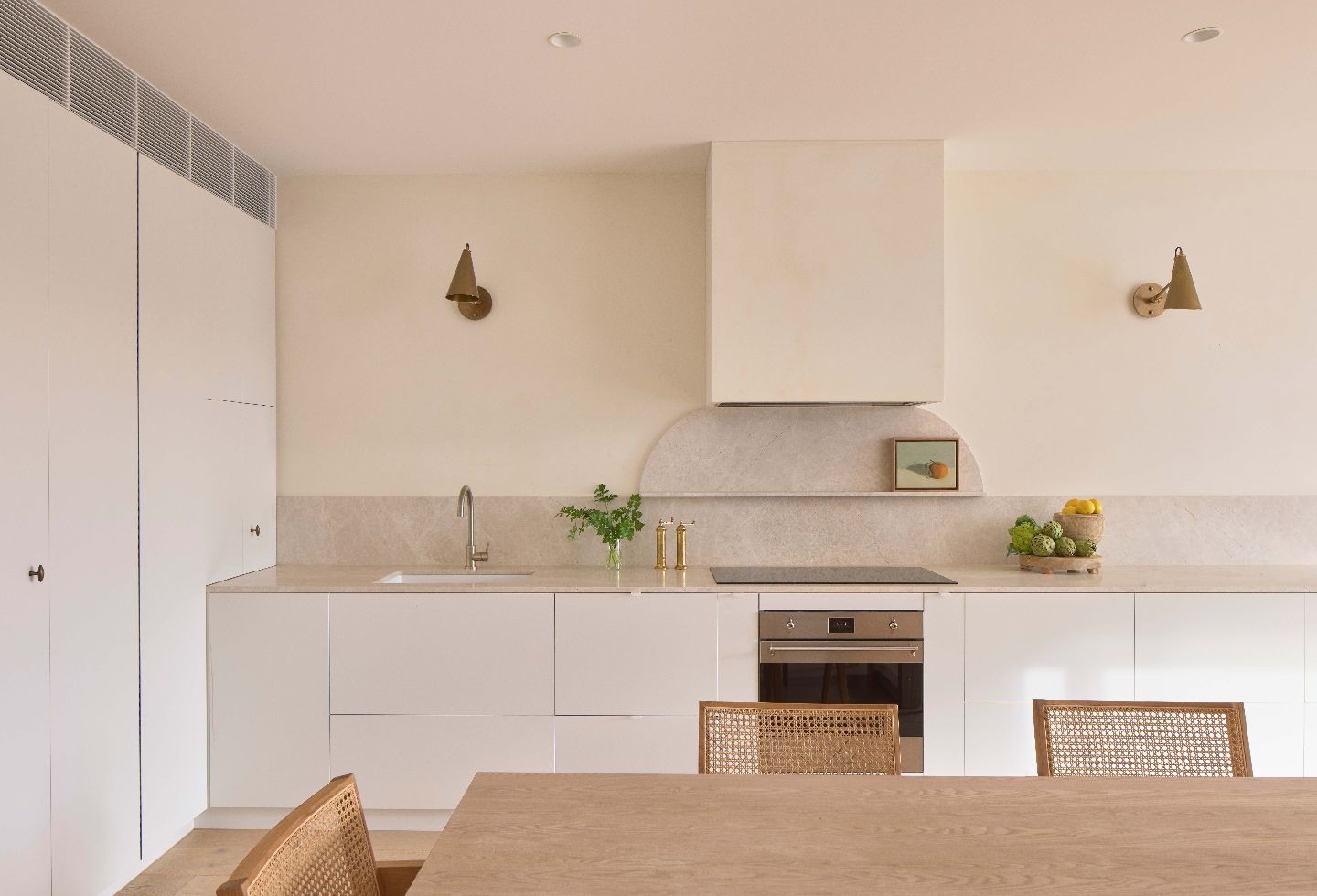
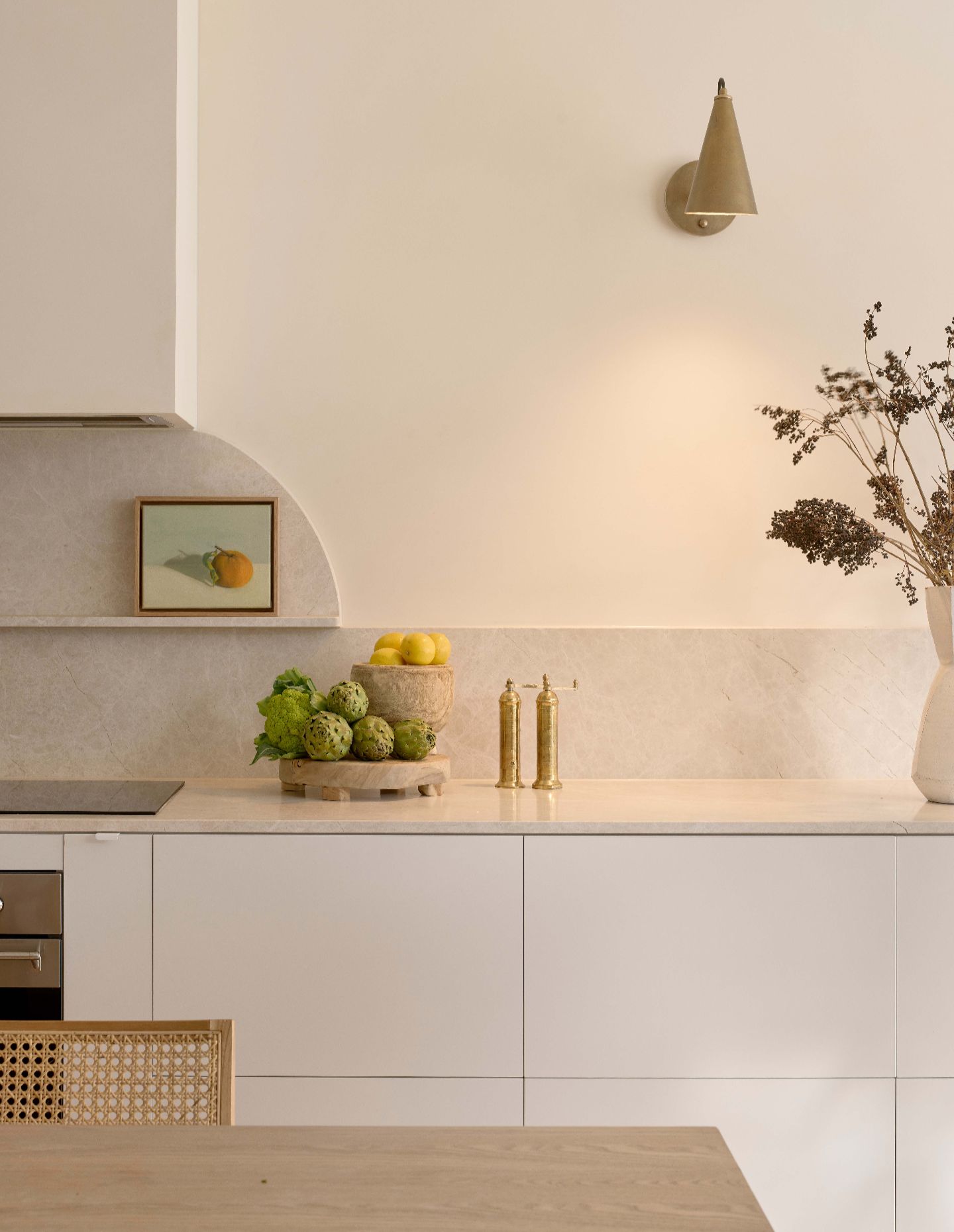
I’m drawn to natural, honest materials including timber, stone, textured plaster and metals, because they age well and bring warmth without feeling over-designed.
Spatially, I keep coming back to light, proportion and flow. When those fundamentals are right, the architecture feels calm and effortless, and the rest naturally falls into place.
Looking ahead, how do you hope Ardo will evolve over the next few years, and what kind of legacy do you want your practice to leave in Australian architecture?
I see Ardo continuing to evolve into a studio that focuses on creating clear, well-resolved spaces, while shaping thoughtful homes without losing the personal nature of the process.
I’d hope our legacy would be that the spaces we design feel balanced and enduring. Places that work well for daily life, grow with the people who experience them and remain timeless.