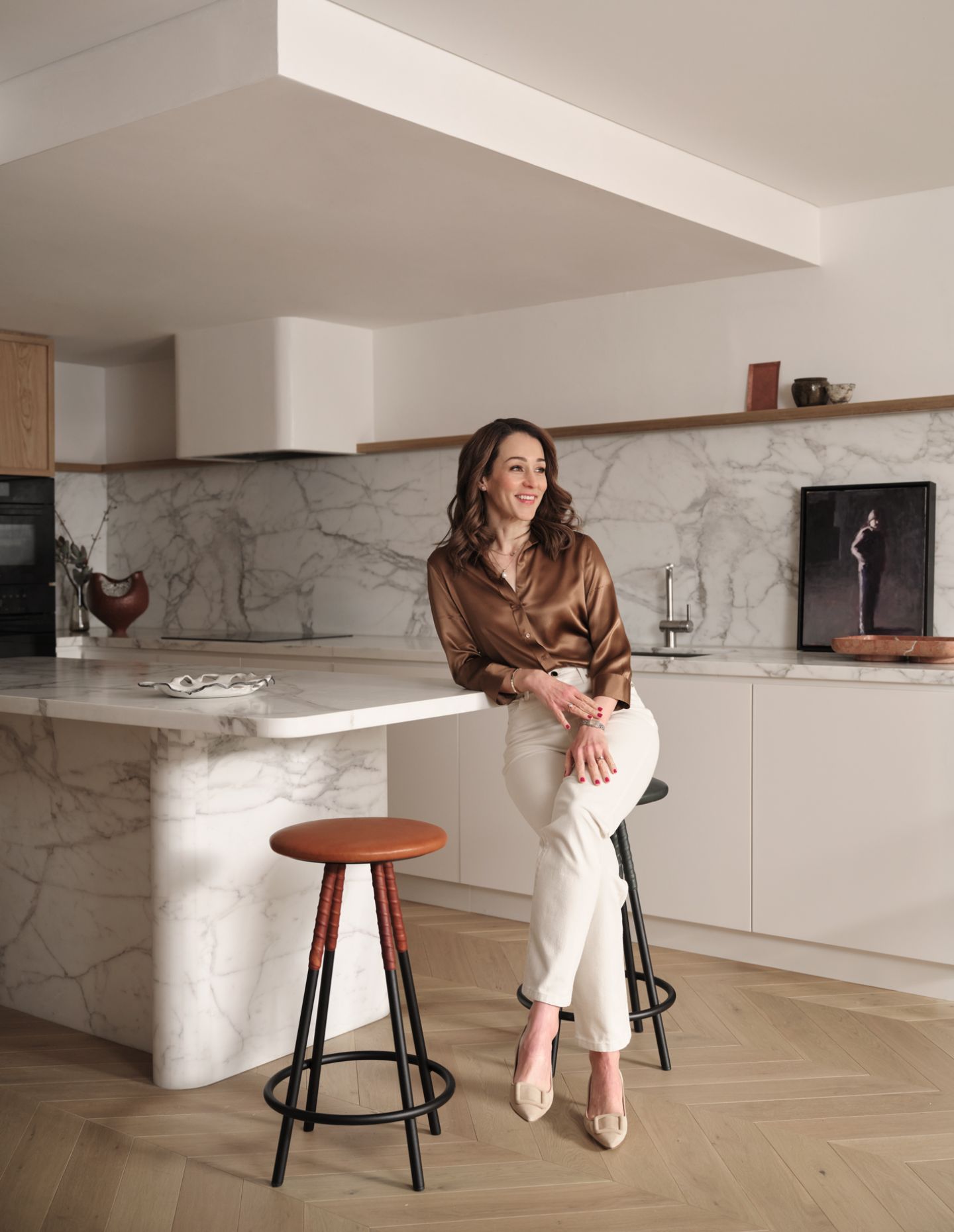

Australian homes are entering a quietly transformative era. According to architect Georgina Wilson, the most compelling shifts she is seeing are not about decorative statements but about how homes genuinely support the way people live now, and how they will live in years to come.
“The projects I’ve been working on recently show a real change in priorities,” Wilson says. “Clients are thinking beyond aesthetics. They want homes that function beautifully day to day and evolve with them over time.”
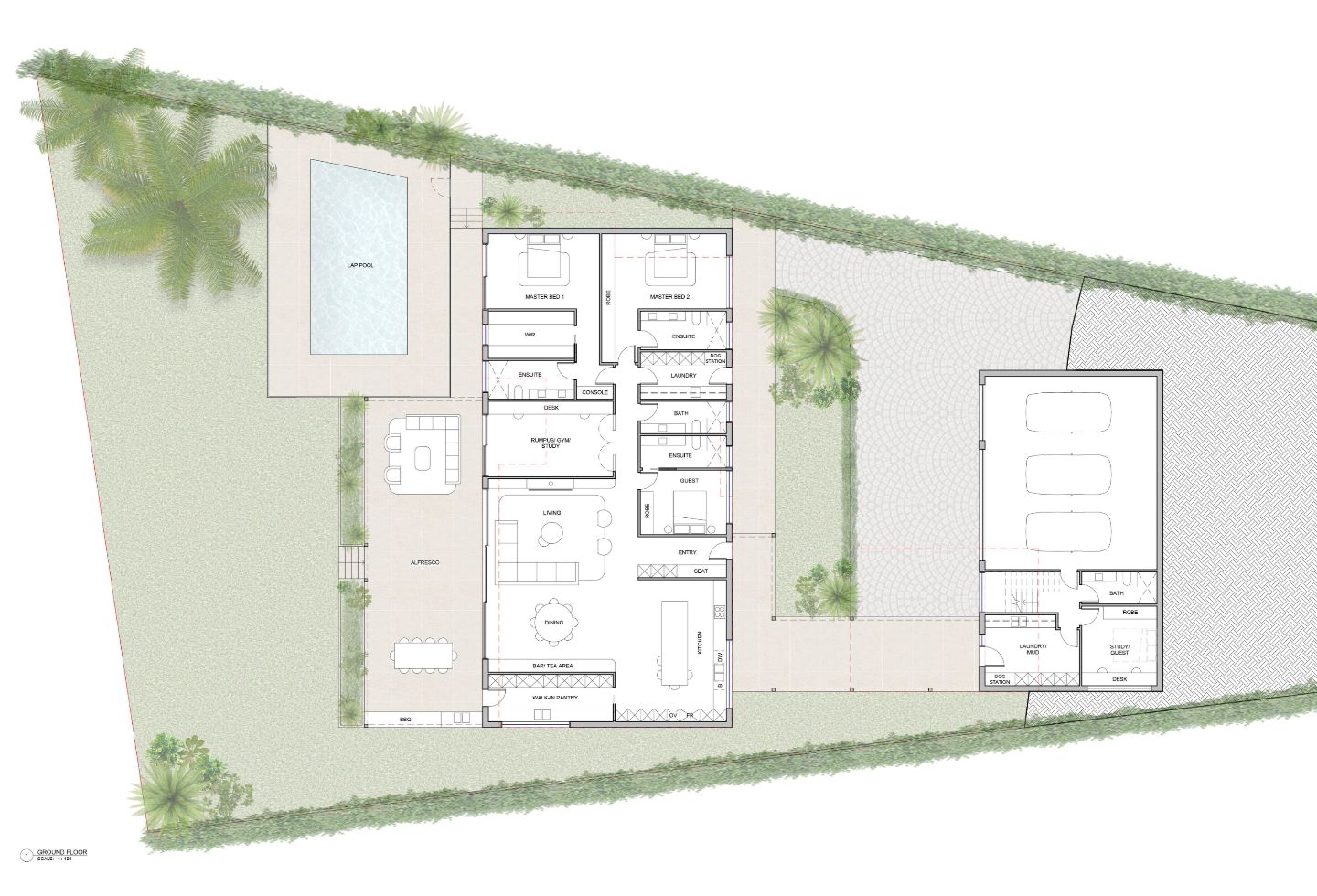
One of the more unexpected trends gaining traction is the humble dog bath. While it may sound indulgent, Wilson sees it as a smart and highly practical addition. Often tucked into a laundry or mudroom, a dedicated wash zone keeps muddy paws contained and daily routines far calmer. “It’s part of a broader move toward designing homes that work for every member of the family, pets included,” she notes.
That same long-term thinking is driving a rise in multigenerational living. Families are increasingly planning for flexibility, incorporating self-contained wings, lifts and adaptable layouts that allow grandparents or adult children to live comfortably under one roof. Rather than forcing people to adapt to a fixed floor plan, Wilson sees homes being designed to adapt to the people within them.
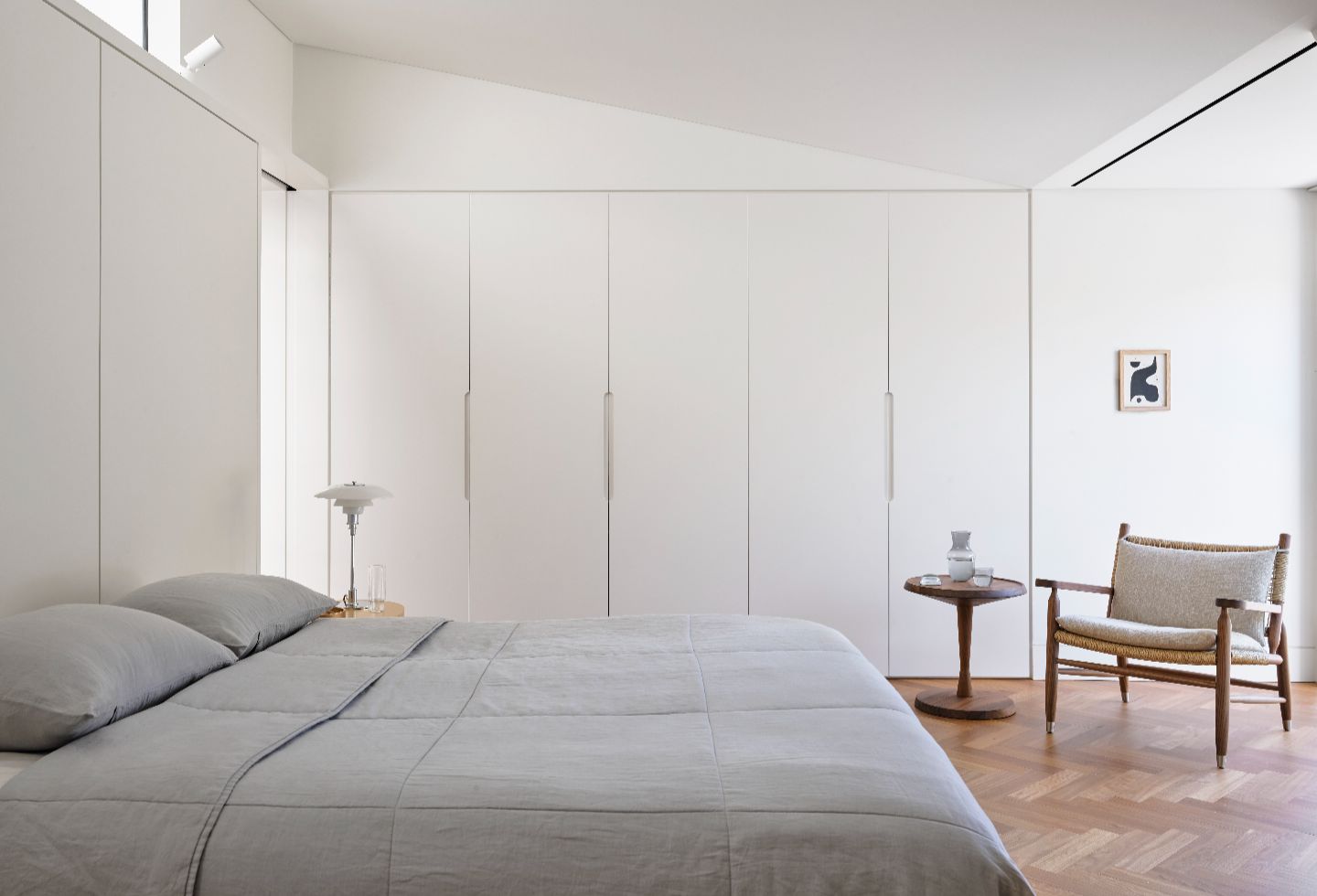
Another emerging idea is the inclusion of two main bedrooms. While still niche, the interest is growing. Secondary main suites offer privacy and versatility, whether for extended family stays or couples who prefer separate sleep zones. “It shows a willingness to question traditional layouts and focus on what actually works,” Wilson says.
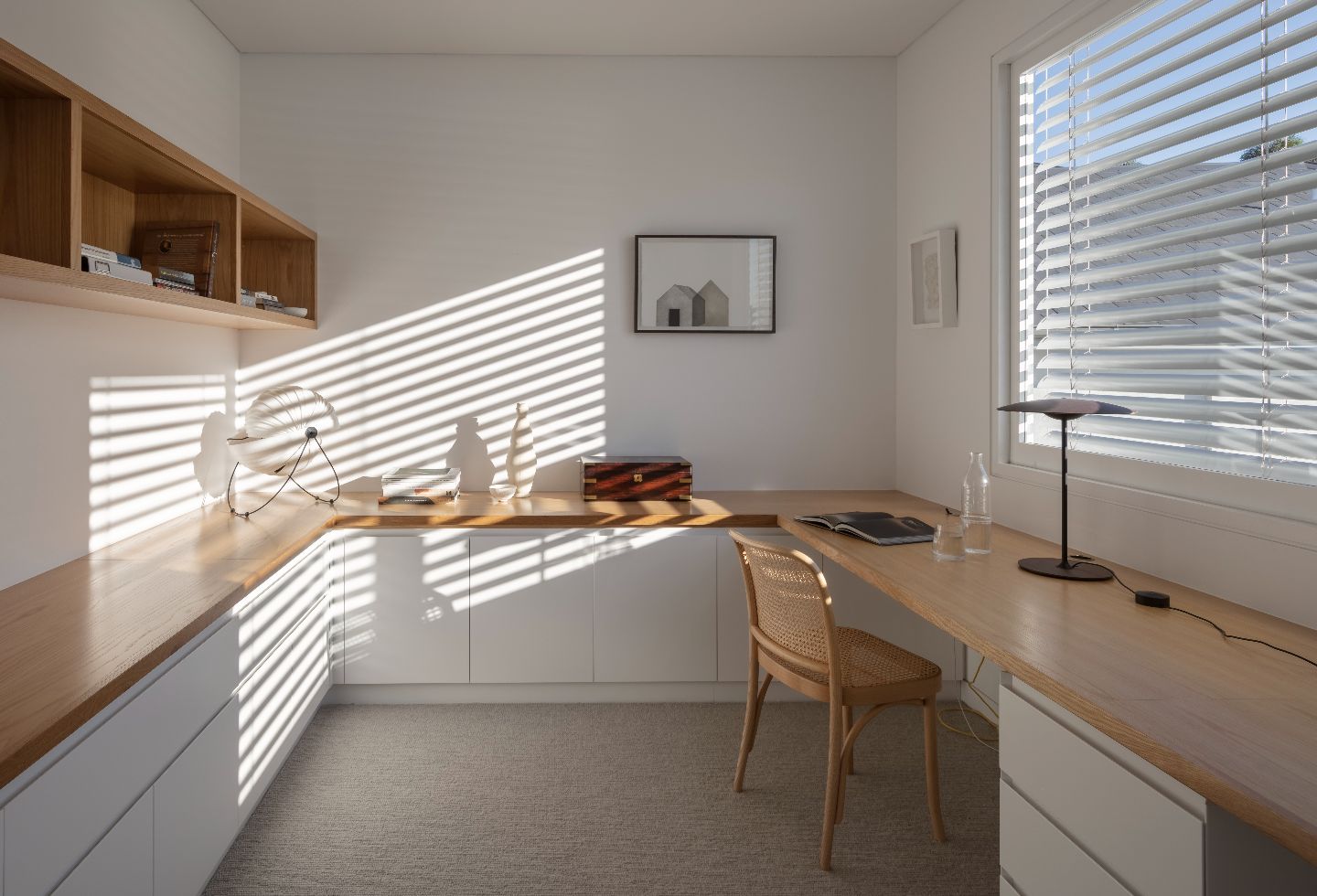
Practical spaces continue to hold their own. Mudrooms remain a favourite, acting as organised dump zones for boots, bags and sports gear while keeping the rest of the house calm and clutter-free. Likewise, the return of the dedicated study reflects the reality of hybrid work. Dining tables have officially been retired as desks, replaced by enclosed rooms with natural light, considered storage and the simple luxury of closing the door at the end of the day.
Related: Six beach houses that trade clichés for craft and character
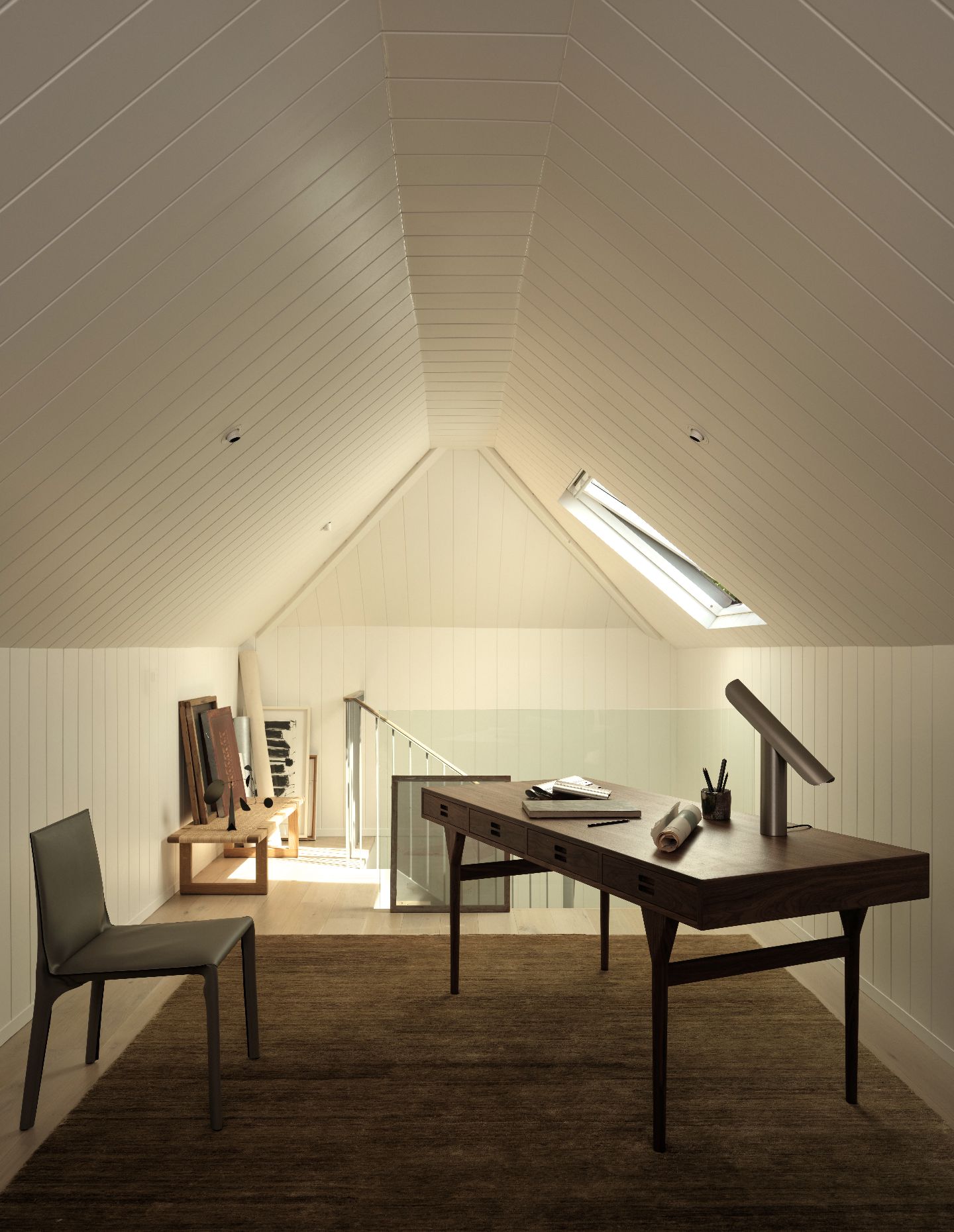
Across all of these shifts, Wilson sees a consistent theme. “There’s a real emphasis on practicality without sacrificing beauty,” she says. “Homes are becoming warmer, more personal and far more enjoyable to live in.”
The kitchen, as ever, remains central to this evolution. Looking ahead to 2026, Wilson predicts pot fillers will become standard rather than aspirational, particularly for households where pasta is a serious commitment. Multiple dishwashers are also moving firmly into the realm of necessity for busy families.
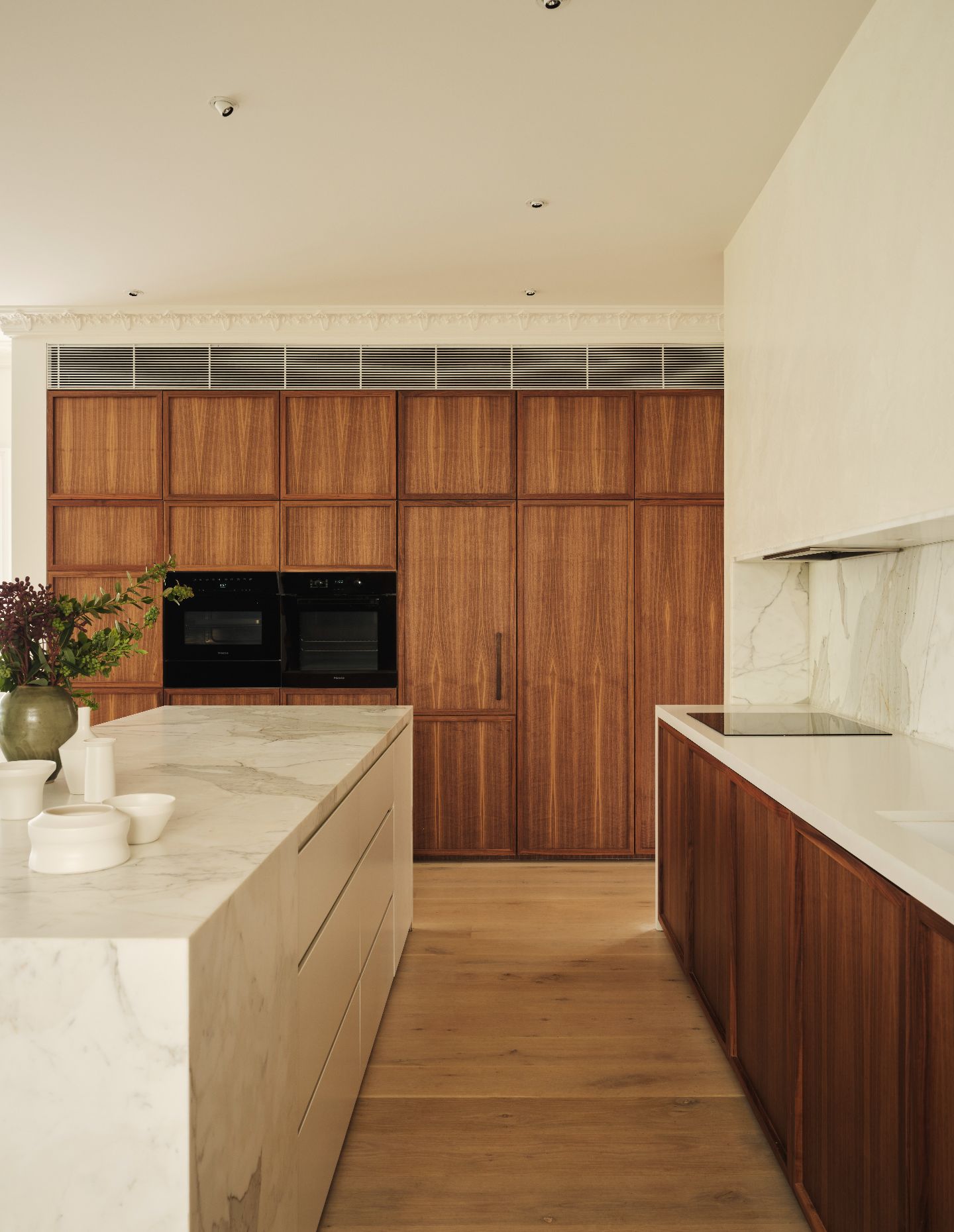
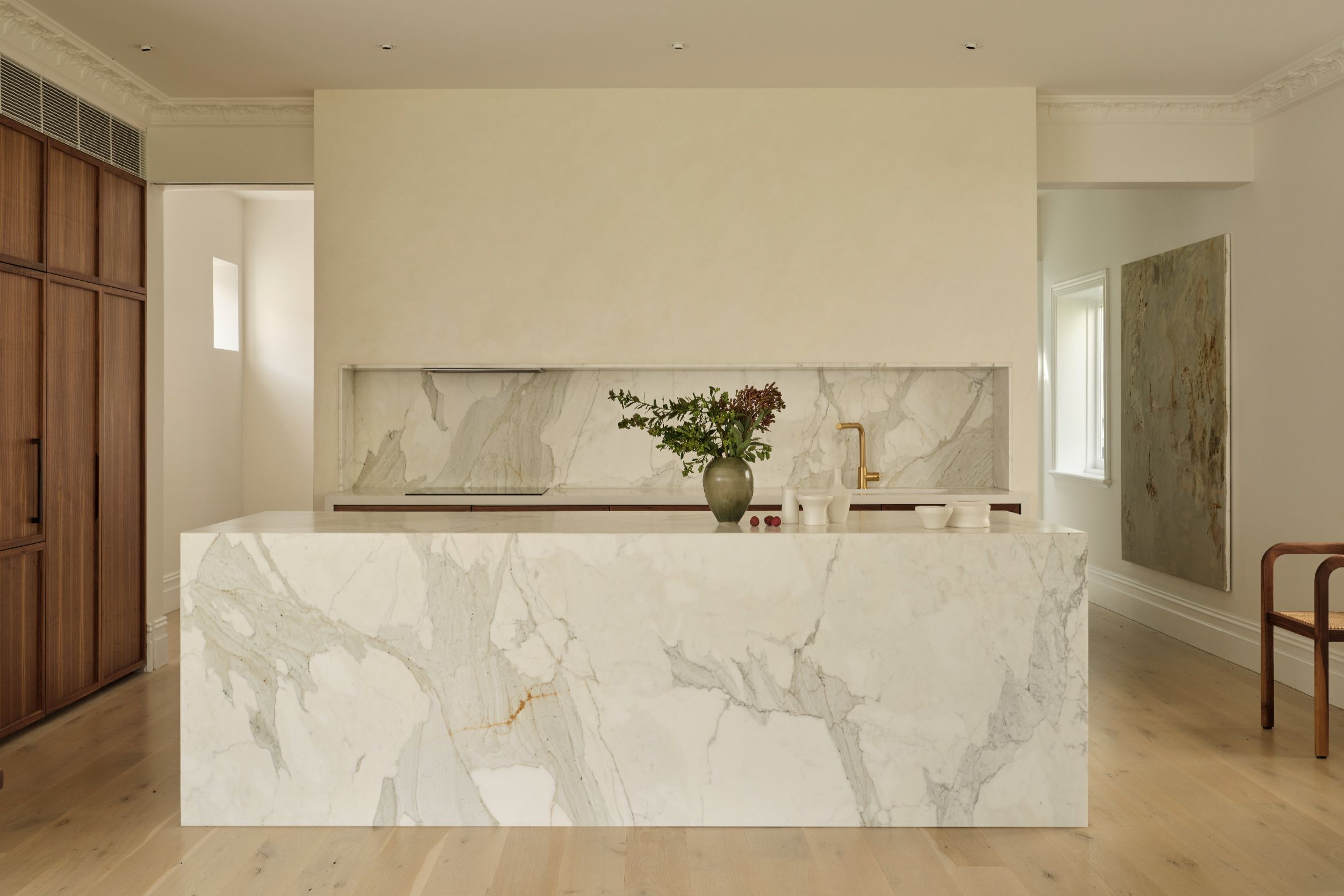
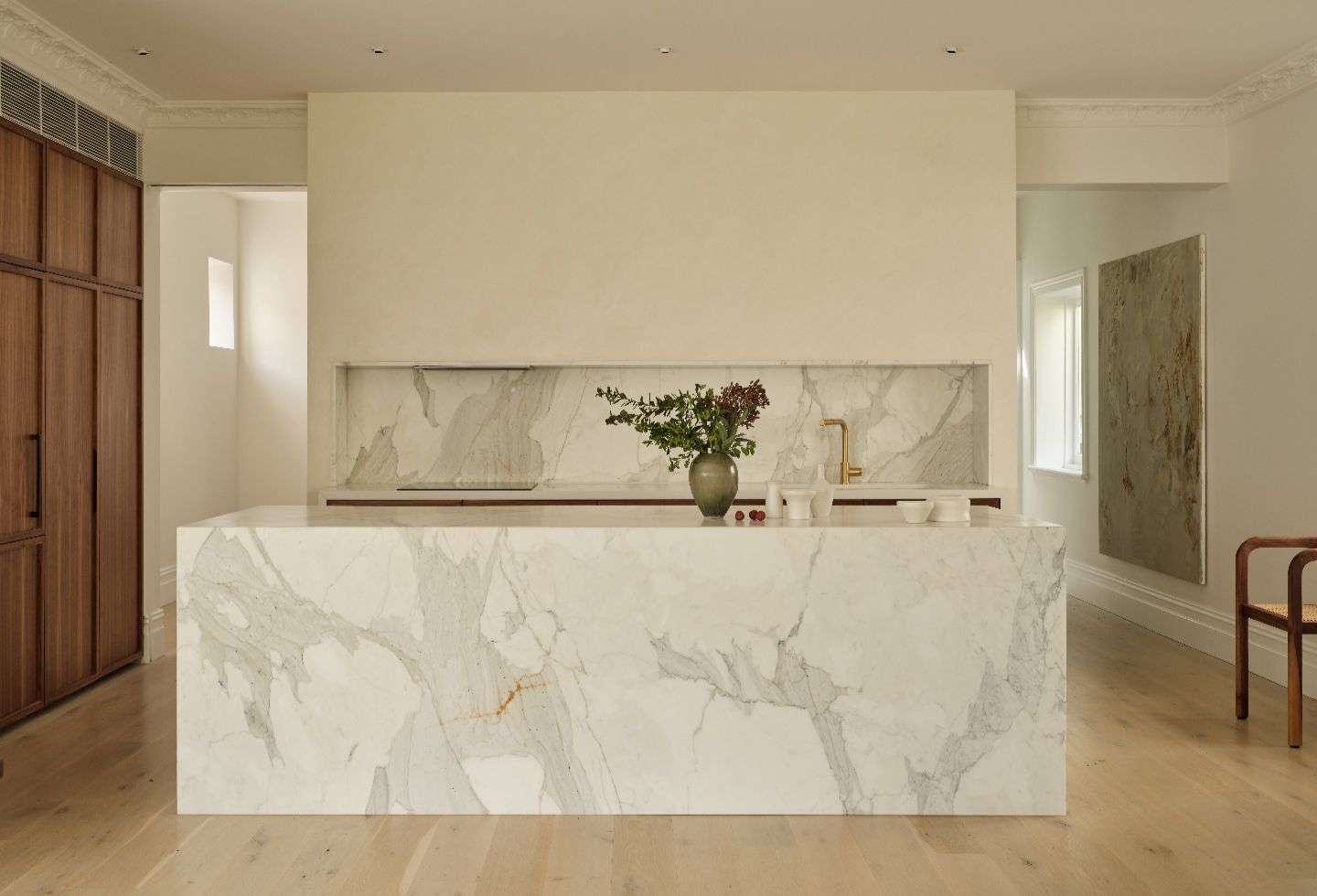
Visually, kitchens are becoming lighter and more restrained. Rows of upper cupboards are giving way to open space, allowing rooms to breathe. In place of the traditional walk-in pantry, Wilson is embracing tall, integrated utility zones that blend seamlessly into the kitchen design. These zones offer generous storage while maintaining clean lines and an overall sense of calm.
“It’s about kitchens working harder without feeling heavy,” she explains. “Functionality is essential, but it should always sit within a refined and considered design.”
For Wilson, this balance is what makes residential design so compelling right now. Thoughtful architecture has the power to solve real-life problems while elevating everyday experience. “That’s the most exciting part,” she says. “Creating homes that are personal, practical and genuinely a pleasure to live in.”