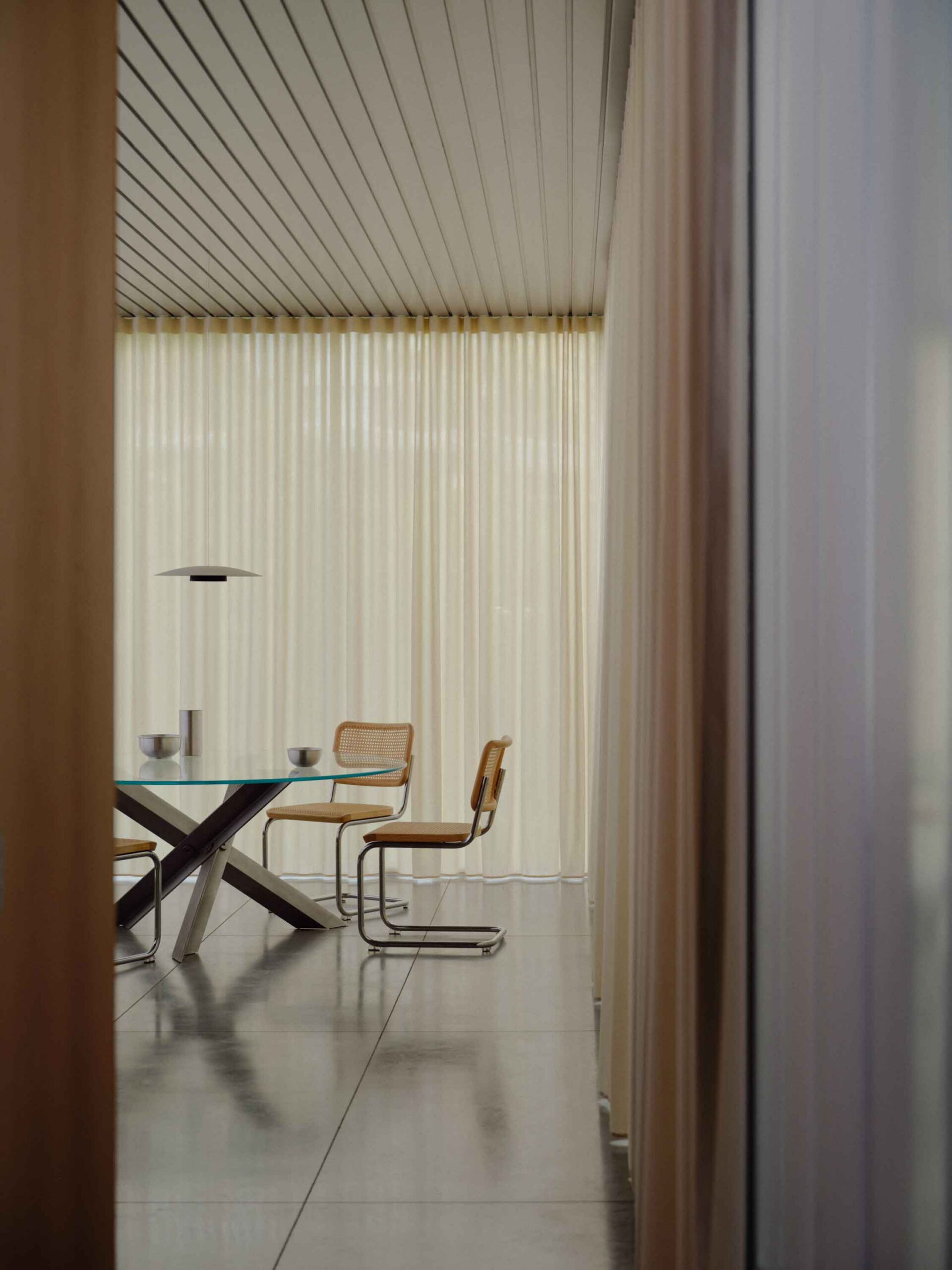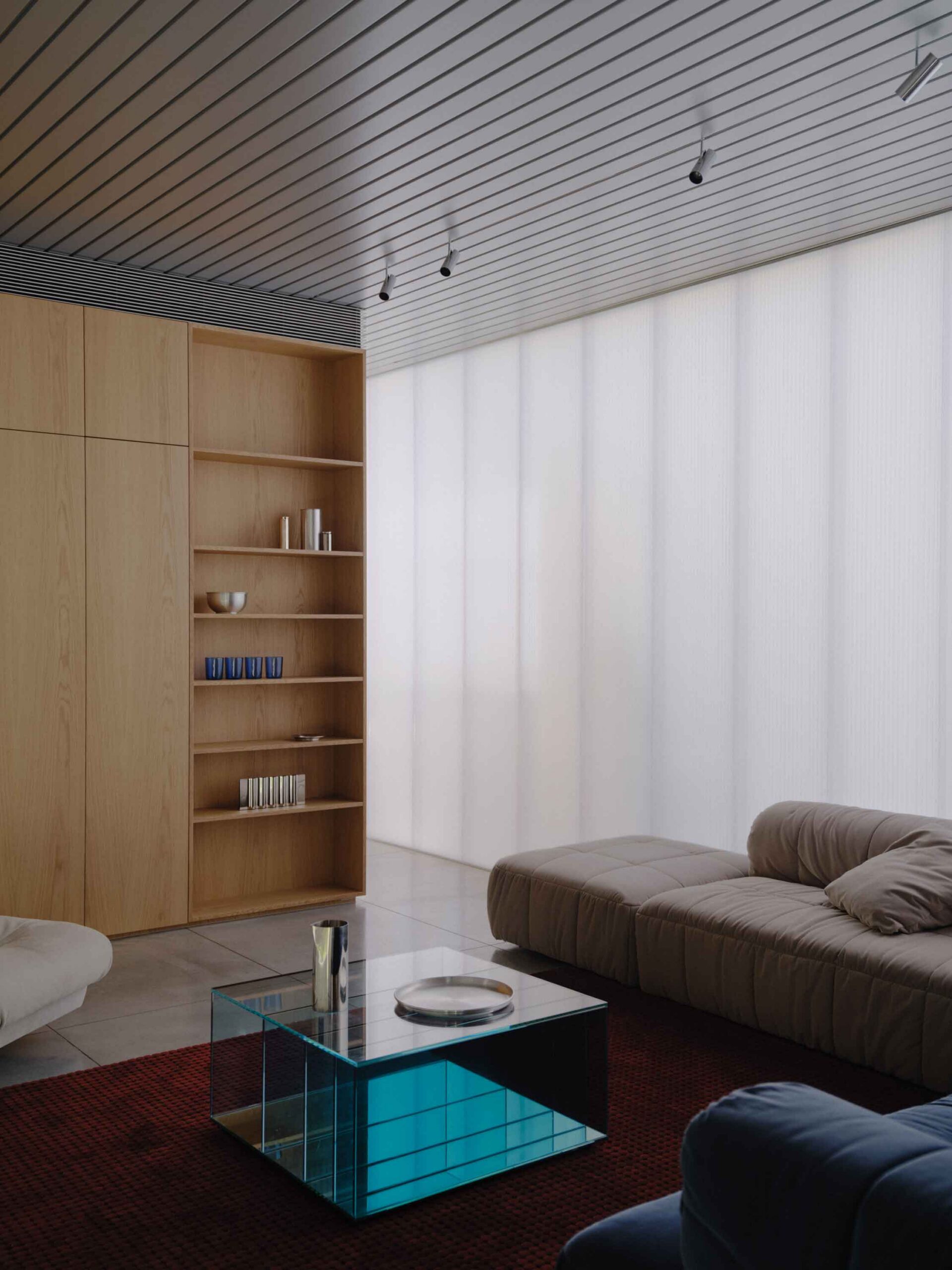

For Nick Kent, resolving these relationships in his own home has resulted in a sculptural, living jewel-box of an abode.
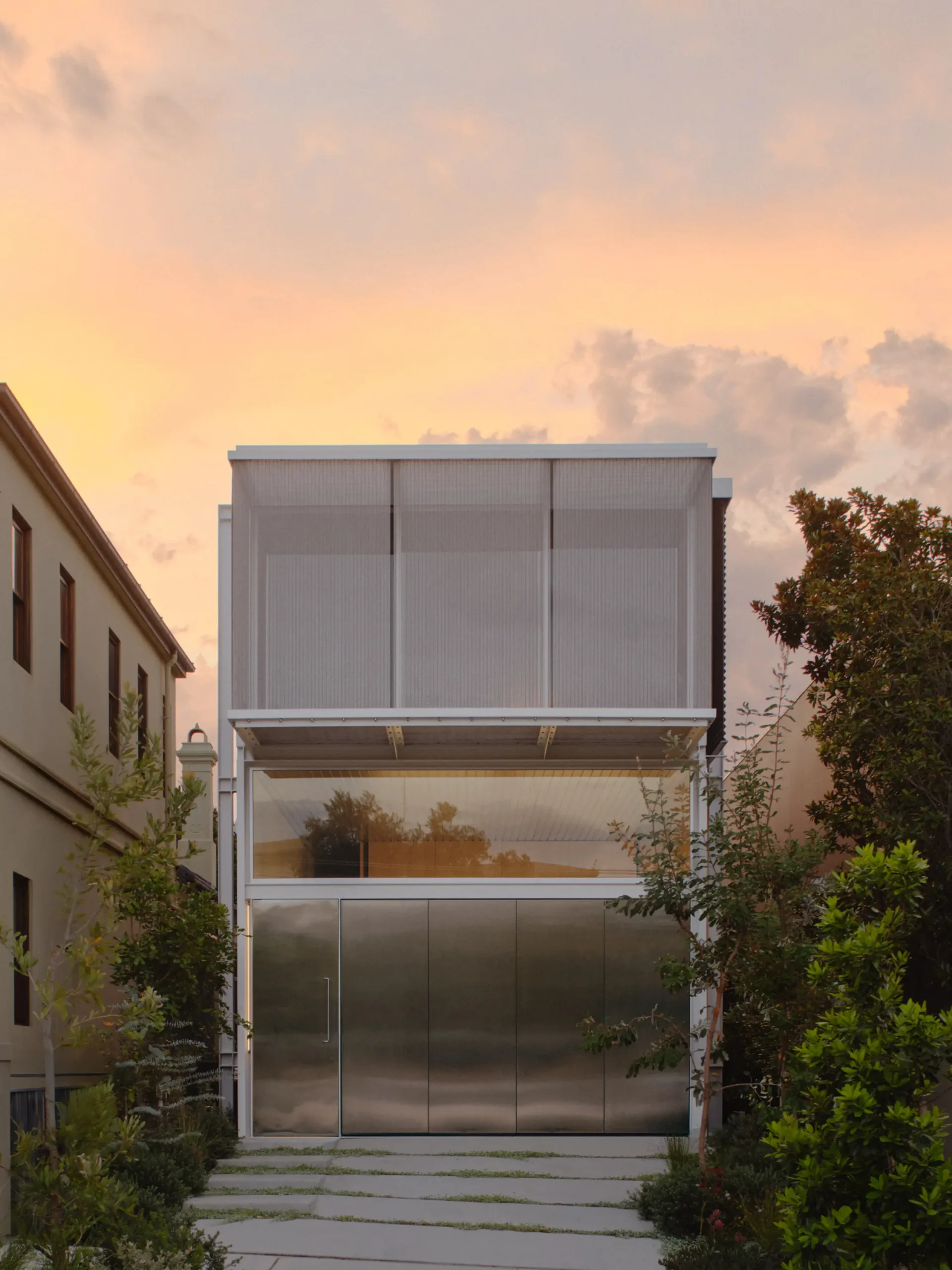
Nestled within native planting near one of Australia’s most iconic beaches, Bondi House reflects the design ethos of Nick Kent Design. A thoughtful and curated material palette underpins the project, selected for durability, timelessness and restraint, allowing form and detail rather than excess to define the architecture.
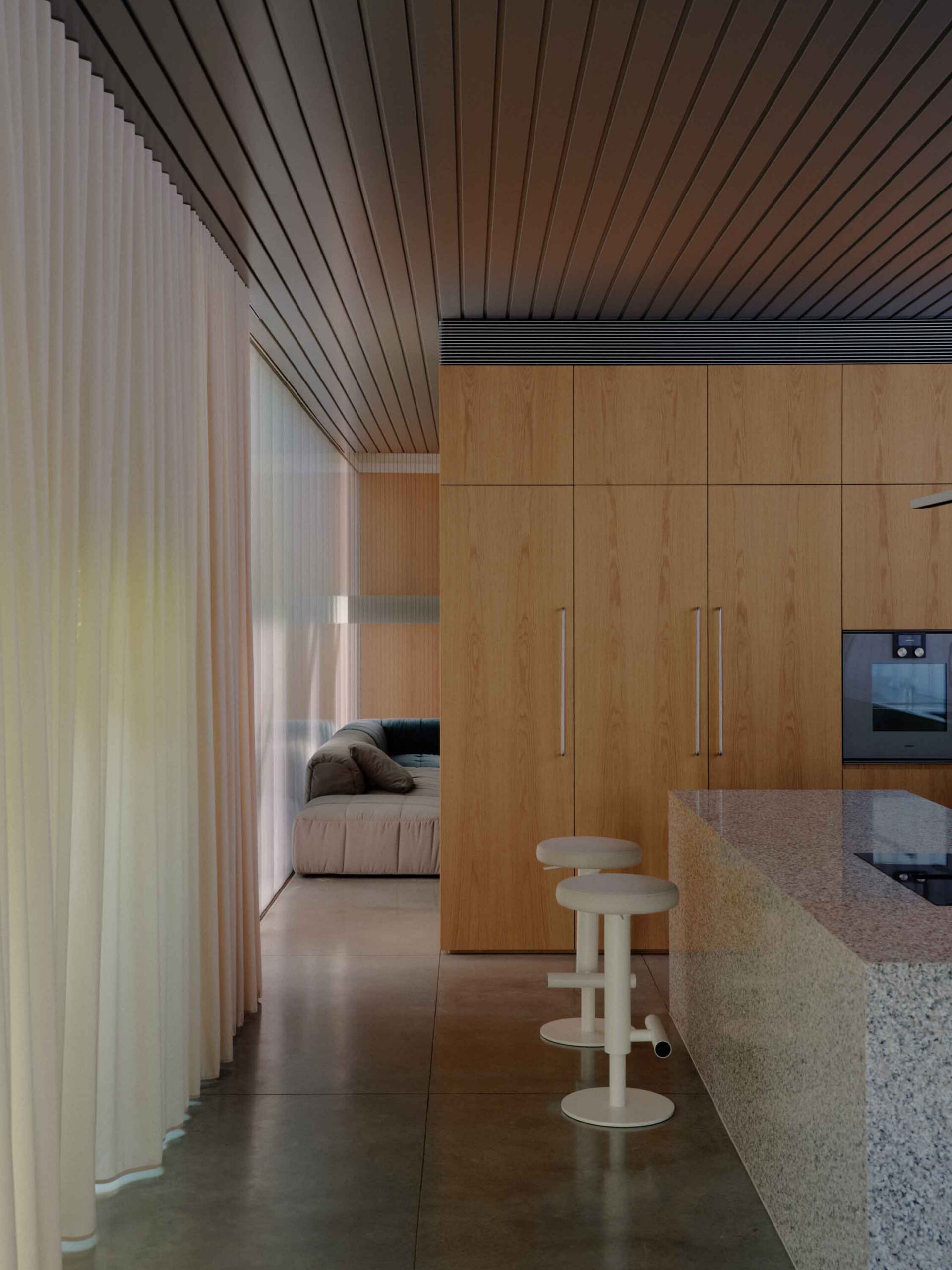
The two-storey home is organised with a ground level entryway, living area and open plan kitchen-dining that can be fully opened to a terraced lawn and the leafy back garden beyond. Above, bedrooms, bathrooms and a studio space for the architectural practice extend to a screened terrace overlooking the street.
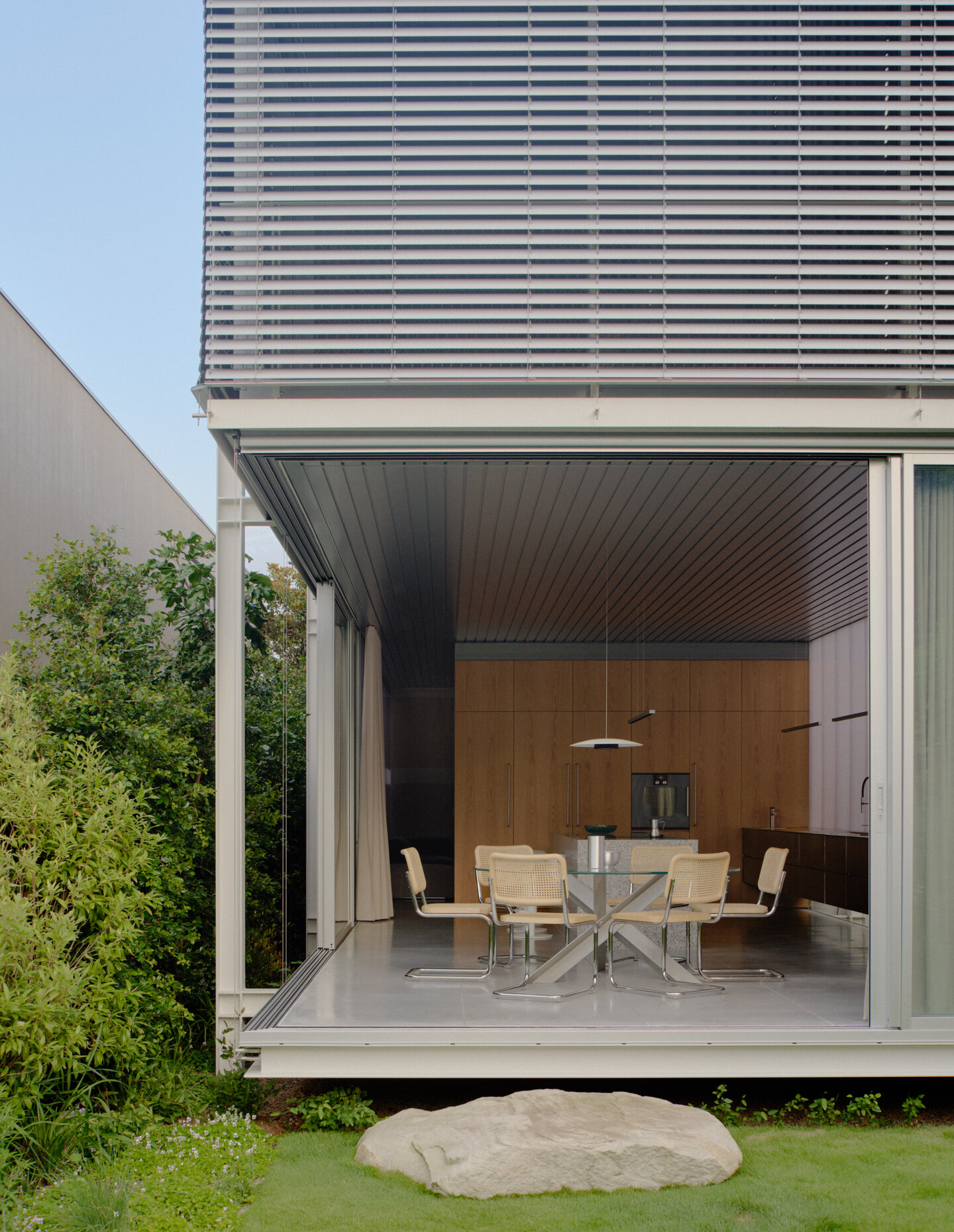
An expressed steel structure was created and installed as a series of “portal” elements. There are no load-bearing walls, ensuring spaces can be adapted over time as the household changes and needs evolve.
On the ground level, materiality is deliberately stripped back, with polycarbonate sheeting for wall areas of the kitchen and dining area, along with operable glazing. At the street frontage, operable steel panels with clerestory glazing introduce light while maintaining privacy.
“The design seeks to unify all elements within an overarching aesthetic, with continuity between external and internal finishes throughout the house,” explains Nick Kent.
“Metalwork and glazing details were resolved side by side with the selection of interior fittings and furniture.”
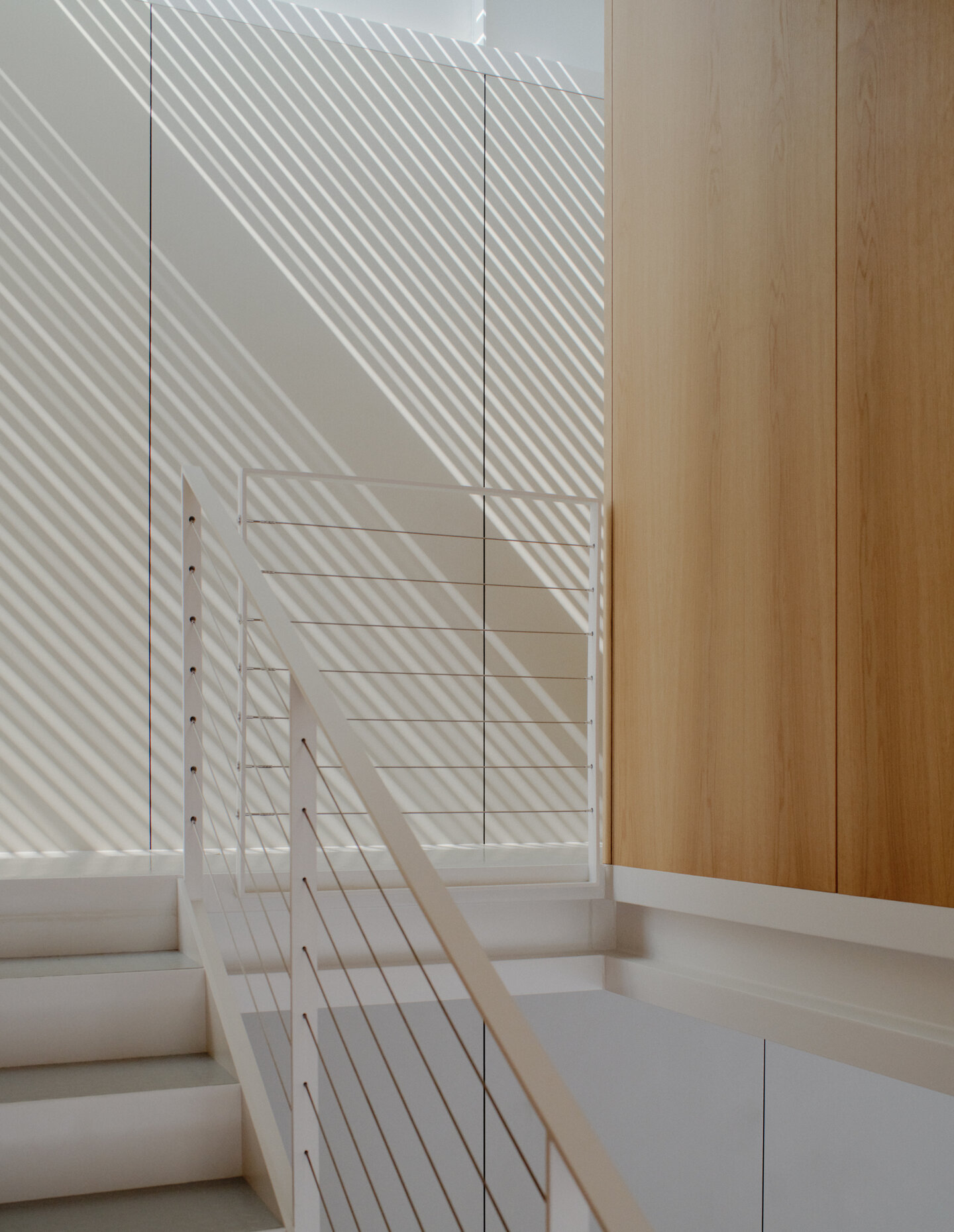
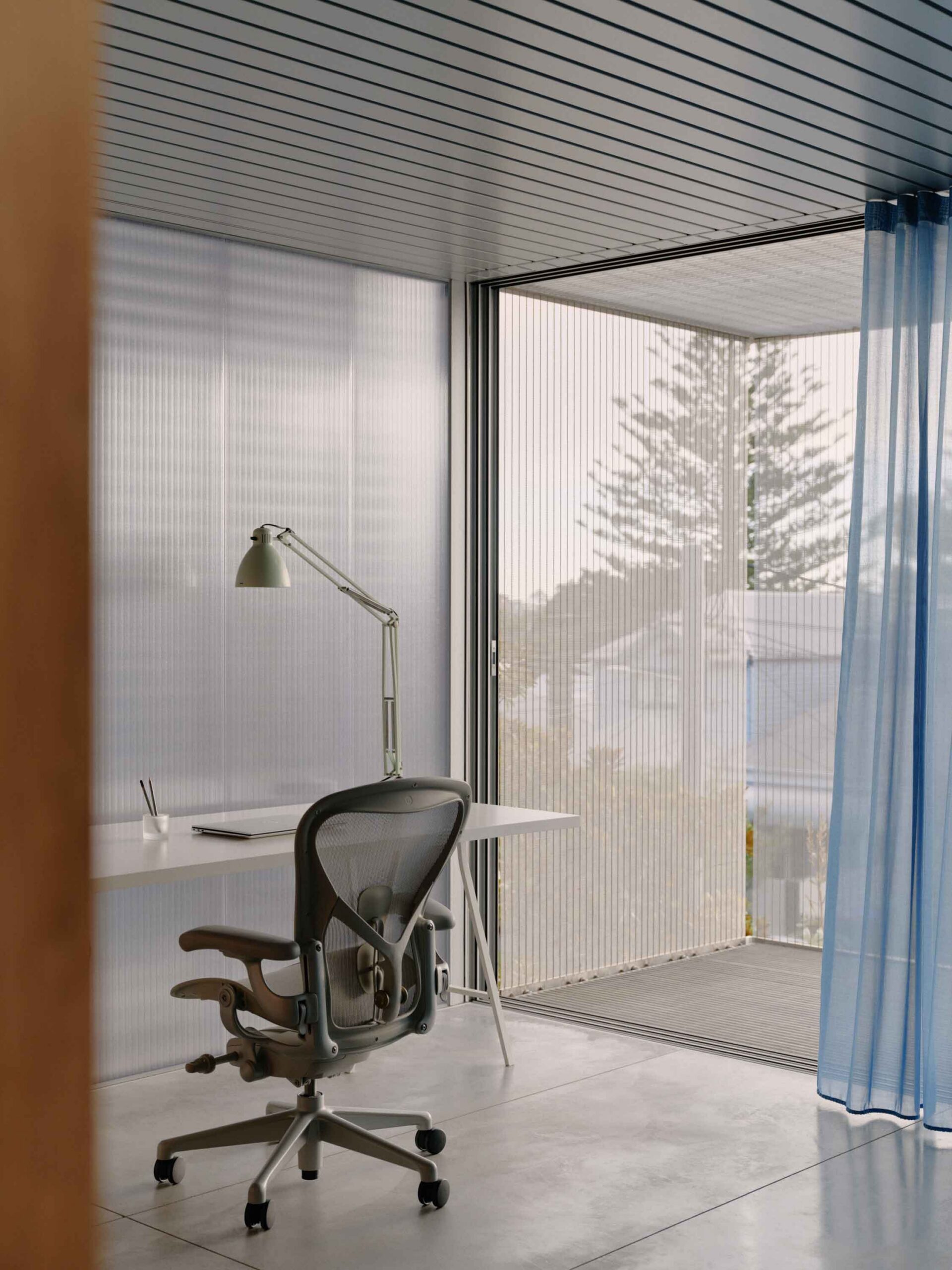
Light and air are the dominant ambient elements, with the upper level of the home comprised of clear glazing and translucent polycarbonate panels along the north, east and western façades. This maximises garden views, natural light and ventilation.
From the street frontage, the home appears as a vessel of light embedded in the native landscaping. This visual permeability meant solutions for managing heat, glare and privacy were crucial.
“Often, we use wide eaves for solar control, however in this case we had a very narrow site with minimal space to adjacent planting, along with a west facing façade – where a shading overhang is ineffective – opening to the back garden,” Kent says.
“This resulted in the need for a flexible shading solution, built flush with the façade.”
A layered system of screens and shading devices is employed, including steel mesh screens, opaque textile awnings and adjustable aluminium louvres.
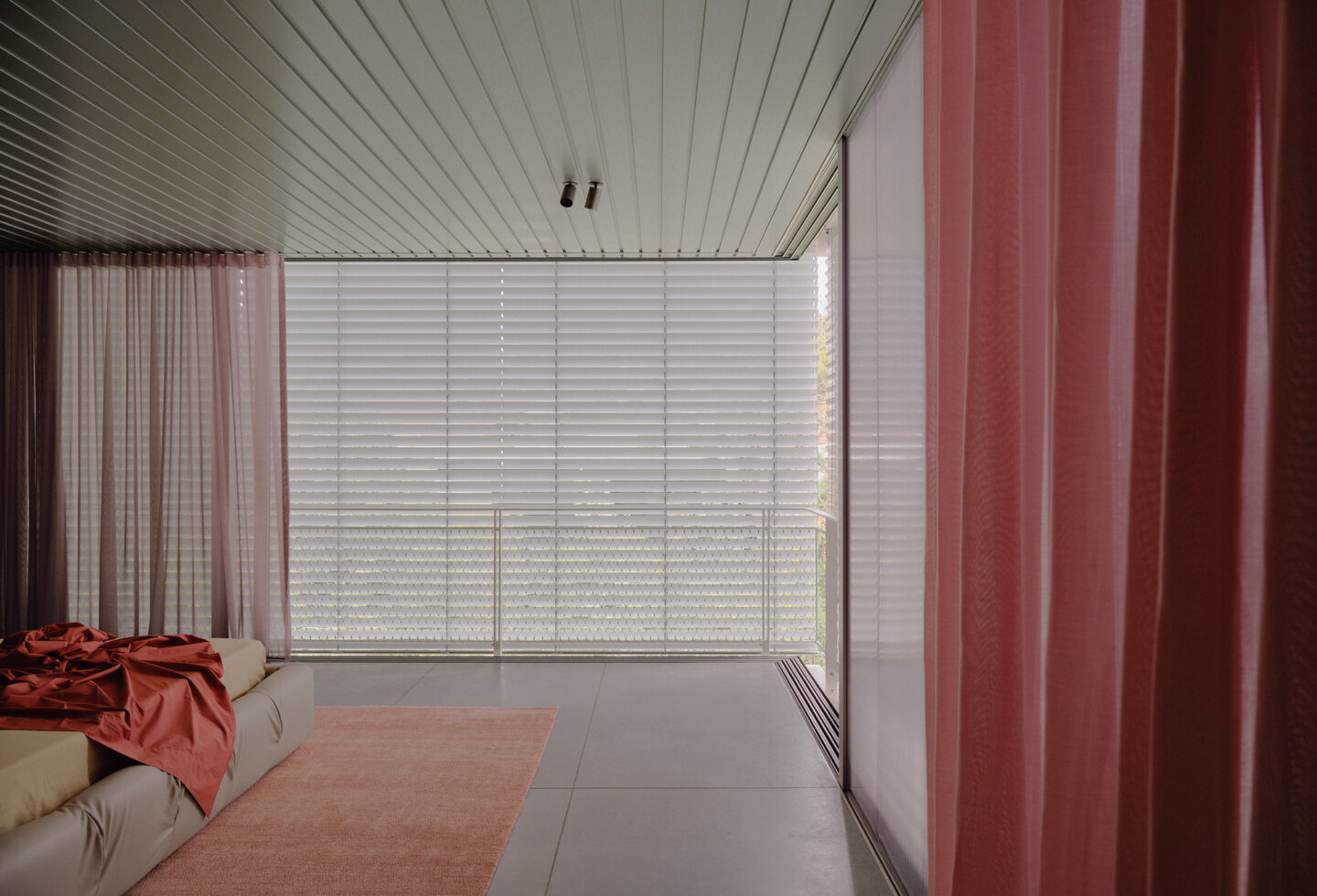
“This allows the building to adapt and change to environmental conditions,” Kent says.
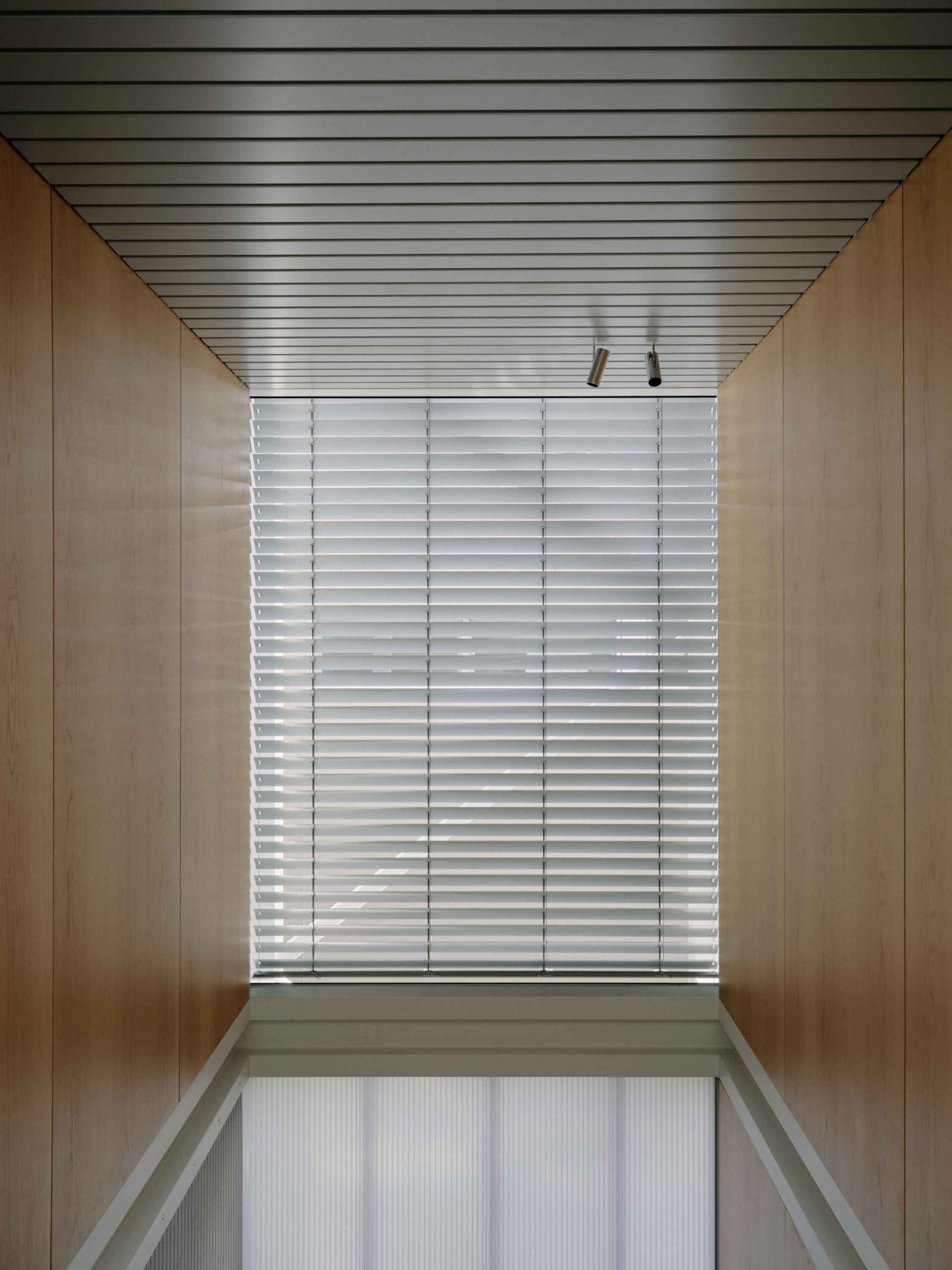
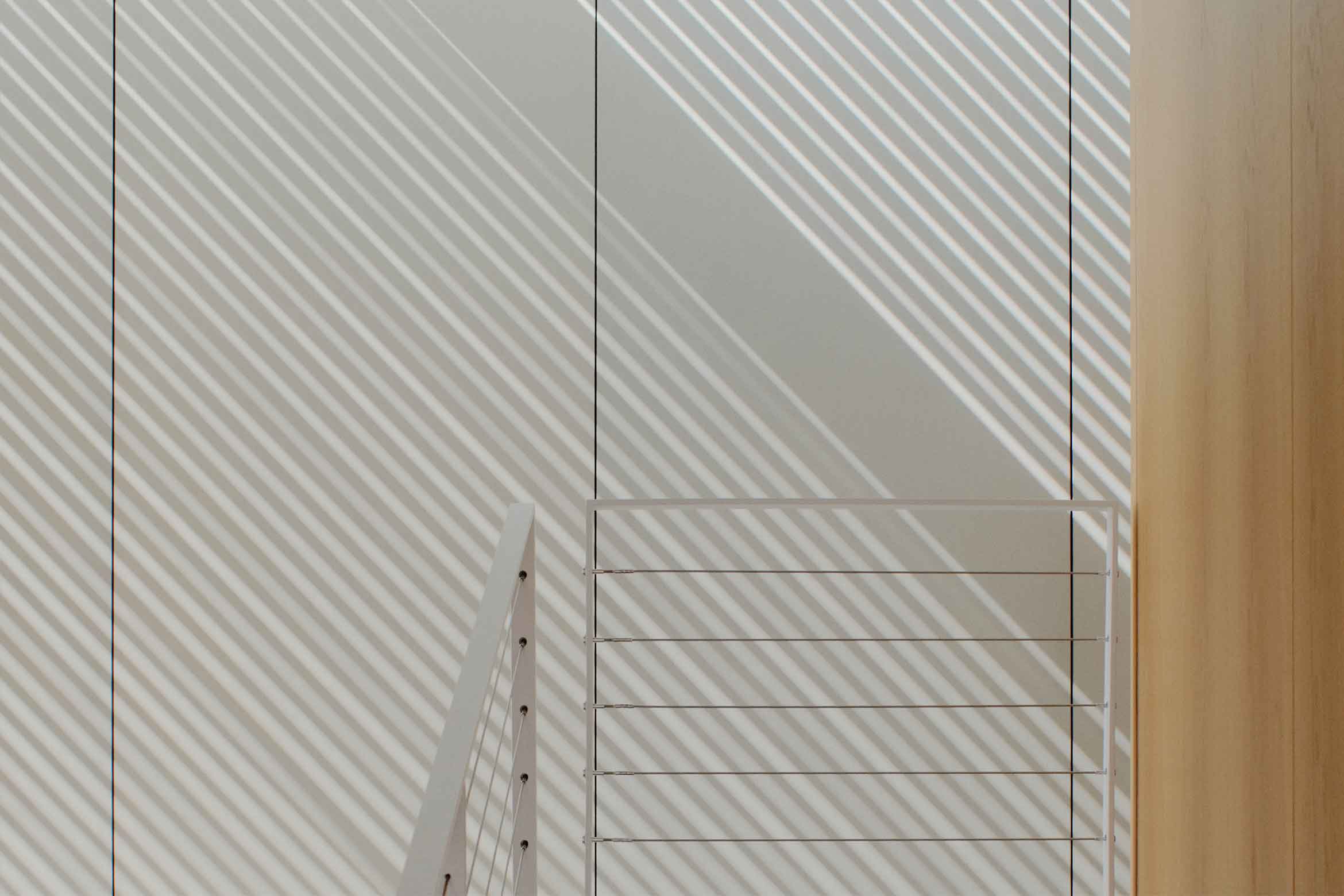
Warema external venetian blinds from Shade Factor were selected for operable shading on the first floor north and west façades. Nine E80AF external venetian blinds, in a matt silver aluminium finish with stainless steel cable guidance, provide a robust and refined solution for managing daylight, glare and privacy, while moderating heat gain.
The motorised venetian blinds are connected to the Warema Minitronic control system and sensor, enabling fine adjustment of light and airflow. The blinds can also be fully retracted, opening interiors to the outdoors and blurring the boundary between inside and outside.
The upper floor features an elongated skylight running the length of the home. It can be shaded by Shade Factor’s external rack arm louvres or left fully open at night for views of the stars above. These motorised louvres deliver controlled light and thermal response across seasons.
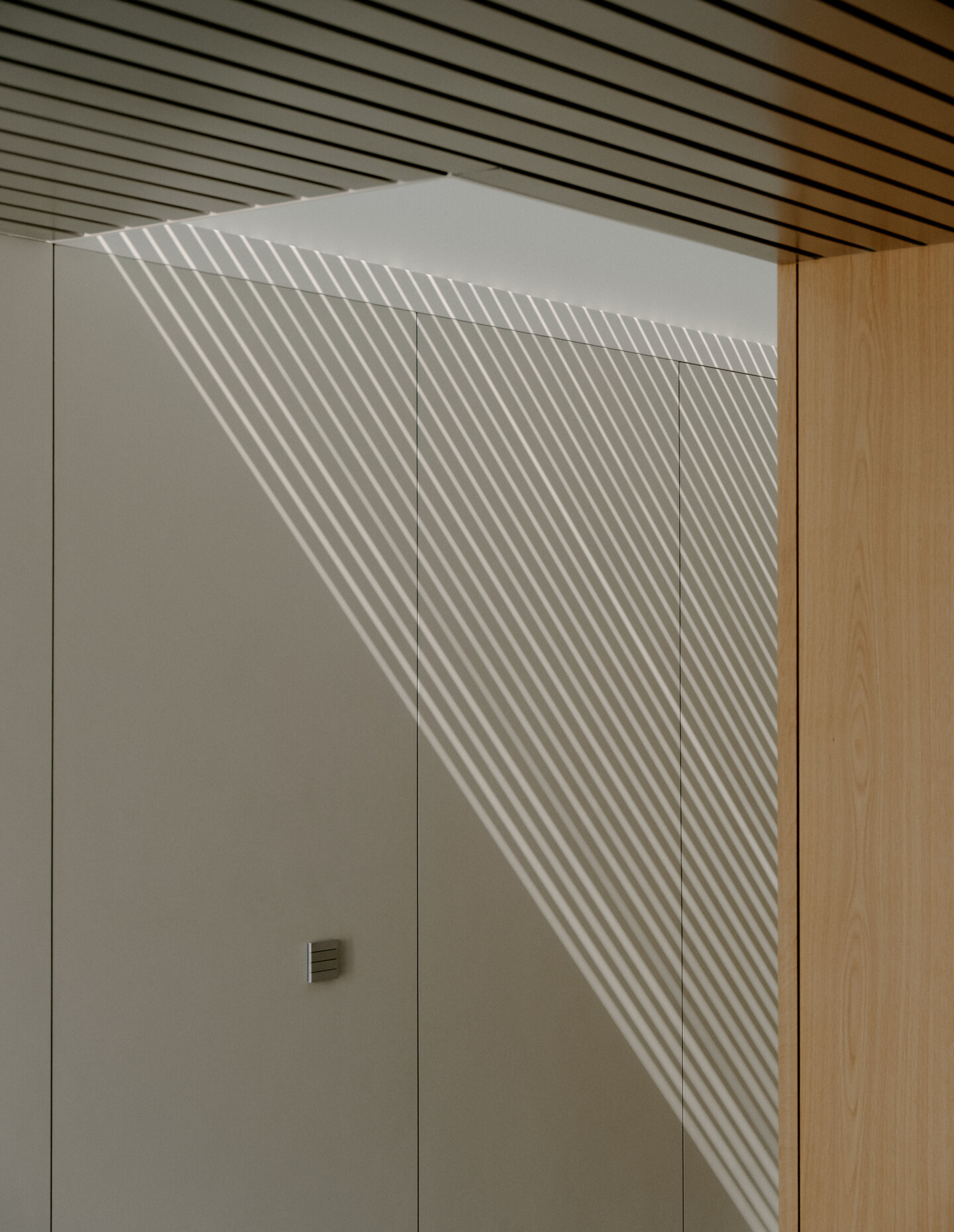
Finishes to the external blinds and louvres were selected to align with the aluminium ceiling panels and window framing, which are echoed in the furniture and lighting elements through the house. This coherent visual aesthetic narrative adds an air of calm and composure, providing an elegant backdrop for the softening, personal flourishes of furnishings and decorative touches.
Kent says that, in addition to the quality of the products, the design support and coordination offered by Shade Factor was outstanding.
“Due to the steel structure, we had very particular, precise details that needed to be resolved prior to construction, which Shade Factor patiently assisted us with. This continued throughout the build through site meetings and detailed shop drawings, to ensure everything went according to plan.”
Nick Kent Design
instagram.com/nickkentdesign/
Shade Factor
shadefactor.com.au
Photography
Tom Ross