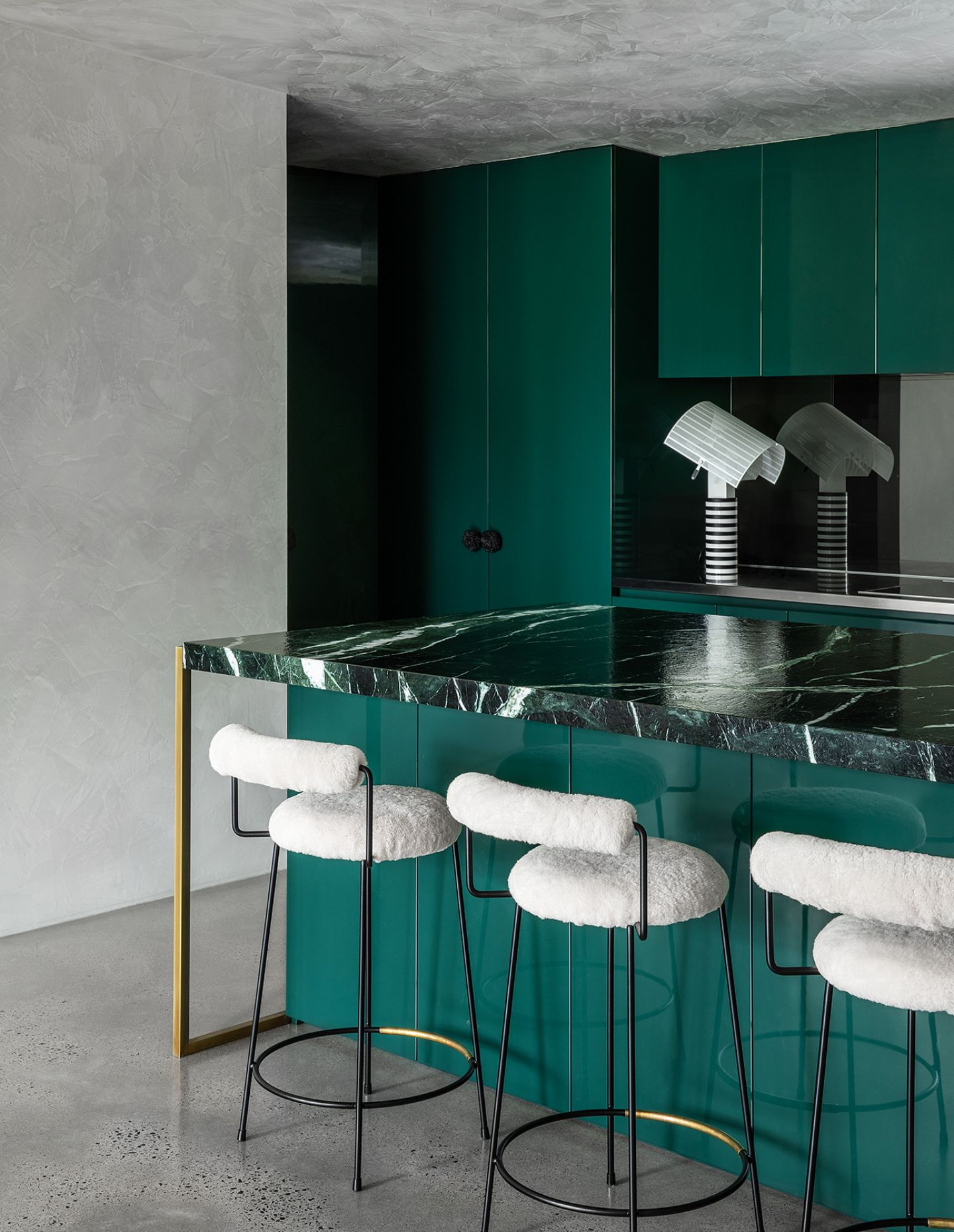

Thoughtful, articulate and quietly compelling, Chelsea Hing is a force in Australian interior design, creating residential projects defined by intelligence, restraint and longevity.
Chelsea Hing established her eponymous Melbourne studio nearly 20 years ago, finding early success after completing an Interior Design degree at RMIT, following a Bachelor of Arts majoring in Politics and Philosophy. Drawn instinctively to interiors, Hing has remained focused on residential design ever since.
After honing her craft across several practices, Hing launched Chelsea Hing Studio in 2007. At the time, she lacked an extensive professional network, but her work quickly gained attention and commissions followed. Reflecting on that period, Hing notes the clarity that guided her early decisions.
“So for me, it came very quickly: what do I love to do, what am I exceptionally good at and what do I want to do? I wanted to get better in my career and my grounding was always private residential work. While it’s such a labour of love, encountering similar problems over and over meant I could refine and hone the toolbox. And now we’re coming up to 20 years,” says Hing.
Today, Hing and her team are working on between 10 and 14 projects at any one time, ranging from expansive residences to smaller homes, each at different stages of documentation or construction. The studio’s reputation rests not only on aesthetic clarity, but on a deep commitment to collaboration and a full-service approach that encompasses spatial planning alongside furniture and art curation.
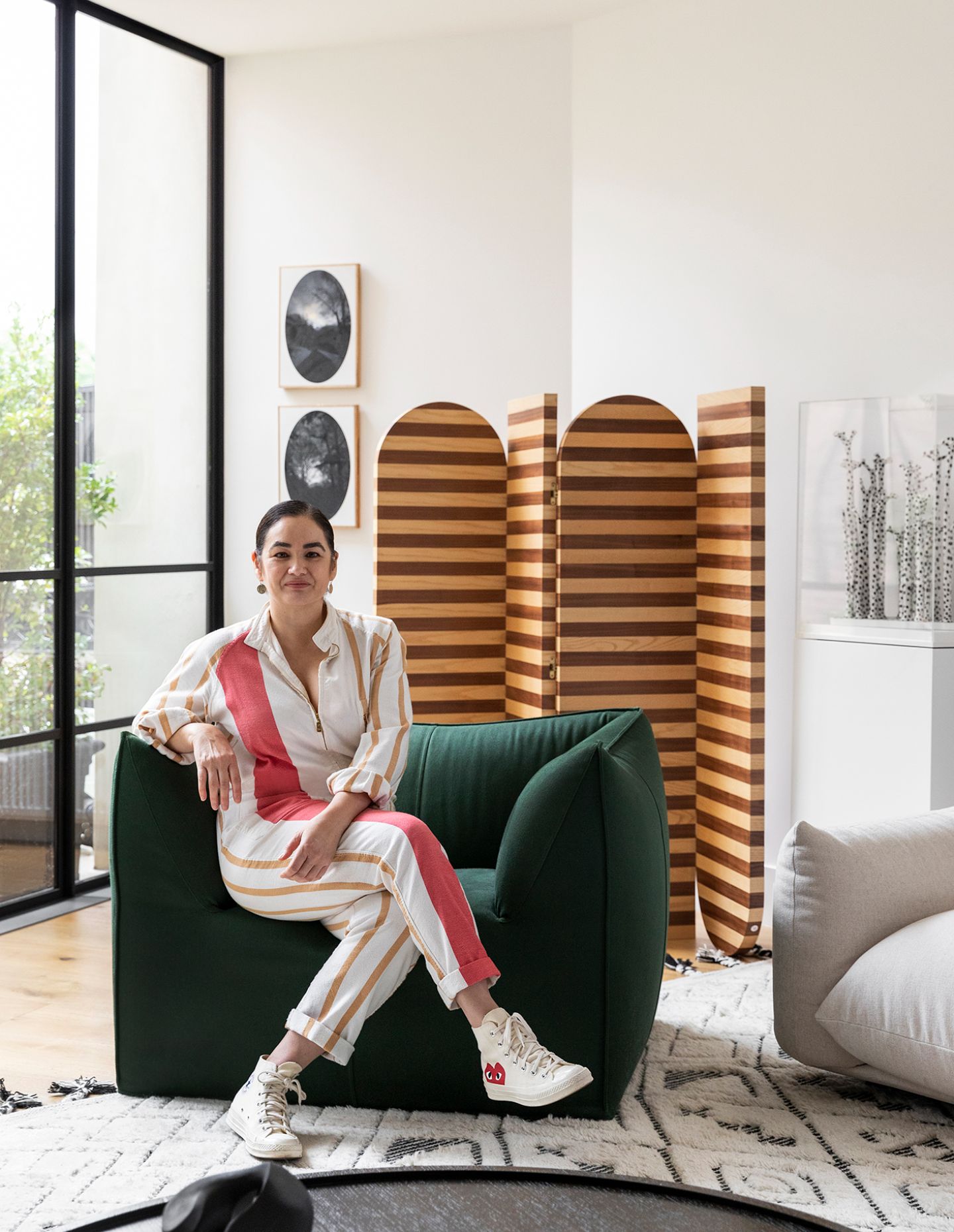
So how did Chelsea Hing become so notable, someone one might even call the designer’s designer? The answer lies in the way she views design, her clients and collaborators. Add to this the studio’s offering of a full design service that not only involves in-depth spatial planning but also includes furniture and art curation, and it’s the perfect combination for success.
“I think you want to have a bold spirit,” Hing explains. “We talk about breaking the rules, but it’s really about bringing a more unorthodox view to problem solving. That inventiveness helps us be more timeless, because you’re not reproducing sameness. I’m not interested in that.”
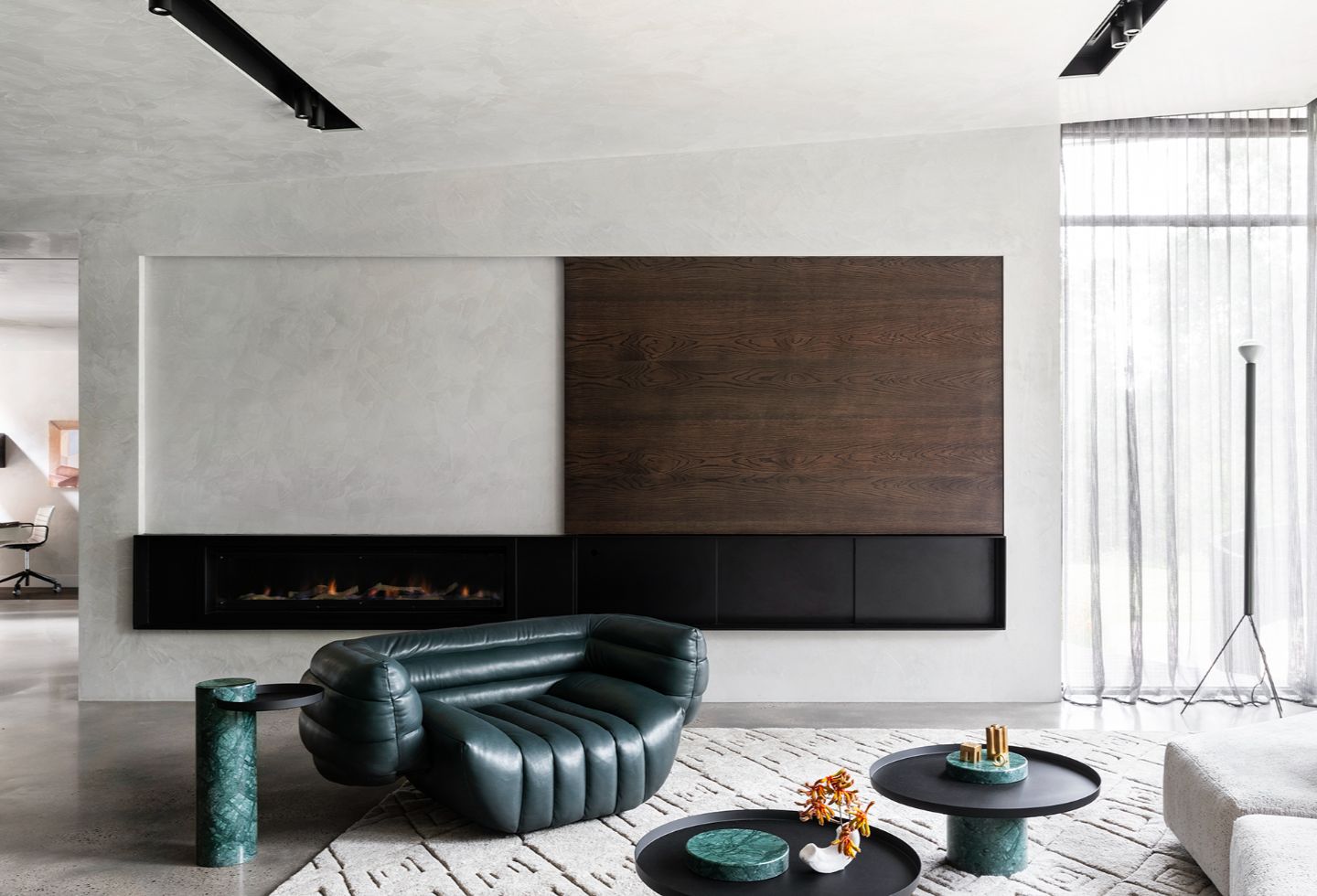
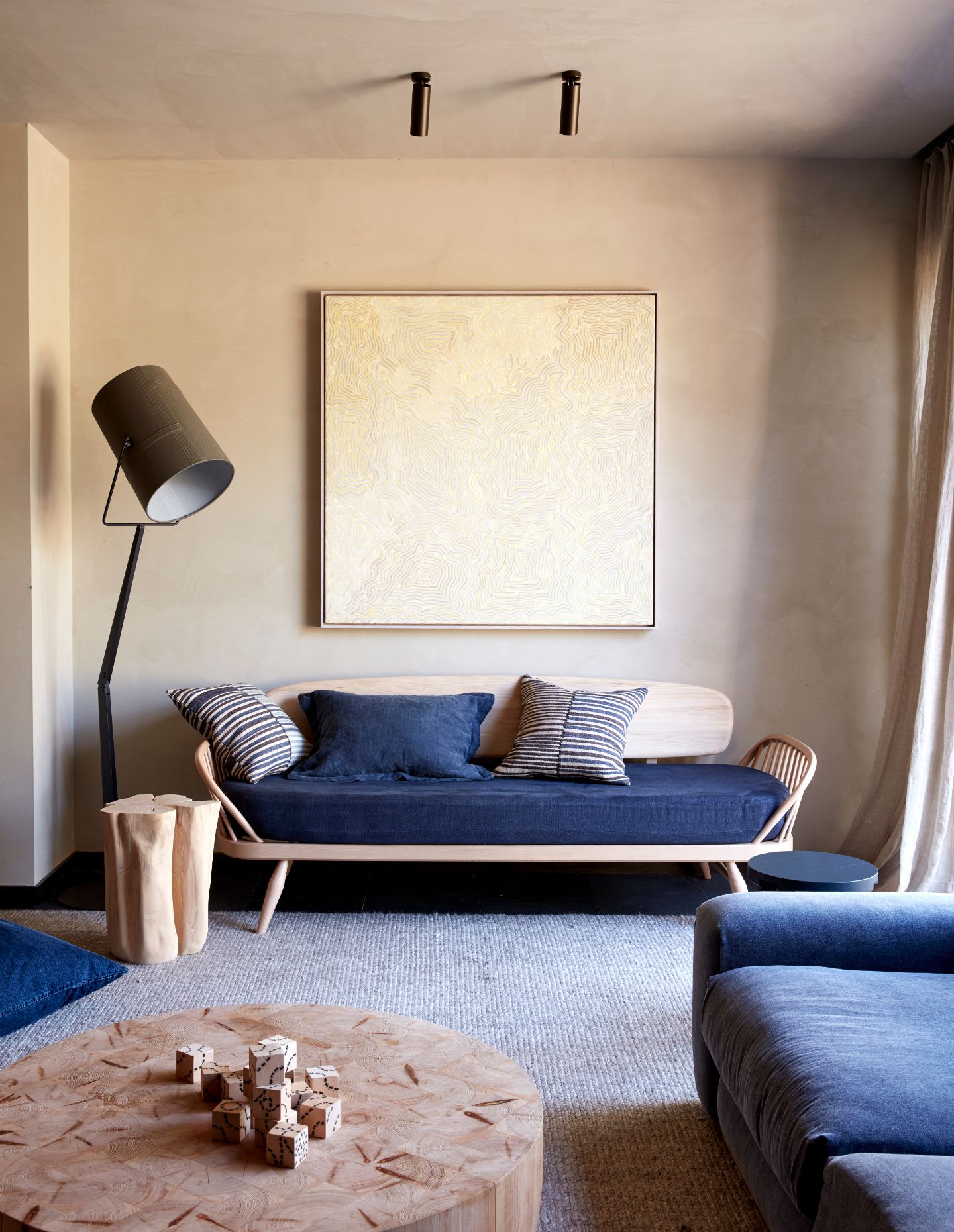
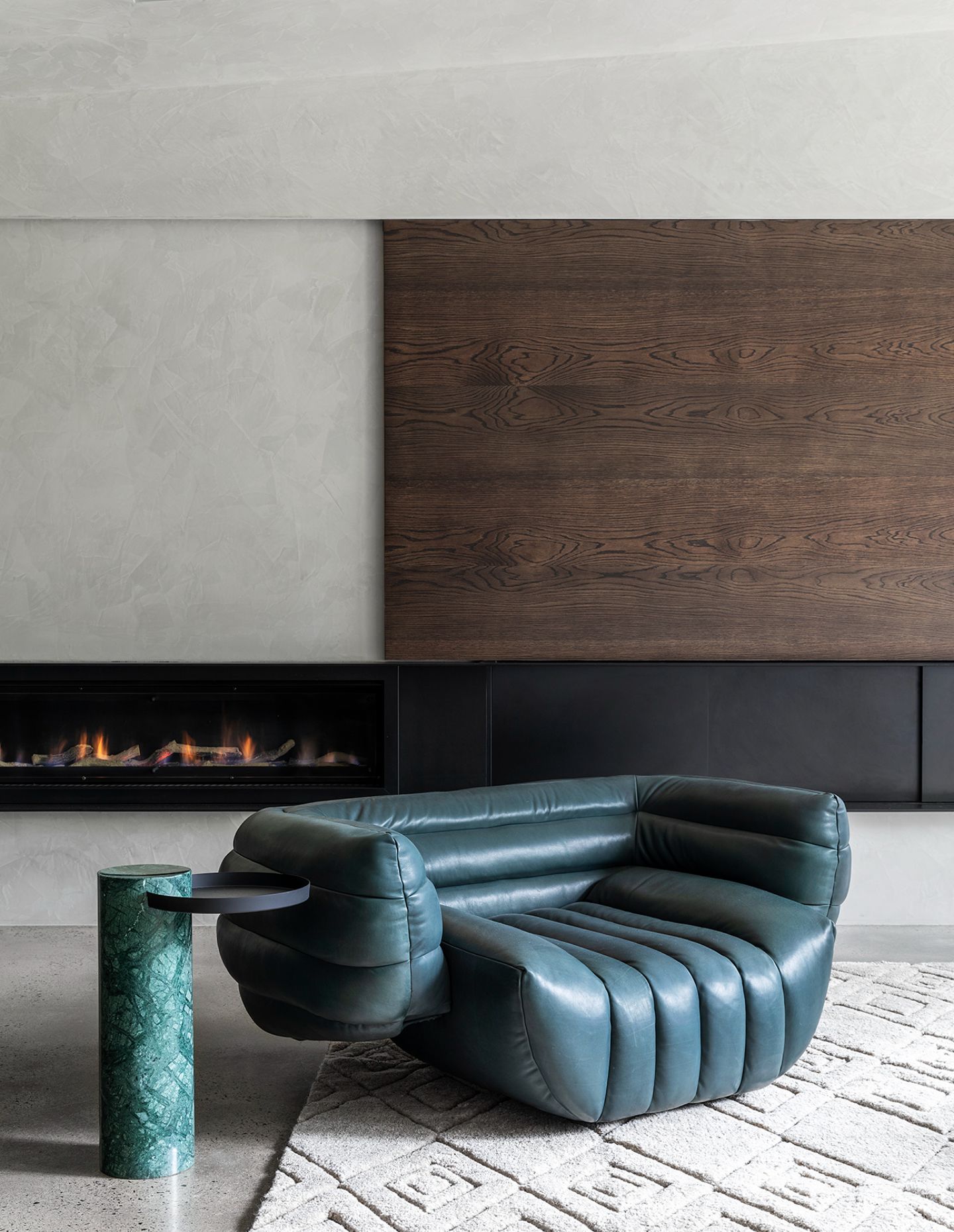
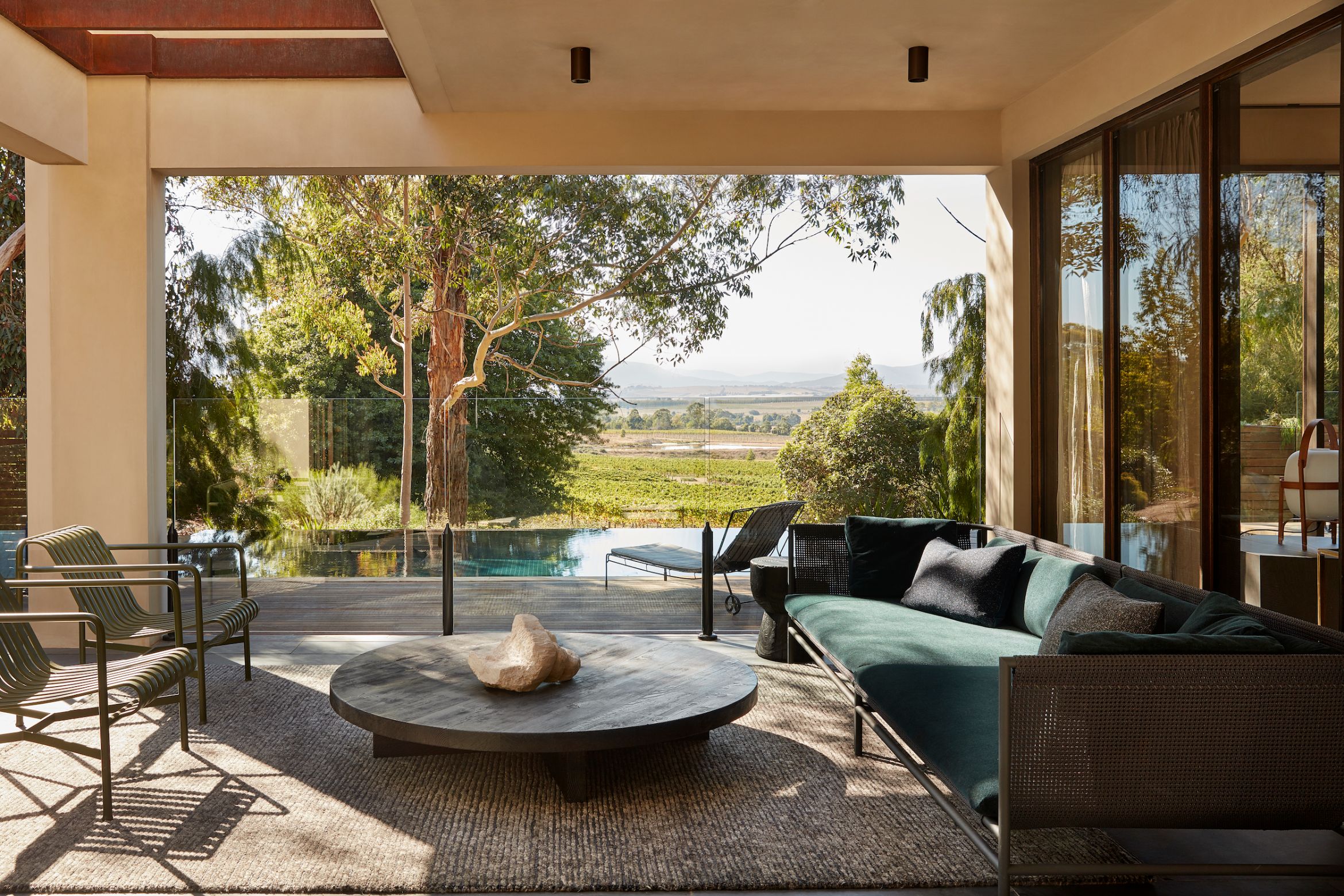
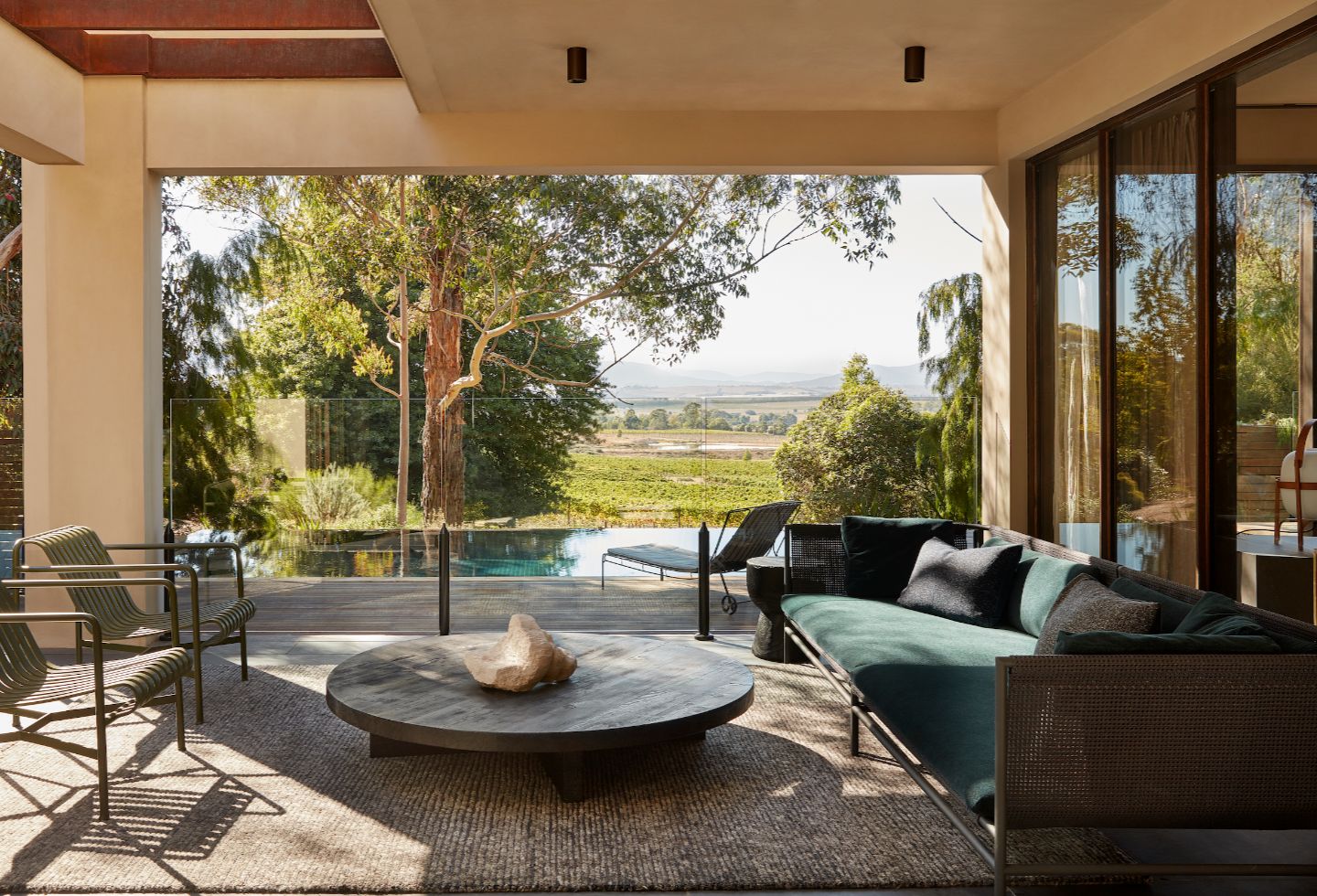
While a clear design language runs through the studio’s work, each project remains resolutely site- and client-specific. One early milestone was Yarra Valley House, completed in 2013, a large residence that allowed Hing to expand her material and spatial vocabulary in collaboration with skilled builders and artisans. Polished plaster ceilings, slate floors, tiled benches and carefully calibrated screening created a contemporary home that remains fresh more than a decade later. Hing continues to design for the same client today.
Related: HOW WE LIVE Arrives in Sydney
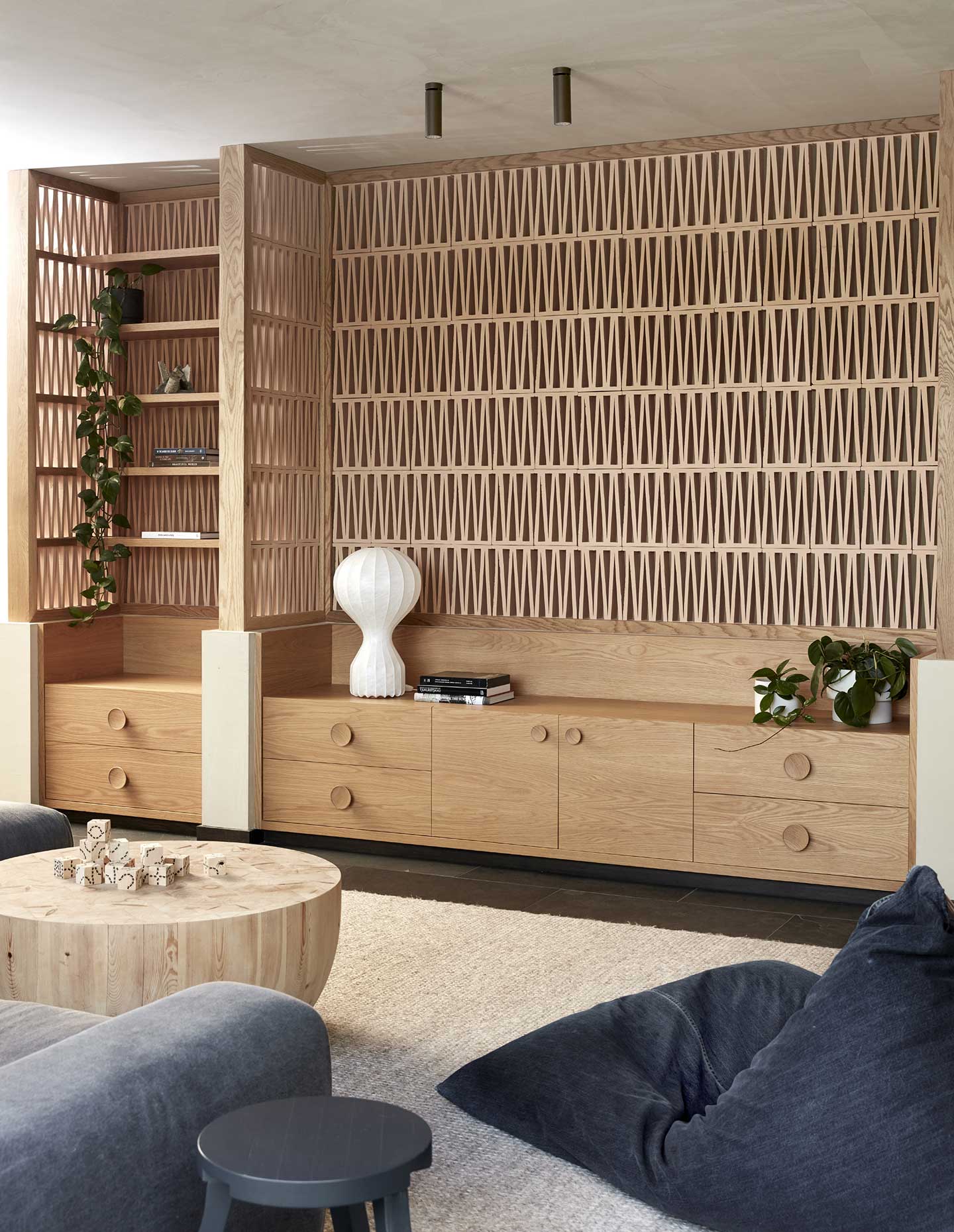
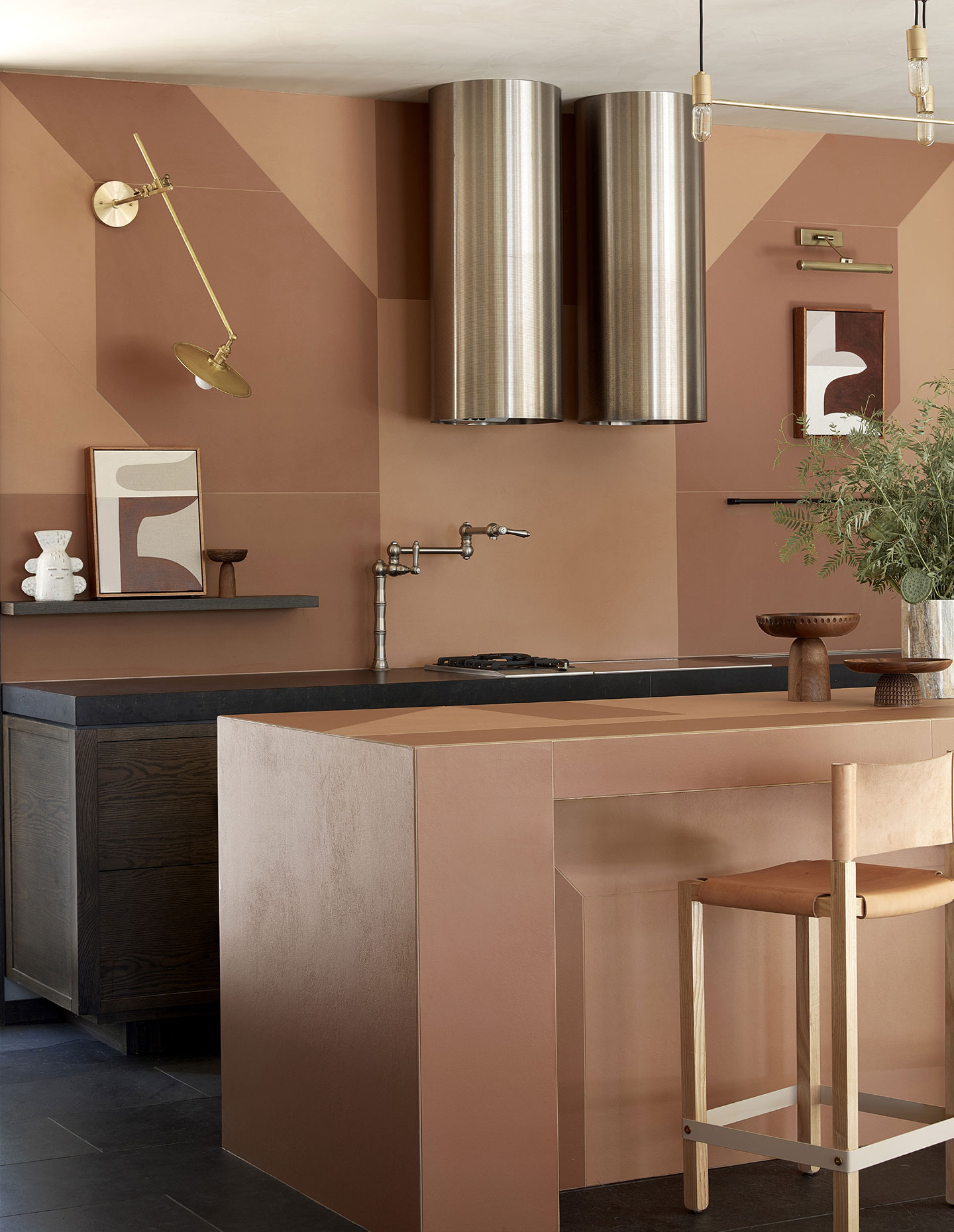
Another notable project, Orchard House, began life as a generic box before being transformed into a home with gravitas and character, demonstrating Hing’s ability to extract meaning and presence from unremarkable beginnings.
Central to Hing’s practice is the relationship with clients. “You really have to develop a language and a way of operating where you can confidently sell your ideas and get them built,” she says. “We can all have great ideas, but the real challenge is having them realised and genuinely loved.”
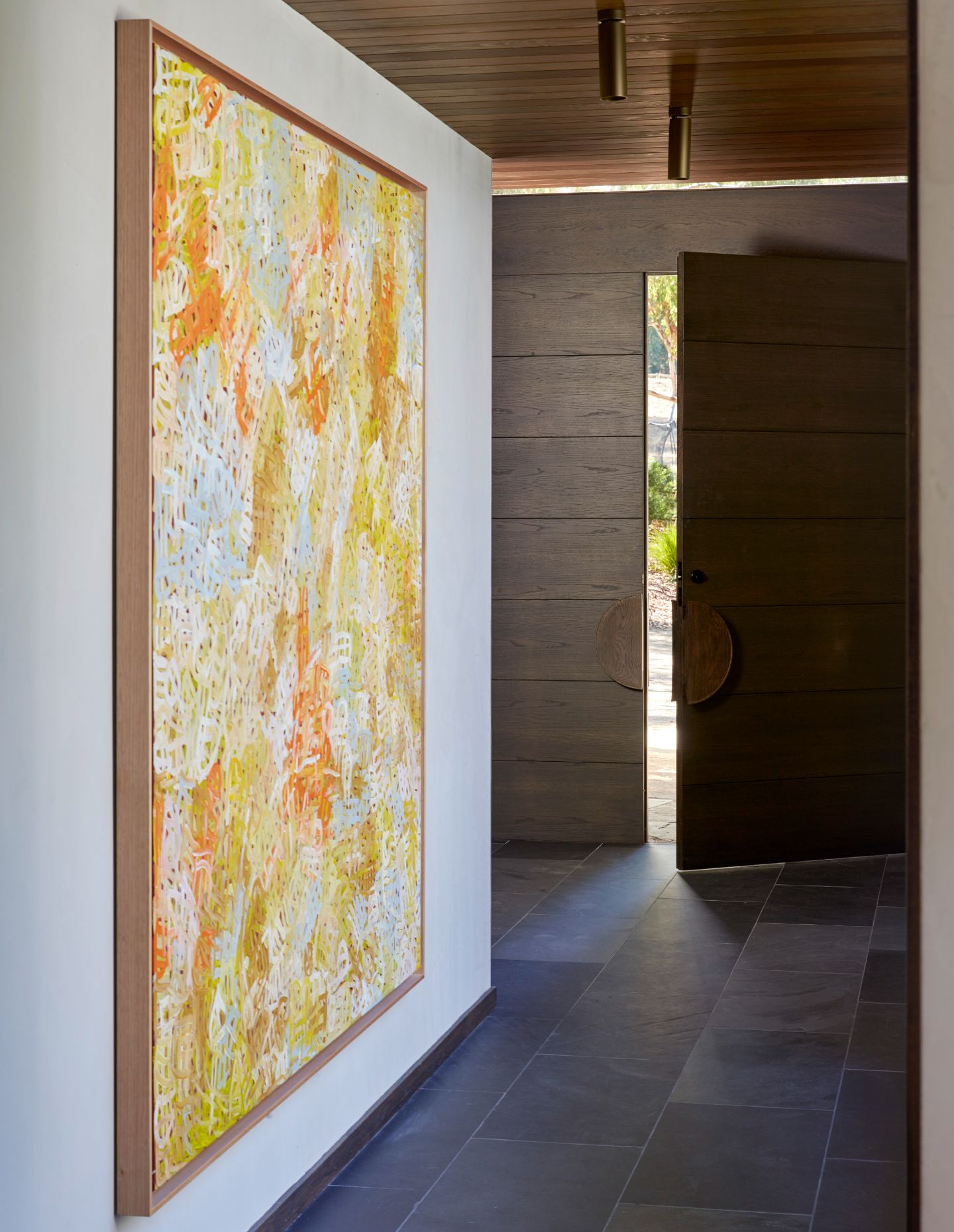
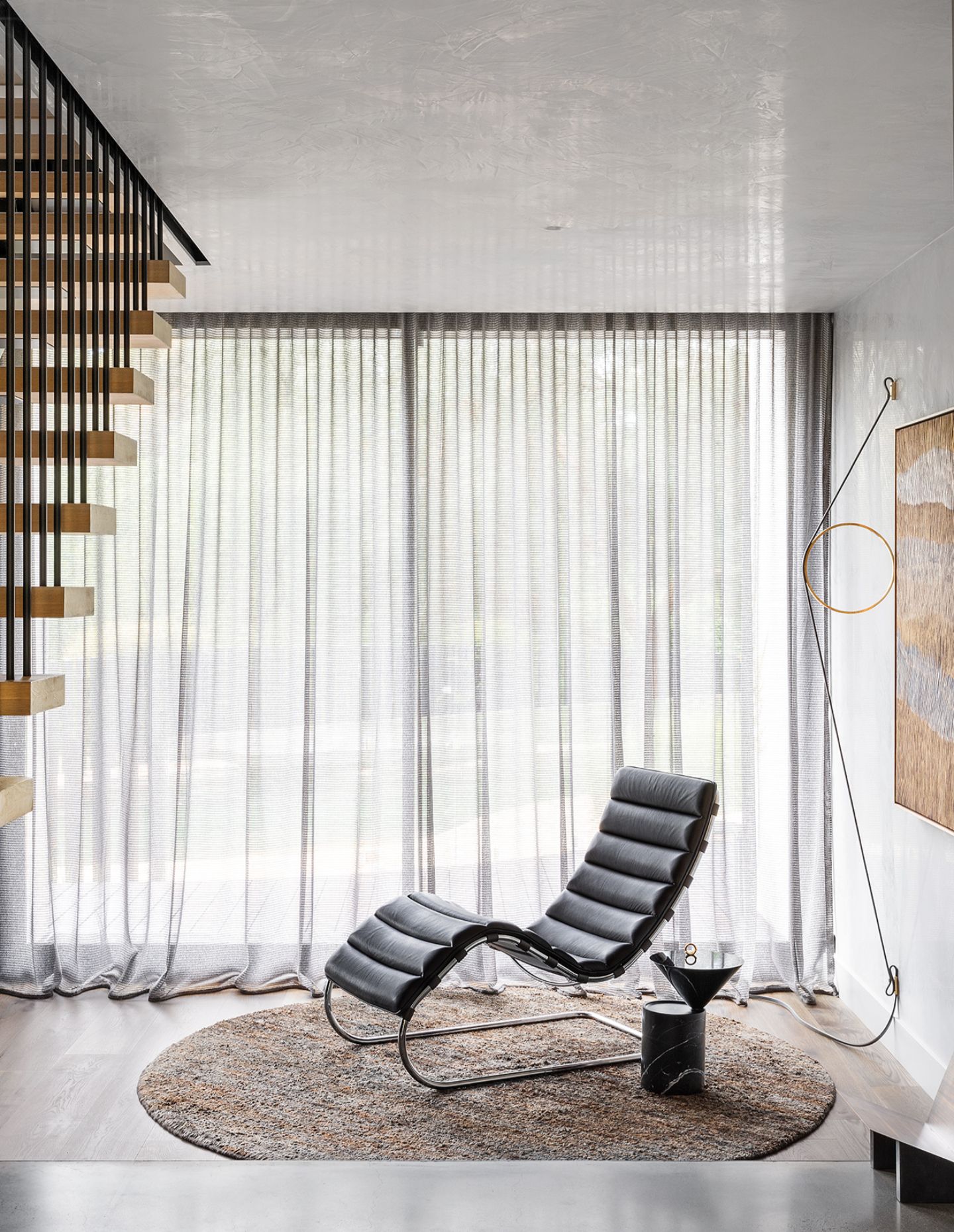
Current projects include a waterfront home on Sydney’s northern beaches and the reworking of a grand Melbourne terrace. While the scale of projects has grown, Hing remains closely involved, valuing long-term collaboration across Sydney and Melbourne.
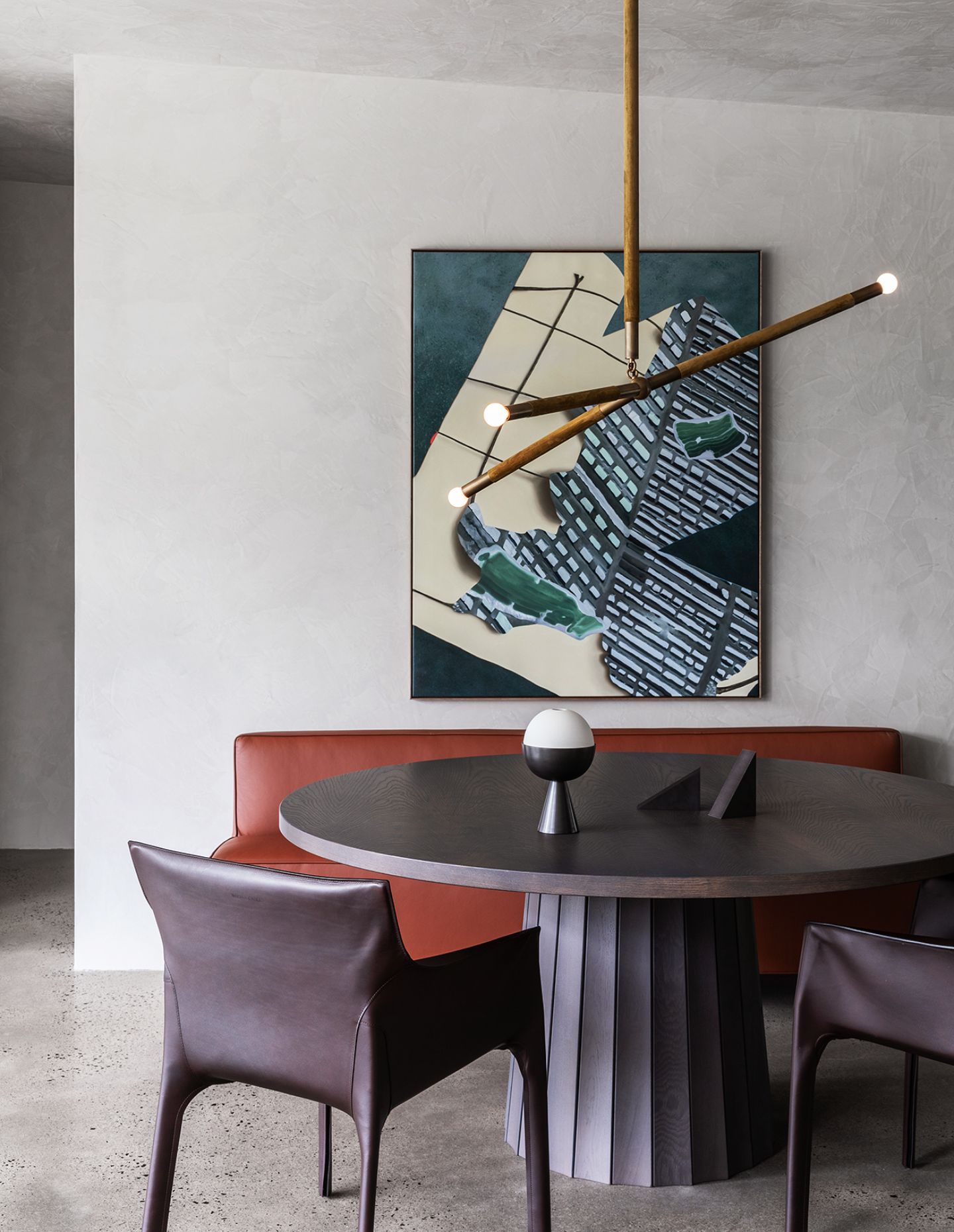
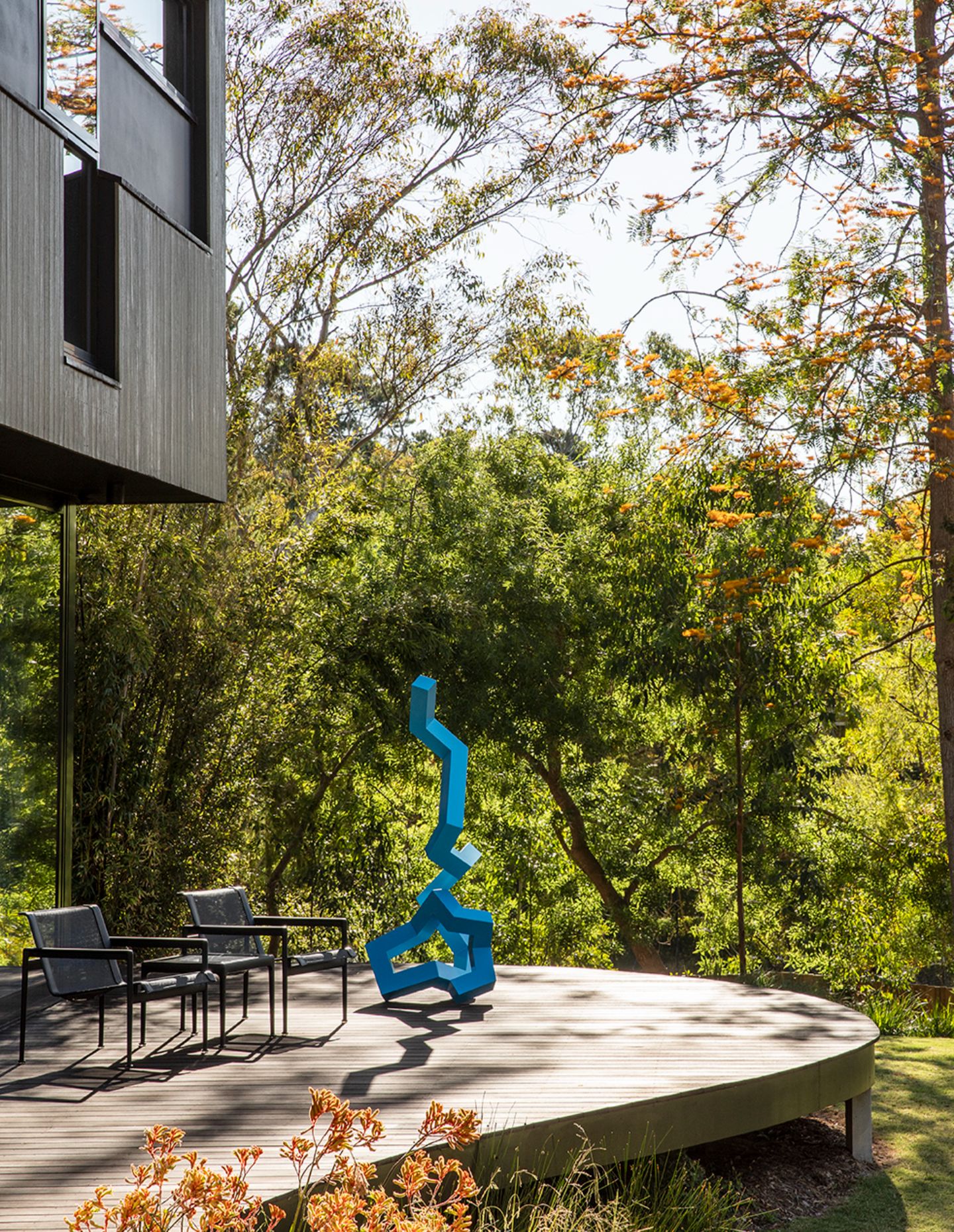
Art is a core passion within the studio, with art and furniture curation forming a significant part of each commission. Hing is currently exploring functional art, commissioning works from local artists and makers to bring new layers of meaning and craft into her interiors.
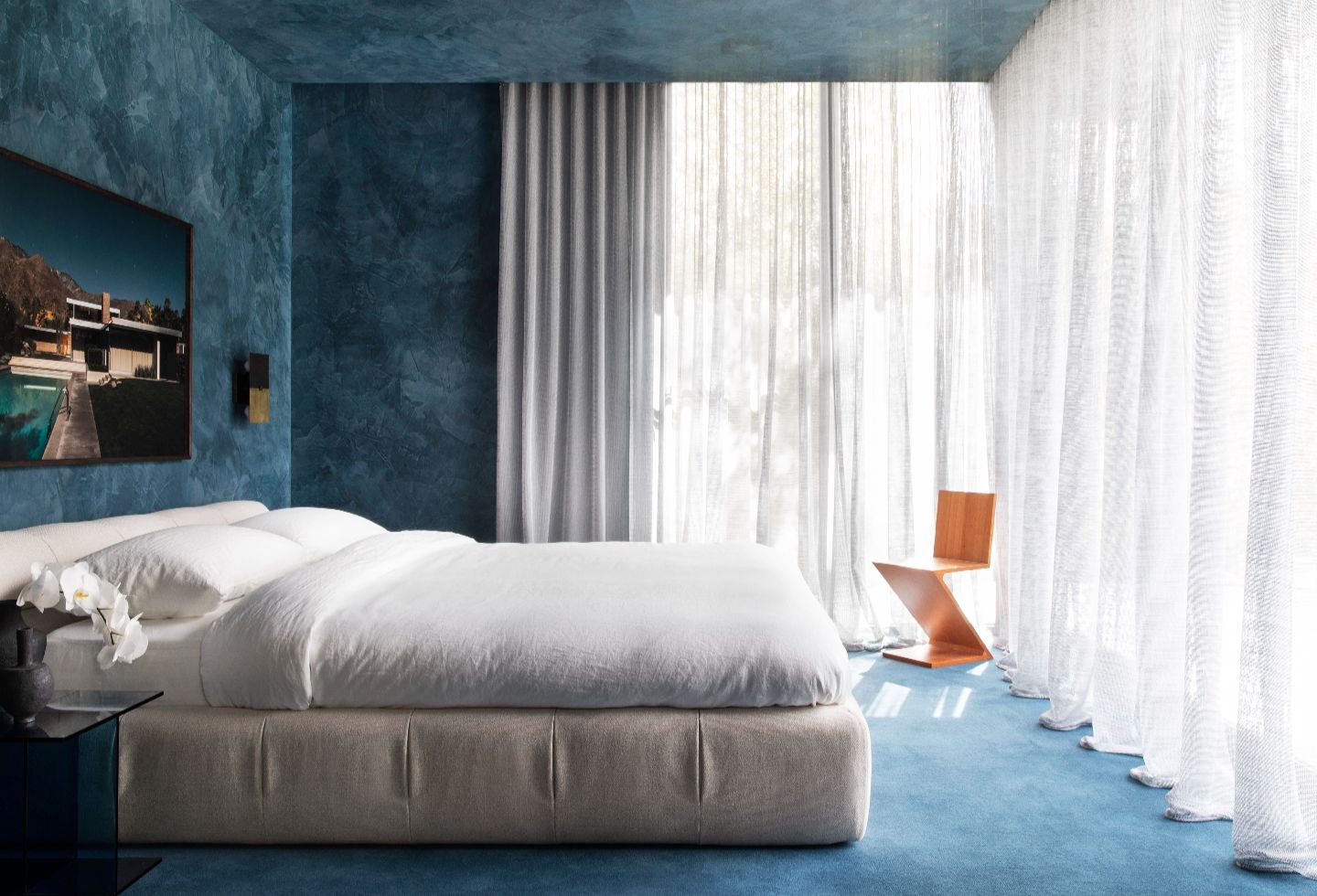
Whether in city or country contexts, Chelsea Hing Studio creates homes that endure. Grounded in experience, intelligence and restraint, Hing’s work reflects a belief that residential design is ultimately about living well.
“We really see ourselves as design partners with our clients for the long run,” Hing reflects. “We’re not transactional. We bring deep intelligence to how spaces work and how a house supports life. Designing a home is an exercise in living your values.”