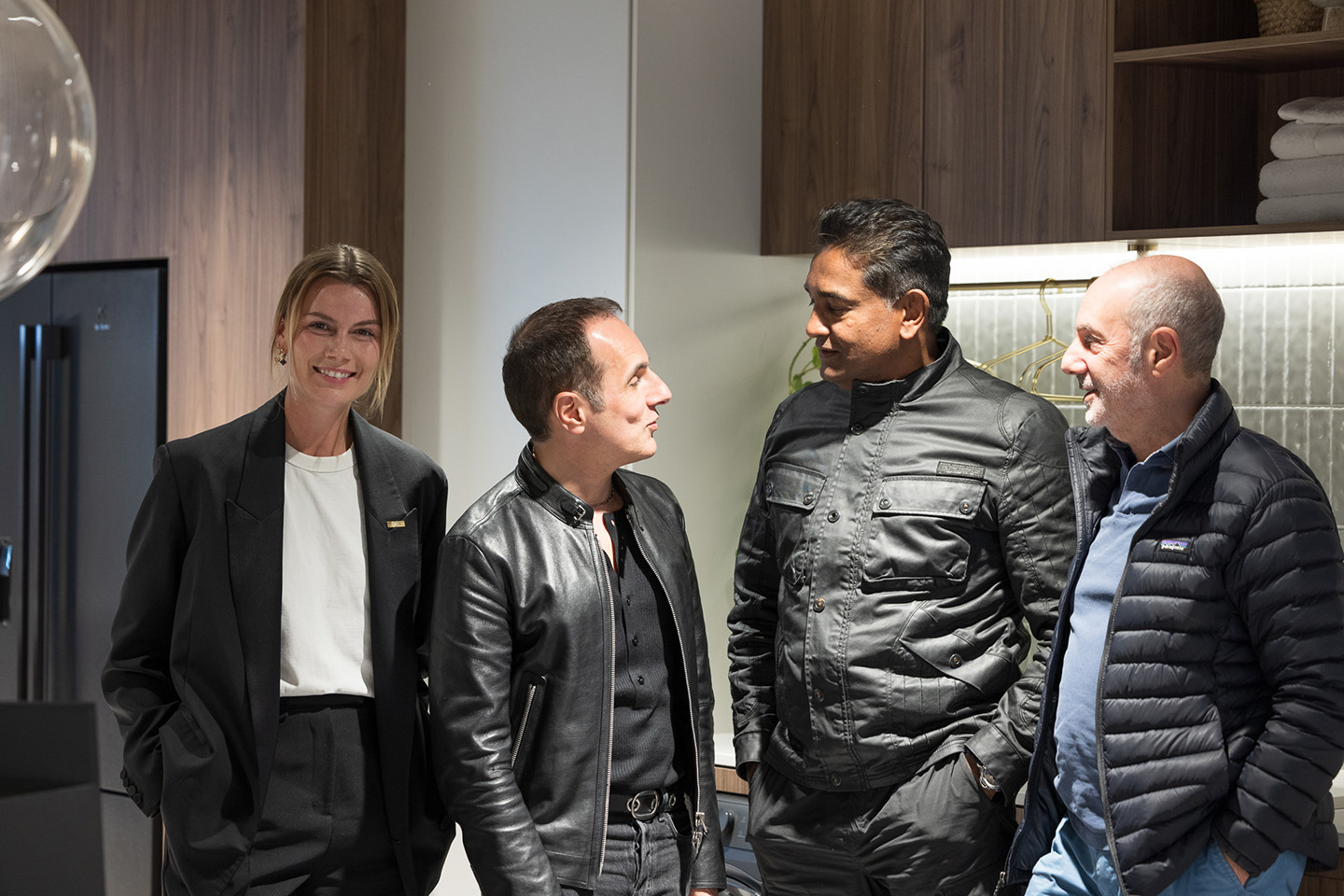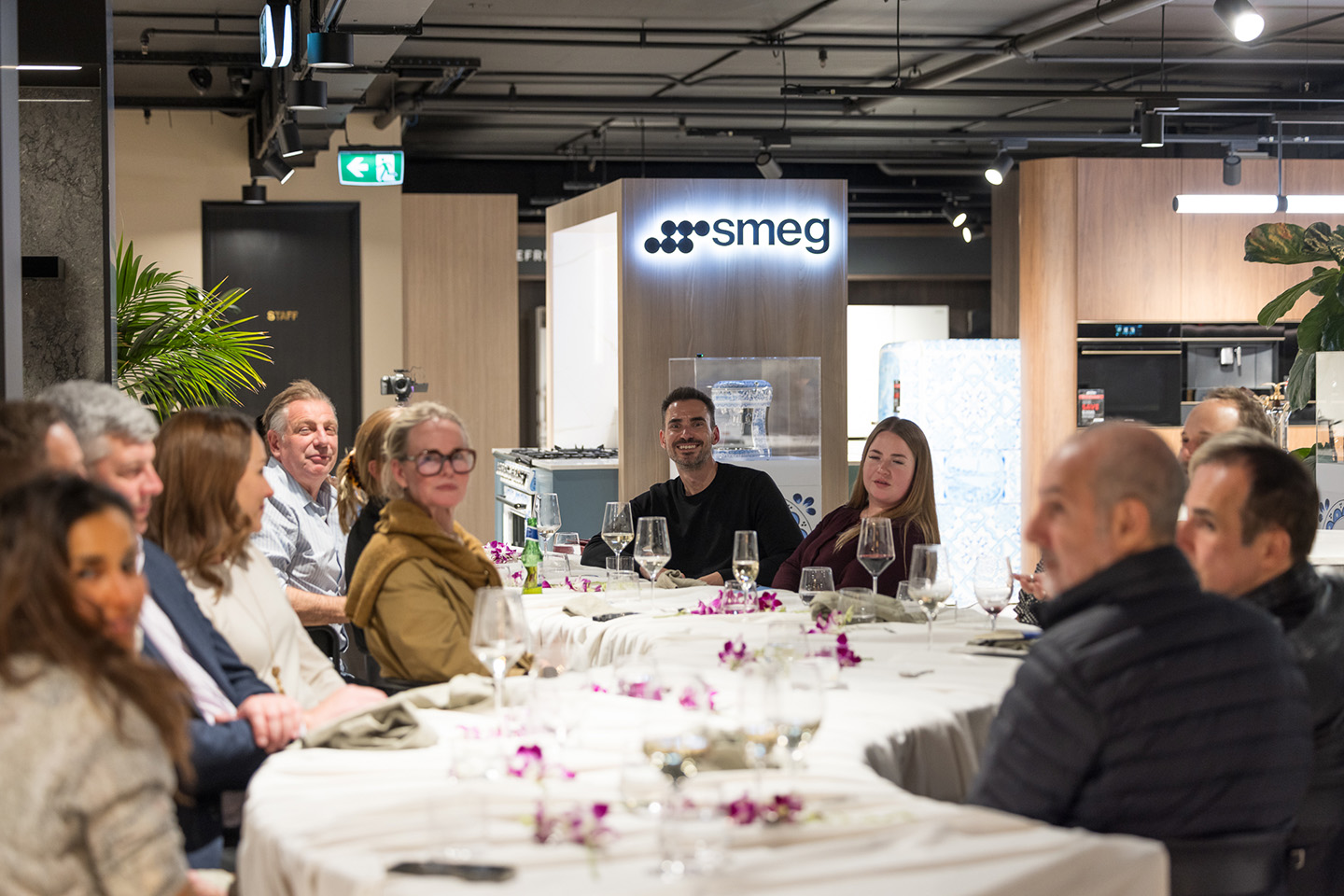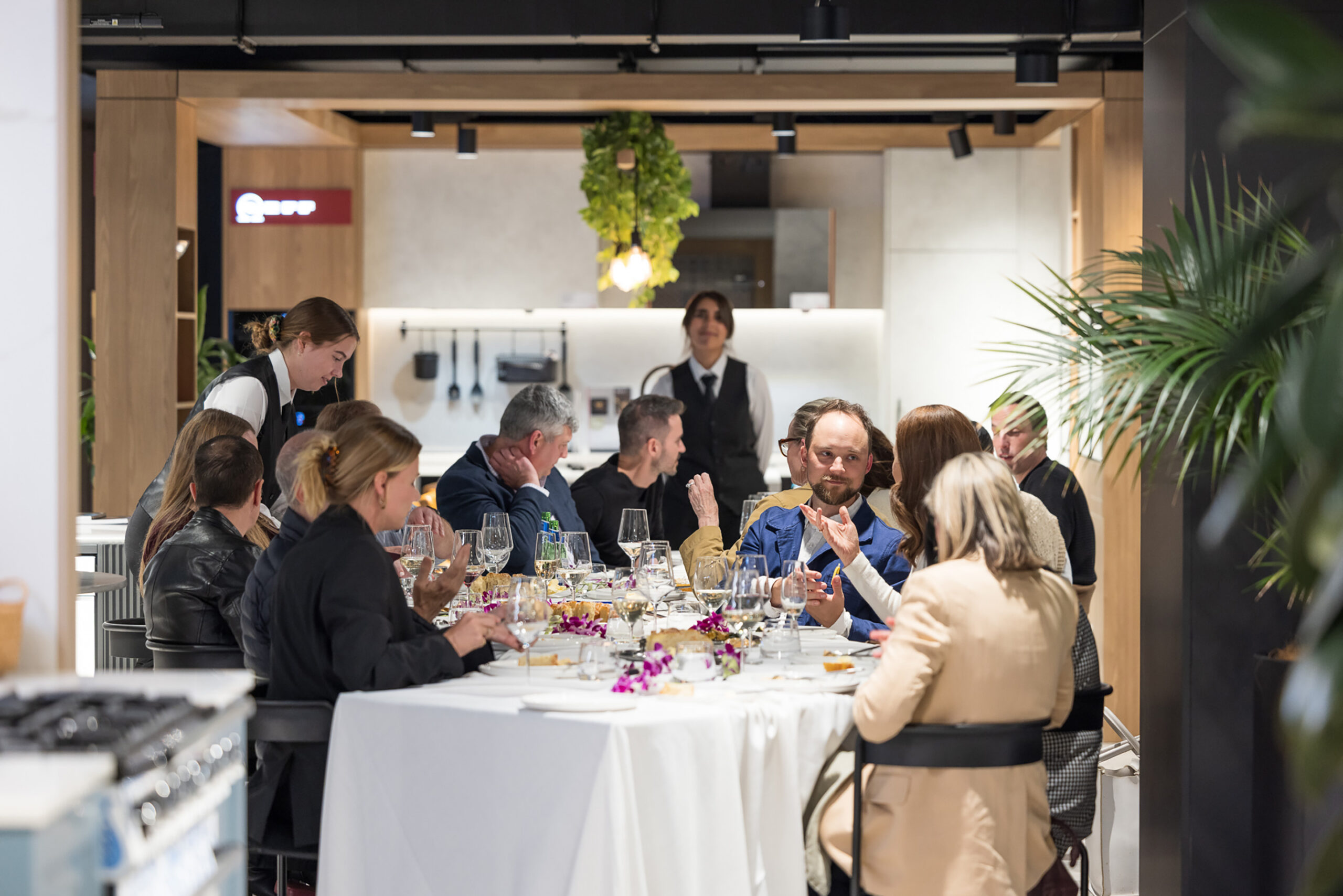

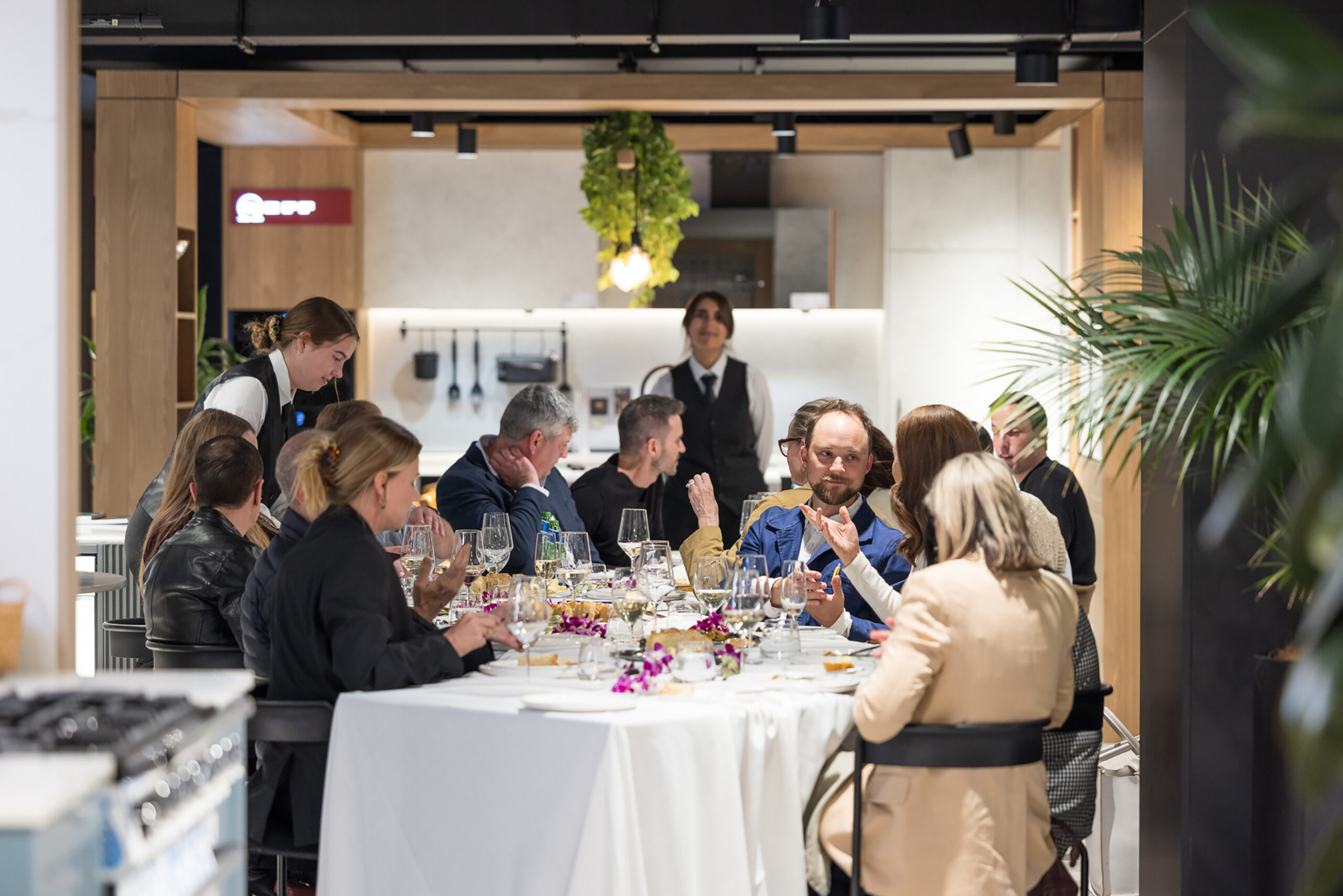
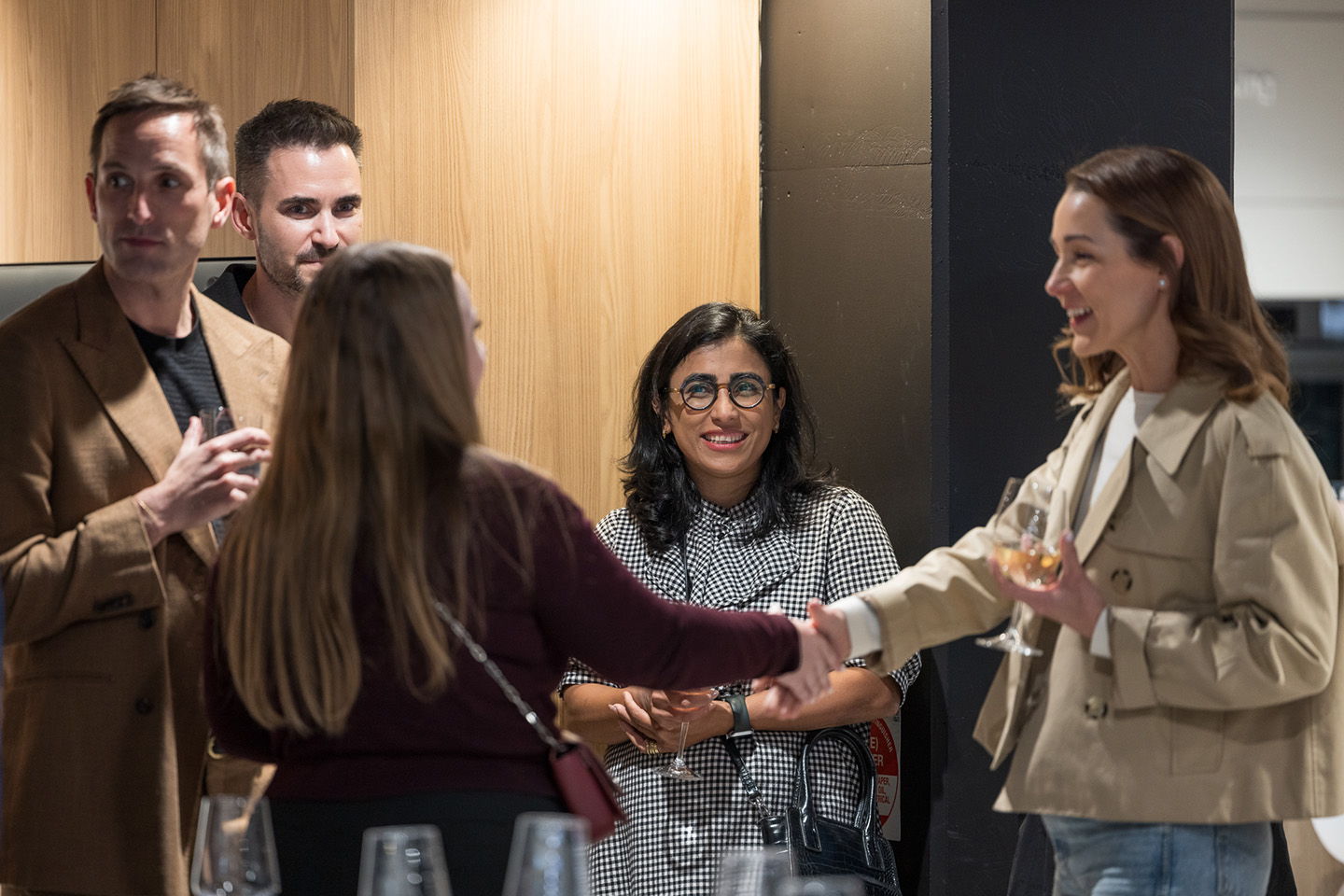
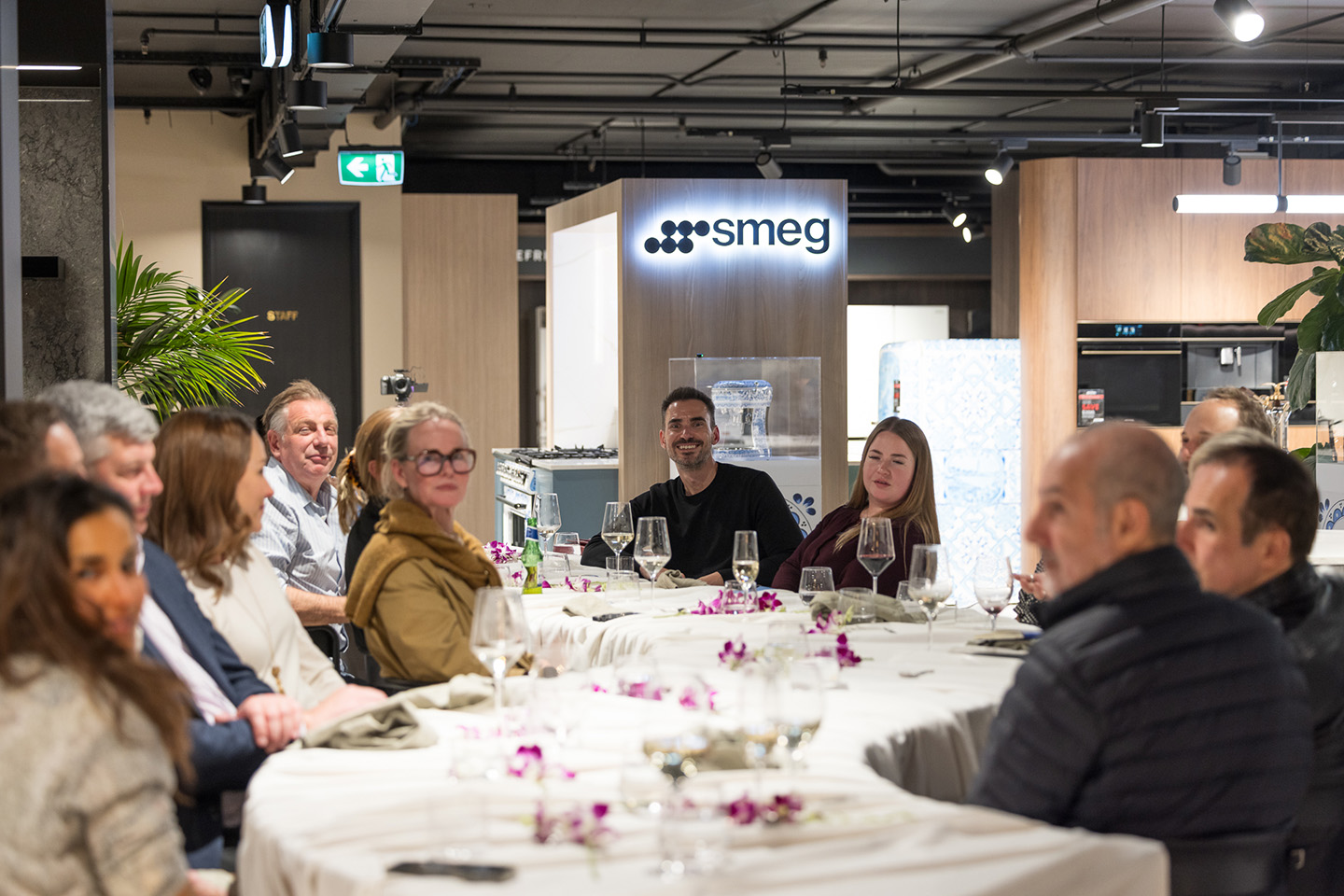
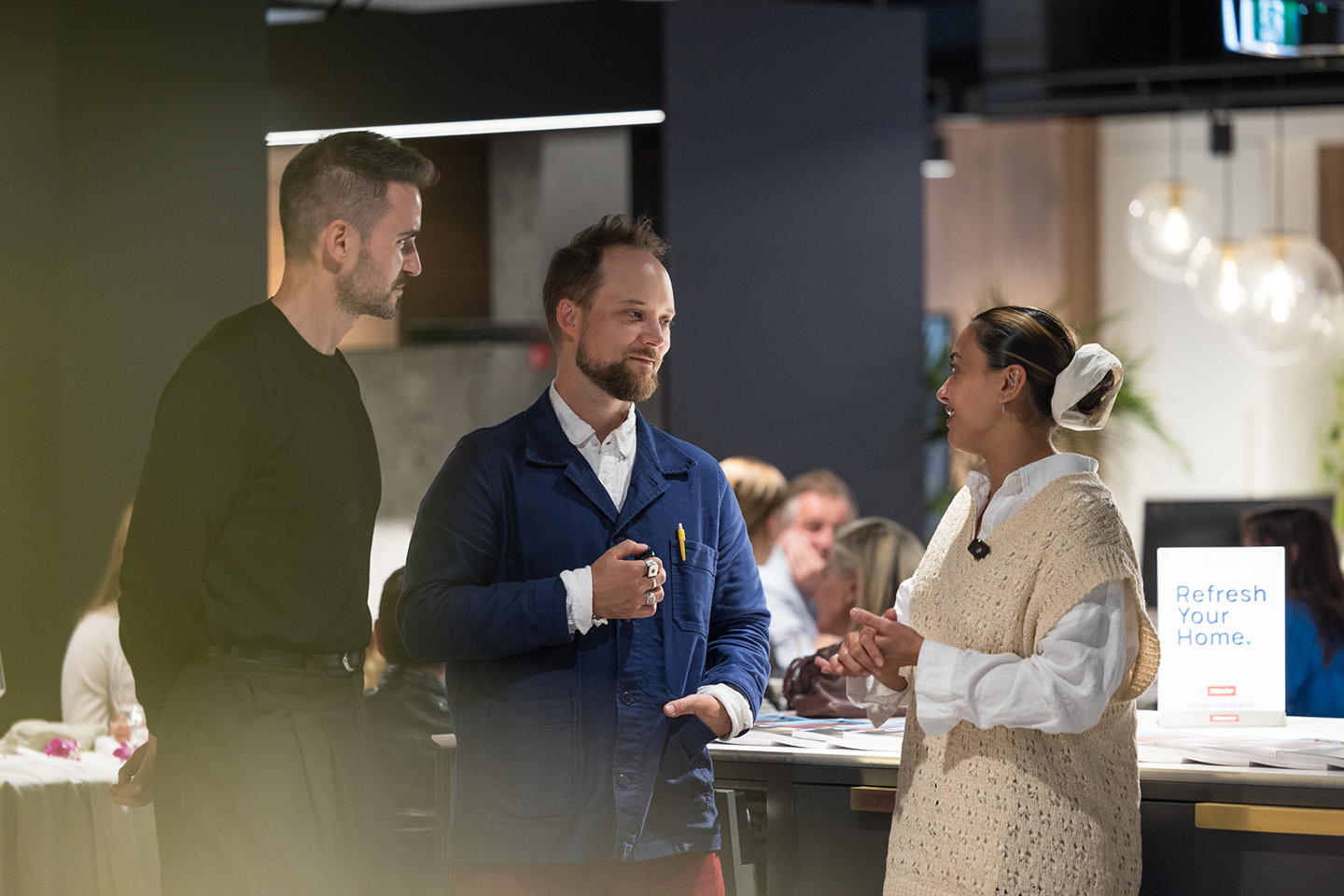
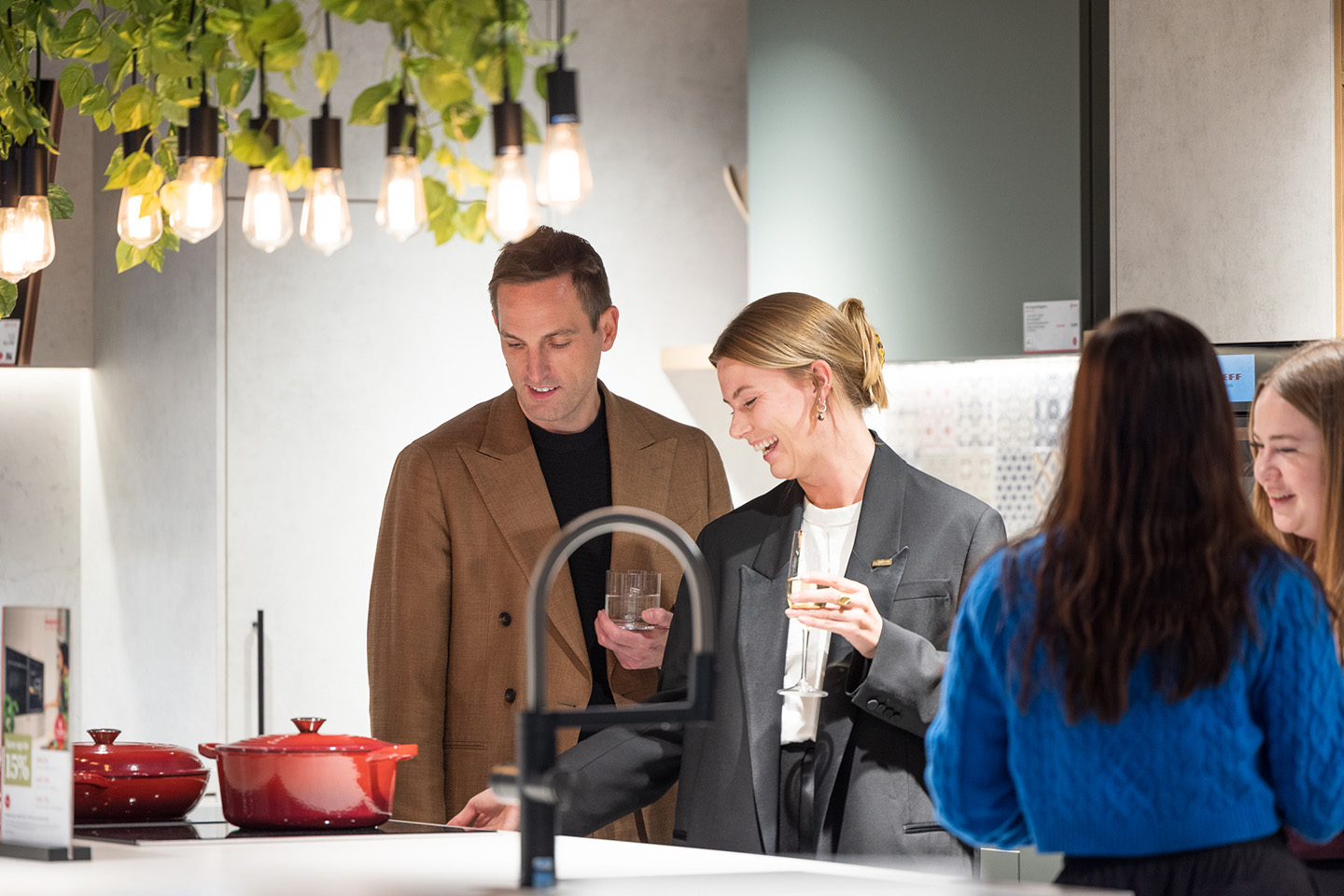
Hosted by Signature Appliances in May, this exclusive (ironic, we know) dinner brought together a varied and thoughtful group of guests: Jamileh Jahangiri of Studio Orsi, Megan Brown of Penman Brown, Ed Lippmann of Lippmann Partnership, Nick Bell of Nick Bell Architects, David Hoad of Warren and Mahoney, Stefania Reynolds of Studio Johnston, Anna-Carin McNamara of ANNA.CARIN Design, Greg Natale, Harleen Grewal of POCO Designs, Ben Peake of Carter Williamson Architects, Georgina Wilson of Georgina Wilson Associates, alongside Anna Luchtenberg and Peter Harris from Signature Appliances. The dinner was hosted by Indesignlive and Habitus Living editor, Timothy Alouani-Roby.
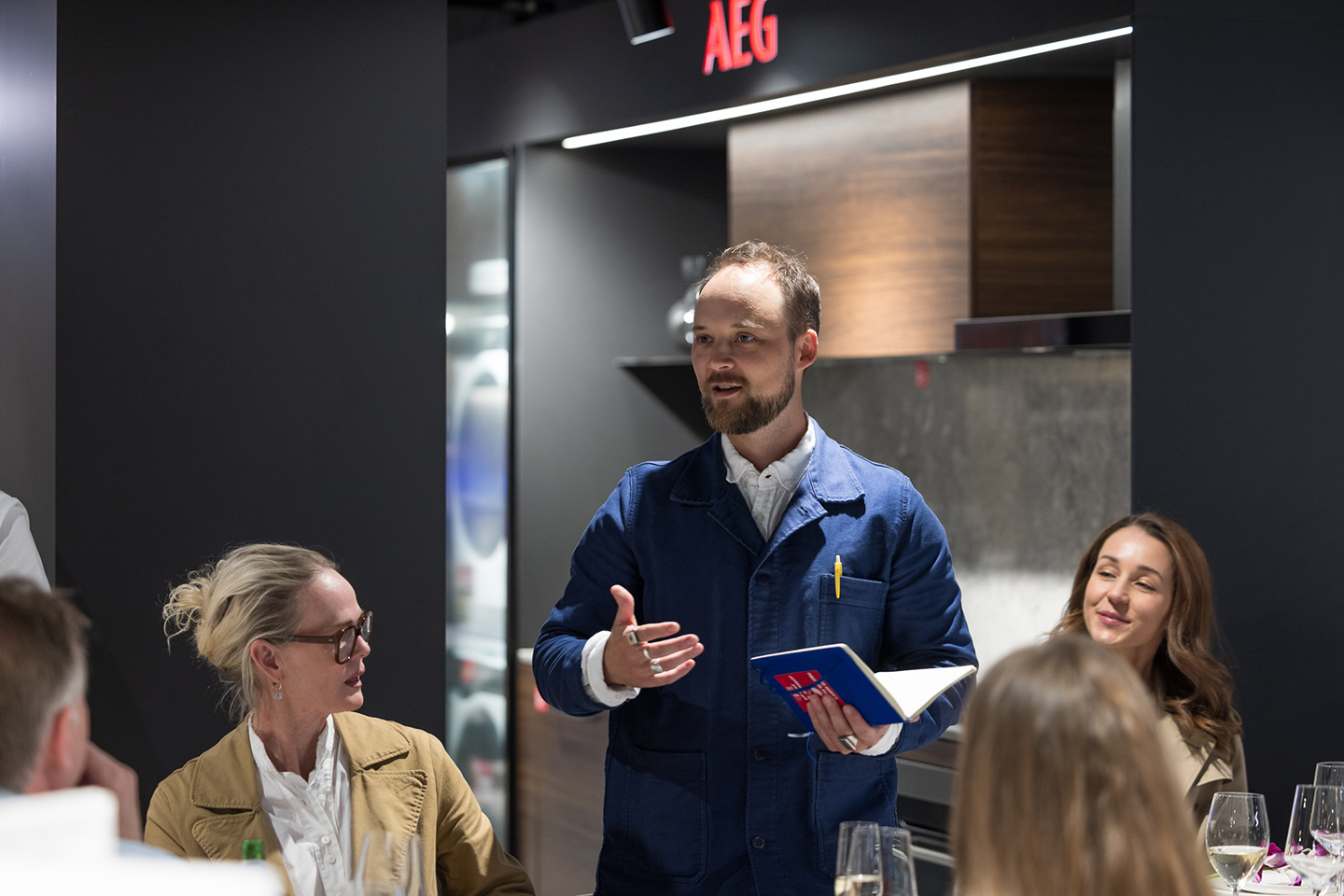
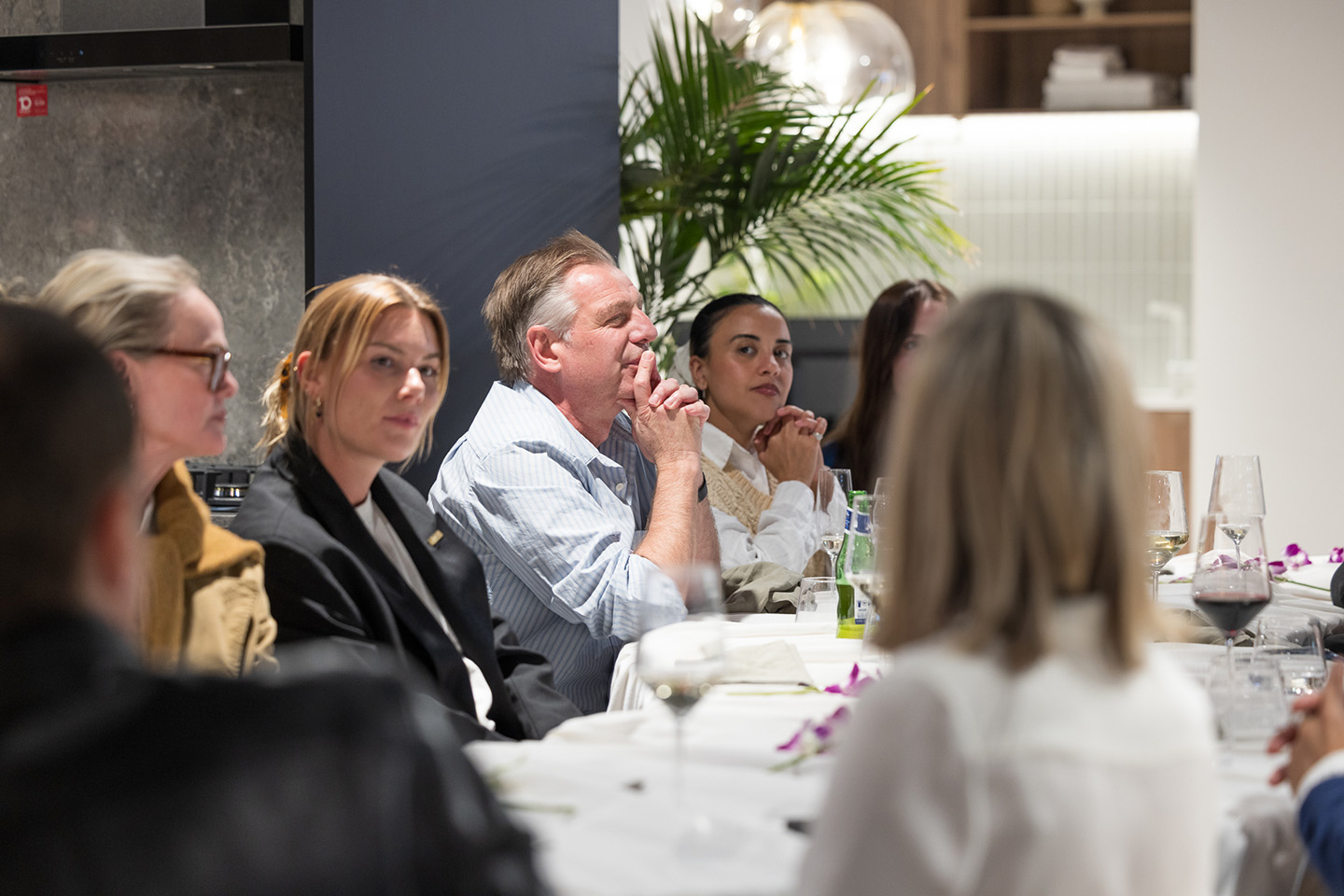
While the conversation itself was private, several broader themes emerged across the evening. Together, they pointed to a more nuanced understanding of luxury, one less concerned with extravagance and more closely tied to care, context, education and the quiet expansion of access.
1. Luxury is becoming more about attention
One of the strongest threads of the conversation was the idea that exclusivity today is no longer defined simply by rare materials or high prices for the sake of it. Increasingly, luxury is understood through attentiveness.
A first-class flight, a highly considered hotel stay or a beautifully managed hospitality experience may feel luxurious not because it is overtly extravagant, but because it anticipates individual needs. In this sense, luxury becomes an entire experience of care, full of attentive, personal touches.
For architects and designers, this raises a useful question: how can the same intelligence be applied to everyday spaces? A home, workplace, hotel, restaurant or public building can feel generous not only through its material palette, but through the way it notices the people who use it.
2. Exclusivity is often built into context
The evening also considered how the settings in which design operates can be inherently exclusive. Airports, for example, are often places of separation and control. Security, ticketing, lounges, thresholds and access points all create different categories of experience.
This makes exclusivity spatial as much as material. It is produced by circulation, permission, visibility and access. Designers, therefore, have a role in understanding when a space is intentionally controlled, when it is unintentionally exclusionary and when it might be made more generous without losing clarity or order.
Related: Tom Dixon visits Sydney

3. Accessibility does not mean simplification
A recurring idea was that making design more accessible does not require ‘dumbing down.’ Good design can be sophisticated, layered and culturally ambitious while still being available to a broad audience.
Certainly, accessibility is sometimes treated as a reduction in quality or complexity, when in fact it can demand greater intelligence from the designer. To make a space usable, beautiful and meaningful for more people is not a lesser design challenge; it is often the more difficult one.
The best design does not ask people to choose between refinement and inclusion, but rather proves that both can coexist.

4. Public design has always carried an idealistic charge
The discussion also looked back to moments in early 20th-century European design, including references such as the Moscow Underground and the Bauhaus, where good design was imagined as something with civic and social purpose (look up ‘Volksbedarf statt Luxusbedarf’).
These examples suggest that design has long carried ambitions beyond private luxury. Public transport, education, housing, furniture and everyday infrastructure have all, at different moments, been treated as opportunities to elevate collective experience.
In this sense, accessibility is not a contemporary compromise. It is part of a longer design lineage: the belief that beauty, function and cultural value should not be reserved only for private interiors or elite settings.

5. Designers are educators as much as authors
Another takeaway was the role architects and designers play in shaping public understanding of good design. Access is not only a matter of cost or availability; it is also a matter of literacy.
When clients, communities and broader audiences understand why design decisions matter — why proportion, light, durability, tactility, circulation and material choices affect daily life — they are better equipped to value design. Education becomes part of accessibility.

6. The future of luxury may be more democratic than it appears
By the end of the evening, exclusivity and accessibility felt less like opposing ideas and more like conditions that design must continually negotiate.
A space can be special without being exclusionary and a service can be personal without being ostentatious. In turn, a beautiful room can be aspirational while still contributing to a broader culture of better living.
At Signature Appliances, the conversation returned to a simple but urgent proposition: great design should not only impress those who already understand it. It should invite more people in.