
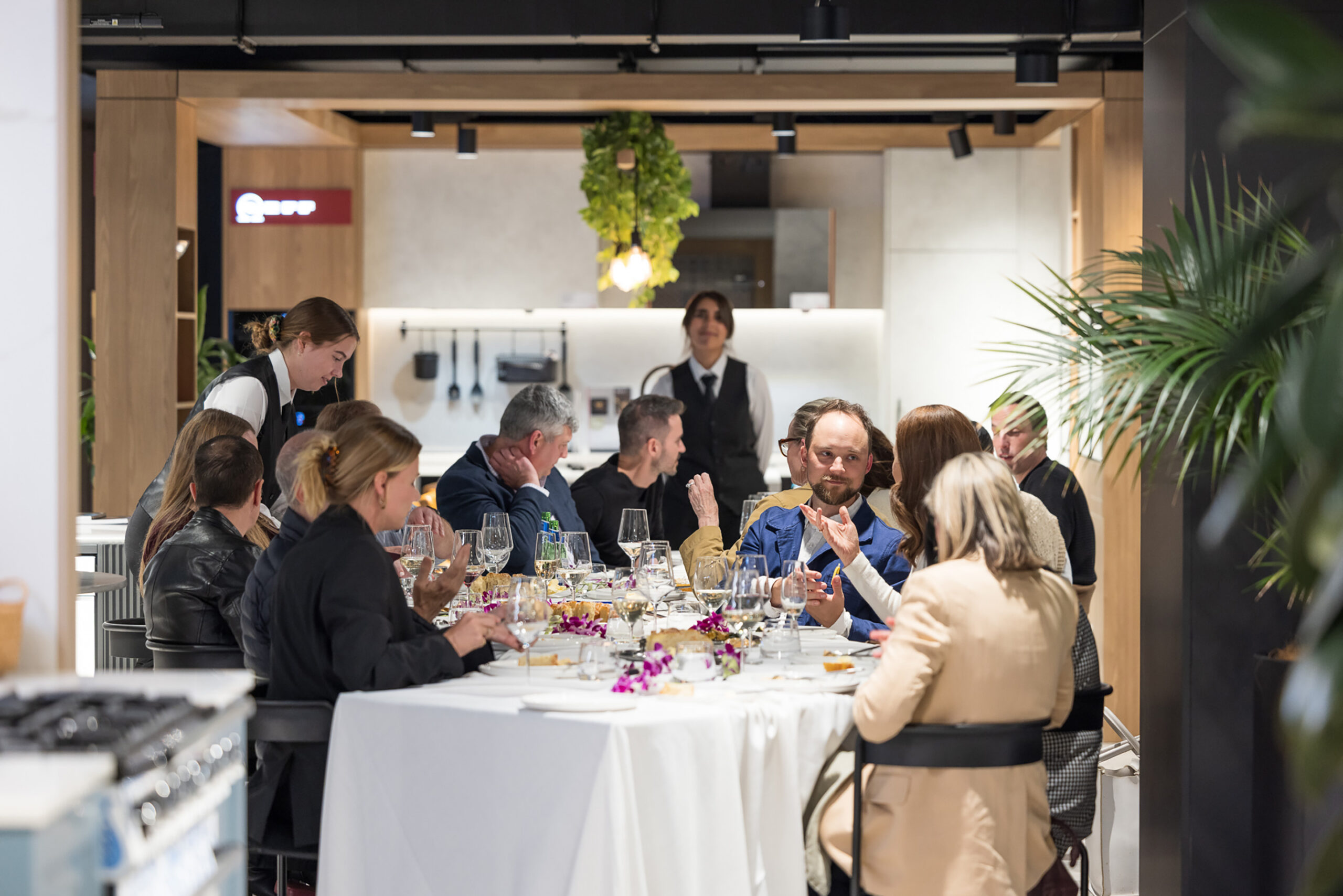
A few weeks ago, at one of our editorial dinners with Signature Appliances, a group of architects and designers gathered around a table to discuss a question that seems to be surfacing more frequently across the design industry: can great design ever truly be accessible?
On the surface, luxury and accessibility appear to pull in opposite directions. One implies rarity, exclusivity and aspiration; the other openness, inclusion and broader participation. Yet the more the conversation unfolded, the more it became apparent that the relationship between the two is far more nuanced than the usual either-or framing allows.
Part of the difficulty is that luxury itself has become an increasingly slippery concept. For some, it still relates to craftsmanship and exceptional materials. For others, luxury is now defined less by what something costs and more by how it performs, the experience of walking through a room. Far more than market trends shape this feeling: the quality of light in a room, the longevity of a product and the feeling of being genuinely considered in a space, to name a few.
This shift is interesting because it moves luxury away from pure consumption and towards experience. At the same time, however, it raises an uncomfortable question. If luxury is no longer about price alone, what exactly are we trying to make accessible?
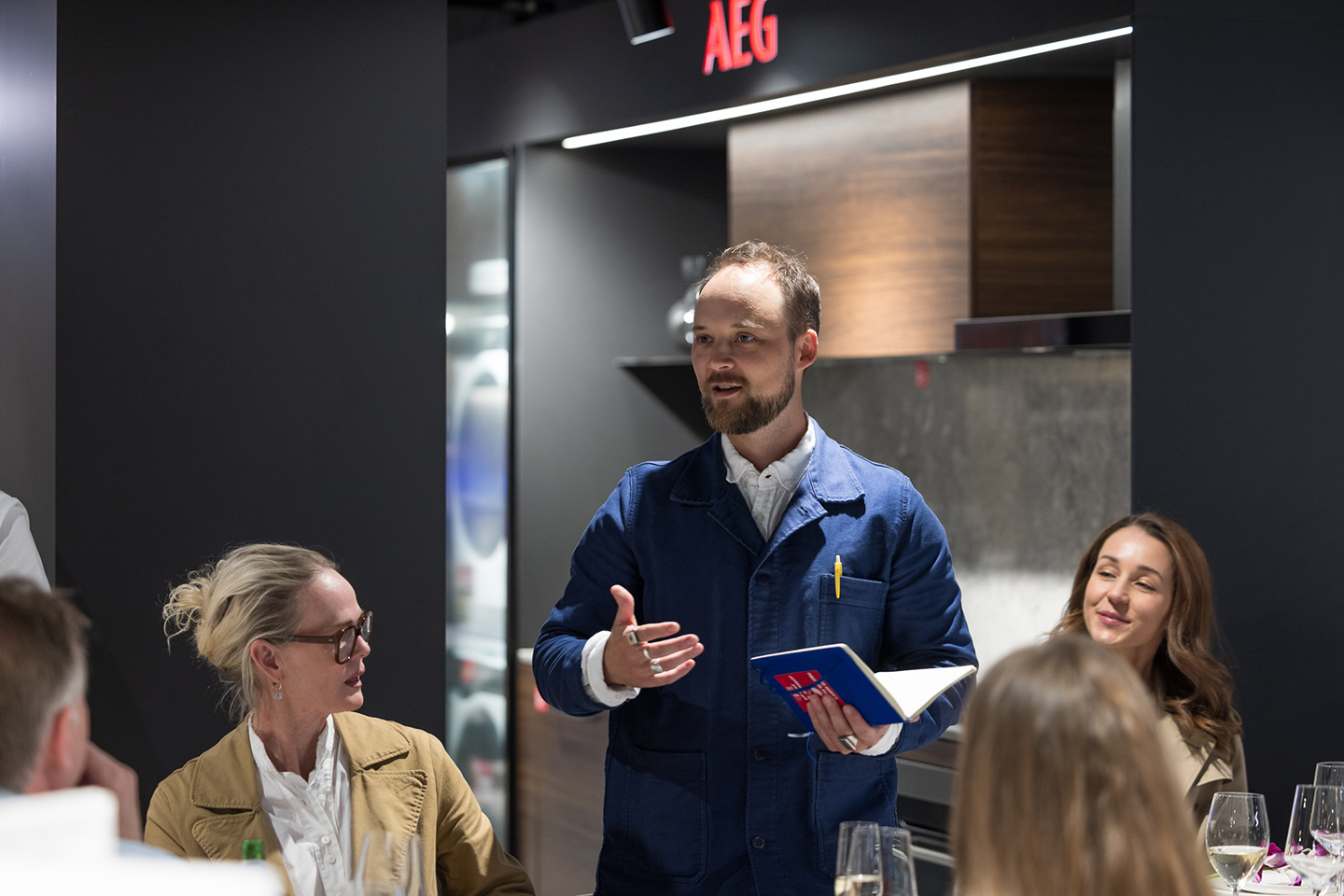
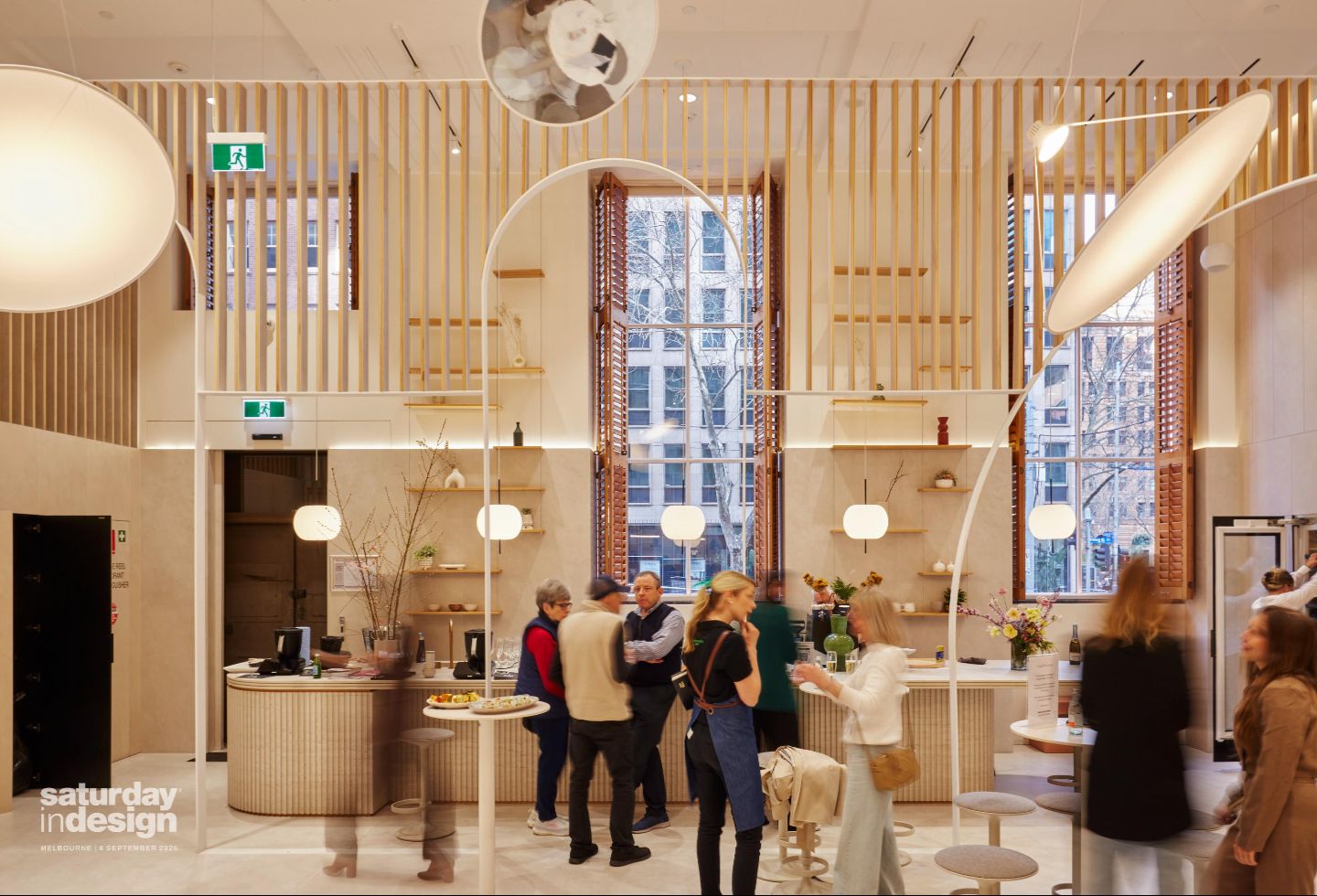
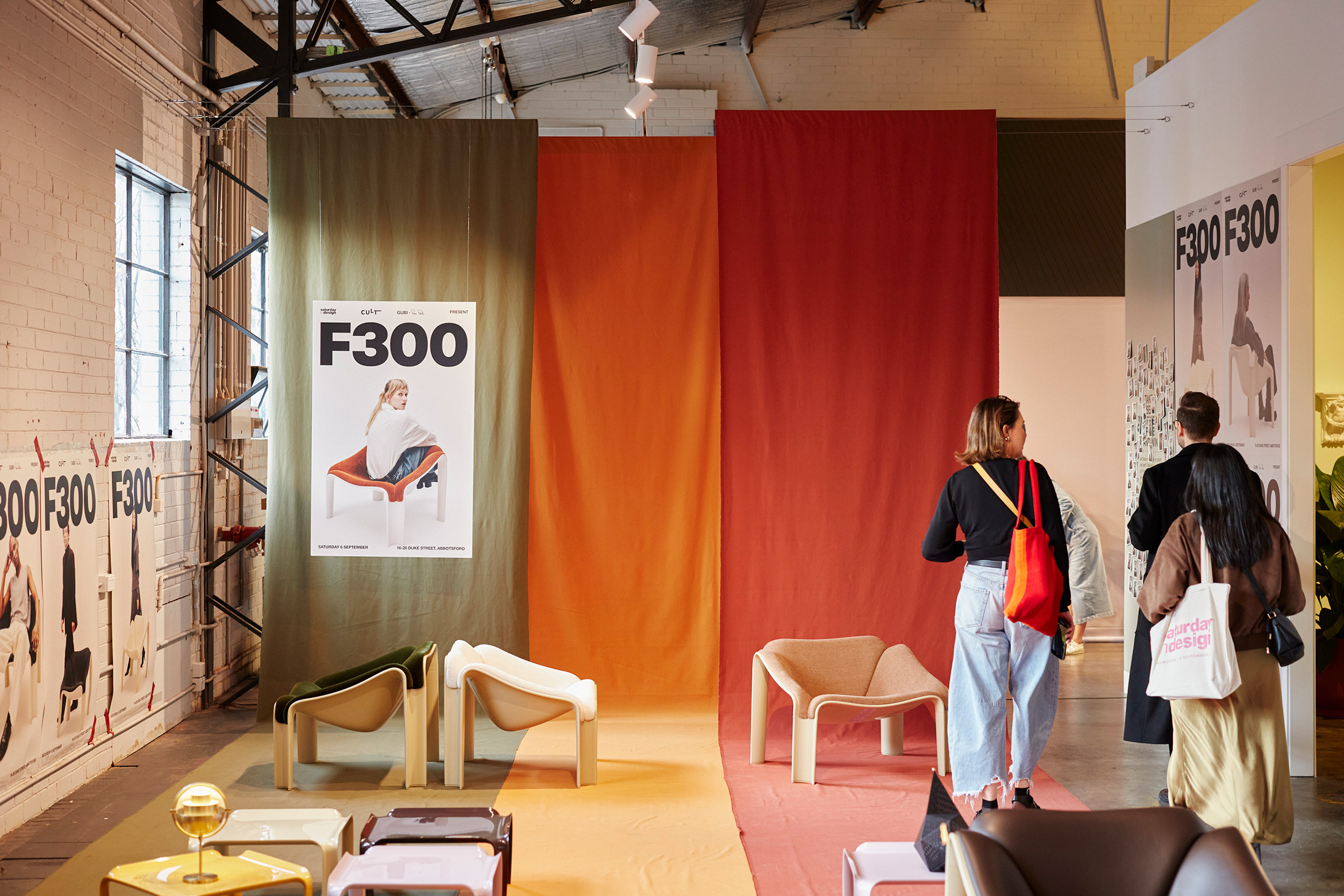
Certainly, this discussion ties into a broader trend that has emerged through conversations around Saturday Indesign. For years, design events largely operated around access to products. New collections were launched, showrooms opened their doors and visitors moved between displays. Products remain important, but increasingly it feels as though the most valuable thing people are seeking is not access to the object itself but access to the thinking behind it.
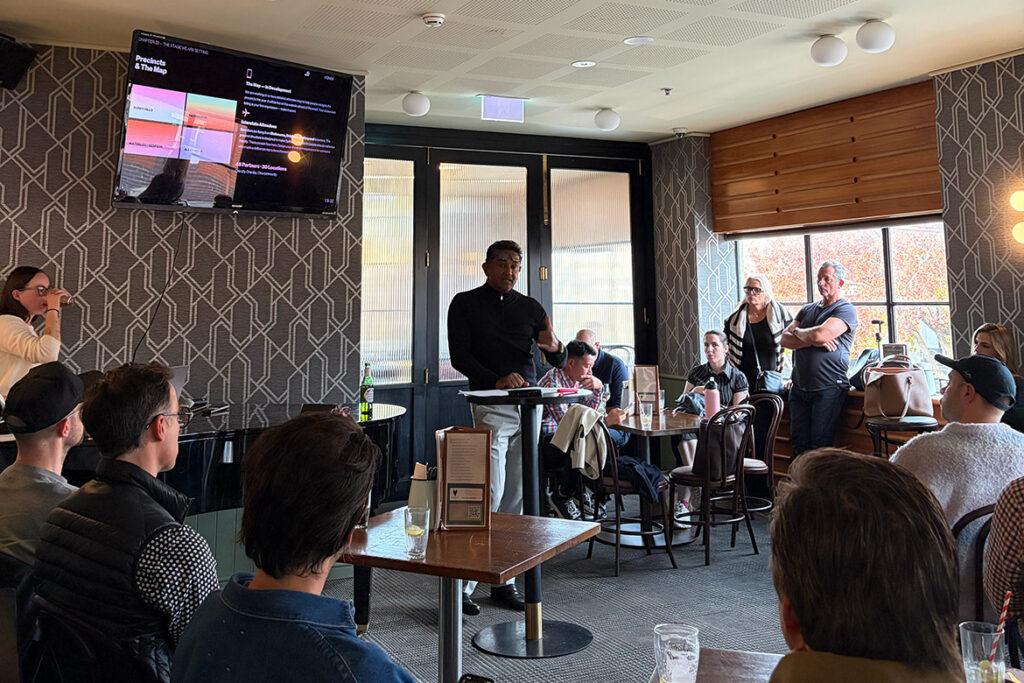
Architects and designers want to understand how products are made and to hear directly from manufacturers and makers. In turn, brands are finding that discussions about process, materiality and decision-making often generate more meaningful engagement than the finished object alone.
Perhaps this reflects a wider cultural shift. Information is readily available. Specifications can be downloaded instantly and product imagery is everywhere. What is harder to access is expertise: the conversations, experiences and knowledge that sit behind the finished work.
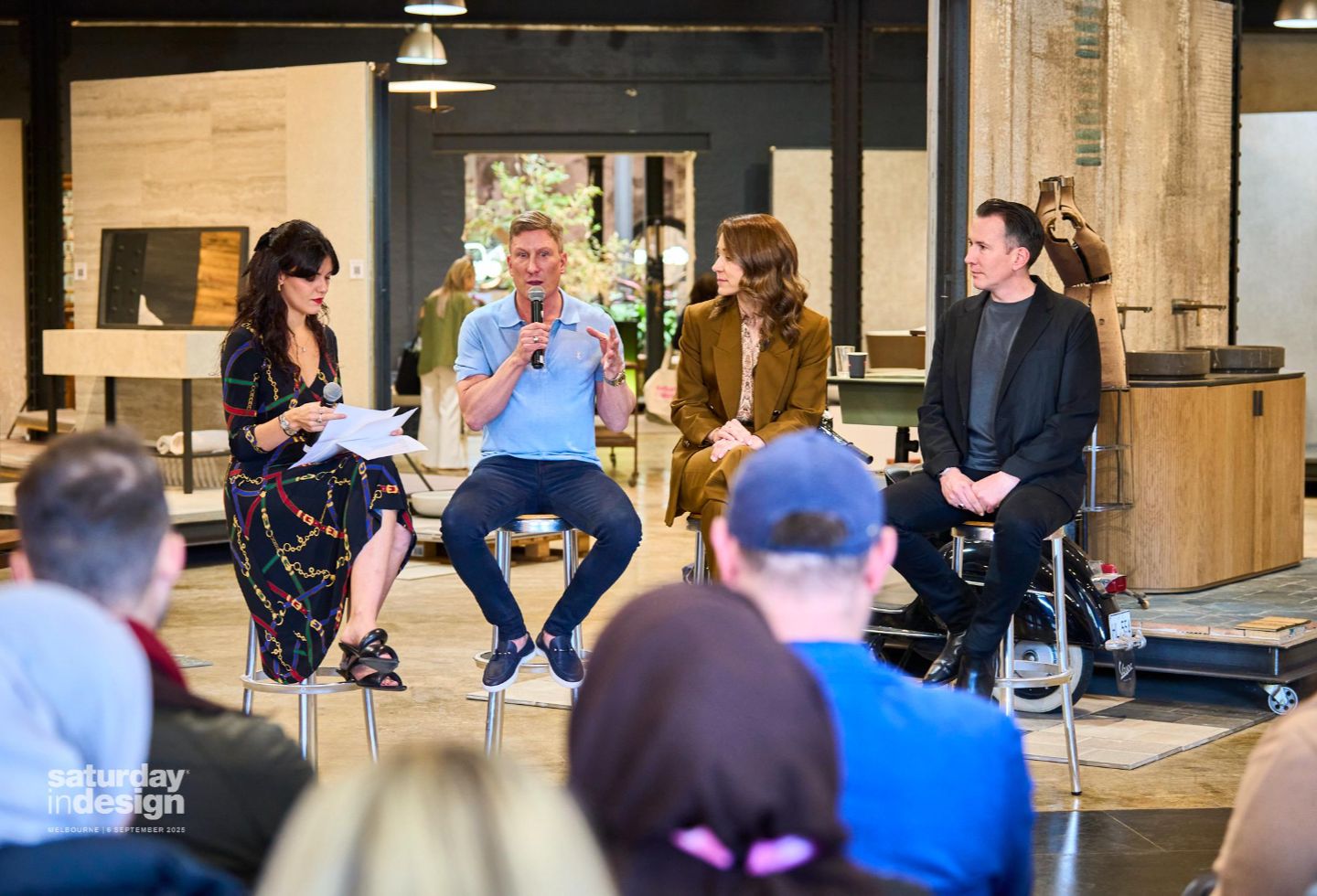
In that sense, accessibility becomes less about making every object available to everyone and more about creating greater access to ideas, processes and people.
This is one of the reasons the evolution of Saturday Indesign is so important. Many of the discussions shaping this year’s event have centred on participation rather than presentation. How can showrooms become places of exchange rather than display? How can brands share more of their process? How can visitors leave with a deeper understanding of design rather than simply a catalogue of new products?
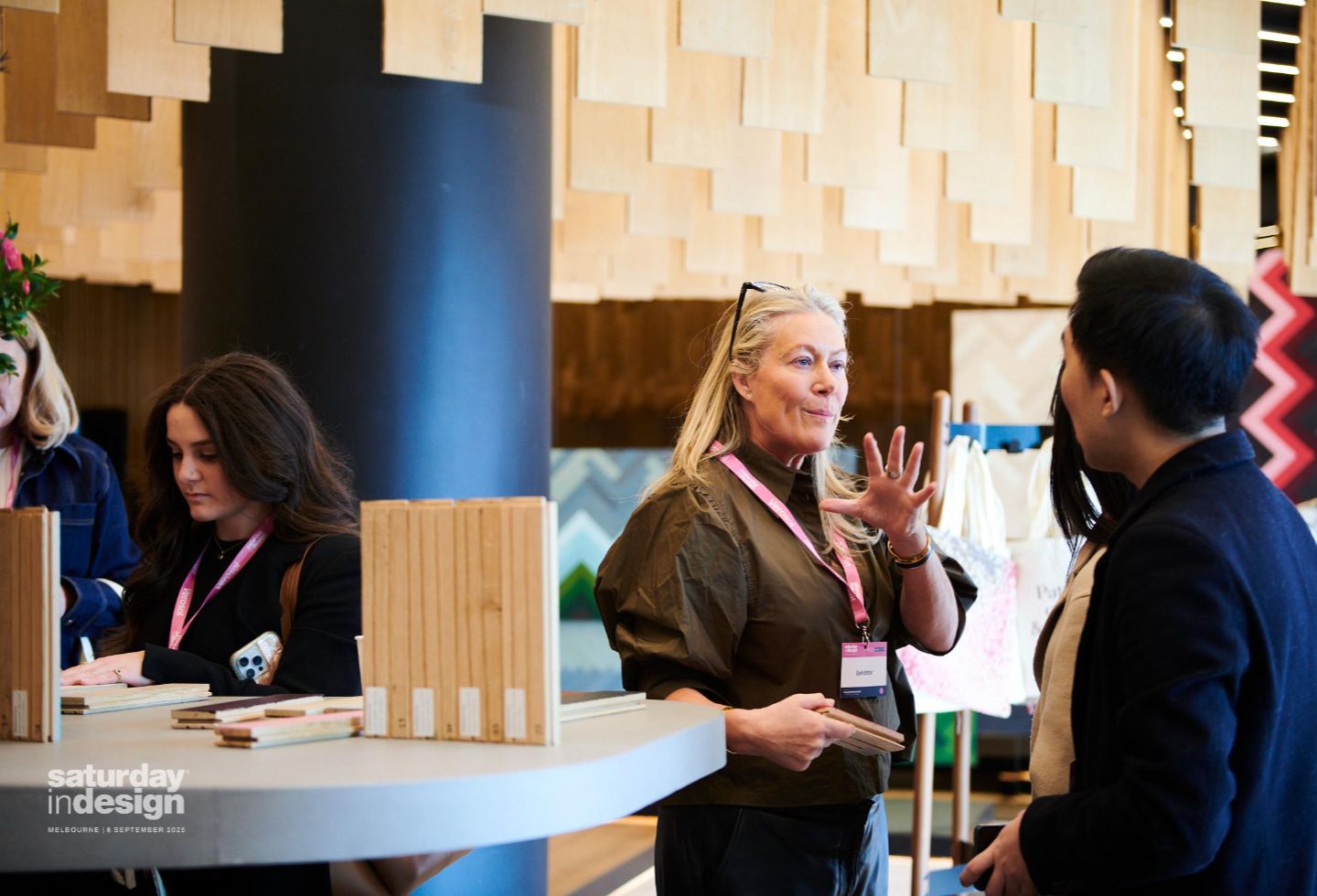
The best luxury has never been about exclusion for its own sake. It has always been about care, expertise and attention. Making those qualities more visible, and creating more opportunities for people to engage with them, does not make them less valuable; it simply broadens the conversation.
As Saturday Indesign approaches, that feels like a worthwhile direction. Not making design less aspirational, but making it easier to engage with. Opening up the conversations, processes and expertise that sit behind the finished work.
Because while not everyone will own the same products, everyone can benefit from a better understanding of what good design actually does.