
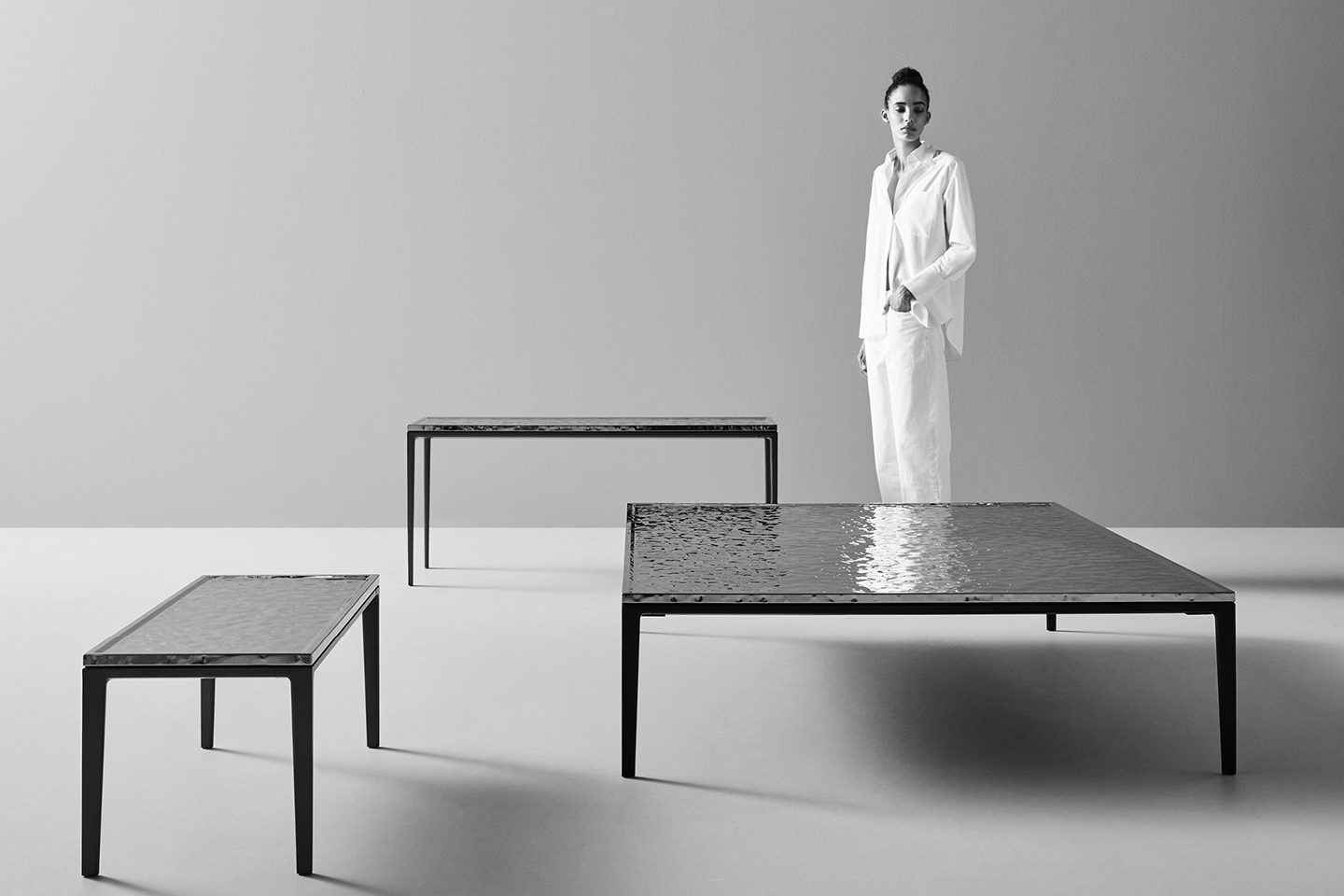
Founded in 1975 in Italy by B&B Italia’s visionary founder Piero Ambrogio Busnelli, Maxalto was created to preserve and advance artisanal woodworking traditions within a contemporary industrial context. The name Maxalto, drawn from the Venetian dialect term ‘massa alto,’ symbolised an ambition for design excellence rooted in craftsmanship. The brand emerged during a decade of radical experimentation in Italian design, and today continues to be made available in Australia with Space Furniture.
In its 1970s context, Maxalto was born amidst a growing desire for authenticity and comfort, which was gaining cultural and aesthetic significance. In contrast to the rapid modernisation led by B&B Italia’s own innovations in high-tech foam furniture, Maxalto sought a parallel path – honouring the cabinetmaker’s craft while exploring new design frontiers.
Afra Bianchin Scarpa put it this way at the time: “I am happy that at Maxalto, perhaps unconsciously, there have been attempts to somehow re-establish a connection with the experience of the cabinetmaker, in using solid wood, carved wood… All so that man can feel he is a part of history. I would so very much love to be able to give the Maxalto customer a little piece of wood that has been authentically French polished, so that they can see and judge and difference for themselves.”
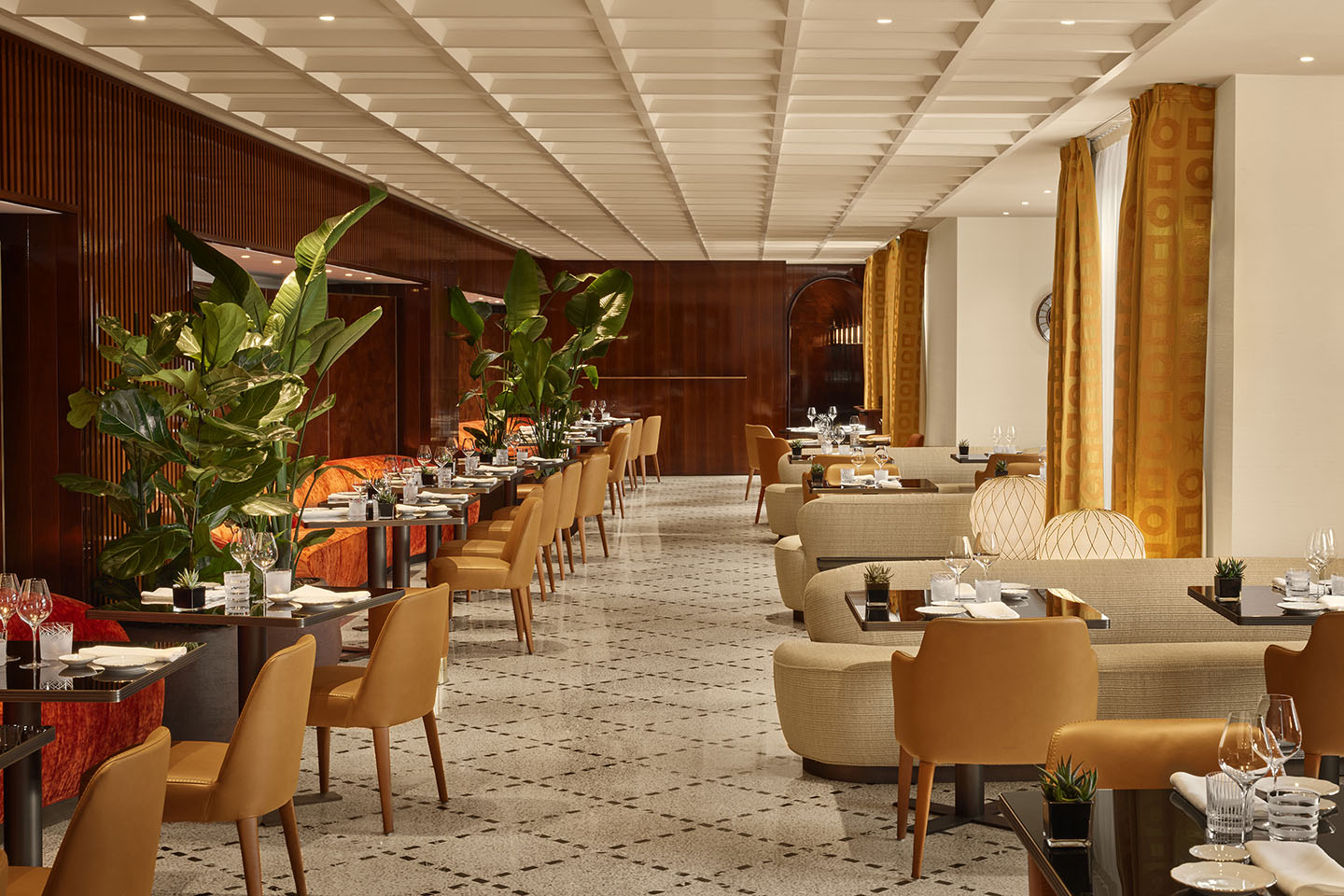
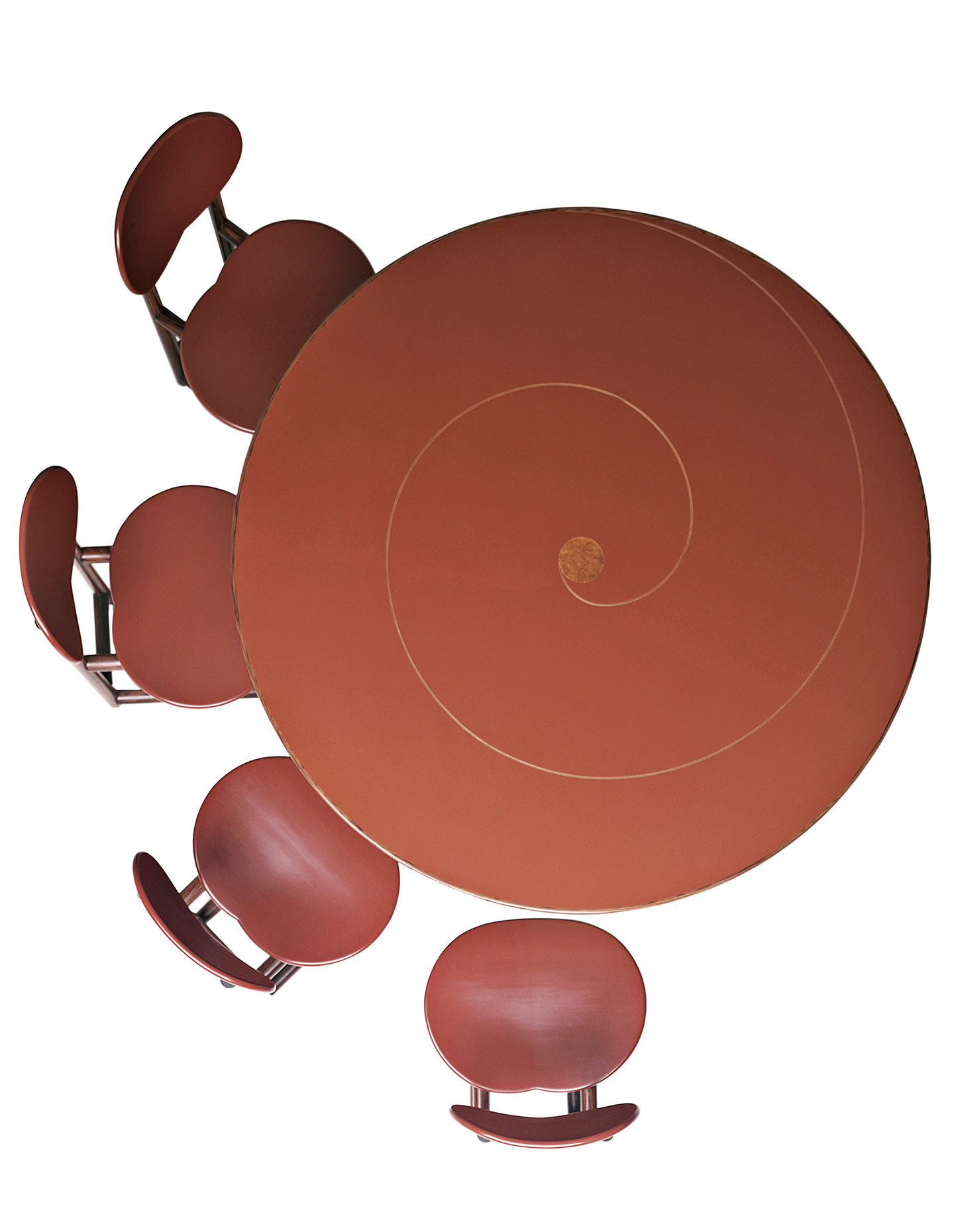
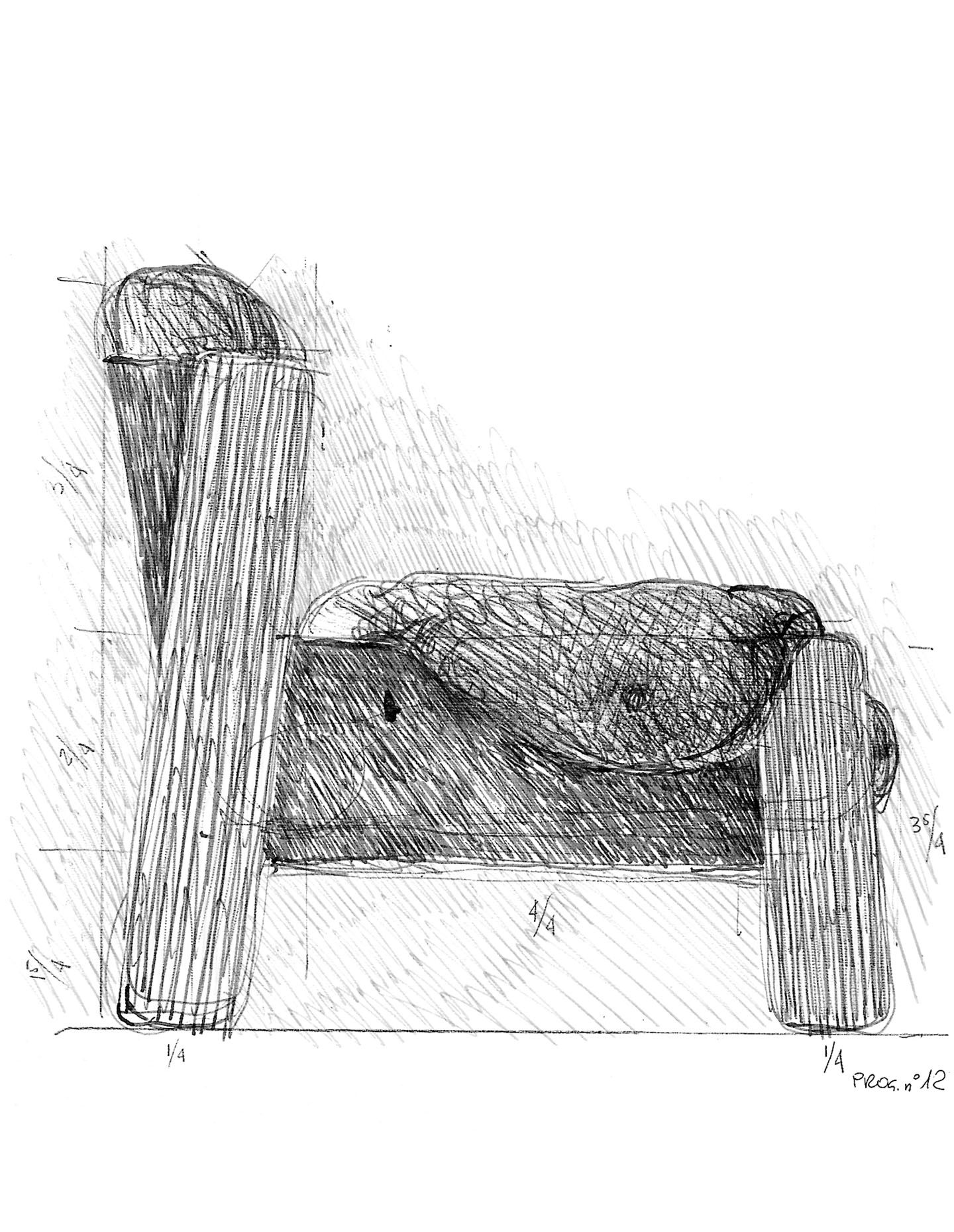
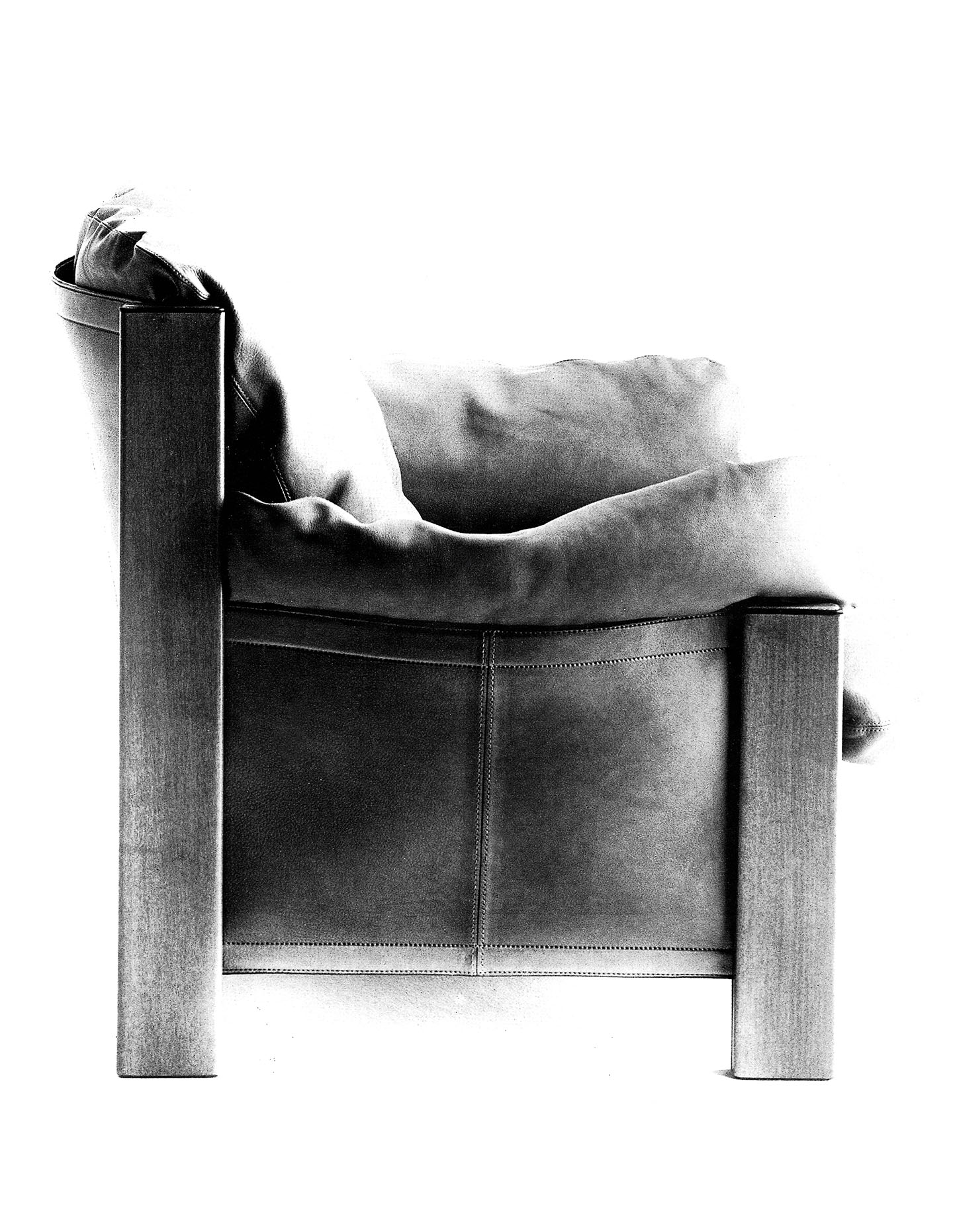
The early collections by Afra and Tobia Scarpa embodied this ethos by drawing on such time-honoured techniques such as solid wood joinery, carved details, saddle-stitched leather and classic varnishing methods. These objects were conceived not just as furniture but as vehicles of cultural continuity – products with tactile and emotional resonance that offered a response to the growing complexities of modern life. Maxalto’s collaboration with the Scarpas introduced a sense of material dignity and quiet refinement to interiors, reflecting a broader societal desire to re-establish calm and order in domestic life amid socio-economic uncertainty.
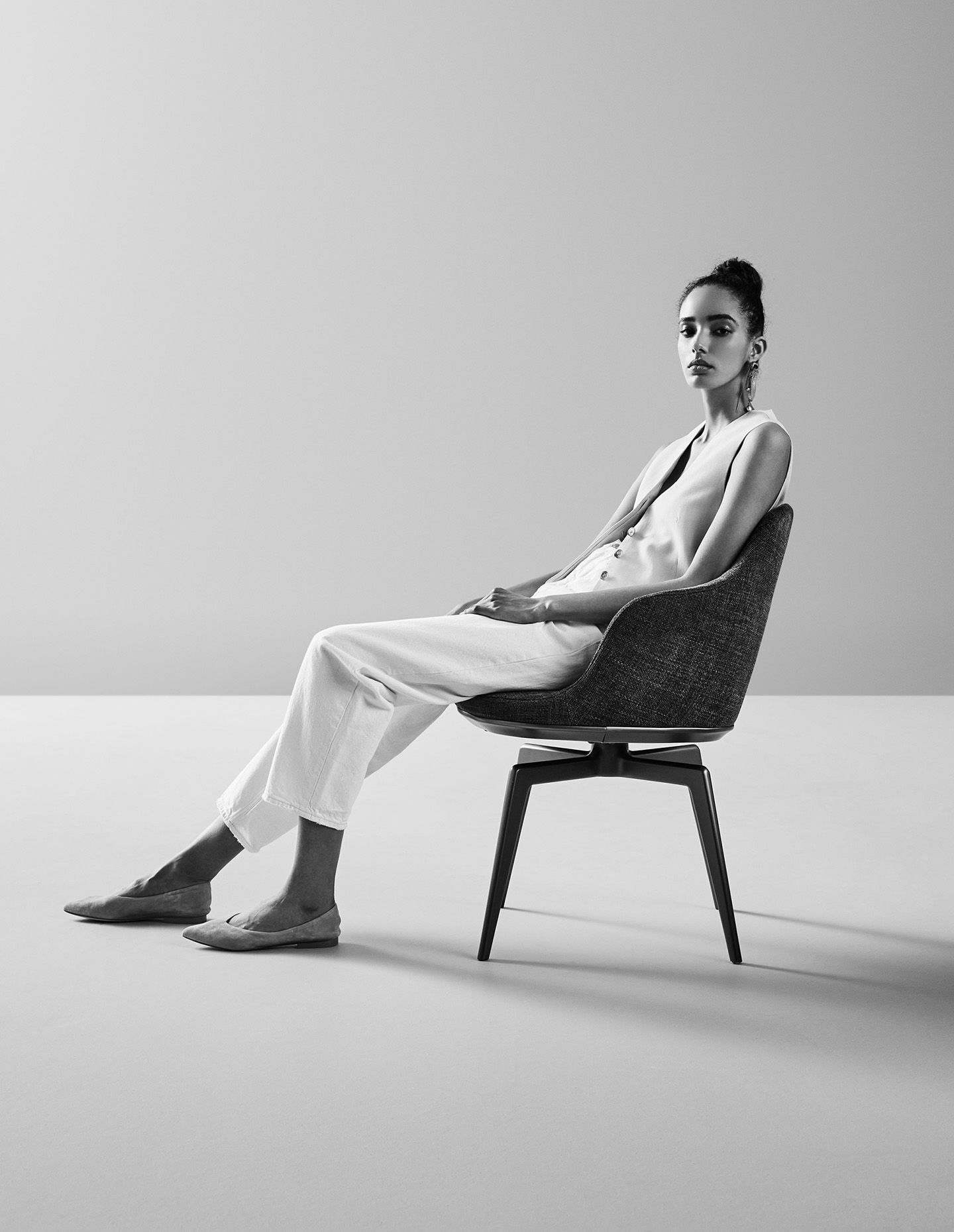
Antonio Citterio took over Maxalto’s creative direction in 1993, initiating a longstanding collaboration that continues to shape the brand. His approach emphasised serene proportions, enduring materials and understated elegance for a furniture designed not to impress in passing but to age gracefully over decades of use. The collections under his direction deliberately eschew stylistic categorisation, instead allowing the qualities of construction, finish and proportion to speak for themselves. His work with Maxalto is often described as an autobiography, embodying restraint and an avoidance of overt signature.
More from Milan with Philippe Starck
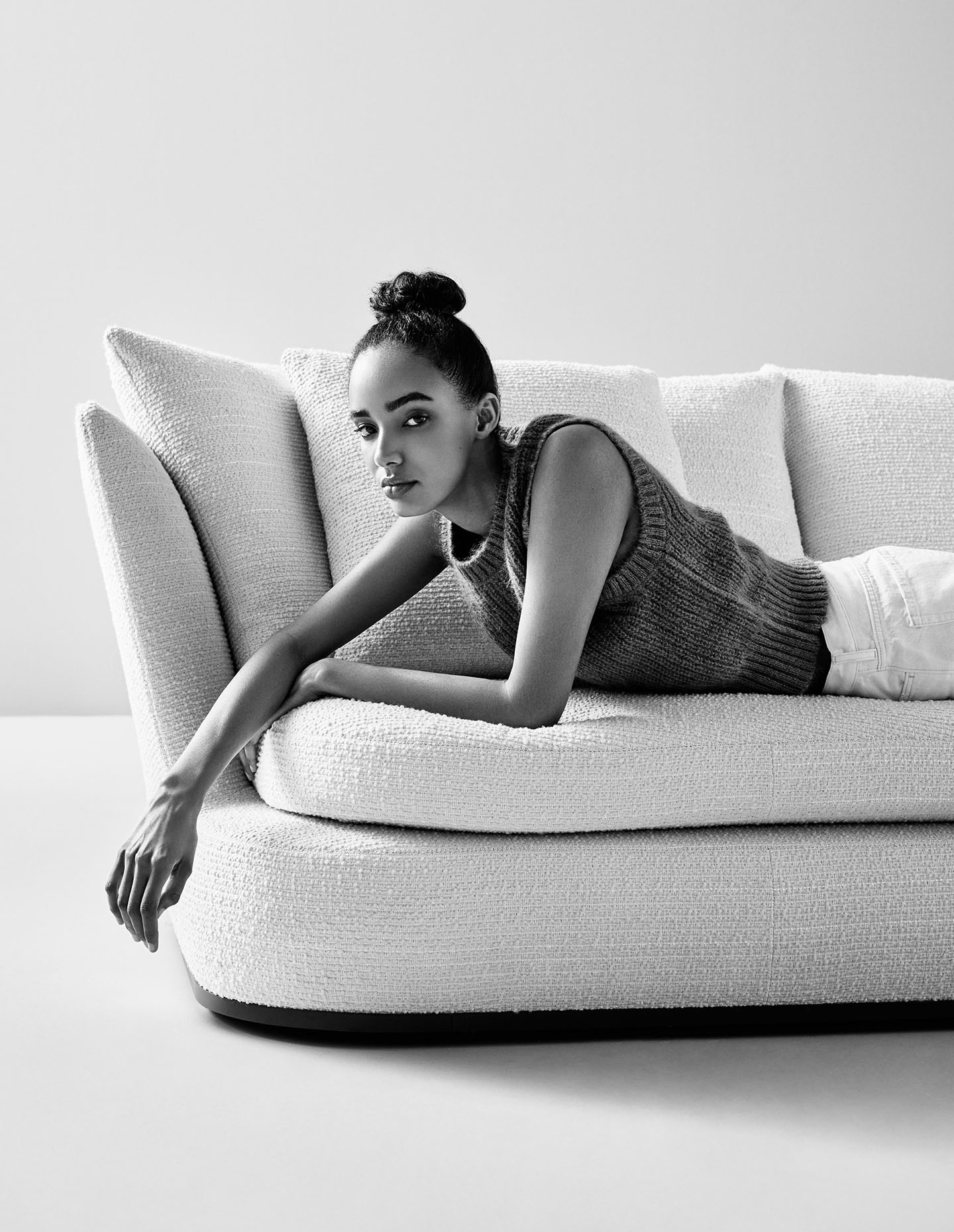
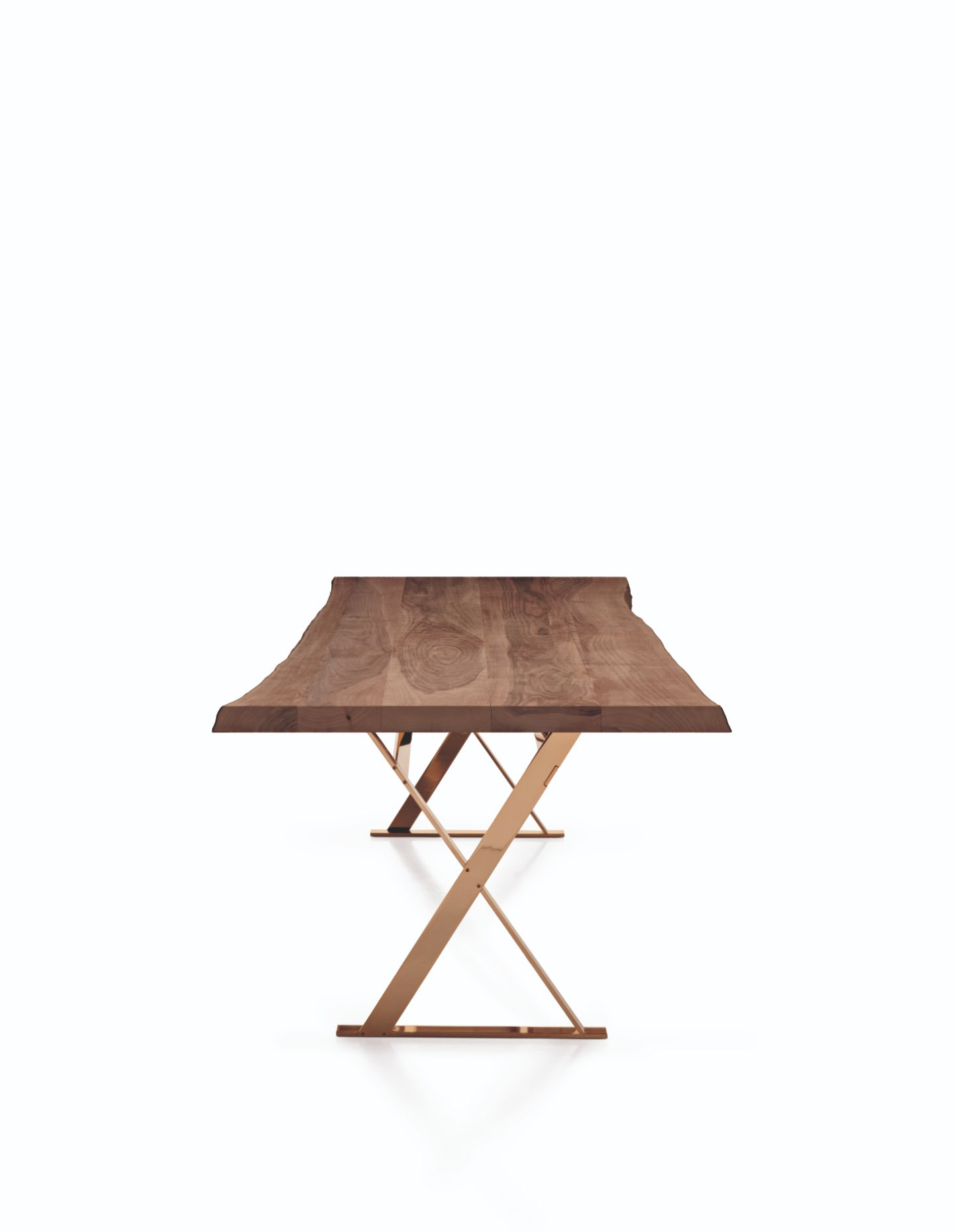
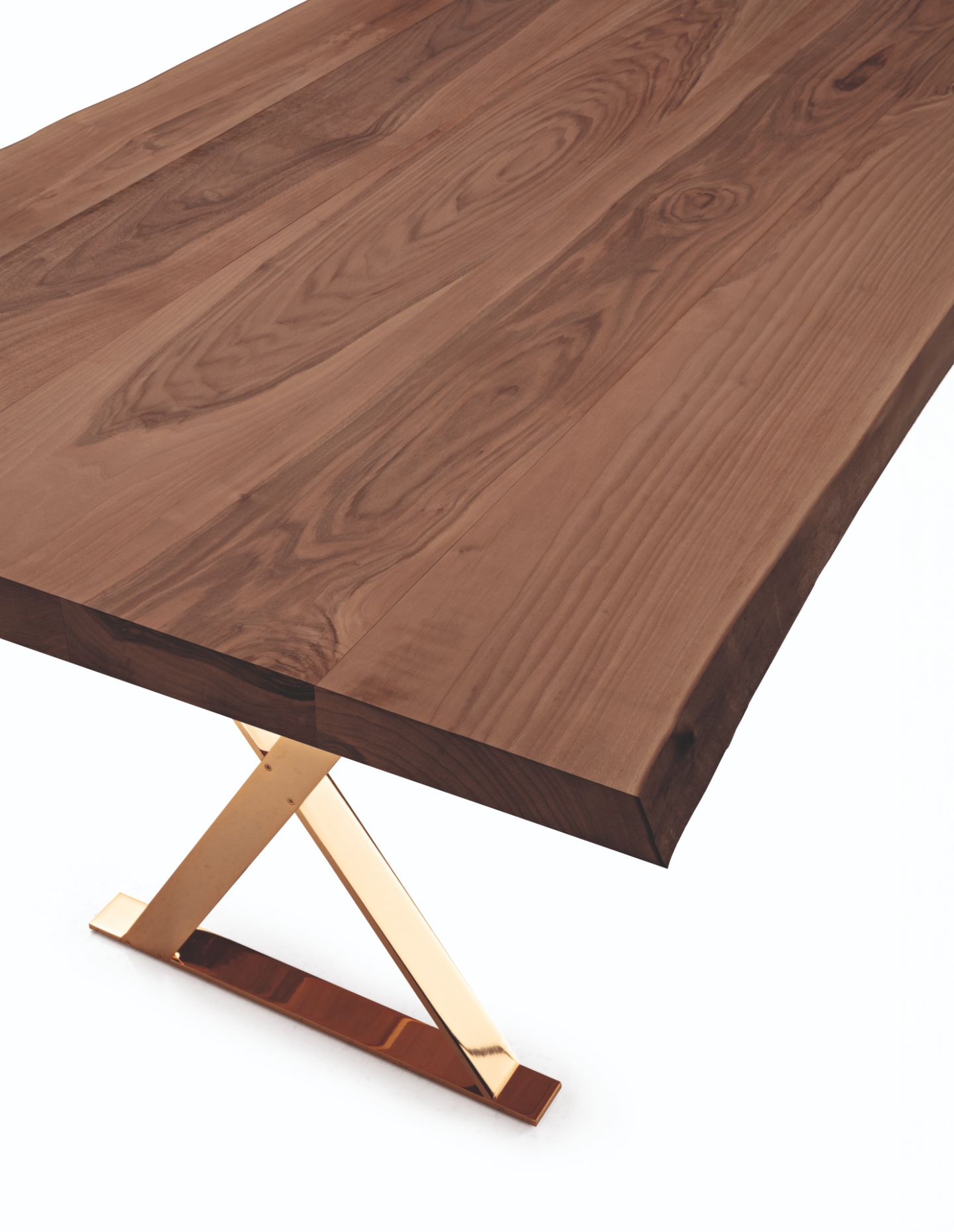
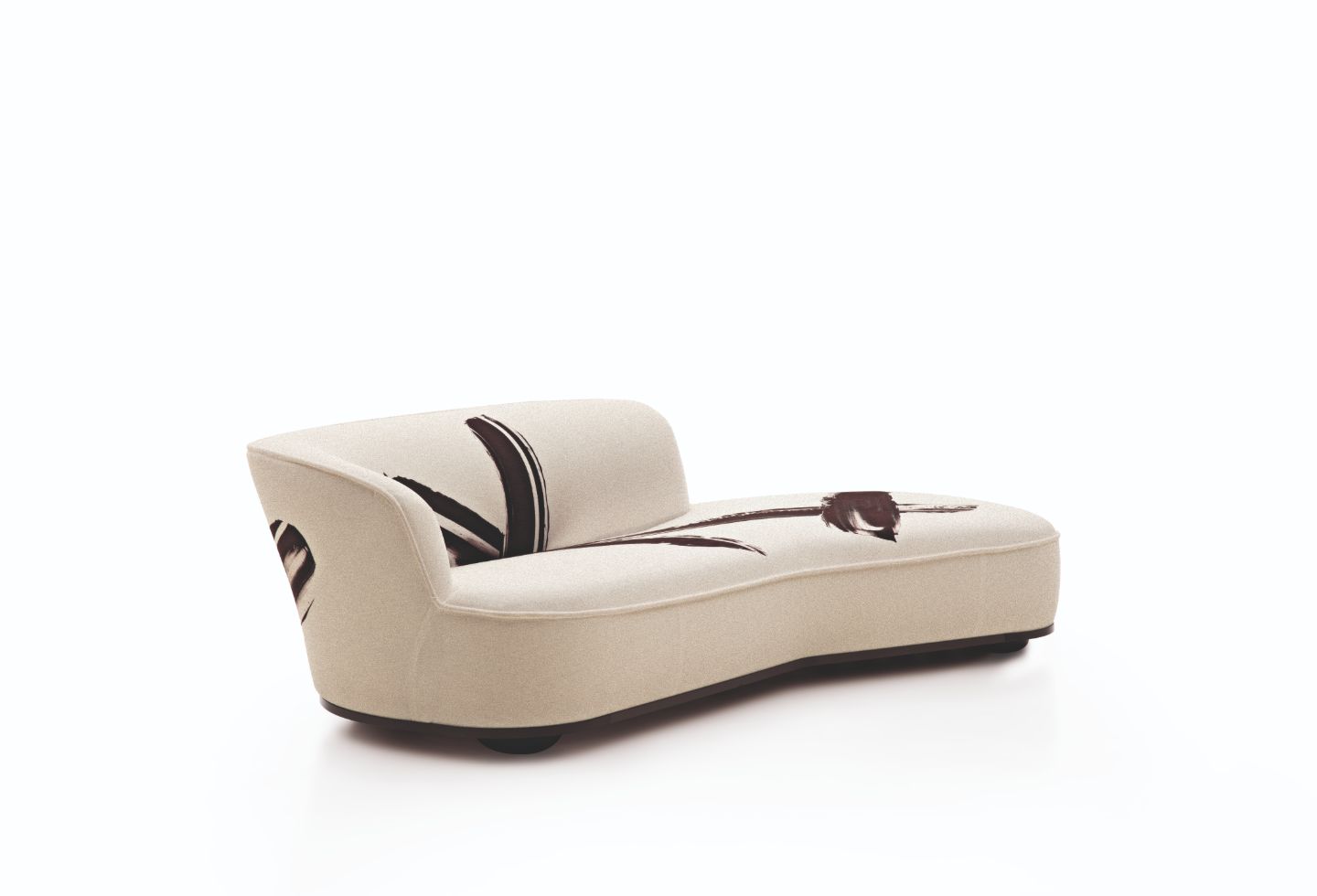
In celebrating its 50th anniversary in 2025, the brand also returned to Milan Design Week with a series of limited editions that underscore its enduring values while embracing evolving expressions. Among them is the Lilum dormeuse, produced in just 50 pieces and upholstered in a fabric featuring original artwork by Dutch artist Patrick van Riemsdijk. His calligraphic brushwork echoes Maxalto’s affinity for balanced contrast, bridging minimalism and ornament in dialogue with form and function. The Pathos table was another appearance at Salone del Mobile, a piece reimagined by Citterio in 2011 and released here as a special 50-piece limited edition with a bronze laser-cut structure and untreated solid Italian walnut top.
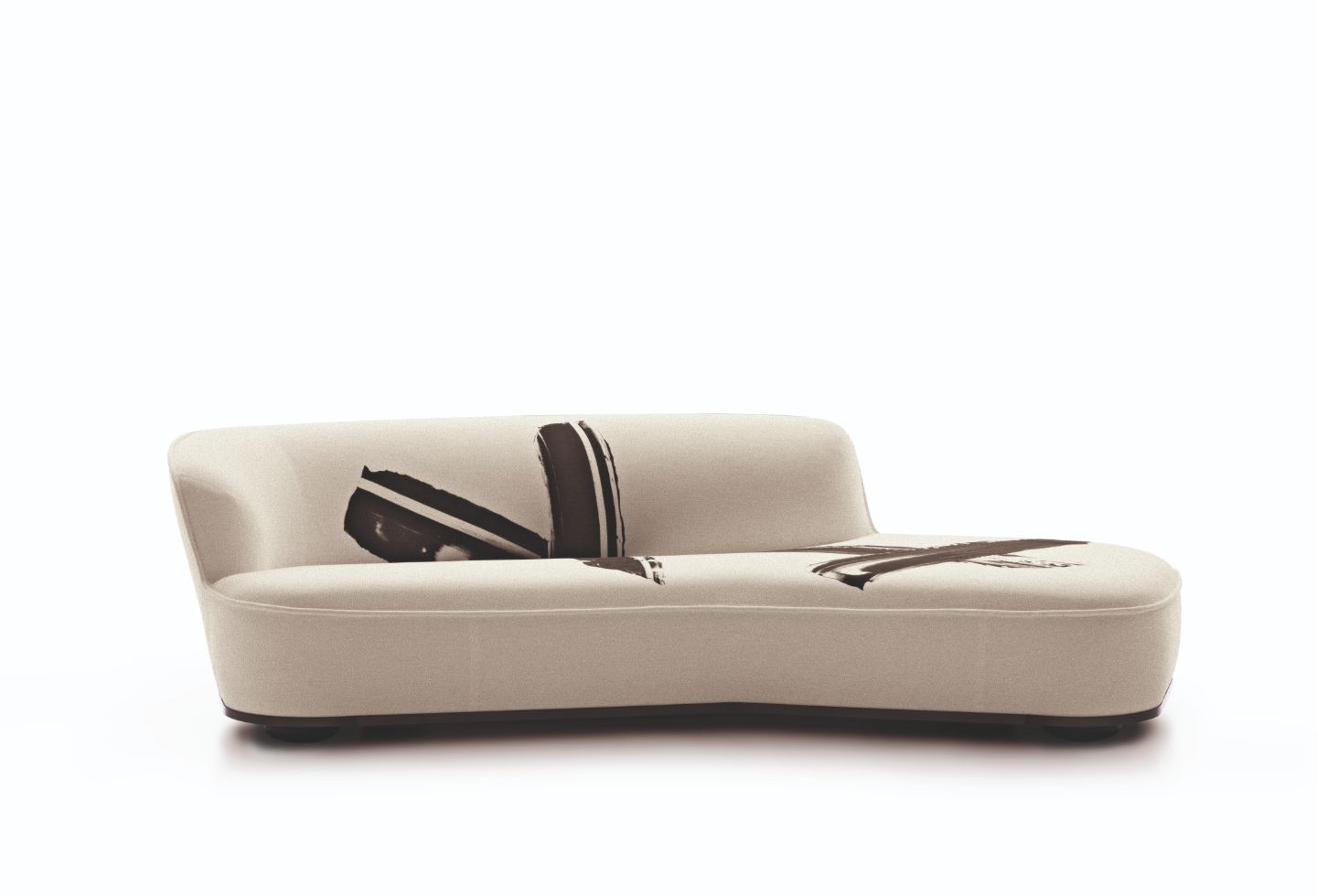
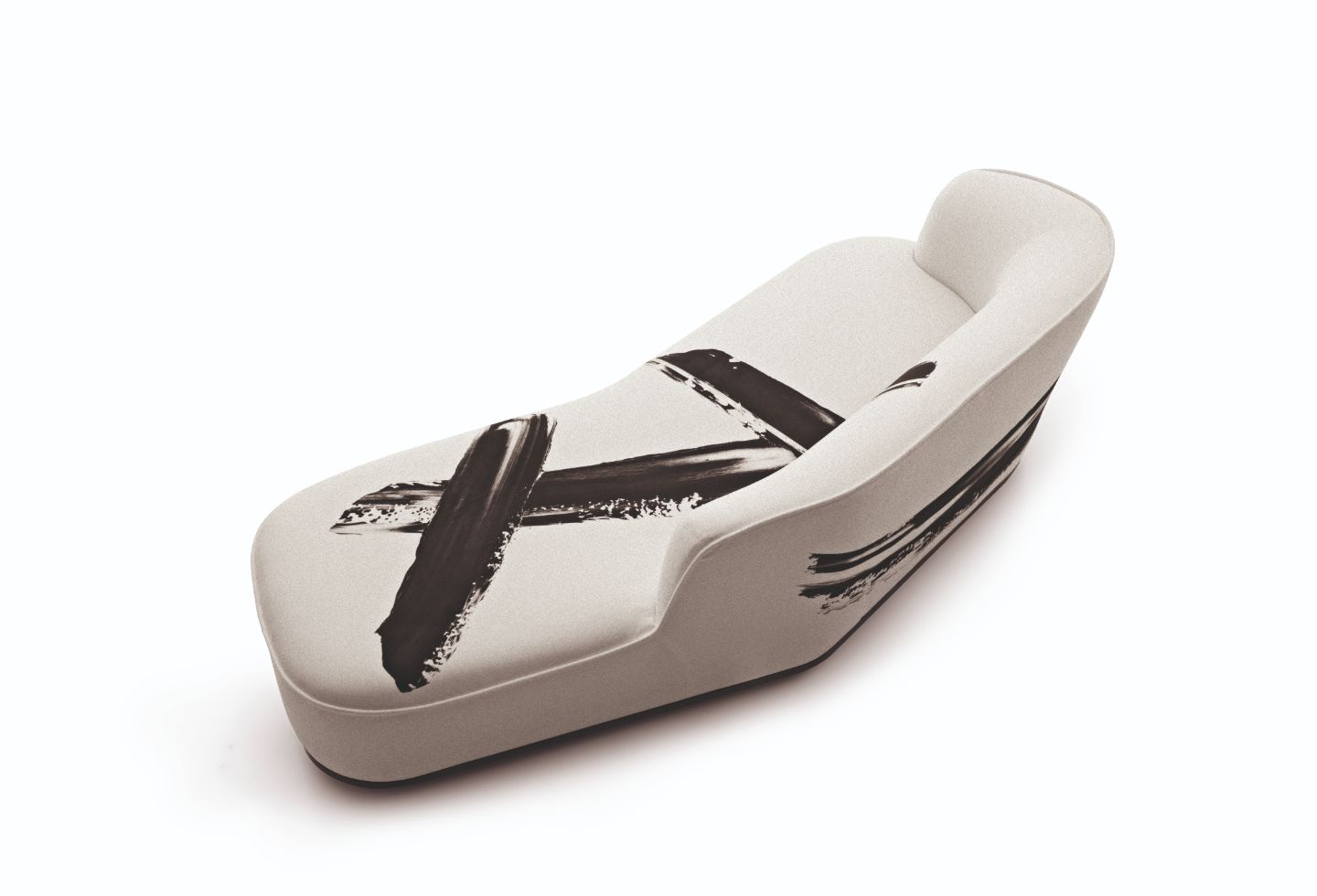
These new editions reflect Maxalto’s ongoing engagement with artistic collaboration and material refinement, extending the brand’s legacy into contemporary culture while maintaining its core focus on craftsmanship, tactility and timeless design. Now part of the B&B Italia Group, Maxalto continues to operate as a distinct voice.