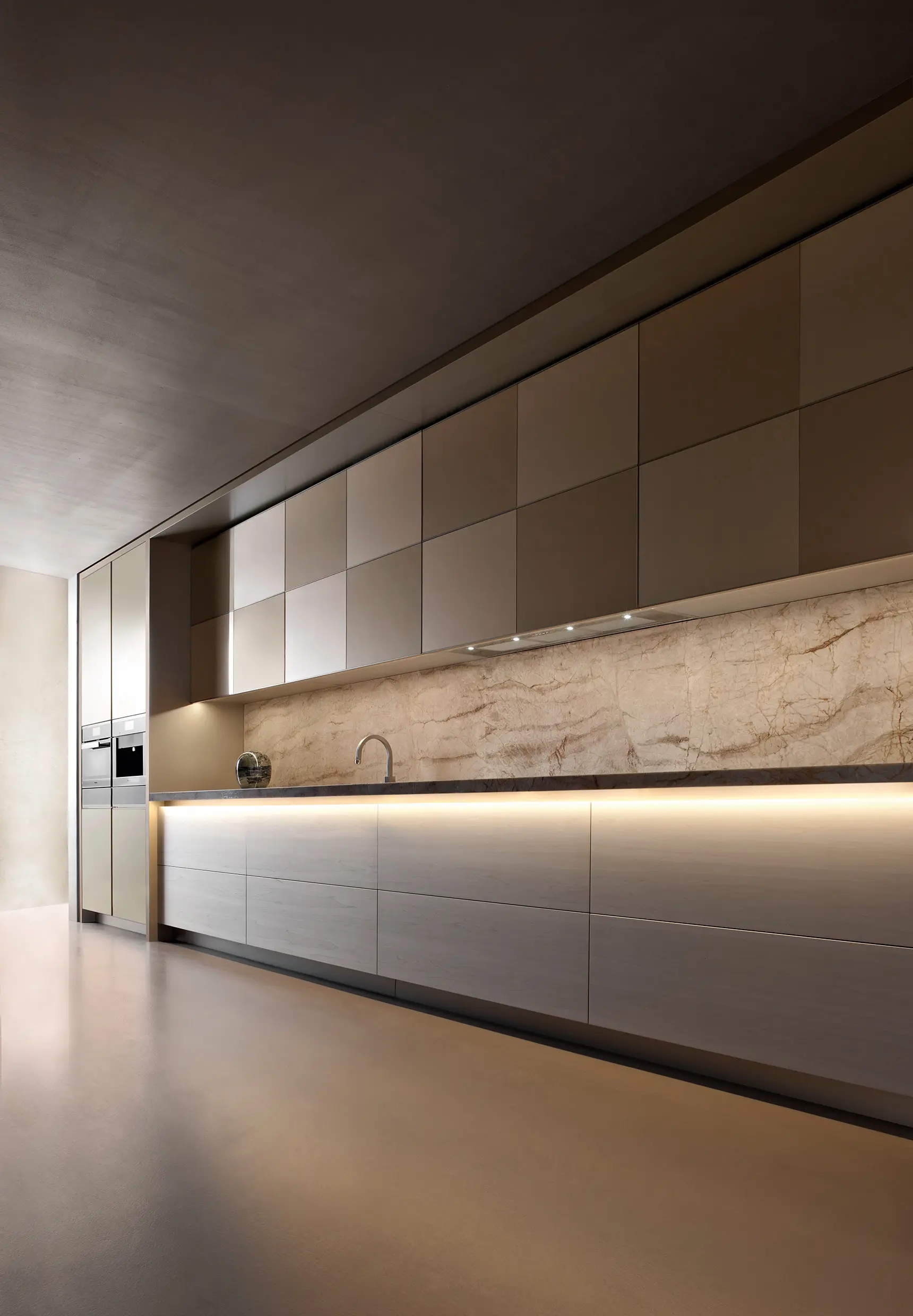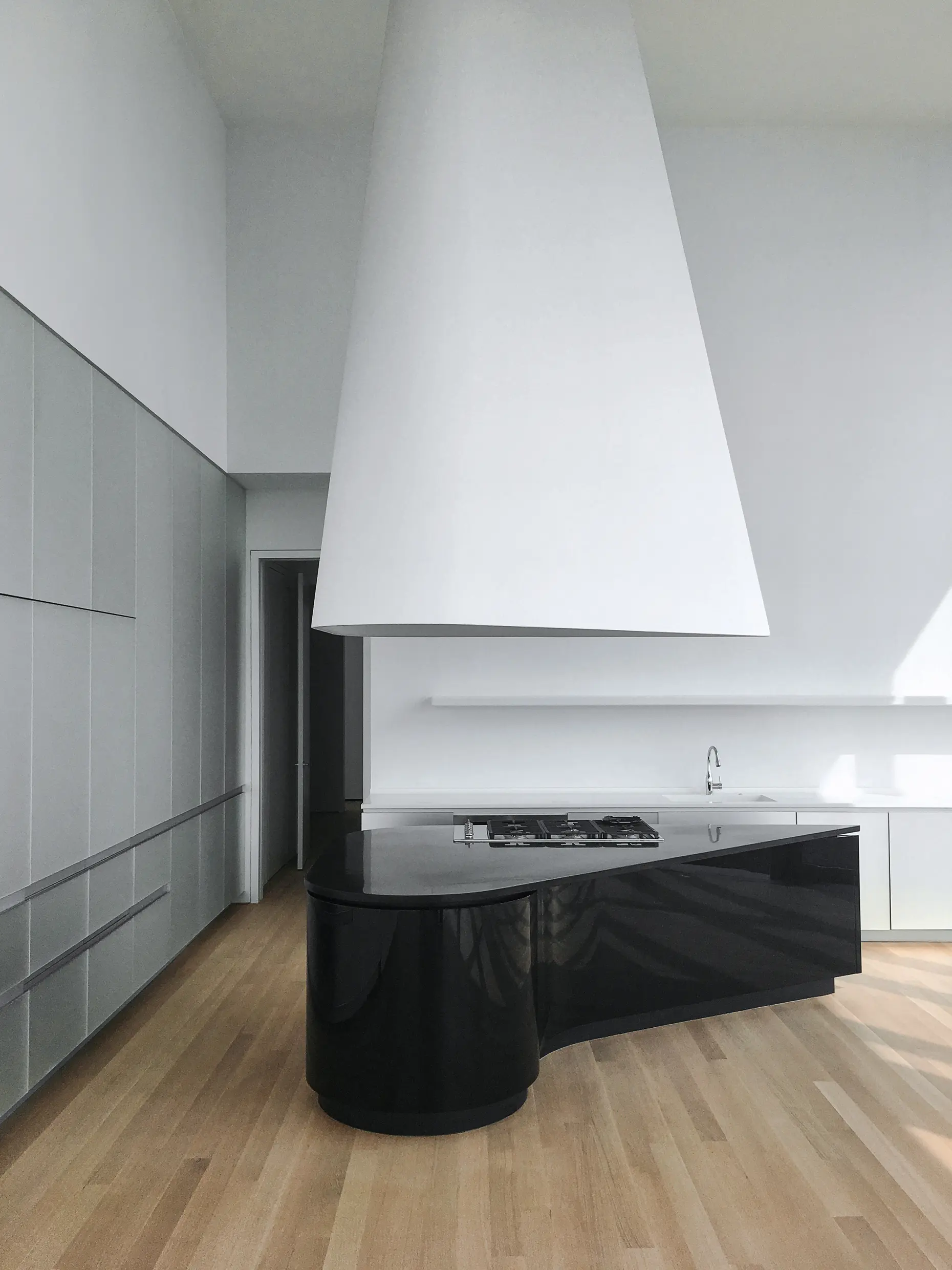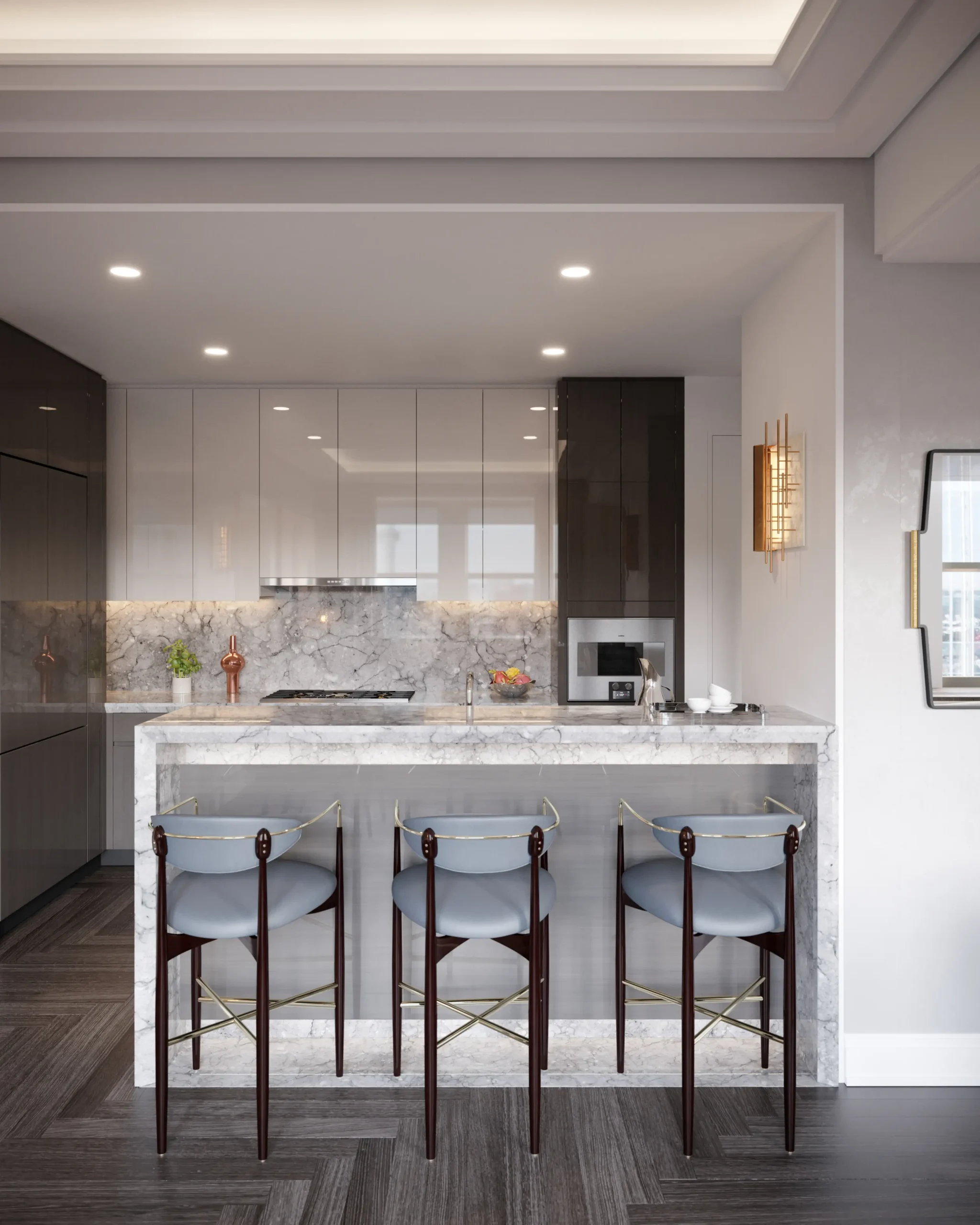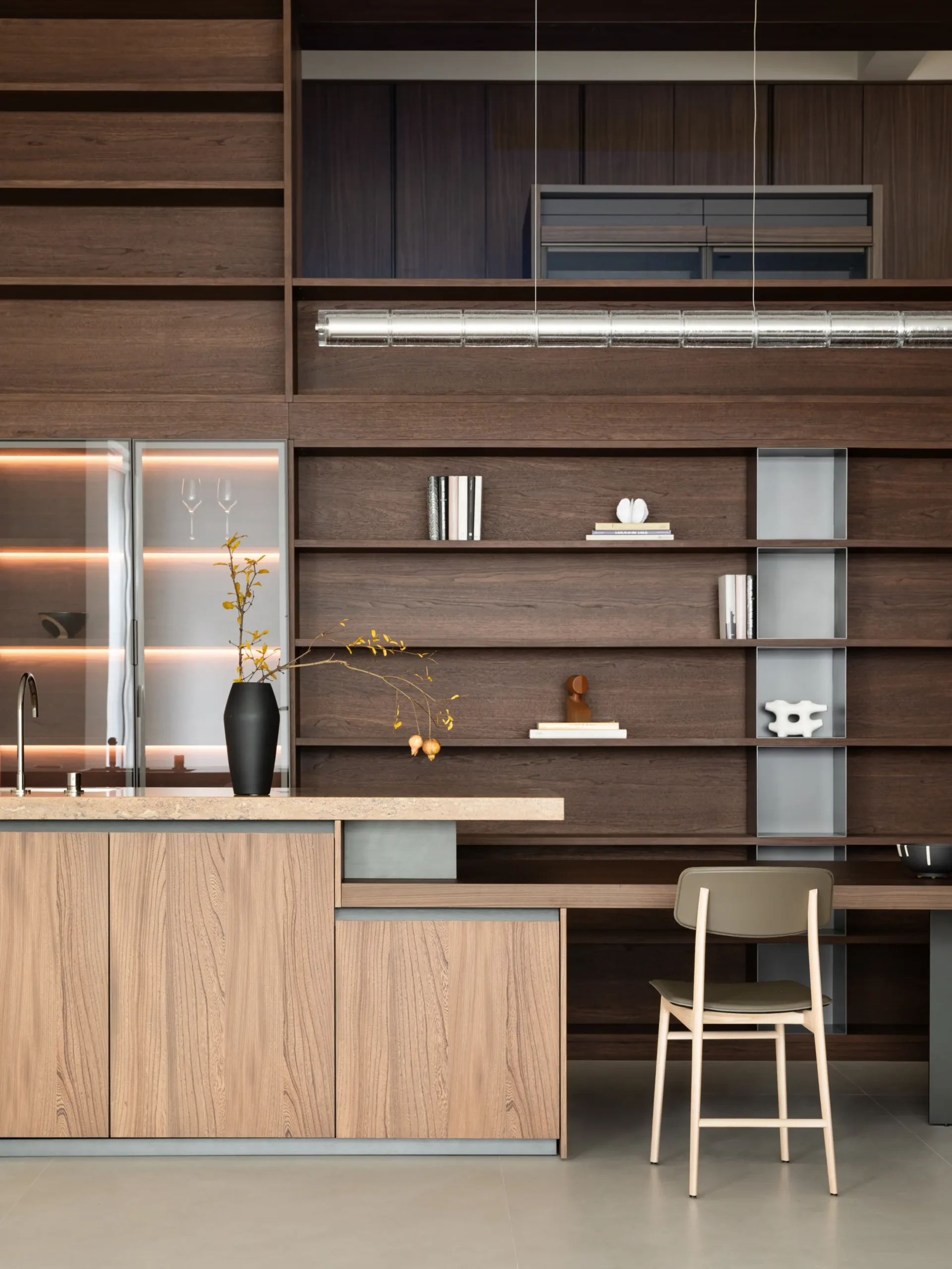

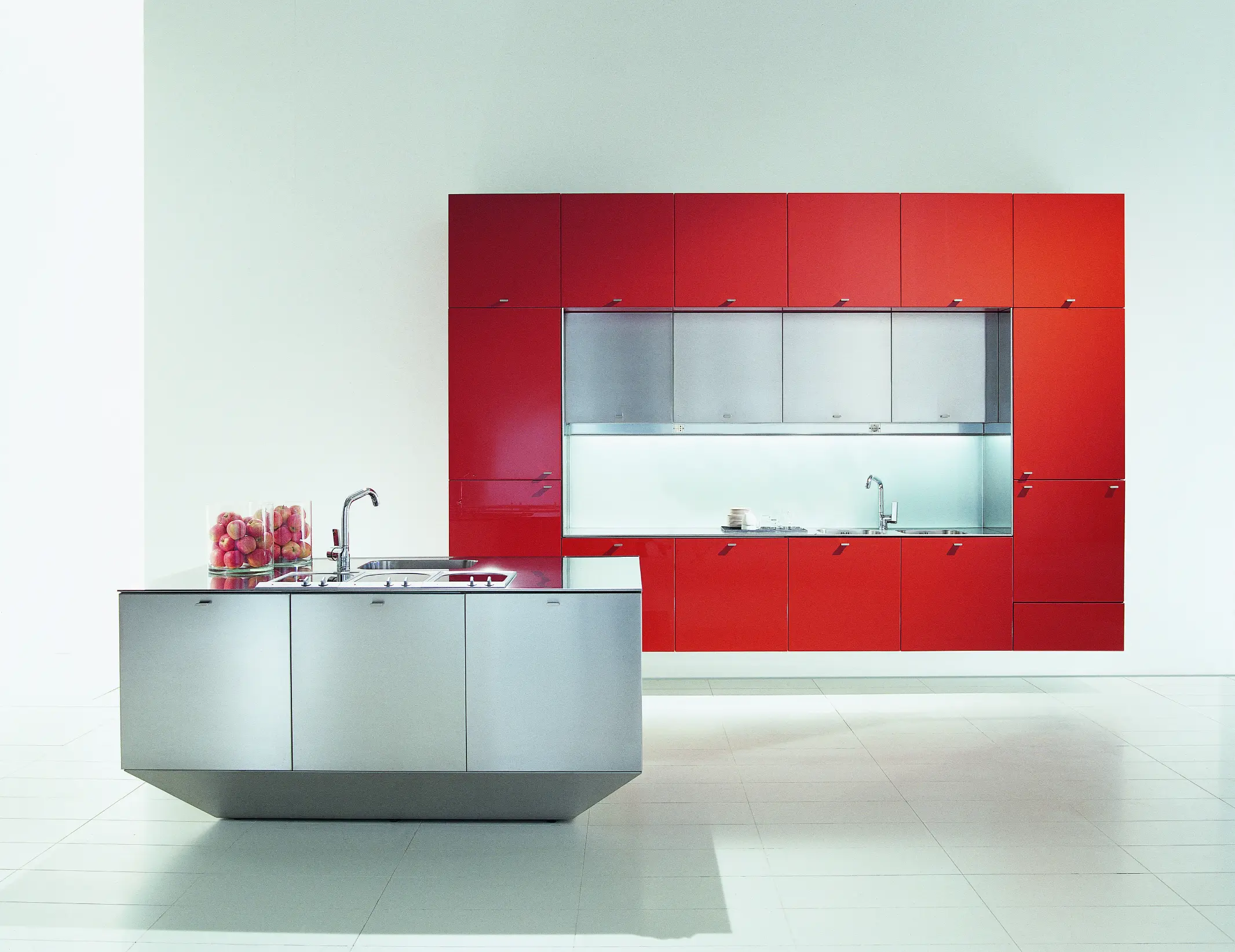
In 1926, a small workshop founded by Angelo Garavaglia opened in the Italian town of Marcallo, near Milan, with the ambition to build kitchens in-house and maintain control over every stage of production. The company began as an artisan workshop producing durable, well-crafted kitchens, setting early standards for quality and functionality. After WWII, it evolved into an industrial furniture business led by the Garavaglia family, embracing new technologies and shifting toward mass production. This growth culminating in the launch of the Dada brand in 1972, as kitchens became more modern and central to daily life. And, over the following decades, Dada grew from a regional workshop into one of Italy’s most influential kitchen makers.
A century later, the brand’s original commitment to craft and in-house production remains, but the scale of the company has dramatically expanded. The turning point for the brand came in 1979, when Dada joined the leading Italian designer furniture brand Molteni&C, evolving into Dada Engineered while preserving the heritage of the Dada brand. Today, the company creates bespoke kitchen systems for prestigious addresses from penthouses in Manhattan and private villas in China, to Victorian mansions in London, all with the same attention and care that have always defined its approach to kitchen design.
The brand can also be found at the heart of the world’s most ambitious architectural projects. Herzog & de Meuron commissioned 146 custom kitchens for the luxurious residences at 56 Leonard Street in New York; Norman Foster collaborated with the brand on the Place kitchen for the residences at Albion Wharf in London; and Giorgio Armani chose Dada for his residential towers around the world.
“The centenary is both a milestone and a moment of reflection,” says Giulia Molteni, CMO of the Molteni Group and a member of the third generation of the Molteni family. “For us, it’s not only about celebrating heritage, but about reaffirming our vision for the future and continuing to innovate while staying true to our roots.”
The partnership between Molteni&C and Dada was key in the evolution of the brand, not only introducing access to advanced manufacturing technologies but also to designers such as Luca Meda, who helped establish Dada as a high-end brand globally. “Collaborations with leading architects and designers have expanded our perspective, allowing us to reinterpret the kitchen in new and unexpected ways,” says Molteni of these partnerships.
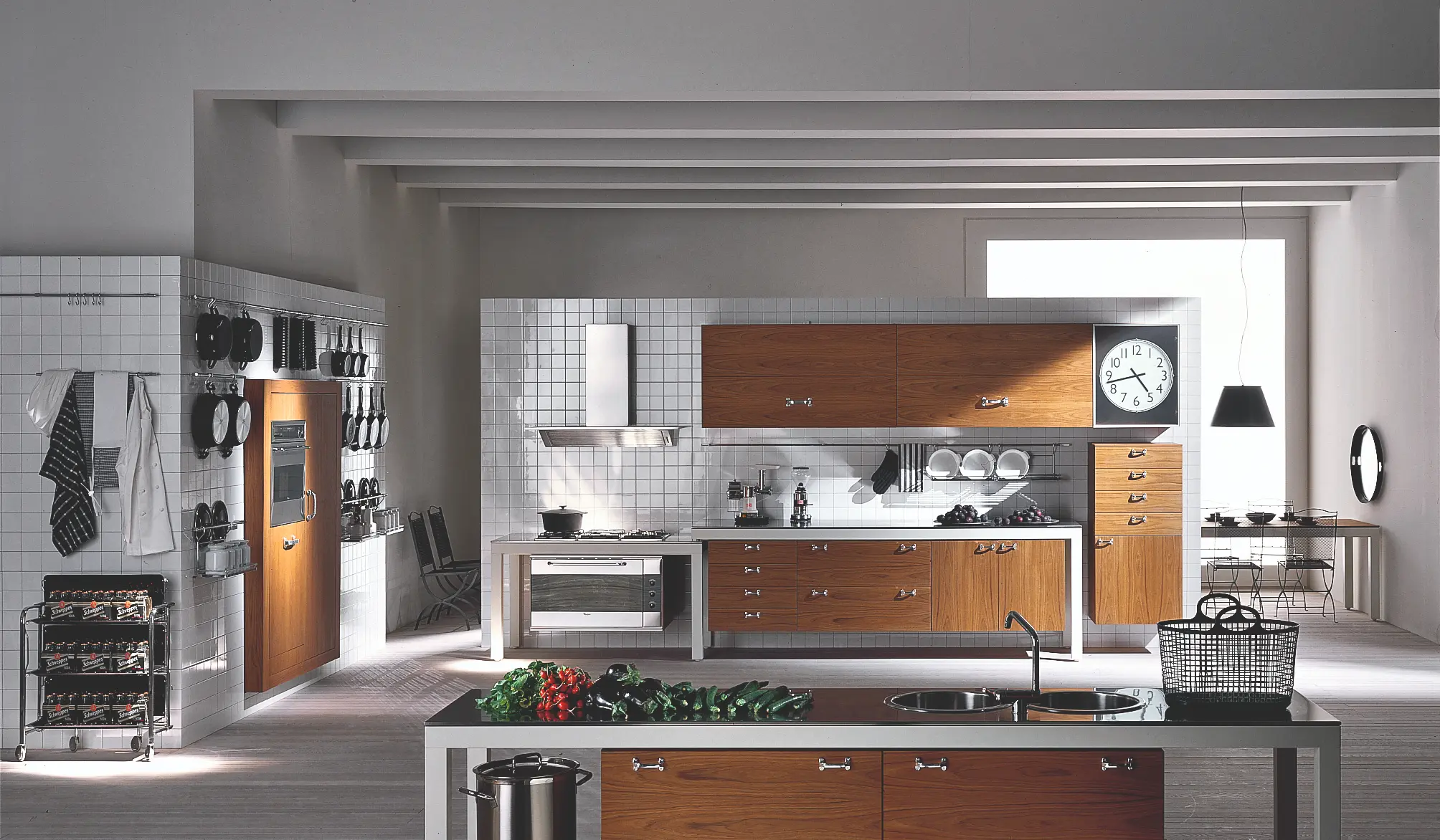
The innovations that followed over the next decades both adapted to and shaped shifts in the way we cook, entertain and live – such as the Fold&Slide system that transforms the kitchen into a functional workstation, and collections that offer an increasingly flexible and modular approach to kitchen design. “Molteni&C kitchens are not just kitchens, but integrated systems concealing advanced technologies,” says Molteni.
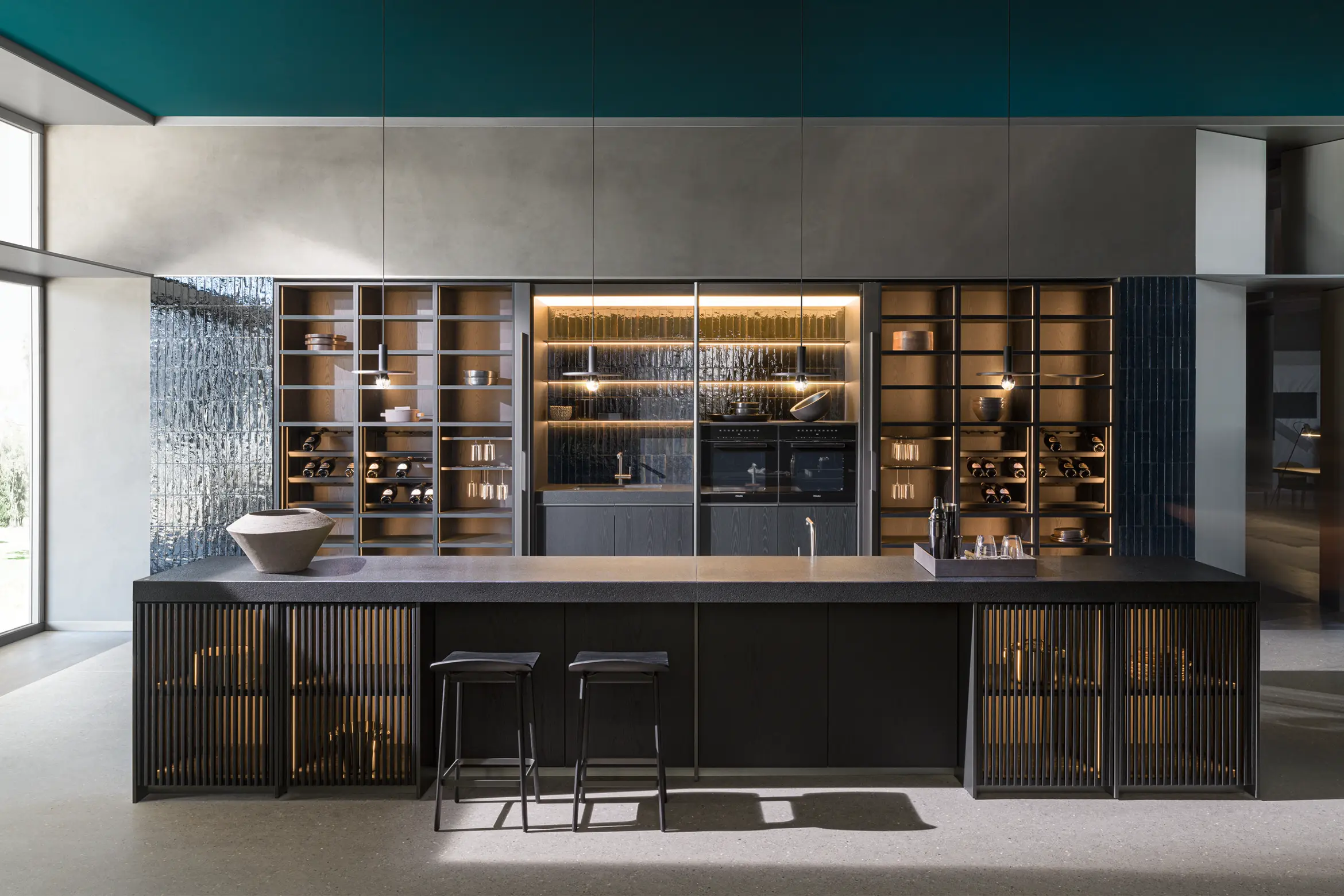
The appointment of Belgian architect Vincent Van Duysen as creative director of Molteni&C in 2016 brought another shift. The Belgian architect introduced monolithic volumes, rigorous proportions and a tactile material language with VVD and Ratio, which imagined kitchen systems as architecture within architecture. The VVD kitchen, Van Duysen’s signature design for Dada, is defined by an interplay of materials and a rhythm of solid forms and voids, with refined details such as finger-recessed handles and stone sink bowls that add a sculptural quality.
This year, Van Duysen marks Dada’s centenary with Physis, a kitchen that takes his signature organic lines even further – and which will be installed in the Molteni&C Sydney flagship store in early 2027. The design of Physis is defined by rounded forms, transparent glass doors and open compartments that create openness, and units that share a unified construction logic. Warm LED lighting is integrated throughout to highlight and celebrate the quality of the wood veneer, marble and aluminium finishes – materials that take their cues from living spaces. “We have always believed that design should enhance the culture of quality living,” explains Molteni. “Projects like Physis point towards systems that are increasingly cohesive and global in their language.”
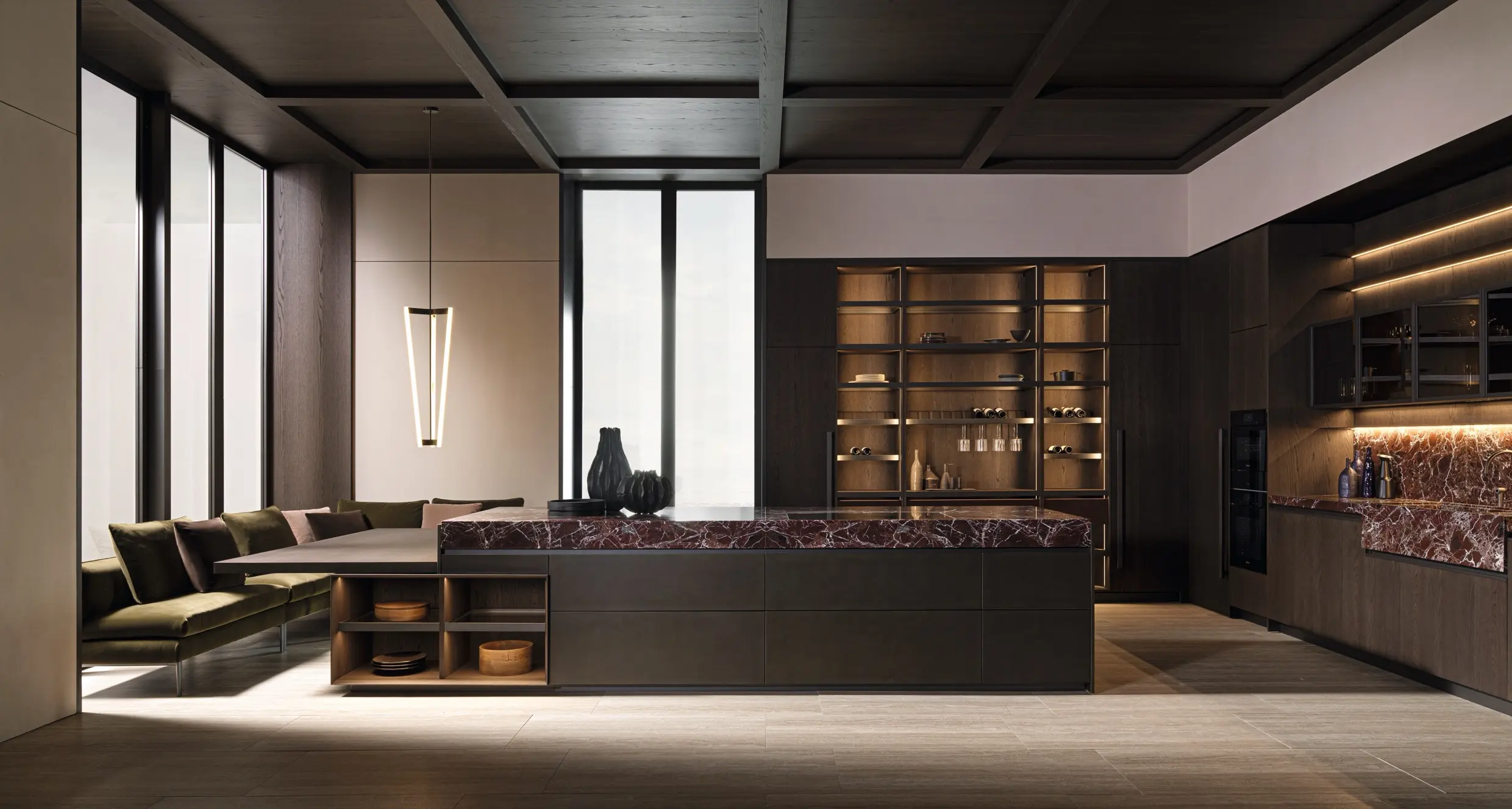
This fluidity between kitchen and living space is often found in the way Molteni&C kitchens are installed, with the considered material palette offering a seamless connection to the rest of the home. In north London, for example, a Victorian house near Hampstead Heath designed by Lawson Ward Studio features Van Duysen’s Intersection kitchen in Quartzite Cielo and Sunrise Oak. The natural textures and muted tones of the kitchen offered a point of reference when developing the material palette that runs through the entire home.
As the Molteni&C kitchen division heads into the next century, it will continue this trajectory, creating kitchens that are the architectural and emotional centre of the home. “We will keep investing in research, advanced technologies, and sustainability, while further developing the idea of the kitchen as a fluid, architectural space,” says Molteni. “At the same time, our goal remains unchanged: to create timeless solutions that respond to contemporary living, while anticipating the needs of tomorrow.”