
James Maroun still has a petrified African timber side table he bought twelve years ago. Every visitor to his home asks about it. “It’s not a piece of furniture you’re going to let go lightly,” he says. “It’s something you’re going to hold on and live with.”
It’s this thinking that underpins TheEND, the Paddington lifestyle brand Maroun founded after noticing a pattern among his architecture clients. They were tired of mass-produced uniformity. They wanted pieces with integrity, materiality you could feel, stories you could trace back to human hands.
“There was this curiosity and desire for returning to raw materials and objects which are true to what they are,” Maroun explains. His architectural background gave him an appreciation for construction, but travelling to undiscovered villages and working with local artisans shifted everything. “You’re buying furniture that’s actually more of an art piece. The story is just as beautiful as the finished piece.”
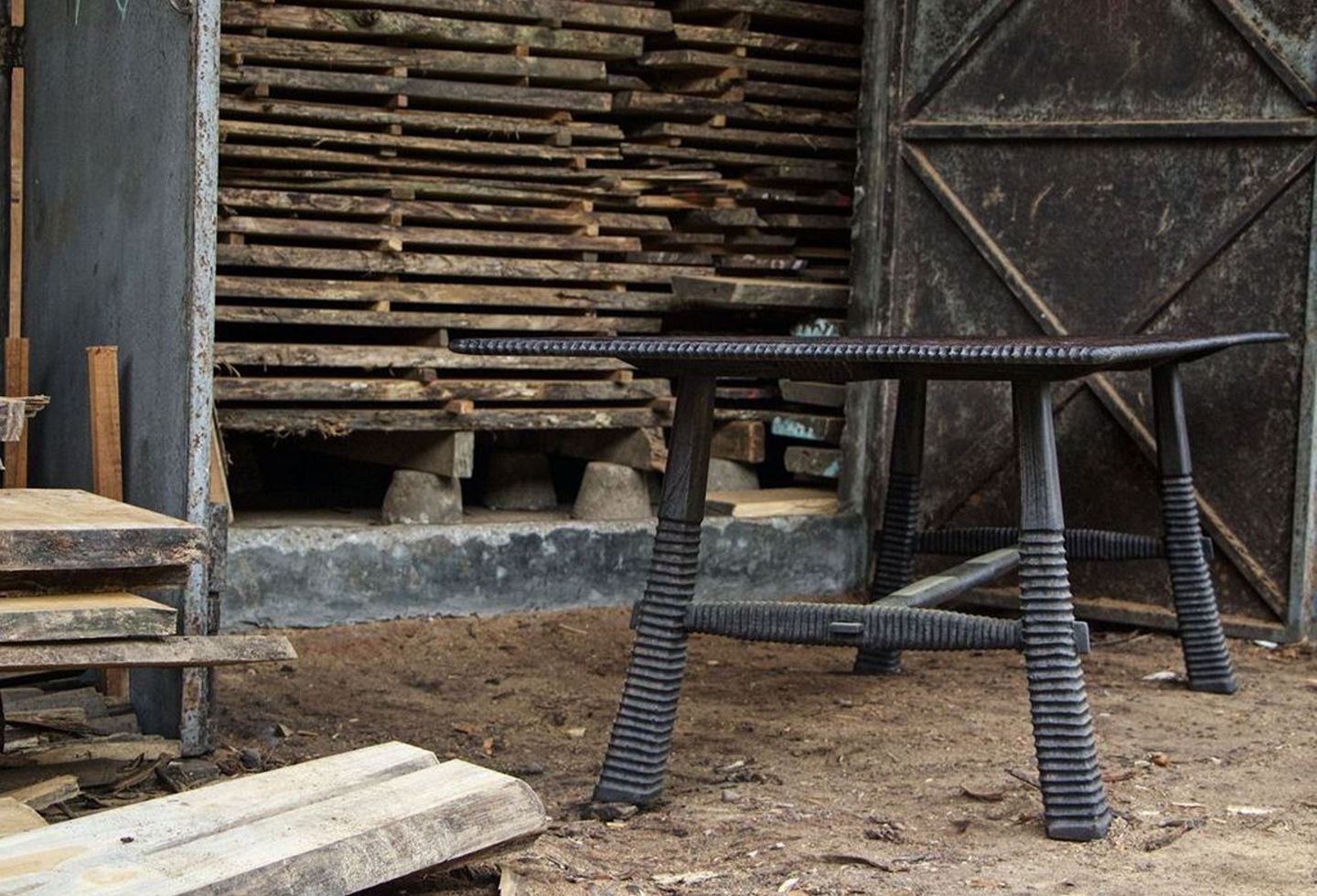
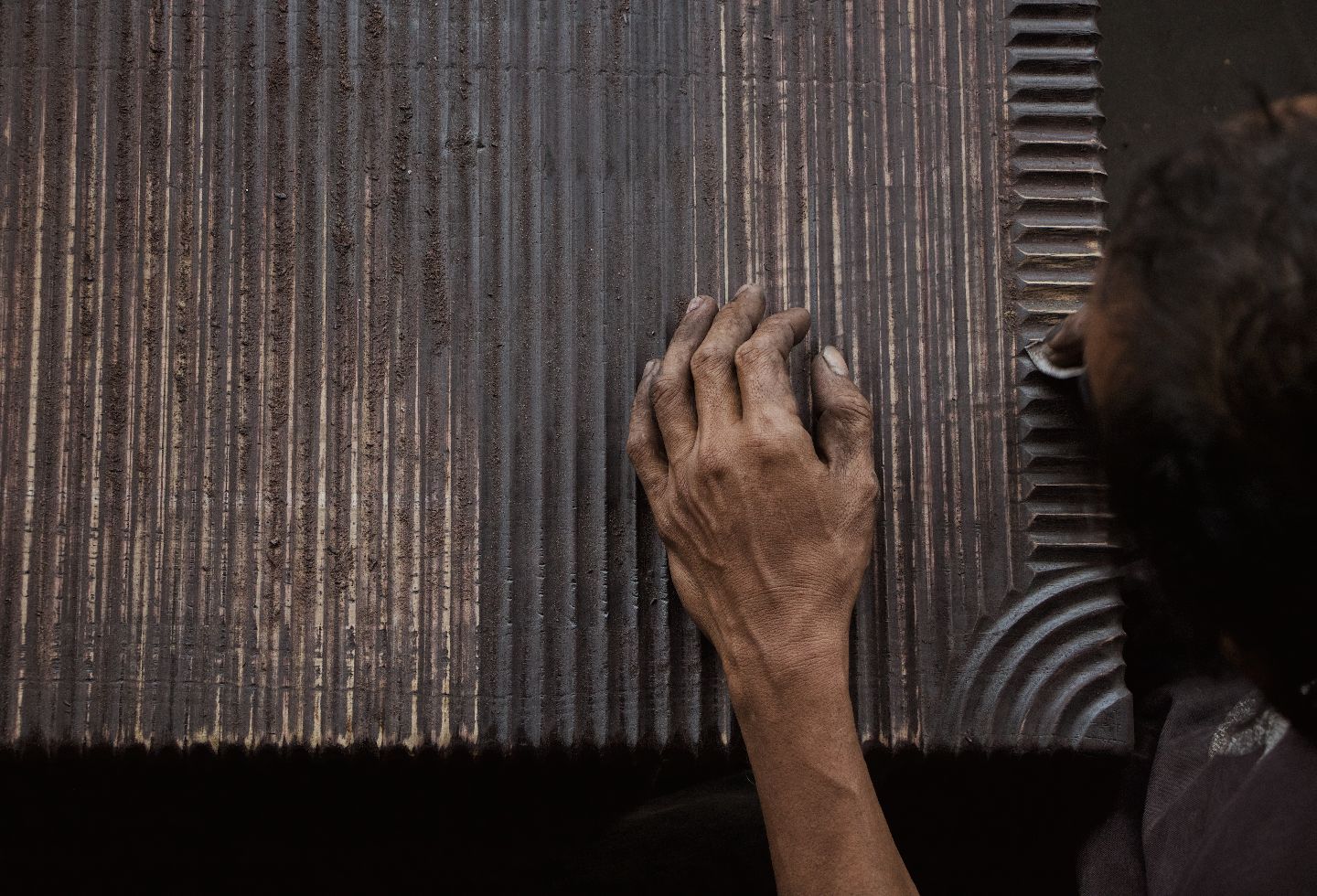
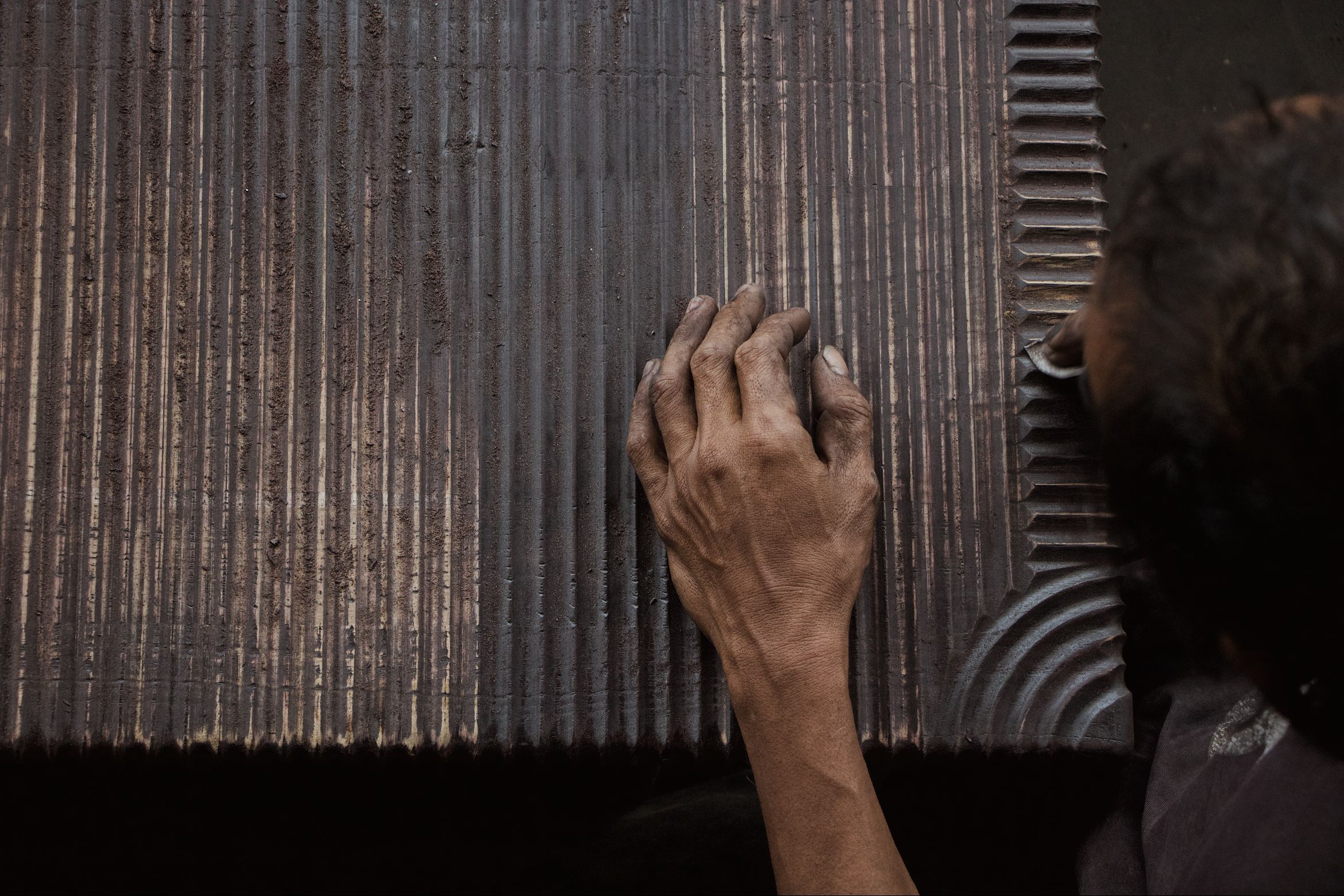
The Maui Collection exemplifies this entirely. At its heart is a father—a generational woodworker—and his love for his daughter. The collection uses timber harvested from logs aged between 75 and 100 years, dried in a kiln for seven days, then carved using traditional techniques that no machine could replicate. “Our pieces feel deeply human,” Maroun says. “As much as they’re refined, there’s this play of taking real primitive forms and putting them in very refined and elegant interiors.”
Sitting at one of TheEND’s tables, the texture draws you in first. The form holds your attention. “We’re actually trying to credit the artist and respect their trade,” Maroun says. In an era saturated by mass production, TheEND leans into imperfection. “We’re watching our customers—they’re loving that things are off form, a little bit abstract, less polished.”
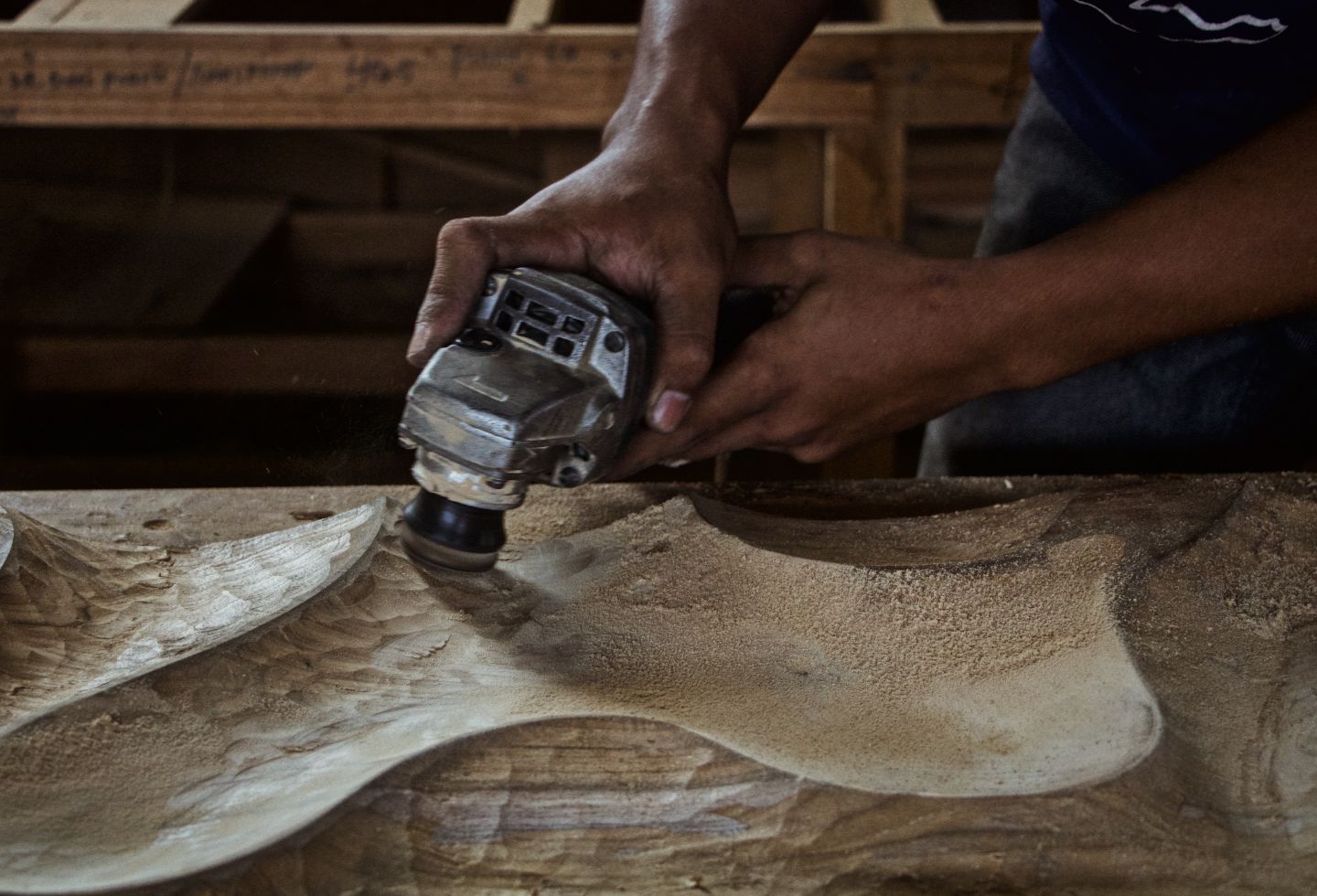
For Maroun, it’s essential to understand each artist—how their trade evolved, how their story informs their work, what they’re bringing that’s undiscovered. “Australia, we’re quite closed off. We don’t have a lot of access to these undiscovered artists. I really want to dig deeper—who are actually the hands touching these pieces?”
It’s this human-to-human lineage that TheEND protects. The selection balances the primitive and raw with the realities of the Australian market—pieces that can live in a Paddington terrace without losing their integrity. “We’re still accessible,” Maroun notes. “We’re not selling furniture for the price of a car. It’s accessible art, very refined, but adaptable in anyone’s home.”
Related: Residential shifts shaping homes in 2026
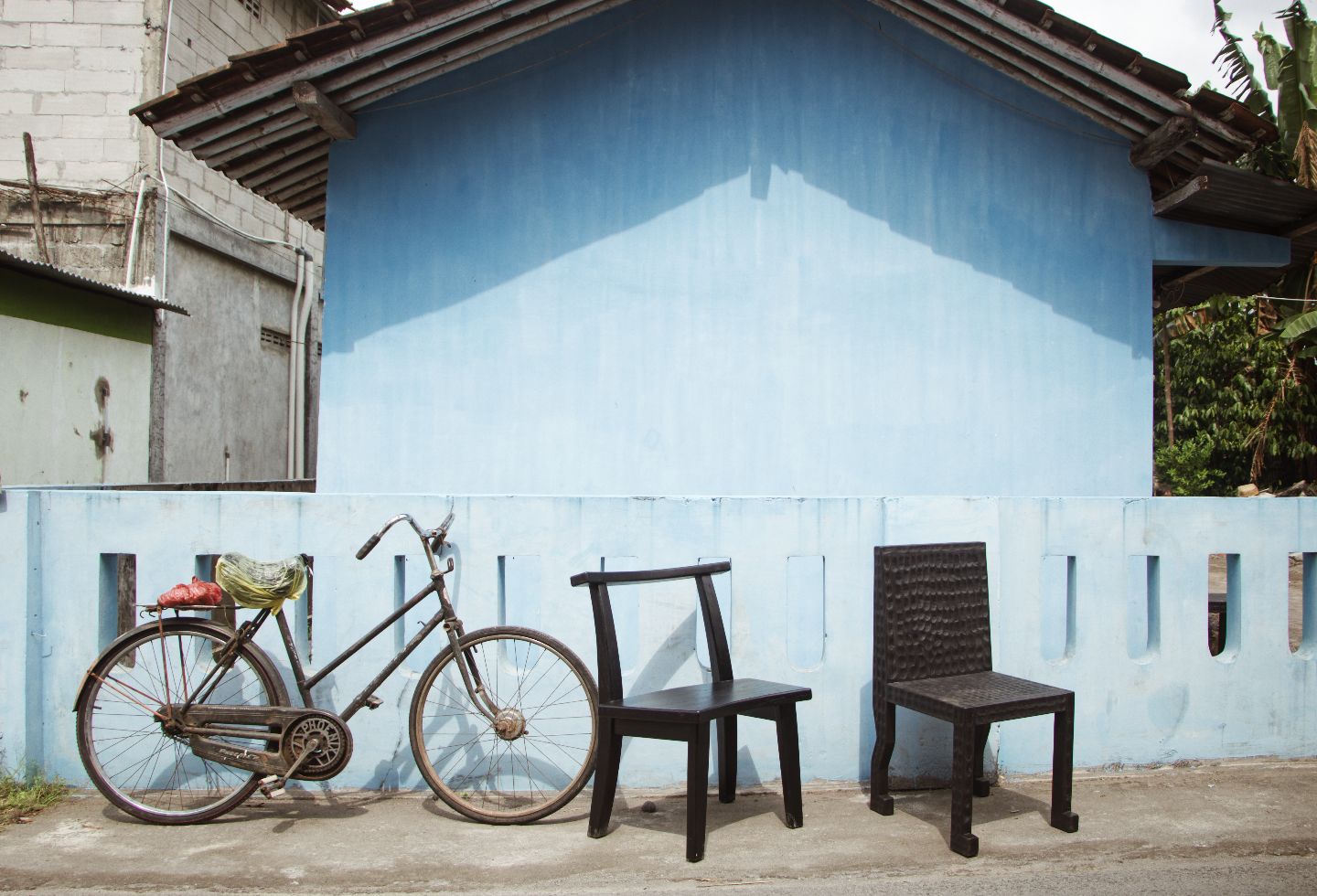
The brand’s name speaks to cyclical storytelling. “We travel and source and find this piece. We deliver it to you. It’s the end of a story, but the beginning of a new one. The beginning is the end. The end is the beginning.”
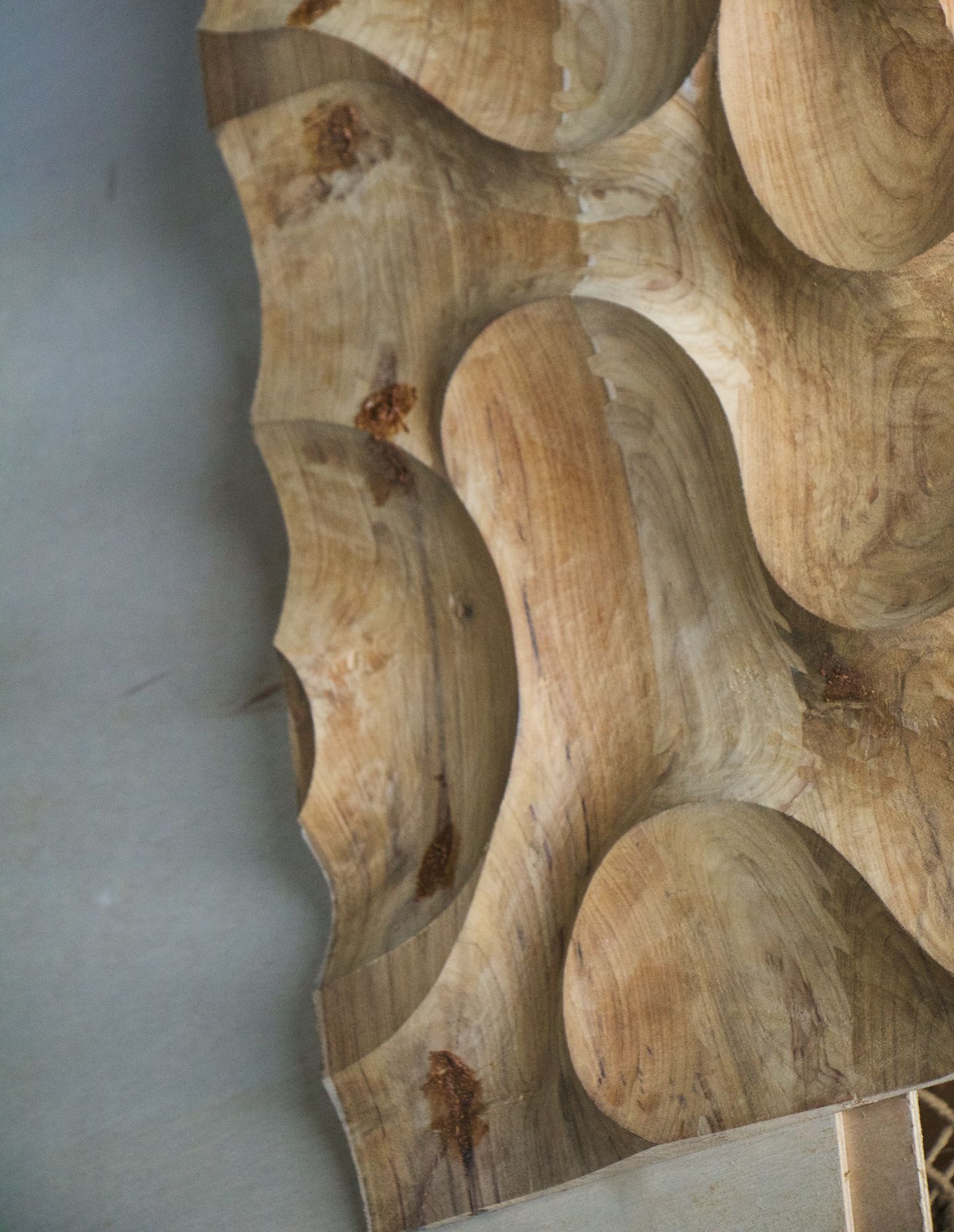
TheEND is expanding its material vocabulary. A new collaboration with an artist using recycled teak explores sustainability through treatment processes and traditional technique. Future releases will investigate how two natural materials create harmony when brought together. “When we launched, we really focused on teak and aged teak, celebrating it in its purest form,” Maroun says. “In the new year, we’ll be exploring how artists merge materials together and the story that creates.”
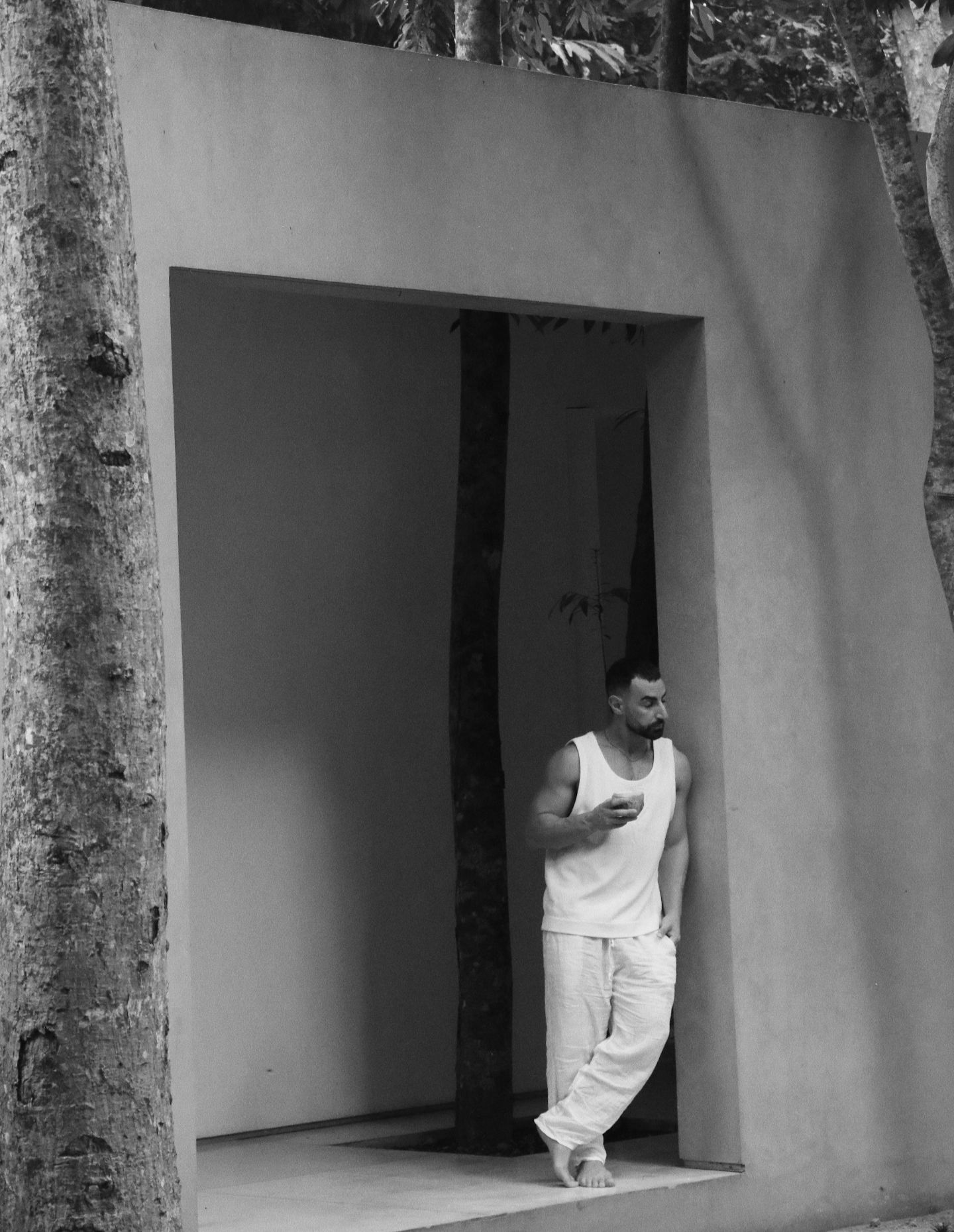
The brand’s ambitions extend beyond furniture. “We are a lifestyle brand,” Maroun says. “It’s about the pillars that inform someone’s lifestyle—from what you wear to what you eat to how you live and the furniture you live with.” This philosophy underpins recent collaborations, including one with fashion label ESSE, and the ‘At Home’ series profiling like-minded creatives in their own spaces.
“We’re not trying to sell you a living room or fit out your whole house,” Maroun clarifies. “We actually want you to come into our space, resonate with a piece, take it home and build your story.” TheEND attends installations personally, maintains dialogue with customers, stays connected to how pieces evolve in their new environments. “We’re quite close with our customers. We will personally go into installations. We actually want to get to know you.”
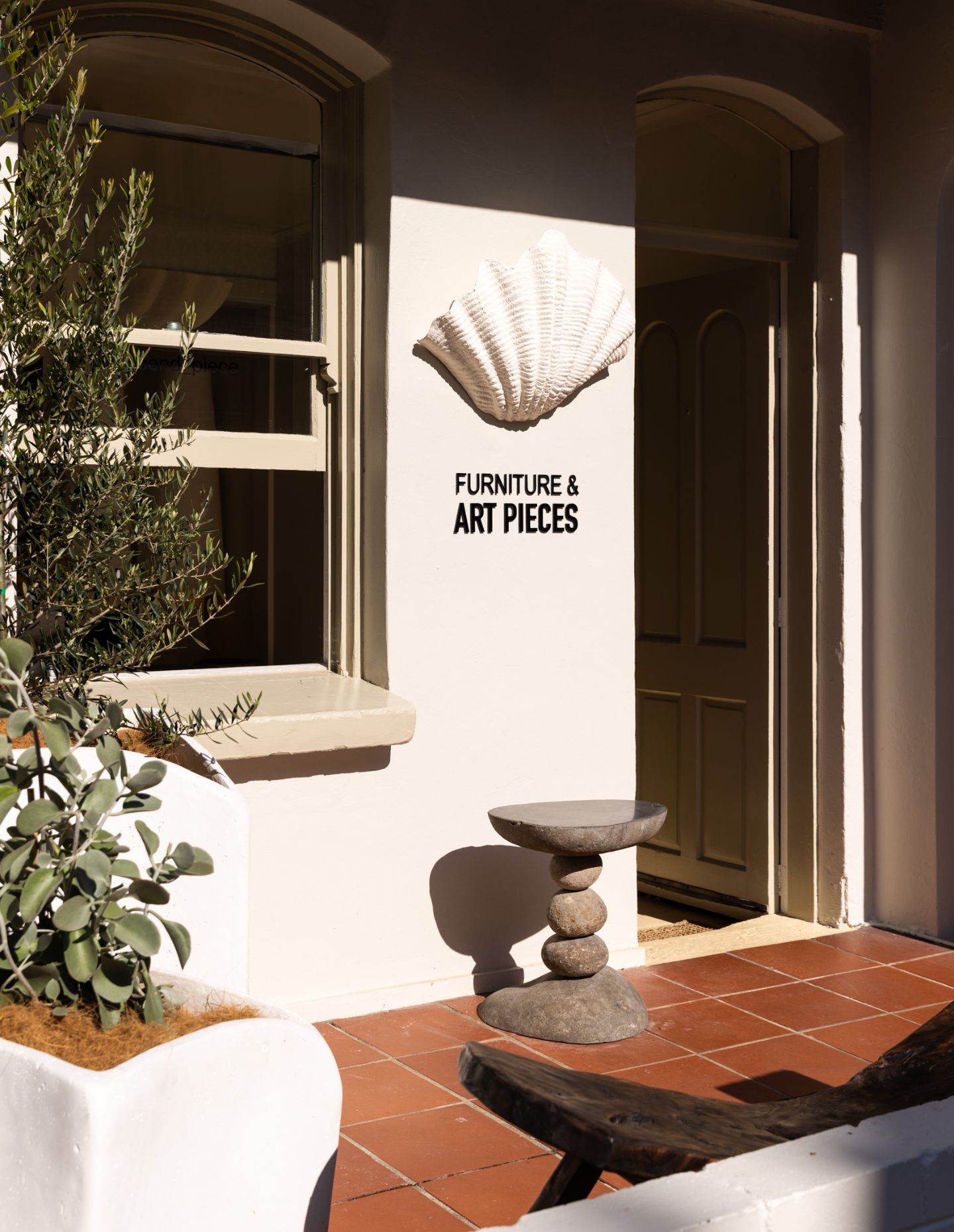
In Paddington, TheEND has found its community—a creative neighbourhood that gets what the brand offers: living spaces that resonate, that hold meaning. “Everybody’s used to building interiors around what looks great and what balances. That’s not what we’re trying to do. We’re actually trying to build living spaces which you resonate with and that hold meaning for you.”
Years from now, someone might ask about the table you bought from TheEND. You’ll have a story to share.