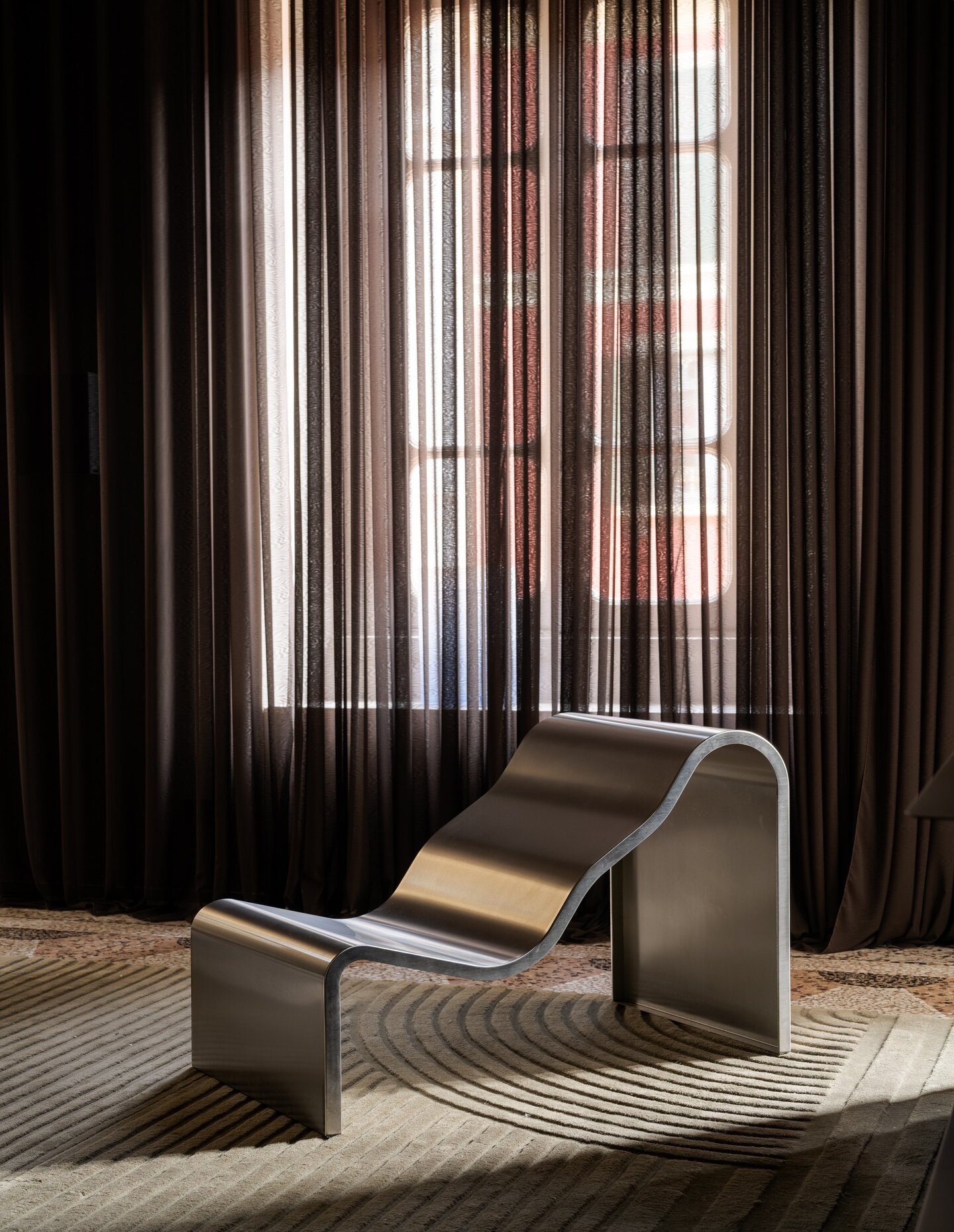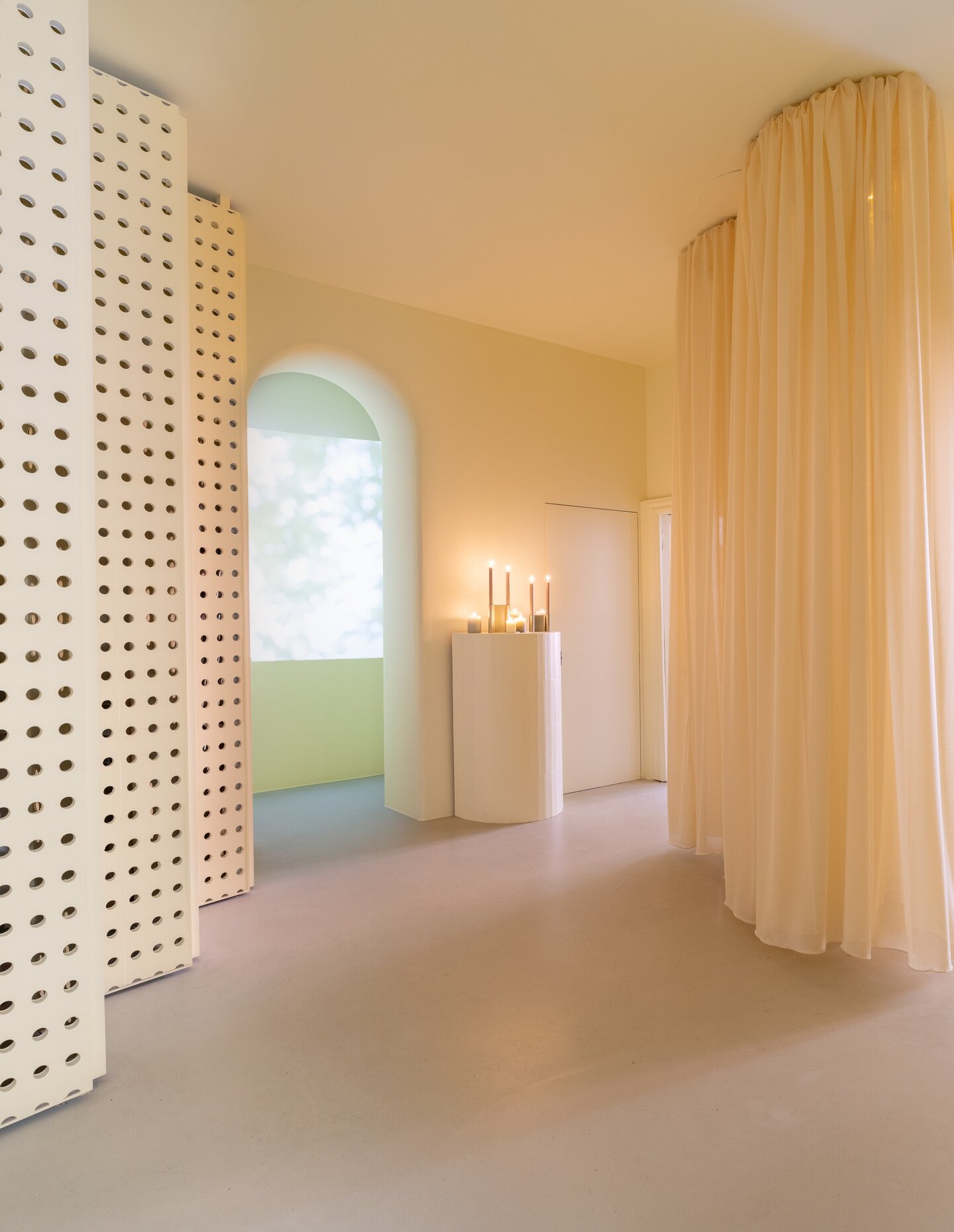

At Milan Design Week, the most memorable interiors are often the ones that feel momentarily inhabitable. Not just a room with product in it, but a more complete domestic proposition — a place with mood, logic and a point of view about how living might unfold. This year, two apartment-style presentations stand out for exactly that reason. One is soft and relaxed, attuned to the rituals of daily life; the other is lavish, atmospheric and built around the enduring pull of Italian craft and decoration. Both move beyond display in the narrow sense, using the apartment as a way to stage design in relation to feeling and cultural identity.
Muuto Milan Apartment: The Art of Belonging
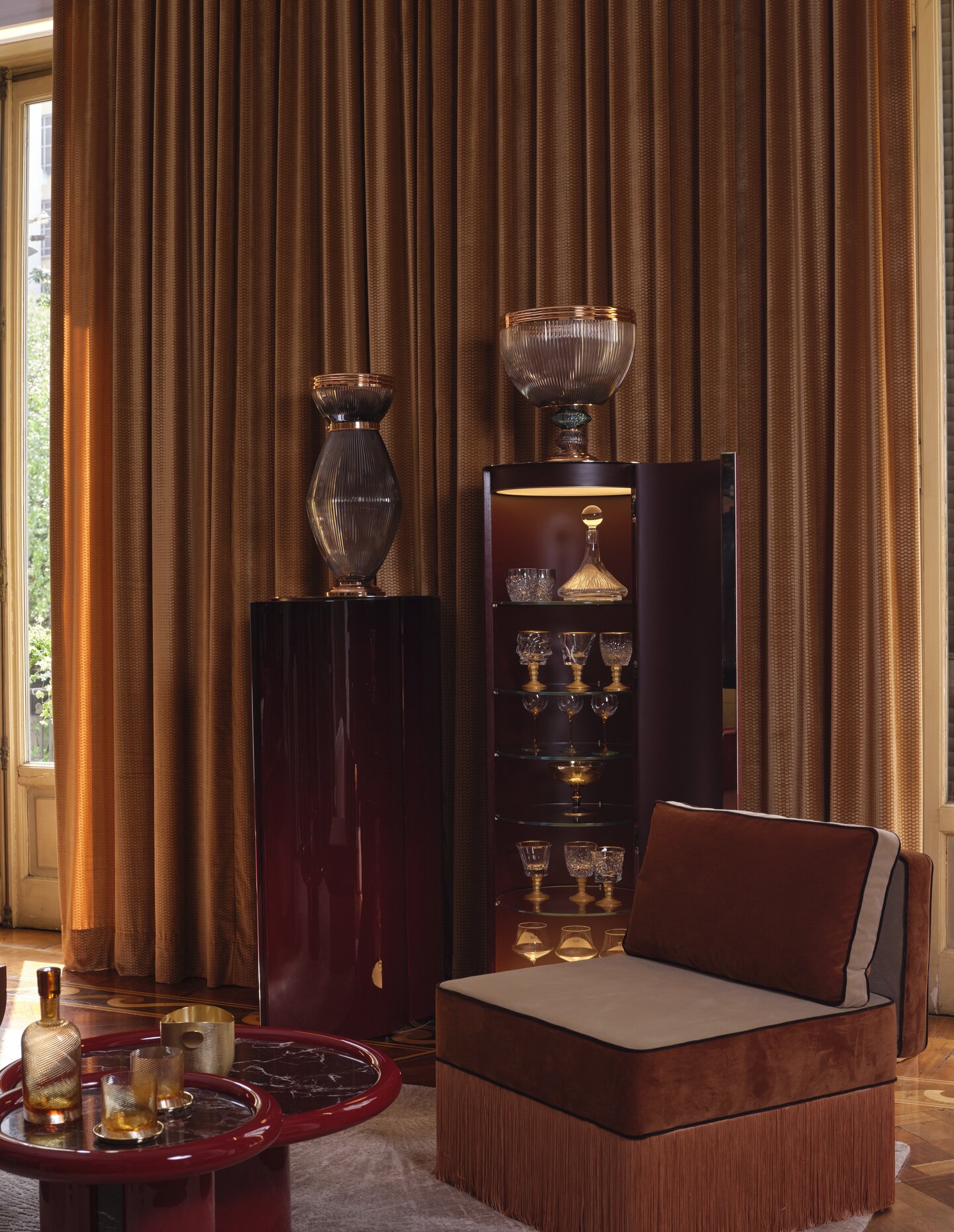
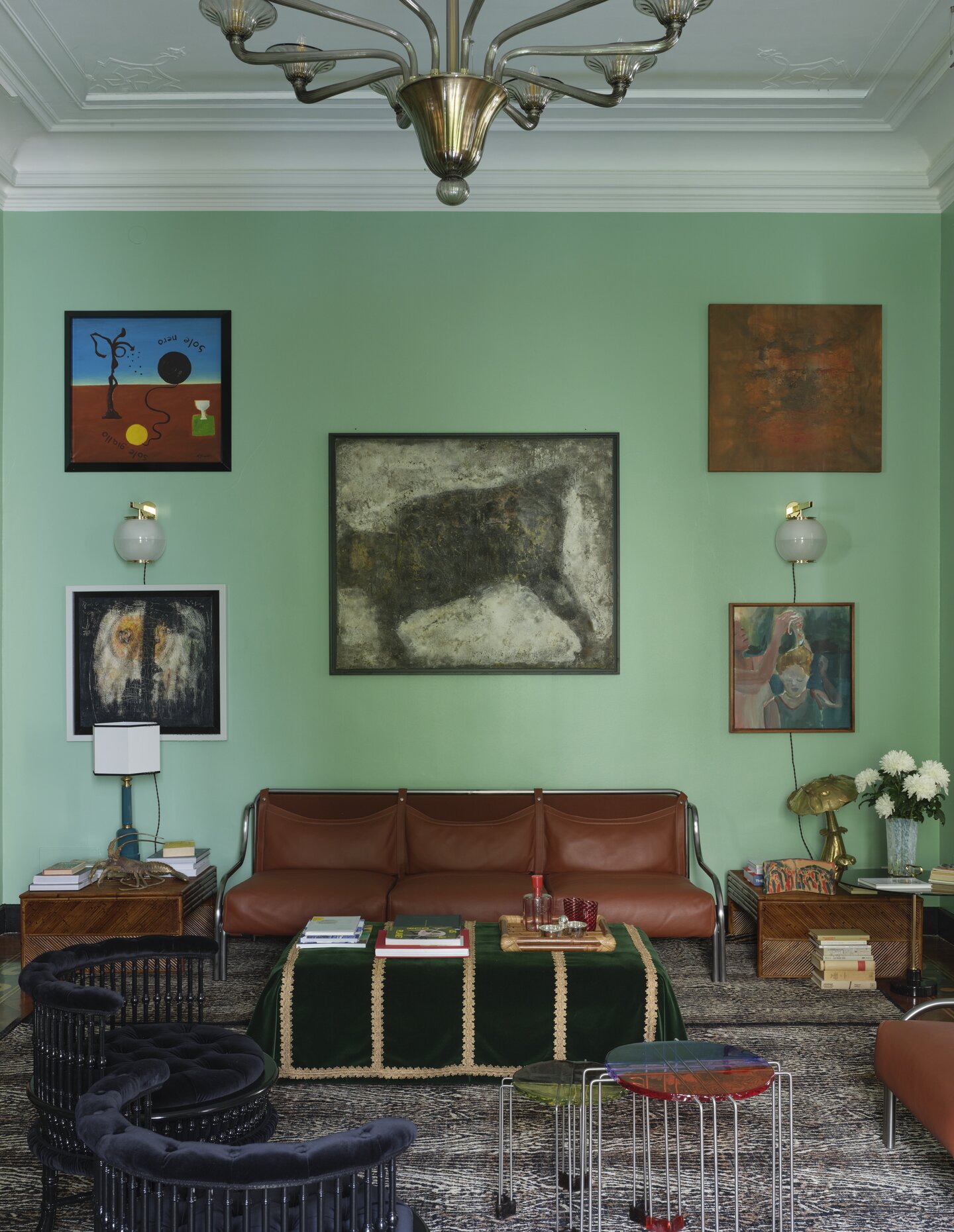
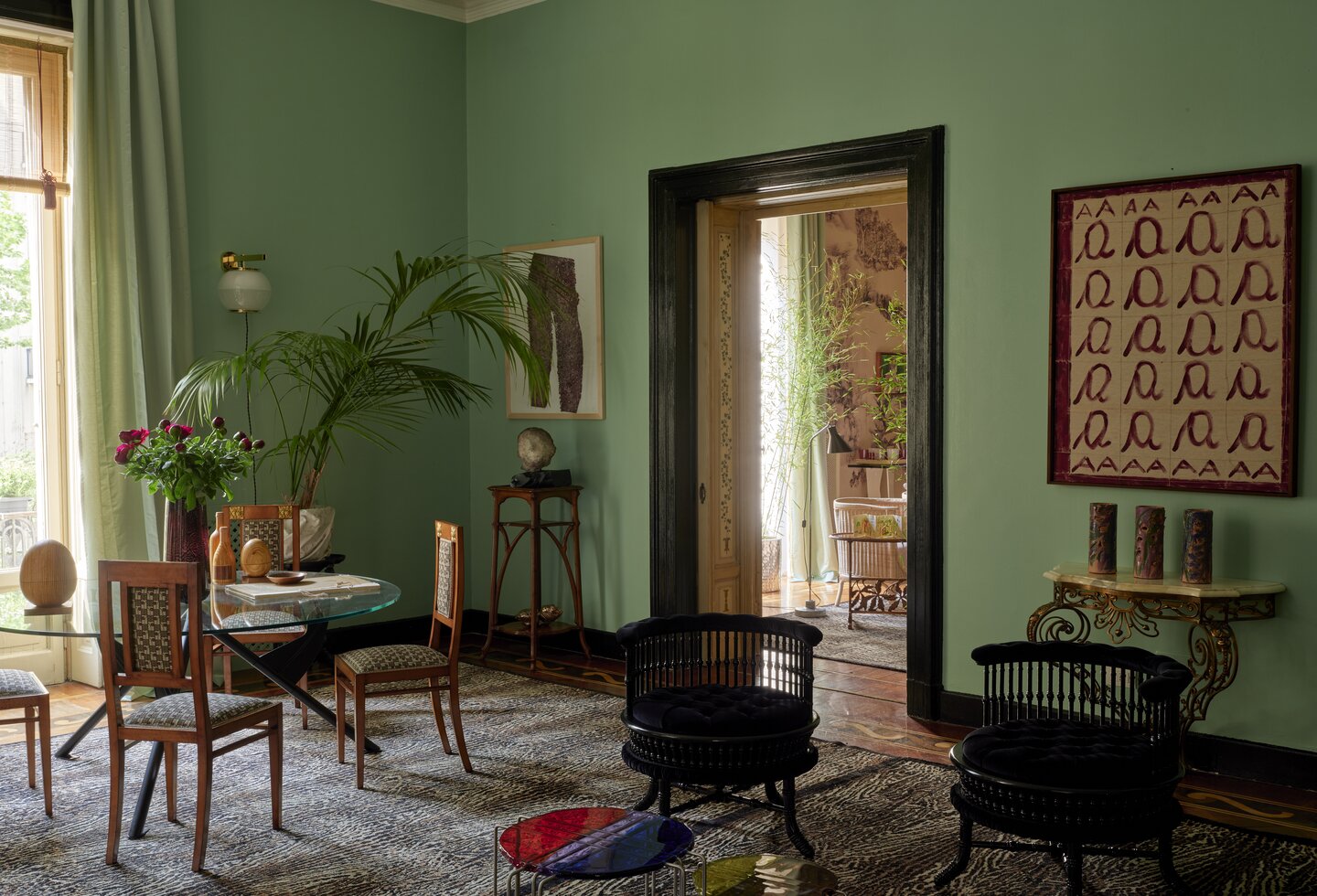
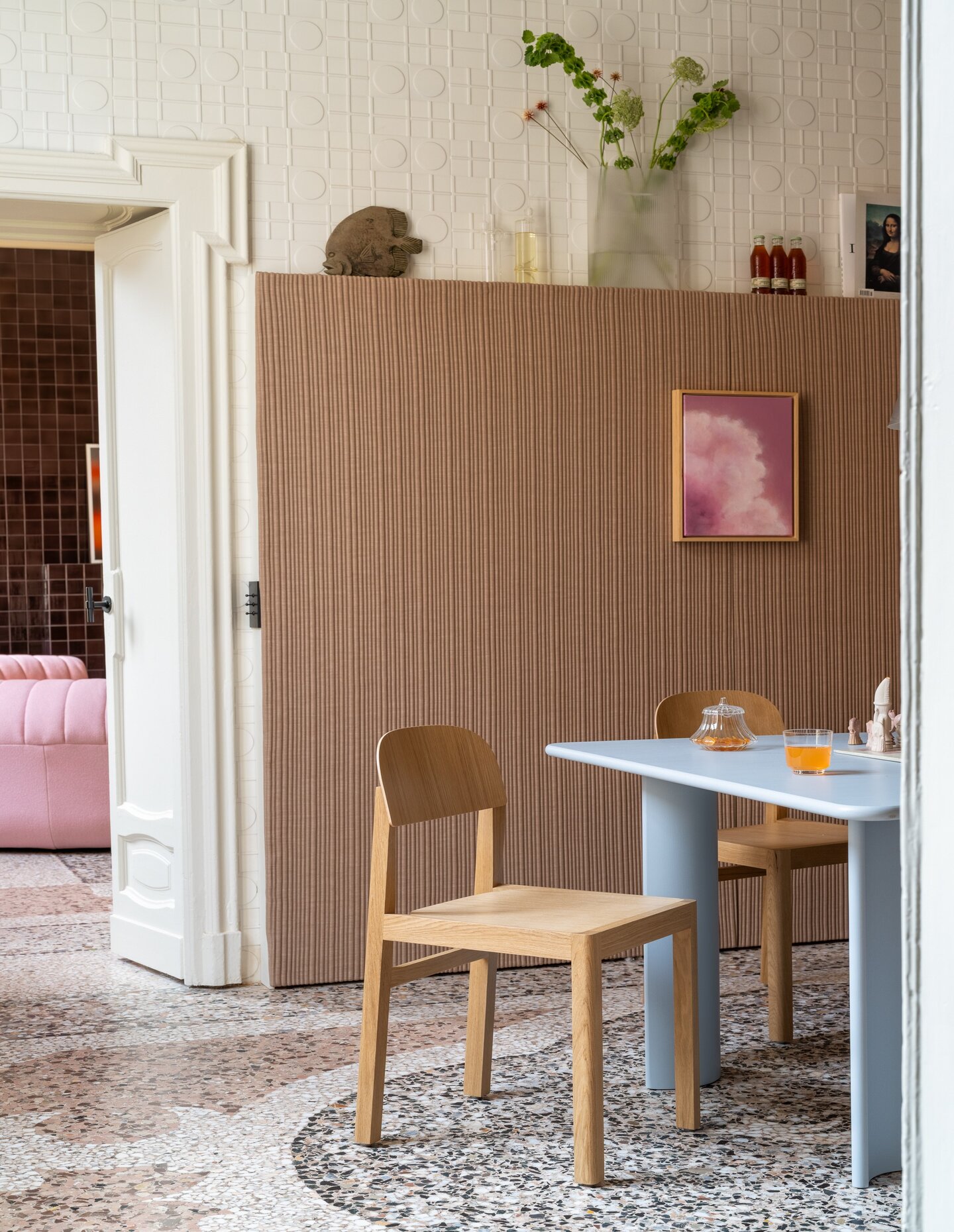
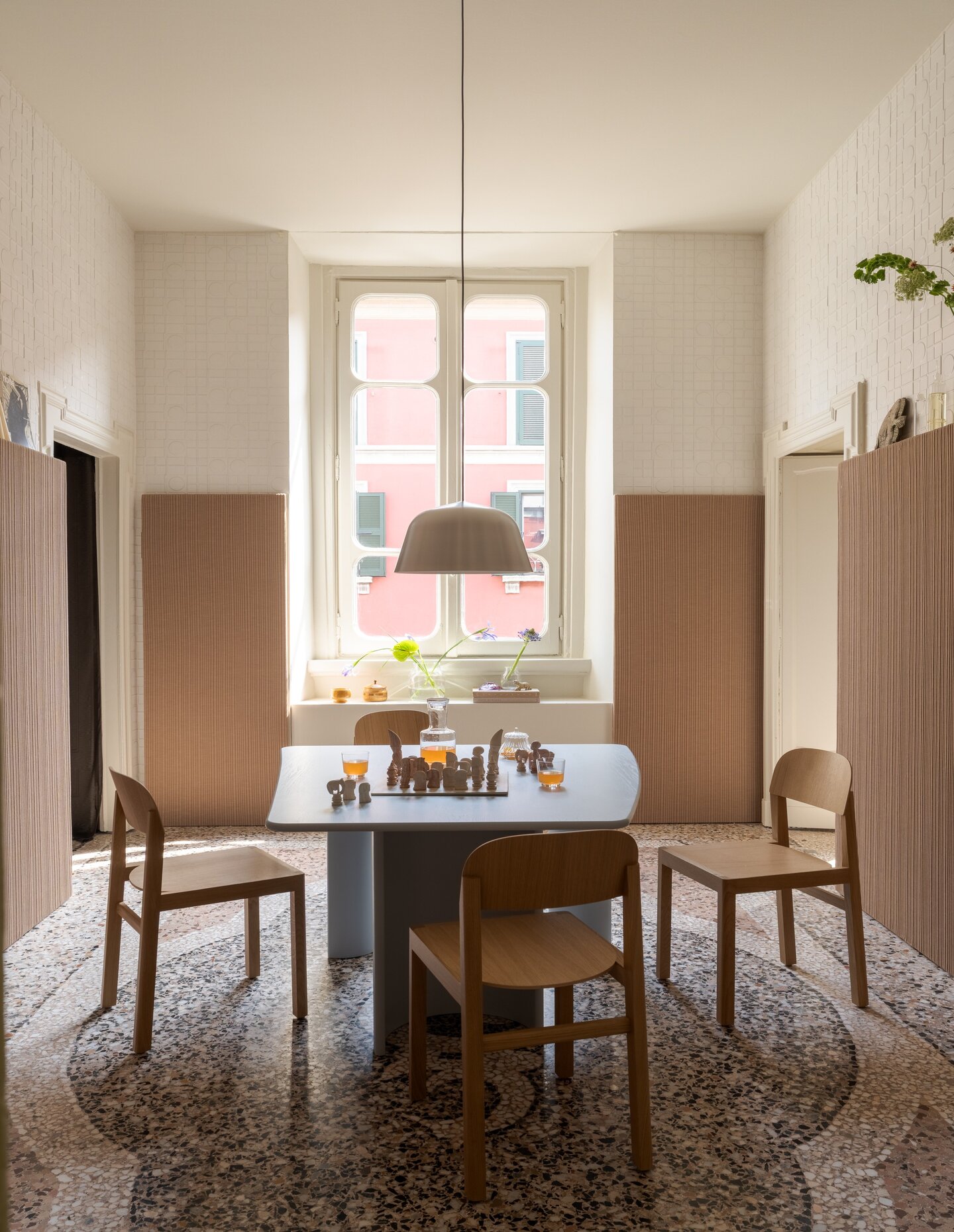
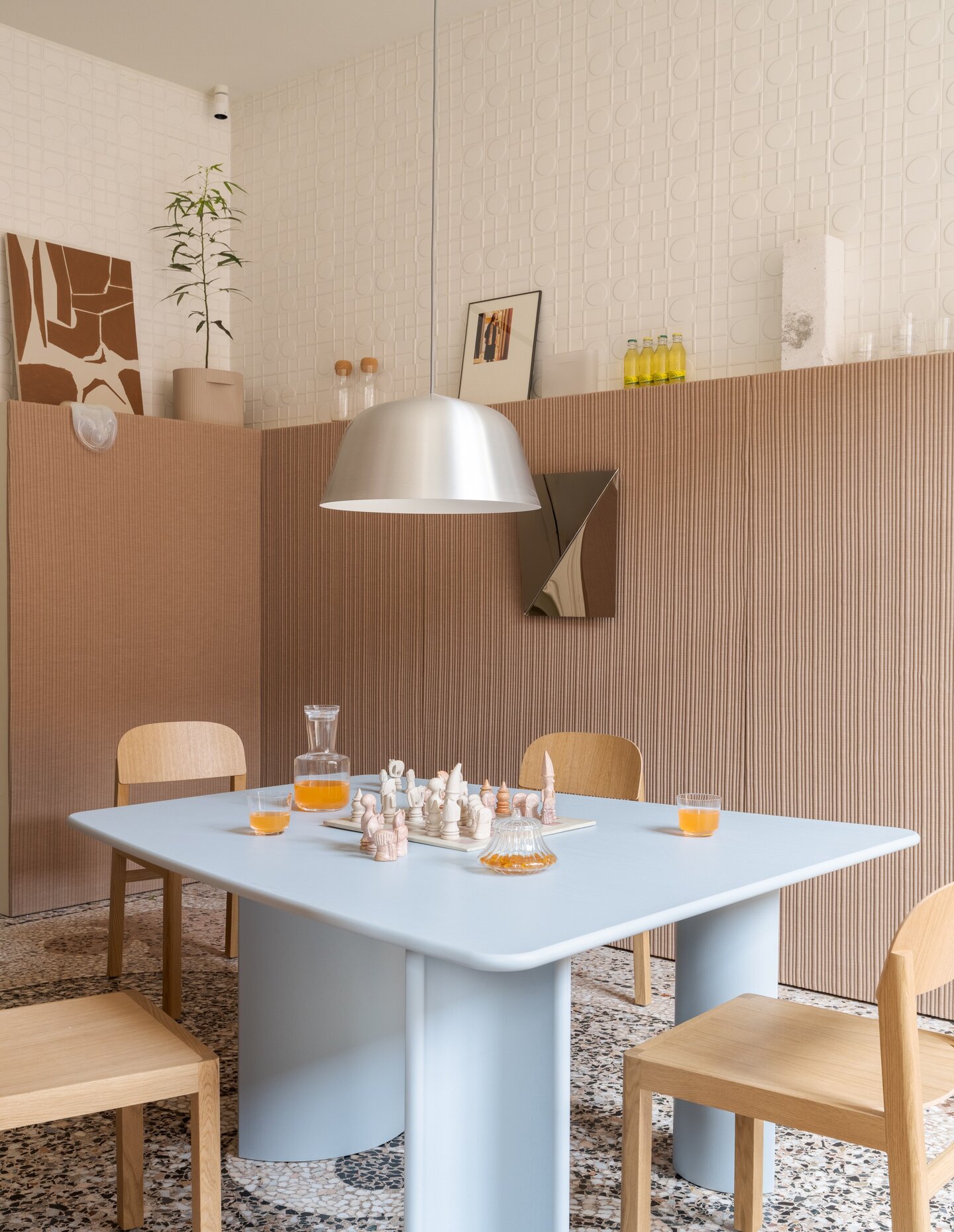
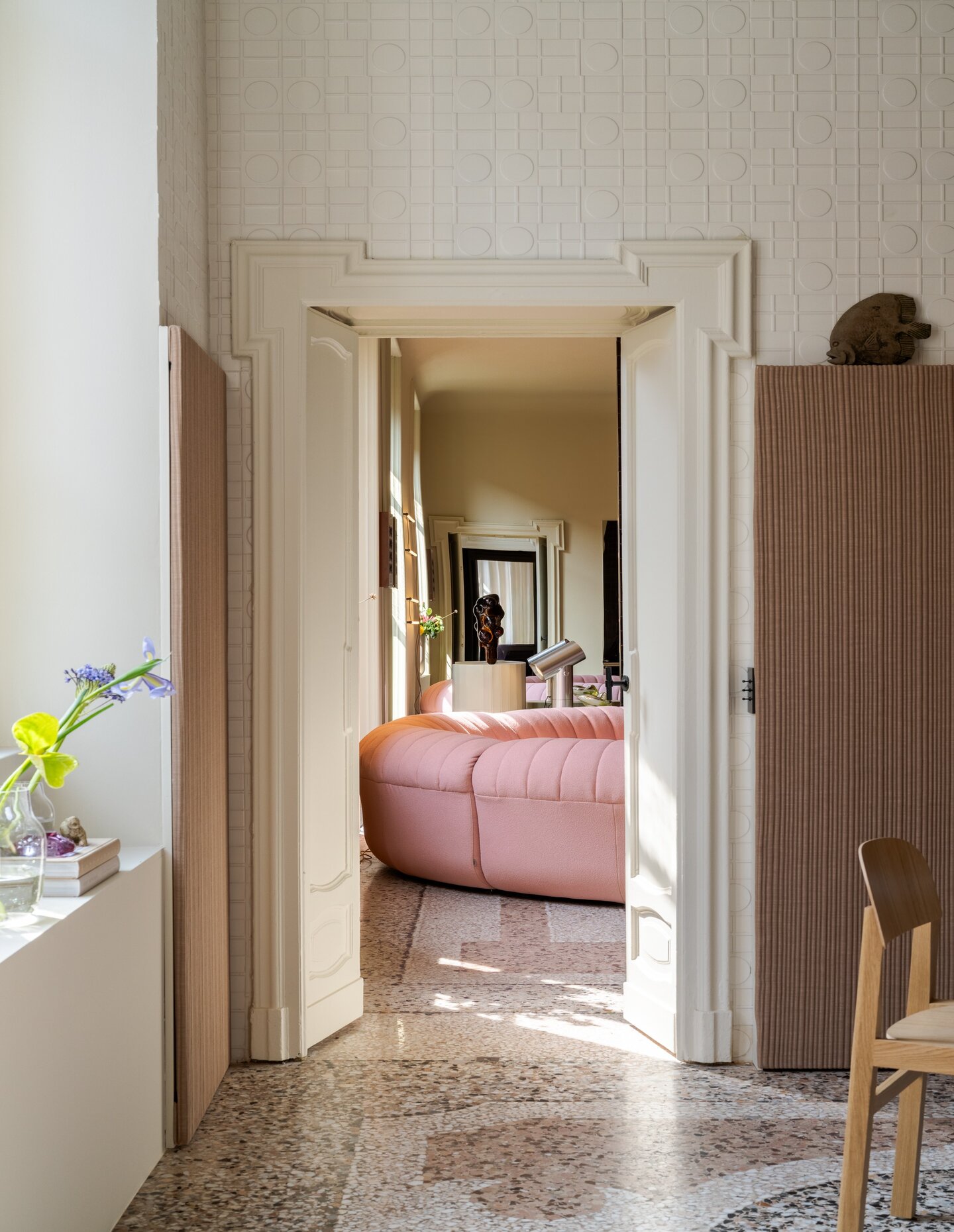
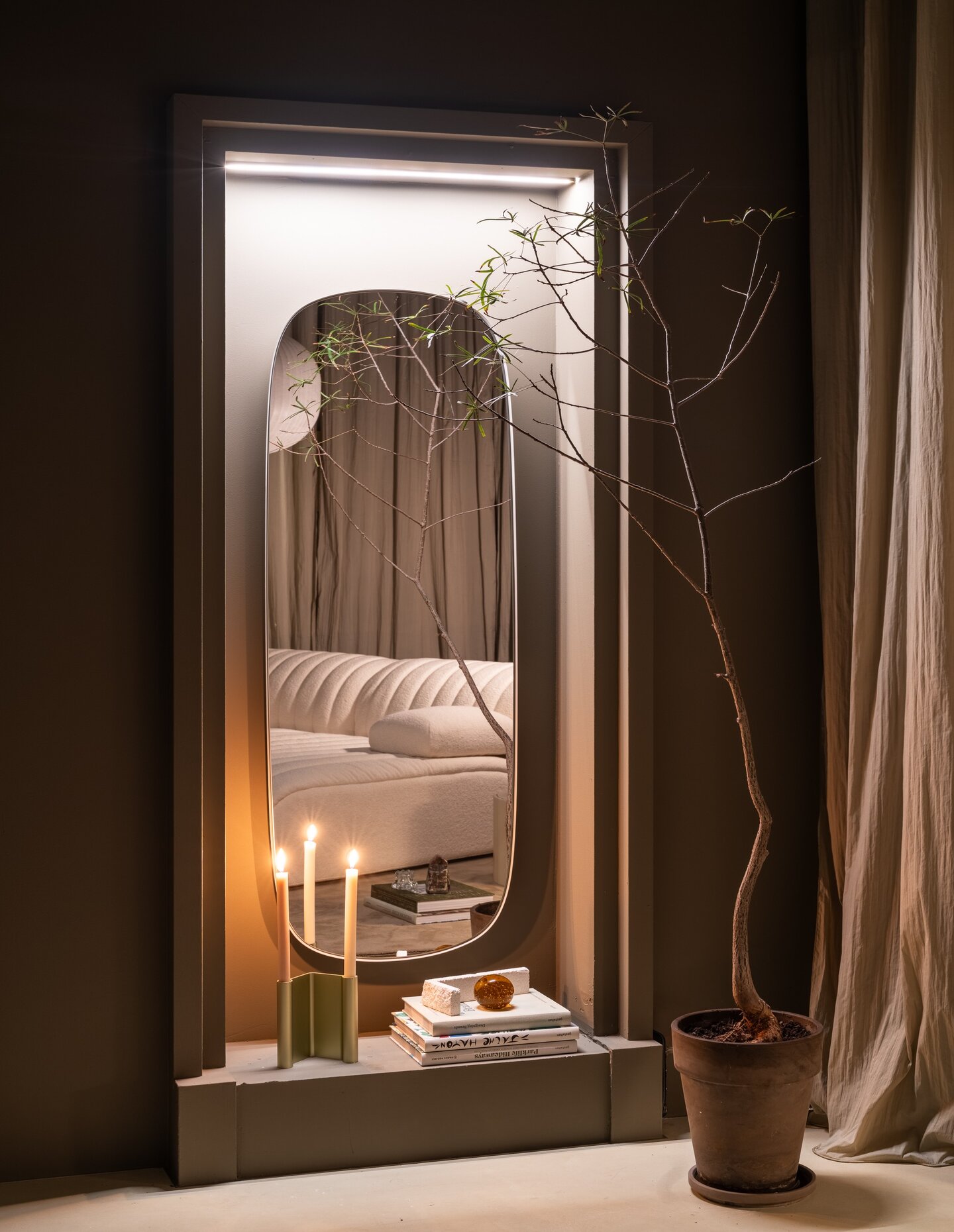
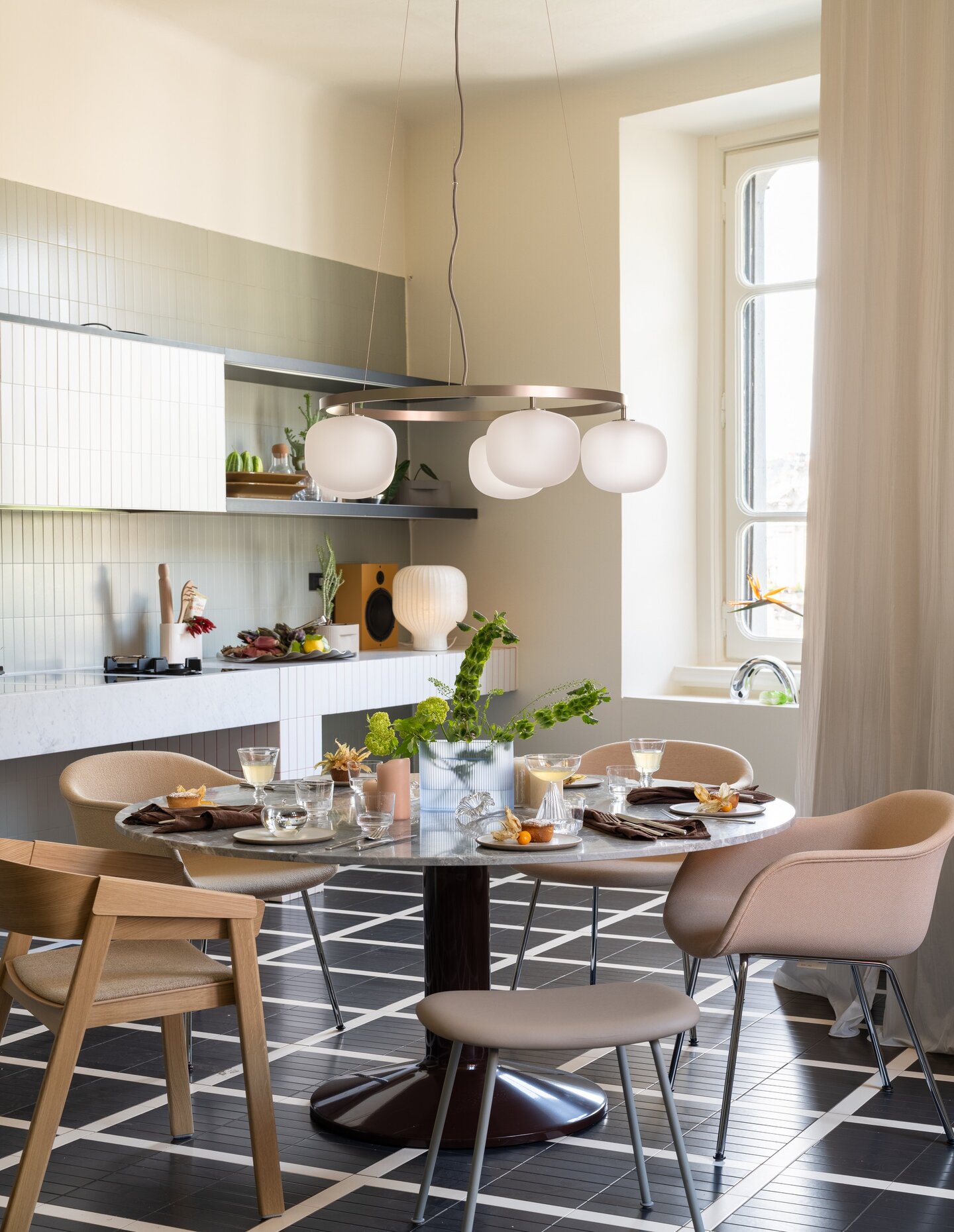
Muuto’s Milan Apartment, installed in Brera, is framed around a simple but persuasive idea: that the home shapes how we feel and relate. Titled The Art of Belonging, the presentation has been conceived less as a pristine showcase than as a lived-in interior, where daily rituals and personal habits are allowed to remain visible. Rooms are organised around acts of domestic life — arriving, gathering, hosting, preparing, listening and winding down — and that gives the apartment a gentle sense of rhythm. Rather than chasing theatrical effect, Muuto leans into warmth, atmosphere and a kind of looseness that makes the space feel plausibly inhabited.
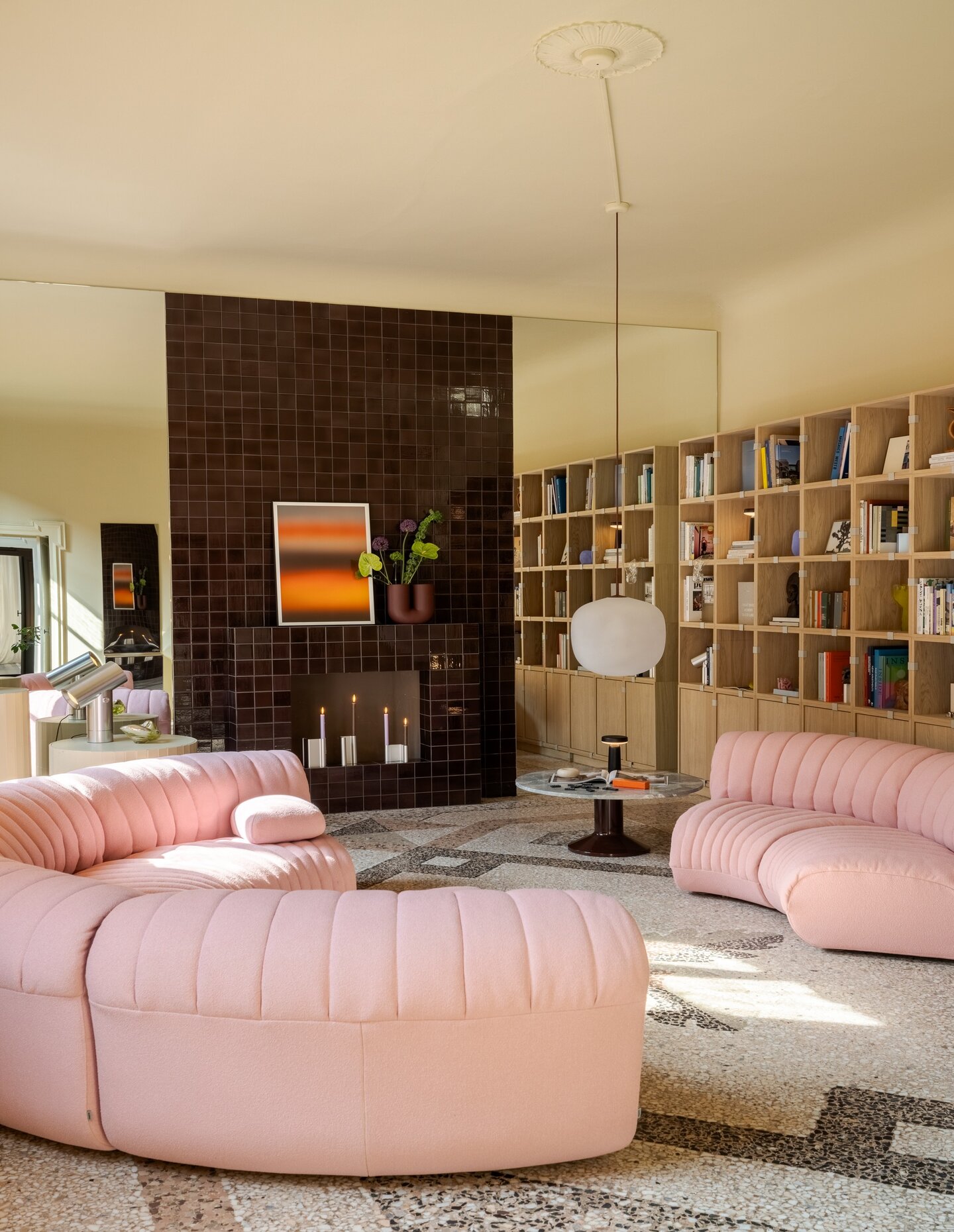
That same attitude carries through to the debut of the Coltre Modular Sofa by Studiopepe, which sits at the centre of the installation. Named after the Italian word for blanket, Coltre is designed as a sculptural modular system with a quilted textile layer draped over a more structured base. The parallel stitched lines give it softness and volume without losing clarity, and the piece can expand into larger configurations or stand alone in lounge-chair form. It is an apt addition to a presentation concerned with comfort as something emotional as well as physical. The apartment’s strength lies in that overall balance: it doesn’t overstate its ideas, but instead suggests that good domestic design can support everyday life without ever becoming overly polished or prescriptive.
L’Appartamento by Artemest
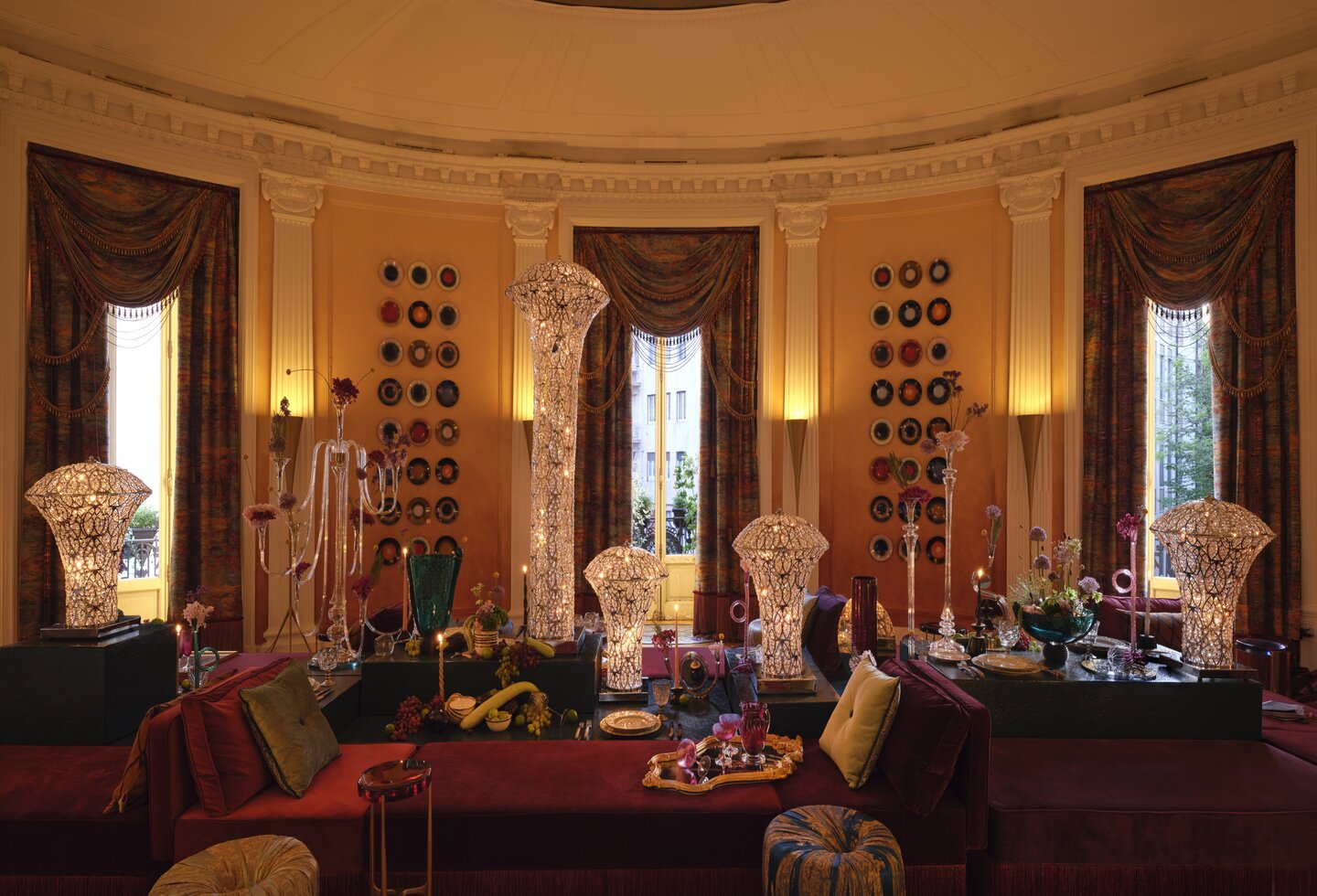
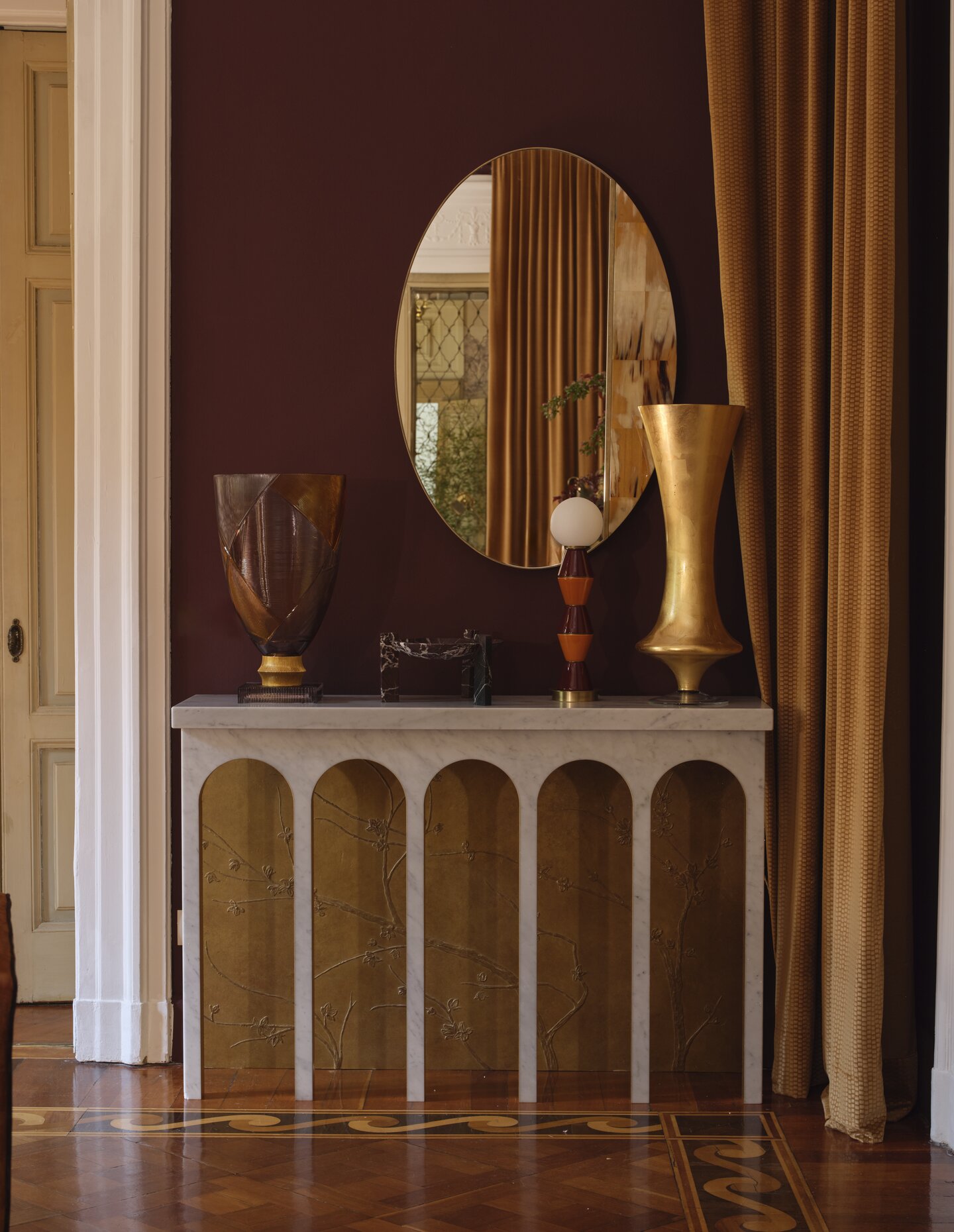
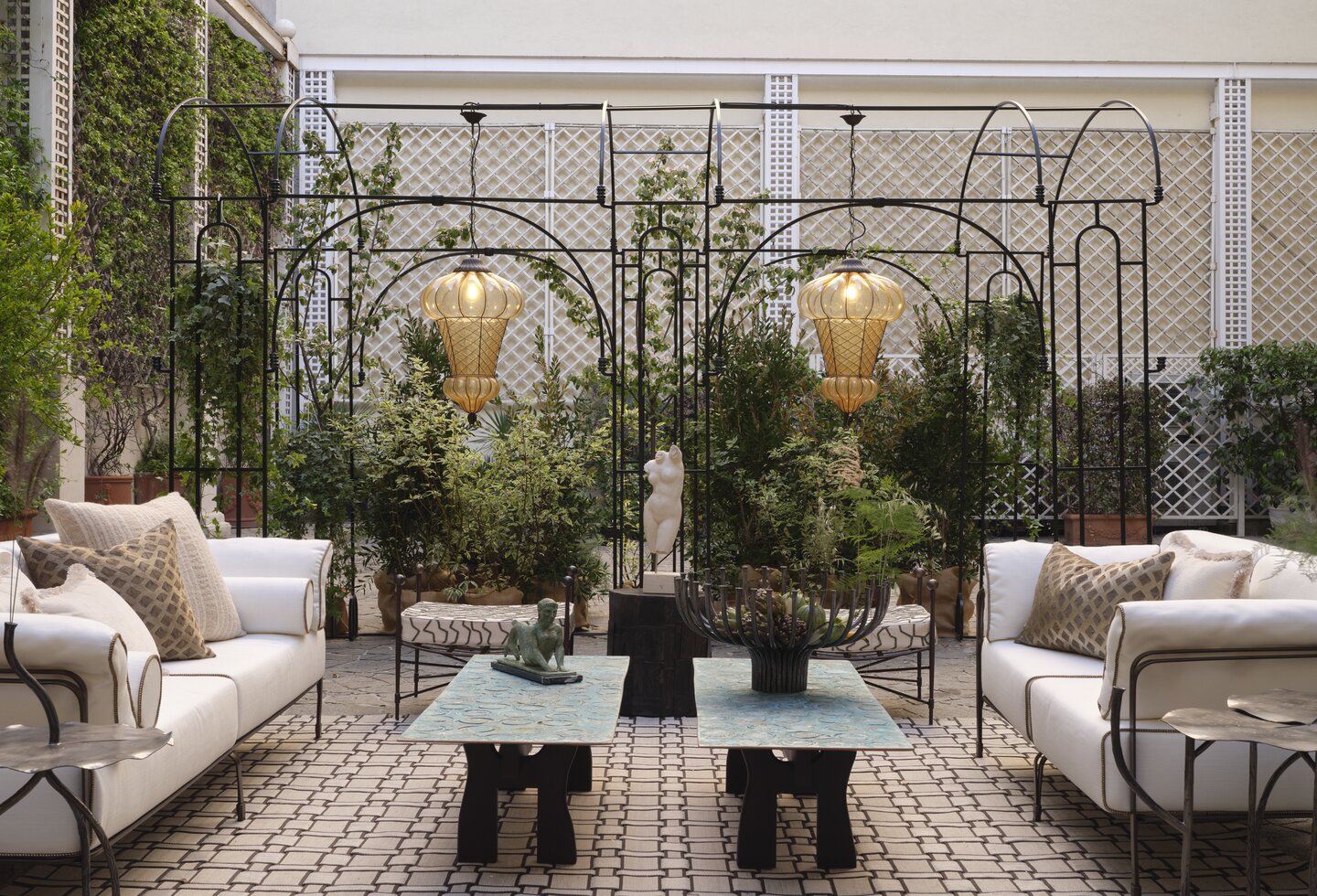
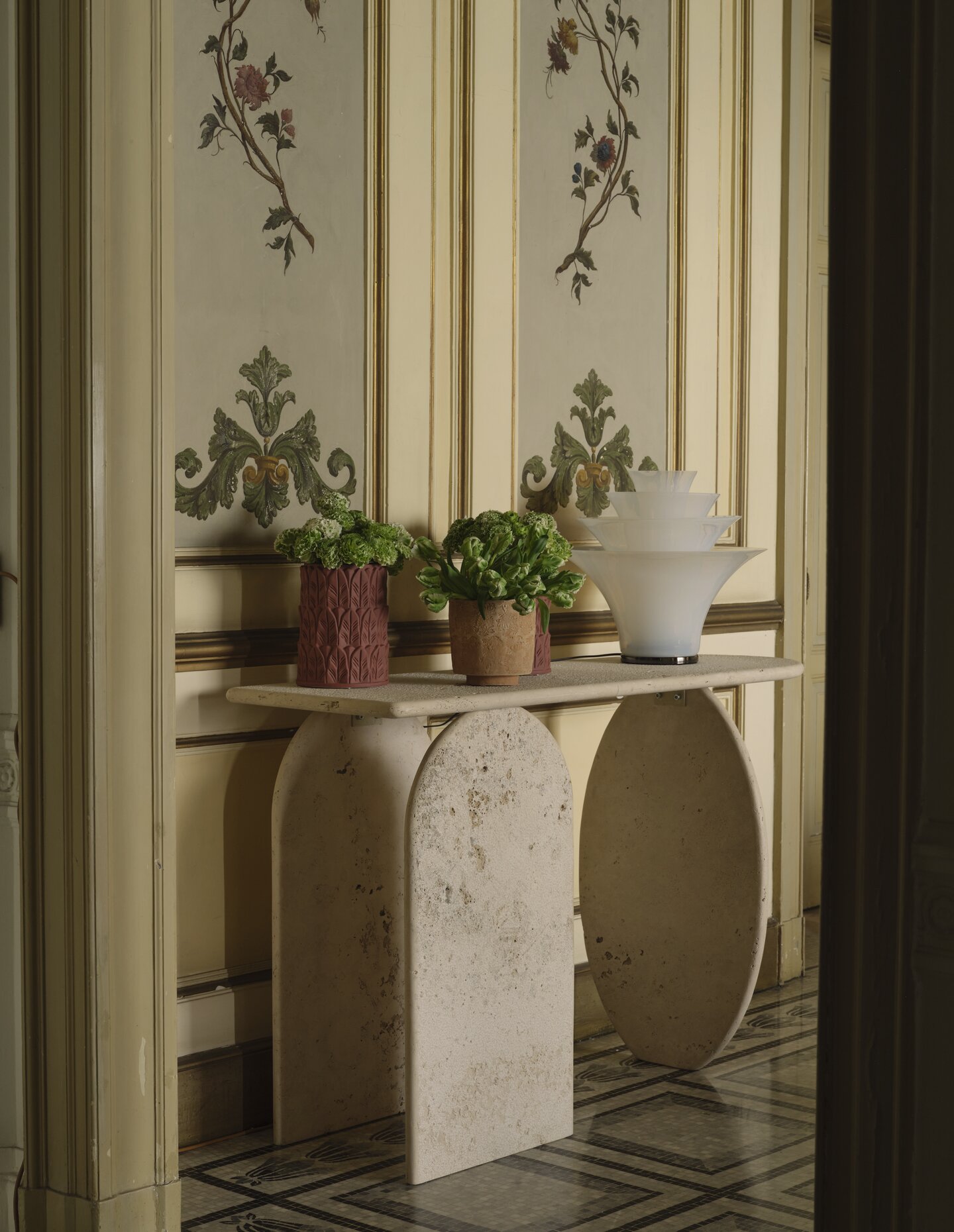
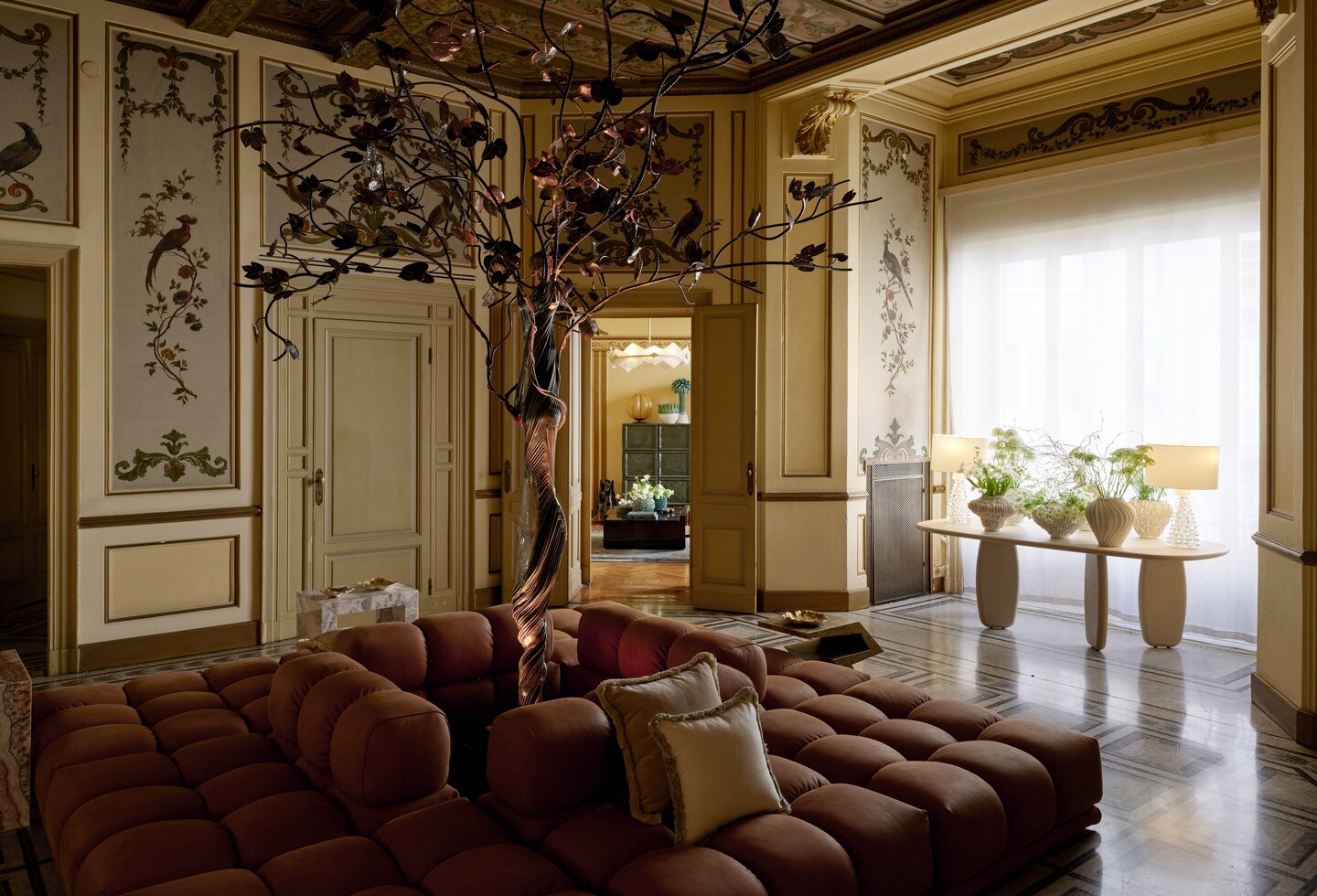
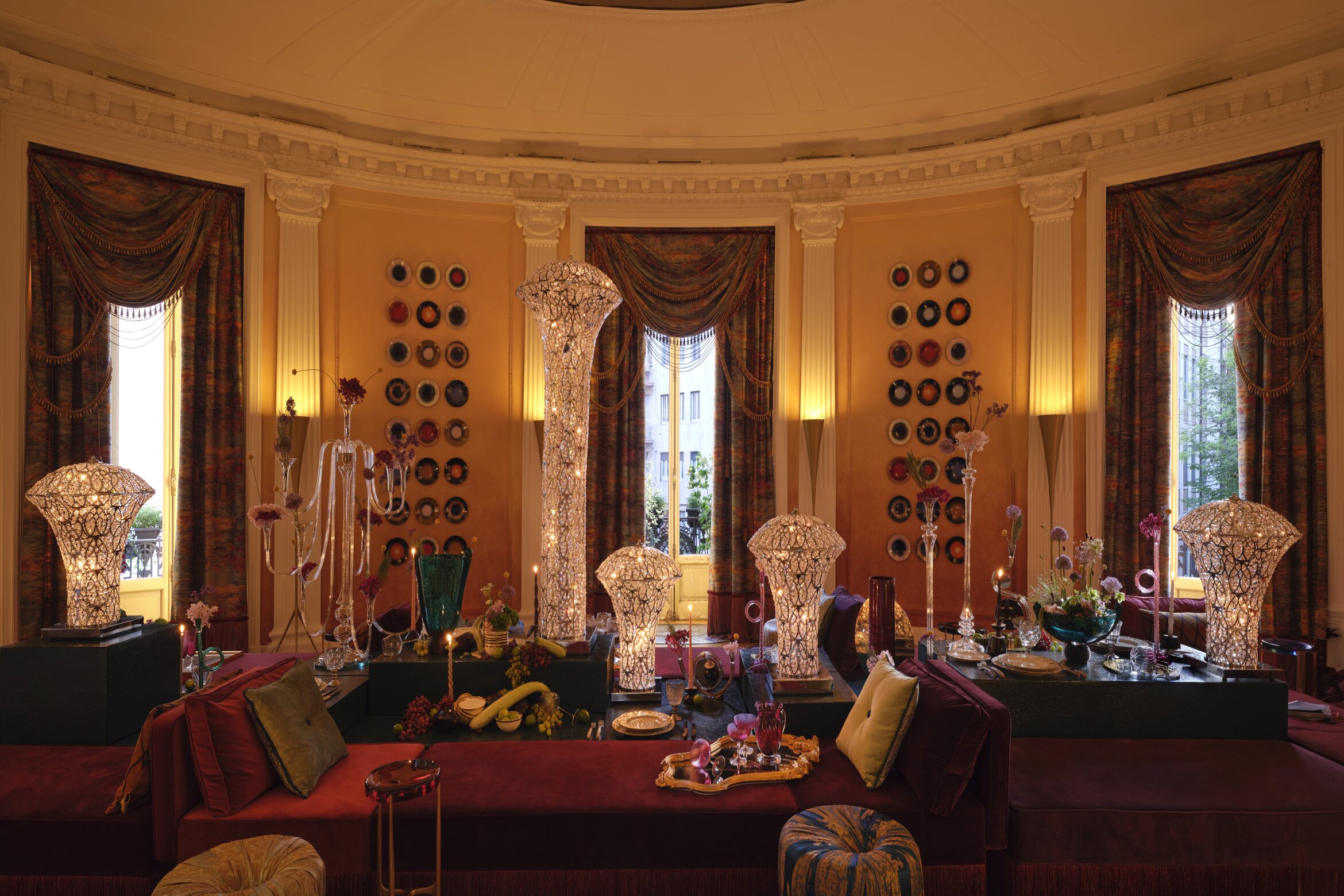
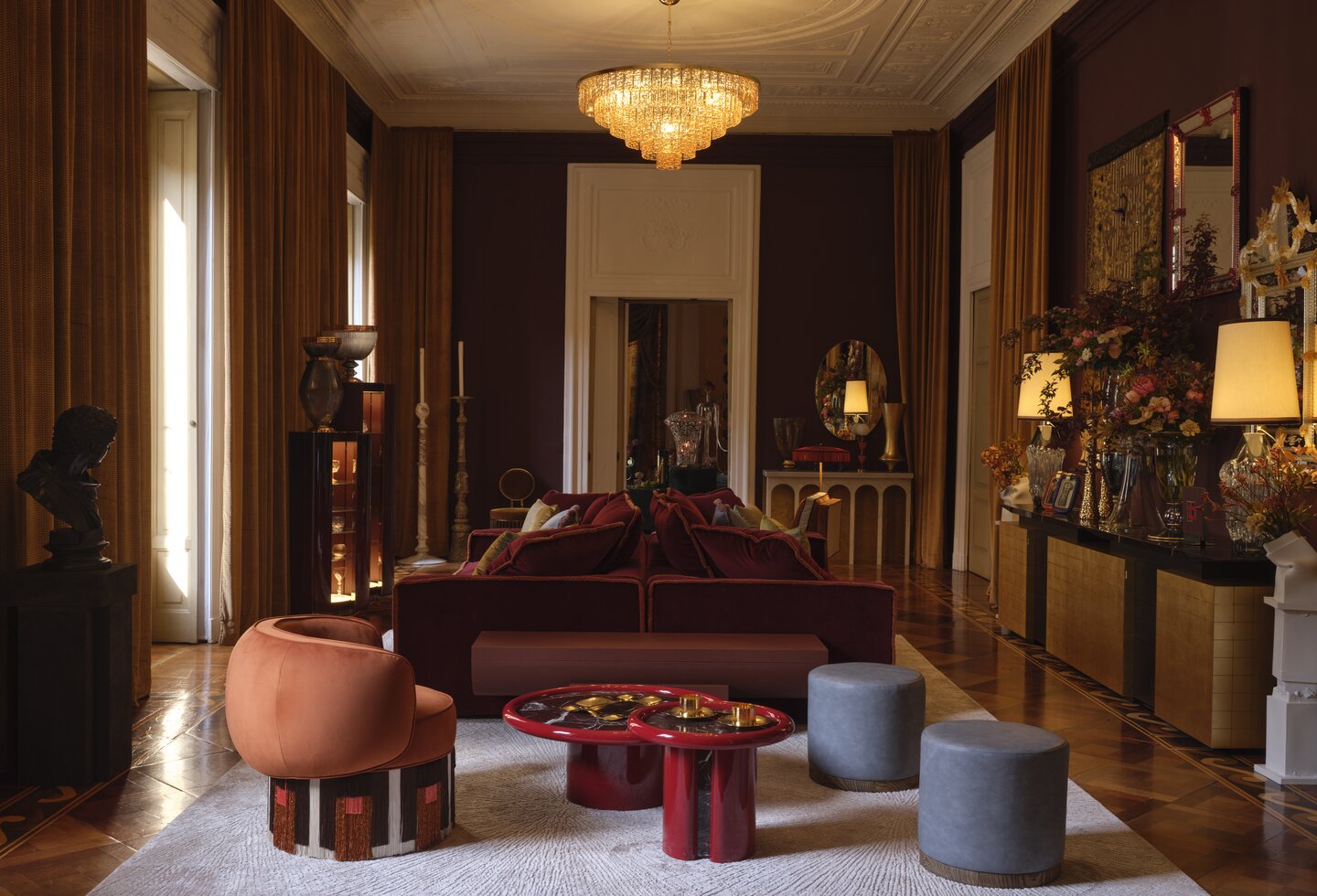
For the fourth edition of L’Appartamento by Artemest, Palazzo Donizetti once again becomes the setting for a decorative world built room by room. This year’s exhibition takes “Italian Grandeur” as its curatorial theme, bringing together a group of international studios to reinterpret the spirit of different Italian cities through a sequence of domestic interiors filled with furniture, lighting and objects made by Italian artisans. Set within the frescoed rooms and ceremonial spaces of the 19th-century palazzo, the exhibition is immersive from the outset, using the architecture itself as part of the argument rather than simply as backdrop.
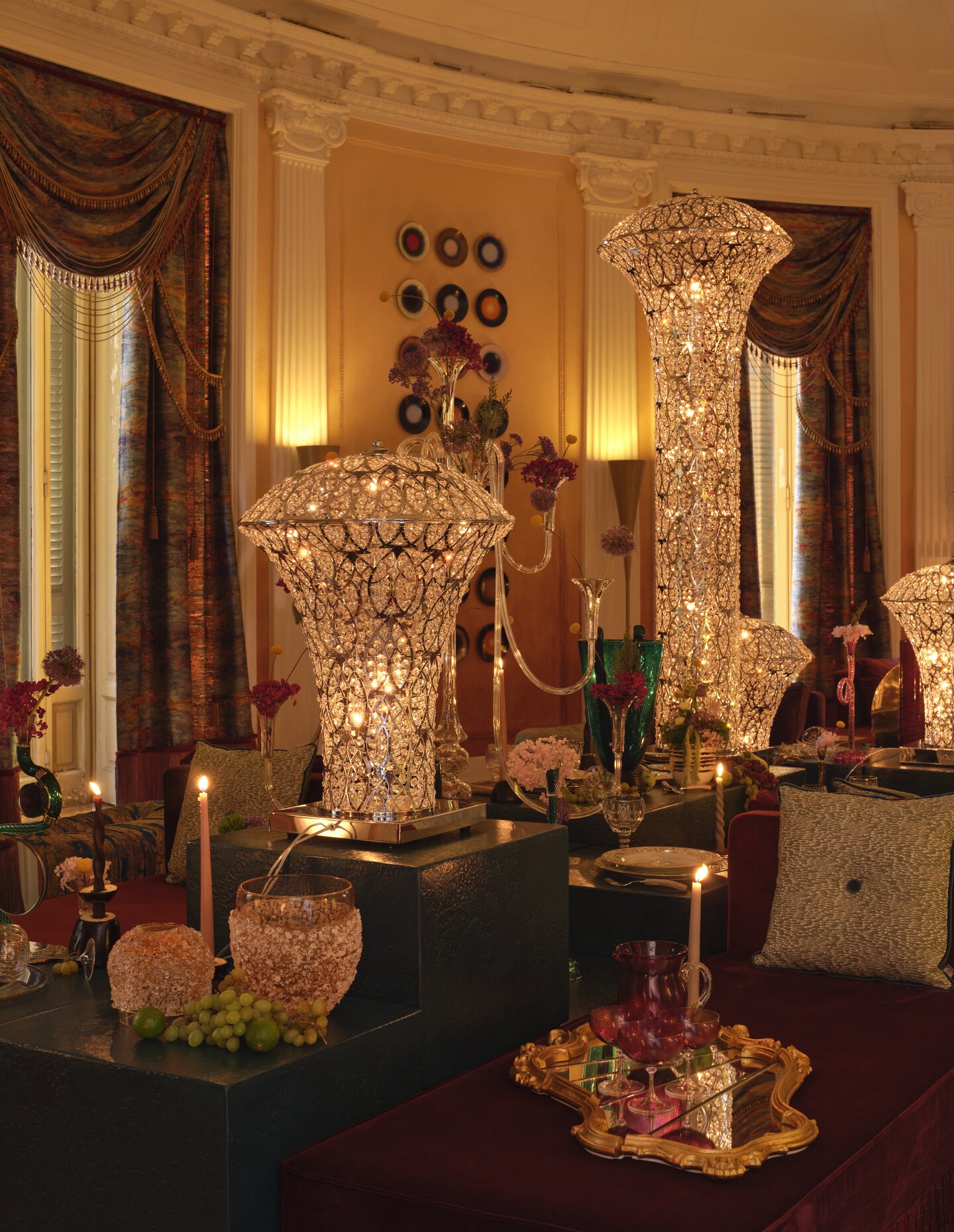
Each room takes on a distinct identity. Sasha Adler’s vestibule and reading room draw on Venice, with a mood that is intimate yet theatrical. Rockwell Group’s dining room looks to Naples and its dramatic contrasts, treating dining as both ritual and performance. MAWD’s grand salon turns to Rome, building depth through colour, materiality and a strong sense of composition, while Charlap Hyman & Herrero channel Palermo in entertainment salons that soften grandeur with a more inhabited, time-worn sensibility. Urjowan Alsharif Interiors completes the sequence with a Florentine alcove conceived as a retreat — contemplative, crafted and finely detailed. Artemest describes the whole as “a multisensory journey through Italy’s artistic capitals,” and that feels about right: the project is at its best when it lets decoration, craftsmanship and atmosphere carry cultural meaning without collapsing into nostalgia.
Related: Continuity and contrast