
Across the Indo-Pacific, a diverse community of designers continues to shape original and thoughtful responses to material, culture and making. It is a region rich with experimentation, where design often emerges from deep local knowledge as much as global exchange.
At Indesign, we are drawn to practices and projects from across this landscape, and the INDE.Awards provide a platform to recognise this breadth each year. While larger design centres often dominate international attention, it is particularly encouraging to see Vietnamese product designers producing work of growing confidence and distinction.
As partner of The Object category at the 2026 INDE.Awards, the American Hardwood Export Council (AHEC) supports designers through material research, advocacy and education, while also encouraging emerging talent through initiatives such as the Hoa Mai Design Award.
Now in its 21st year, the Hoa Mai Design Award is one of Vietnam’s most established design competitions, offering young designers the opportunity to develop concepts into realised objects. AHEC again partnered with the program in collaboration with the Handicraft and Wood Industry Association (HAWA) of Ho Chi Minh City, supplying sustainably sourced American hardwoods for entrants to work with.
For many participants, this marked a first encounter with hardwood timber. The process of learning its properties, constraints and possibilities became an important part of each designer’s exploration.
AHEC Regional Director Rod Wiles notes that Vietnam continues to be an important context for emerging furniture and product design, particularly where cultural reference and sustainable material choices intersect.
Among the timber species available, American red oak featured prominently across the prize-winning designs, valued for its warmth, versatility and expressive grain.
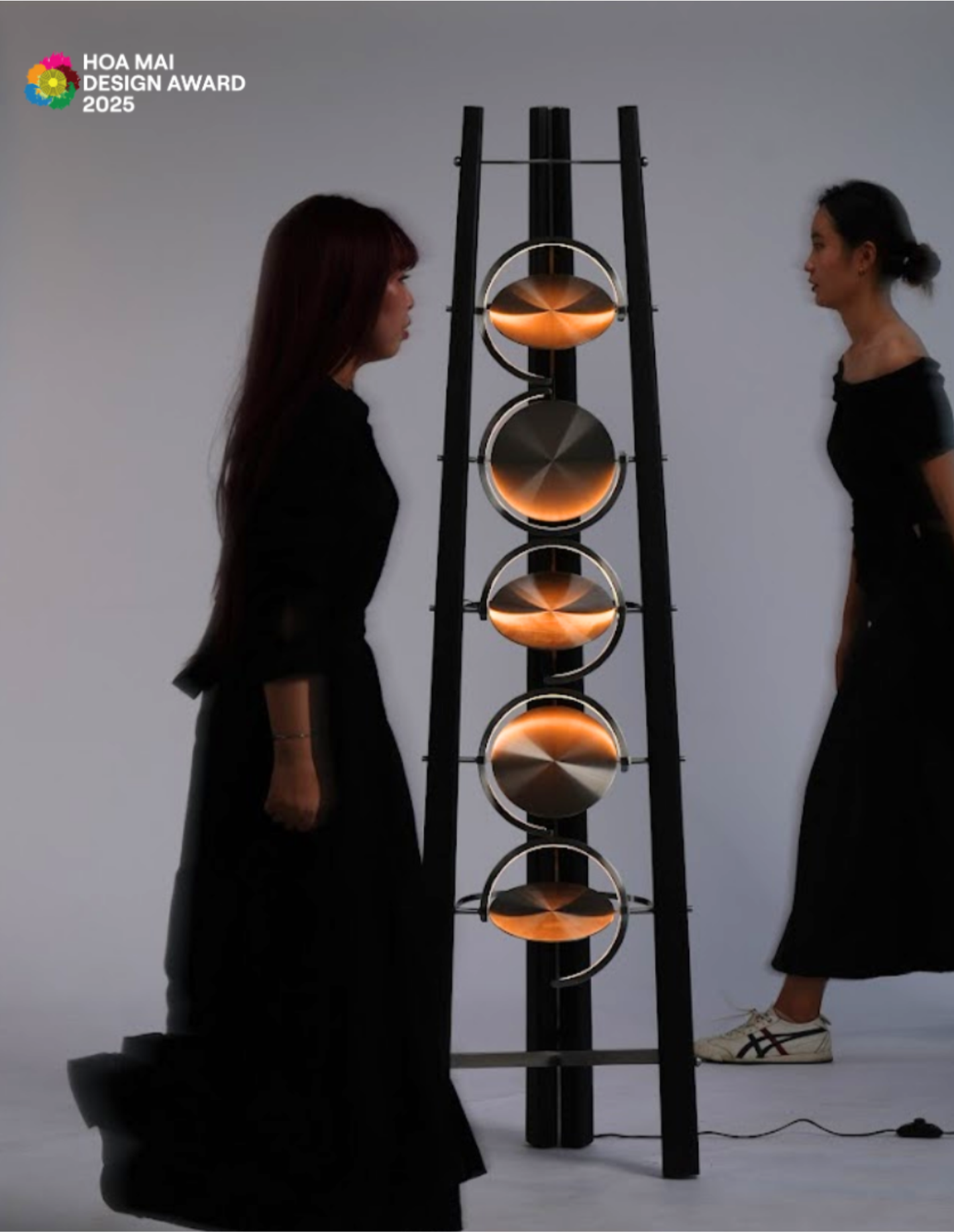
First prize was awarded to Lumaire Light, a lighting piece by Ngô Thị Quỳnh Trang and Soi, interior designers at Kaze. Drawing on the lunar cycle, the design uses adjustable LED sources and metal reflectors to create shifting atmospheres of light and shadow. The designers described American red oak as adding emotional warmth and tactile depth to the work.
Related: The long game of urban renewal
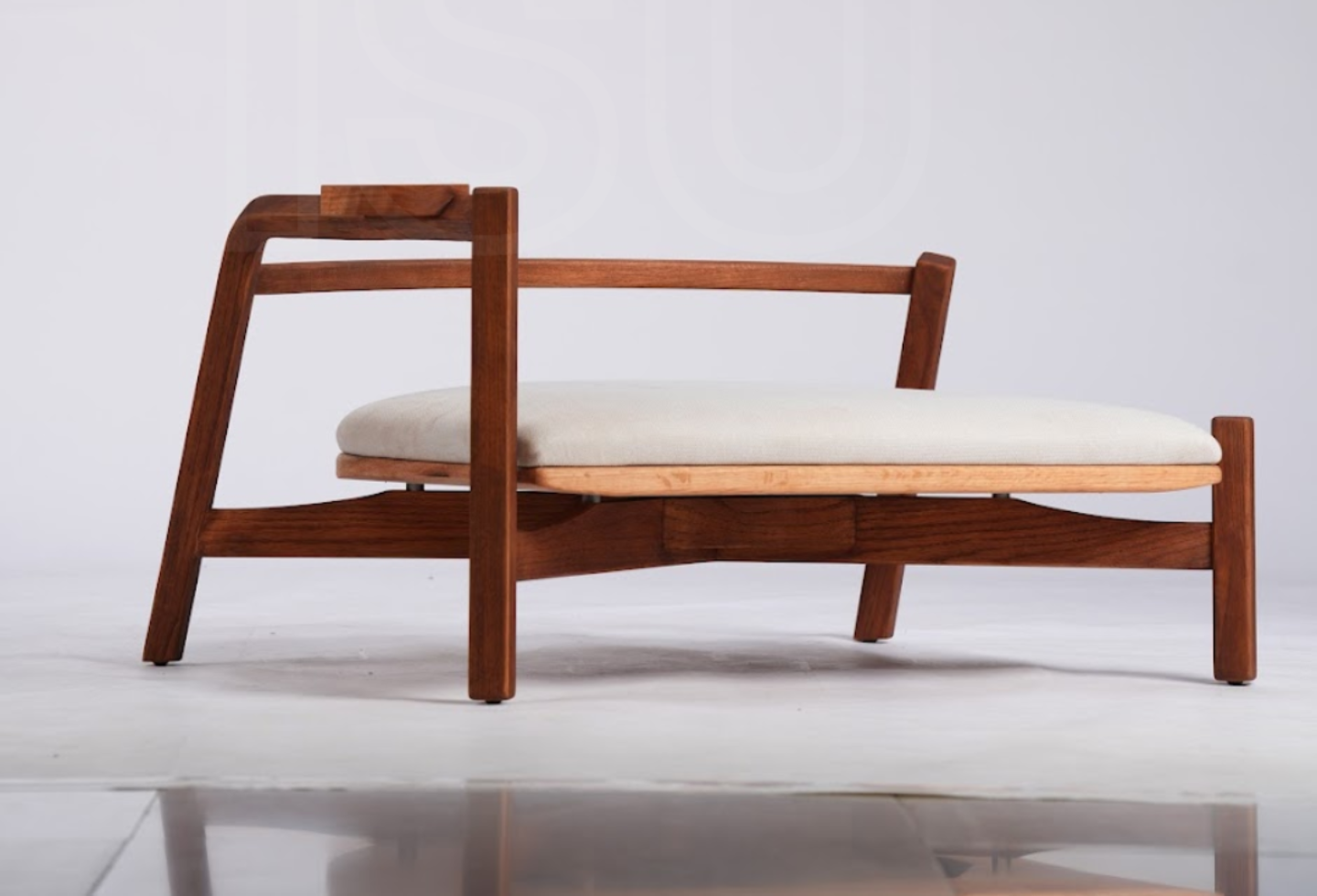
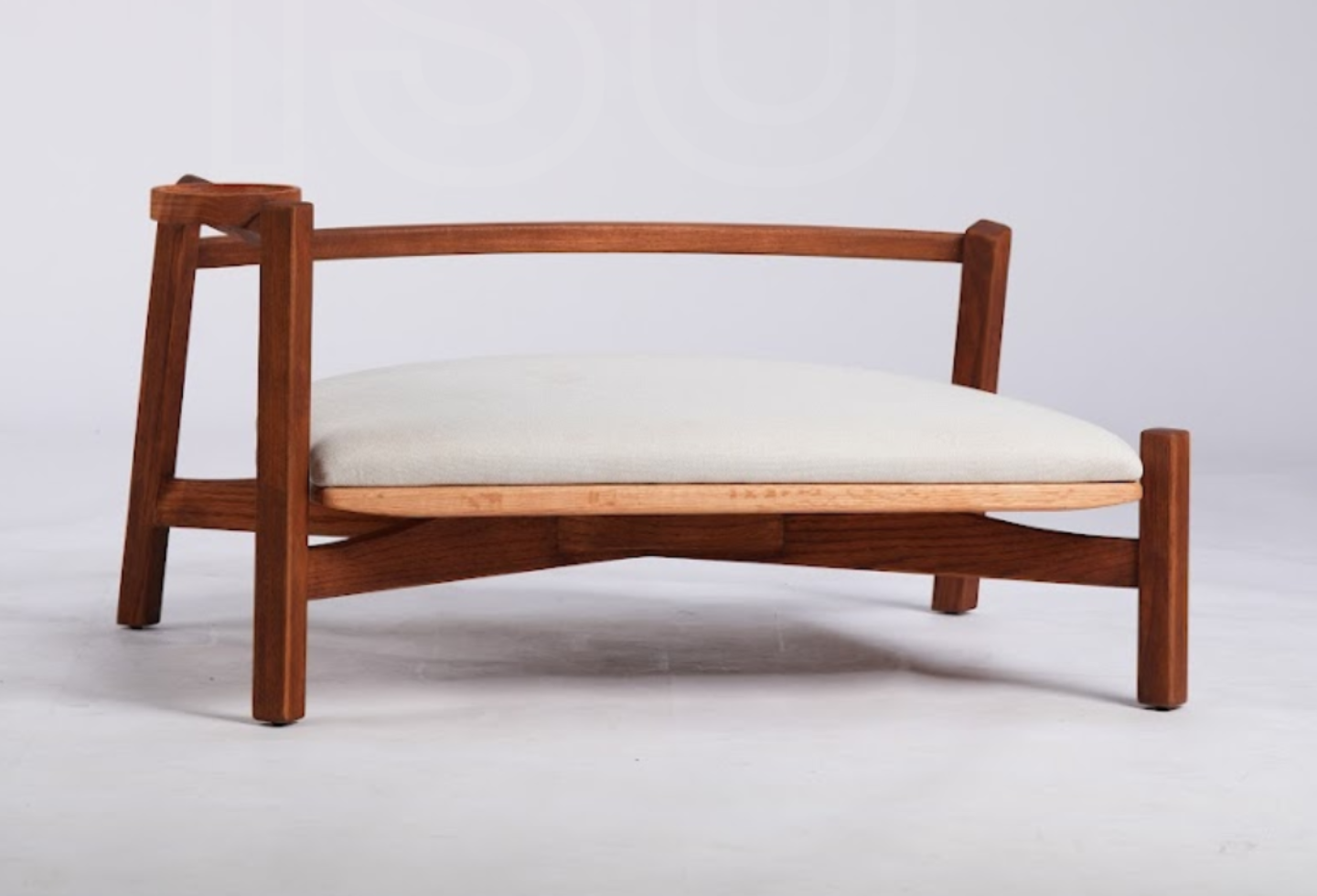
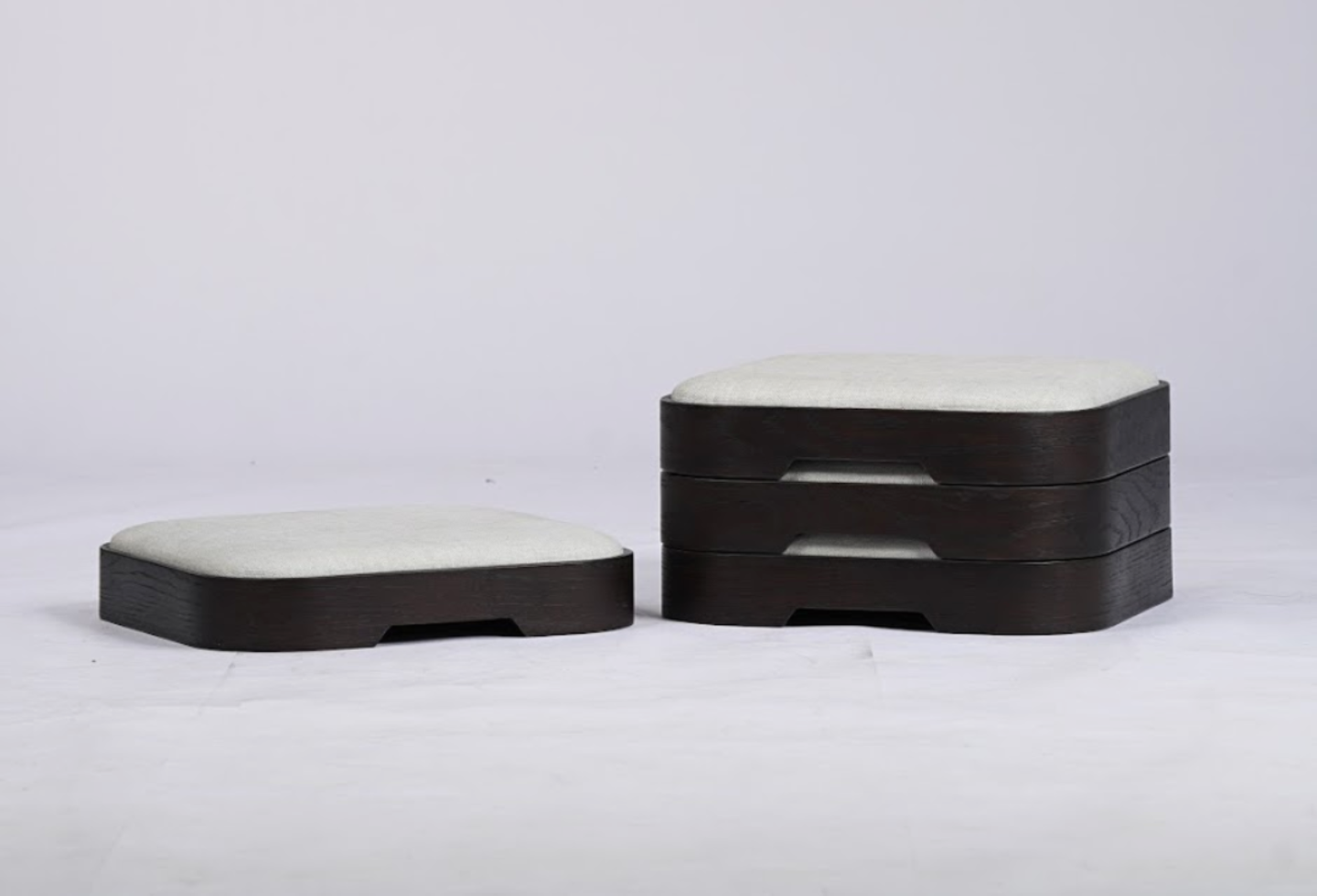
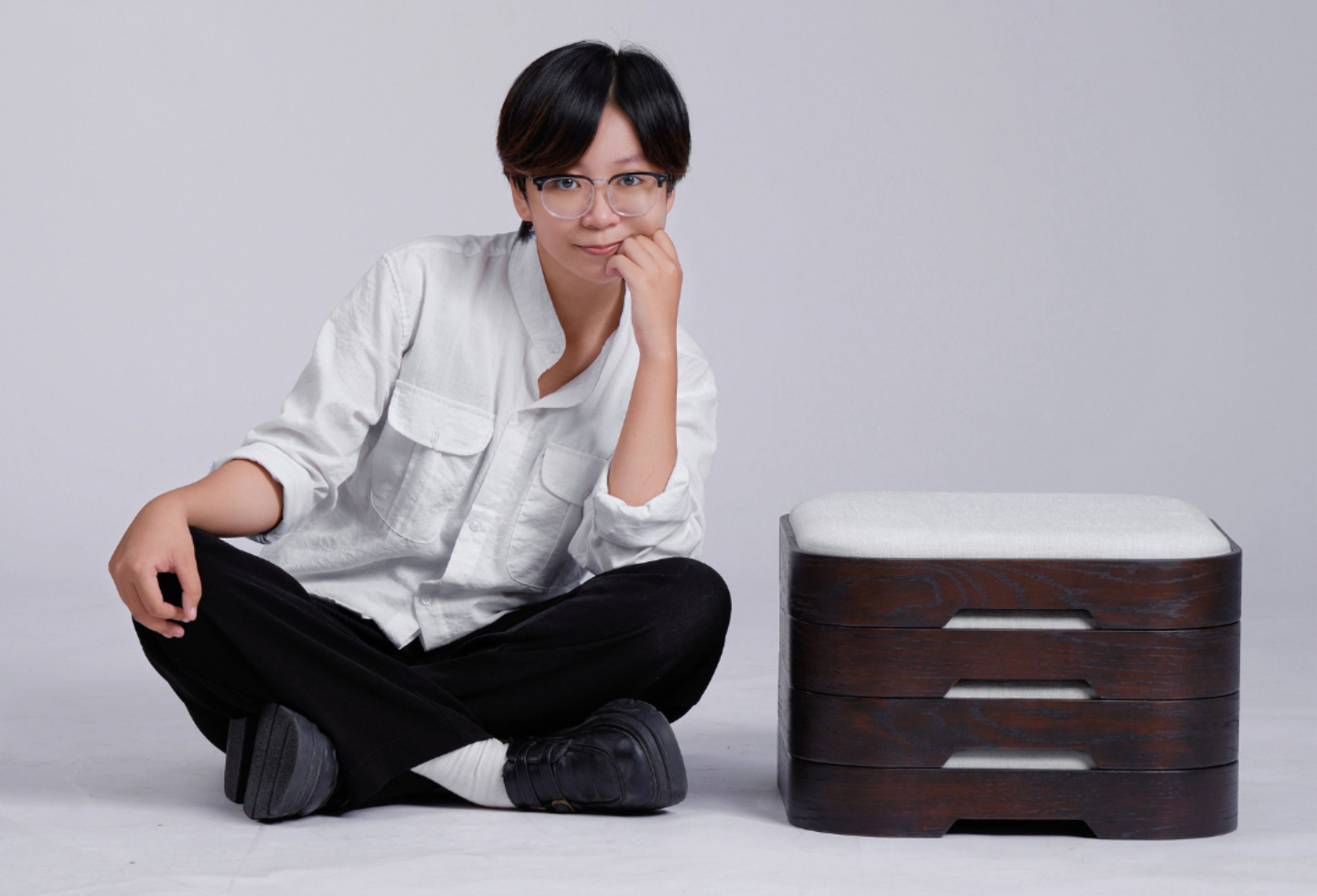
Second prize went to Nest Stool by Ton Duc Thang University interior design student Nguyễn Thùy Dương. Inspired by the familiar Vietnamese bao steamer, the stool translates soft curves into a restrained timber form, with the red oak’s density requiring careful control during fabrication.
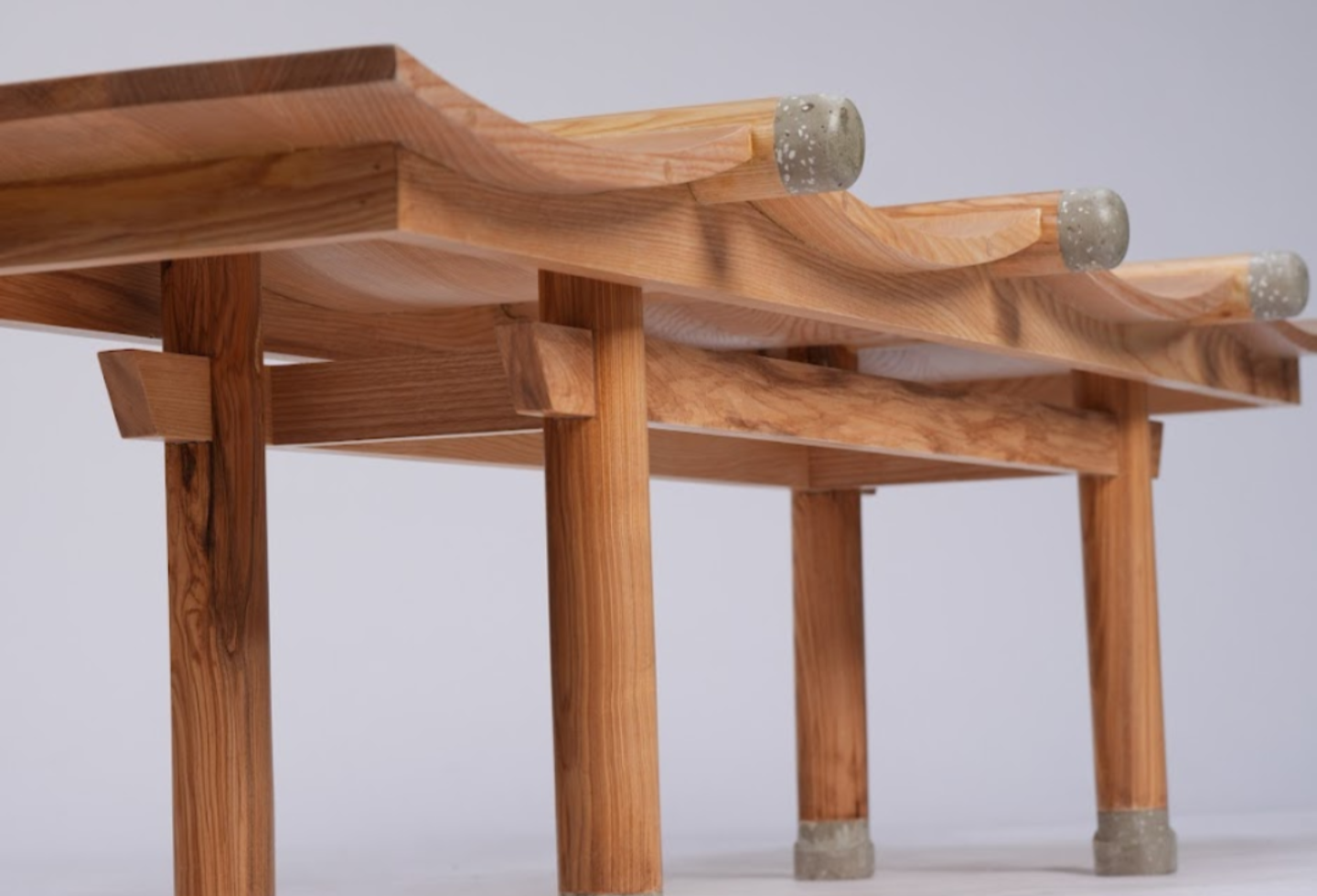
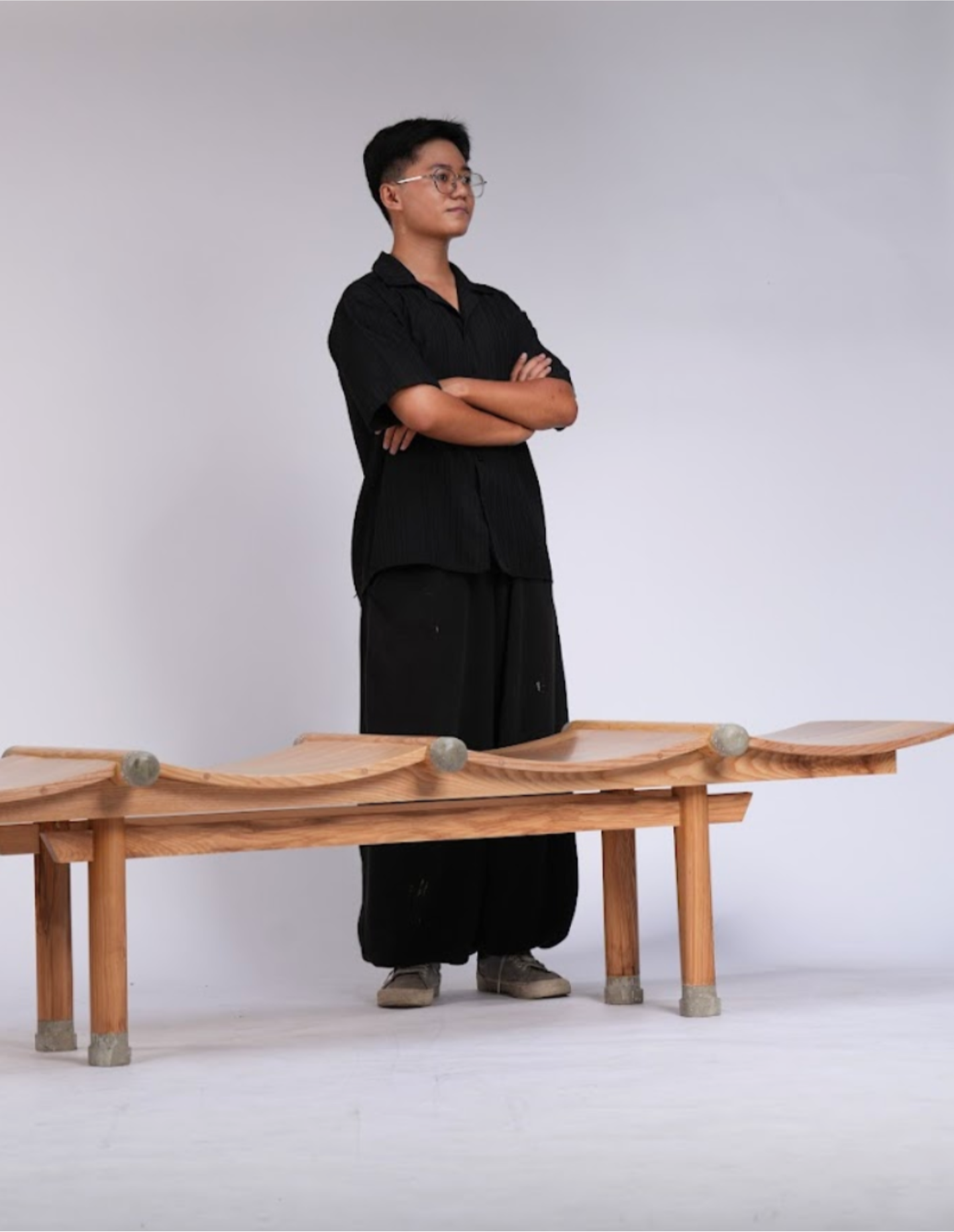
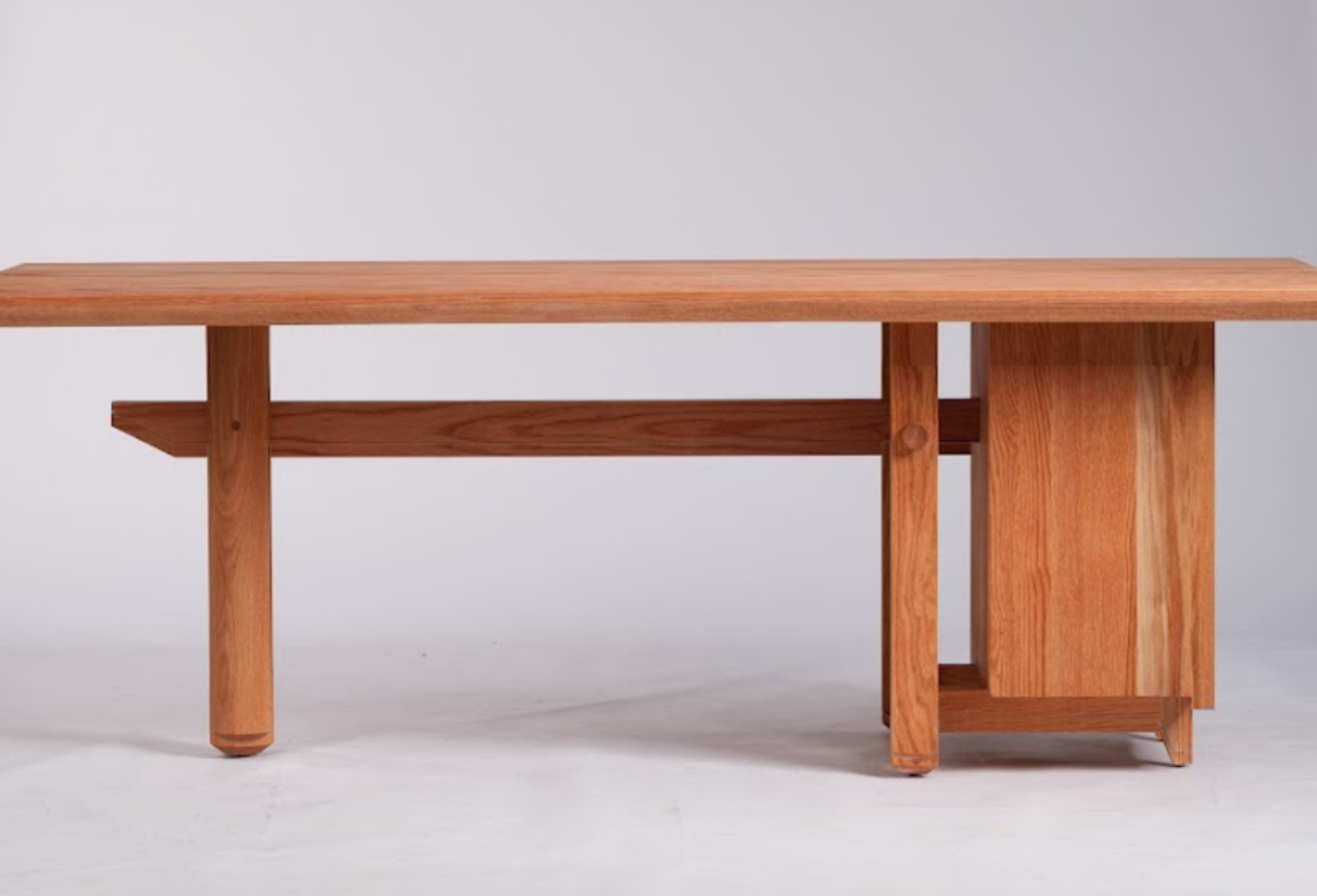
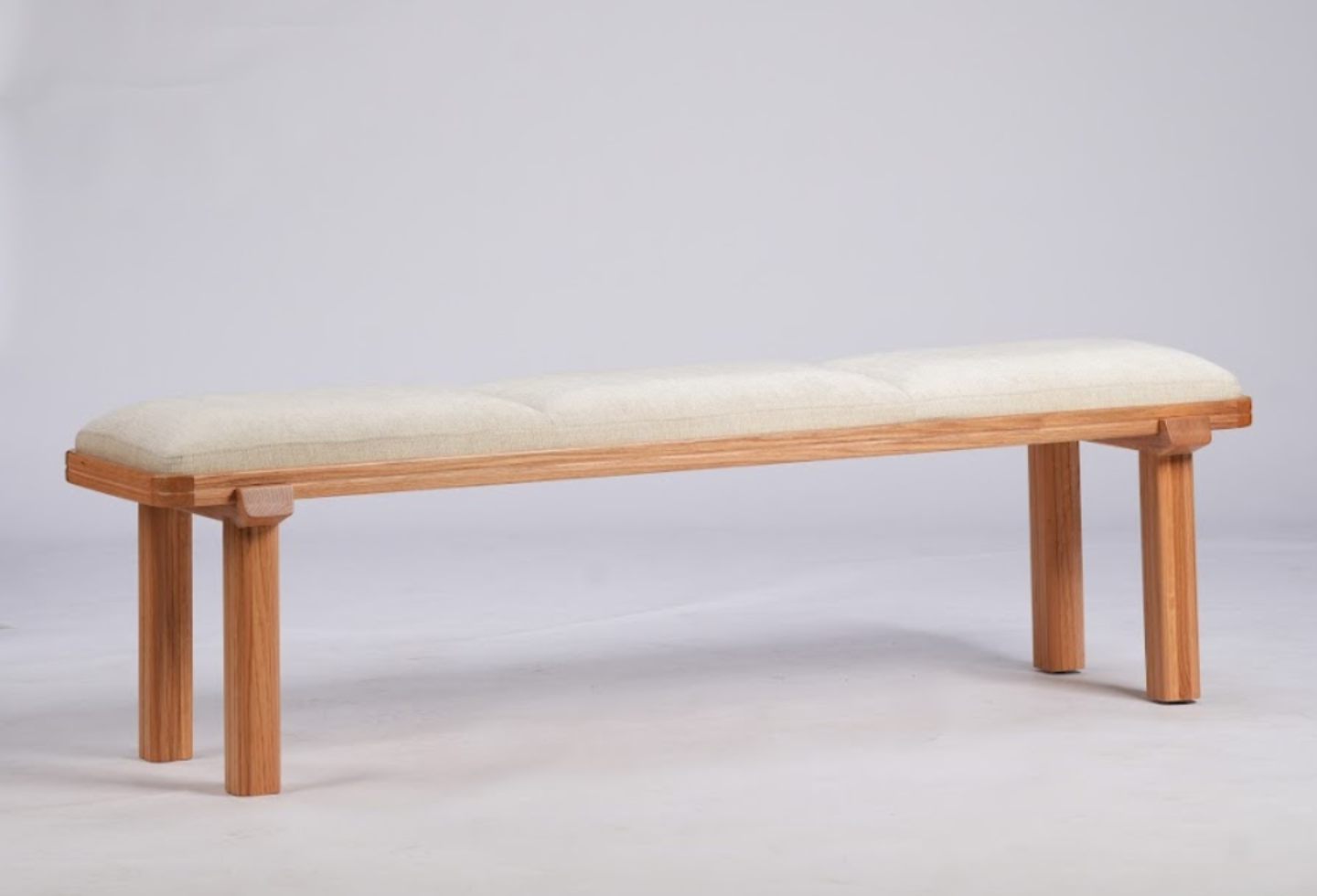
Third prize recognised Crossline Bench by freelance product designer Hồ Thị Thu Hà, informed by the structural logic and rhythm of Saigon’s bridges. Here, red oak’s strength and fine grain supported clean joinery and precise detailing.
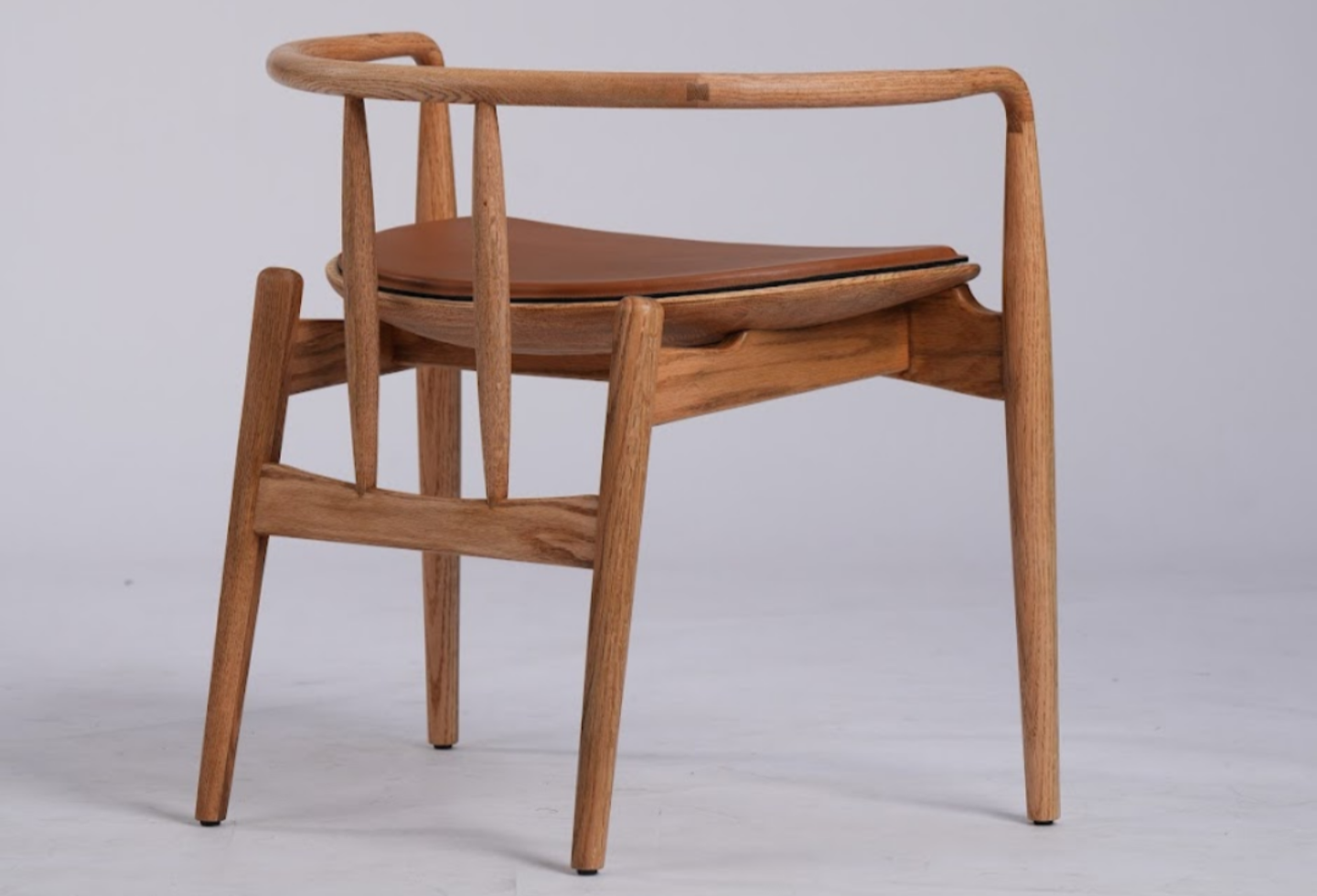
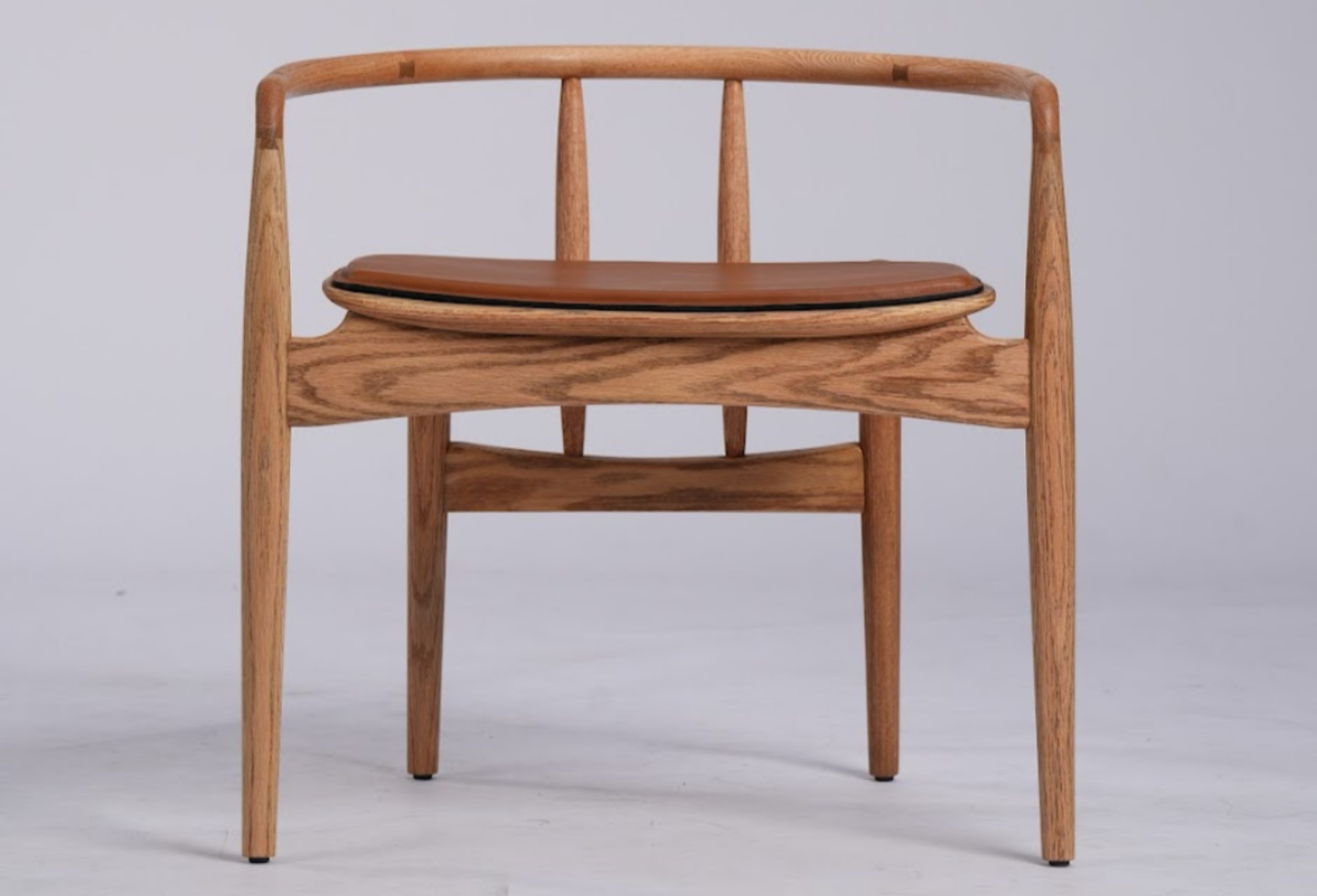
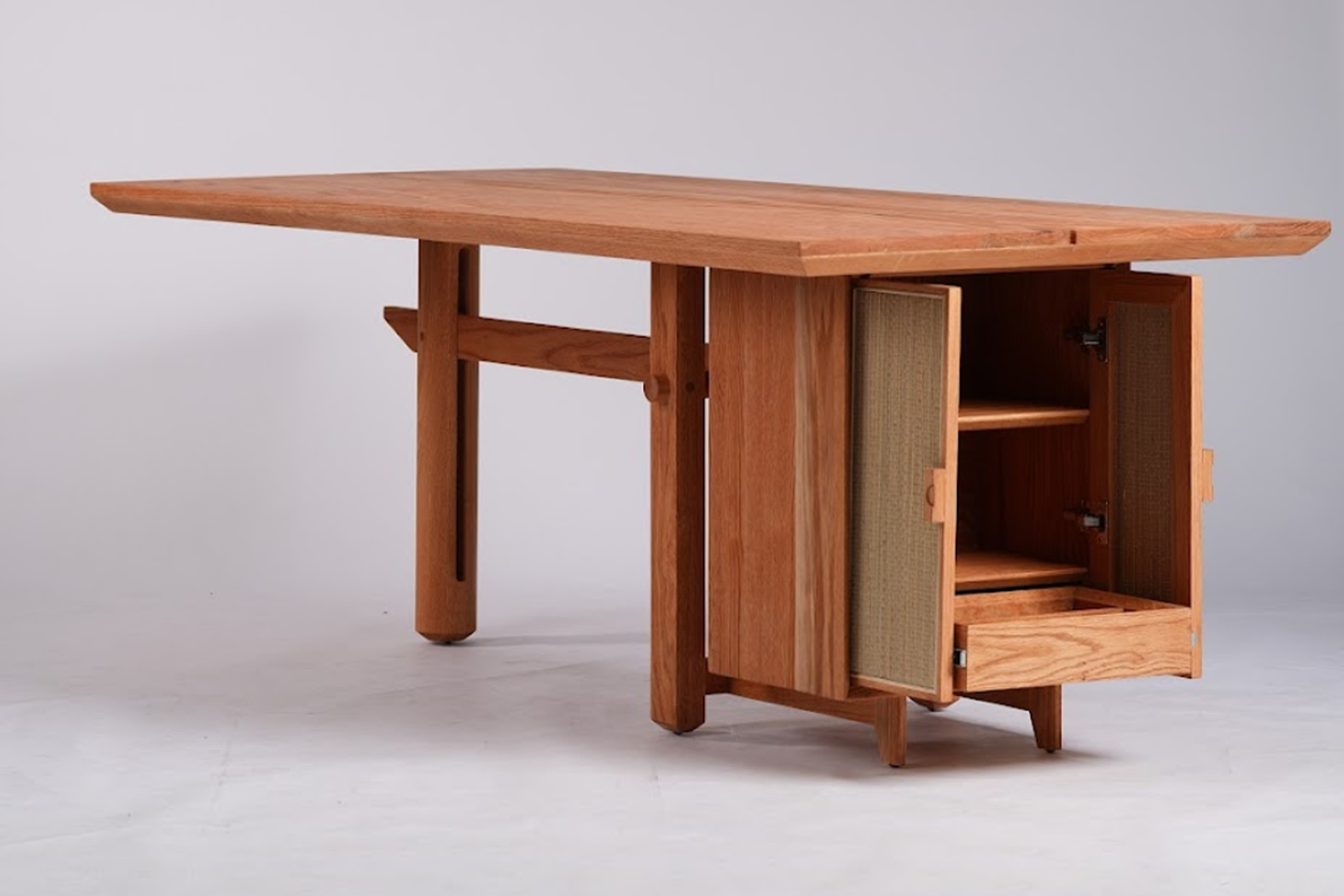
The Grand Award Special Prize was presented to Node by architect Lê Hữu Trường of Li and Partners Architecture Co. The chair references Vietnamese shoulder poles and bamboo joinery through complex mortise-and-tenon construction, with contrasting tenons evoking bamboo nodes. Working with red oak encouraged a deeper understanding of finish, tone and colour control.
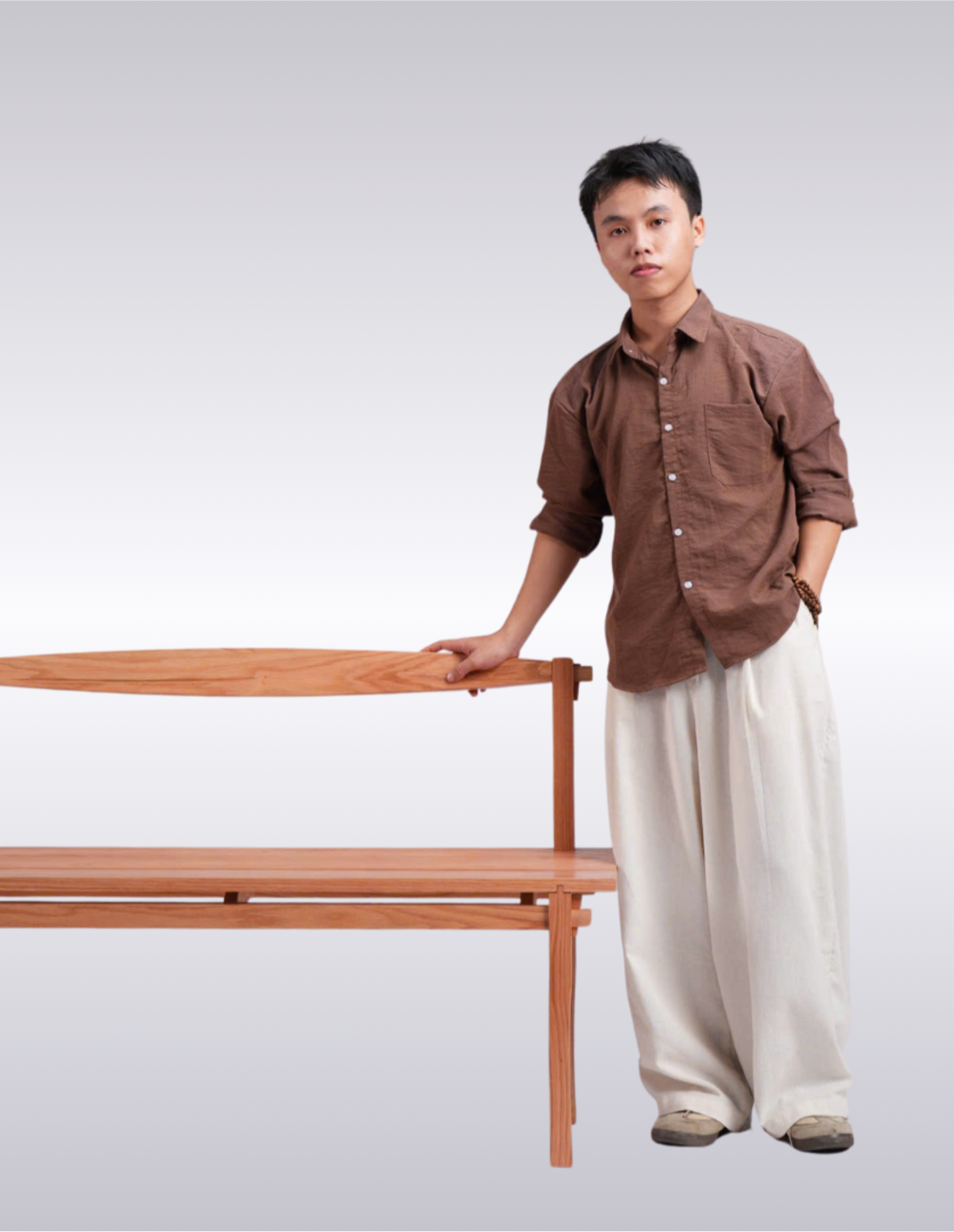
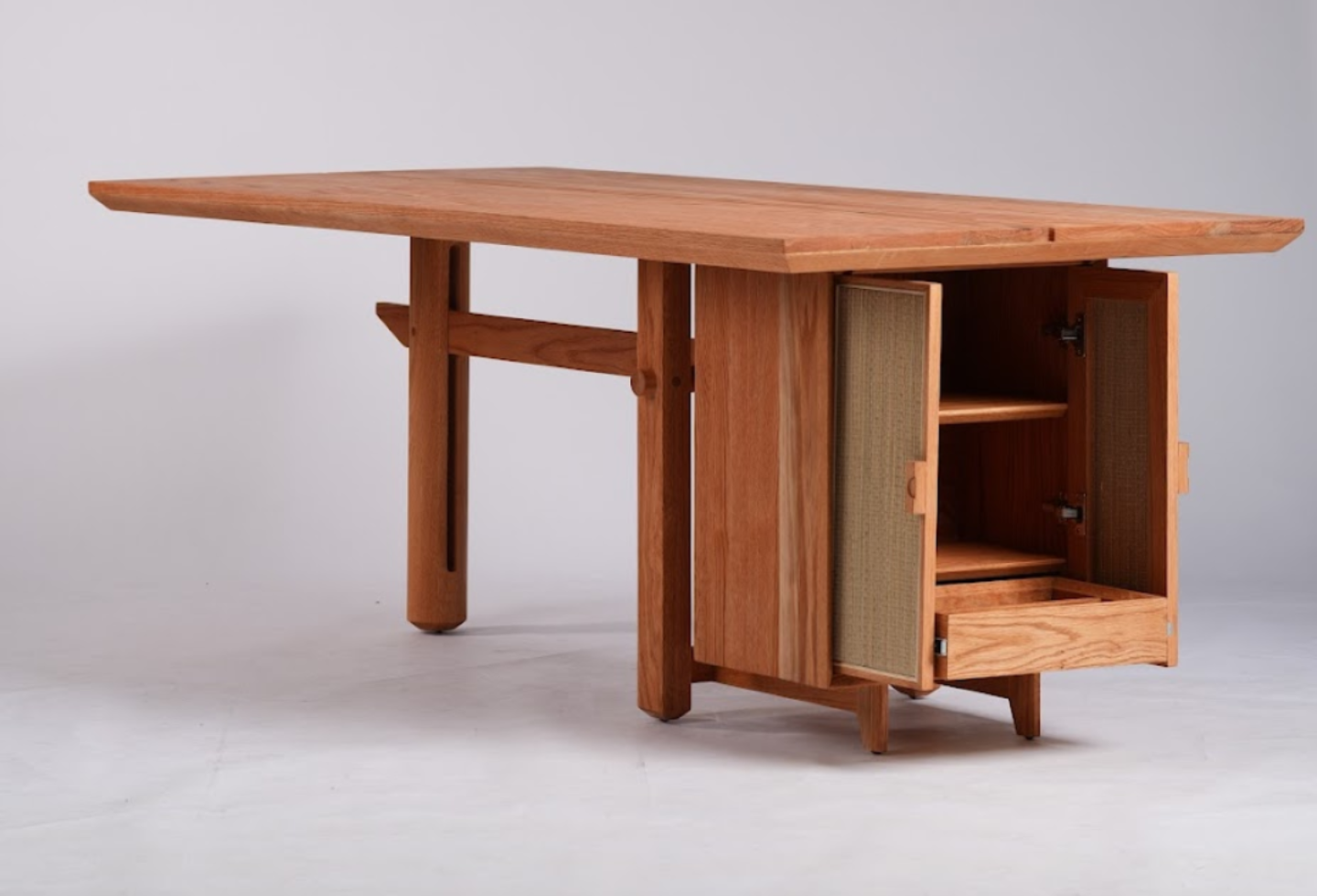
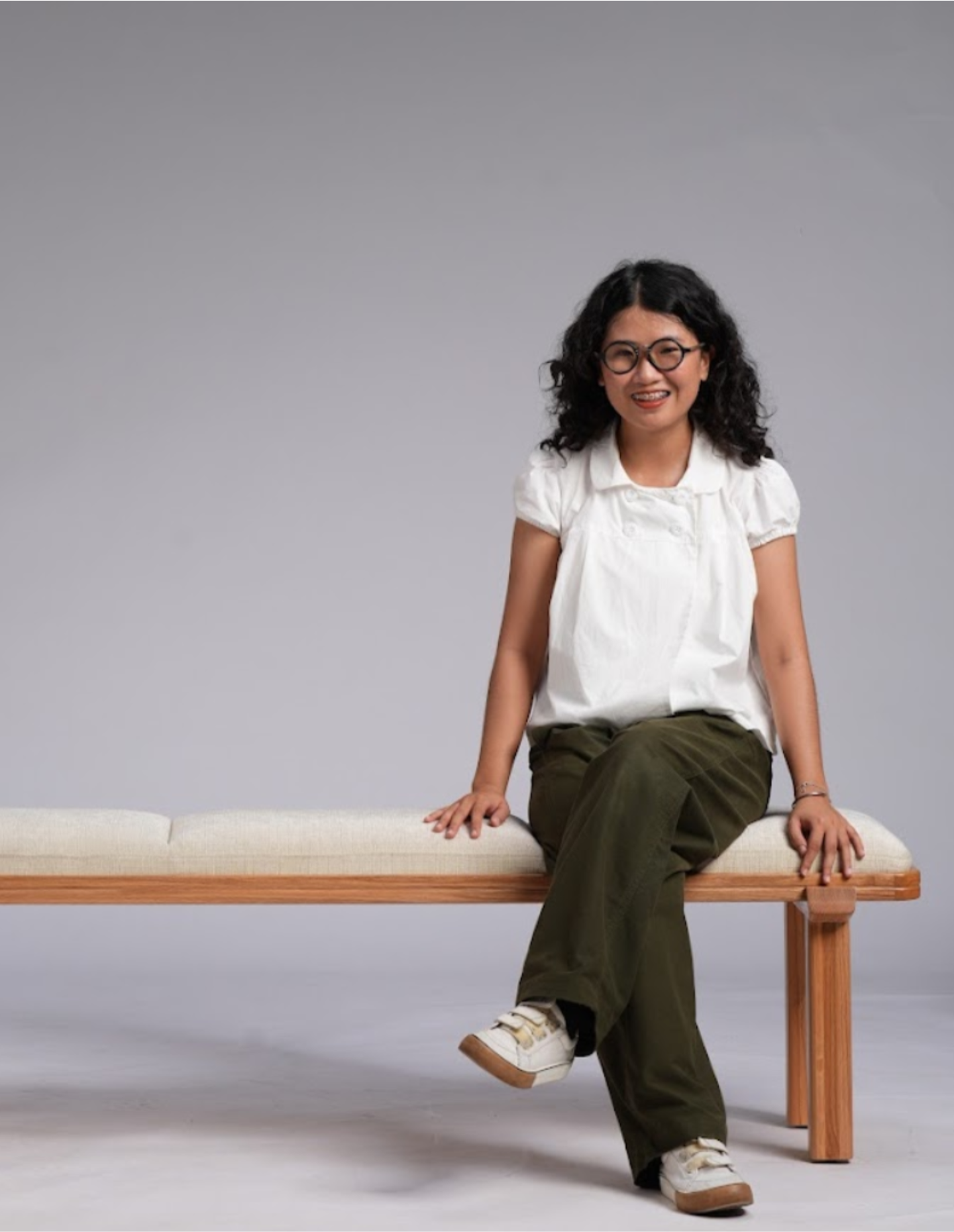
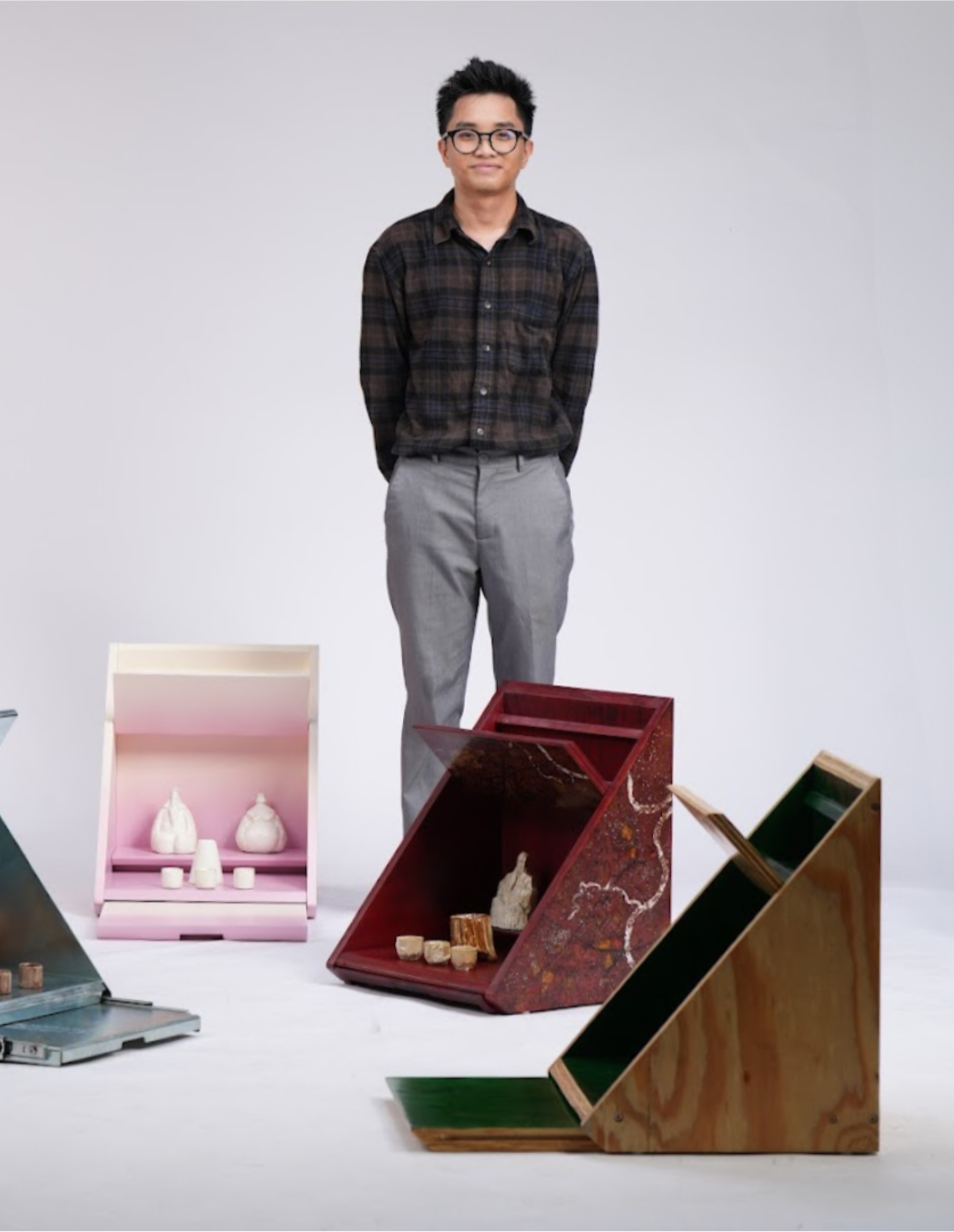
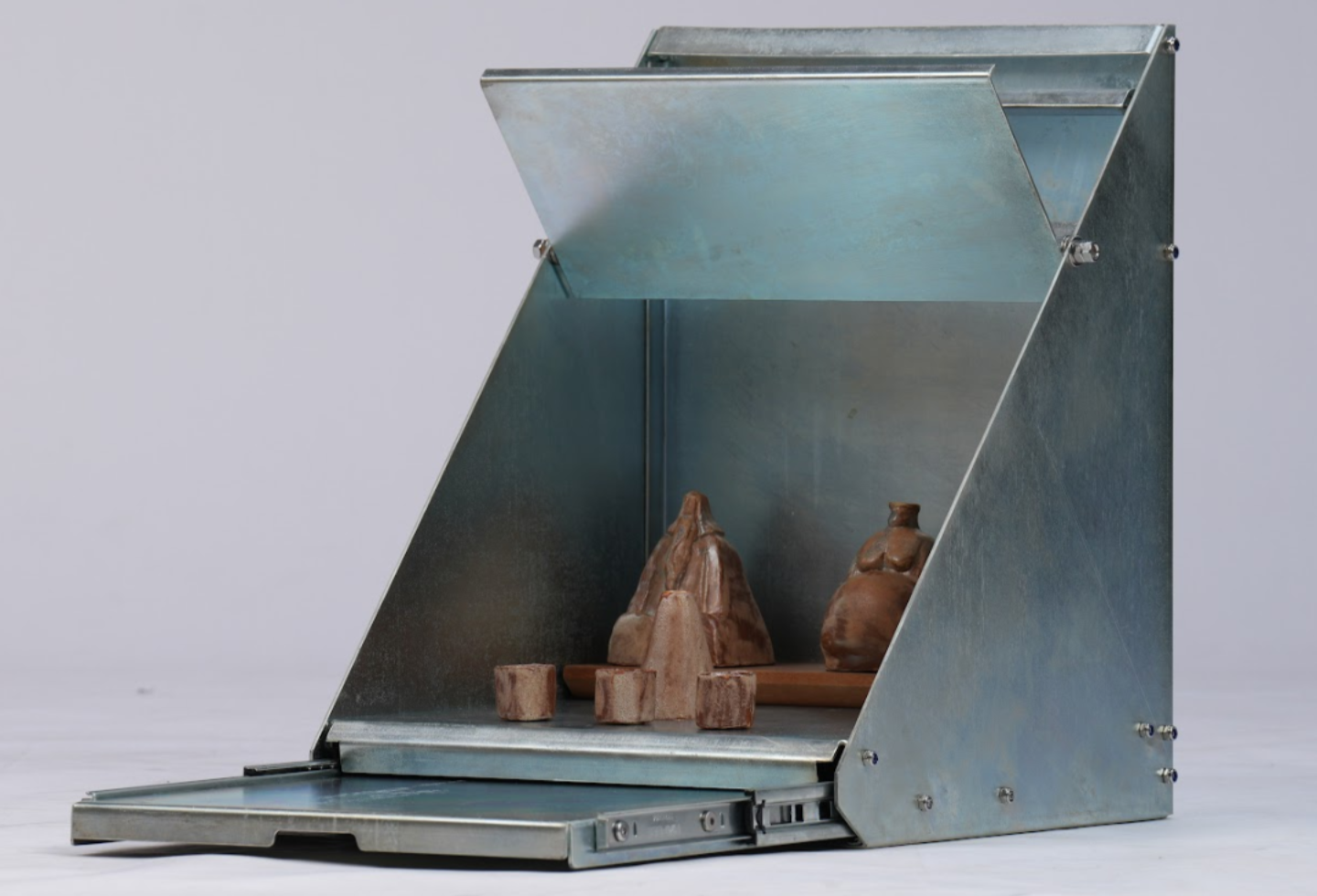
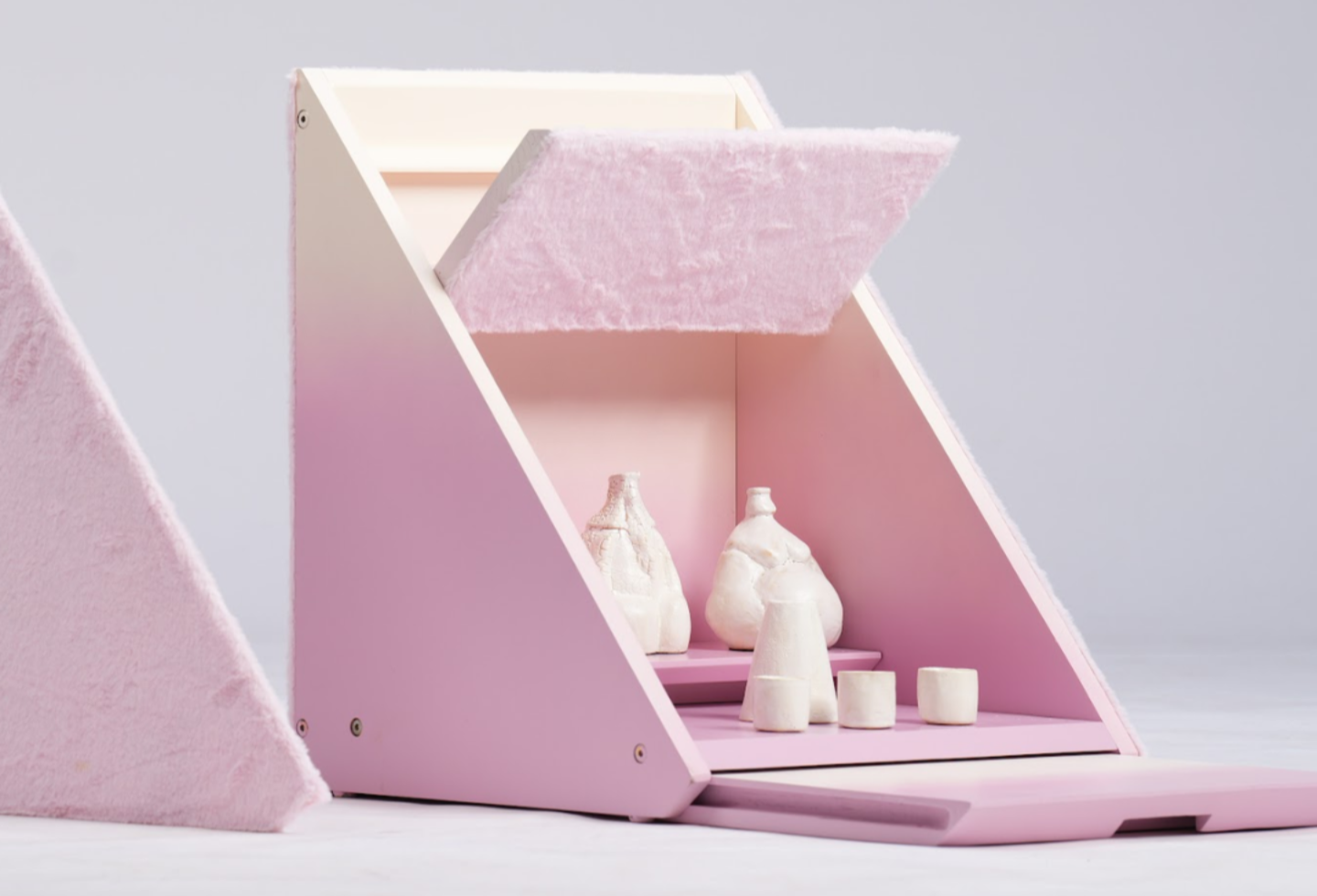
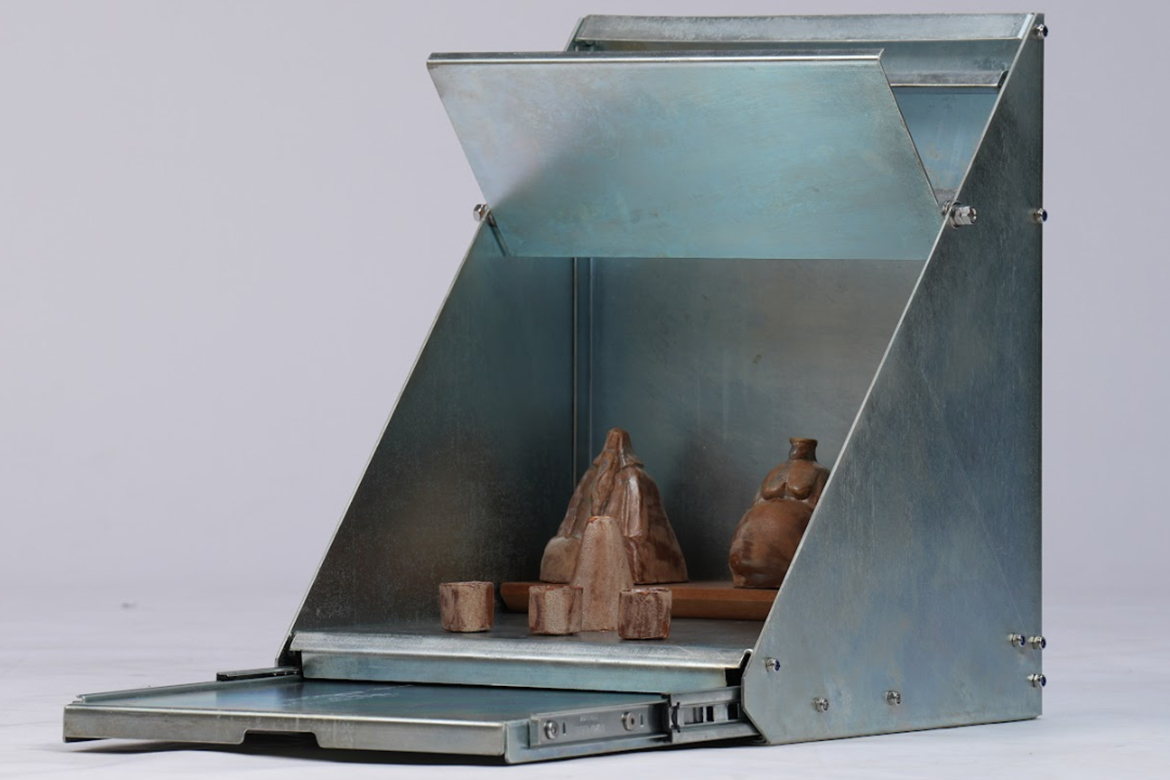
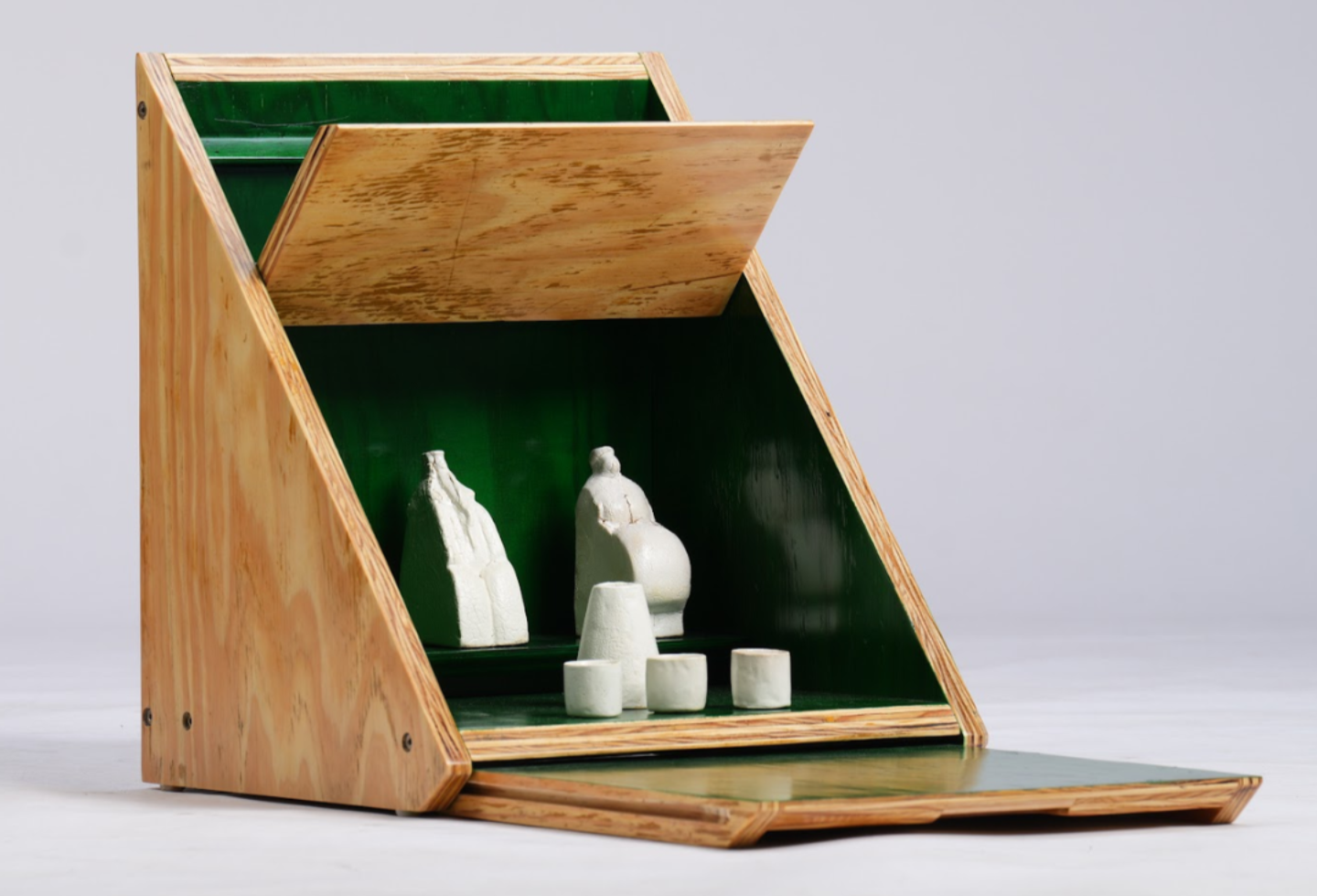
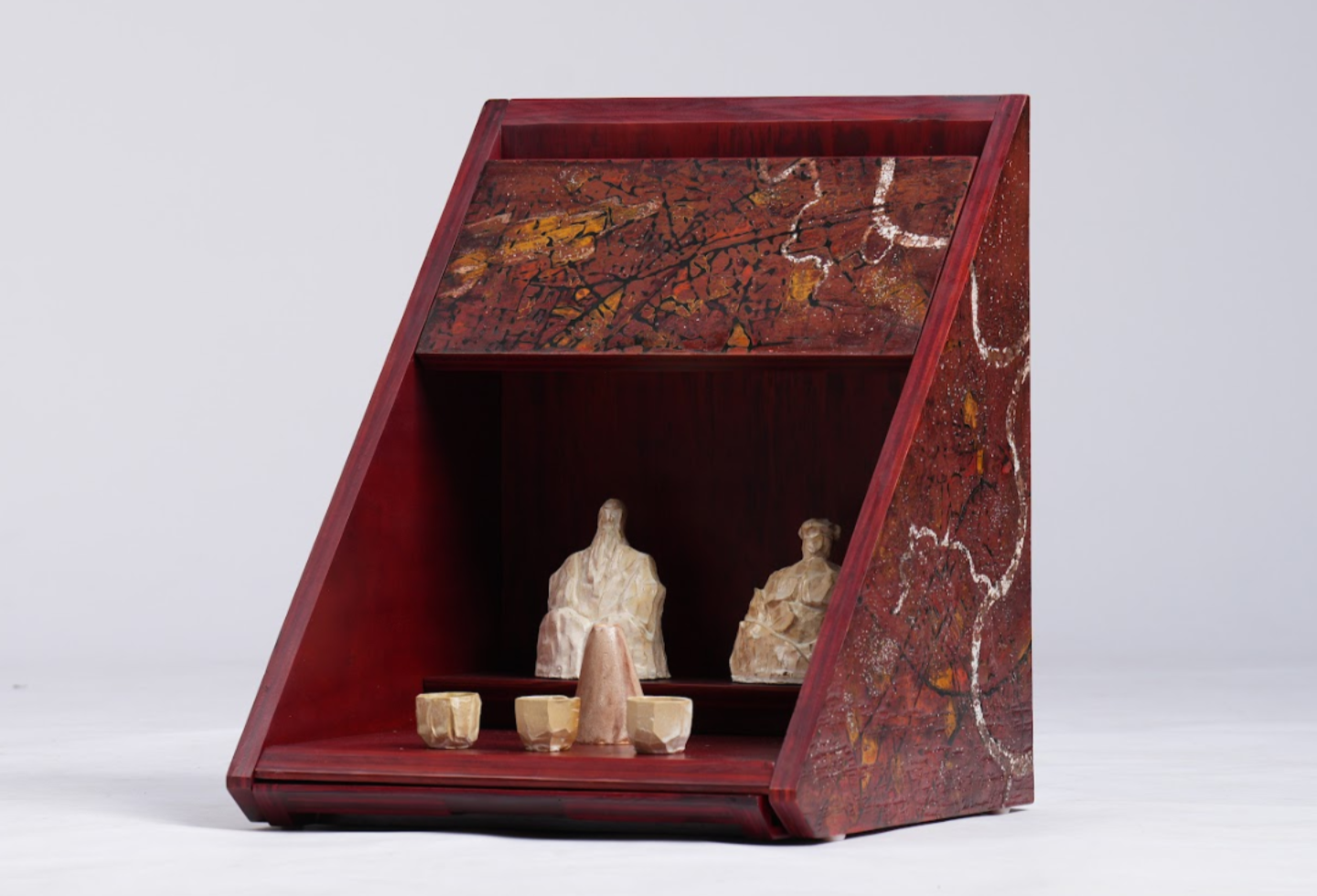
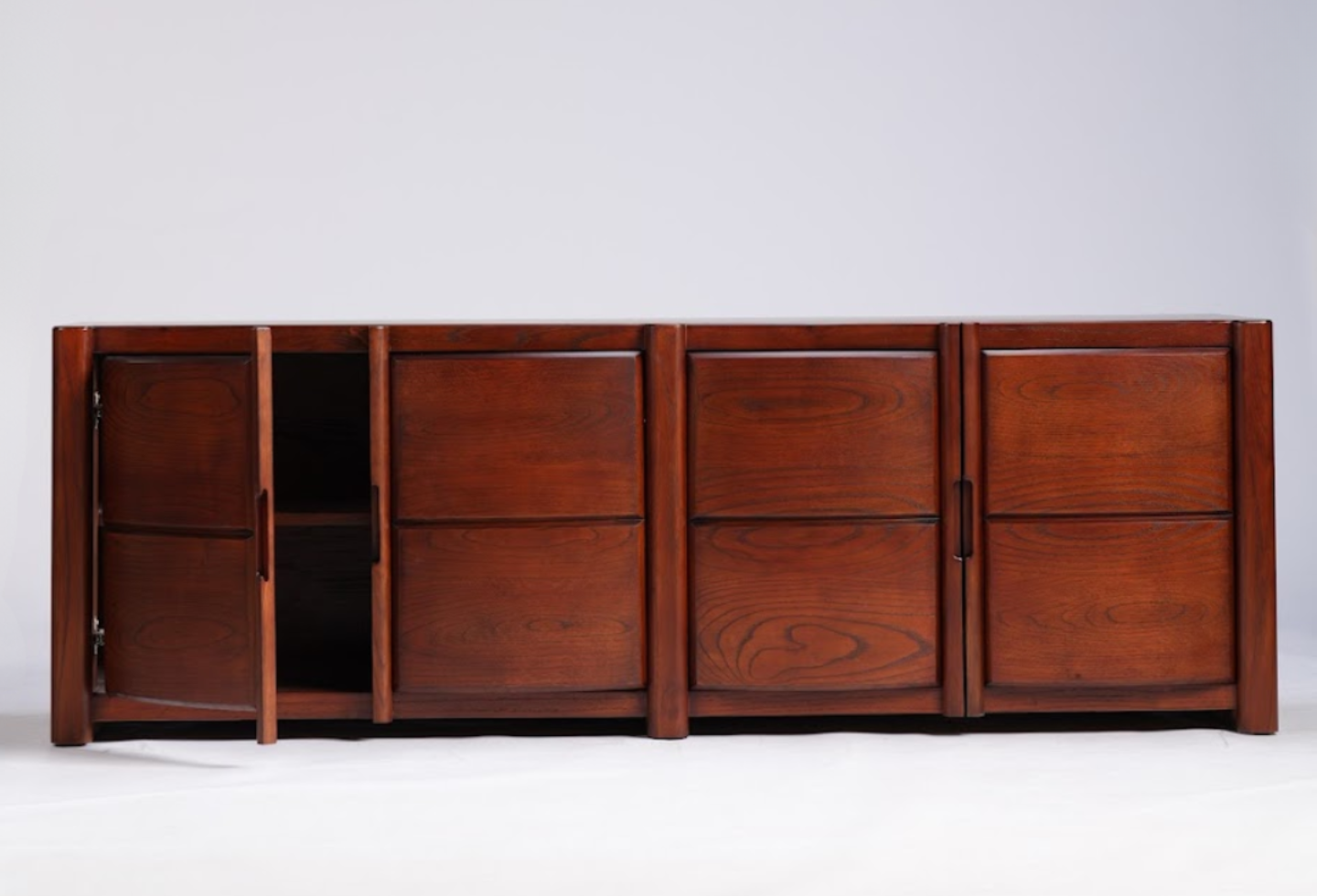
A number of Encouragement Prizes were also awarded to designs using American red oak, including ISU Chair by Nguyễn Thị Mỹ Vân, Gánh Bench by Trần Tuấn Kiệt, Echo Cabinet by Hồ Hà and The Thổ by Thịnh Nguyễn of Ngoac.Space Studio.
Taken together, the work emerging from this year’s Hoa Mai Design Awards reflects a considered approach to material, process and cultural reference. Each object speaks to its maker’s context while contributing to a broader regional conversation about contemporary product design.
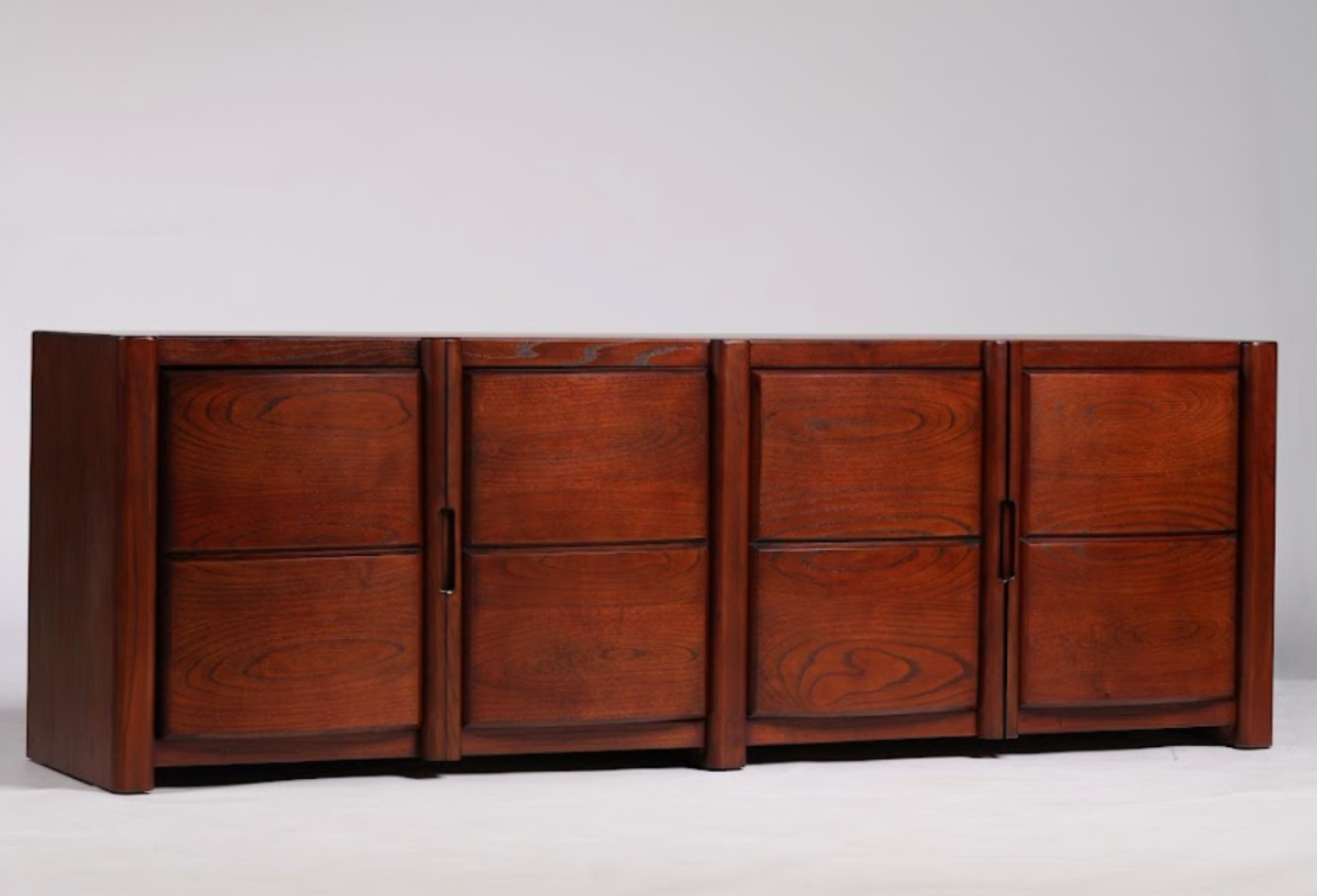
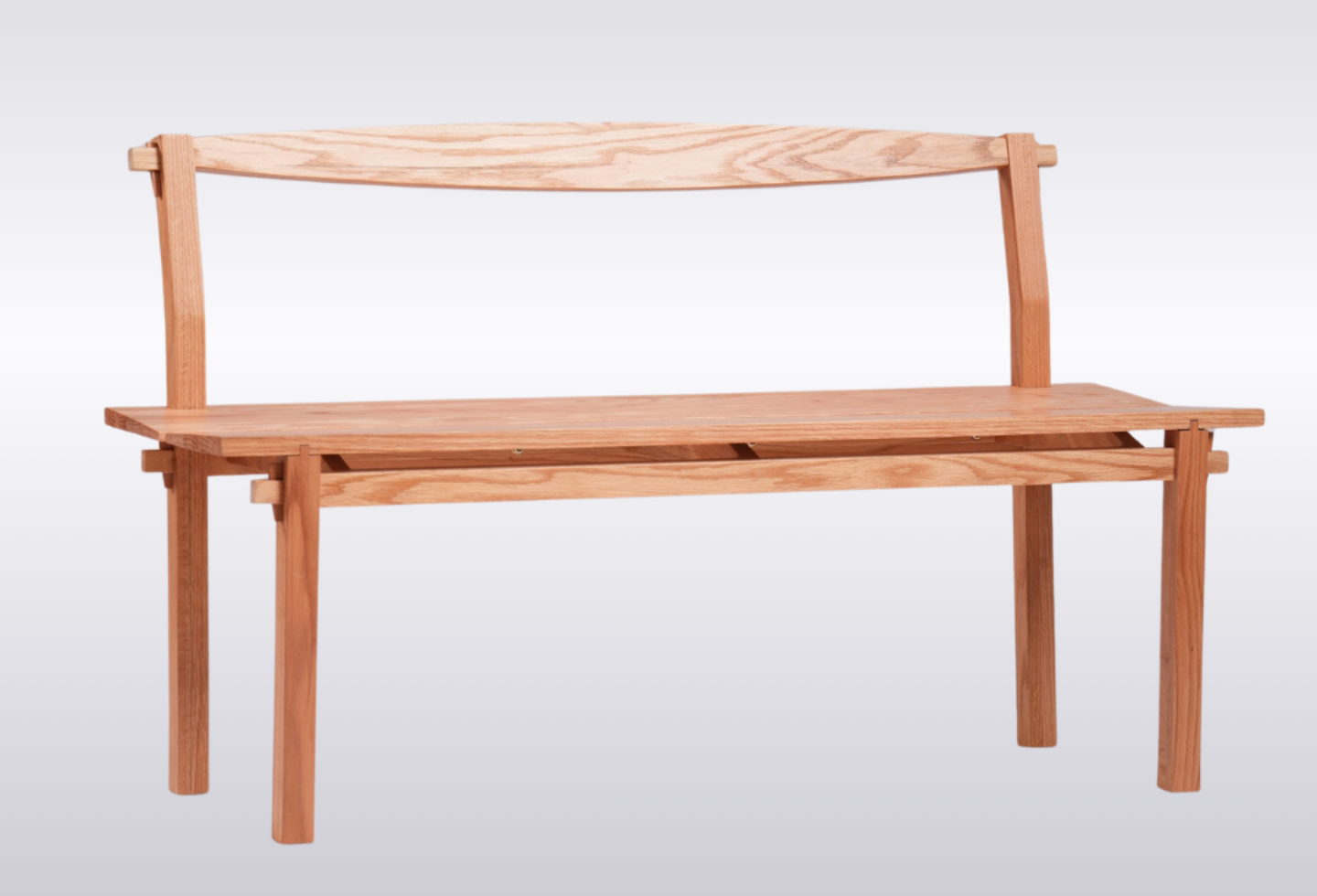
Many Encouragement Prize winners also created designs with American red oak and they include the ISU Chair by Van Lang University graduate Nguyễn Thị Mỹ Vân, Gánh Bench by Interior design student Trần Tuấn Kiệt, Echo Cabinet by Hồ Hà and The Thổ by Thịnh Nguyễn, Founder and Architect at Ngoac.Space Studio.
From the calibre of the designs, it is obvious that Vietnam is a hotbed of inspirational product designers that are creating exceptional objects. Guided by culture, informed by process and using excellent hardwood timbers, each piece is unique, beautifully finished and sets a new standard for design.
Congratulations to these extraordinary practitioners who are creating world-class design from AHEC timber – and making quite the impact on the global design stage.