
Please tell us about the site context.
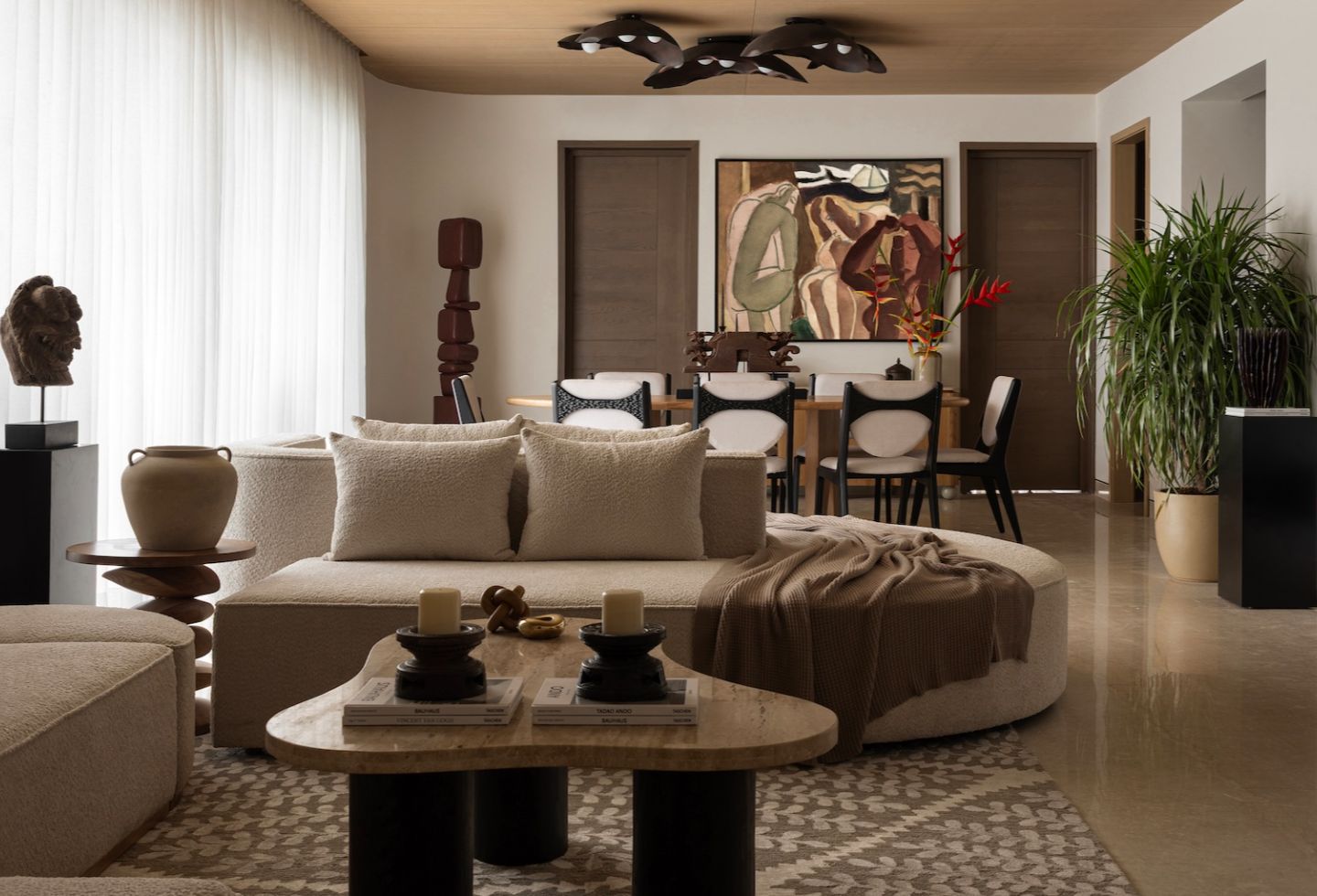
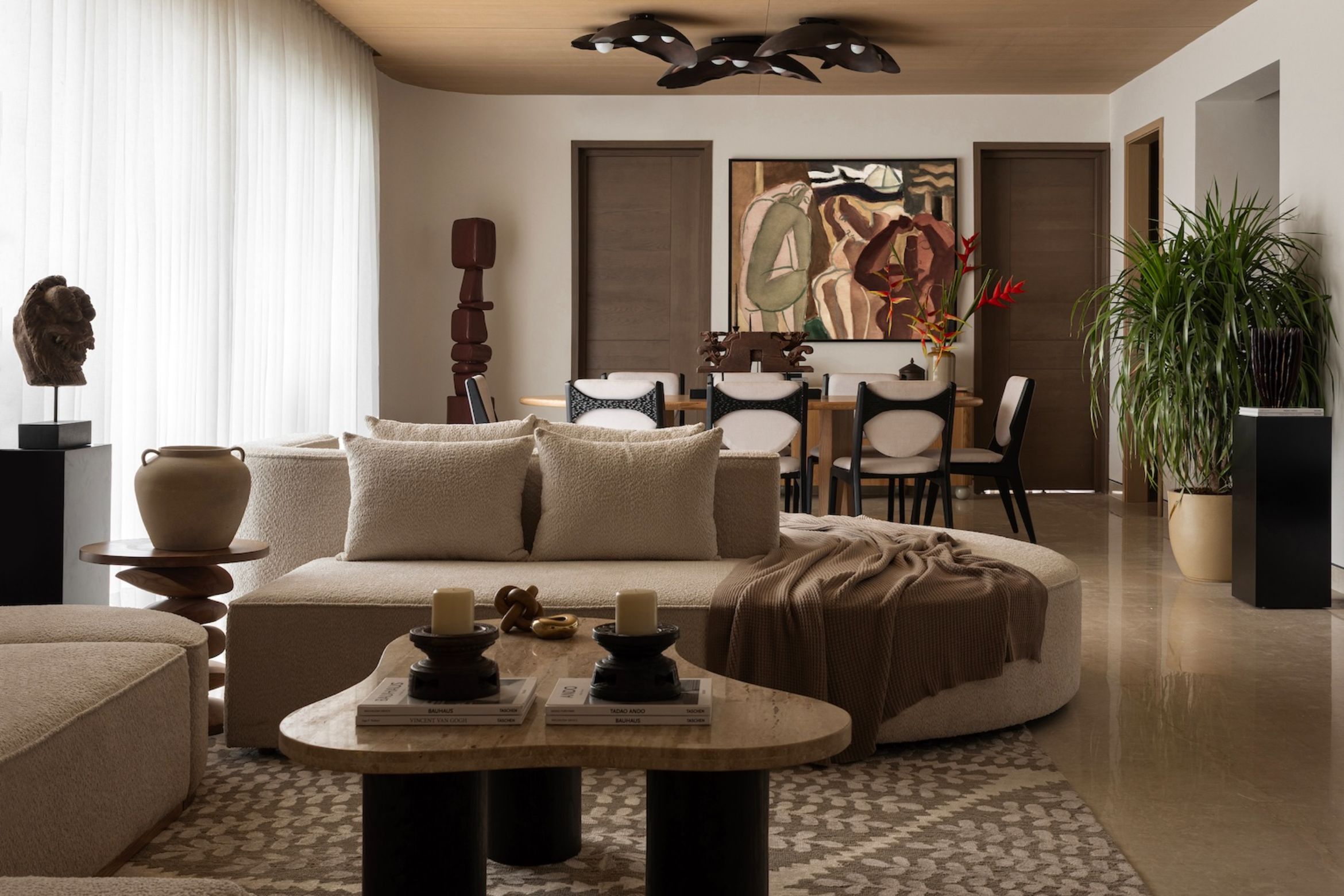
Belmont Home is a 4,500-square-foot residence developed by Appaswamy Real Estate, defined by generous volumes, high ceilings and an abundance of natural light. Rather than impose upon the existing shell, the design responds to it — treating the architecture as a quiet framework to be refined through material articulation.
The openness of the plan offered both opportunity and responsibility. The intention was not to fill space, but to calibrate it — allowing proportion, grain, shadow and surface to shape the experience.
What can you tell us about the clients and their brief?
The clients sought a home that feels enduring rather than expressive — one that unfolds gradually through texture and atmosphere. They were aligned with a low-noise, low-stimulation environment where material integrity replaces ornament.
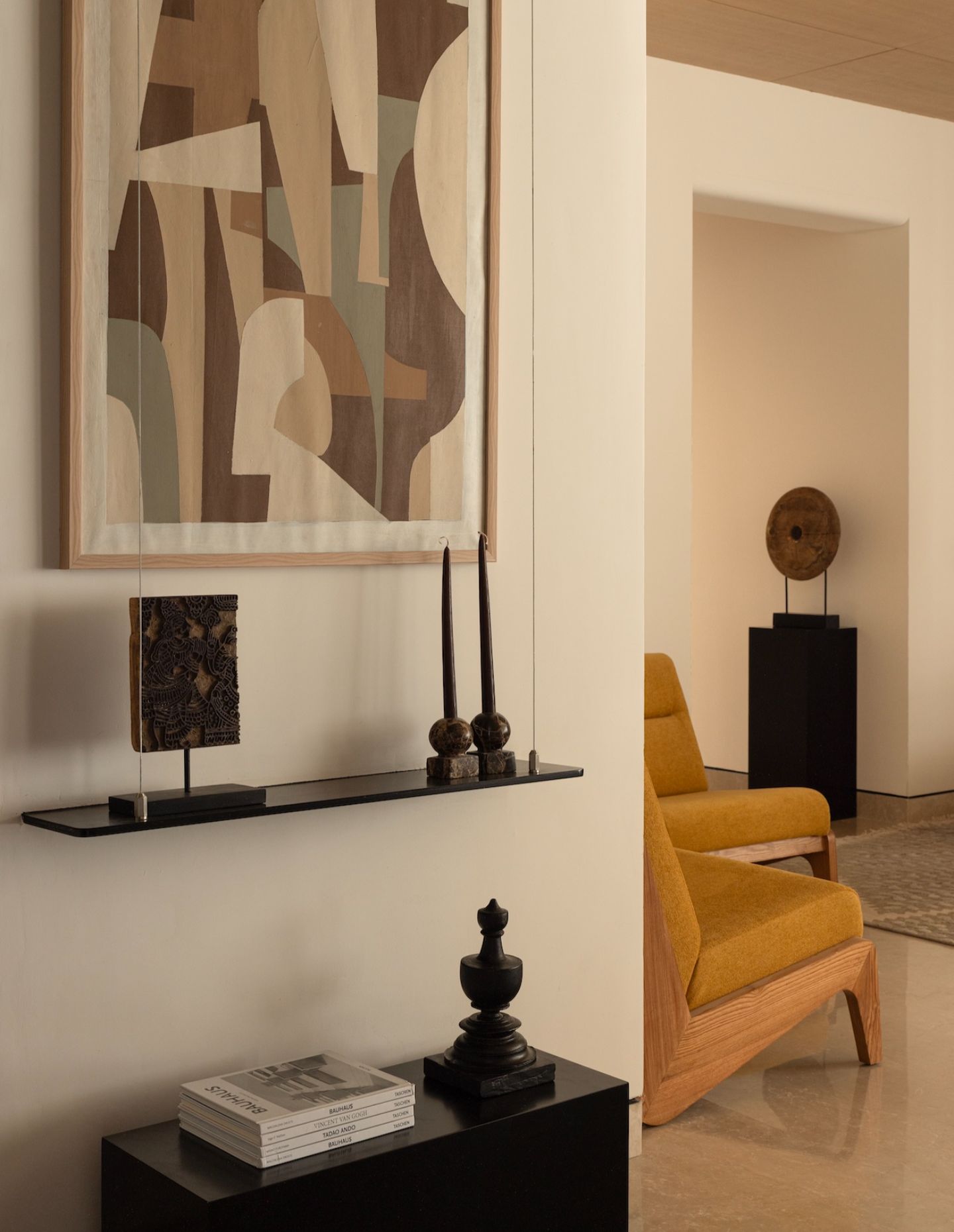
The brief called for warmth without excess, minimalism without sterility. The ambition was to create a space that feels cultured and grounded — layered with meaning through craft, vintage objects and bespoke detailing. Longevity — emotional, aesthetic and material — guided every decision.
What are the key material and structural choices?
The project is fundamentally material-driven.
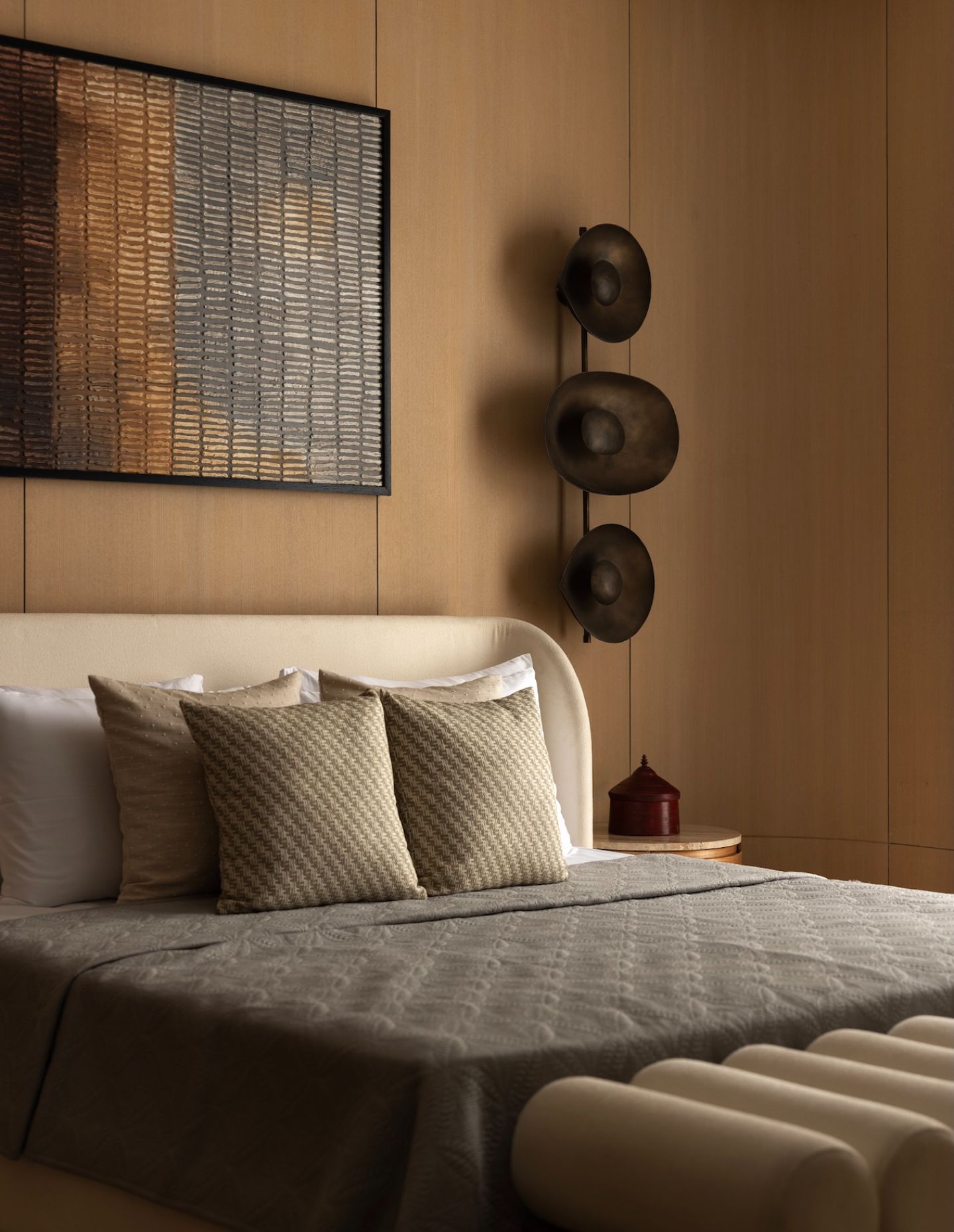
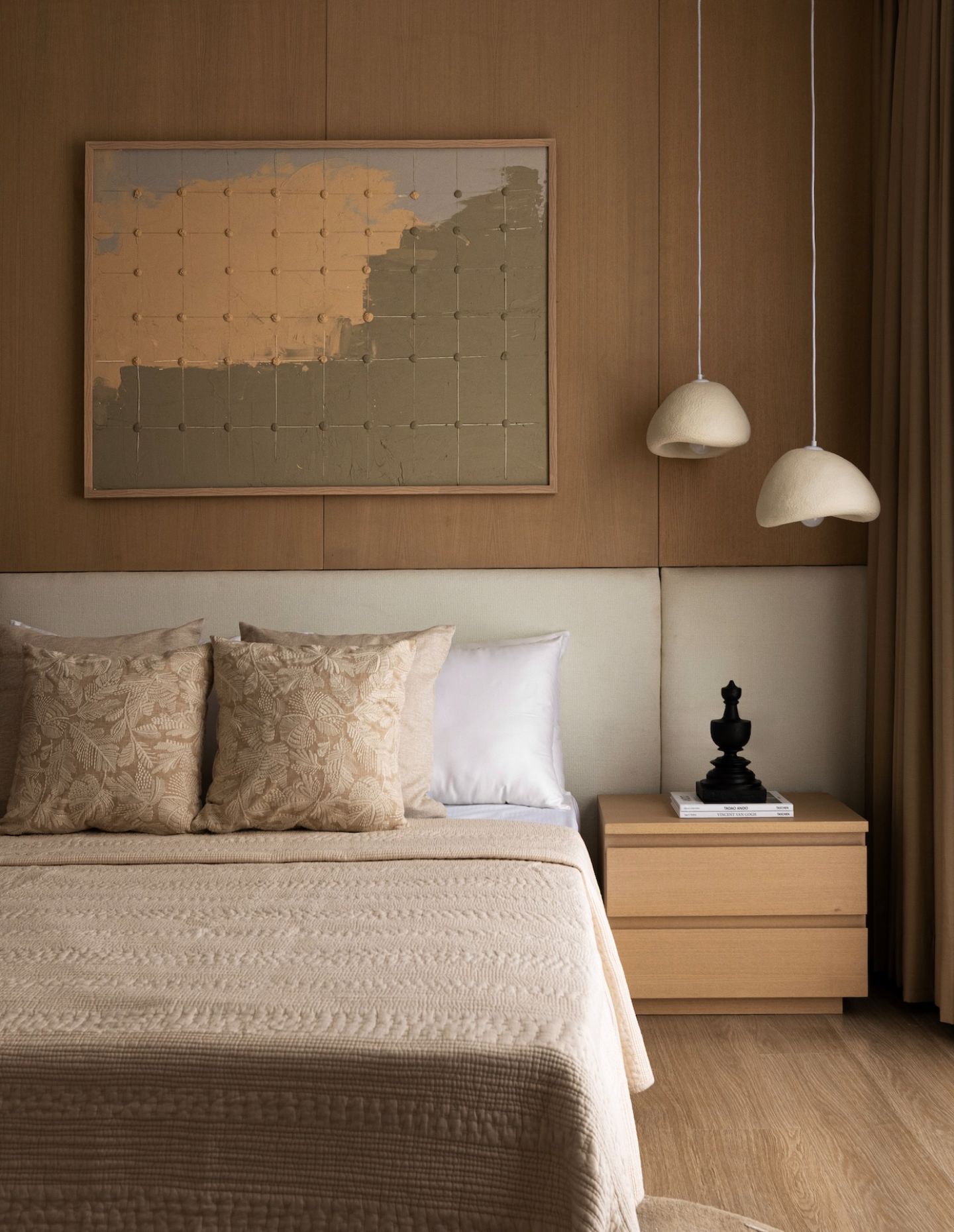
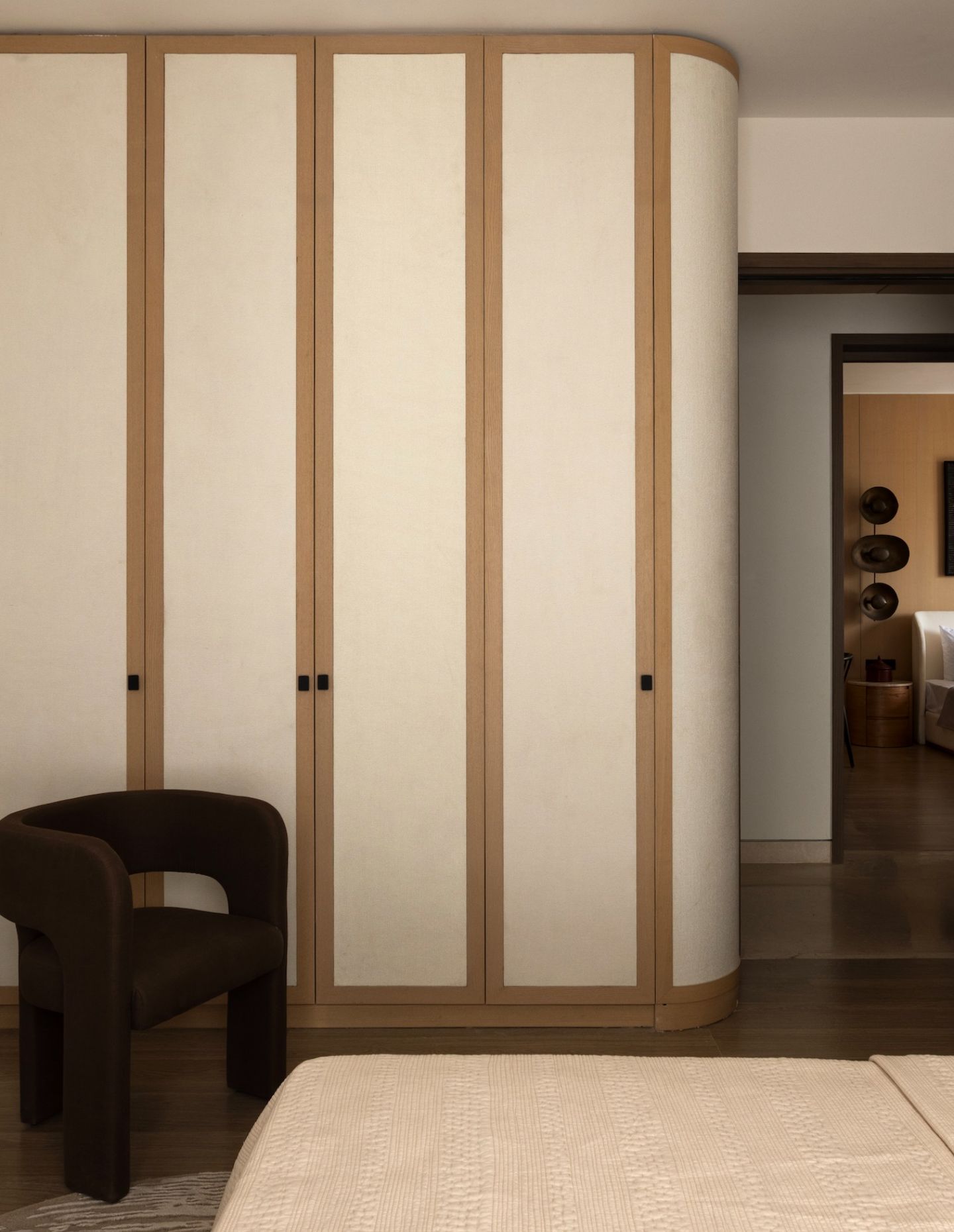
Oak forms the backbone of the home — used as wrap, threshold, panel and plane. It is both structural and atmospheric. Its grain softens edges, absorbs light and creates continuity across volumes. Materials were allowed to express themselves honestly rather than being concealed beneath applied finishes.
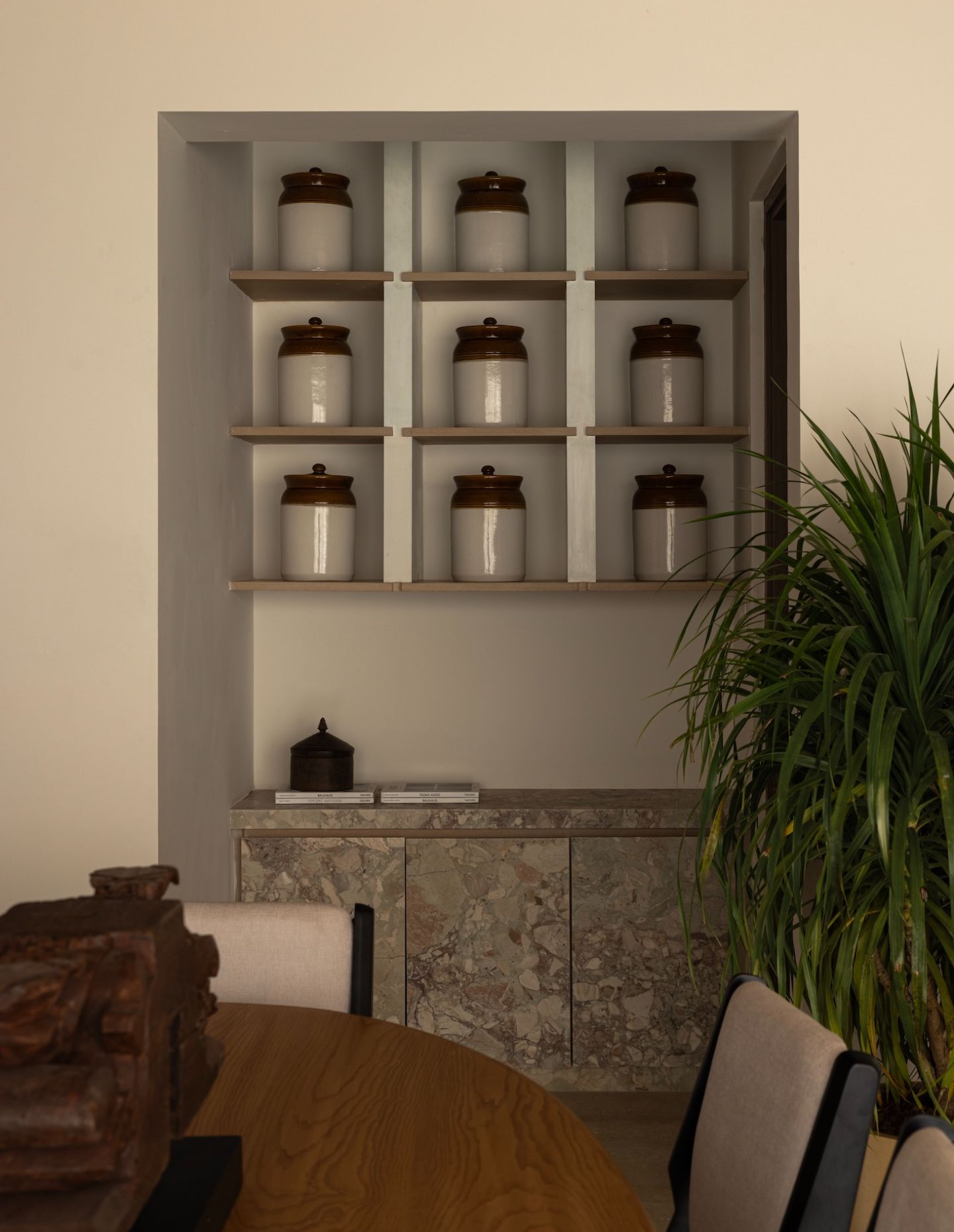
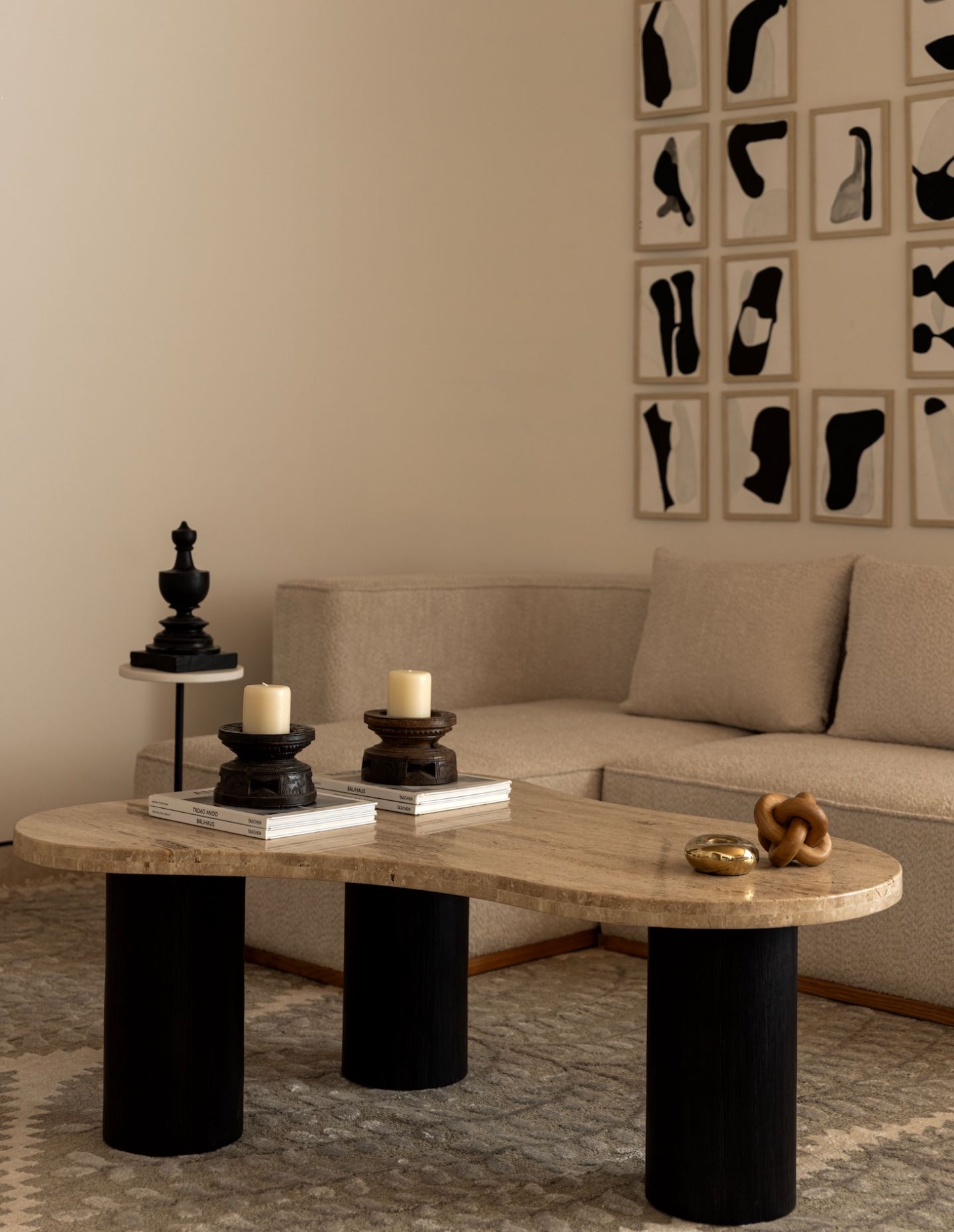
Stone introduces permanence and weight. The Ceppo Sicilia coffee bar is not merely an insertion but a carved moment — tactile, geological and grounding. Botticino flooring provides a timeless foundation. Brass accents are designed to develop patina over time, reinforcing the idea of ageing gracefully rather than remaining static.
Related: Layering the bungalow
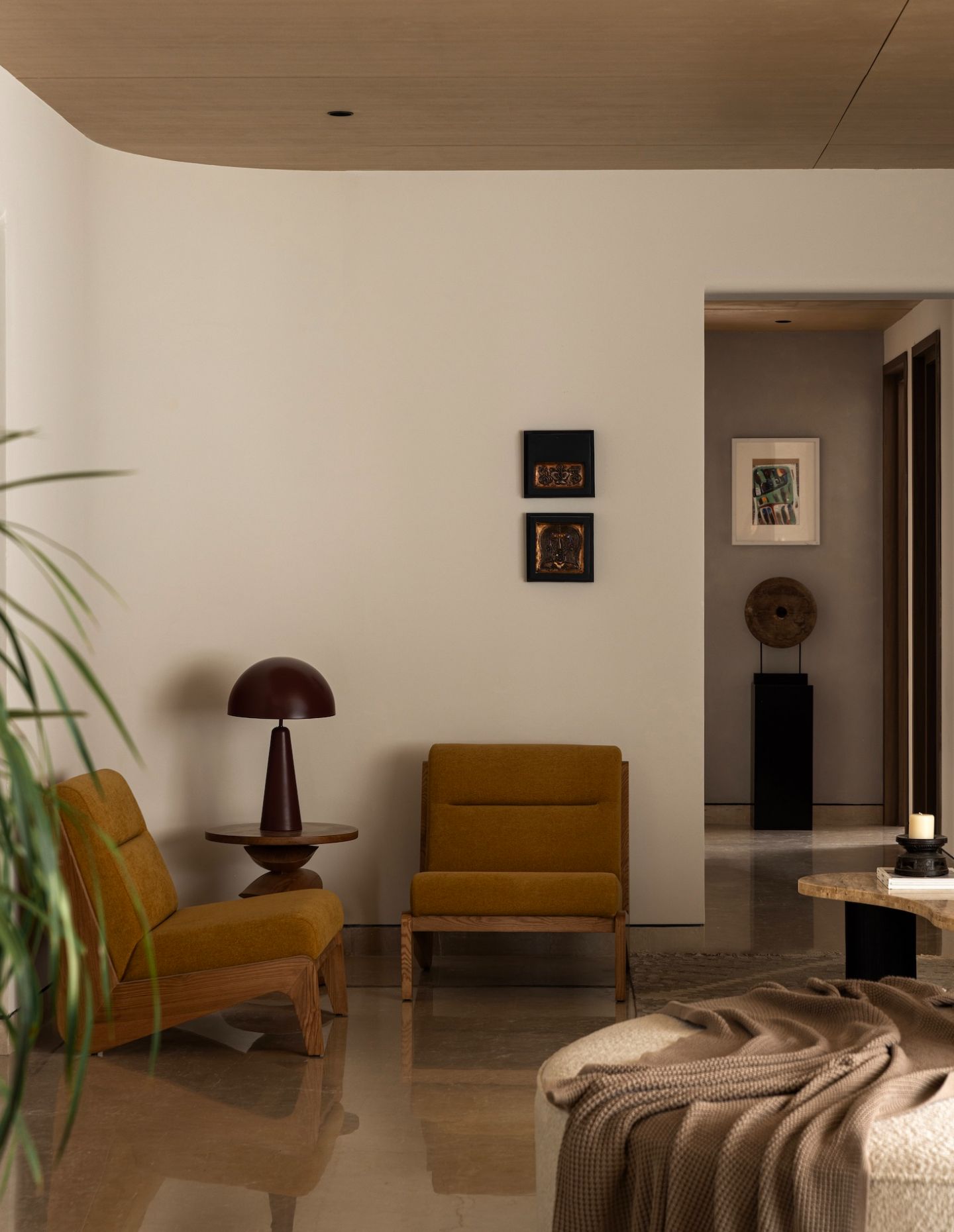
Textiles, sheers and handcrafted lighting temper the solidity of oak and stone. Structural intervention remained minimal; refinement was achieved through detailing and artisanal execution rather than demolition.
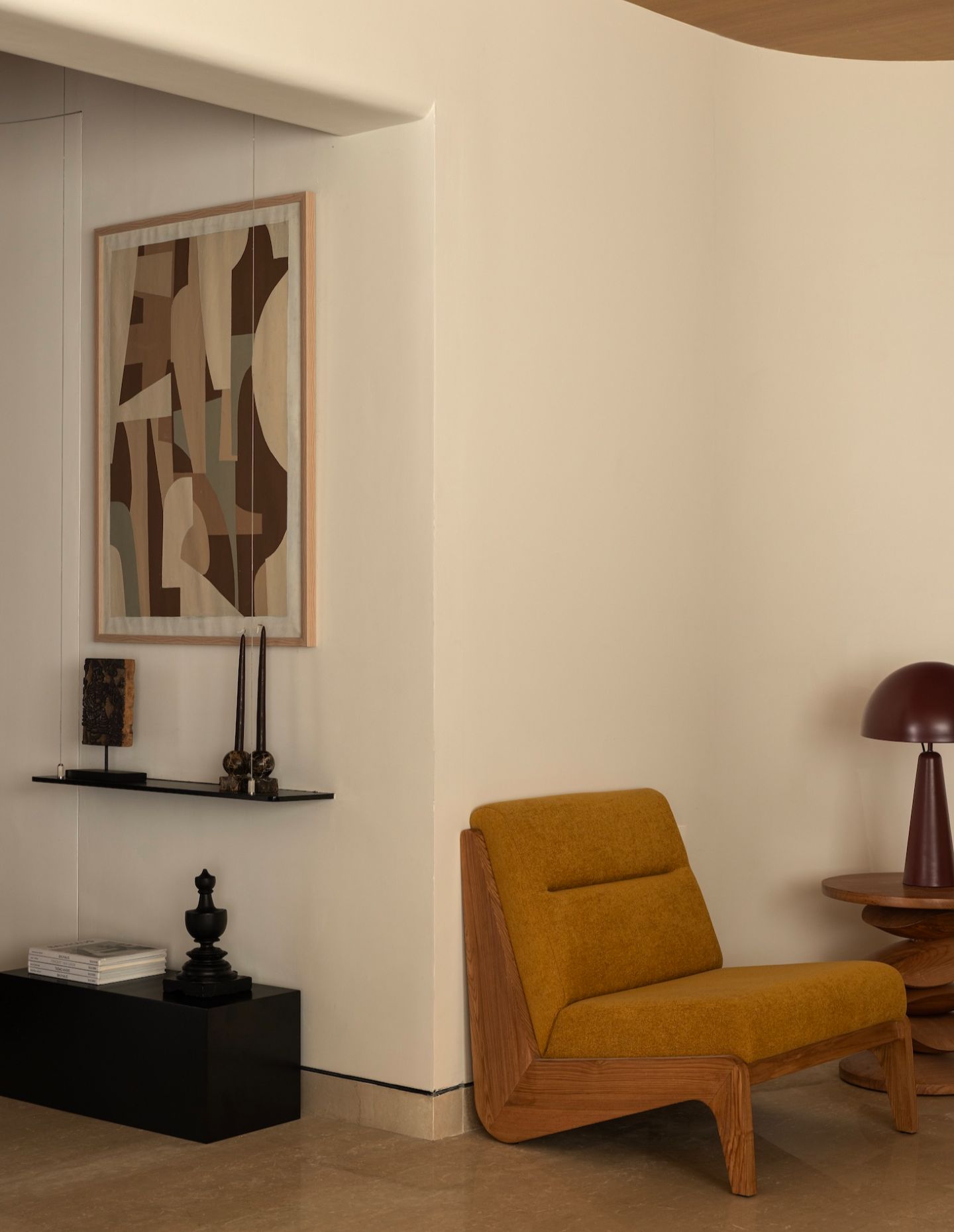
The project privileges bespoke and artisan collaborations over mass production. Furniture was custom-designed by Alara & Magari, lighting developed with Shailesh Rajput Studio, and rugs sourced from Jaipur Rugs. Vintage South Indian artefacts from HB Studio introduce layers of cultural memory.
What key functional requirements does the design address?
Scale was the primary challenge. The expansive living and dining volumes required definition without fragmentation.
A bespoke spline sofa establishes rhythm and zoning within the open plan — sculptural yet purposeful. Underutilised niches were transformed into intentional insertions, such as the coffee bar, ensuring that voids carried meaning rather than emptiness.
Lighting was integrated as architecture. Concealed washes, sculptural sconces and warm tonal temperatures create usability without visual disruption. Circulation remains fluid, while each zone feels anchored and resolved.
What are your favourite parts or moments in the design?
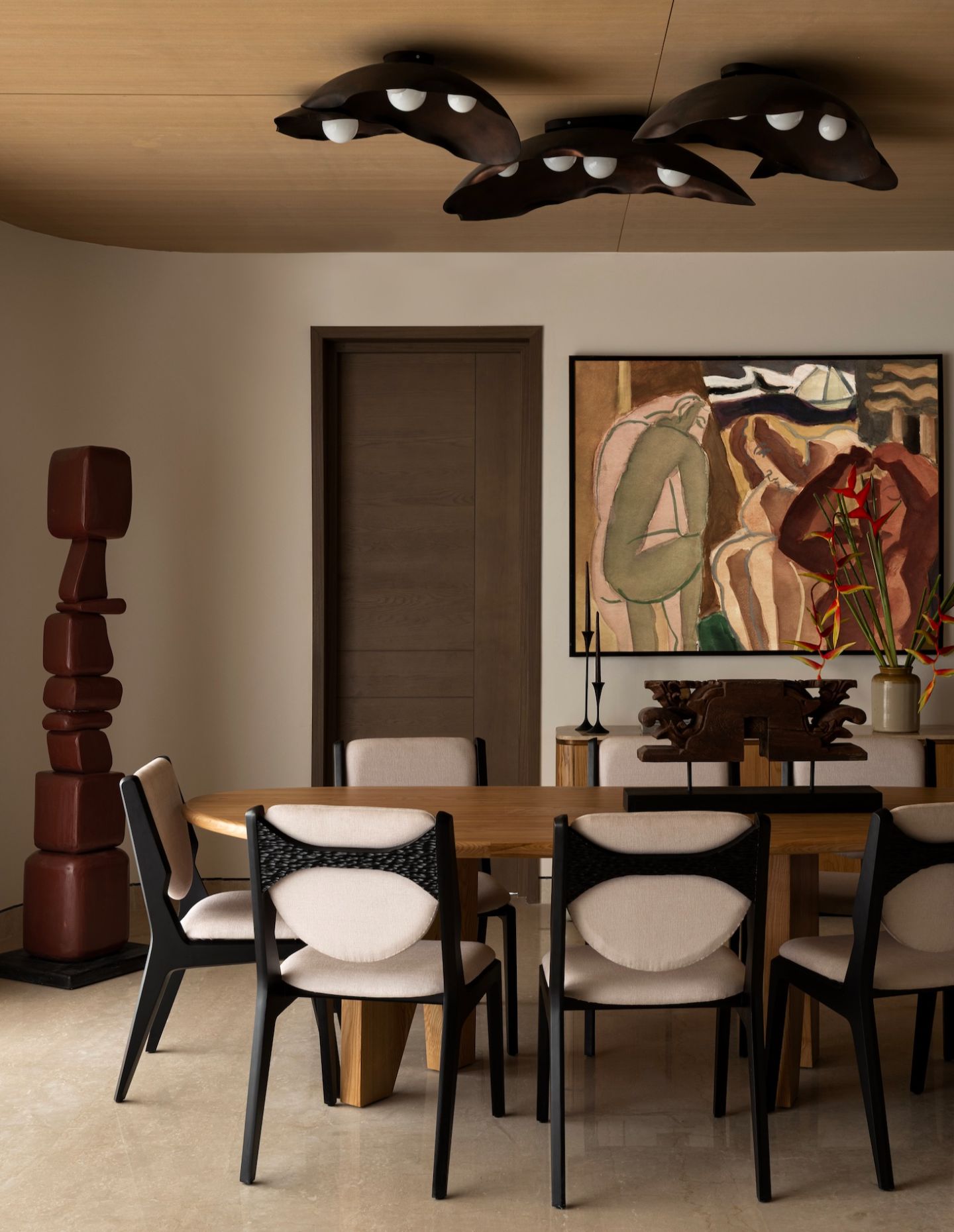
The expansive living and dining volumes are my favourite moments — spaces that could have felt cold, but were instead carved into intimate, warm pockets.
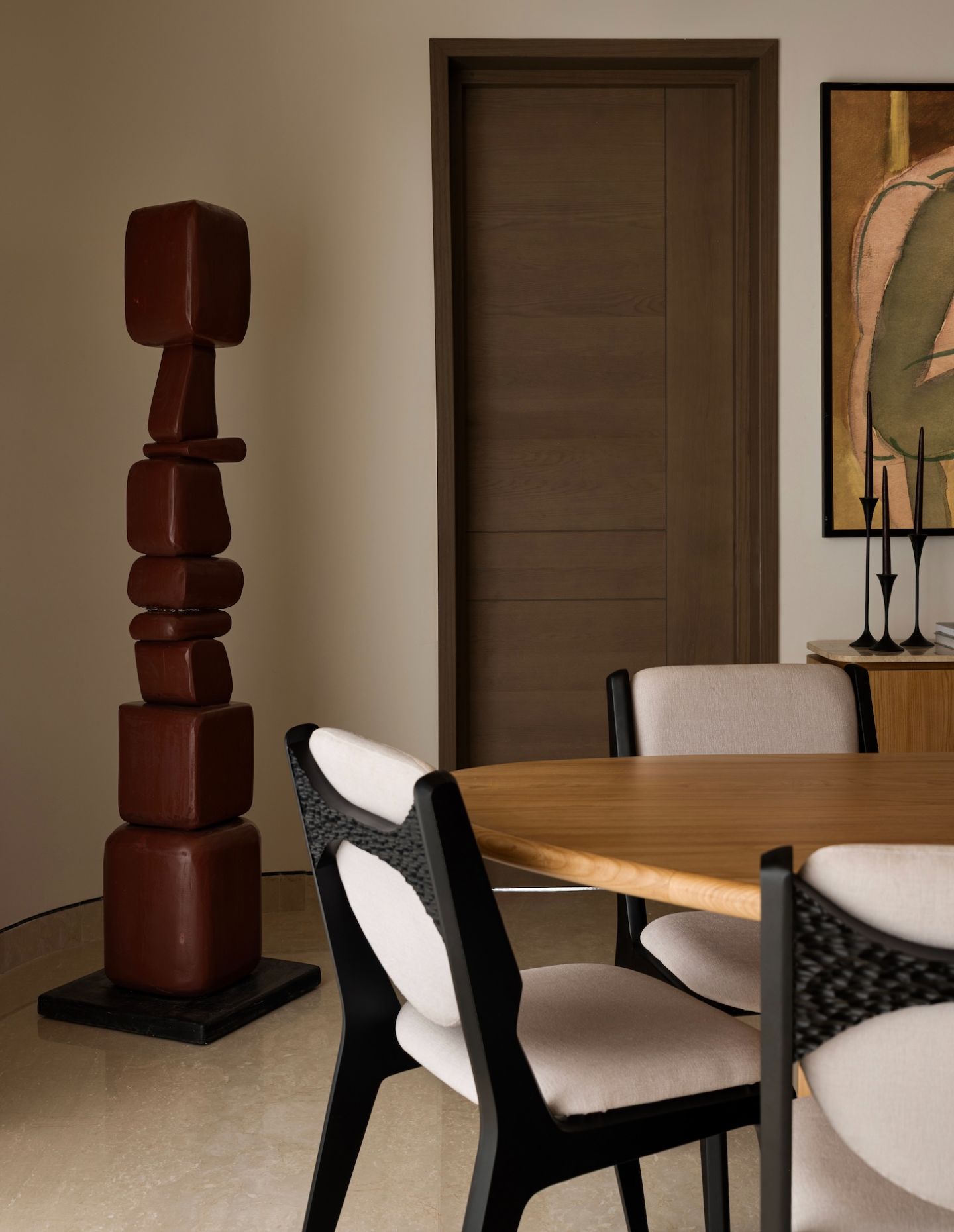
Custom totems anchor corners with sculptural presence, while the marble-clad coffee bar introduces geological weight. The bespoke spline sofa mediates between formal and informal zones. Lighting became a defining element — artisanal fixtures casting soft shadows across oak and stone.
What resonates most is the muted glamour: richness expressed through material, proportion and restraint rather than excess.