
The house sits prominently beside Dickson Park. How did the corner site shape your response?
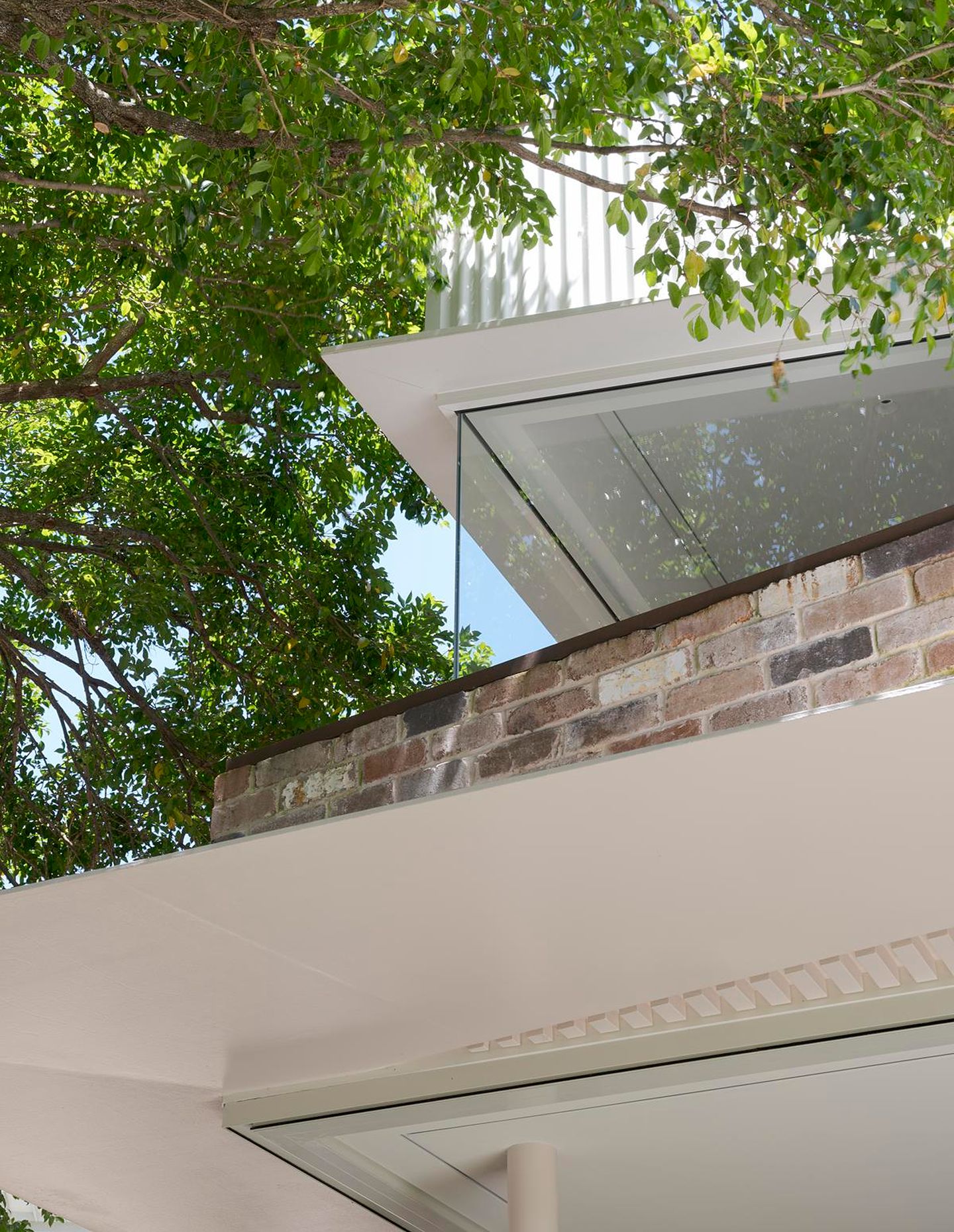
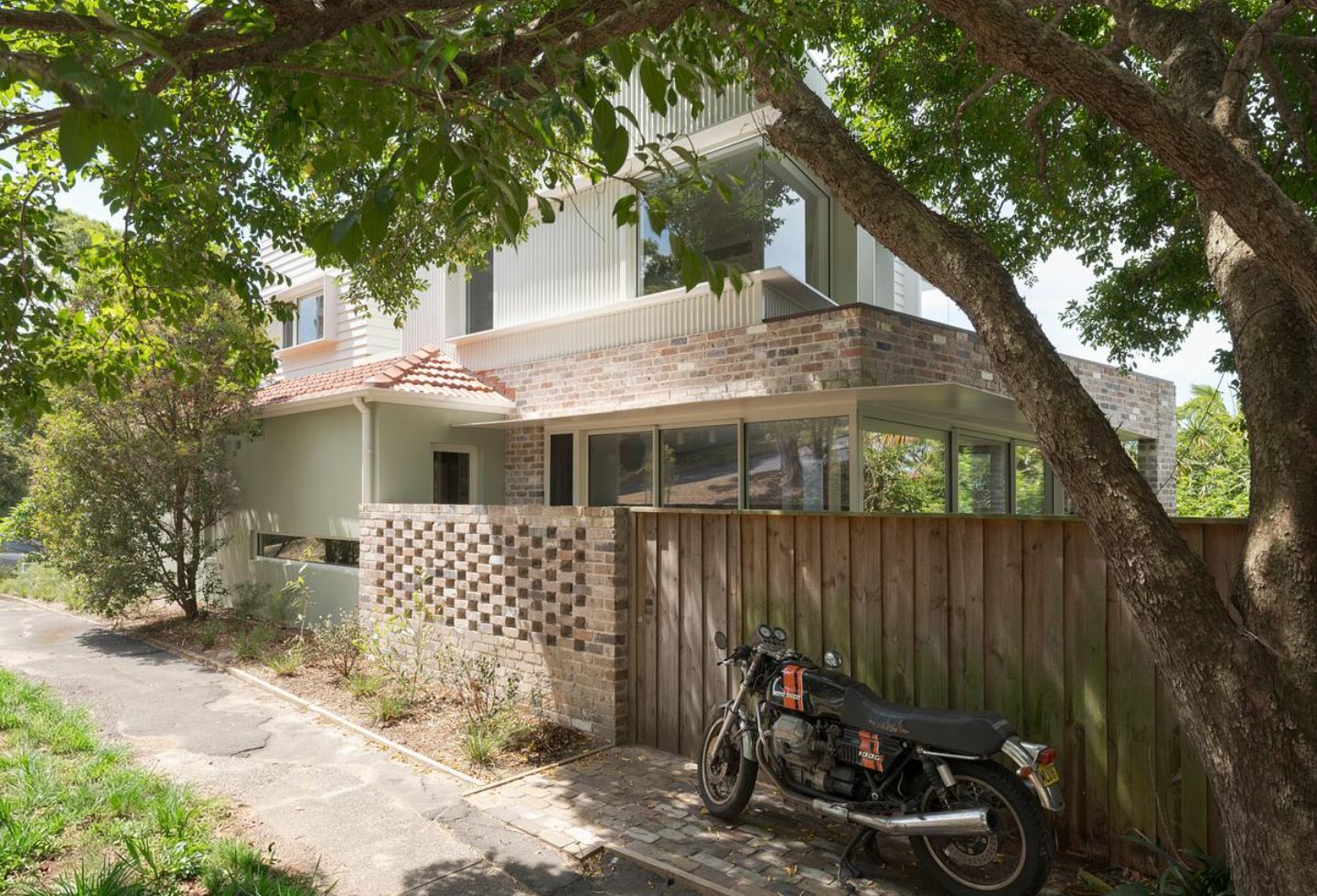
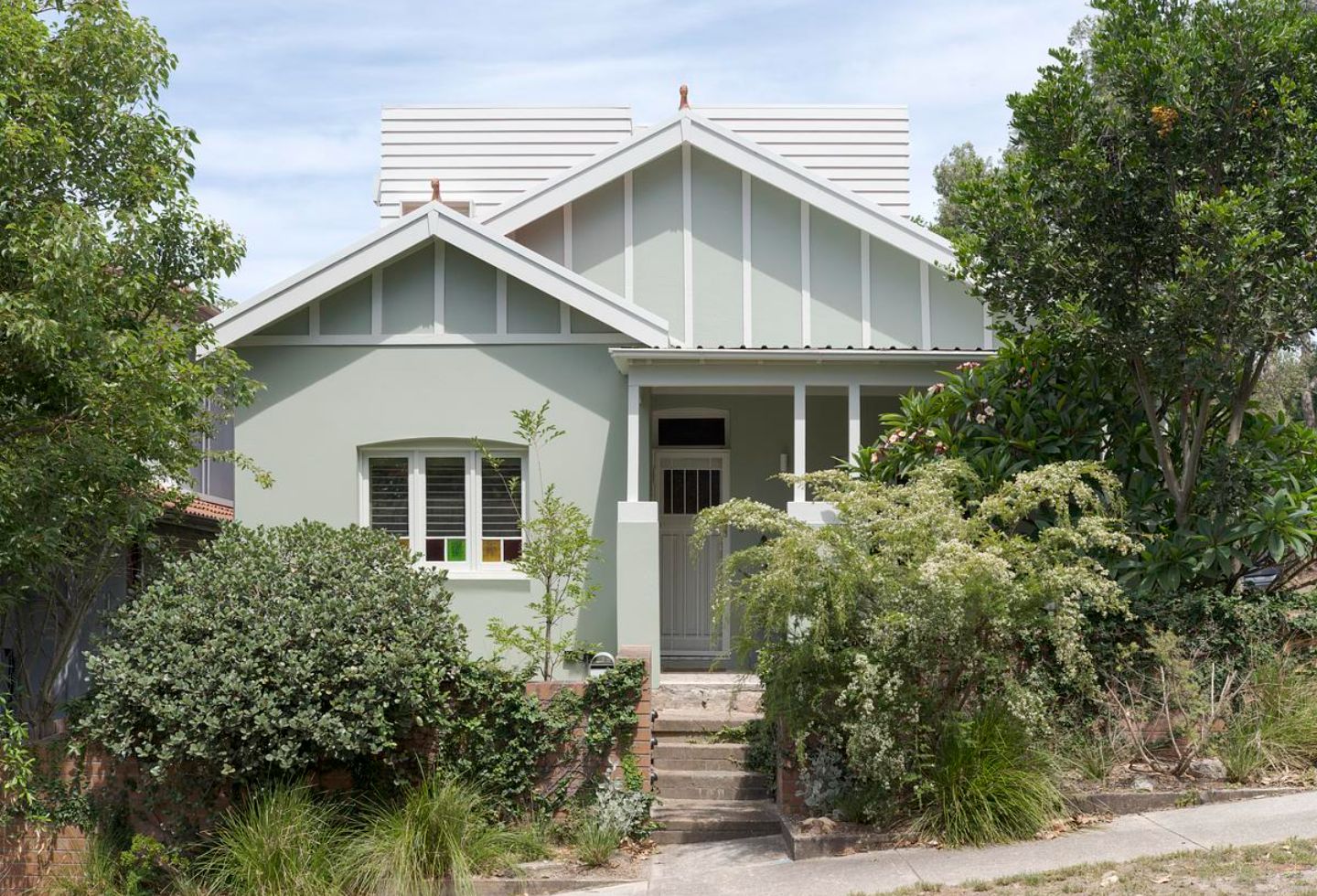
Bondi Hill House occupies a corner block on a hill in Bondi, adjacent to Dickson Park. The original dwelling was a modest single-storey bungalow, and the elevated site offered both exposure and opportunity. The design responds carefully to the park setting and surrounding streetscape, balancing openness to the landscape with a composed presence to the street.
This was a personal project for the owner. Where did the design narrative begin?
It began with a photograph of the family in the Australian outback — bleached greens and iron-rich reds. That image quietly informed the renovation. It wasn’t about recreating the landscape, but about embedding warmth, texture and material honesty into the home. Beyond the need for more space, the clients wanted a house that felt grounded and capable of evolving with their children.
How did materiality and indoor-outdoor connection shape the house?
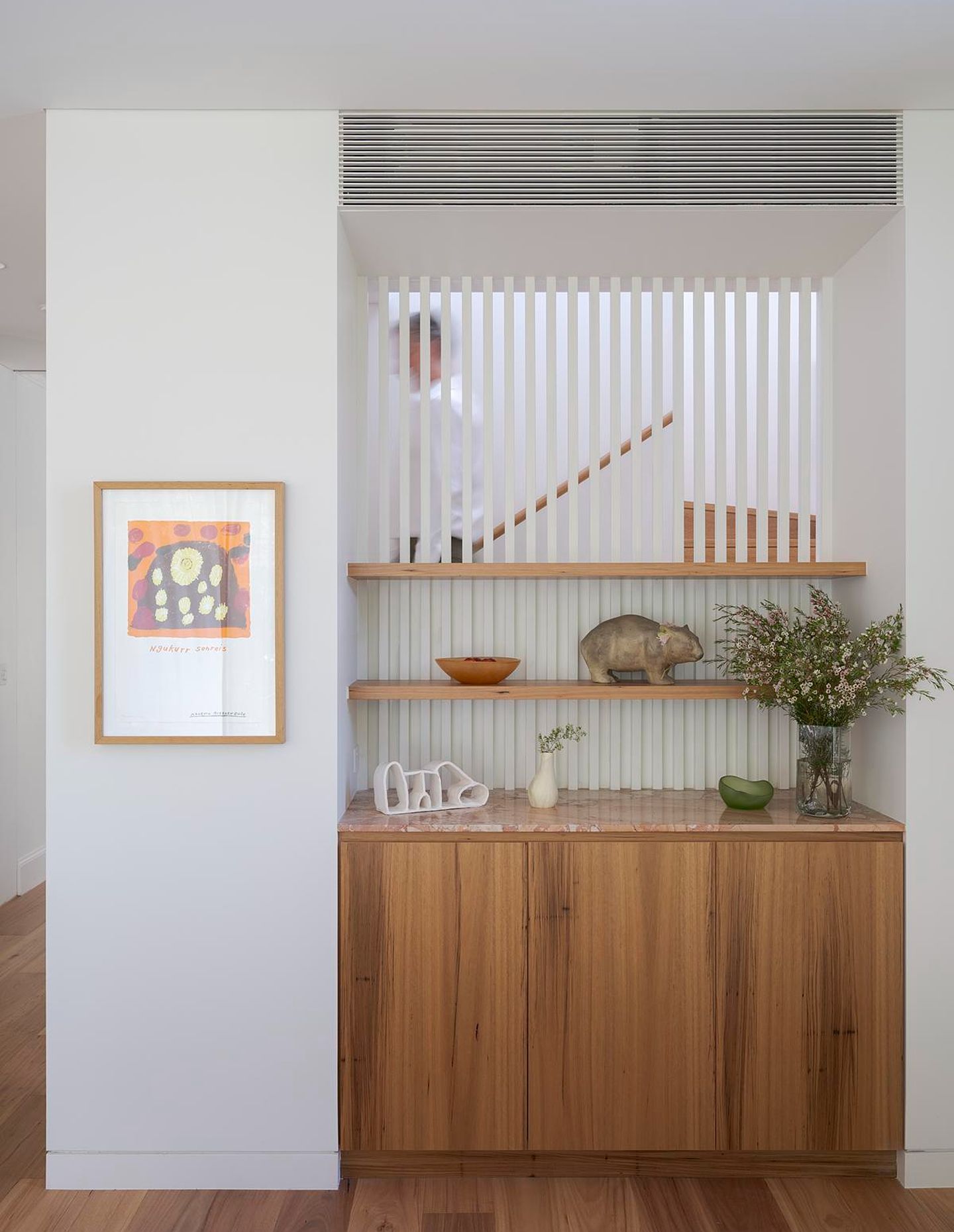
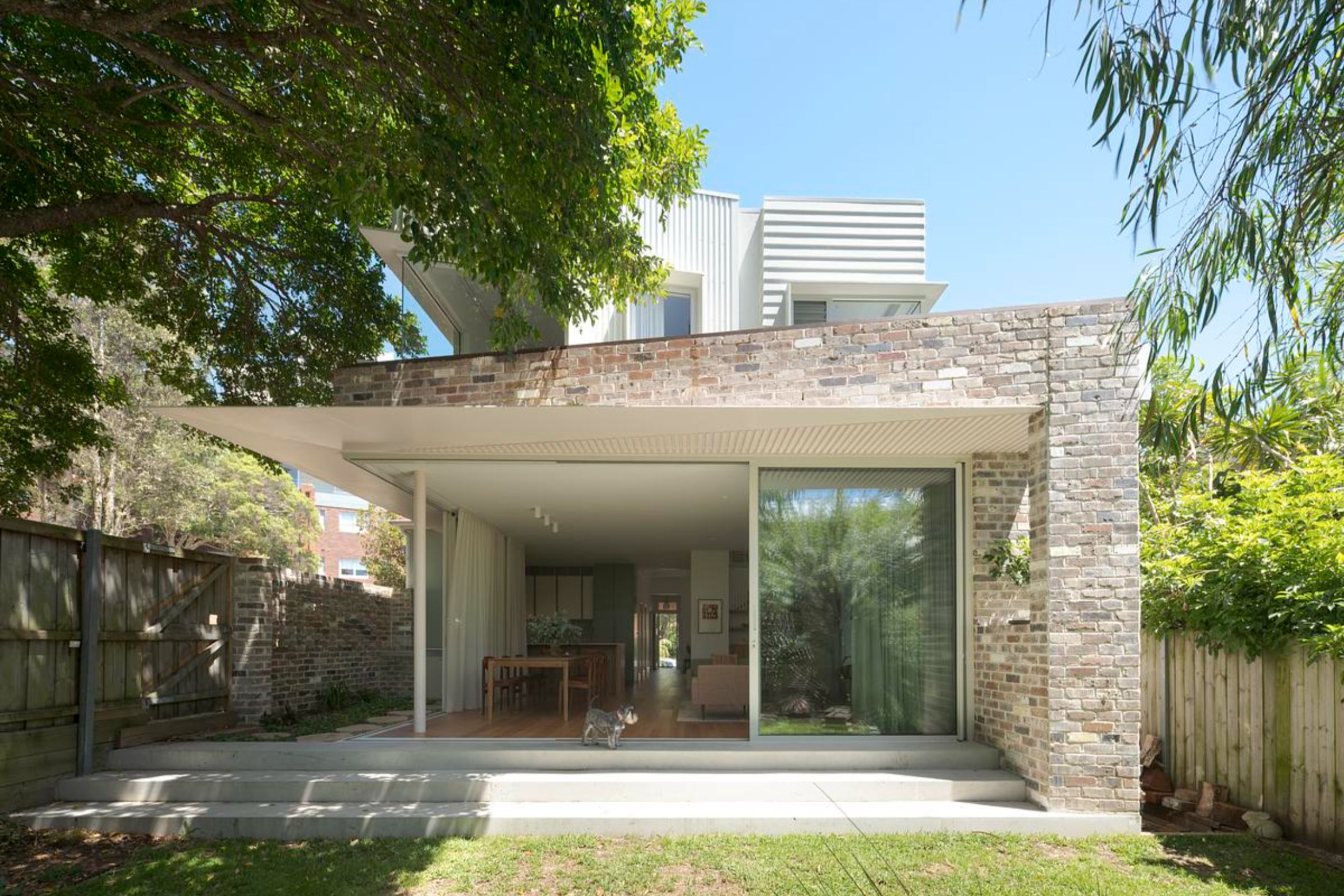
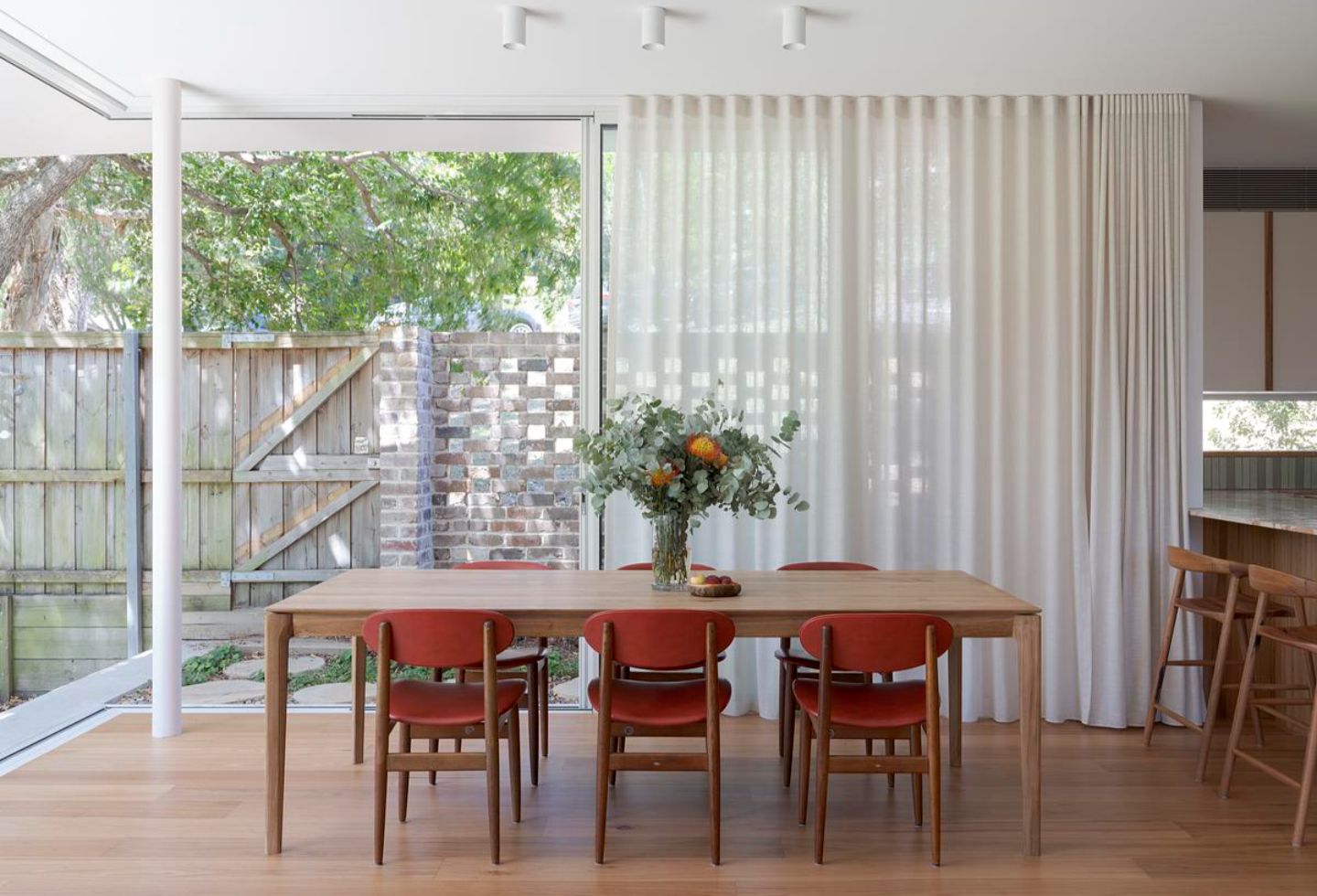
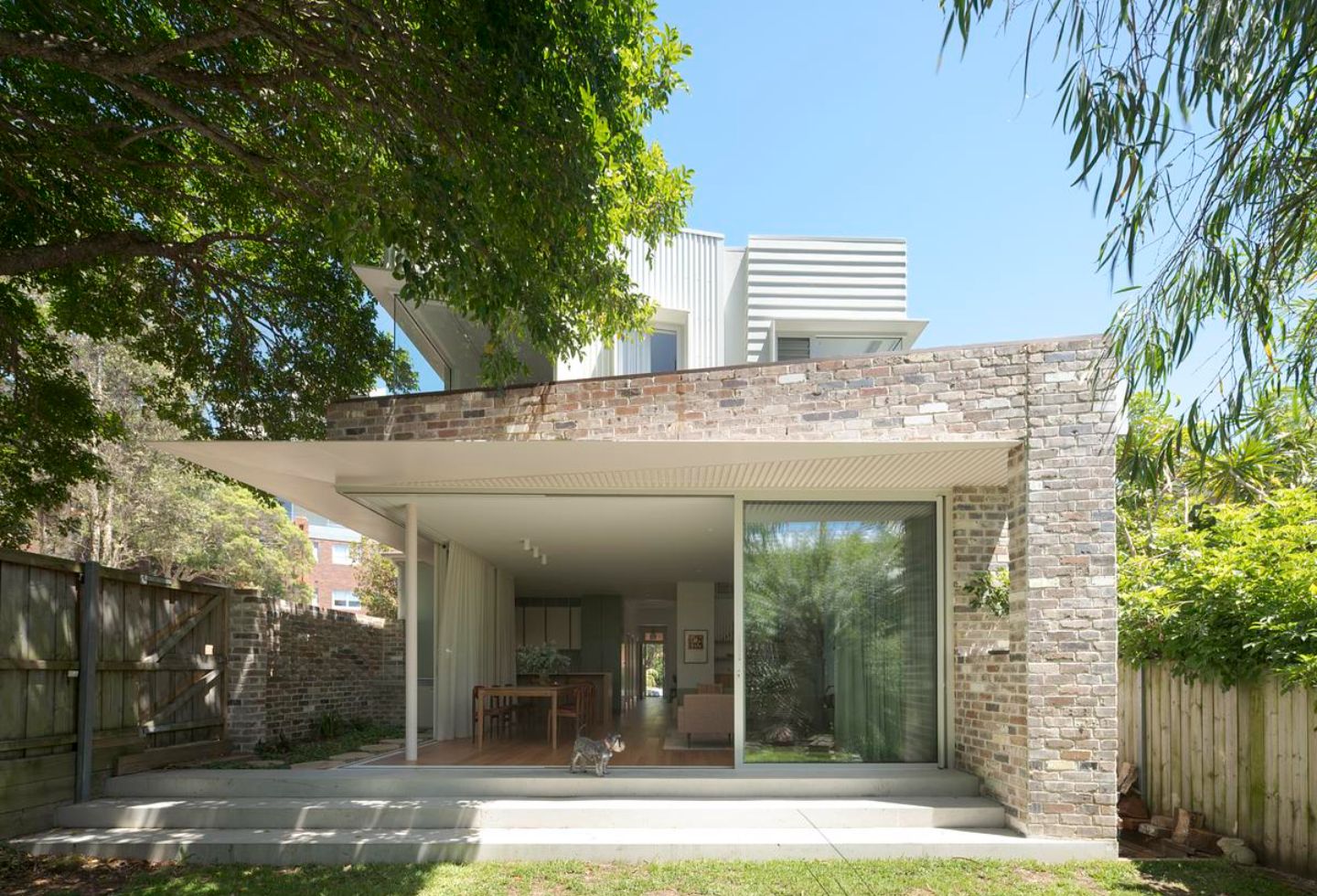
The interior palette draws from landscapes meaningful to the family. Earthy tones and layered finishes create richness without excess. Because they spend as much time outdoors as possible, the rear living areas were designed to dissolve into the garden. Sliding doors retract on two sides, turning the main space into a sheltered threshold — neither fully inside nor outside.
Externally, the envelope is deliberately restrained. Fibre cement cladding and corrugated metal in neutral tones allow the addition to sit comfortably within its leafy context.
Related: Building up, opening out
How does the plan support changing family life?
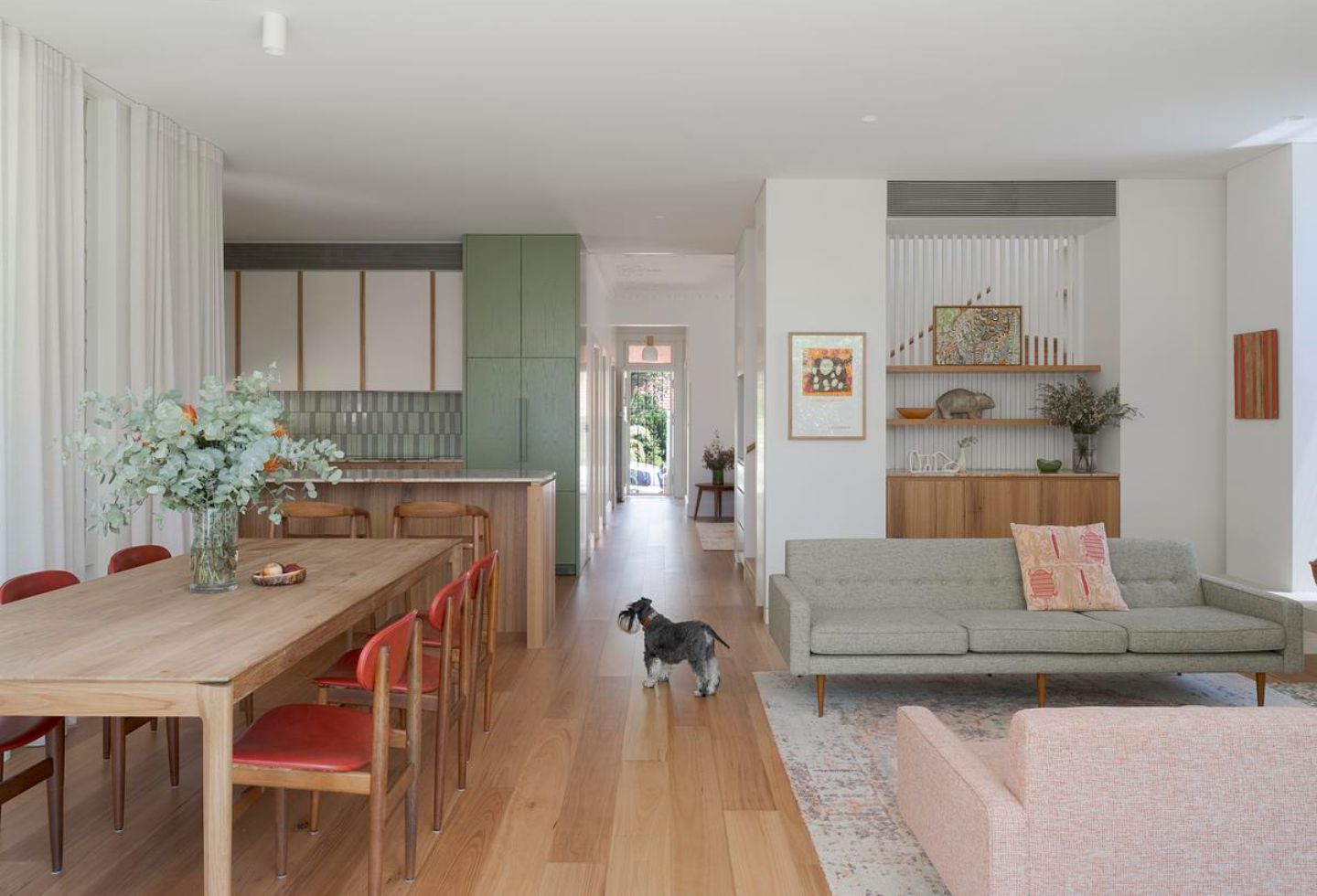
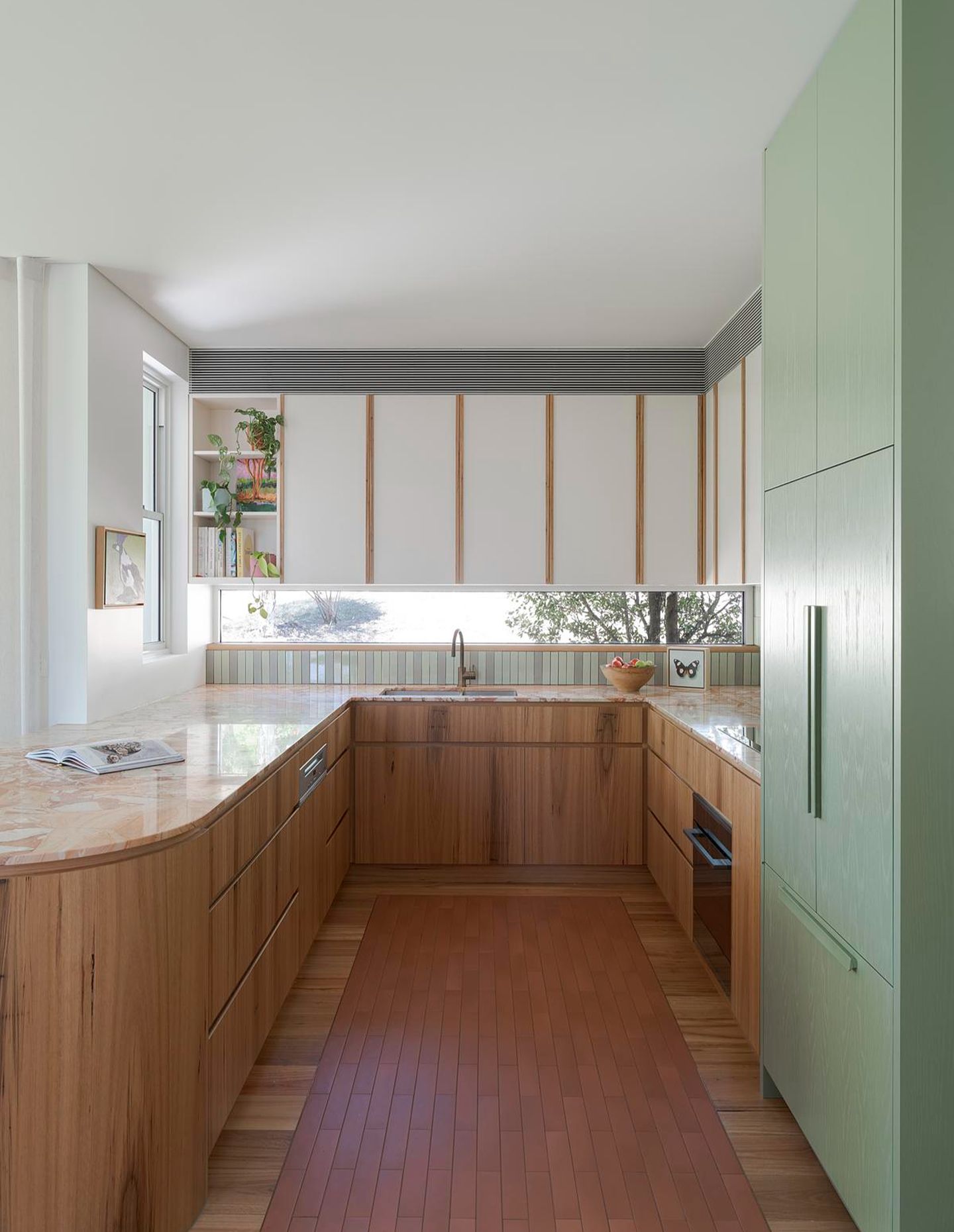
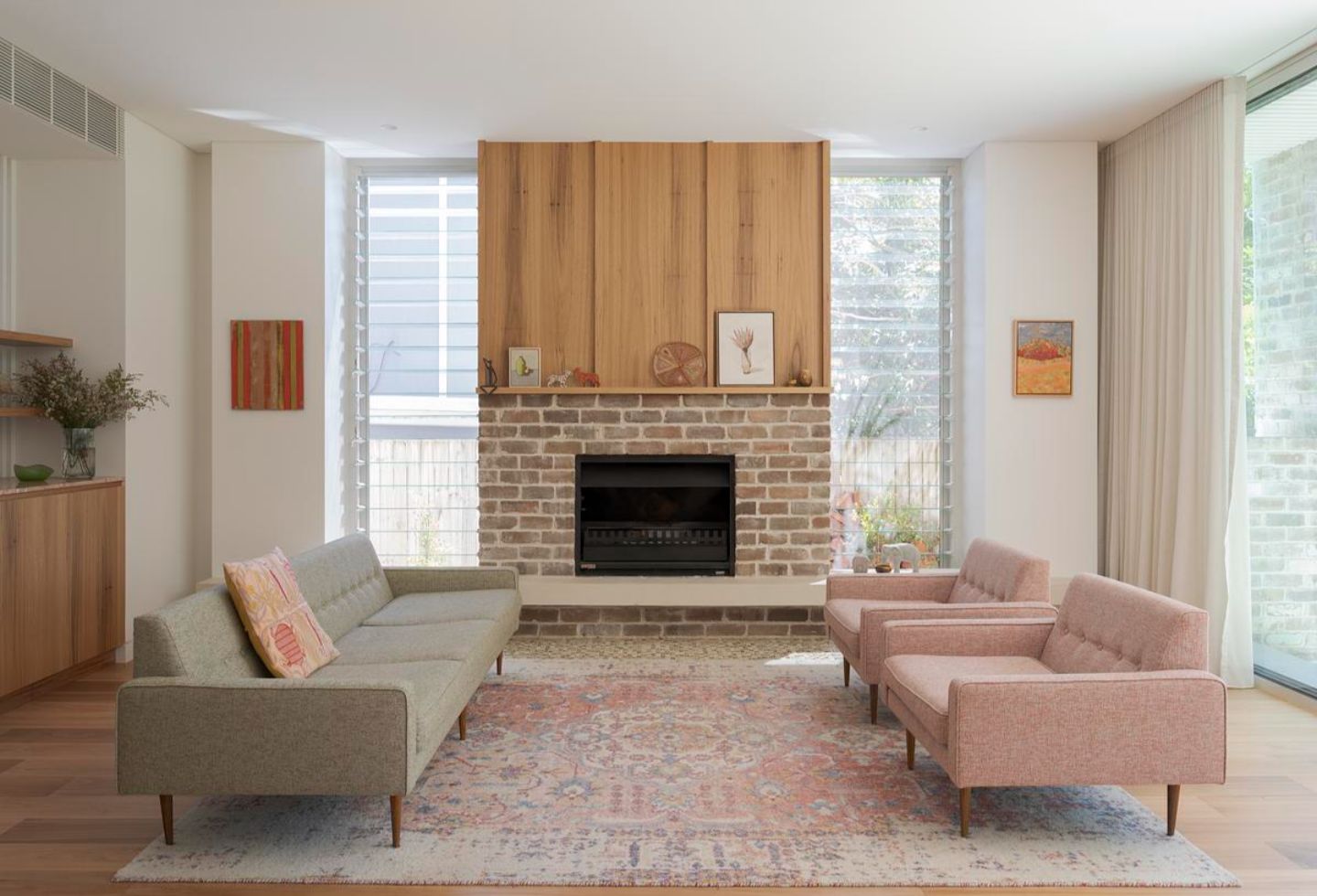
Connection to the outdoors was essential, but so was flexibility. There are two living areas — an informal zone for the children, and a quieter sitting room with a fireplace and no television. While there is a single kitchen, the layout allows adults and children to occupy different parts of the home as the years pass, without losing shared spaces.
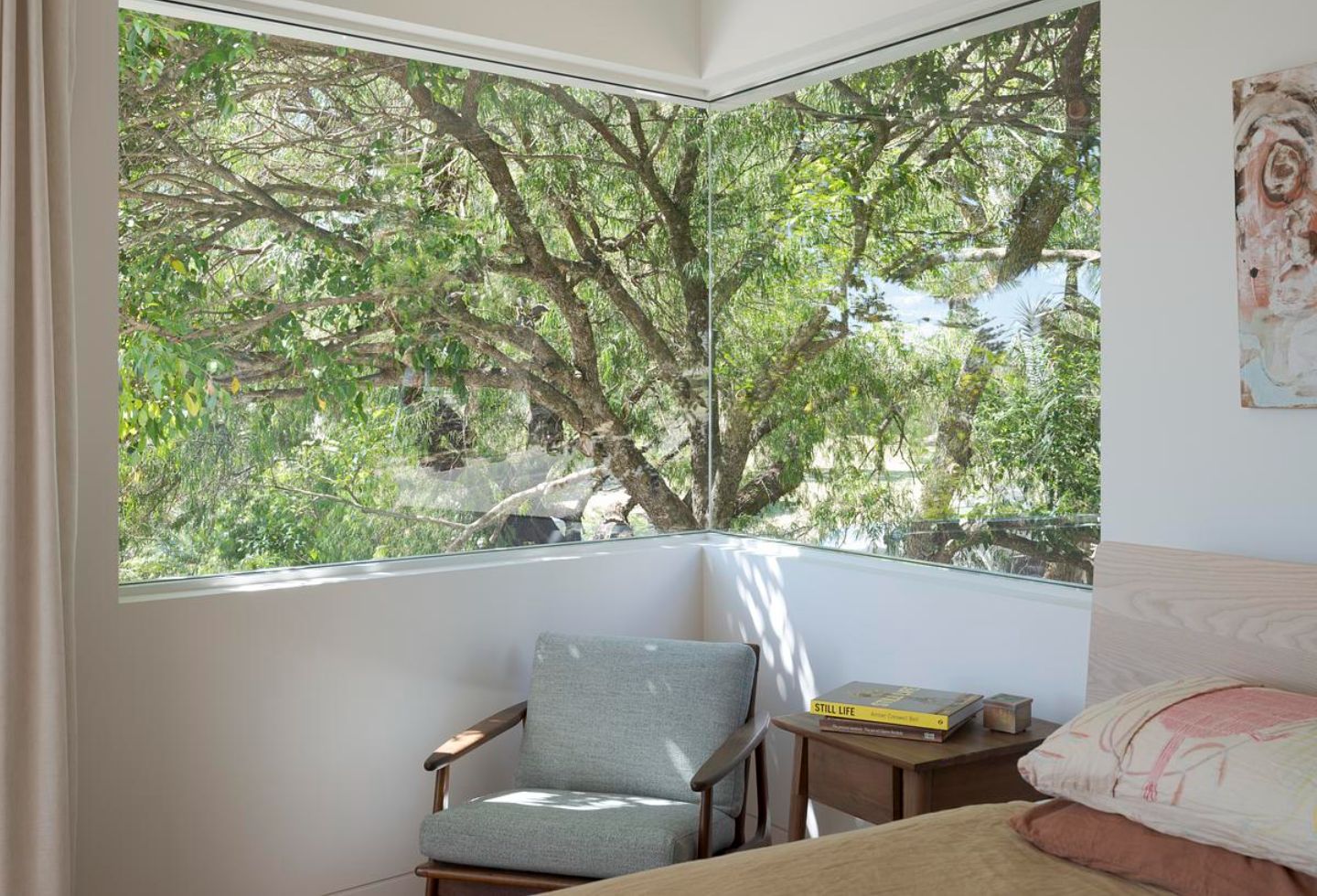
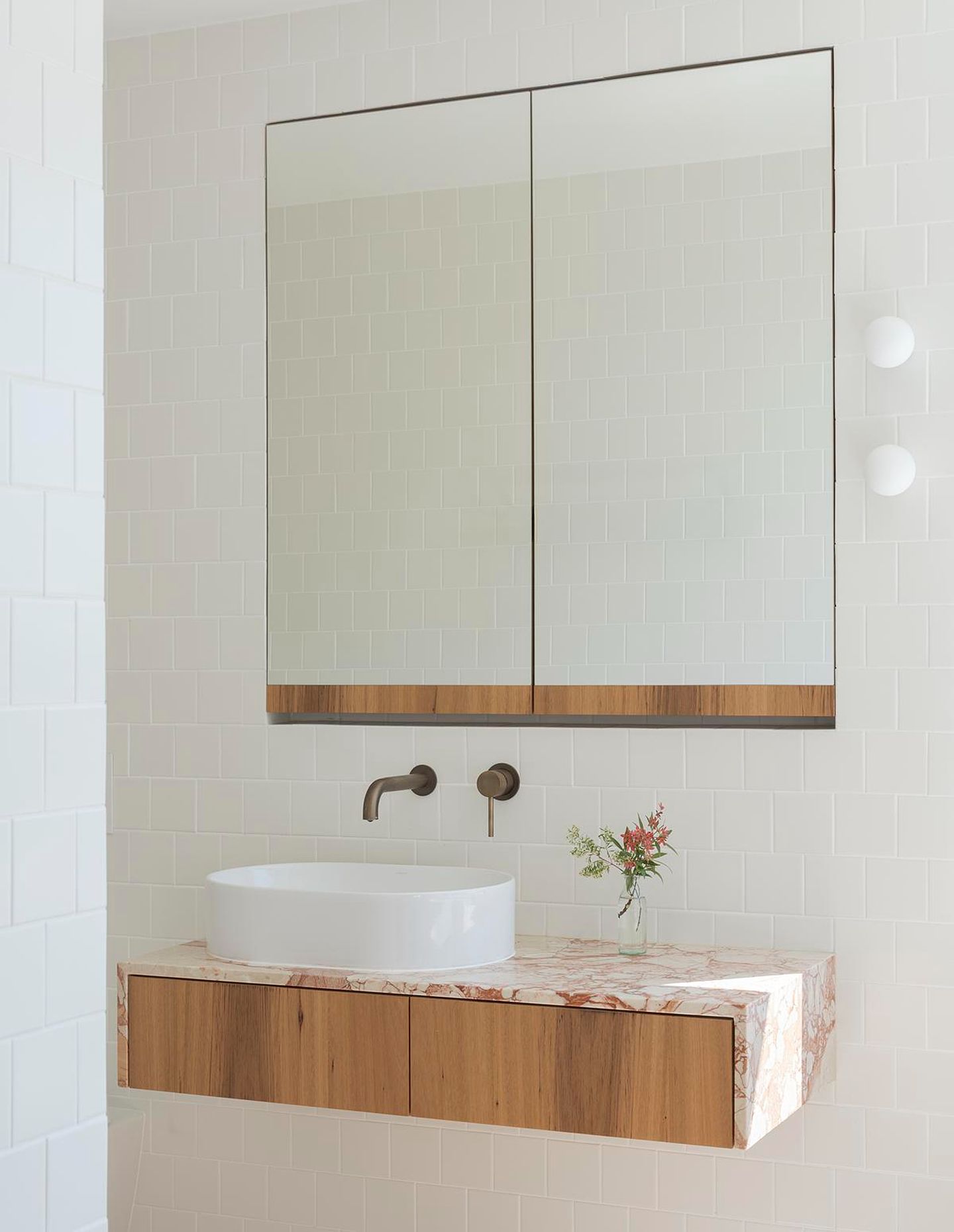
One of the clients is an artist, so a dedicated studio was essential, alongside a study and a bath positioned to capture views.
What are your favourite parts or moments in the design?
The understated street presence is probably the most satisfying outcome. Bondi has many overt ‘wedding cake’ additions that sit heavily above older bungalows. We deliberately set the first floor further back than required so the addition reads as recessive and composed — contemporary, but not dominant.
The renovation was delivered under a Complying Development Certificate, which brought its own constraints but also opportunities. We opened up the side elevation at the rear where it might typically have continued to the boundary, strengthening the connection to garden. During construction, once the first floor was framed, we realised the district views were better than anticipated. The CDC pathway allowed us to adjust the plan mid-build without disrupting the program, refining the layout to better capture those views. Those moments of recalibration are always rewarding.
Can you share key brands and collaborators involved?
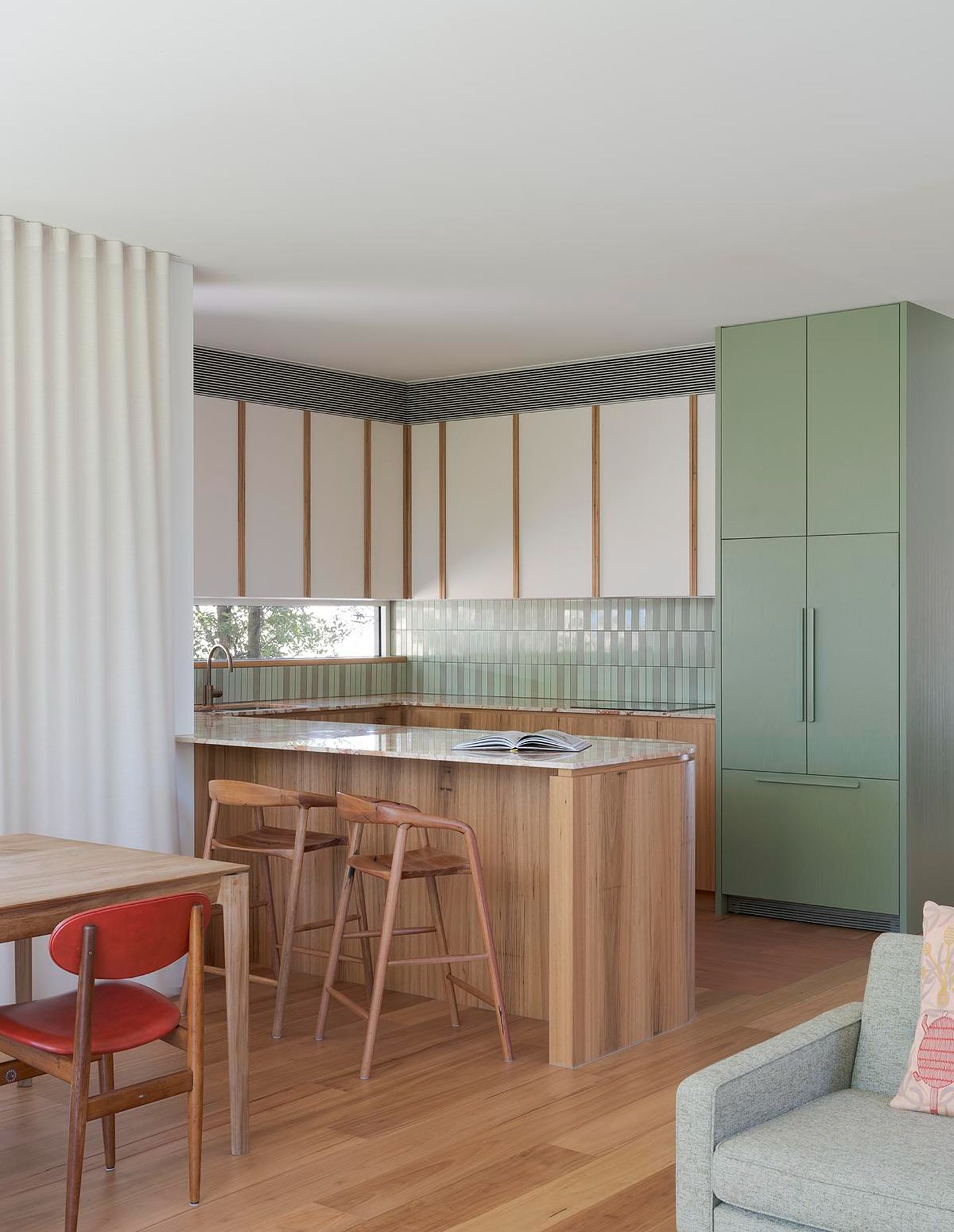
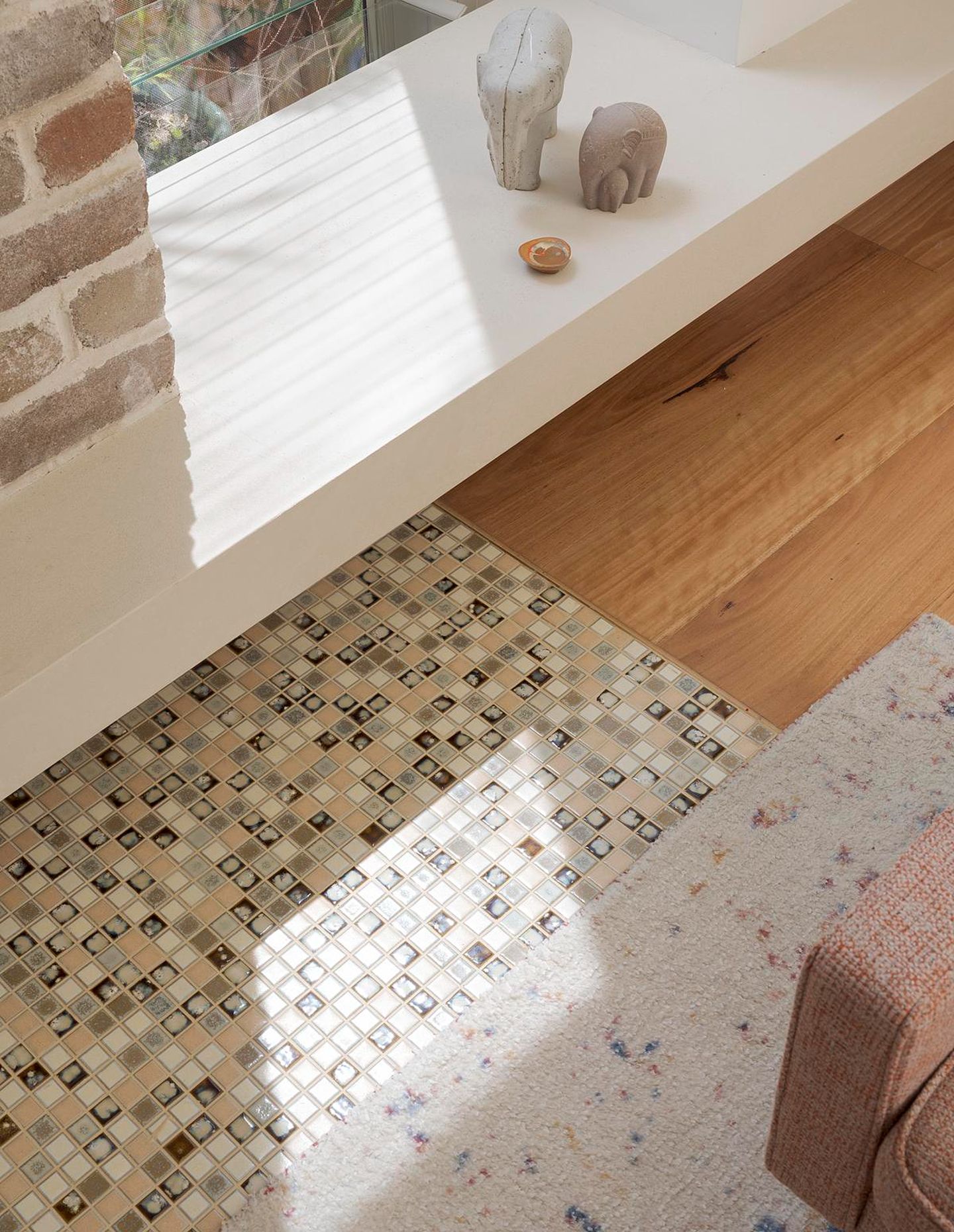
The dining table is by New Trit House, paired with mid-century dining chairs by Elite. An Angelucci sofa and chairs were sourced via Facebook Marketplace and reupholstered by Cover It Up Upholstery. Floor and wall tiles are from Artedomus, and the Brecciata Rosso marble benchtops were supplied by SNB Stone.