
Nearly a decade separates the first stage of Boya from its most recent sustainability upgrades, but the project’s central ambition has remained unchanged. Designed by architect Mark Aronson for his own family, the Perth Hills home has been gradually refined to strengthen its relationship with the landscape while reducing its environmental footprint. What began as an extension to a 1970s brick house has evolved into a deeply site-responsive home where passive design, careful material choices and everyday living are inseparable. We spoke with Aronson about the thinking behind the project.
Tell us about the site context.
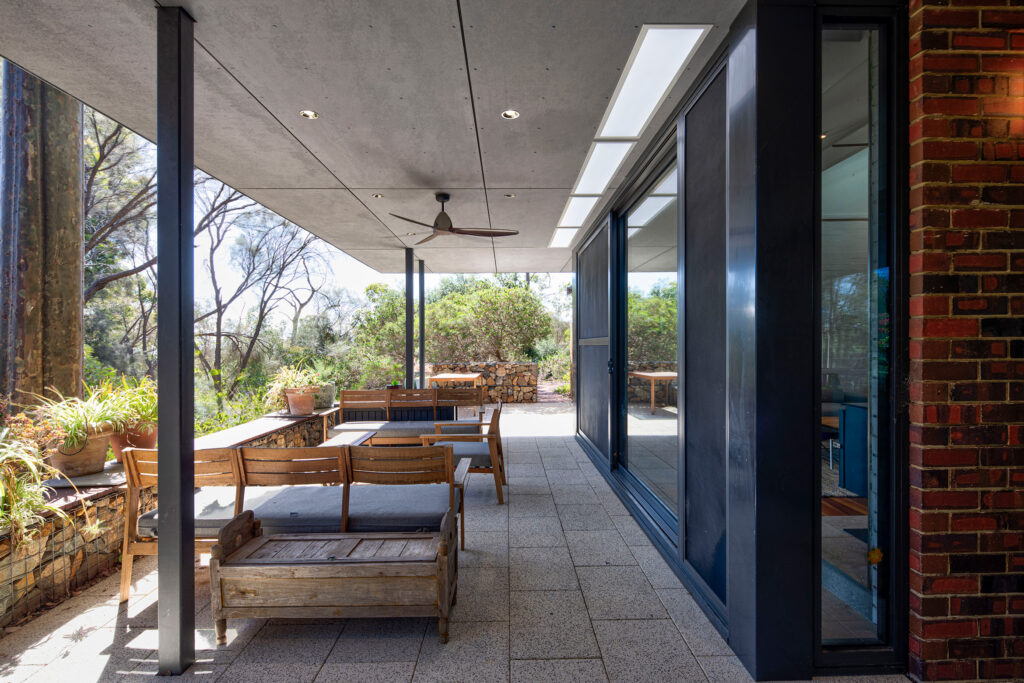
Located on a granite outcrop of the Darling Scarp near Darlington, the site sits at the edge of Perth‘s urban boundary where the bush takes over completely. Granite boulders, mature native vegetation and a steeply sloping block demanded lightweight construction to avoid footings in rock.
The site is in a bushfire zone. The placement of the extension was carefully considered to mitigate risk while still achieving the open glazed areas the design required. The lights of the city below are only visible in the distance. It feels like a long way from anywhere.
What can you tell us about the client and their brief?
The client — the architect himself — brought an unusual clarity to the brief. There was no translation required between what was wanted and what was designed.
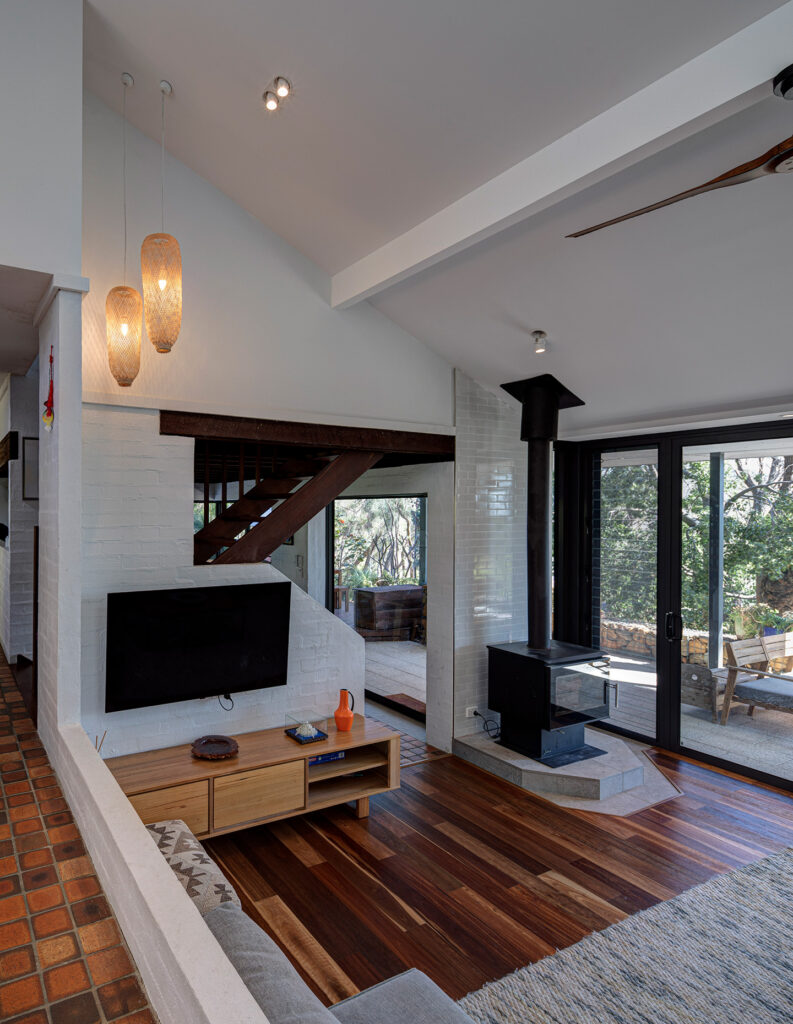
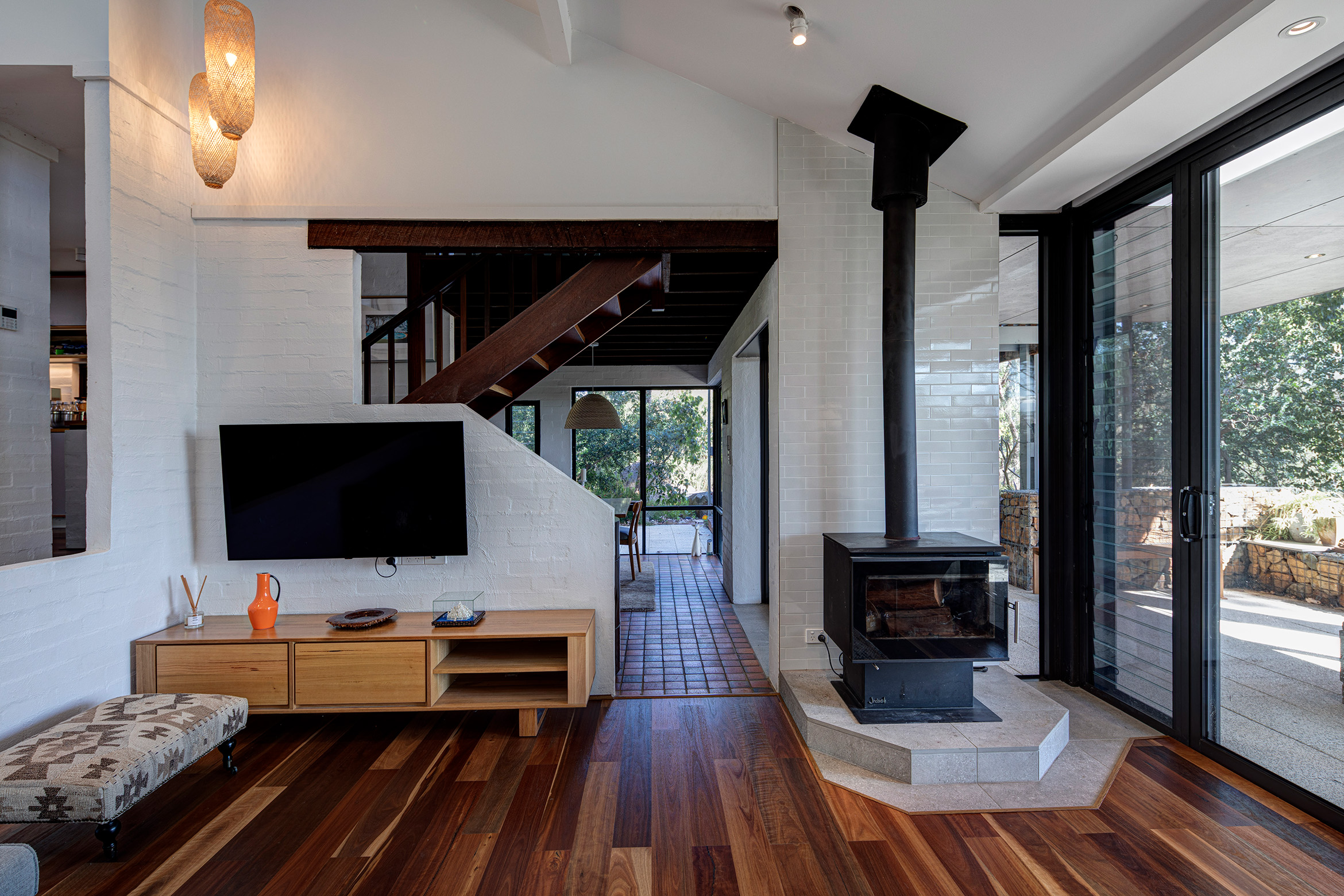
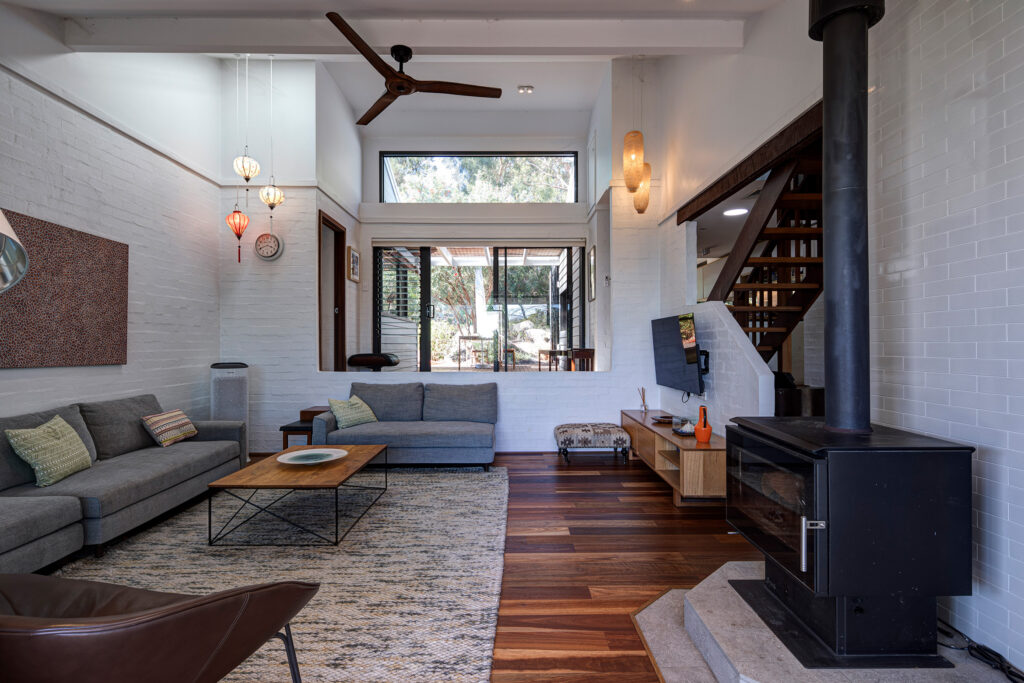
The original 1970s dwelling was largely masonry — brown brick, concrete floors — solid and thermally capable, but inward-looking with low ceilings that closed the house off from one of the most remarkable landscapes in the Perth Hills.
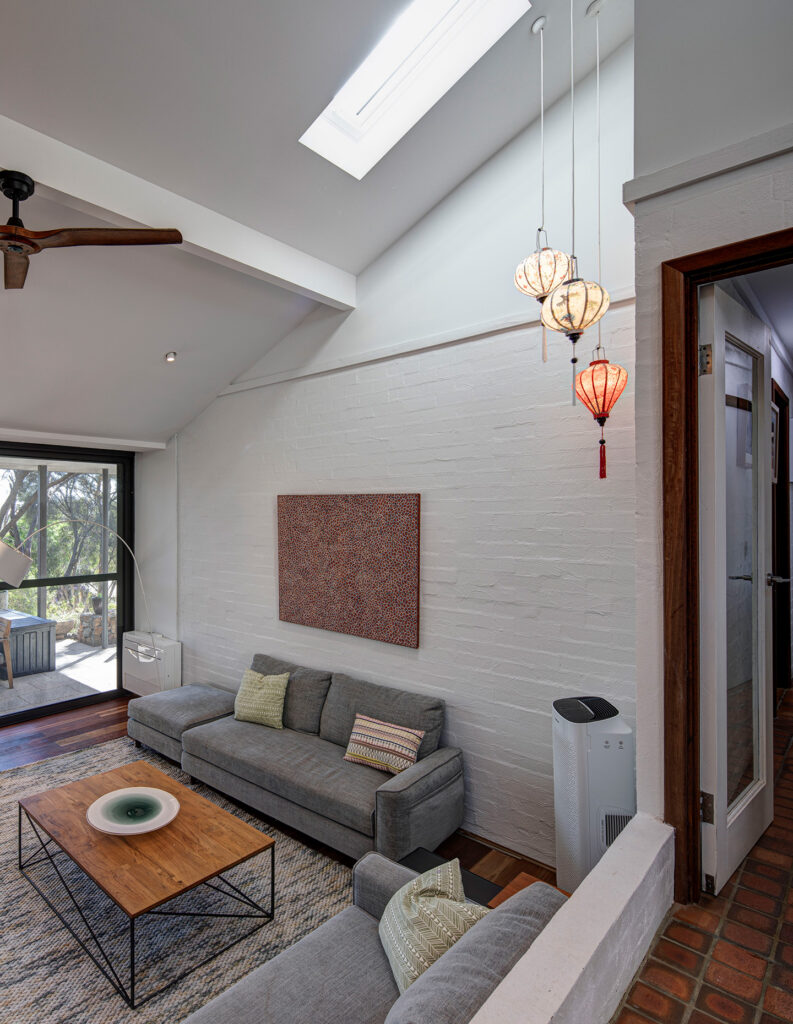
The brief was simple: open it up. Connect the house to its place. Create a family space for cooking, sitting and being together while remaining fully present in the landscape outside. And over time, make it perform as sustainably as the bush setting demanded.
Related: Connected independence at Moor House
What are the key material and structural choices?
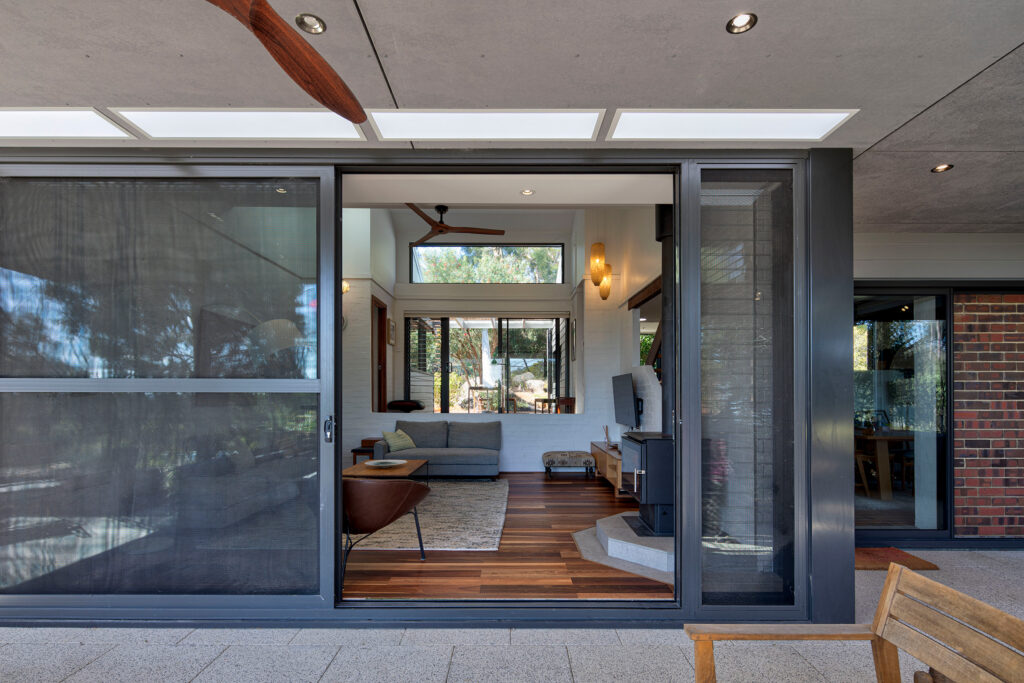
The extension is a steel and glass box — restrained, modernist, deliberately contrasting with the landscape in a way that heightens rather than diminishes the relationship between inside and out.
Lightweight timber structure was chosen for practical reasons, avoiding footings in granite and respecting the inherent sustainability of wood. Cement sheet cladding was used where bushfire protection was required.
High levels of insulation and double glazing were integrated for thermal performance. Breezeway louvres flush warm air overnight using the cooling easterly breezes natural to the site.
The interior cabinetwork was developed in close collaboration with Italian joiner Simone Meraldi, using a simple palette of plywood edges and grey laminate. A dining table was commissioned from local Perth furniture maker Nathan Day.
What key functional requirements does the design address?
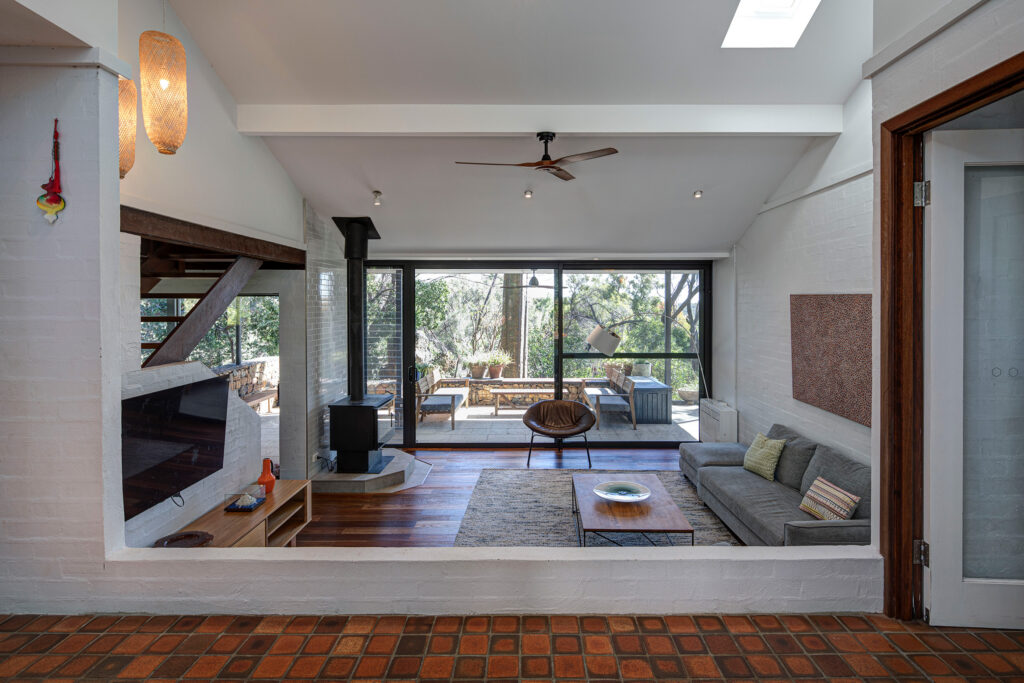
Boya House was designed to perform, not just appear. The site demanded a passive-first approach, with high levels of insulation, double glazing and a natural ventilation strategy using the site’s prevailing easterly breezes.
But the project goes considerably further. A PV solar array generates the home’s energy. Grey water is captured and recycled on site. A heat exchanger combined with a gas-boosted solar hot water system minimises energy demand for hot water.
The result is a home that gives back more than it takes from the landscape it sits within. Sustainability here is not a feature. It is the foundation.
What are your favourite parts or moments in the design?
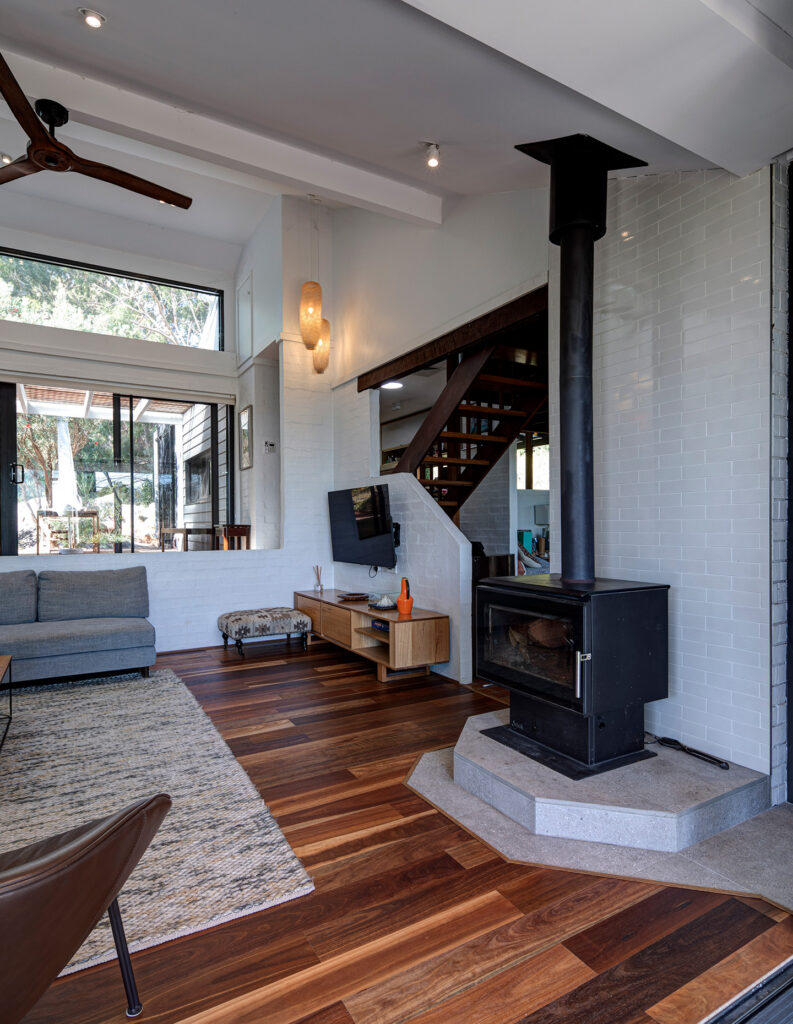
The moment the living area dissolves into the landscape outside.
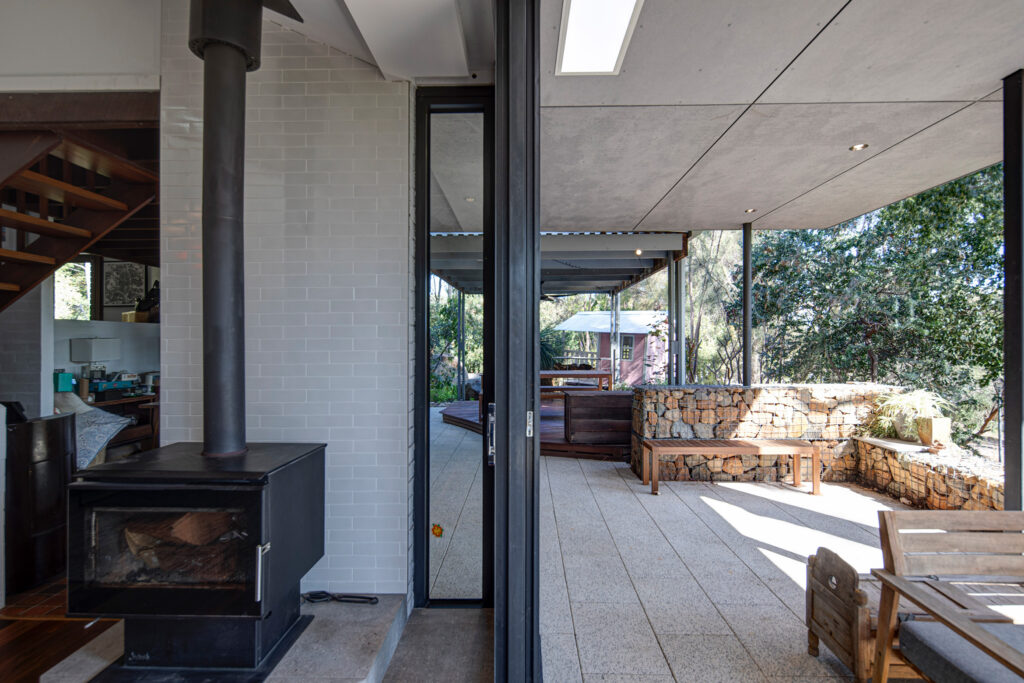
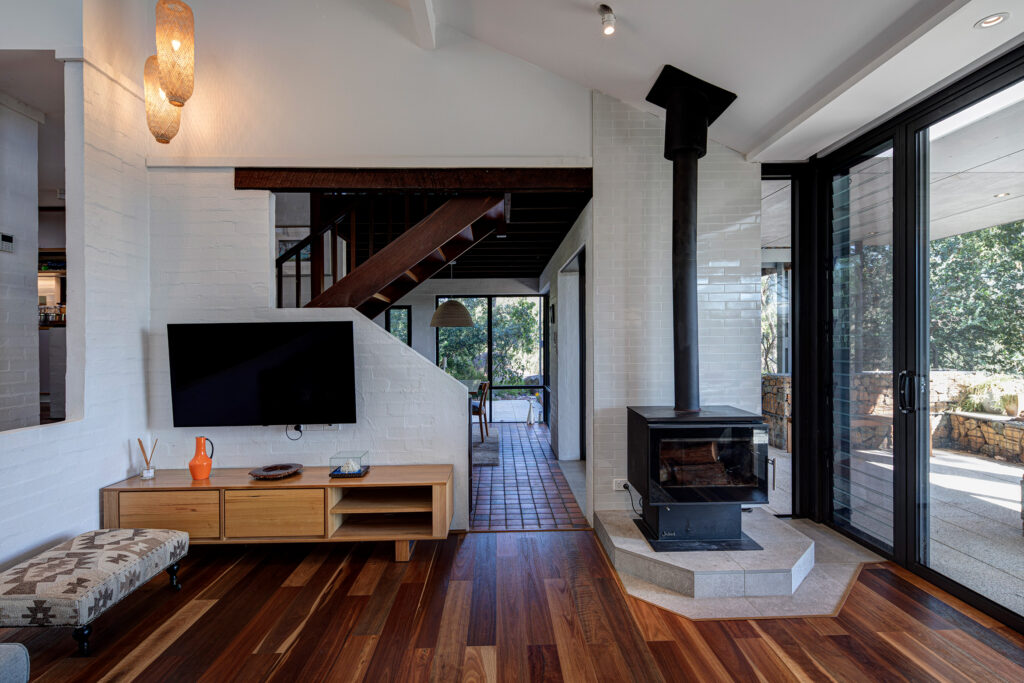
We took down walls and replaced them with full-width, floor-to-ceiling glass sliders. When they’re open, there is no threshold. The room doesn’t end and the garden begin. They are the same space.
You are cooking in the kitchen and you are also standing in the bush. The birdlife, the granite rocks and the sounds of insects at dusk all become part of daily life.
That seamless integration between inside and out was the whole point of the project. The original house had turned its back on one of the most extraordinary sites in the Perth Hills. We opened it up. And that moment when you slide the glass back and the two worlds become one — that is what this project was always trying to achieve.