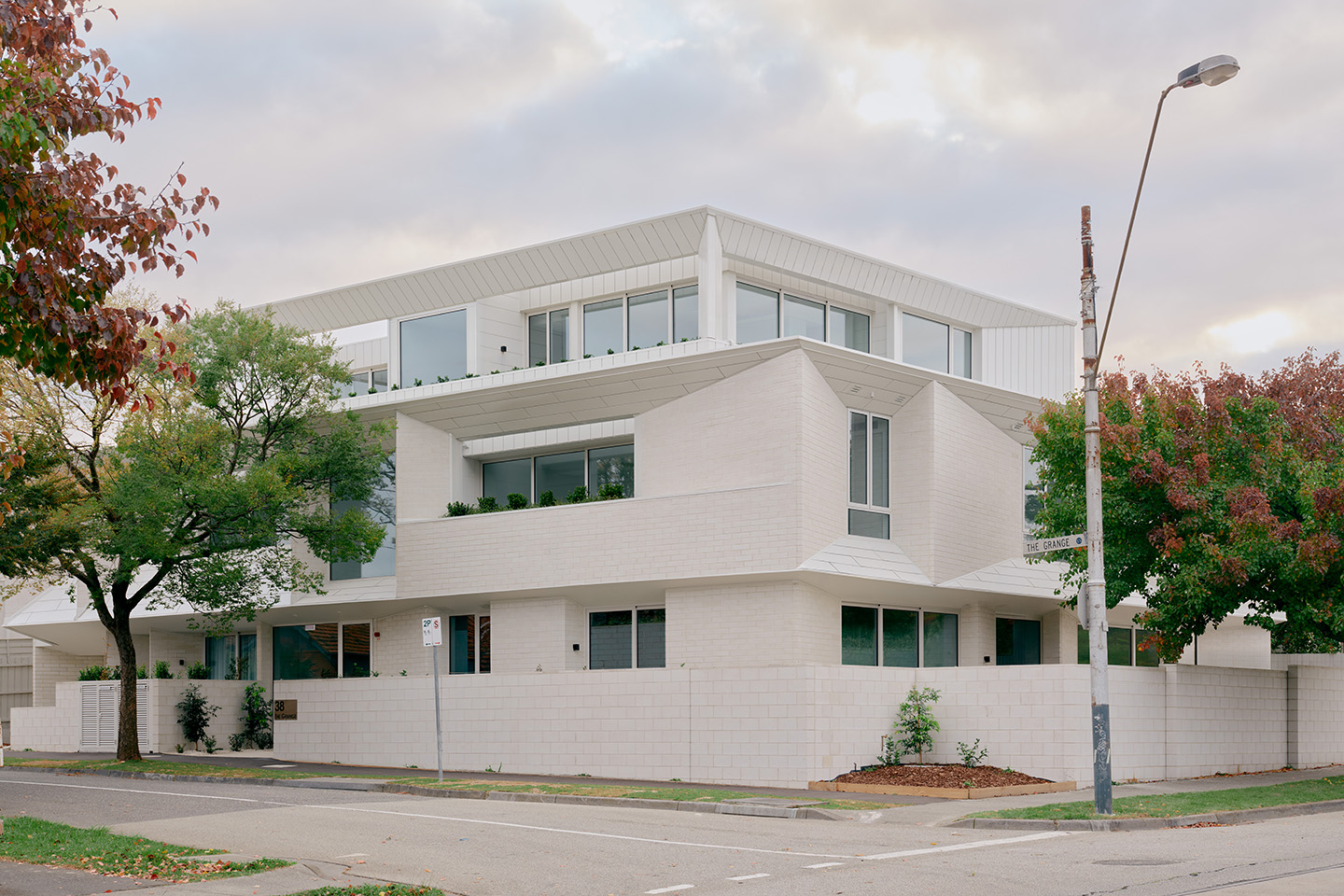

At The Grange Residences, Cheah Saw Architecture seeks to avoid the usual concessions that come with reduced scale living in a collective setting. The approach instead sees seven individual homes that are as considered in their planning logic as they are in their architectural expression, bound by consideration and a refined rigour.
Rather than imposing a singular monolithic form onto an established streetscape of detached brick homes, the approach sees Cheah Saw Architecture deconstruct the massing into smaller articulated volumes. Each resulting form has been calibrated in response to the grain and scale of the surrounding residential fabric.
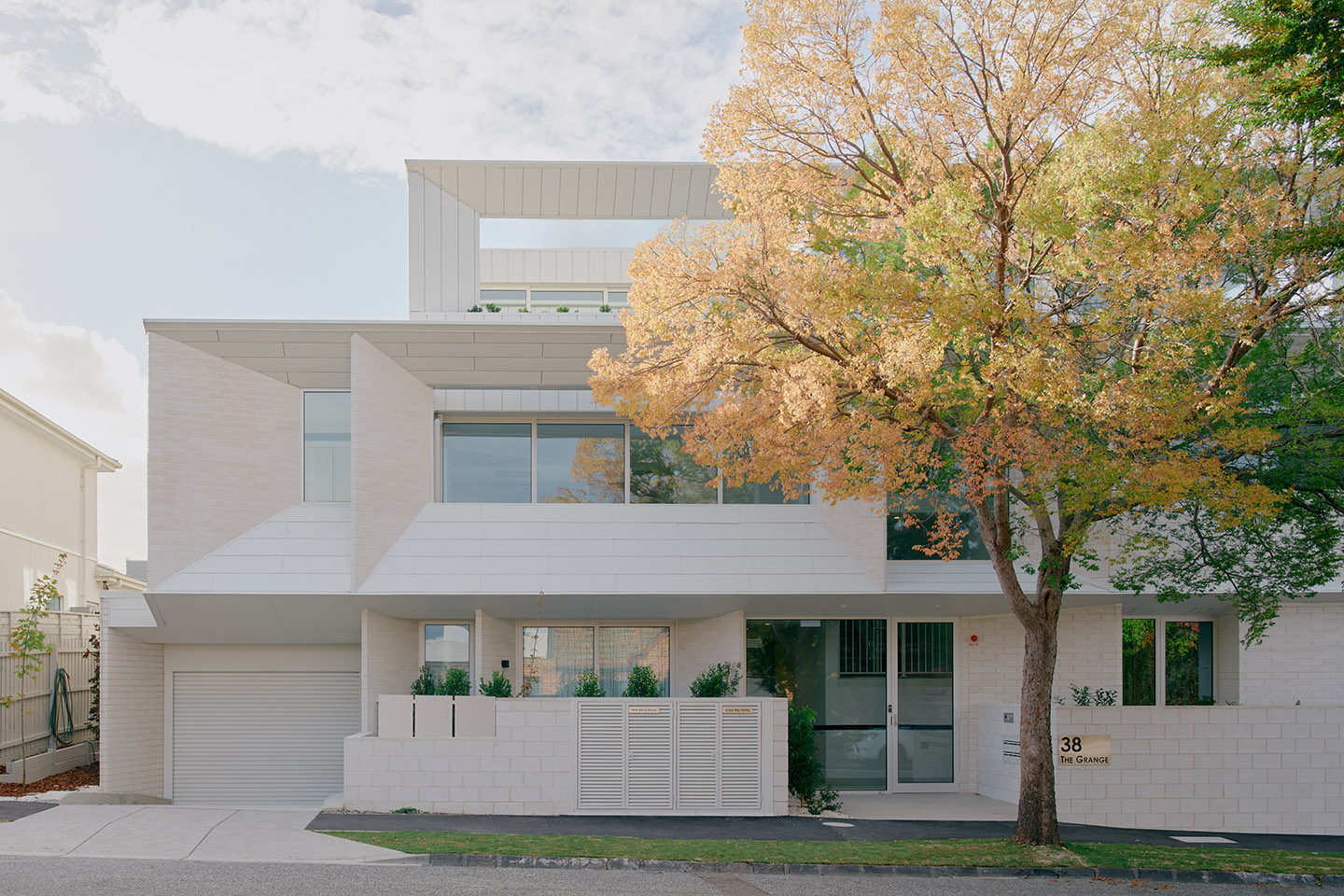
“We weren’t interested in replication, as that would have felt dishonest,” says director and co-founder, Eugene Cheah.
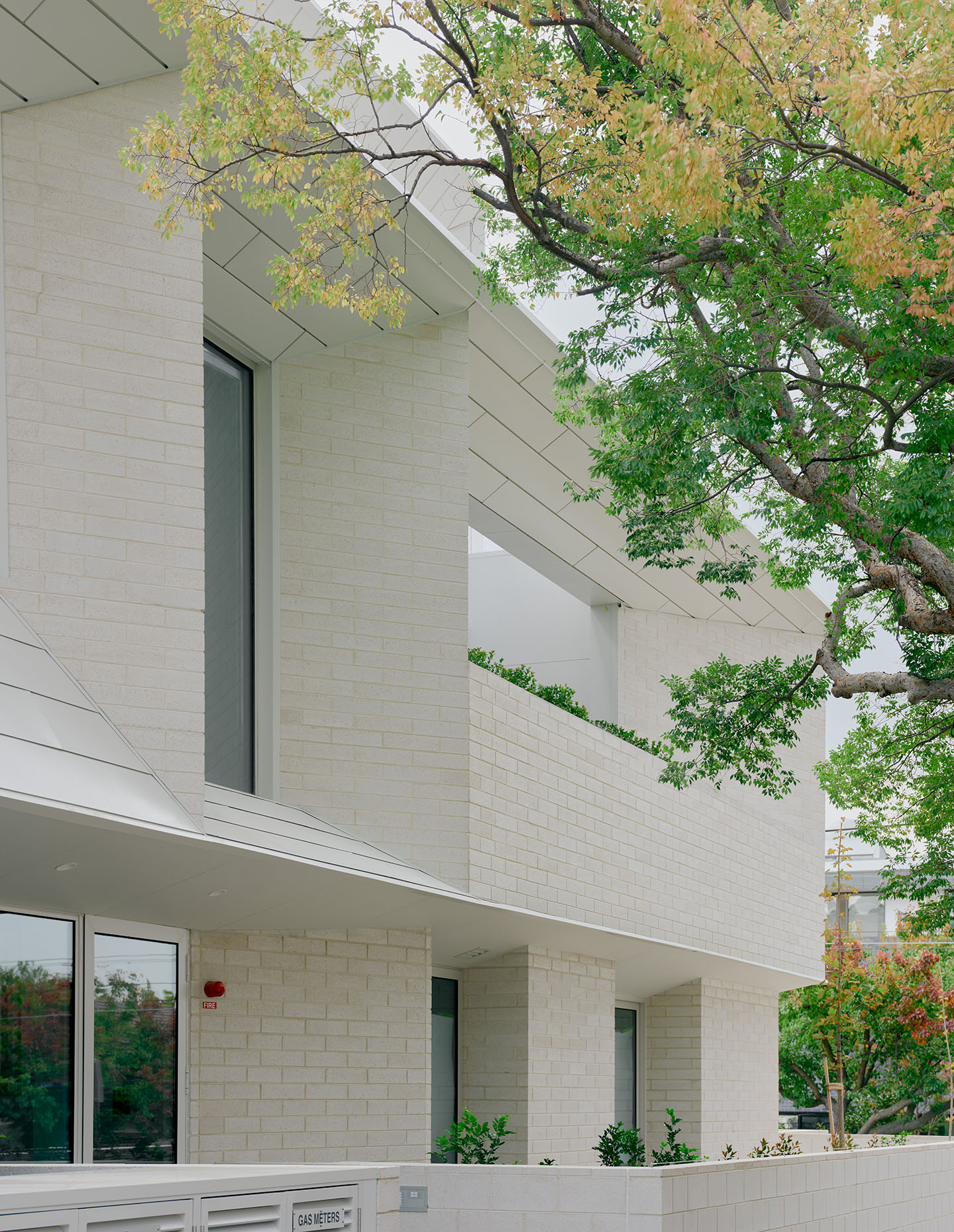
“What we were interested in was reinterpretation,” he adds. The pitched rooflines that characterise the neighbourhood were a key identifier that were then redefined as chamfered geometries and angled reveals. Through abstracting the depth of the façade, each element also plays an integrated environmental and spatial role of framing views, mediating privacy as well as generating shadow and texture across the façade of the building.
Brick is deployed with similar intentionality. Present in both traditional mass construction and in more contemporary suspended and cantilevered applications, the material operates simultaneously as contextual response, environmental strategy and tectonic expression. “Masonry was used not simply as an external finish, but as a material device that shapes the tactile and spatial experience of the architecture,” director and co-founder Joanne Saw explains. It is an approach that understands brick not merely as a surface, but one of structural integrity too.
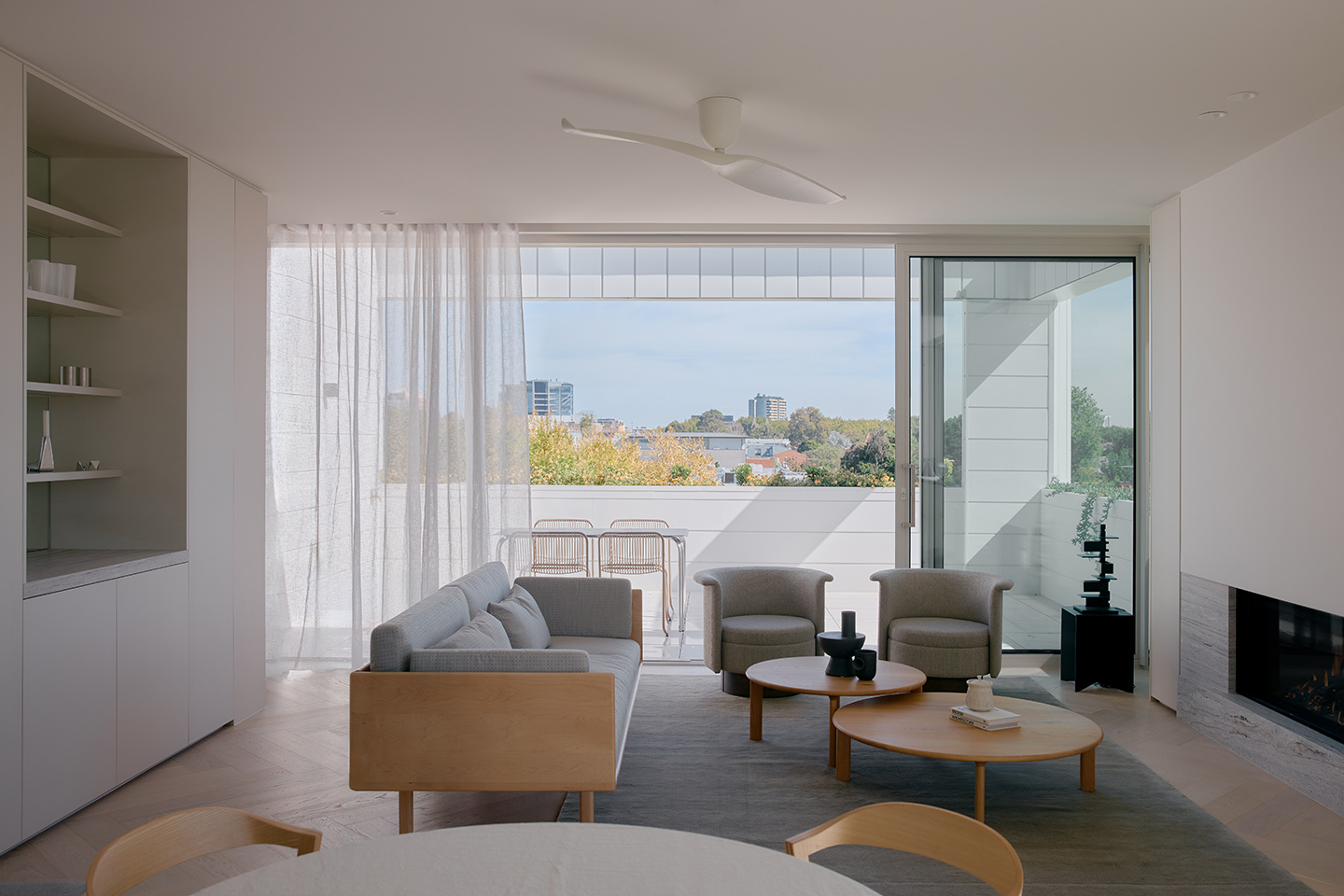
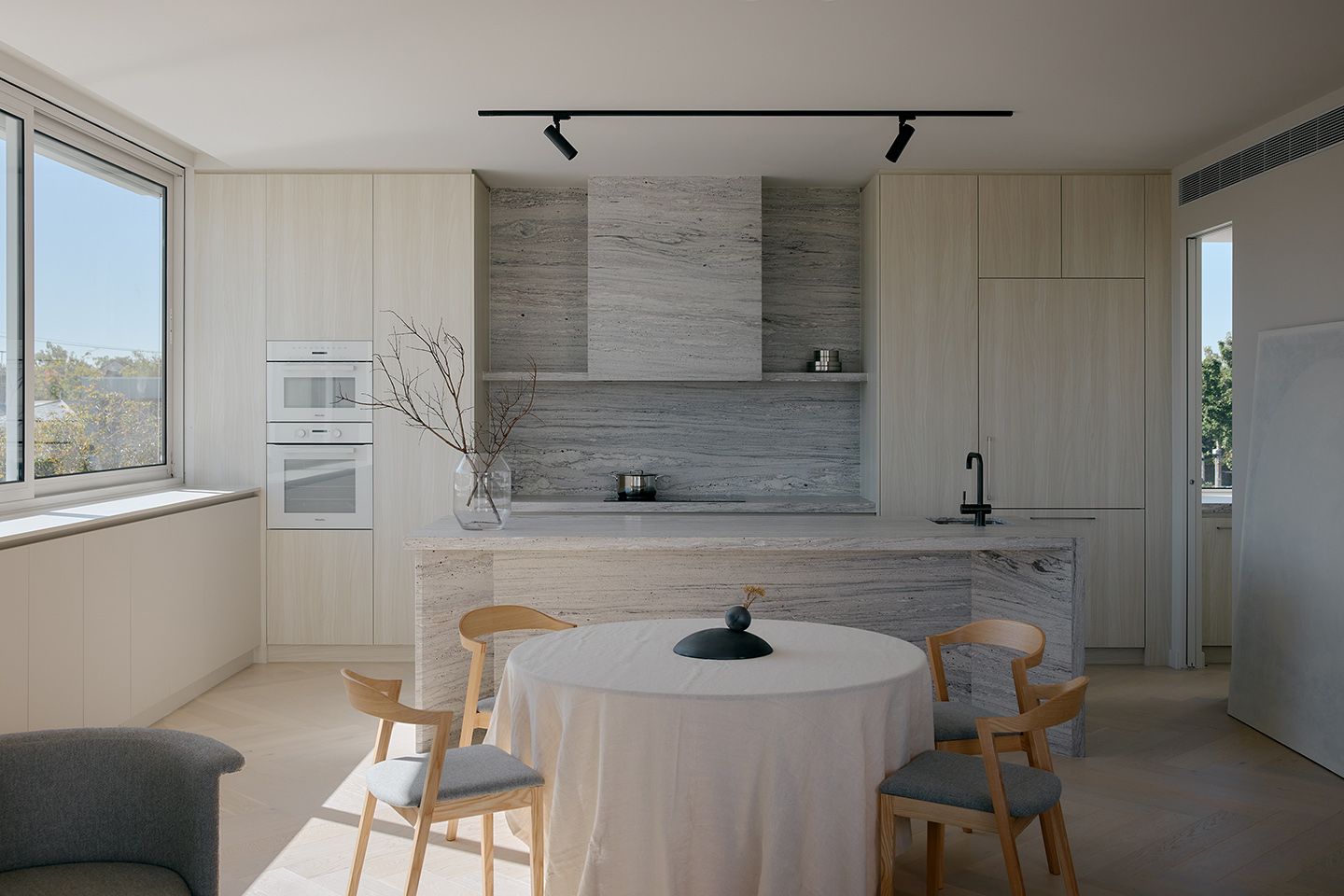
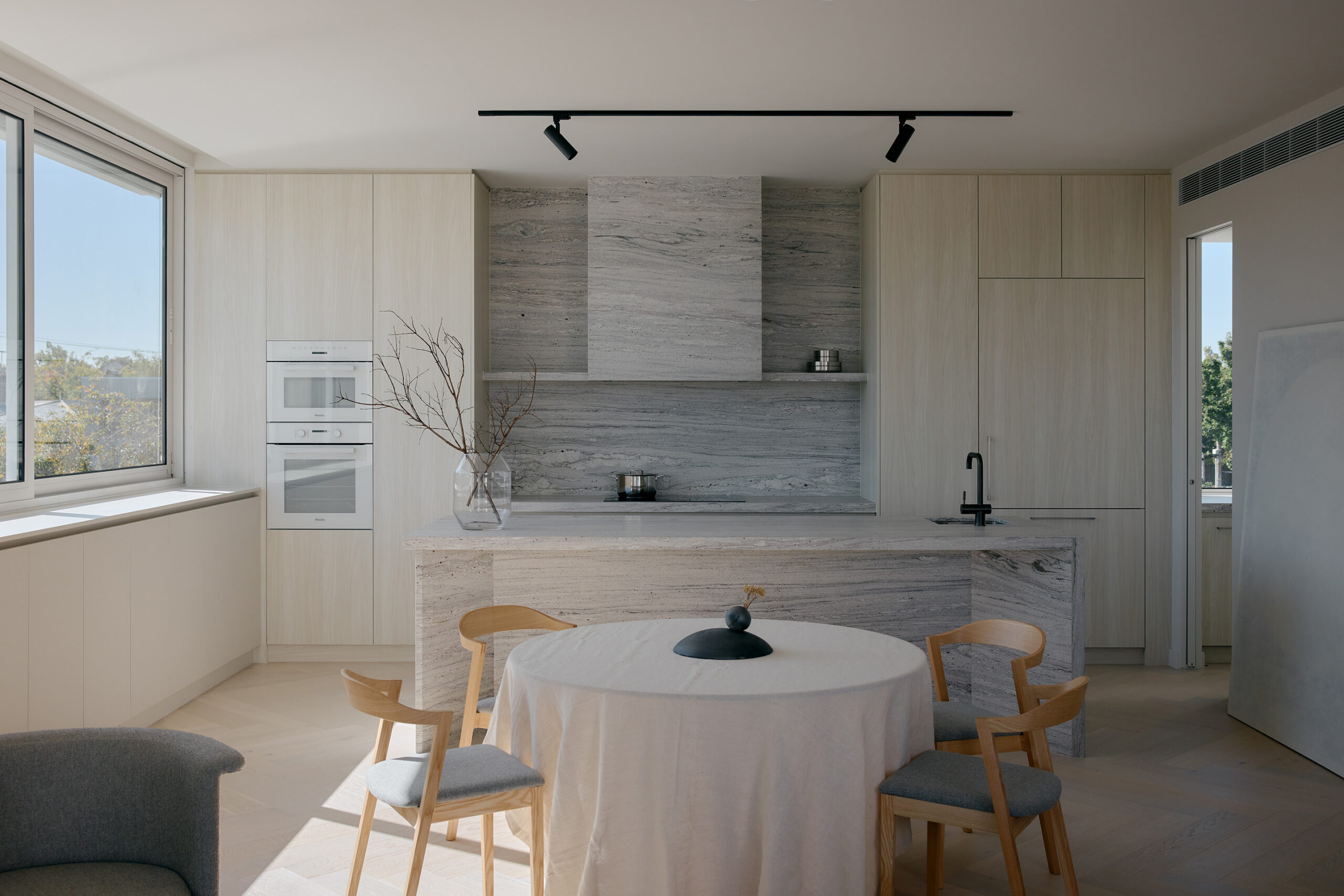
Internally, the practice resisted the repetition that so frequently compromises medium-density typologies. Instead, each apartment is unique in plan, and the interior language is restrained without being austere, seeing instead a considered palette that prioritises material warmth, sensory experience and long-term adaptability. Entry foyers with consoles, integrated entertainment bars, fireplace plinths and flexible spatial zones support the full range of domestic ritual.
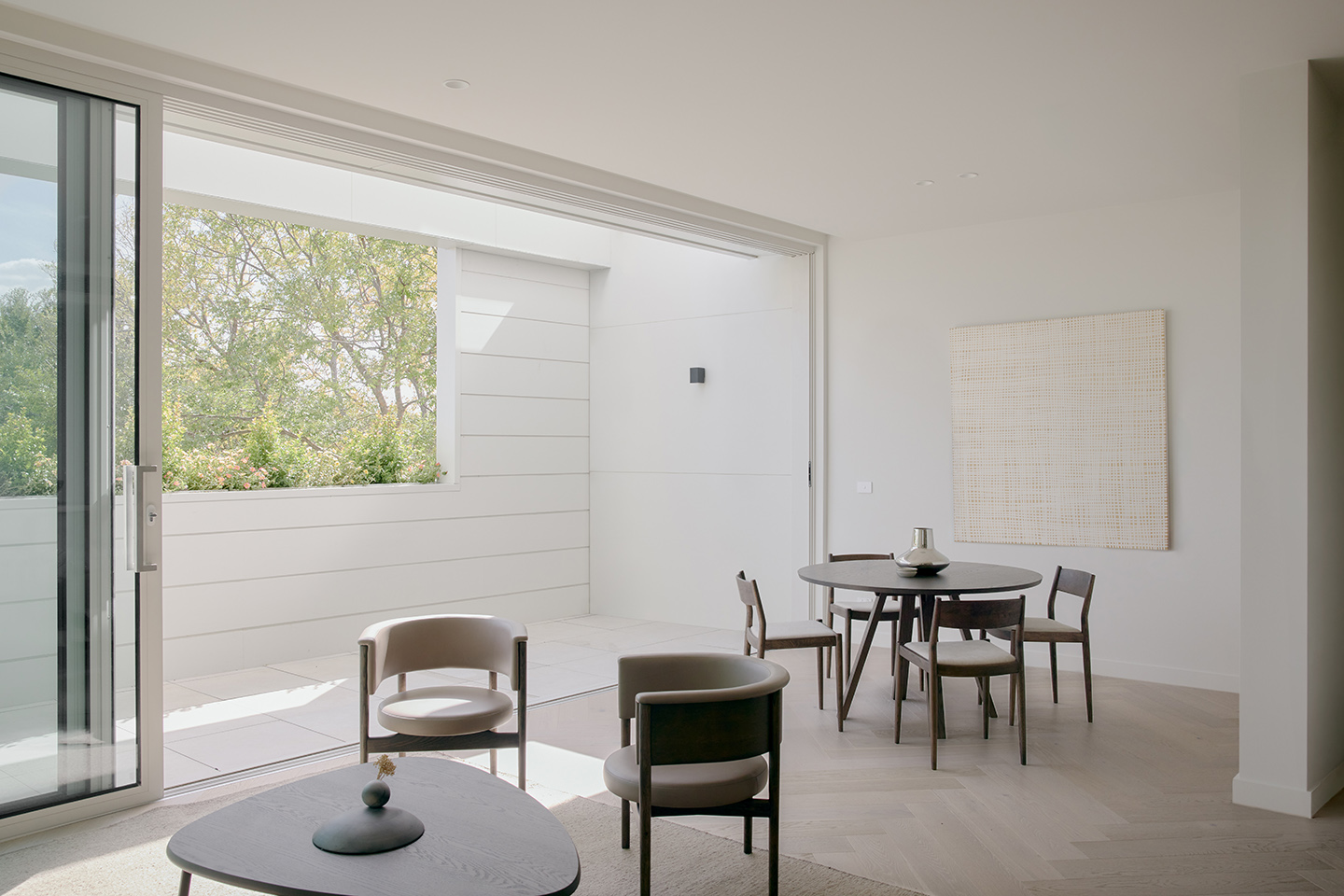
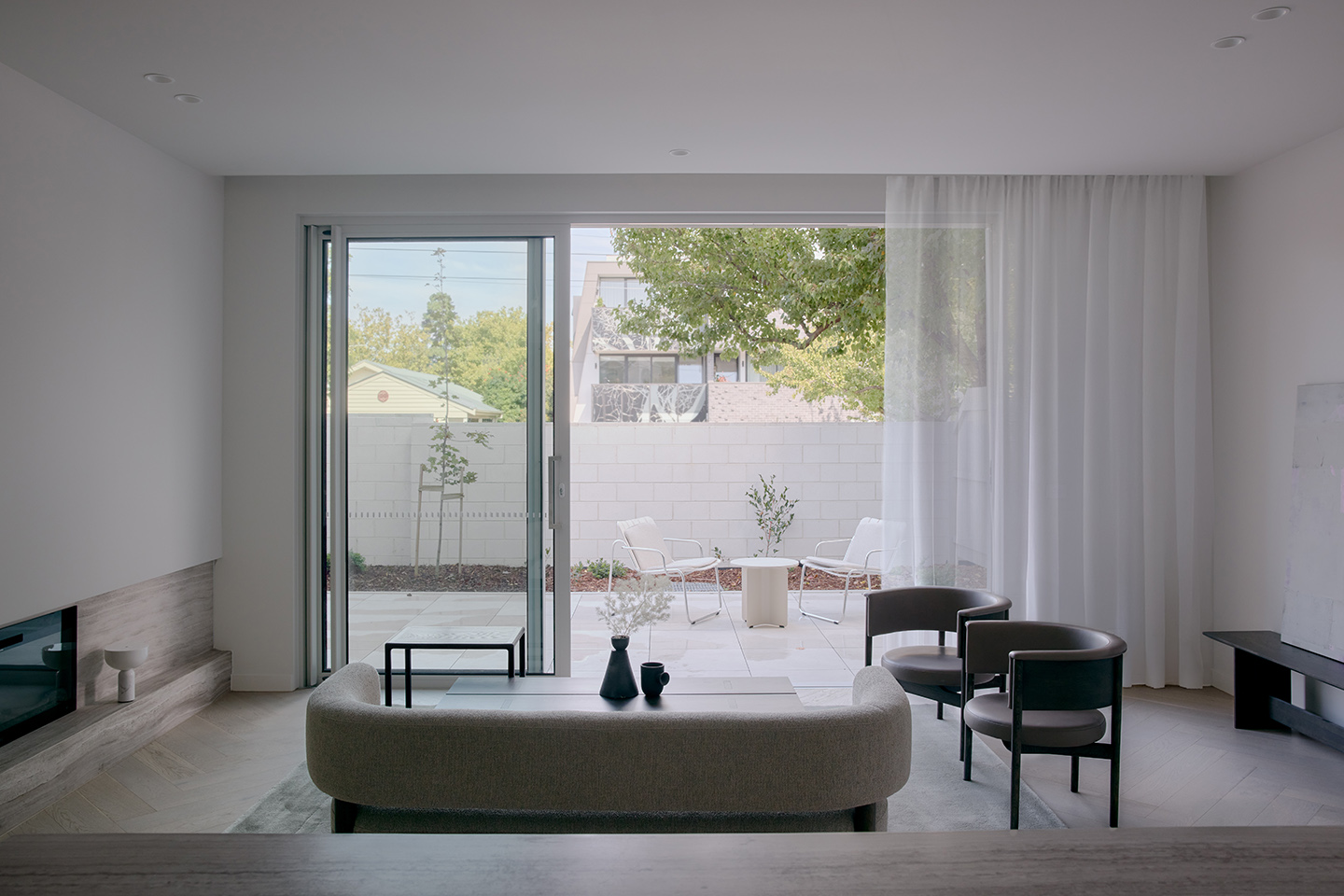
“We were conscious of avoiding interiors that felt overly formal or excessively polished,” Saw reflects.
Related: A gum tree haven in SA
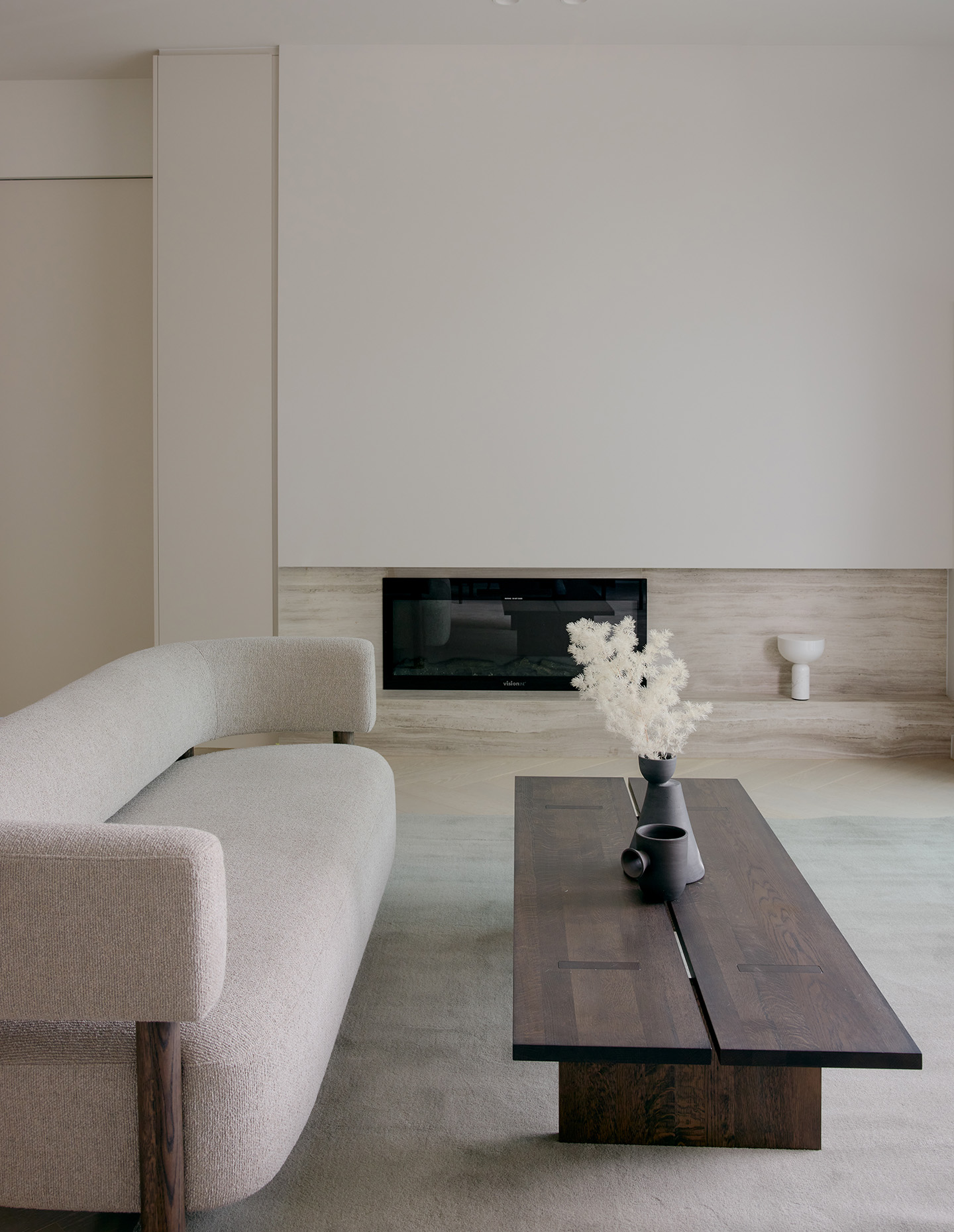
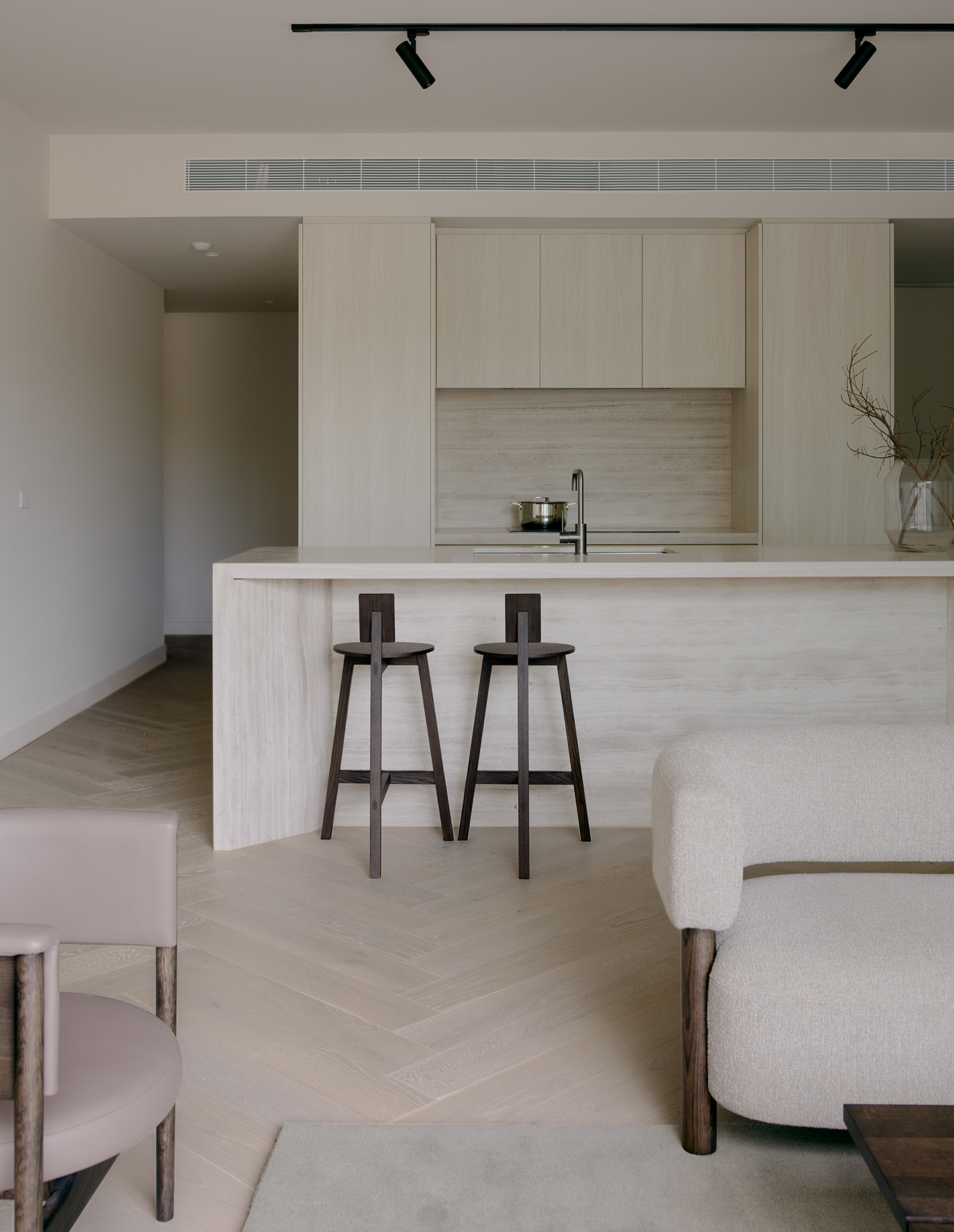
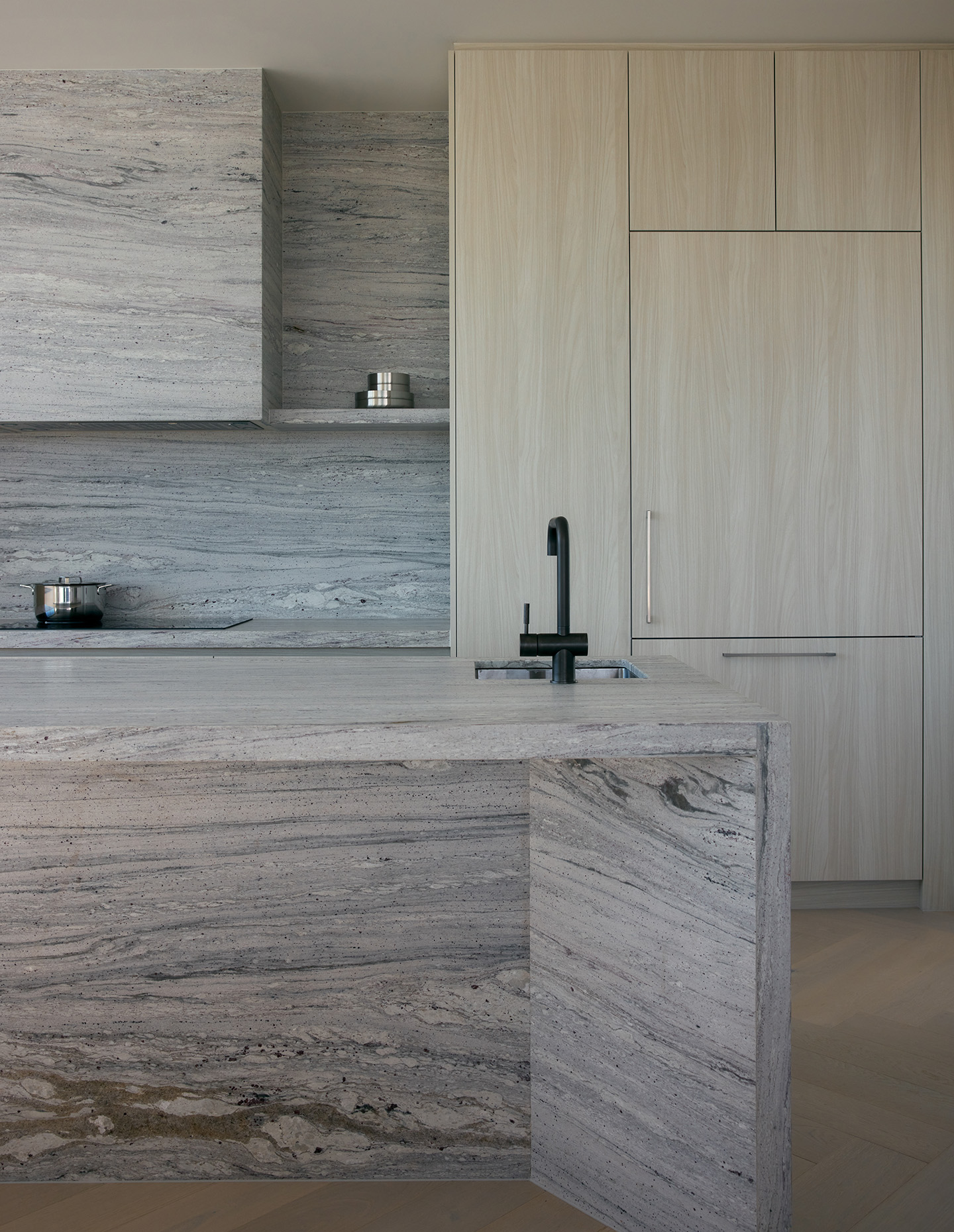
“The focus was on spaces that feel intuitive and comfortable and ensure each was a home that could evolve naturally alongside their occupants over time,” Saw adds.
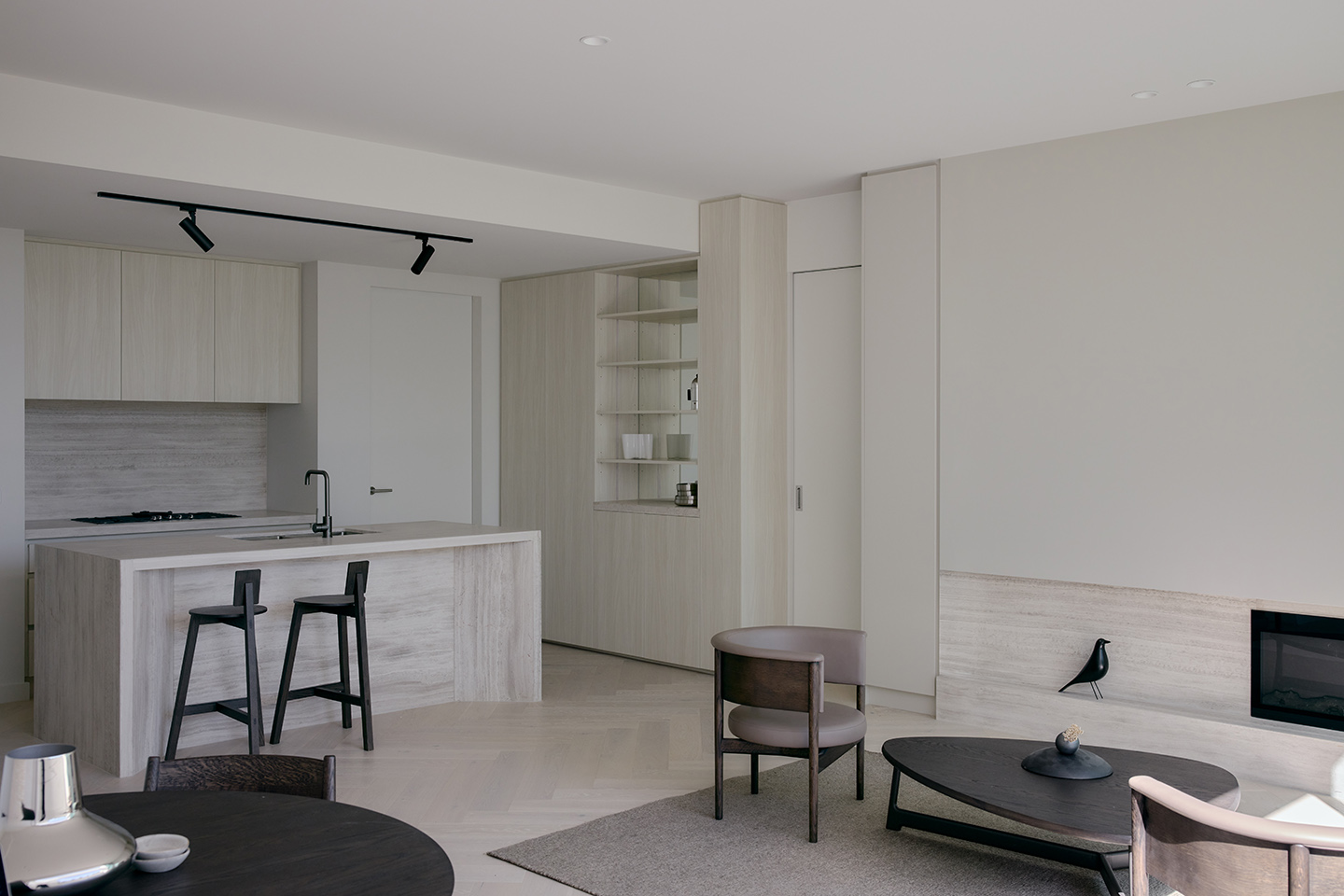
The planning logic underpinning each residence is where the project’s ambitions are most clearly tested. Every apartment finds itself in a corner condition, achieving two, three or four aspects, following a decision made early in the feasibility process that prioritised environmental performance over yield. Dual aspects support cross-ventilation as a passive strategy resolved at the plan, not retrofitted through specification.
Ground floor residences anchor into private gardens, with the upper levels extending into deeply considered terrace conditions, their solid perimeter walls and integrated planters creating outdoor rooms that function as genuine extensions of the interior rather than nominal balconies. “Large semi-enclosed terraces operate as extensions of the interior, creating outdoor rooms that can be occupied throughout the year,” notes Cheah.
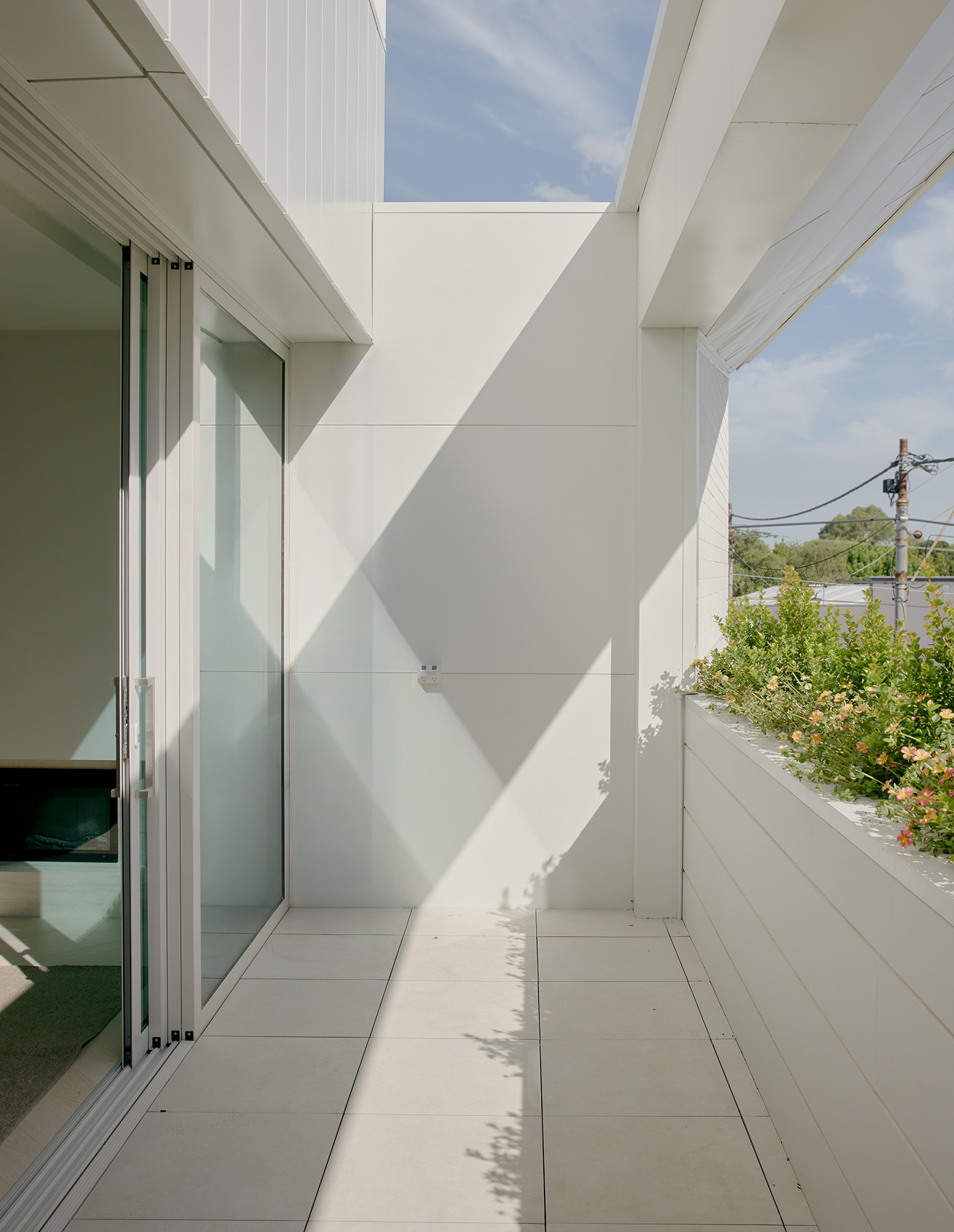
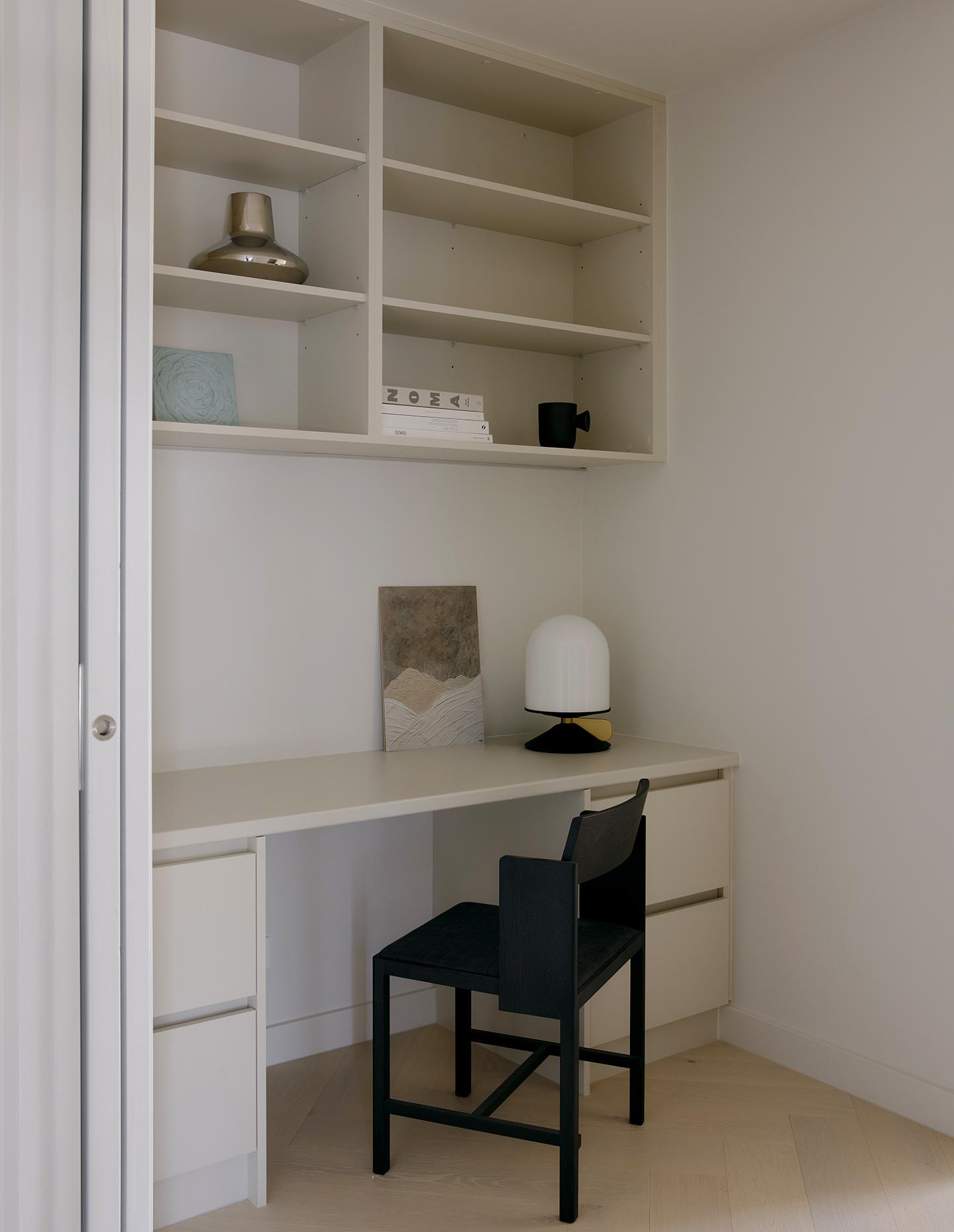
The question of individual identity within a collective form is a continual issue in similar arrangements, and in this case has been handled through differentiation at every scale. With varied spatial configurations throughout, distinctly defined entries, unique framed aspects, and differing relationships to light and landscape, each residence is formed by subtleties. “We wanted residents to feel a clear connection to their apartment, a sense of ‘that is my balcony’ or ‘that is my bedroom window’, rather than being lost within a characterless, homogenous development,” says Cheah.
By focusing on expression and subtleties, The Grange Residences contain a time-wearing consciousness that avoids responding purely to the now. Cheah Saw Architecture focuses on environmental performance, generosity, materiality and contextual sensitivity, a blueprint that could help ground future developments as density inevitably increases.