
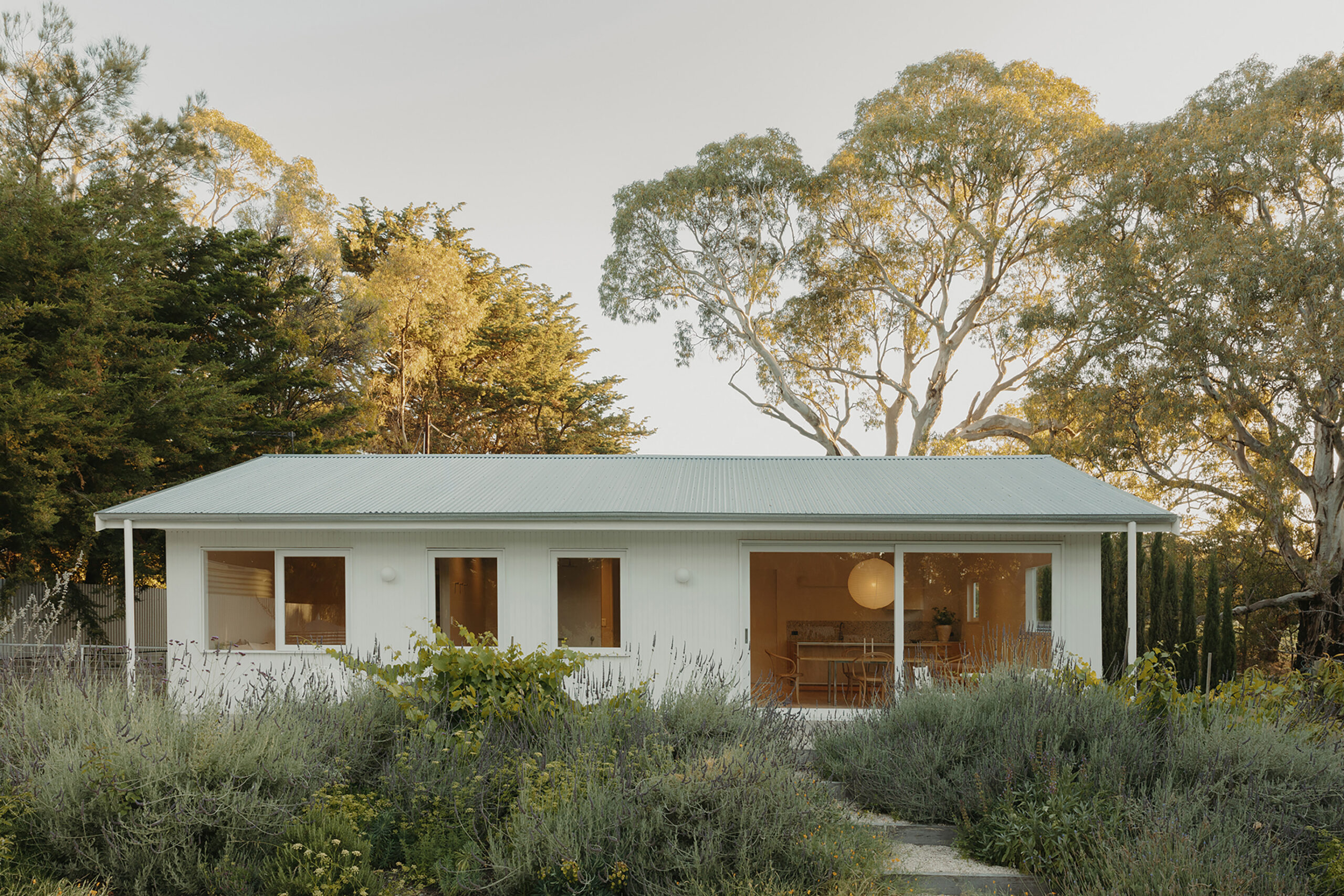
At ASY House, architect and owner Alana Cooke makes a compelling case for using restraint as a design strategy of its own, and for the idea that the most enduring homes are often those that know exactly when enough is enough.
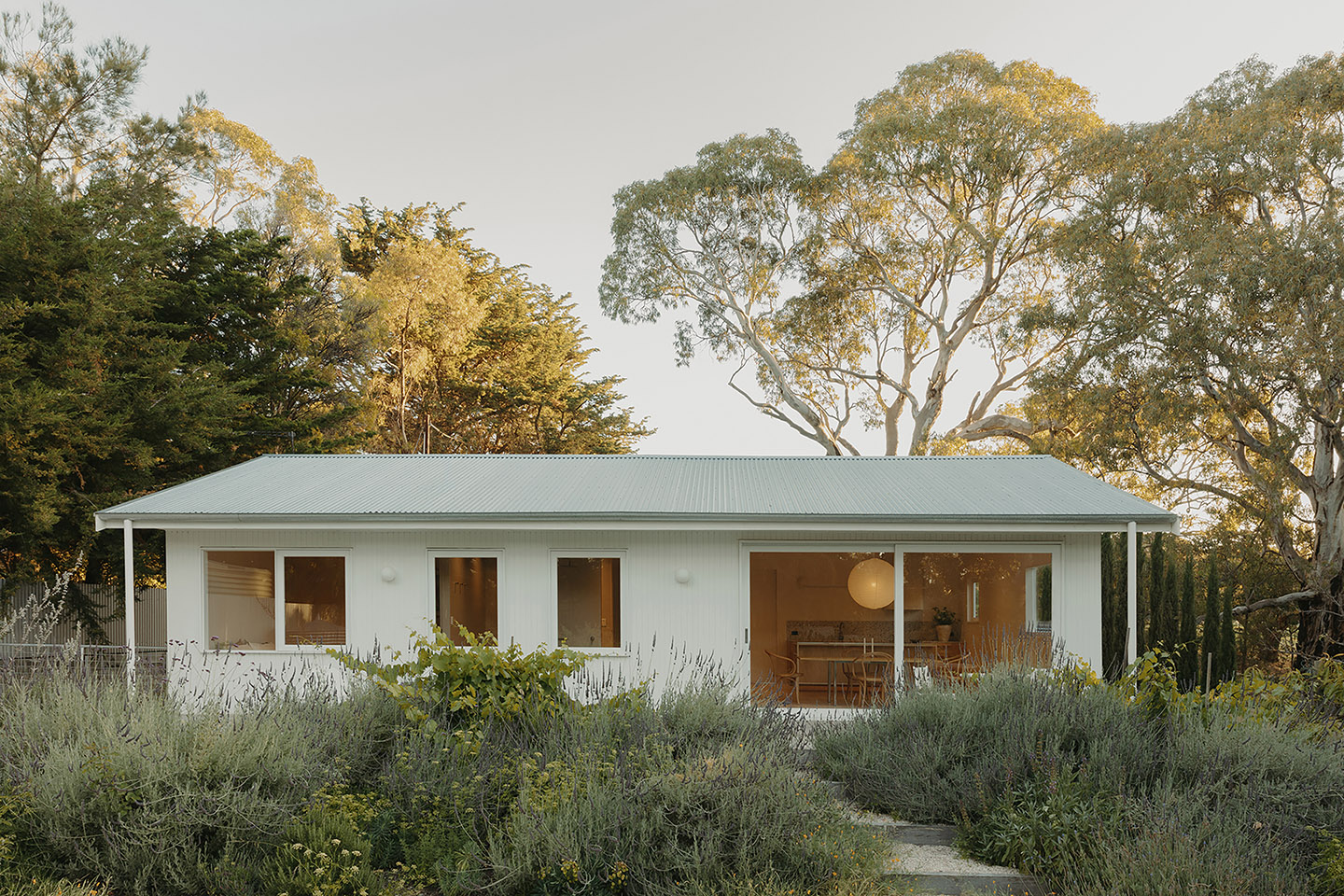
The original shack had been built by hand by its previous owners, who lived there for over forty years. That history, and honouring it, mattered to Cooke: “There was something very honest about the original ’60s shack vernacular,” she says. “While modest, it felt worth protecting rather than erasing. We liked that we got to tell another story of the house rather than completely rewrite it.”
The intervention that followed was guided by that instinct – an instinct of being selective, measured and attentive to what was already there. The footprint remained unchanged. The work was one of careful editing: constantly questioning what to restore, what to open up and where to let the landscape speak for itself.
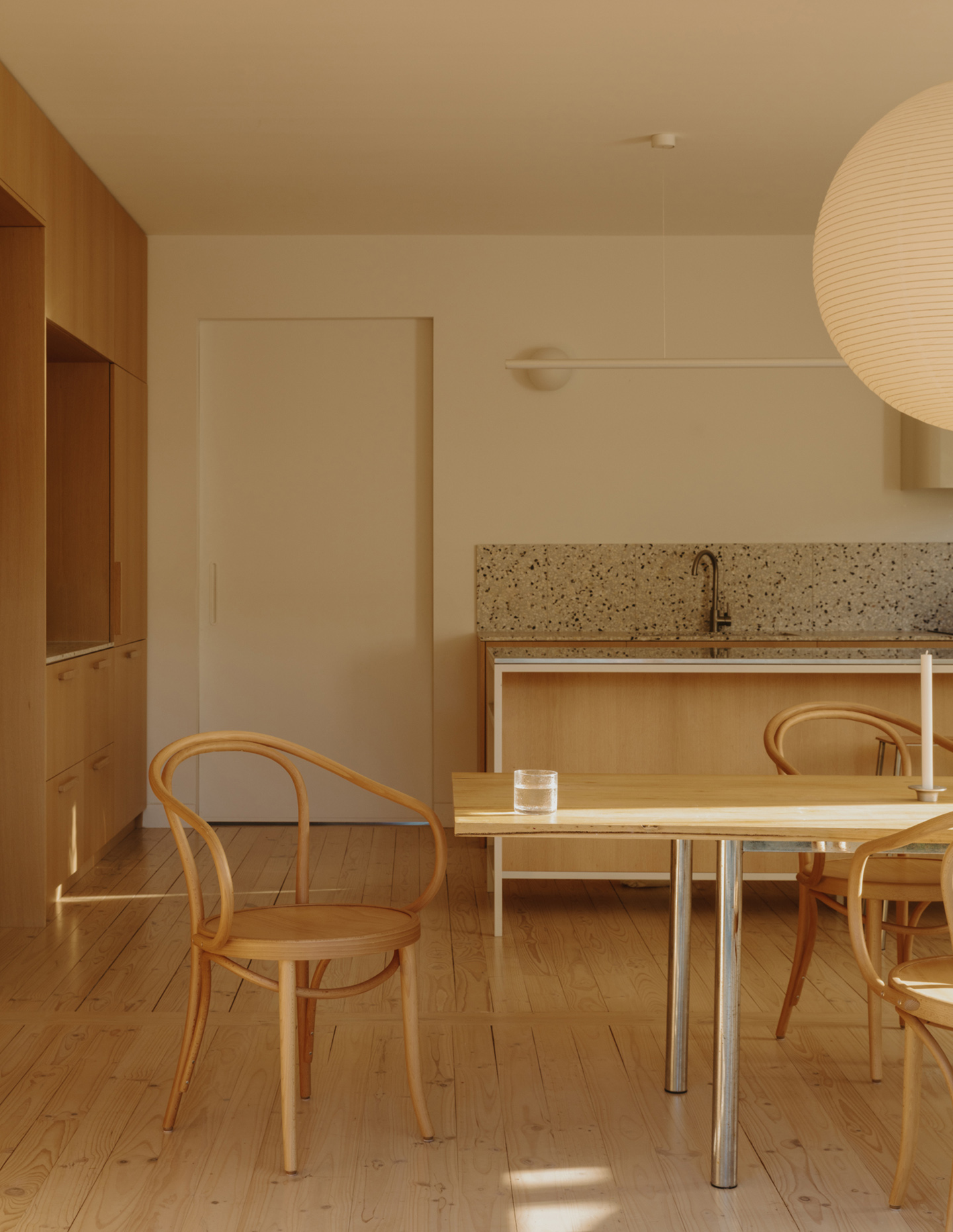
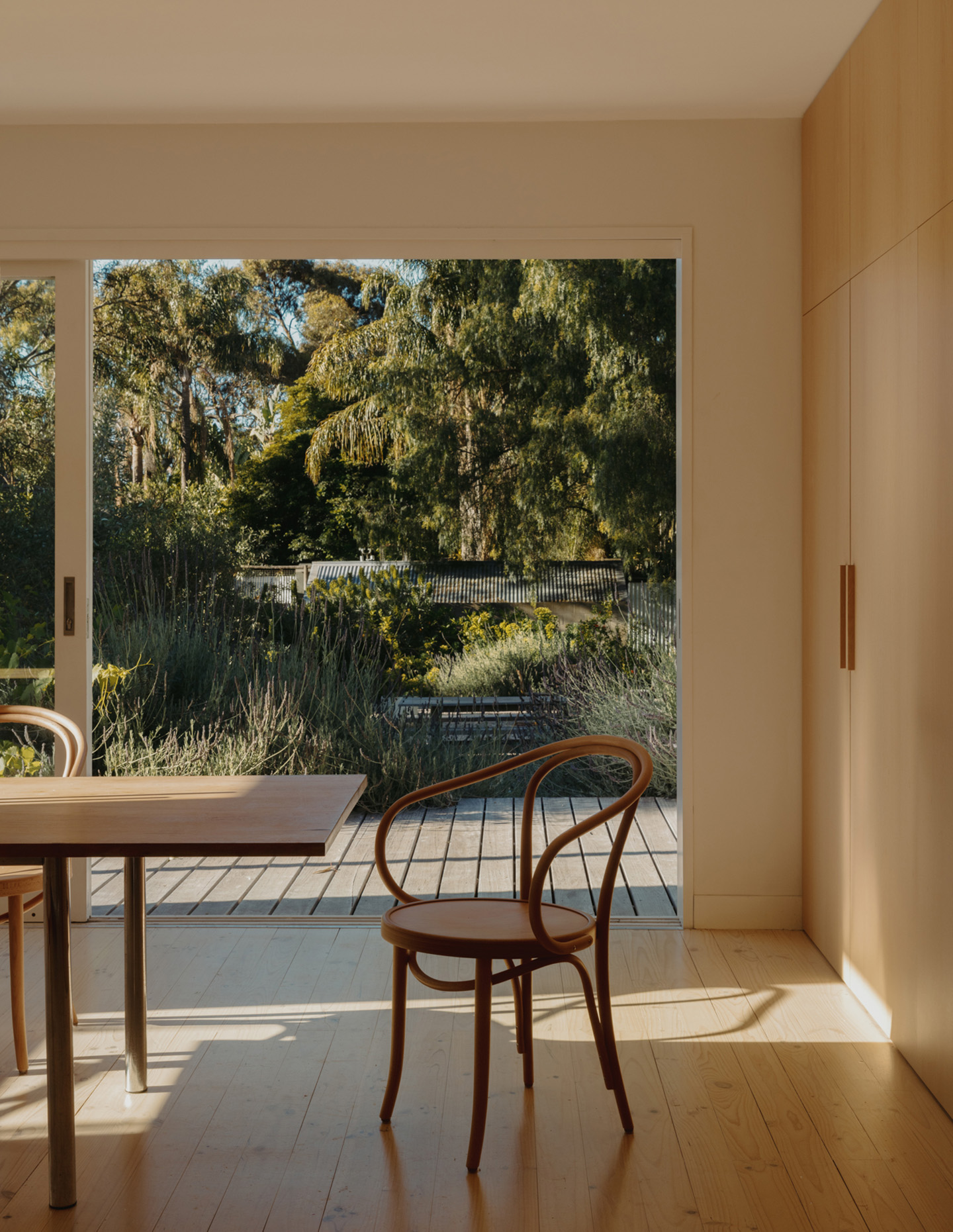
After spending time on-site to understand how the house interacted with its surrounds, light and aspect emerged as primary drivers for the replanning internally and across the site. The kitchen and dining areas were opened to the north, drawing sun deeper into the living spaces and allowing the interior to spill naturally onto a continuous deck that runs the full length of the house. A mature peppercorn tree (which had been long obscured by a collection of ramshackle sheds) was revealed in the process. It now anchors the garden view from almost every room, framed and connecting past and present with purpose.
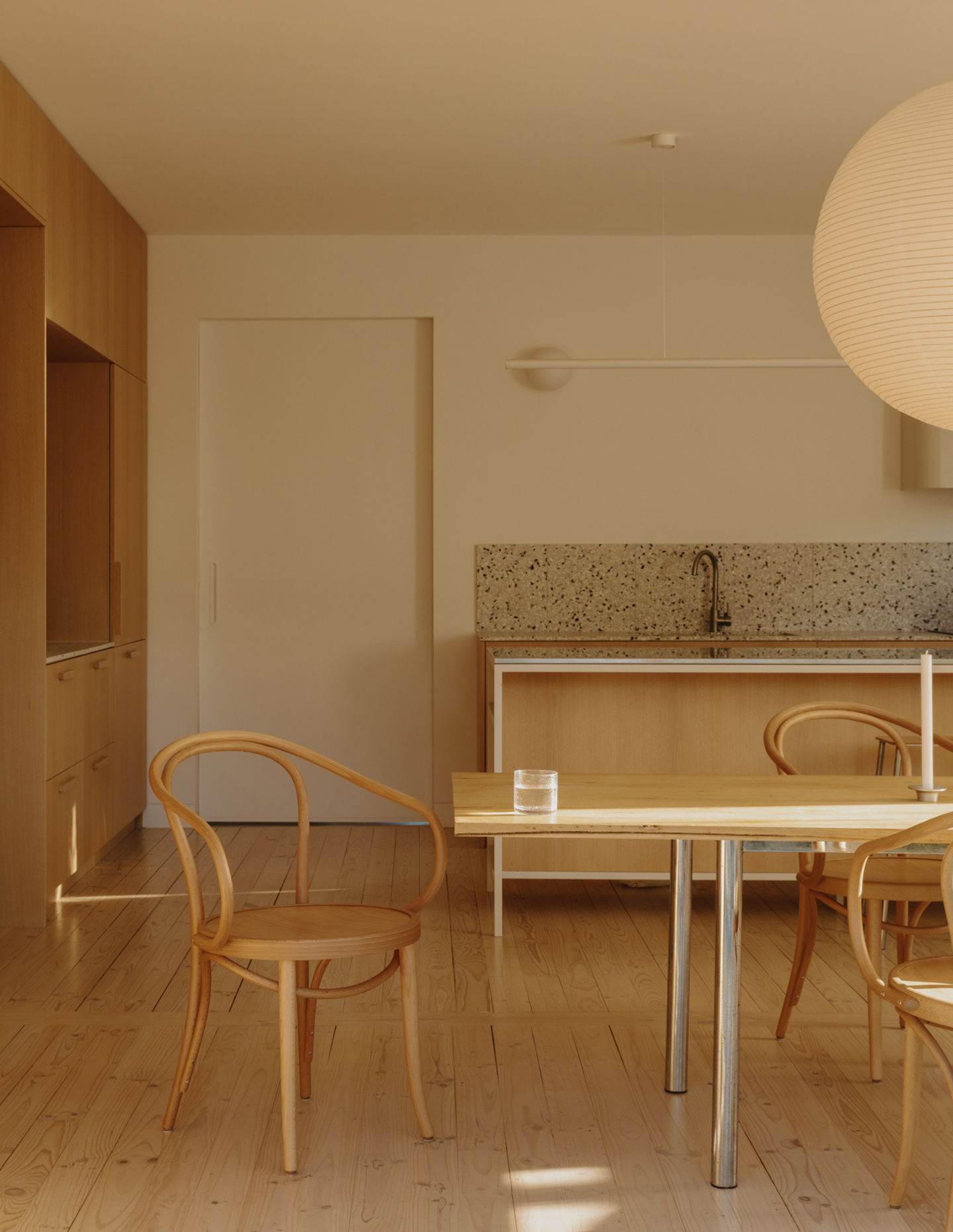
“We wanted the home to feel open to the light, garden, breeze and seasonal change, rather than closed off from them,” Cooke explains. In winter, that northern light moves deep into the interior, warming the timber surfaces and casting slow shadows across the walls. In summer, the balance shifts toward shade, breezes and the long, glowing afternoons for which the Fleurieu is known. Considerations of texture and warmth also then formed the materiality and selections that followed.
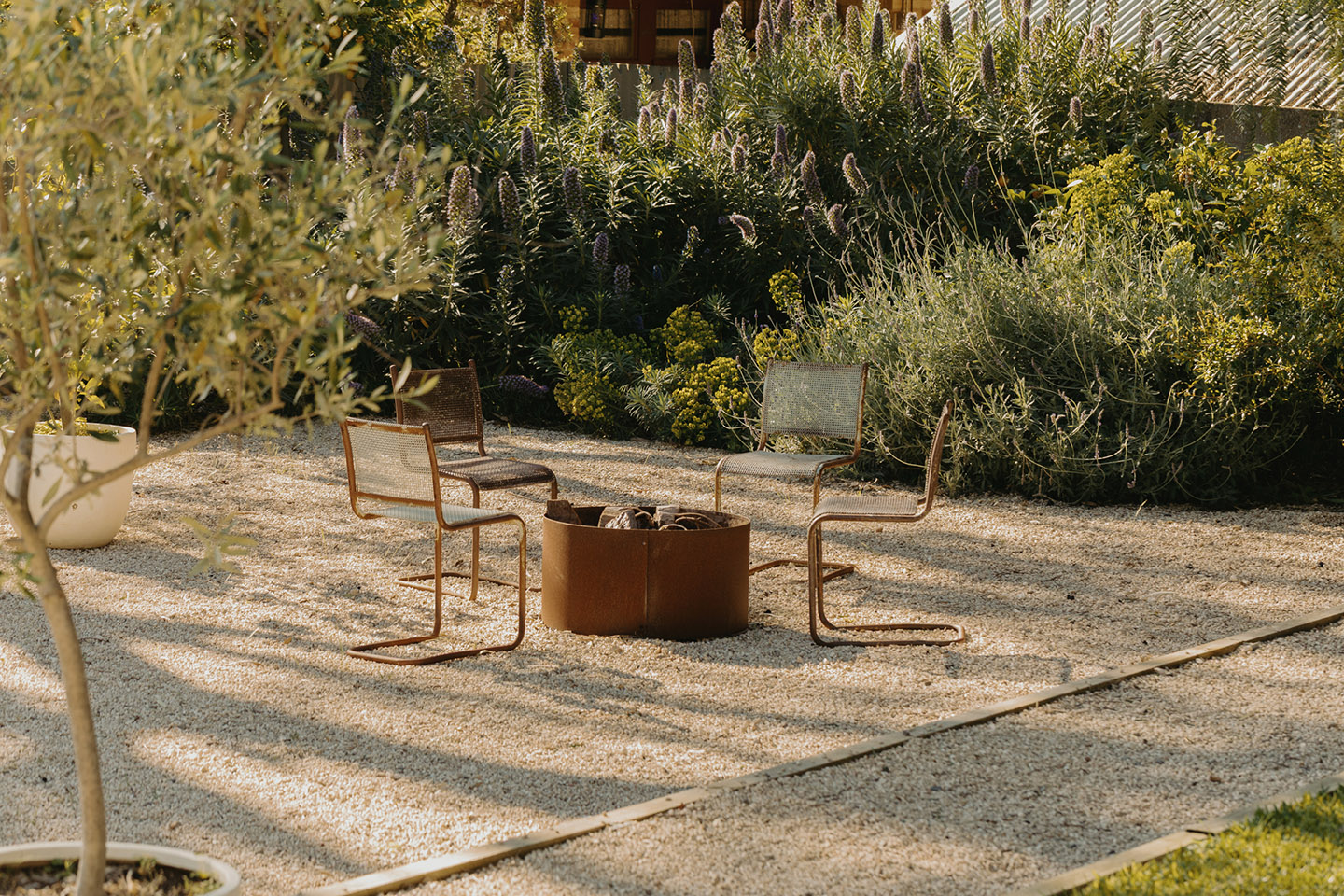
Meanwhile, the rituals the house supports are equally unassuming. Cooke describes them with an ‘affection’ that feels entirely genuine and marks a personal connection to the space. Memories of croissants and black coffee on the deck on a Saturday morning, hibachi dinners in the garden with friends, kids moving freely between inside and out, the smell of frankincense on the back deck, the view of a gum tree from the sofa and another from the bath… each is implanted visually and sensorially amongst the built and unbuilt elements.
Related: Boya by maarch* architects
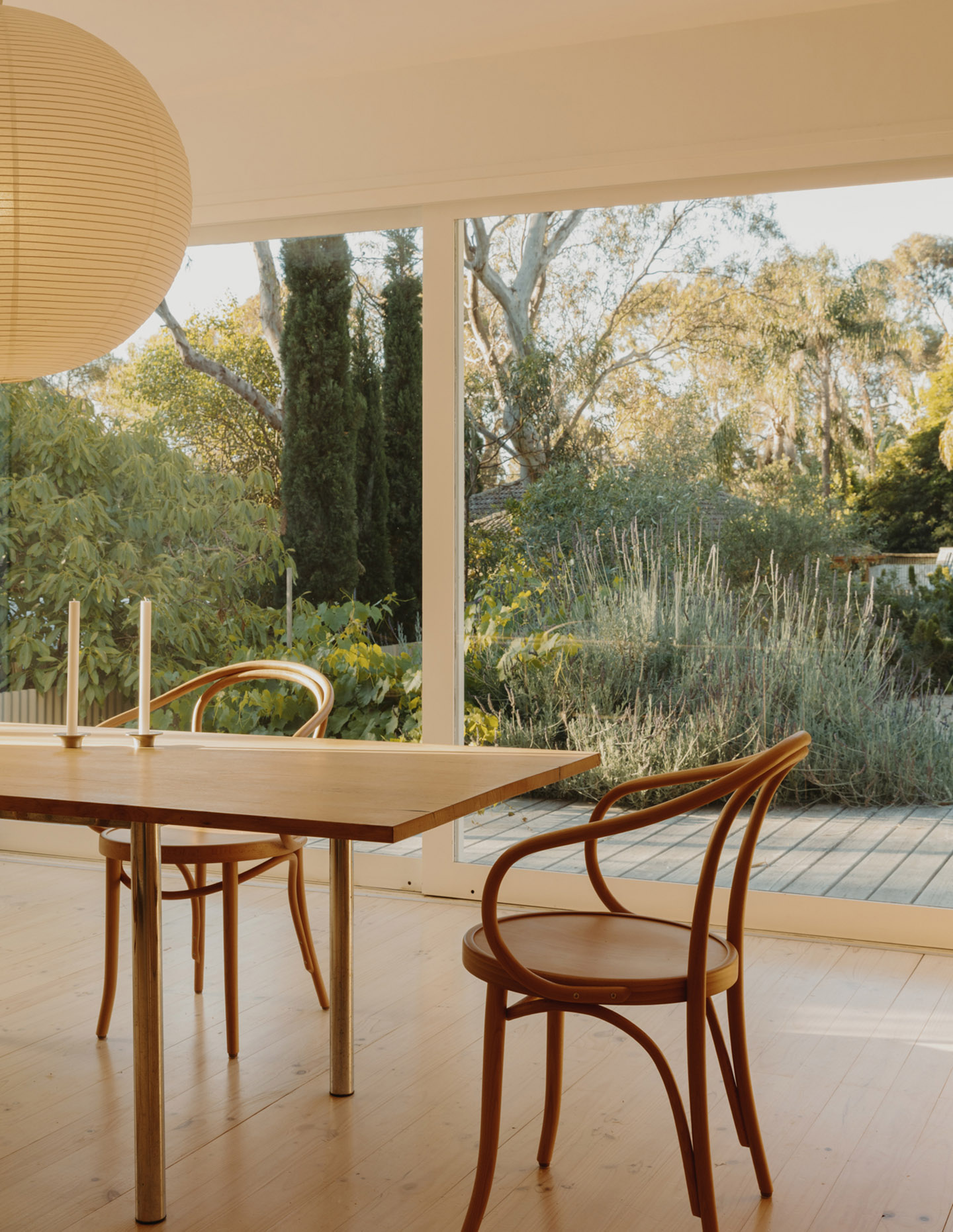
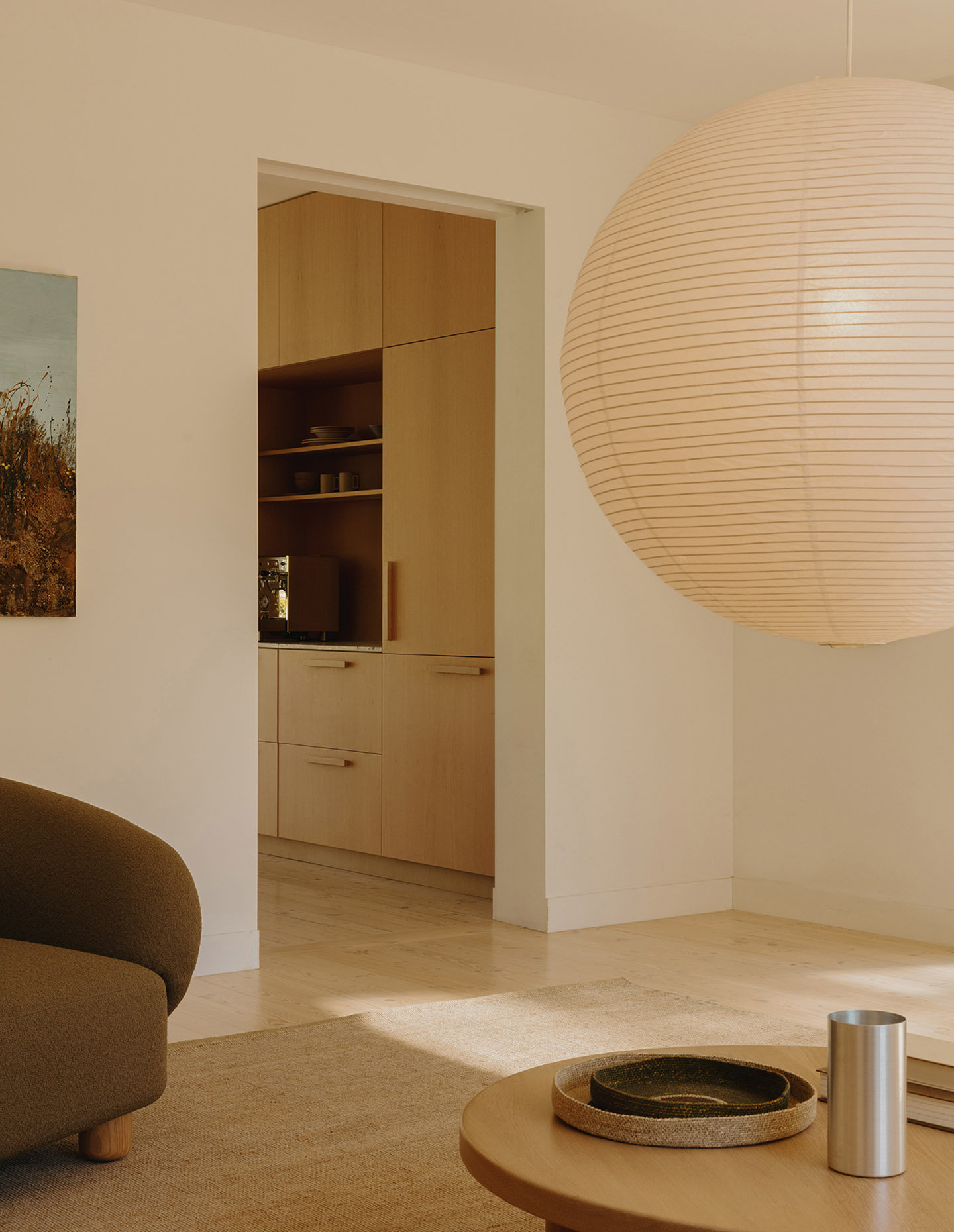
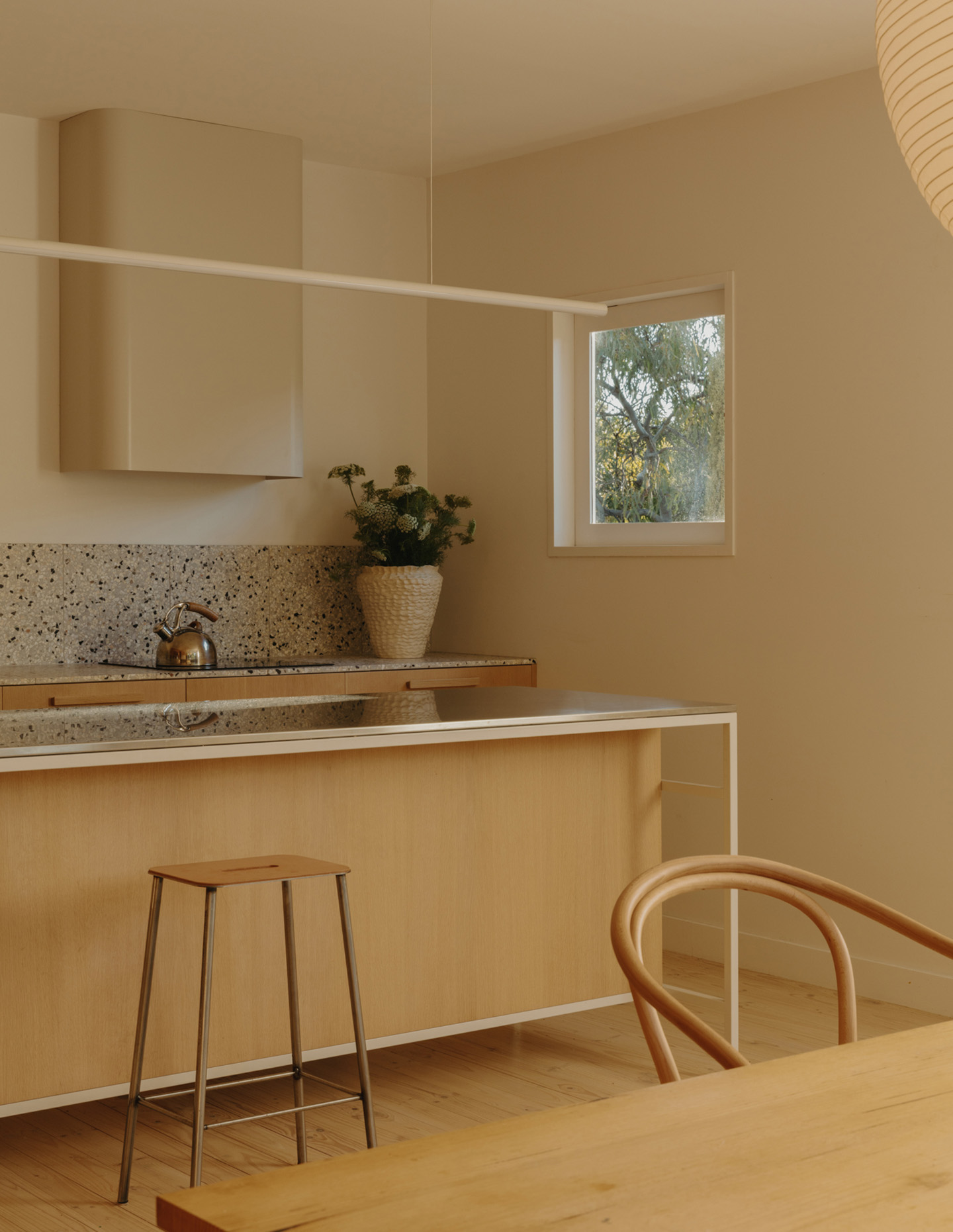
“ASY House wasn’t necessarily driven by wanting to create grand moments. Instead it was about crafting a series of supporting spaces that felt comfortable and joyful to settle into,” she notes. “As a result, the design moves work more quietly in the background.
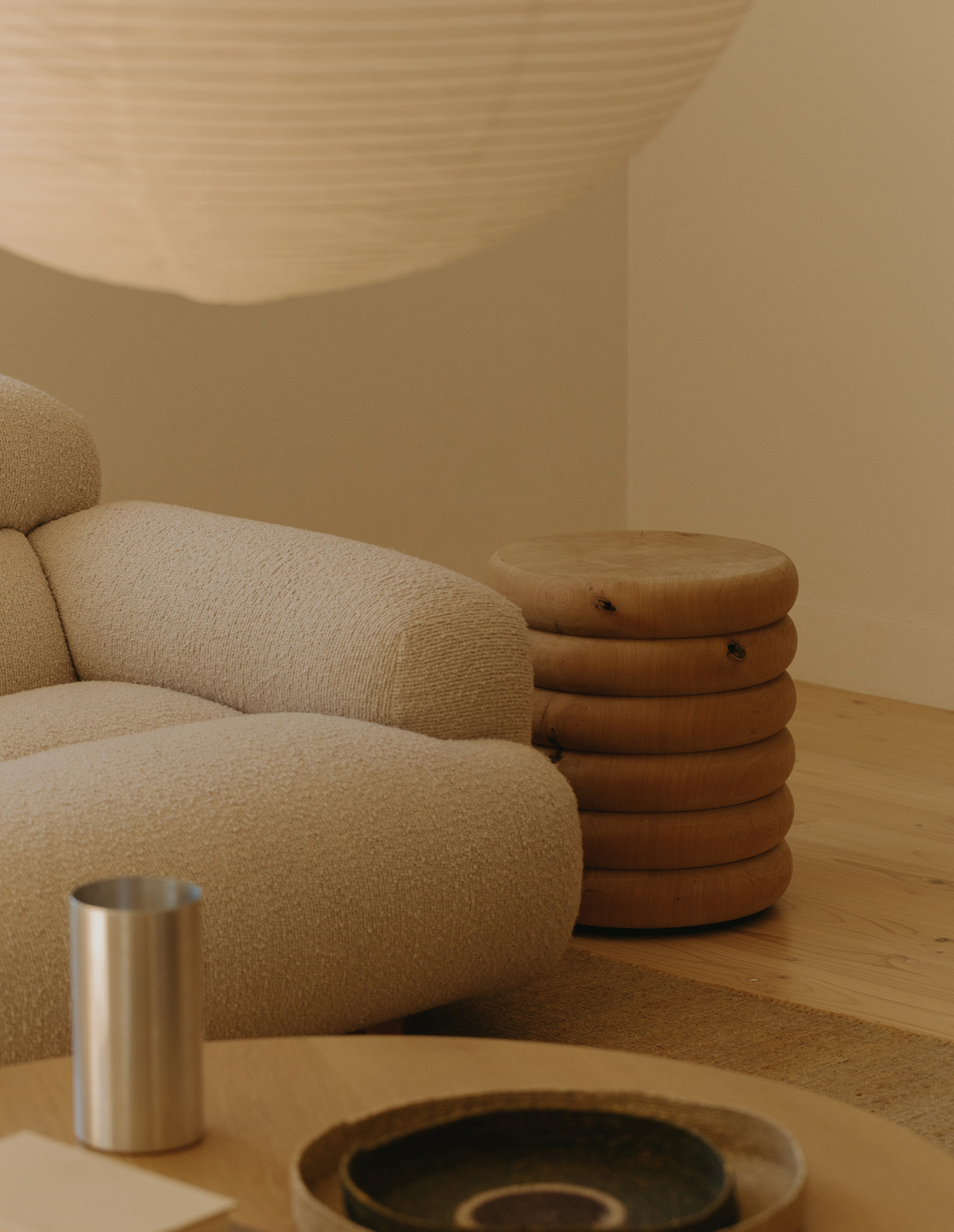
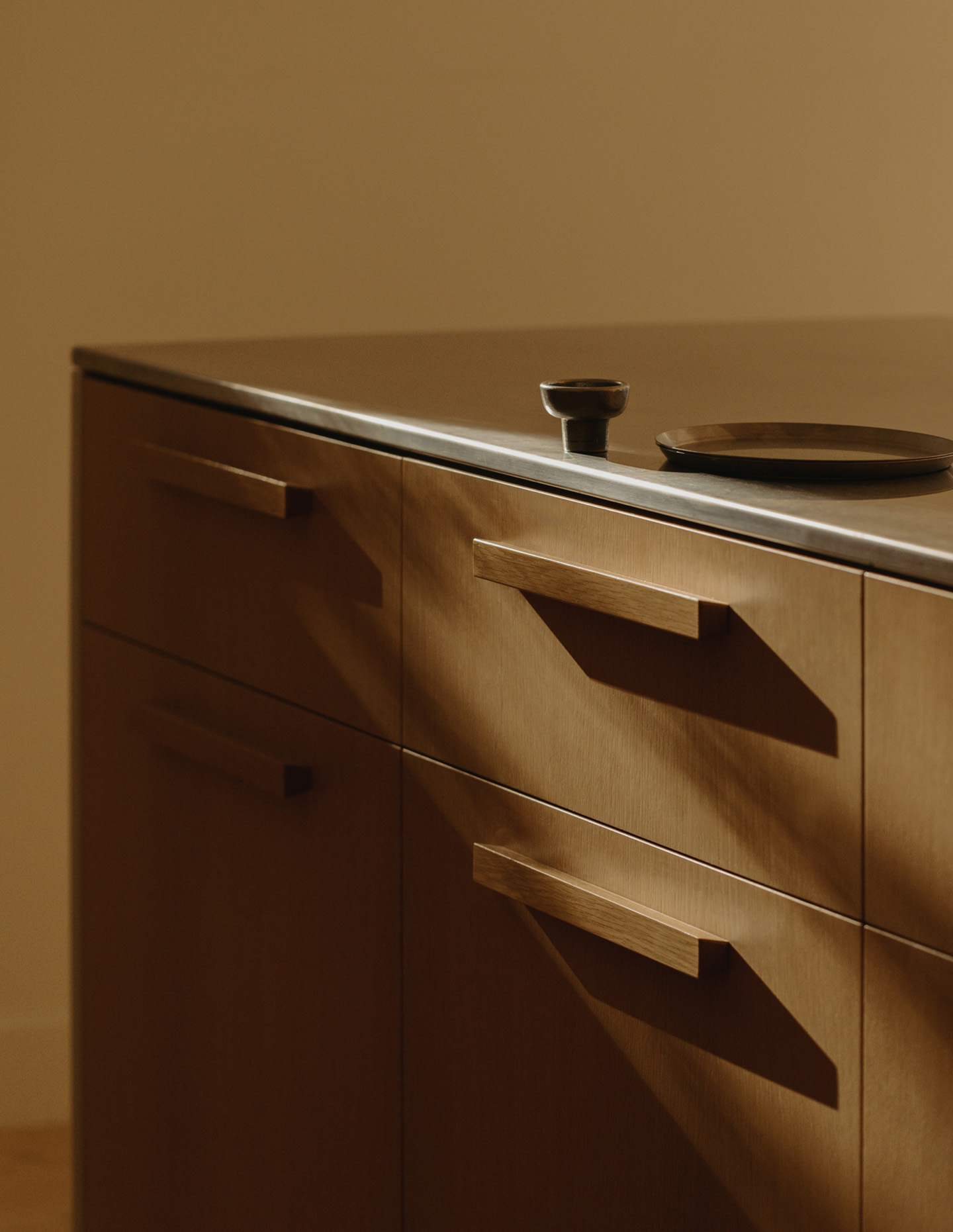
Cooke adds that “the palette is intentionally warm, tactile yet pared-back to allow the surrounding landscape and light to become more evident within the home.” A similar description also speaks to the philosophy for the home as well as her approach. The materials throughout, which comprise natural timbers, terrazzo and layered textiles, were each selected not for their individual presence but for the collective atmosphere they could create. It’s an atmosphere of grounded-ness, warmth, and one that felt quietly ‘alive’ and in flow with seasonal change.
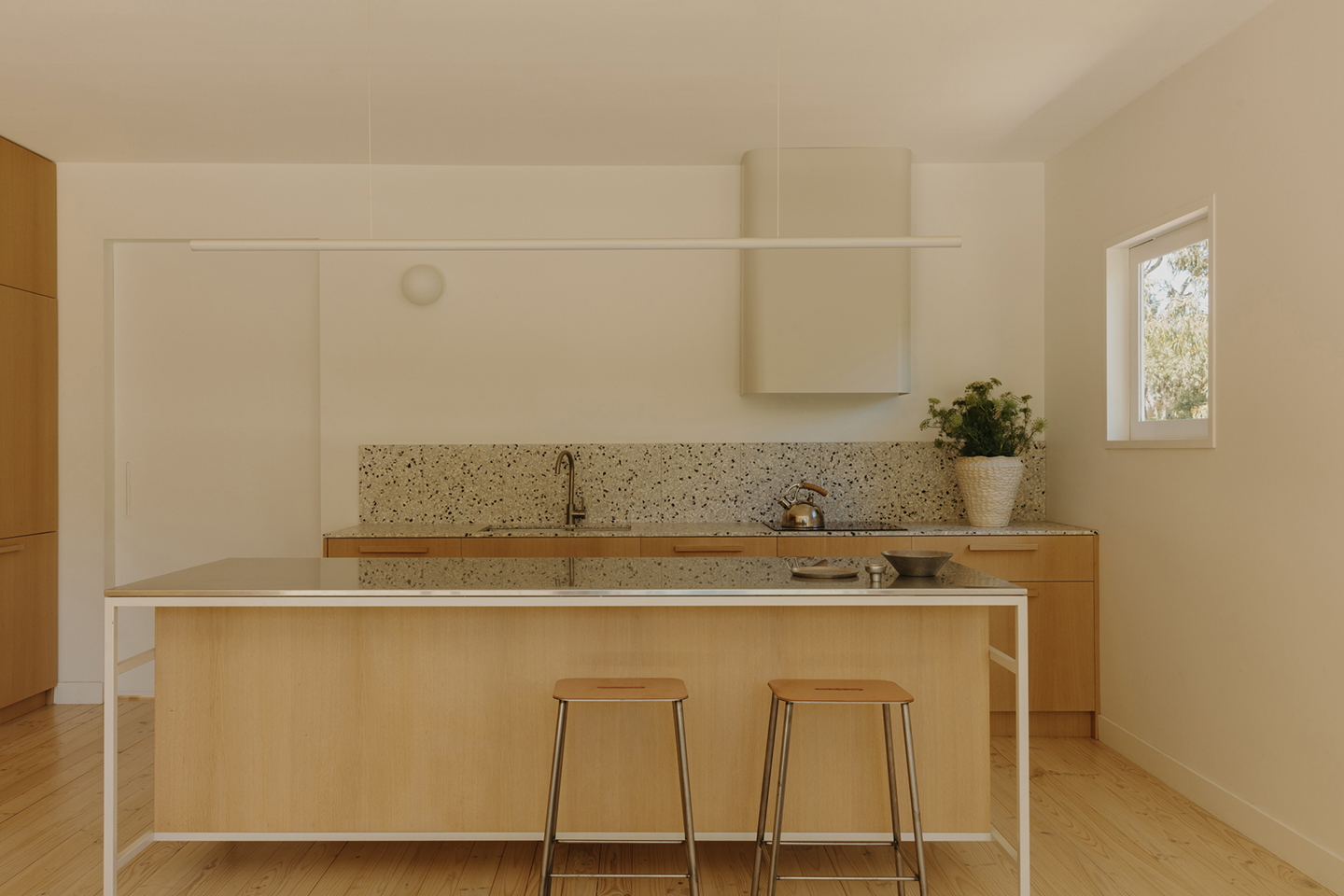
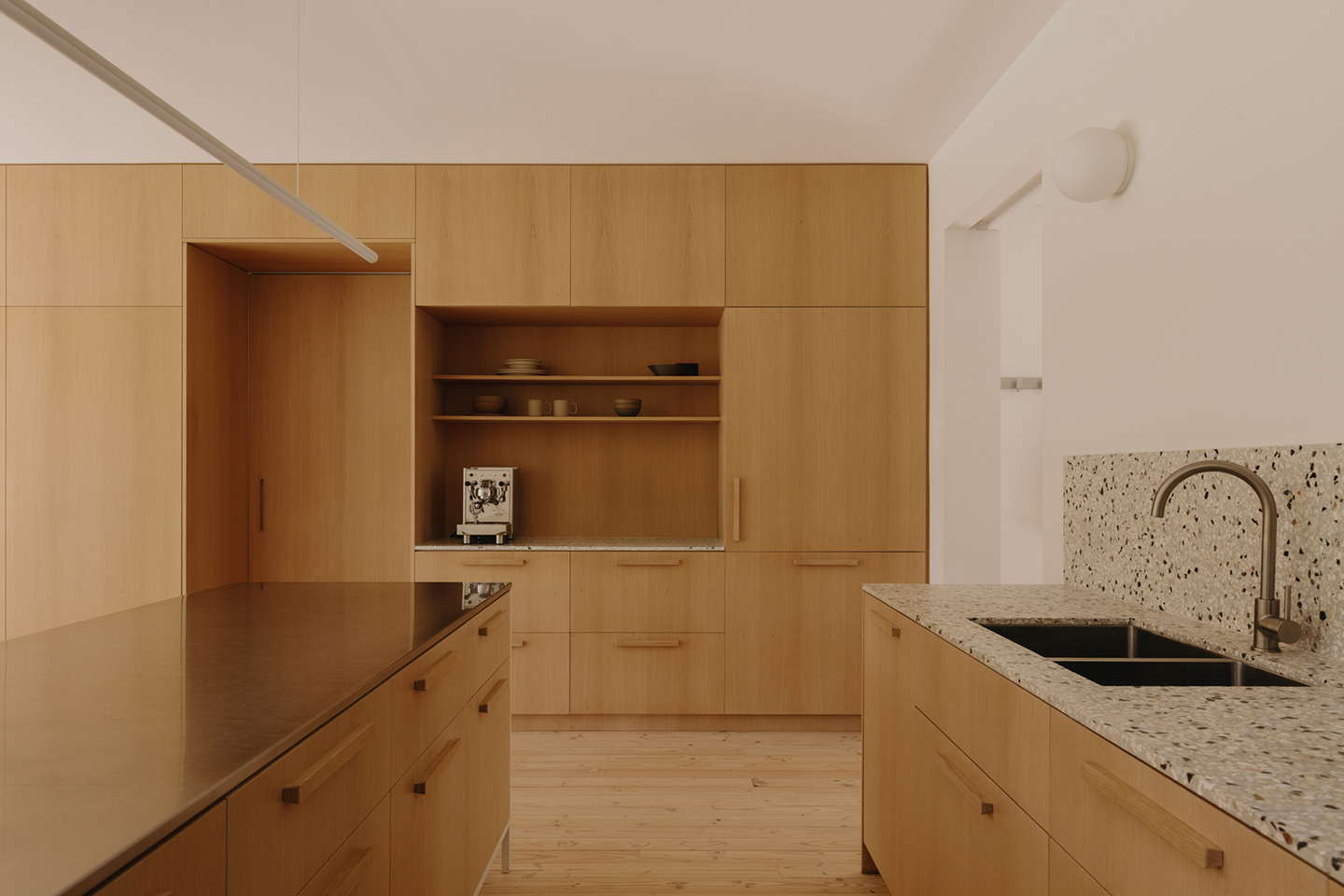
As a result of specific framing across the site, from inside to out, sightlines run from within the kitchen to the garden, from the bath to the large nearby gum. The presence of long afternoon shadows then move across the walls as the Fleurieu light shifts towards sunset.
Through a process of listening, observing and — Alana’s case — also living within the heritage home, the inspiration for what was to come became clear. ASY House is a project that demonstrates the rigour that can come through calibration and limiting the interventions, and one that was a natural evolutionary outcome from a sensitivity to planning, materiality and the environment. While the house remains recognisably itself, it has also simply, and significantly, been made more fully of what it always had the potential to be.