
There’s a particular kind of nostalgia that clings to suburban clubs — not just in the memorabilia-lined walls, but in the rituals: a quiet beer at dusk, the hum of conversation, the steady rhythm of community life. At Club Rose Bay, that nostalgia has only been recalibrated by redevelopment.
Reopened in December 2025 after a year-long transformation led by Merivale and designed by Akin Atelier, the project resists the urge to overwrite its past. Instead, it leans into the familiar spatial language of the RSL — openness, permeability, a kind of social looseness — and builds from there. The result is not a reinvention so much as a reorientation: a club that feels both recognisable and newly expansive.
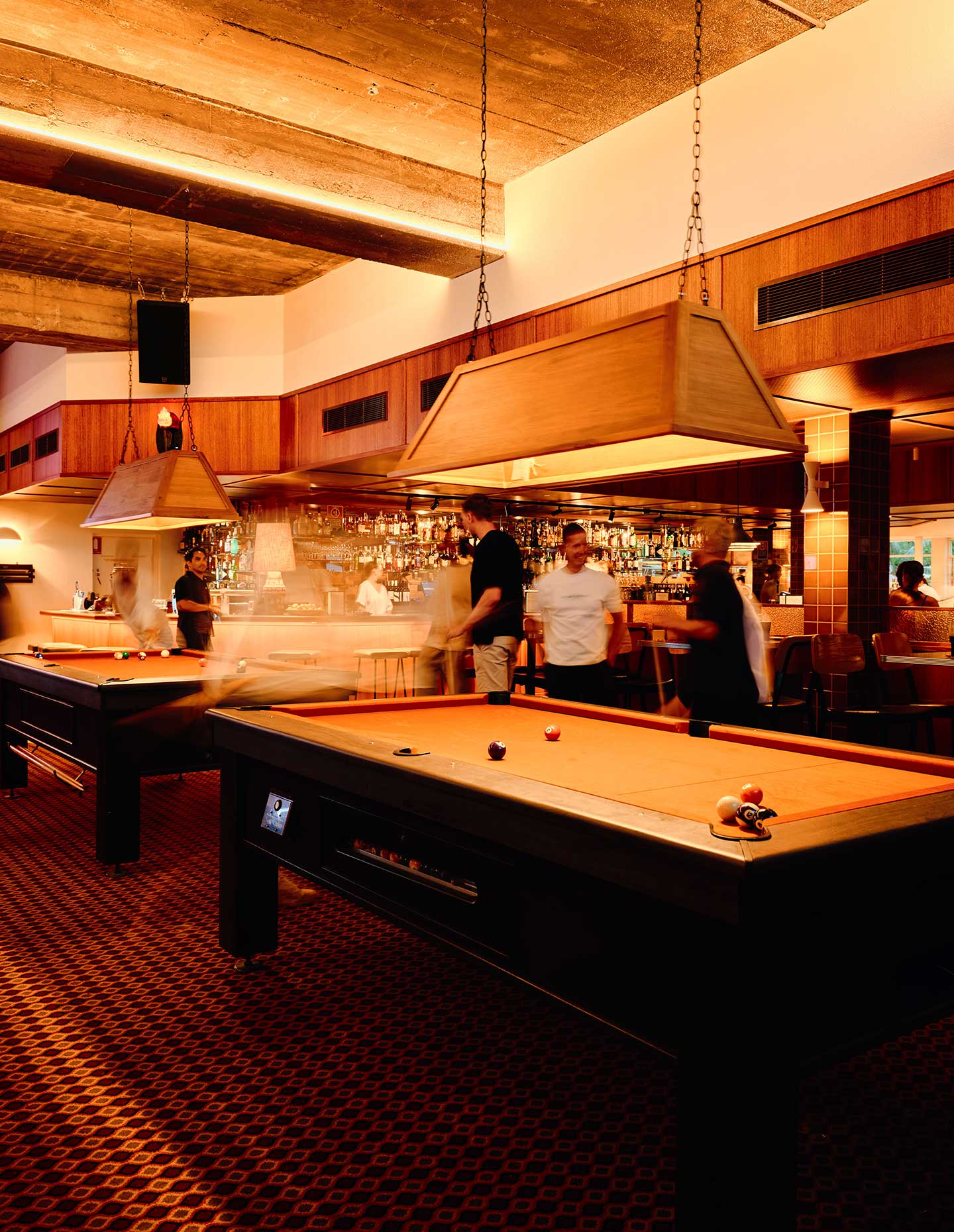
The architecture works with continuity rather than contrast. Timber tones, softened edges and an intentionally relaxed material palette carry through the interiors, maintaining a sense of warmth and accessibility. Movement through the building is fluid and largely unstructured — spaces unfold rather than announce themselves. The sports bar, dining areas and outdoor zones bleed into one another, allowing the building to be occupied in different ways across the day.
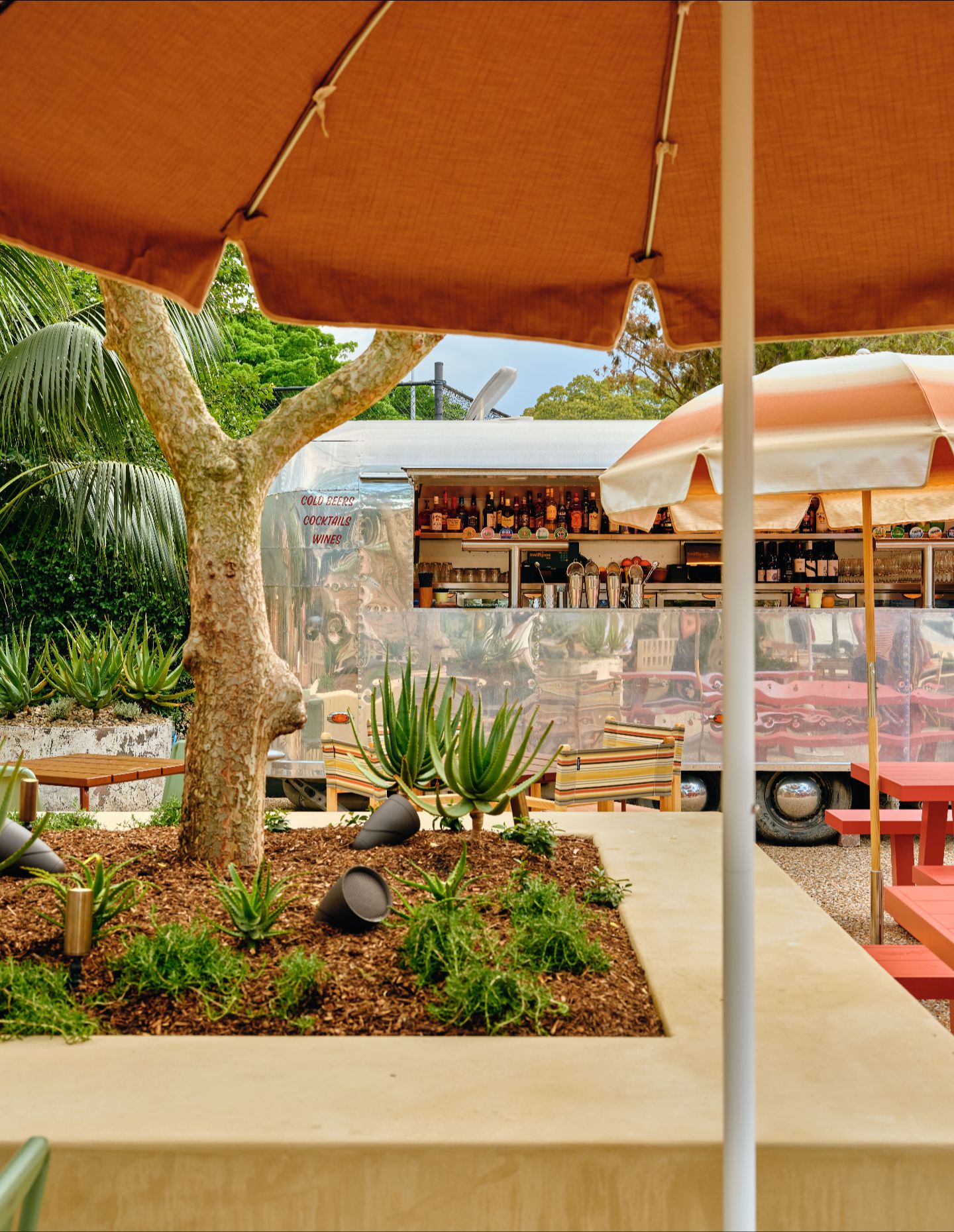
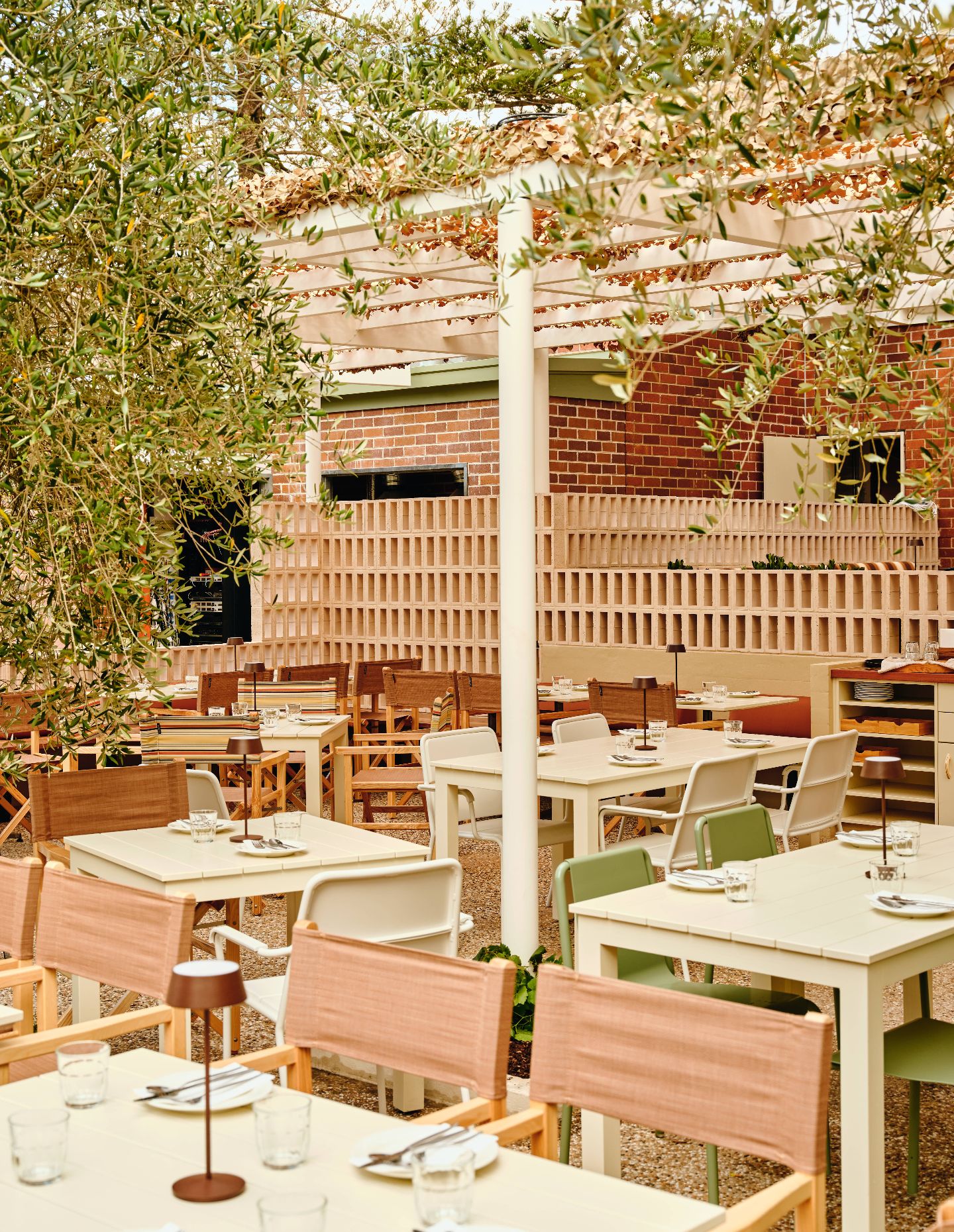
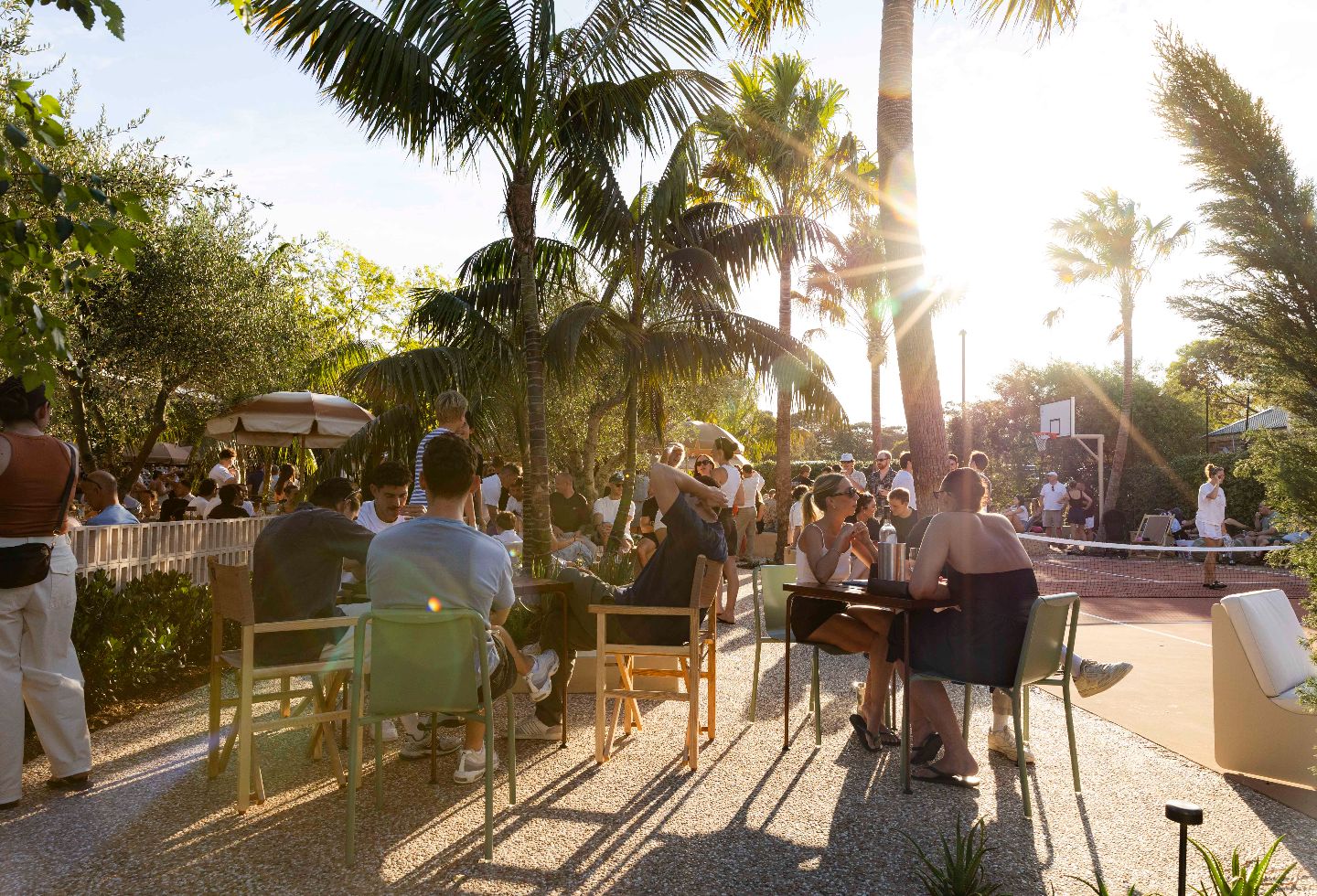
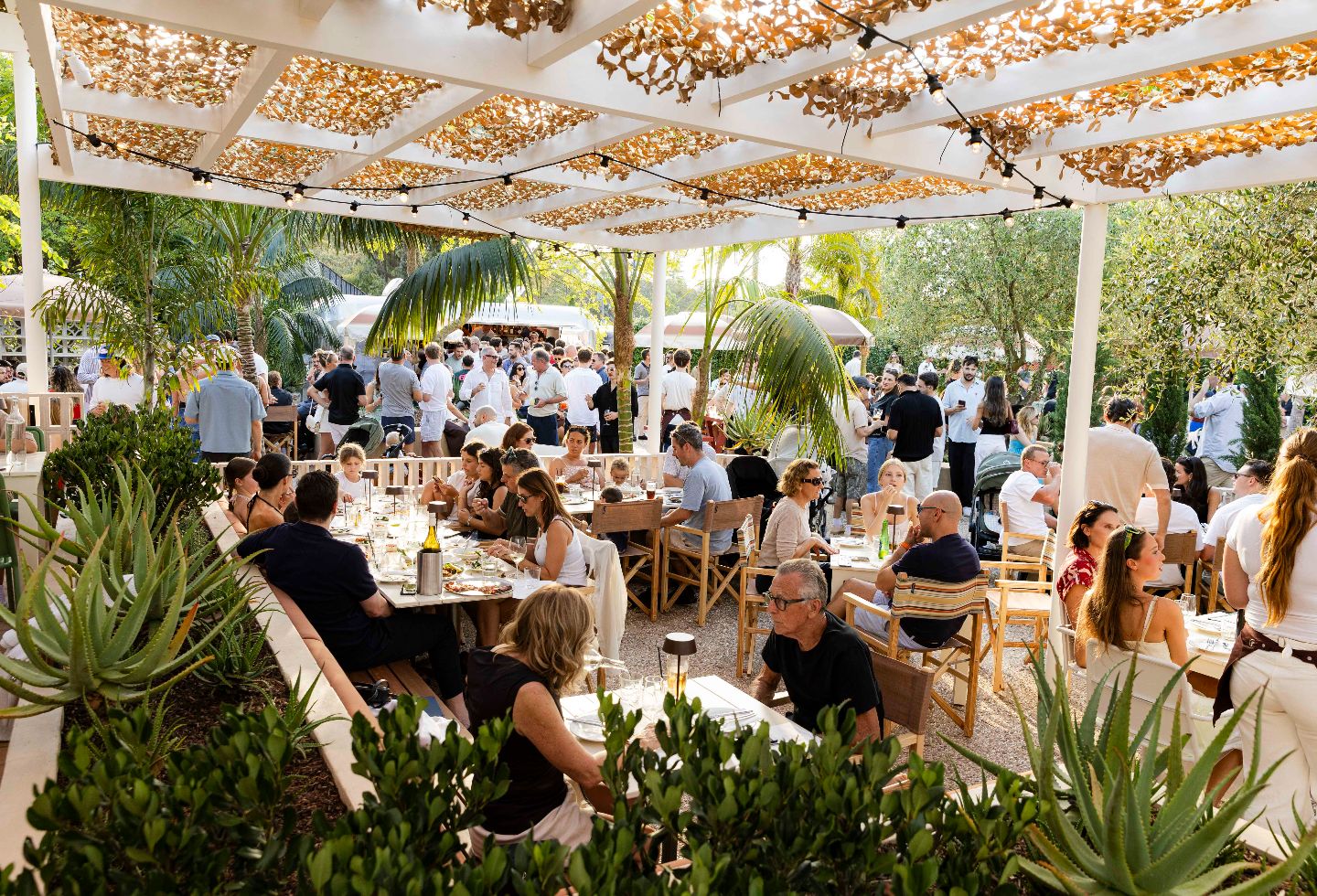
That sense of permeability extends outward into the reworked courtyard, which operates as the project’s social centre of gravity. Here, a full-size pickleball court and half basketball court sit alongside alfresco dining and an Airstream bar, all threaded together with planting and rain gardens. It’s a space designed for overlap: families, locals, beachgoers and dogs moving through the same field without hierarchy. The proximity to the water is tangible — people arrive mid-walk, mid-swim, mid-afternoon — and the architecture accommodates that informality rather than resisting it.
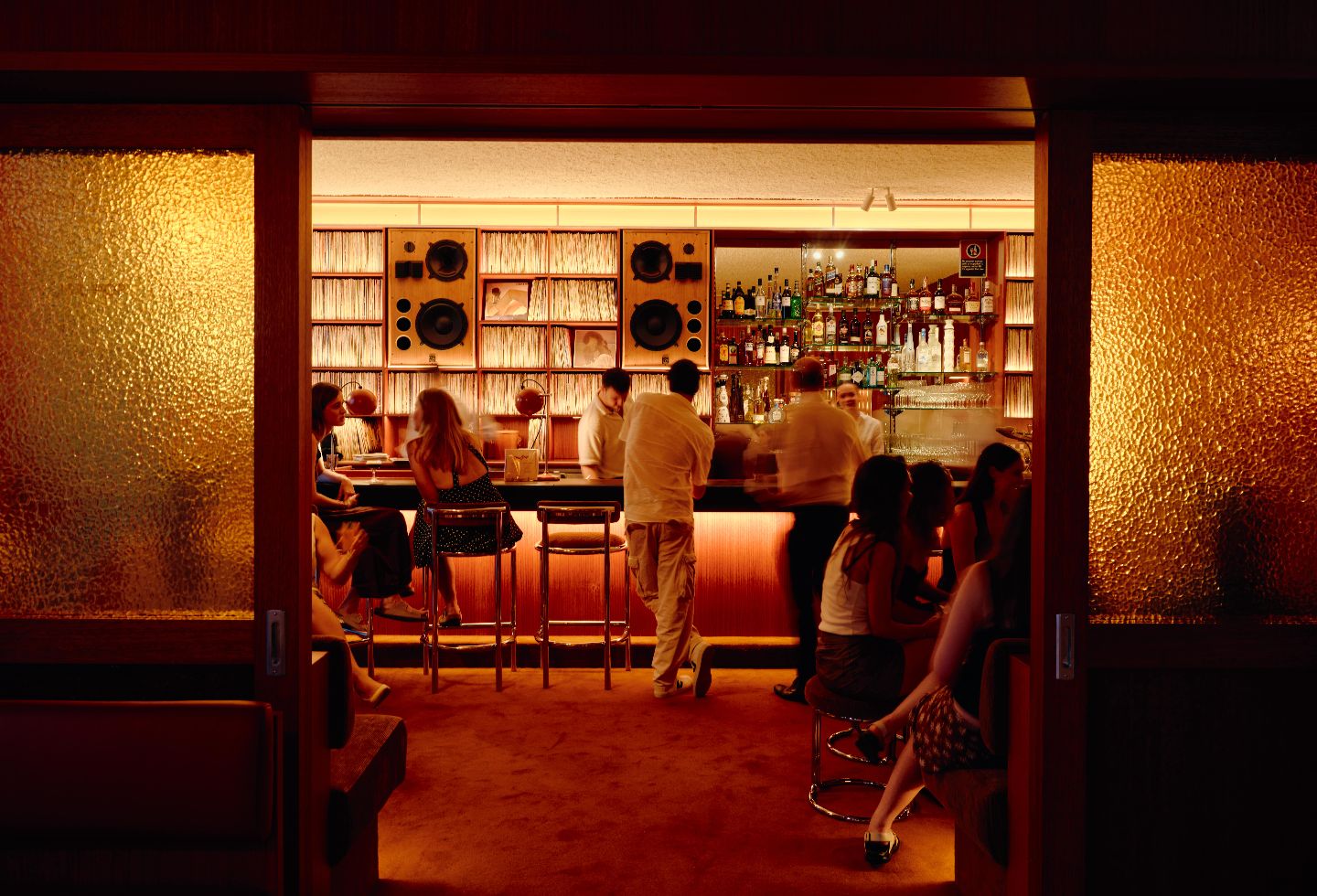
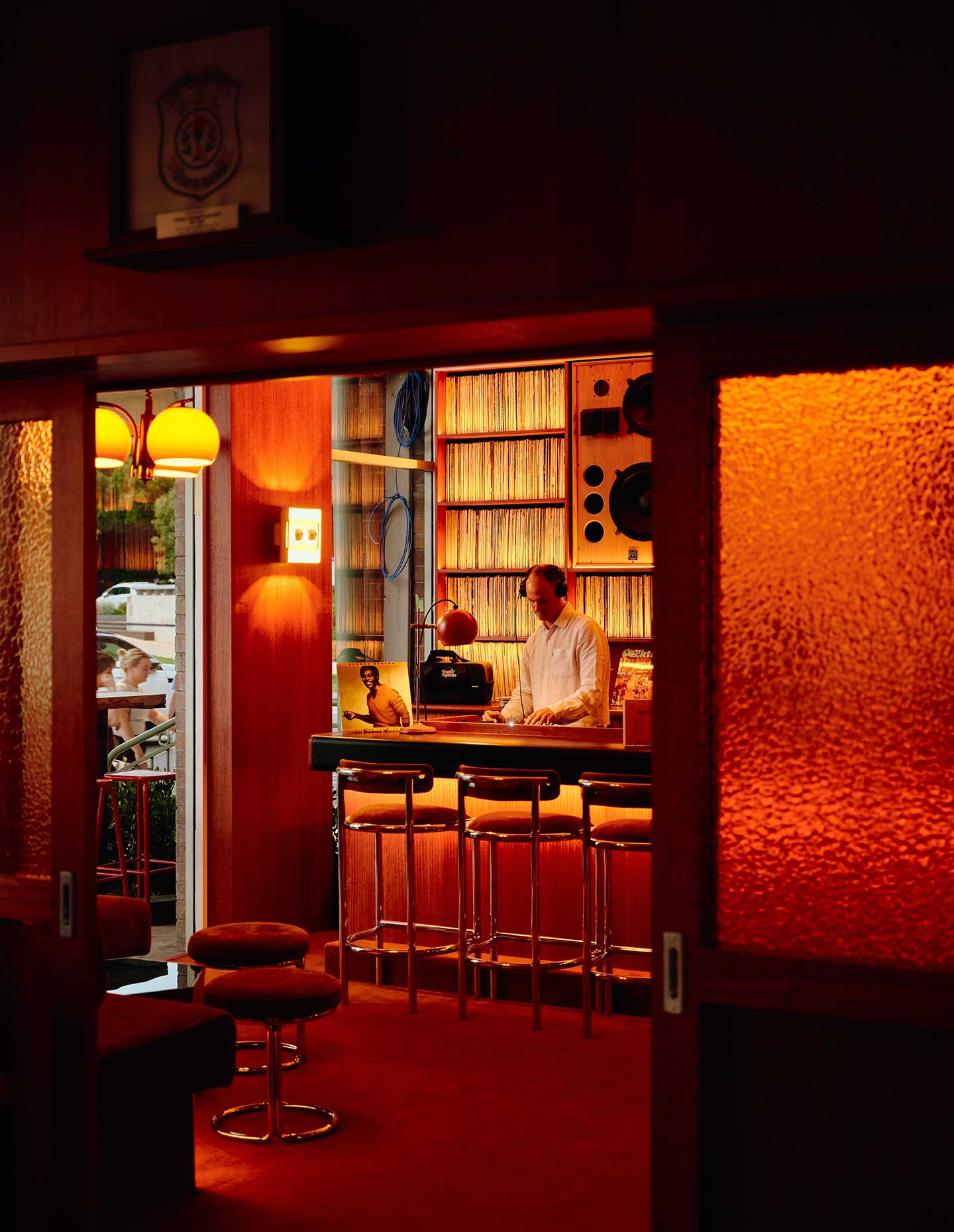
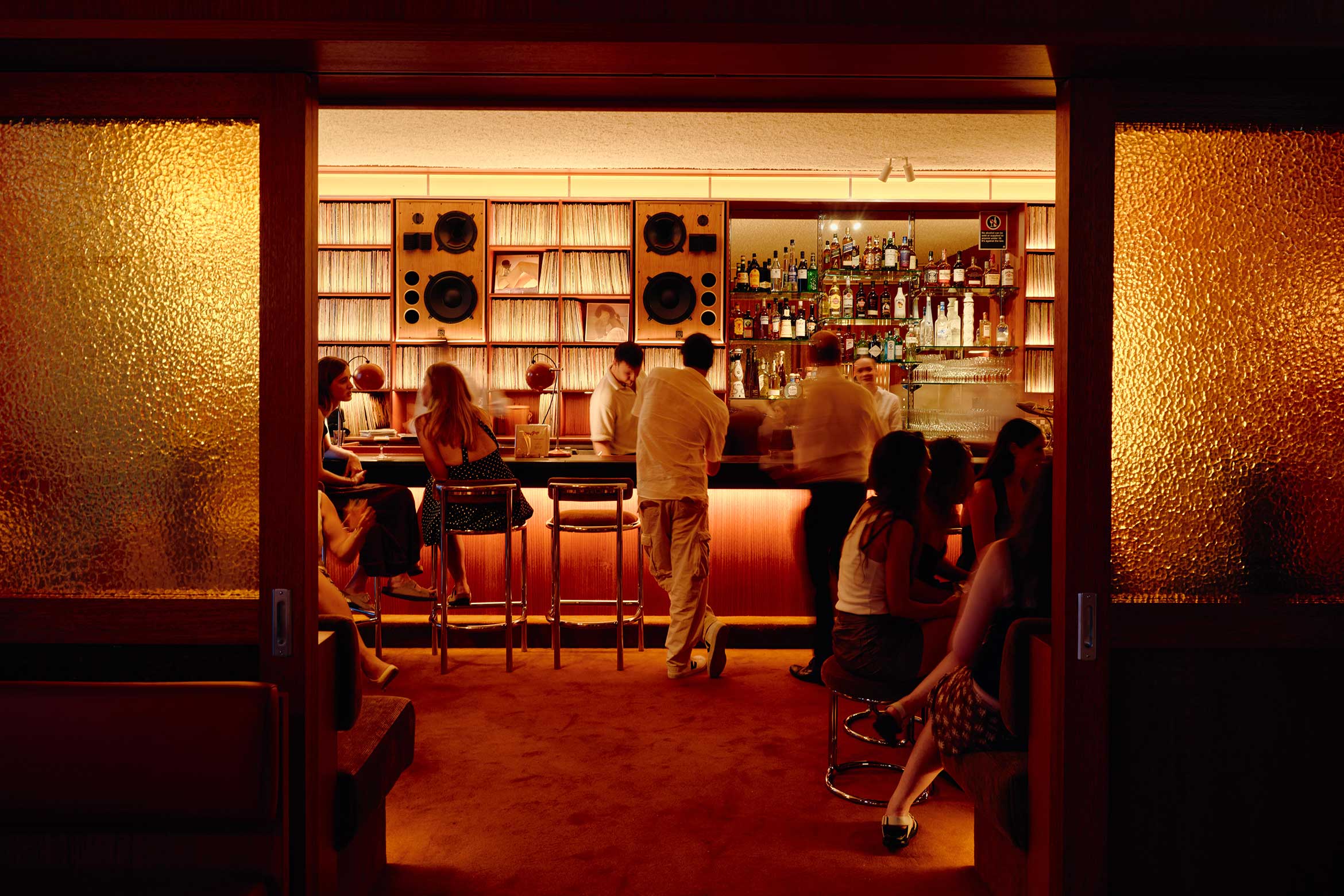
Inside, the hospitality offering broadens the experience. The food is led by Mike Eggert, whose approach balances familiarity with a level of refinement that elevates the everyday. Nearby, Mr Pop shifts the tone into something more stylised, drawing on a 1950s jet-age aesthetic that references Rose Bay’s history as Australia’s first international airport. The record bar format introduces a slower, more tactile rhythm — a contrast to the movement elsewhere in the building.
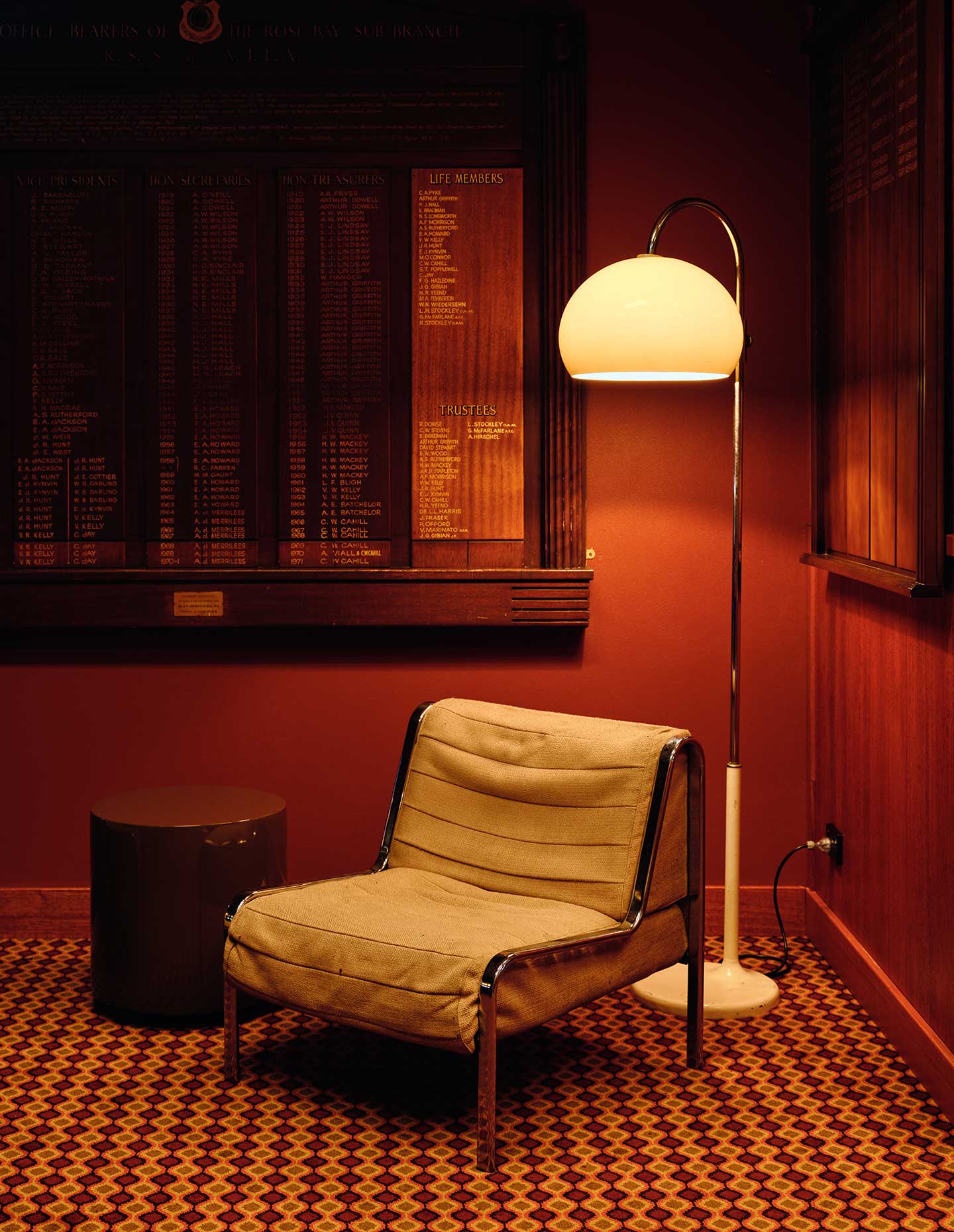
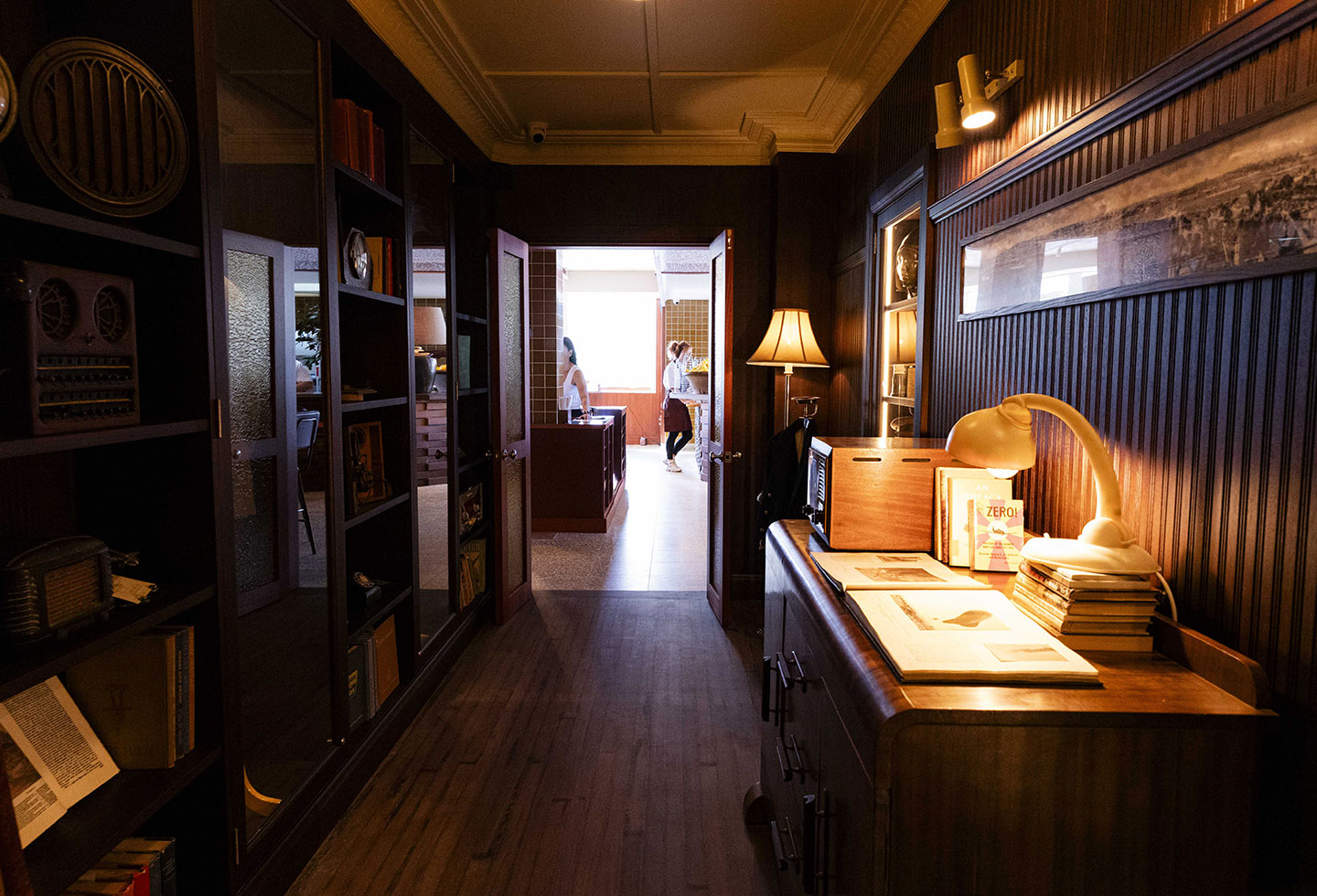
For all its contemporary adjustments, the project remains anchored by its heritage. A dedicated memorabilia hall offers a quieter, more reflective counterpoint to the energy of the rest of the building, honouring more than a century of Australian service. This is reinforced by the daily reading of the Ode of Remembrance, followed by a minute of silence — a ritual that situates the club within a lineage that extends well beyond its current iteration.
For Justin Hemmes, the project was about holding that balance — capturing the nostalgia of classic RSLs while introducing enough flexibility to sustain the venue into the future. It’s a delicate calibration, but one that feels resolved in the built outcome.
Related: In Brisbane, a calm counterpoint to New York
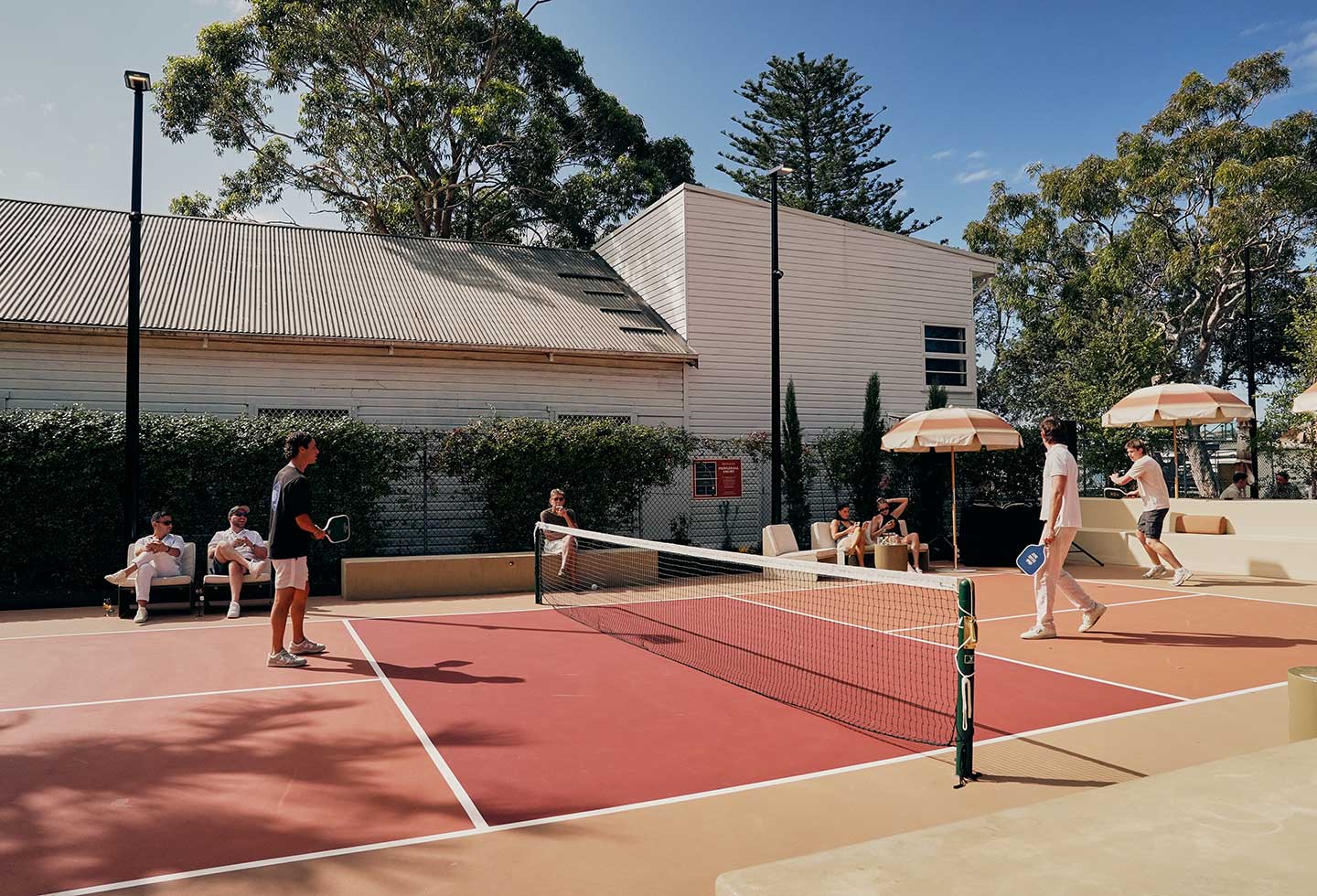
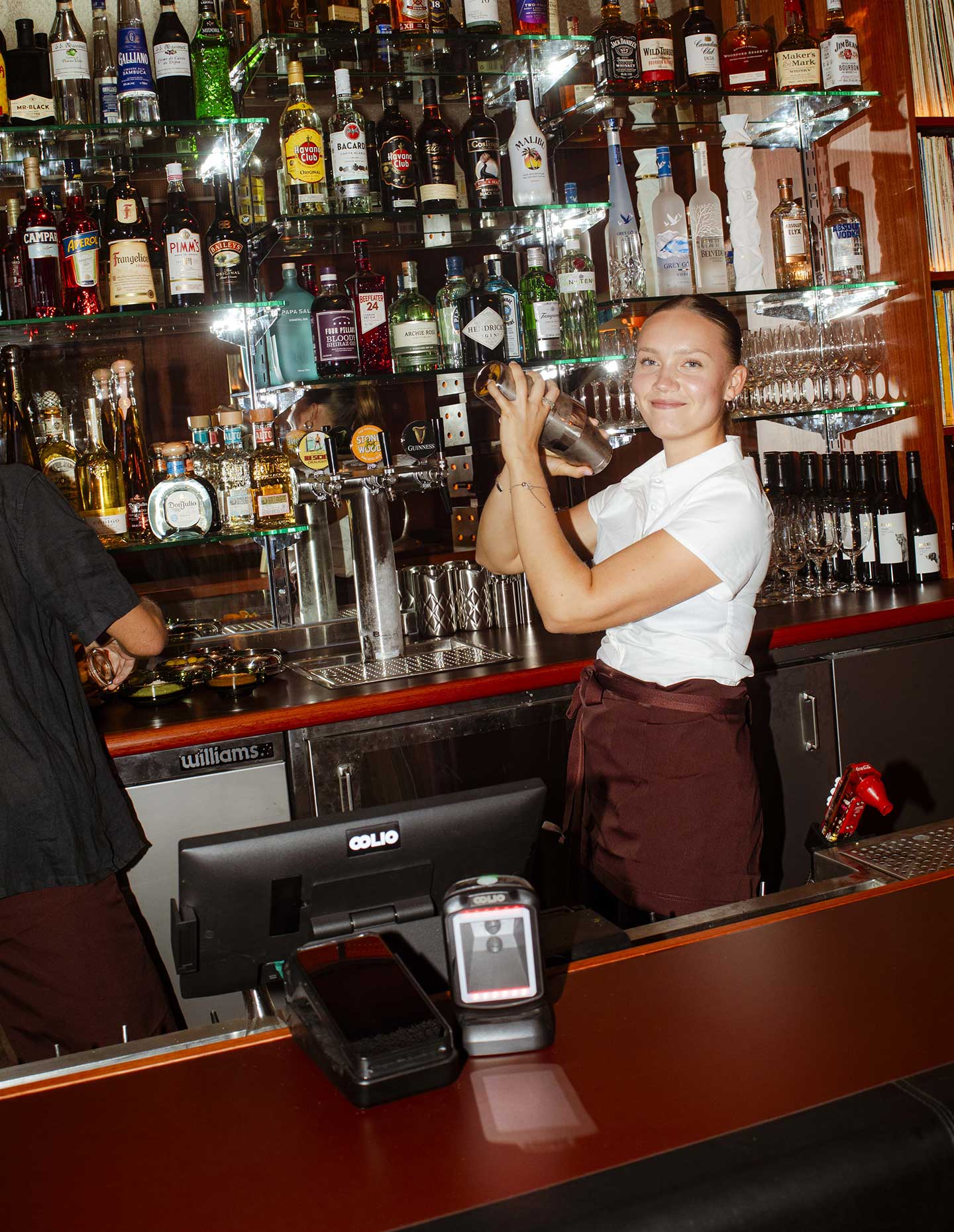
What emerges is a place defined less by any single gesture than by its capacity to hold multiple modes of use at once. It is a sports bar, a dining destination, a family space, a late-night venue, a memorial site. Rather than narrowing its identity, Club Rose Bay expands it — allowing for the kinds of unscripted, overlapping interactions that give civic spaces their texture.
By late afternoon, as the light softens across the courtyard and the edges between spaces begin to blur, the intent becomes clear. This is not a venue designed for a singular experience, but for return — a place that settles into routine while remaining open to change, carrying its past forward without being defined by it.