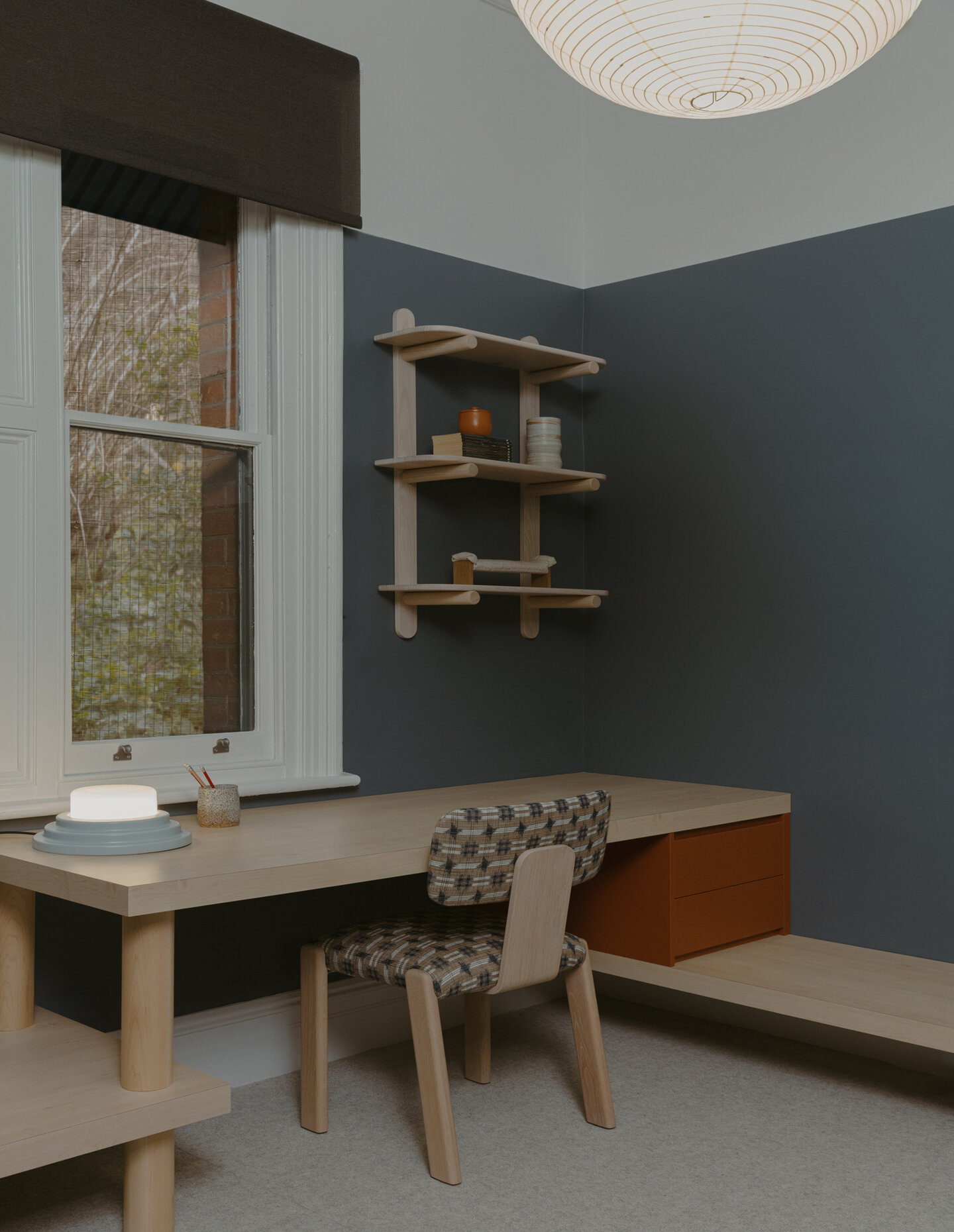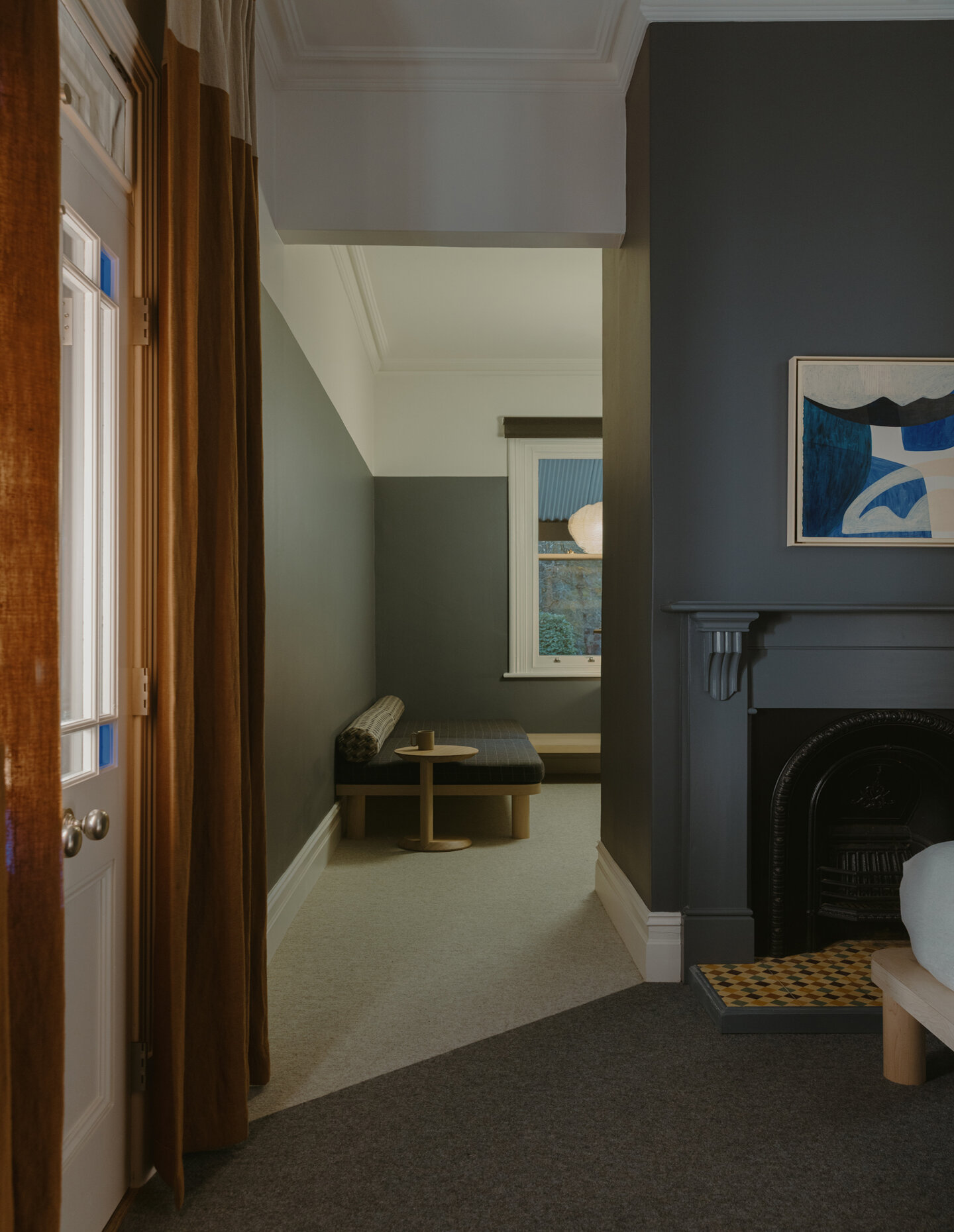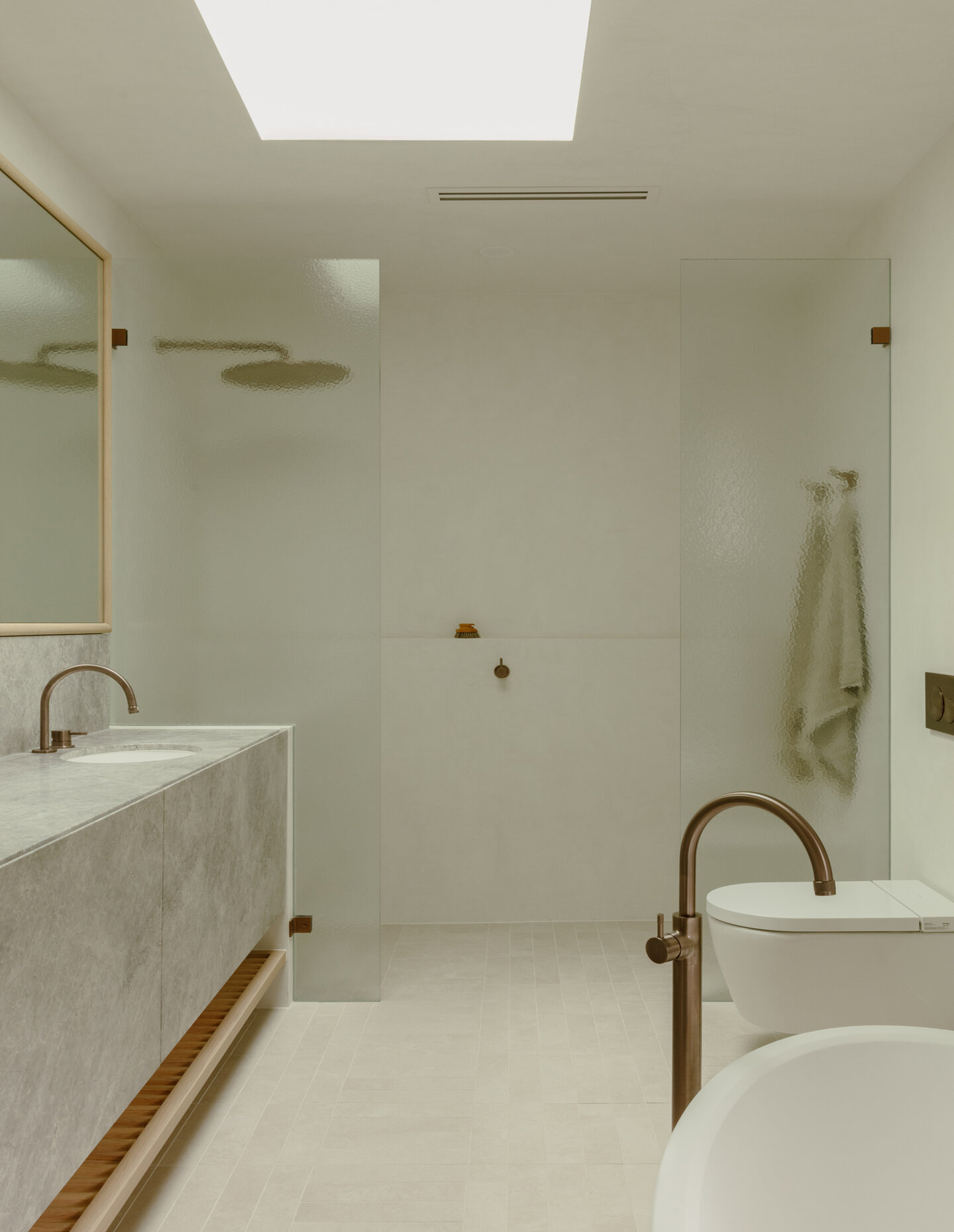

Aldgate House is led by a crafted approach, grounded in continuity rather than contrast. The project operates through calibration, where a focus on planning — of material and of narrative — help to reframe a heritage sandstone home as something both more resolved and more attuned to its occupants. The aim was for the existing home to be neither preserved as an artefact nor feel overwritten. Instead, it was about combining the location, story of the owners and the history of the structure into one.
“We wanted to maintain as much of the stories of both the original heritage home as well as the stories of those living there — and, through a sensitive lens, thread each together,” says Fabrikate director and founder, Kate Bowen. What emerges is a layered interior where authorship is deliberately diffused.
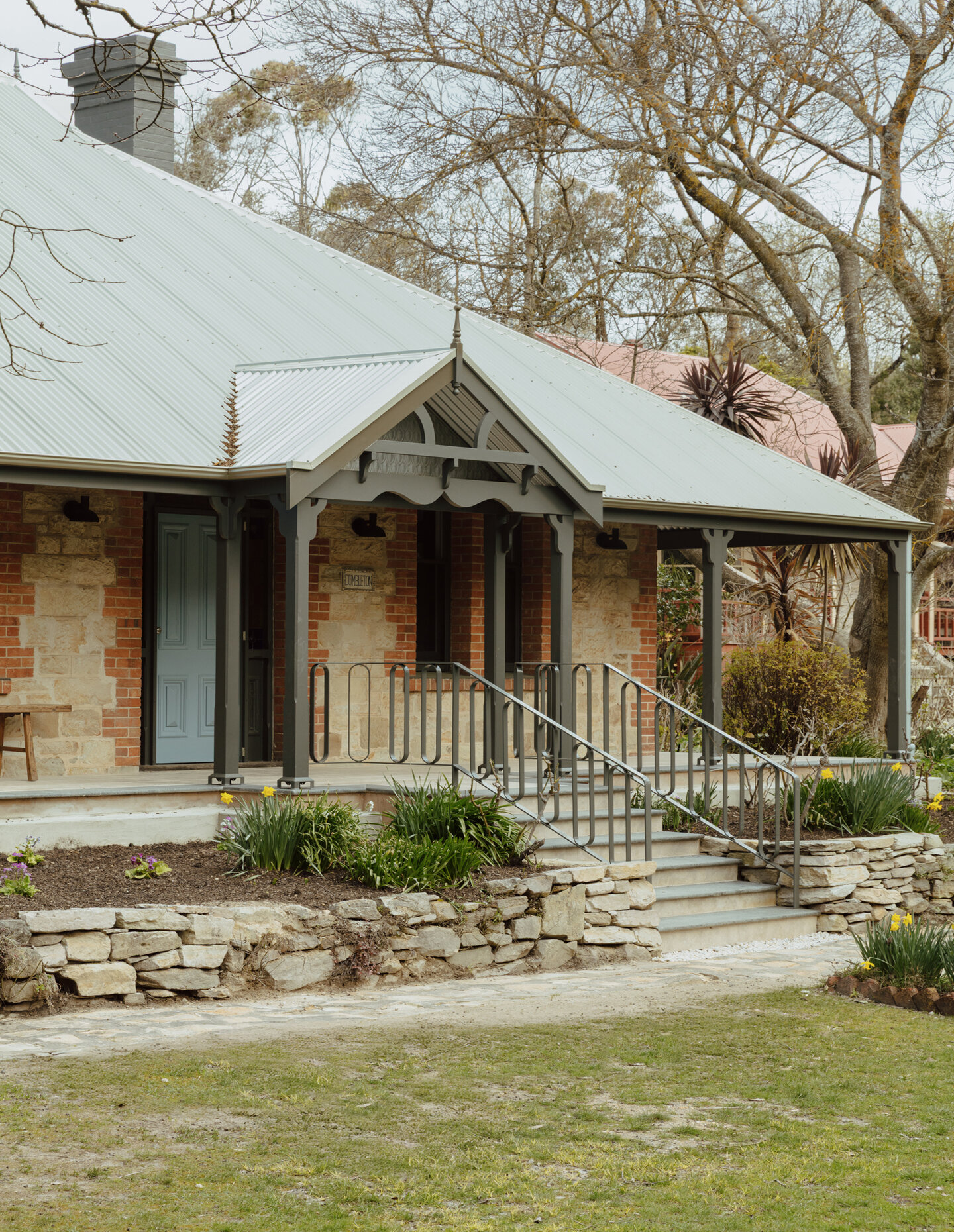
Working entirely within the original footprint, the planning reconsiders the rigidity of the villa typology. While the long hallway can often be seen as a device of separation, in this case it was softened through subtle spatial edits, allowing for a more fluid sequence of rooms and rhythm. Thresholds are thickened, moments of compression introduced to increase intimacy, ensuring the internal spaces feel balanced yet open.
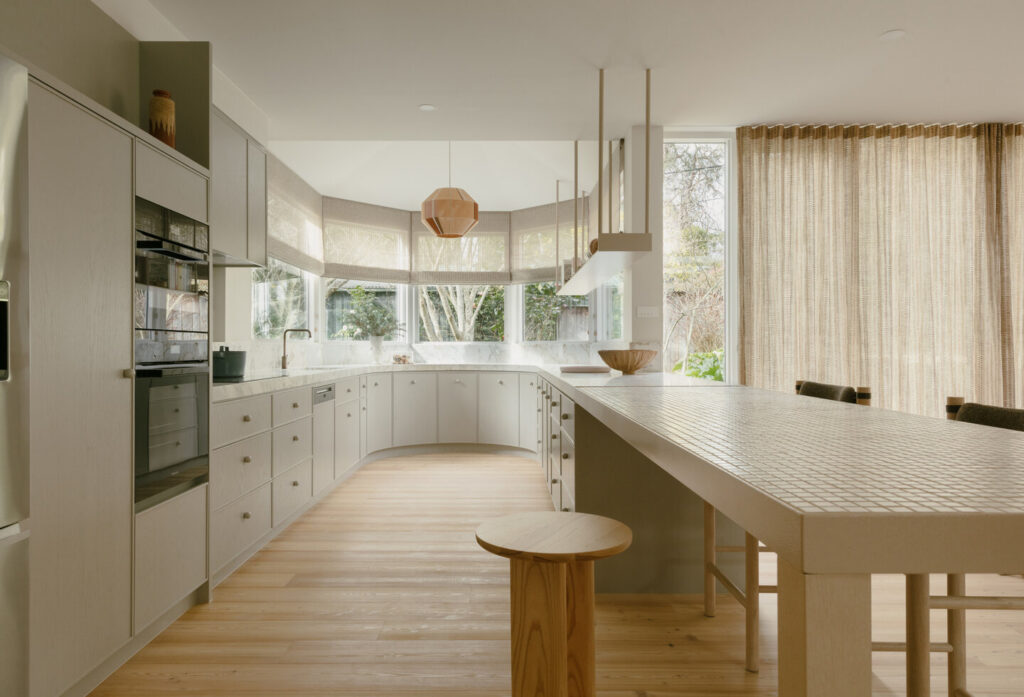
Mirroring how contemporary homes function, the kitchen needed to also operate as both a grounding mechanism and a threshold. Defined by its subtle curved joinery and generous proportions, it draws light and occupation into the core of the house, dissolving the hierarchy between working and living.
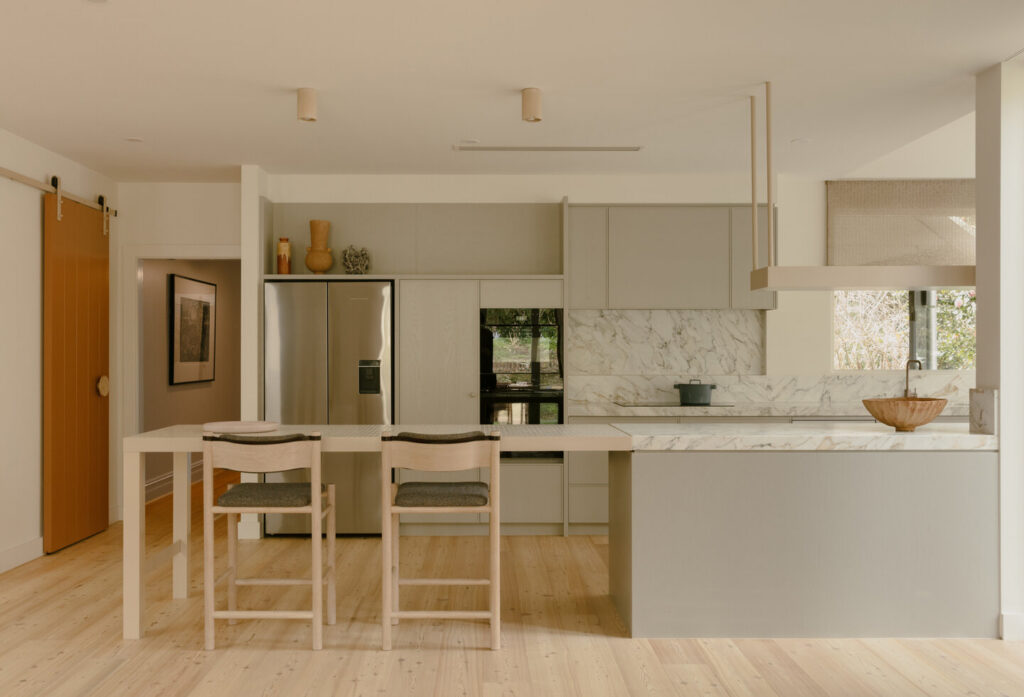
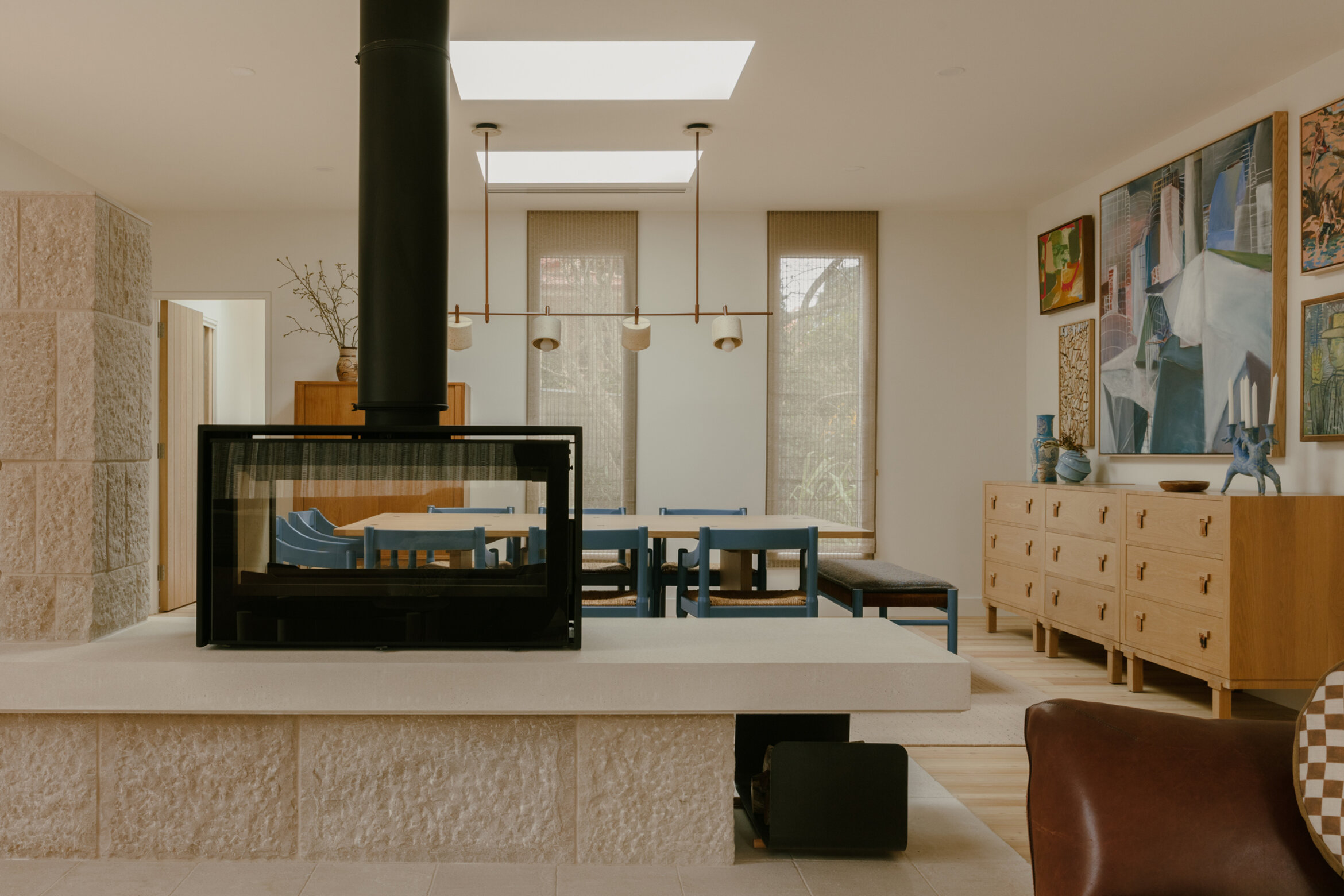
“Reorienting the home around the kitchen as a social hub was key,” Kate notes. “It’s how they [the owners] live, and their home needed to facilitate coming together.” A two-way fireplace reinforces this openness, delineating spaces without dividing them, allowing adjacent areas to remain in connected.
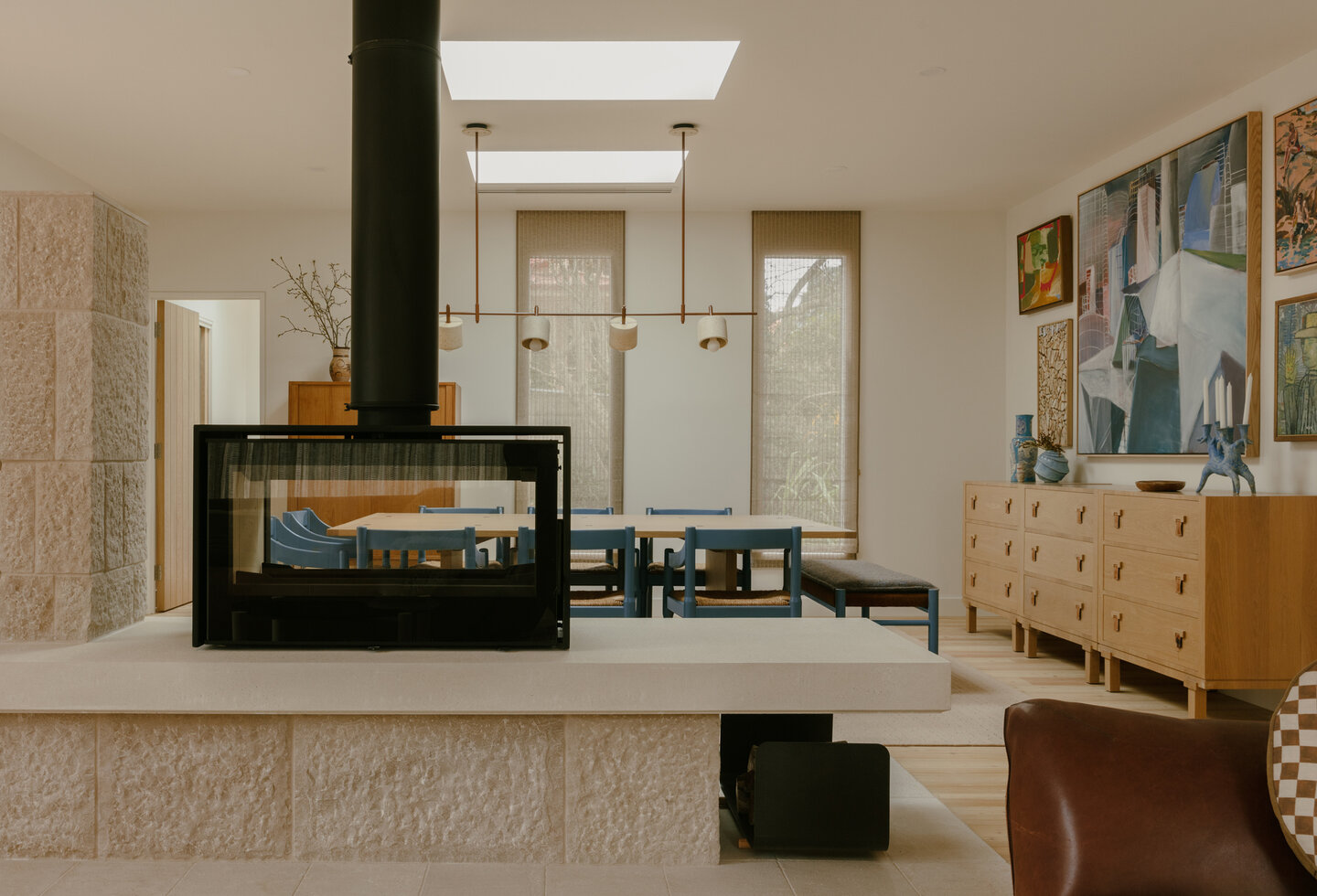
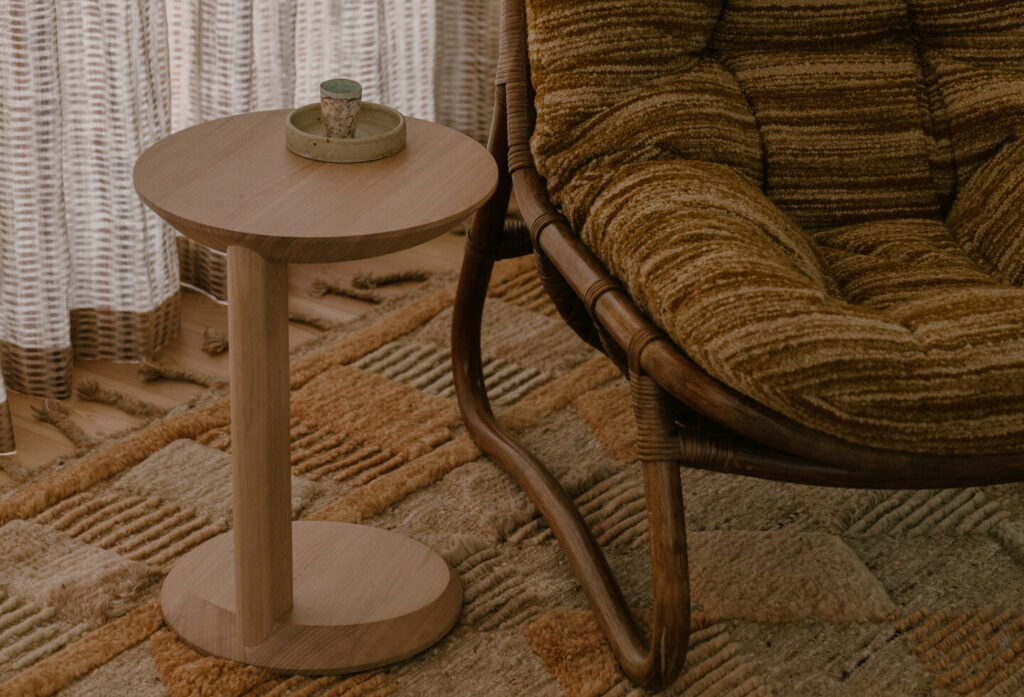
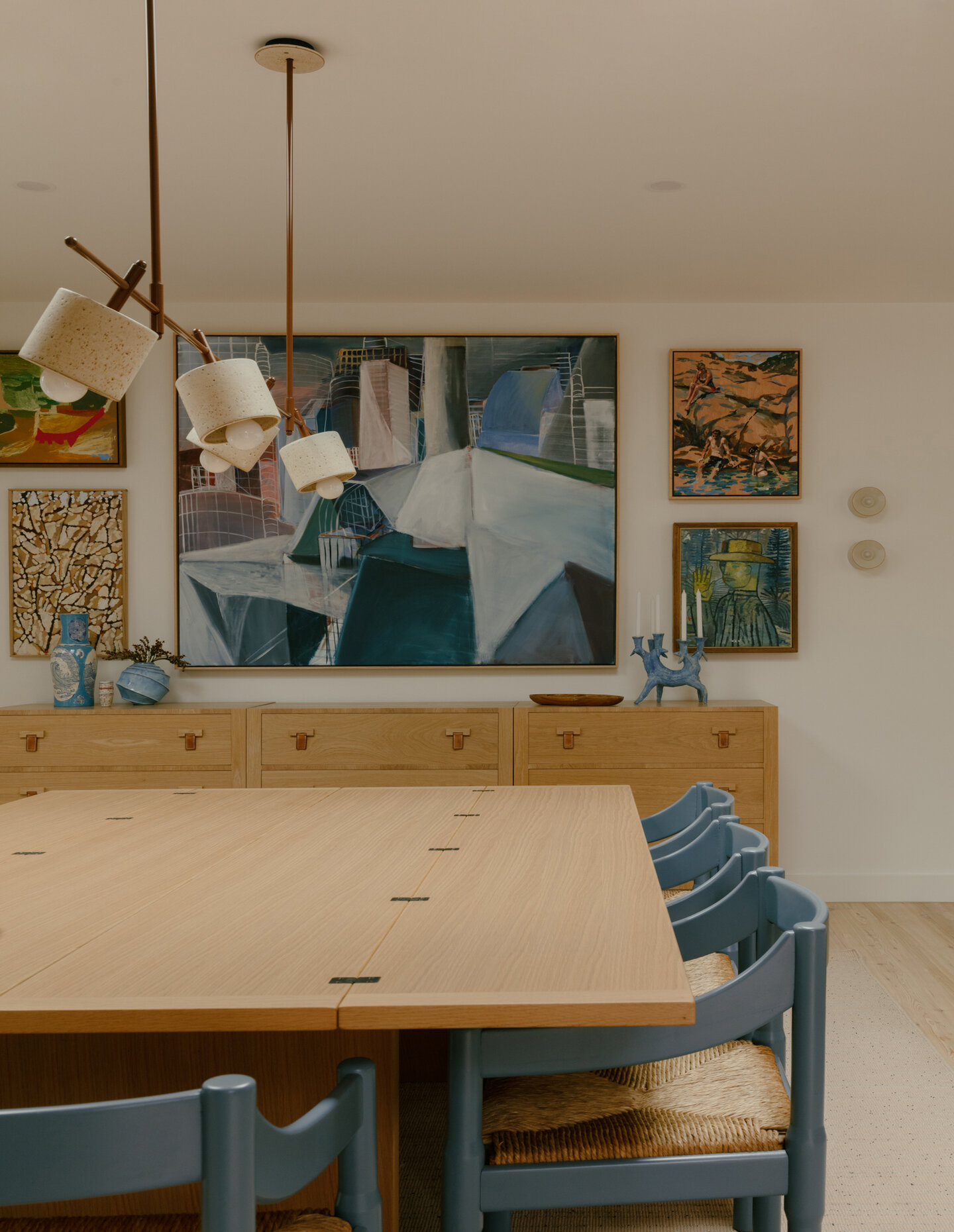
One of the most distinct elements is how Aldgate House resists the impulse to start anew. Existing furniture, artworks and collected objects that have all been accumulated through years of travel, are retained and given new purpose, and a home. The elements that drew the owners to them are also extracted and used as inspiration, as drivers rather than constraints.
“So much of the design came from what the clients already owned,” Kate reflects. “We wanted to design with and around their own unique histories.” In this way, the interior operates less as a composition and more as an assemblage, holding memory without becoming nostalgic.
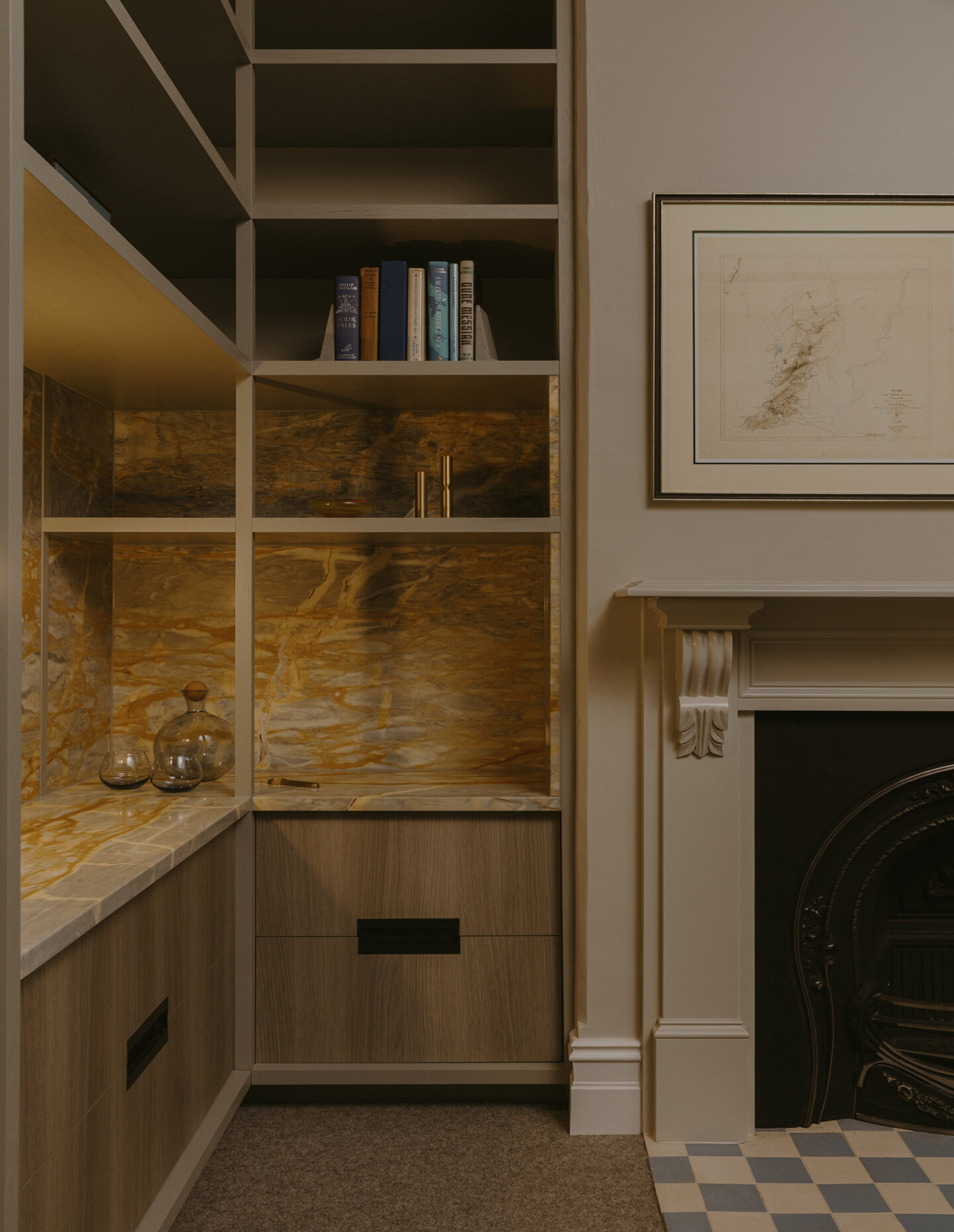
“The house needed to feel like its own ‘destination hotel,’” Kate says. “Something unique to them , yet also grounded in its setting.”
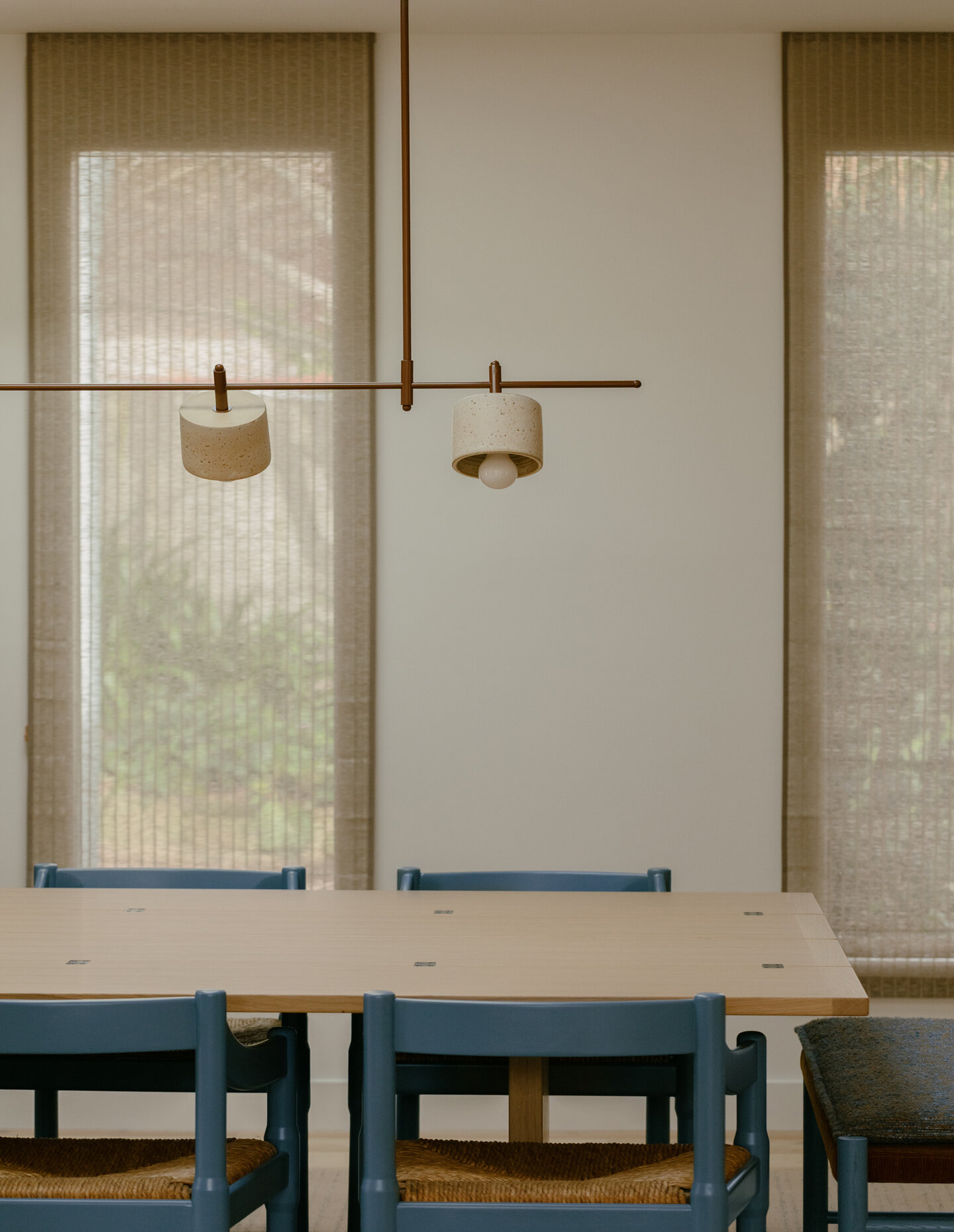
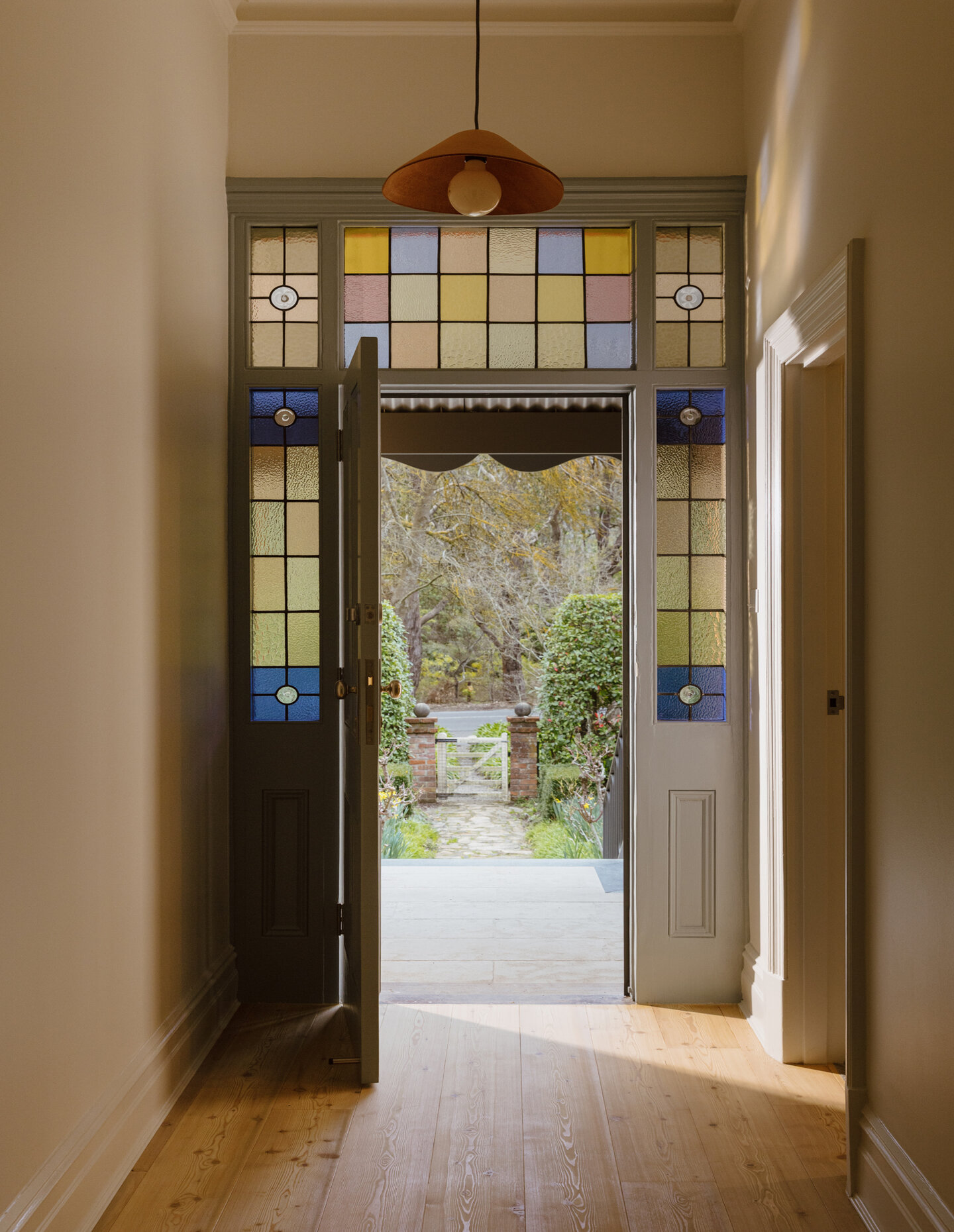
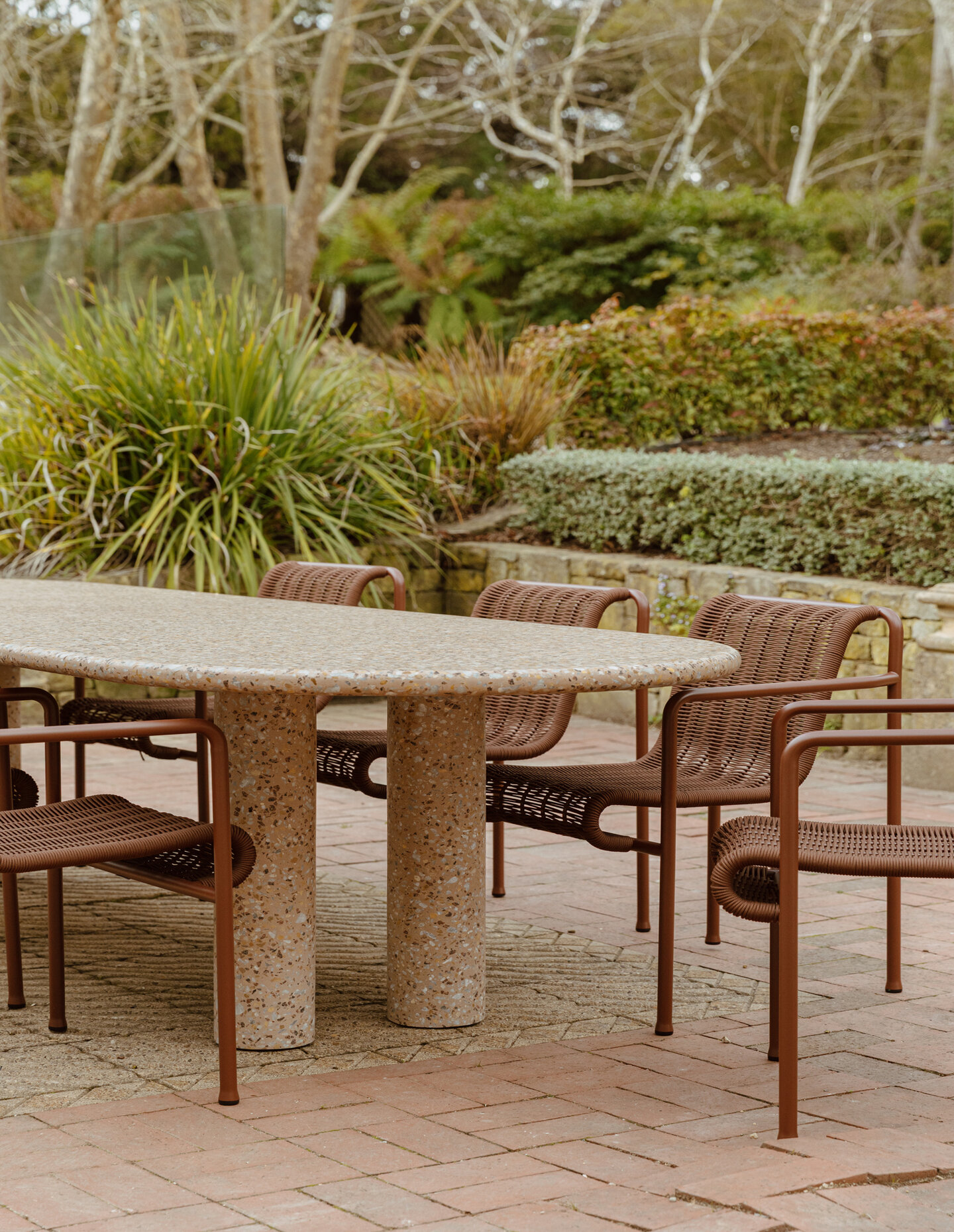
This notion of home as a return point is sharpened by the clients’ itinerant lives. Unlike the neutrality of hospitality spaces, however, Aldgate House leans into specificity, with each room calibrated to different personalities, ritual and use, while held within a consistent architectural framework.
Related: Old and new in Elsternwick
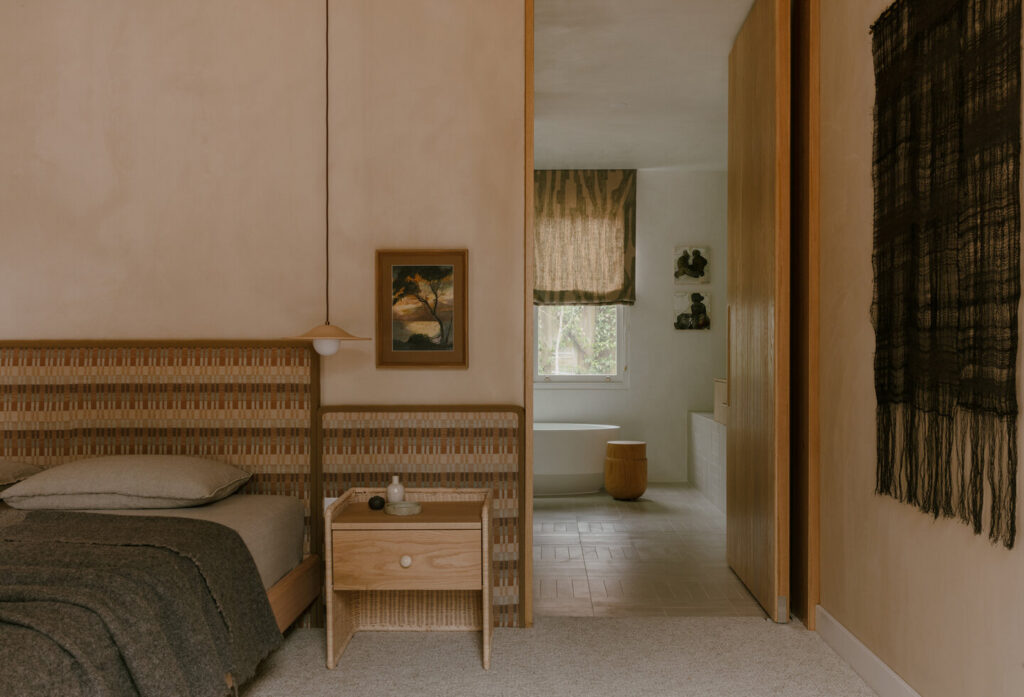
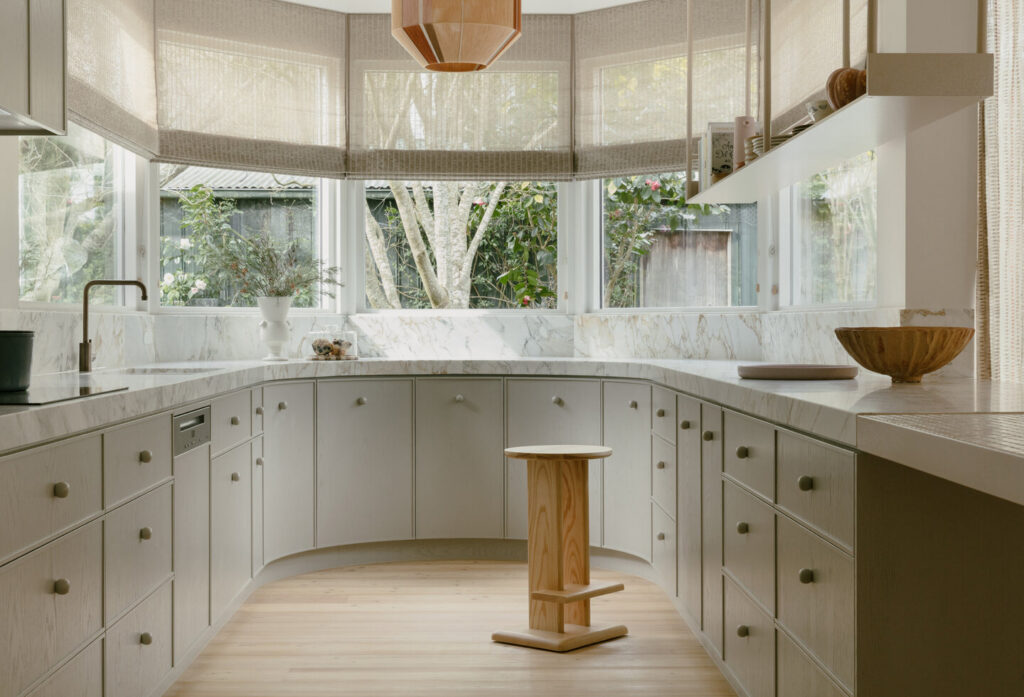
Intentionally warm, a controlled palette of timber, wool, stone and larch emphasise a tactility throughout, privileging atmosphere over boldness or loud statement-making. The combination of breathable wall finishes and low-toxicity materials extend similar thinking beyond the visual, embedding considerations of building biology into the architectural language. Here, performance is not expressed but felt.
What Aldgate House ultimately proposes is a quieter form of practice, one that privileges alignment. By working primarily with the existing key features, Fabrikate designs through the lens of inhabitation and storytelling, reframing the home and its expression in the process.