
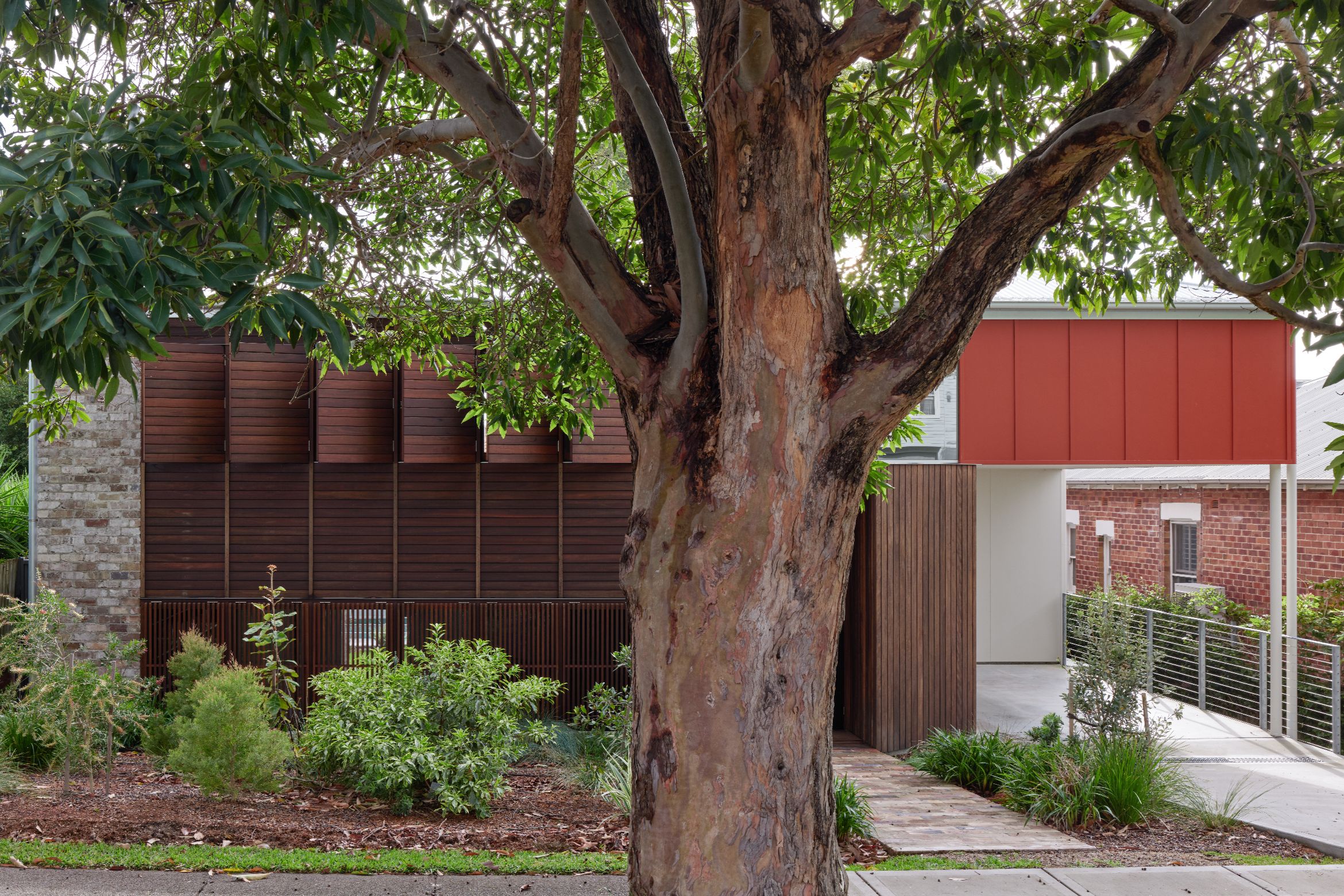
Form and line are accentuated in the Merewether Gully House by Anthrosite, creating a home that embraces its connection to the outdoors, even from within. Located on the lands of the Pambalong clan of the Awabakal people in the beachside Newcastle suburb of Merewether, Merewether Gully House isn’t your usual coastal home.
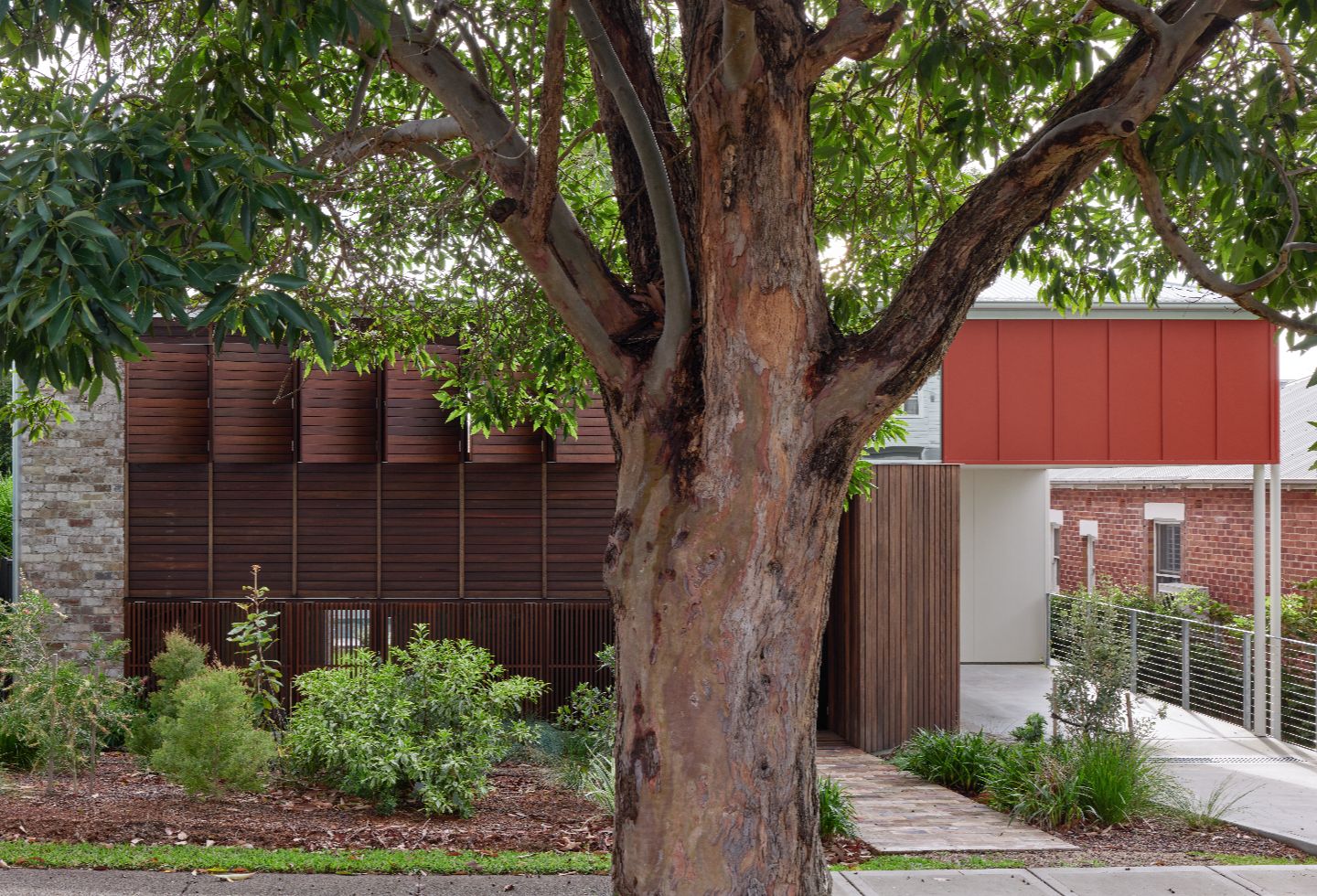
Instead, Merewether Gully House is grounded in place. Two Brush Box trees were retained and honoured in the native hardwoods, colour-blended recycled bricks and selected paint, while their distinctive bark, trunks and foliage frame the home’s initial and final views. Additionally, the natural undulating gully was incorporated into the home’s design and the passive solar design principles throughout.
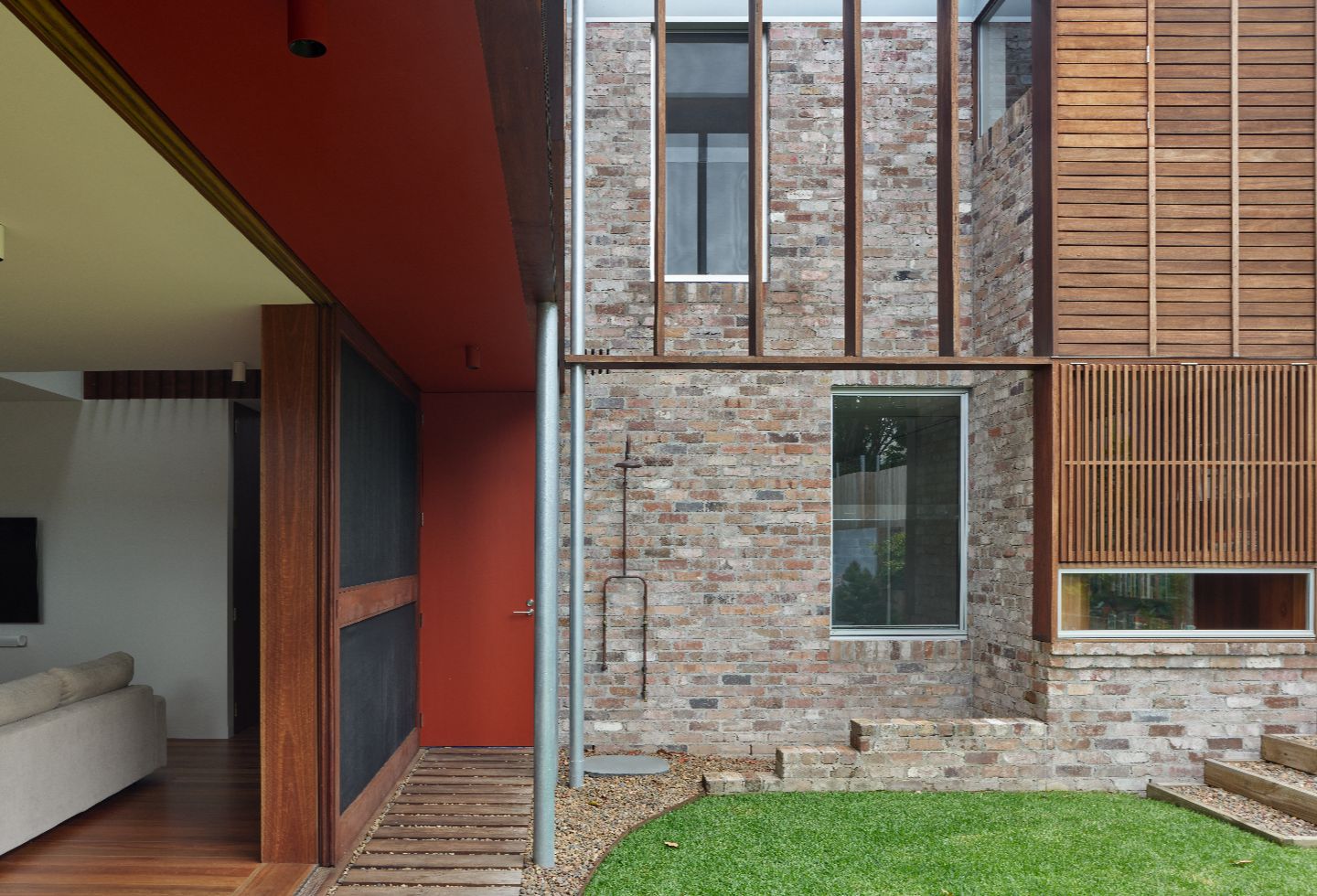
Anthrosite set the two-storey home into the earth to mirror the single-storey homes on the street and installed operable timber battens for privacy from the four overlooking neighbours. The battens offer a contemporary nod to the gable-end designs of the neighbouring bungalows and provide sun shading and natural ventilation to the rear elevations.
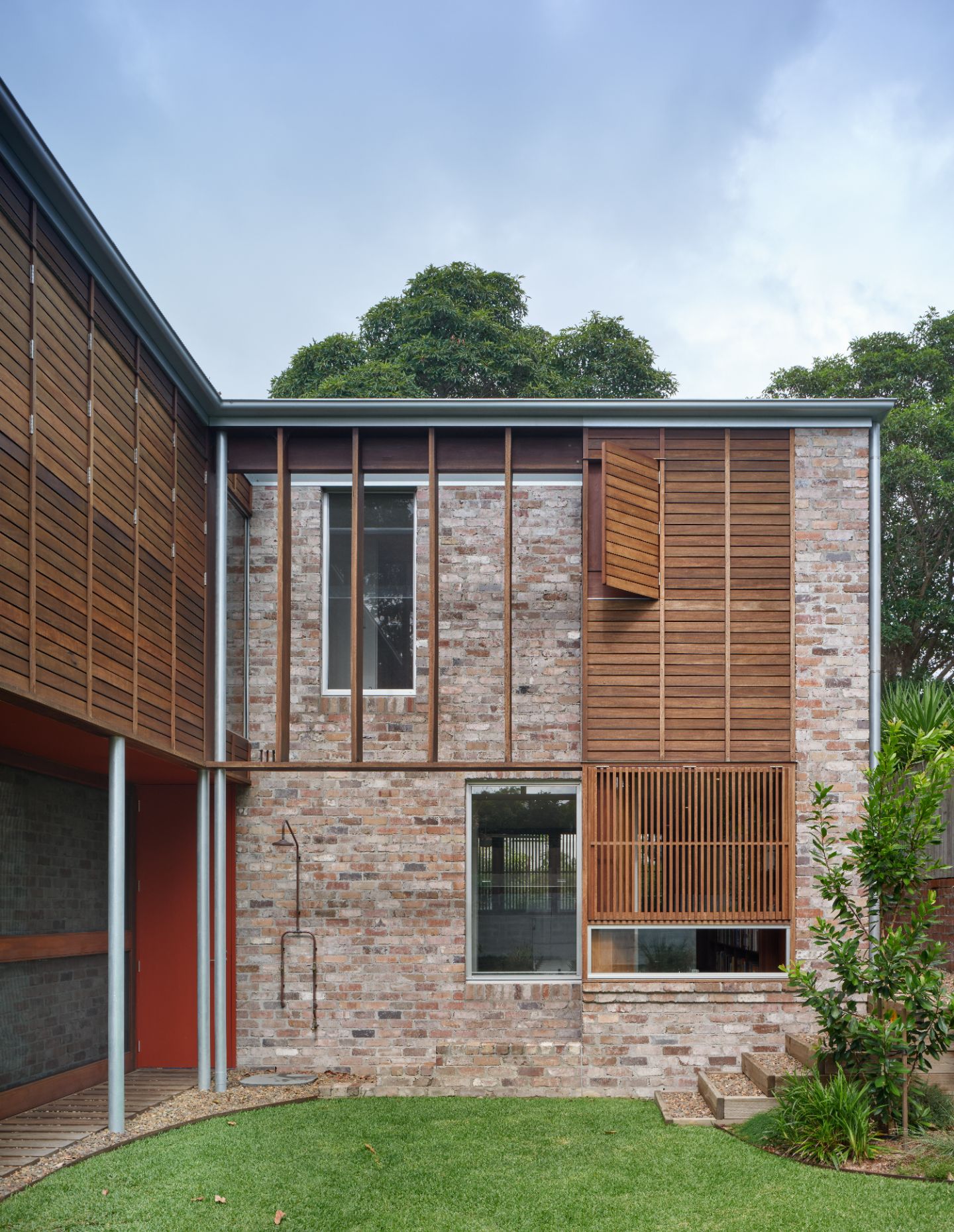
Compact planning was utilised within the 190-square-metre footprint, even with four bedrooms and three bathrooms, while the architecture maximises outdoor corridors and views to increase the sense of space.
“The site met all the requirements for a complying development planning pathway,” says director Mark Spence. “Our clients requested the CDC process to avoid potential design objections and time delays, which formalised the planning constraints for the design.”
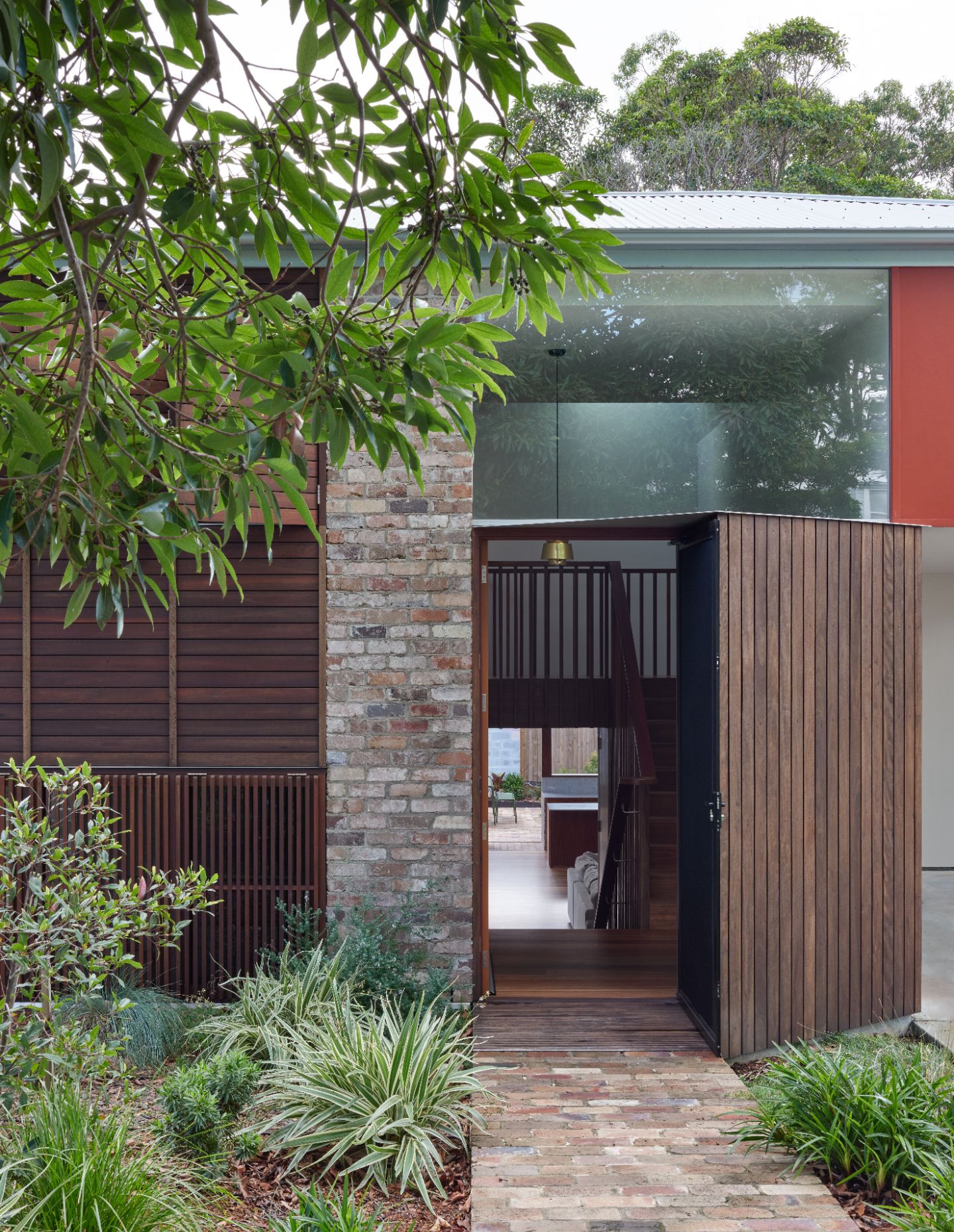
These requirements were met through the carport, set back one metre from the building line, which creates a covered entry awning and space for shoes, bags and coats. Within, the home follows a simple arrangement, with bedrooms and bathrooms upstairs, and public living spaces on the ground level – delineated by a split-level entry with sculptural skylight leading to the sunken living area, kitchen and garden.
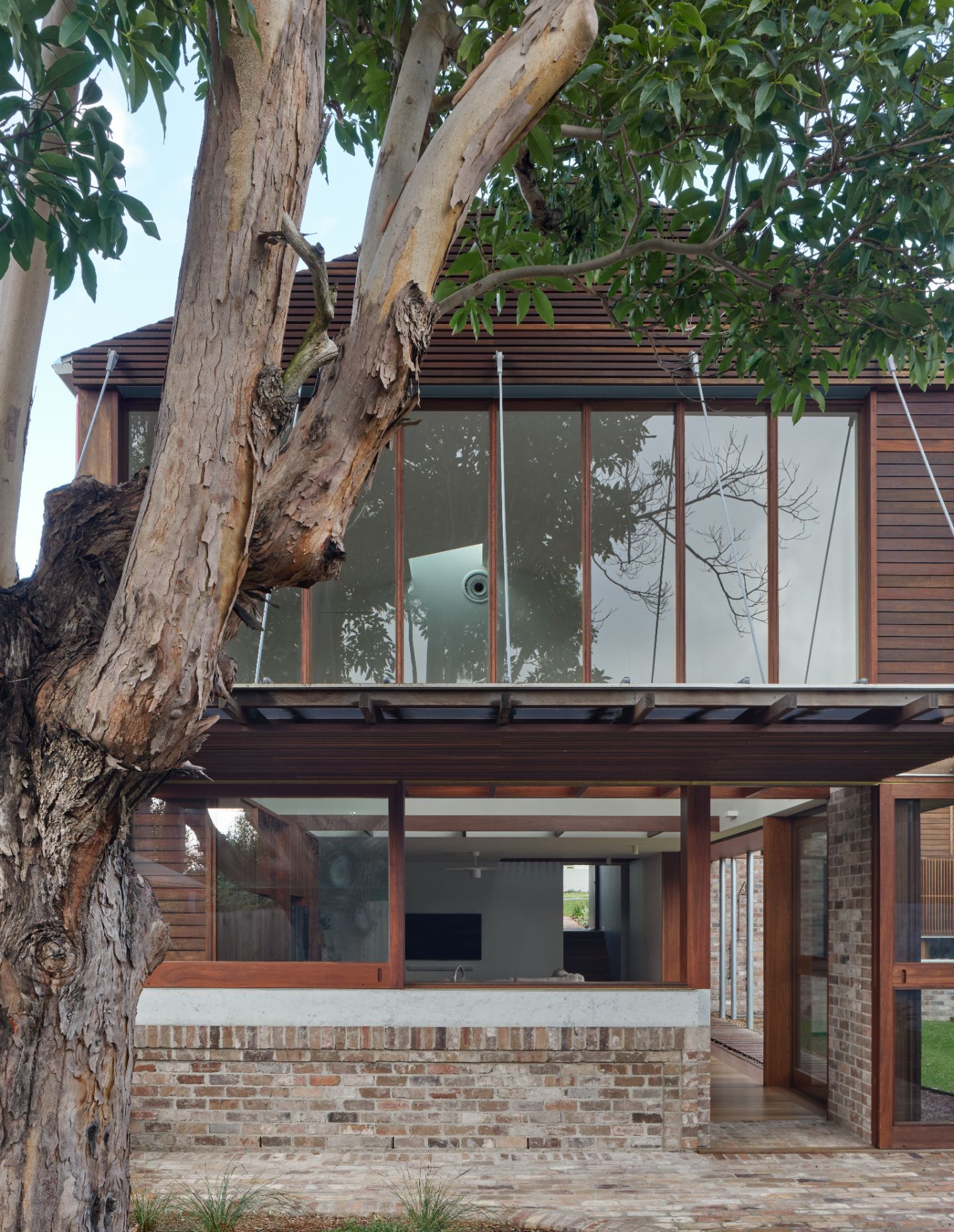
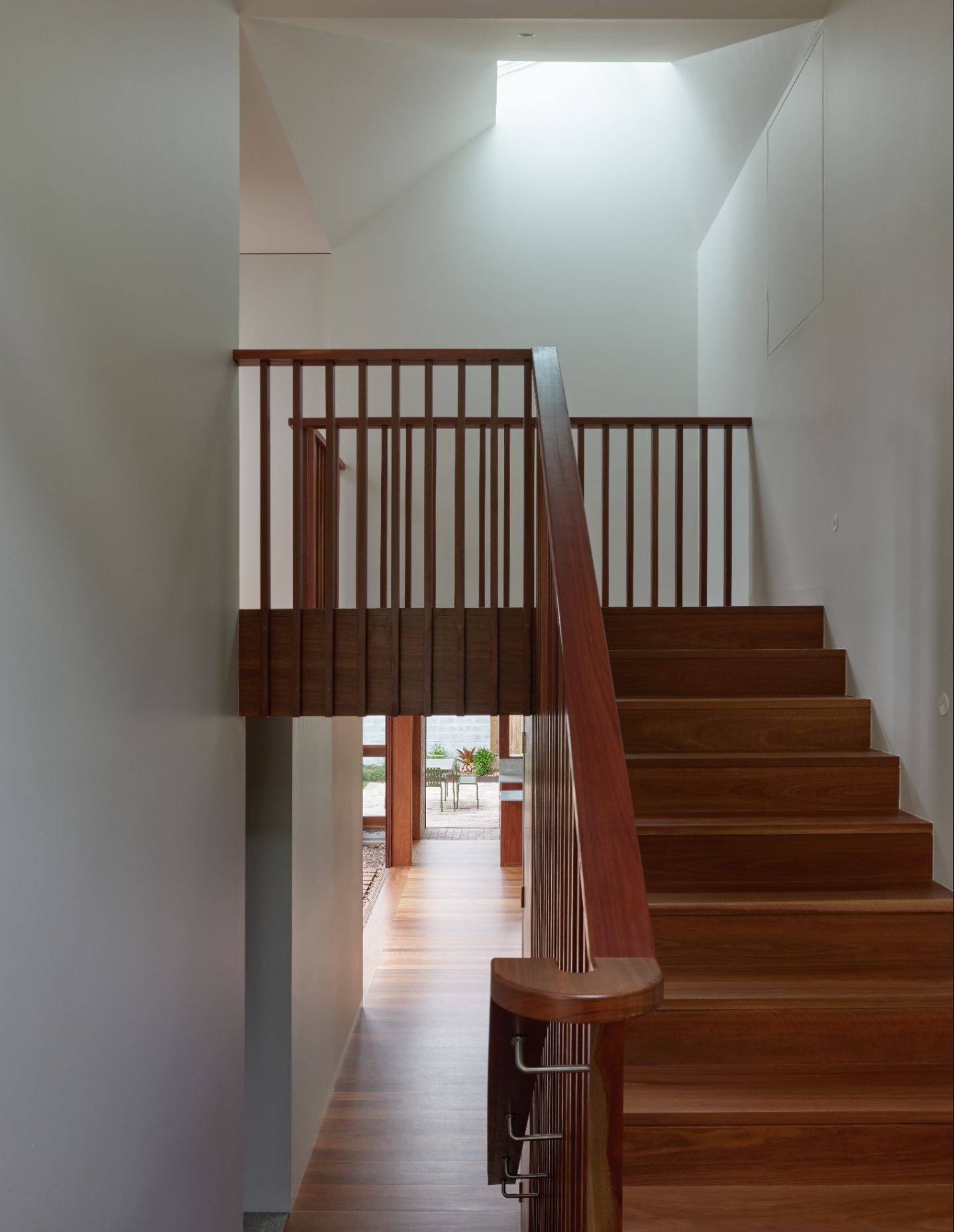
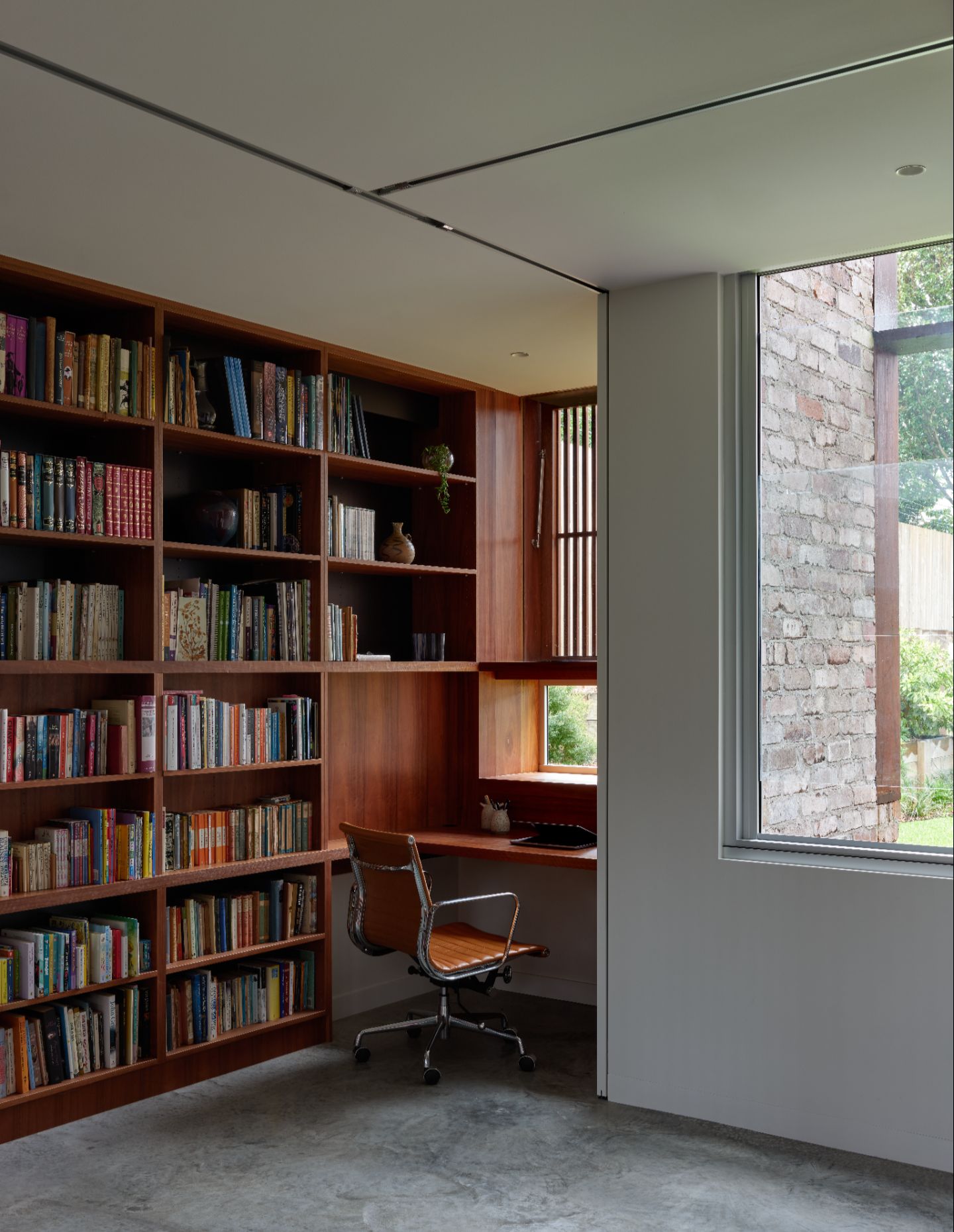
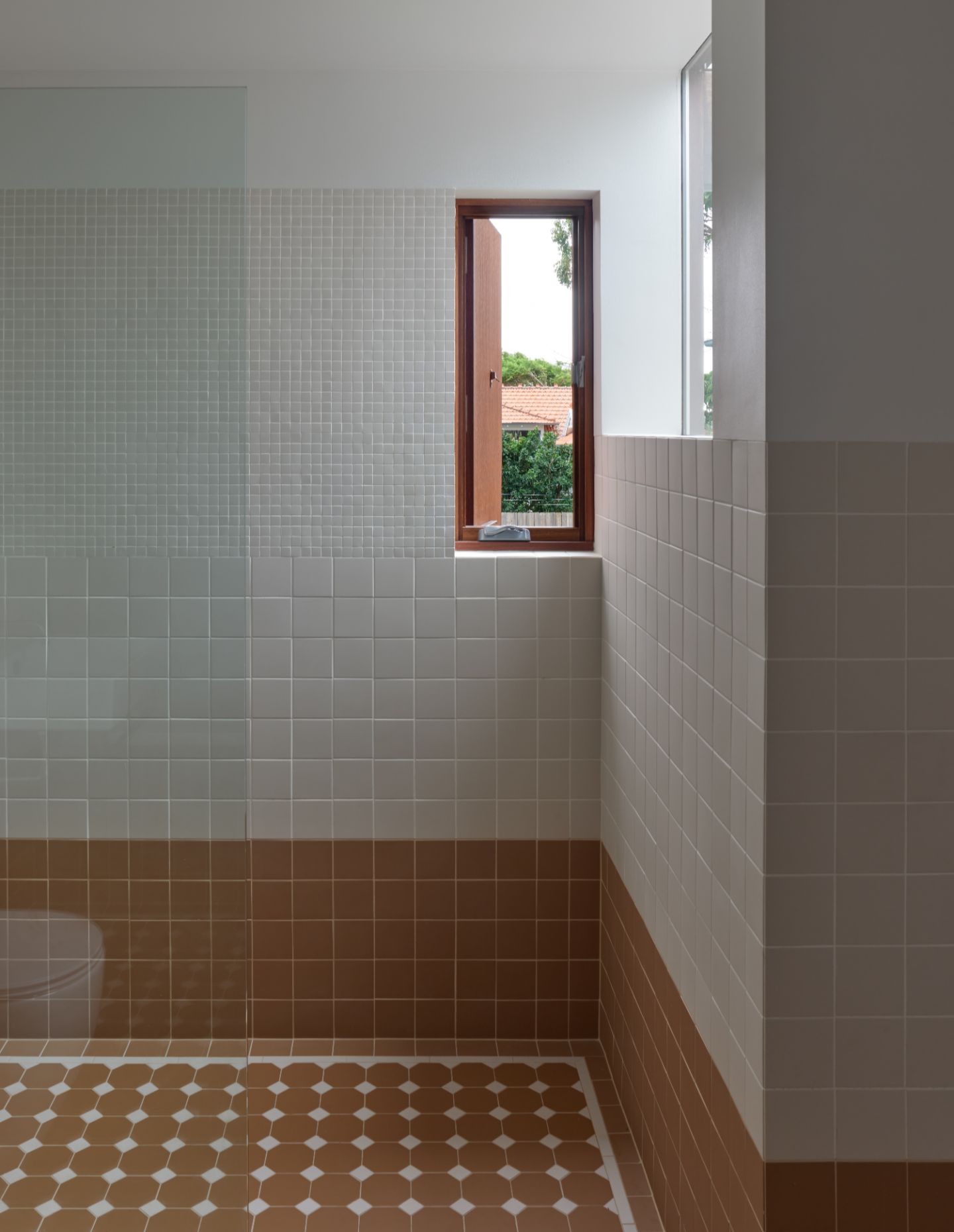
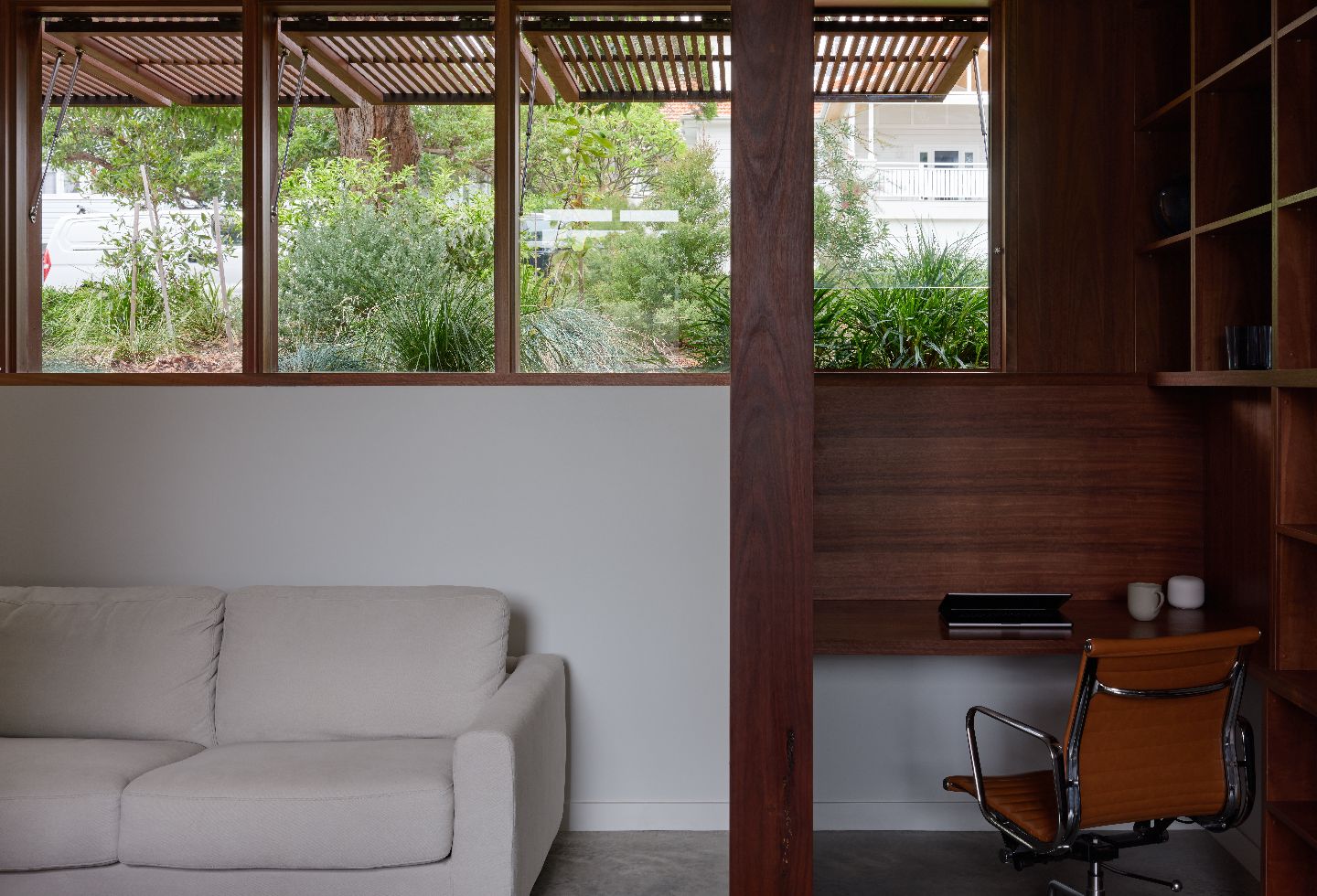
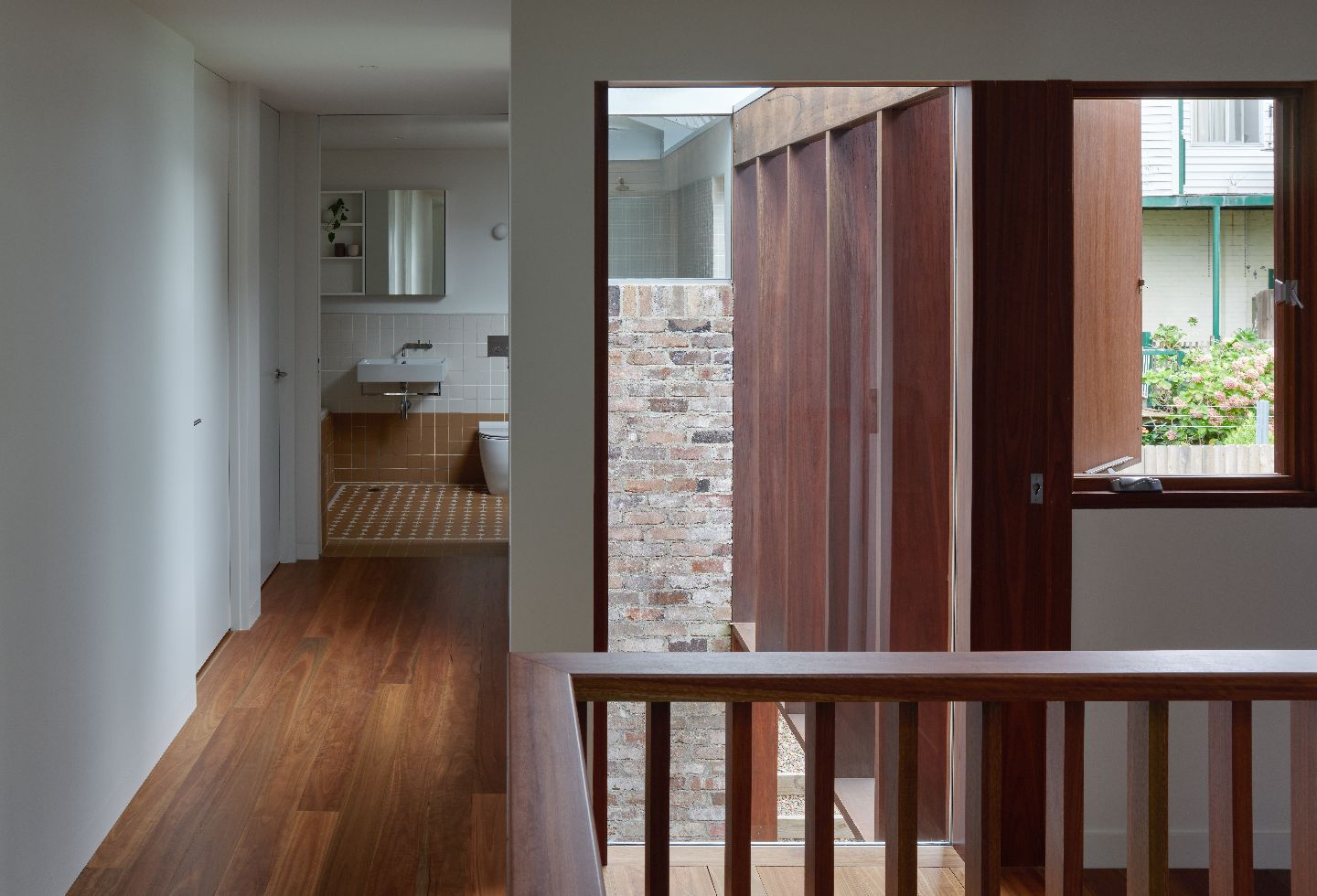
The Brush Box continues its effect on the interiors, offering dappled light and daily shadow play against the internal surfaces – as captured by the double-height story windows in the kitchen and the skylights. A sensory experience unfolds, from the moments of physical touch – like timber handrails, marble benchtop and tessellated tiles in the bathroom – to the natural breezes through the passive-inspired home.
Related: A palm tree-centred courtyard by Ben Walker Architects
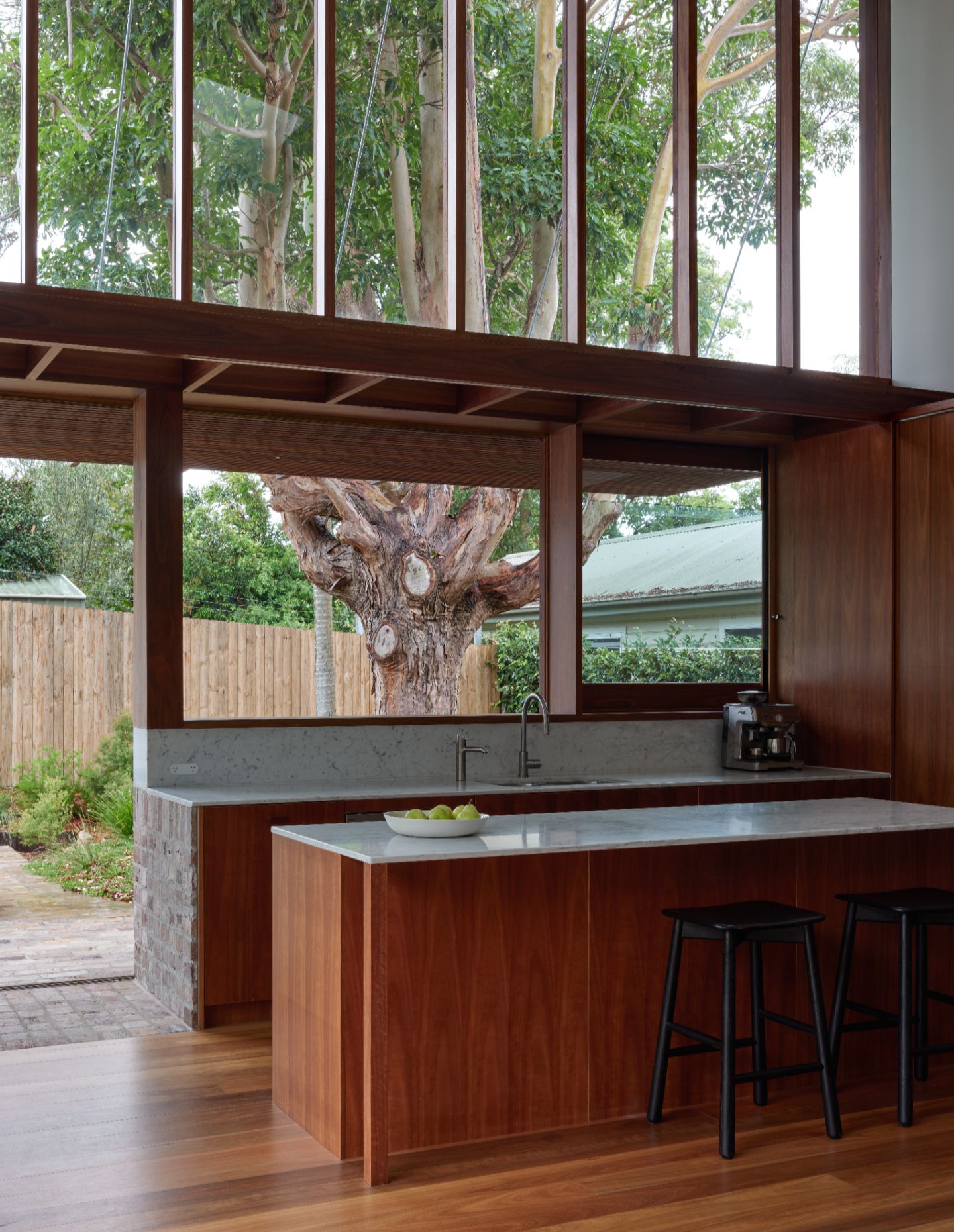
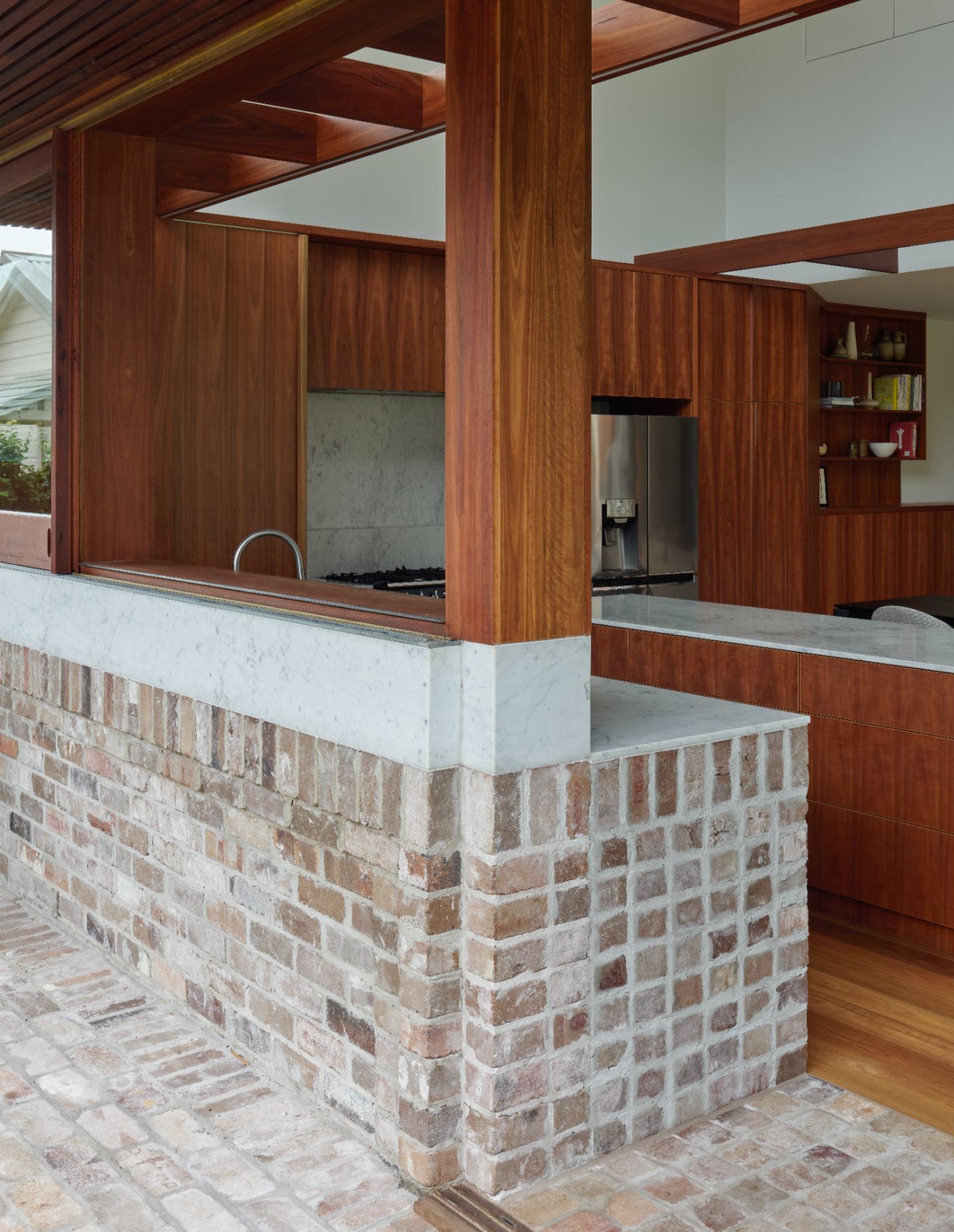
Built during the steep rise in construction costs, several value-management measures were implemented, such as timber casement windows. “These were initially designed to be full-height timber and glass louvred windows with external timber battens,” says director Mark Spence. “The detail was value-managed to smaller openings for cost, and then changed to solid casements as we worked through the build’s ability.”
However, the solid casement windows double as shading devices, with options for fixed glass or traditional casement with flyscreen protection, working hard for shading and cross ventilation. Throughout, value was prioritised for highly visible elements such as flush skirting, custom timber windows and doors; these were offset by cost-effective prefabricated roof trusses and wall framing, standard custom orb roofing and fibre-cement sheet cladding.
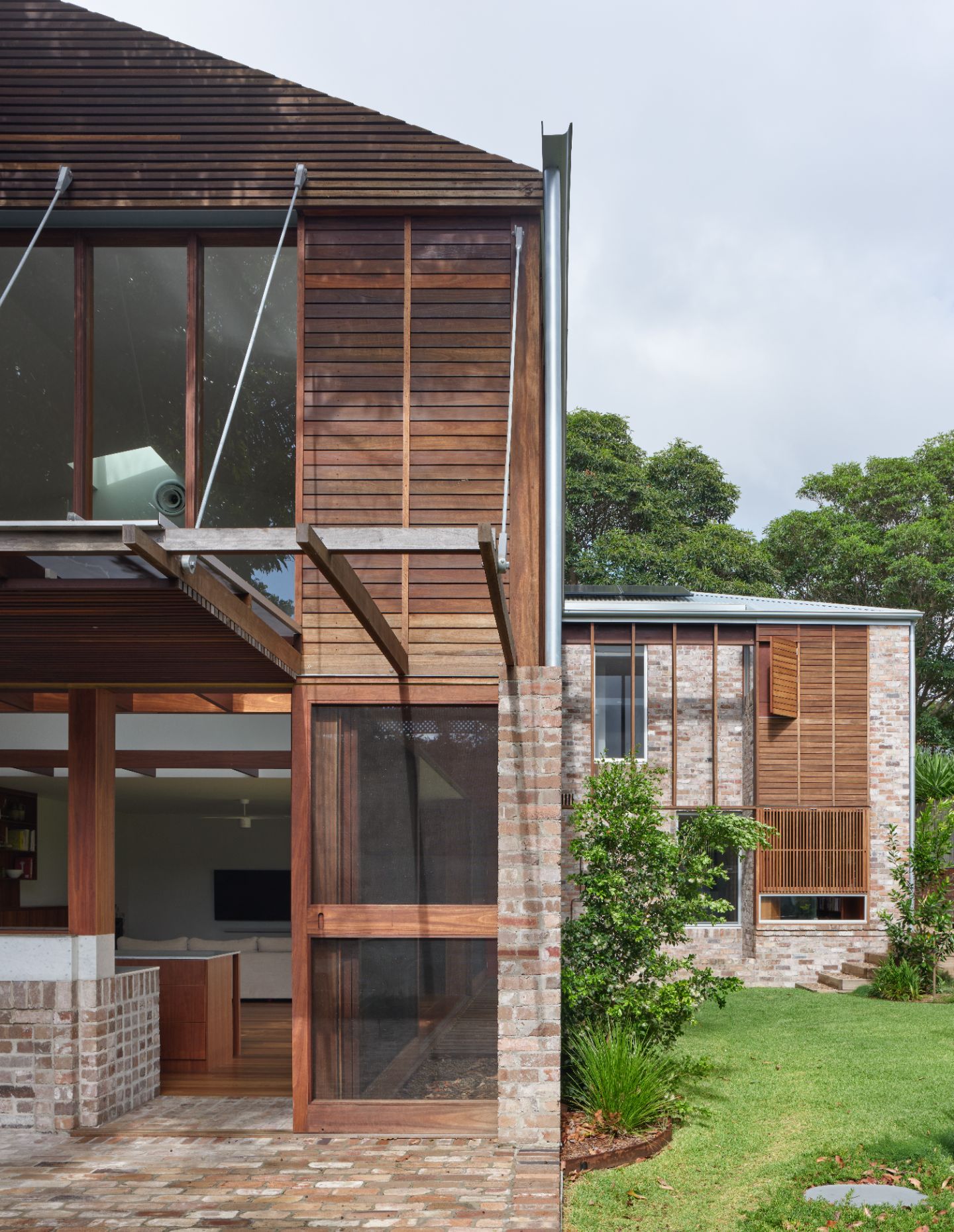
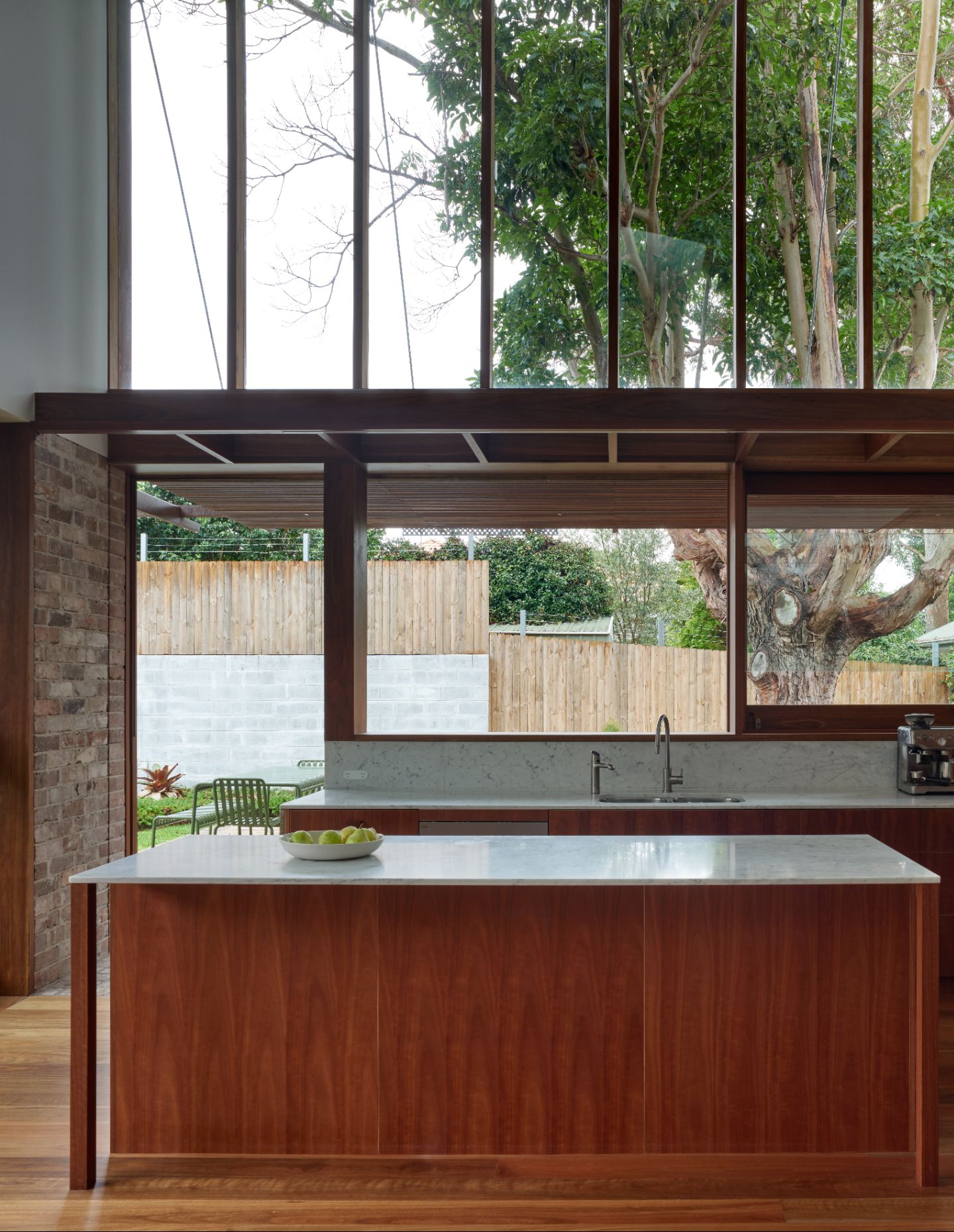
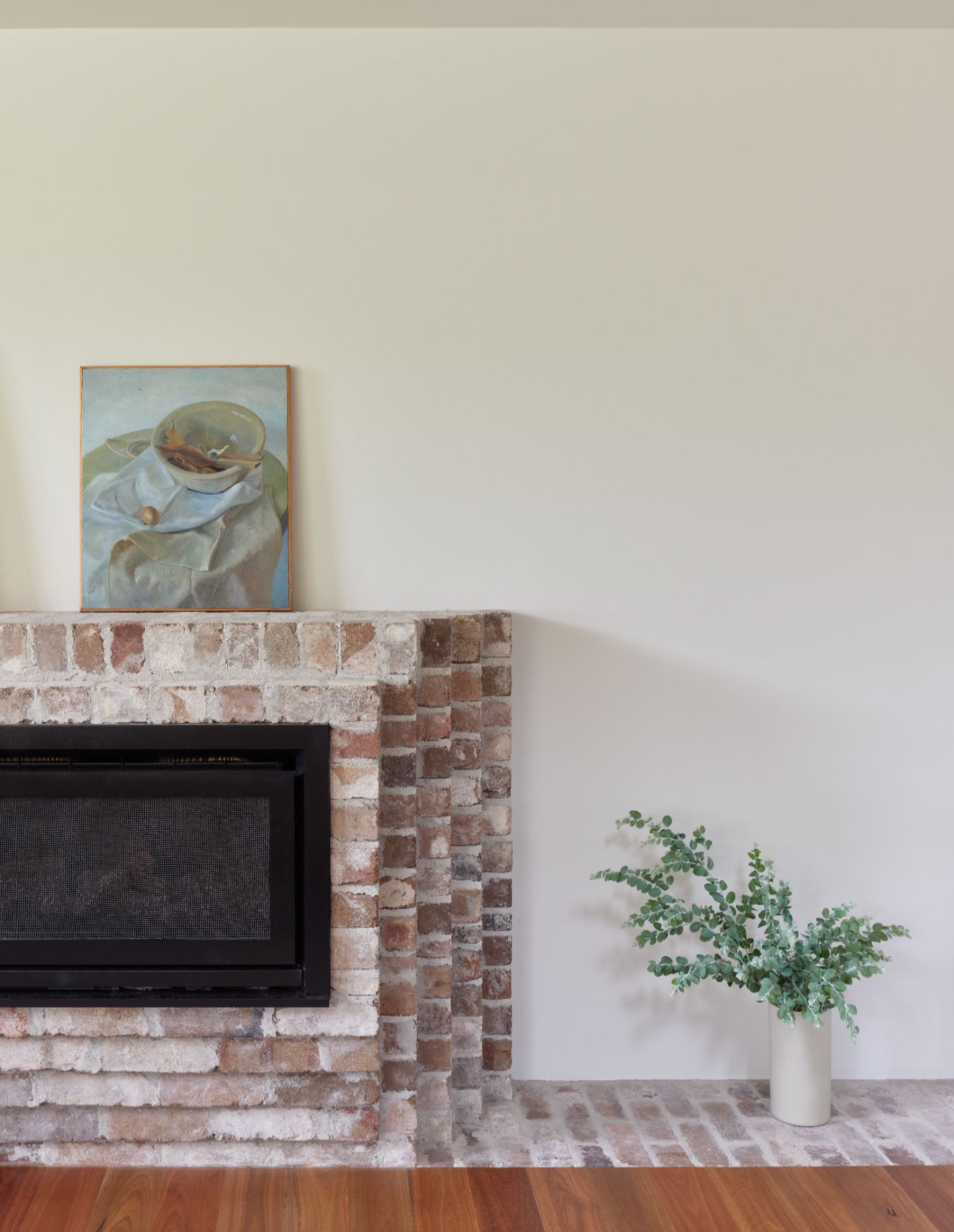
Mereweather Gully House by Anthrosite reveals itself as considerate architecture that still makes a strong impression when needed – all while creating a timeless family home to be loved for decades.