
Please tell us about the site context.
The apartment is located in Milsons Point within an established residential building, offering expansive views across Sydney Harbour and the city skyline. While the outlook is energetic and constantly shifting, the interior was intentionally conceived as a calm counterpoint to the activity beyond.
The design focuses on creating a grounded, warm interior that feels quietly removed from its surroundings. Rather than competing with the view, the spaces are designed to offer a sense of retreat, allowing the harbour outlook to be experienced through a softer, more considered lens.
What’s the story of the clients and their brief?
The clients were seeking a refined yet understated interior that felt calm, resolved and deeply liveable. They were drawn to a restrained material palette and a sense of quiet luxury, prioritising longevity, functionality and spatial clarity over trend-driven gestures.
Aatos Design approached the project with an emphasis on balance — ensuring the apartment felt elevated and cohesive while remaining practical for daily living. The brief called for an interior that would age gracefully, with materials and detailing selected to support long-term comfort and durability.
What are the key material and spatial choices?
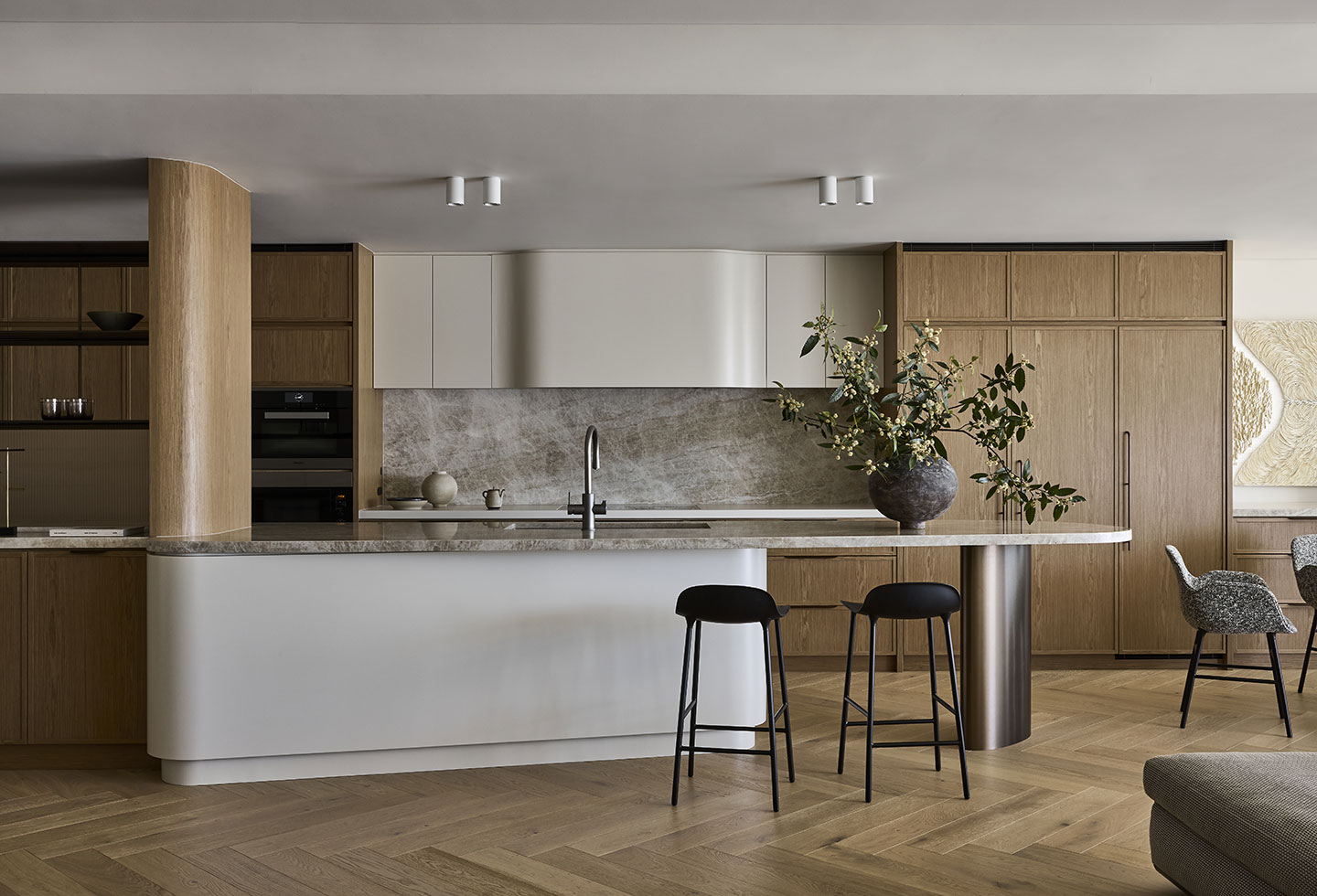
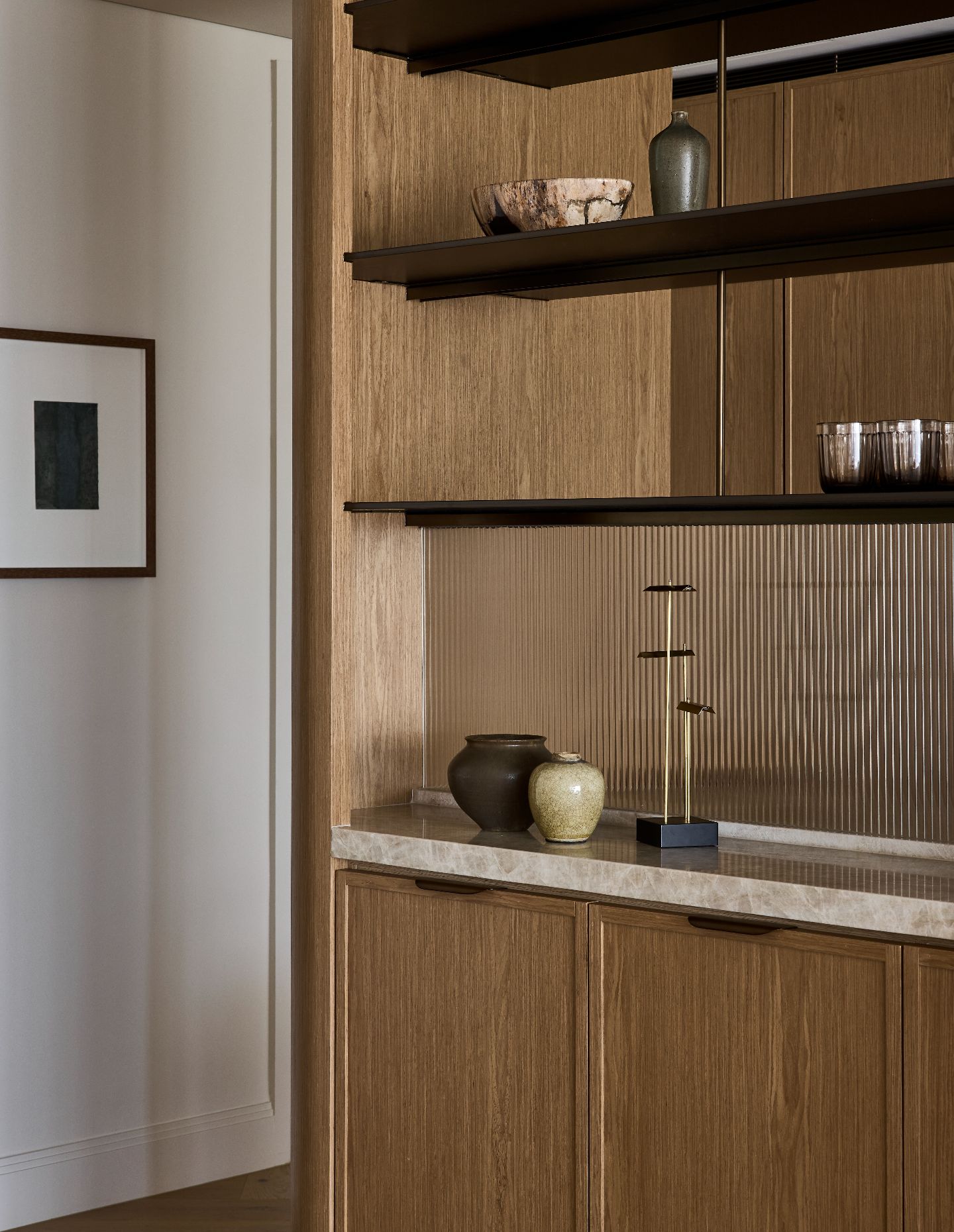
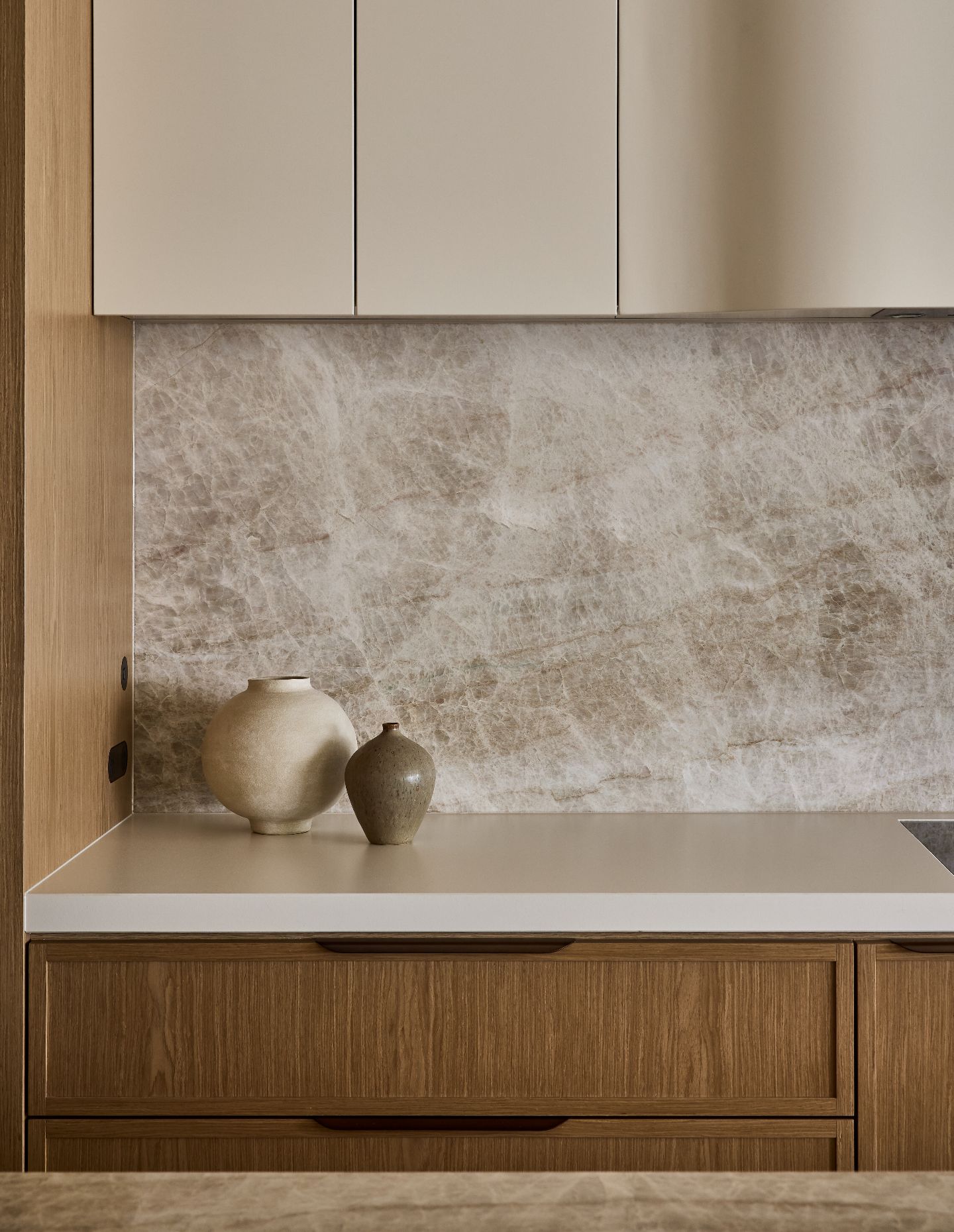
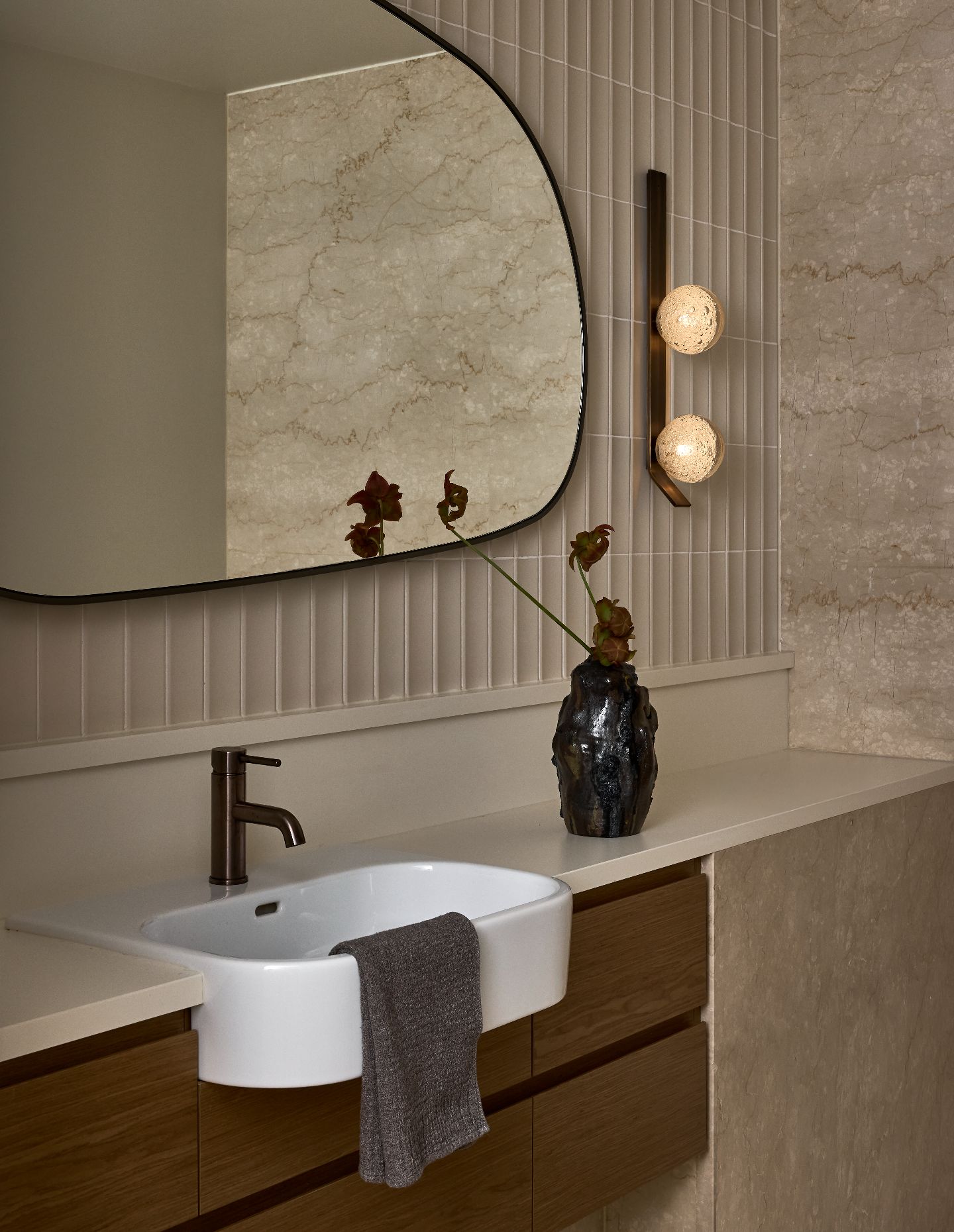
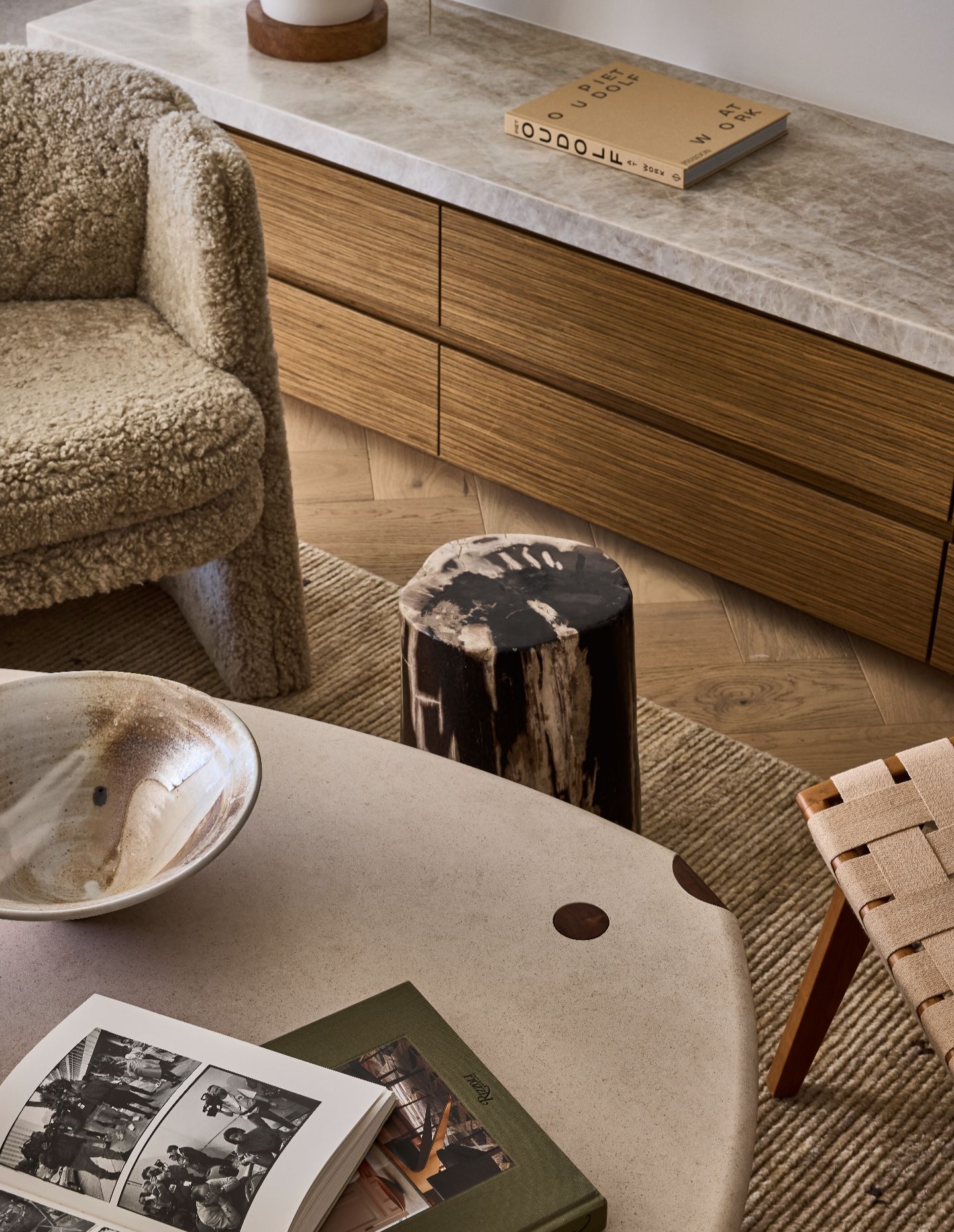
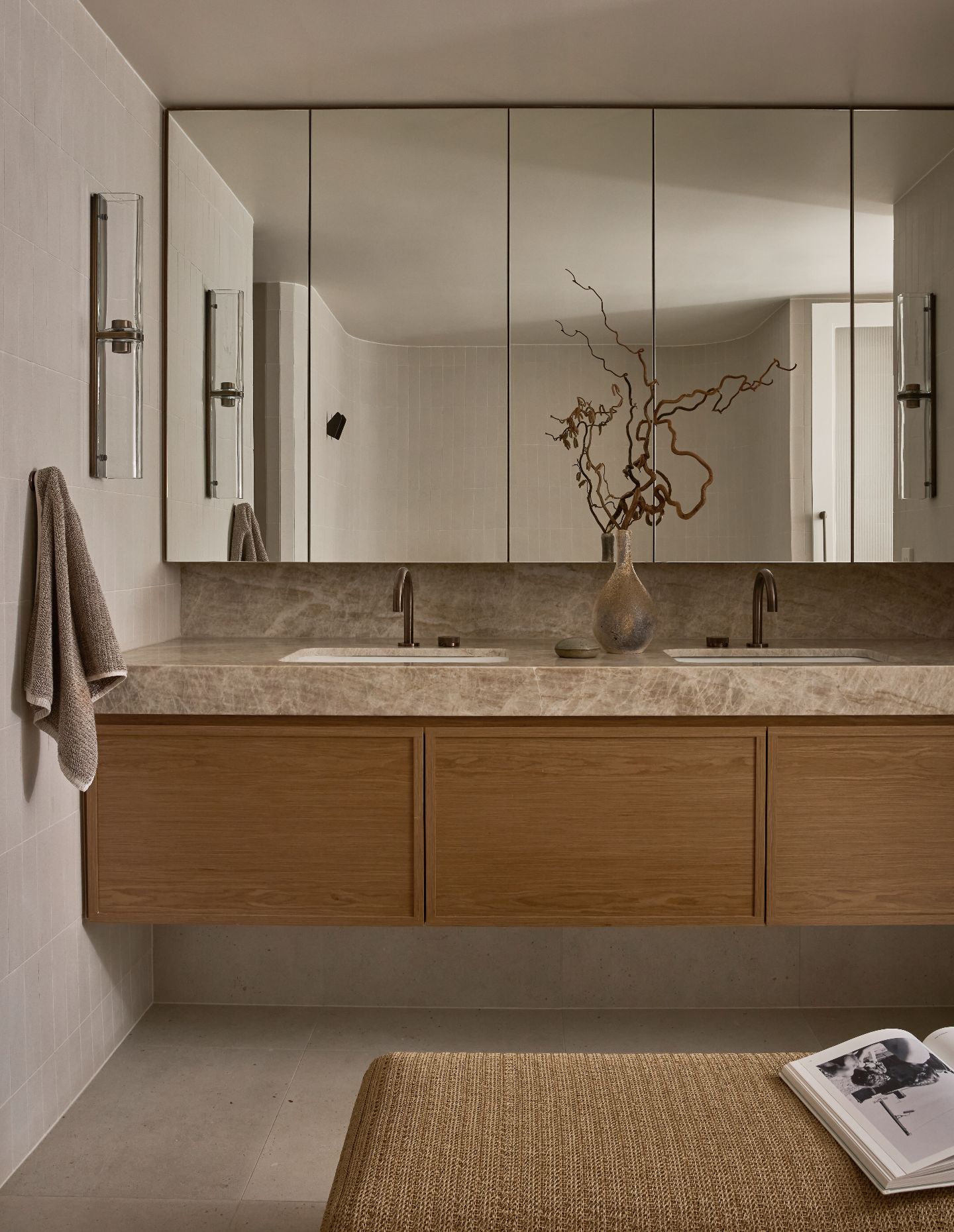
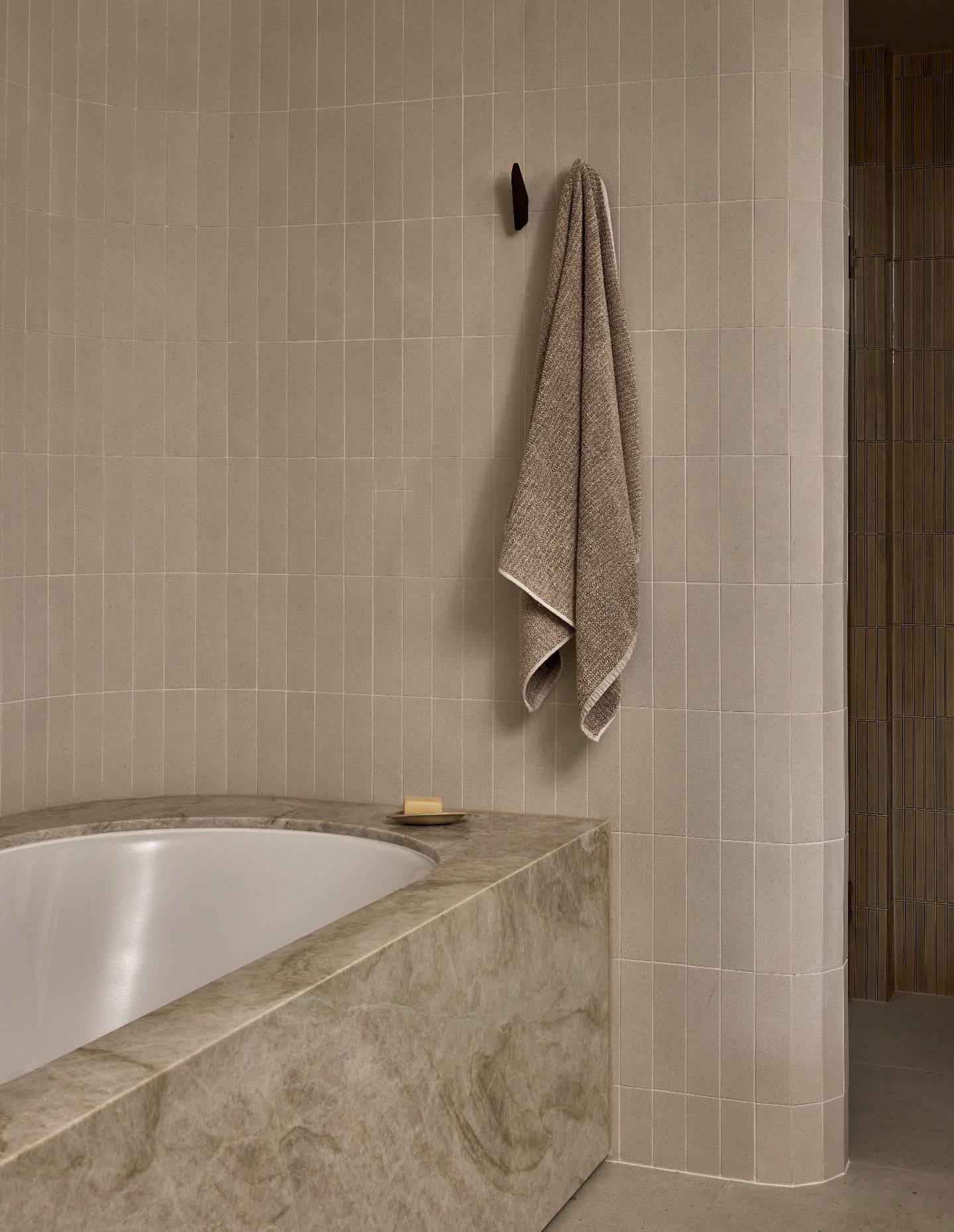
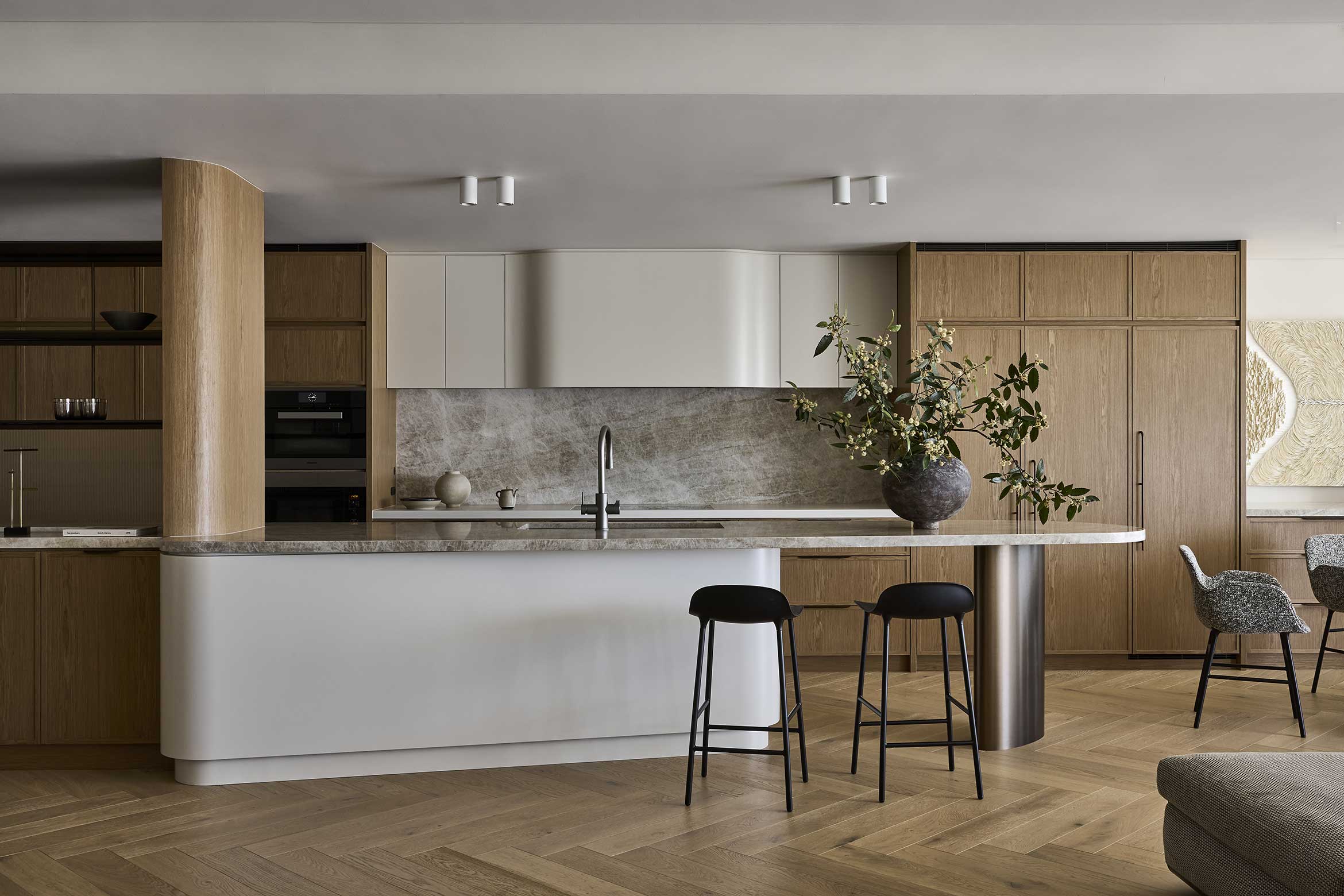
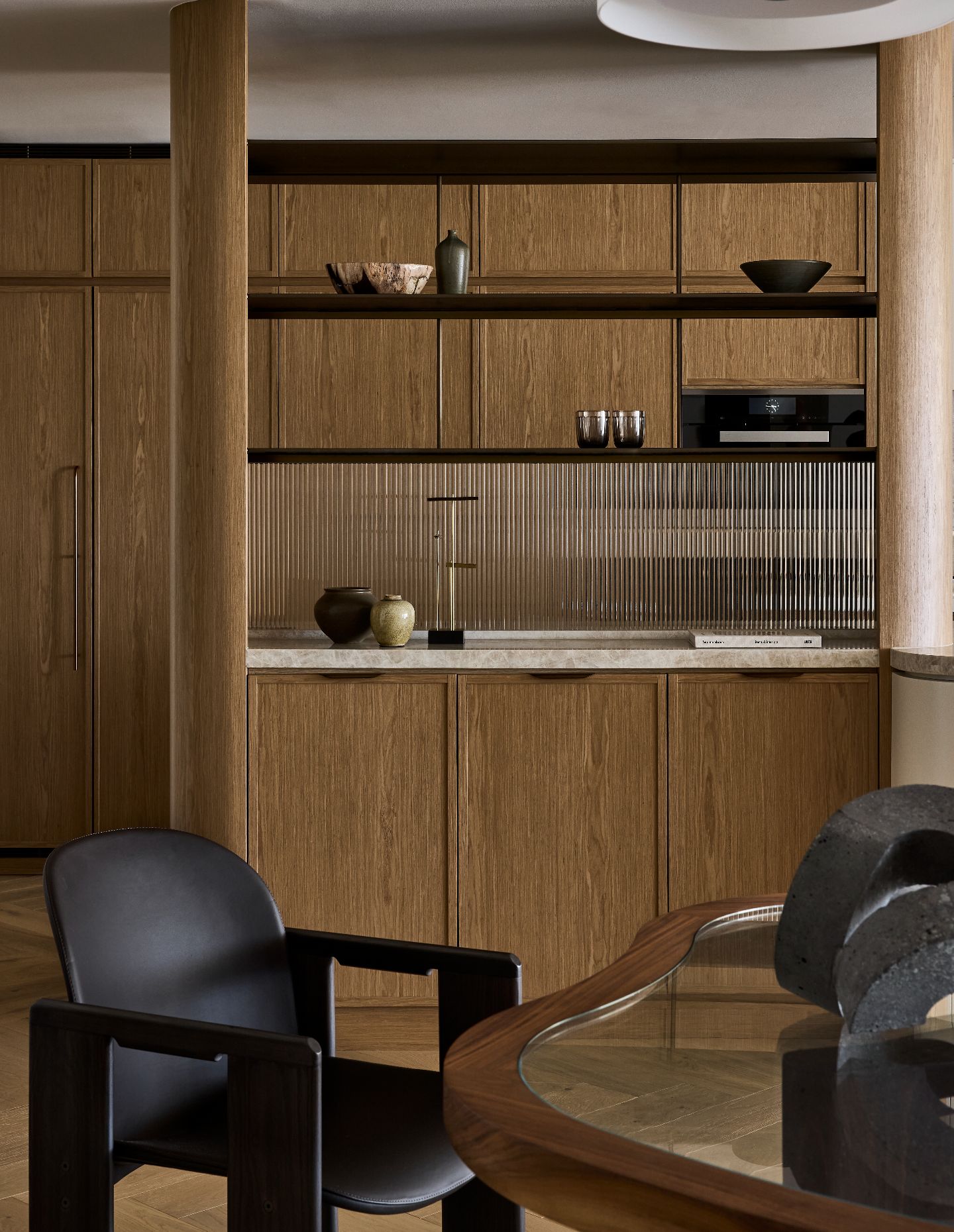
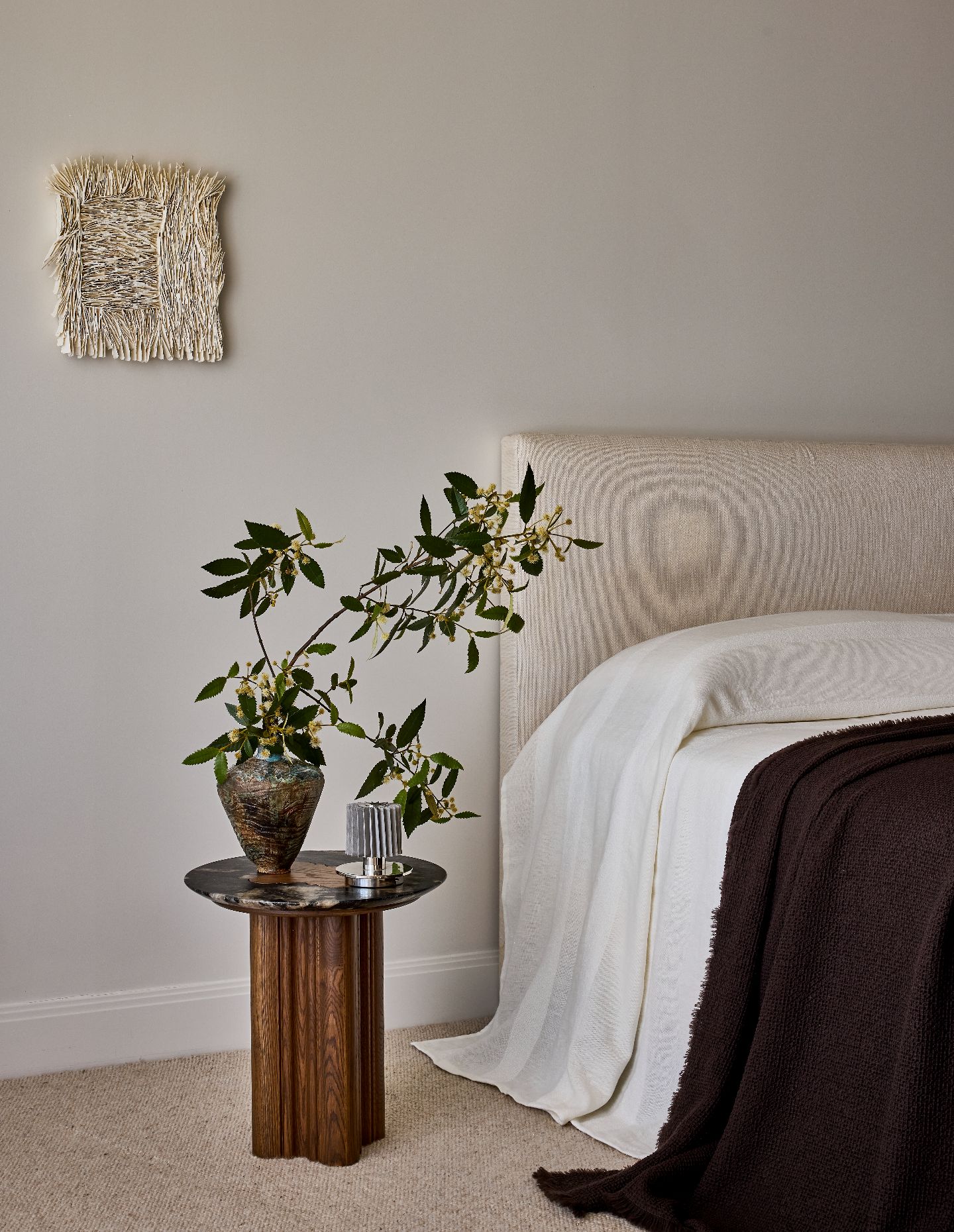
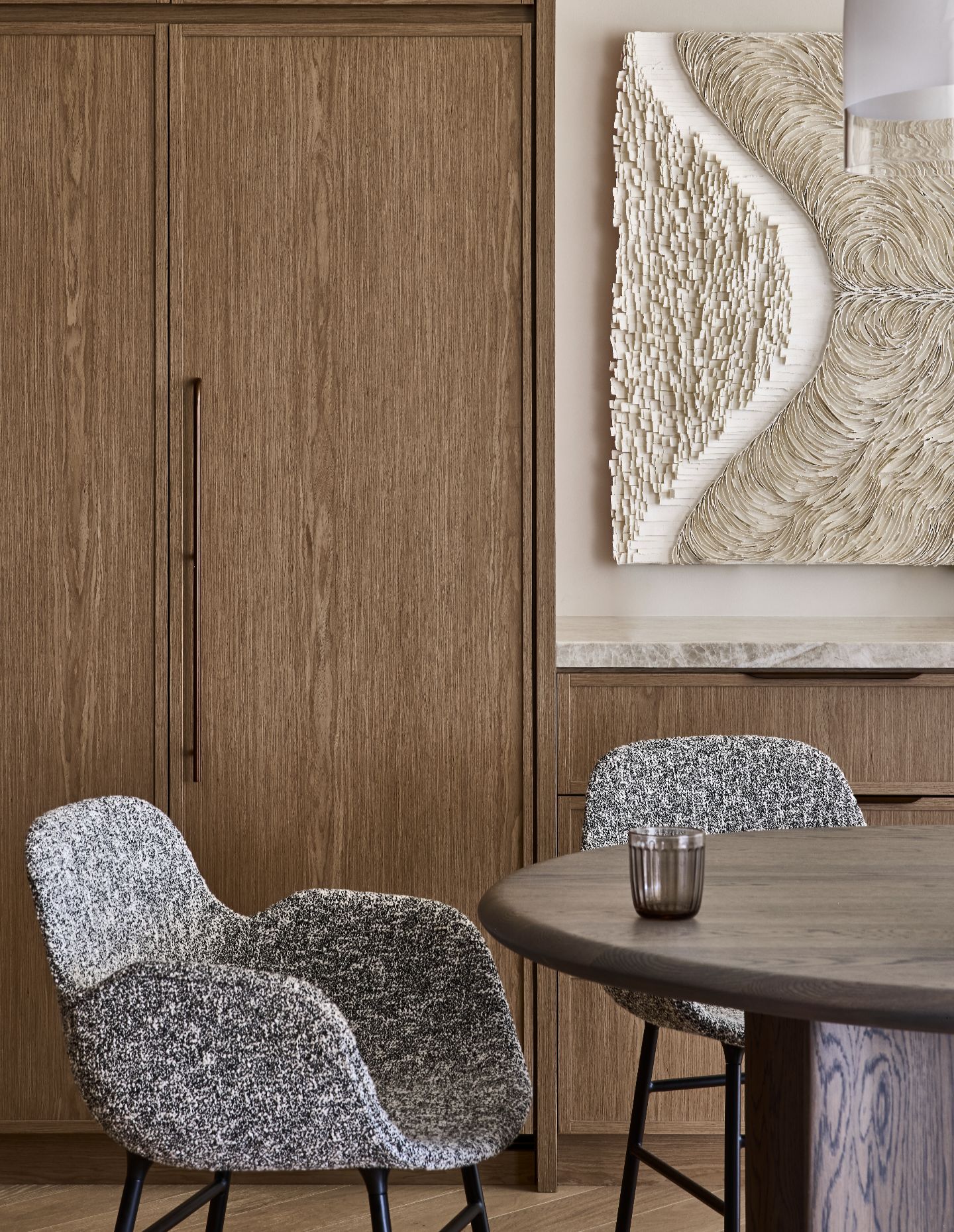
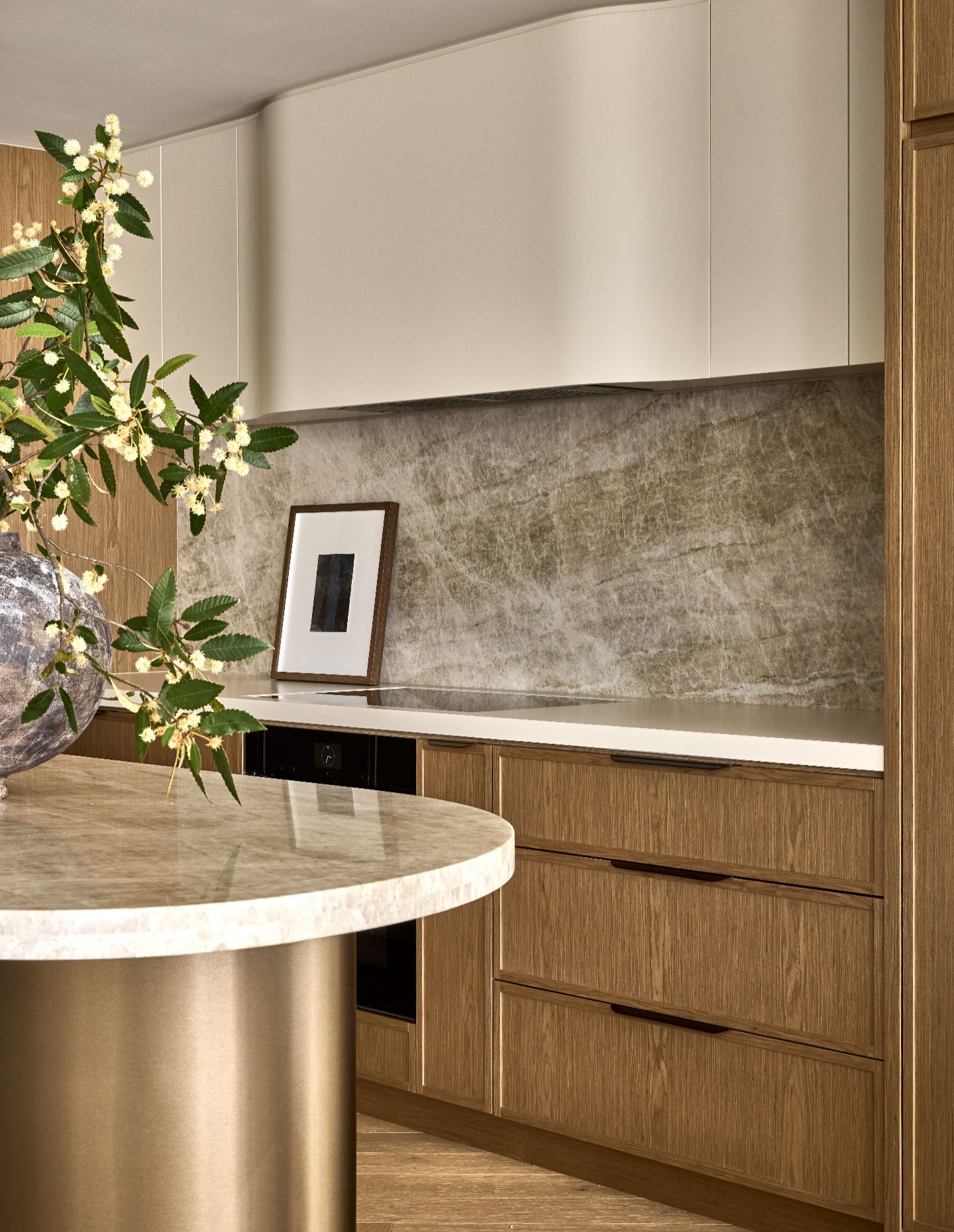
The interior is anchored by a palette of smoky oak, softly veined quartzite and muted bronze tones. Material continuity was used as a primary spatial device, allowing the apartment to read as a cohesive whole rather than a series of individual rooms.
Custom joinery plays a defining role throughout the project, shaping spaces, integrating storage and reinforcing visual consistency. Softened edges and subtle detailing were prioritised to enhance openness and fluidity, ensuring the interior feels layered and sculptural without excess.
Related: Stillness in Double Bay
What key functional requirements does the design address?
There was a strong desire to open up the originally compartmentalised layout between the kitchen and living areas. By improving visual connection and circulation, the redesign allows natural light to penetrate deeper into the apartment’s footprint while supporting more social, flexible living.
The resulting layout accommodates daily rituals with ease, offering adaptable spaces that feel intuitive and comfortable throughout the day. Functionality is embedded quietly within the design, supporting liveability without disrupting the calm atmosphere.
What about furniture choices and what not?
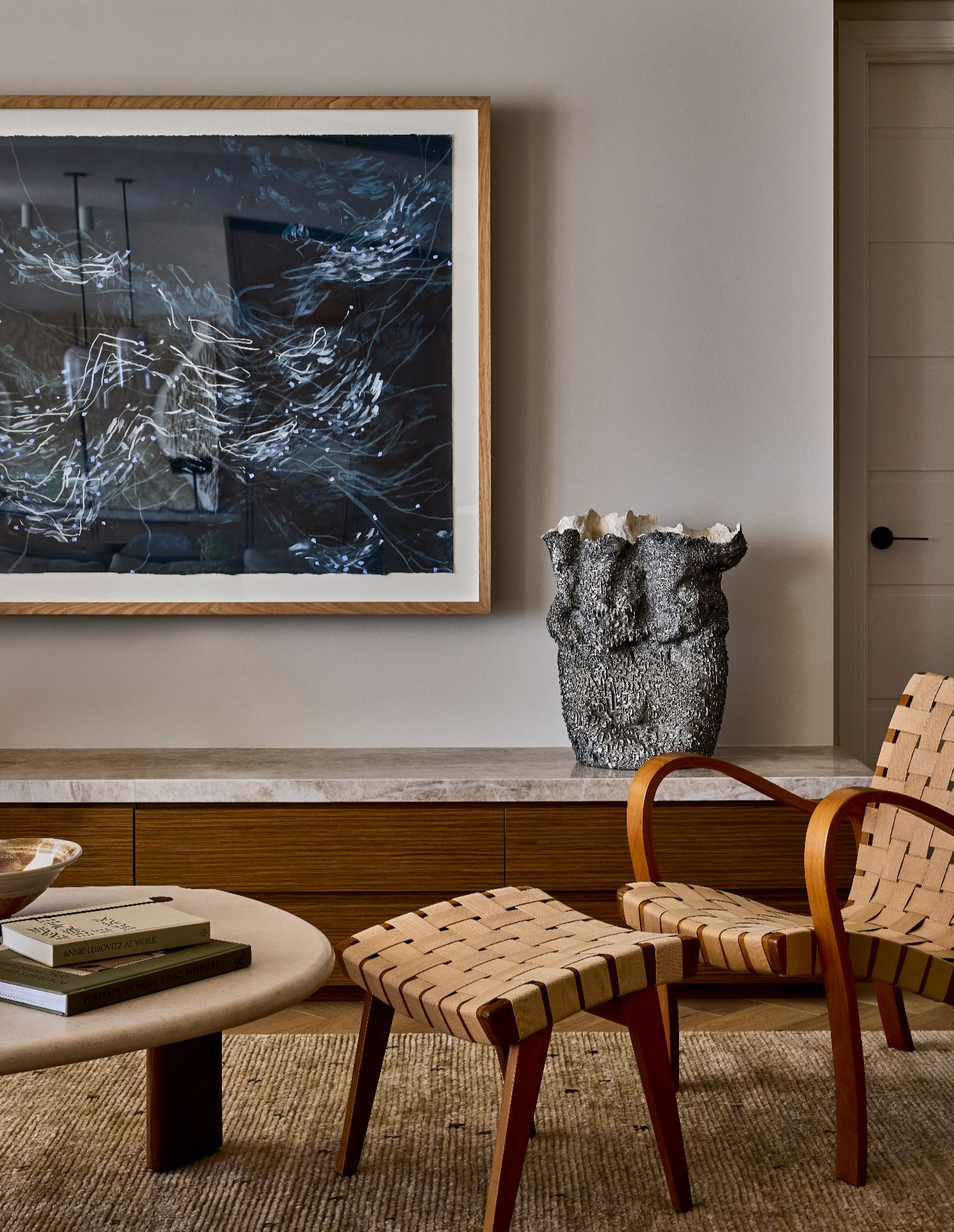
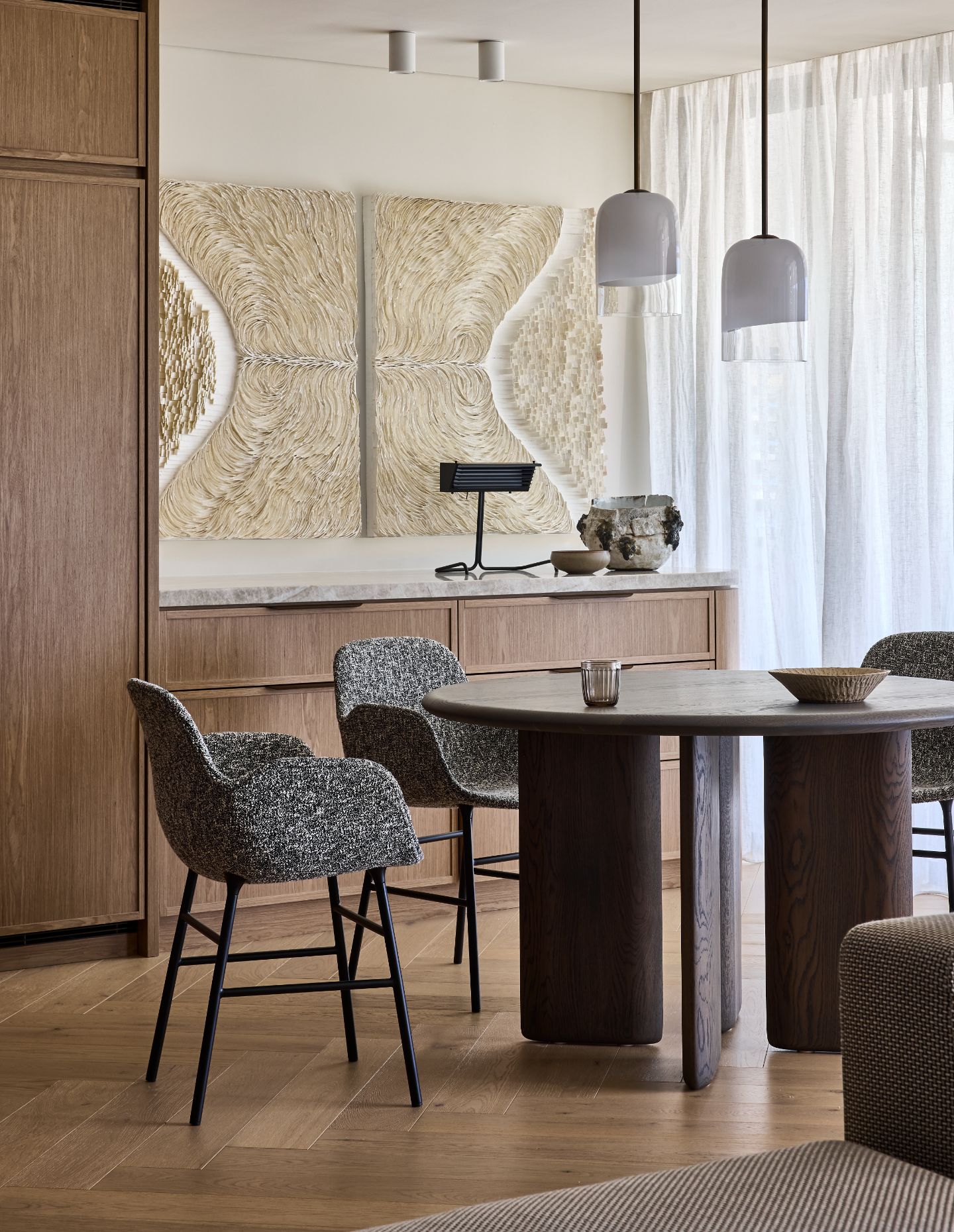
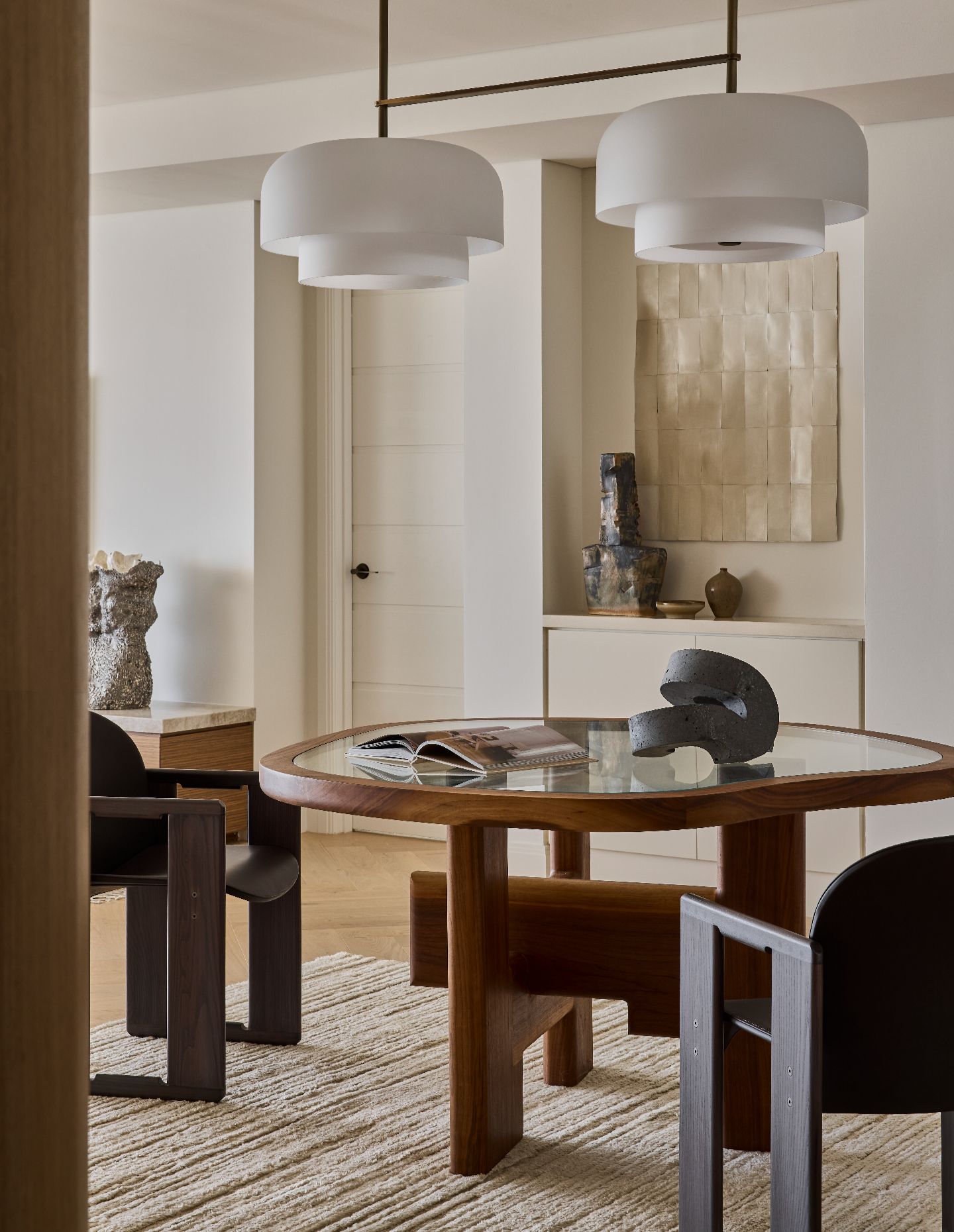
Furniture, fittings and finishes were selected to complement the restrained interior palette while introducing texture and warmth. Lighting includes pendants and wall sconces from Articolo and Est Lighting, while plumbing fittings were sourced from Faucet Strommen through Bathroom Collective. Appliances by Miele were supplied by Winnings.
A solid timber dining table by Jardan anchors the dining area, paired with upholstered dining chairs from Resident via District Furniture. Kitchen stools by Normann Copenhagen and refined hardware selections from Lo & Co, Iver and Keeler Hardware contribute to the project’s considered detailing.
Finishes include oak flooring by Woodcut, Taj Mahal quartzite surfaces by World Stone, Neolith porcelain benchtops, tiles from Artedomus and Academy Tiles, and joinery veneers supplied by Elton Group. Loose furniture, artwork and accessories were curated by stylist Corina Koch to complete the interior.
What are your favourite parts or moments in the design?
The custom joinery moments are a particular highlight, especially where timber detailing, metal accents and stone intersect seamlessly. These restrained junctions create depth and richness without spectacle.
Rather than relying on bold gestures, the apartment’s strength lies in its quiet layering. The result is an interior that feels soft, resolved and sculptural — a calm, enduring home that allows the harbour views to remain the hero.