
Habitusliving: What drew Space Atelier to this particular project at One Harbour View? Was it the Renzo Piano connection, the architecture itself or something less obvious?
David Hartikainen: What drew us to One Sydney Harbour was a combination of things but, more than anything, it was the opportunity to be part of a design conversation that felt significant. The connection to Renzo Piano and his architectural legacy was, of course, compelling, and one that is connected to the core values of Space for more than 30 years.
The building’s timeless form, proportion and light set a powerful foundation. But what truly resonated for us was the chance to work within a building that carried such a strong narrative. It wasn’t about making bold statements; it was about creating something considered and lasting within a world-class architectural context, providing a qualified, tailored service in collaboration with the One Sydney Harbour team and for their clients.
What did it mean, for you as a brand, to be part of a project like this? Not just the space, but the collaboration itself.
The One Sydney Harbour project was an exciting project, led by an architects and interiors team (State of Craft’s Daniel Goldberg) who had developed something truly distinctive for Sydney. As well as delivering exceptional quality, our brief was to build on the architecture and design of the building and help bring the residents’ personal vision to life.
I think, however, that One Sydney Harbour represents the evolution that’s happening across the wider design industry. Architects and interior designers are expanding their roles beyond traditional practice, creating custom pieces tailored for a unique project and producing branded collections as part of a new business model.
At the same time, brands like Space, with our global reach and trusted expertise, are being called upon to support our clients, from architects to designers or developers in new ways – offering flexible solutions that complement their creative direction.
One Sydney Harbour is a great example of that evolution. This was a collaboration shaped by fresh thinking from the project design team and a shared enthusiasm for redefining what contemporary interiors can be and how they can be approached.
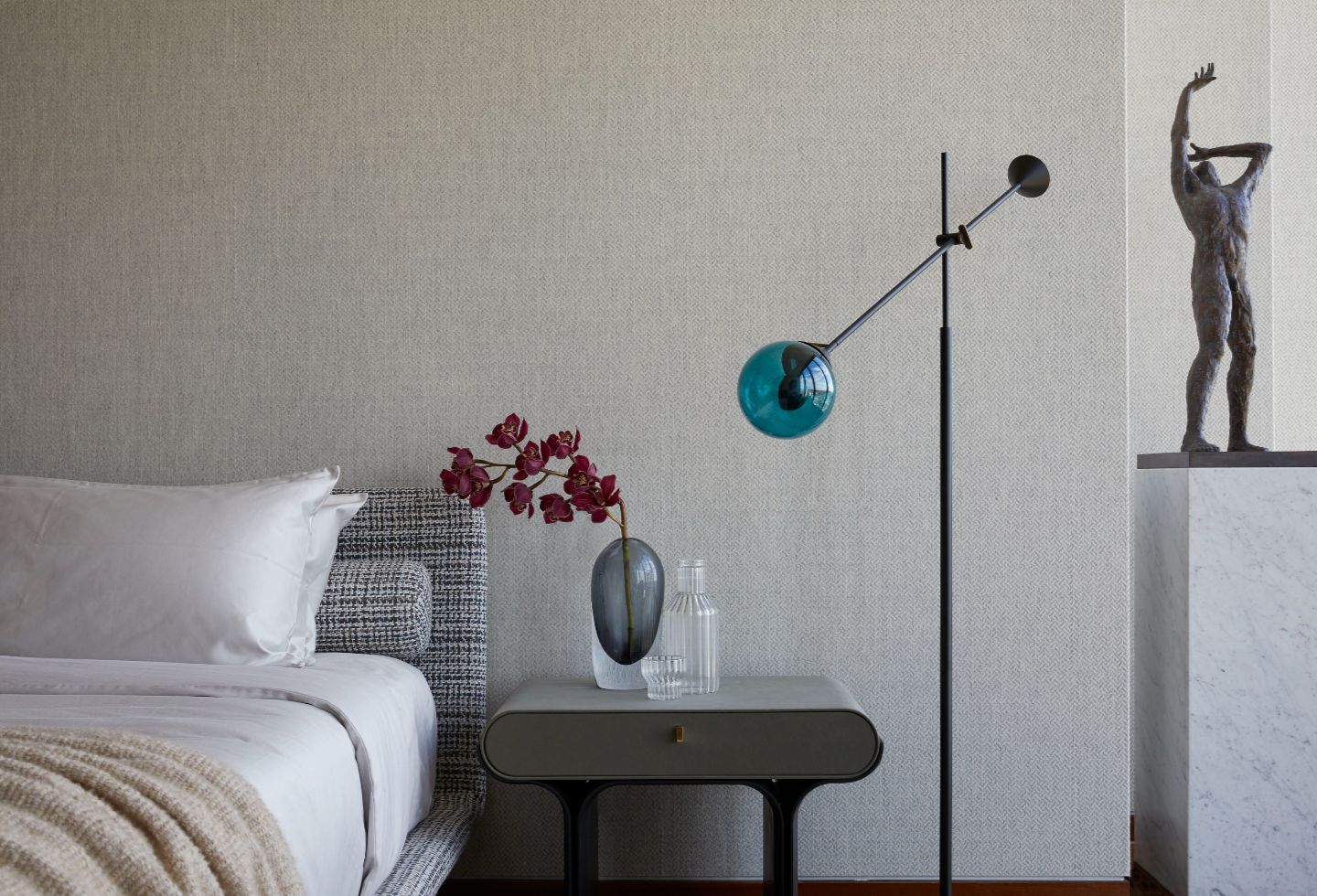
When a structure is already as considered and precise as one by Renzo Piano, where does your role begin?
Always with our client. Every project begins with a conversation so we can understand and explore their vision. Their likes, dislikes and how they live from a practical point of view. For this project, and as a guiding principle in all our work, we closely studied the architectural intent. We believe it’s essential to respect the design concept as a starting point. Our approach is not to alter or challenge that vision, but to respond to it thoughtfully, integrating the client’s aspirations for their home in a way that complements the architecture and delivers an interior that meets their brief and expectations. It’s about listening, interpreting, and crafting interiors that feel inherently connected, rather than imposing a competing narrative.
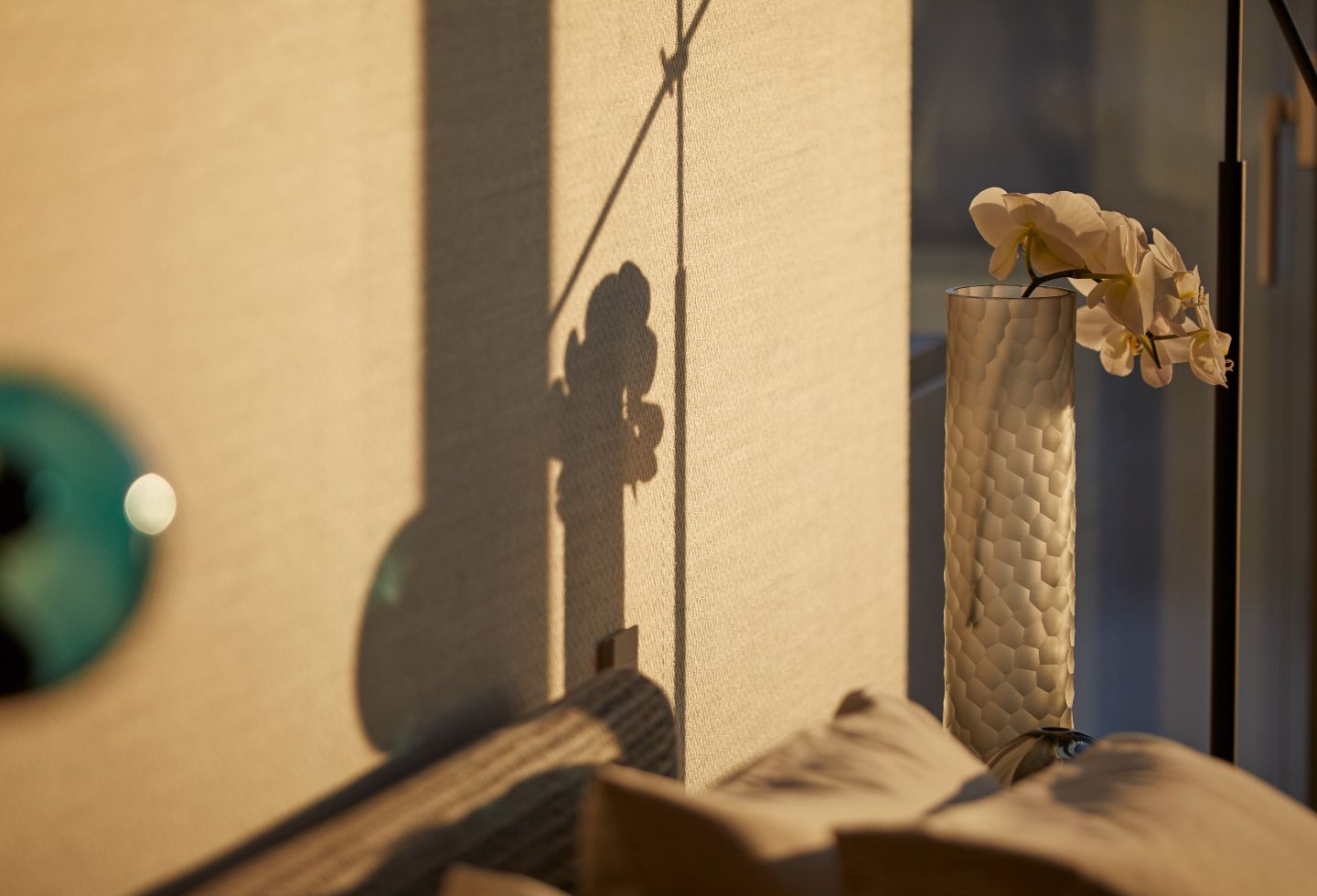
Space Atelier’s identity carries a certain tone. How did that ethos translate in a private residence setting like this?
Space Atelier’s work begins and ends with our client’s vision. Our design is rooted in thoughtful curation, refined restraint, design discipline and a deep respect for architectural integrity. In a private residence like this, that ethos translated through an approach that prioritises clarity, atmosphere and design intention.
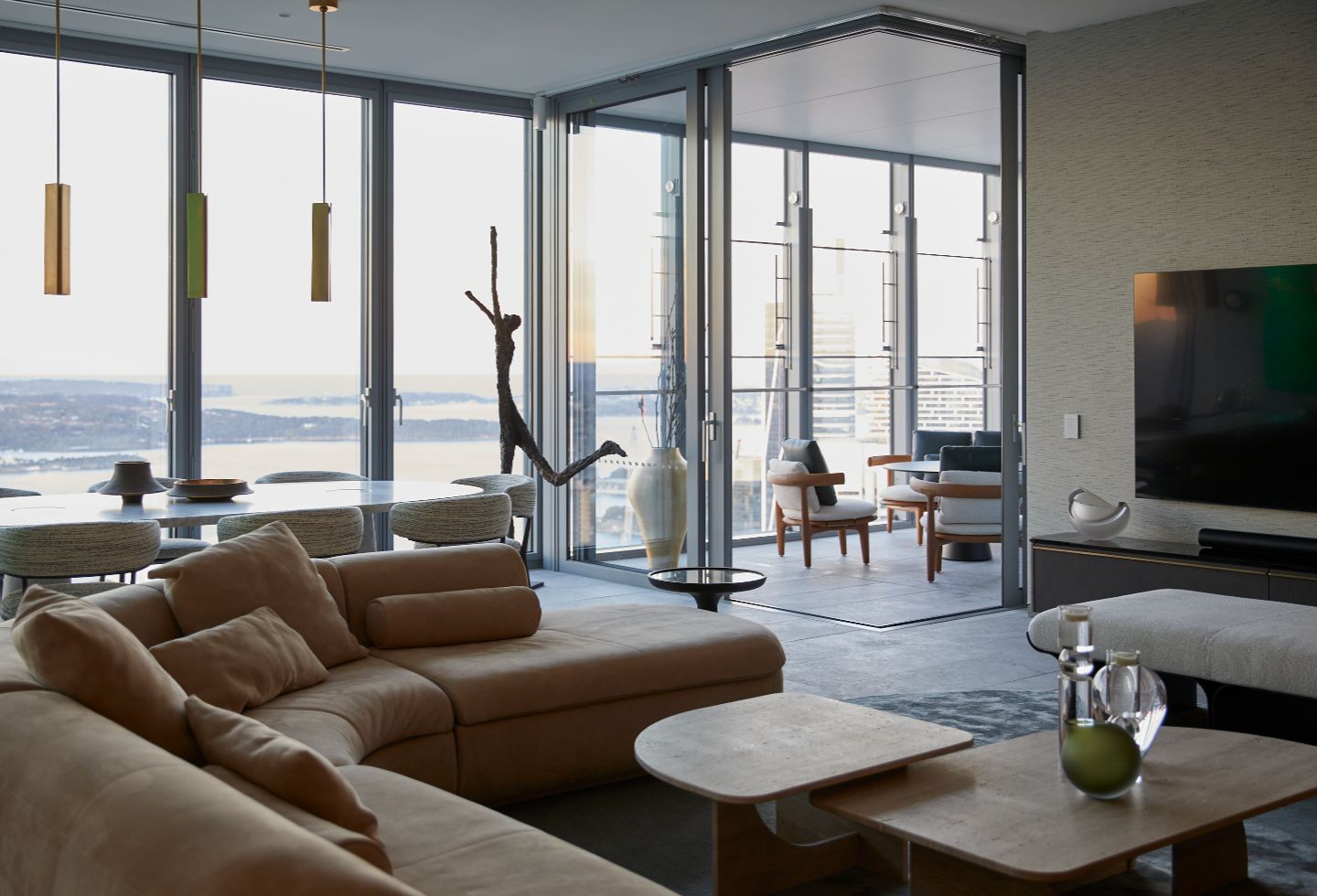
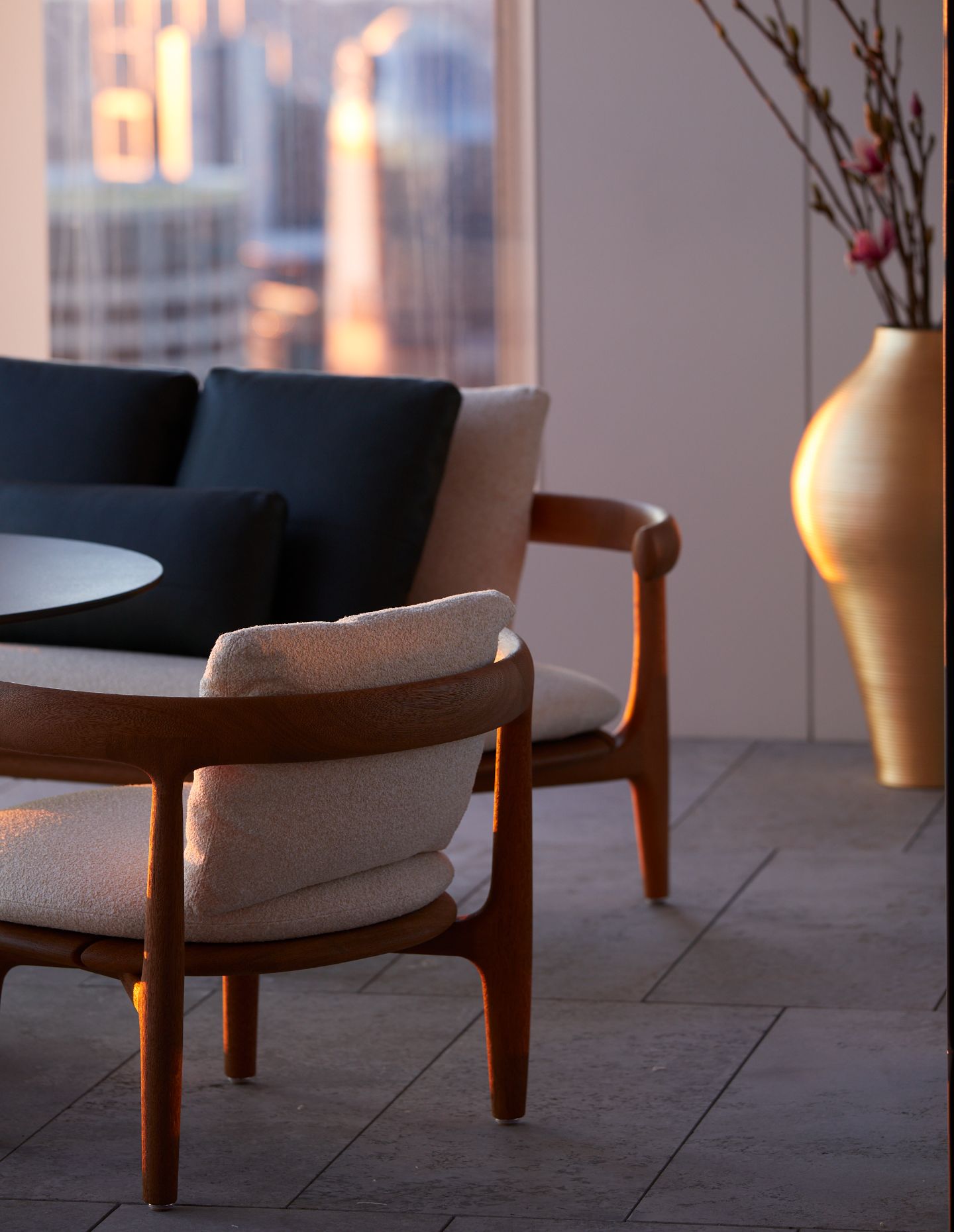
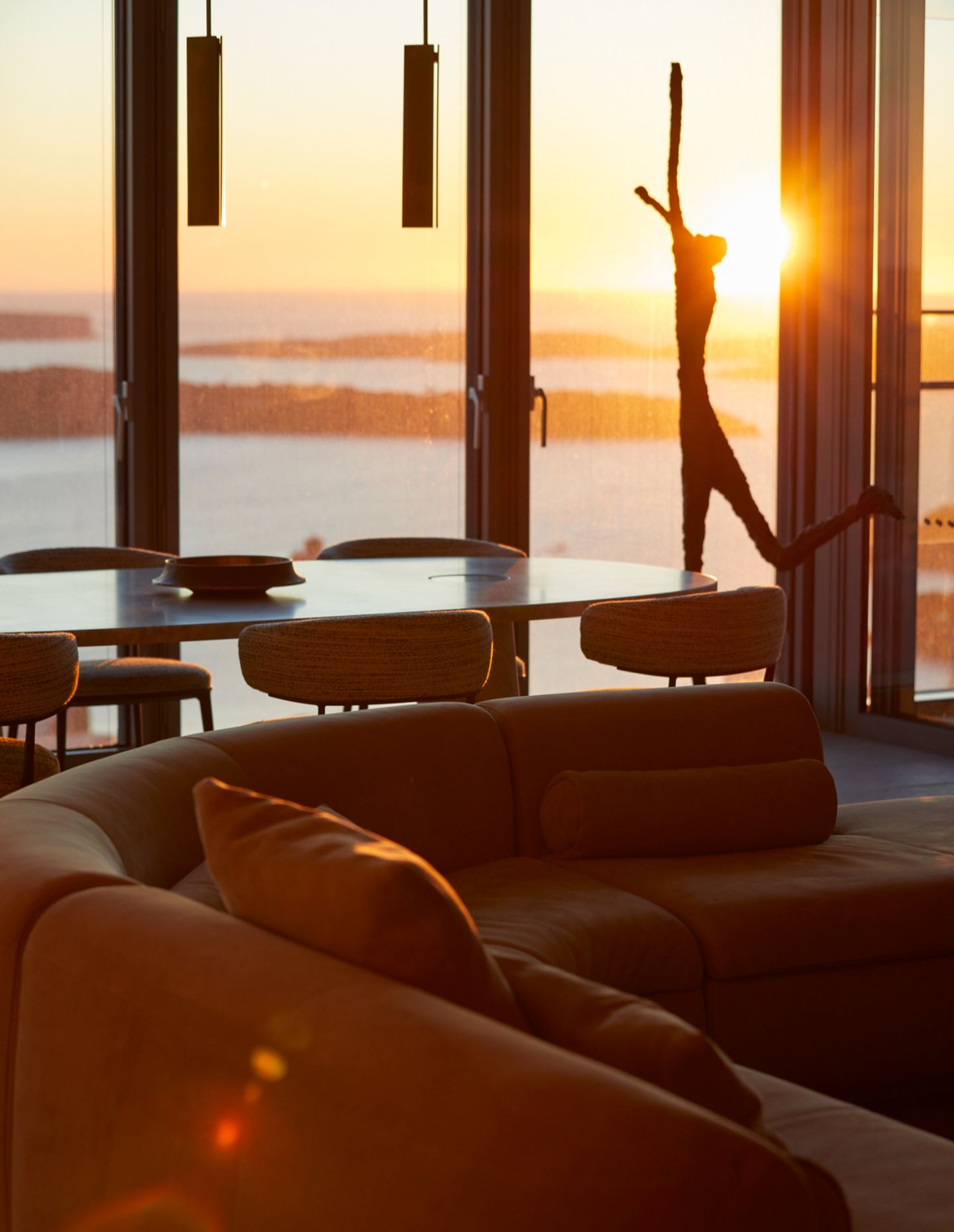
Rather than overlaying a decorative style, we focused on creating a cohesive dialogue between the architecture and the interior. Every element, from furniture to materials and lighting, was selected to feel personal and quietly confident. It was about crafting spaces that felt elevated yet deeply connected to how the client lives, without losing the clarity of the client’s creative intent.
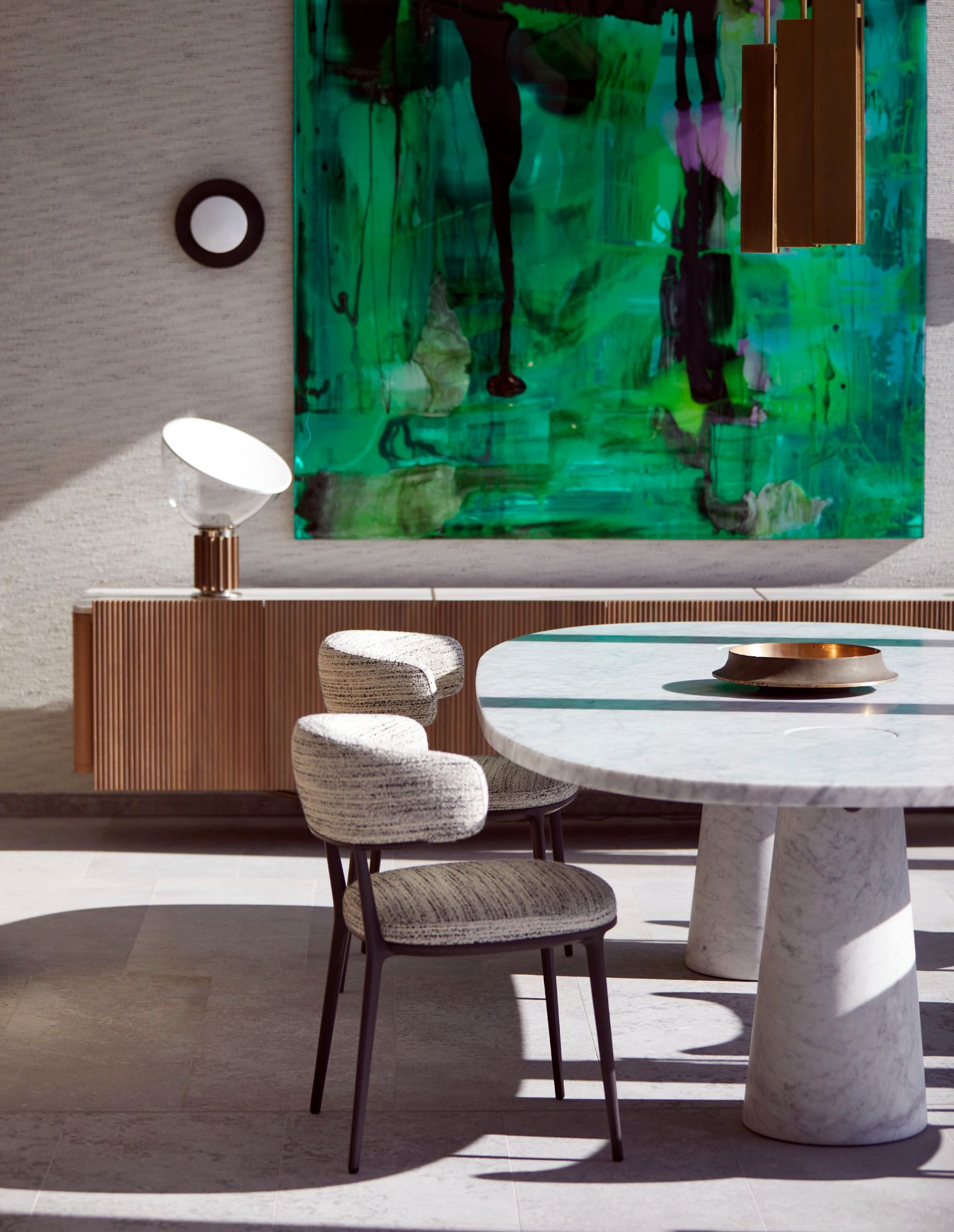
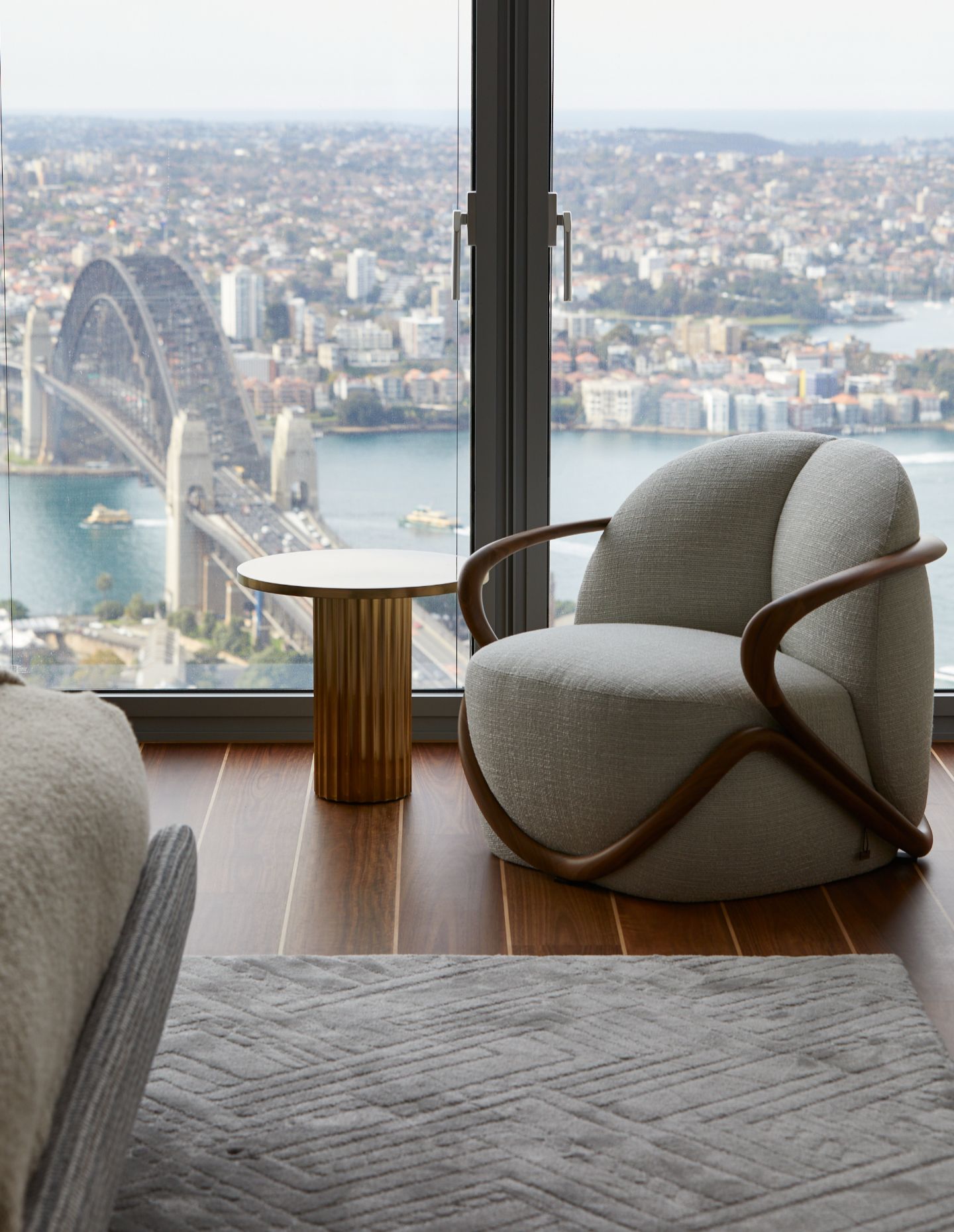
How do you balance design with livability in a home that’s intended to feel elevated?
The client journey is always highly collaborative and built on a strong foundation of trust. We don’t impose a style or predefined aesthetic; we take the time to understand how our clients live, what matters to them, and how they imagine inhabiting the space. This ensures the design response is both personal and has a sense of belonging within the architecture. Our role is to respond thoughtfully and create an interior that reflects the individual nuances of every client. It’s never about showcasing our own design signature it’s about their individuality. This approach not only ensures livability but leads to spaces that are authentic, considered and genuinely resonate with the people who will call them home.
Related: A different kind of luxury in Canberra
There’s often talk of restraint in luxury. Do you feel that concept still holds? Was restraint a consideration here?
It’s an interesting question and one that, for me, is always shaped by the client and the context of the interior we’re creating. Restraint absolutely has a place, often as a tool to bring clarity, calm and coherence to a space. But restraint can also exist within more layered, expressive environments. How elements are curated and balanced to achieve harmony. For us, luxury isn’t about excess, brand names or overt statements; it’s about clearly navigating the client’s interpretation of luxury in a way that feels refined, relevant and meaningful to them.
Can you speak to any materials, finishes or pieces that became anchors for the project?
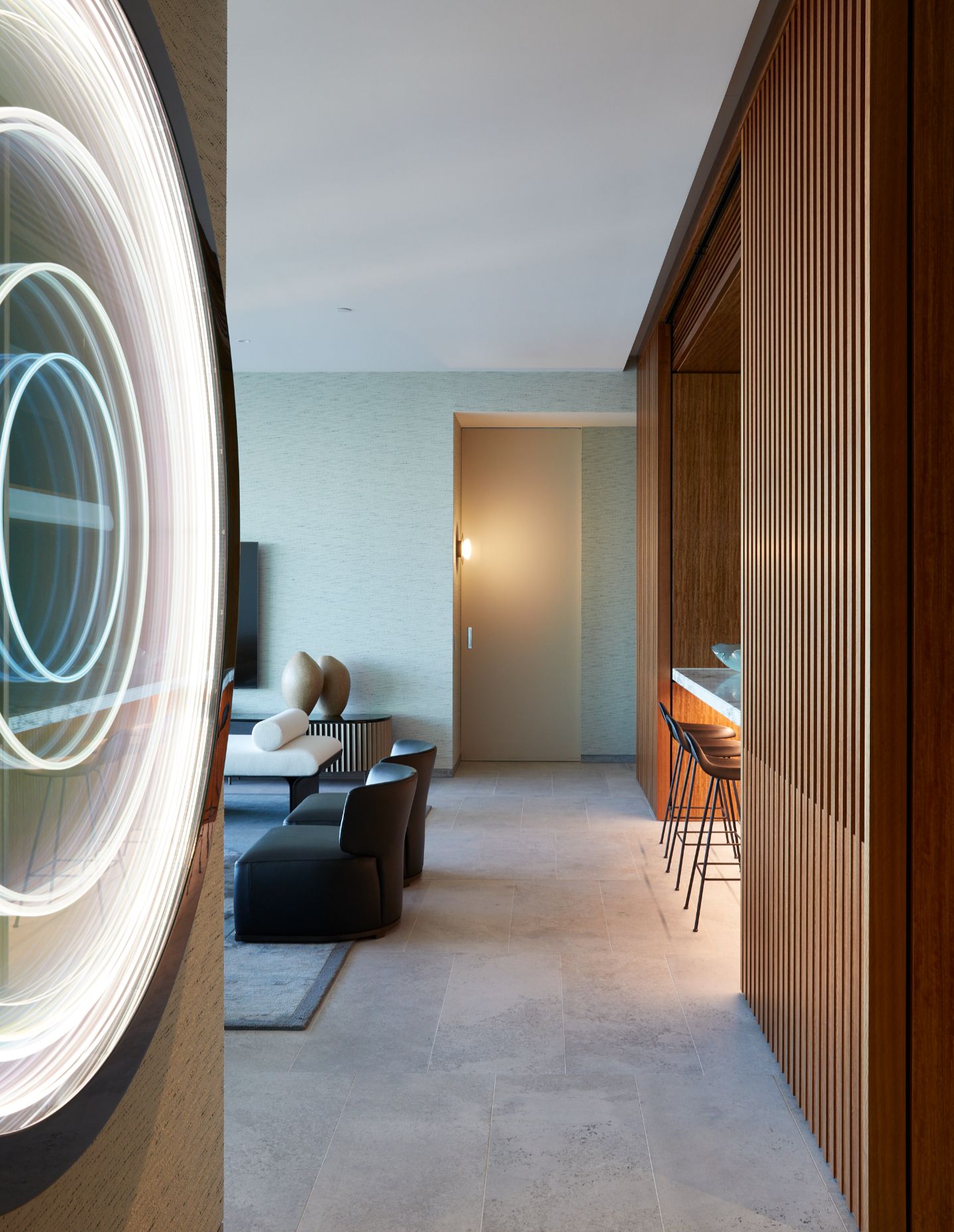
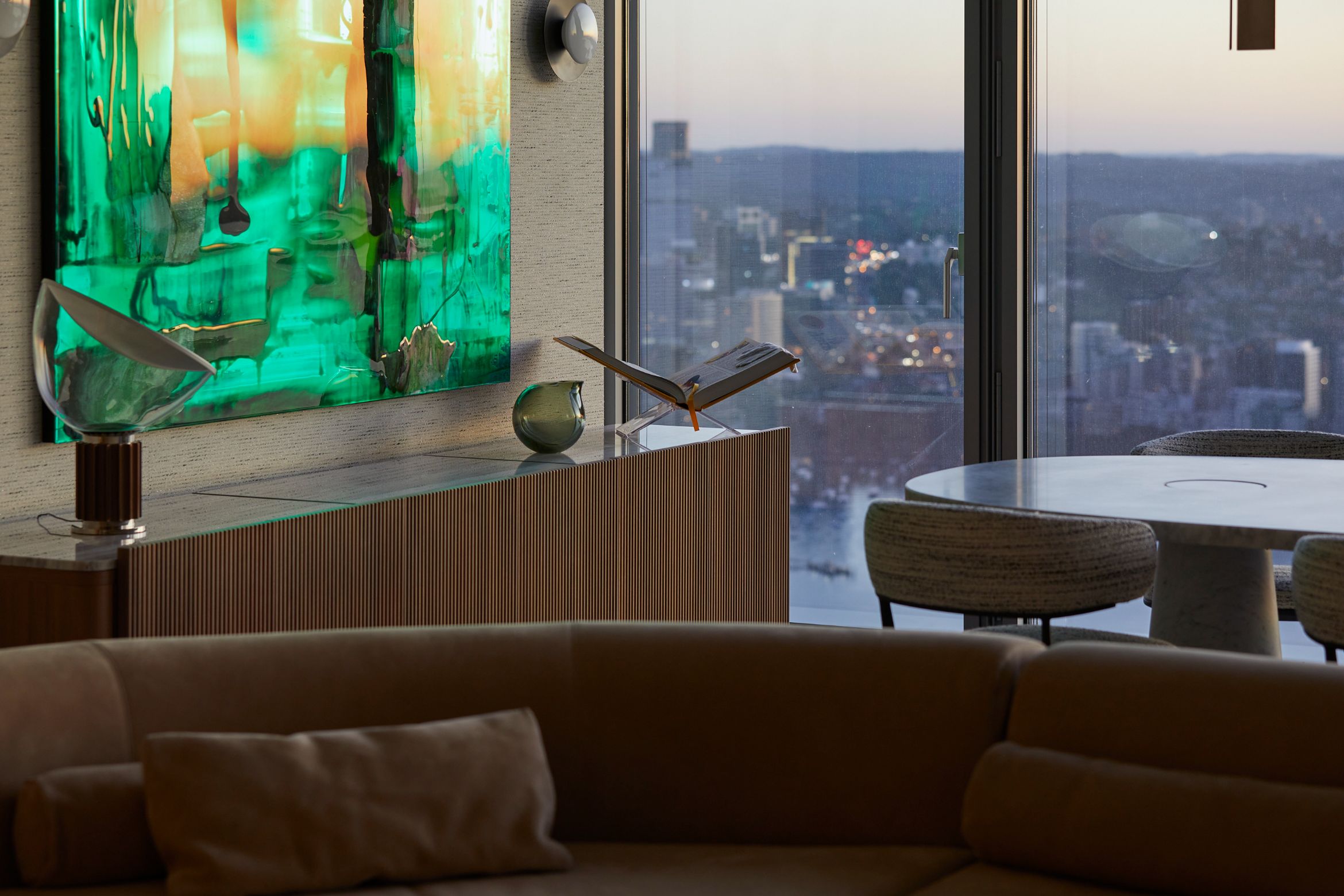
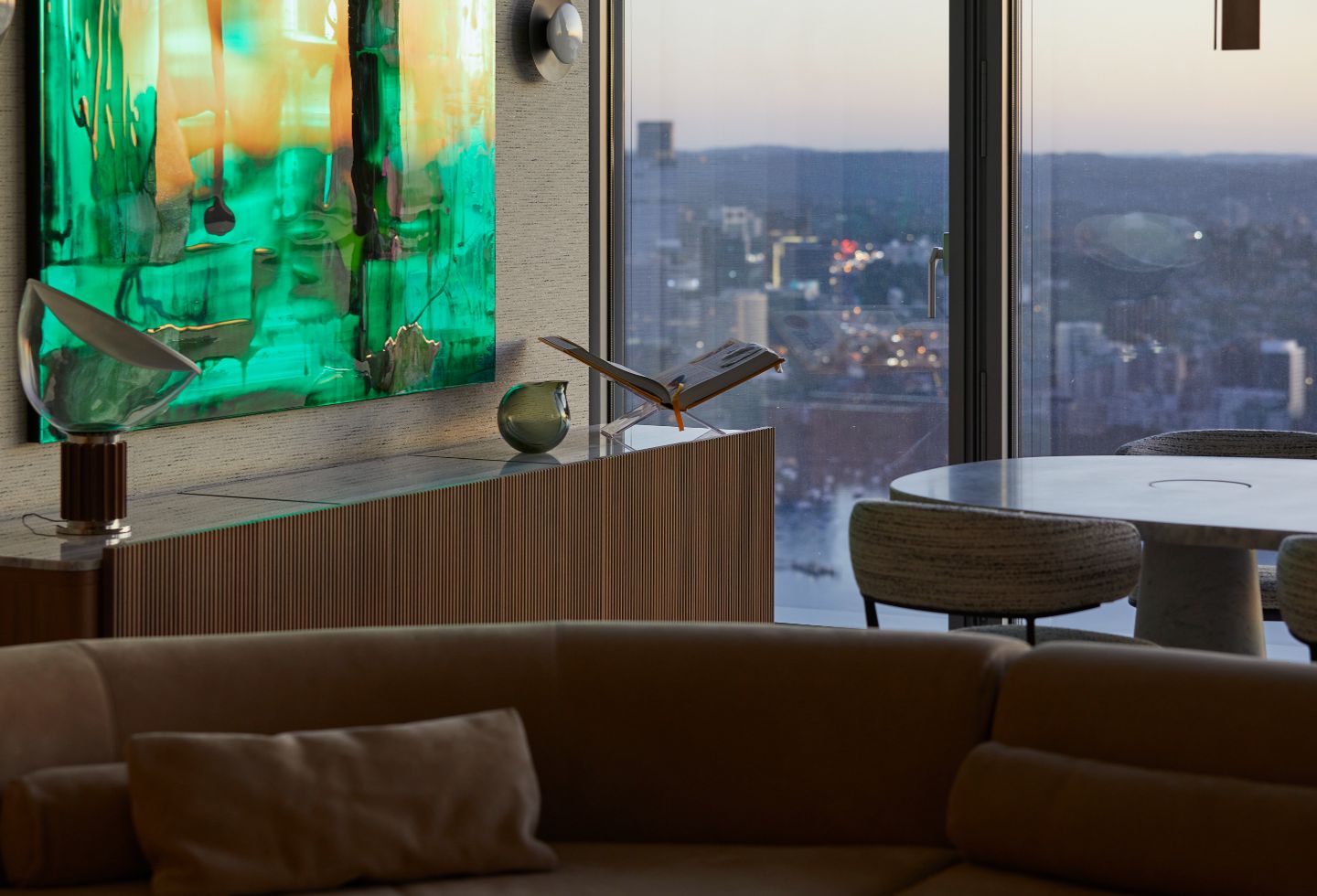
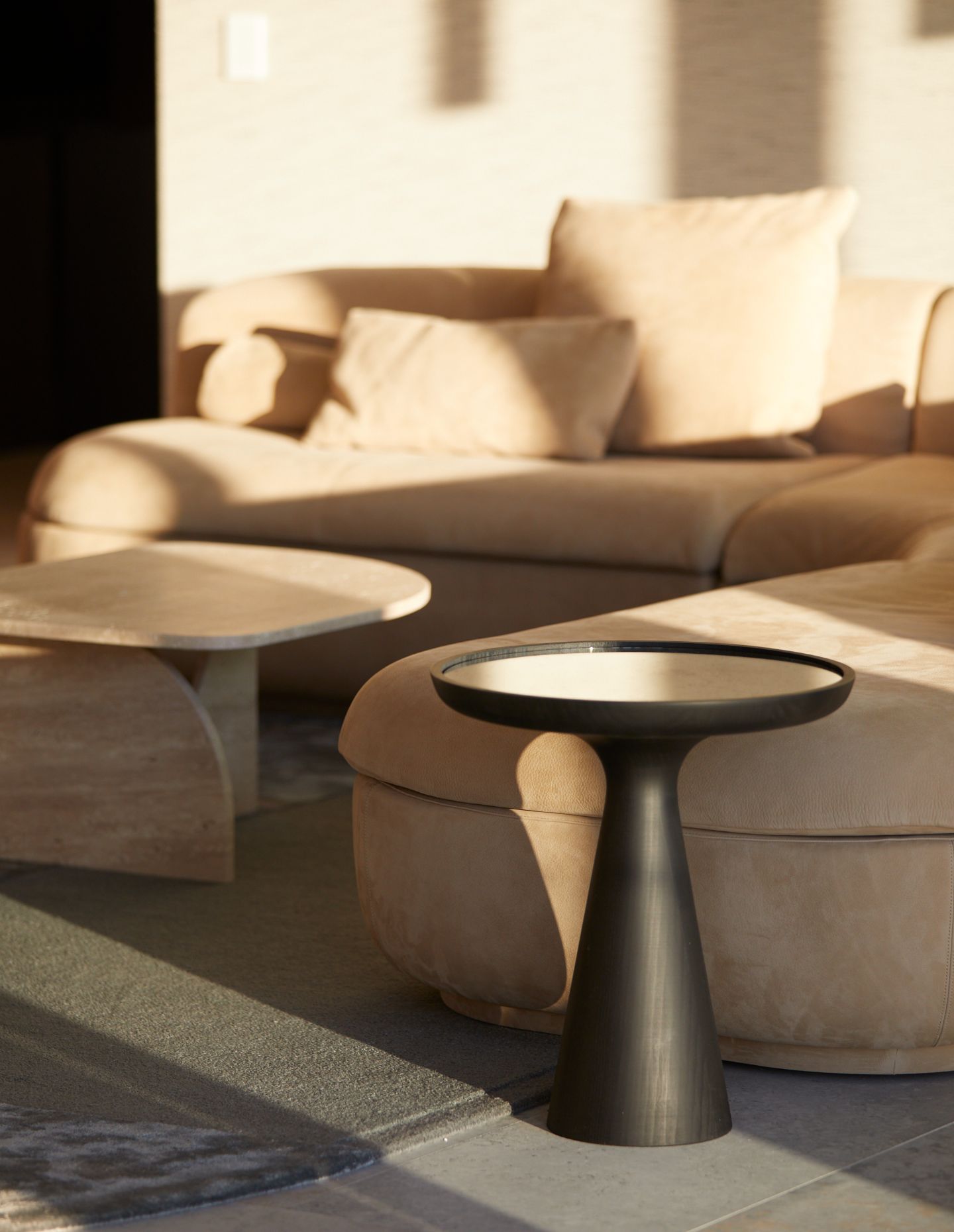
The approach from both RPBW and State of Craft throughout the building provided some key anchors throughout the interior that’s beautifully crafted to reflect the tones and textures of Australia’s native landscape. Similarly, the honed stone flooring carried this natural sensibility throughout. These fixed architectural elements provided a strong foundation for our direction, prompting us to explore complementary materials and finishes. We incorporated textured wall treatments and reflective surfaces to both amplify the natural daylight and celebrate the panoramic views of Sydney Harbour. Drawing from our network of designers and manufacturers, both prominent and emerging, we curated a material palette that not only respected these foundational elements but elevated them, adding richness and nuance to the overall interior and crafting unique and custom responses.
Do you think the tangible input shifted how the architecture is experienced? If so, how?
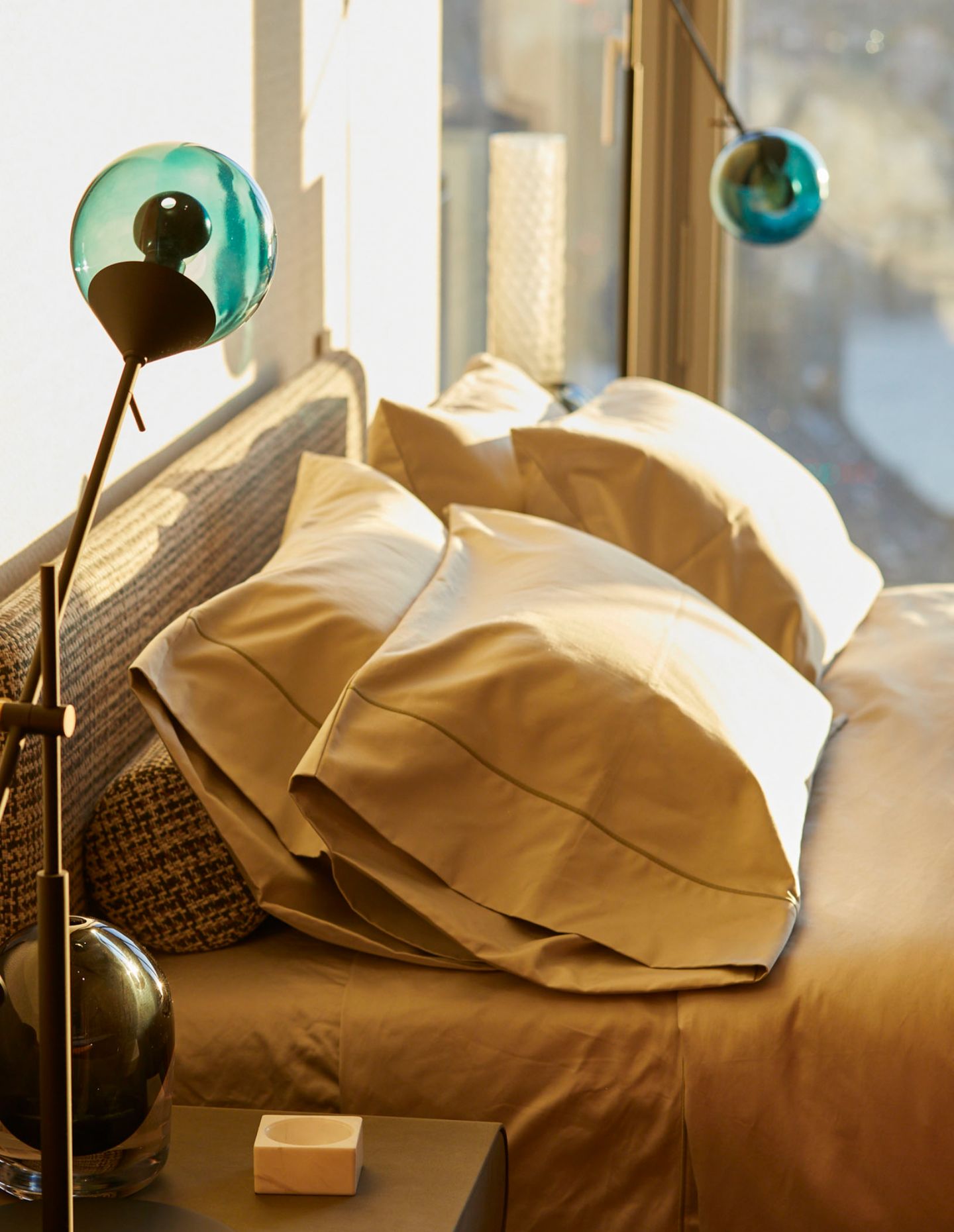
Absolutely. The tangible elements including furniture, finishes, textures, lighting and the use of space, play a critical role in shaping how the building is perceived and felt. These layers don’t compete with the architecture, they deepen the experience of it. It becomes less about observing the architecture from a distance and more about living within it, where every touchpoint enhances the connection between form, function and feeling.
Finally, what would you want someone to feel in this space? What’s the atmosphere you hope lingers after they leave?
An atmosphere and a feeling that quietly reflects the residents: their warmth and humour, and the joy of a life lived within these walls. It’s less about something you can define and more about something you sense that is personal and inviting. Ideally it feels like a home, with elements that are enjoyed and cherished, not just in form, but in spirit, and a space that was a true pleasure to create.