
Description provided by the designers.
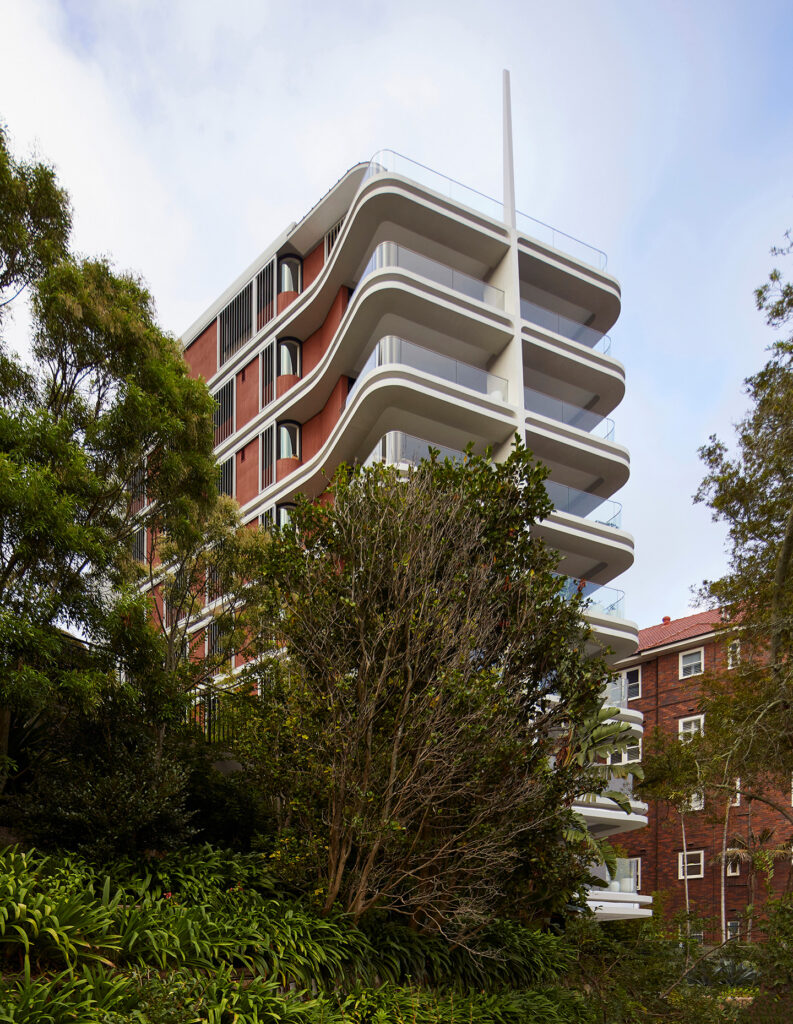
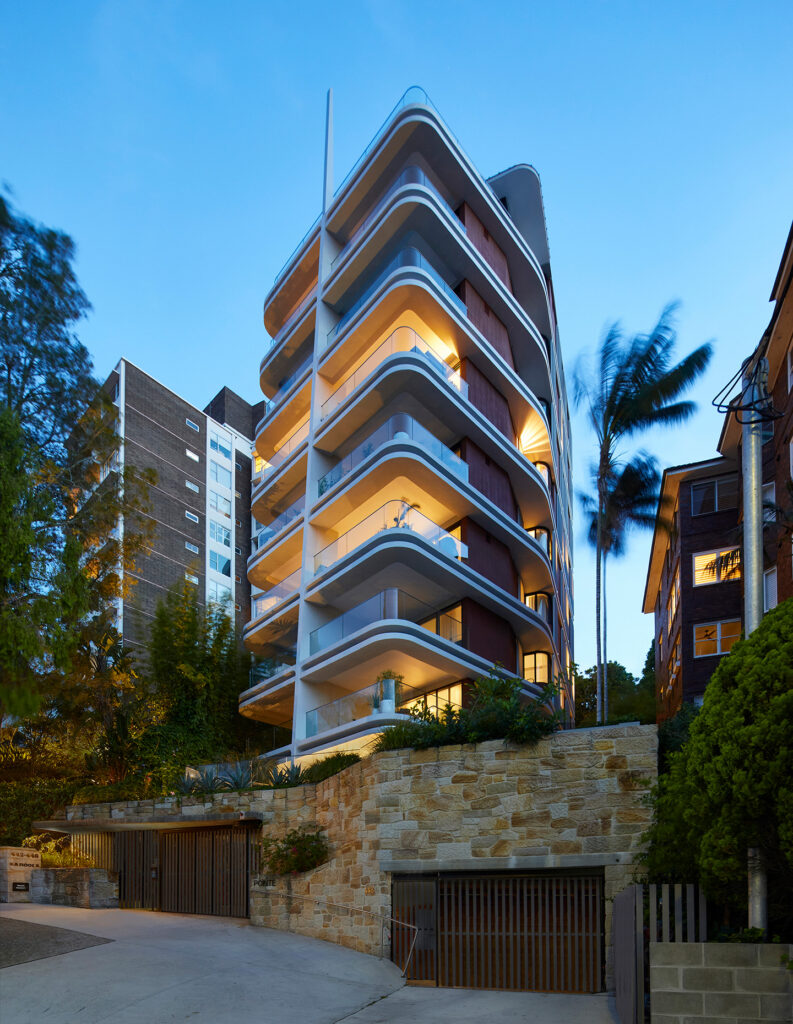
Set between an underground station on Sydney’s rail network and a busy thoroughfare connecting the city to the harbourside suburbs and beaches to the east, Pointe Living is a nine-storey apartment development by Luigi Rosselli Architects.
Replacing a single home, the building provides ten new residences and points to the kind of denser urban environment required to help address the housing pressures being felt locally, nationally and globally. The project offers the scale benefits of apartment living while retaining a level of comfort and convenience likely to appeal, in particular, to downsizers.
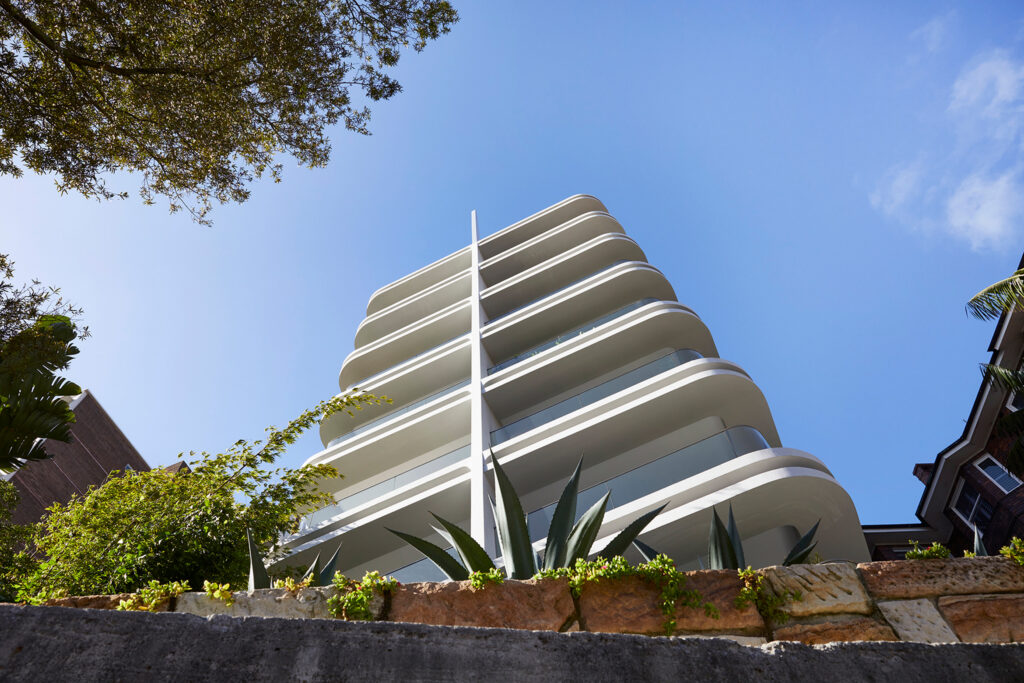
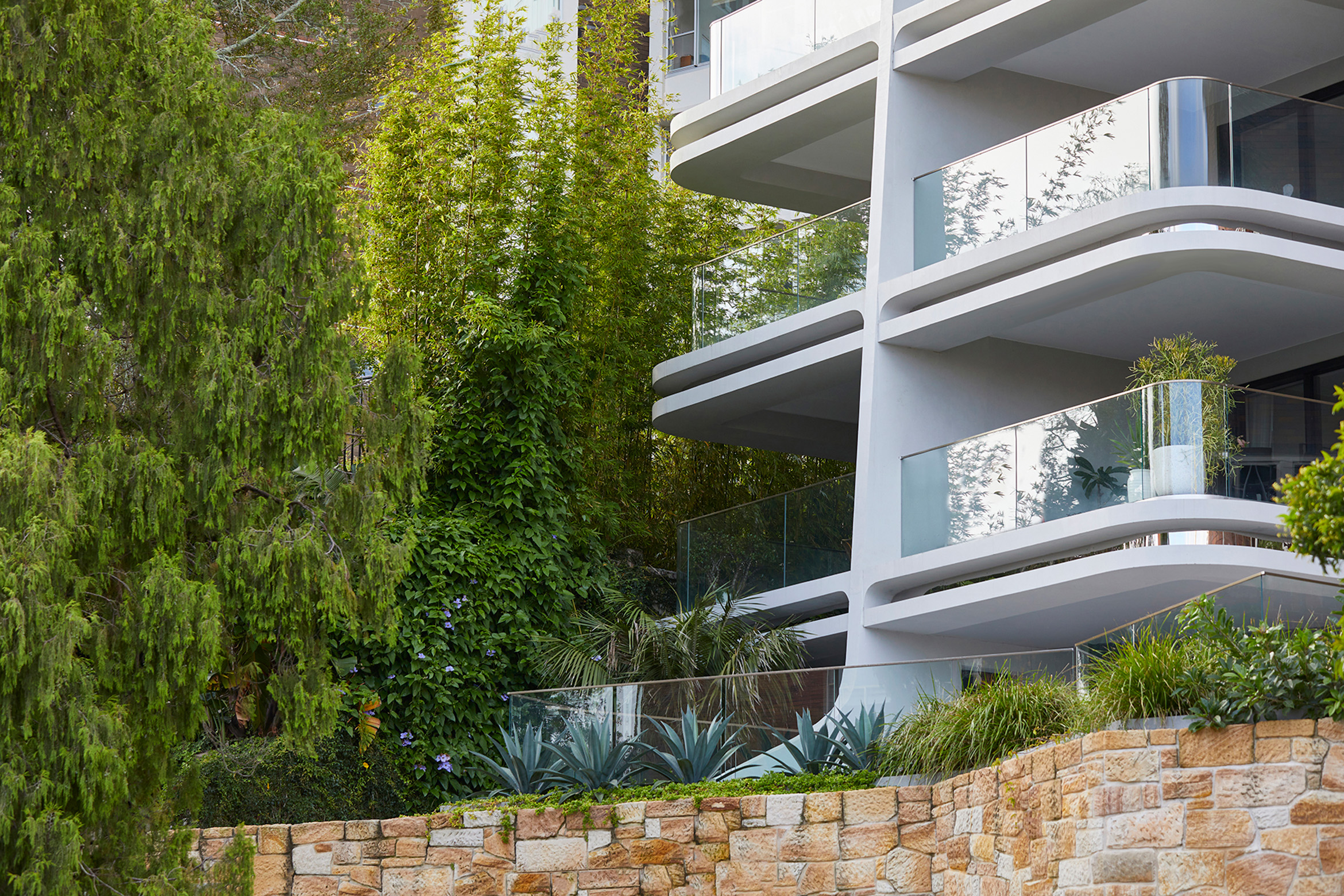
Constructed on a constrained site, with apartments to the west and east, the building is designed as a slender infill development at a height that respects the scale and context of its neighbours. Its form appears as a central spine with a ribcage of concrete beams radiating outwards, giving the building a distinctive street presence. The structure tapers and twists away from adjoining buildings, supporting privacy and maximising solar access to each of the ten apartments’ north-facing balcony “ribs”.
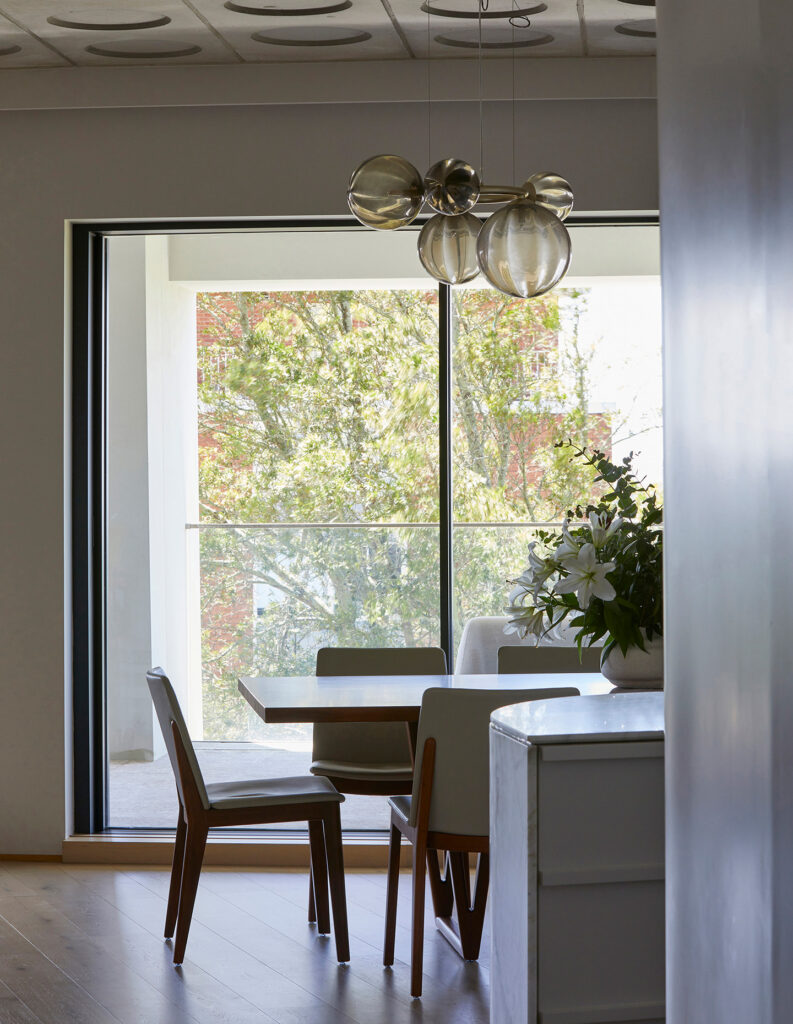
Internally and externally, the layouts, details and material selections seek to challenge the repetitious nature of the standardised plans that often characterise medium to large-scale apartment developments. Instead, floorplans include subtle variations between levels, with details and materials customised to the tastes and lifestyles of each apartment’s inhabitants.
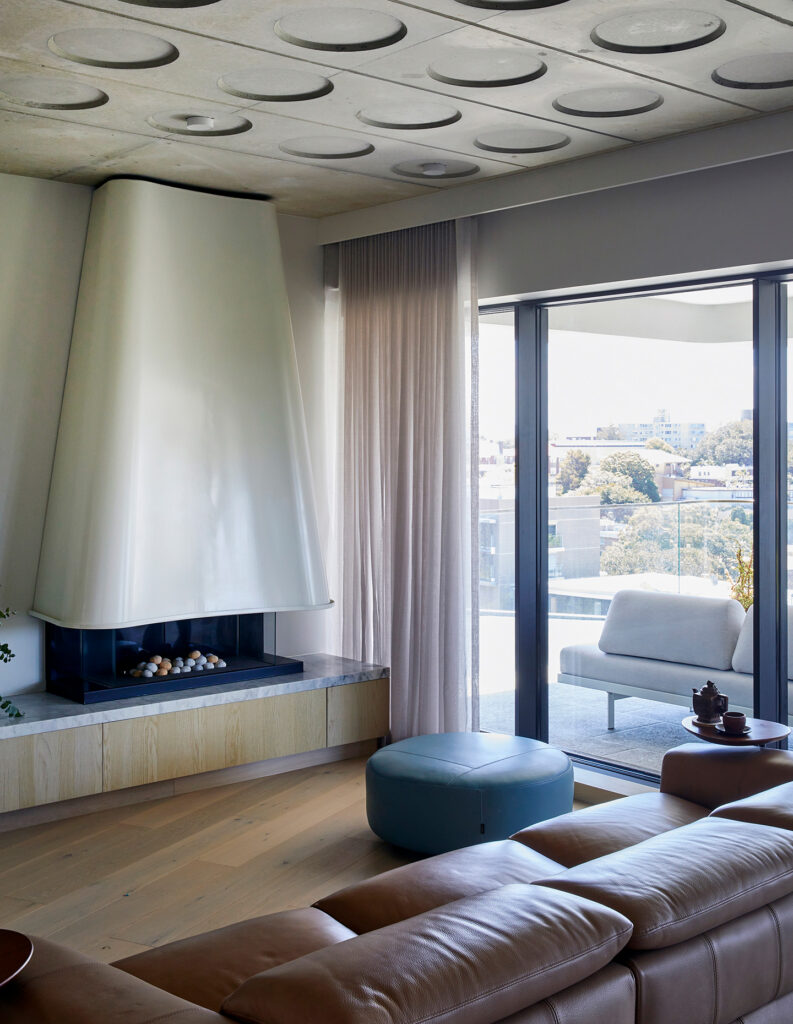
Elements such as rough combed rendered walls, stylised exposed off-form concrete ceilings, curved glass balustrades and double-edge concrete beams with mirrored inserts contribute to a development with a level of detail reminiscent of the interwar apartment buildings that characterise the locality.
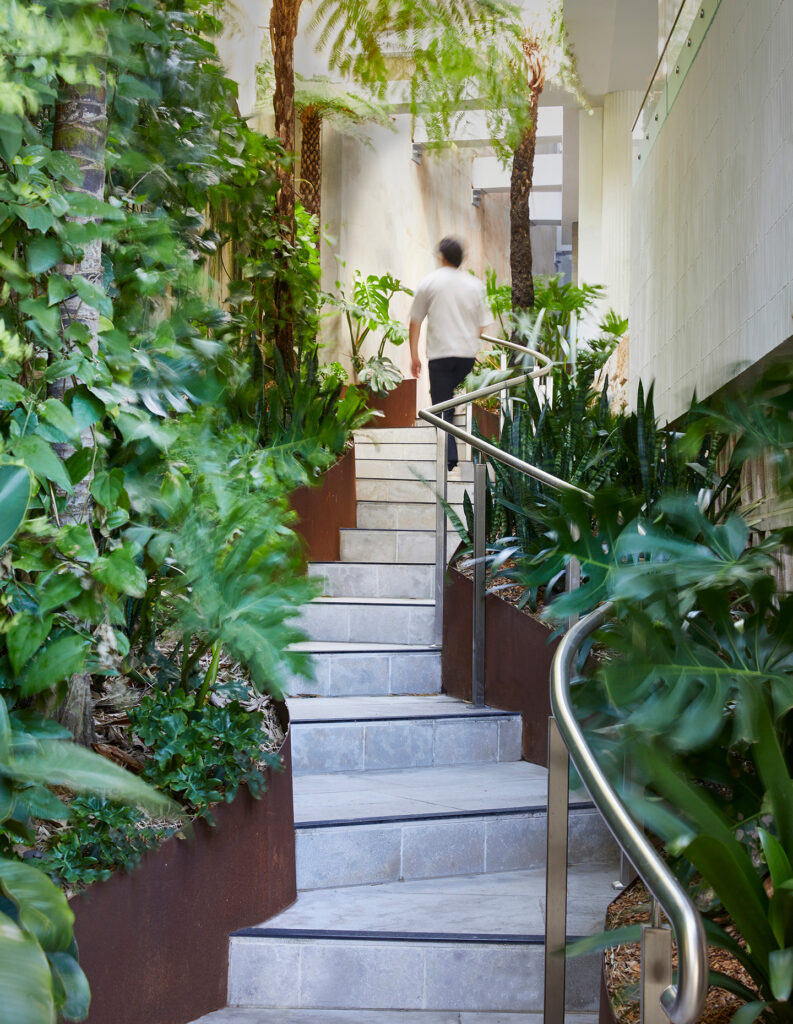
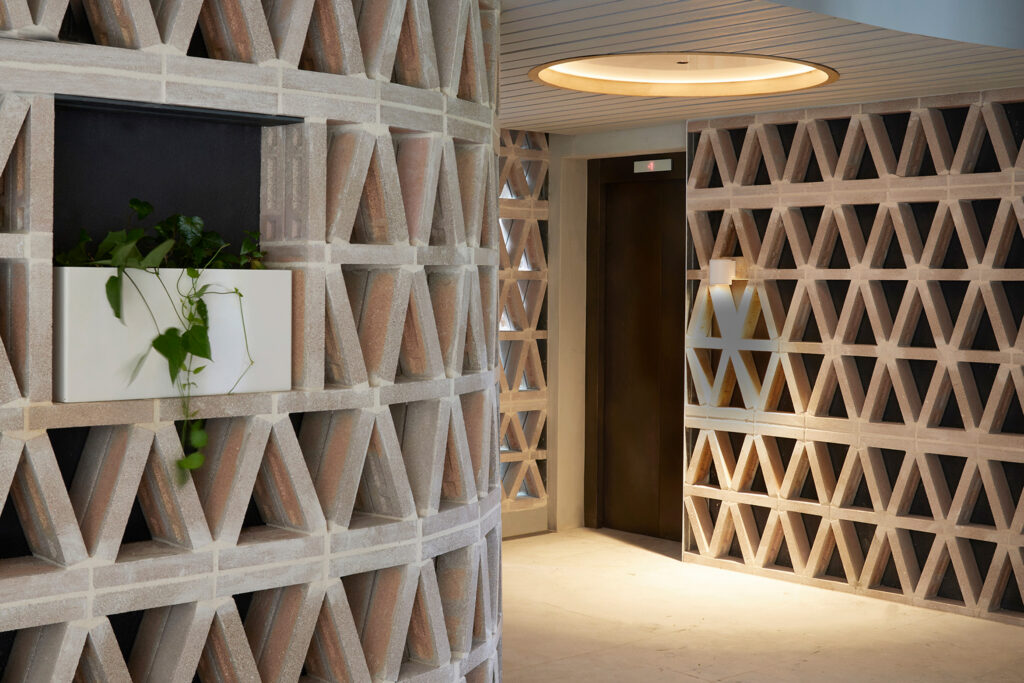
Within the building, residents and guests enter from a strong sandstone base via a serpentine landscaped path, reaching a communal open lobby formed with a curved brick screen stacked in a triangular format. Each apartment features handmade brass lighting by local artist Oliver Tanner, along with architectural touches including specialist paint finishes, stone and joinery curated by interior designer Romaine Alwill of Atelier Alwill.
Related: A hotel with its feet in the sand
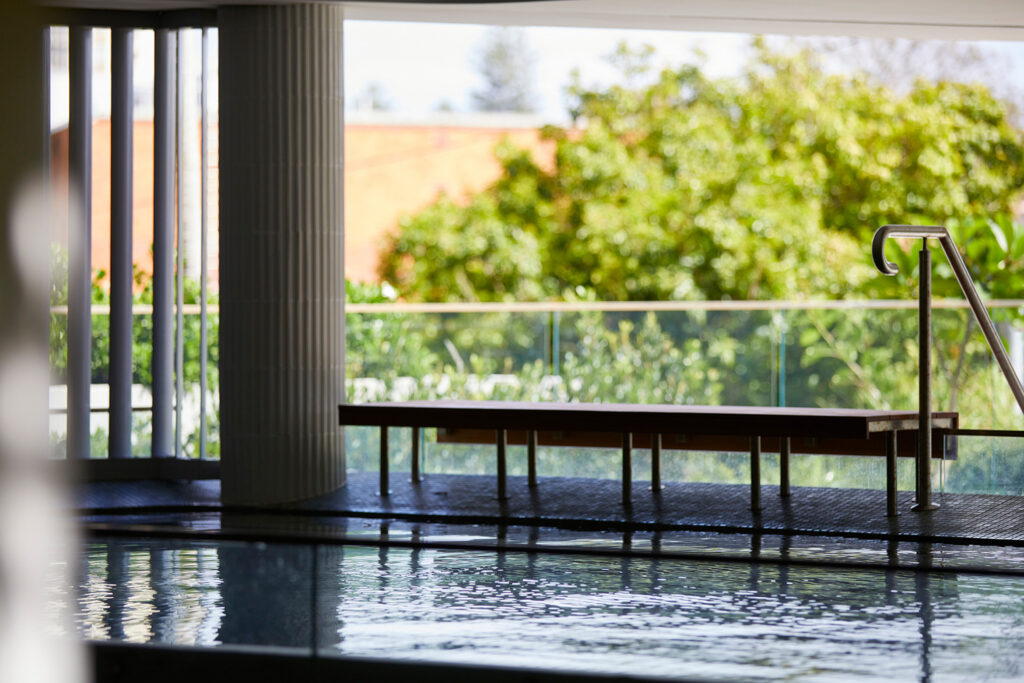
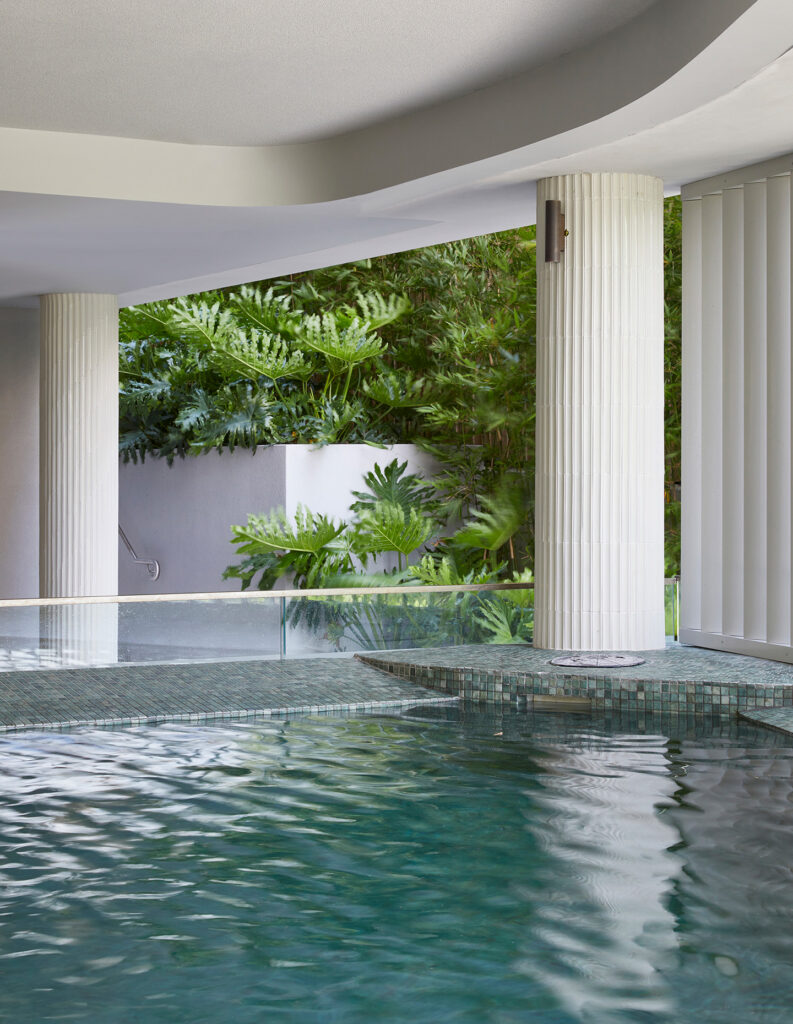
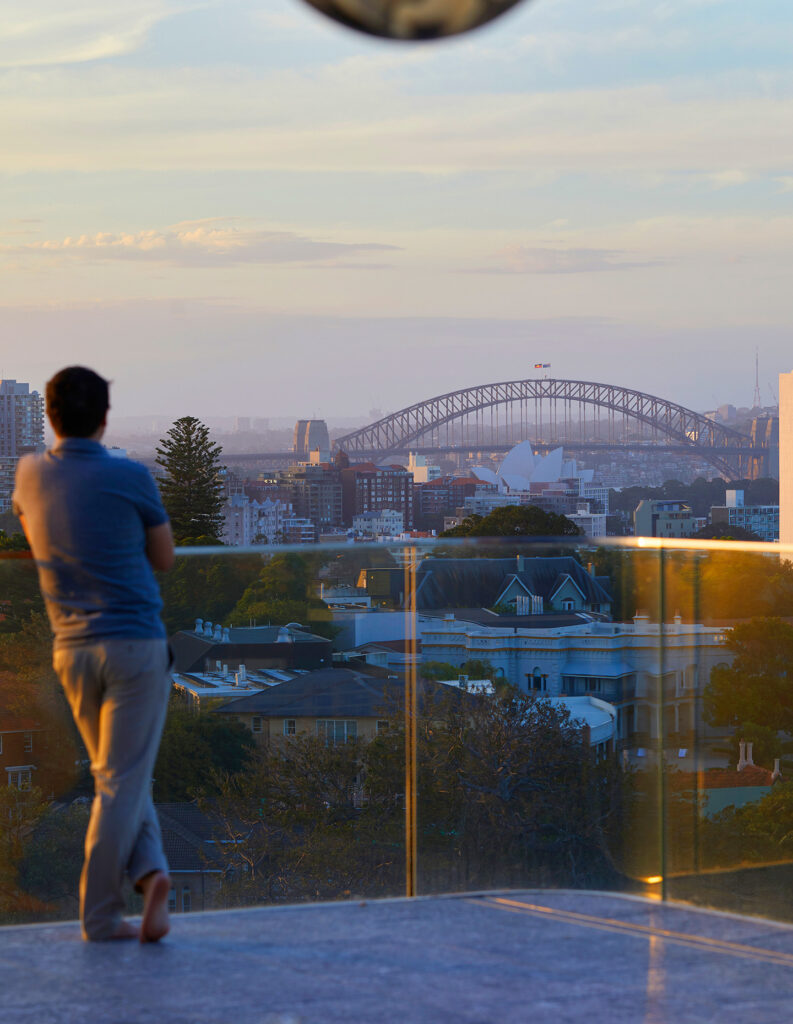
In addition to its consideration of privacy, individuality and practical solar access, the design also addresses a common concern for many people contemplating apartment living: equitable access to high-quality outdoor environments. Alongside the generous balconies provided to each apartment, shared communal gardens and facilities, including barbecues, dining areas and an undercover swimming pool, offer environmental and social benefits while fostering a sense of cohesion between residents.
Environmentally sustainable principles are also embedded in the design. Both the apartments and the pool area are oriented northwards to provide as much access as possible to natural light during the winter months, while large covered balconies and louvred windows protect the building from harsh summer sun. All apartments have at least three exposed facades with large operable windows, as well as open central hallways flowing out to open-air entry lobbies, allowing natural cross-ventilation to every apartment.
An array of 66 solar panels installed on the roof provides renewable energy. Reuse and recycling were also employed throughout the project, with the existing swimming pool on site repurposed as a water tank, and sandstone blocks retained from the old home and cut from the basement car park excavation forming the building’s solid base. The gate from the former dwelling was also saved and reinstalled in the communal area as a memory of the site’s recent history.
Pointe Living shows how density can be increased without defaulting to anonymity, and how apartment living can still offer privacy, outdoor space, material richness and a sense of neighbourly connection.