
Tell us about the site context.
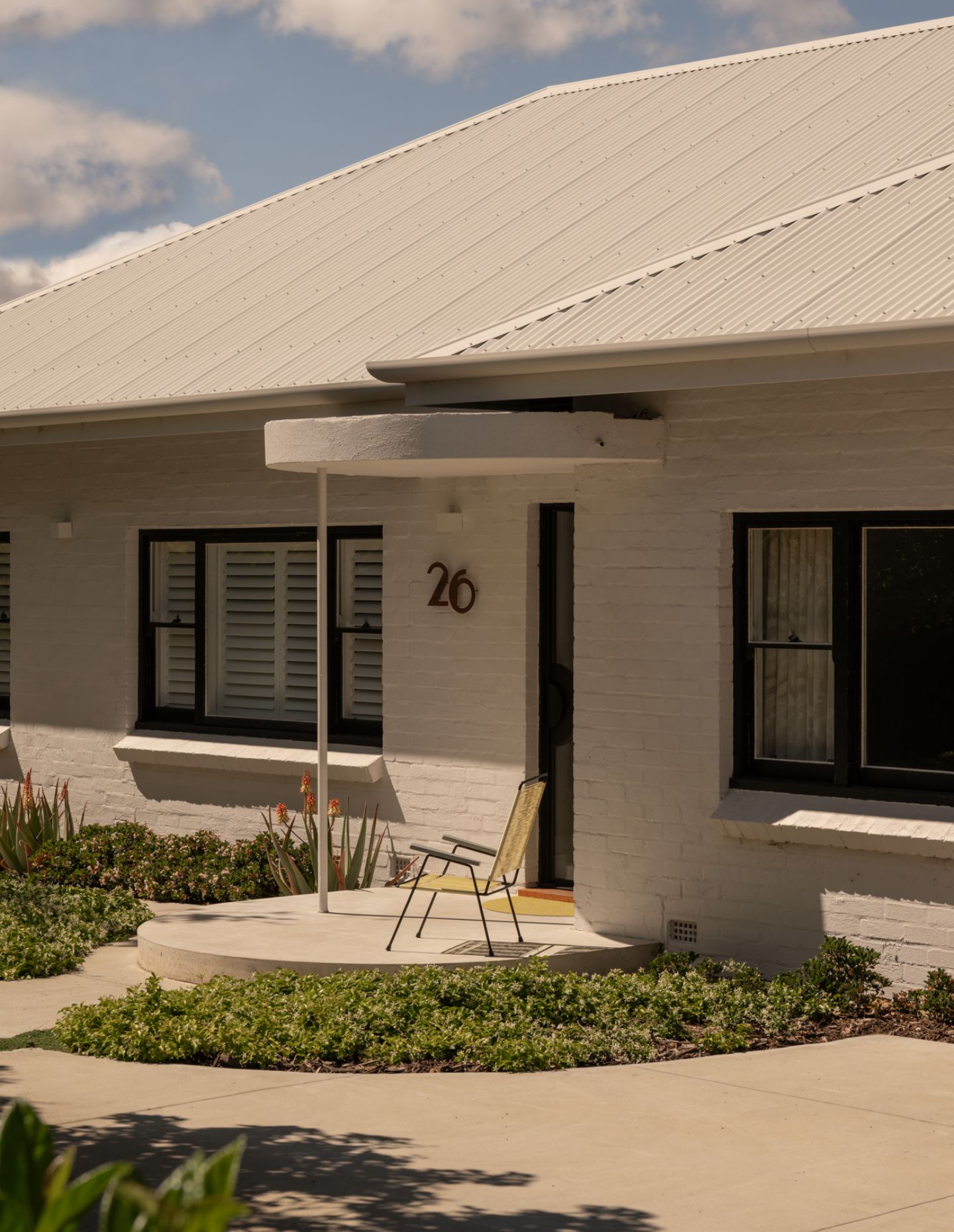
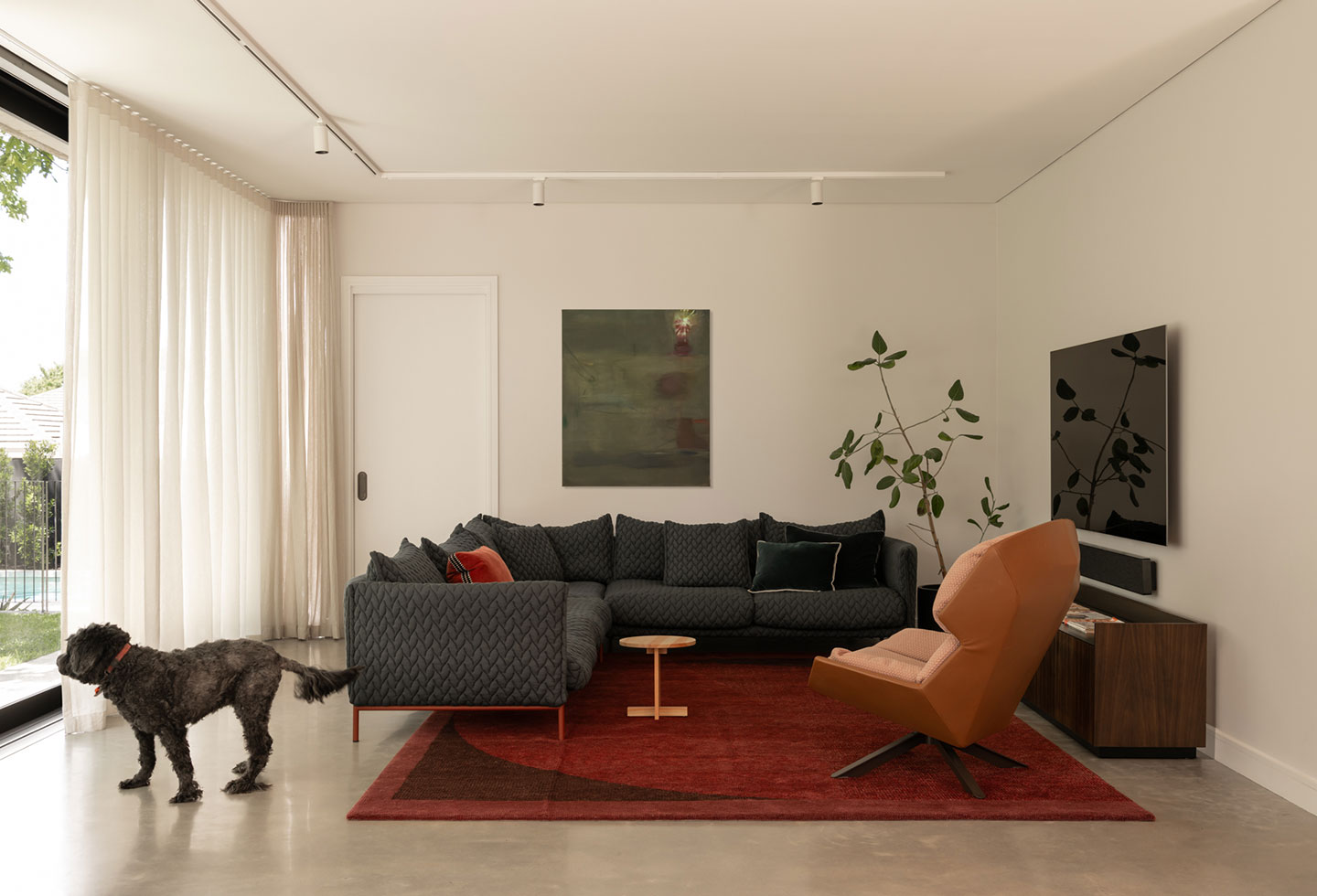
The site is located in Claremont, a leafy riverside neighbourhood defined by its tree-lined streets and extensive parklands. Streetscapes are a mixture of new residences alongside renovated character homes, providing a sense of history and charm.
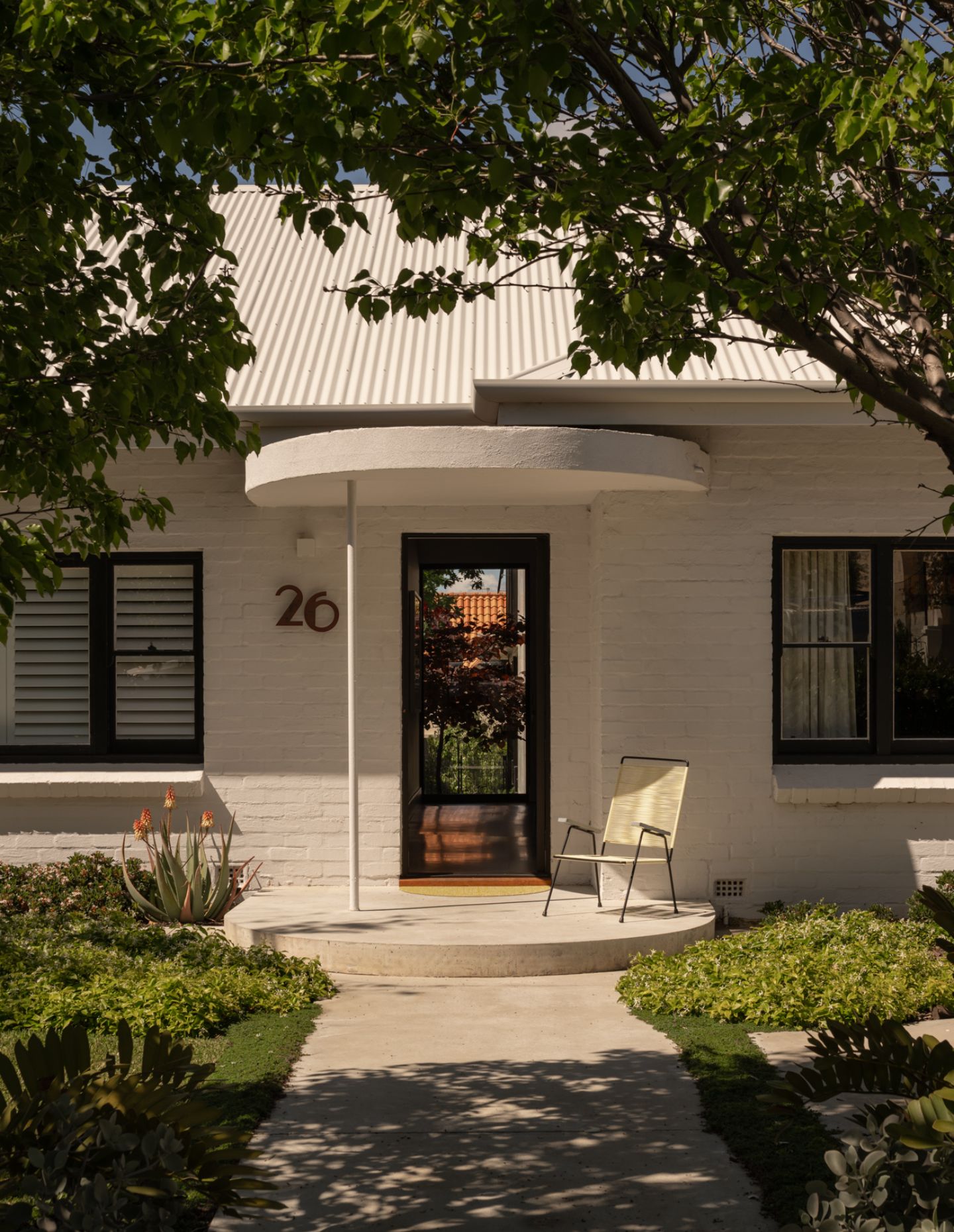
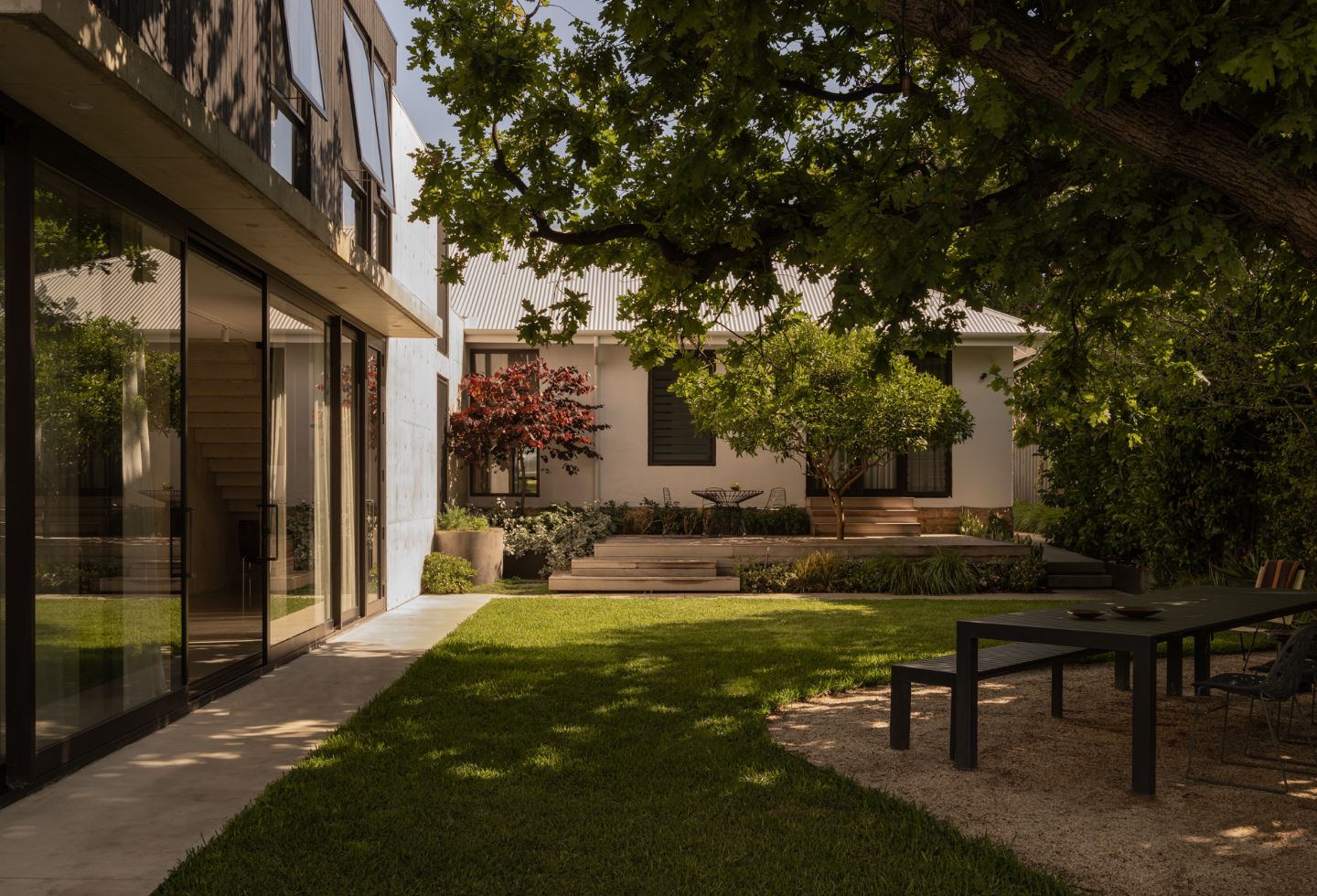
Against this context, Shou Sugi Ban House was designed to be sensitive to its neighbourhood. The existing home and established trees were maintained, with only a hint of the new build visible from the street.
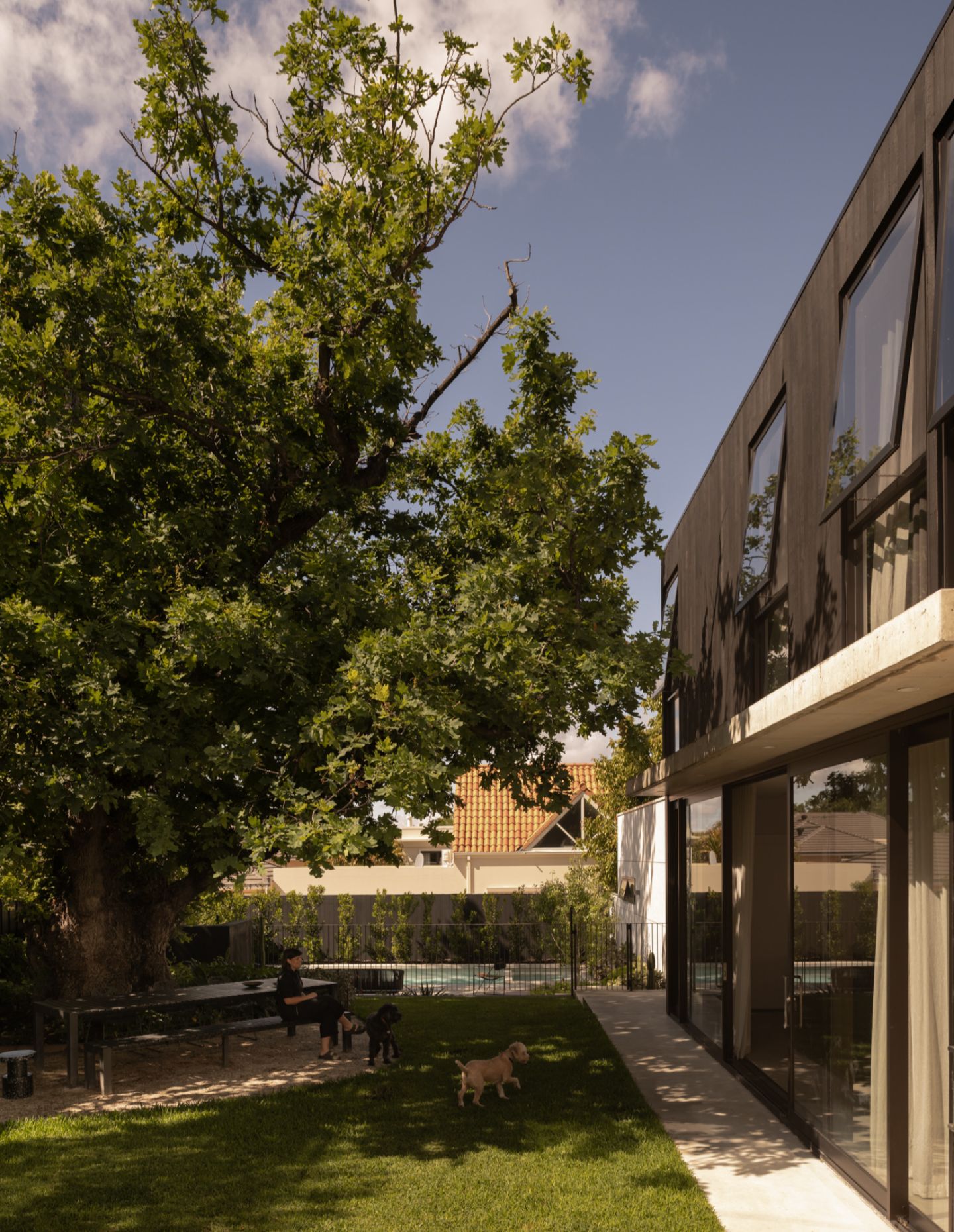
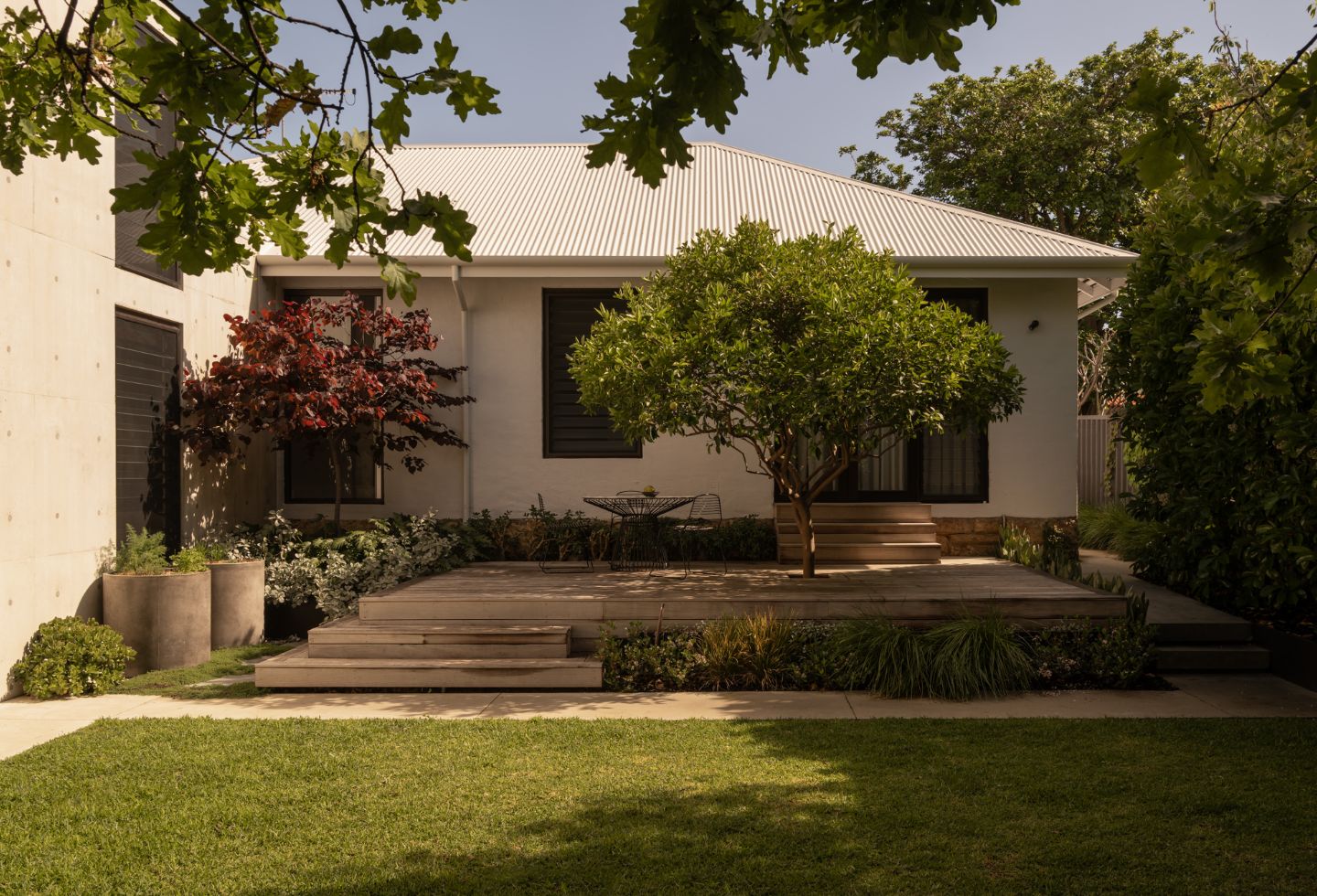
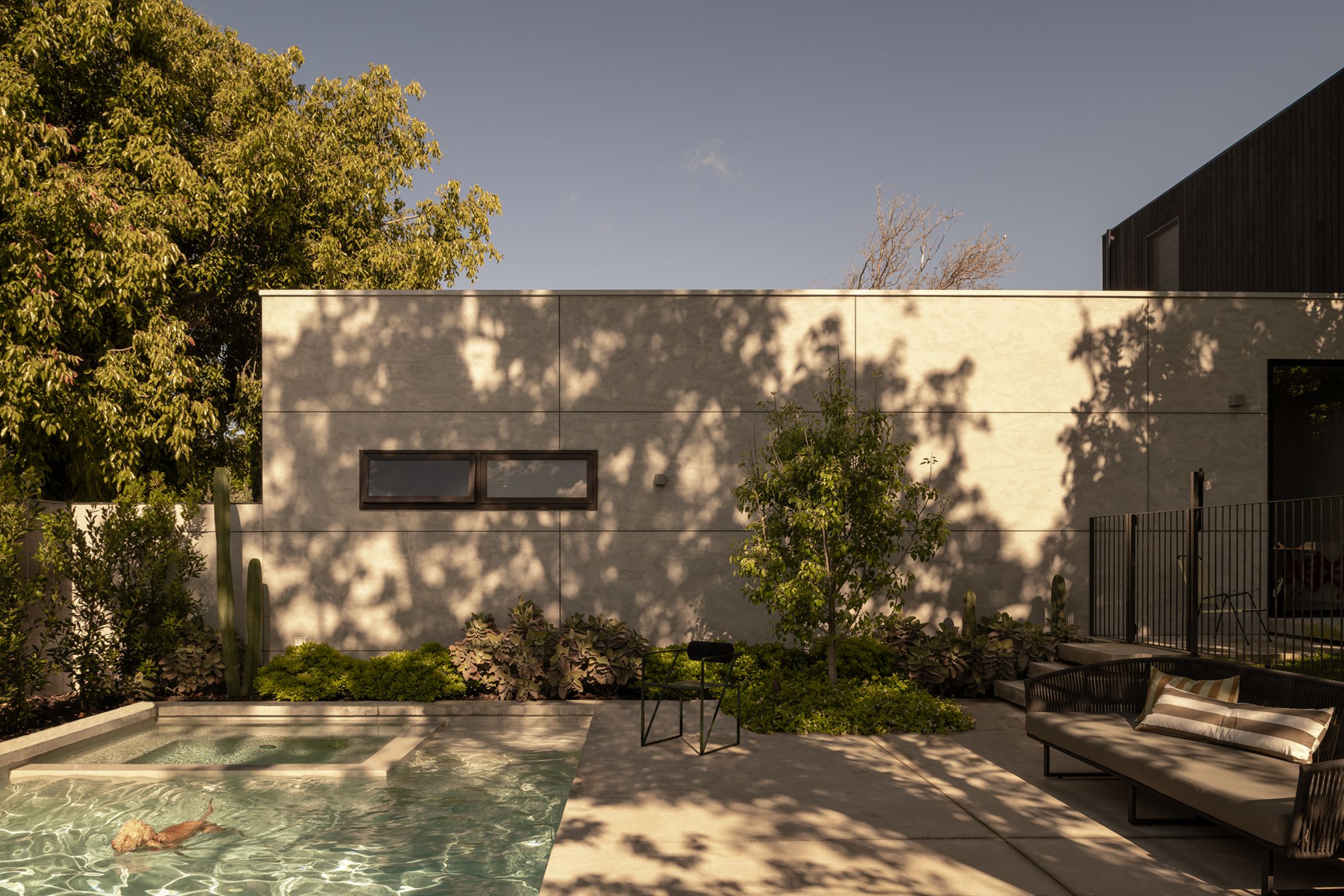
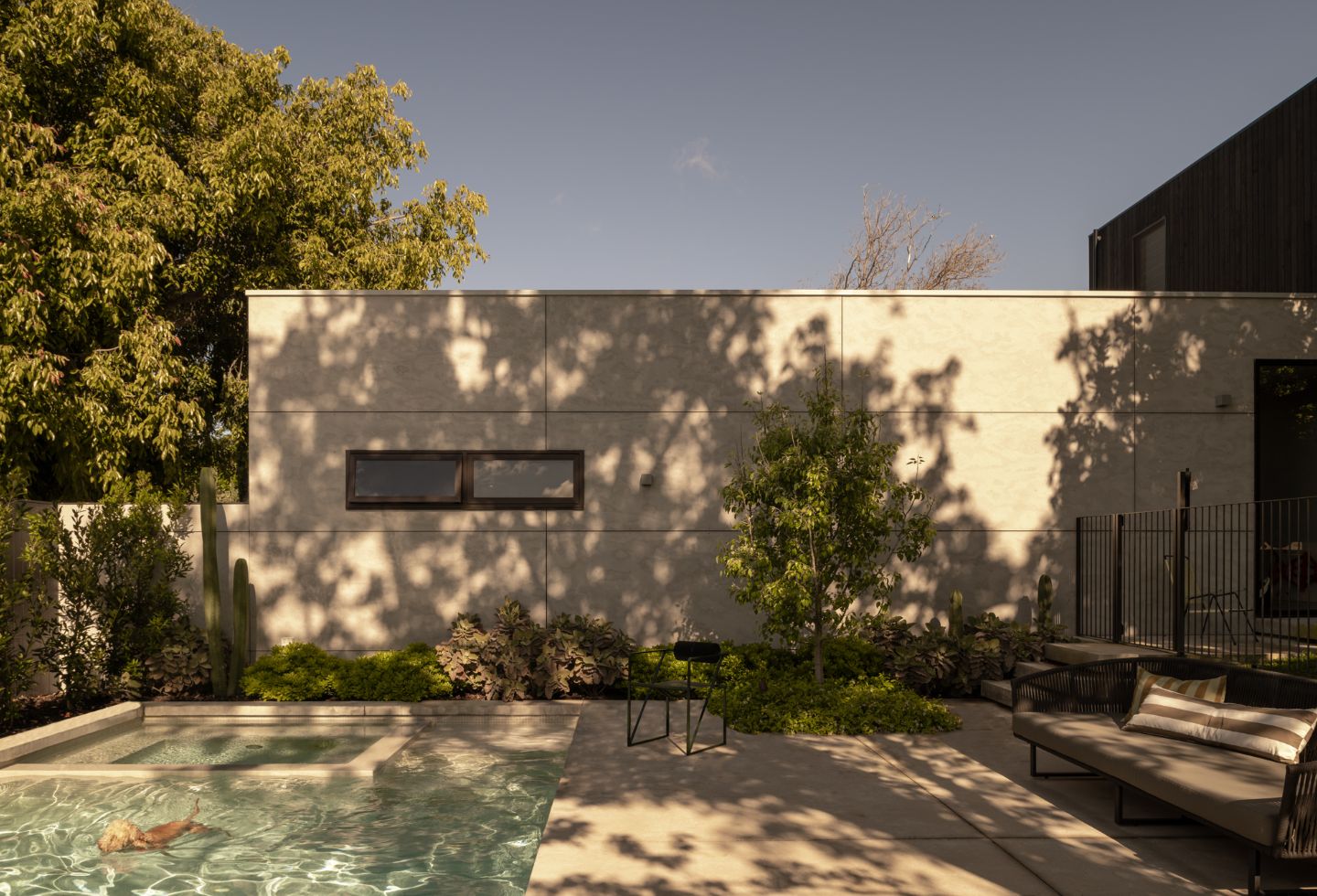
The rear elevation is contemporary and provides a definite contrast to the original house, but it doesn’t feel out of place. It’s particularly rewarding to see the new addition within a beautiful established garden — with the wonderful old tree dominating the site, rather than the built form. This is evident in the photos, where the addition can only be seen from certain angles.
What can you tell me about the client and their brief?
The clients are a family of four, with two teenage children. Their brief for the renovation and extension was to provide more space and separate zones for the family.
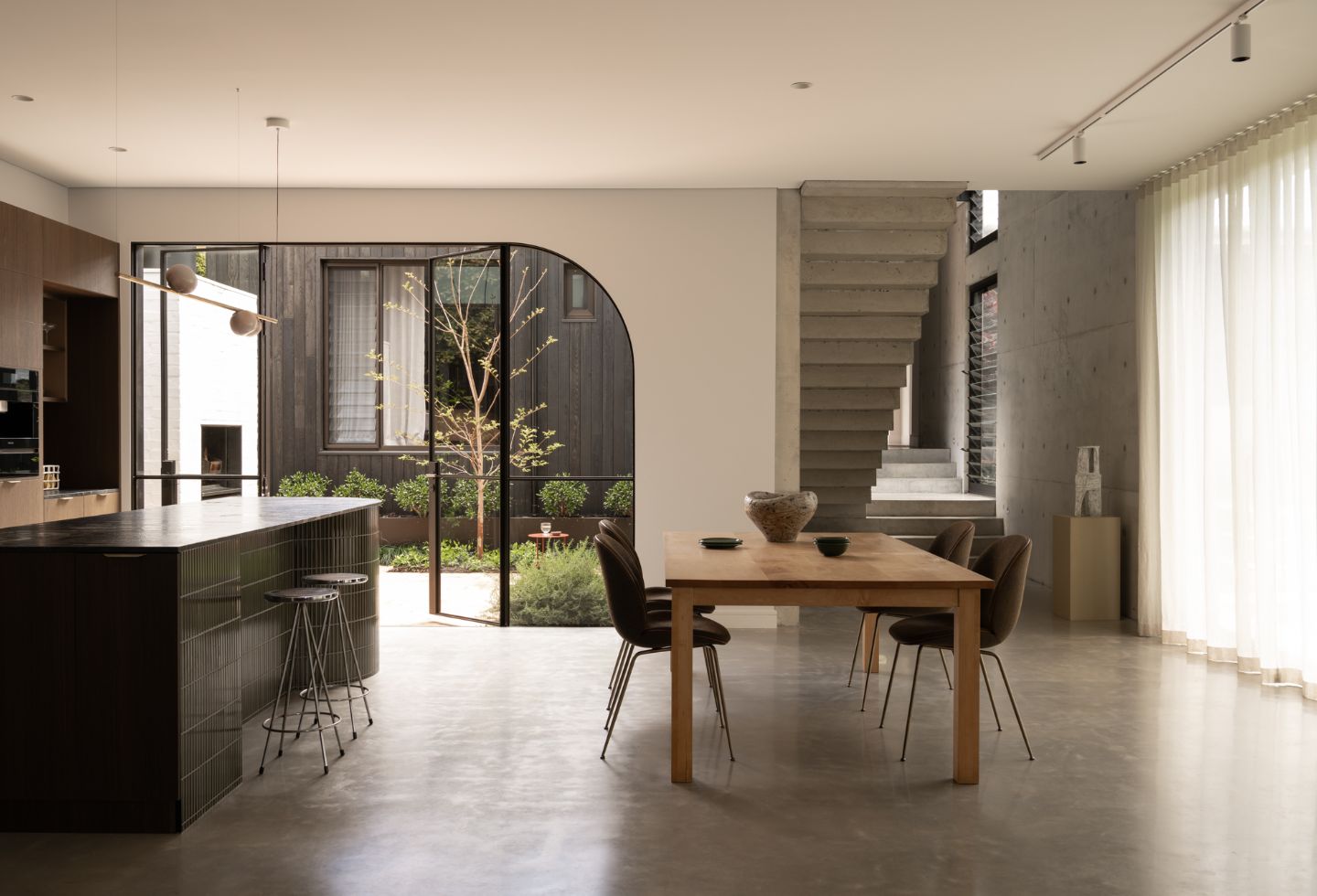
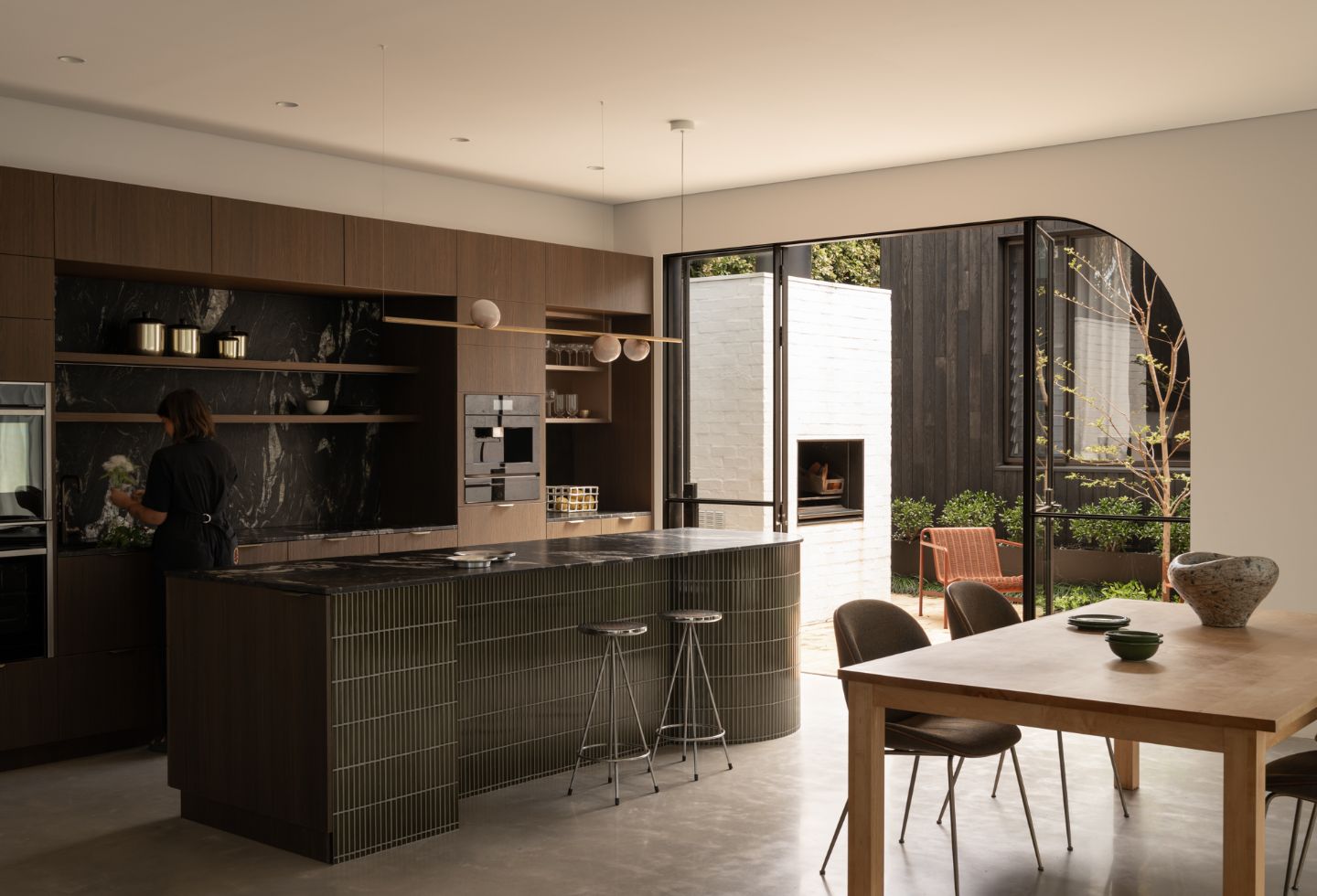
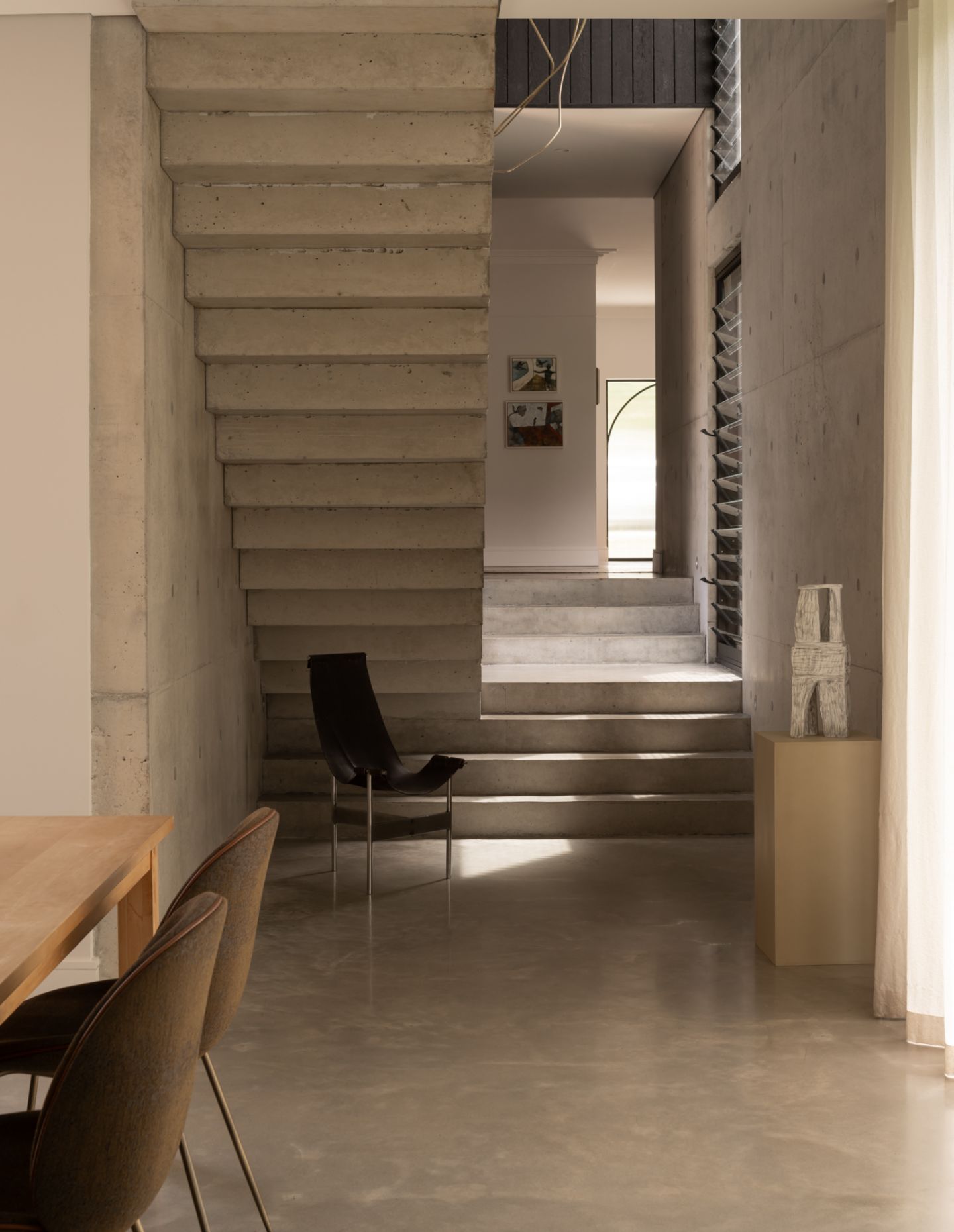
The parents’ bedroom, with a study and sitting room, is located in the original home. The upper level of the new addition contains the teenagers’ bedrooms and a common space. The ground level of the addition contains the family living spaces, where everyone comes together.
Related: Balancing scale and intimacy in Gujarat
What are the key material and structural choices?
The clients are both design-savvy and were instrumental in the collaborative design process — this is the third renovation and addition to a character home they have undertaken.
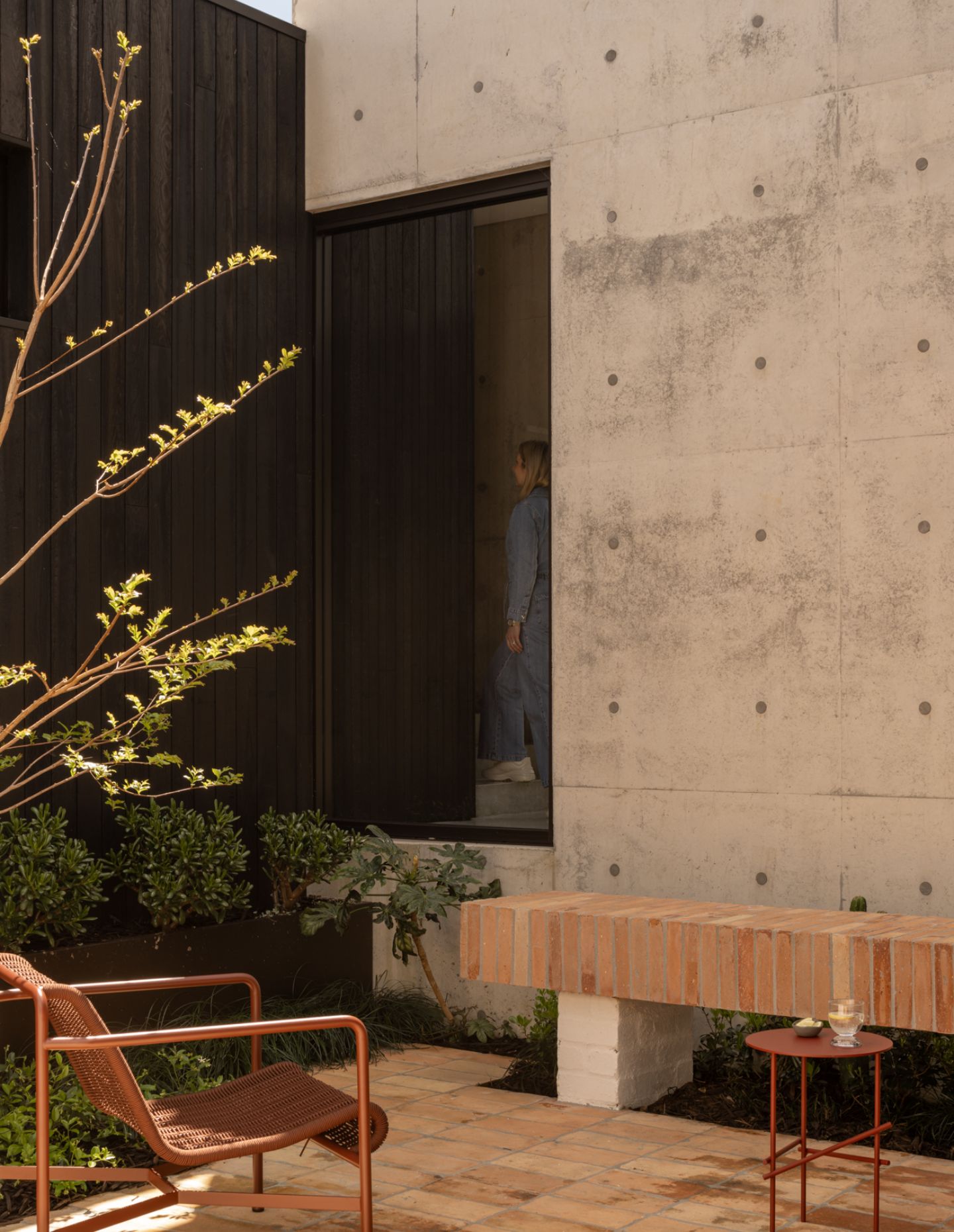
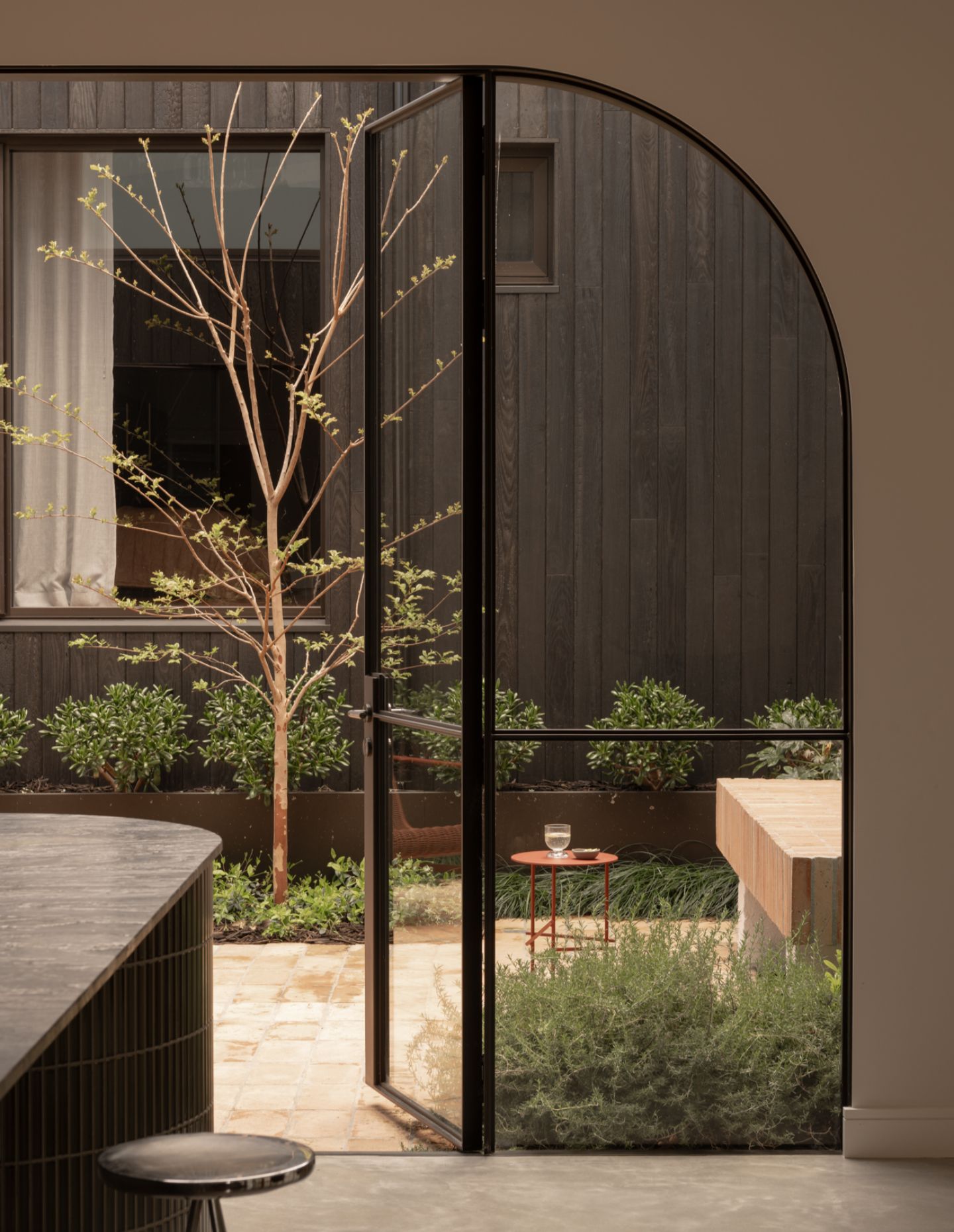
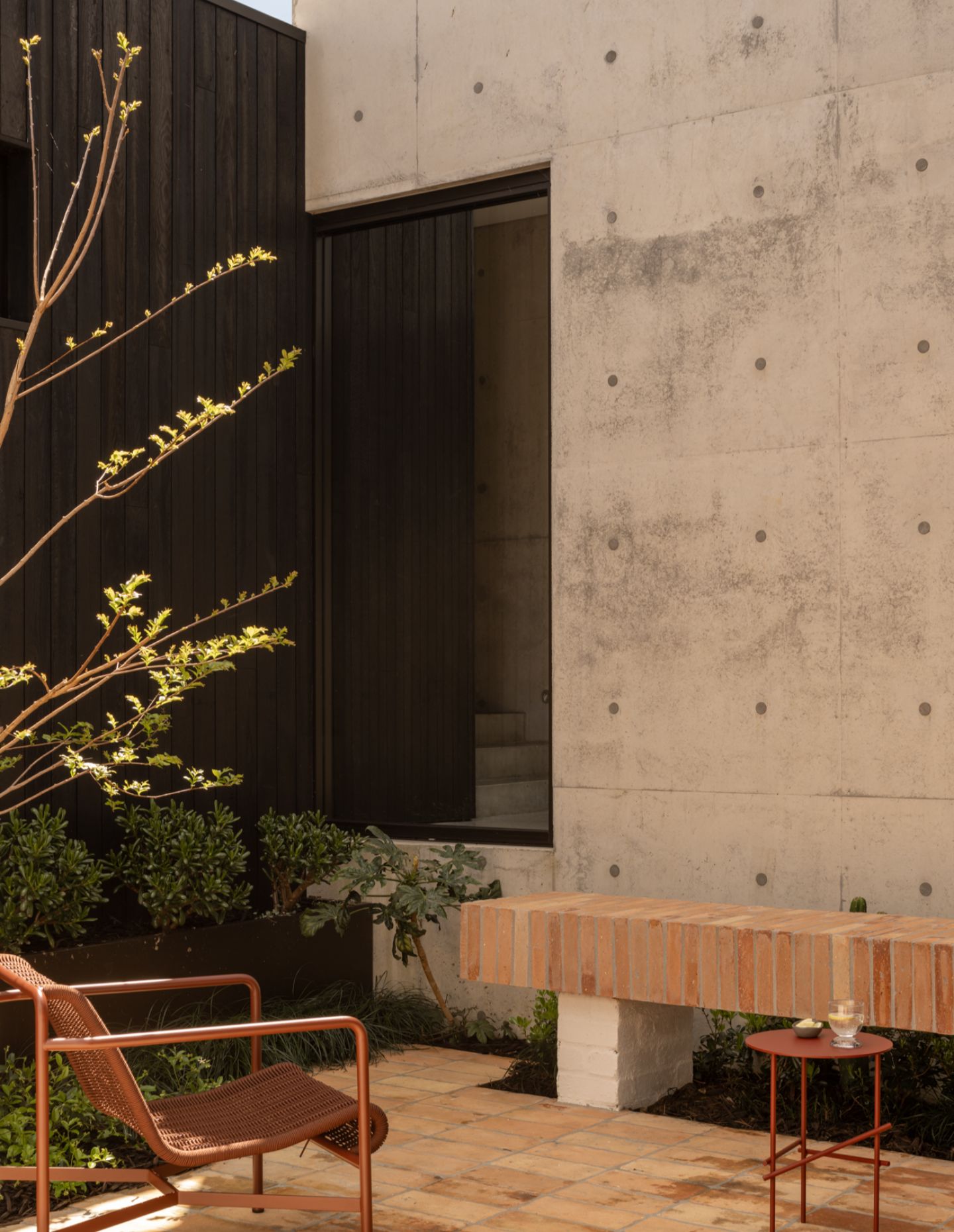
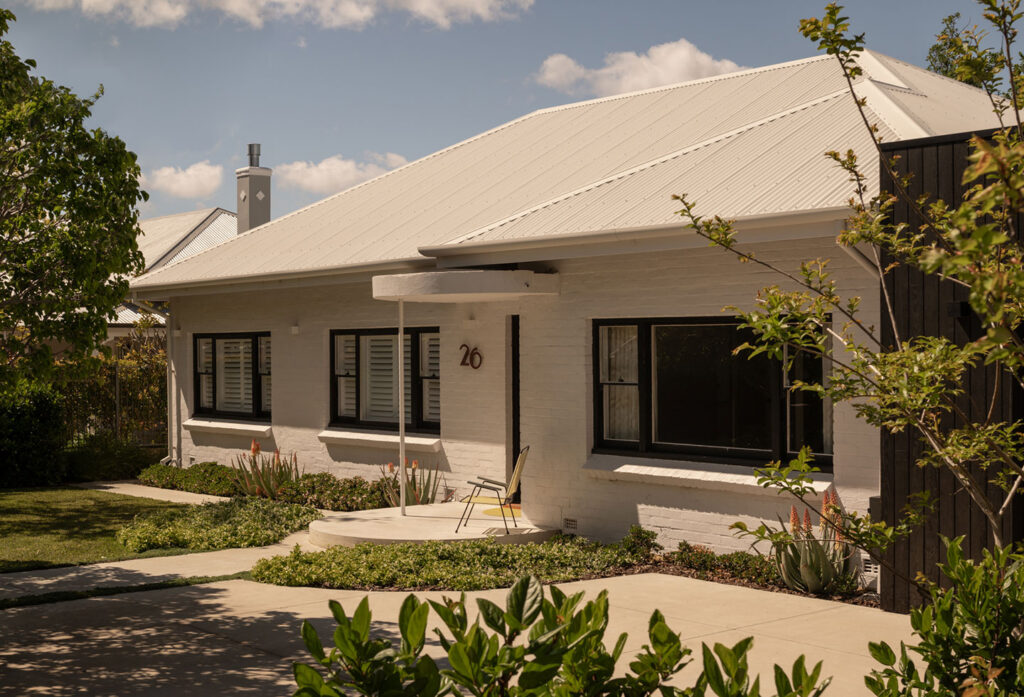
The selection of the key material, Shou Sugi Ban, was entirely client-driven — they researched the material and brought it into the design, and it proved to be a strong move.
Also known as Yakisugi or Japanese burnt timber cladding, Shou Sugi Ban is a traditional method of charring timber with fire. The process creates a black carbon layer that protects the boards and reduces maintenance, while giving the house an elegant, timeless quality.
What key functional requirements does the design address?
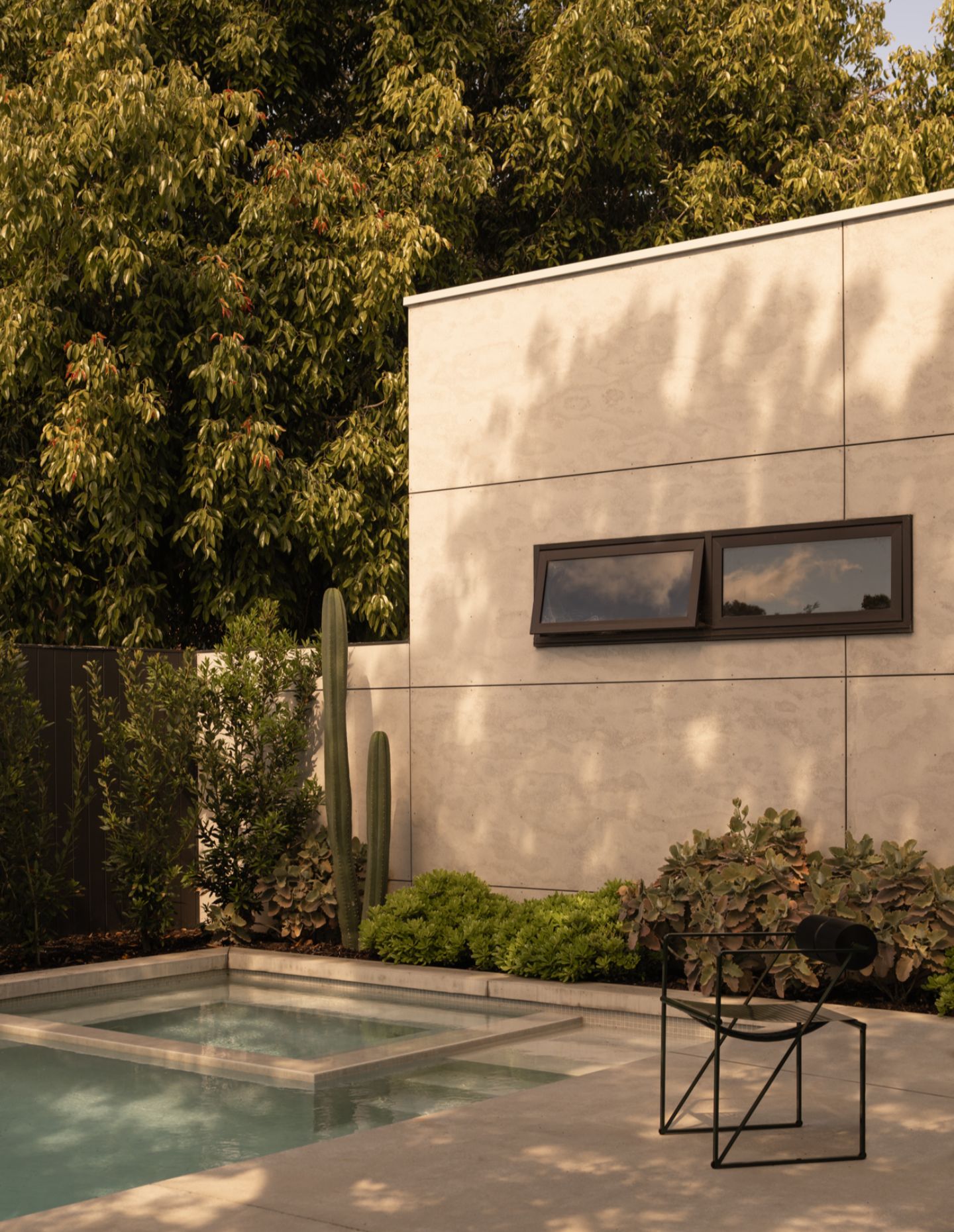
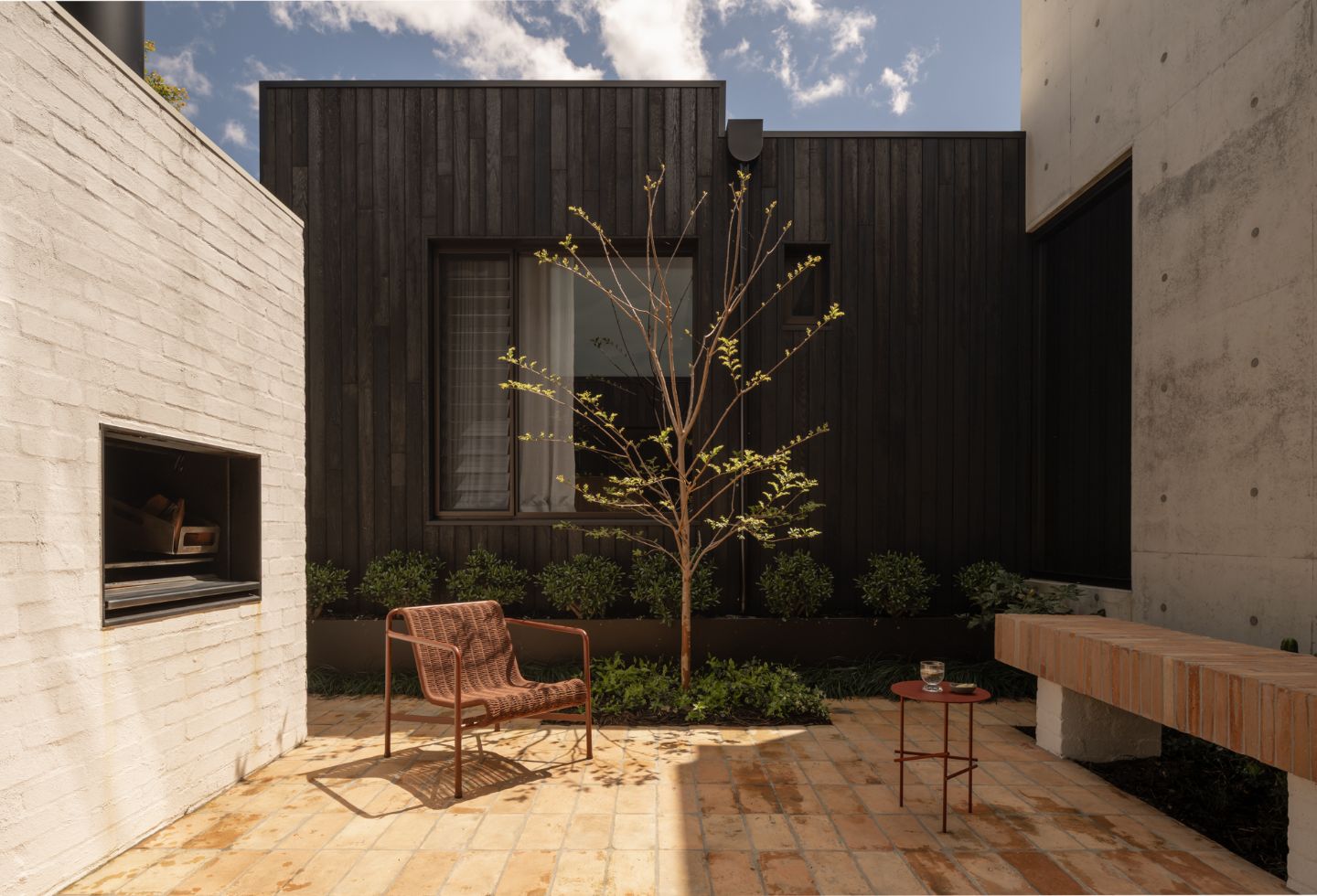
A key driver of the design was the retention of a much-loved, large mature tree in the backyard. The extension is positioned to work around it — an existing pool was removed to allow the addition to sit to the west side of the block.
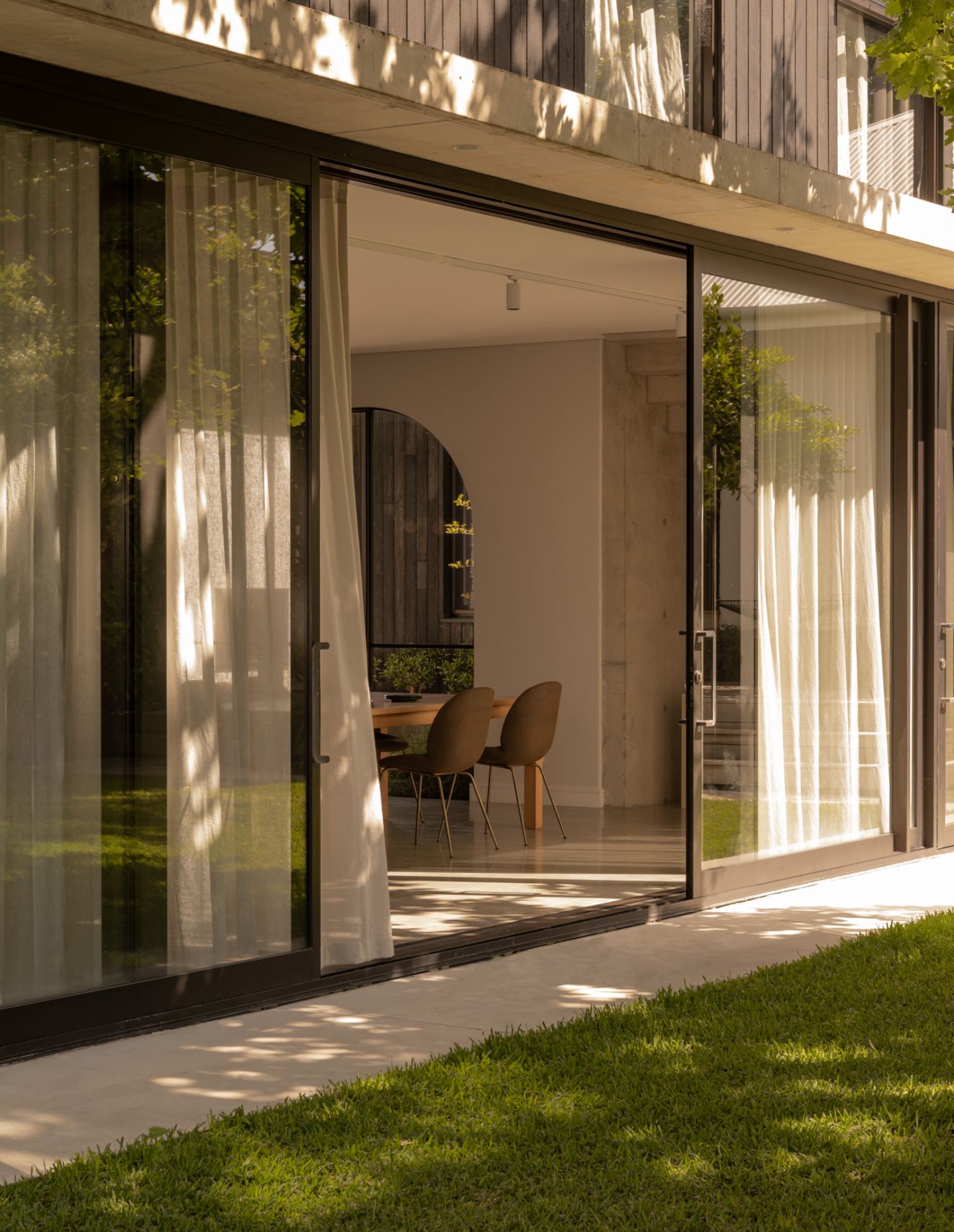
Morning sun enters the downstairs living spaces through generous openings to the east, filtered by the tree, while the upstairs bedrooms sit within the tree canopy. There are no openings to the west, reducing solar heat gain during hot Perth summers.
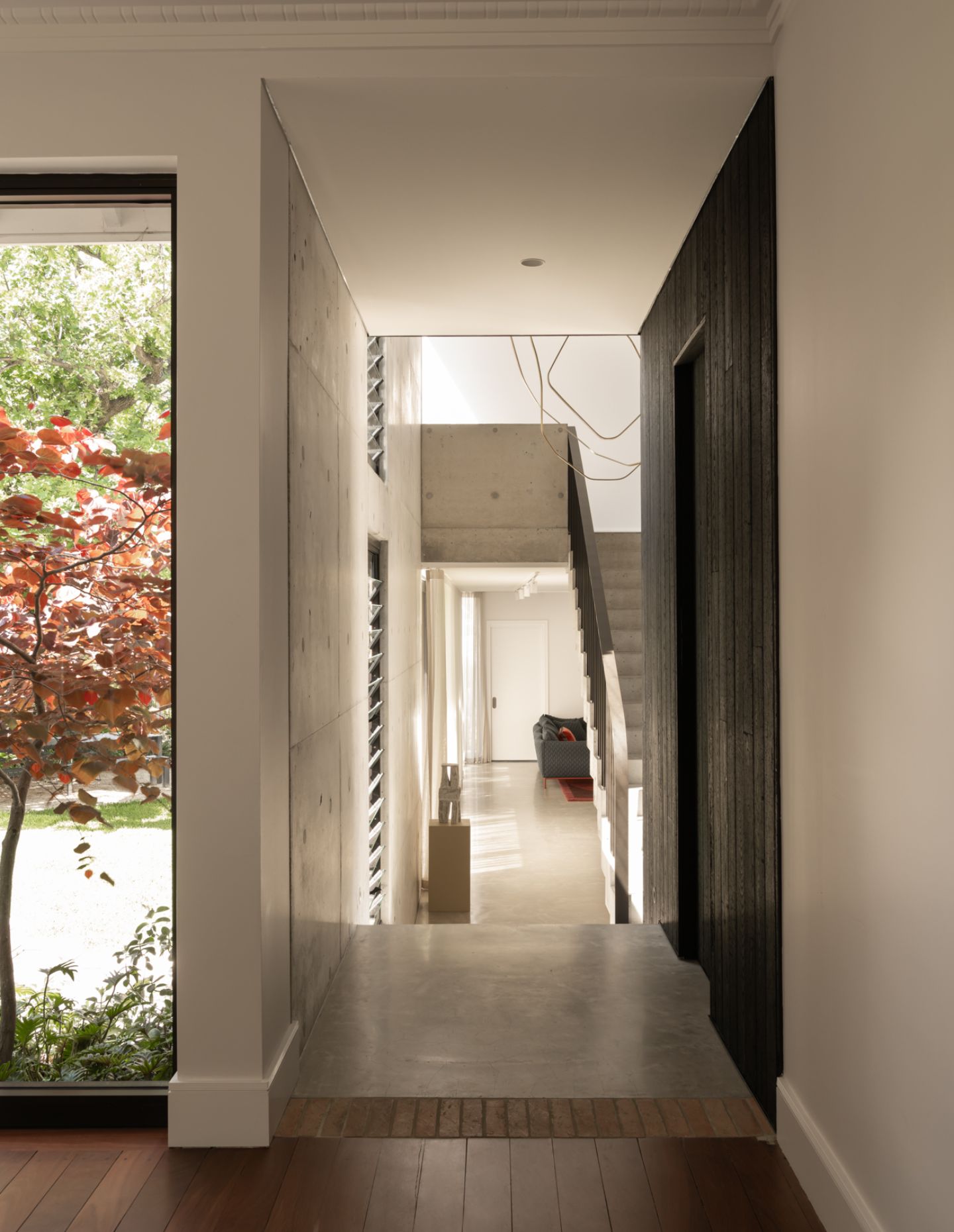
Modifications to the original home were kept to a minimum, but one important move was the addition of a window at the entry to reconnect the house with the garden. Despite the leafy setting, the original house had been completely cut off — now, the backyard is visible the moment you step inside.
What are your favourite moments in the project?
For me, it’s the connection to the garden throughout the home. Being able to see the backyard immediately on entry changes the entire experience of the house.
The light in the kitchen and living spaces, coming in through the north-facing courtyard, is another highlight. And seeing the new addition sitting within the established garden — with the existing tree still dominating the site — is something that feels particularly rewarding.