
Soori Penang is about the past, present and future, expressed through architecture, culture, food and place. The 15-suite hotel that opened on 15th January, 2026 is architect Soo K. Chan’s tribute to his hometown of Penang. While it is the smallest property in Chan’s Soori brand – which also comprises Soori Bali and Soori High Line in New York – Soori Penang is perhaps the most poignant.
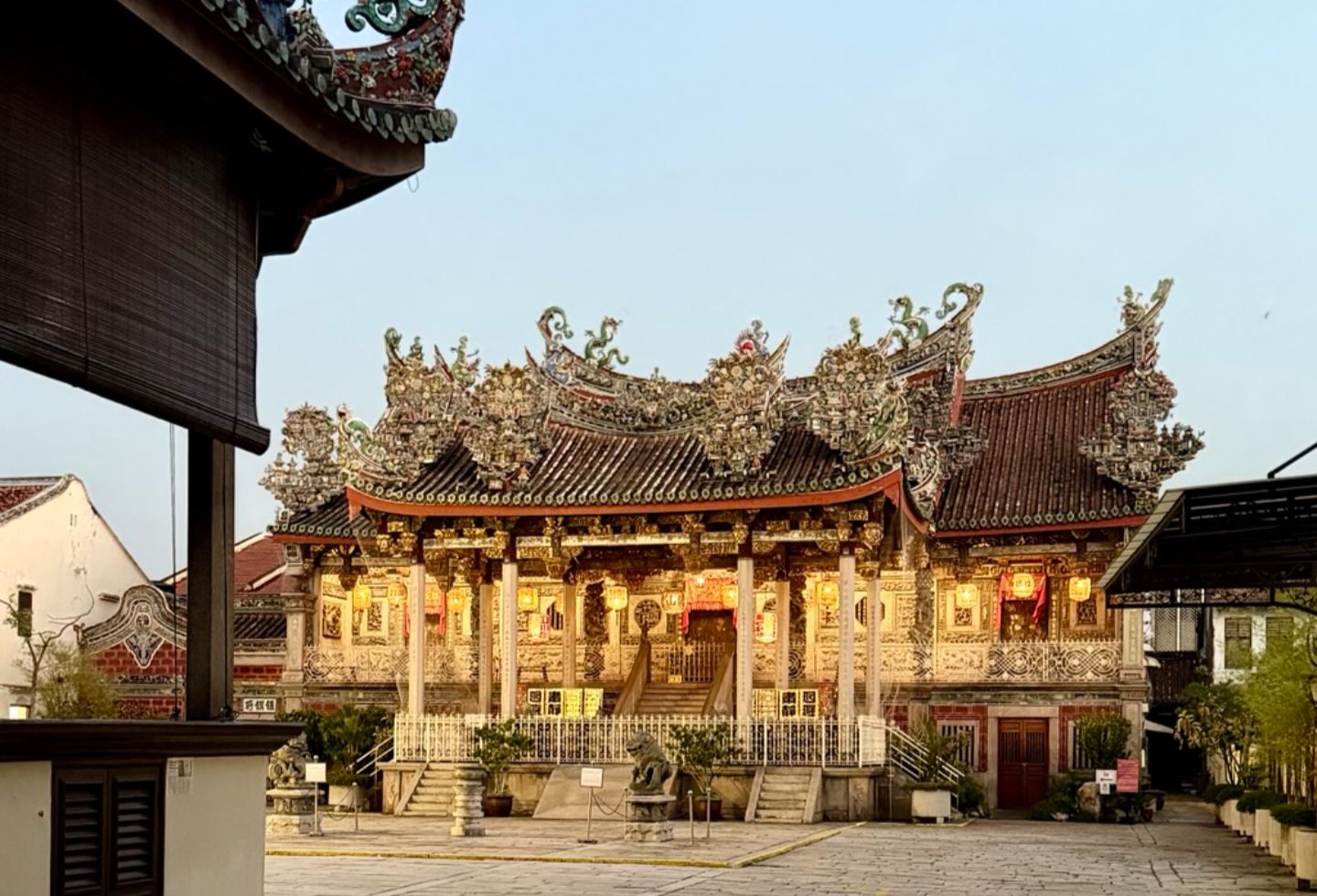
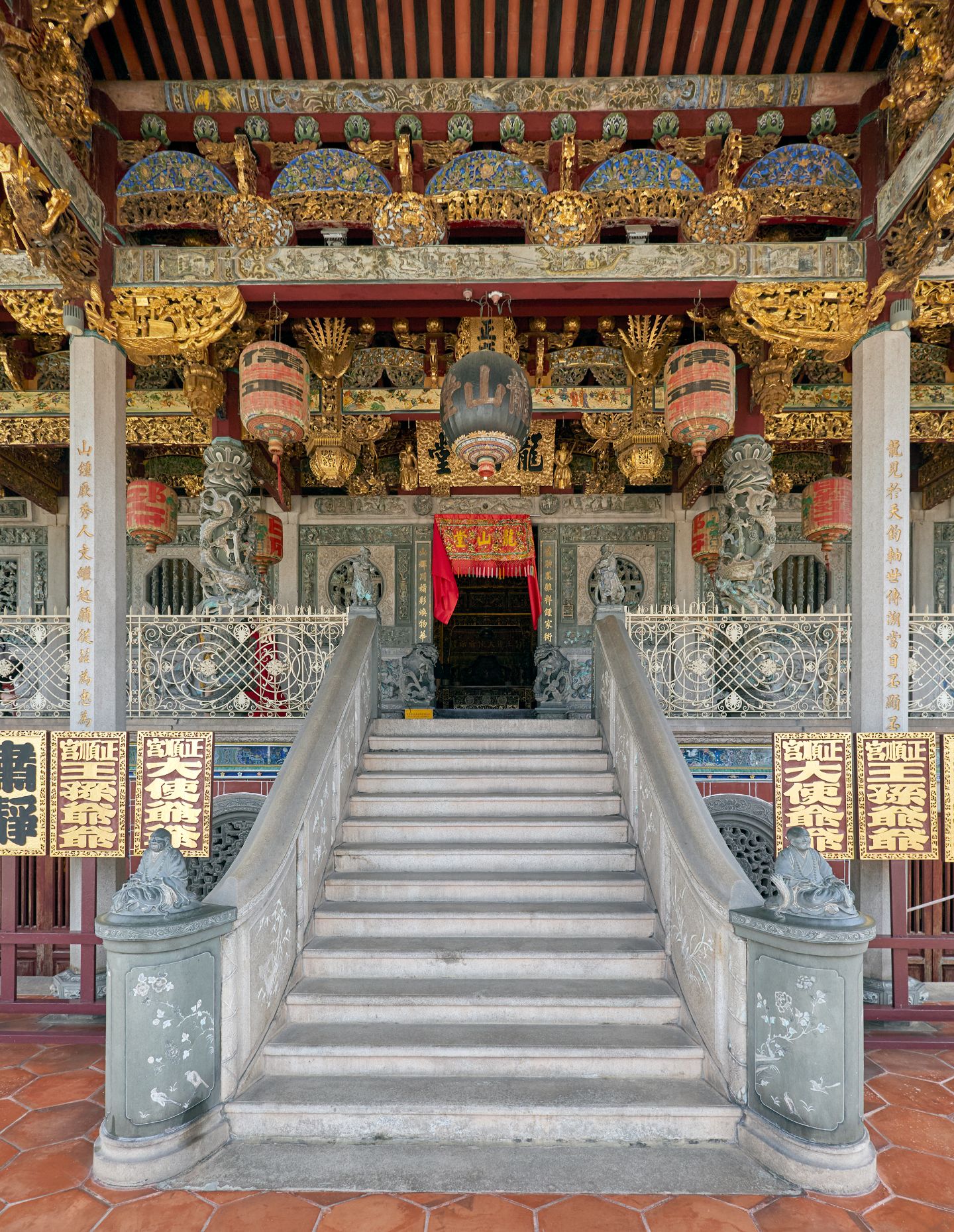
The founding principal and design director of SCDA Architects was born in a shophouse within the country’s largest Hokkien clanhouse, Khoo Kongsi. The 120-year-old Khoo Kongsi sits in the centre of Penang’s capital of George Town, which is a UNESCO World Heritage Site. The clanhouse’s defensive layout – with the temple, wayang performance stage and ancestral tablet hall fenced by shophouses – gave protection and community to others of the same surname.
Chan’s mother was part of the Khoo clan and until the age of three, he played in the compound and the clanhouse temple. “You can’t [replicate] the elements, but you can remember some aspects of the feelings and you try to capture that,” he says, drawing on his own memories. “An important part of Soori Penang was trying to recapture the typology of the shophouse, and what it is like to live in it in a contemporary way.”
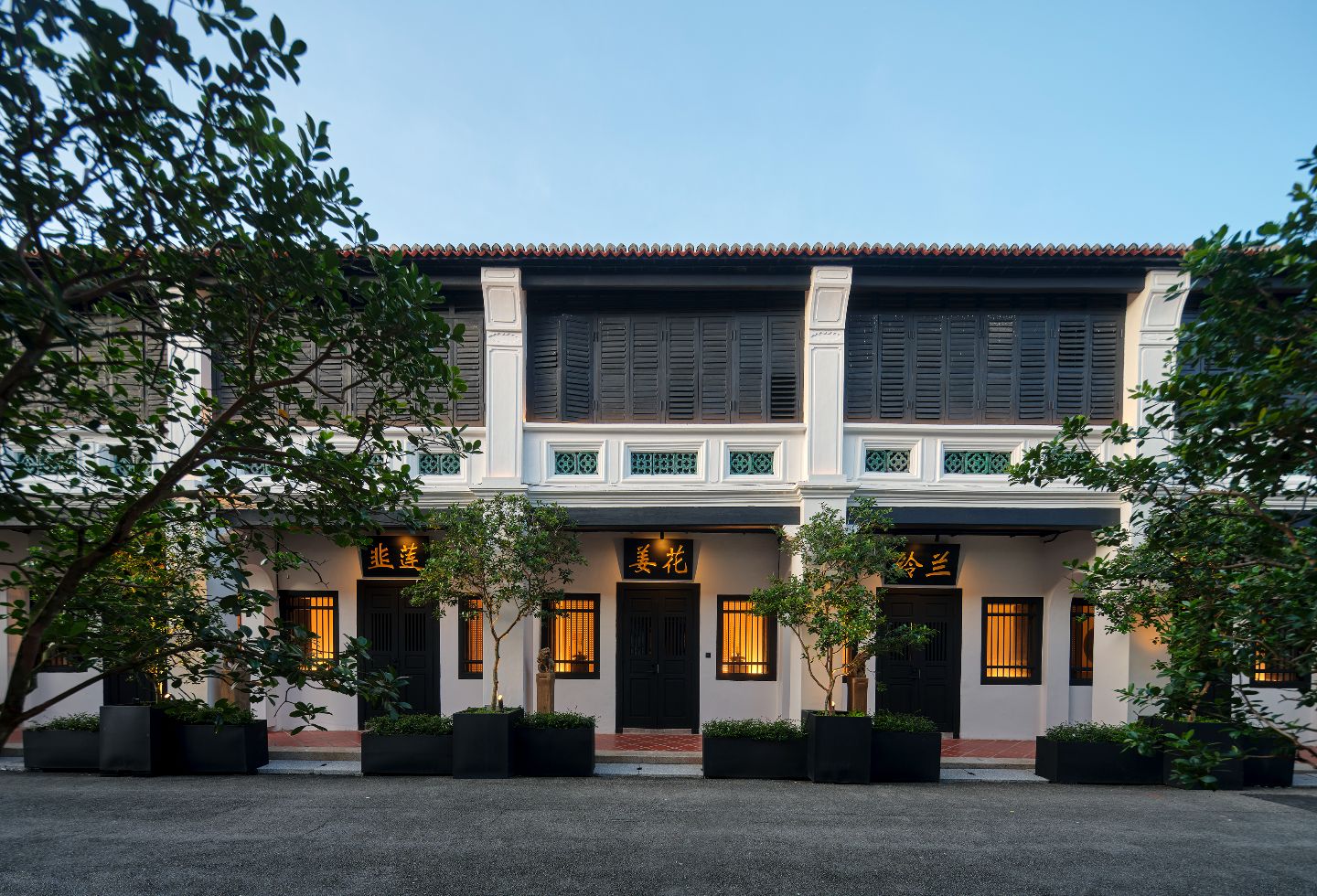
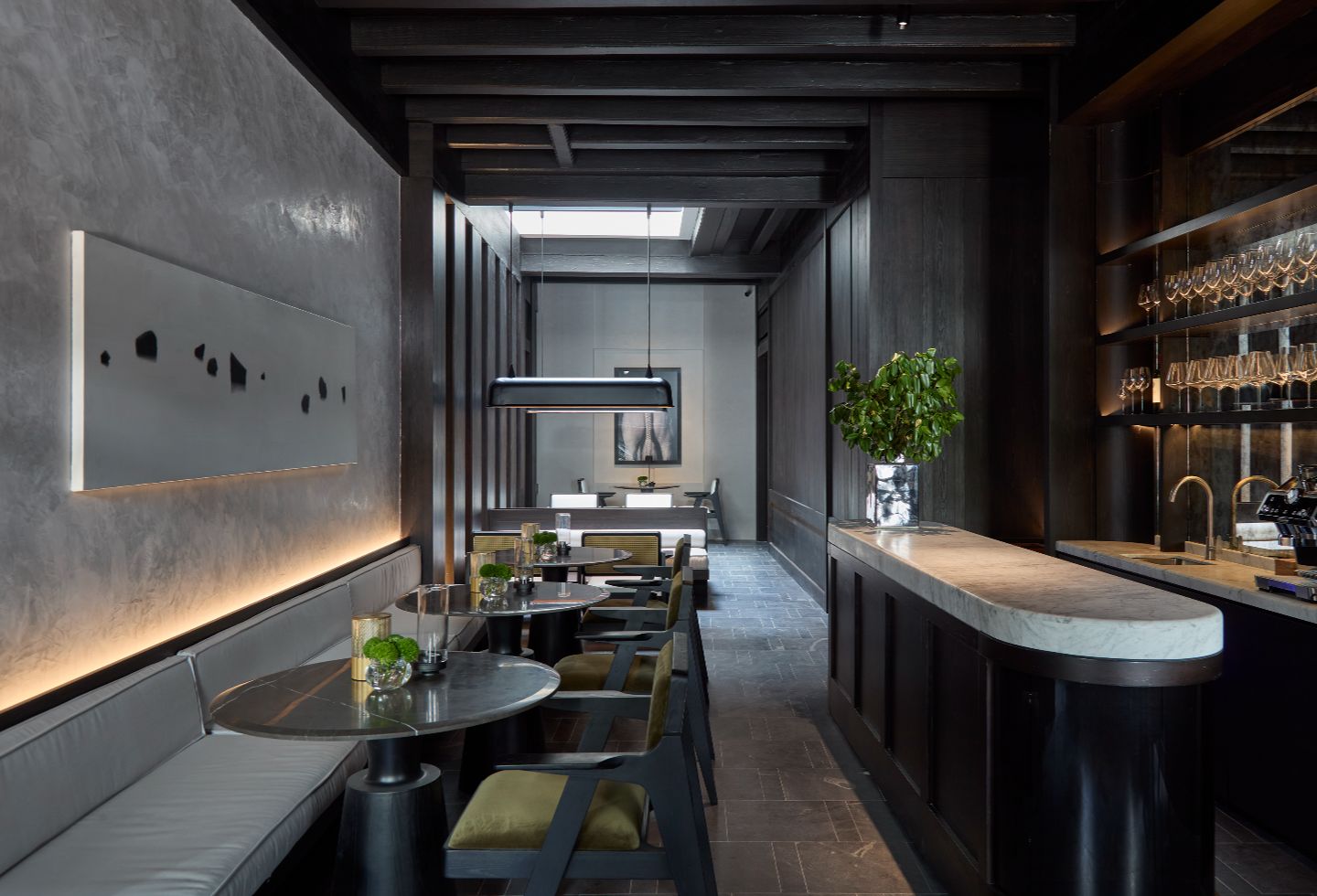
Framed by this approach, the 40 guestrooms of a former hotel were reduced to just 15 suites, each a full shophouse length and restored to showcase elements like granite thresholds and robust timber doors. Two of these contain Soori Penang’s common areas of a lounge and wine bar, with a library on the first storey. Upstairs is a spa treatment room, tearoom and gym that guests can book for personal use.
Related: Living among the treetops in Eaglemont
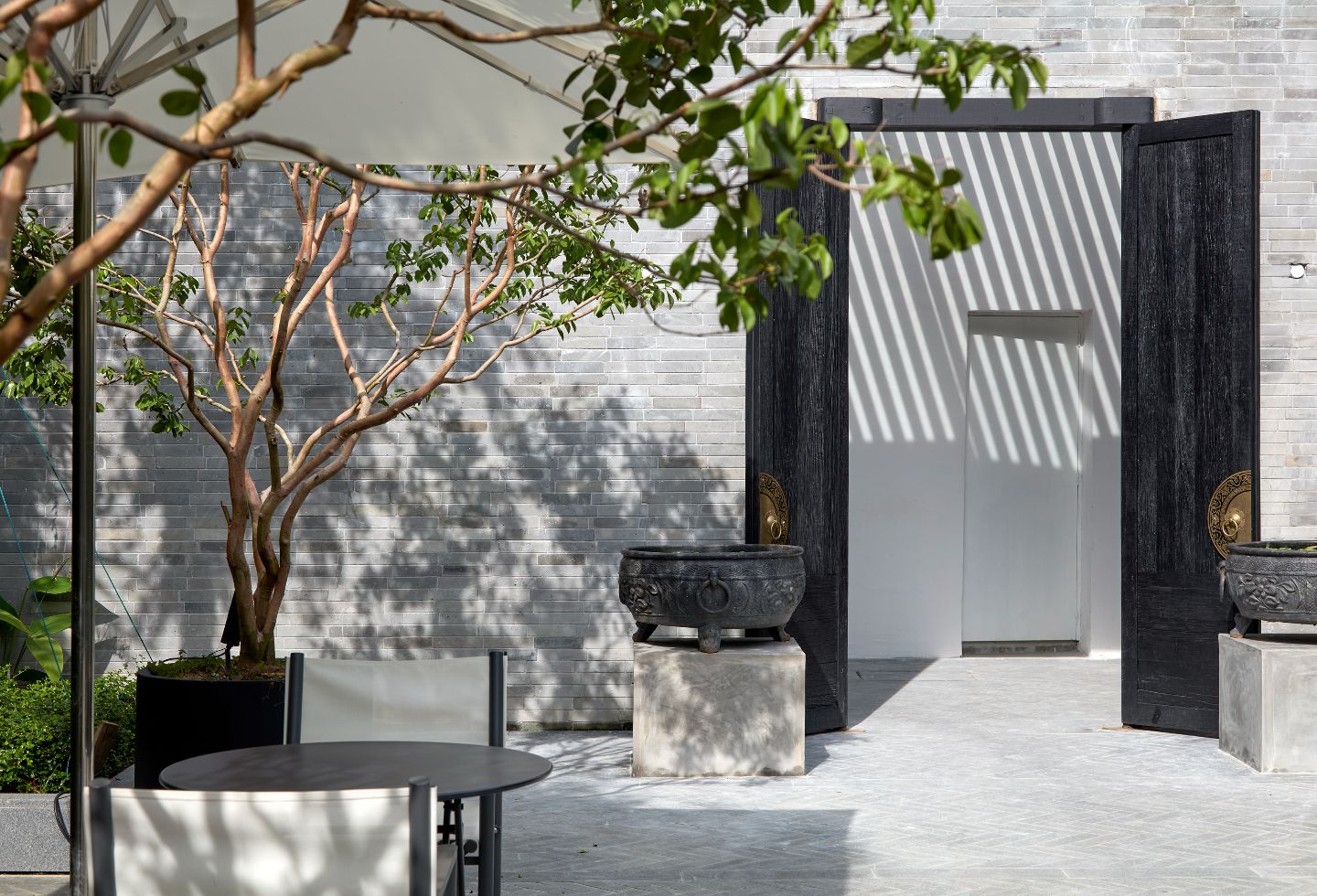
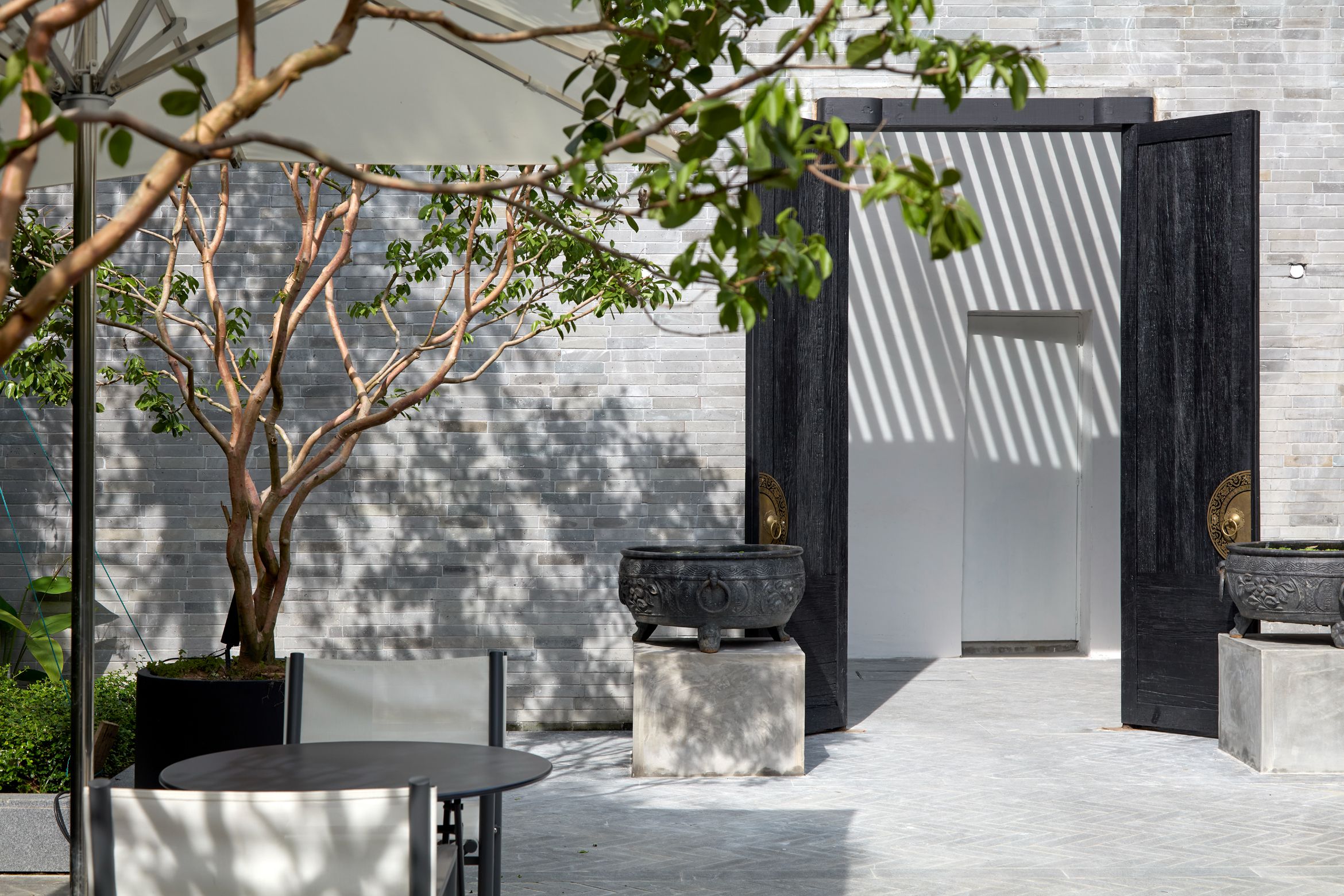
Guests arrive into these spaces through a nuanced journey. Chan turned a small carpark into a private garden, sandwiched by white walls facing the bustling Lebuh Acheh and tall, grey, Chinese brick walls. These frame landscaping of bamboo and ornate plants, as well as a pool with lotus plants and lilies.
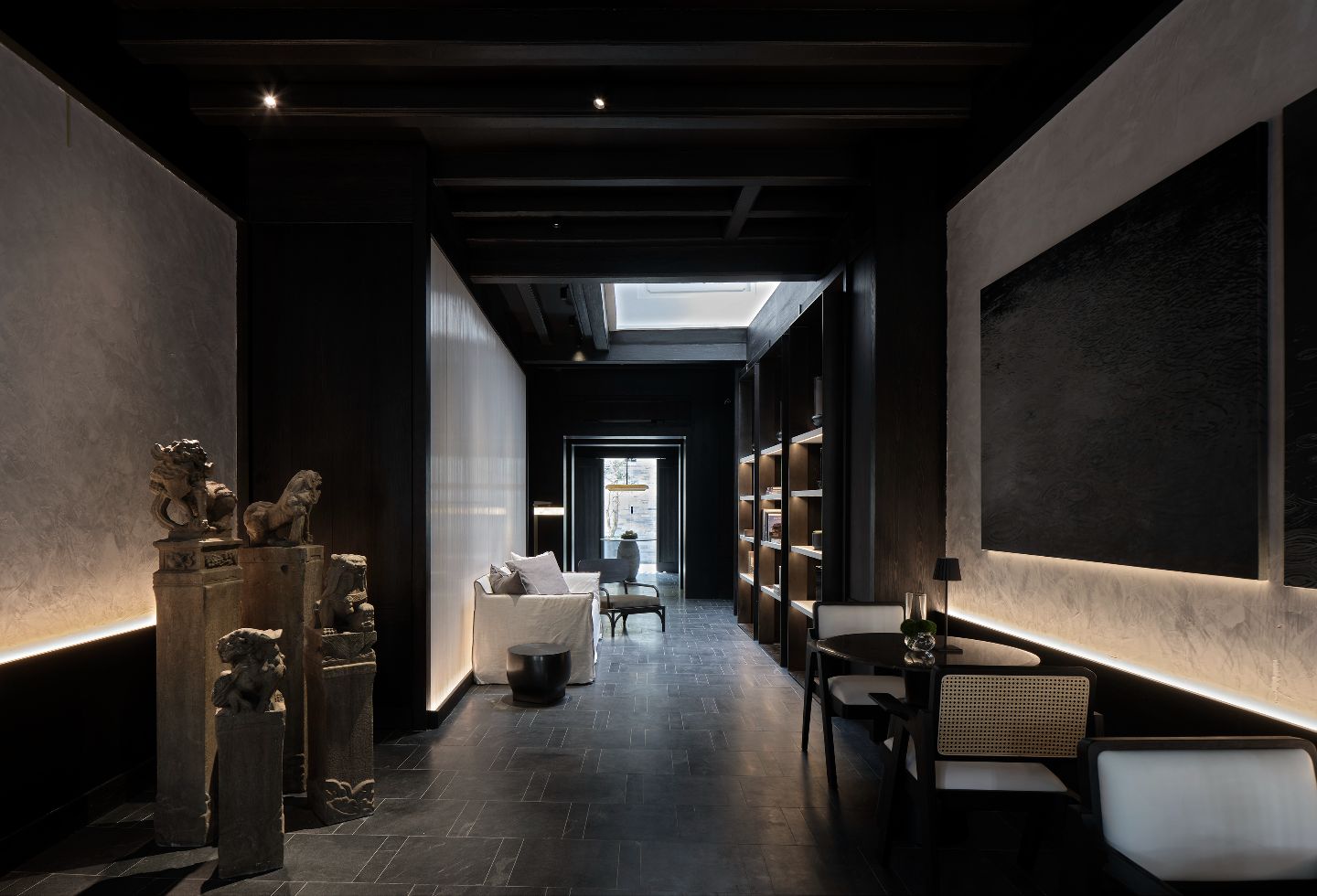
“The space exudes serenity and calmness amidst the bustle of the city. It is an important arrival experience – a procession through different spatial thresholds from the chaos of the city into the calm hotel public spaces,” says Chan. A Feng Shui requirement that the main door not face the entrance takes guests from the private garden through a threshold in the brick wall into an interstitial zone where a trellis templates graphical shadows on the walls. A left turn and then right turn leads one into the foyer proper, where a custom alabaster lamp is a visceral comma among dark wire-brushed, dark timber walls.
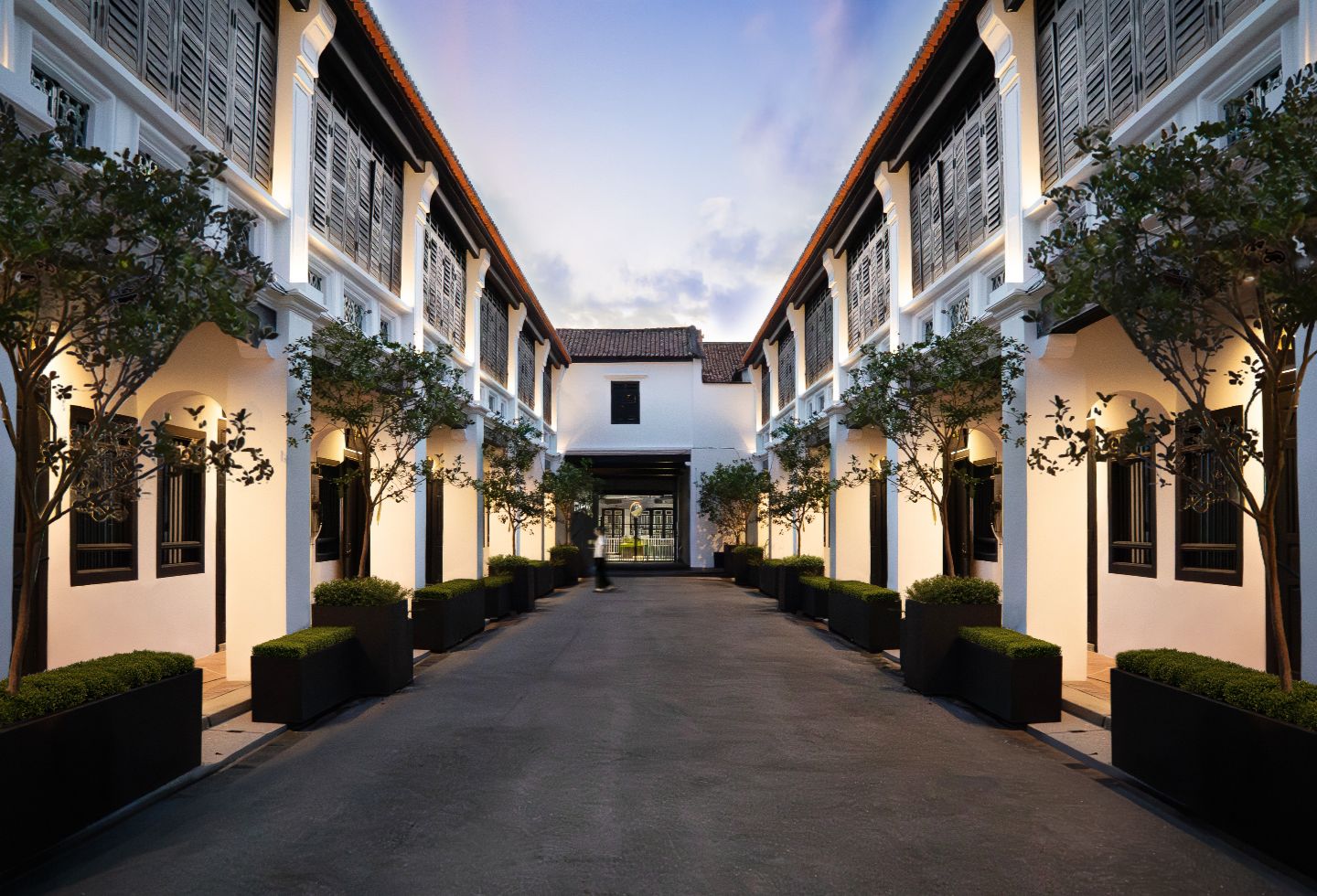
The hotel’s suite doors flank Cannon Square that leads to the Khoo Kongsi courtyard. Embellished by manicured plants and stone lions mimicking larger versions outside the temple, it is public during the day. Unlike Penang’s many other shophouses, Soori Penang maintains a streamlined black-and-white front. Chan’s memories of shophouse living inspired this, as well as the interior palette. Light from the air well and windows at the short façade of the long plan provided dramatic light, as the front door was always closed for privacy from the street, he recounts.
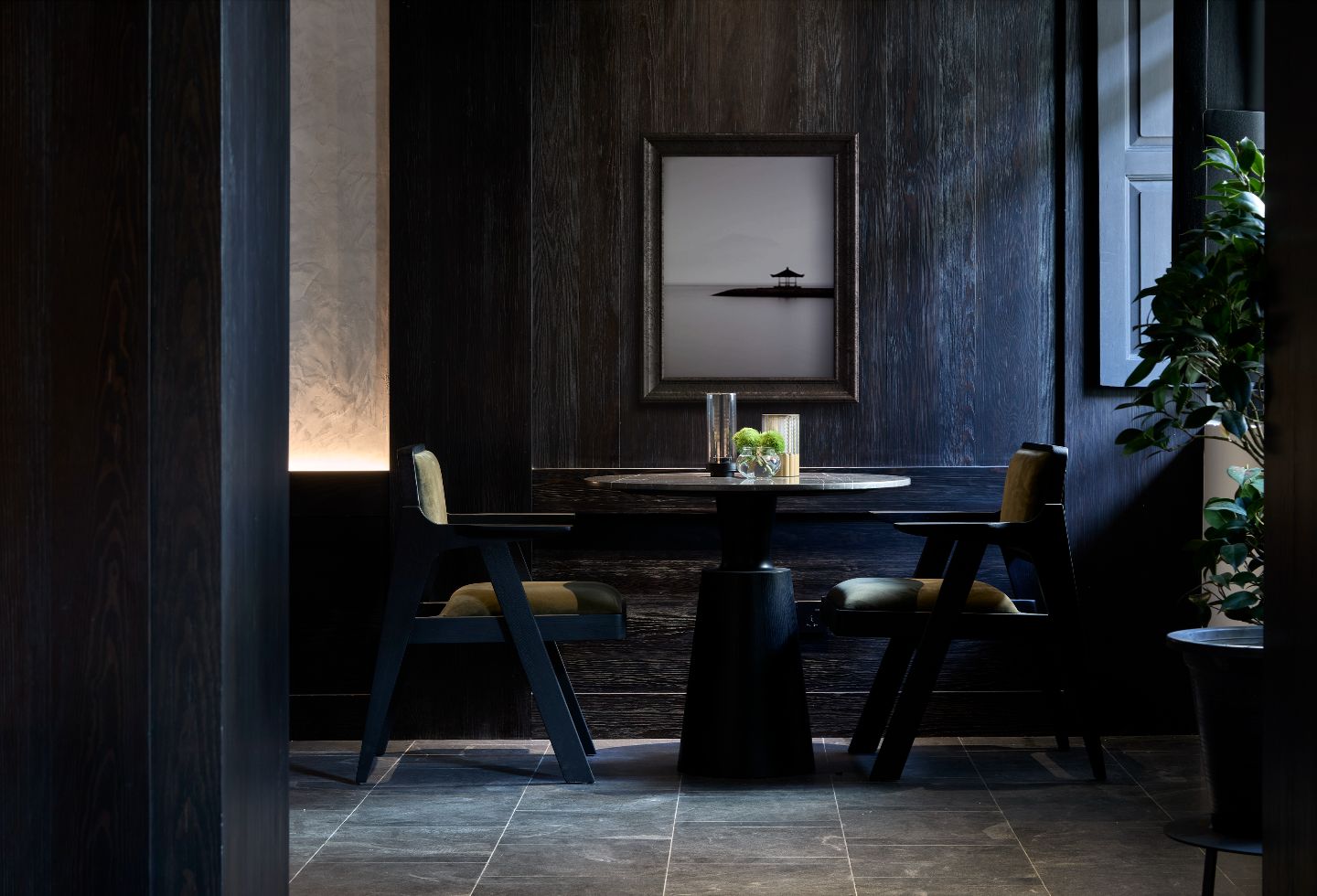
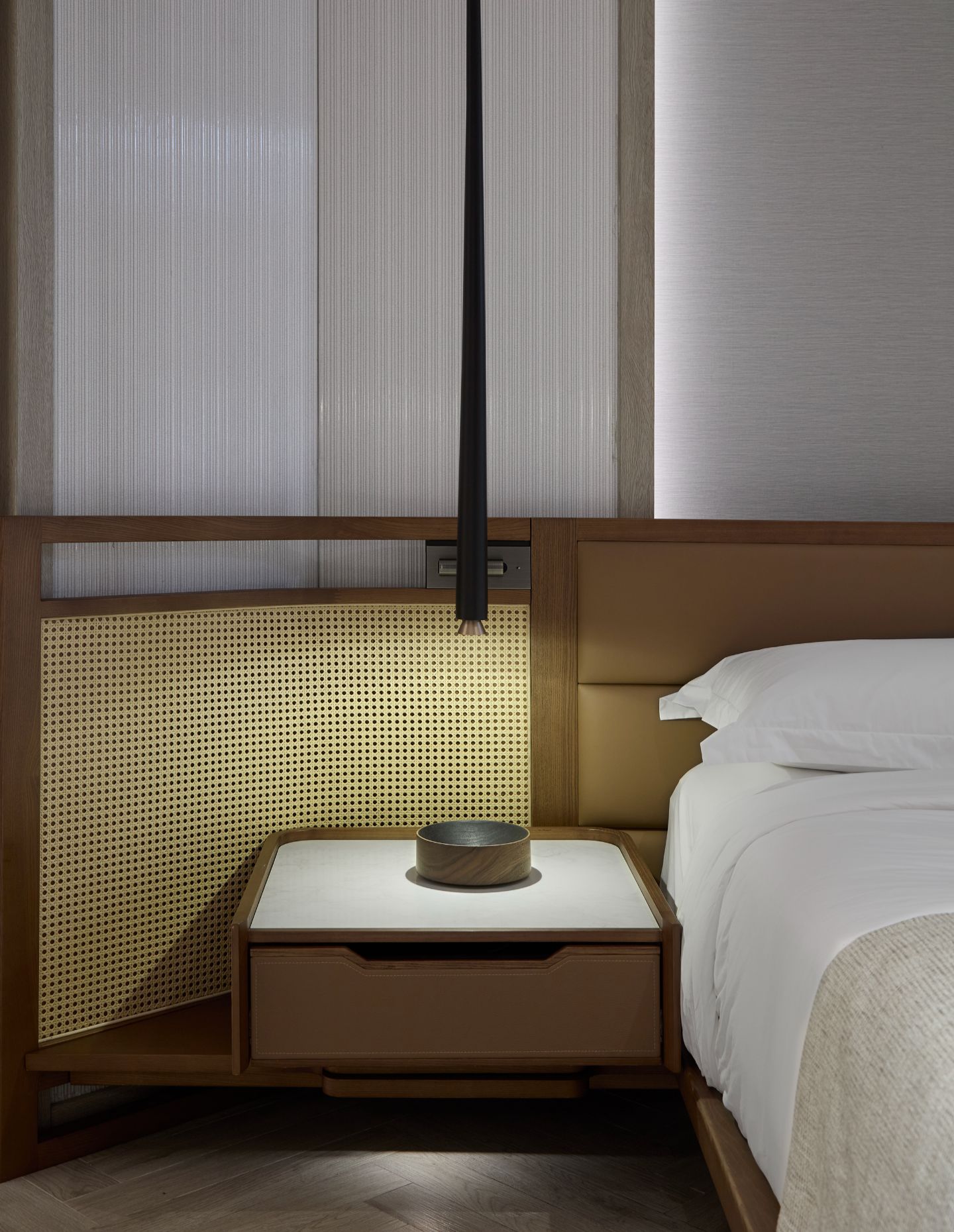
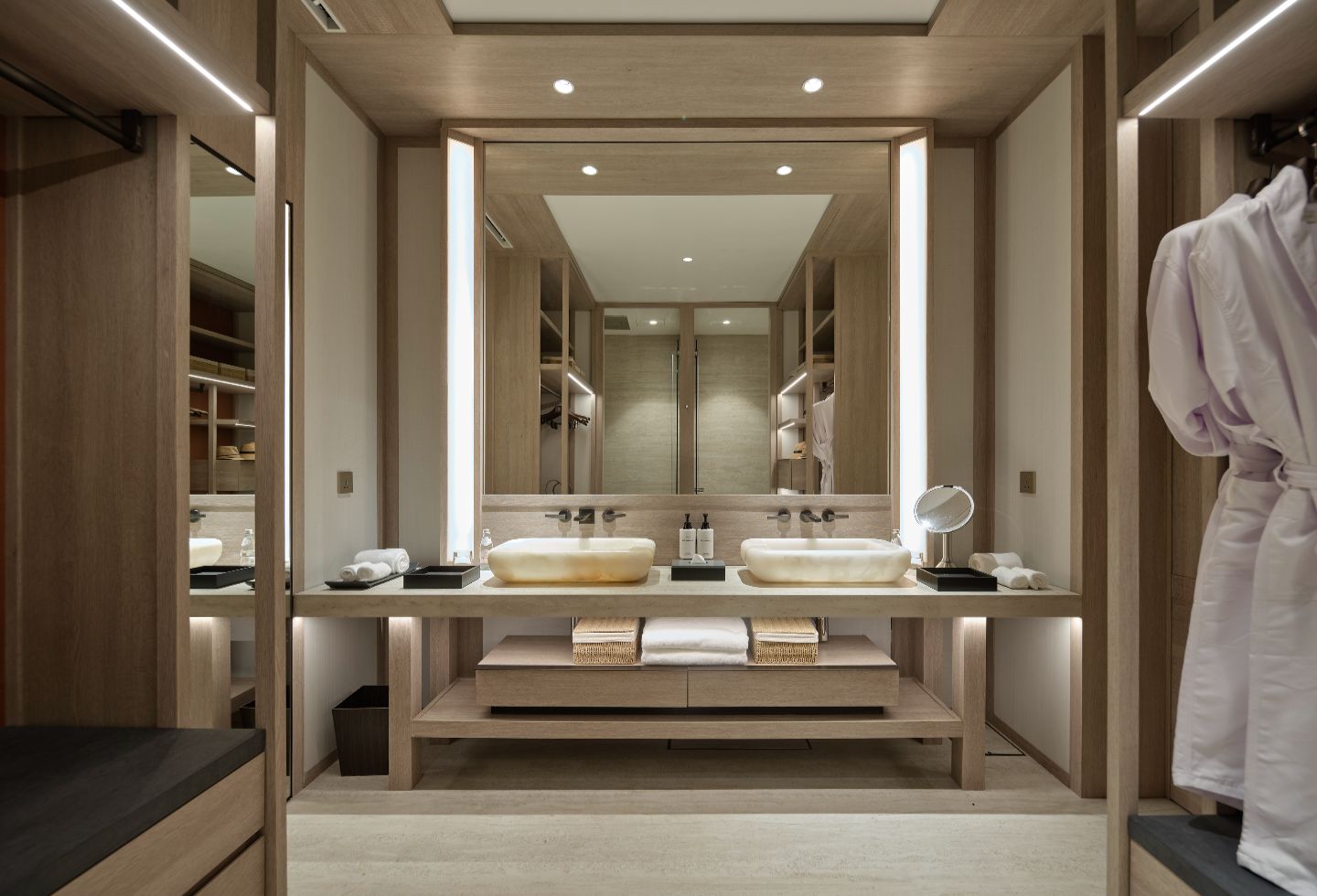
The common areas’ dark timber walls alternate with white ones. Extruded, ribbed and glazed ceramic panels feature a crackling effect like ceramic bowls and surfaces of lime wash deployed in a Venetian plaster technique. In the suites, Chan switched the dark timber with light solid oak joinery as they make for a better canvas for light and shadows. The ceramic panels reappear behind the bedroom’s headboard. Alabaster reappears in the suites too, in standing lamps and washbasins. Timber screens mark spatial and programmatic transitions through the long plan and rattan add to the contextual aesthetic.
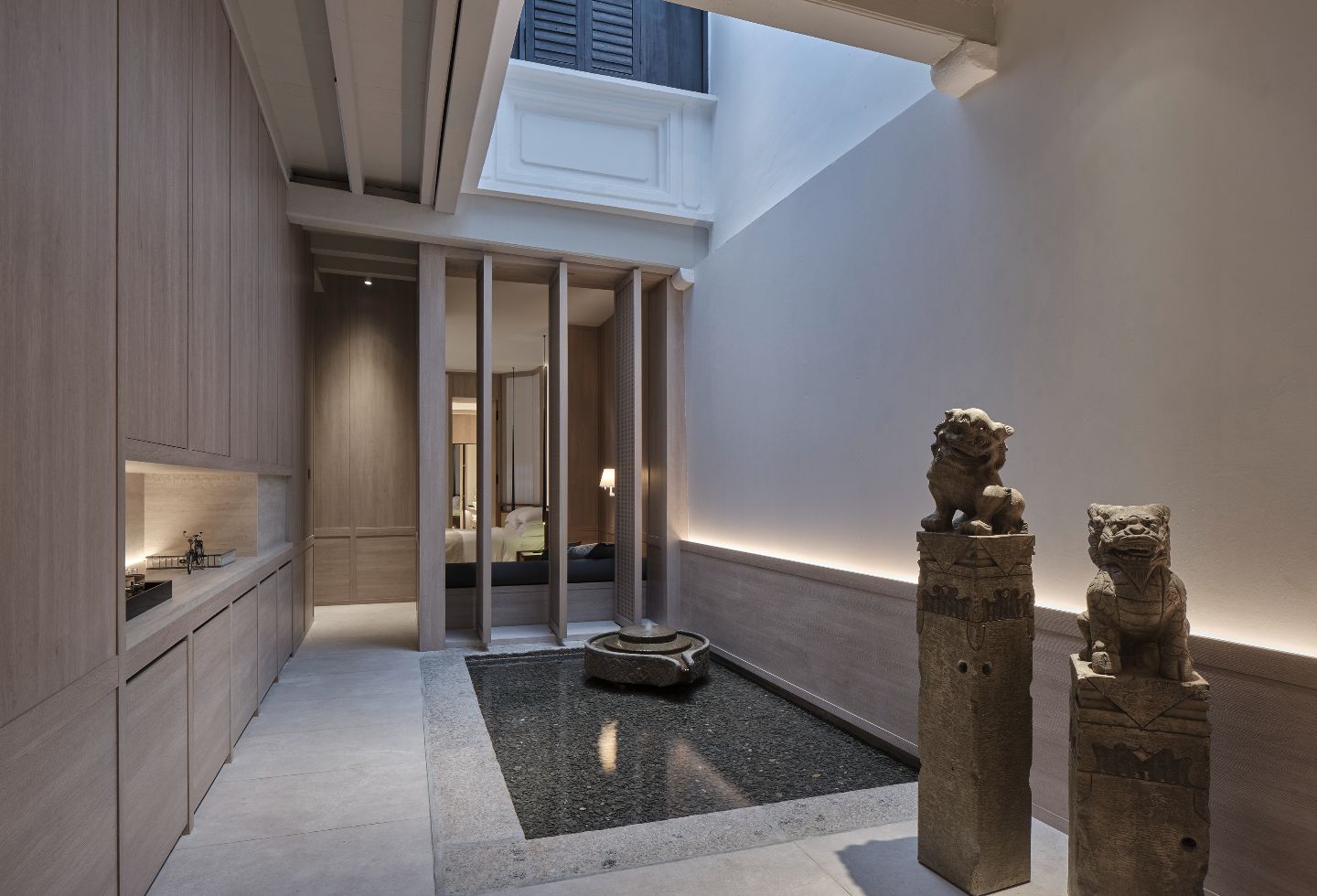
“With only 15 suites, we are able to focus on what the guests want and make that happen,” says Chan on customised service and itinerary. His memories of playing in the air well when rain fell and water gathered temporarily resurrects in a reflective pool. A fountain gurgles water through the day, its design inspired by the stone grinders that kitchens of Penang had to ground rice flour to make rice cakes.
In this way, iconography is used – but sparingly, as accents or art – in the fountain, a circular air vent above the sofa similar to those on the kongsi temple walls and more stone lions perched on pedestals. Culture is also encountered through Penang’s food: guests can ask staff to bring back a selection of Chan’s select dishes from nearby eateries to enjoy in the intimate darkness of the main dining area.
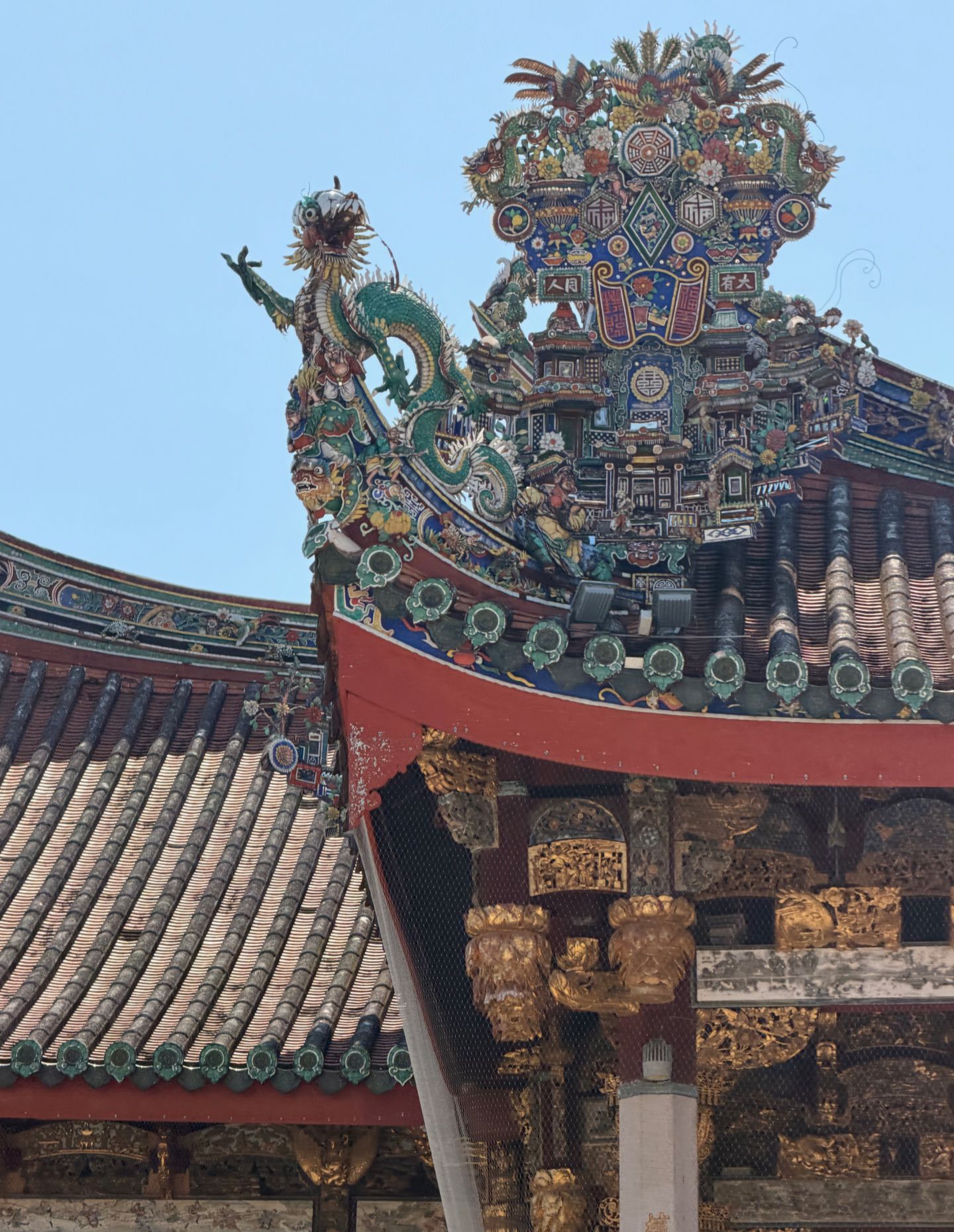
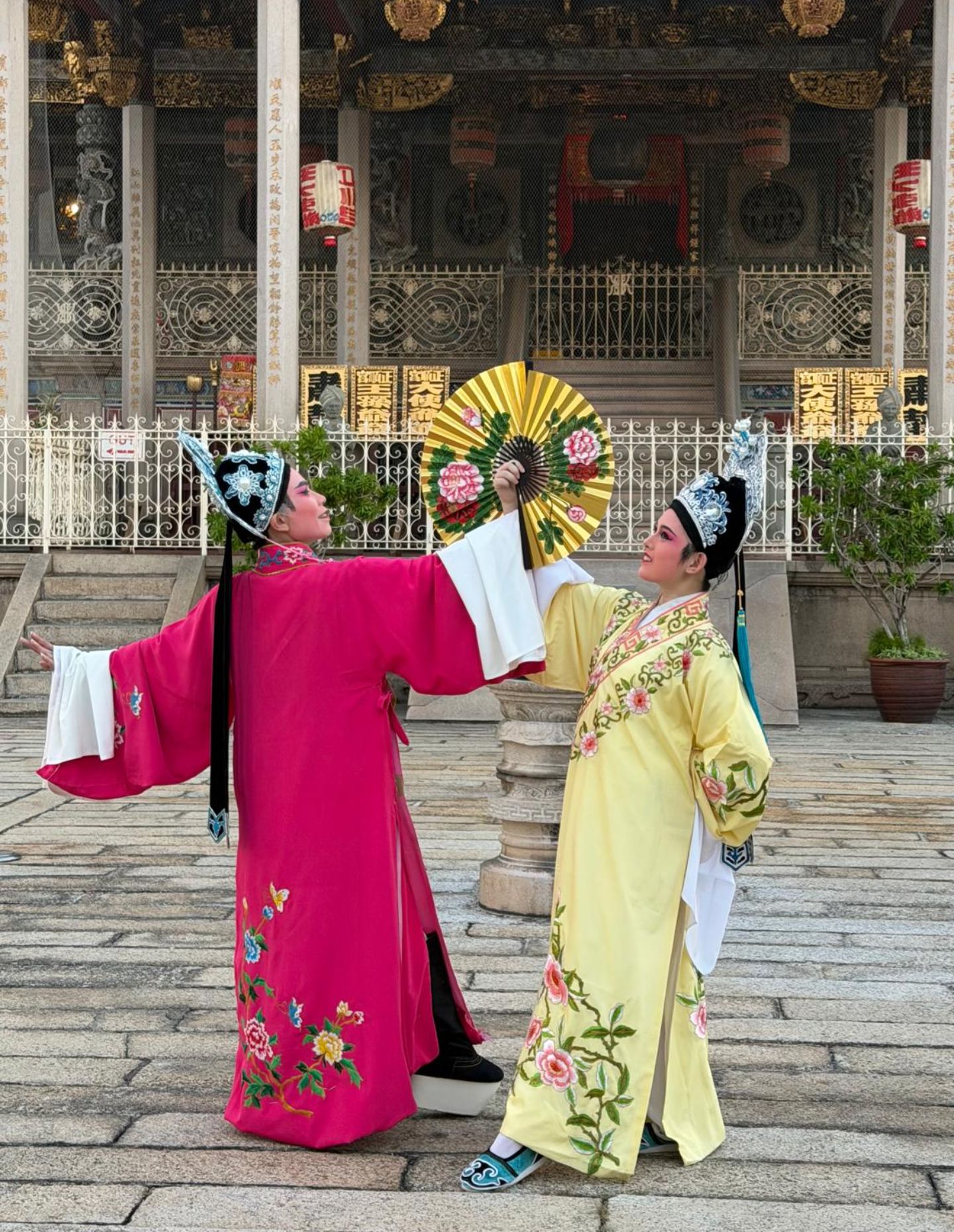
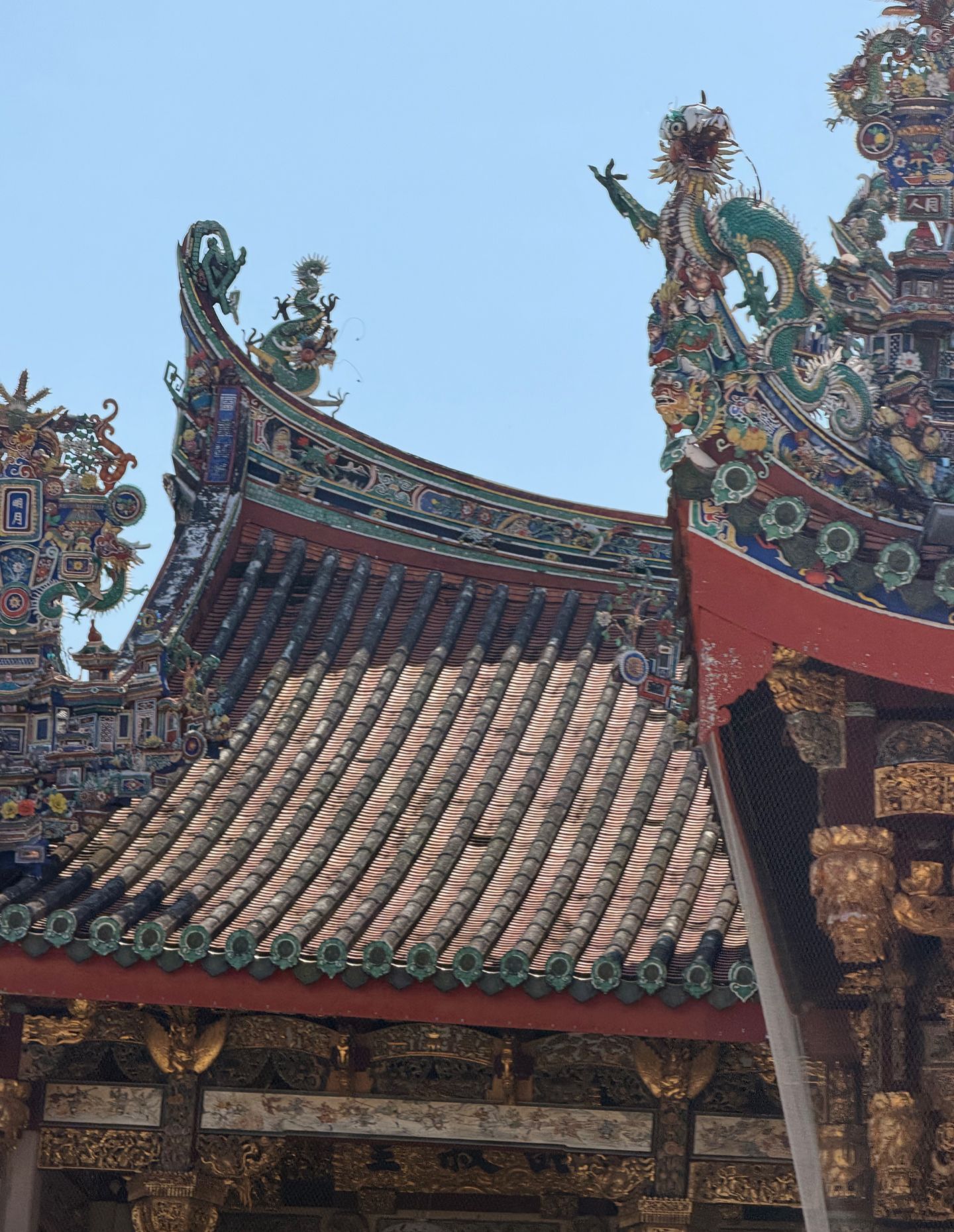
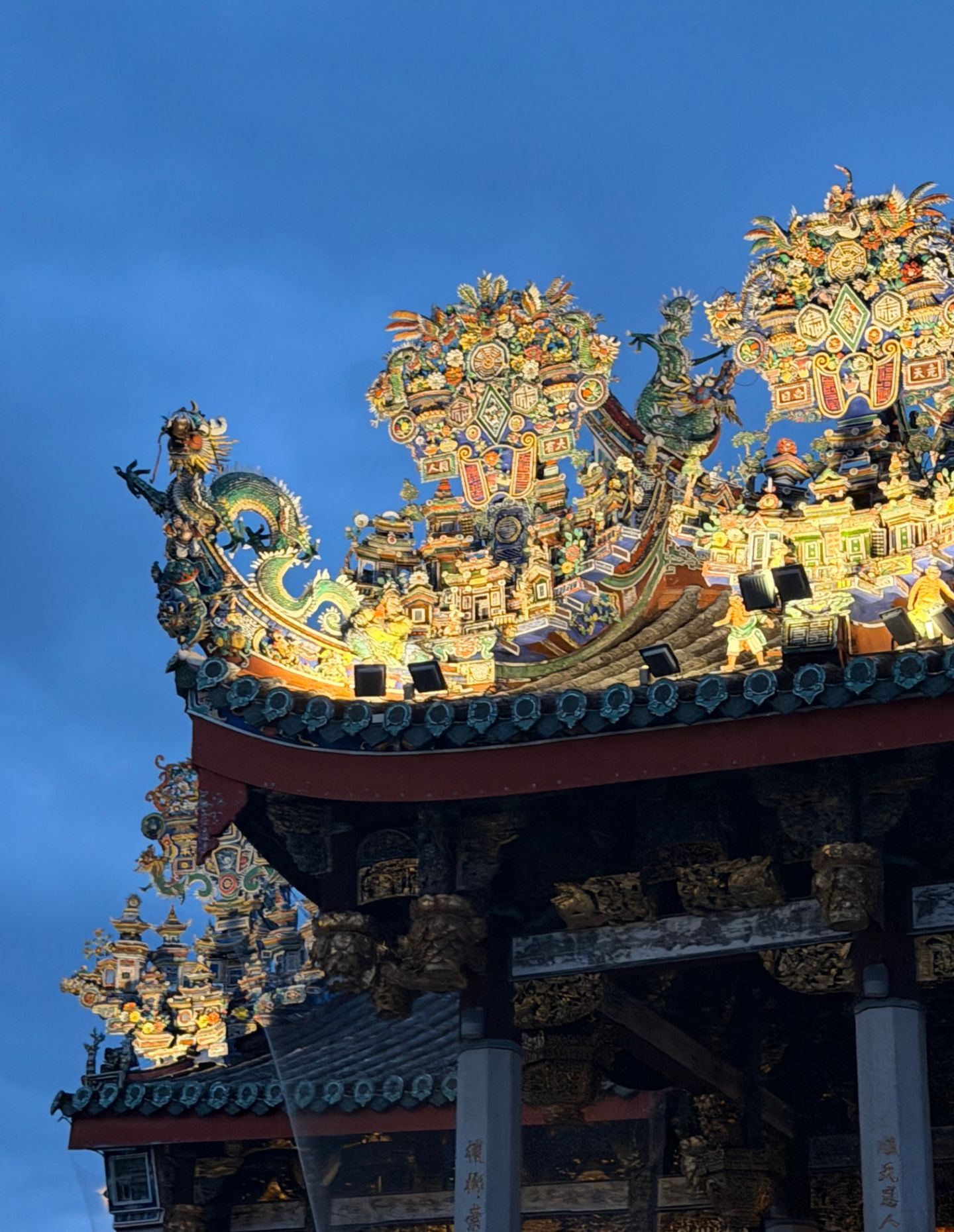
To understand George Town’s larger geographical and cultural make-up, Soori Penang’s Journeys take guests on trishaws to visit the city’s religious structures and other clanhouses, or to trawl the promenade by the sea. After 5pm, when Khoo Kongsi closes to visitors, Soori Penang’s courtyard garden and the Khoo Kongsi courtyard become places to enjoy private Teochew opera and iron-rod puppetry performances. Void of tourists, washed by dusk’s light and with the city’s noise in decrescendo, the backdrop of the temple’s chromatic porcelain dragons, mythological figures and botanical elements stacked on the roof join in the act silently. This is when guests can really feel like they are in the Khoo Kongsi and (Chan’s) private, storied world.