
The display suite has the difficult job of selling a future that does not yet exist, often through a handful of finishes, a model, a rendering and a carefully dressed room that vanishes once the project moves on.
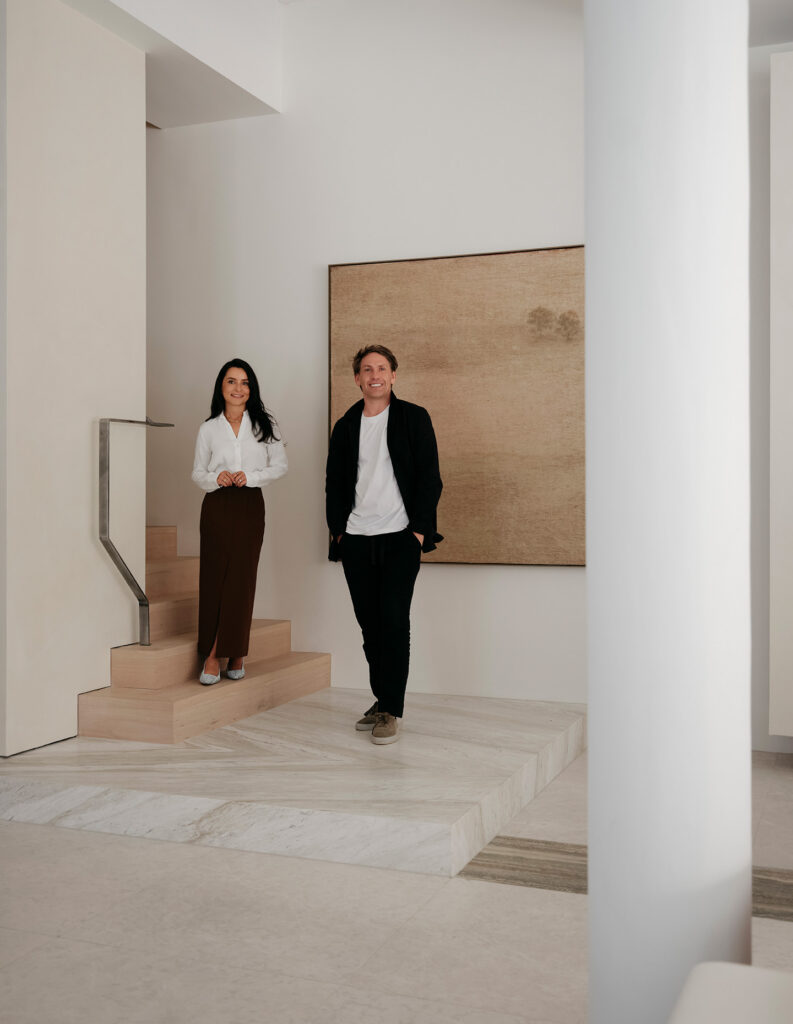
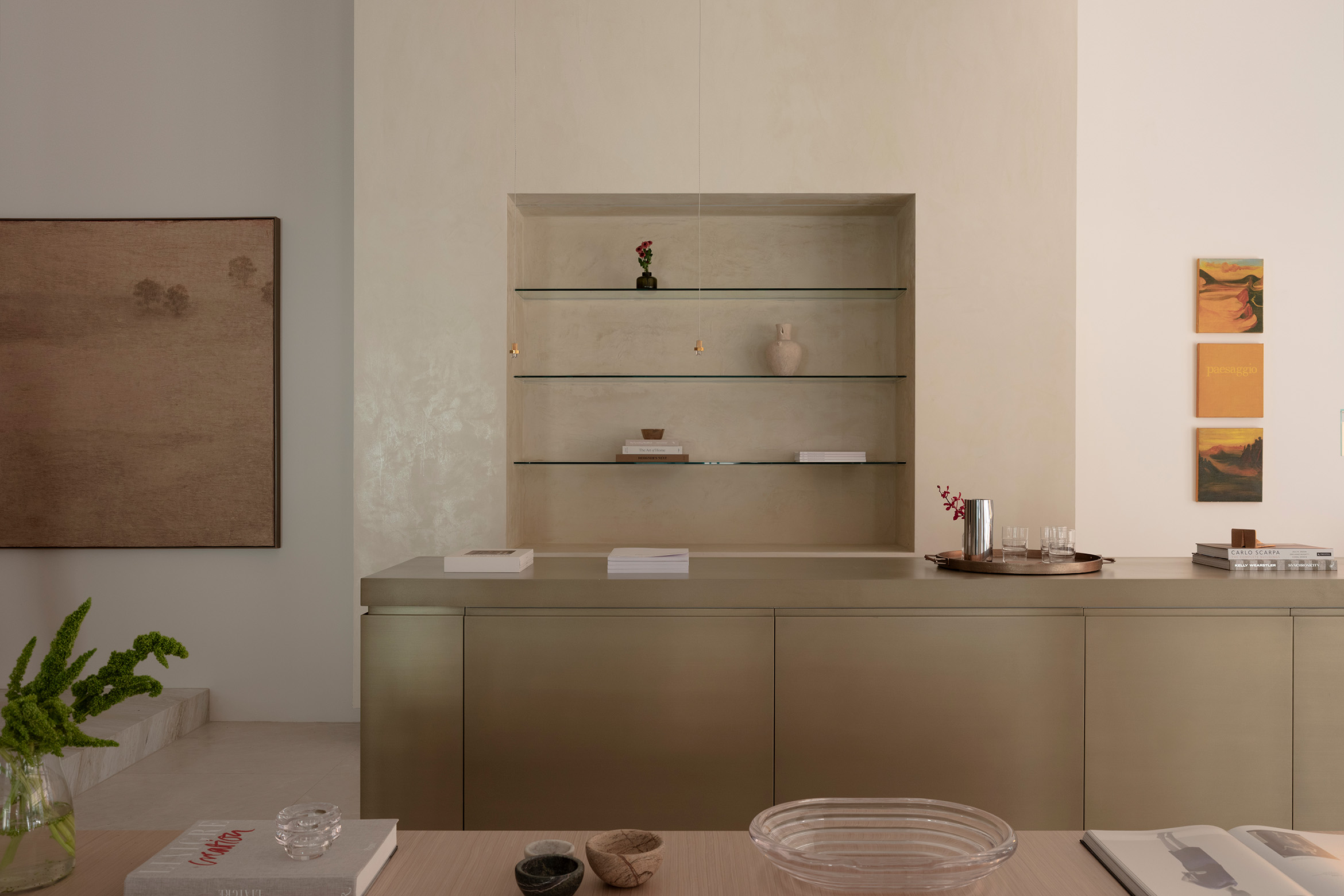
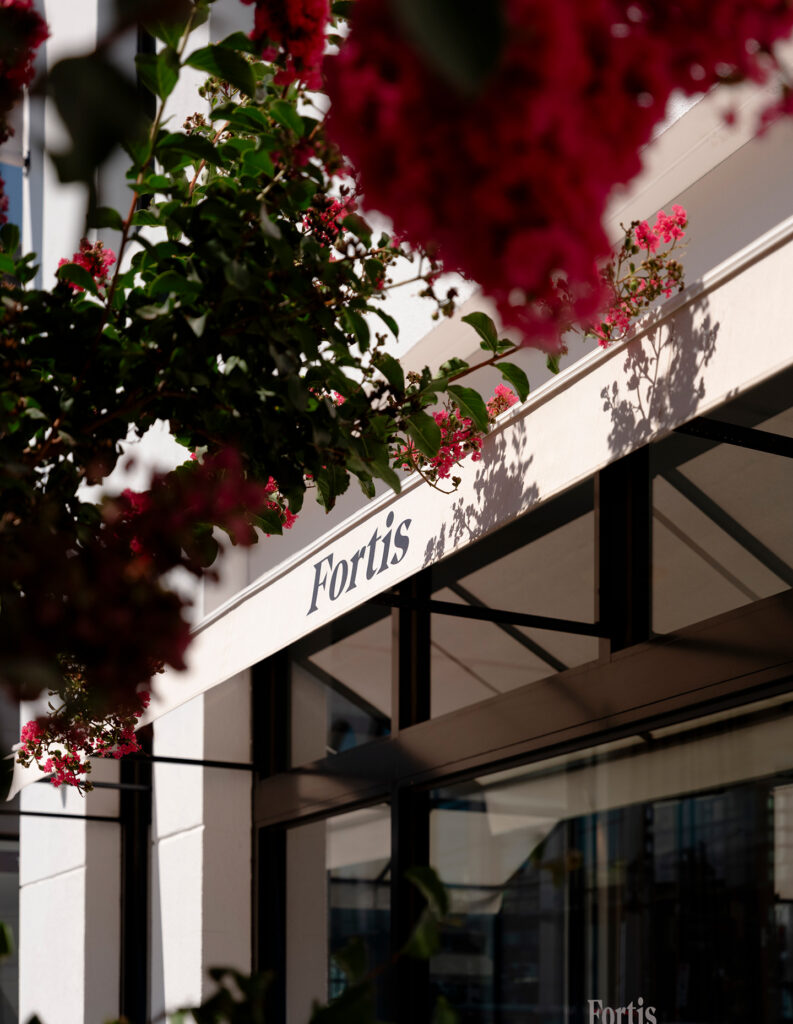
Fortis’ new permanent display destination, The Gallery in Toorak, takes a different approach. Designed in partnership with Pete Kennon and built by Beck Project Group, the space brings several Fortis residential projects into one fixed setting, allowing the developer to present its work less as a temporary sales exercise and more as an ongoing expression of its design language.
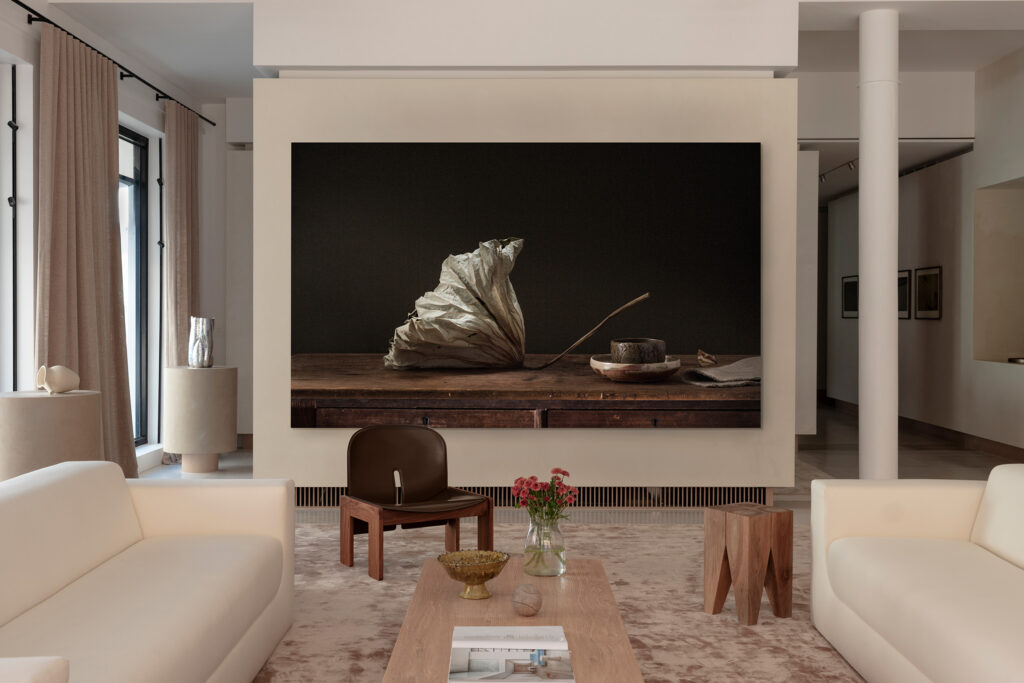
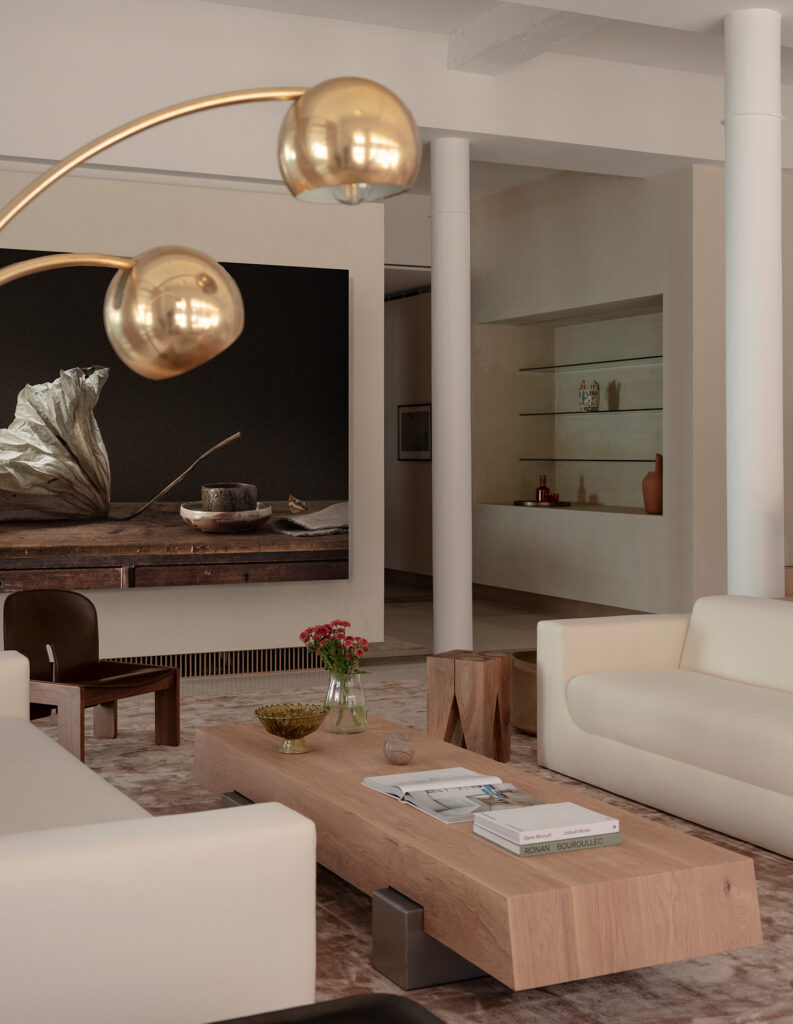
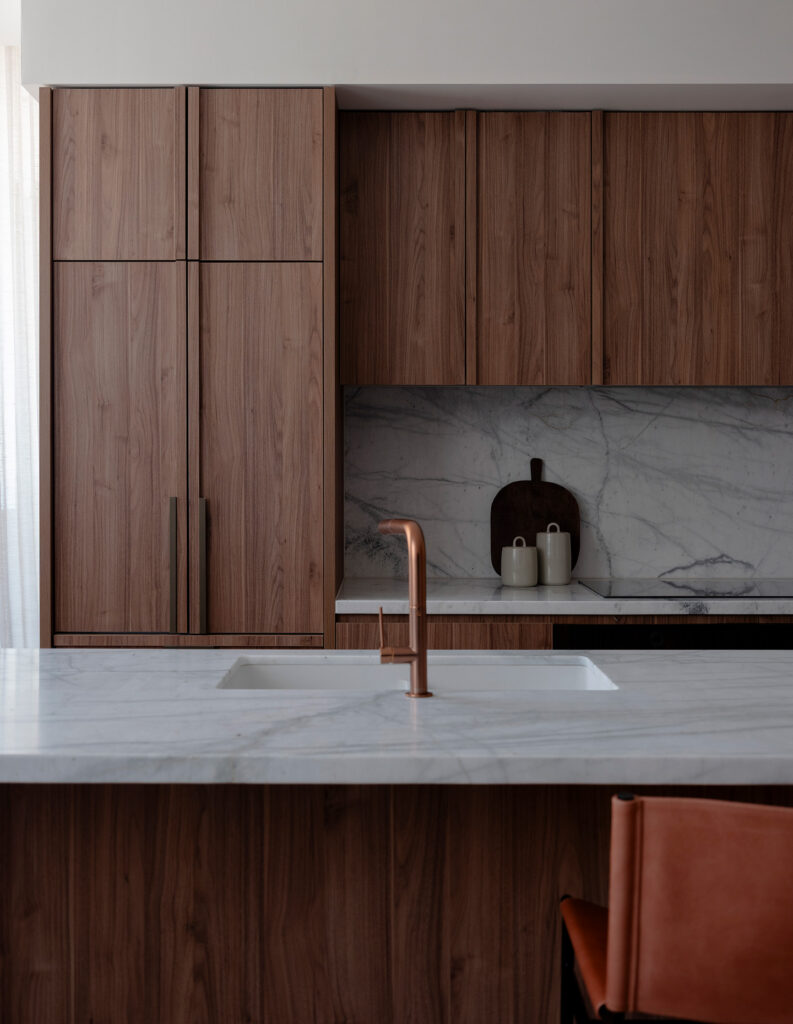
Located at 440 Toorak Road within a heritage corner building, The Gallery includes an open lounge, a four-metre island bar, a private dining space and three residential showcases: The Gild in St Kilda, and Carmine House and Wiltshire House at Richmond Square. It is part display environment, part hospitality setting and part private showroom.
For Manuela Millan, Fortis Design Manager, the challenge was to make those identities sit together without tipping too far in any one direction.
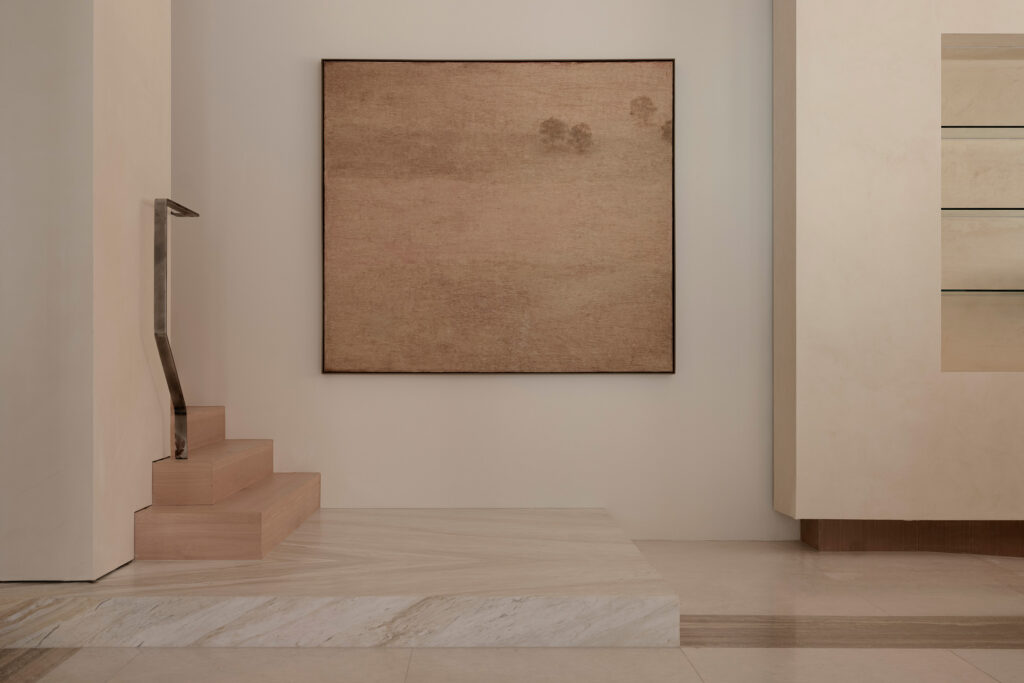
“We focused on creating an environment that feels sophisticated yet approachable — where each design cue supports rather than competes,” she says. “Upon entry, The Gallery opens like an exhibition, while the lounge and bar immediately introduce a level of comfort you’d expect in a home.”
Certainly, the space is still doing the work of a display suite. It needs to guide decisions, build trust and help prospective purchasers understand the physical and atmospheric qualities of a residence that may only exist on paper.
Related: A Tudor home finds its darker side
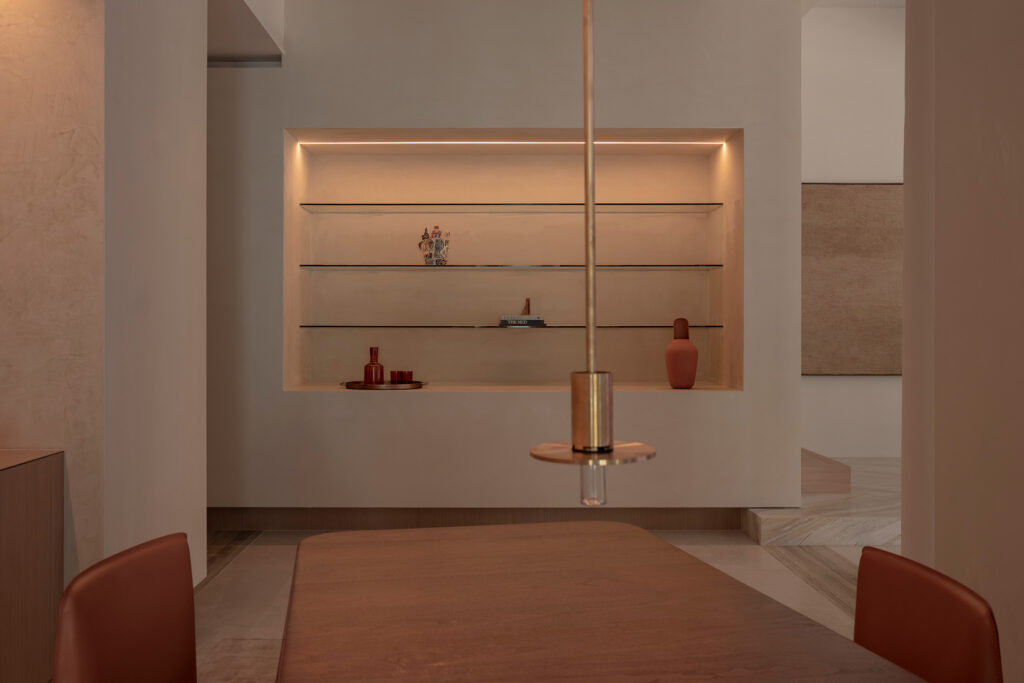
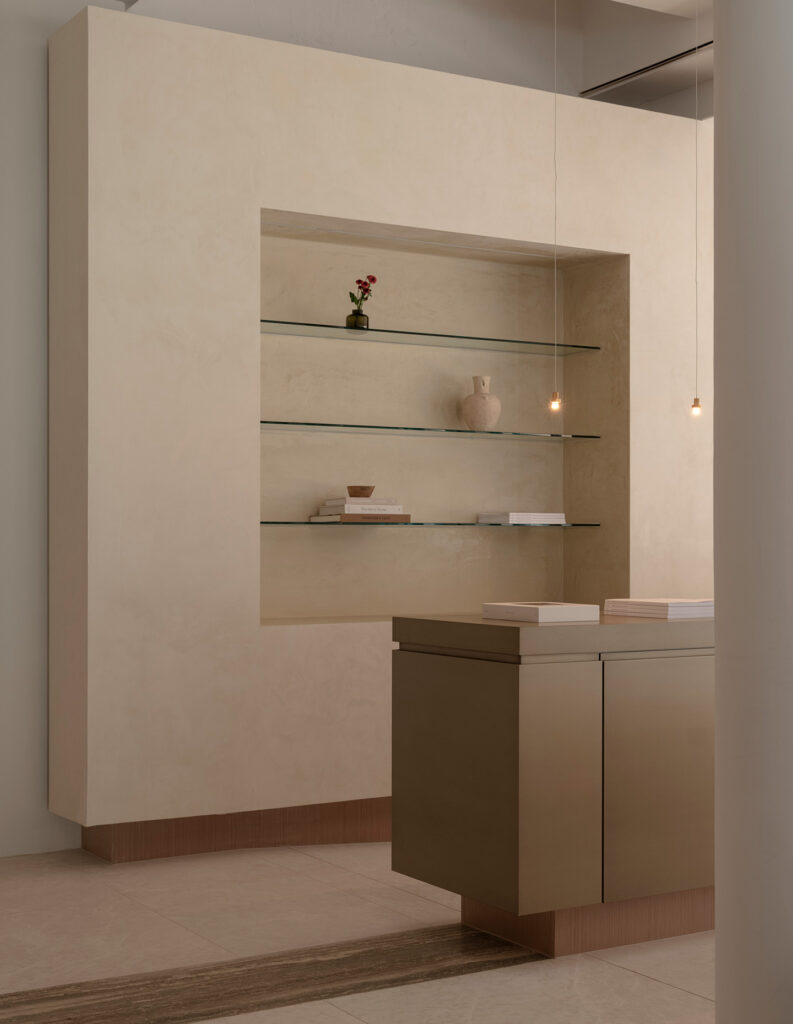
“Detailing and service elements draw from luxury retail, offering a level of refinement that feels deliberate but not overstated,” says Millan. “The Gallery sequence, with each display positioned off a central hallway, helps guide people through the decision-making process and allows Fortis to offer a white-glove experience that reflects our commitment to detail, hospitality and care.”
Studio Kennon’s spatial move is centred on a series of freestanding project pods set within the expressed steel structure of the heritage building. The approach references the Donald Judd Foundation’s Soho gallery, not in a literal sense, but through the idea of contained volumes, restraint and objects held within a larger architectural frame.
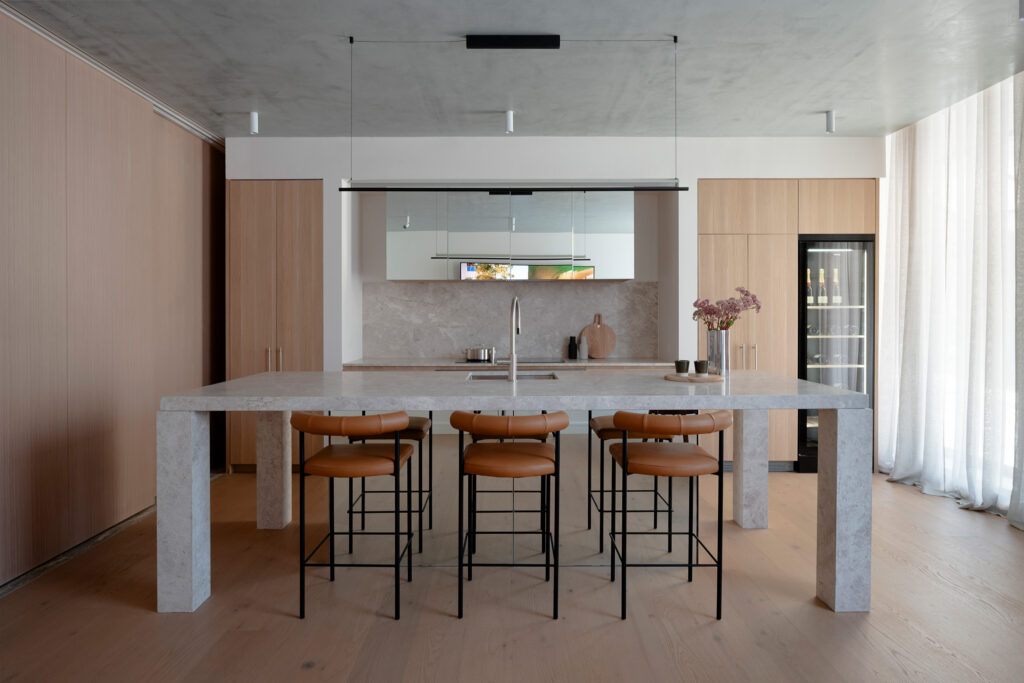
The result is quieter than the usual display environment. Lifted partitions, clean forms and a controlled material palette allow each residential showcase to read clearly, while the building’s existing structure remains present. The furniture and lighting selection adds another layer, bringing together vintage and contemporary pieces from names including Restoration Hardware, Tobias Scarpa, Jean-Marie Massaud/Mobilia, Space-man Studio, Viabizzuno and Goffredo Reggiani.
Rather than presenting one idealised apartment, The Gallery allows Fortis to show a broader view of its residential portfolio. “The Gallery allowed us to bring multiple Fortis residential projects into one permanent, cohesive environment — something a traditional, temporary display suite can’t achieve,” says Millan.
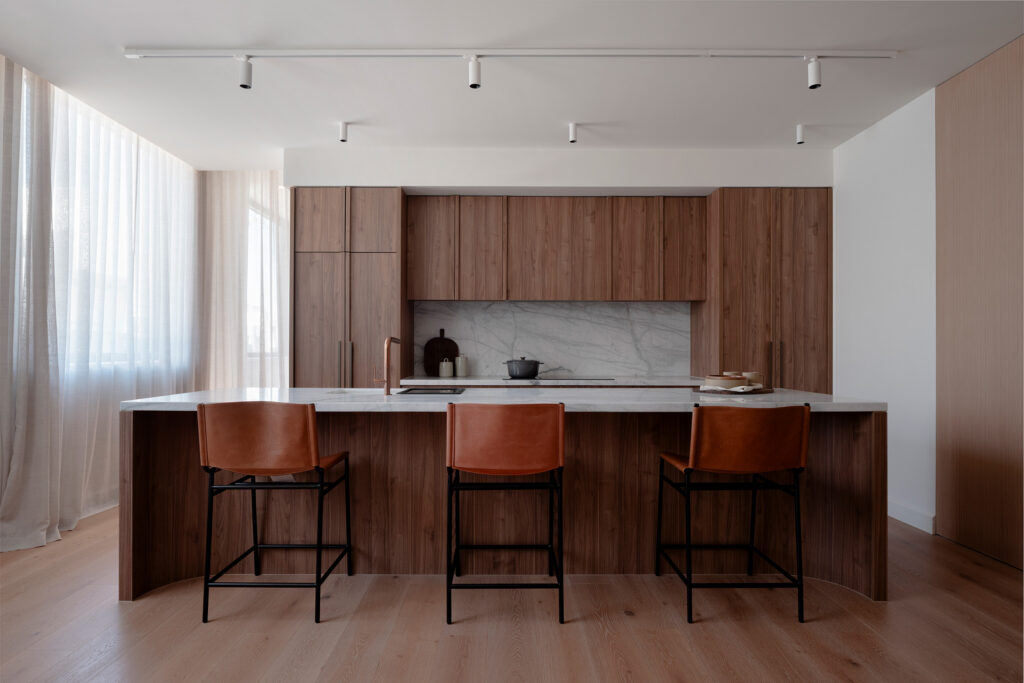
“By showcasing Wiltshire House and Carmine House of Richmond Square alongside St Kilda’s The Gild, purchasers can understand the breadth of our portfolio in a single visit. The permanence of the space also enabled a higher level of architectural detailing, materiality and curation.”
That permanence is perhaps the most interesting part of the project. A temporary display suite often has to be persuasive quickly. The Gallery can afford to be more measured. It can operate as a place for conversation, hosting and repeated visits, not just inspection.
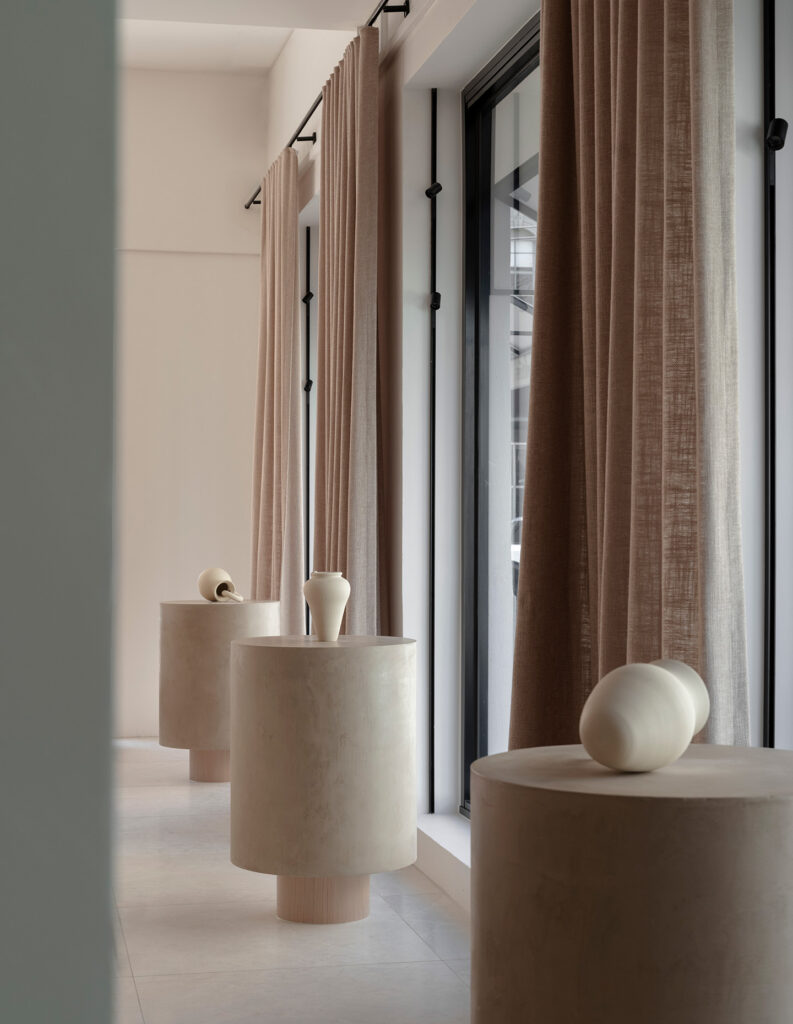
“Instead of a standalone display, The Gallery functions as an ongoing expression of the Fortis philosophy and the way we welcome people into our world,” says Millan.
This is where the project moves beyond aesthetics. The off-the-plan market has long relied on a strange mix of abstraction and promise. The Gallery attempts to make that promise more tangible through space, service, material and atmosphere. It is still a commercial environment, clearly, but one that recognises the emotional and spatial complexity of buying a home before it is built.
For Millan, the hope is that visitors leave with a clearer understanding of what connects Fortis projects, even when the locations and architectural expressions differ.
“I hope people leave with a clear understanding of the care, detail and design integrity that define every Fortis project,” she says. “The Gallery is a curated expression of how we work — thoughtful planning, quality materials and a focus on how people want to live.”
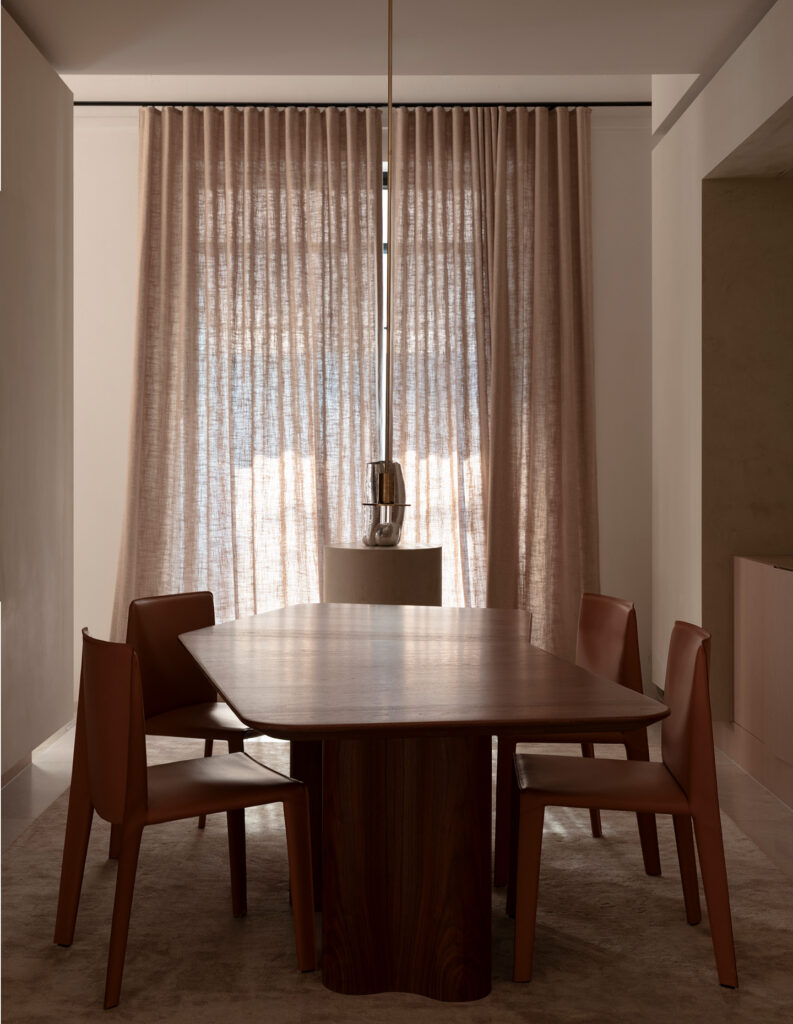
And if the space works, it does something more than explain a product. It allows someone to imagine the daily rituals of a future home through proportion, texture, light and the feeling of being hosted well.
“If potential purchasers can picture themselves at home in this environment,” says Millan, “then The Gallery has achieved its purpose.”