
Working within a heritage overlay can feel like navigating a series of constraints, but for Mancini Made, the challenge of extending a cherished Edwardian home in Williamstown became an opportunity to explore how old and new can coexist without compromise. The result is a residence that honours its history while fully embracing contemporary family life.
The project centres around a clear architectural gesture: an internal courtyard that acts as both divider and connector between the preserved heritage facade and a new rear extension. This central void allows each era to be appreciated on its own terms while creating a luminous heart that ties the home together.
We spoke with the Mancini Made team about their approach to heritage, materiality and the advantages of their integrated design-build process.
The clients wanted to balance heritage character with contemporary family living. What were their key priorities?
The clients’ priorities were threefold: respect the heritage character of the original Edwardian home, create functional contemporary family spaces and ensure seamless connection between indoor and outdoor living. They wanted a home that honoured its history while supporting modern family life—open-plan living, natural light and flexible spaces that would grow with their young family.
Working within a heritage overlay, how did you decide where to preserve, where to contrast and where to introduce something new?
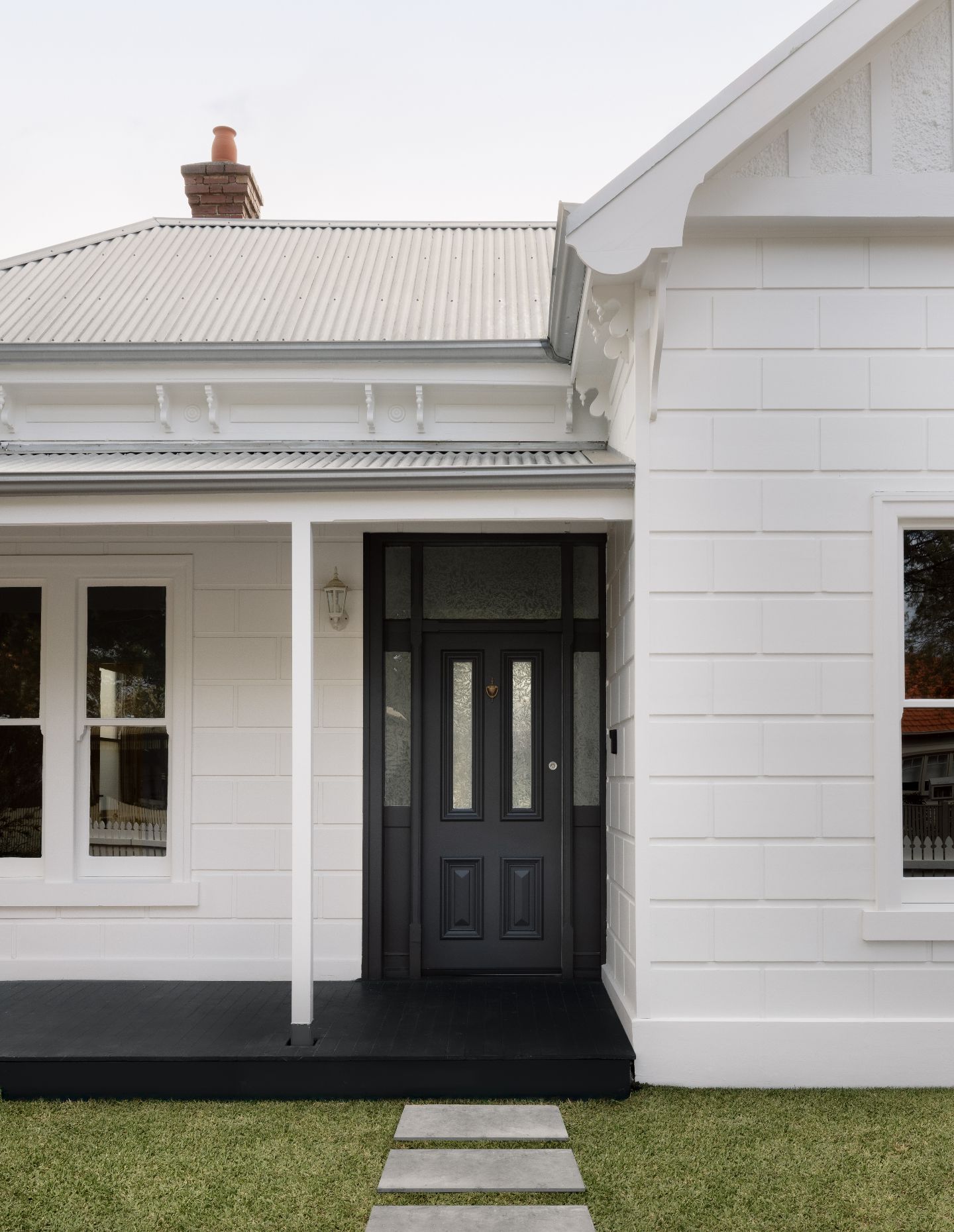
Our approach was clear: preserve and restore the street-facing Edwardian facade and front rooms to maintain the streetscape character, contrast boldly at the rear with contemporary architecture and use the internal courtyard as the transitional moment between old and new. We believed in honest architecture—the extension doesn’t pretend to be heritage, but it respects the original home through scale, material palette and careful detailing.
How intentional was the role of the courtyard?
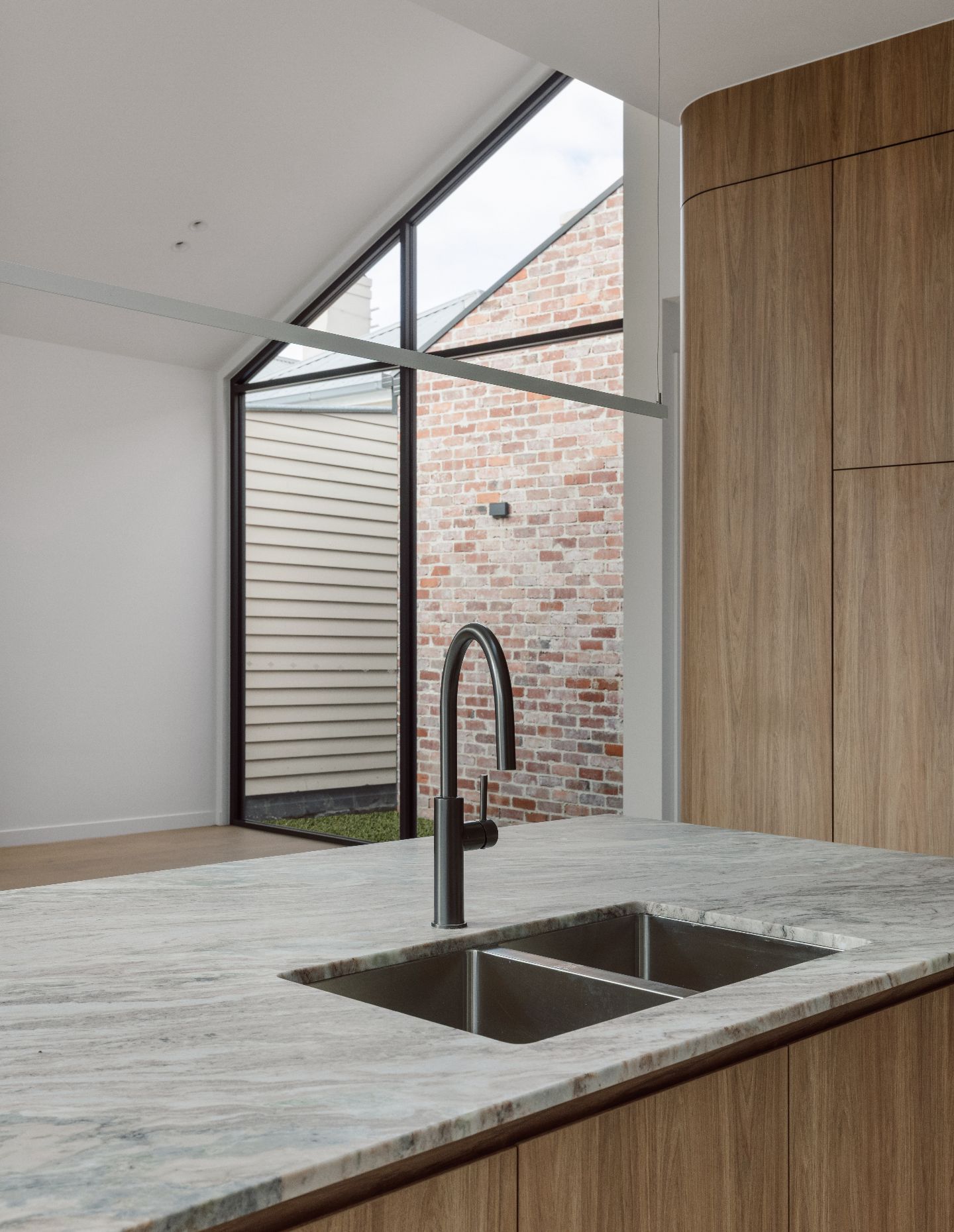
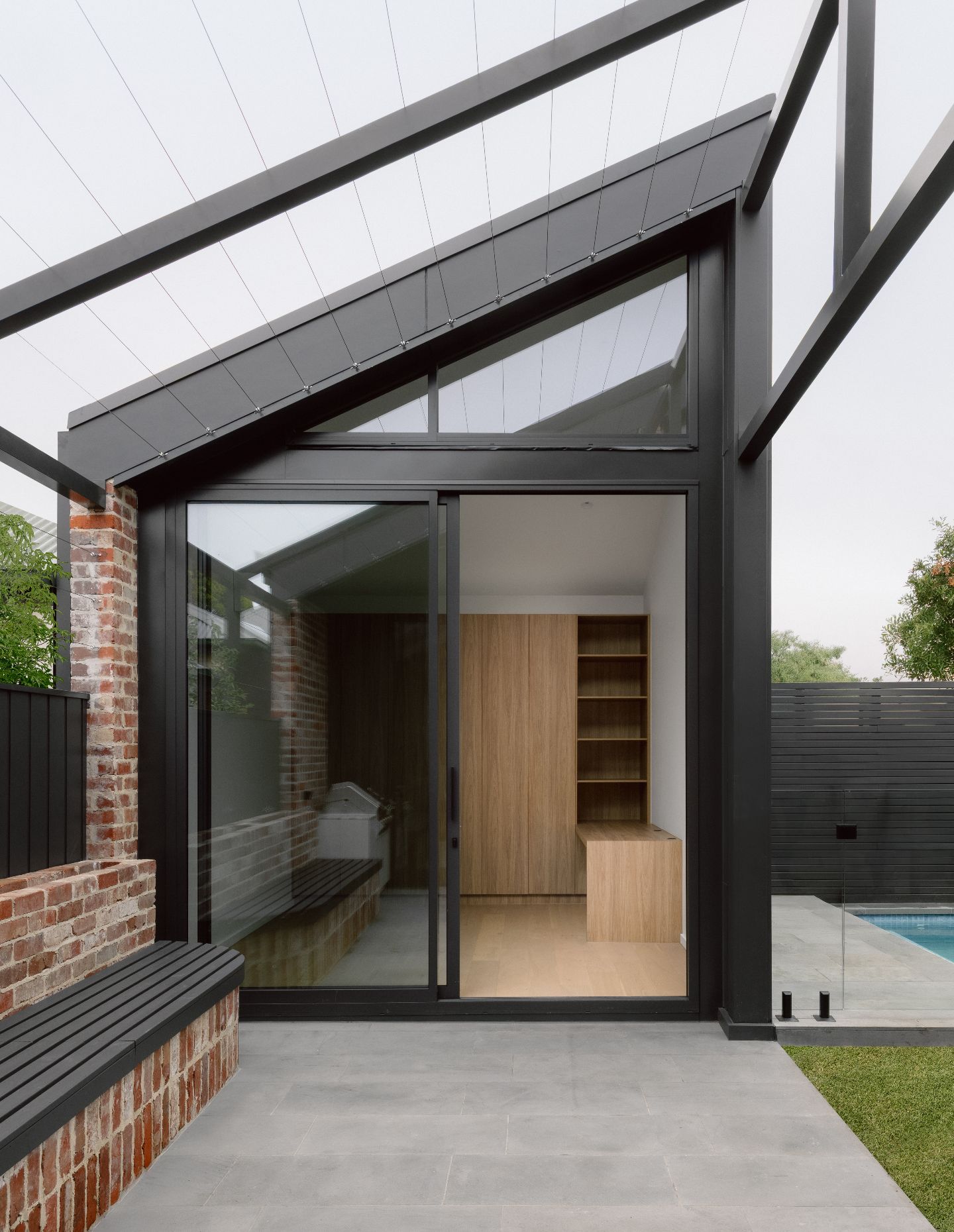
The internal courtyard was absolutely intentional as both divider and connector. It creates a physical and visual pause between heritage and contemporary, allowing each to breathe and be appreciated on its own terms. In daily life, it functions as a central light well, natural ventilation source and outdoor room that the family moves through constantly—it’s become the heart of the home, connecting all living spaces while maintaining distinct zones.
What guided the choice of using recycled red brick?
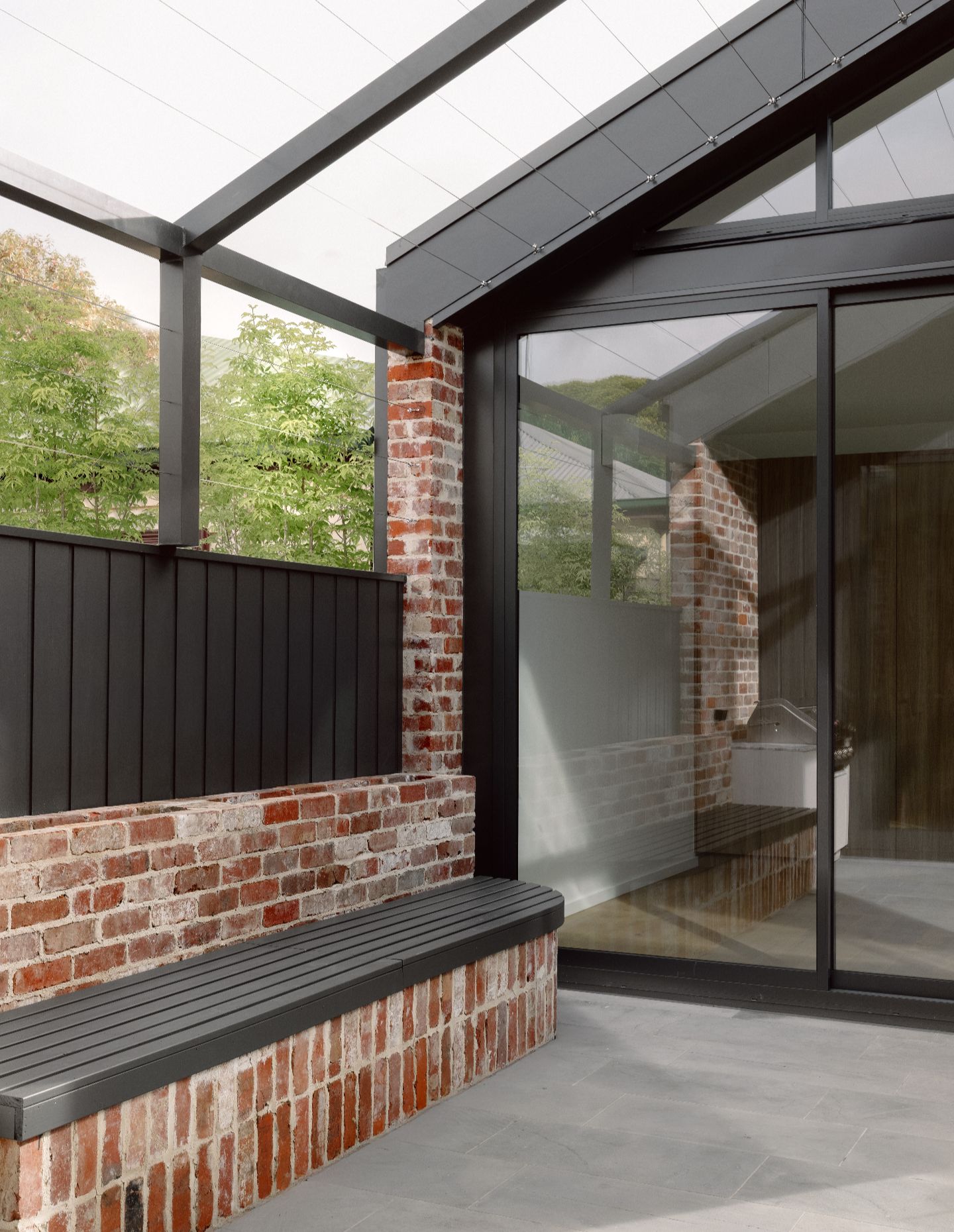
The recycled red brick was chosen to create visual continuity between old and new while being honest about the contemporary intervention. Rather than trying to replicate the original brick, we used recycled materials that share the same warmth and patina but in a different expression—stacked vertically, creating texture and shadow play. This choice shaped the home’s atmosphere by grounding the contemporary extension in materiality that feels timeless rather than trendy.
Related: The Singapore architect who printed his own home
As a design-build project, were there moments where construction expertise directly informed the design?
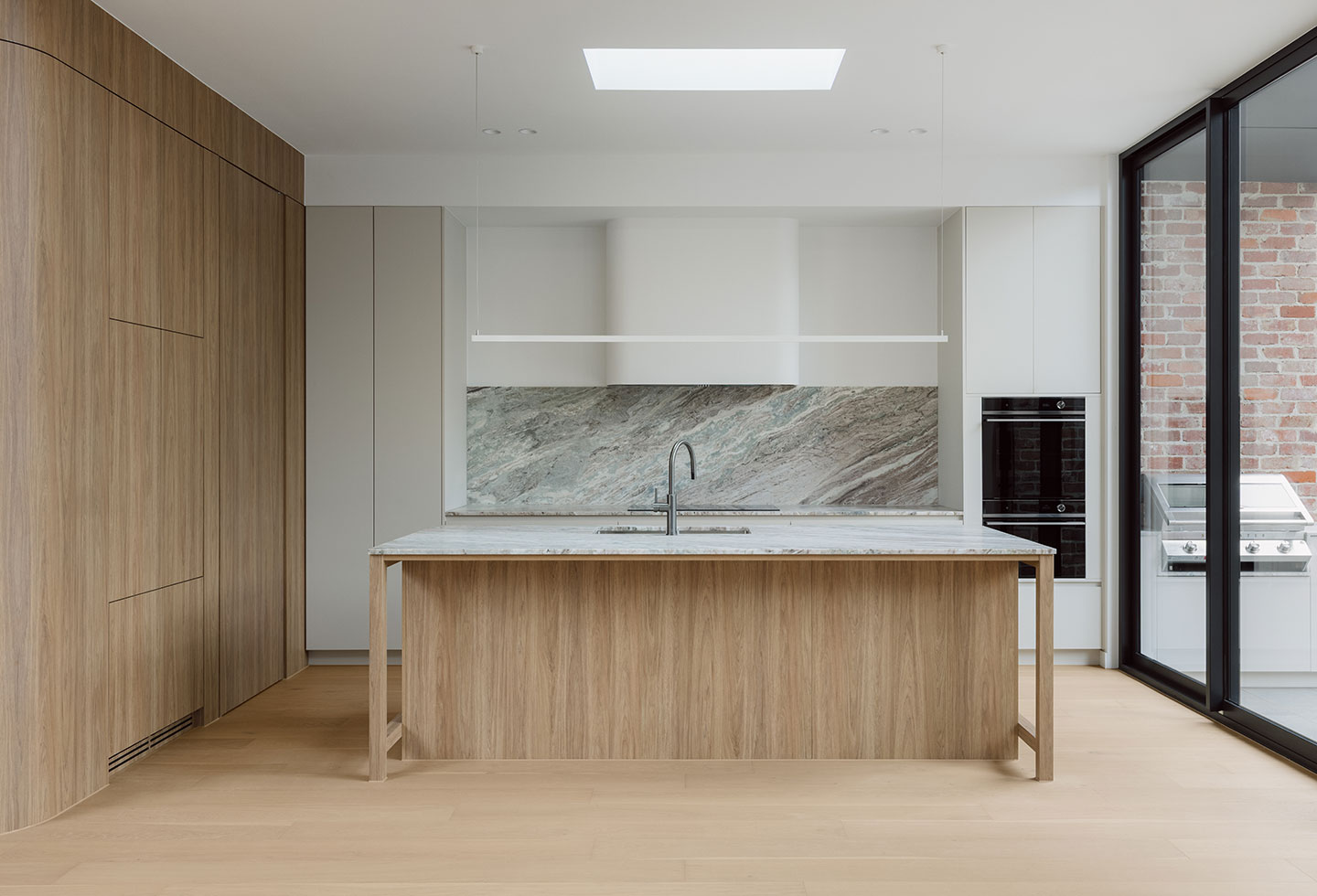
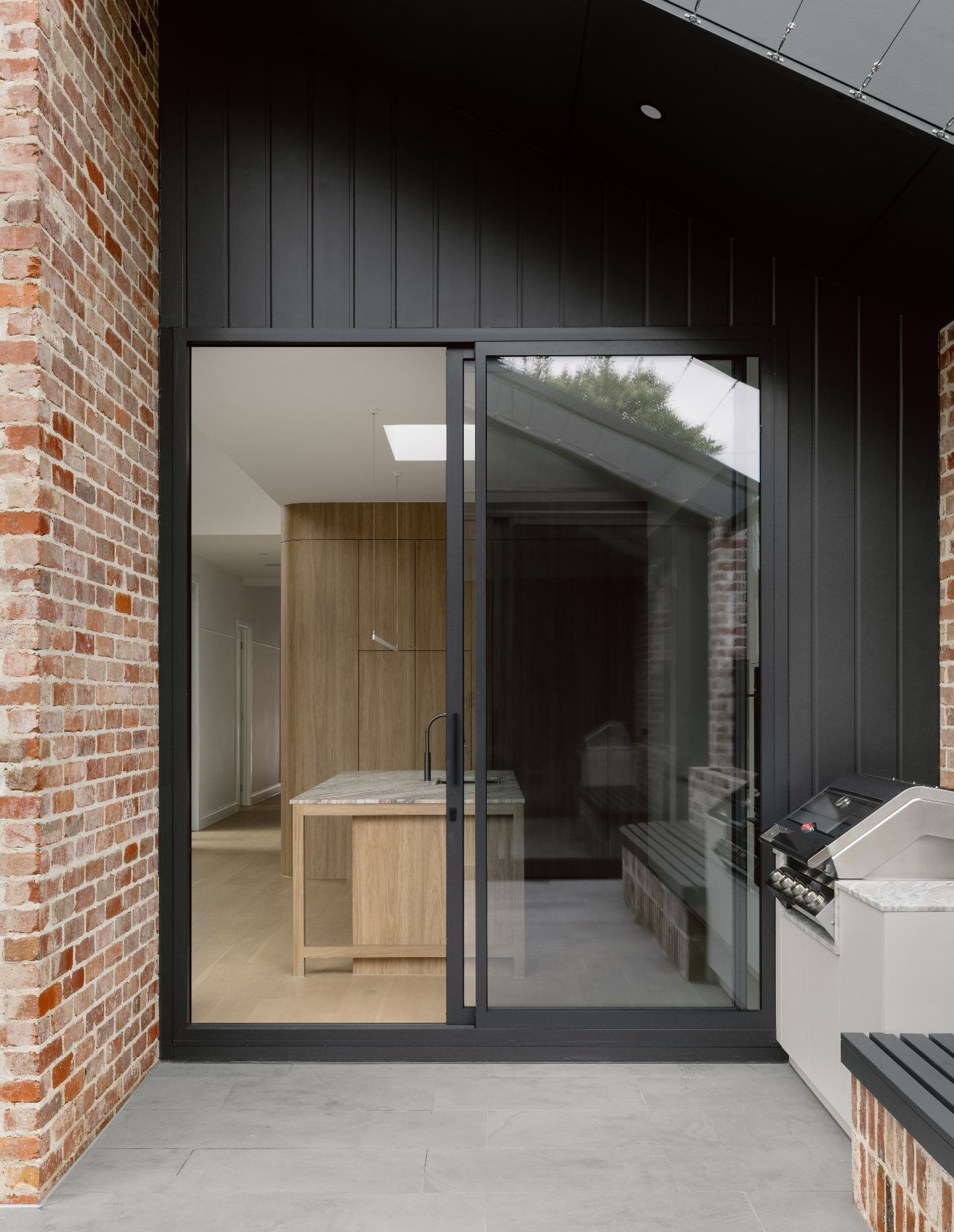
Absolutely. Our integrated design-build approach meant construction expertise informed design from day one. Key moments include: the oversized raked ceiling formed by light gauge steel was refined through our in-house manufacturing arm, Framed by Mancini Made, where our engineer provided early input on structural optimisation and construction methodology; the internal courtyard’s brick detailing was enhanced through on-site mock-ups; and window placements were optimised for natural ventilation based on our understanding of Melbourne’s climate. Having engineers, manufacturers and builders in the design process eliminated the typical disconnect between vision and execution.
Looking back, what best captures the success of the relationship between heritage and contemporary elements?
What best captures the success is how naturally the heritage and contemporary elements coexist—they feel like parts of the same story rather than two separate buildings forced together. The internal courtyard achieves what we hoped: it creates dialogue between old and new without compromising either. Clients live comfortably across both zones, the materiality feels cohesive and most importantly, the home feels distinctly theirs—not a heritage museum or a generic modern box, but a thoughtful evolution of both.
The rear gabled extension mirrors the original roofline but establishes striking contrast through charcoal vertical battens and lightweight shiplap cladding. High bay windows flood living areas with dappled light, while the outdoor entertaining area with pool becomes the home’s central hub, where recycled brick detailing extends seamlessly and dramatic rooflines add architectural presence.
It’s a project that demonstrates how heritage constraints can generate creative possibilities—when the approach is honest, the craftsmanship meticulous and the vision clear from the outset.