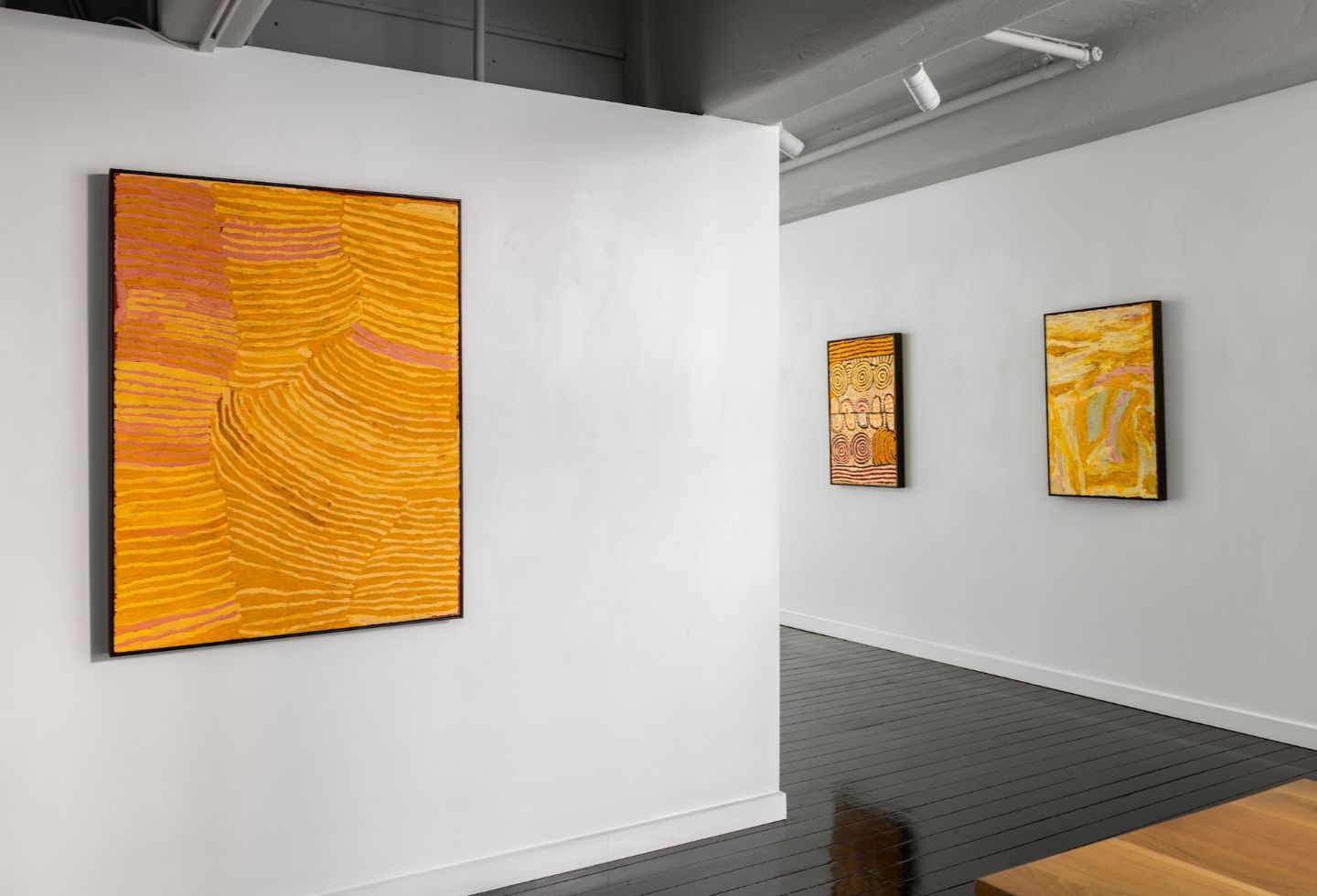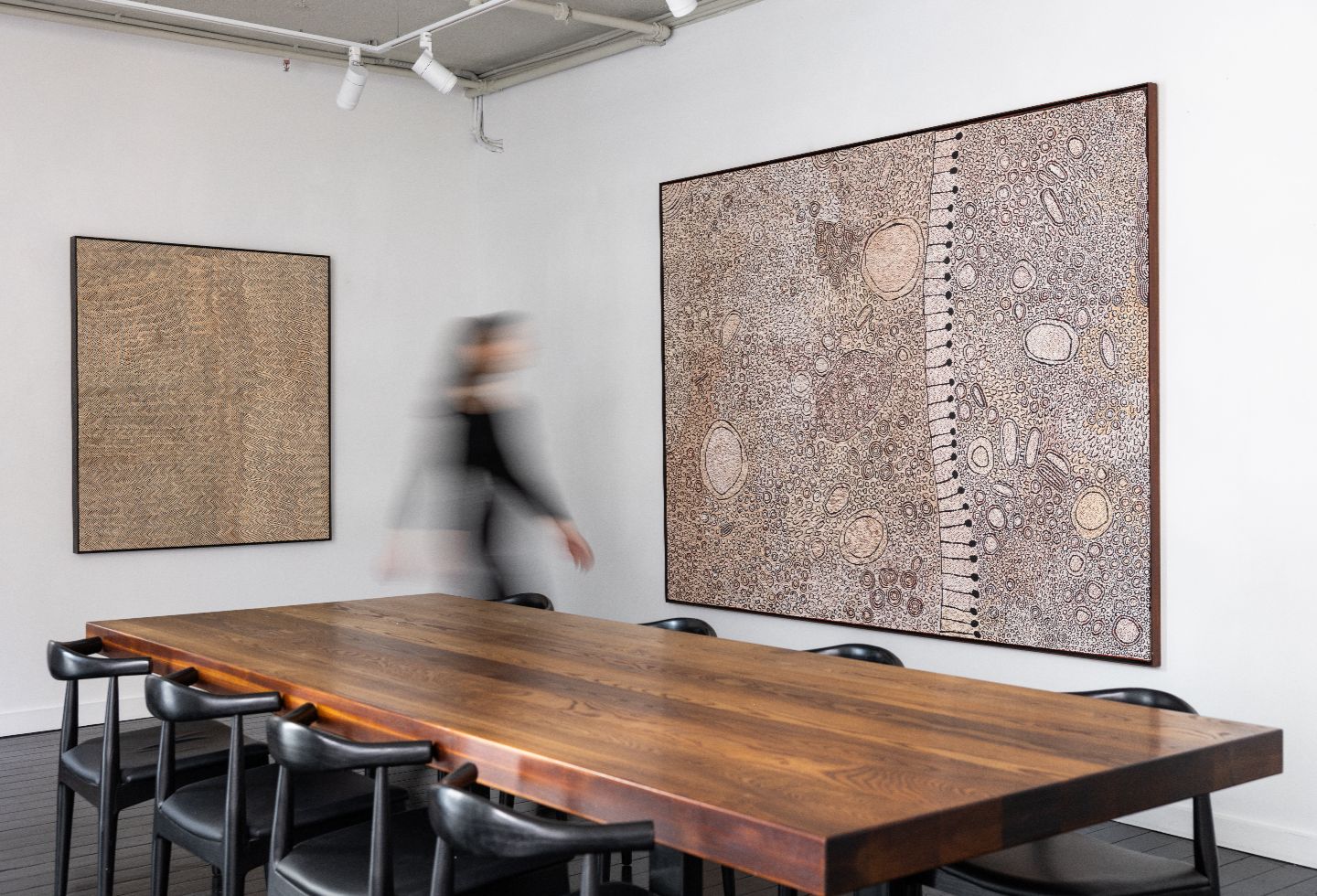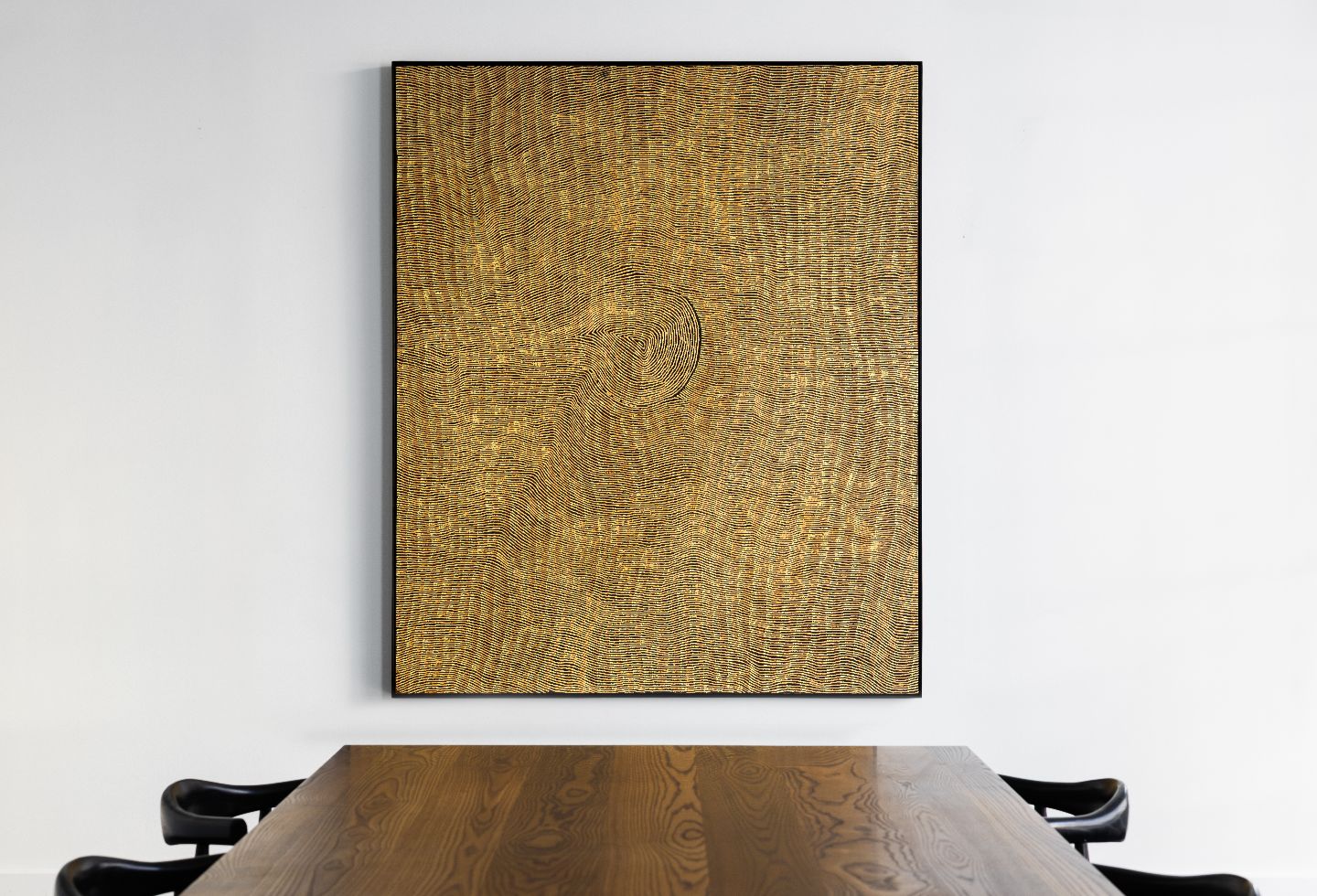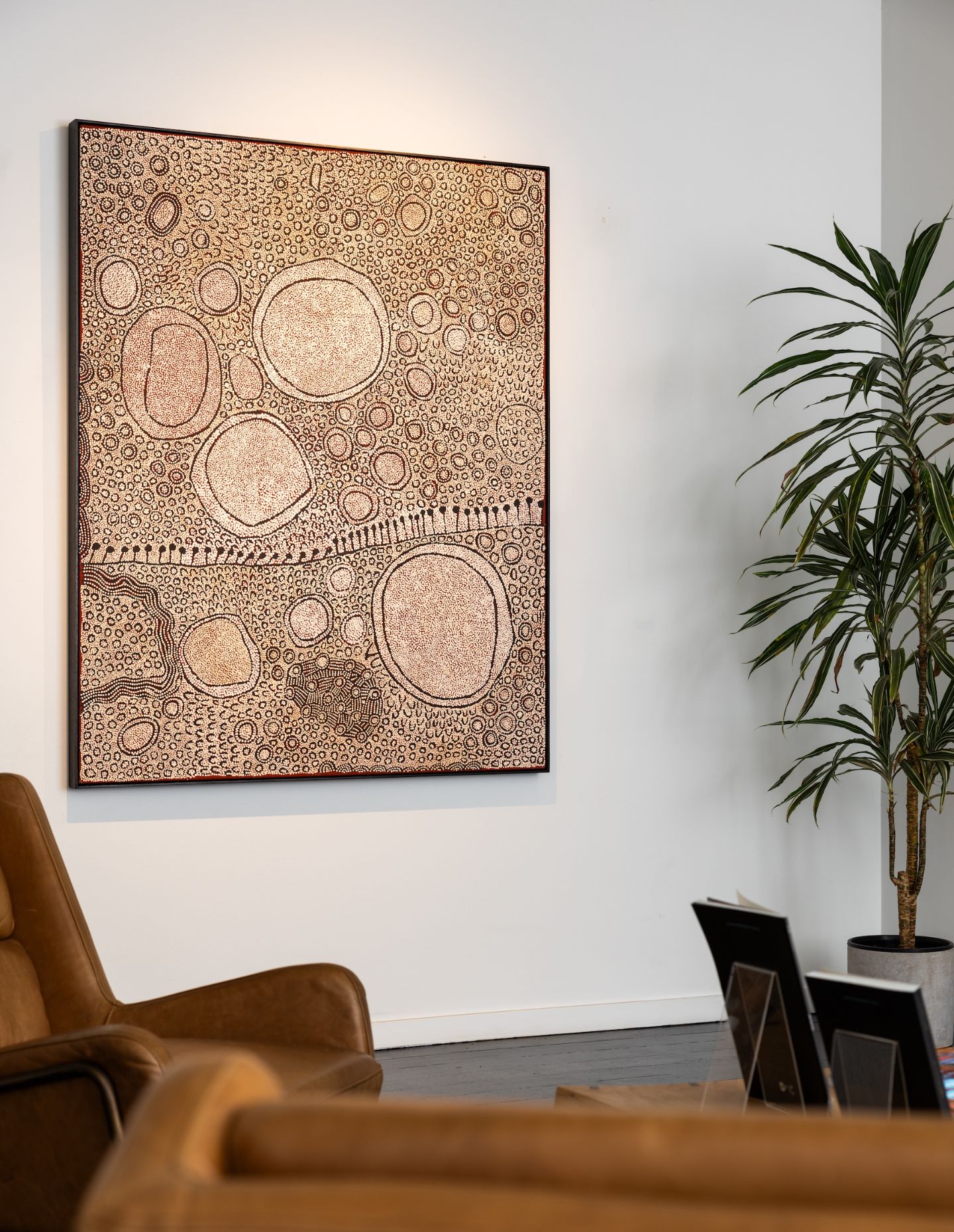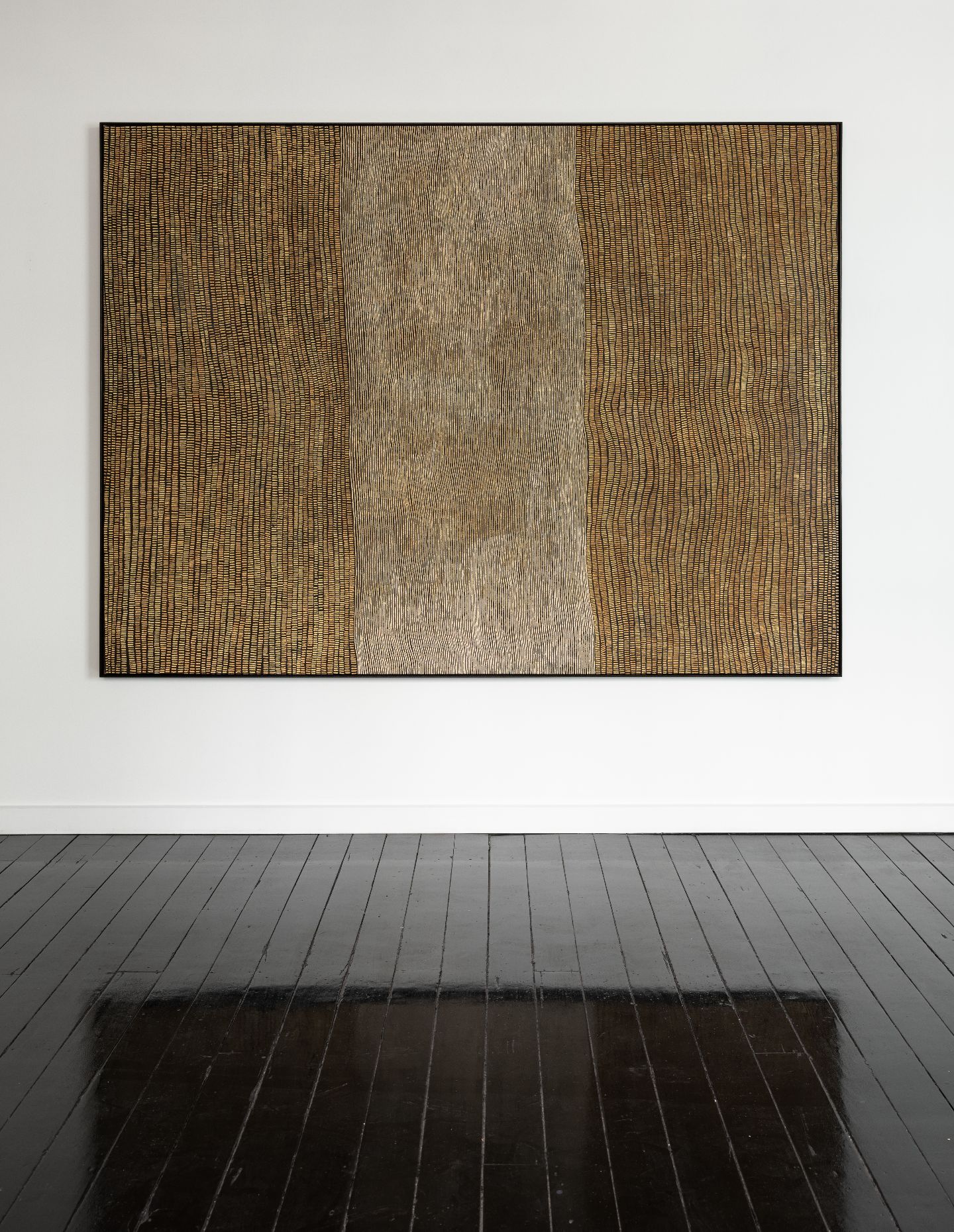

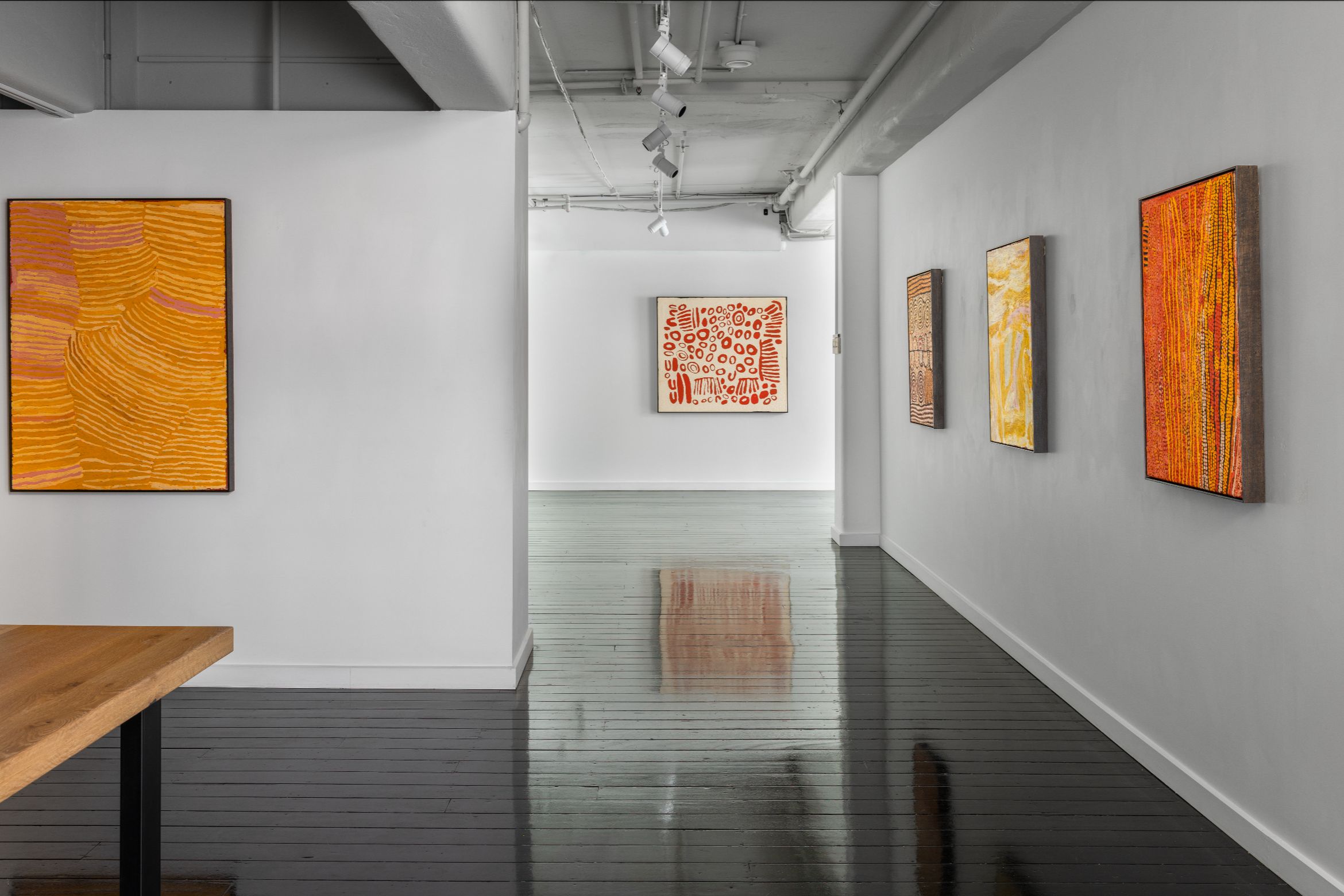
Although its origins span many thousands of years, Australian First Nations art has recently gained significant prominence in the international art world. Over recent years, several landmark events have captured the attention of the global art world. Archie Moore’s exhibition kith and kin was awarded the prestigious Golden Lion for Best National Participation at La Biennale de Venezia 2024. A retrospective of one of Australia’s most celebrated artists, Emily Kam Kngwarray, opened at Tate Modern, London, in July 2025 and this coming October, the largest international exhibition of Australian First Nations art ever presented will open at the National Gallery of Art, Washington. Curated by the National Gallery of Victoria, The Stars We Do Not See: Australian Indigenous Art, will feature over 200 works by 130 artists.
This recognition has translated into the global art market, in which Australian First Nations art has emerged as a highly desirable category. International institutions such as The Metropolitan Museum of Art in New York, the National Gallery of Art in Washington DC, The British Museum in London and The Musée du Quai Branly in Paris have begun to acquire significant works of art. Many other major museums worldwide are actively expanding their collections to address historical deficits and elevate Indigenous artists to their rightful status in global art history.
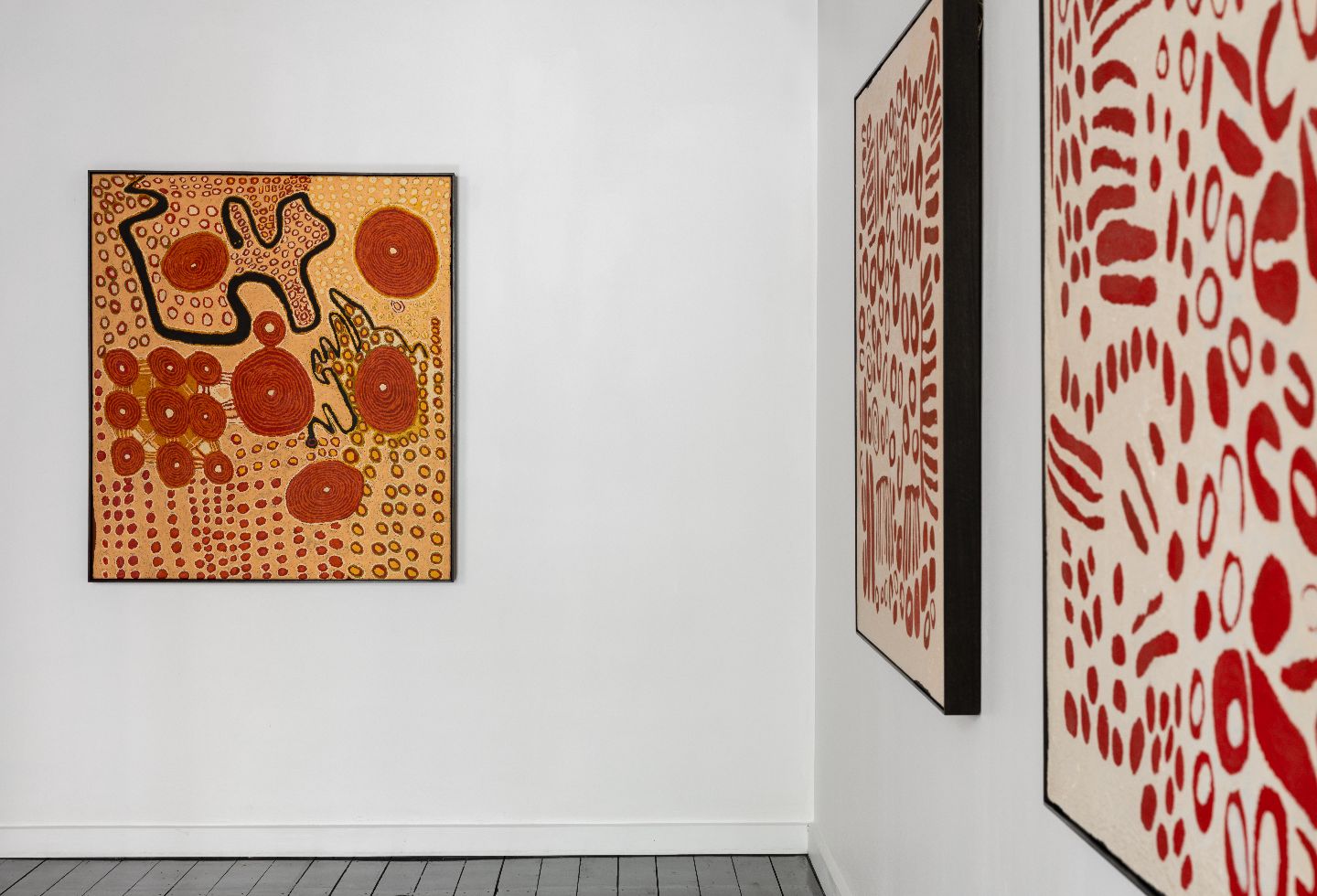
It is also now increasingly common to see interior designers and stylists incorporating Australian First Nations art into residential homes and public interiors. This growing trend reflects a more thoughtful and sophisticated approach to imbuing our living spaces with a unique sense of place. Contemporary Australian First Nations art complements and contrasts a broad spectrum of architectural styles. Beyond its striking aesthetics, however, there is also an appreciation of the rich cultural narratives and spiritual significance it contains. This trend has also seen a rise in designers and collectors embracing the importance of ensuring that the artwork they acquire has been sourced ethically.
And as the spotlight on Australian First Nations art continues to intensify, so too does the responsibility of the galleries and collectors who champion it. With the rise in public interest and commercial values, there is a need for collectors to navigate the market with detailed knowledge, discernment and greater care. Understanding provenance, and the nuances of the ethical collecting of art by individual artists and communities has never been more important.
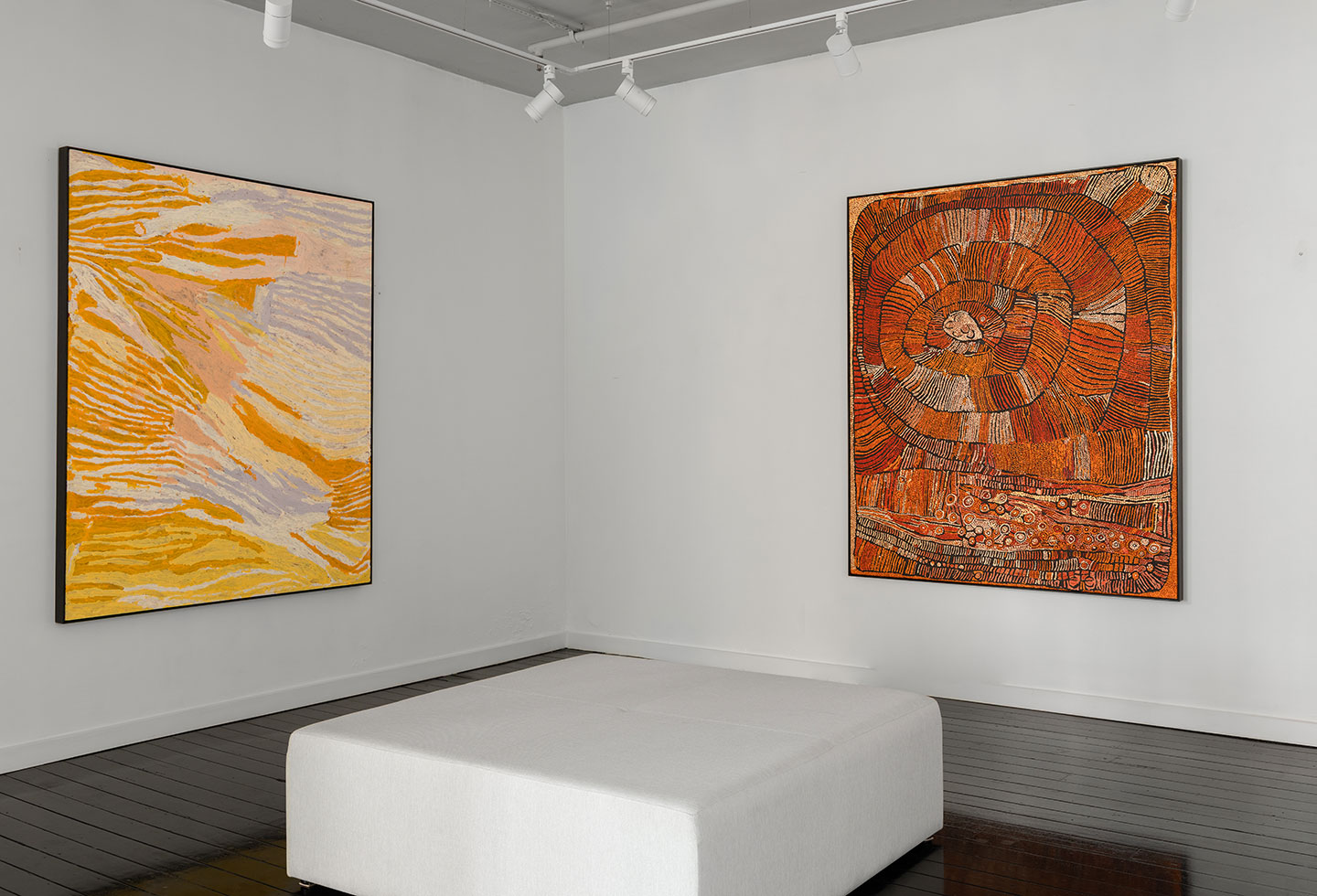
Provenance traditionally refers to the documented history, origin and ownership of an artwork. In the context of Australian First Nations art, provenance carries additional significance as it also includes the cultural and historical context of the artwork, linking it to the artist, their community and, typically, the arts centre that represents them. Provenance is also a critical safeguard against unethical trade practices, ensuring the artwork is legitimately sourced and the artists are fairly compensated.
For collectors, a clear line of provenance provides assurance that the artwork was properly attributed and ethically acquired. Documented provenance protects both the collector and the artist by offering a verified lineage of the work’s creation and sales, exhibition and publication history. It also ensures that the activity of private collectors aligns with those expected by Australian collecting institutions and international best practices.
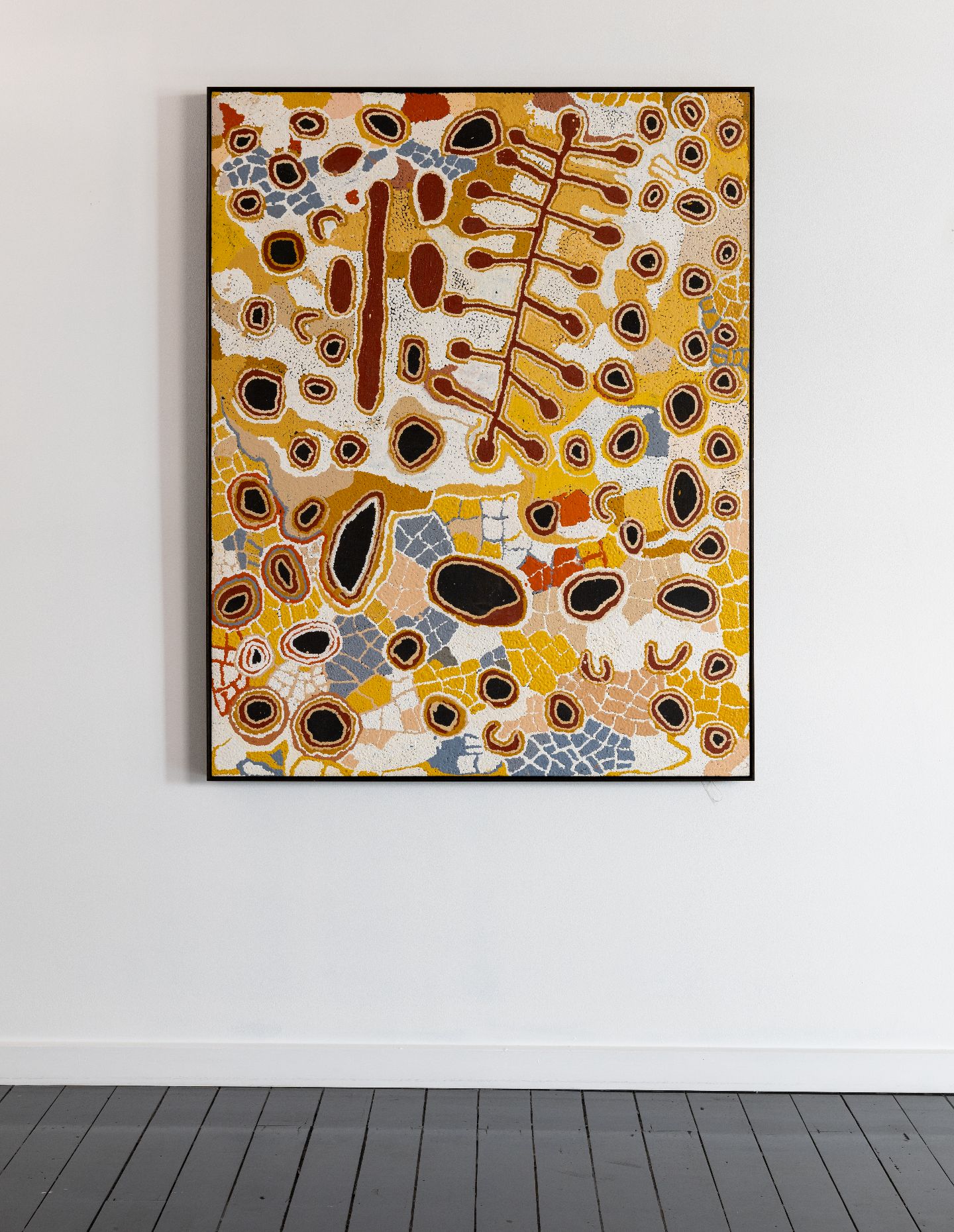
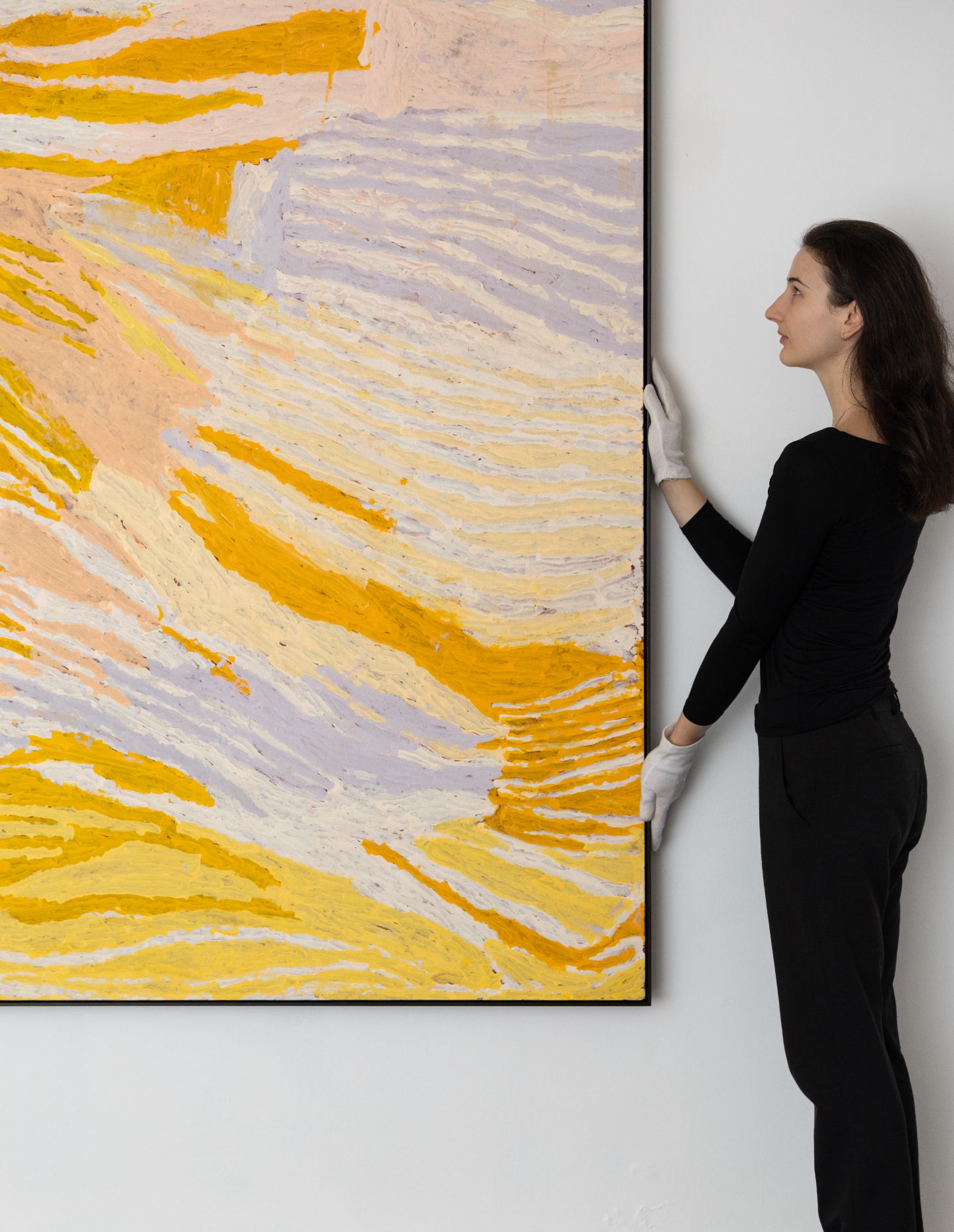
Purchasing from a community art centre is the most ethical and sustainable way to acquire an artwork. One of the most vital roles of these centres is to ensure that artists are paid fairly for their work. Historically, Indigenous artists have been subjected to exploitative dealings, with works being sold without their consent or at unfairly low prices. Art centres prevent this by setting fair prices and managing sales transparently, ensuring that artists receive the full benefit of their endeavours.
Beyond these considerations, purchasing from an art centre fosters long-term sustainability for Indigenous artists and the market that supports them. The profits from sales are reinvested into the community, ensuring that Indigenous artists can continue creating while the profits are supporting their community and families.
As the global market leader in Australian First Nations art, D’Lan Contemporary maintains a steadfast commitment to ethical market practices. It is our responsibility, and the responsibility of all market stakeholders, to insist upon strict provenance protocols to protect the artists, art centres and collectors, while simultaneously creating confidence in the marketplace.
Related: Kaldor exhibition at the Art Gallery of New South Wales
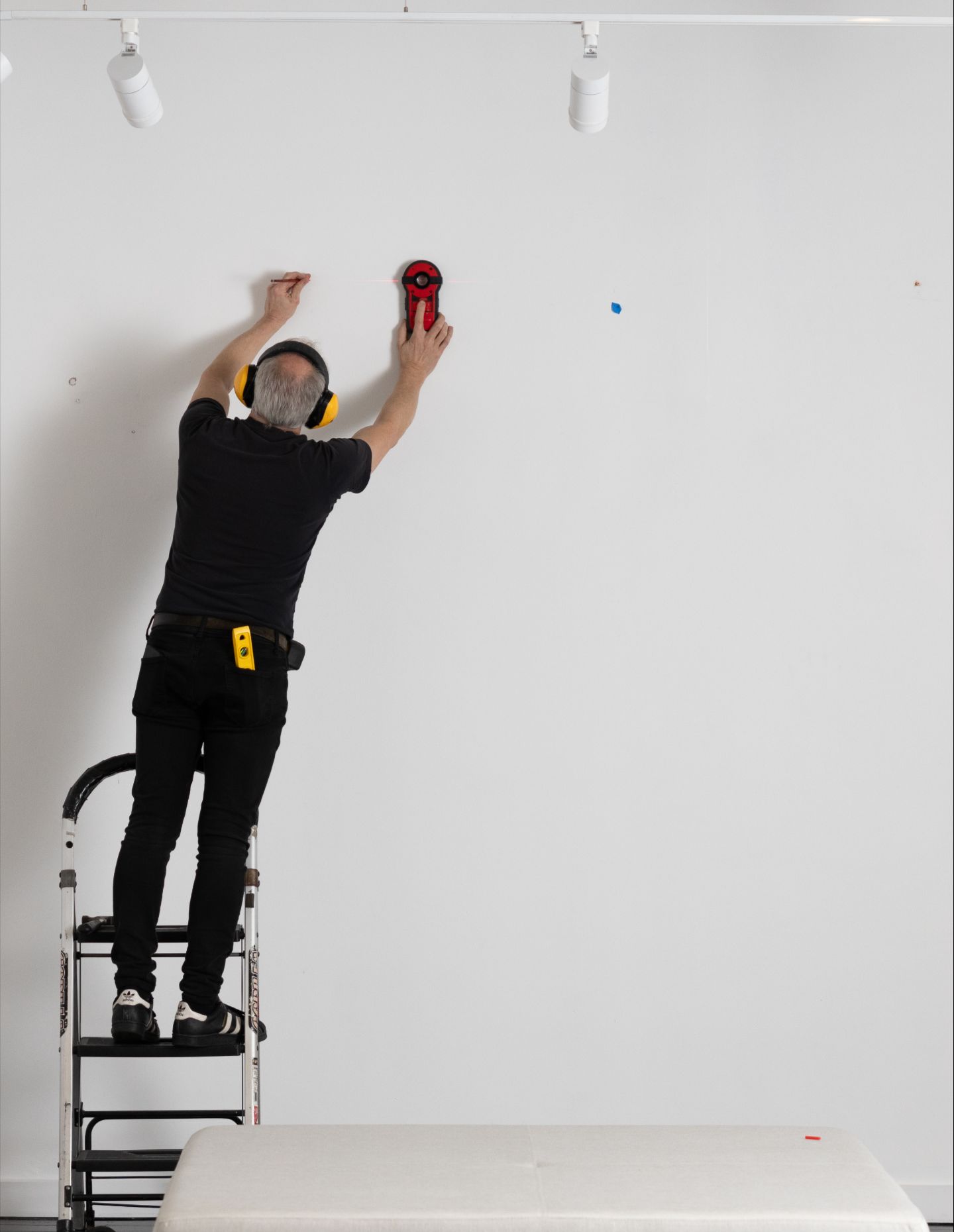
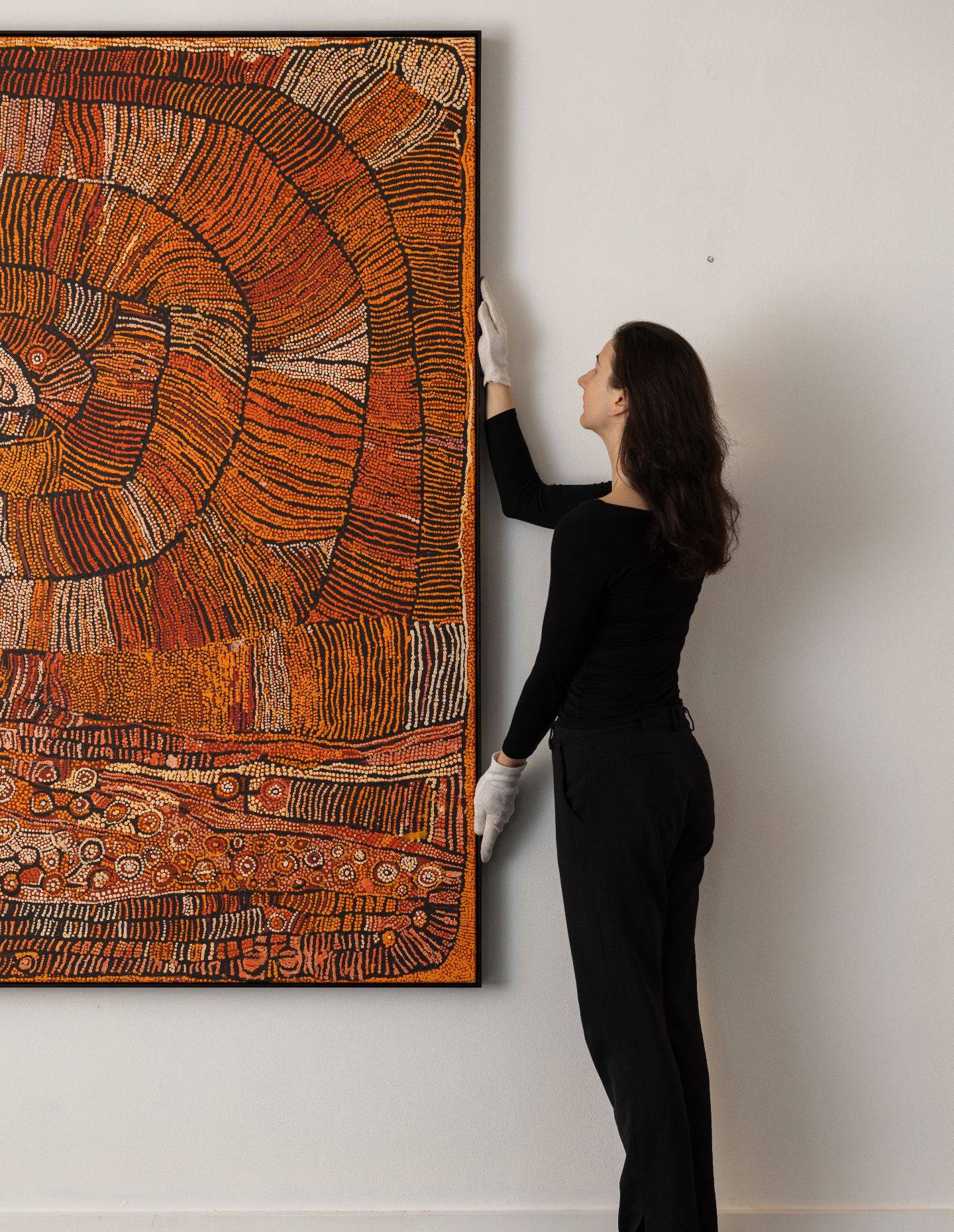
As interest in Indigenous Australian art continues to build internationally, it is vital that this momentum doesn’t leave behind the very people who sustain it. Supporting both the primary and secondary markets is essential – not as a balancing act, but as an integrated model of care, transparency and respect.
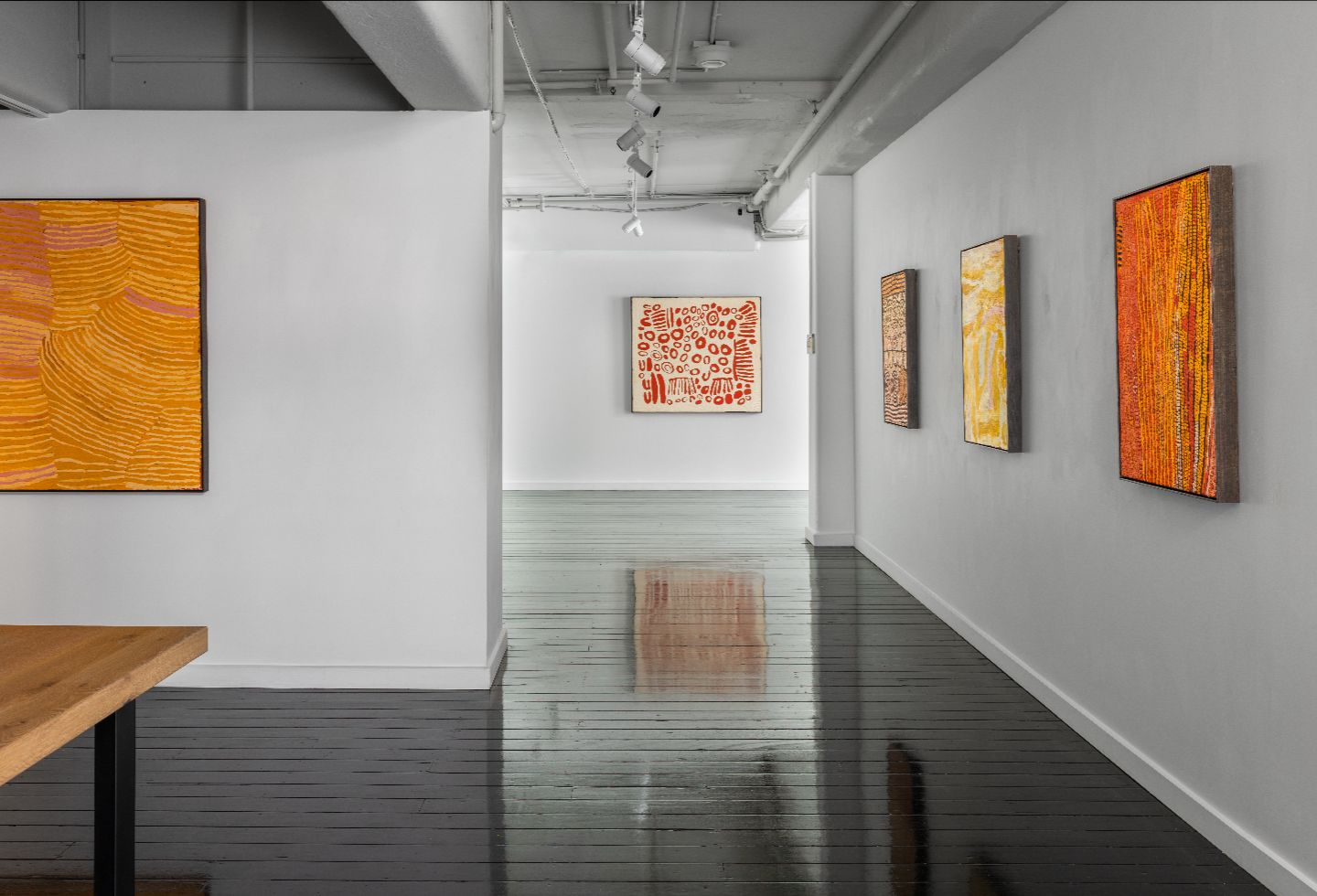
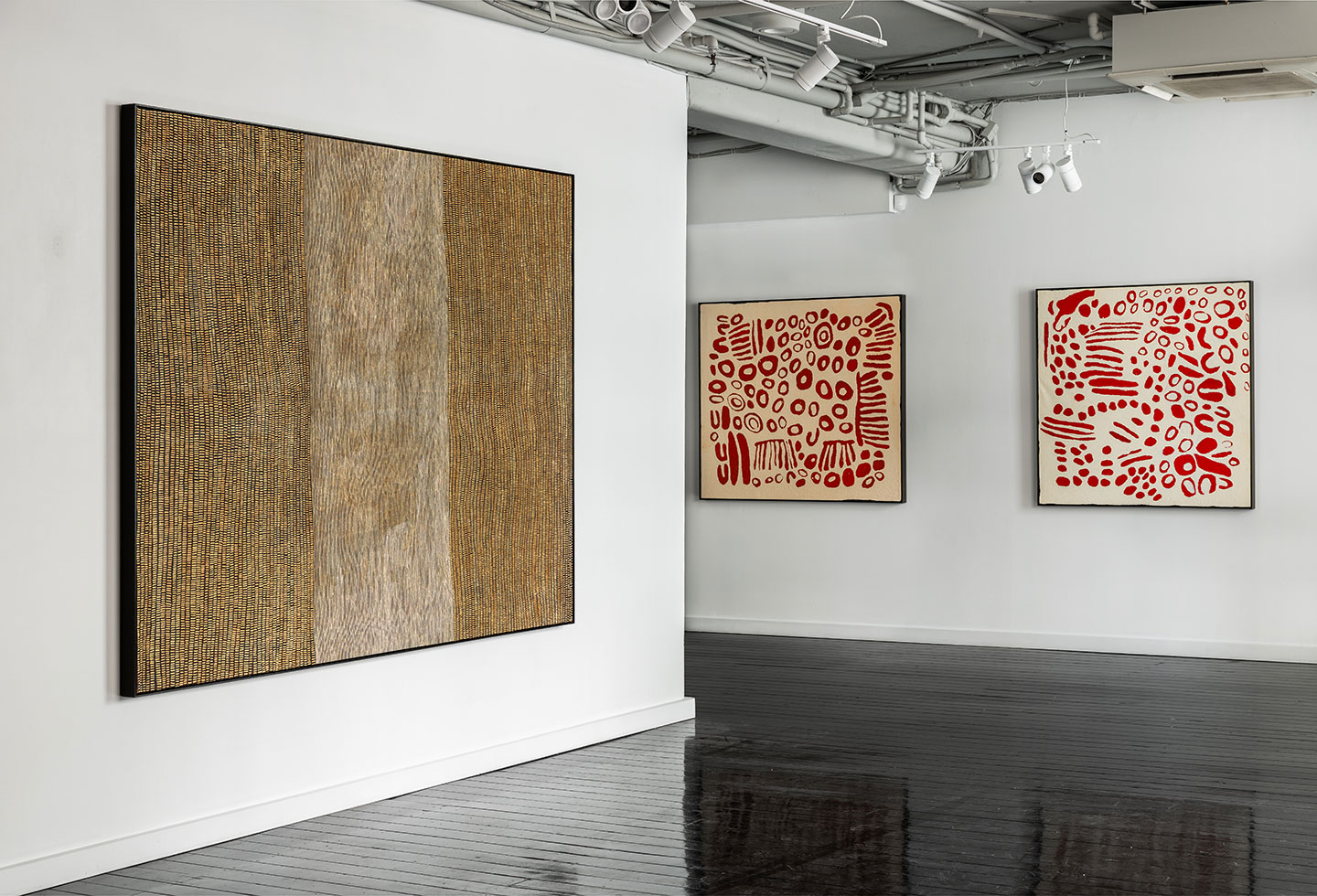
In 2020, D’Lan Contemporary made a long-term commitment to contribute 30 per cent of our annual net profits directly to First Nations artists, artist projects and their broader communities. This wasn’t a tokenistic gesture; it was a structural commitment rooted in the belief that the art market must reflect the values of ethical custodianship, especially when representing cultural expressions as deeply connected to place, identity and story as Australian First Nations art.