
This article was originally published in our print magazine, Habitus #65.
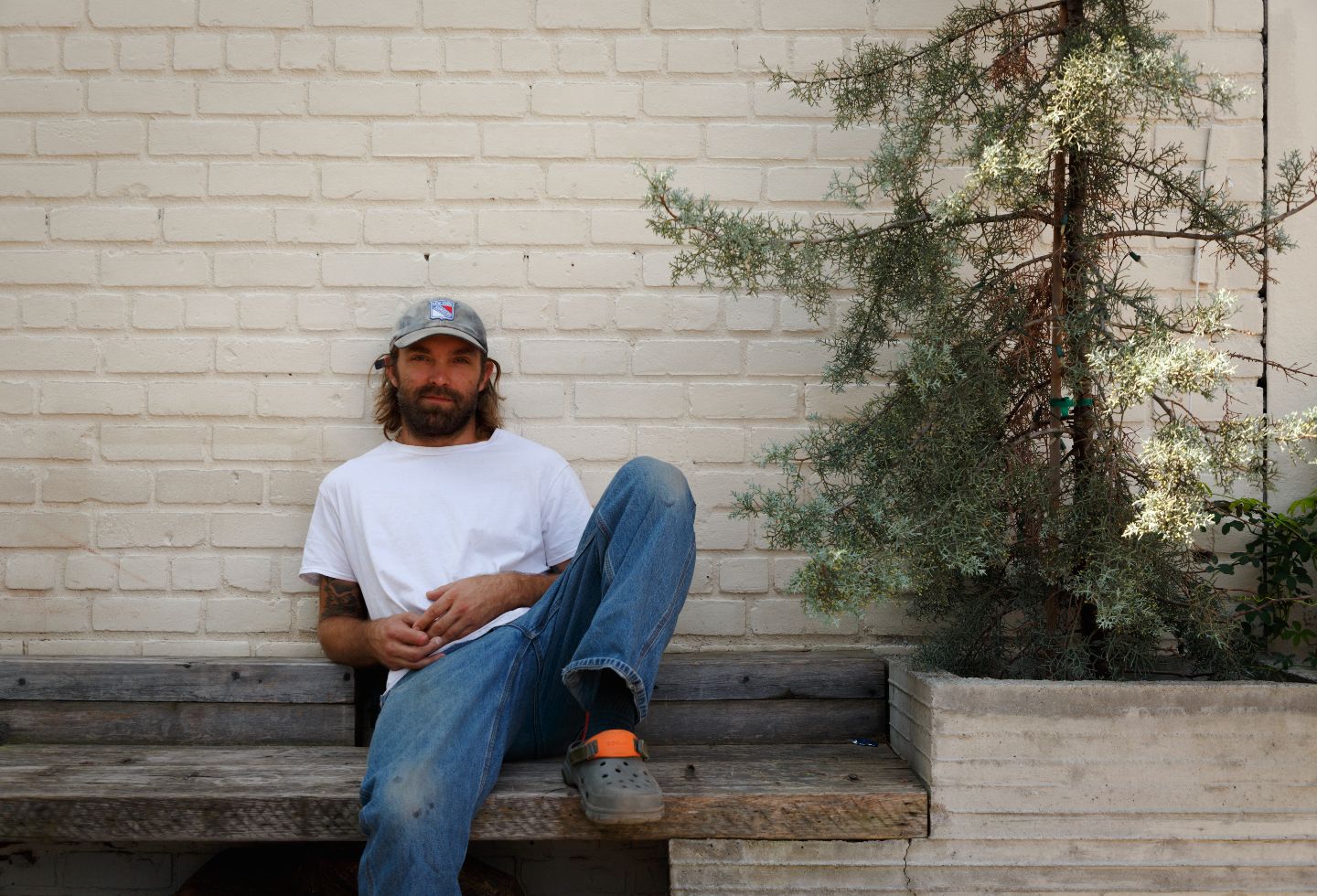
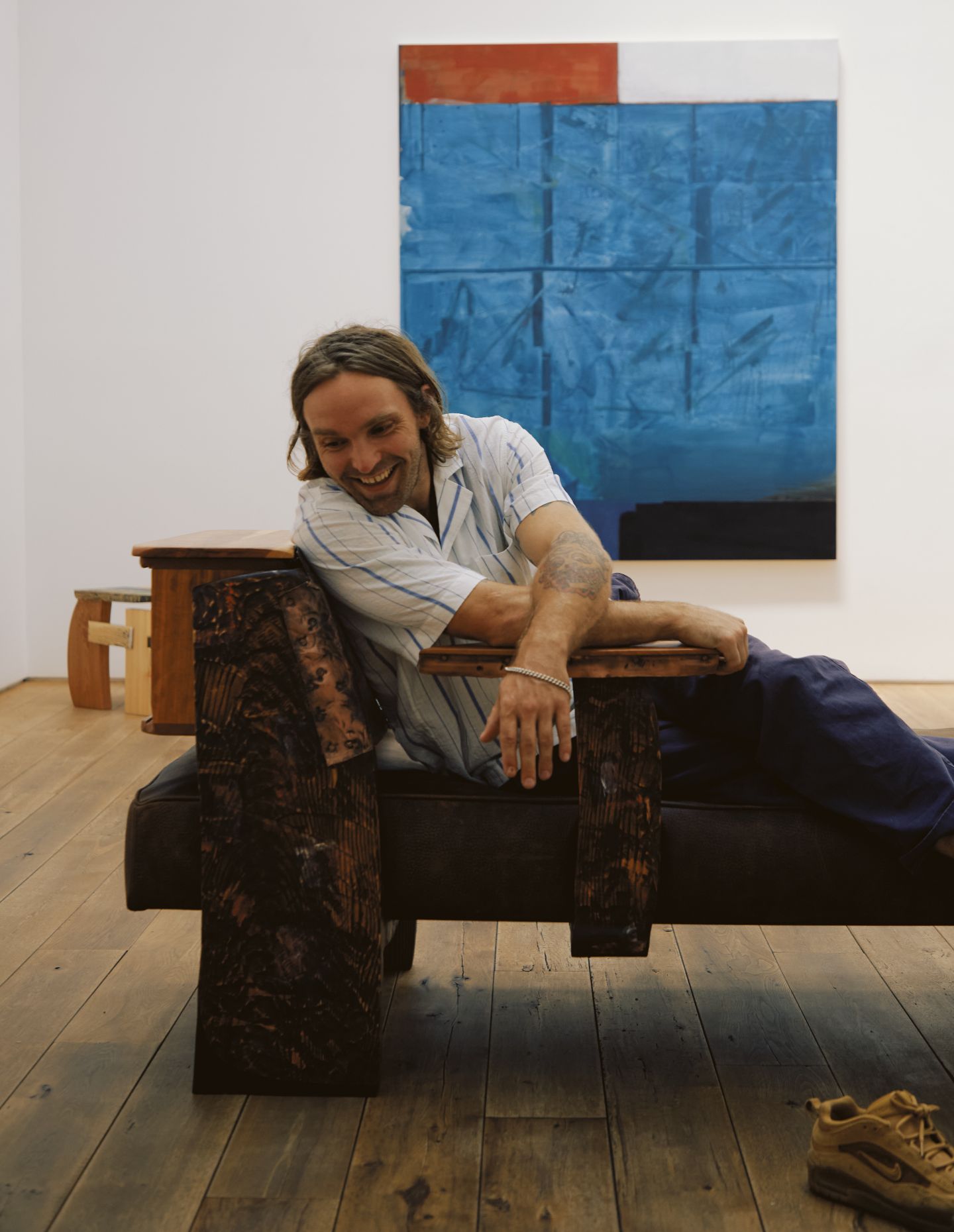
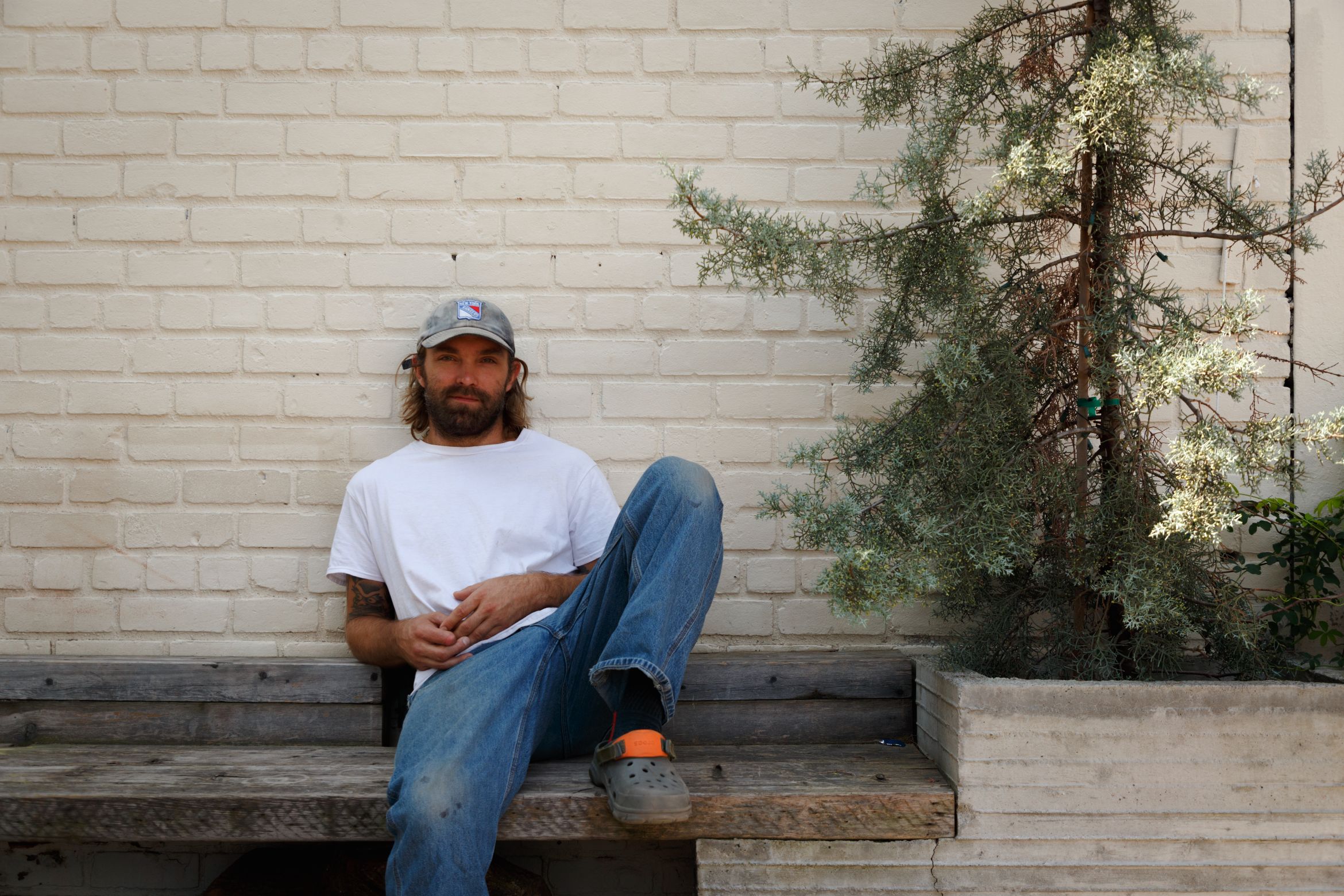
In Luke Malaney’s Brooklyn studio, traditional woodworking techniques collide with dreamlike imagination to produce unique objects that exist somewhere between functional design and art. At age 38, Malaney’s path to this distinctive practice began pragmatically and organically. A high school shop class on Long Island sparked an early affinity for woodworking. The satisfaction of seeing raw materials transformed and the gratification of crafting simple pieces and gifting them to friends and family piqued Malaney’s interest. Of his youthful creativity, he muses, “I always drew as a child, but there are age limits to working on machines.” After studying general carpentry at SUNY (State University of New York) Delhi in the Catskills, New York, where he built a house from the ground up alongside fellow students, Malaney moved to Queens and worked various casual jobs across carpentry, construction, cabinetmaking and set design.
During the 2008 Global Financial Crisis, Malaney returned to his childhood home on Long Island and apprenticed under Remo Capoli, a native Roman expatriate running a traditional woodworking shop on the East Coast. It was here that his foundations solidified and genuine passion for the craft was seeded. Of this formative time, Malaney recalls, “Remo was strict, with a stiff approach, but it trained my skills in high-level joinery and old-world craftsmanship.” This rigorous mentorship gave him the technical confidence fuelling his spontaneous, intuitive approach. He states, “These days I may not even have a sketch, but I am confident I can navigate things in a freer way given the skills I have honed.”
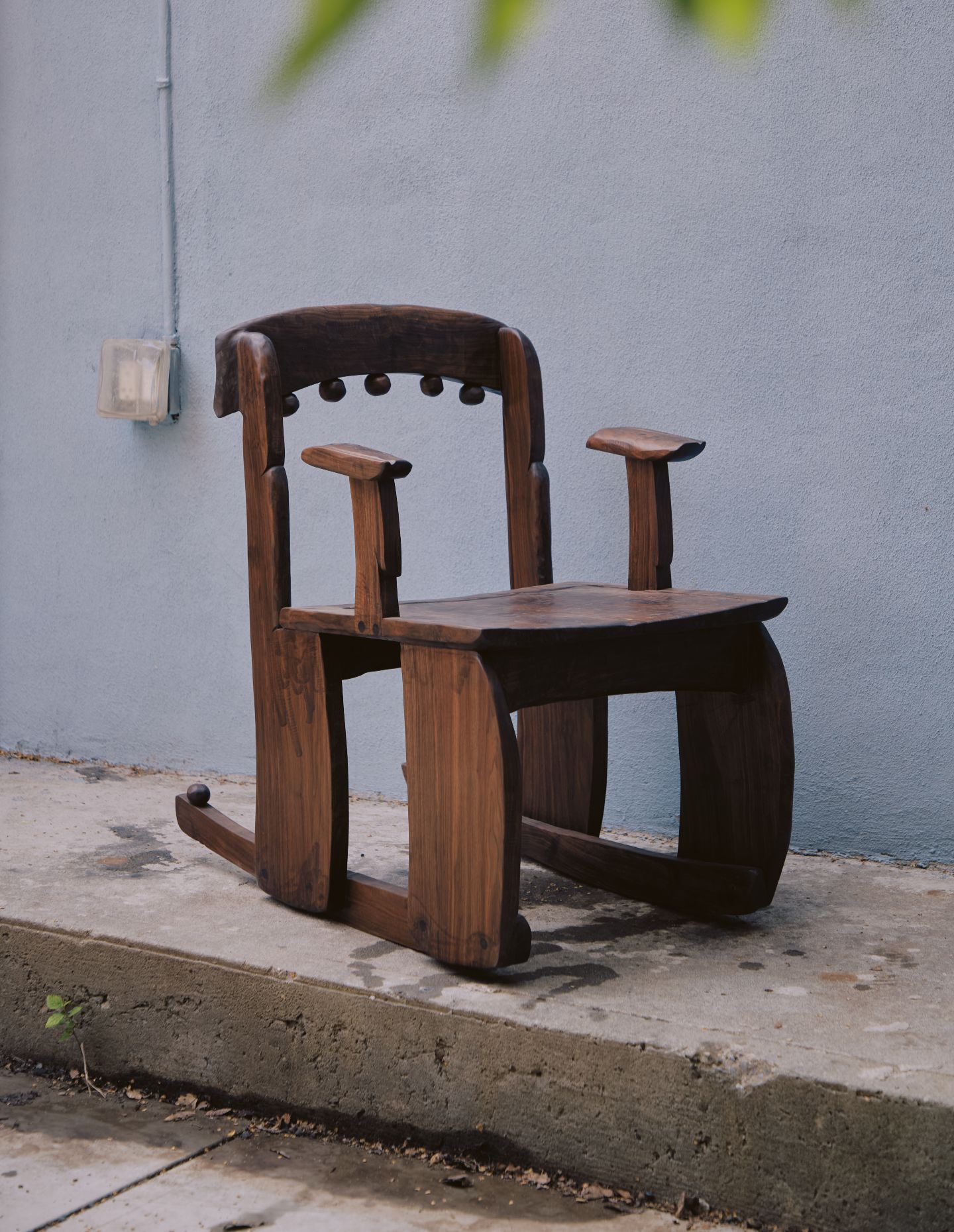
Malaney’s fluid process defines his output. Sculptural furniture – tables, chairs, cabinets, benches, lamps, baby cribs and the like – refuse easy categorisation, with each piece a one-off investigation into materiality, form and the liminal space between utilitarian object and uncanny artwork. Employing a methodology of unconstrained discovery, he elaborates, “I work intuitively; a constant exploration. What started as traditional woodwork now has me playing with functional and non-functional works, going back and forth.”
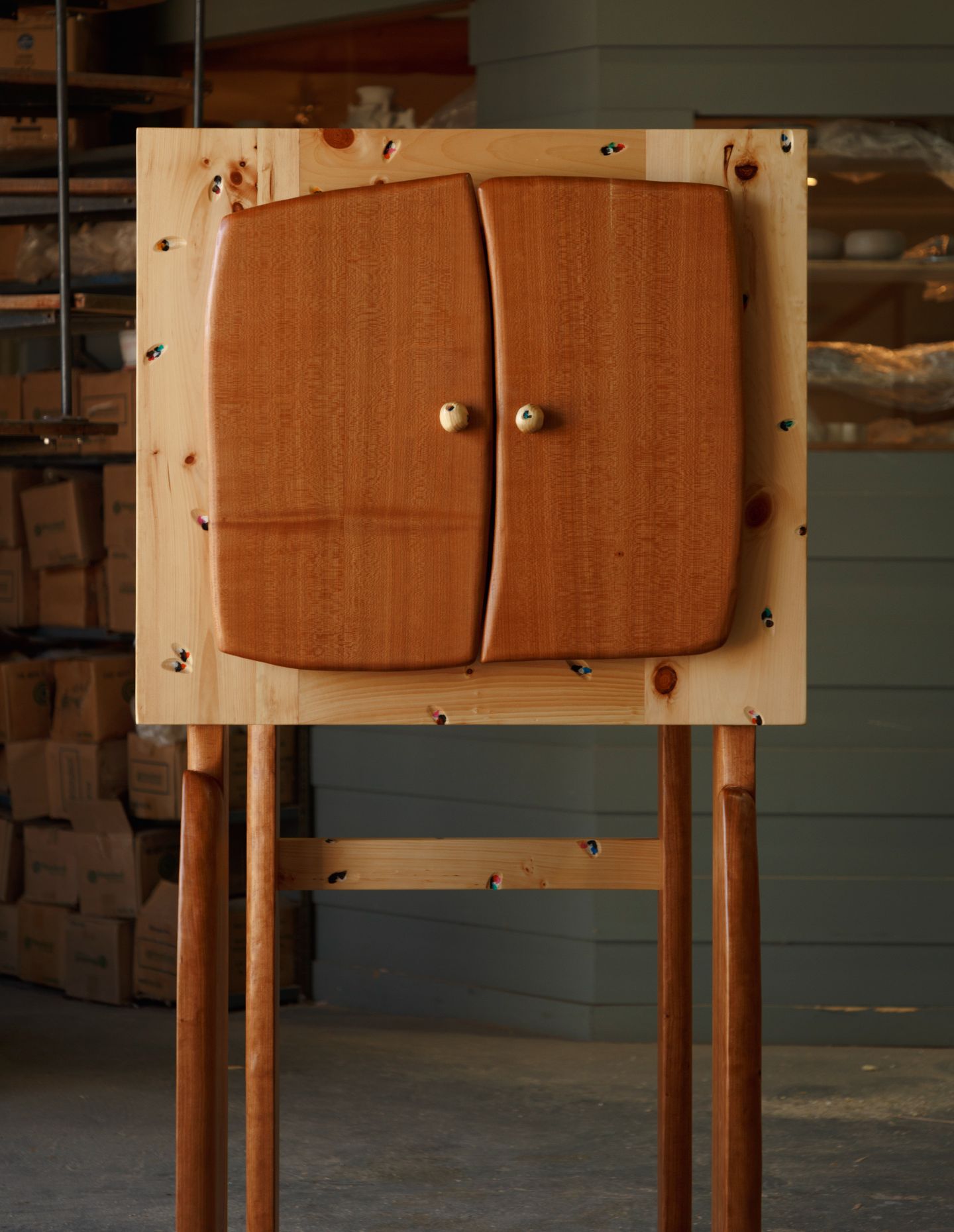
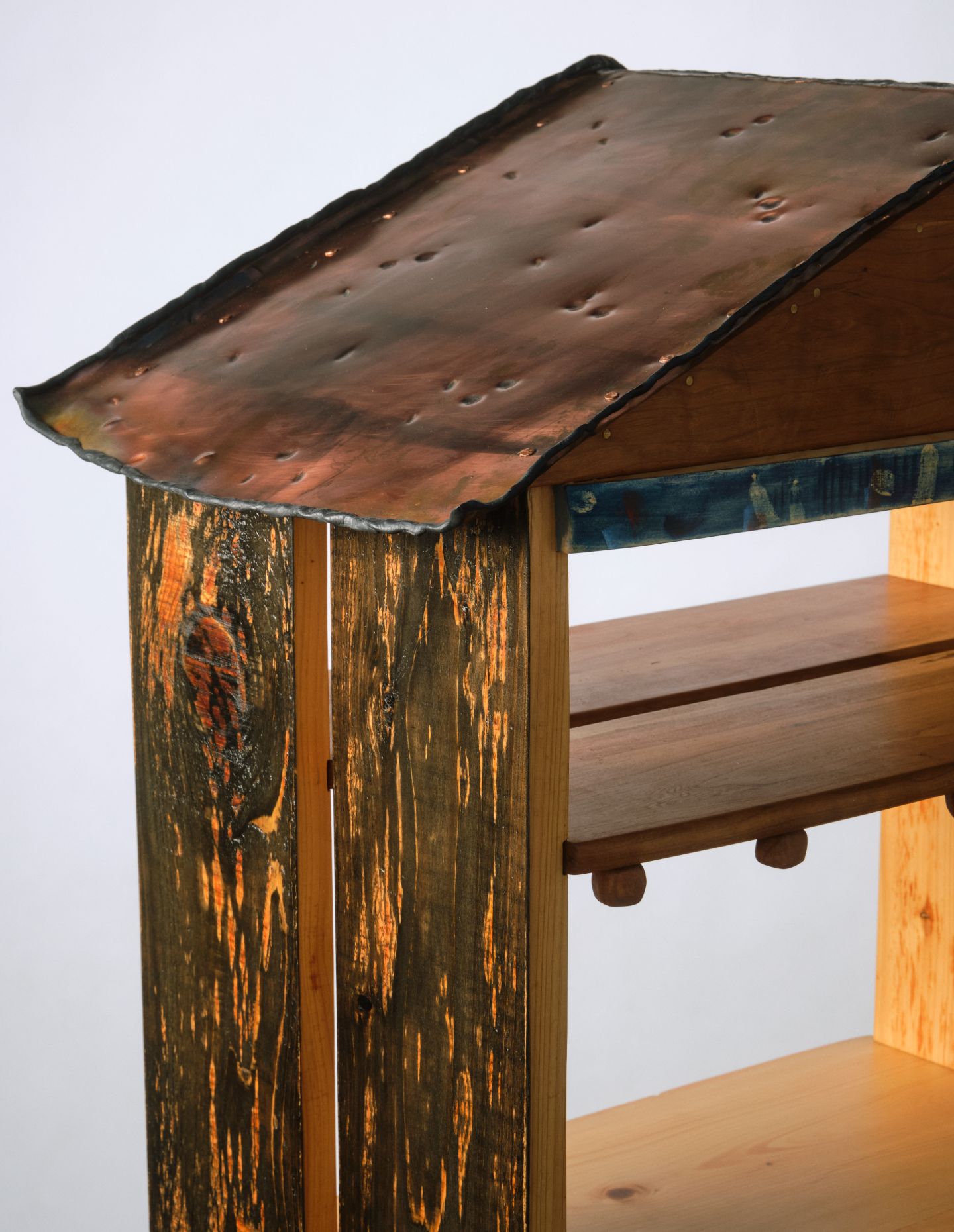
This creative freedom can be seen in recent pieces including Open House, presented by Objective Gallery at THEMA, Paris, in October 2025. The tall cabinet plays with high-low aesthetics. Sourced from a Pennsylvania sawmill and inspired by old country barns – yet executed with meticulous detail – the pine’s natural resin creates a marbling effect when washed with India ink, the sap resisting colour to appear as though lifting dramatically on the surface. Topped with an elegantly pitched copper roof, the piece is Malaney at his best; nature is revered and transformed, materials seamlessly unite, history blends with the new and function becomes secondary to its shimmering yet steadfast presence.
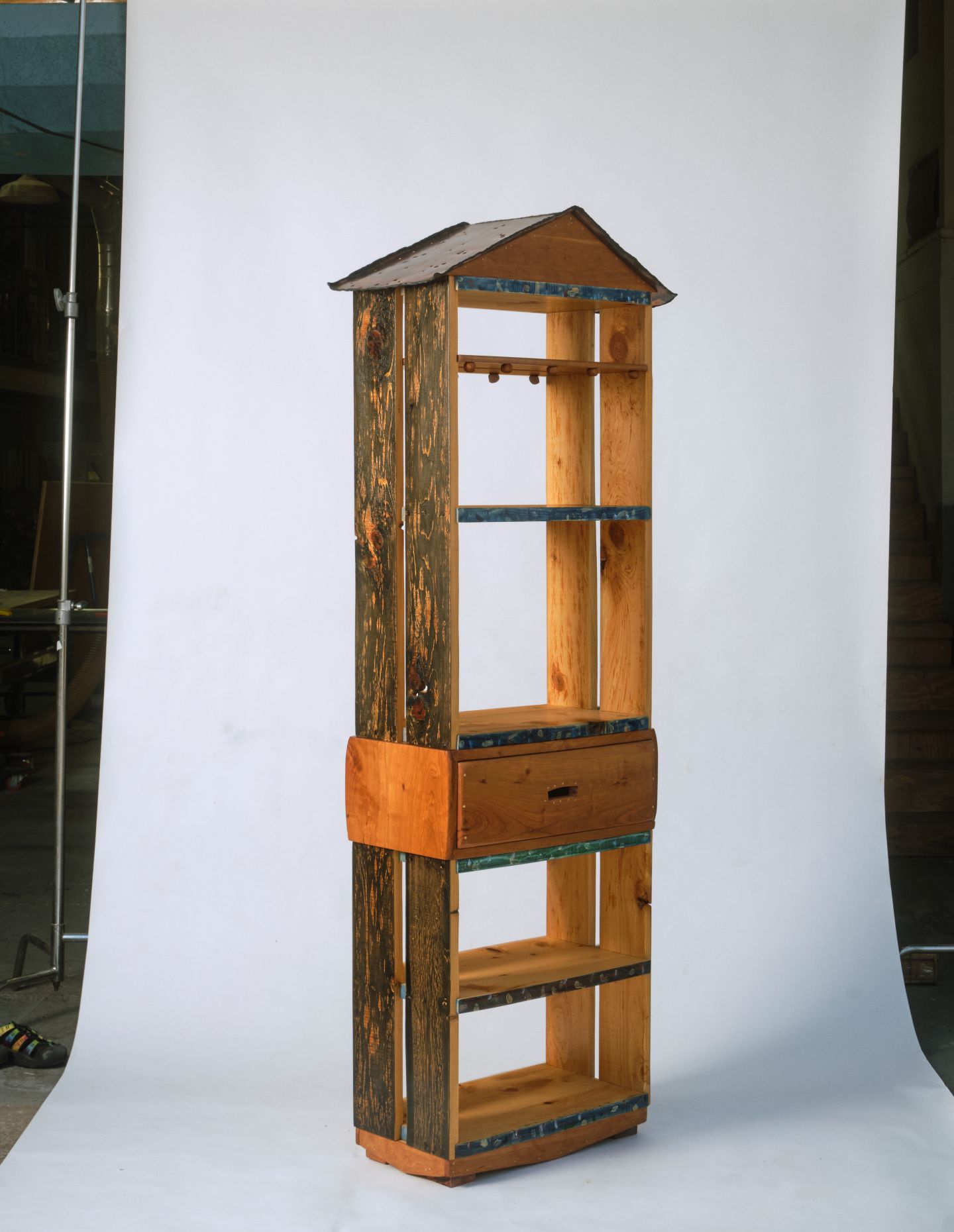
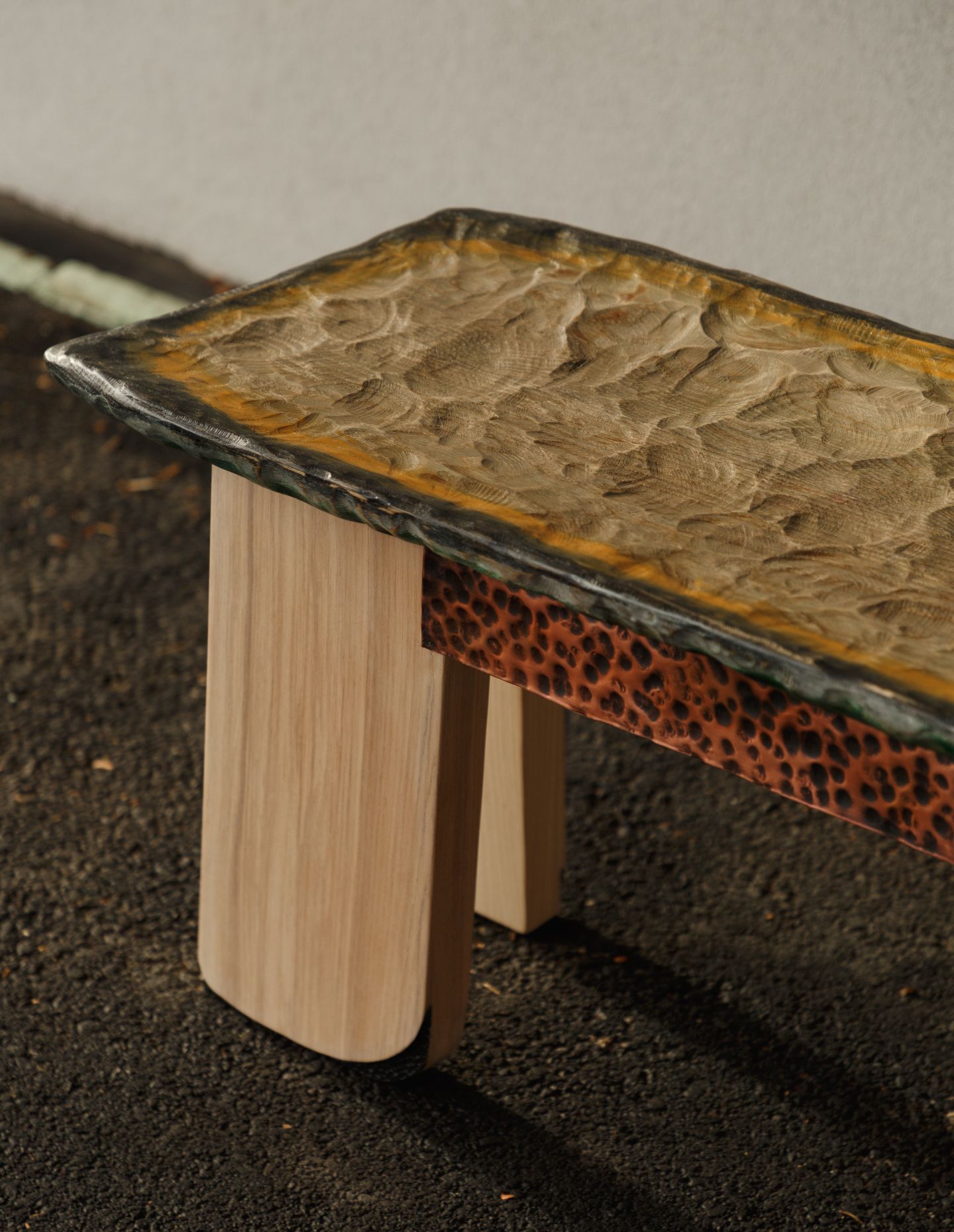
Material dictates much of Malaney’s process. He states, “Wood is humbling, it teaches patience and can dictate the next move in a piece depending on the grain.” He sources primarily from local lumberyards that provide sustainably harvested domestic hardwoods – cherry, ash, oak, pine – though he also incorporates reclaimed materials when their histories tell a story. Century-old ceiling beams from an old Chinatown building in New York become transformed into tables or chairs and given another life, for example.
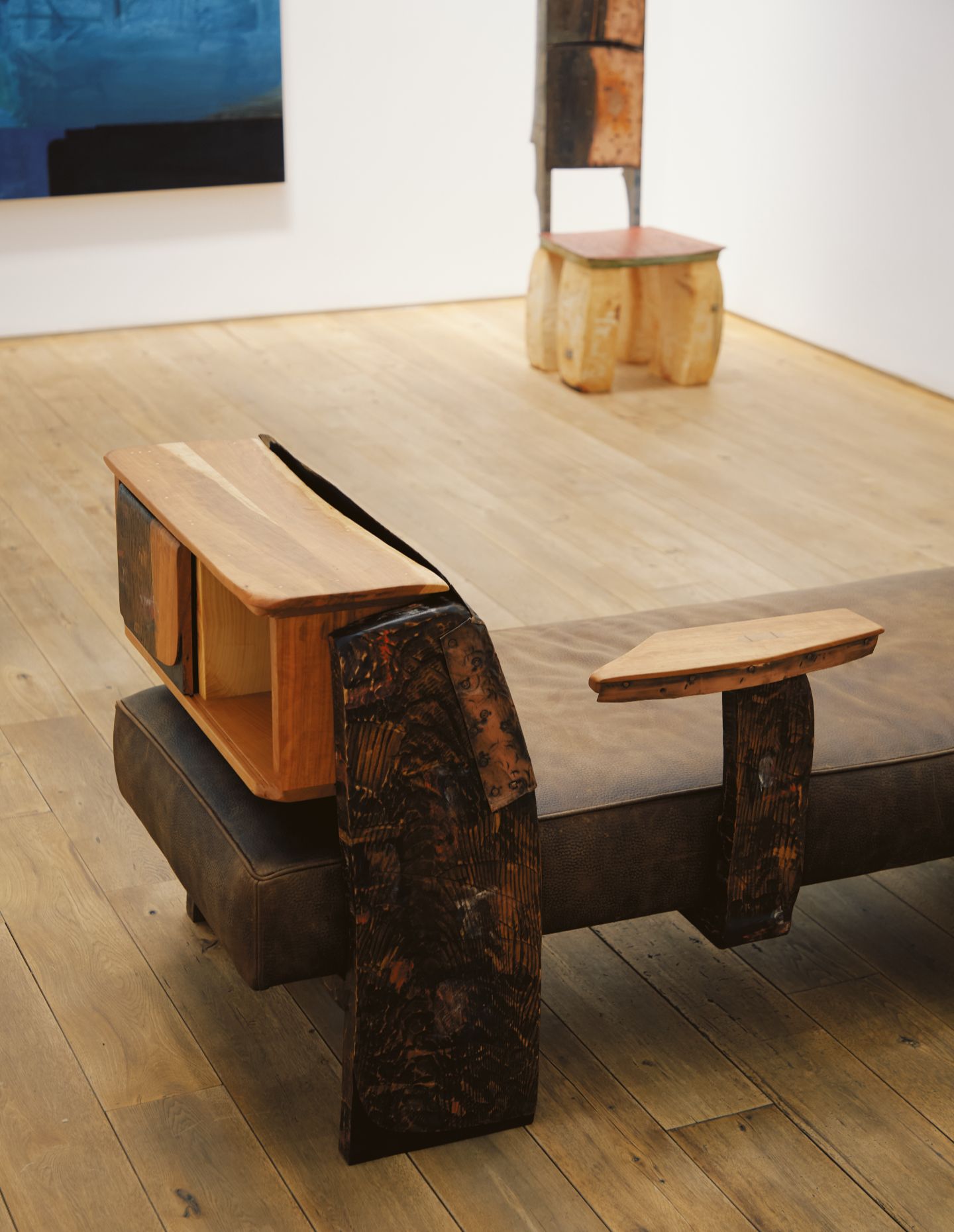
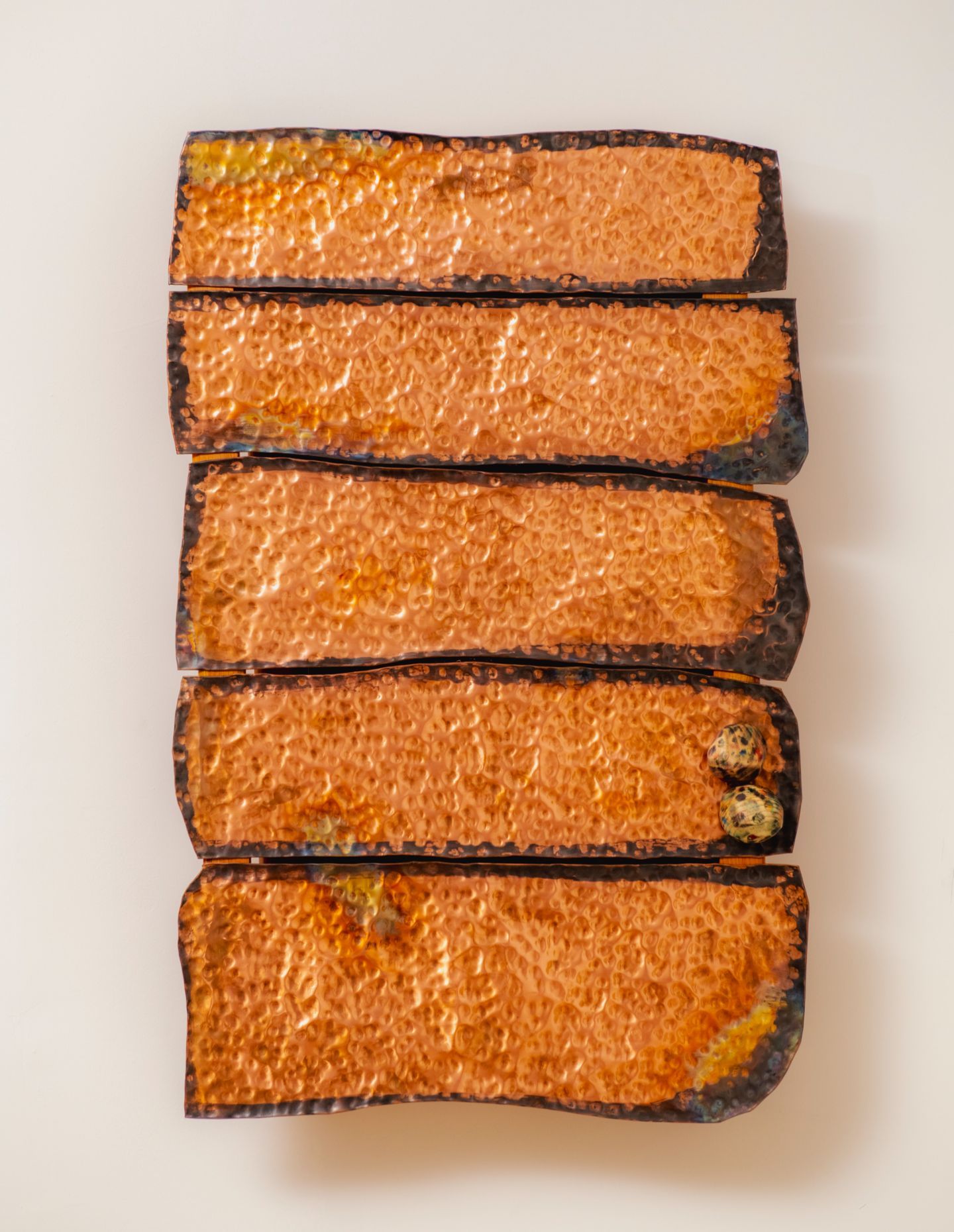
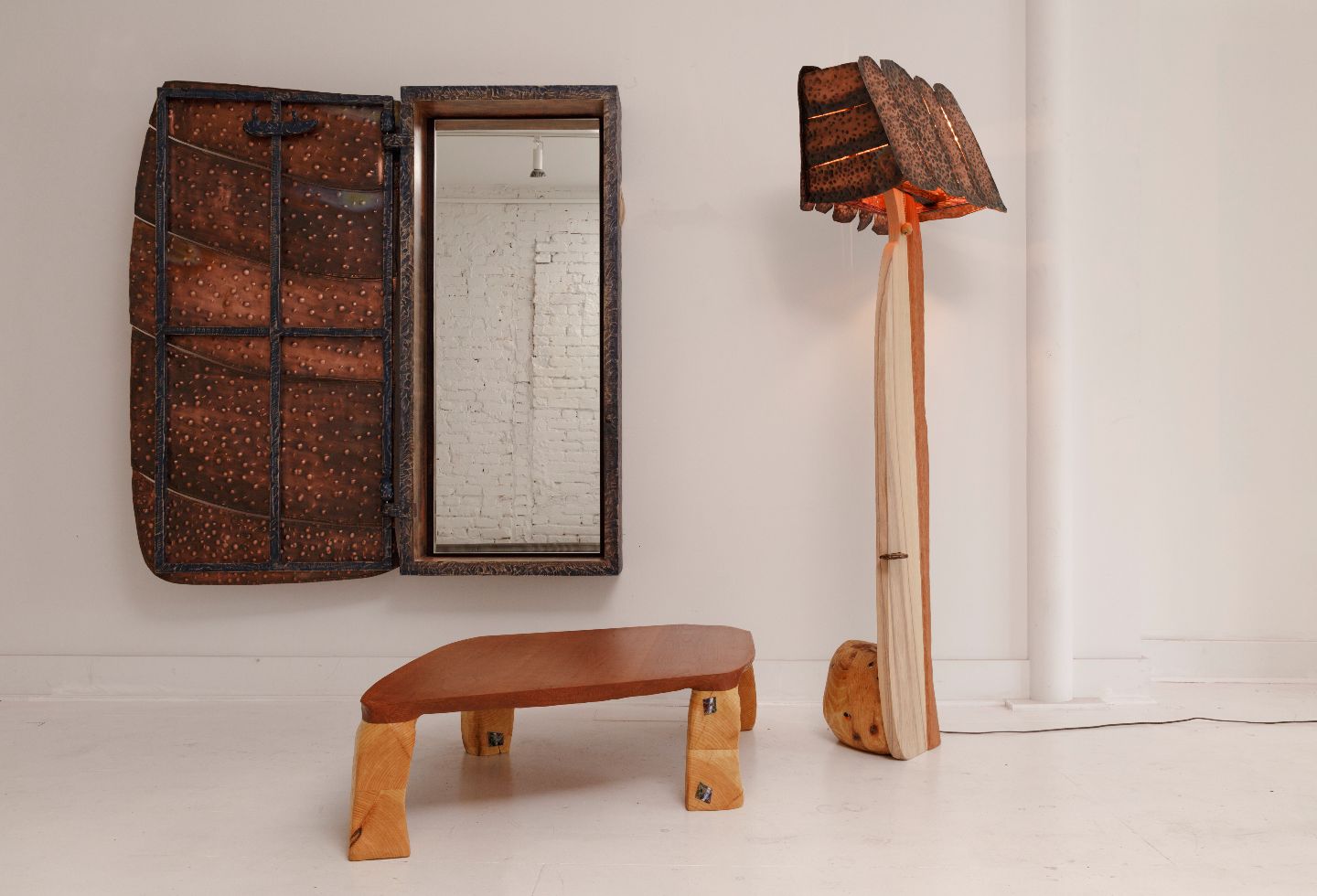
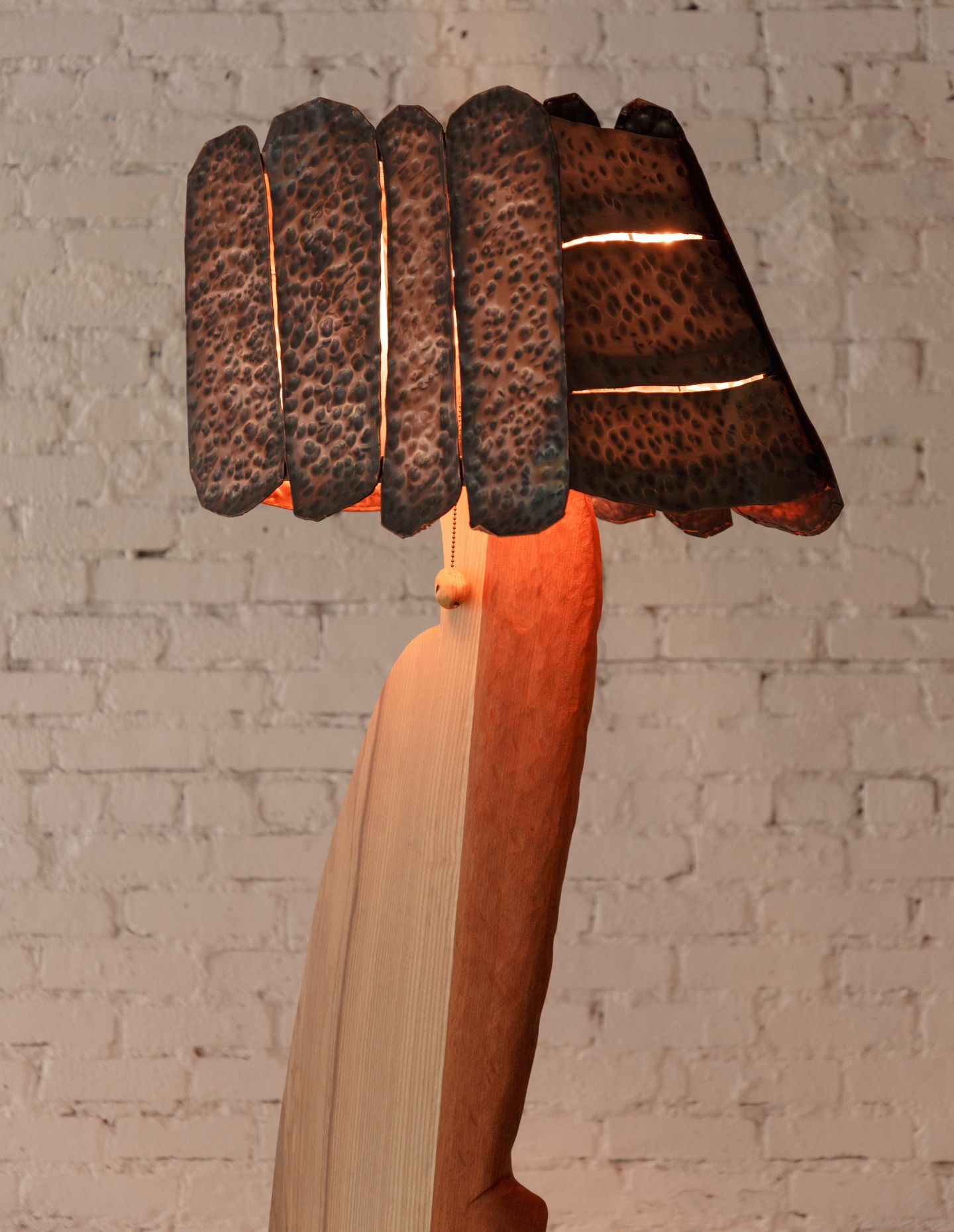
Copper provides counterpoint to wood’s organic warmth. Malaney states: “I had an attraction to this material even early on. It is malleable, perhaps viewed as an underdog material used in construction, so I wondered how I could give it a different light.” In pieces such as Kansas Lamp, copper is hammered, bent, torched and patinated to achieve rusted, storm-weathered textures that contrast with the quiet stability of the carved wooden bases.
Related: Archibald finalist on show in Woollahra
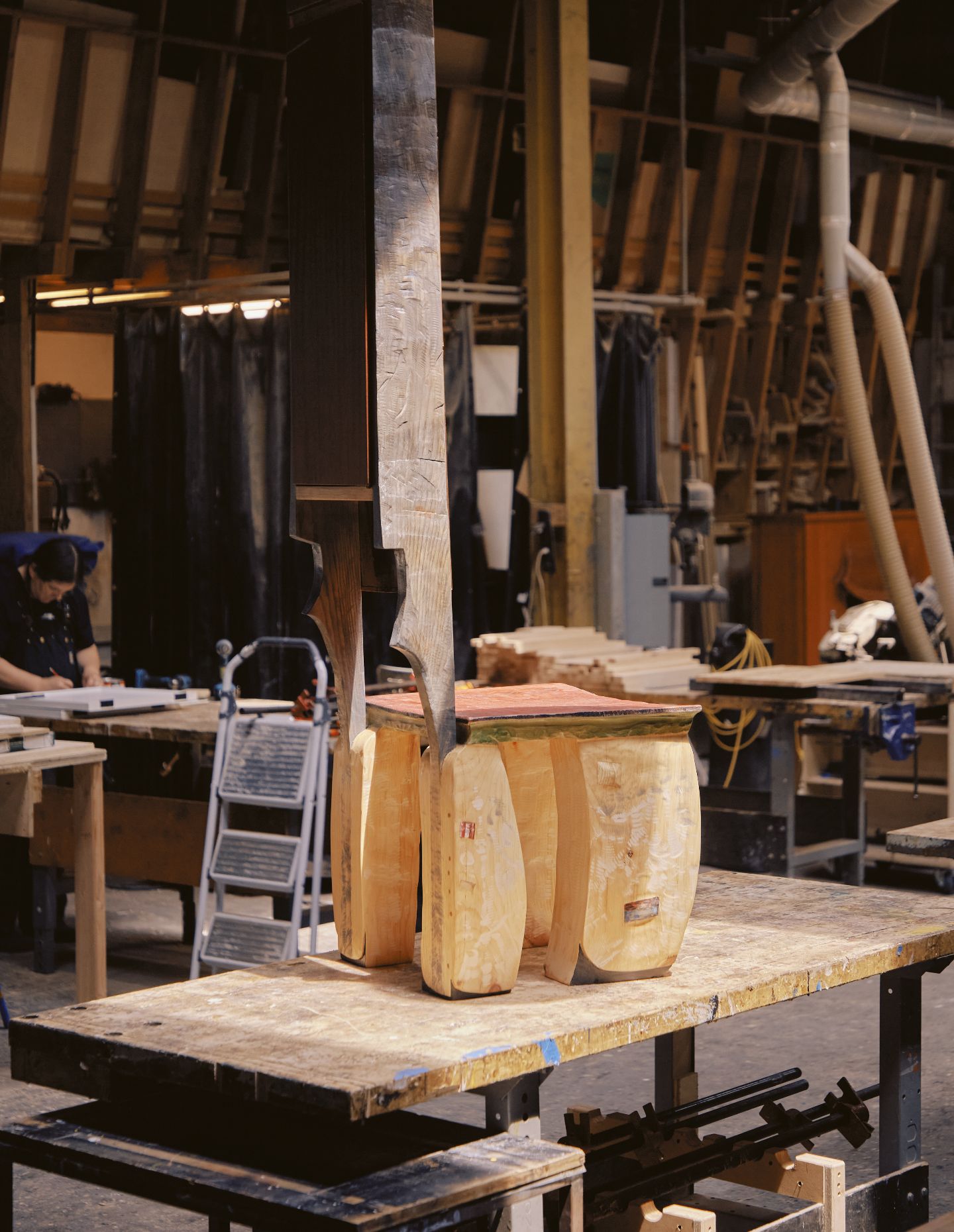
Extrapolating Leonard Cohen’s line, “There is a crack in everything, that’s how the light gets in”, Everybody Knows is a tall, throne-like chair featuring a cabinet with intentional cracks in the rendered copper surface to reveal light when opened.
Additionally, Malaney’s inspirations are wide-ranging – an encouraging mother, a lifetime of skateboarding, hiking in the wilderness and interestingly, painters rather than furniture designers. Marsden Hartley, Sean Scully and Karel Appel are of note. “Something about the robustness of their work inspires how I approach my work,” he explains. Further, he cites Wharton Esherick, the early 20th-century artistic polymath, as a touchstone for working with minimal restriction. Even his skateboarding background surfaces. An exploratory, meandering approach to urban landscapes allows Malaney to find unconventional ways to interact with everyday built structures and influences how he thinks about functionality and form.
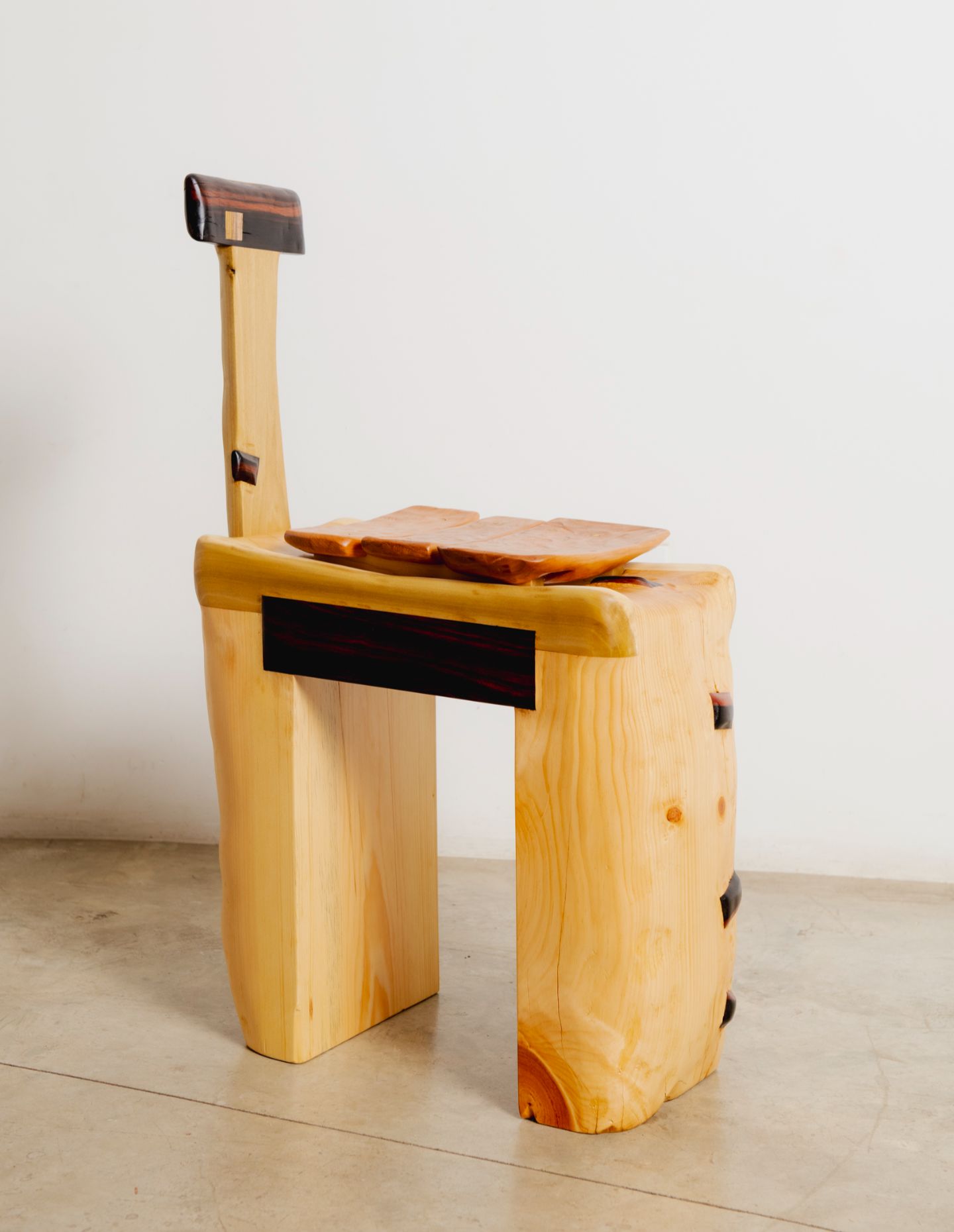
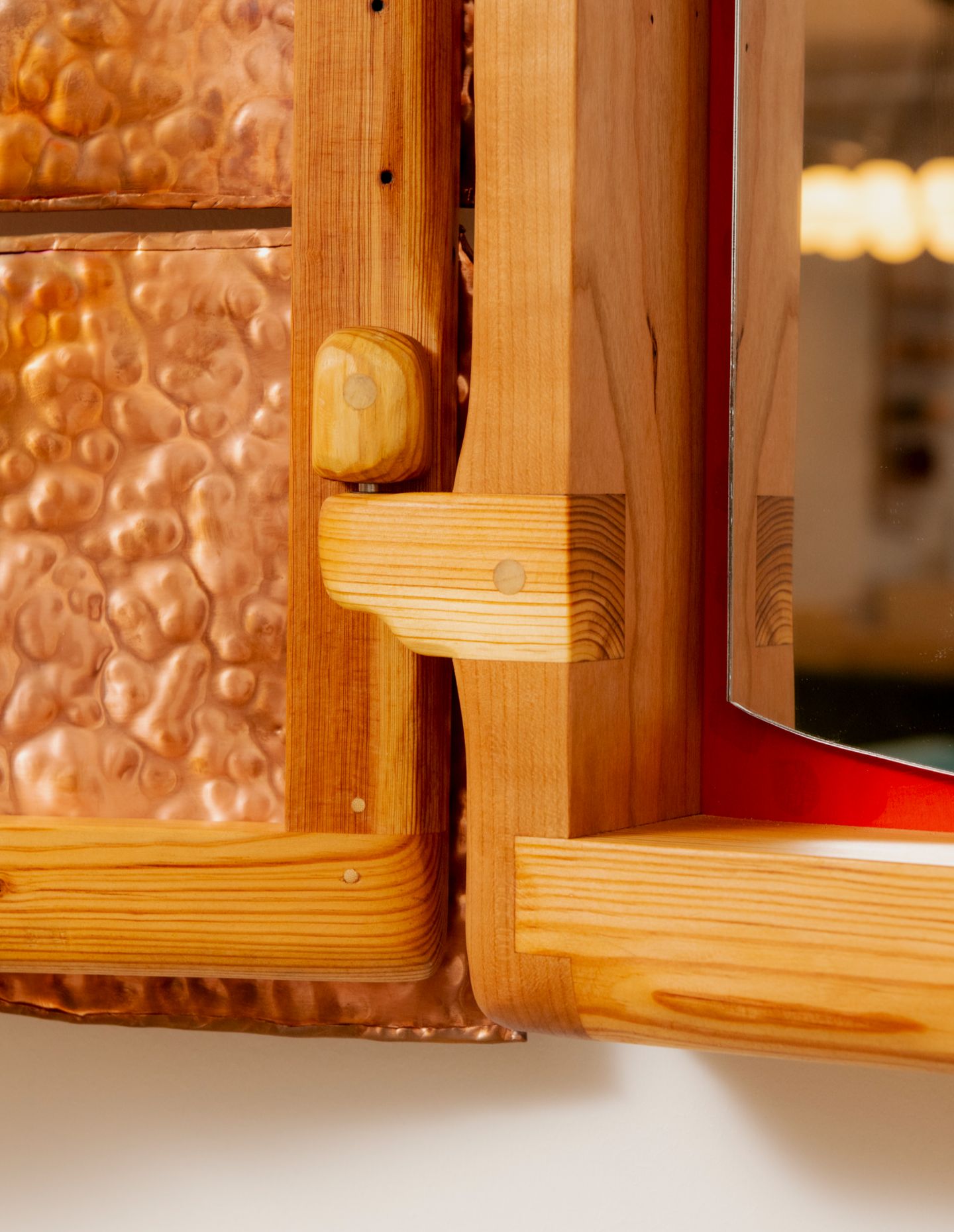
Alongside exhibiting in galleries including Marc Strauss and Objective Gallery, Malaney creates commissions for private collectors and interior designers. Maintaining complete creative control while collaborating on parameters, Malaney is clear about his process. “I communicate how I work; dimensions or a certain material can come from the client. I am open and willing to collaborate, but I do need a certain kind of freedom to do my thing,” he explains. Sketches remain basic and are part of the conversation early on; the real piece reveals itself once work begins. Without studio assistants, he maintains direct engagement with every detail of each unique piece. He states, “I don’t have the brain to figure out a collection of works. Once completed, I move onto the next thing and try not to backtrack.”
On the works’ enduring qualities, Malaney reflects, “The pieces will outlive me. It is a special thing that might be passed down through a client’s family and collection.” In Malaney’s hands, furniture becomes more than utility – it becomes a material record of intuition and a sculptural investigation that honours both traditional craftsmanship and woodworking with uncanny imagination, creating objects that make your head tilt in recognition of something simultaneously familiar and strange.