
At National Gallery of Victoria this March, two exhibitions open in parallel, each examining cycles of knowledge, care and continuity from different vantage points. Presented at The Ian Potter Centre: NGV Australia, FUTURE COUNTRY and MOTHER: Stories from the NGV Collection offer distinct yet intersecting perspectives on time, inheritance and cultural transmission.
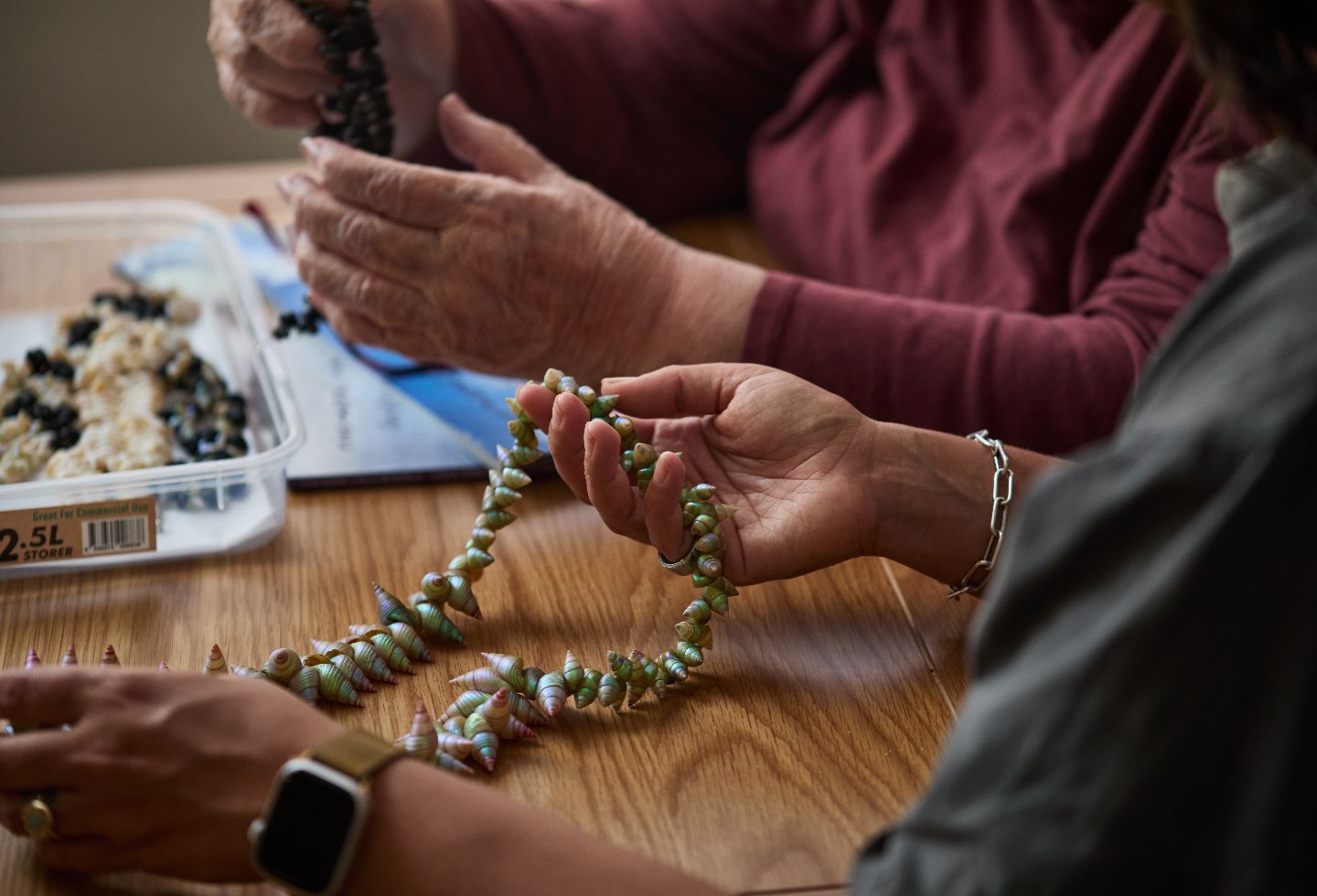
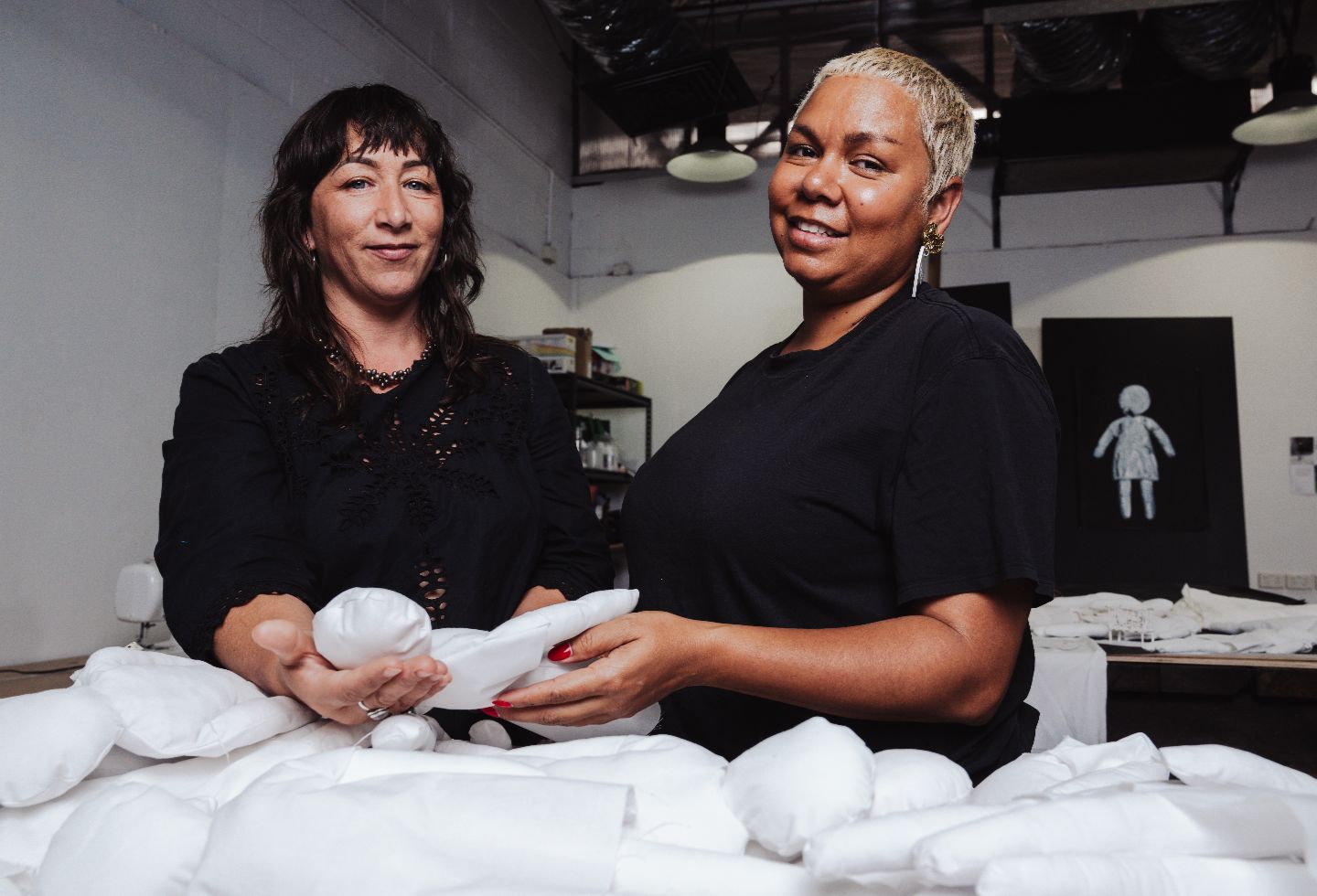
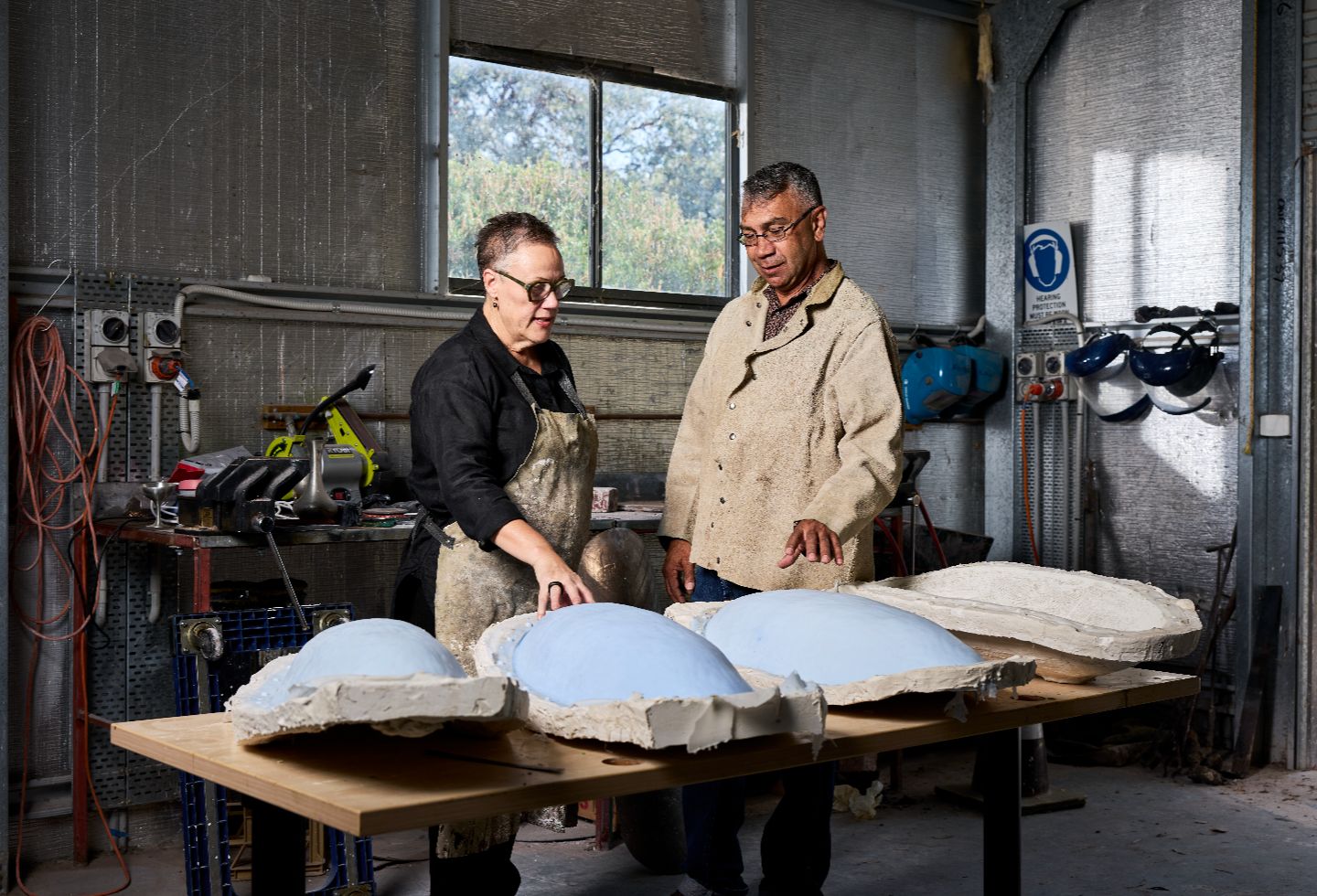
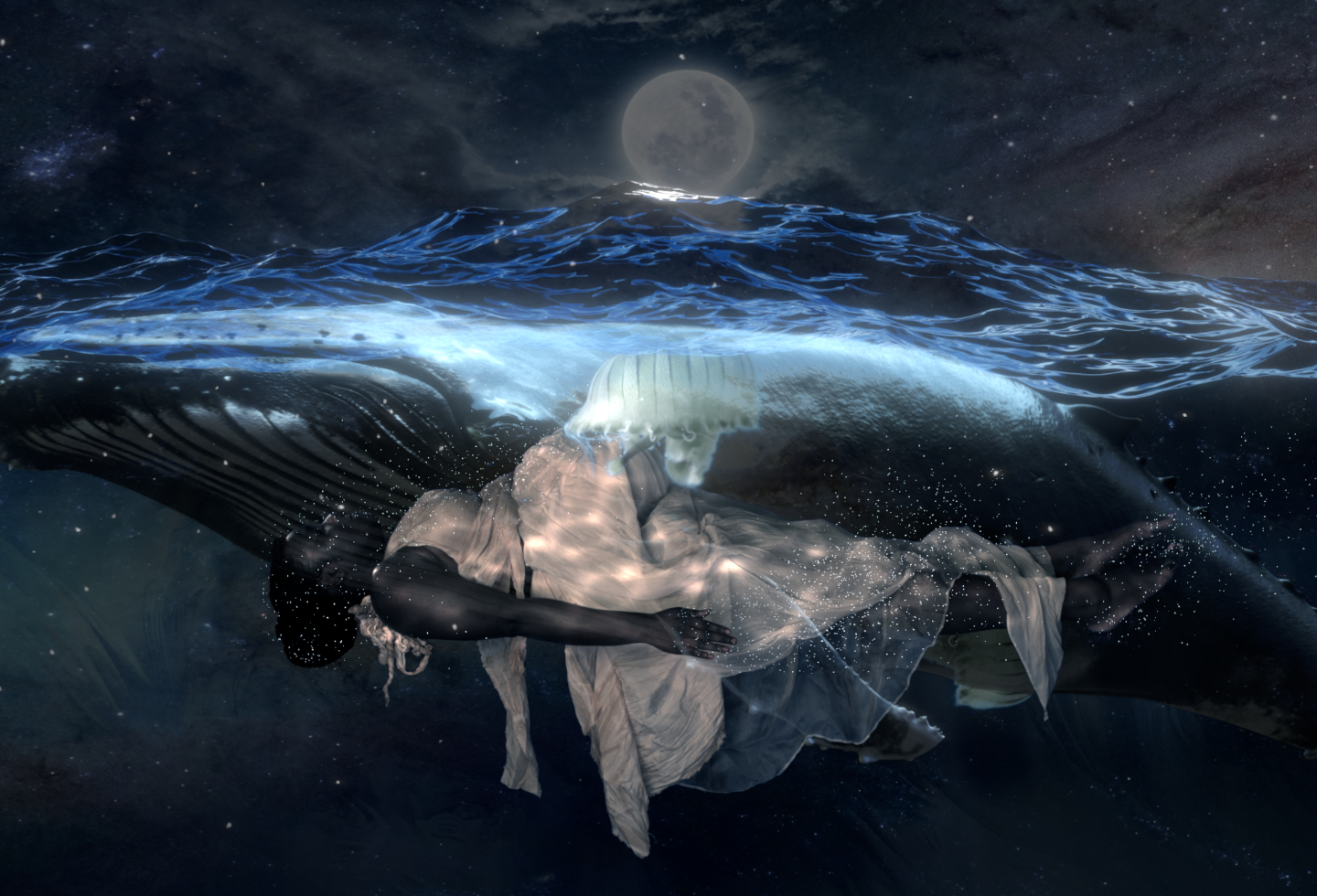
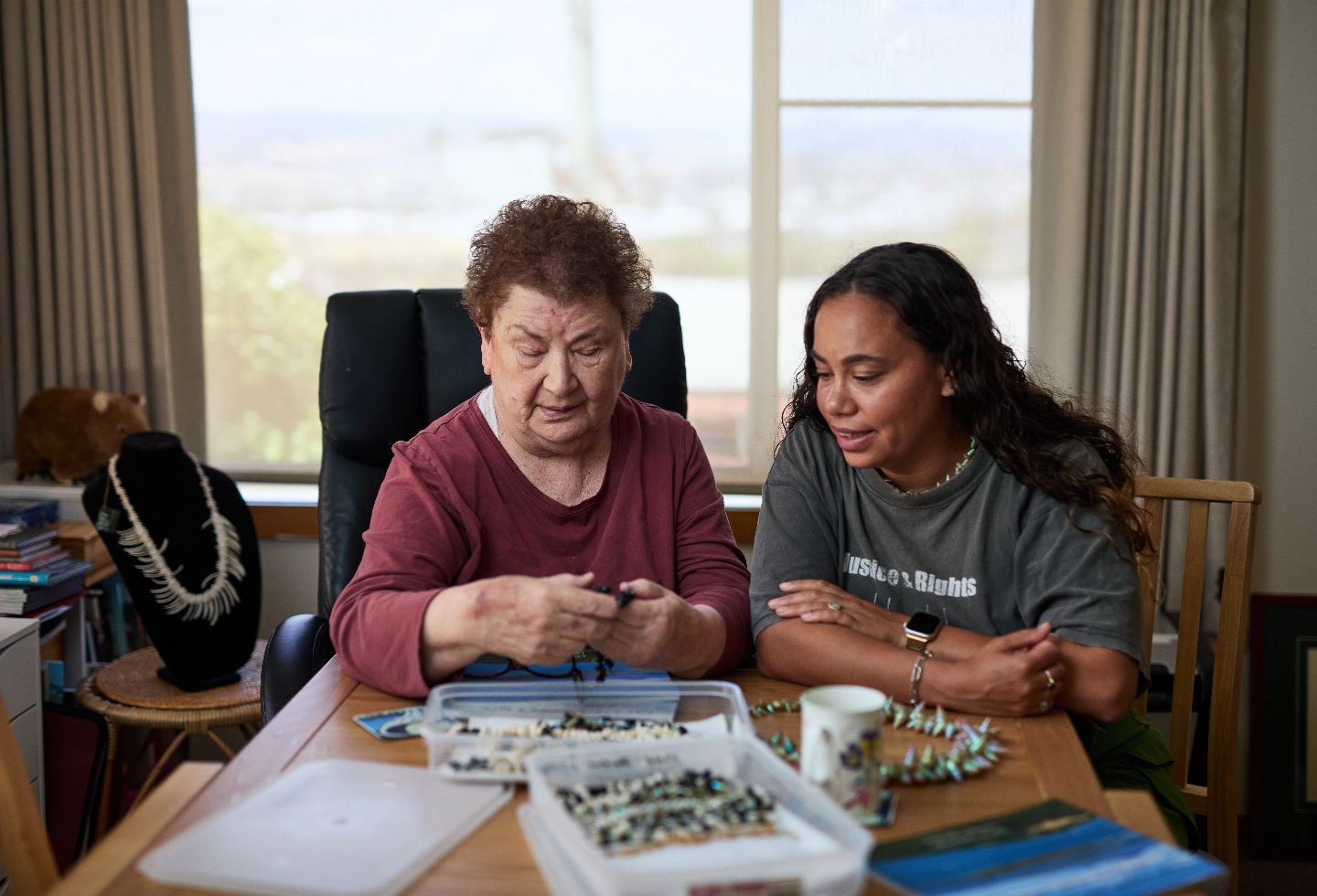
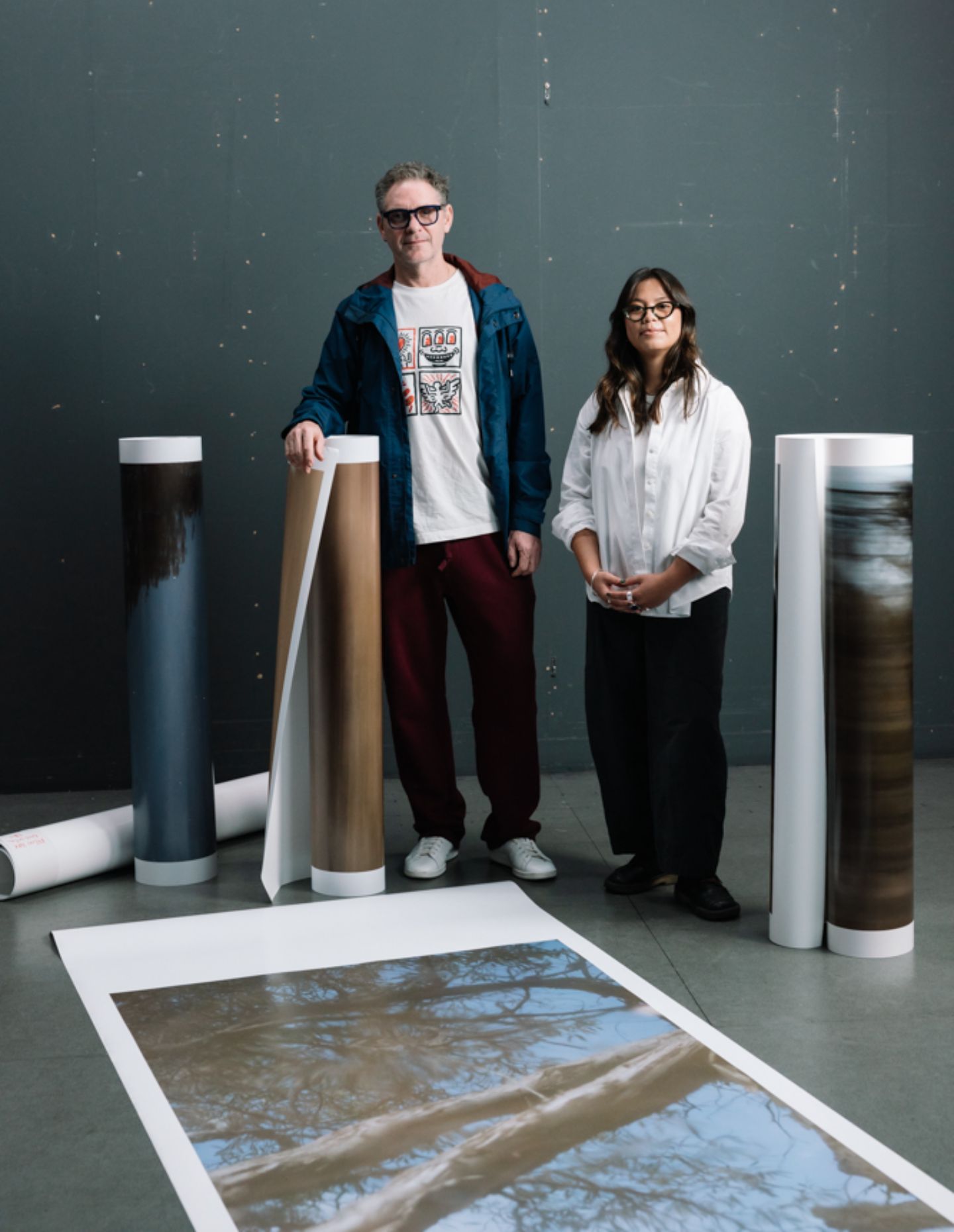
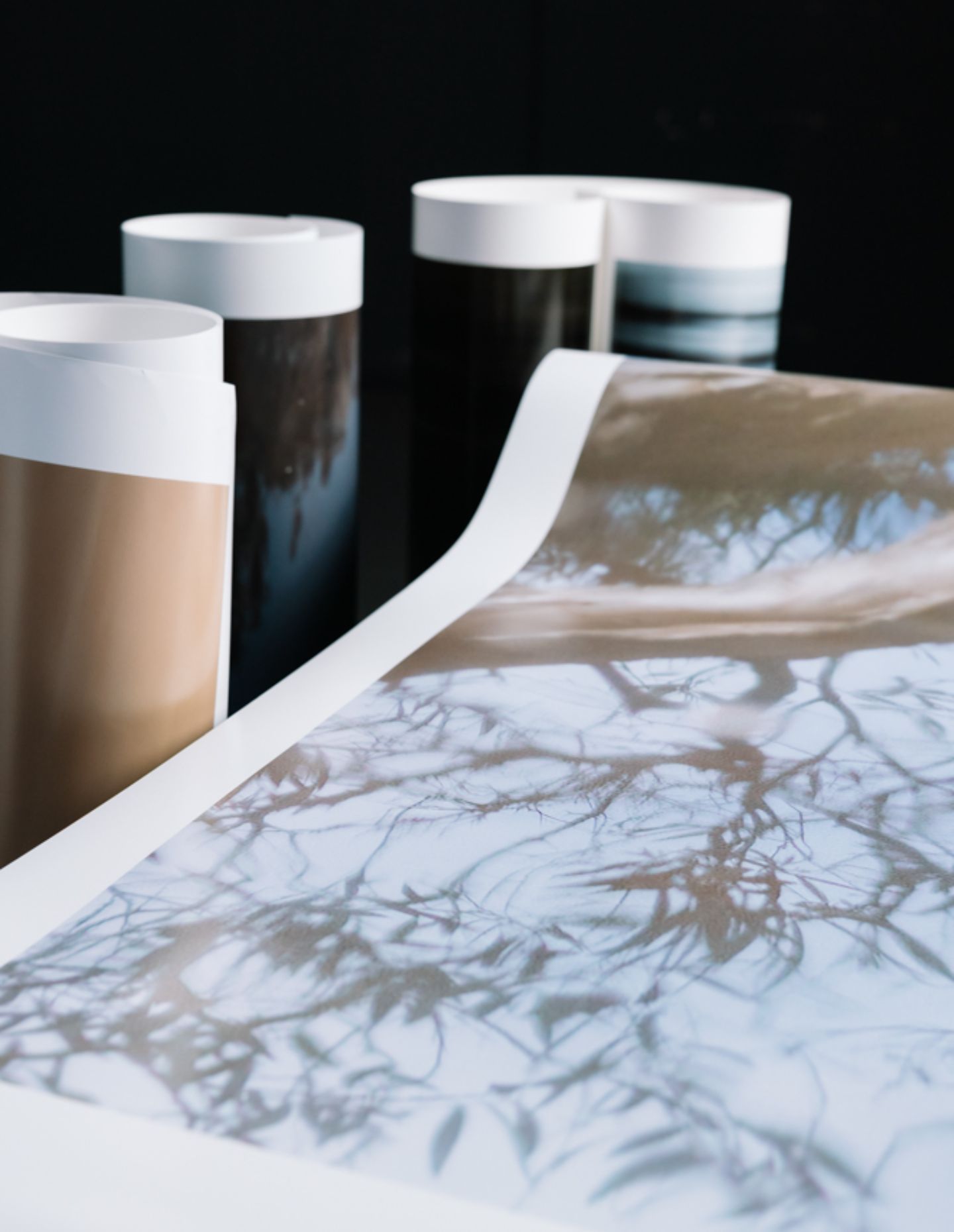
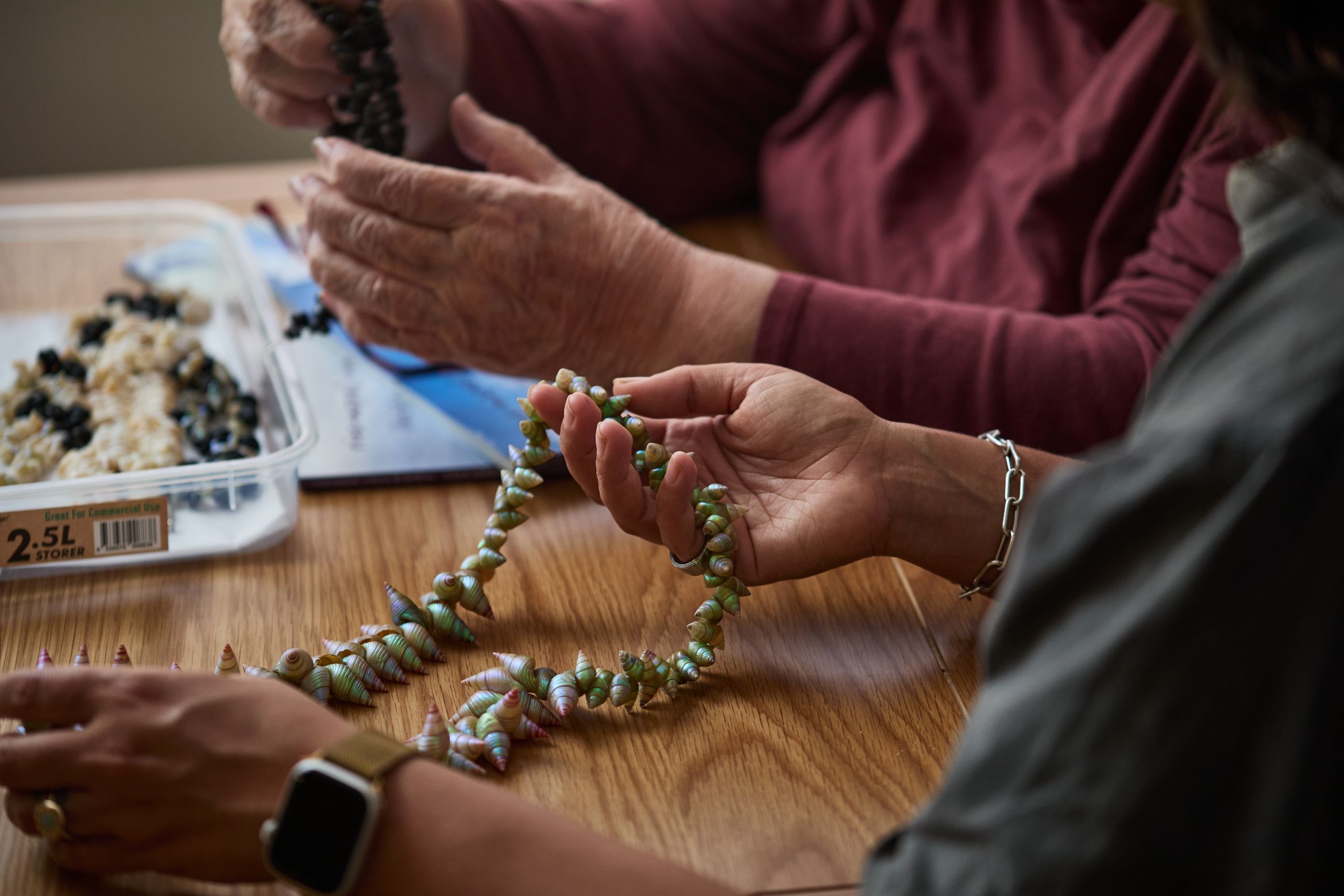
Opening 20th March, FUTURE COUNTRY: Country Road + NGV First Nations Commissions brings together eight emerging First Nations artists from across Australia, each paired with an established mentor. The second iteration of the biennial program positions mentorship as both structure and subject, foregrounding the transfer of knowledge across generations. The works span weaving, sculpture, photography, sound and moving image, responding to the exhibition’s central theme of “Future Country,” which considers non-linear time and embodied relationships to place. NGV Director Tony Ellwood describes the initiative as “a vital platform for emerging artists to expand their practices and create ambitious new work under the guidance of an experienced and respected industry mentor.” Among the highlights, Stephanie Ali continues a lineage of pandanus weaving taught by her mother and aunties, while Paul Girrawah House presents a series of bronze coolamons inscribed with cultural markings and accompanied by sound, grounded in identity and Country. For Senior Curator Dr Jessica Clark, the exhibition “invites artists to look to the future while simultaneously acknowledging the past,” celebrating the creative exchanges between emerging and established First Nations practitioners.
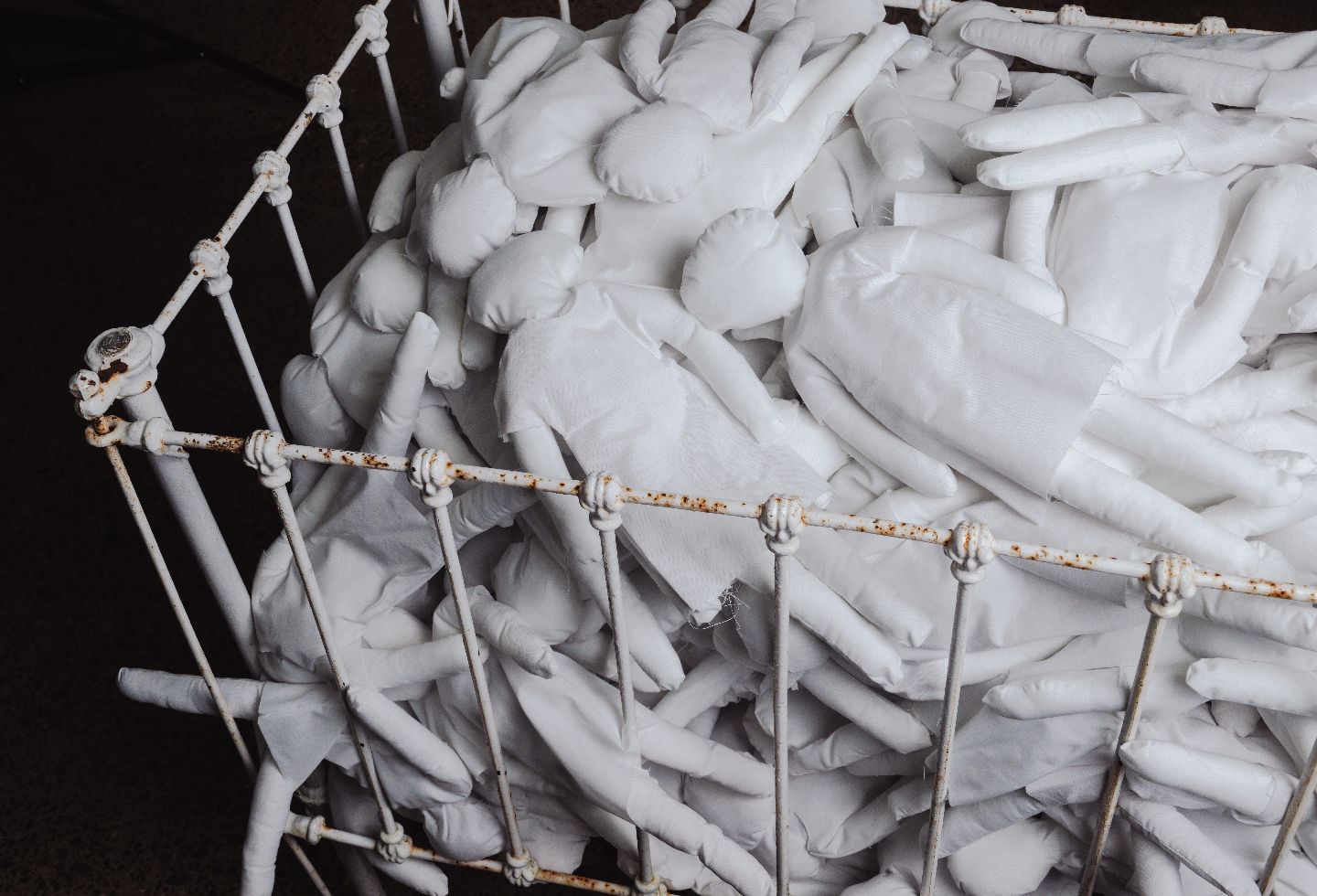
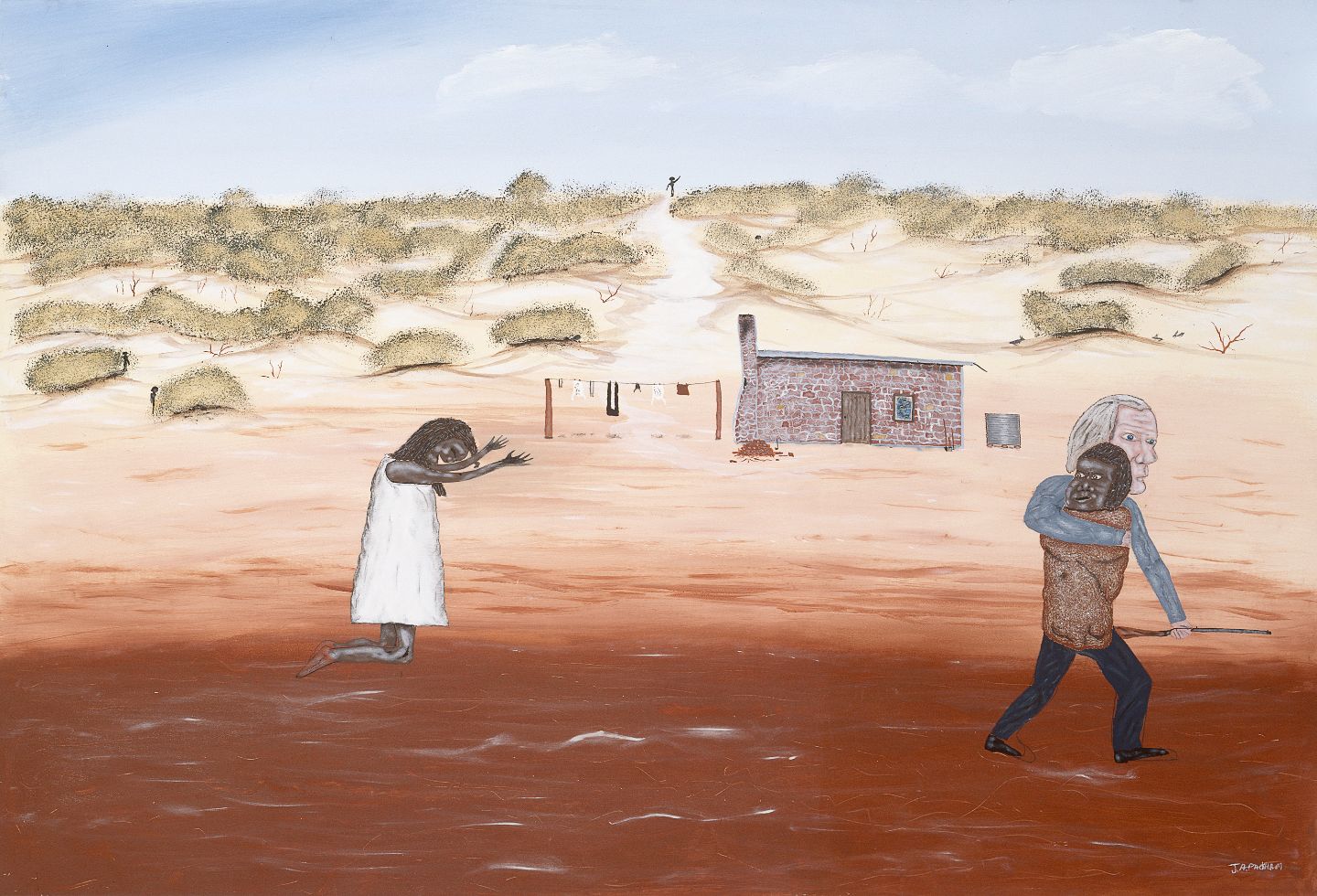
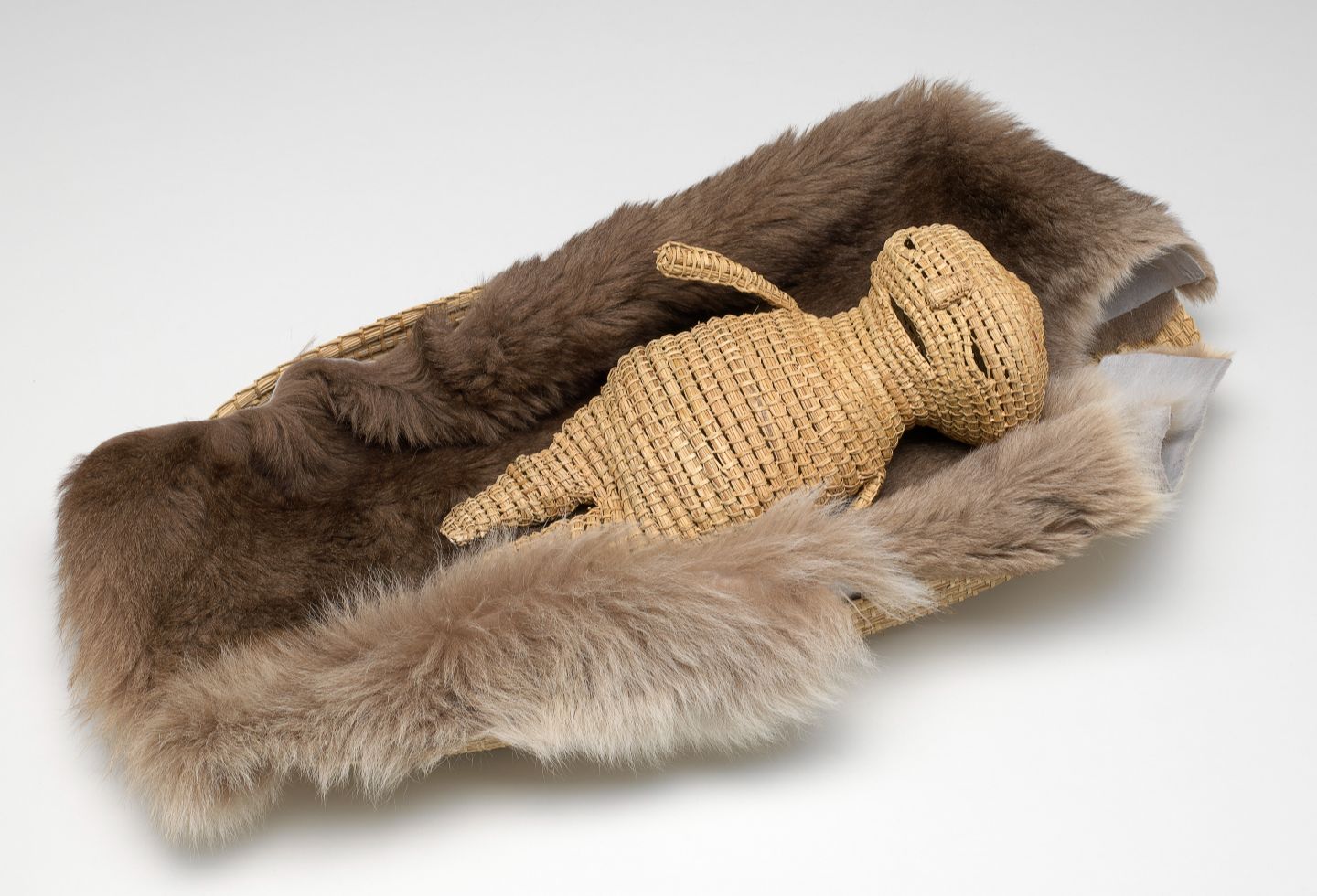
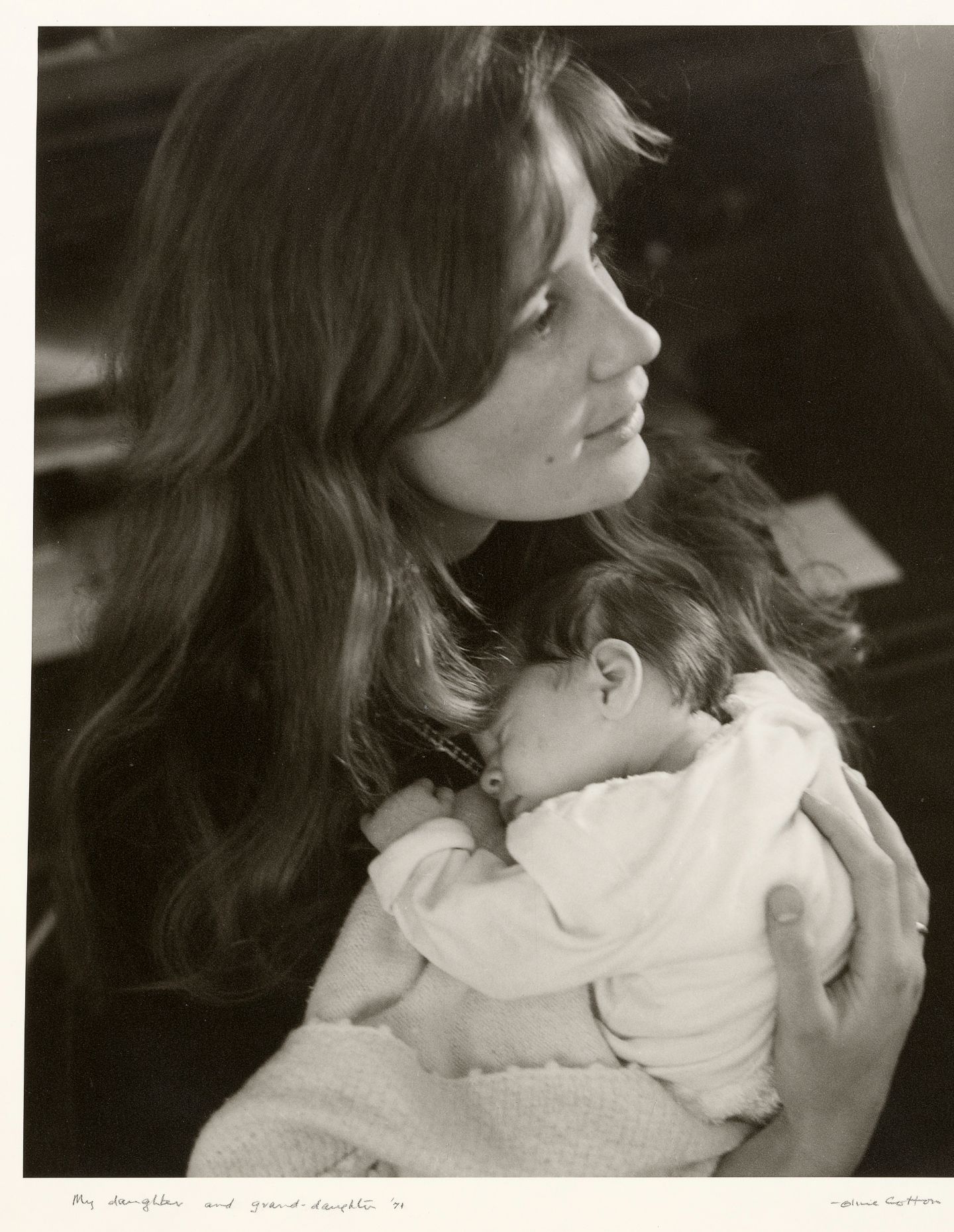
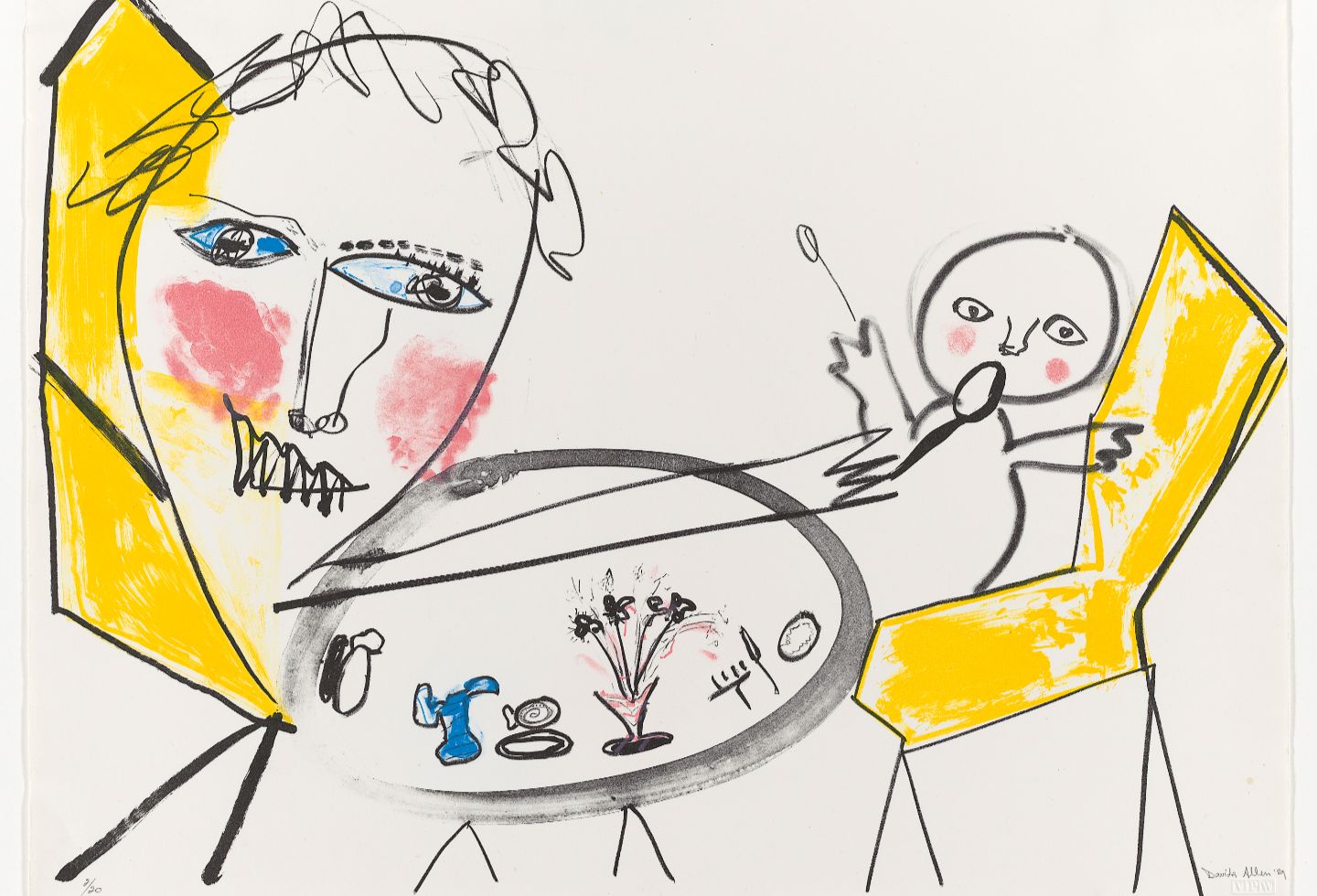
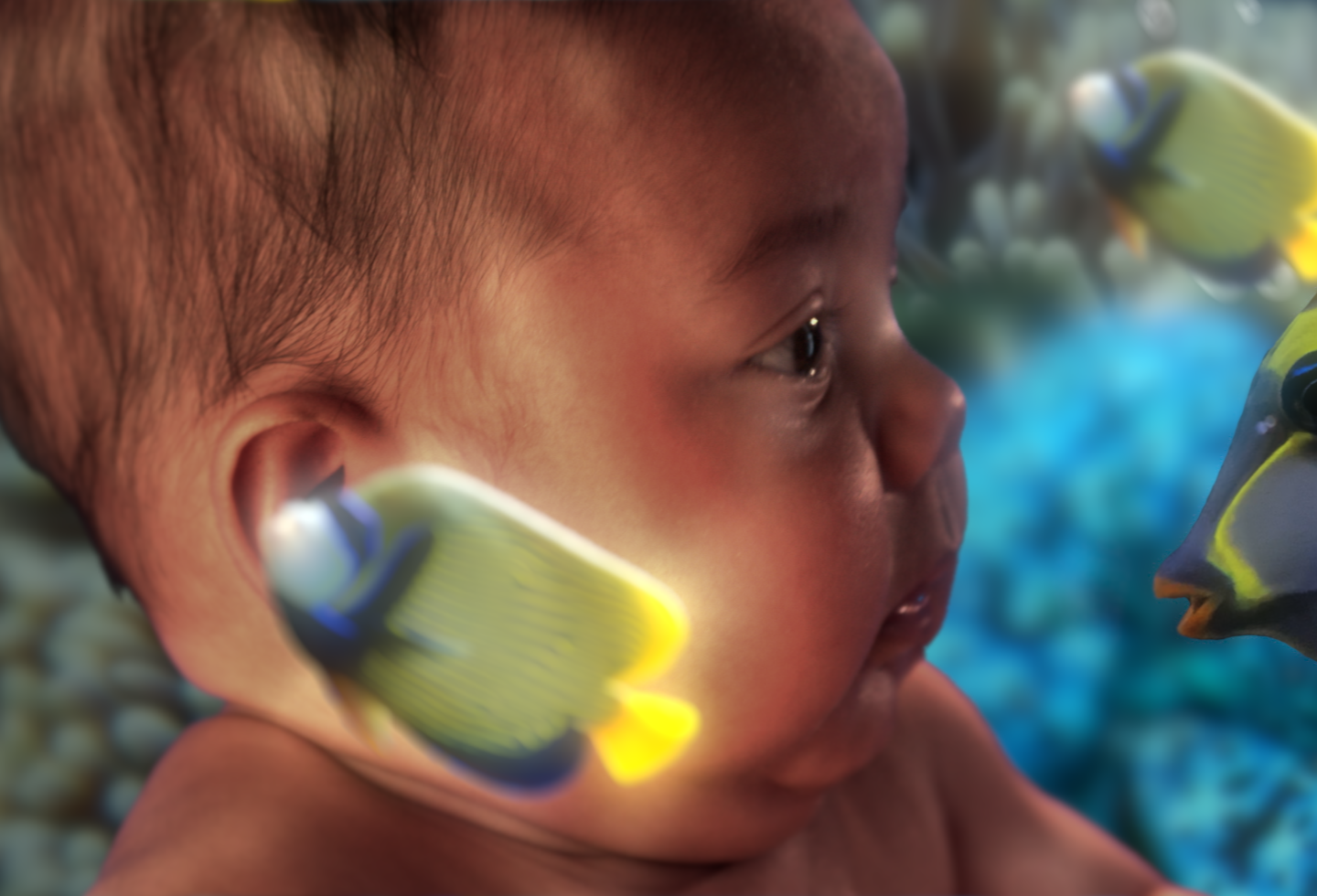
Opening 27th March, MOTHER: Stories from the NGV Collection turns to one of art’s most enduring subjects, bringing together more than 200 works that trace representations of motherhood across time, culture and medium. Structured across three chapters — Creating, Giving and Leaving — the exhibition considers motherhood as both a universal and culturally specific experience, spanning care, labour, transformation and loss. Artists include Louise Bourgeois, Tracey Emin, David Hockney and Patricia Piccinini, alongside significant Australian and First Nations voices. Works such as Hockney’s My mother sleeping (1982) reframe the maternal figure through fragmented perspectives, while Piccinini’s Nest explores care and otherness through speculative form. Newly acquired works by Kate Just translate motherhood into tactile, bodily expressions through textile, reflecting protection, memory and resilience. As Tony Ellwood notes, “there has been a remarkable increase in cultural discourse around motherhood,” with the exhibition placing historical depictions in dialogue with contemporary lived experience.
Together, the two exhibitions operate across different temporalities — one looking forward through mentorship and cultural continuity, the other reflecting across centuries of representation — yet both centre the transmission of knowledge, whether through family, community or artistic practice.
Related: Bearing Witness