

Milan unfolded in two distinct acts: the industrial might of Salone del Mobile, and the experimental energy of Fuorisalone, which includes the evolving constellation of design districts that have transformed the city itself into a living exhibition. Together they form a cultural ecosystem where commerce, creativity and conversation converge on an extraordinary scale.
At the heart of it all, Milan remains the design industry’s centre of gravity. Here, the established leaders demonstrated why they continue to shape global design discourse. The theatrical poetry of Moooi stood in contrast to the sculptural confidence of Edra, whose furniture continues to blur the line between object and artwork. Kartell reaffirmed its mastery of material innovation, while Pedrali presented a collection defined by precision, versatility and a distinctly contemporary elegance.
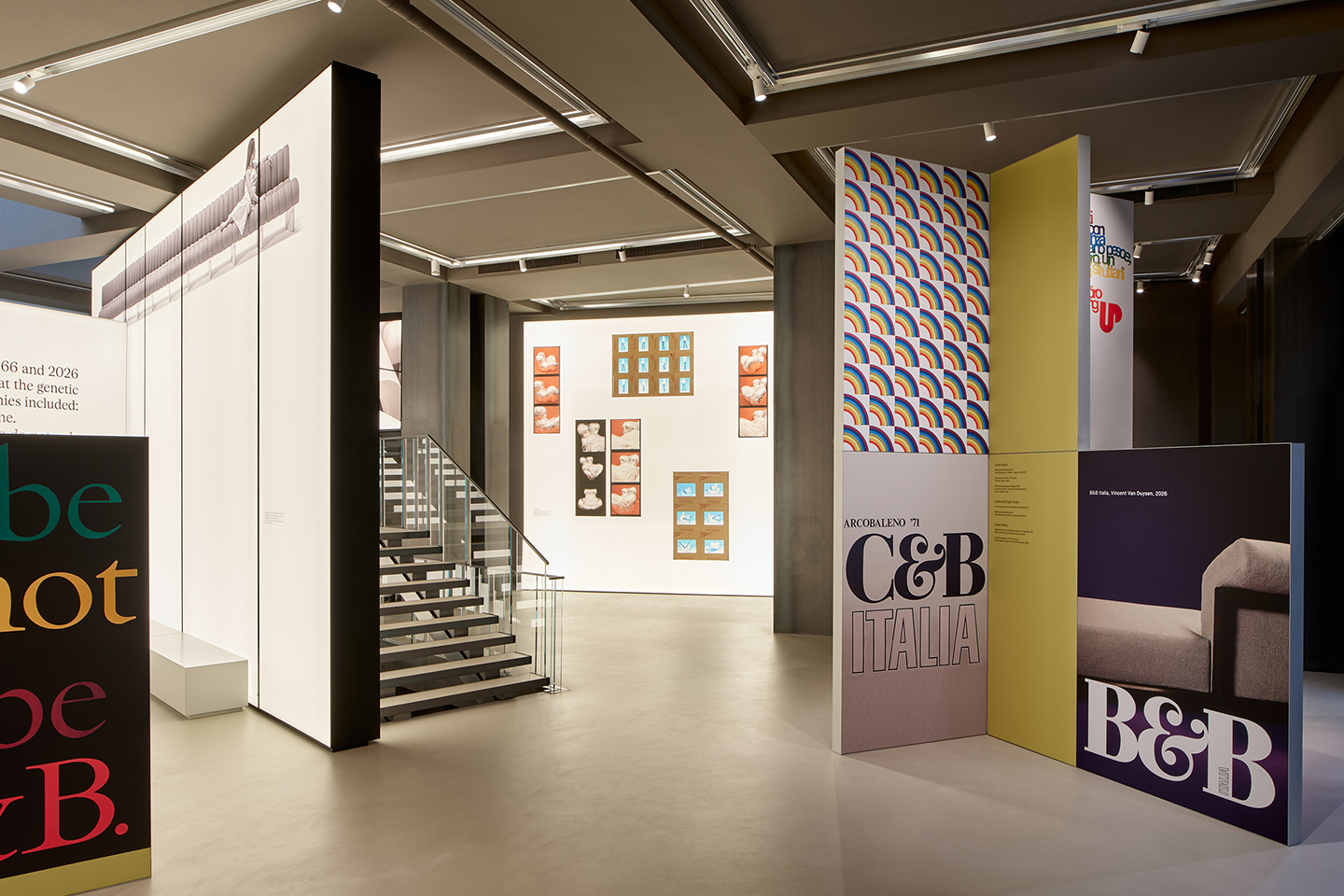
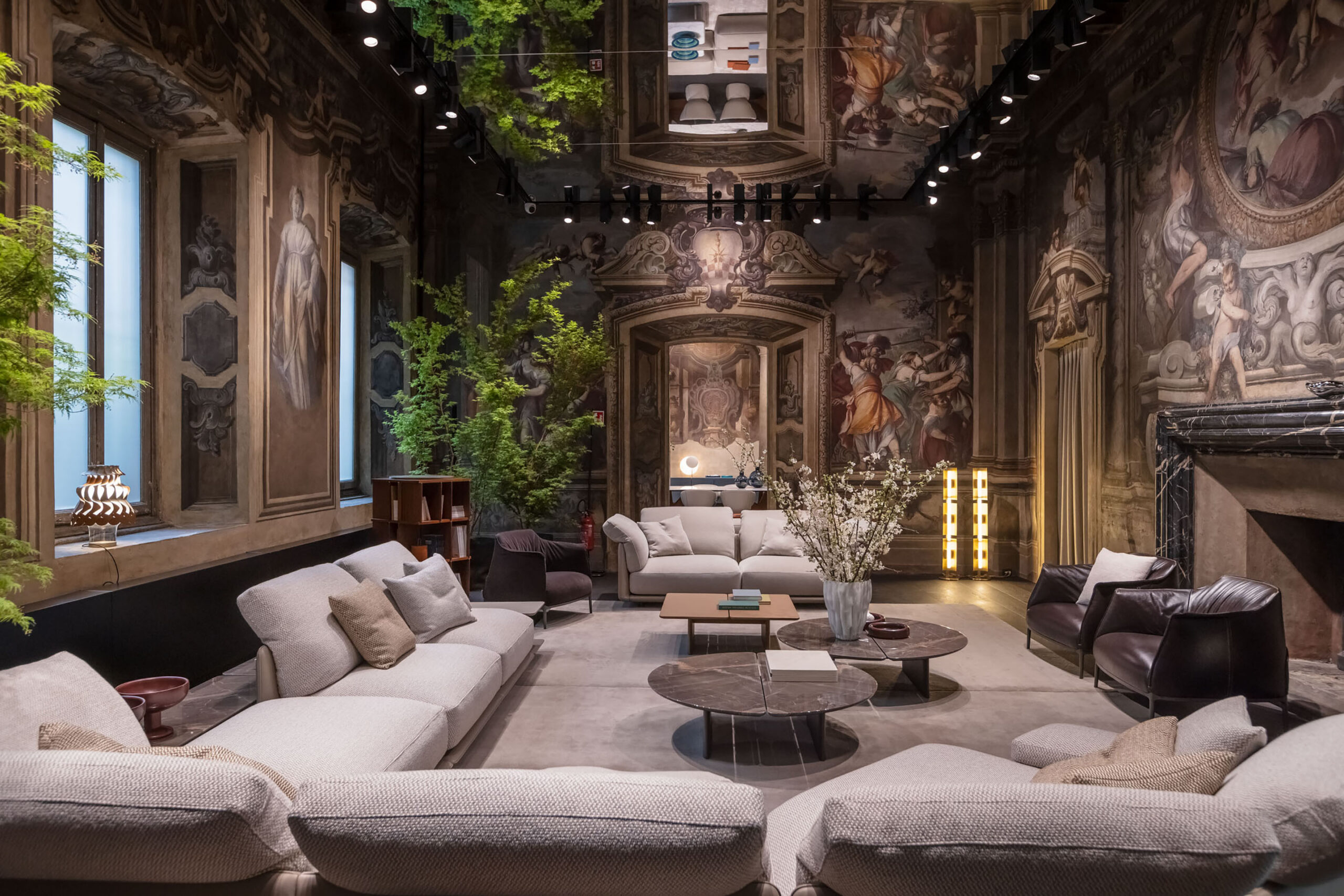
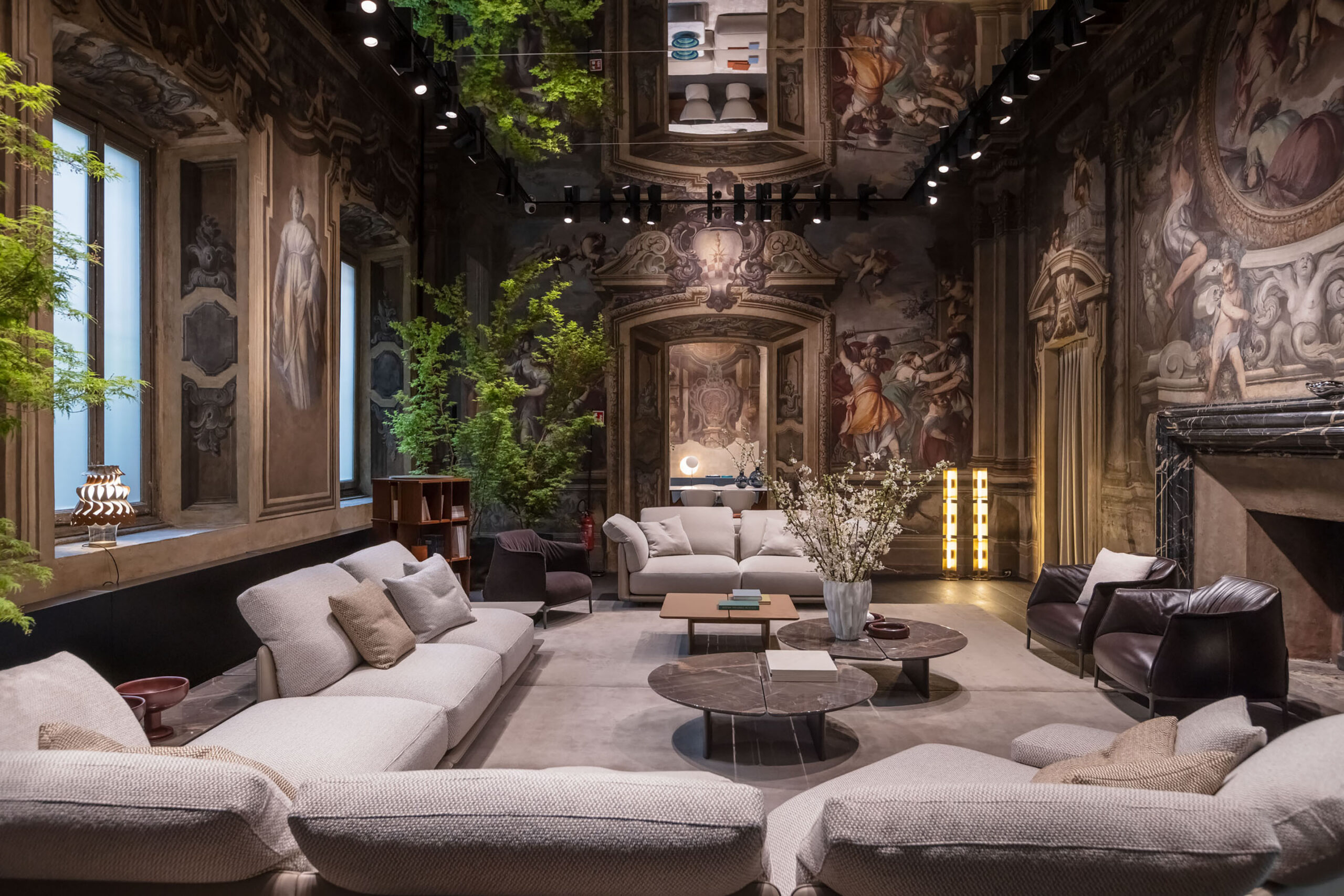
The great Italian houses were equally compelling. B&B Italia explored comfort through increasingly sophisticated forms, while Minotti delivered its customary lesson in restraint and refinement. At Poltrona Frau, craftsmanship remained the protagonist, demonstrating that luxury is increasingly defined by authenticity.
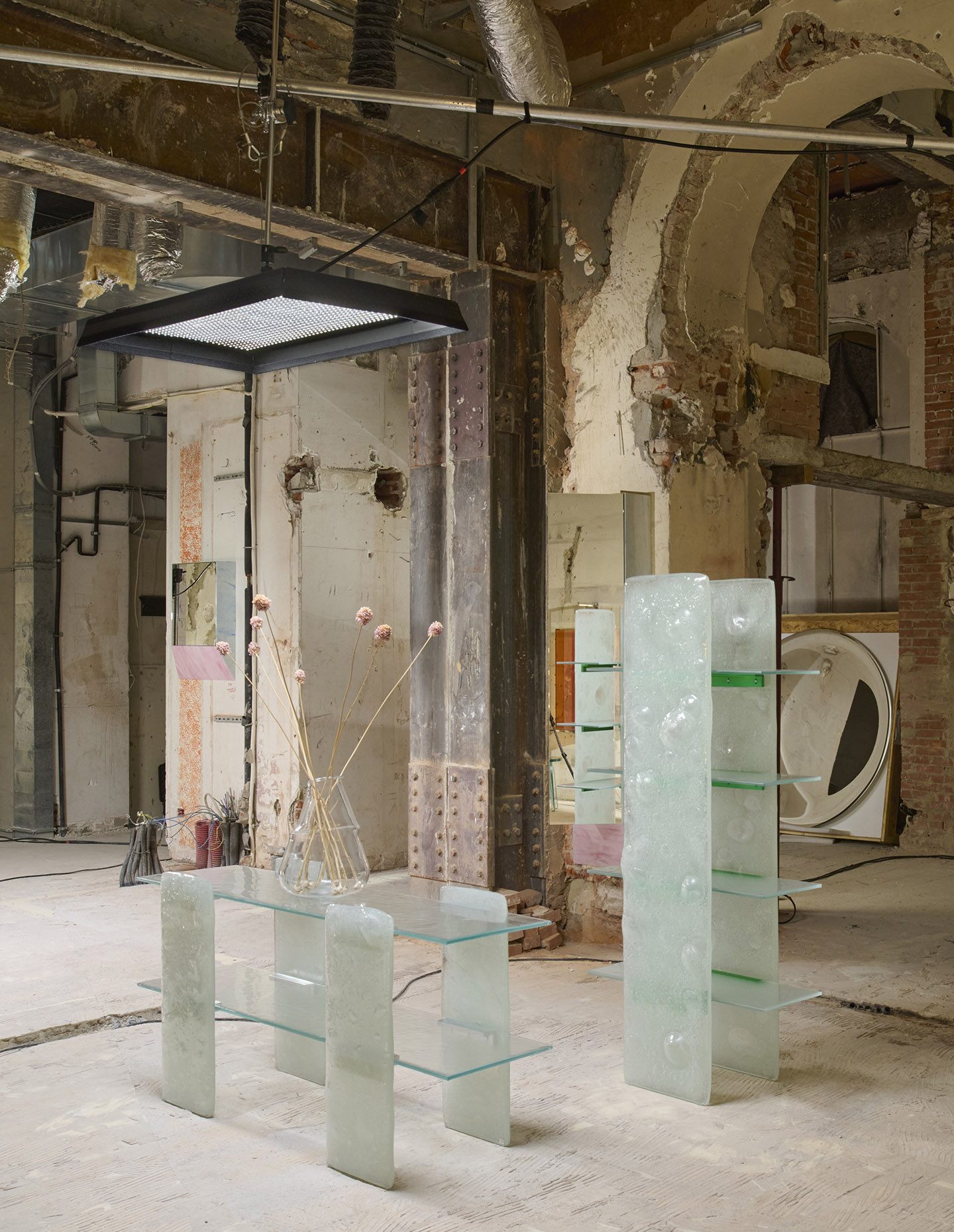
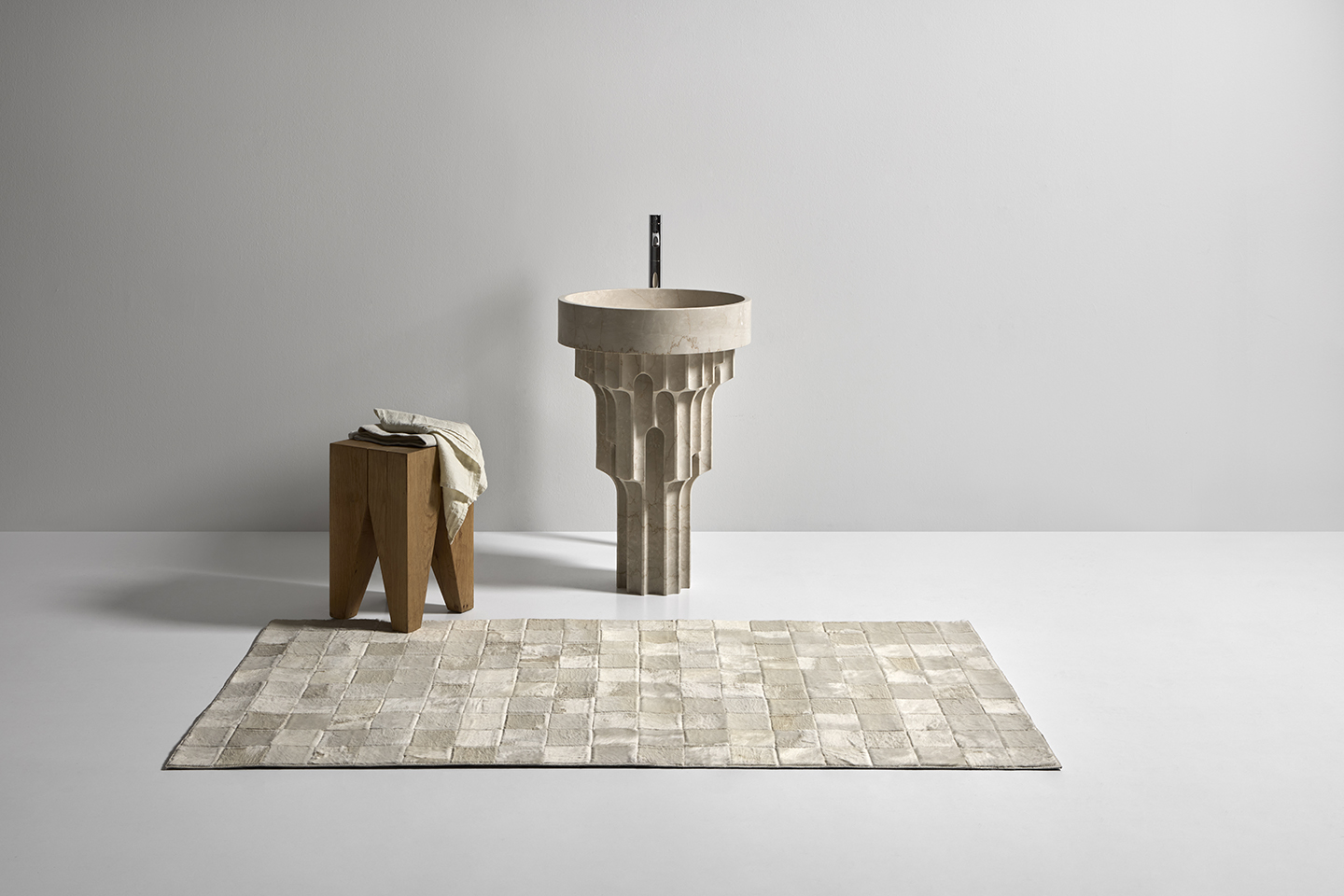
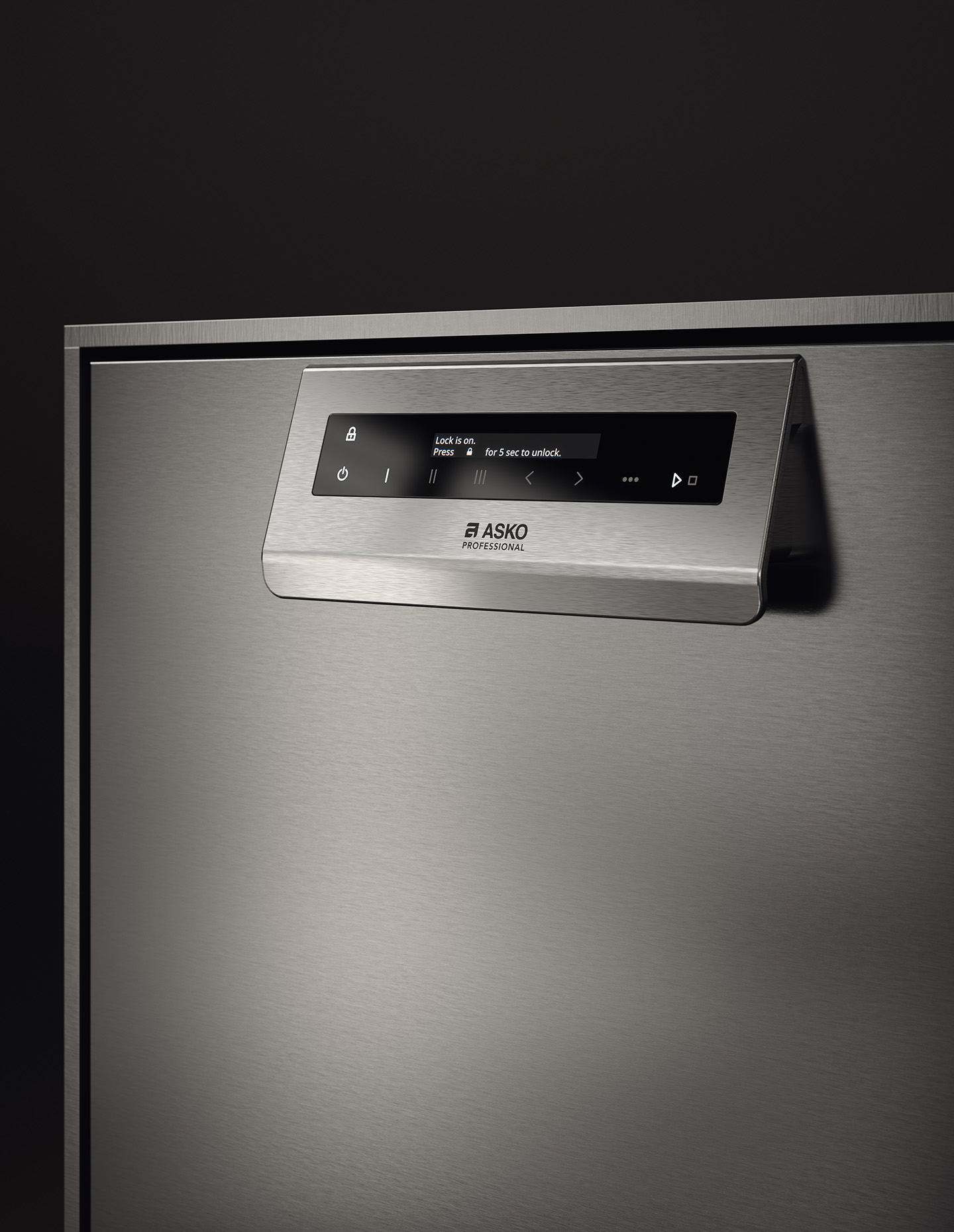
Glas Italia once again transformed glass into something magical, creating pieces that seemed to dissolve material boundaries altogether. antoniolupi continued its exploration of bathrooms as architectural environments rather than functional spaces, while Laufen and Z-VUG demonstrated how innovation and sustainability can coexist within highly refined design languages. Asko’s presence reflected the growing convergence between architecture, interiors and advanced domestic technology, while the quietly impressive work of Dooor showed how flexibility and spatial adaptability are becoming increasingly central to contemporary design.
Milan’s streets, courtyards, palazzi and forgotten industrial buildings became stages for experimentation. The installations that generated the longest queues were often those that most successfully balanced visual spectacle with genuine emotional resonance.
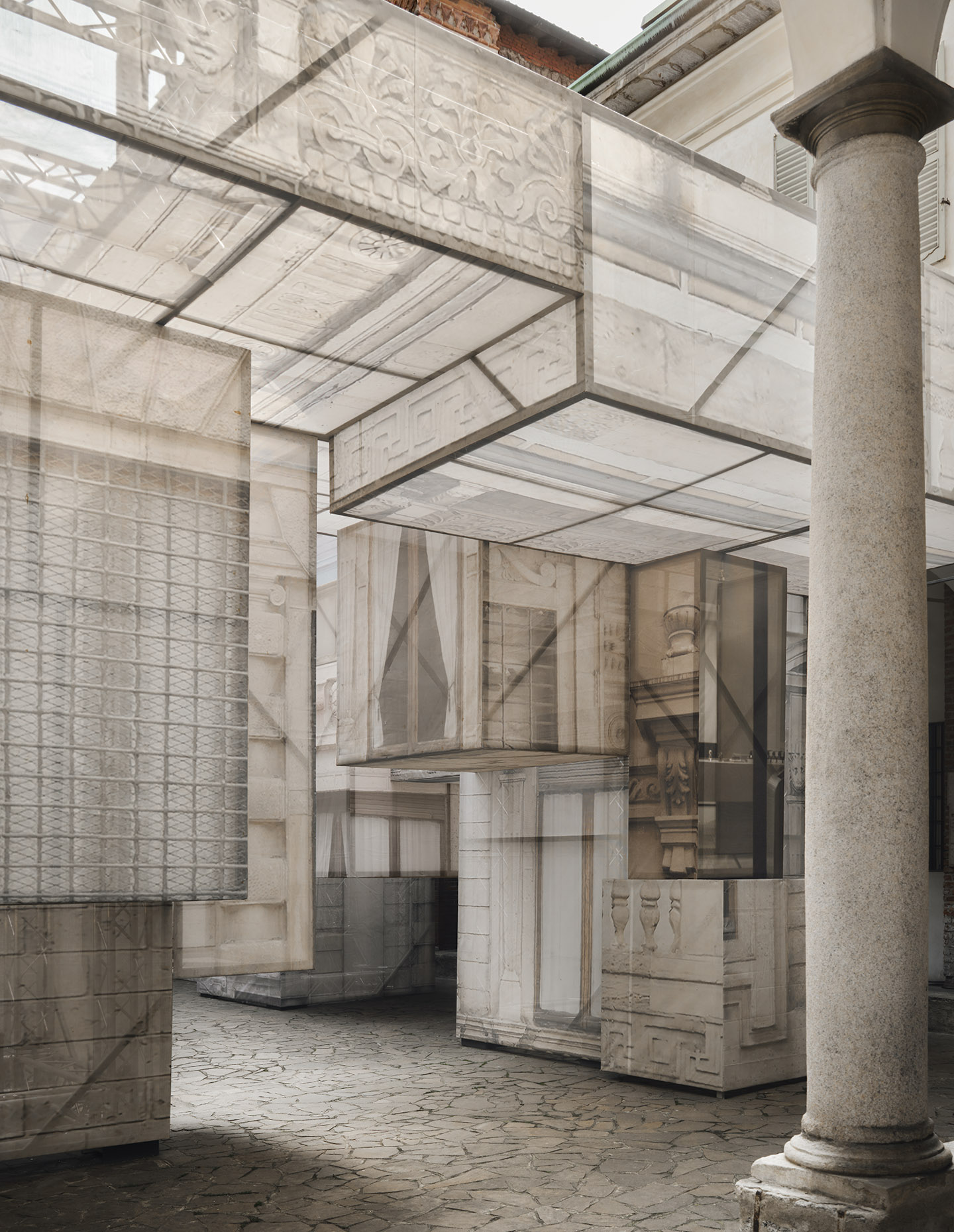
Aesop’s immersive presentation was among the week’s most discussed experiences, clearly demonstrating the brand’s extraordinary ability to create environments that feel both deeply considered and profoundly sensory. Installed within the cloister of Santa Maria del Carmine, The Factory of Light, designed by Rodney Eggleston, founder of March Studio, transformed reclaimed scaffolding and painted tarpaulins into a luminous architectural landscape that evoked an imagined version of Milan. Demonstrating Aesop’s remarkable ability to approach branding as cultural patronage, it was a meditation on craftsmanship, light and making. Unsurprisingly, the queues stretched way beyond the plaza.
Related: Read the full feature on Aesop here
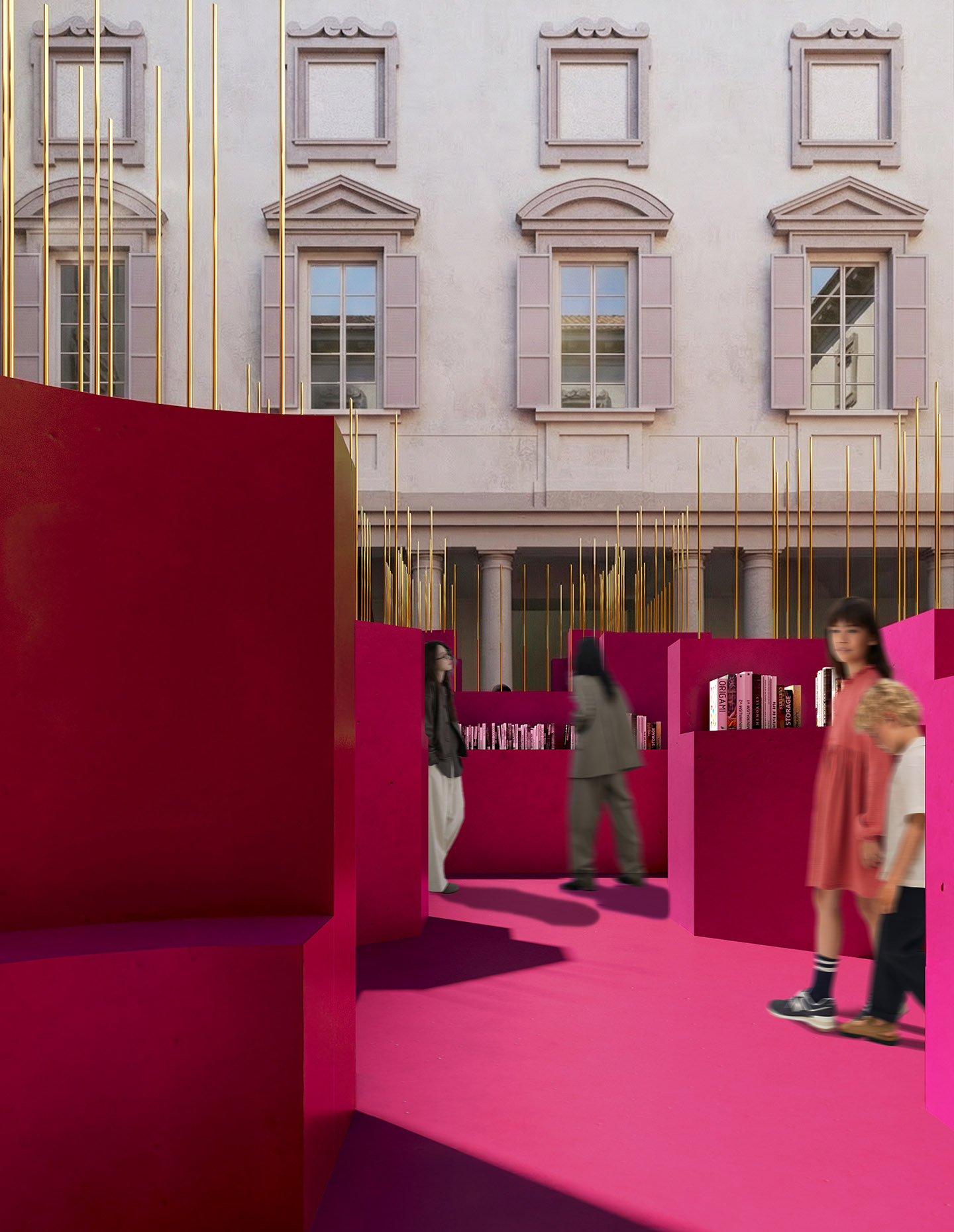
Metamorphosis in Motion, the centrepiece of MoscaPartners Variations at Palazzo Litta, saw French-Lebanese architect Lina Ghotmeh transform the historic courtyard into an immersive labyrinth of colour, movement and encounter. Using architecture as a catalyst for reflection, interaction and discovery, it was an invitation to slow down amid the intensity of Milan Design Week. Its serpentine pink forms generated some of the week’s longest queues, yet its combination of playfulness and spatial intelligence made it one of the week’s most memorable experiences.
The Uzbekistan Art and Culture Development Foundation’s When Apricots Blossom was another delicious spectacle. Presented at Palazzo Citterio and curated by architect Kulapat Yantrasast, the exhibition drew inspiration from a poem by Uzbek writer Hamid Olimjon and explored themes of resilience, renewal and cultural memory through the lens of the Aral Sea region. Rather than presenting craft as nostalgia, the exhibition framed traditional knowledge as a living system capable of informing contemporary design.
To some extent the queues themselves became part of the narrative as Milan reminded us that some experiences are better in real life. The willingness of visitors to wait, often for considerable periods, spoke volumes about the power of spatial storytelling.
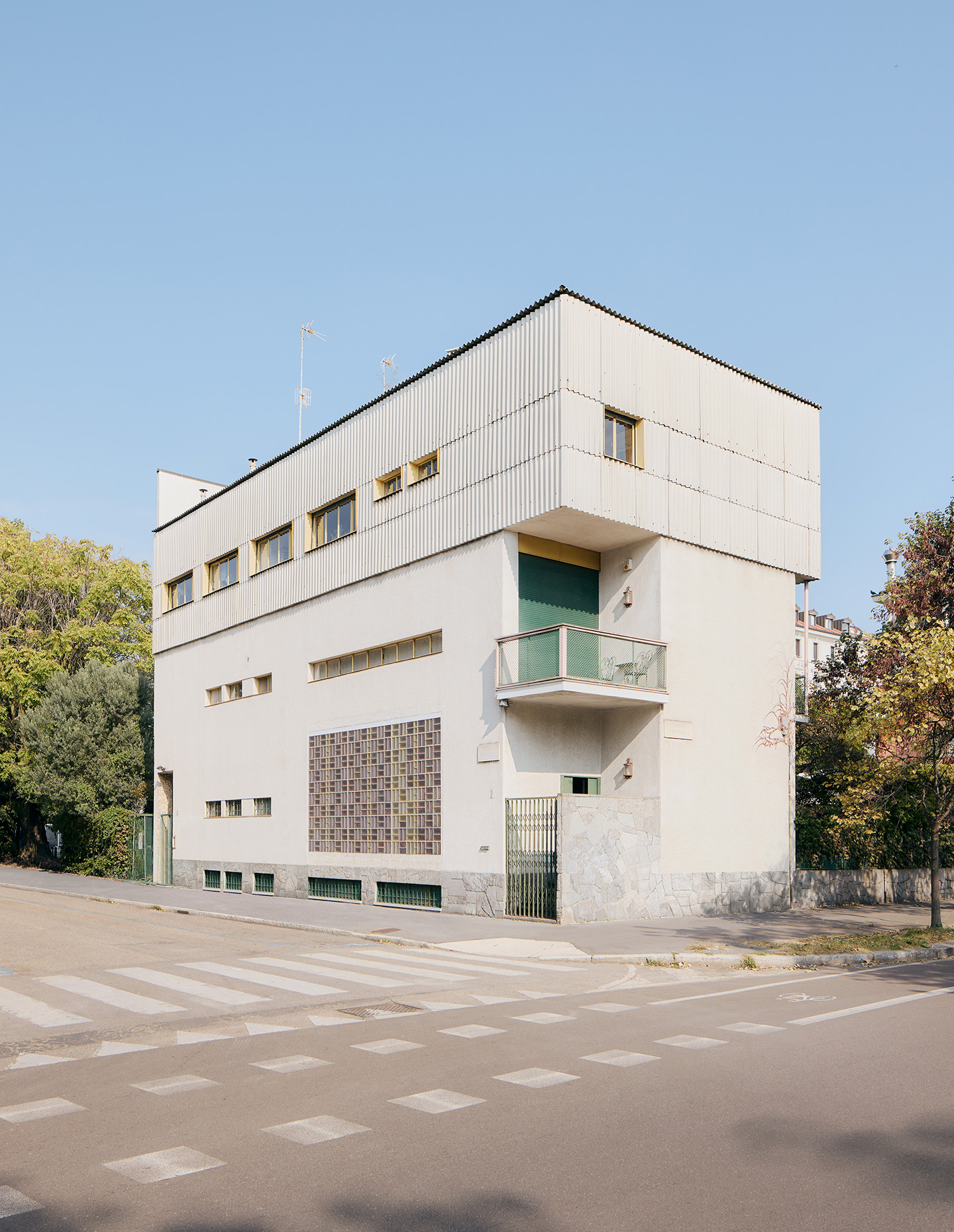
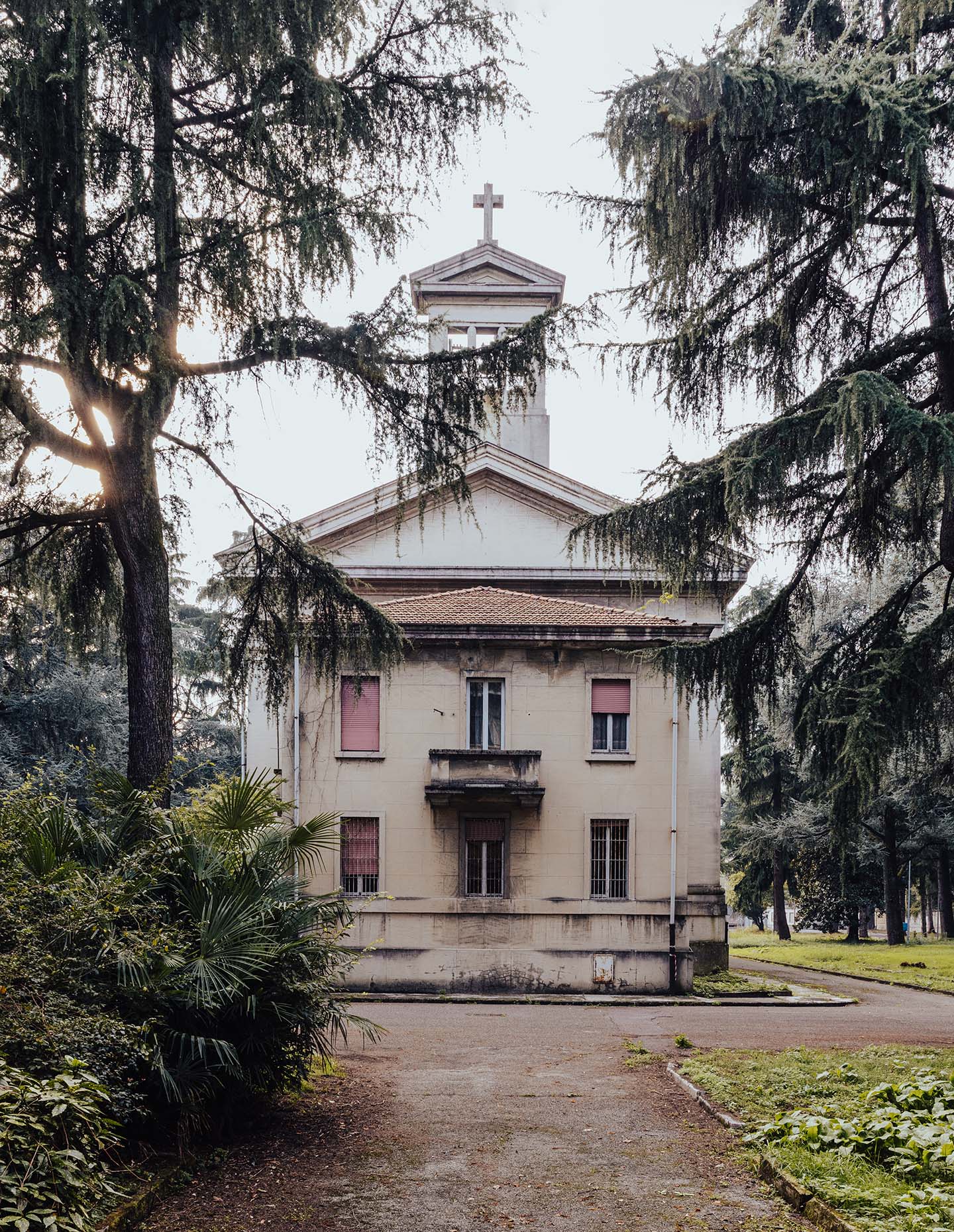
Nowhere was this spirit more evident than at Alcova. What began as an alternative platform has evolved into one of Milan’s essential destinations, attracting designers, collectors, architects and the curious alike. With an appeal founded in discovery, Alcova continues to occupy extraordinary and often overlooked spaces, including a military hospital, to deliver a fine tension between heritage, decay and innovation. It’s this distinct sensibility that forms the attraction, where emerging voices including Eliza Uberti, reflected a broader shift towards experimentation, material research and narrative-driven design. That said, there was a slight feel of graduate school to the overall quality by comparison with the polished exhibitors elsewhere, but this is an important point: Milan is diverse in its design appeal.
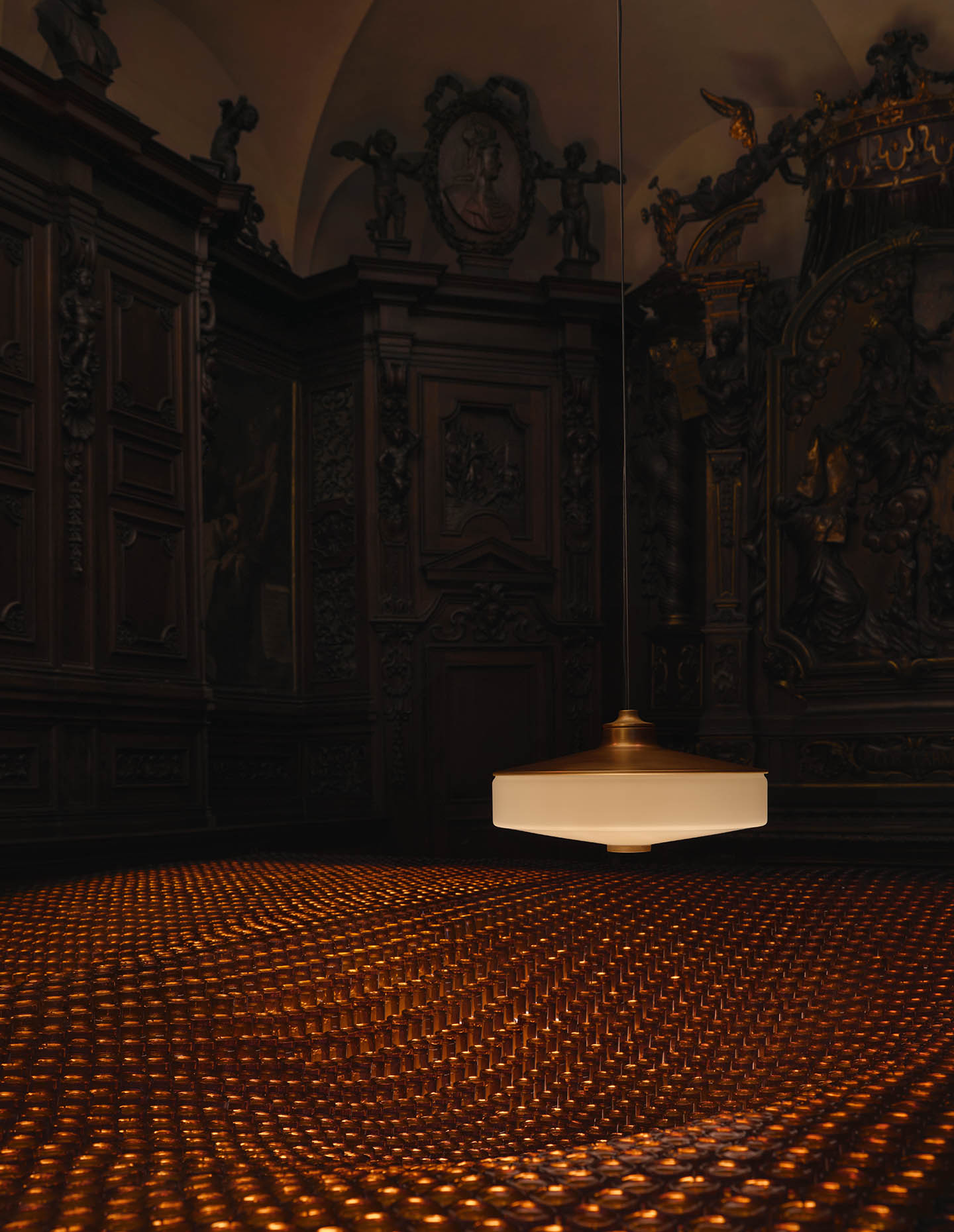
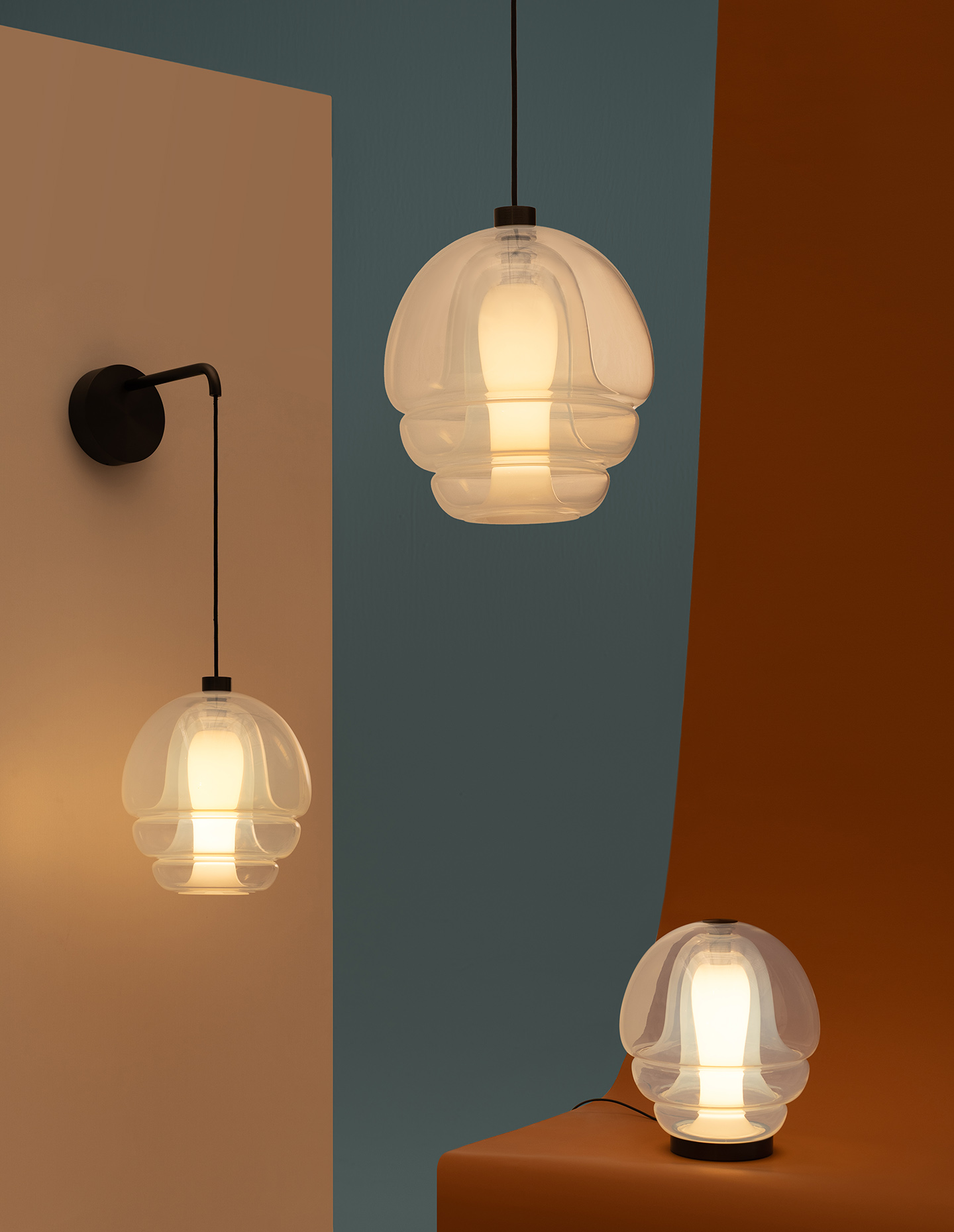
Salone Raritas, a new, dedicated fair within the fair at Fiera Milano Rho curated by Annalisa Rosso and designed by Formafantasma was mostly excellent with Sabine Marcelis’s Plume, a three-metre-tall bubbling sculpture made of pale-pink polymer resin and silicon oil, exploring the movement of air passing through liquid, an elegant proposition. Draga & Aurel’s collaboration with Murano glassmakers, Salviati was staggeringly beautiful with impossibly delicate, luminous glass lamps that act as functional works of art and a deep green slab of glass forming one of the best tables of the entire fair.
Show ponies aside, memorable moments emerged in quieter ways. Nilufar delivered a masterclass in curation, blending contemporary design with collectible works that felt simultaneously sophisticated and playful. Bitossi reaffirmed the enduring vitality of Italian ceramics, while Established & Sons demonstrated that British design continues to thrive through bold thinking and creative risk-taking.
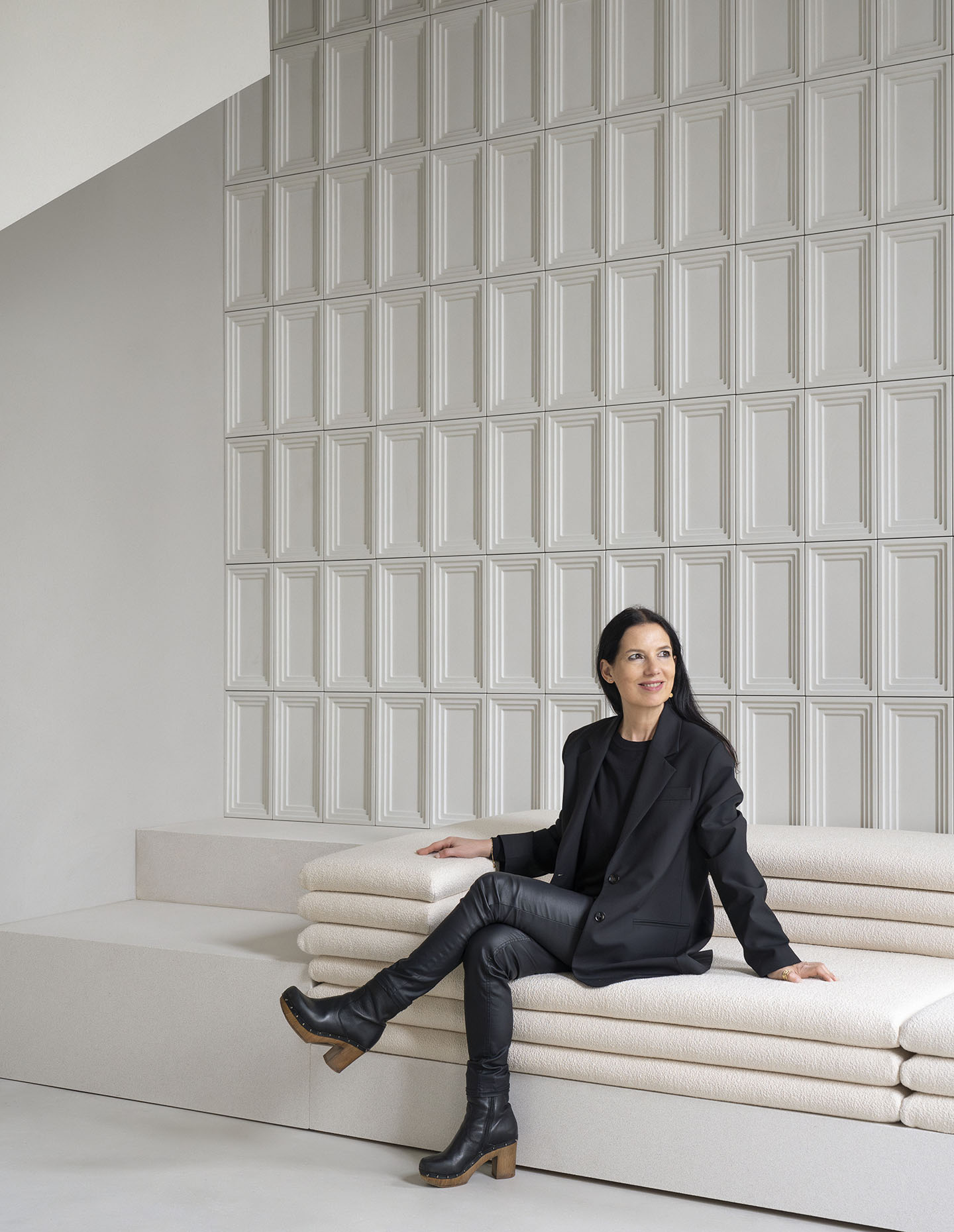
Among the more understated highlights, Gallotti & Radice demonstrated the enduring relevance of elegance. In a week often dominated by spectacle, their refined compositions of contemporary and legacy pieces, offered a reminder that restraint can be every bit as powerful as drama.
Across exhibitions, showrooms and collaborative installations, Australian designers and manufacturers contributed a distinctive perspective shaped by material honesty, environmental awareness and a uniquely relaxed approach to luxury. While Australia’s presence was more dispersed than in previous years, designers including Tom Fereday, Dean Norton, Henry Wilson, Volker Haug Studio and Elliat Rich were all visible through collaborations, gallery presentations and independent exhibitions.
While Milan 2026 delivered its usual parade of beautiful furniture and highly choreographed launches, many of the week’s most resonant moments came from installations such as Aesop’s Factory of Light and Uzbekistan’s When Apricots Blossom — projects that used design to tell stories.