
Before founding Studio Y, Creative Director Yaron Kanor spent years behind the bar. Long before he was specifying finishes or choreographing spatial journeys, he was watching people arrive, linger, move through rooms and interact with one another. It was there, in the rhythm of hospitality, that Kanor began to understand design not as an aesthetic exercise, but as a human one.
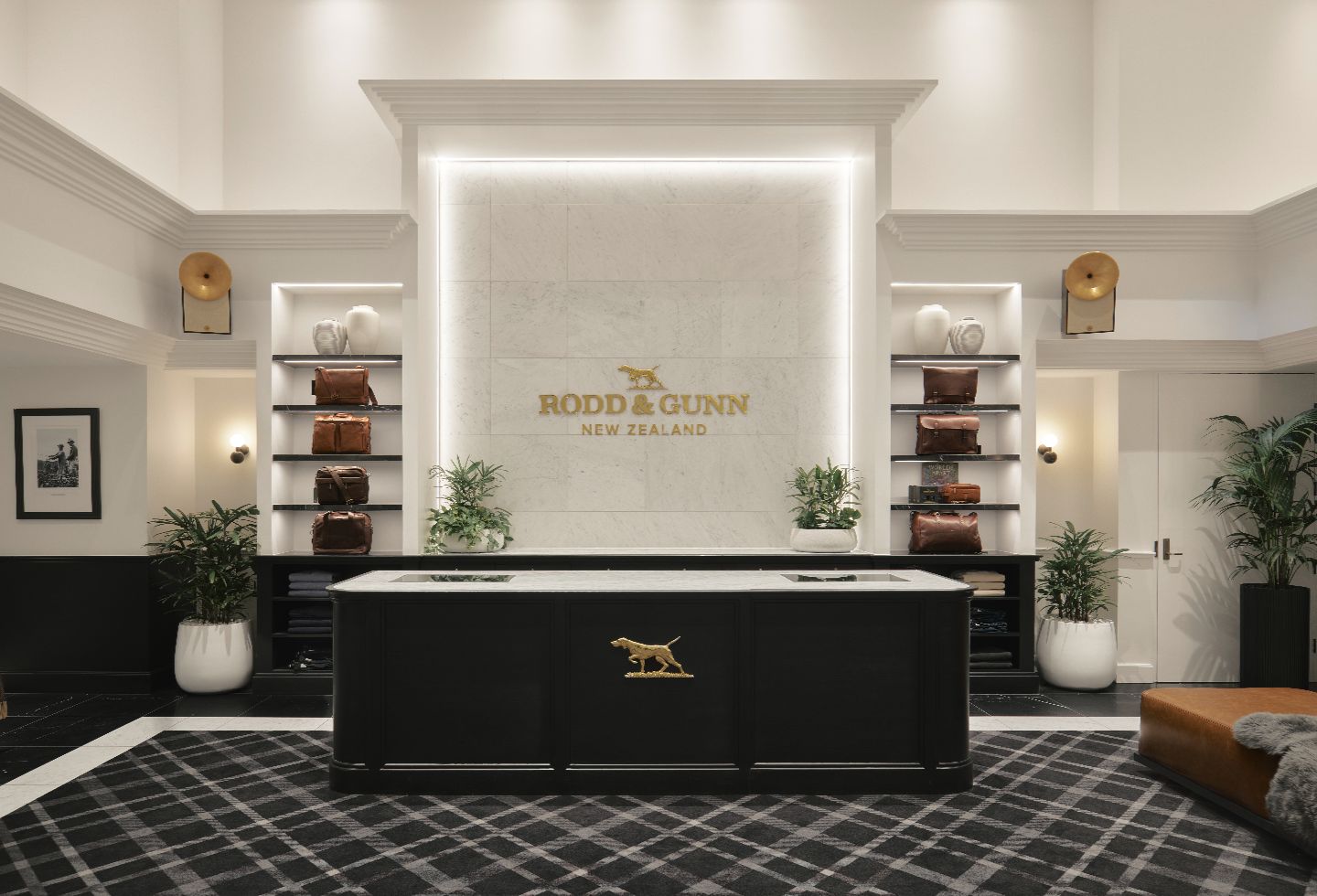
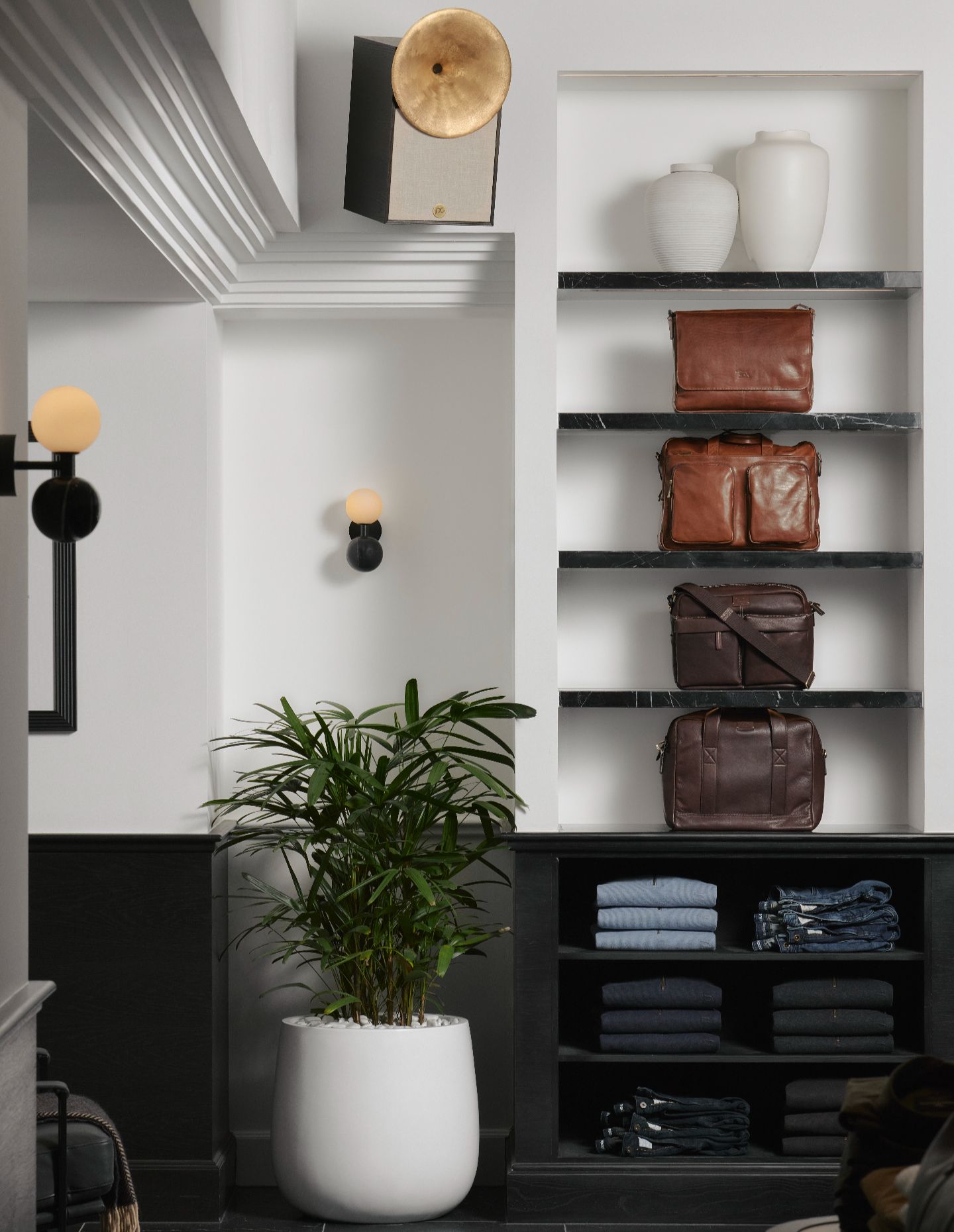
That early immersion continues to shape Studio Y’s work today. Whether designing intimate dining rooms or expansive flagship environments, Kanor’s approach remains grounded in an instinctive understanding of behaviour, flow and experience. His latest project, Rodd & Gunn’s multi-level Melbourne flagship, brings that philosophy into sharp focus, weaving retail, hospitality and heritage into a layered, experiential whole.
While studying interior design, he was simultaneously bartending, the two worlds developing side by side. Hospitality was not simply a job but an education in human psychology and operational reality. From behind the bar, he learned how small spatial decisions affect movement and how the experience of staff inevitably shapes the experience of guests.
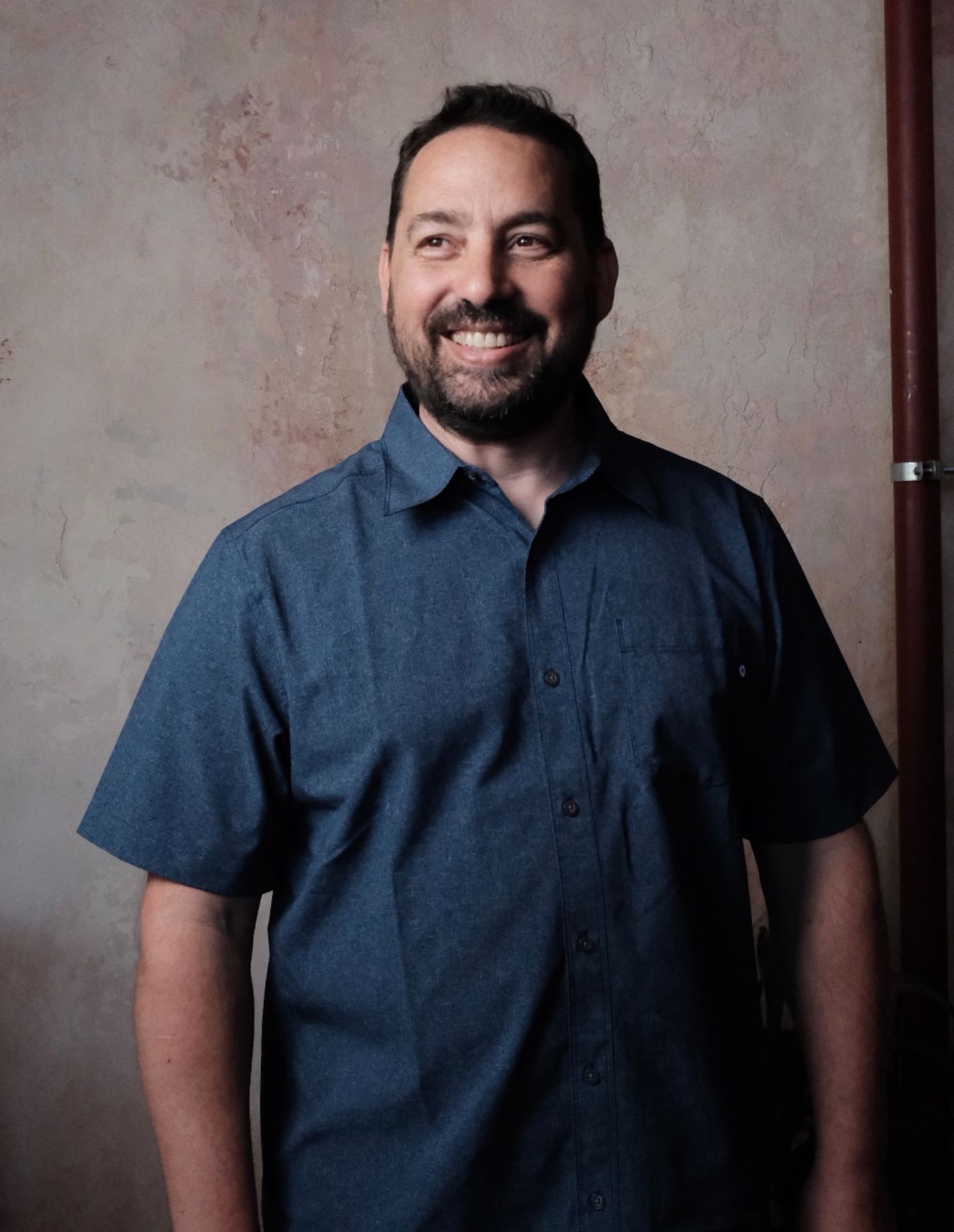
“That firsthand interaction teaches you everything,” Kanor reflects. “You’re designing for people at the end of the day. If the space doesn’t work for the staff, it will never work for the customer.”
That mindset remains embedded in Studio Y’s process. Every project begins with understanding how people will actually use the space, not just how it will look. Floor plans, circulation and adjacencies are treated as foundational decisions that dictate the success of everything that follows. Kanor is known for revisiting completed venues anonymously, asking staff what works and what doesn’t, using that feedback to inform future projects.
The result is spaces that feel intuitive rather than imposed. “When staff feel seen and supported by the design, it creates pride,” he says. “And that always feeds back into the guest experience.”
This human-centred approach is particularly evident in Rodd & Gunn’s Melbourne flagship, housed within a 1929 Harry Norris building. Rather than treating the heritage fabric as a constraint to be overcome, Studio Y embraced it as an active layer of storytelling.
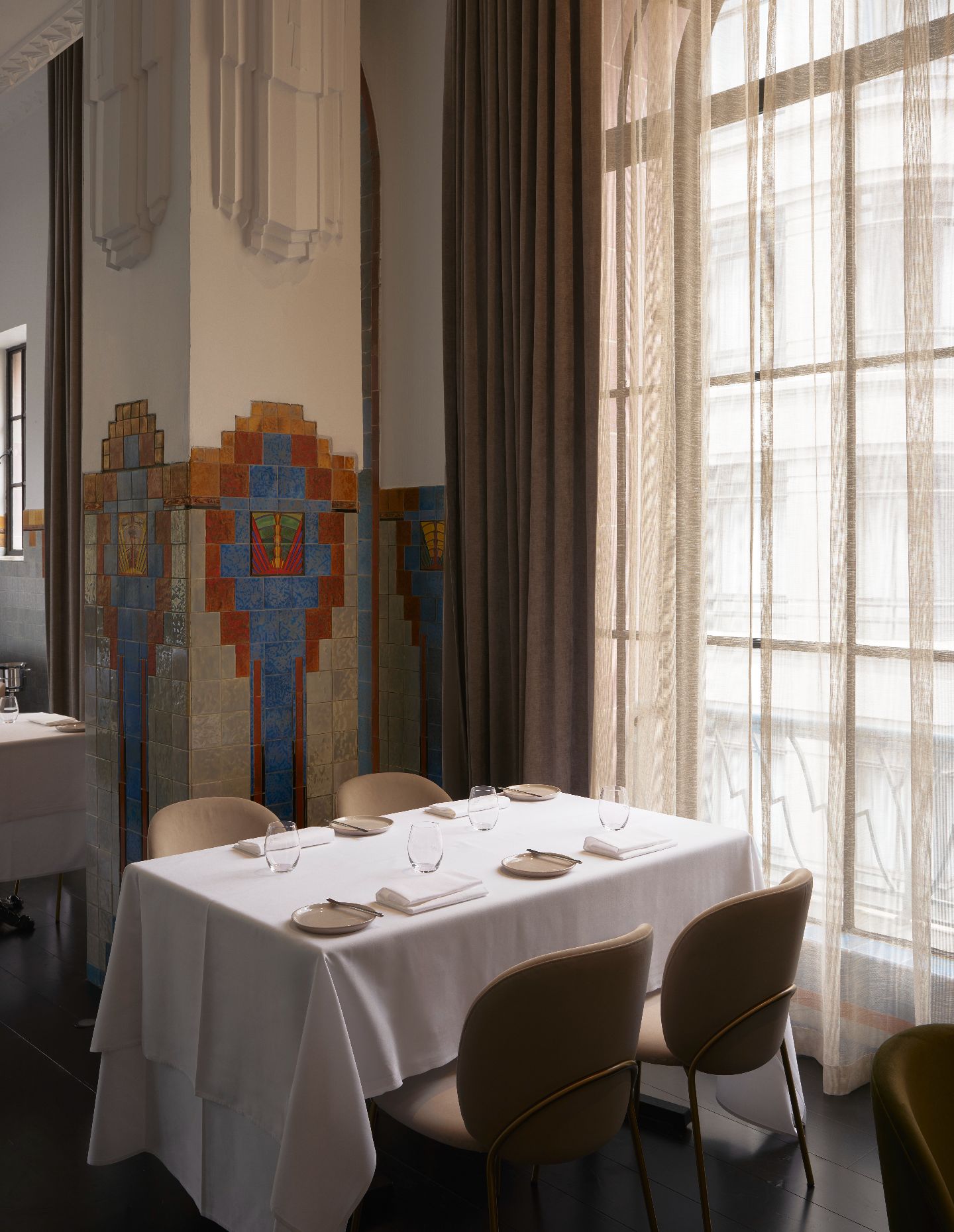
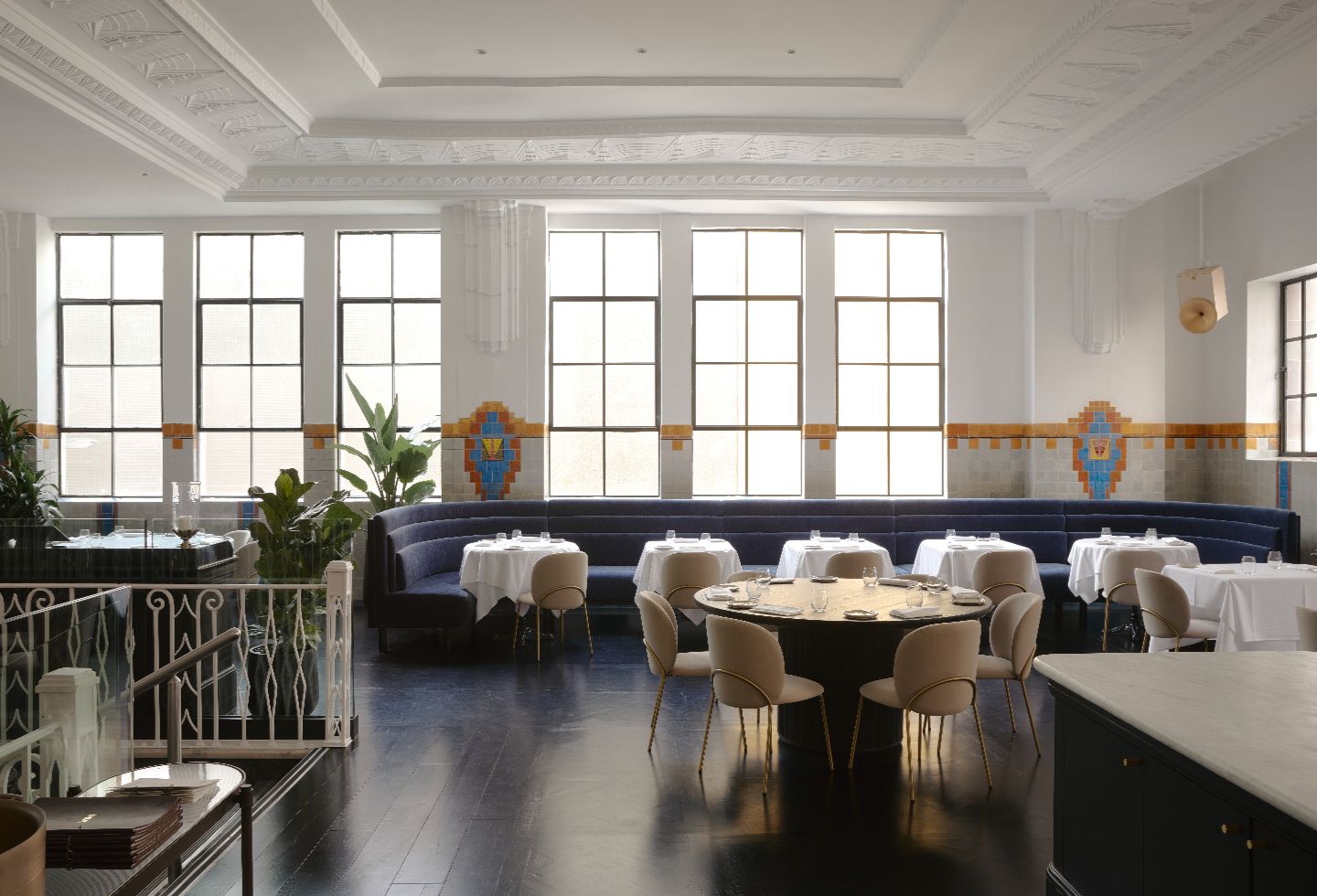
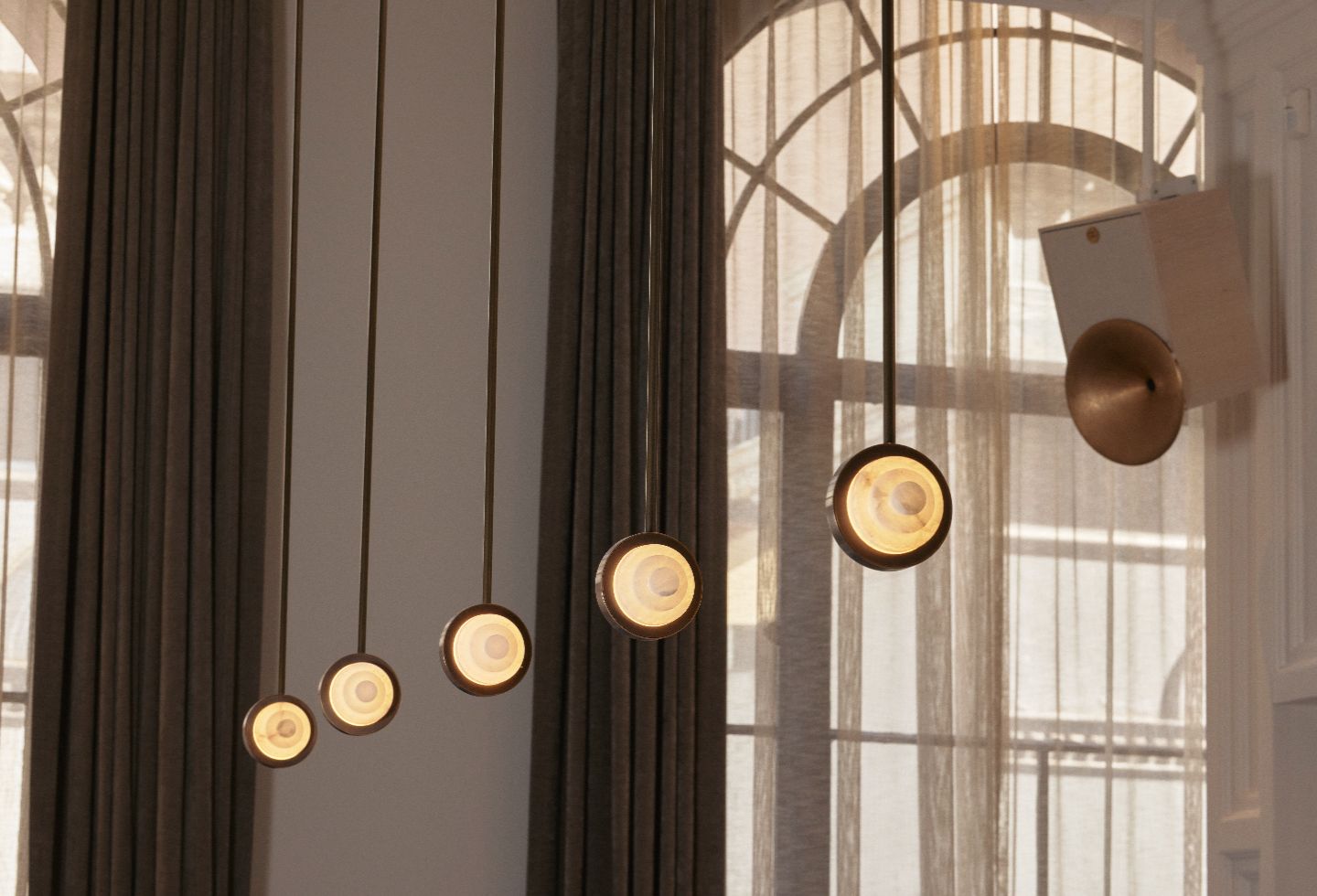
Heritage elements were retained with intention. Upstairs, original tiling, cornices, staircases and generous proportions were allowed to speak for themselves. The design intervention here is deliberately restrained, letting the building’s character take centre stage. High ceilings, arched windows and soft drapery create an atmosphere that feels transportive, almost nostalgic, without tipping into pastiche.
Related: TheEND’s philosophy of living objects
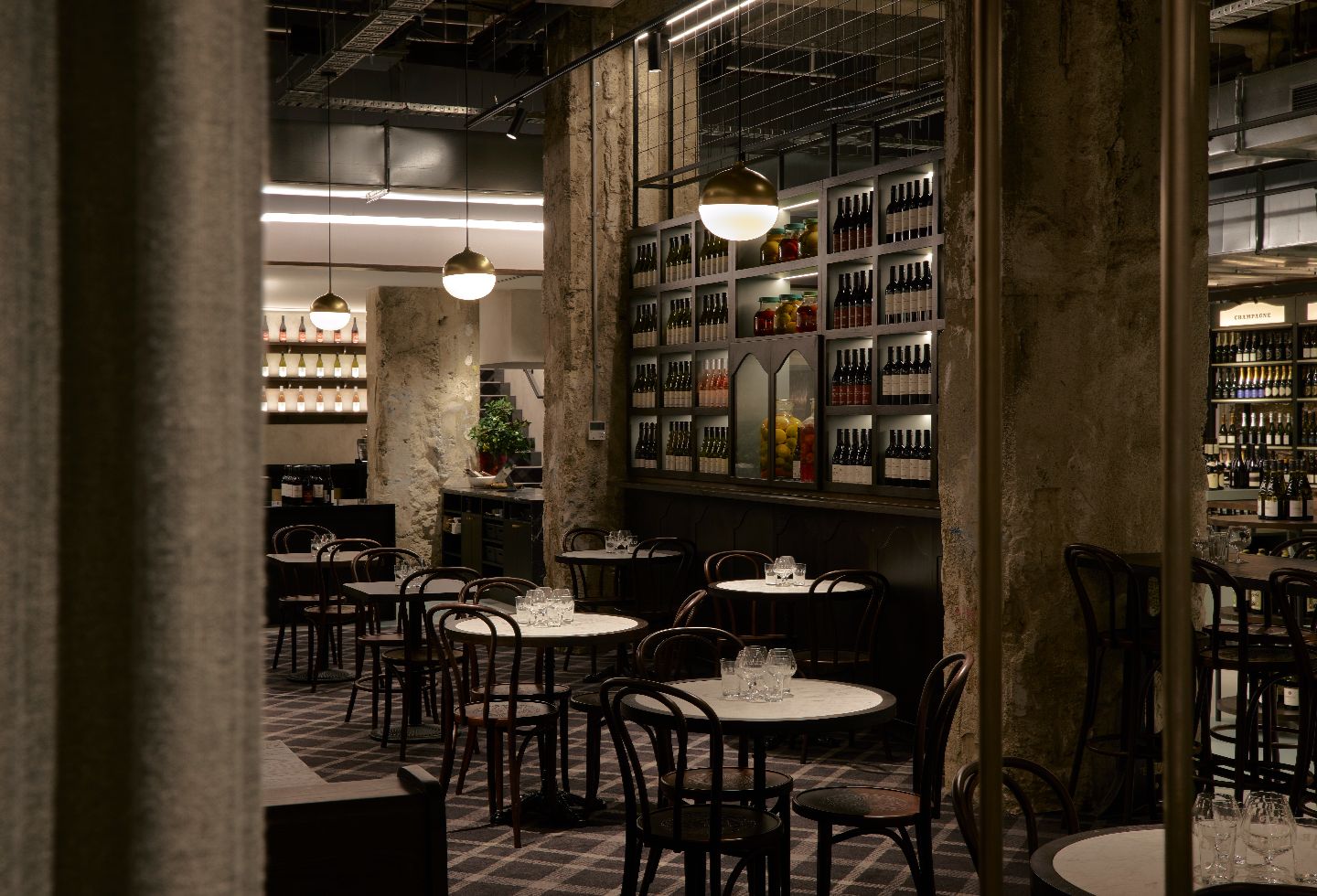
Elsewhere, traces of history that fall outside formal heritage protections were preserved and reinterpreted. In the basement, once home to a cafeteria, original brick walls, colour traces and forms informed the design of seating and detailing. These subtle references reward those who linger and look closely, reinforcing a sense that the building has evolved rather than been overwritten.
Crucially, the flagship is not conceived as a single space but as a vertical journey. Retail, wine bar, lounge, members’ club and fine dining unfold across levels, each offering a distinct mood while remaining part of a cohesive narrative. Kanor was adamant that visitors should never feel forced through retail in order to access hospitality. Separate entry points allow each experience to stand on its own, reflecting the brand’s understated confidence.
“If someone just wants to go to the bar, that should be a great experience in its own right,” he says. “We’re not here to upsell or push people through a shop.”
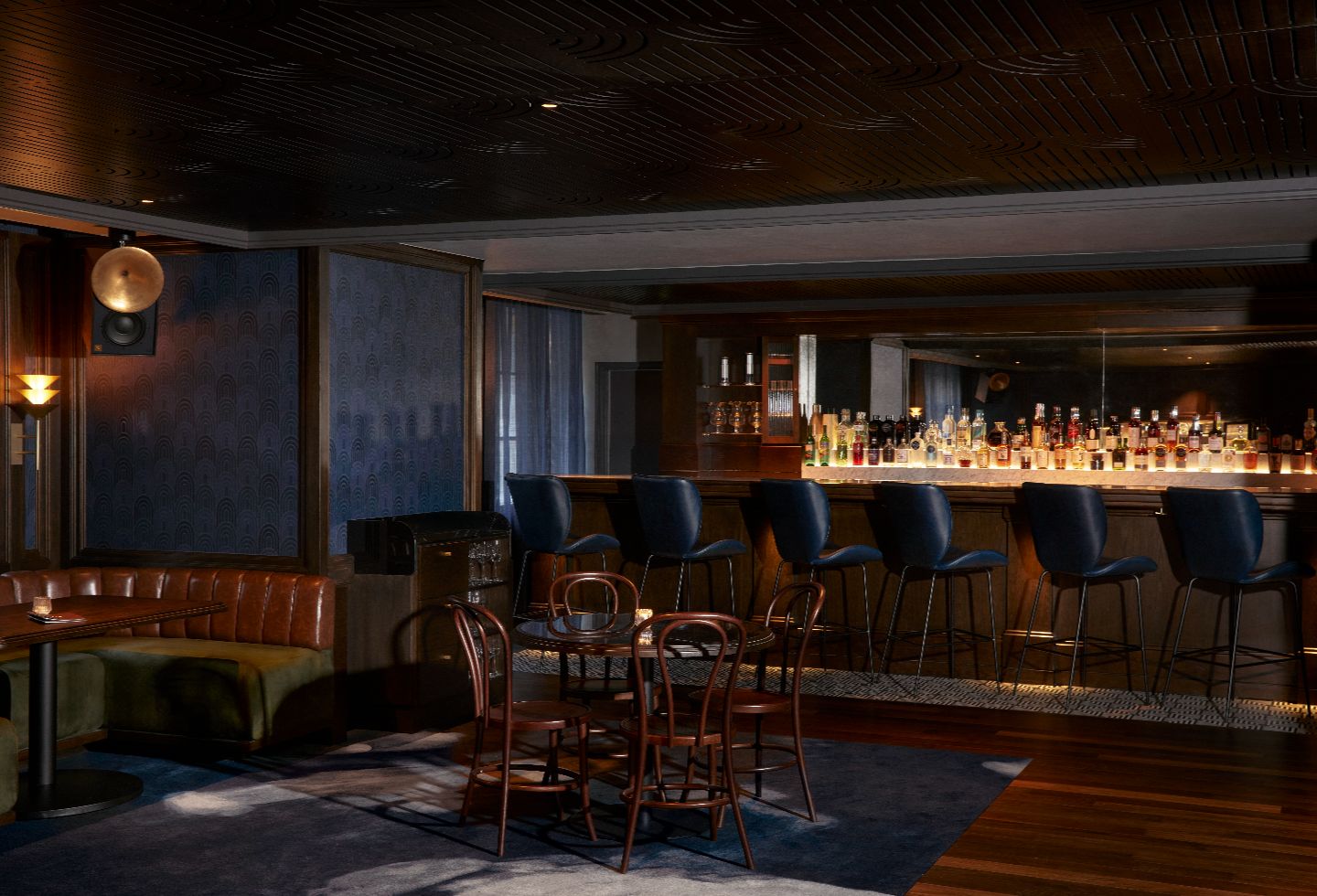
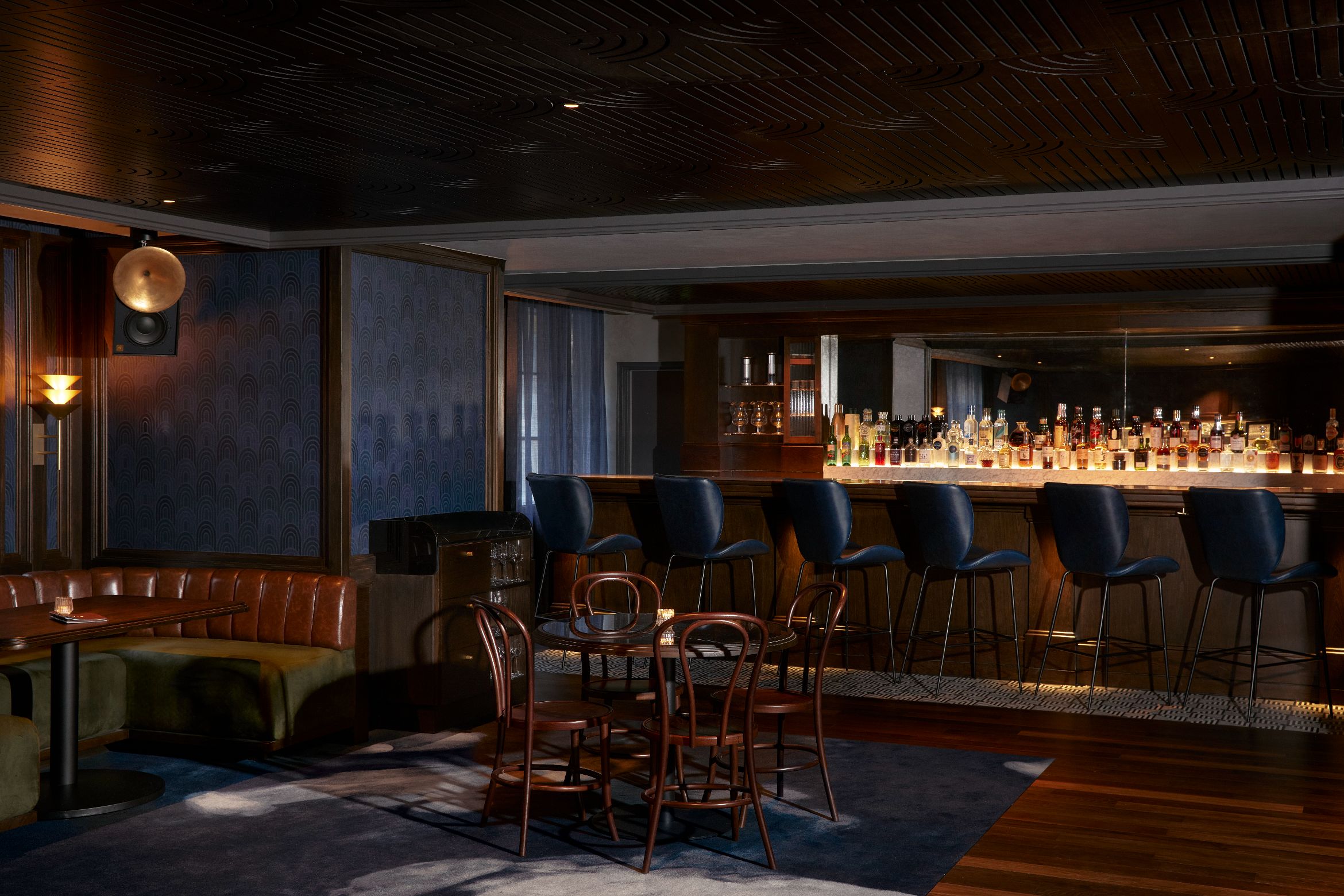
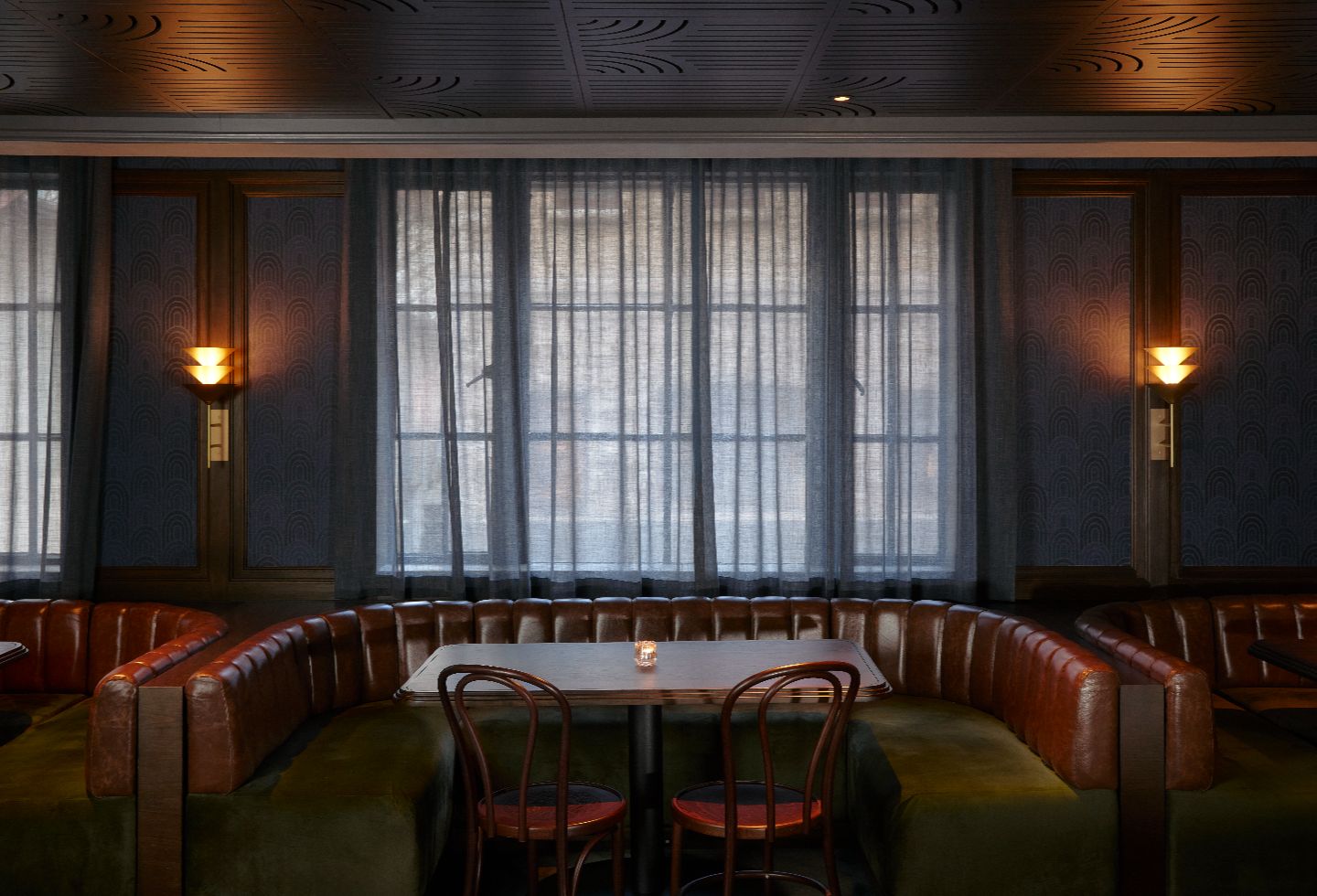
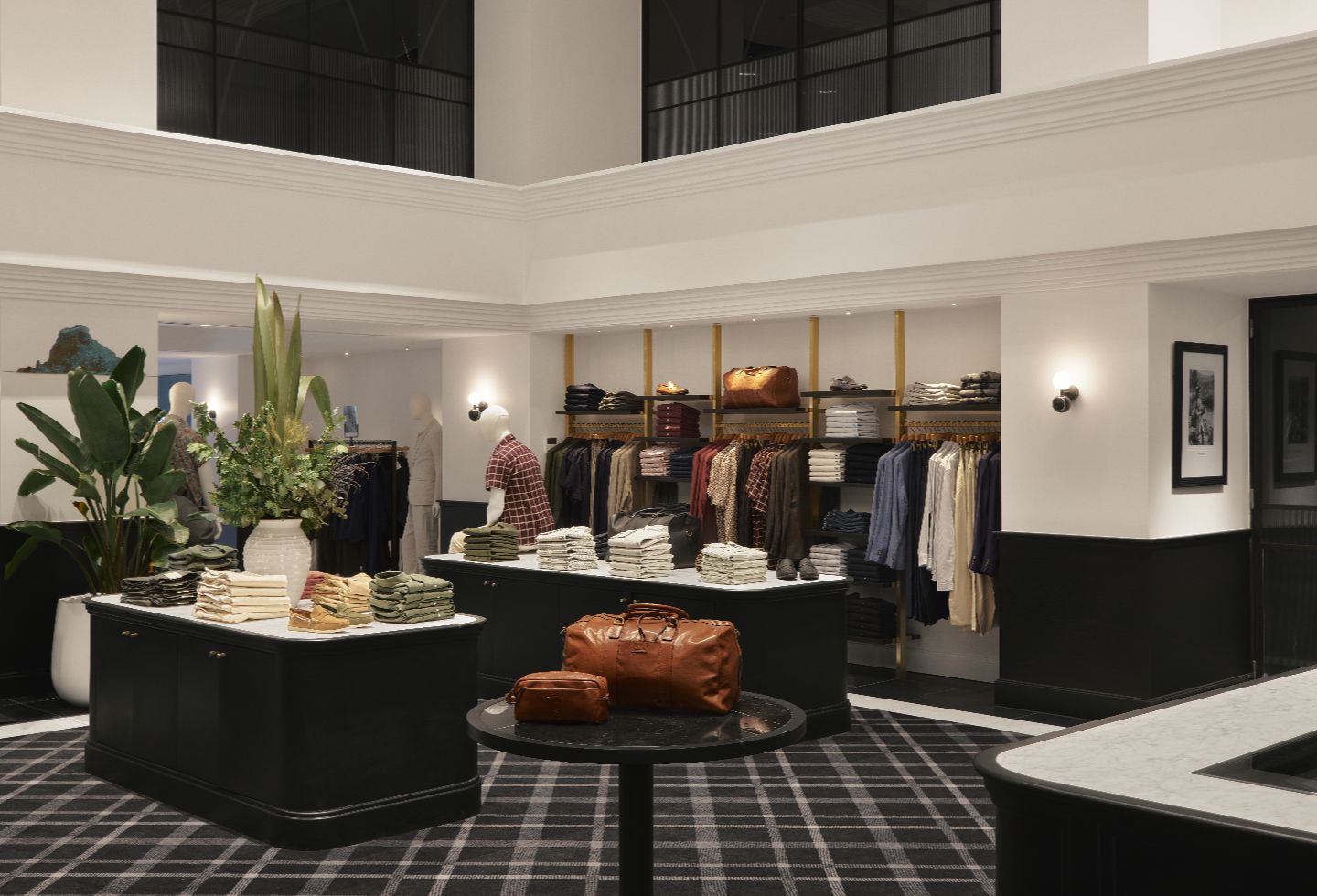
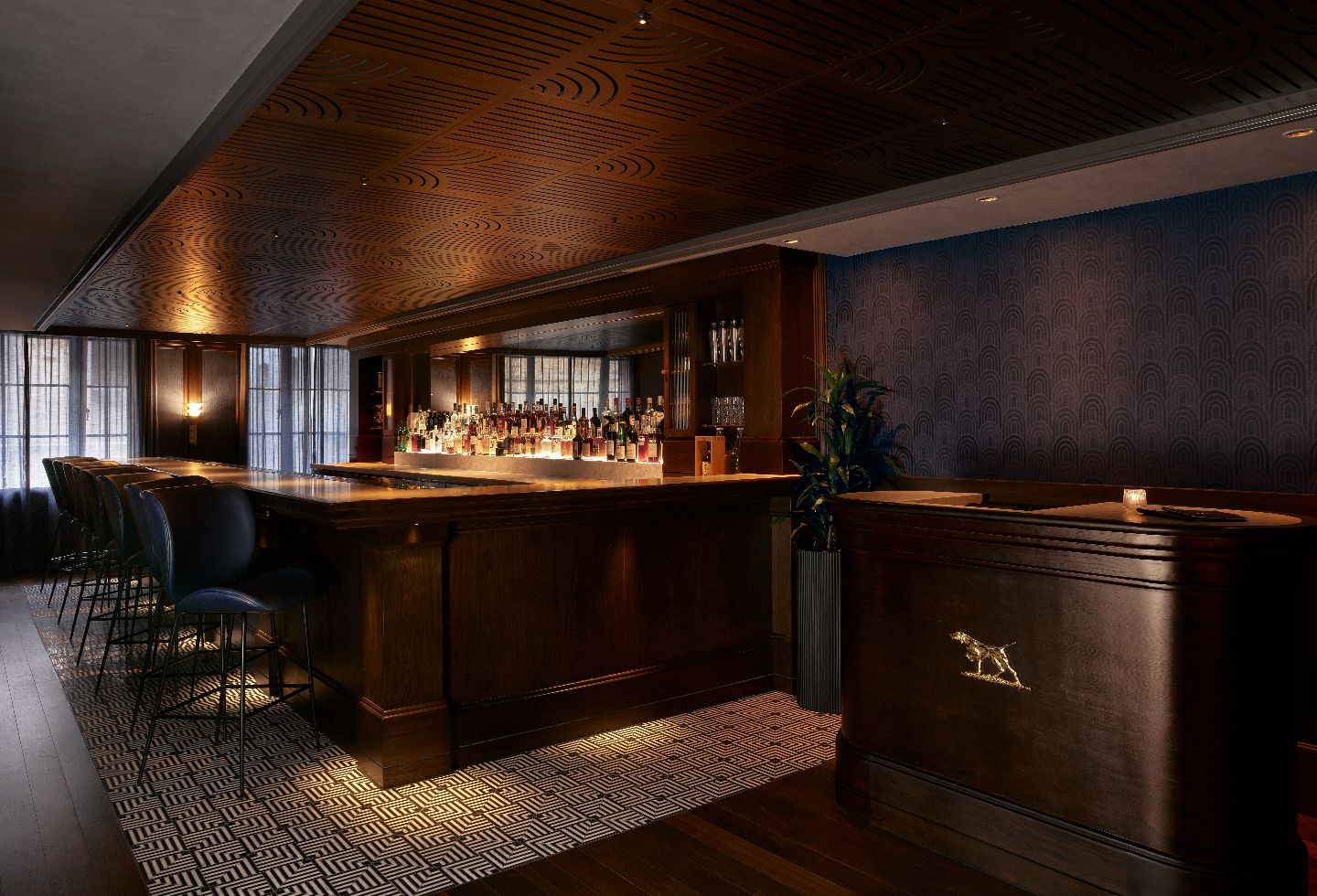
At ground level, retail is accessible and open. Below, the cellar operates as a hybrid wine bar and bottle shop. Midway, a low-ceilinged mezzanine becomes a moody, speakeasy-style members’ club, while the upper level opens into a light-filled dining room that celebrates the building’s heritage. Moving upward, the experience shifts from intimate to elevated, from grounded to almost ethereal.
“It’s about creating desire to explore,” Kanor explains. “Each level gives you a different reason to come back.”
This choreography reflects Studio Y’s broader philosophy: design as experience rather than static image. Kanor sees retail, hospitality and even residential spaces increasingly borrowing from one another, driven by a desire for warmth, tactility and emotional connection. Online shopping may be efficient, but it cannot replicate scent, texture or atmosphere. Physical spaces must offer something that cannot be digitised.
“People want to dwell, not just transact,” he says. “They want to feel welcome, to touch materials, to be part of a story.”
That story-led approach is shaped by Kanor’s global experience. Having worked across Melbourne, Sydney, Tel Aviv, New York and China, he sees Melbourne in particular as an incubator of layered cultural influence. It is a city comfortable with contradiction: refined yet relaxed, global yet deeply local.
Rather than chasing trends or replicating a signature style, the studio aims for each project to respond to its place and its purpose. Kanor often hears the same feedback from clients and visitors: that spaces feel lived-in, familiar, and good to be in.
“For me, that’s the highest compliment,” he says. “If people enjoy themselves without knowing why, then everything has worked.”