
This article was originally published in our print magazine, Habitus #65.
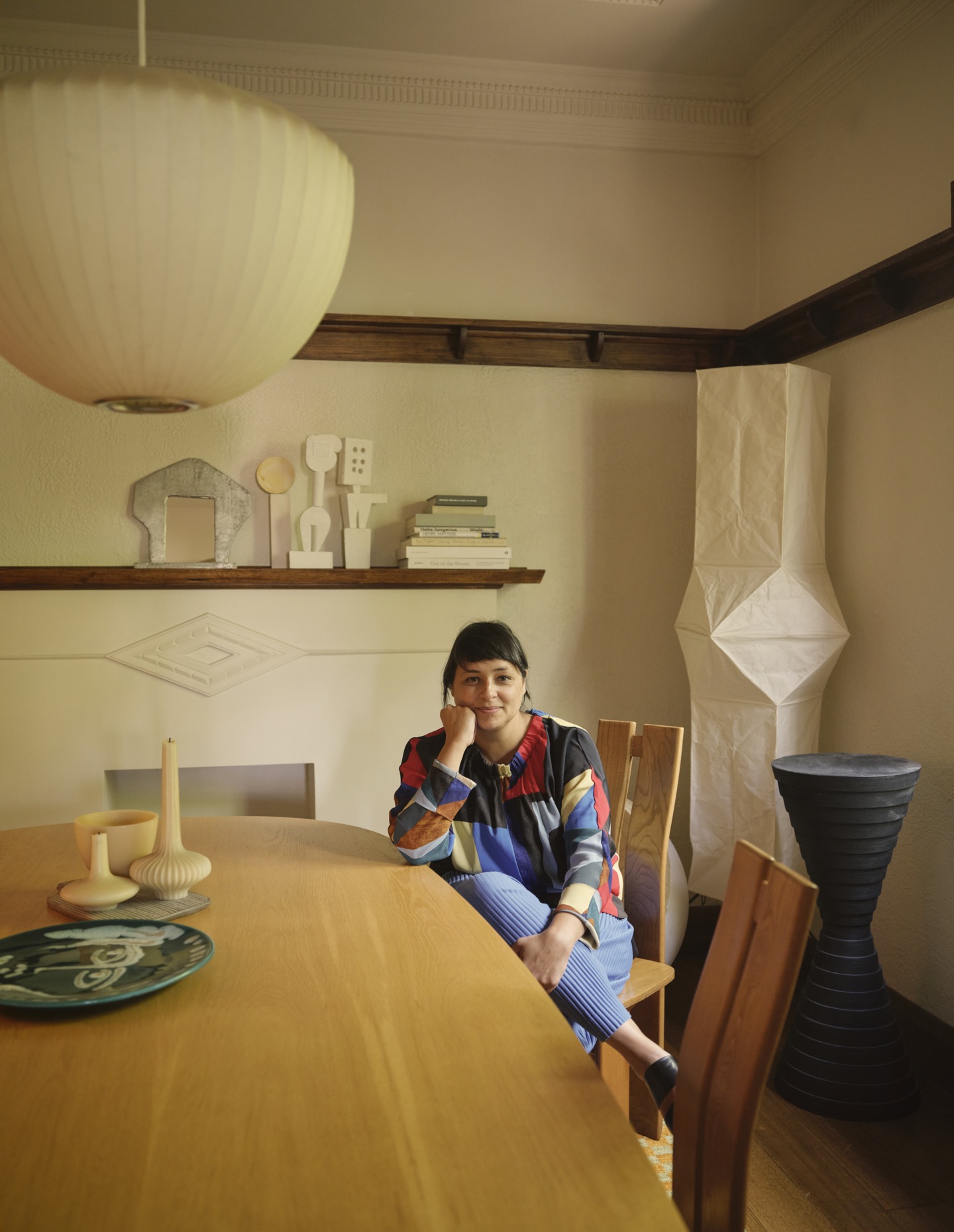
The unmistakable design fingerprints of Adriana Hanna are visible on some of Melbourne’s most distinctive Kennedy Nolan projects. Having worked her way from graduate to director at the renowned studio, Hanna is now building her own practice guided by instinct, reflection and deeply held values. “Construction isn’t fast, and neither is design,” she says, confirming that, “it’s nice to slip into neutral for a while and remind myself why I’m in it.”
It wasn’t a singular impulse that forced a reckoning to do something new, but rather a cluster of many things. Personal commissions were coming her way that she couldn’t take on and she felt she had hit a “midpoint” in her career. “There’s such a fast pace in design at the moment – it feels like fast food,” she says. The solution was to shift gears, intentionally. And so, Adriana Hanna Office came to be. While a small studio by design – currently just her – future plans are to remain just that, with no more than five or six people, built around quality rather than volume.
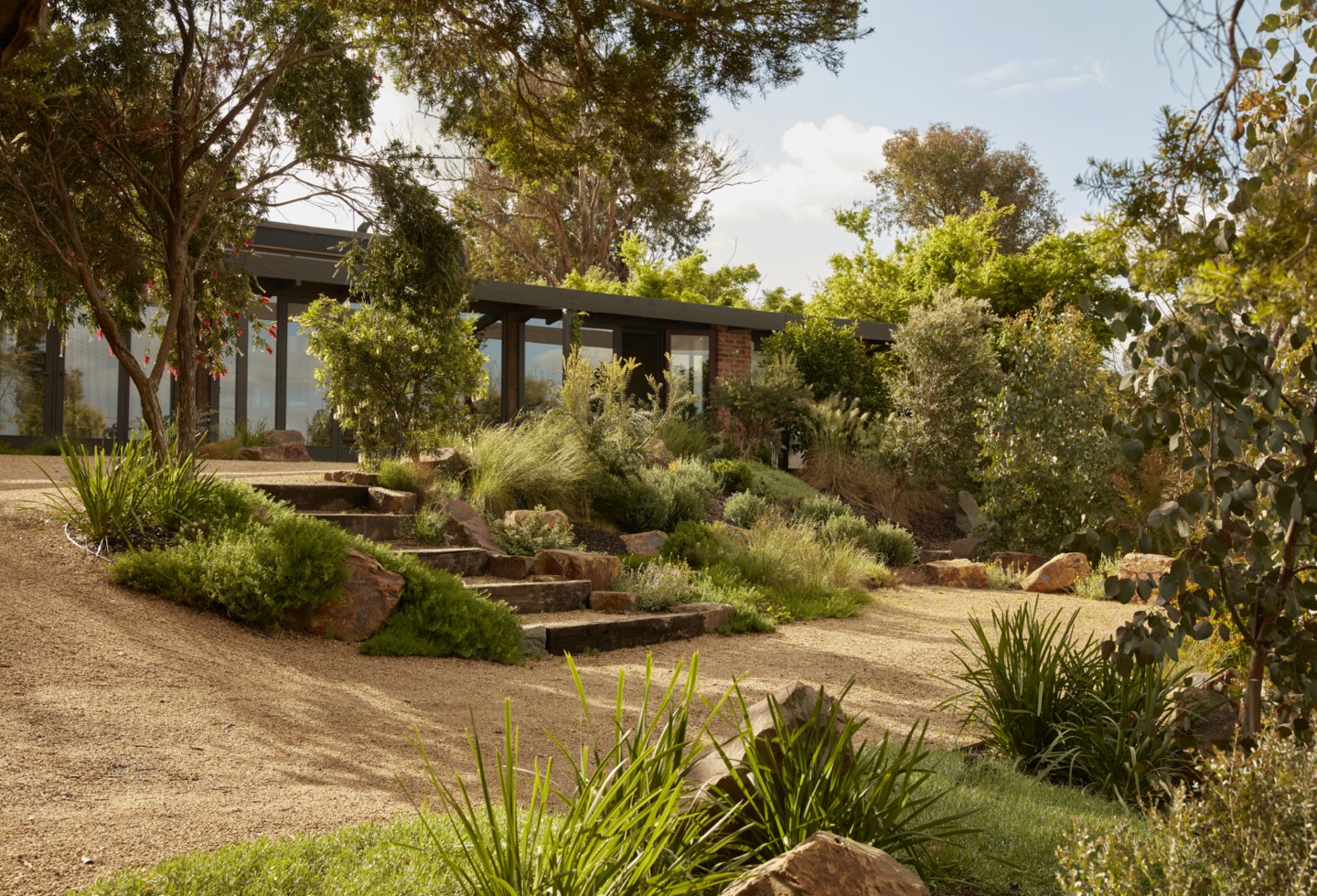
Hanna’s approach to design has always been intuitive. She speaks to creating atmosphere and coherence, but also that little bit of something extra – the subtle, intangible tension that gives a space its character. For Hanna, instinct is expressed through her own brand of spatial intelligence, one suffused with light, scale and texture. It’s also one of the five core values that anchor her new studio.
Hanna has a rare breadth of experience that straddles architecture, interiors and curation, all operating as a single, interdependent discipline. The early years at Kennedy Nolan set that foundation. Fresh out of university, she was thrown into the restoration of a 1970s home, a project that required as much care for doors, roofs and structural bones as it did for the furniture and finishes. That early immersion left an imprint. Today, she sees every project as a continuum, from the very first feasibility and geotechnical reports to the curtains and art selection. With knowledge that traverses all stages of a project, Hanna’s end-to-end view means the work can be delivered in a complete and holistic way.
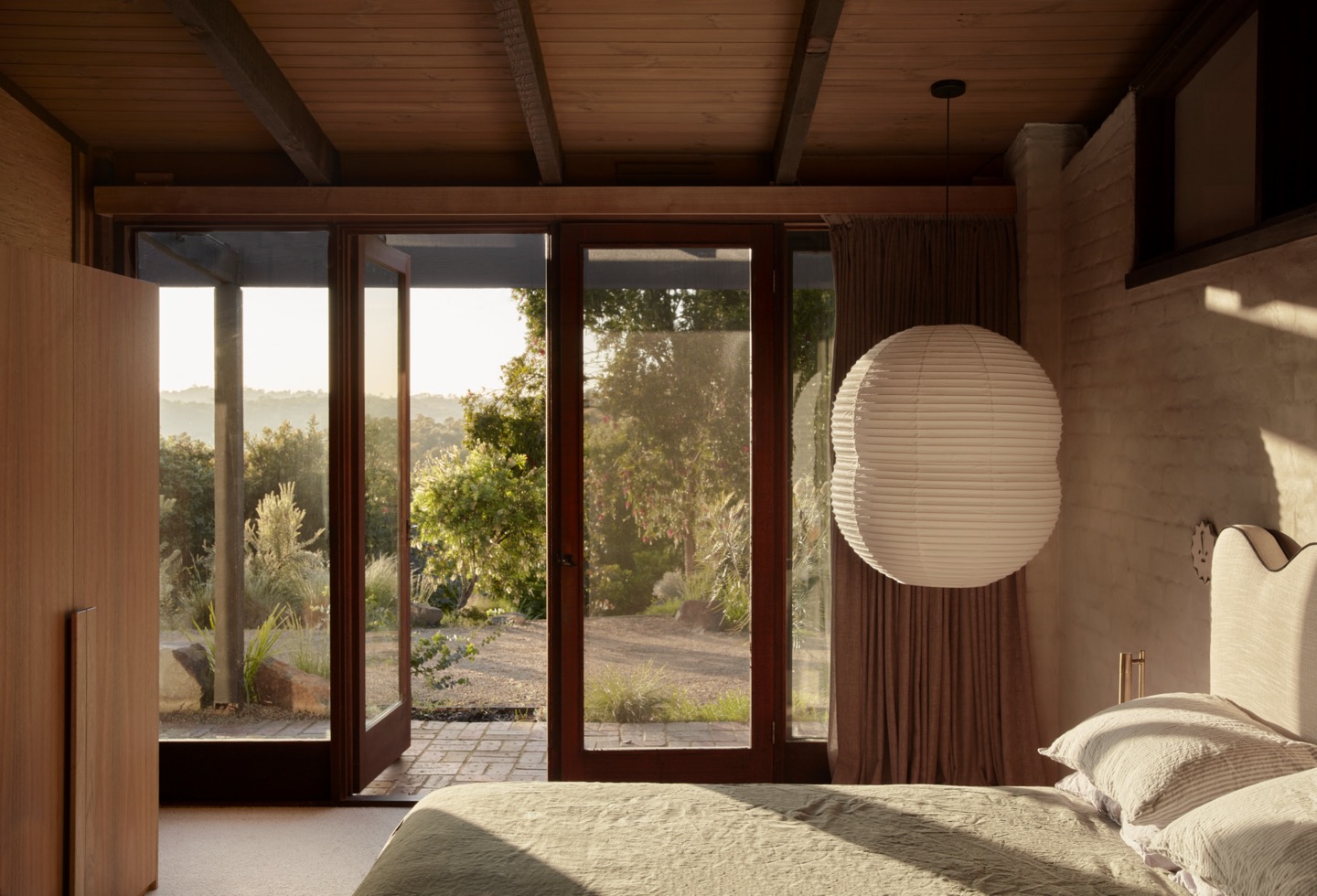
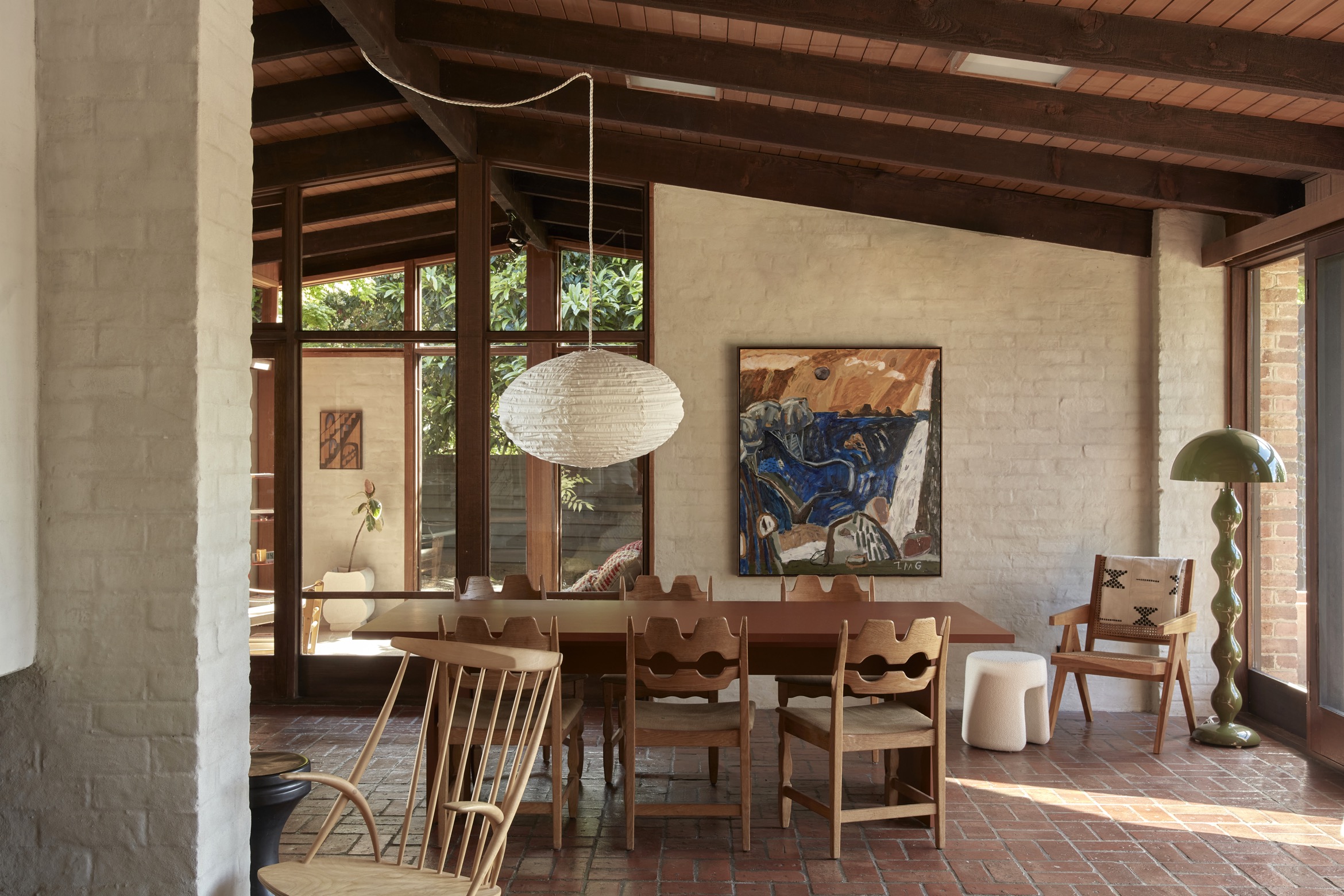
It was this integrated perspective that was recently crystallised in the boutique hotel Melbourne Place, completed while a director at Kennedy Nolan. The project allowed Hanna to draw together long-term collaborators – designers, makers, artists – into a spatial narrative that felt genuinely local. Exhilarating and exacting, it was a reminder of the joy that coalesces when all the pieces come together, but also the financial reality of making a hospitality project stack up.
Quality, for Hanna, begins with honesty. In particular, the honesty of materials. She avoids anything that mimics something else and opts for enduring, first-principles architecture. Longevity naturally follows, which means retaining what can be kept, building only what is necessary, and choosing materials that will hold up over time. A sentiment that Hanna circles back to is the need to put aside individual taste and ego. “It’s not about me as an architect,” she says, adding, “It’s about what the house is intended to be.”
Related: Cut from the corner
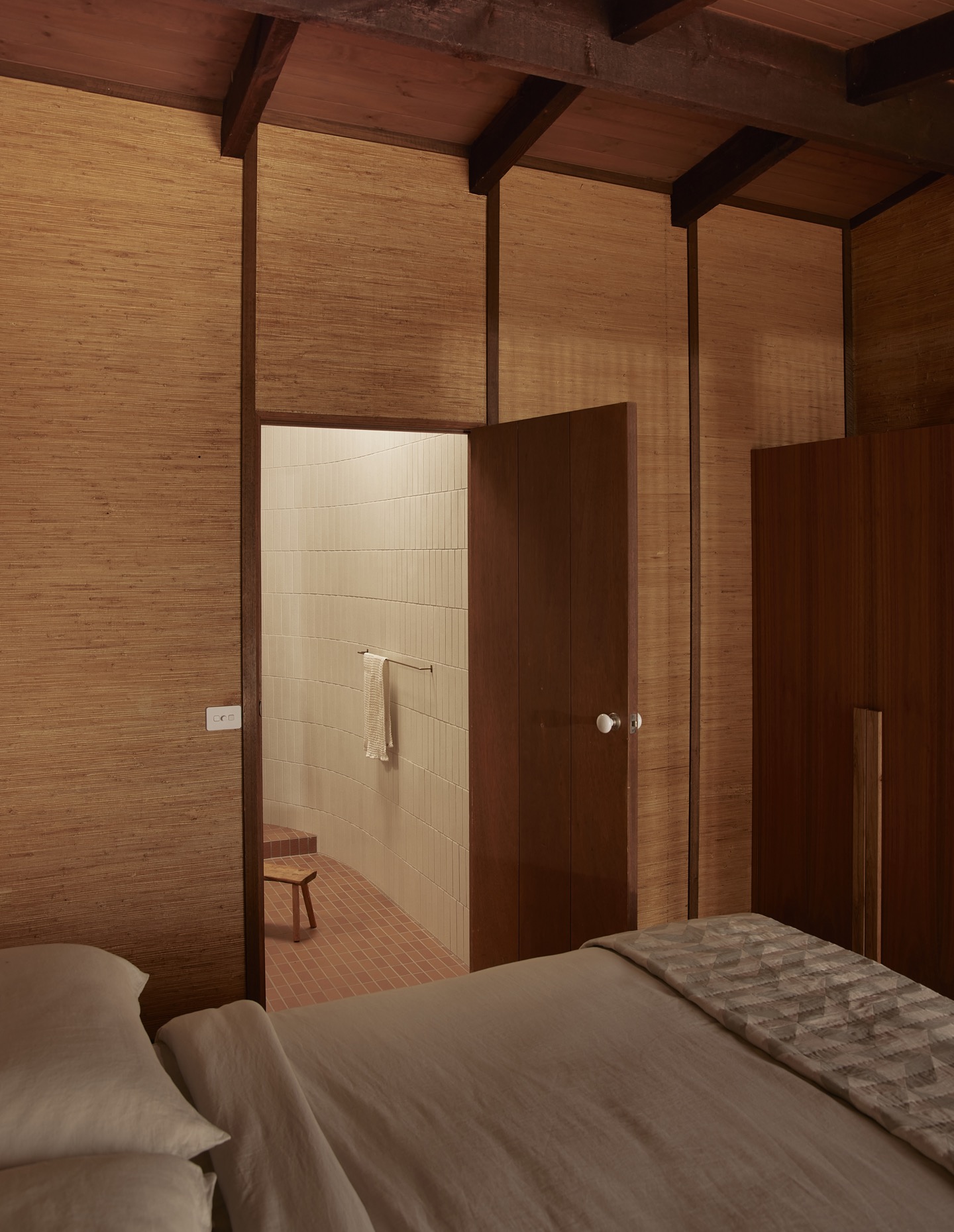
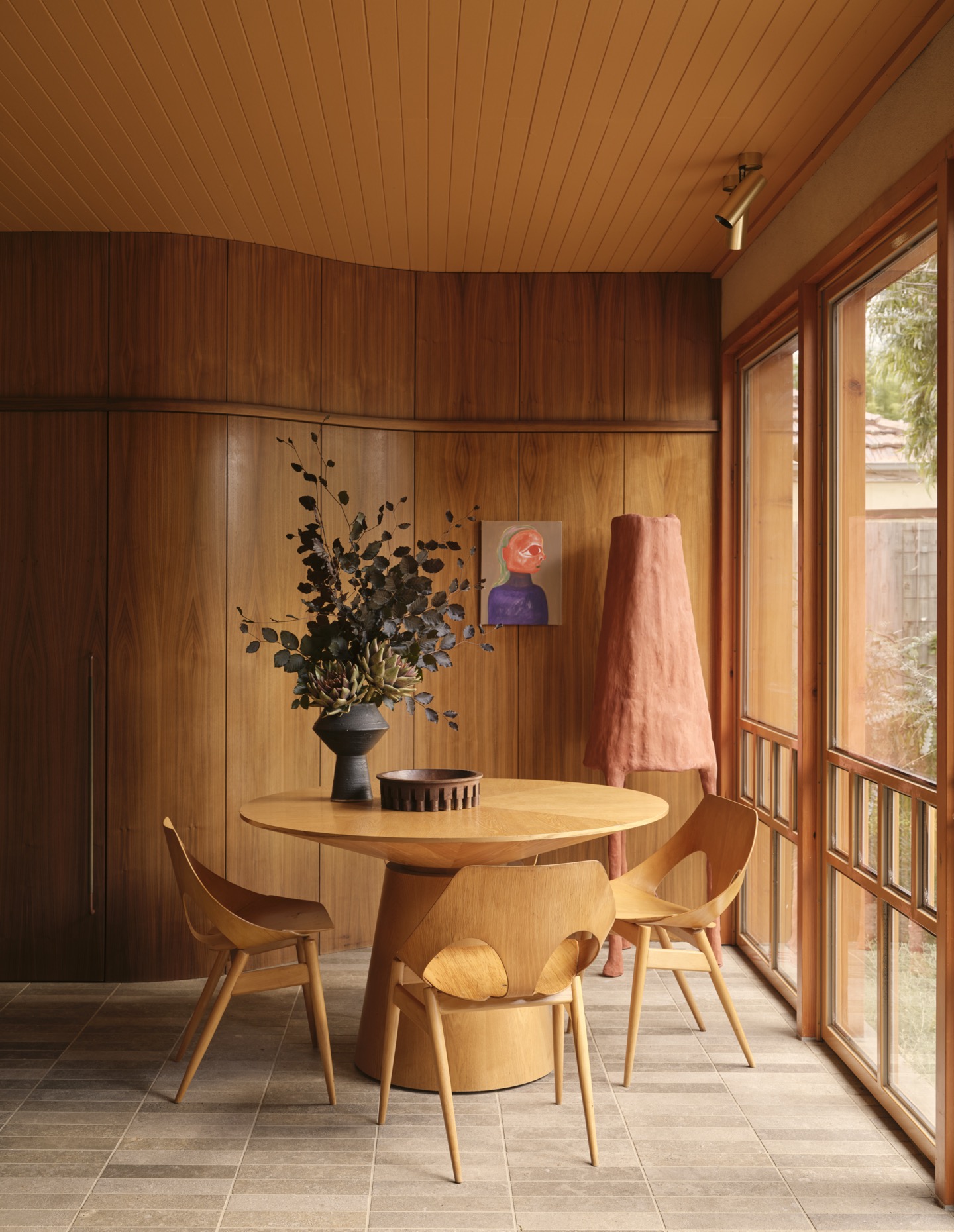
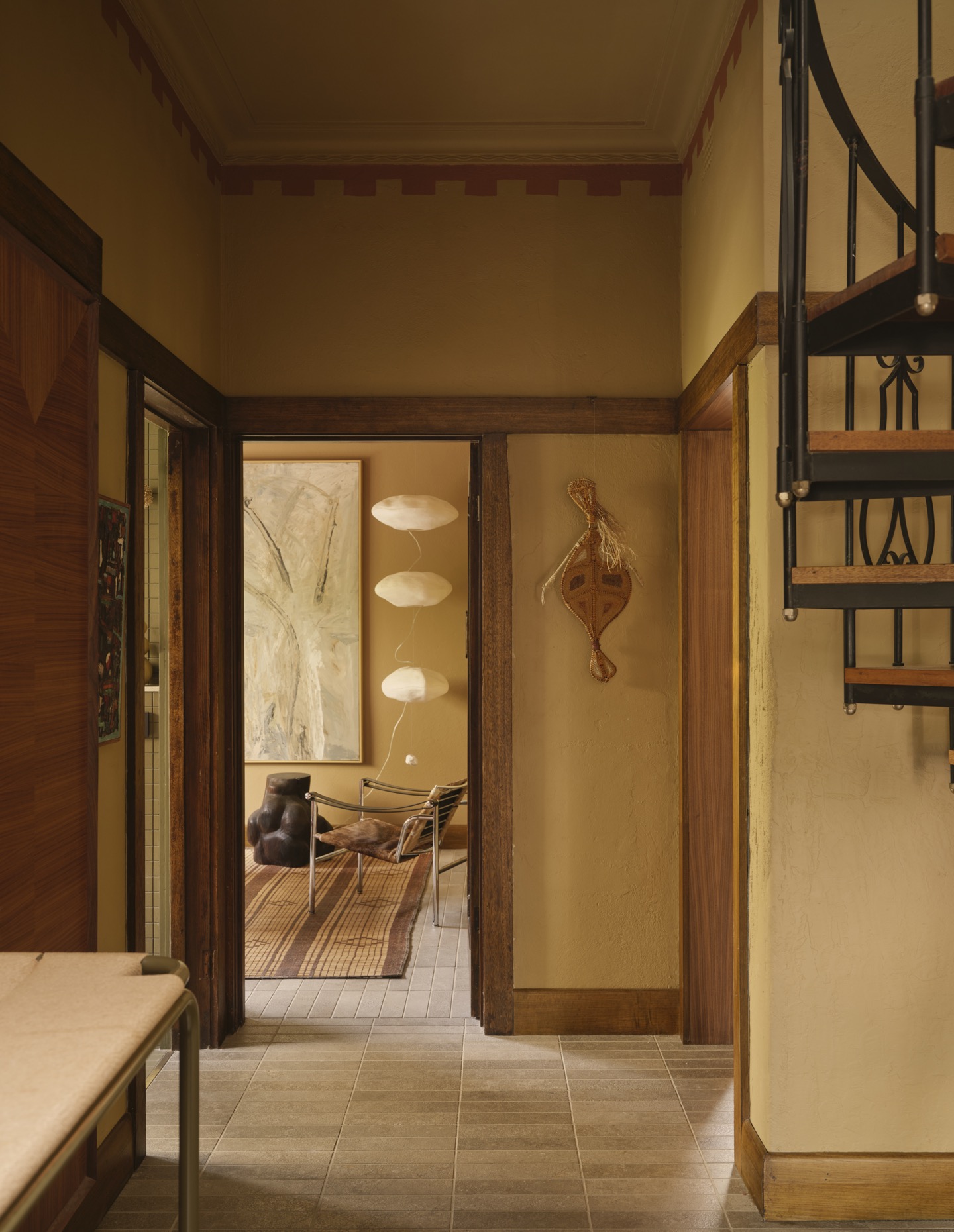
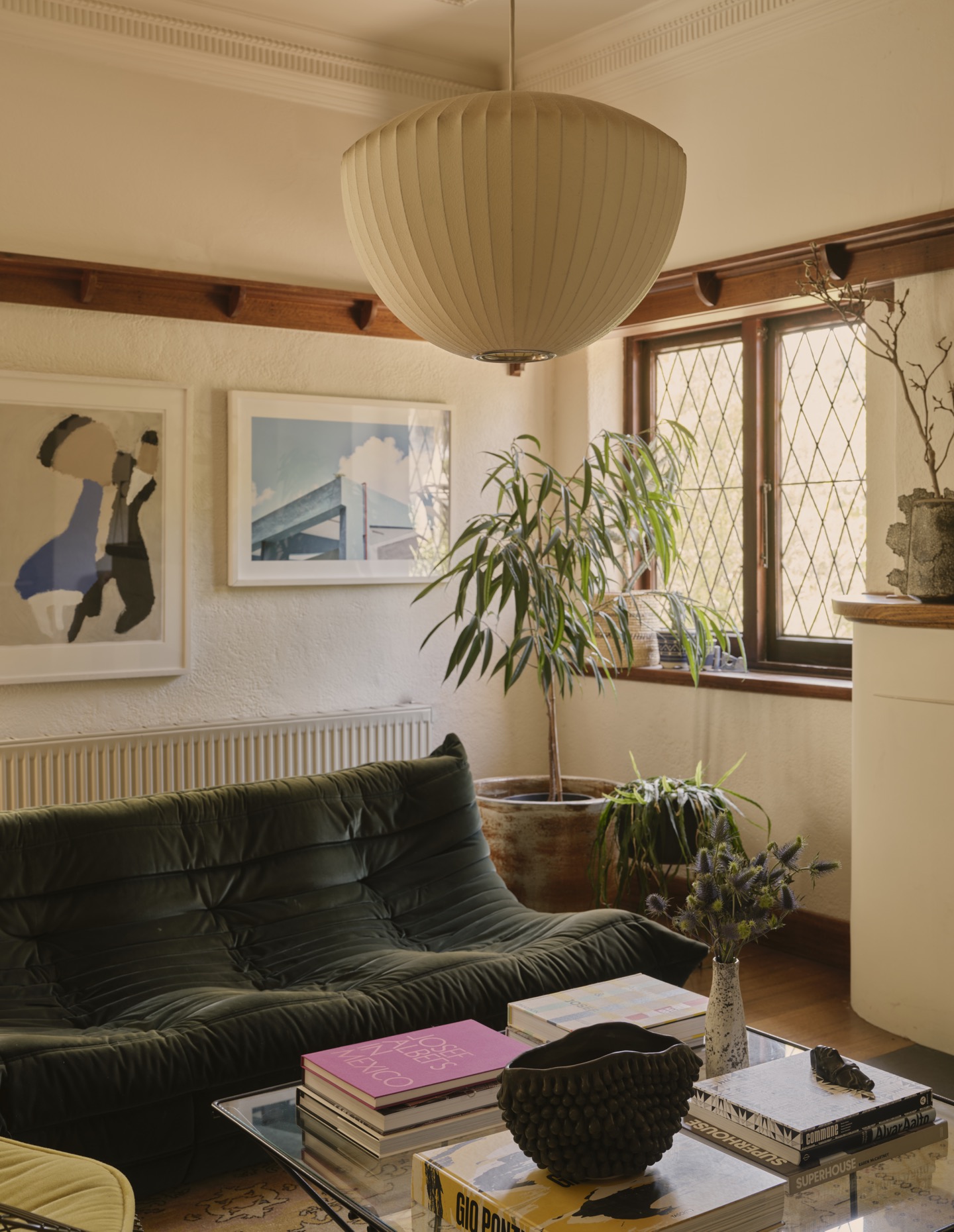
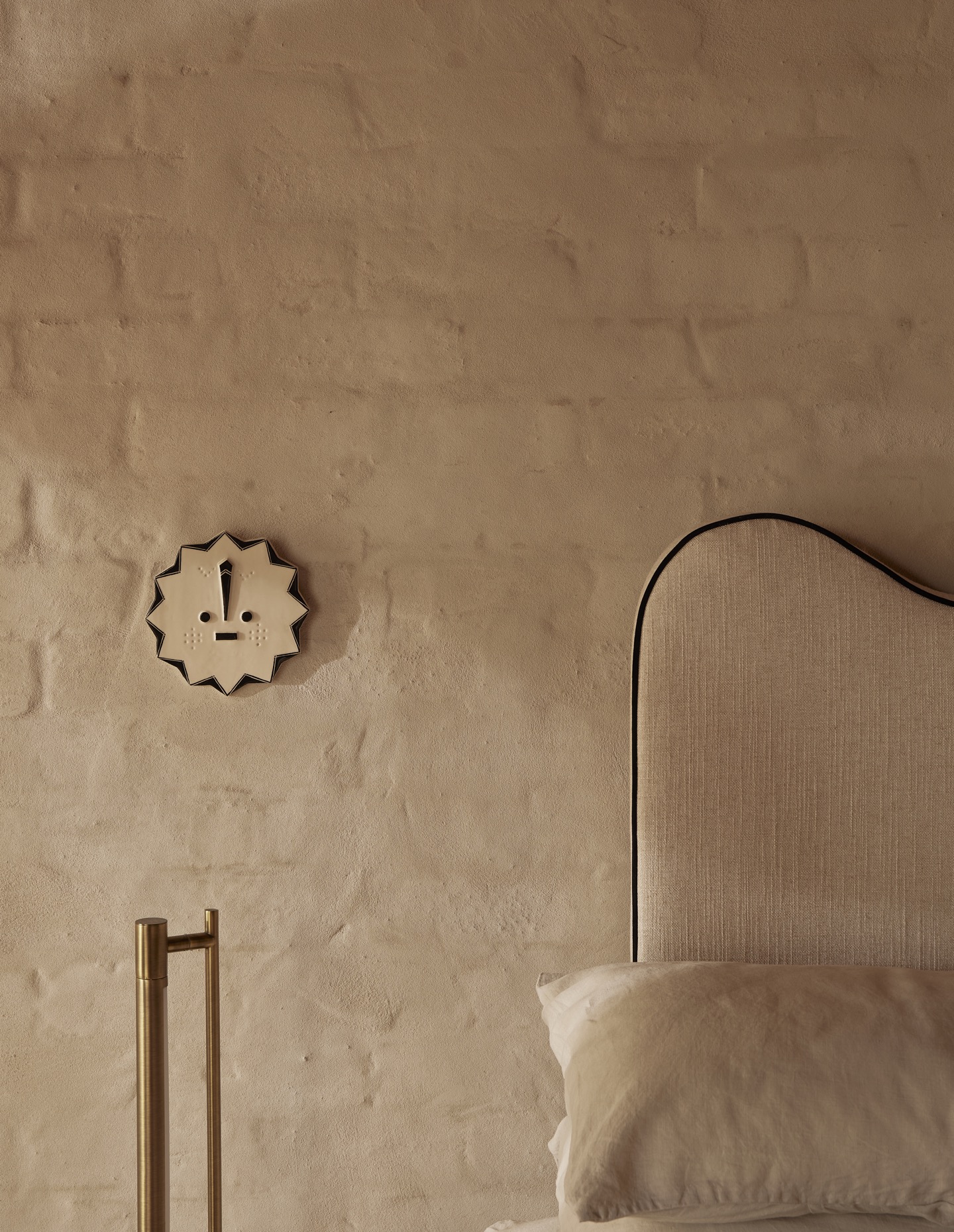
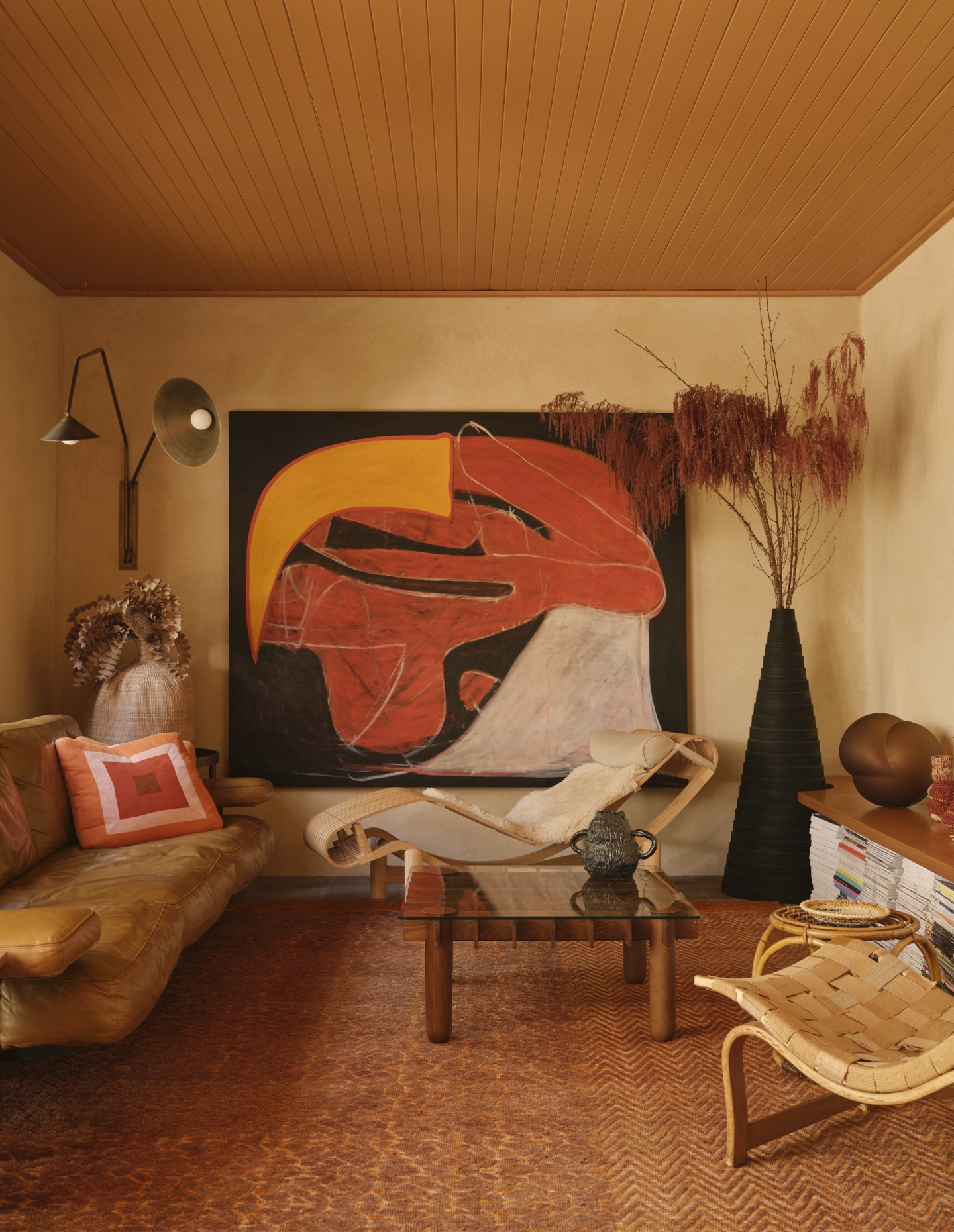
It’s an ethos that is so unmistakably part of her modus operandi that it set the approach in her own home. The revival-period house in Melbourne’s north, purchased two decades ago, has been a site for testing ideas, materials and colours – so many colours. The curved kitchen island is a sculptural centrepiece: stone meeting walnut at a mitred junction, its vulnerability resolved with a thin, brass, flat juncture. The architraves exaggerate the traditional coining, a playful nod to Arts and Crafts ornamentation. Each detail involved collaboration with joiners and makers; as a process that continues to build her design repertoire: “You always learn something, the good things and the things you’d do differently.”
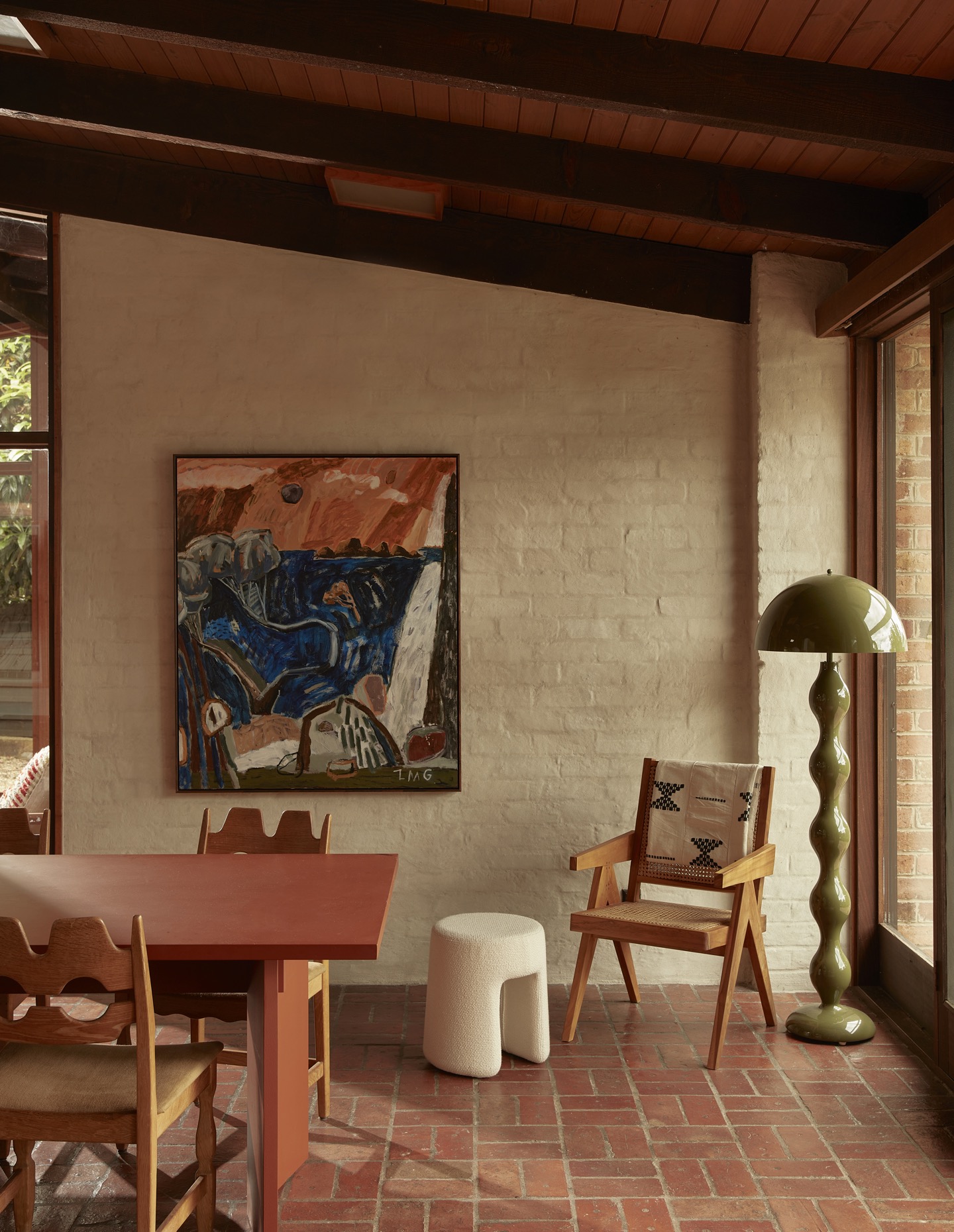
Hanna’s sensitivity to how people actually inhabit space informs her interest in spatial intimacy – rooms that feel like vessels for personal stories rather than stage sets. Homes, as she sees them, should be enriched by their occupants’ objects and histories.
As her new studio takes shape, Hanna is selective about who she works with and what she works on. Residential projects form the foundation, with potential collaborations in Sydney and retail commissions expand the horizon. But the emphasis remains on craft and intention.
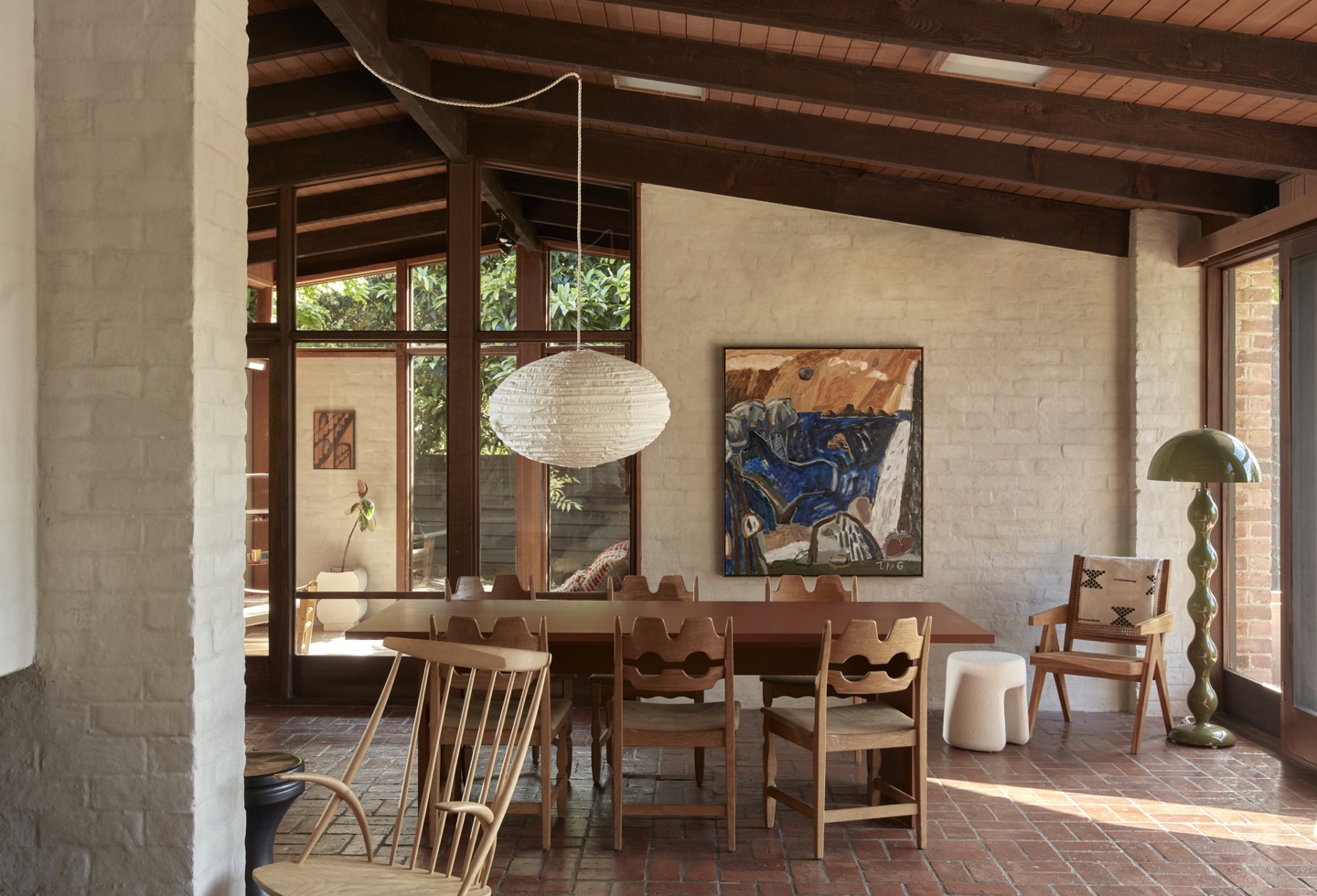
“It’s a reset,” Hanna muses, advocating for more designers to take a sabbatical or undertake a personal project at some point in their career, a chance to pause long enough to listen to their own instincts again.
In many ways, that is exactly where Hanna has landed. Giving space to return to the slow and meditative shaping of spaces. Hanna’s practice may be small, but it is expansive in its ambition.