
As housing affordability continues to reshape the Australian suburbs, multi-generational living is becoming less of an exception and more of a practical reality. Yet accommodating extended families well requires more than simply placing two homes on one block. With Close Knit, Amrish Maharaj Architecture explores how architecture can support relationships across generations while preserving the independence of each household.
Designed in Georges Hall, New South Wales, the dual occupancy project was created for a retired couple and their daughter’s young family. Rather than treating the commission as a conventional duplex, the practice approached it as “a home for a close-knit family that happened to be split across two dwellings.”
“Intergenerational living was the foundation of the project from the very beginning,” says the practice. “The key was to create a living arrangement that allowed two generations of the same family to remain closely connected, while still maintaining a sense of independence and privacy.”
That thinking informed both the planning and the architecture. The two homes share a common language and a similar organisational structure, reinforcing the idea that neither dwelling is secondary to the other. At the same time, each has been tailored to its occupants. The parents’ home incorporates a ground-floor bedroom to support ageing in place, while the daughter’s residence includes a home office and rumpus room that respond to the rhythms of a young family.
“The project became an exercise in balancing togetherness and independence,” the architects explain. “It allows family members to remain closely connected to one another, sharing daily life and support, while preserving the dignity, privacy and individuality of each household.”
The project’s title emerged from an unexpected source. During the design process, the architects learnt that the mother was an avid knitter. What began as a personal anecdote gradually evolved into the central architectural idea.
Related: A home designed from the inside out
“At its core, knitting is about individual threads being woven together to create something stronger and more meaningful as a whole,” they say. “We began to see parallels between the social structure of the family and the architecture itself — two distinct homes, carefully interwoven into a single composition.”
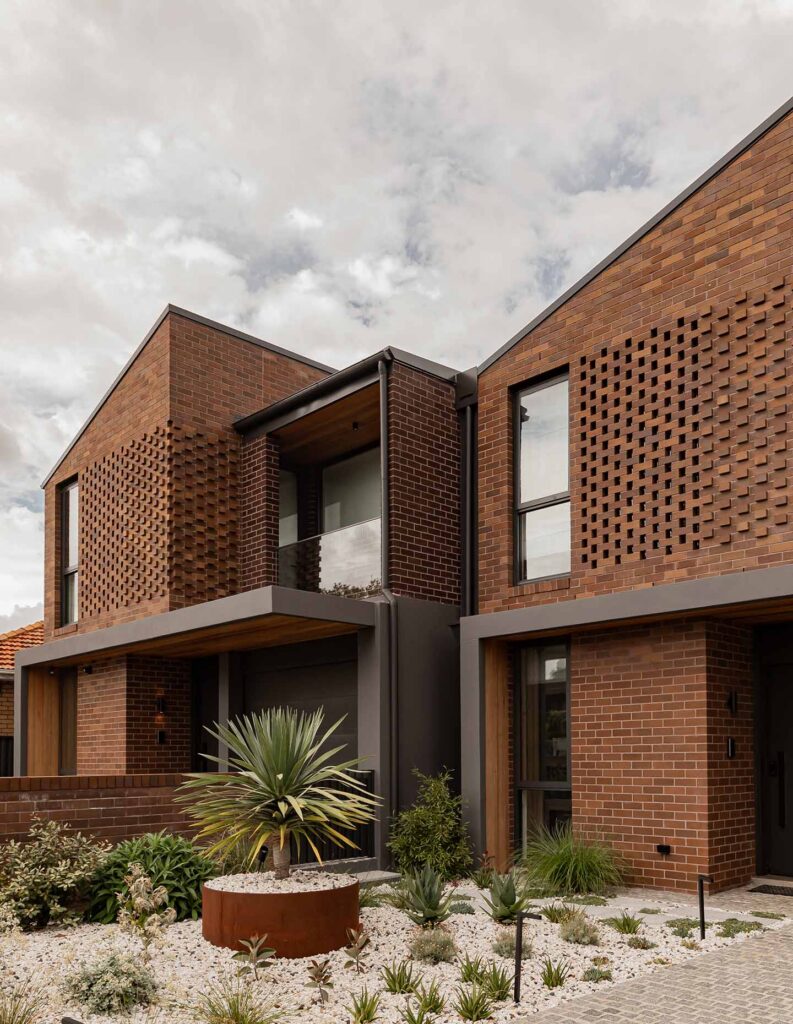
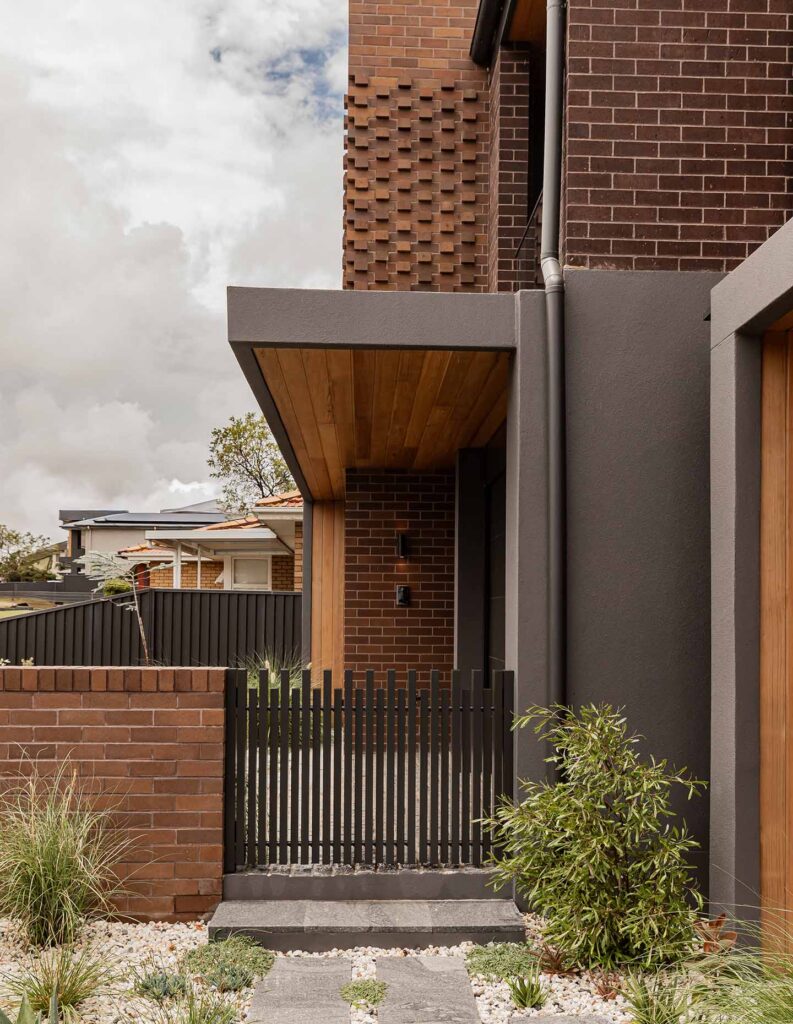
That idea is expressed most clearly through the façade, where patterned brickwork references the rhythm and repetition of knitting without becoming literal. The masonry provides both identity and performance, filtering light and strengthening privacy while embedding the family’s story within the architecture.
The balance between connection and separation continues throughout the project. Repeating patterns of solid brickwork and carefully positioned openings regulate outlook, natural light and privacy across both homes.
“The solid elements provide definition and privacy,” the practice says. “In contrast, the voids introduce moments of relief and connection. Carefully positioned openings draw natural light into deeper parts of the plan, while also creating visual links between spaces that might otherwise feel disconnected.”
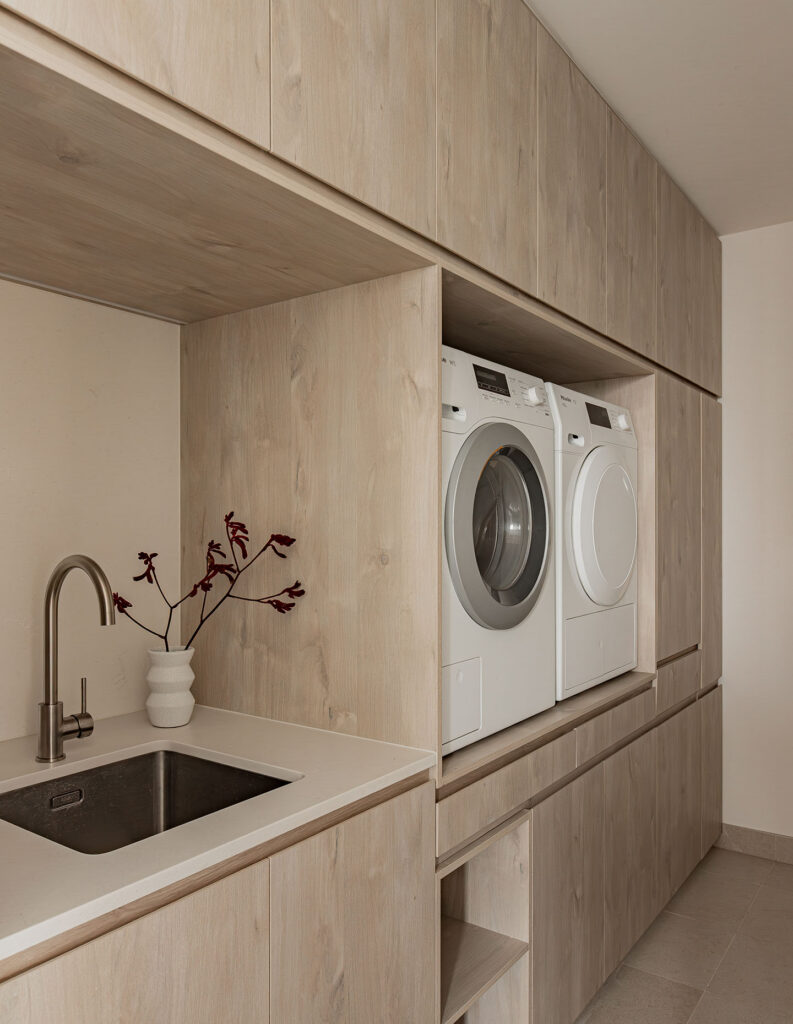
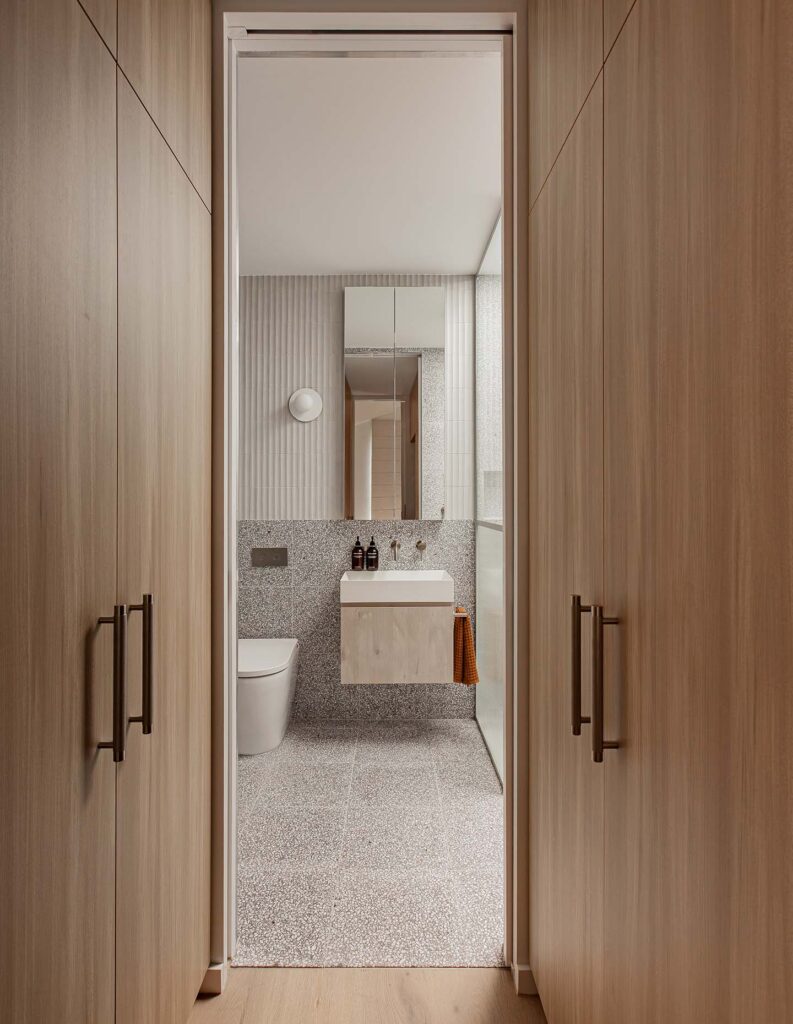
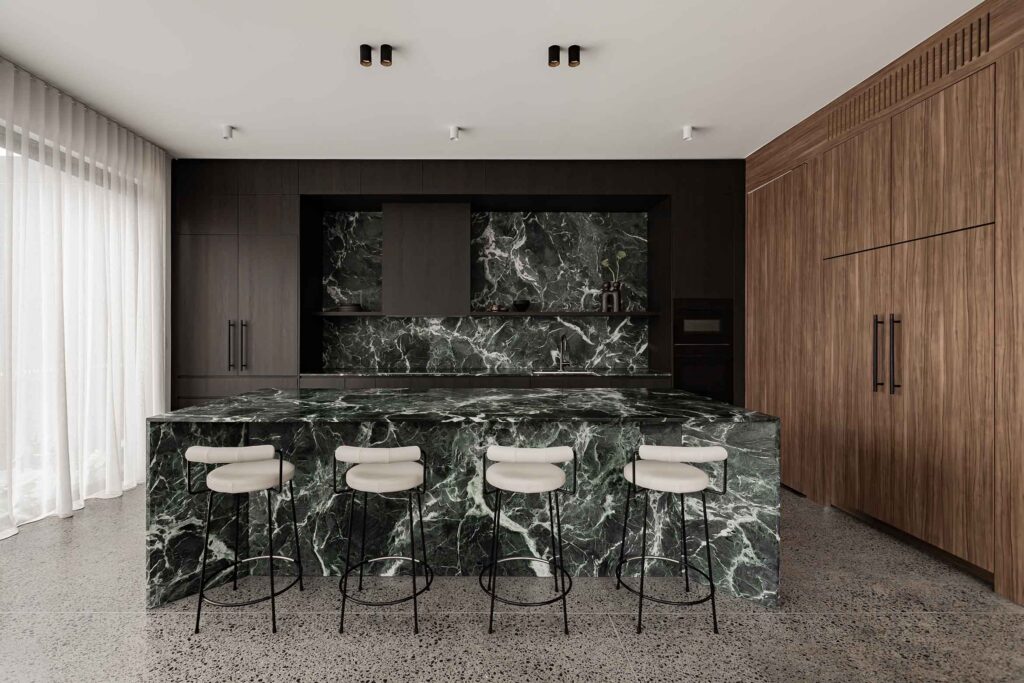
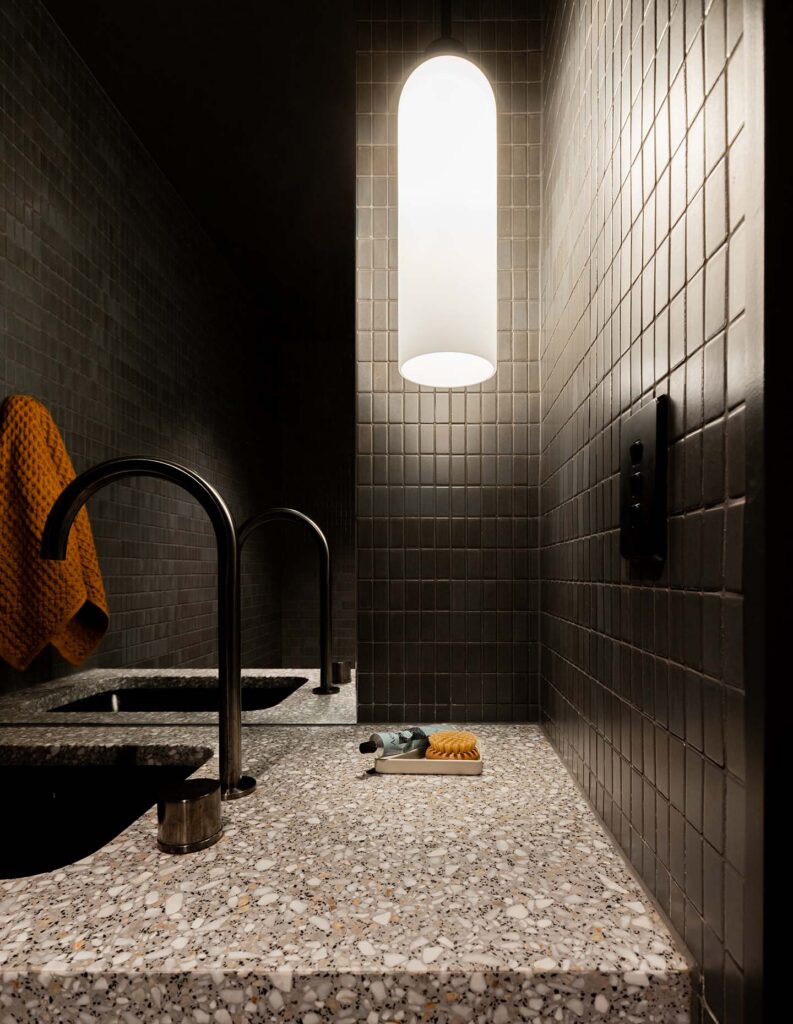
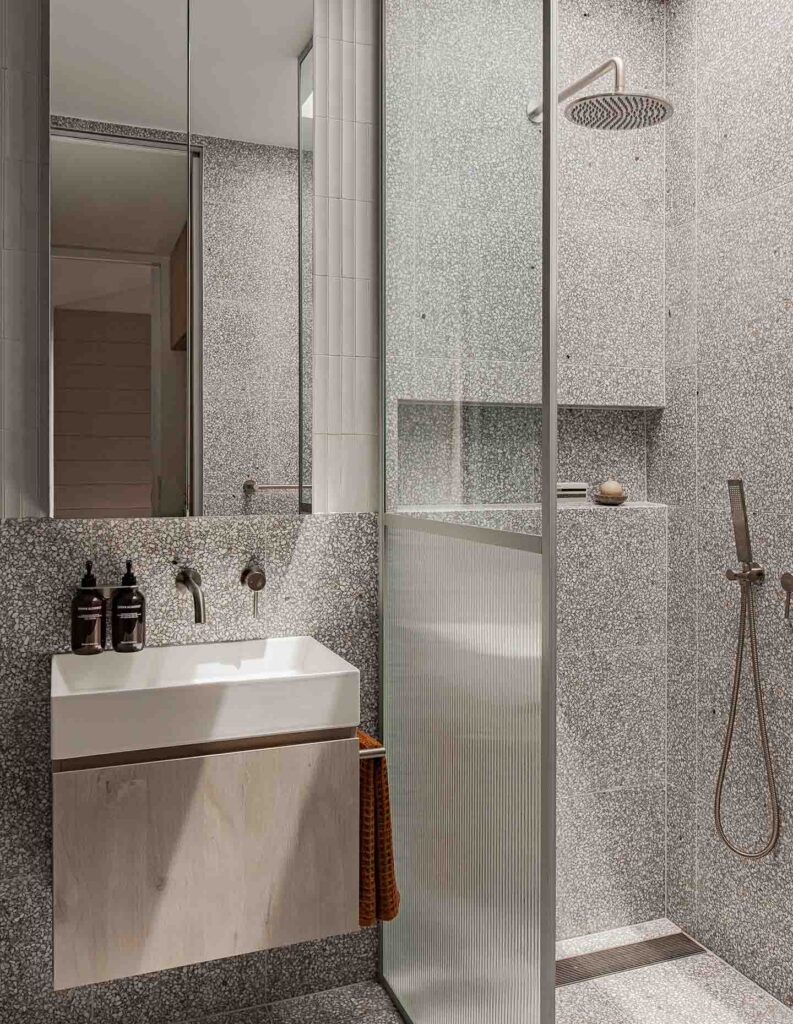
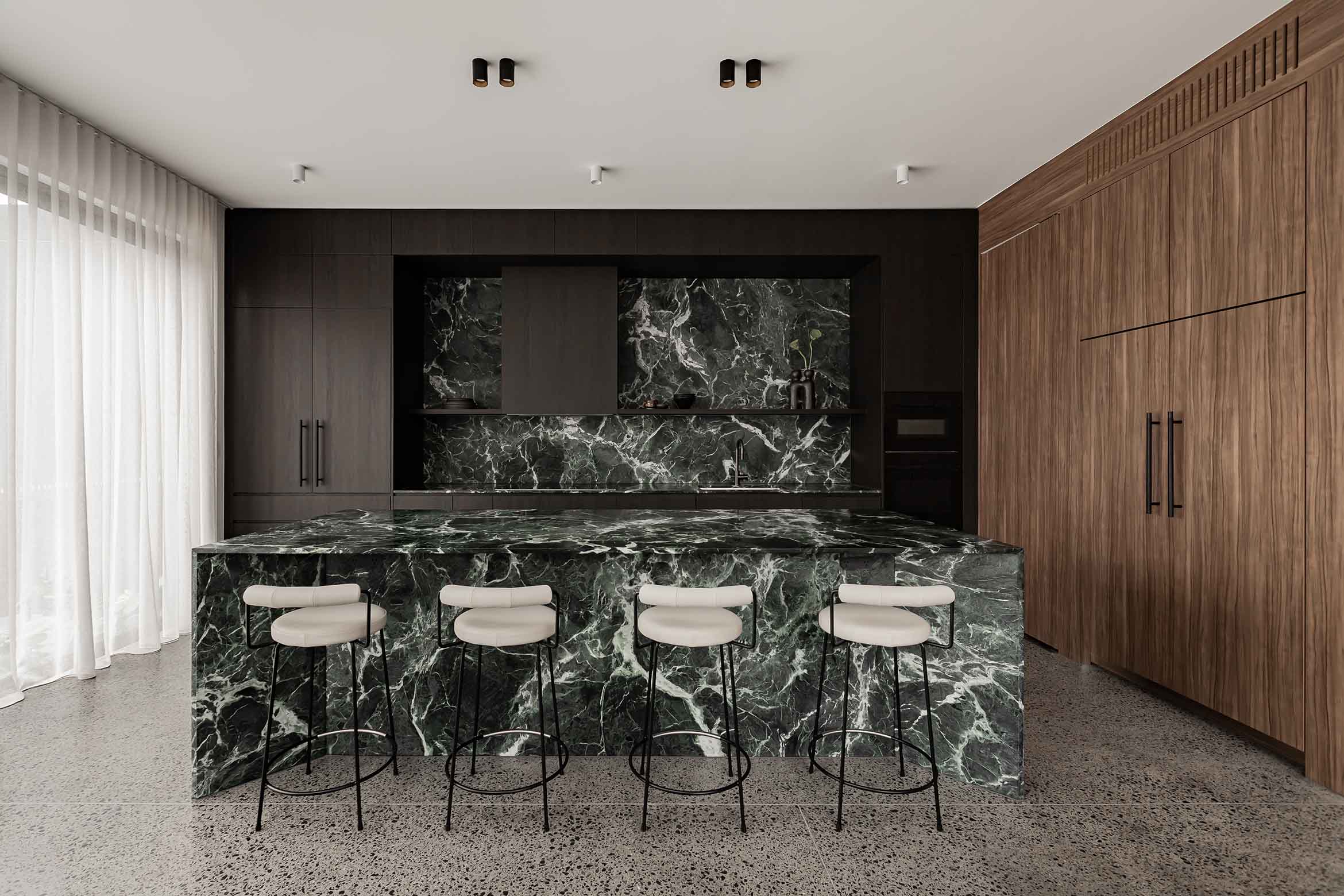
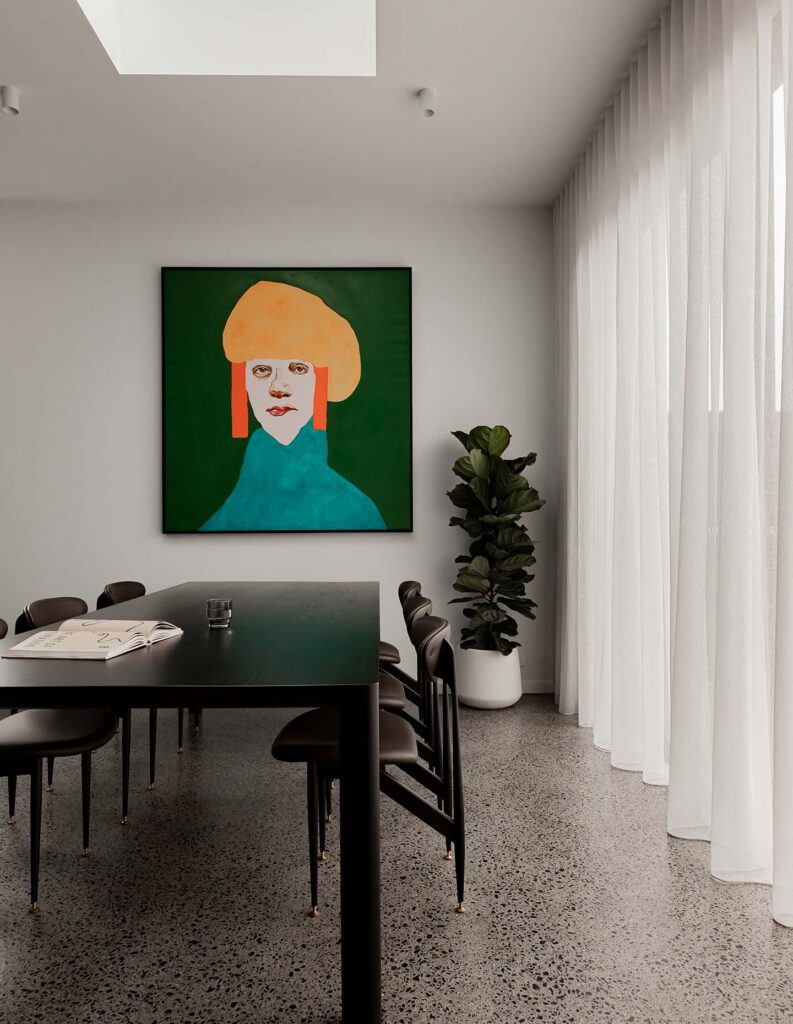
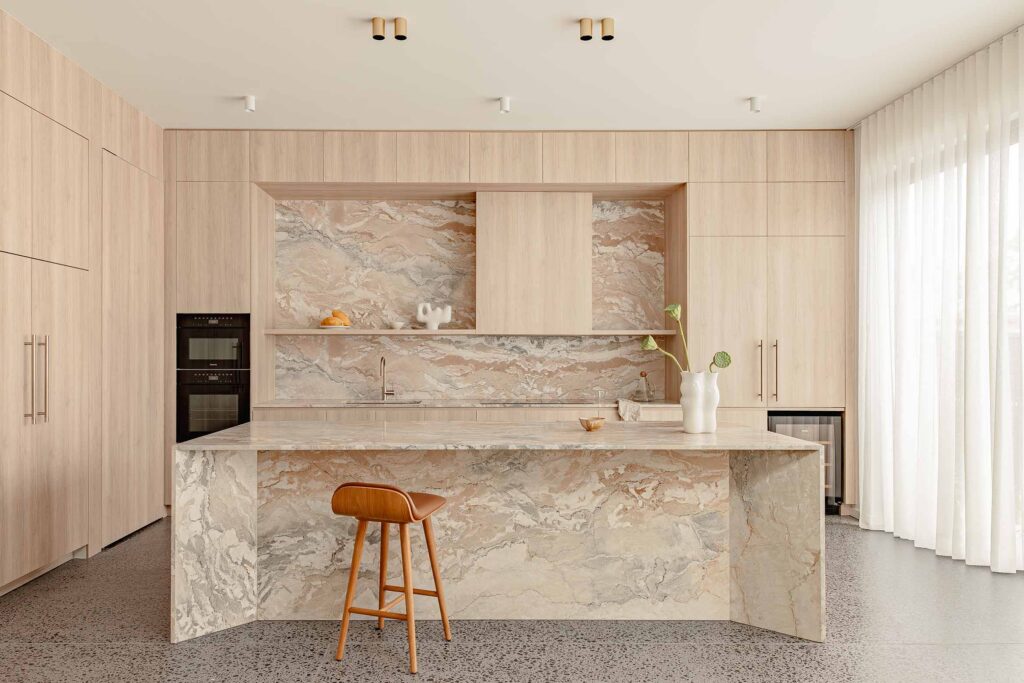
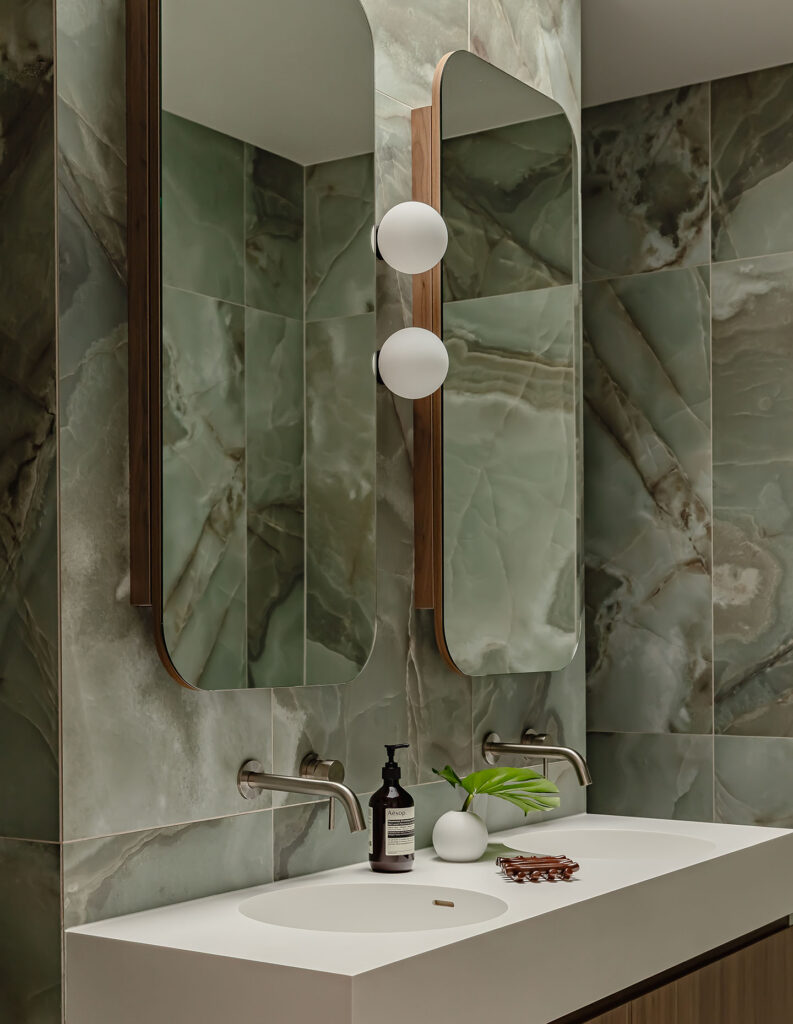
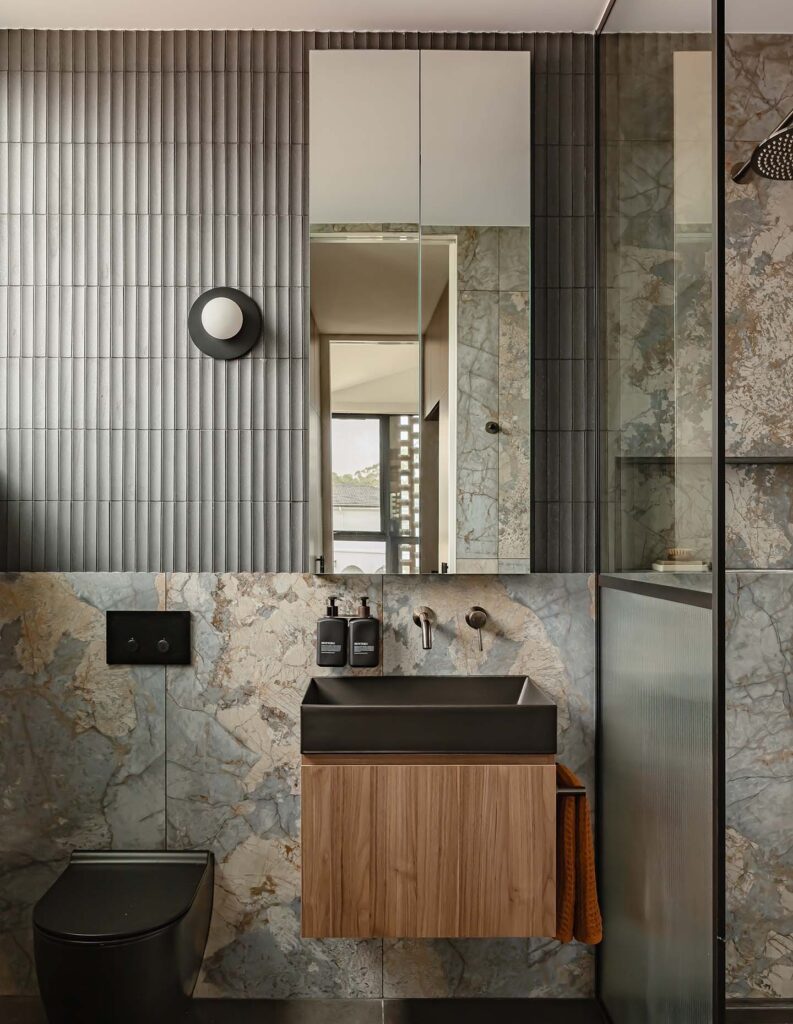
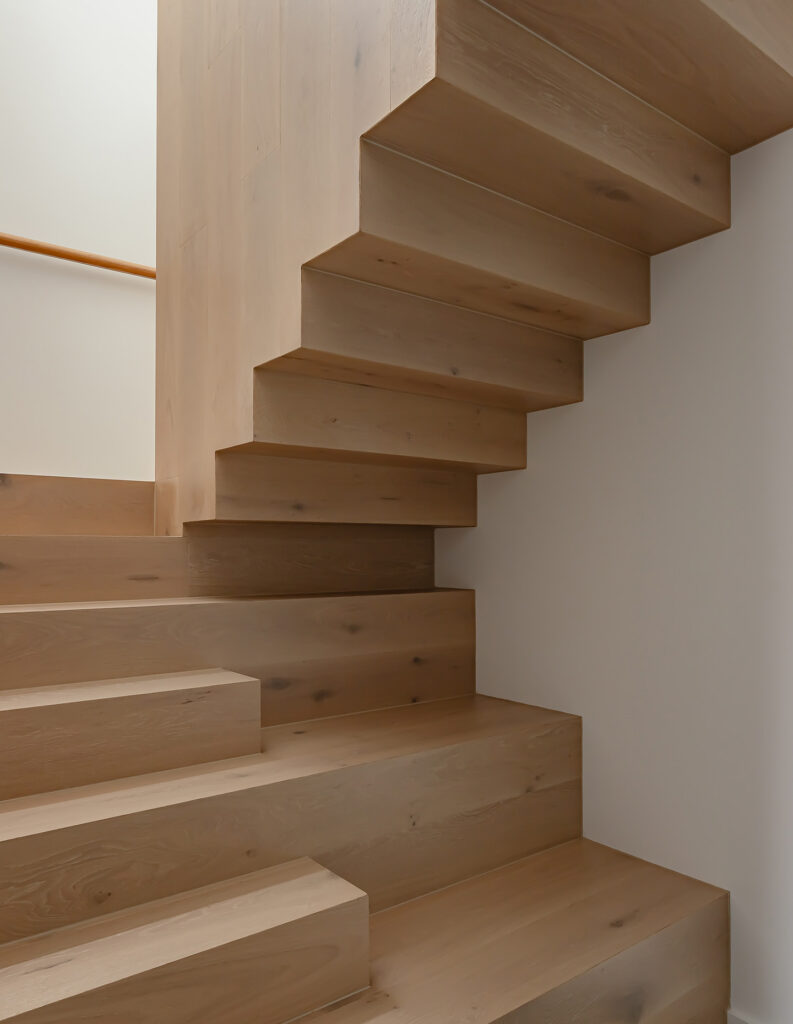
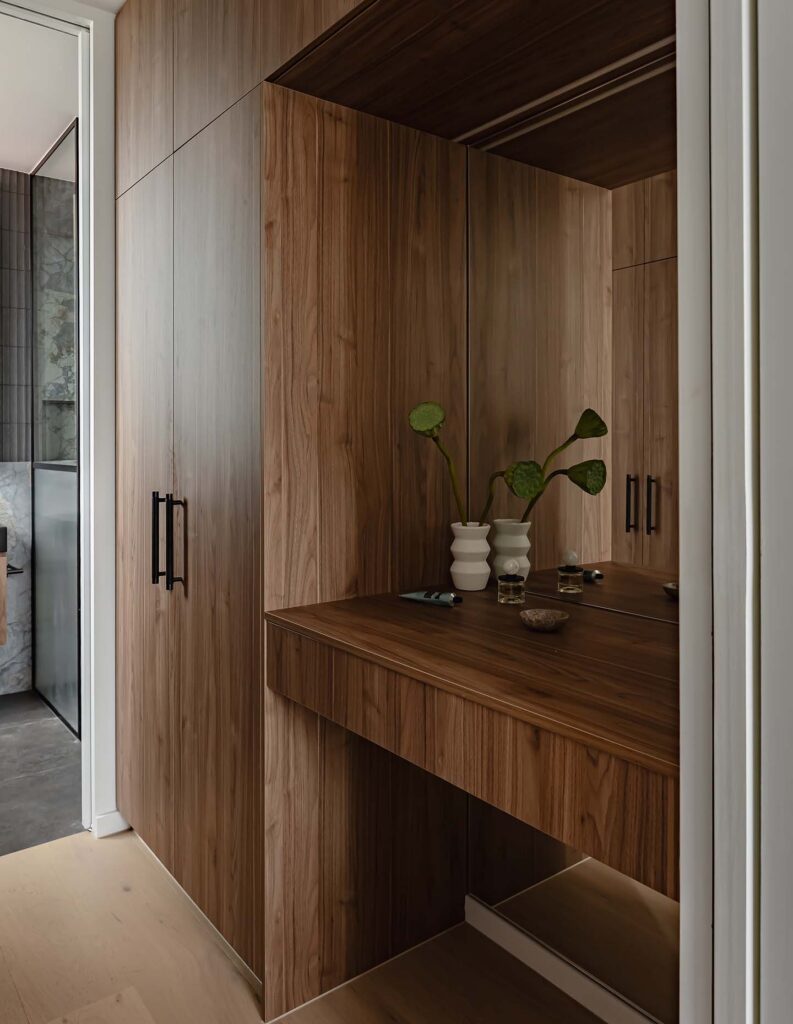
Inside, the shared architectural language gives way to two distinct domestic personalities. The parents’ home adopts a lighter palette and softer natural finishes that prioritise comfort, longevity and accessibility. Next door, darker materials and stronger contrasts reflect the energy of family life, with spaces dedicated to both work and play.
“Despite these differences, there is still a clear underlying coherence between the two homes,” the architects explain. “The result is not a split identity, but two interpretations of the same architectural framework — each tuned to the personality and lifestyle of its occupants.”
For the practice, Close Knit also reflects a broader shift in Australian housing. Rising living costs, childcare pressures and ageing populations are prompting more families to reconsider how they live together.
“We have seen a clear shift in client requirements,” they say, “which recognise the financial pressures facing young people and the need to create homes that foster intergenerational living — be that to allow young families to save, minimise childcare costs and ensure ageing parents are cared for while allowing independence.”
Rather than maximising density for its own sake, Close Knit proposes a different model of suburban infill — one centred on relationships.
“What becomes important is not simply density or duplication, but relationships — between people, between dwellings and between levels of privacy and connection.”
As Australian households continue to evolve, Close Knit suggests the future of suburban housing may lie less in larger homes and more in smarter ones: homes capable of adapting to changing family structures while keeping those closest together.