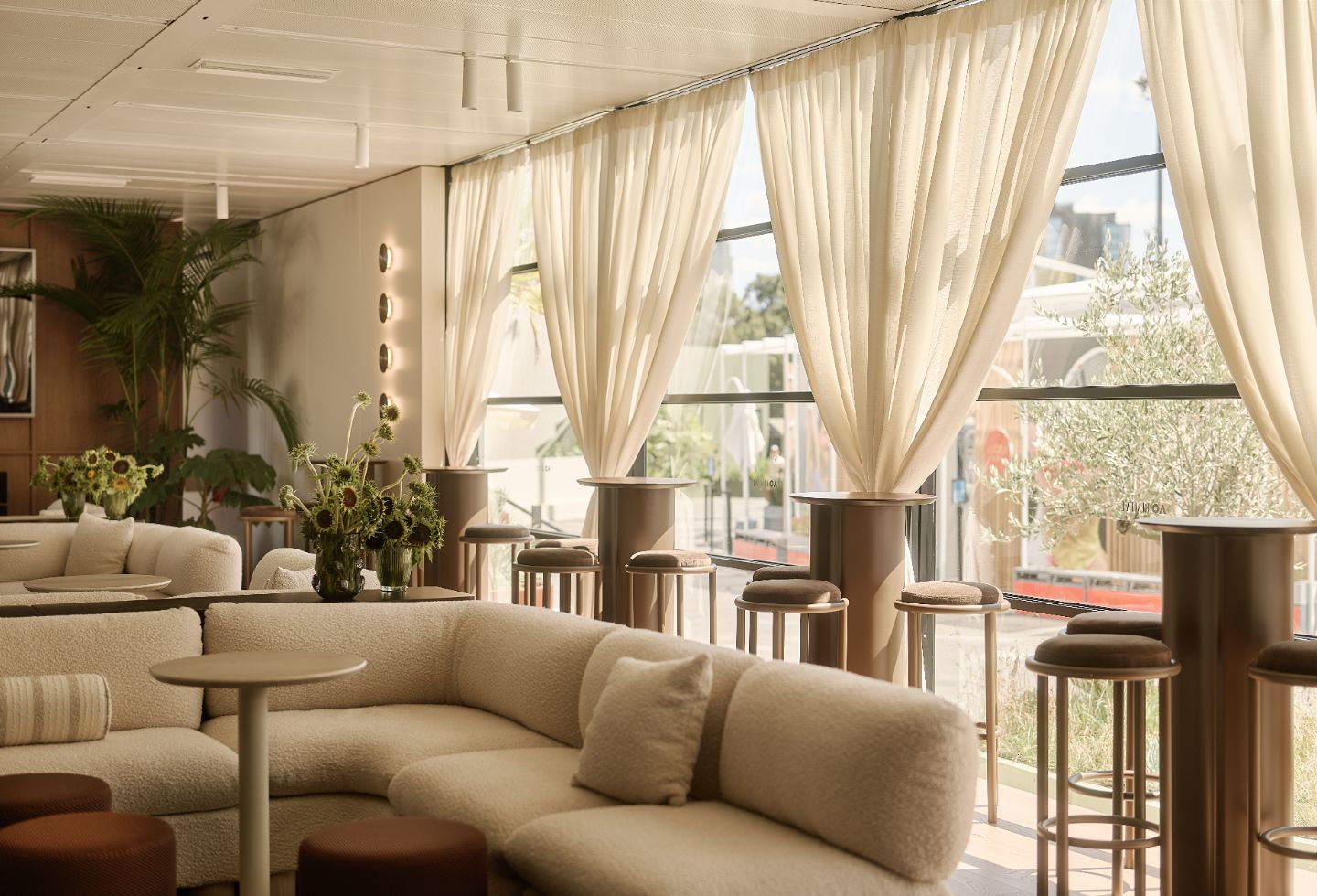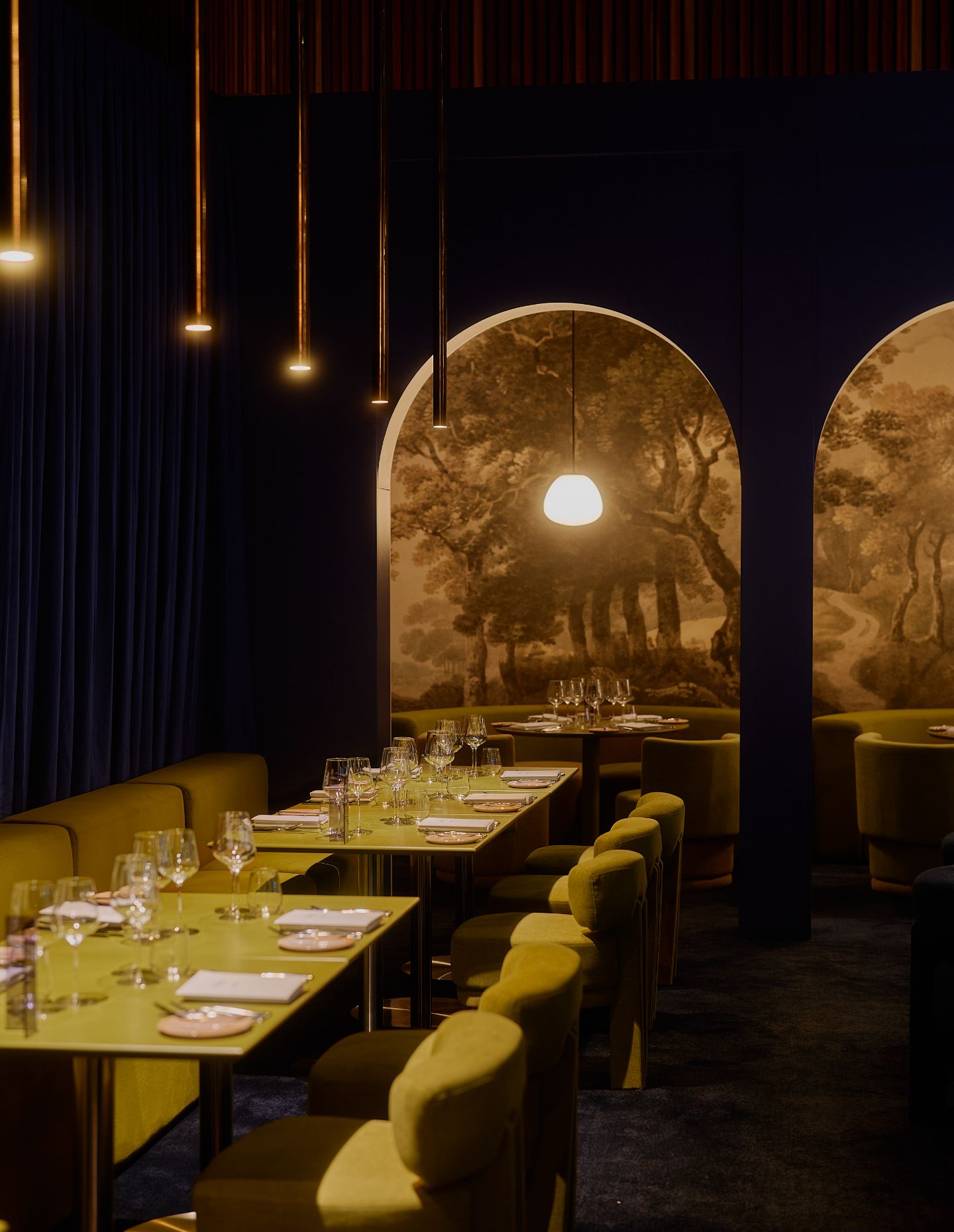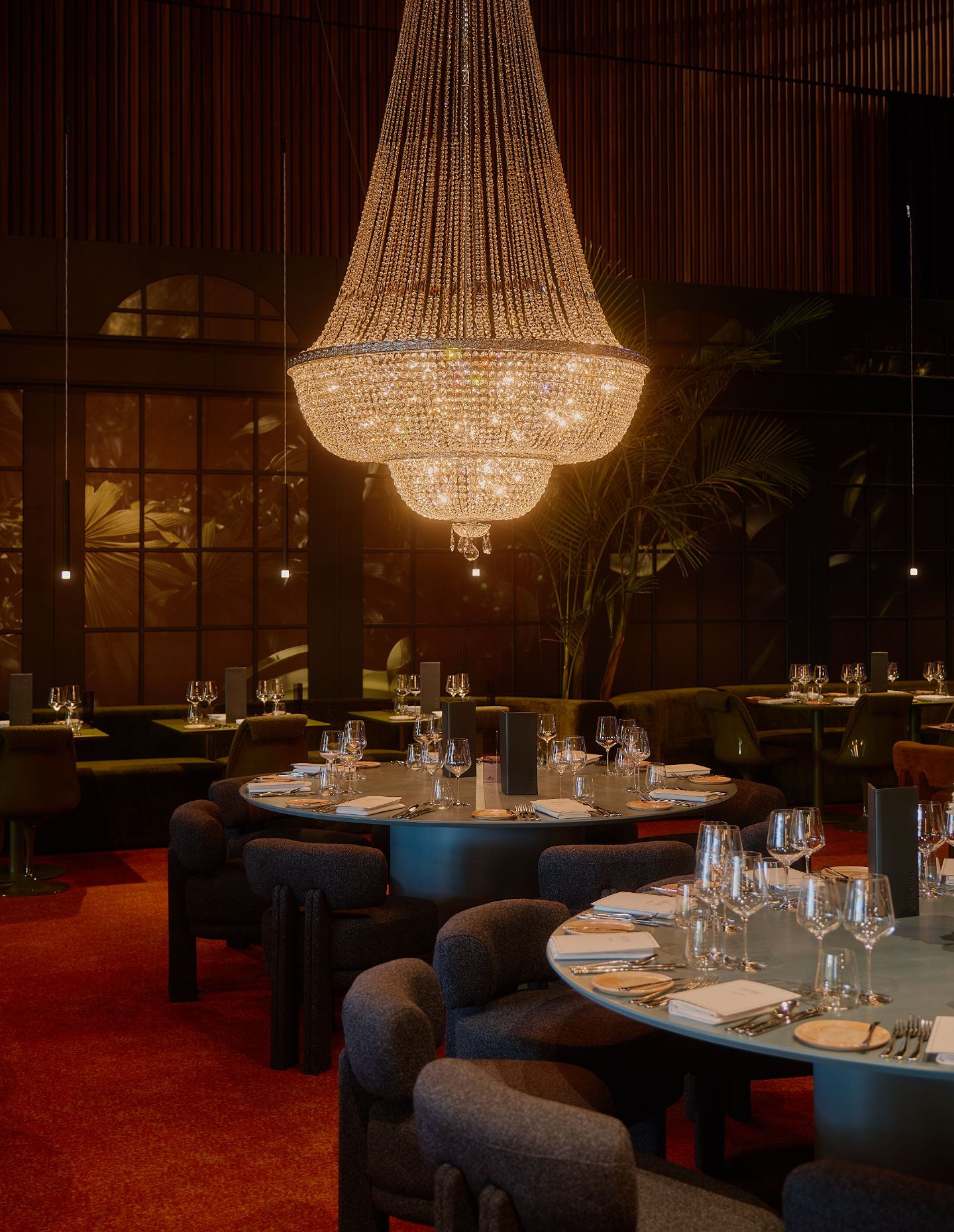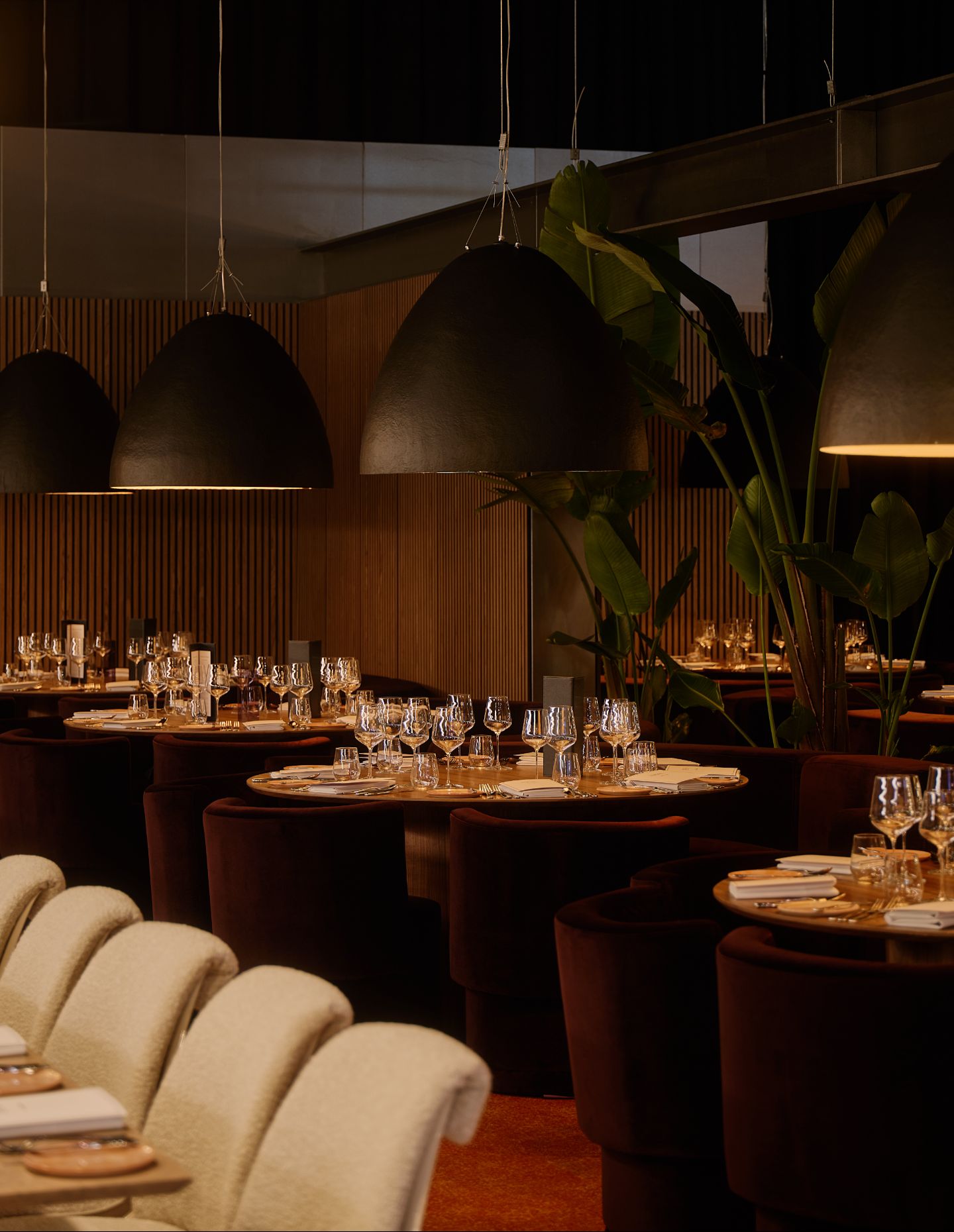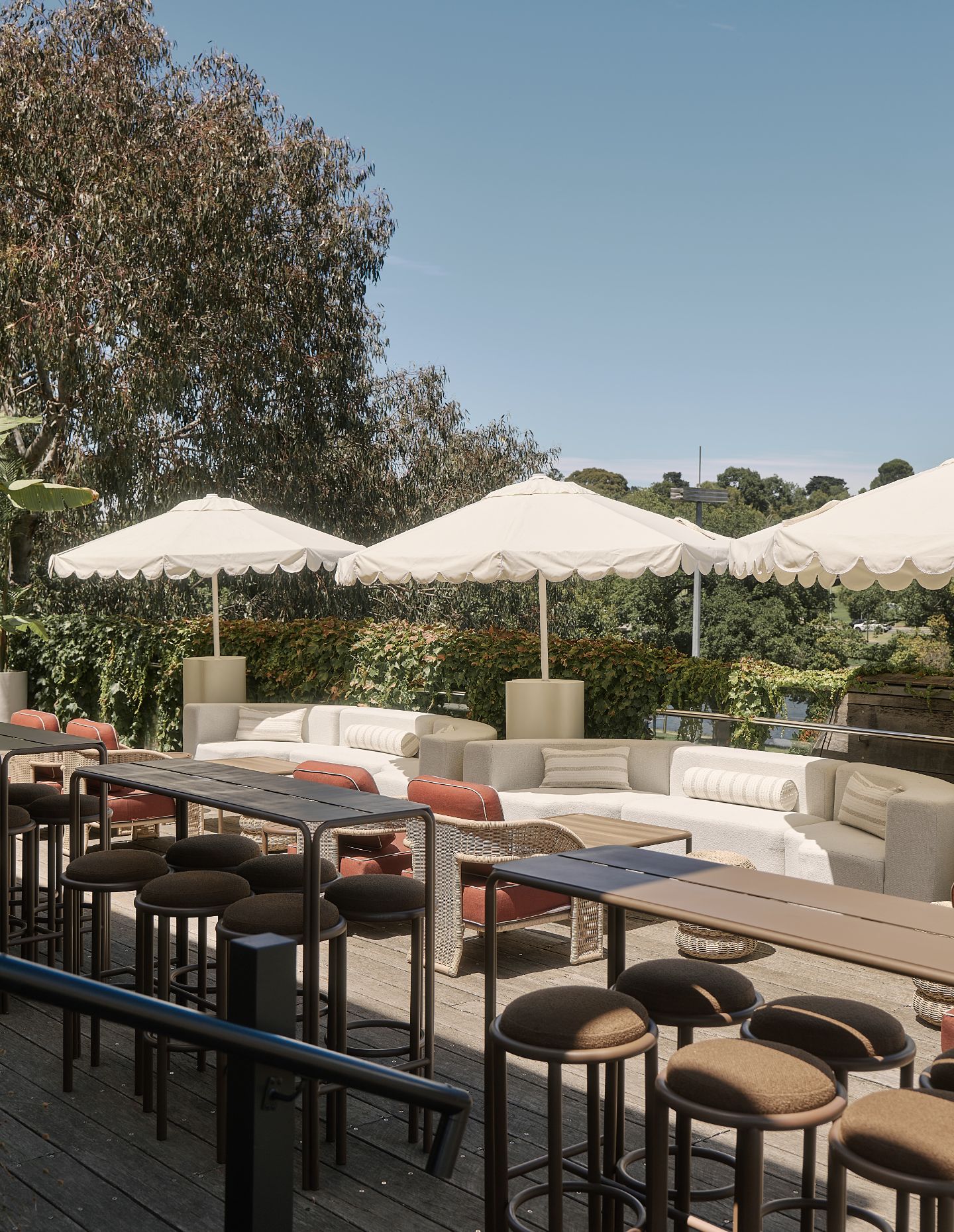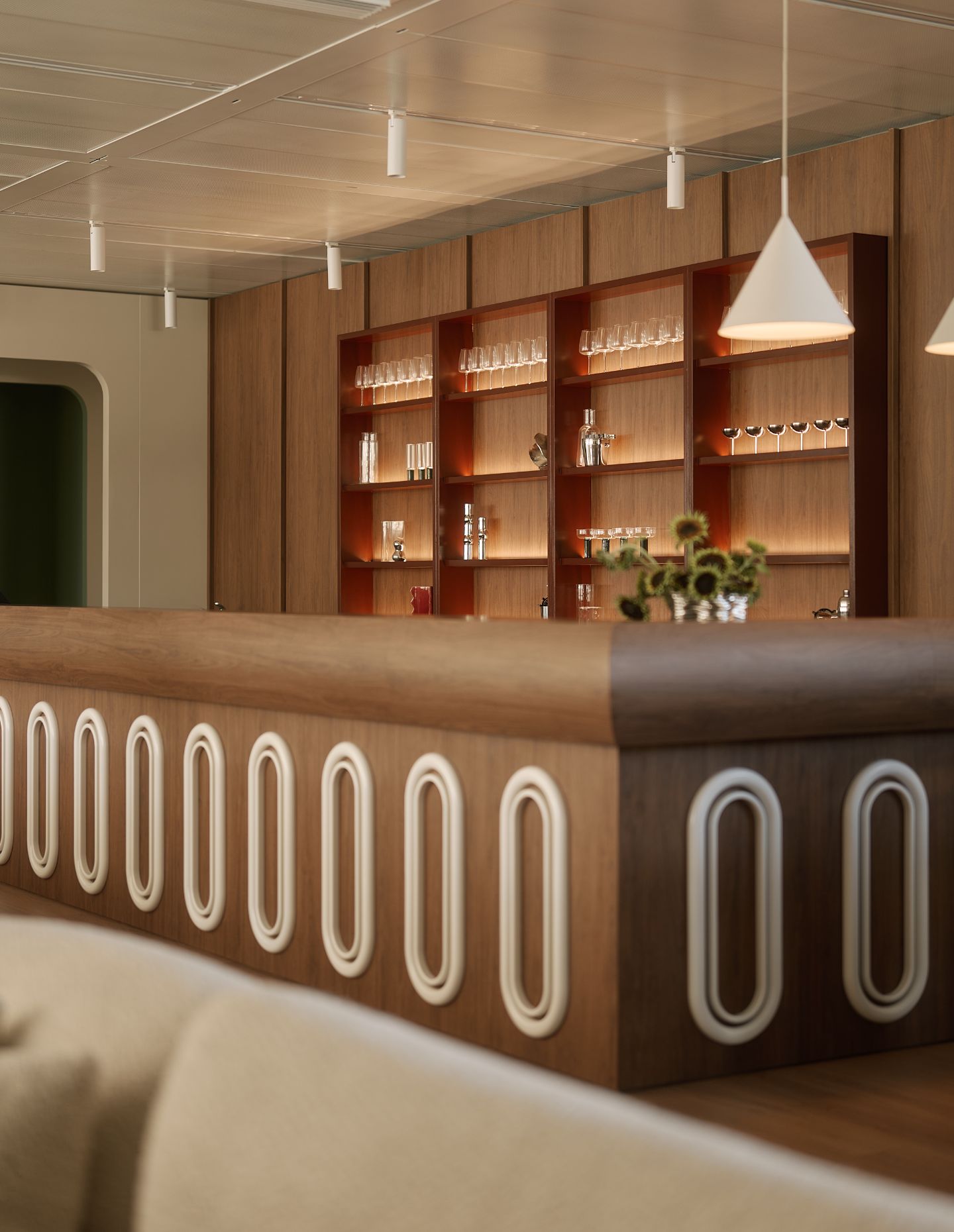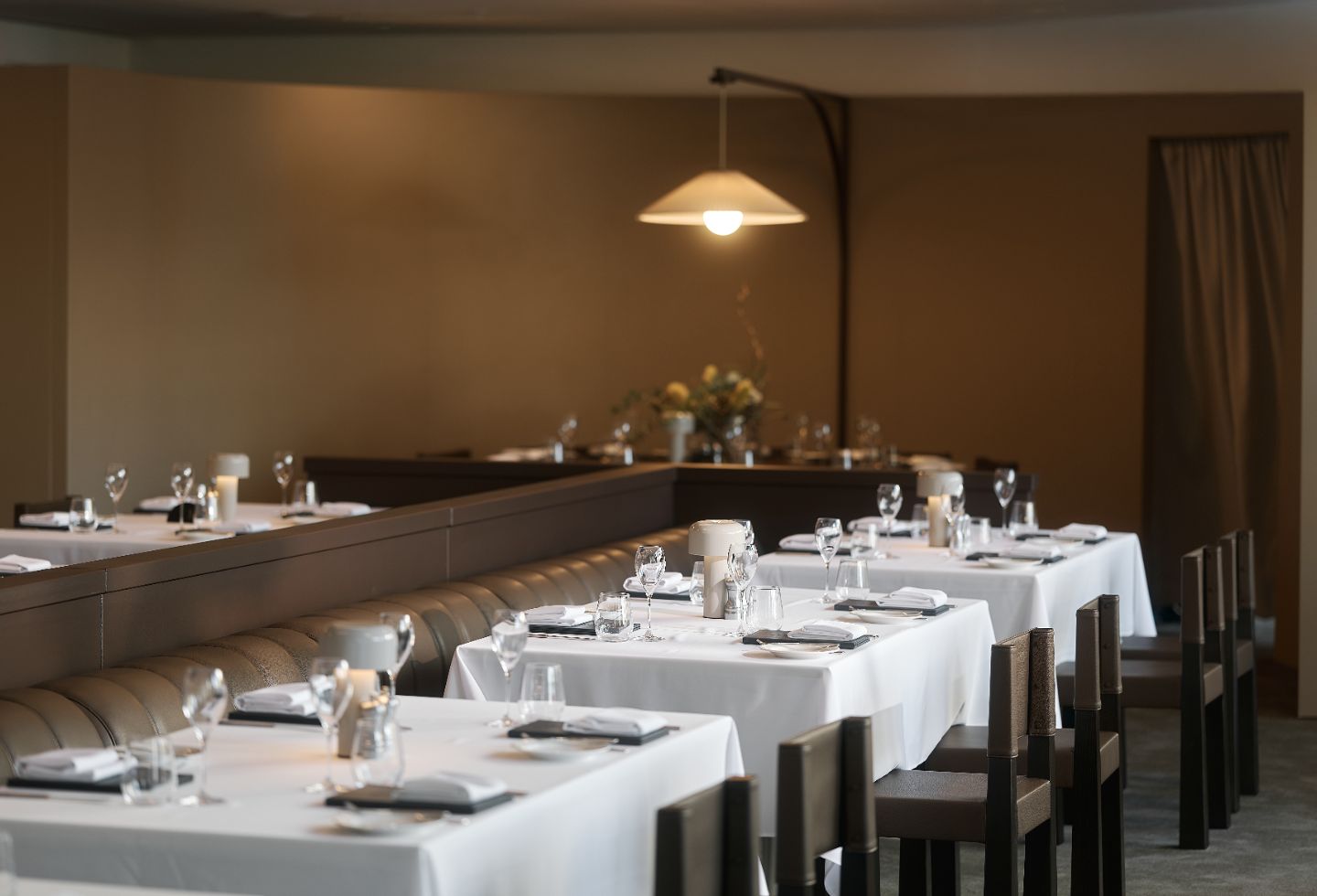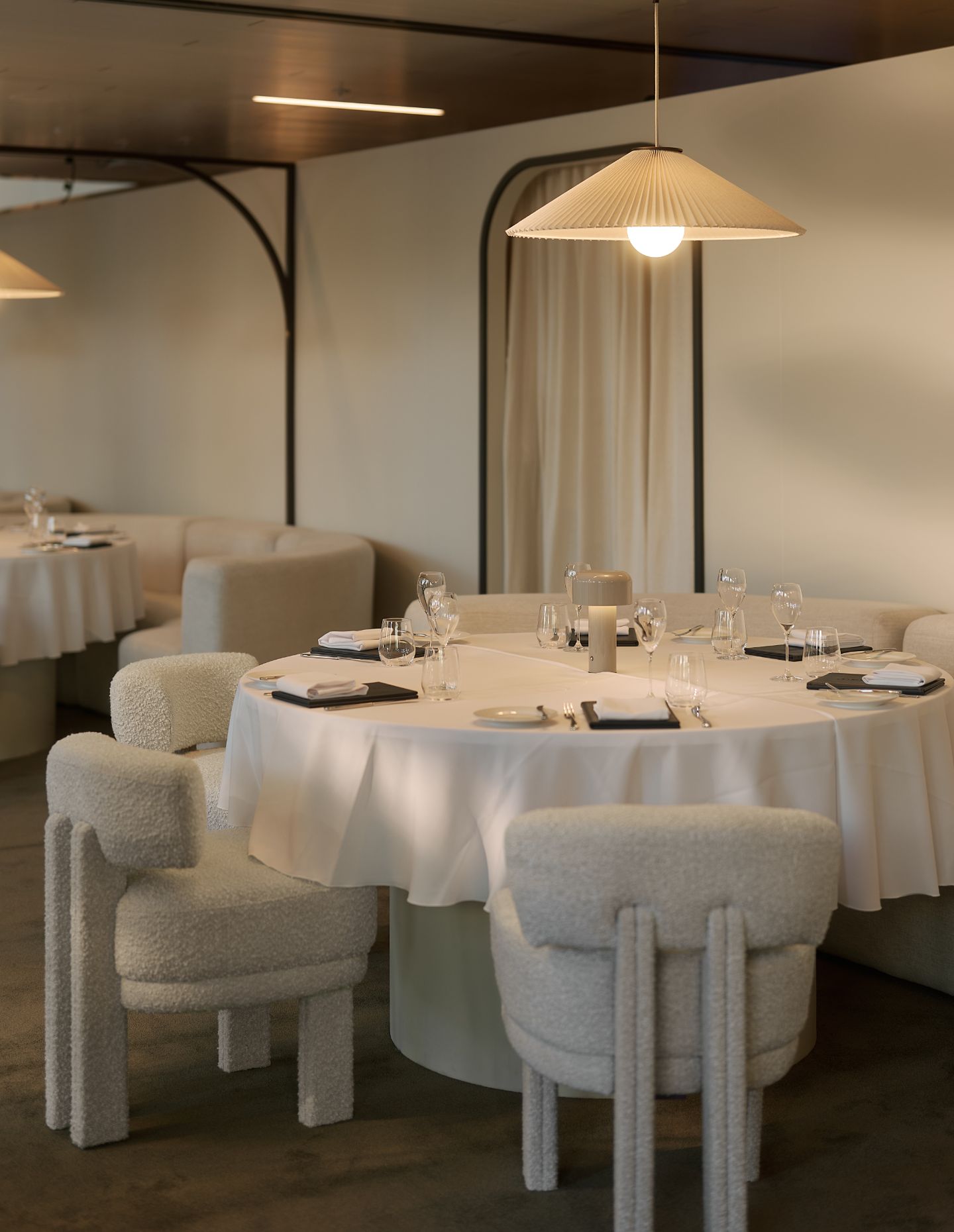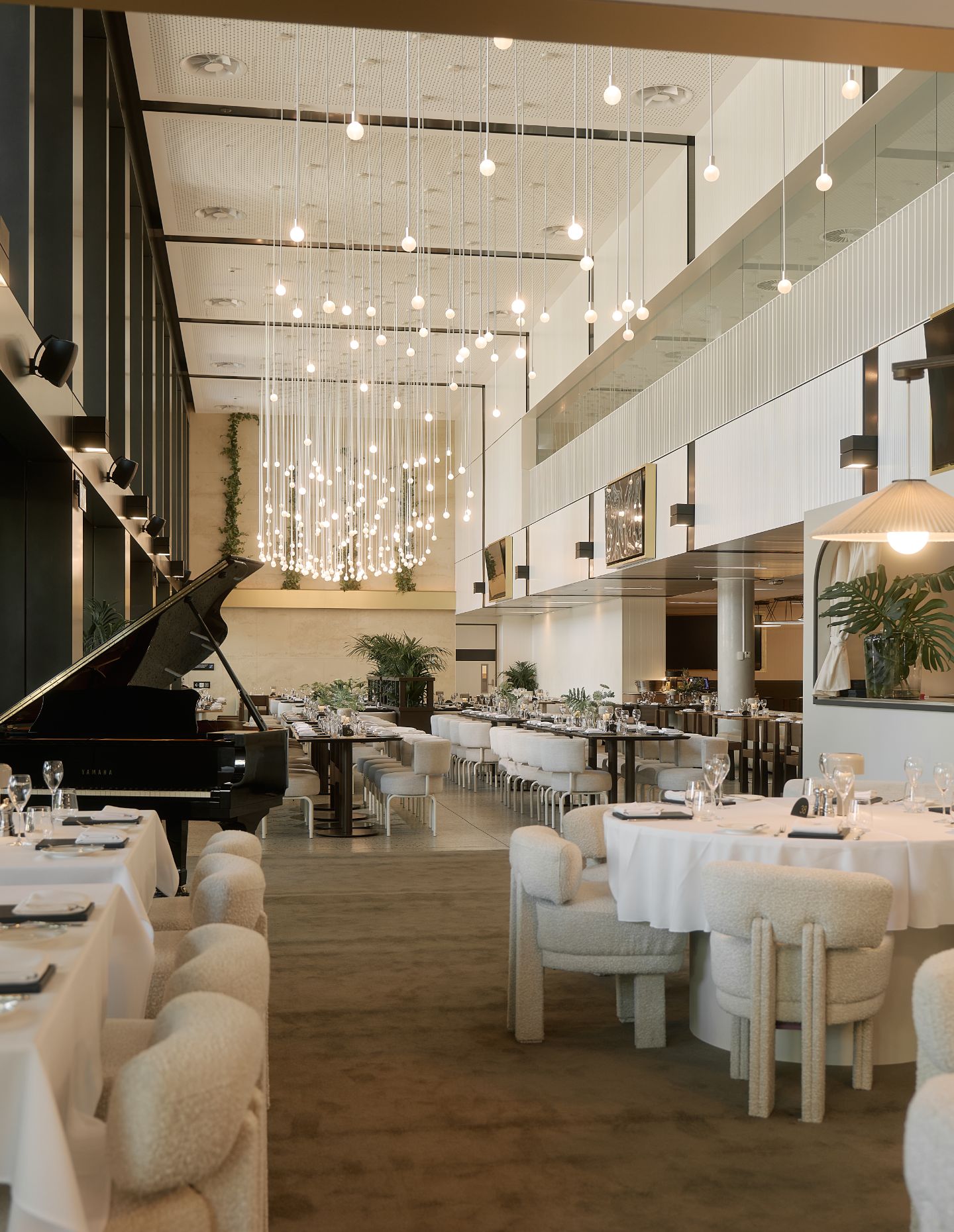

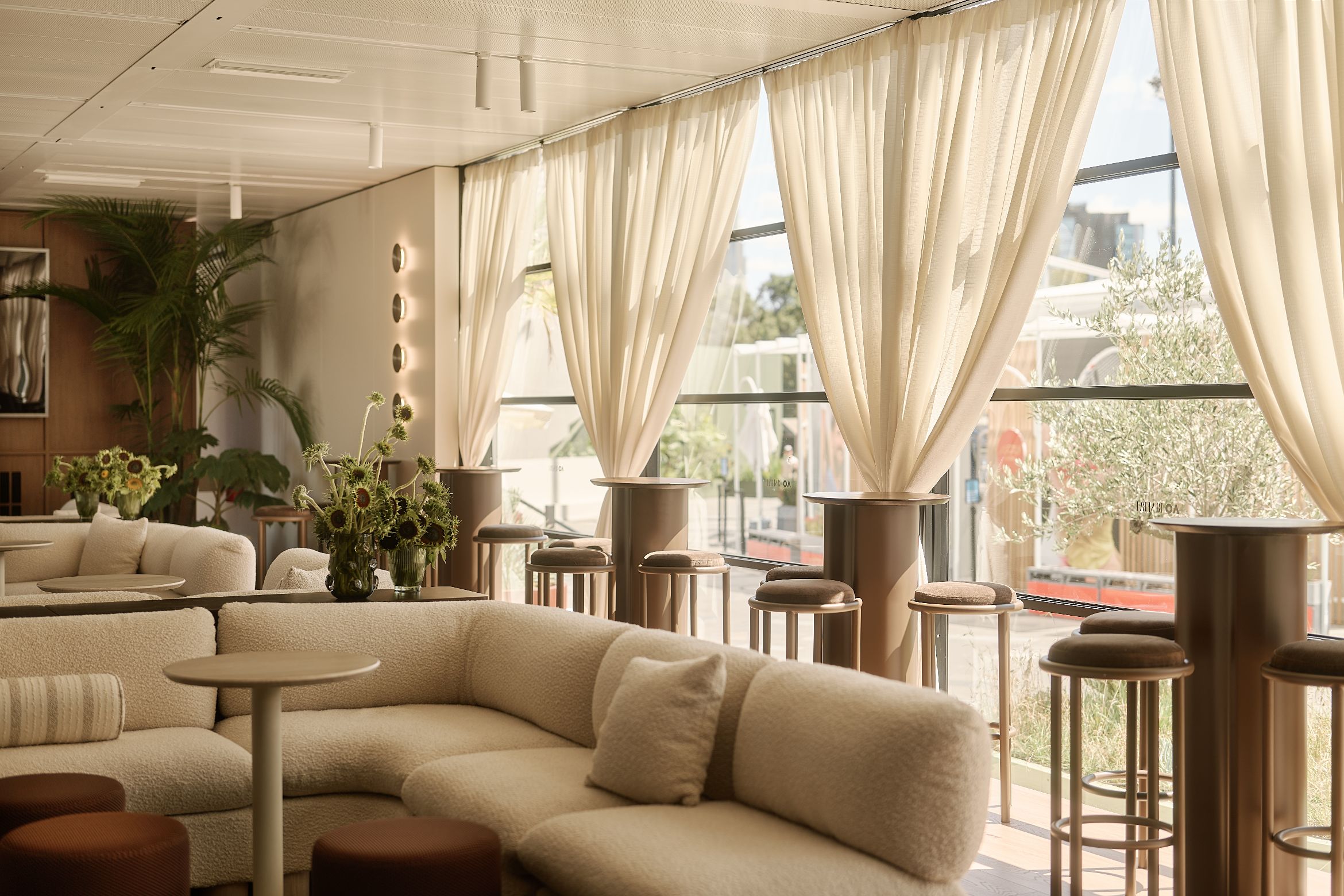
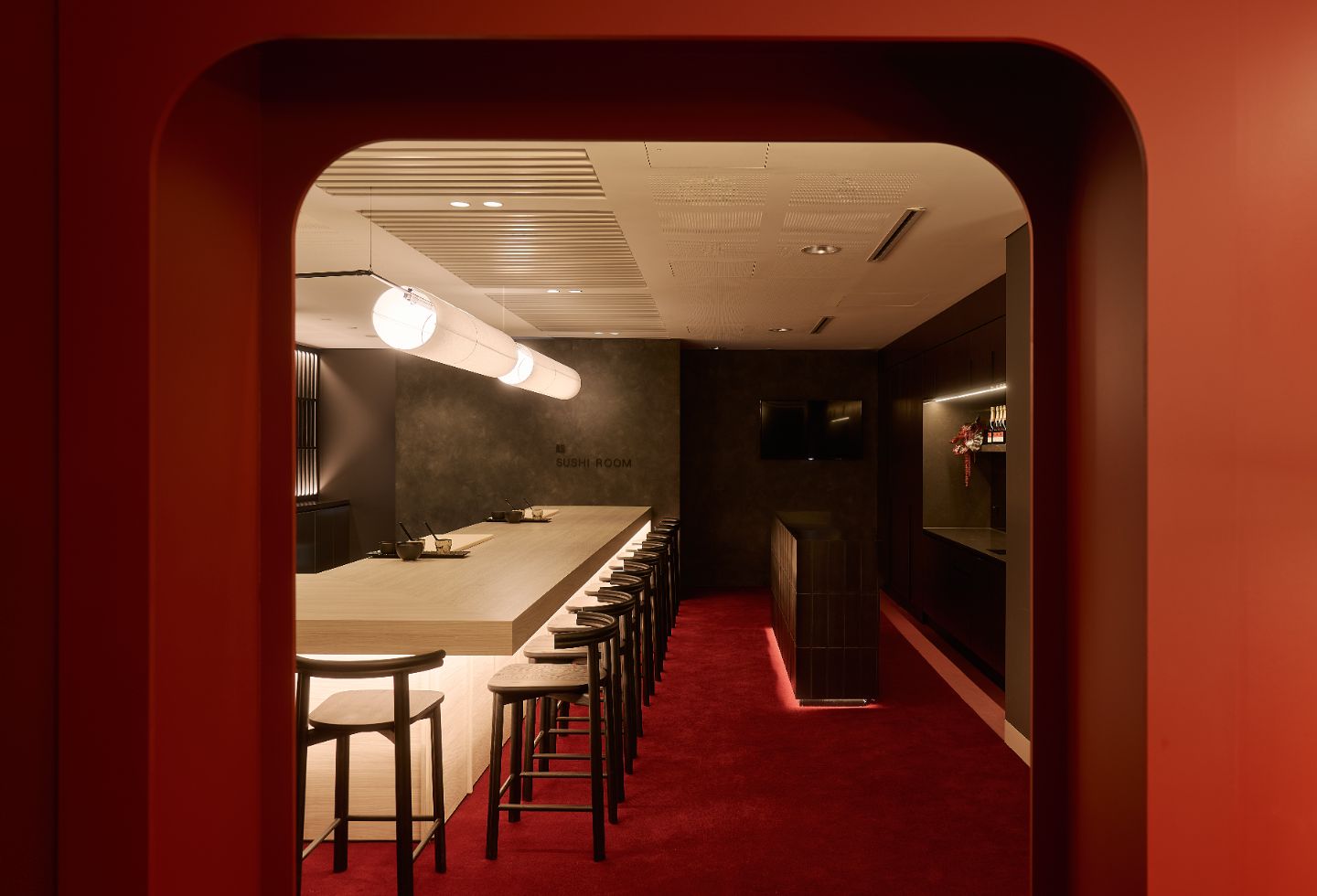
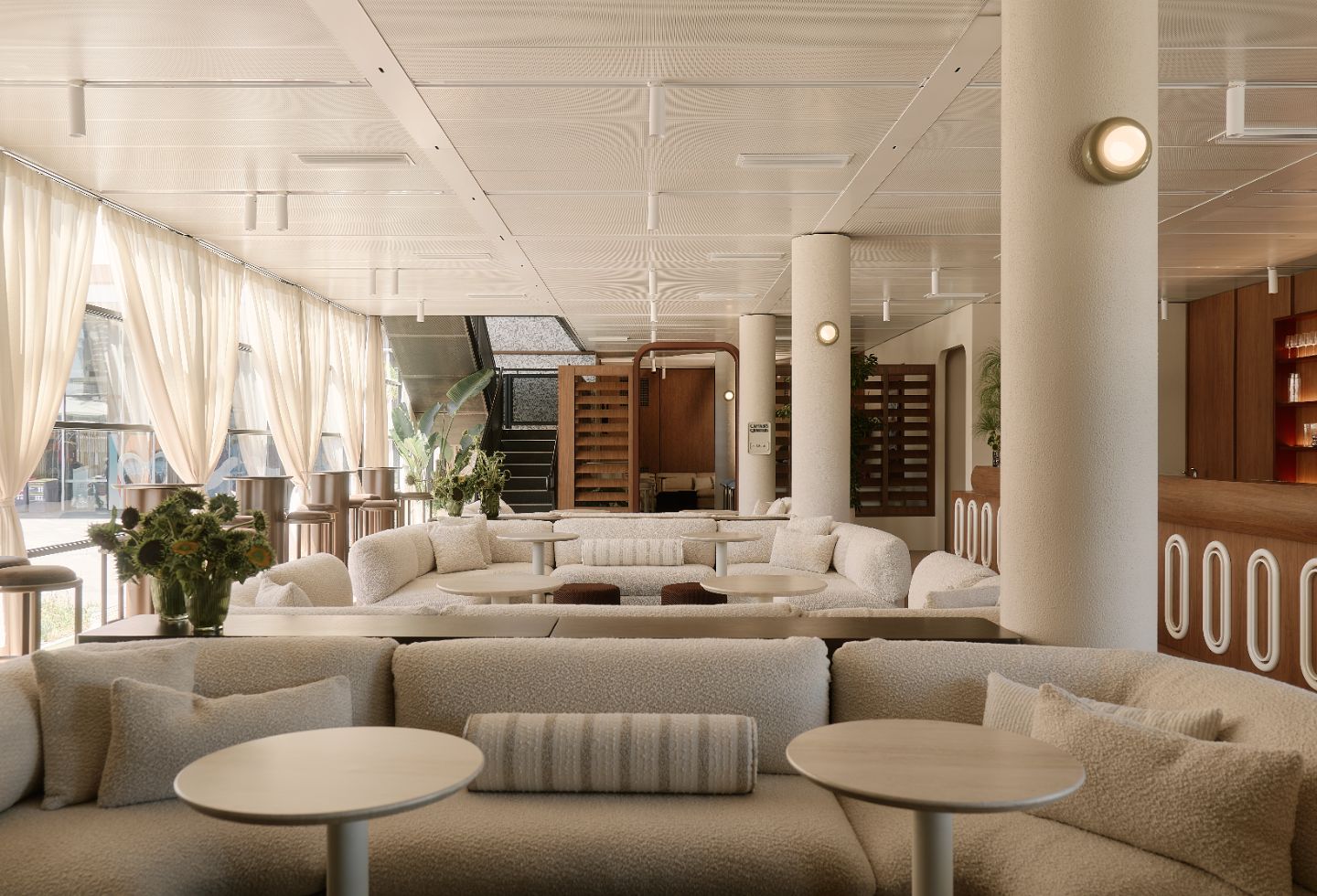
At the Australian Open, a dressing room becomes an intimate 16-seat bar; a vast conference hall with orange carpet and eight-metre ceilings transforms into a chandelier-lit dining room serving Michelin-starred cuisine; and when the final match concludes, all of it disappears within four and a half days.
This is the paradox at the heart of AO Reserve, Tennis Australia’s premium hospitality program: creating spaces so refined, so thoughtfully detailed, that guests struggle to believe they’re temporary. “A lot of feedback we get is, ‘Wow, this is only up for a couple of weeks,'” says Fern Barrett, Head of Product Growth & Innovation. “It feels like this is a permanent space.”
The program spans 18 locations across Melbourne Park, from 525-seat restaurants to exclusive suite experiences. Each venue operates on a three-year circular design cycle, with assets reimagined annually and unused elements diverted from landfill. It’s an approach that could easily compromise creativity. Instead, it’s become a design constraint that sharpens focus.
Jules Spencer, Premium Experiences Designer, describes the freedom inherent in working with blank shells. “You get given a bit more creative freedom. As long as we stay within our brand narrative — which leans on art deco and the origins of AO from 1905 — it’s not too strict.” But the parameters are self-imposed: sustainable materials, reusable assets and spaces that feel permanent despite their brevity. The design language draws from the tournament’s heritage while avoiding nostalgia. In Club 1905, archival tennis imagery, vintage rackets and in-house designed period posters create what Barrett calls “a homage to the heritage of the game, done in a really light touch way.”
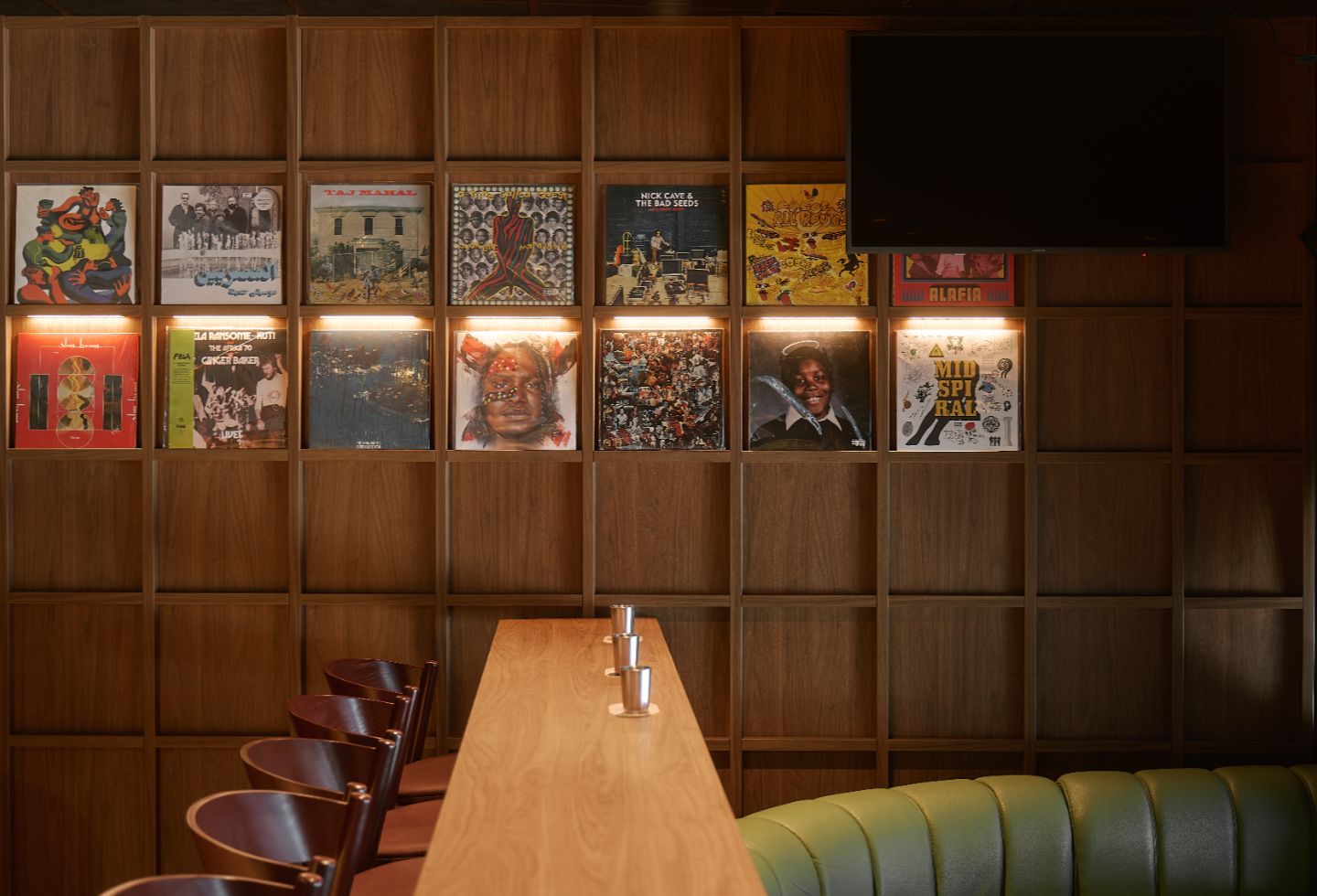
Custom-designed waiter stations, bespoke menus and a signature scent diffused throughout the spaces extend the attention to detail beyond the visual. “We don’t just want screens playing tennis popped up across the space,” Barrett explains. “We recess them into certain cavities and bars so they’re there if you want to engage, but if you don’t, they’re not in your way at all.”
AO Reserve faces a design tension common to large-scale programs: how to maintain cohesion across venues while giving each its own personality. When working with Brisbane restaurant SK Steak and Oyster, Spencer flew north to experience the original space firsthand, absorbing its atmosphere before translating select elements — a baby grand piano, attention to ceiling height, specific material choices — into a Melbourne context that honours both the restaurant’s identity and the Australian Open’s DNA.
“We don’t want to cookie-cut what these spaces traditionally look like,” says Barrett. “We take accents and recreate them in a way that merges with the Australian Open personality — this happy slam, celebrating summer in Australia with a barefoot luxury approach.”
Related: Hidden in plain sight
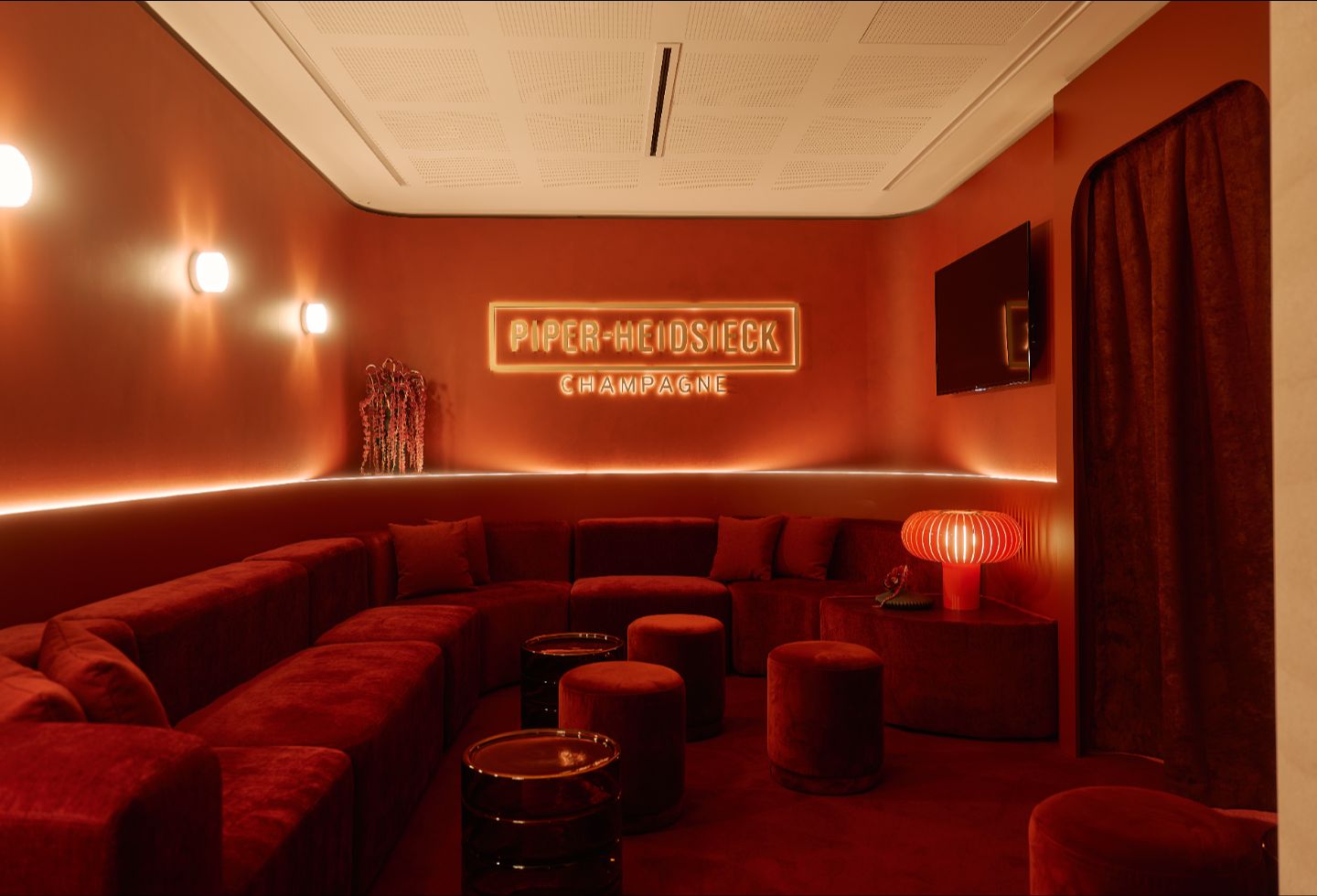
Courtside Bar operates differently, sitting on the precinct rather than within ticketed areas. It’s designed for accessibility and movement, a premium offering that anyone can walk into. Meanwhile, spaces like Caretakers Cottage — an intimate suite overlooking Rod Laver Arena — receive deeper curation. Spencer describes the collaboration with the restaurateurs as particularly open: “They’re really open to work with, so we could bring that fun element to a suite that’s very refined.” The thread connecting these experiences is that every touchpoint is considered. From the concierge desk greeting to the records recessed within wall units, each detail reinforces the sense of retreat from the intensity of match day.
The circular design model addresses both environmental responsibility and creative opportunity. With nine warehouses storing materials, the design team can build on existing elements year after year. Every material undergoes rigorous certification checks. Nothing enters the program unless it can be reused. For repeat patrons — and many AO Reserve guests return annually — the challenge becomes refreshing spaces enough to feel new while maintaining the qualities that drew them back. The design team spends significant time in venues during the tournament, observing sightlines, lighting and operational flow.
Five years ago, Tennis Australia worked with multiple agencies to deliver its premium spaces. Today, Spencer and colleague Vic handle conceptualisation through to documentation and build delivery. “We are our own agency,” Barrett says. “It means we’ve got full control over our spaces, but it also means we can work with our partners as an in-house agency to make sure that their objectives are being met and our objectives are being met, so there’s this really beautiful harmony where it doesn’t feel like it’s just a brand activating within a space that we’ve created.” This integrated approach extends to furniture customisation. If a specific colour palette or chair height isn’t available off the shelf, the team works with hire companies to create it. If artwork doesn’t exist in the desired style, they design it themselves.
What AO Reserve demonstrates is that temporary need not mean compromised. The investment in design matches the investment in culinary talent and service. Spaces are engineered for optimal function — from waiter station placement to screen integration to acoustic considerations — while maintaining the warmth and tactility that distinguish hospitality from mere accommodation. The constraints of reuse, the pressure of tight build schedules and the challenge of making impermanence feel substantial have together created a design methodology that proves circular design and creative ambition aren’t oppositional.
As Spencer puts it: “We want to give everyone who’s bought a ticket that real surprise where they feel like every last detail’s been thought of.”