
For much of architectural history, buildings evolved through accumulation rather than replacement. New structures were built over old ones, often absorbing what came before. Today, heritage buildings are treated with greater care, preserved as discrete artefacts of their time. Yet adaptation remains necessary if historic homes are to support contemporary life. In Hidden Home, Luigi Rosselli Architects explore how that evolution can occur quietly, largely out of sight.
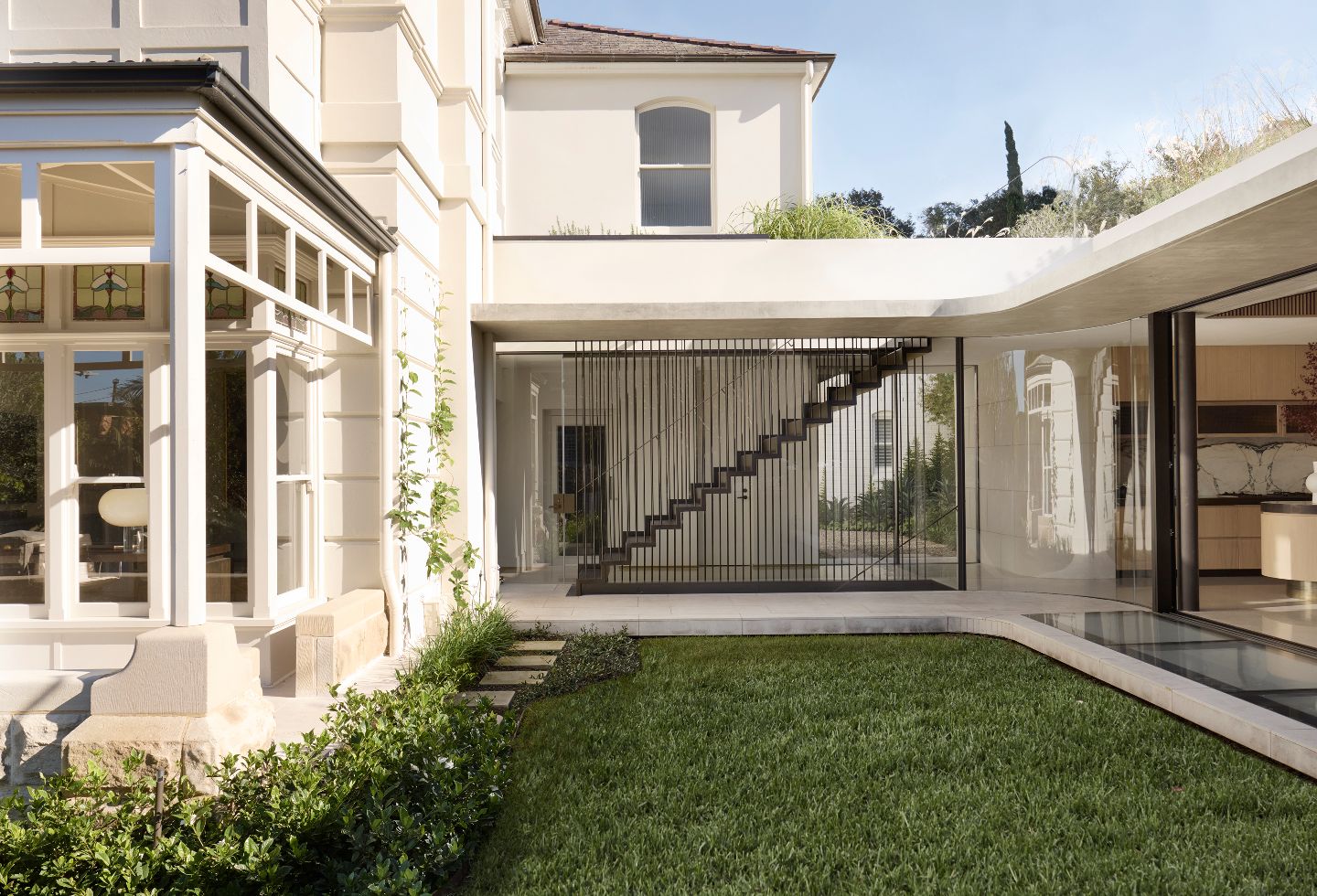
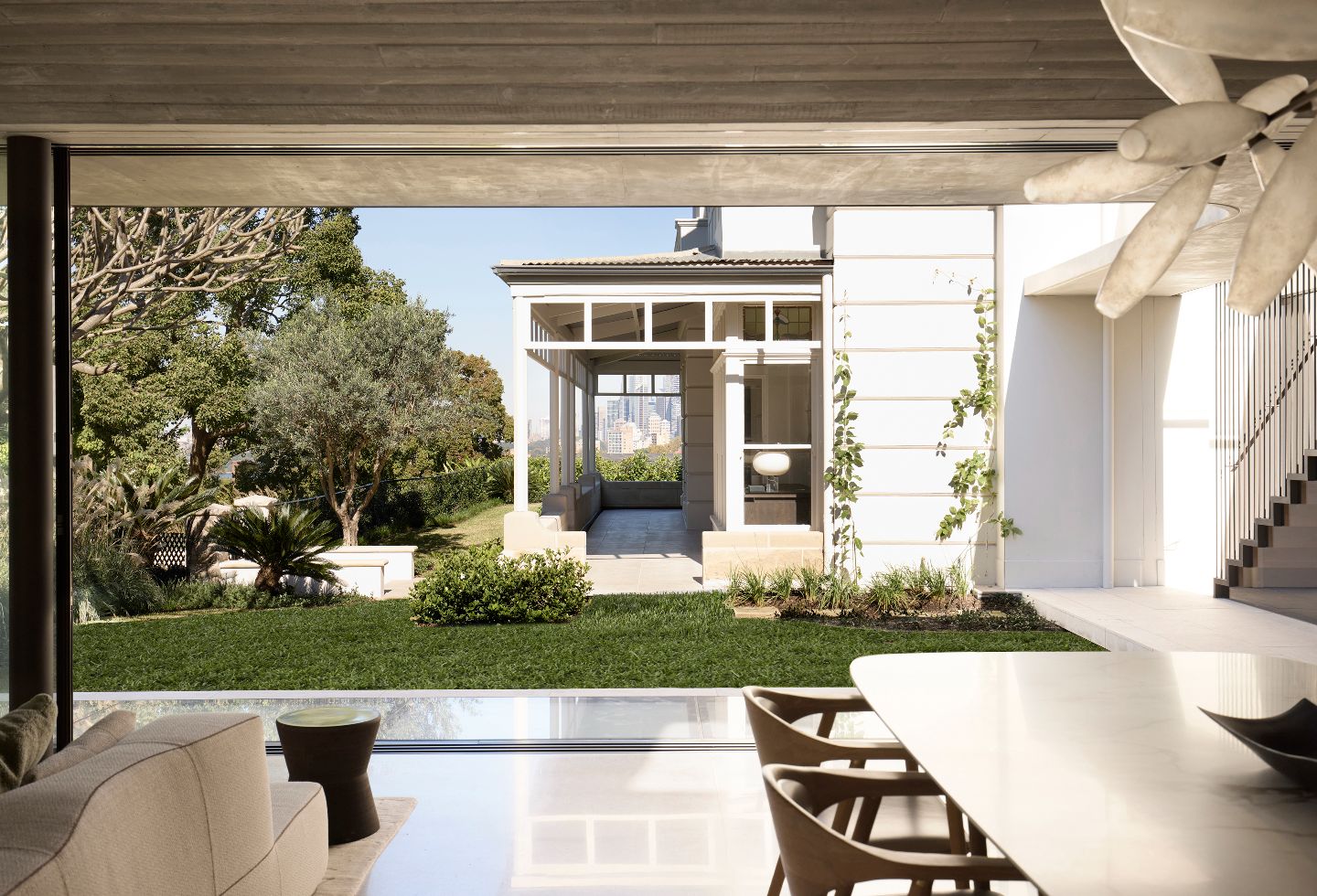
Constructed in 1889, the house was designed by Walter Liberty Vernon, a significant figure in Australian architecture whose work includes Sydney’s Central Station and the Art Gallery of New South Wales, alongside numerous private residences. Luigi Rosselli Architects were engaged to update the home while respecting its architectural lineage, allowing the original building to remain visually intact while accommodating modern living requirements.
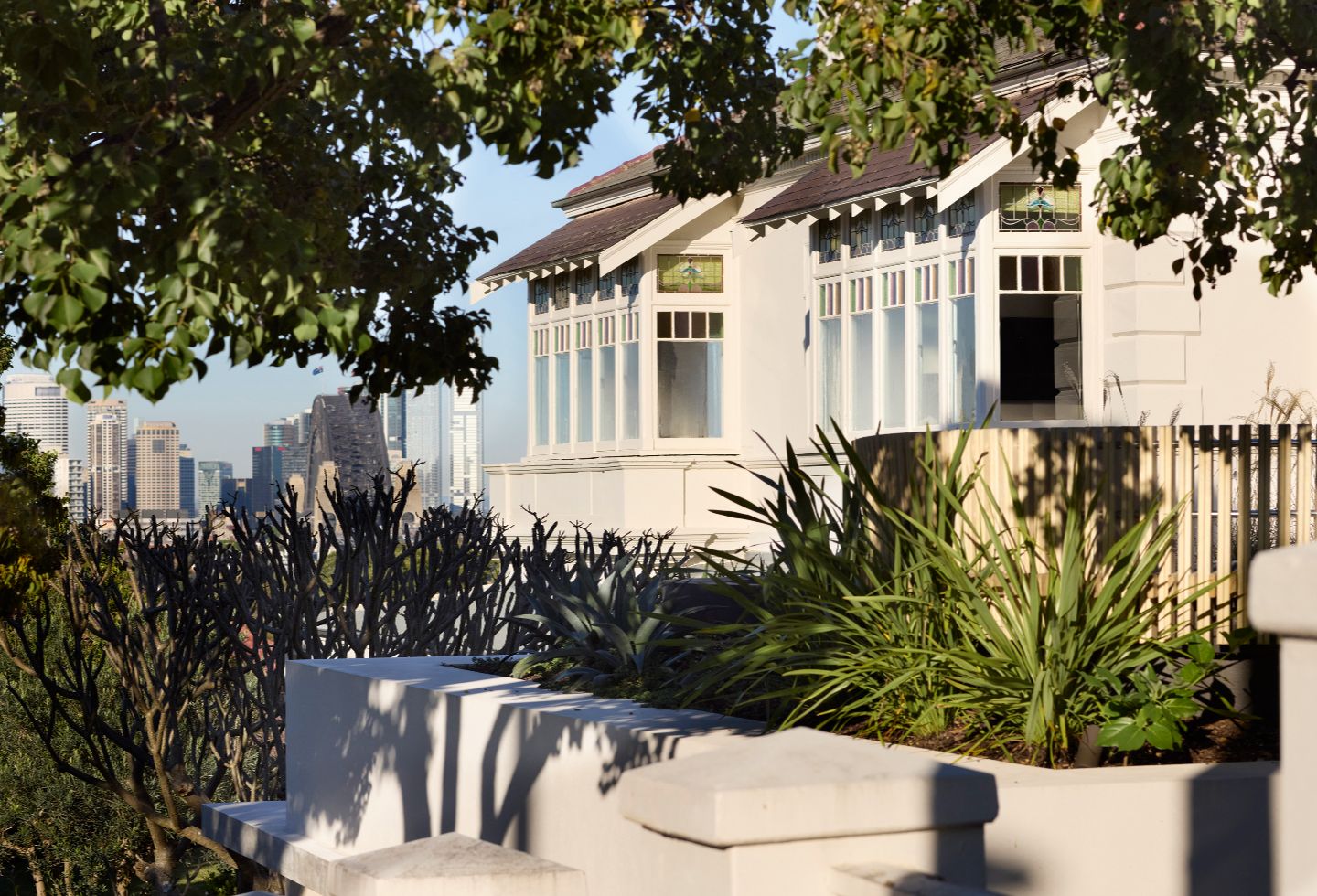
Originally built for a successful accountant, the two-storey house occupied a generous parcel of land with views towards Sydney Harbour and the city beyond. Over time, the site was reduced, with part of the original garden subdivided in the 1990s. Preserving what remained of this landscape became central to the approach for the new additions.
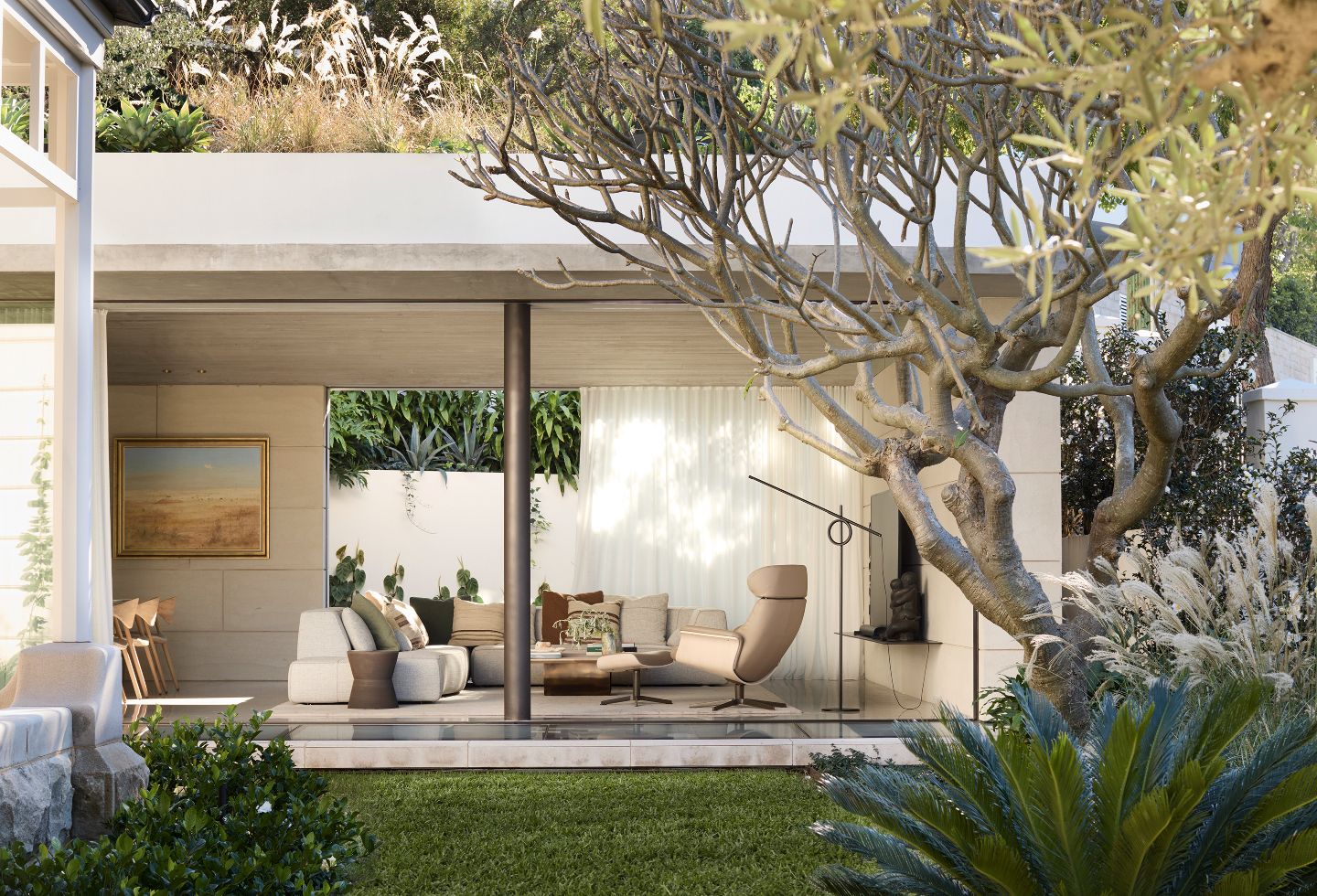
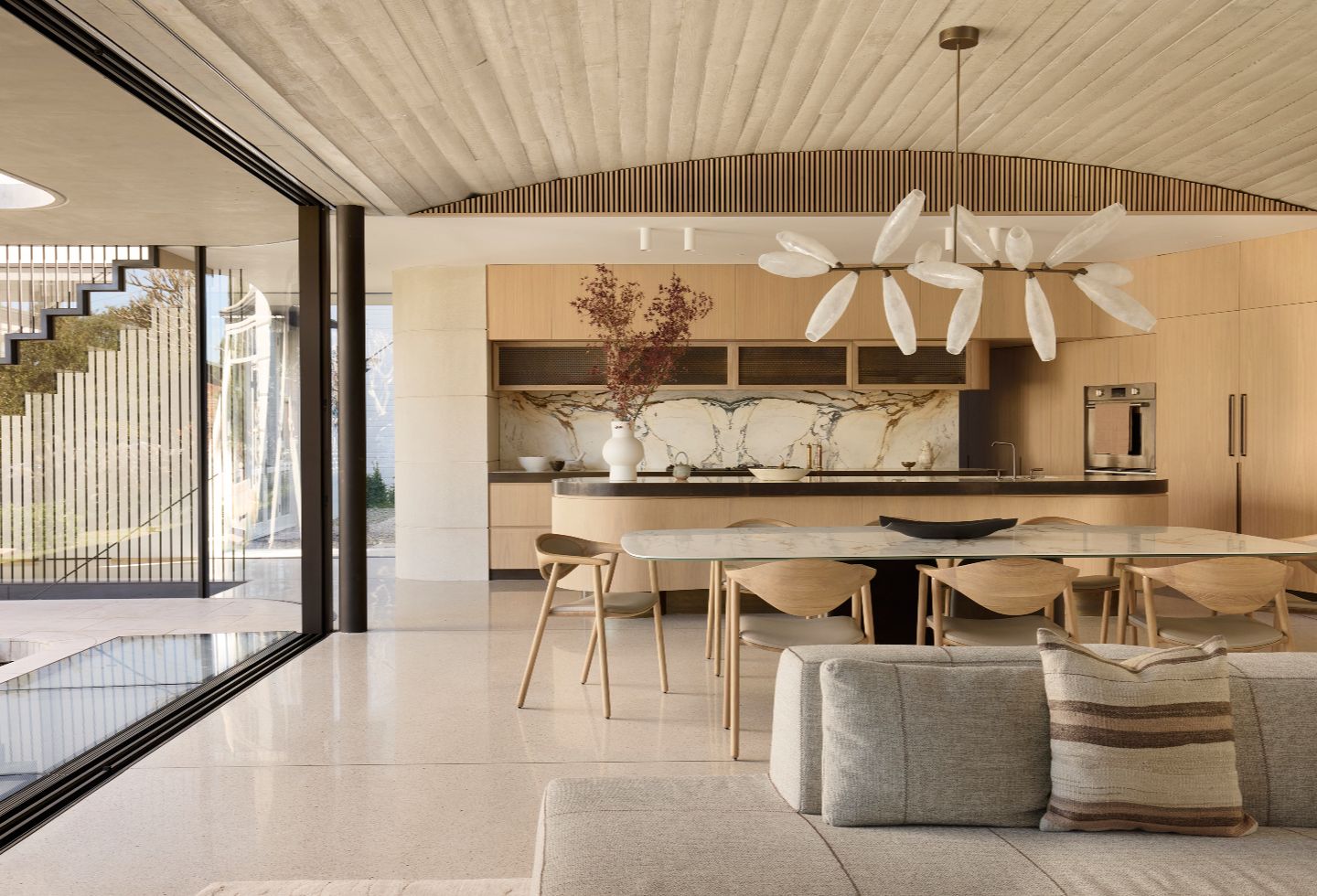
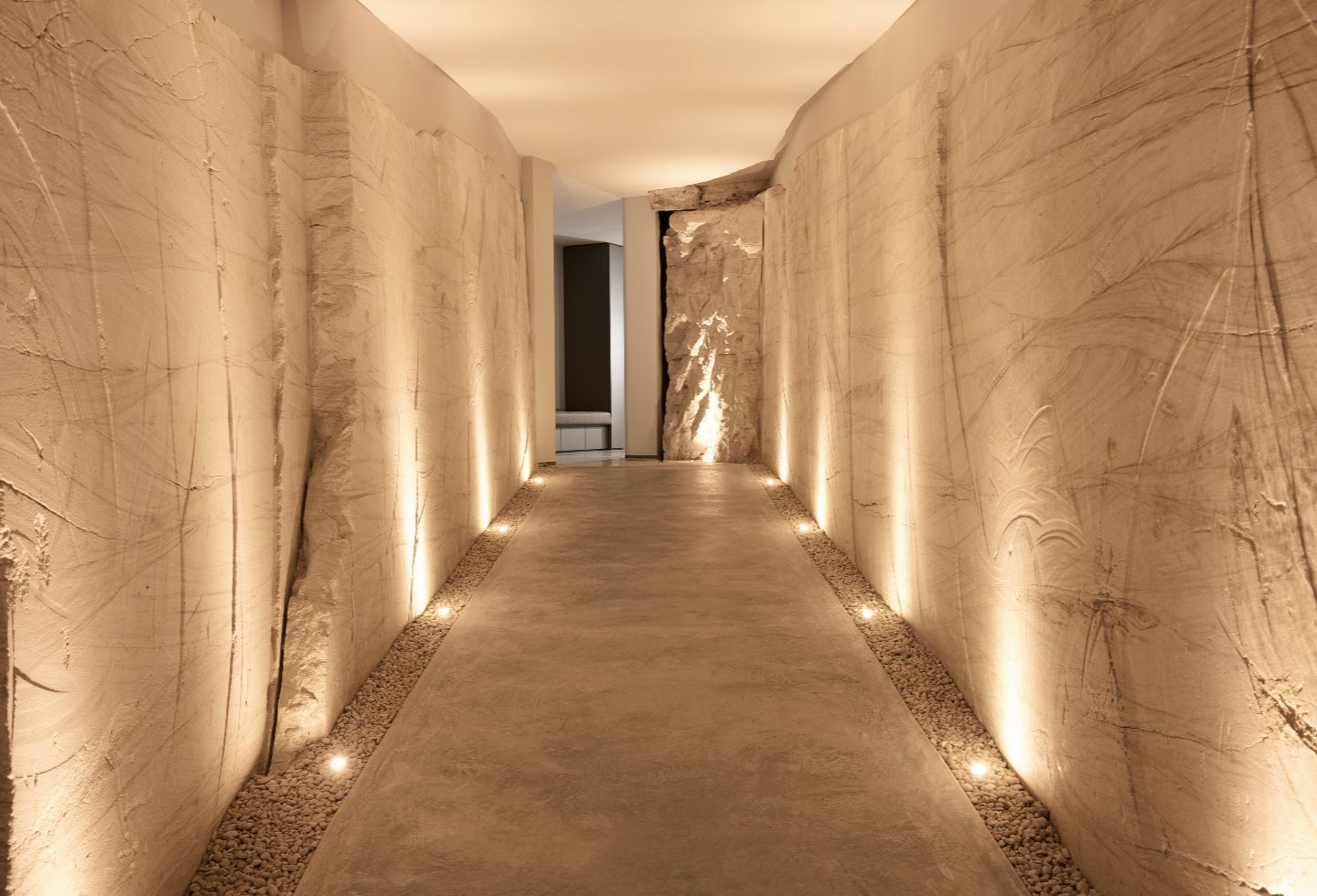
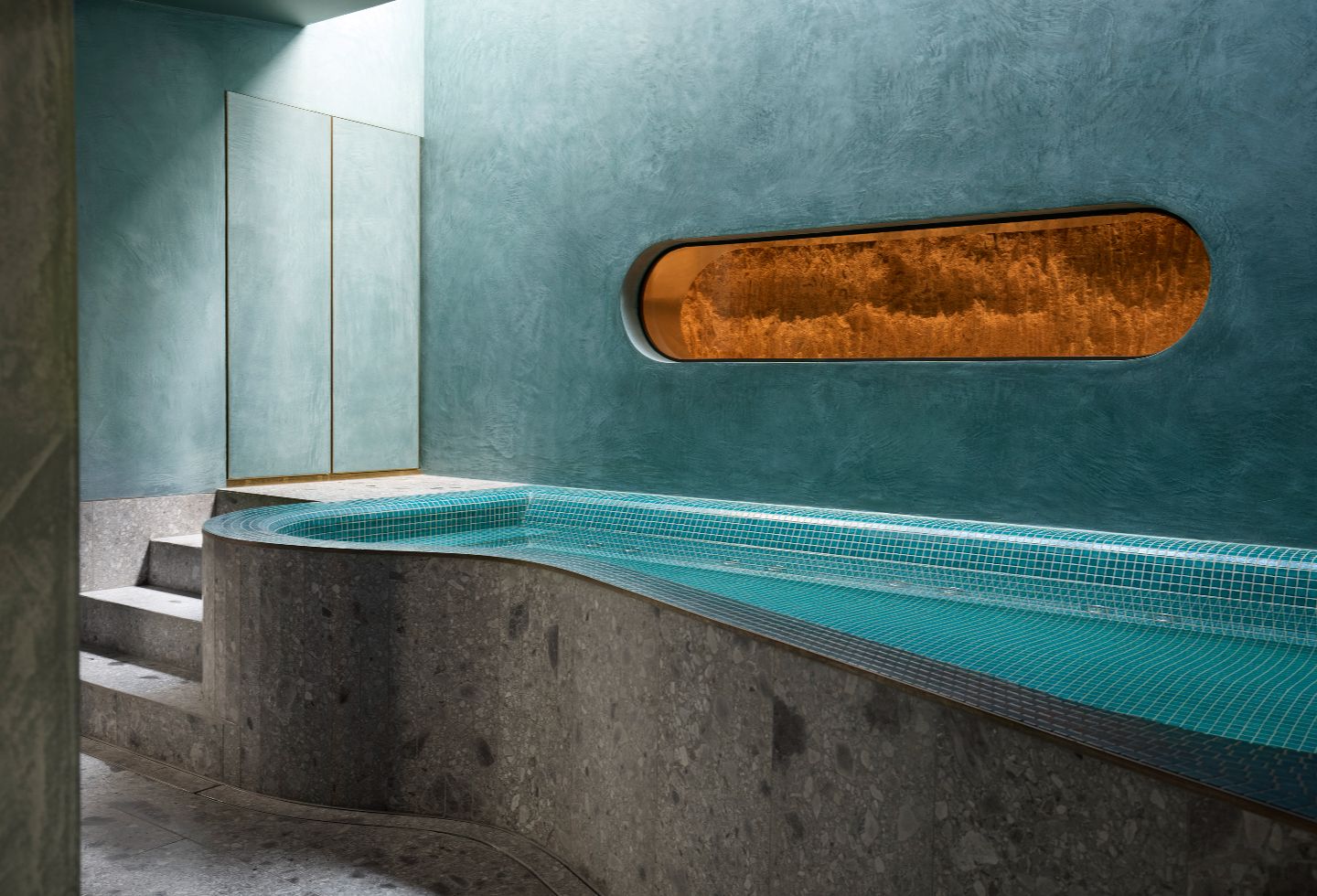
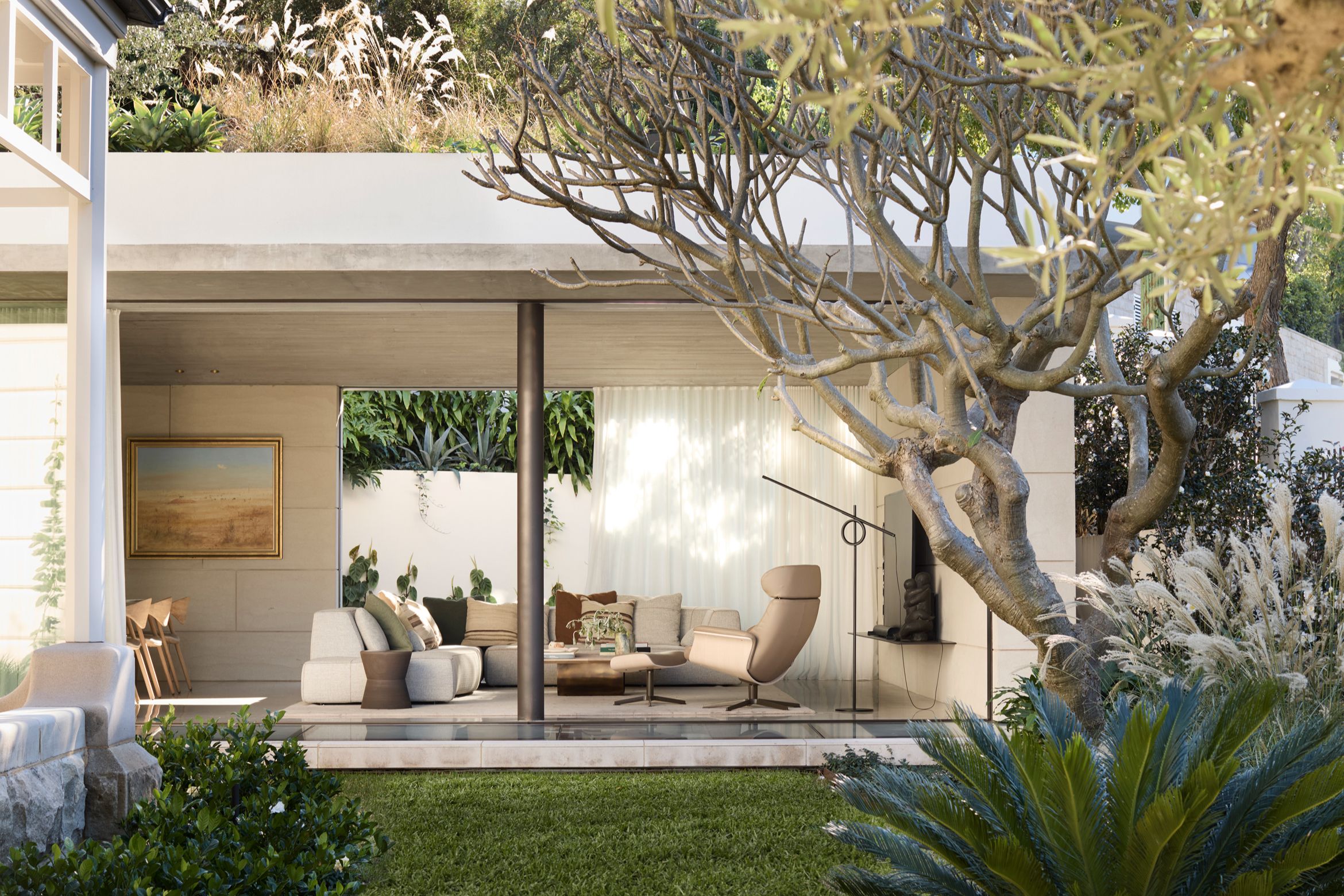
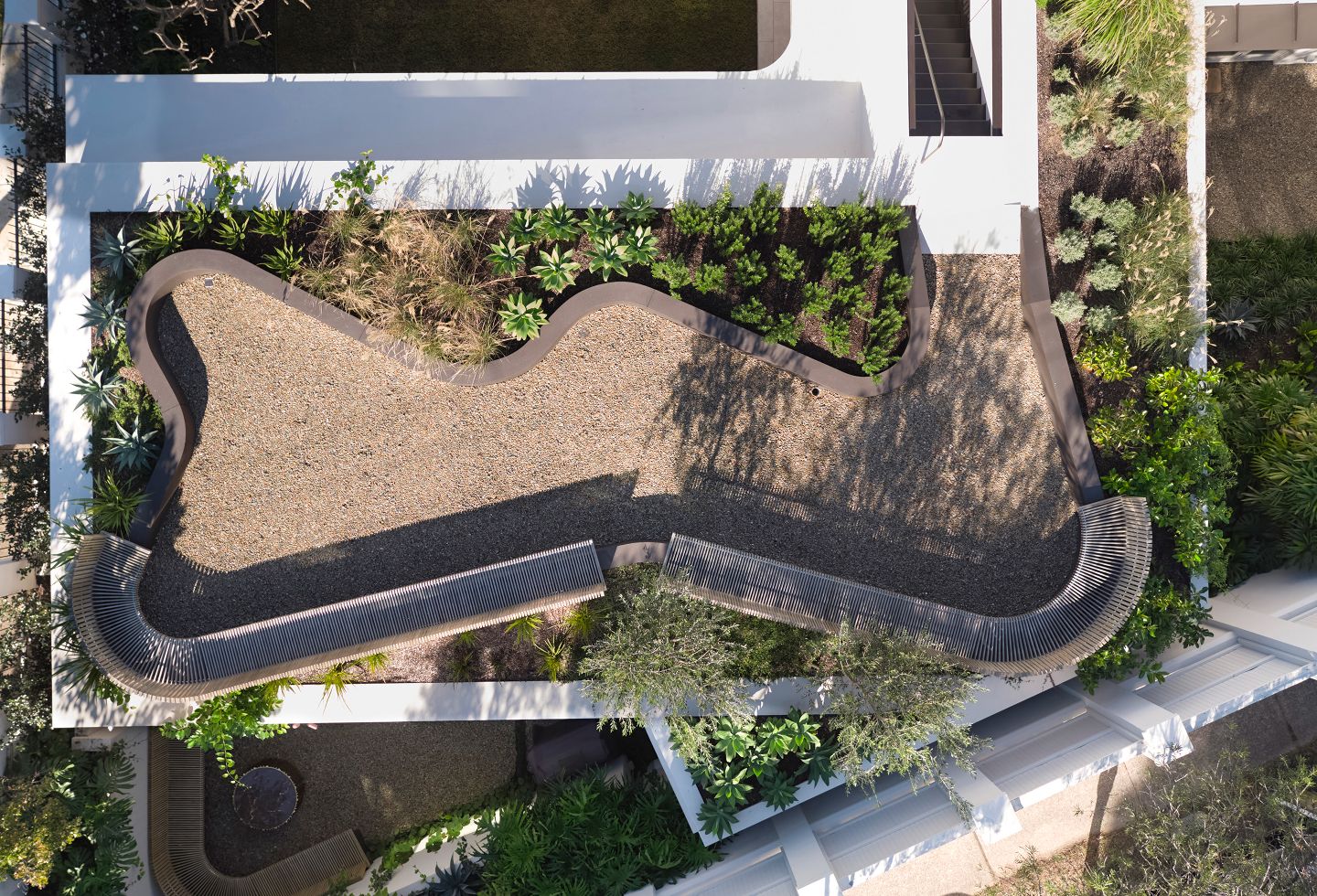
Rather than extending the house in a visible or dominant way, a later garage structure was removed and replaced with a new wing organised across four levels, most of them below ground. The uppermost level accommodates a contemporary kitchen, dining and sitting room, connected directly to a reconfigured roof garden that occupies the former upper garden space. Below, a series of subterranean rooms house a wine cellar, gym, massage room, sauna, spa and swimming pool, alongside the plant and service spaces required to support them.
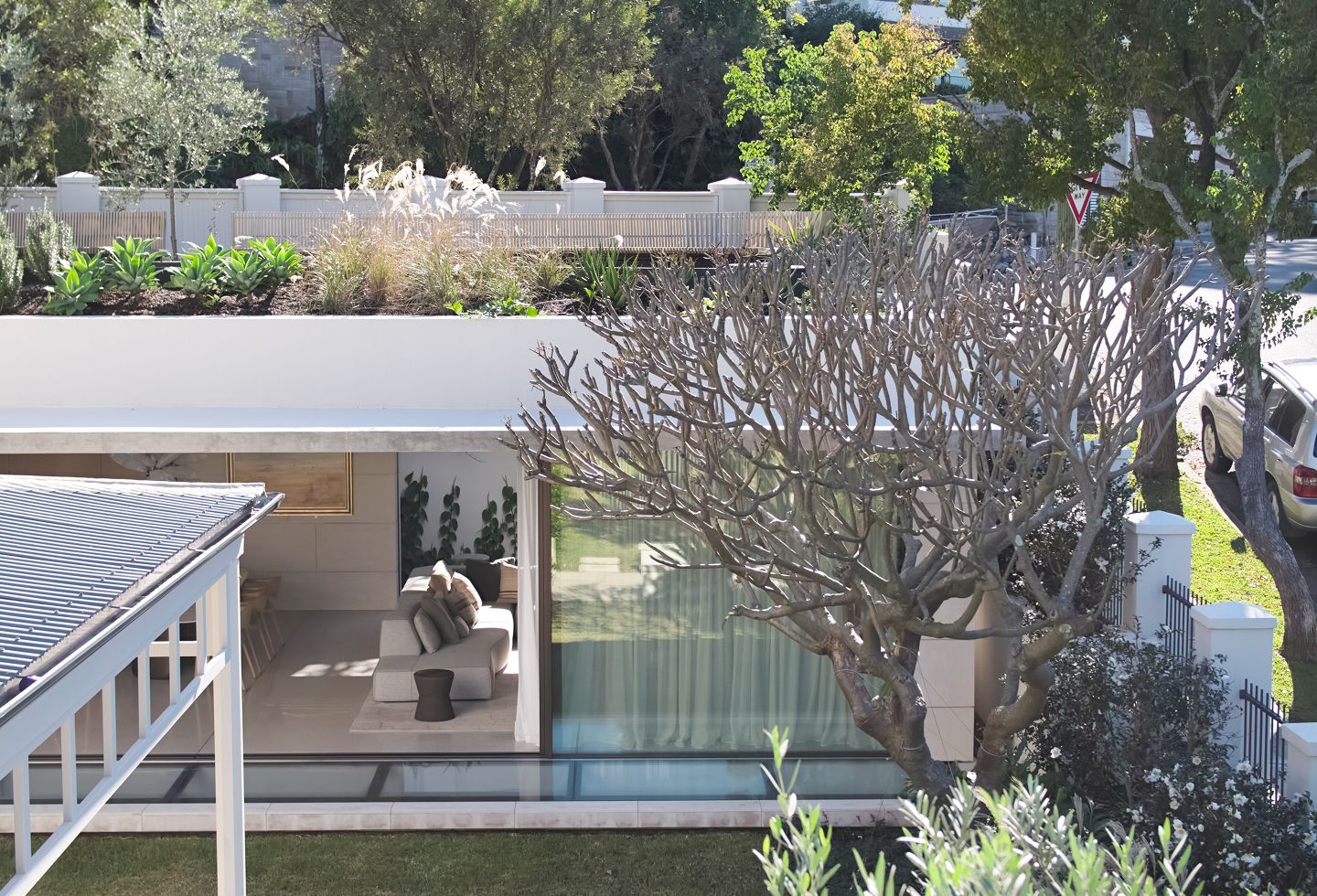
This discreet approach draws on a long tradition of subterranean architecture, where new programs are concealed beneath the existing ground plane to preserve both heritage fabric and landscape character. In Sydney’s lower north shore, where steep sandstone topography is common, such strategies allow functional spaces to be embedded without eroding the leafy ground plane.
The gardens form an important counterpoint to the architecture. Designed by William Dangar of Dangar Barin Smith, they reinterpret Victorian garden traditions through a subtropical lens, combining lawns and defined edges with lush planting that softens the site and restores continuity between house and landscape.
Related: A quiet interior for a life in film
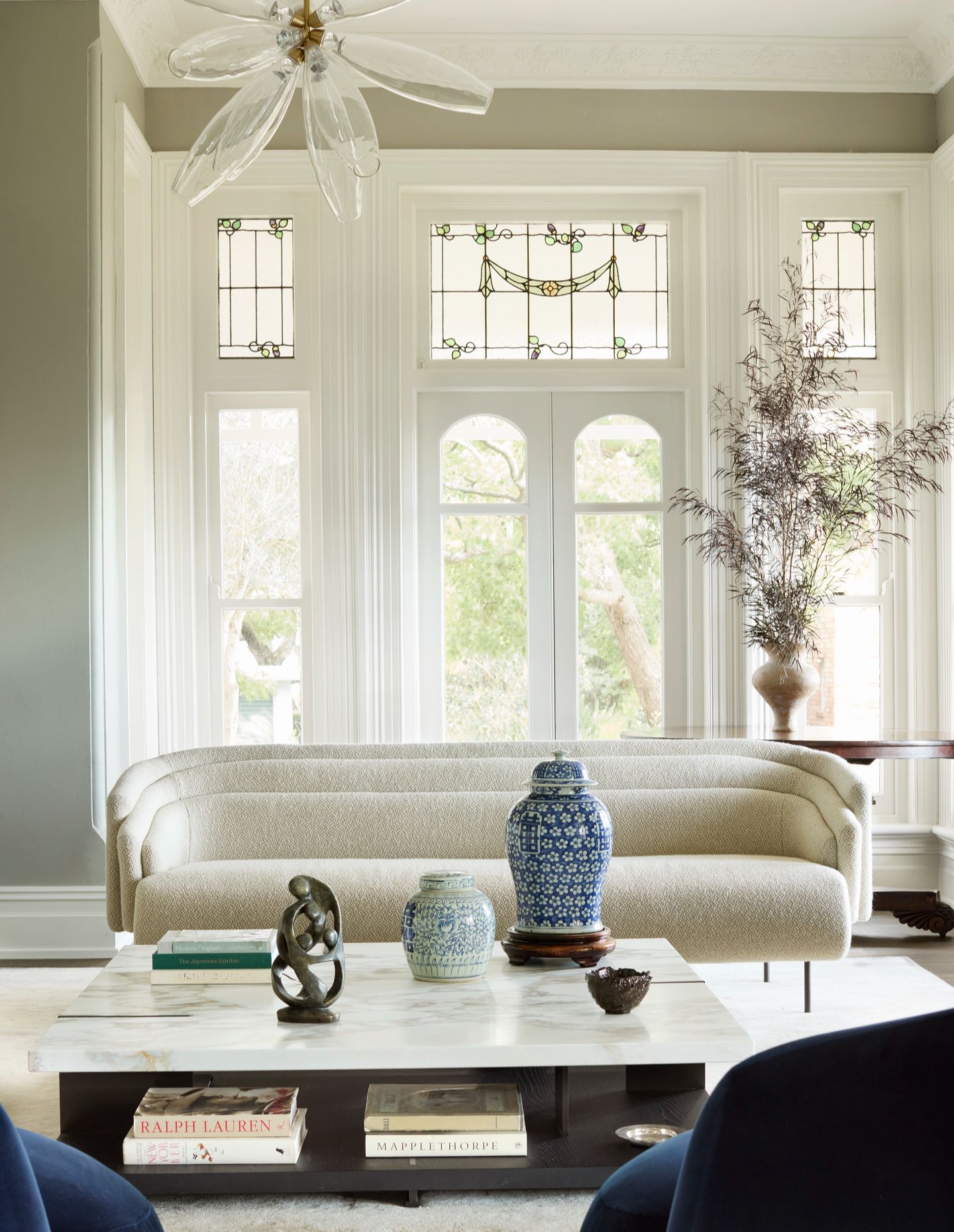
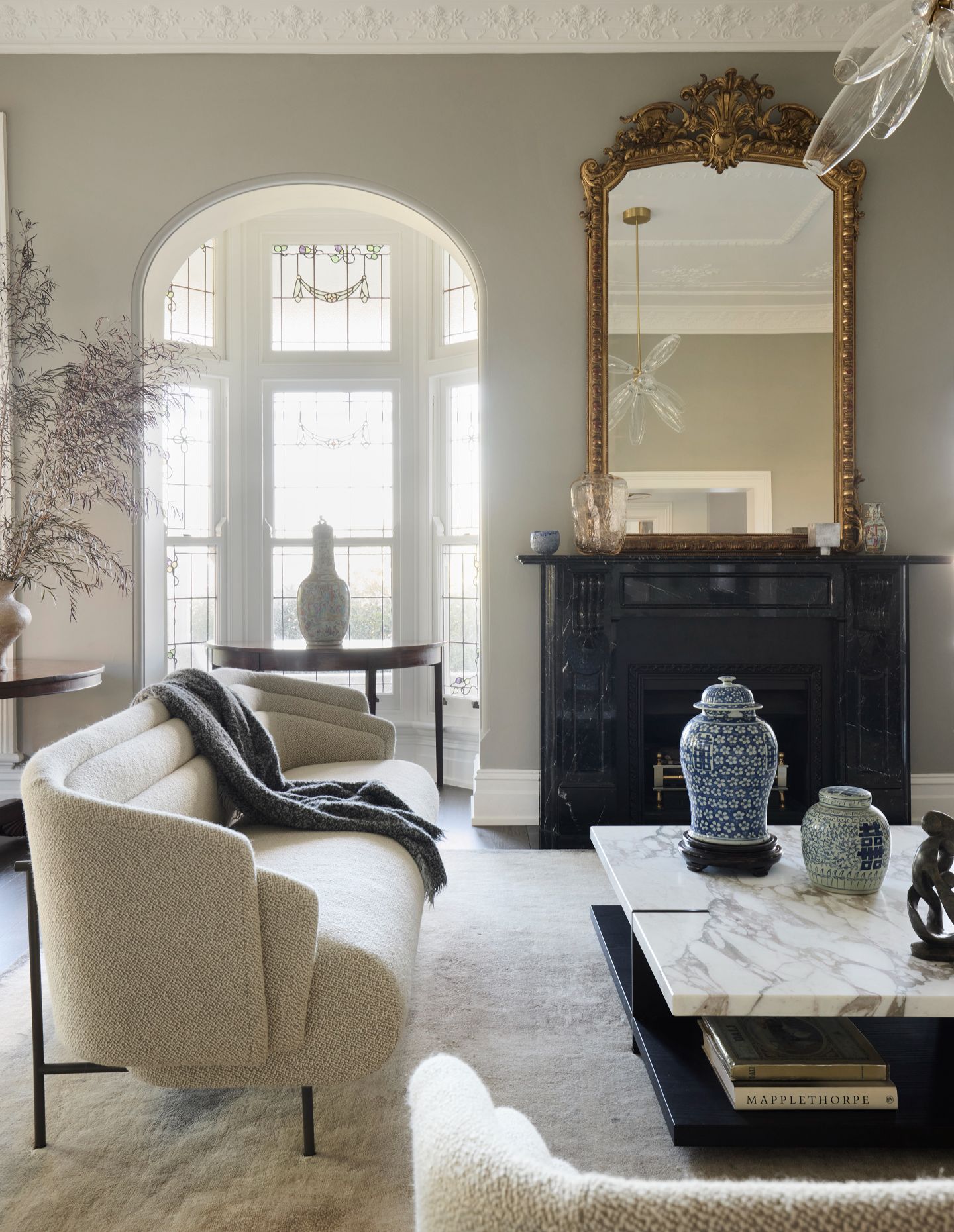
Inside, interior designer Romaine Alwill has worked within the late-Victorian interiors with restraint, layering modernist and classical elements without disrupting the original character. Vernon’s architecture reflects a transitional moment between Victorian ornament and the emerging clarity of the Queen Anne style, a nuance that Alwill’s approach carefully acknowledges.
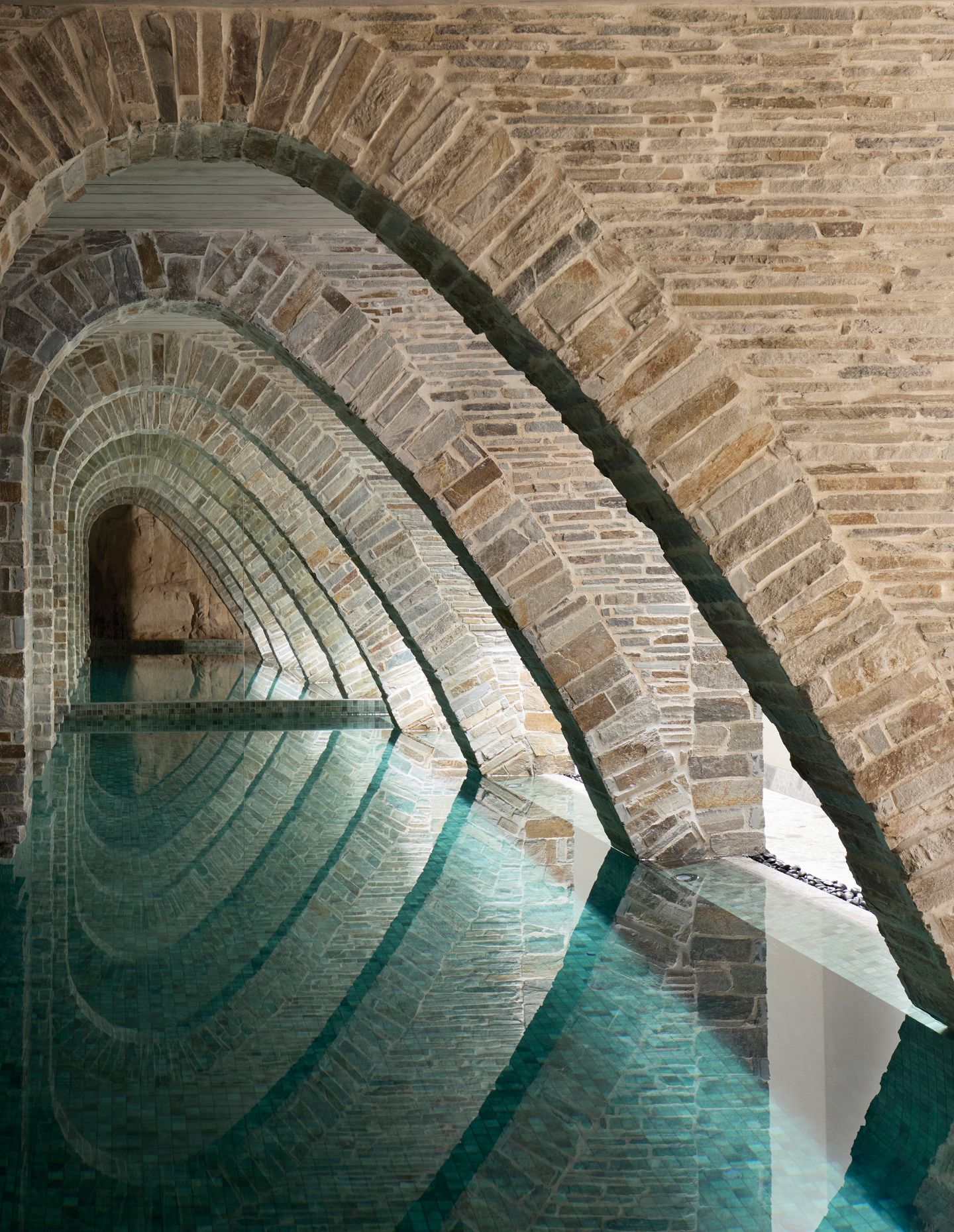
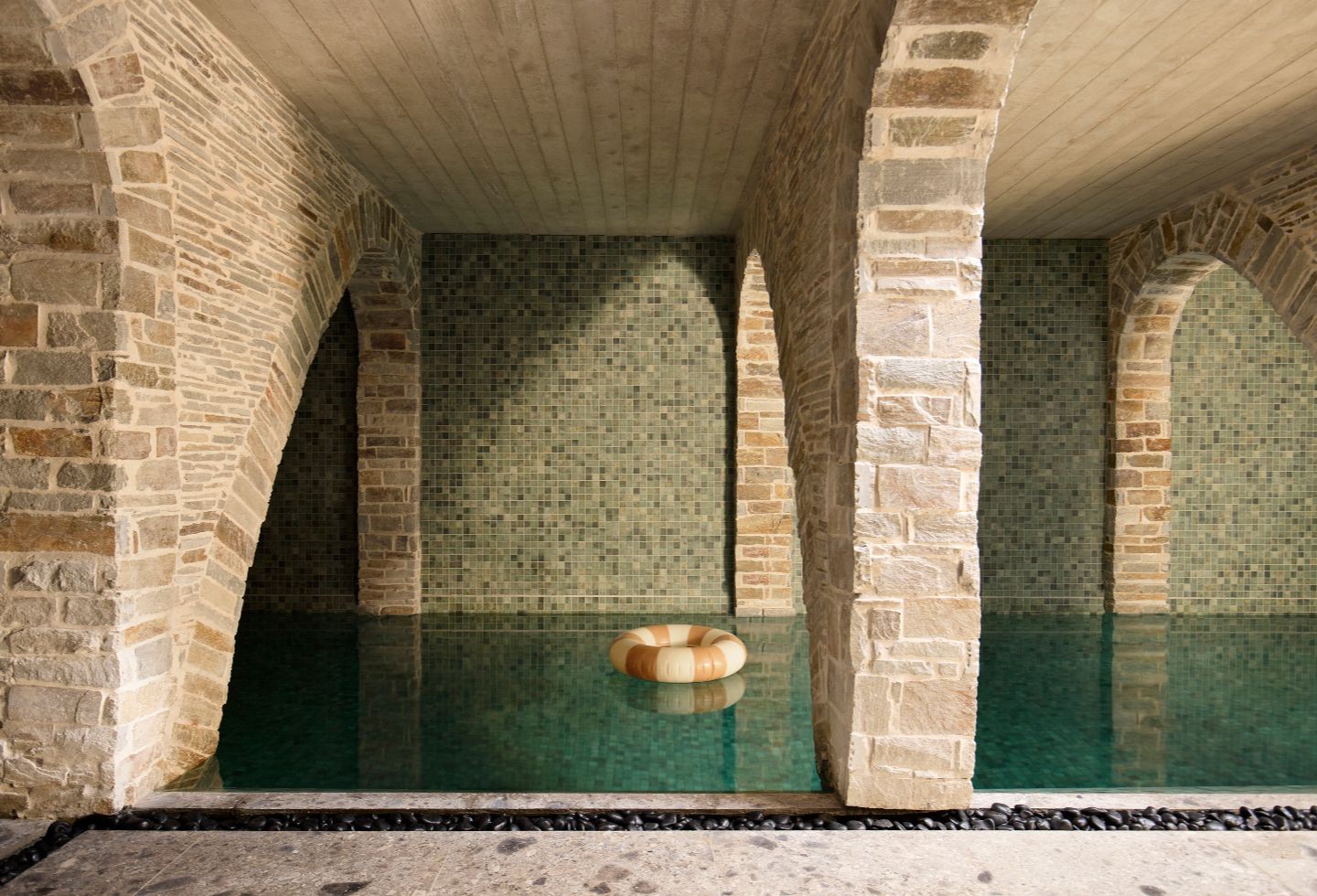
The subterranean swimming pool extends this dialogue between old and new. Excavated from the site’s sandstone ledges, its parabolic arches reference both the language of stonemasonry and structural efficiency, carrying the weight of the levels above. Skylights cut through the floors overhead draw daylight into the pool, maintaining a visual connection to the garden and sky beyond.
Rather than asserting itself through scale or visibility, Hidden Home demonstrates how a heritage home can evolve through careful, measured intervention — preserving its presence above ground while accommodating contemporary life below.