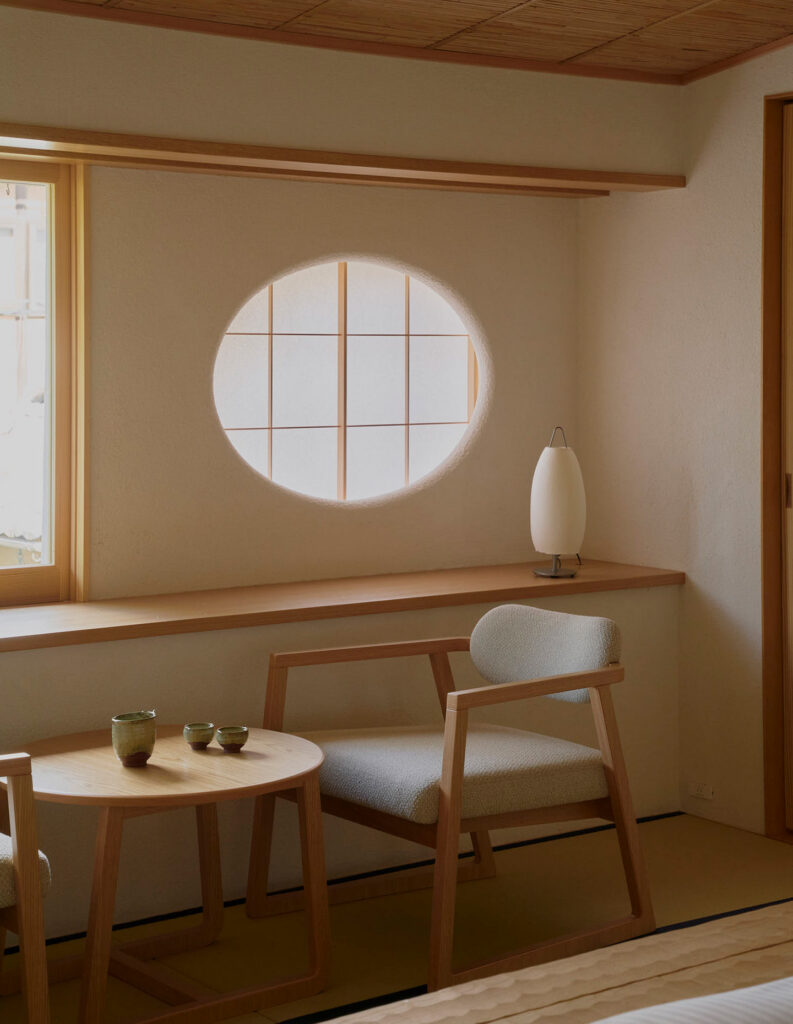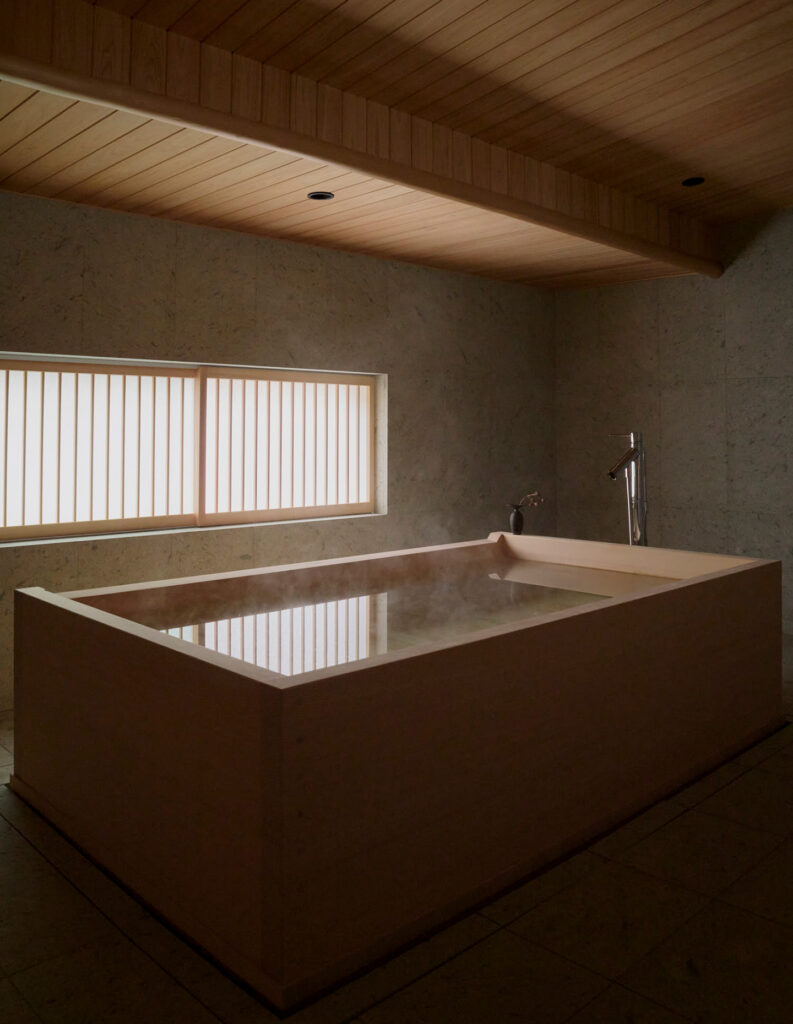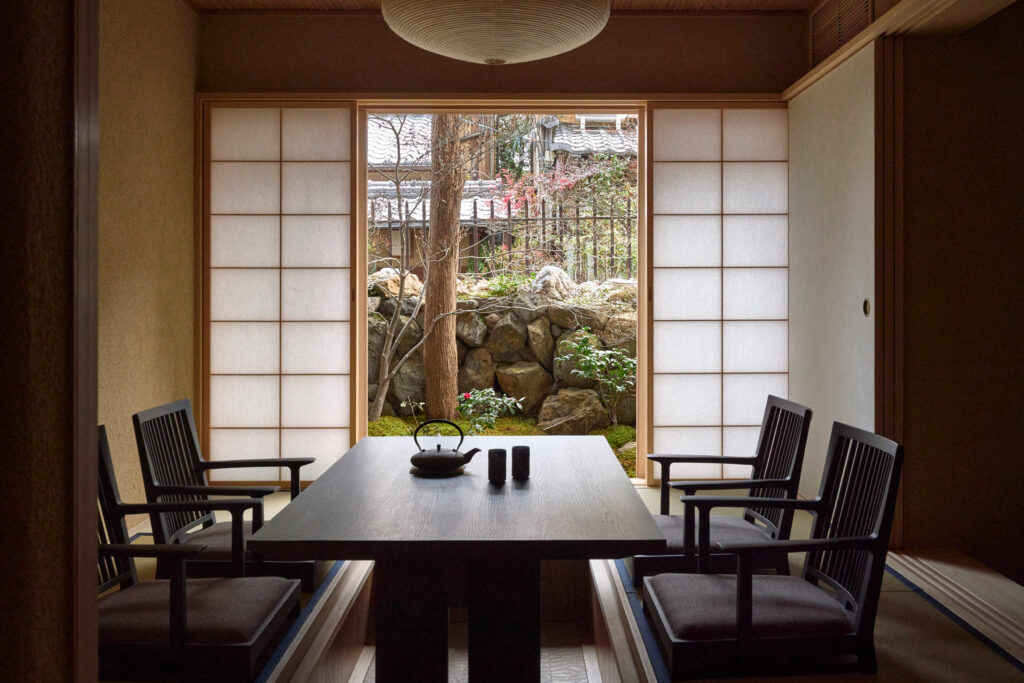

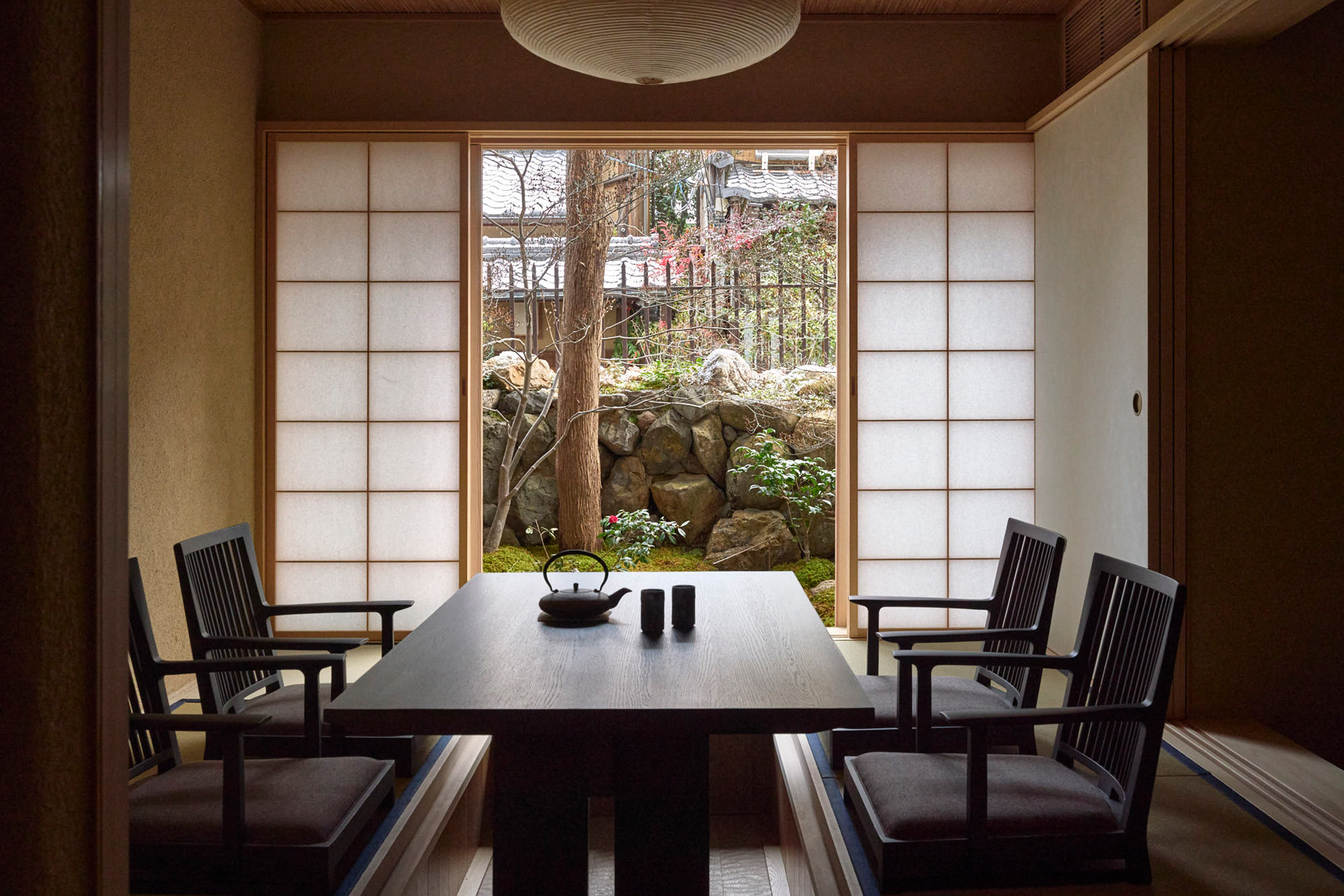
Designed by kooo architects, Kiraku-tei Kiyomizu offers a more personal approach to hospitality. Conceived as a private dwelling first and a place for guests second, the Kyoto residence draws on the traditions of domestic Japanese architecture to create an experience centred on comfort, craftsmanship and everyday rituals. We spoke with the team behind the project about its context and the moments that make it special.
Tell us about the site context.
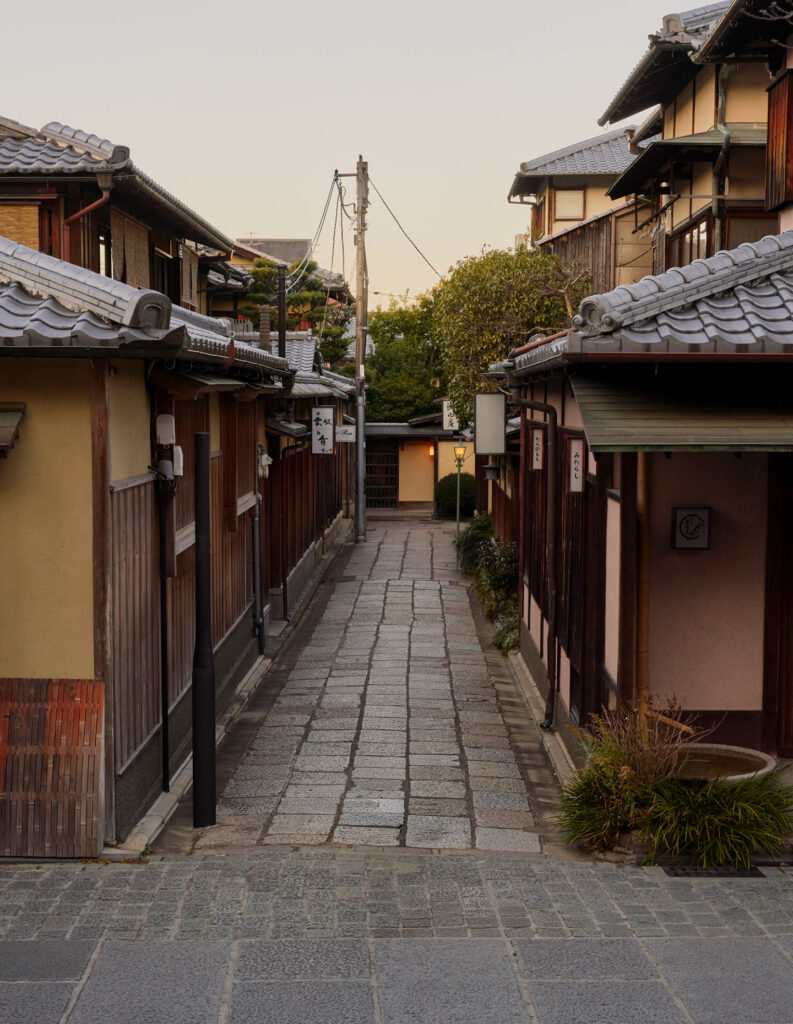
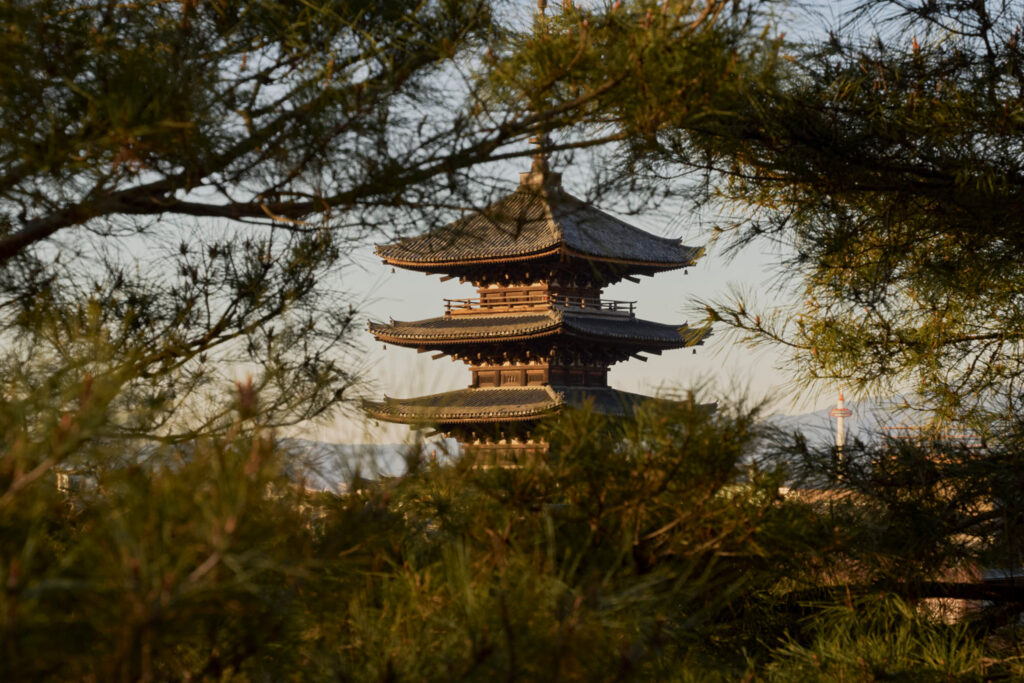
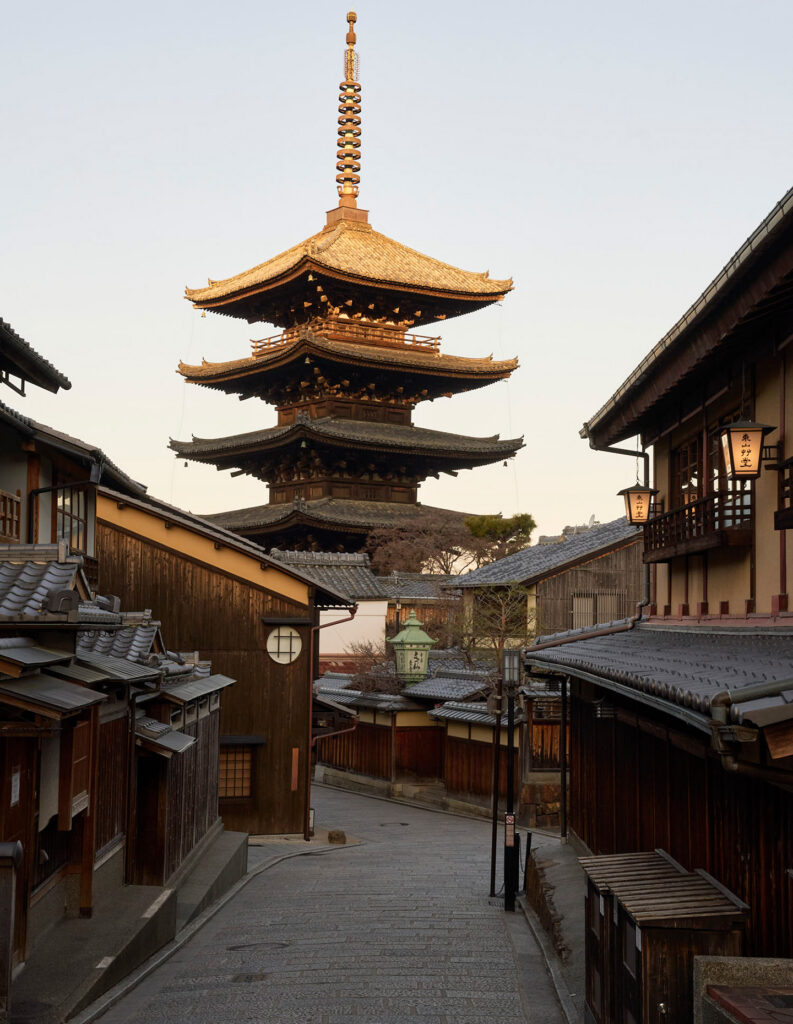
The site of Kiraku-tei Kiyomizu is located in the historic Kiyomizu district of Kyoto, an area characterized by narrow streets, traditional wooden townhouses (machiya), temples, and a dense urban fabric shaped over centuries.
Several aspects of the site context are particularly important:
Historic urban setting: The project sits within one of Kyoto’s most culturally sensitive neighborhoods, where new architecture is expected to respect the scale, materiality and atmosphere of the surrounding built environment rather than compete with it.
Dense neighboring buildings: Like many sites in central Kyoto, the plot is constrained by adjacent structures, limiting direct access to light, views and privacy. This condition strongly influences the inward-looking organization of the house.
Cultural landscape: The proximity to historic temples and traditional residential architecture creates a context where craftsmanship, natural materials and subtle detailing carry particular significance. The project responds by emphasising timber construction and a spatial experience rooted in Japanese architectural traditions.
The project’s success comes from transforming these limitations — density, privacy requirements and contextual sensitivity — into a sequence of calm interior spaces that feel connected to Kyoto’s architectural heritage.
Related: Small moves, big impact in East Ryde
What can you tell us about the client and their brief?
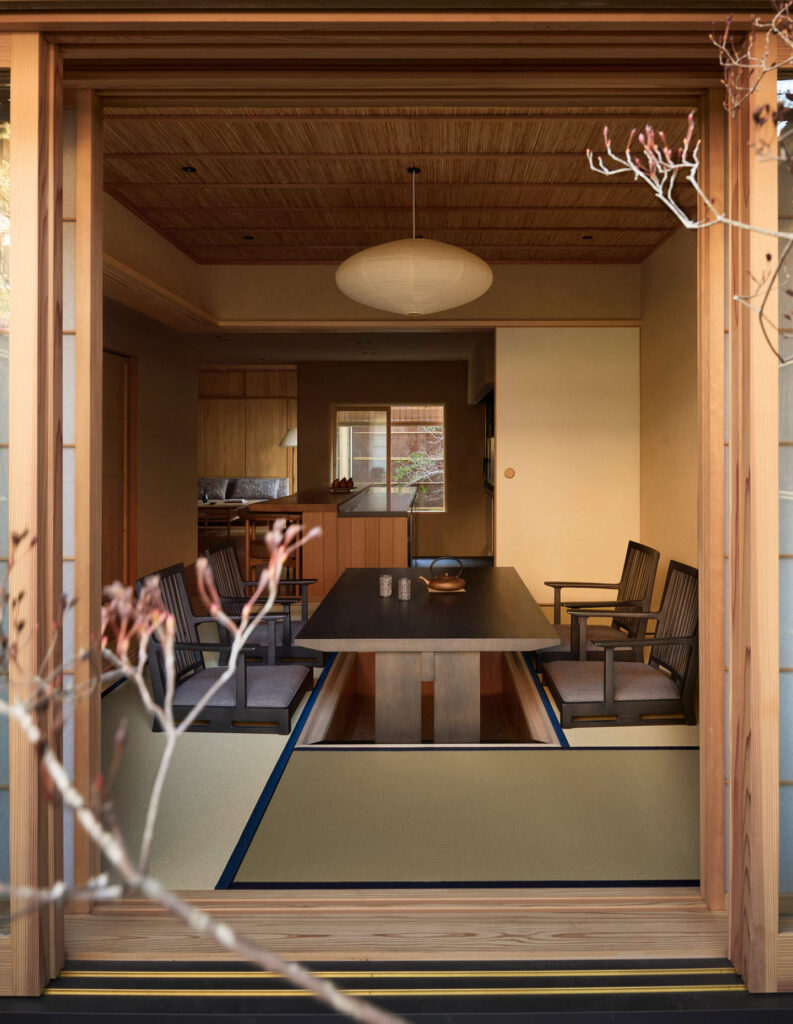
The brief was to create a home away from home — a place that would offer the comfort, warmth and familiarity of a private residence while functioning as a retreat for guests visiting Kyoto. Rather than feeling like a conventional hotel, the design seeks to provide the atmosphere of a second home, combining privacy, craftsmanship and a strong connection to local architectural traditions.
What are the key material and structural choices?
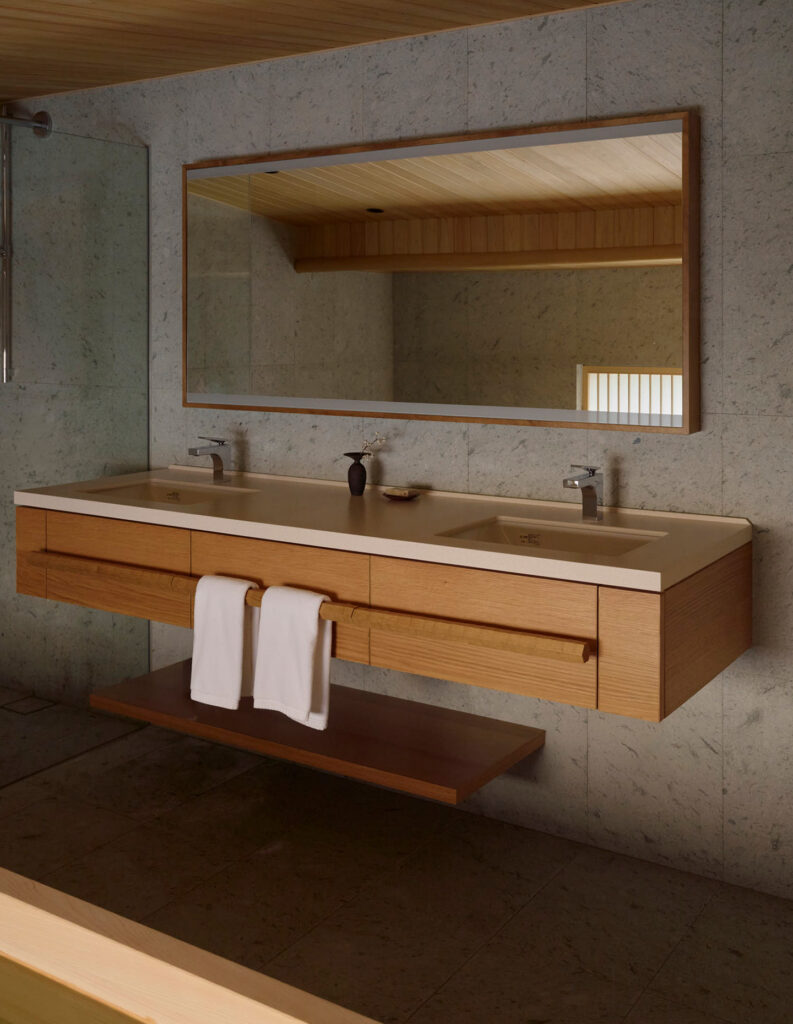
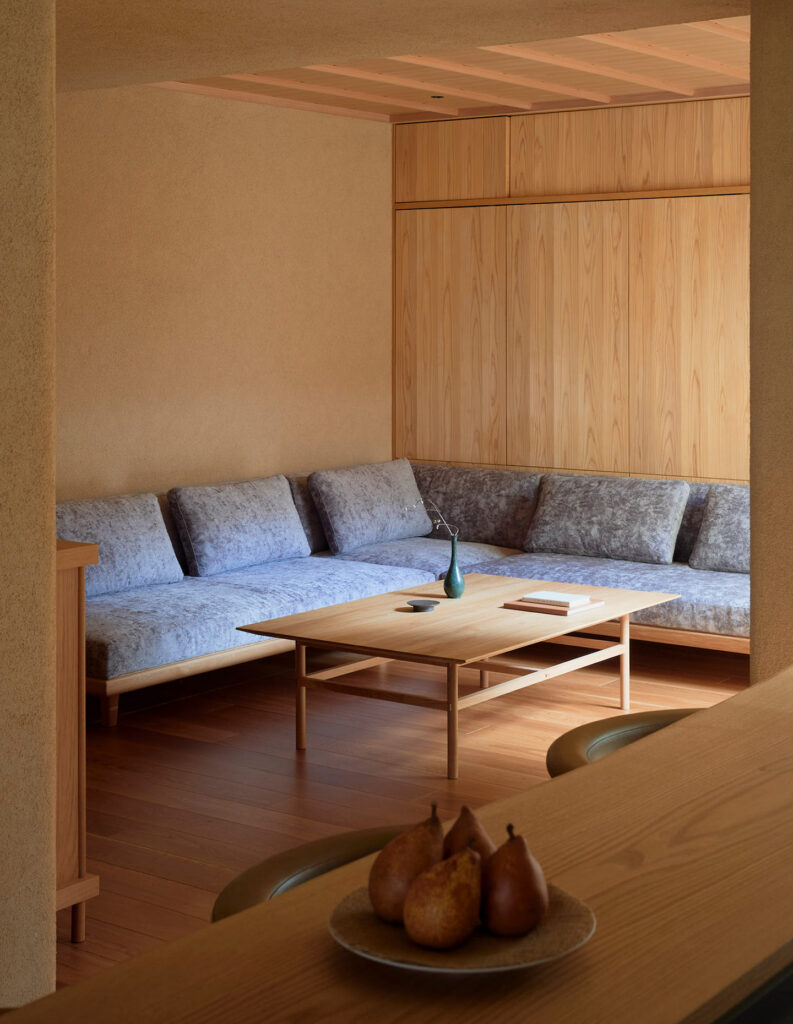
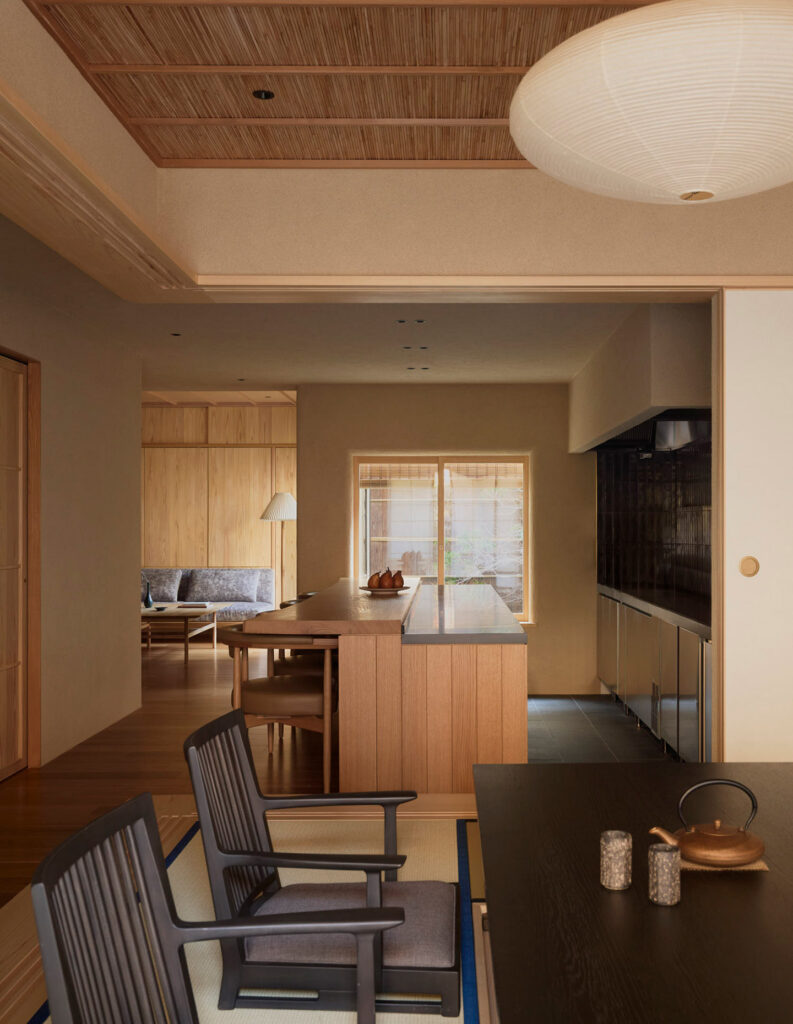
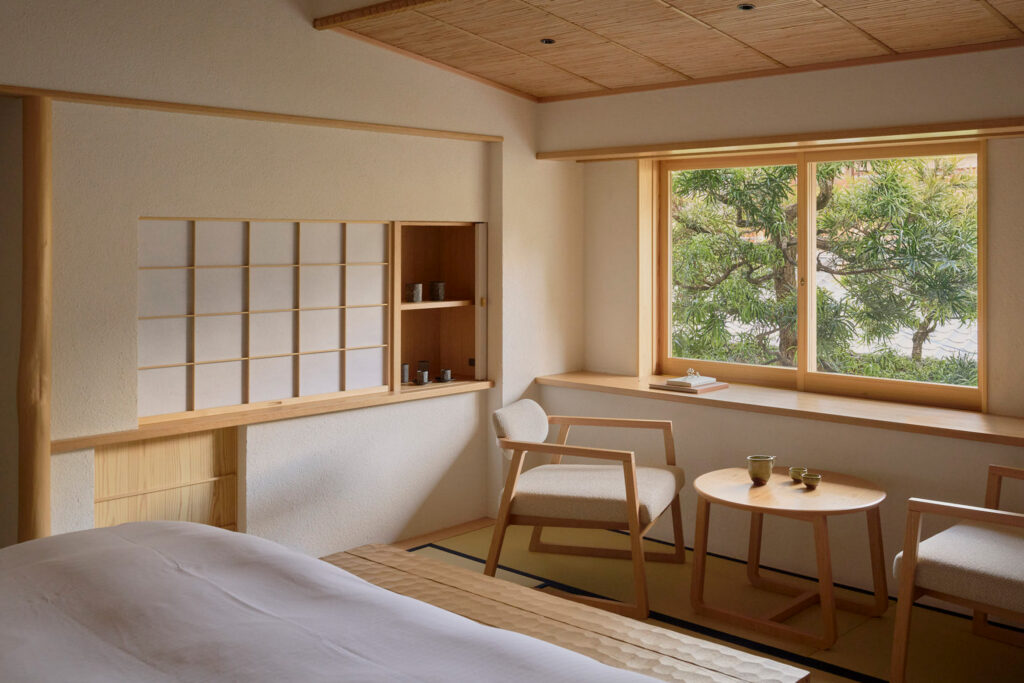
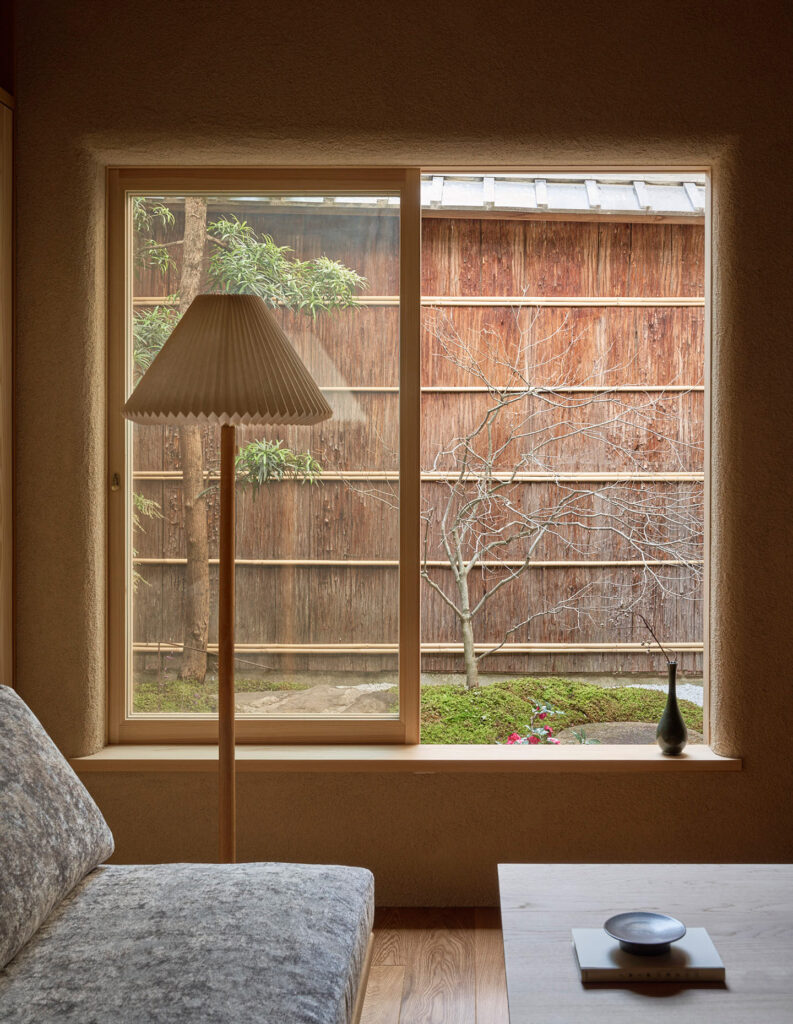
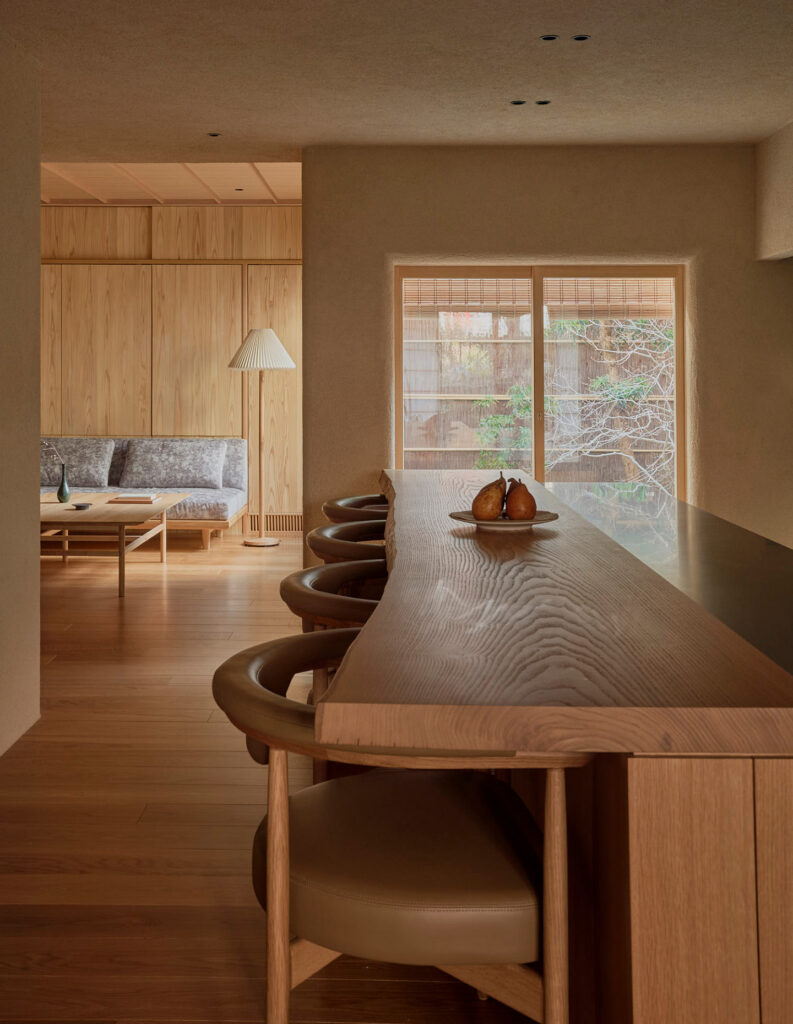
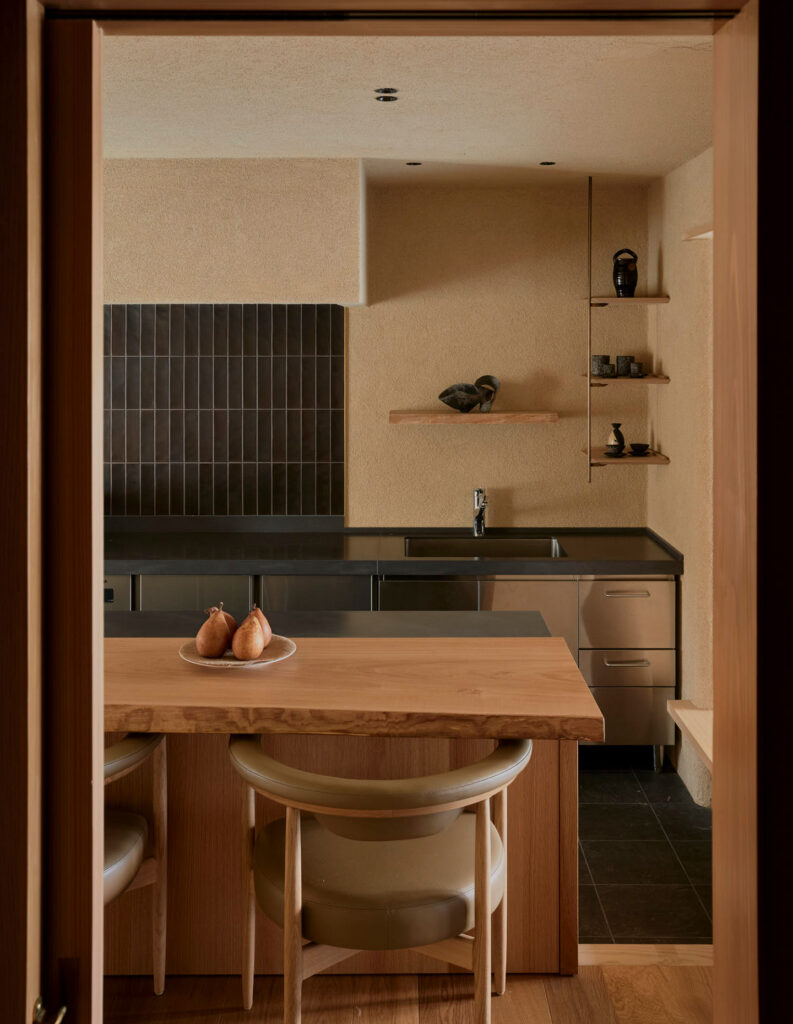
Kiraku-tei Kiyomizu is primarily constructed from timber, reflecting traditional Japanese building techniques and a strong emphasis on craftsmanship. Wood is complemented by natural materials such as plaster and stone, creating a warm and tactile atmosphere. The structure combines traditional spatial principles with contemporary engineering, resulting in a refined, durable and light-filled residence.
What key functional requirements does the design address?
The design addresses the need for privacy, natural light and comfortable living within a dense urban setting. It carefully organises spaces to create a sense of calm and openness while maintaining connections to nature, supporting both everyday domestic life and the welcoming of guests in a tranquil environment.
What are your favourite parts or moments in the design?
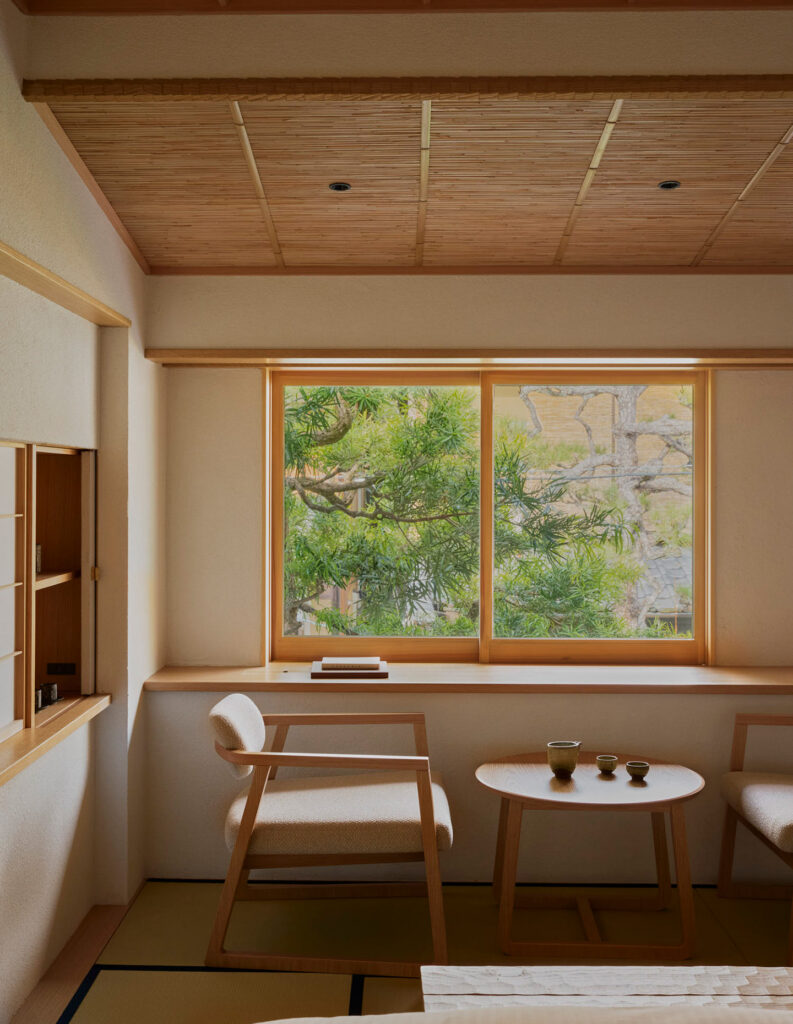
Overall, all the spaces within the design invite you to slow down. The craftsmanship is exceptionally well executed, creating an environment where every detail feels considered and purposeful. The contact with natural materials and surfaces feels effortless and authentic, while the careful modulation of daylight gives each room a remarkable sense of generosity and calm.
Together, these qualities create a home that feels both intimate and spacious, offering a deeply comfortable and timeless living experience.