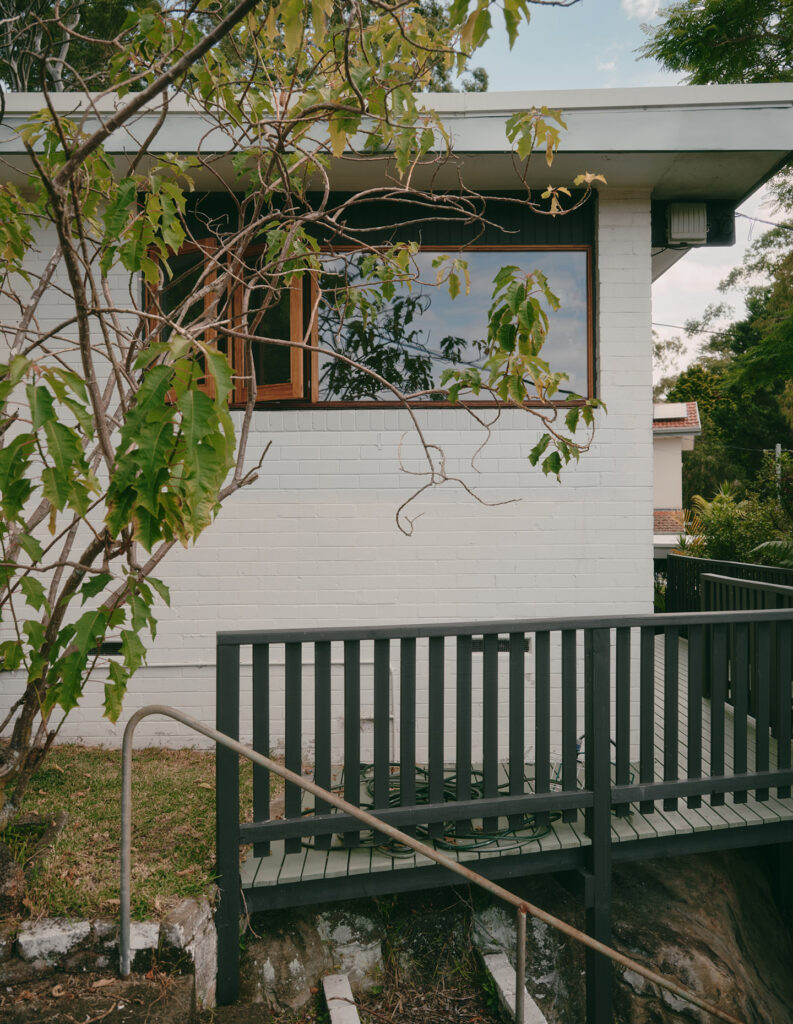

In this project, Charmaine Pang Architect has renovated and reconfigured the living space and bathroom of a post-war home for a family of four. With multiple challenges and a constrained budget, the transformation is not only an update of an impractical spatial layout, but also creates greater connectivity for the clients.
While House in East Ryde is a small project at just 53-square-metres, the new design works hard to deliver all that was required. The brief from the client to Charmaine Pang, lead on the project, was to improve the living spaces and create connection, update the family bathroom, include a place for working from home, add more storage and provide better access to the garden.
With a long list of must-haves and such a small floor area, Pang has achieved so much and has delivered a relaxed and contemporary lifestyle for her clients.
“A contemporary home needs to do many things – functionally respond to the clients’ needs and hopefully lend a sense of ease in their busy lives, but also respond to its place setting and natural environment. Ideally there are spaces to come together as well as retreat to, and spaces that can adapt as families move through different life phases,” comments Pang.
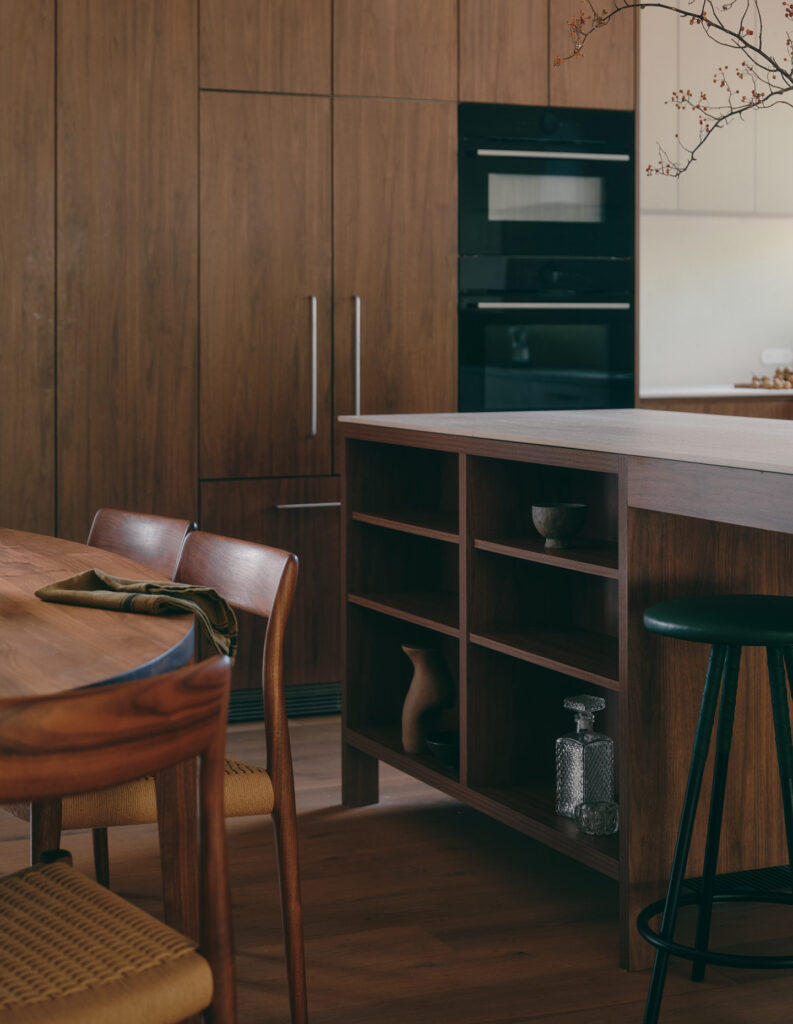
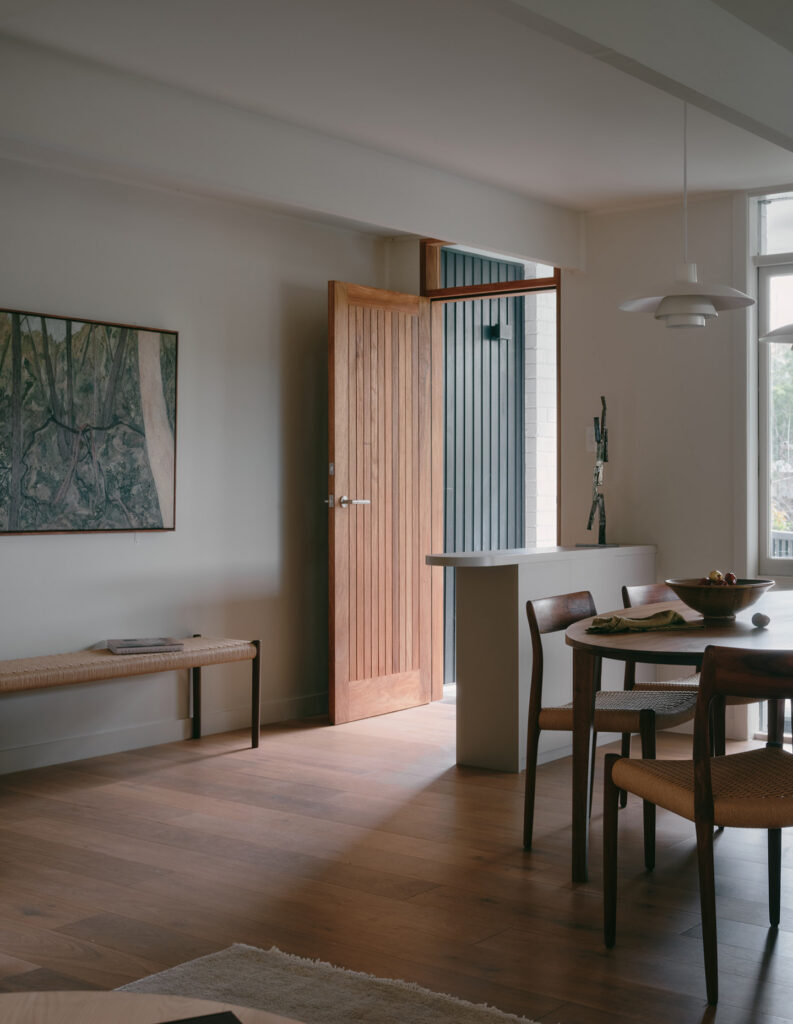
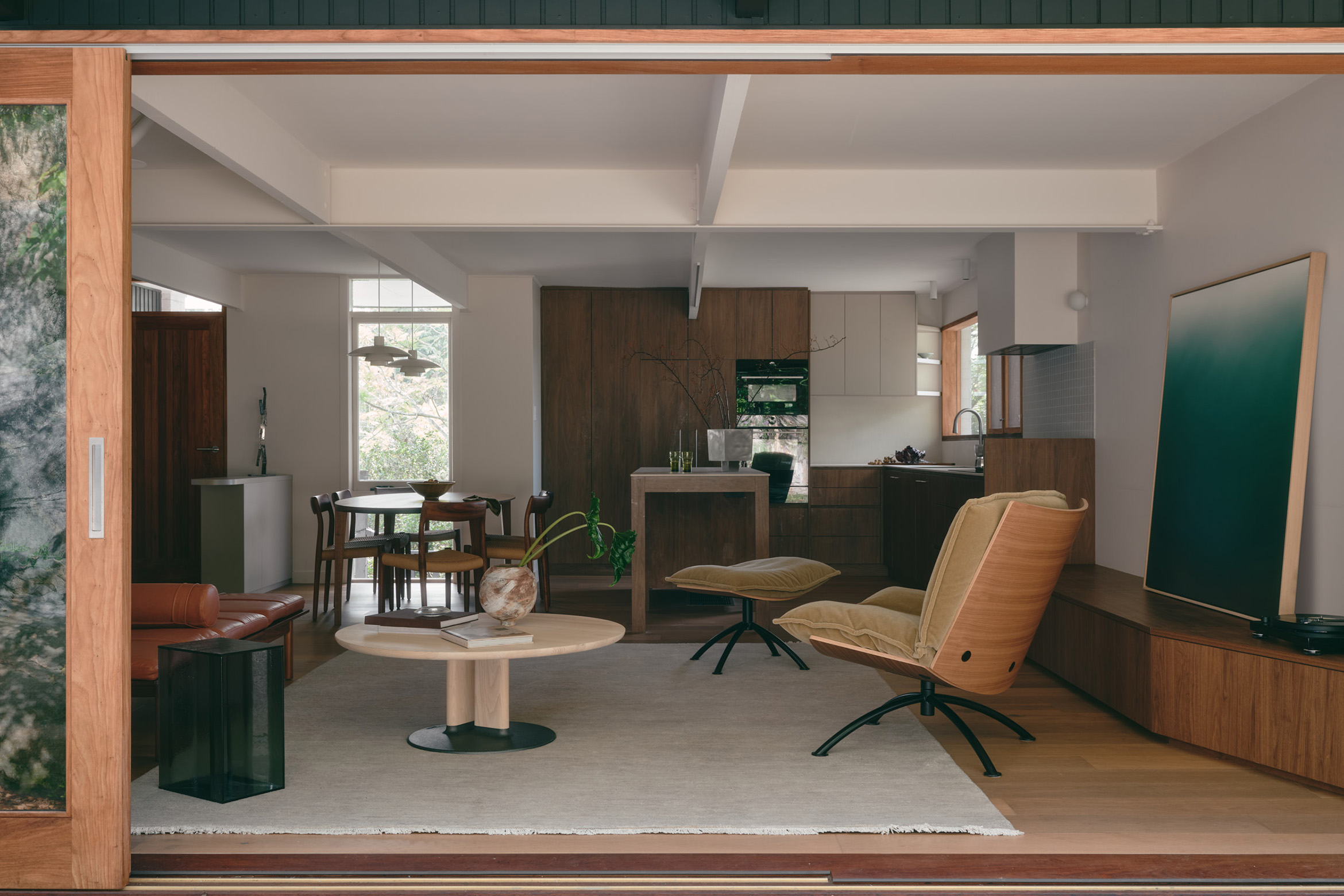
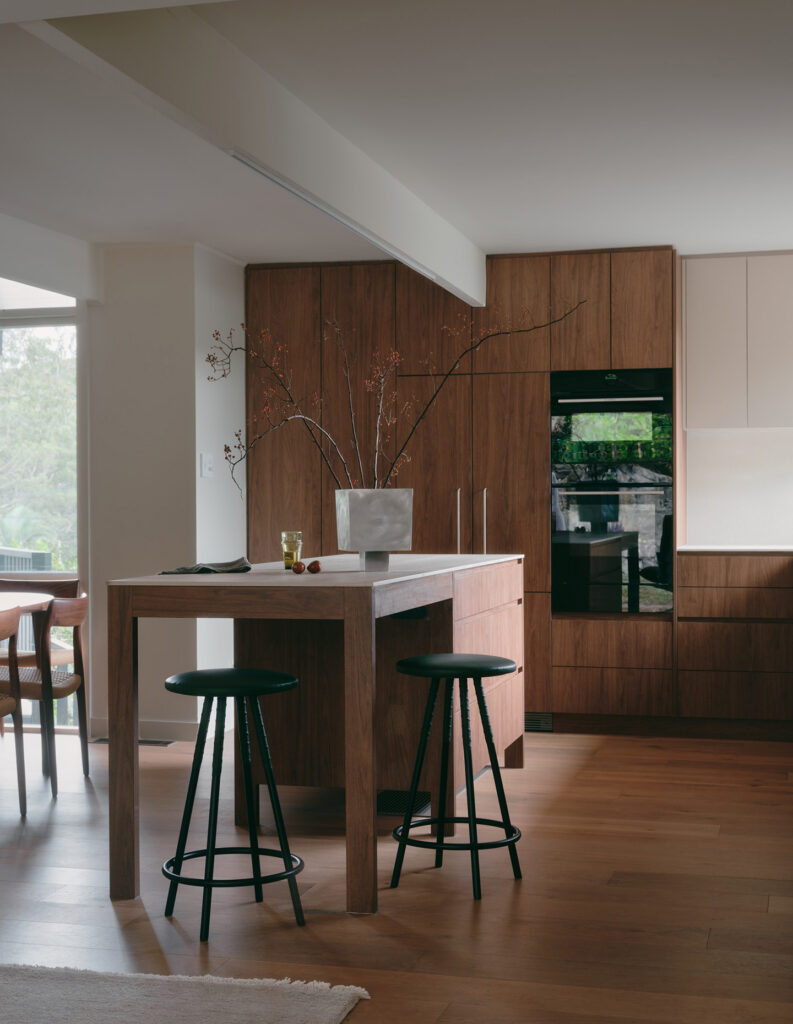
The main intervention has been the removal of a wall that divided the living area and kitchen, replacing it with a steel beam that reflects the style of the original ceiling beams. The kitchen island bench is large and has become the heart of the home, while a window was inserted into the existing opening and modified to suit the new bench height. The new sill height improves privacy from the adjacent public stair, while the casement windows improve natural ventilation. The client says sitting at the bench facing the window, with elevated views beyond, is now a favourite pastime.
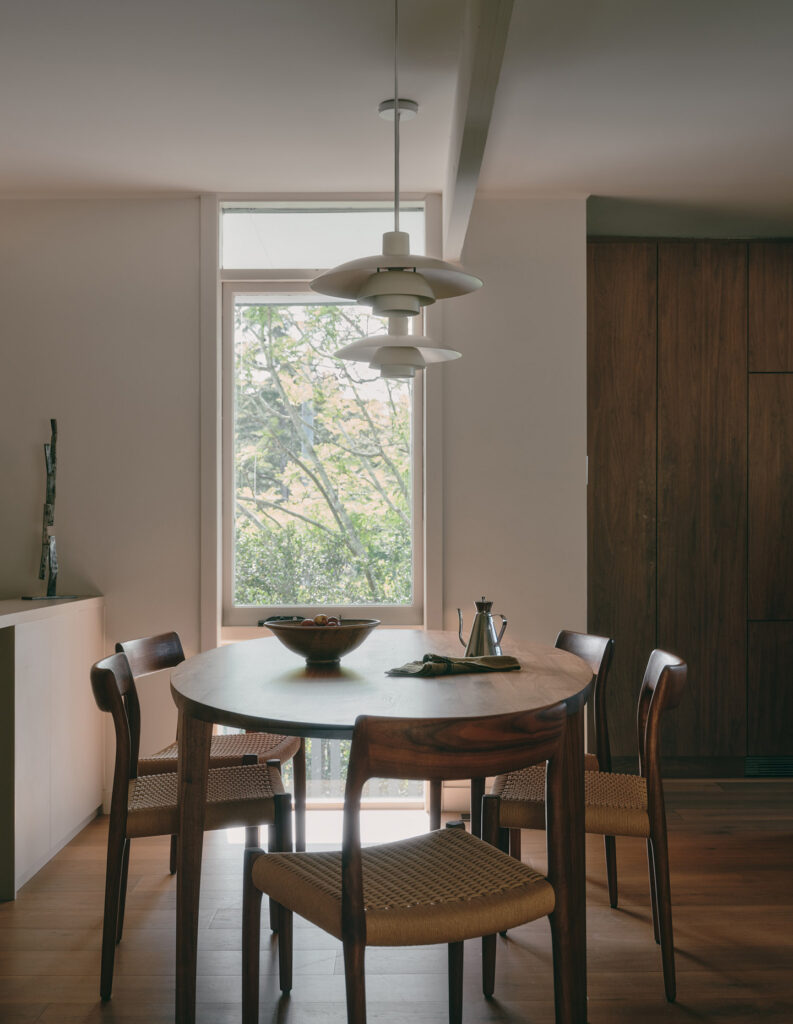
As an open-plan living, dining and kitchen space, the family can now gather and entertain guests, while flow between areas and excellent cross-ventilation enhance everyday living.
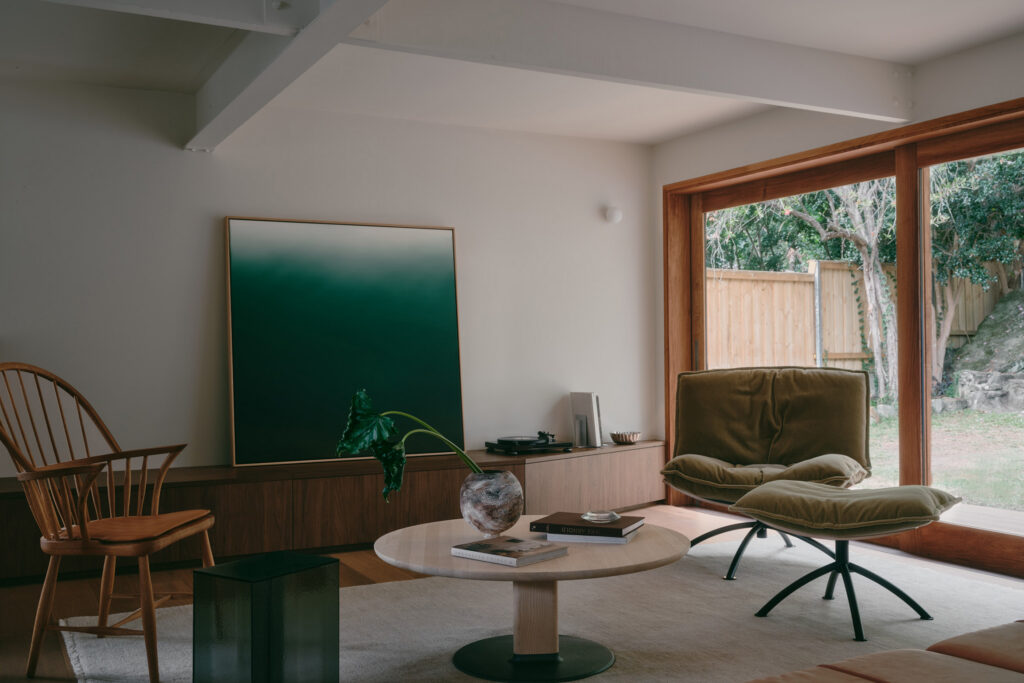
The small two-metre bifold door opening to the garden has been removed and replaced with a grand opening measuring 5.2 metres wide. As a three-panel sliding door, it opens completely and stacks externally out of sight. The outdoors becomes another room for the family and, with visual sightlines through to the garden, children can play safely.
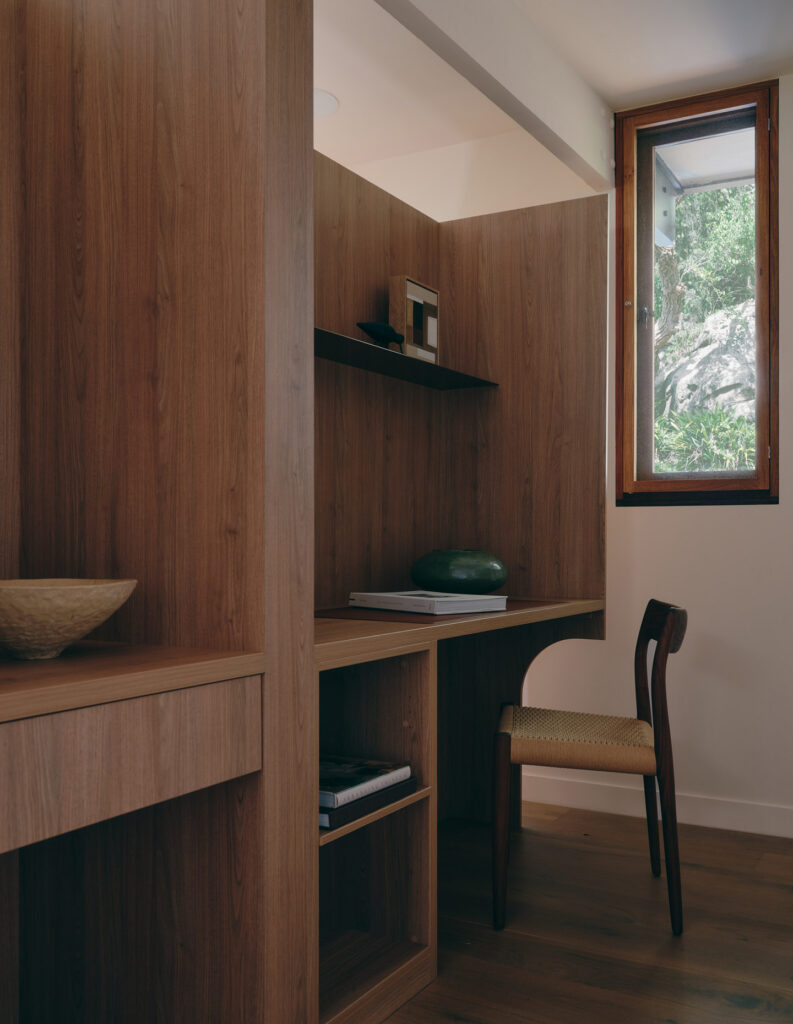
Joinery has also been integral to the new design, with a small unit defining the entry area and a timber pod providing a study space and drop-zone for keys and bags next to the living room. Previously, the clients, who work from home, used the dining table as their office, but now there is a designated work area that is private, comfortable and tucked away.
Related: Connected independence at Moor House
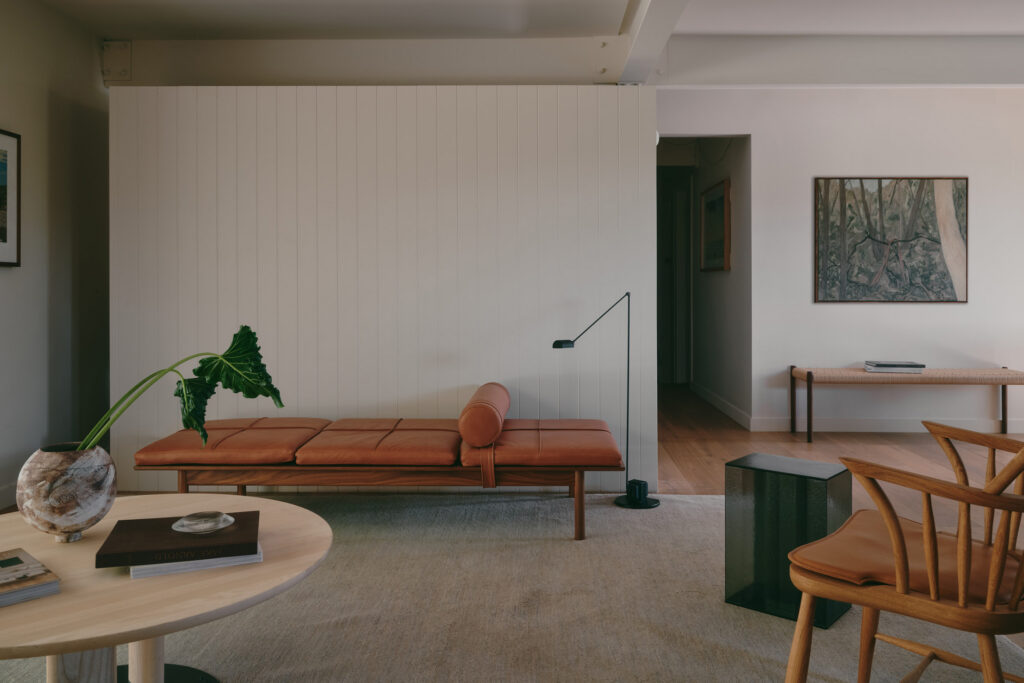
Pang says, “The free-standing pod stops just shy of the existing beams, allowing the original character and integrity of the structure to be retained. We opted for a material contrast between the living room side and the study side of the pod to reinforce the social and private use of these spaces. The pod finishes are an intentional reference to the original cladding and bush context.”
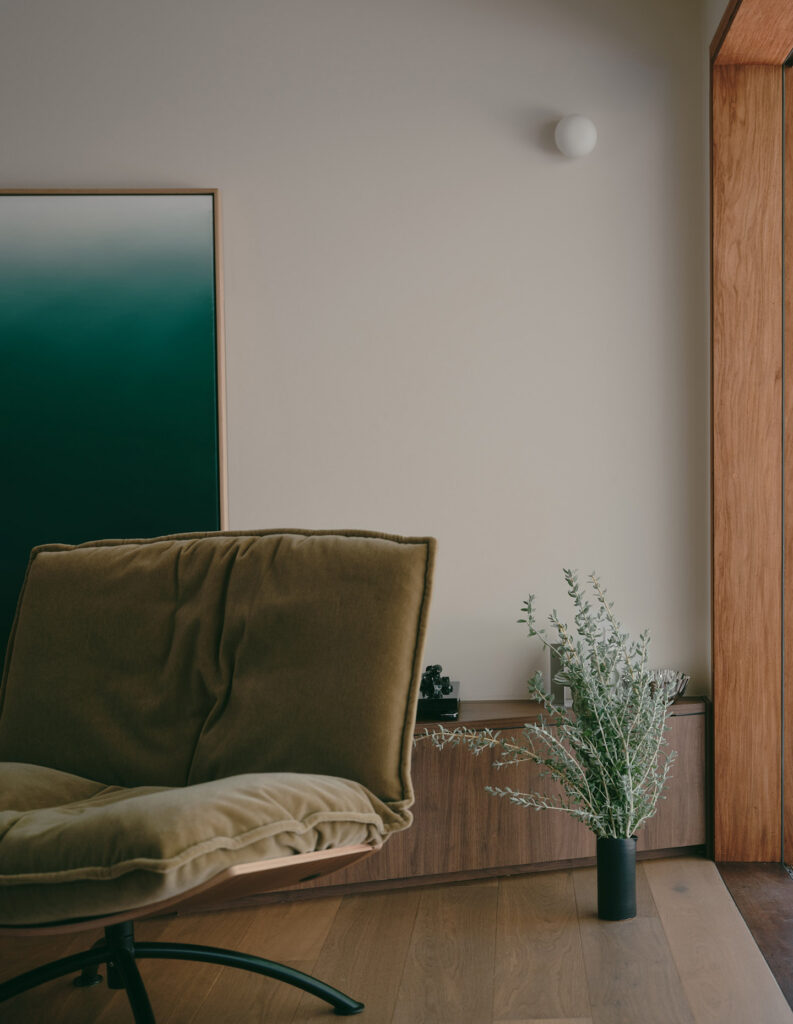
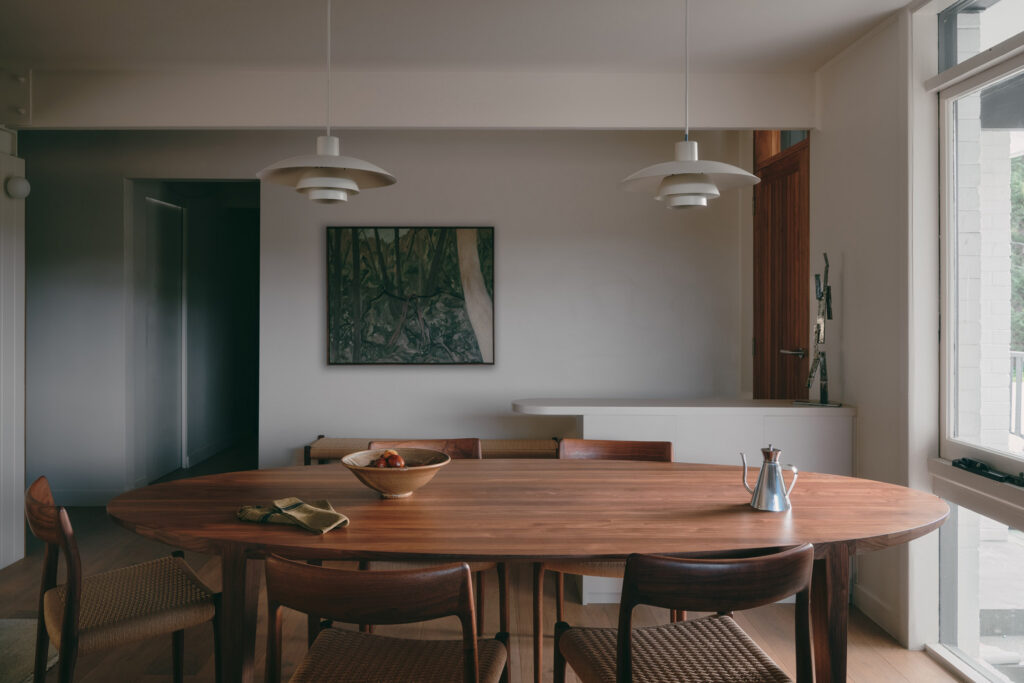
Pang has countered the low ceilings by painting them white, while dark timber joinery in the kitchen and entertaining areas helps anchor the space. Lighter finishes to the pod create distinction. The colour palette is minimal, with creams, whites and dark timber hues, while carefully selected furniture pieces complement the materiality.
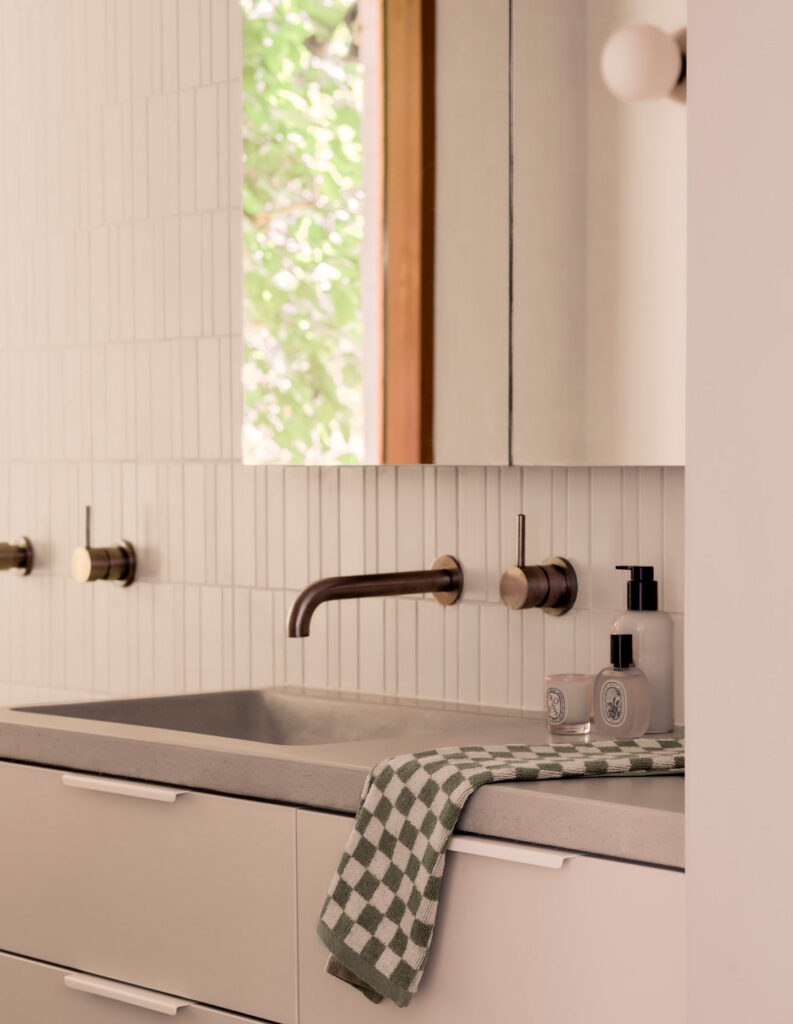
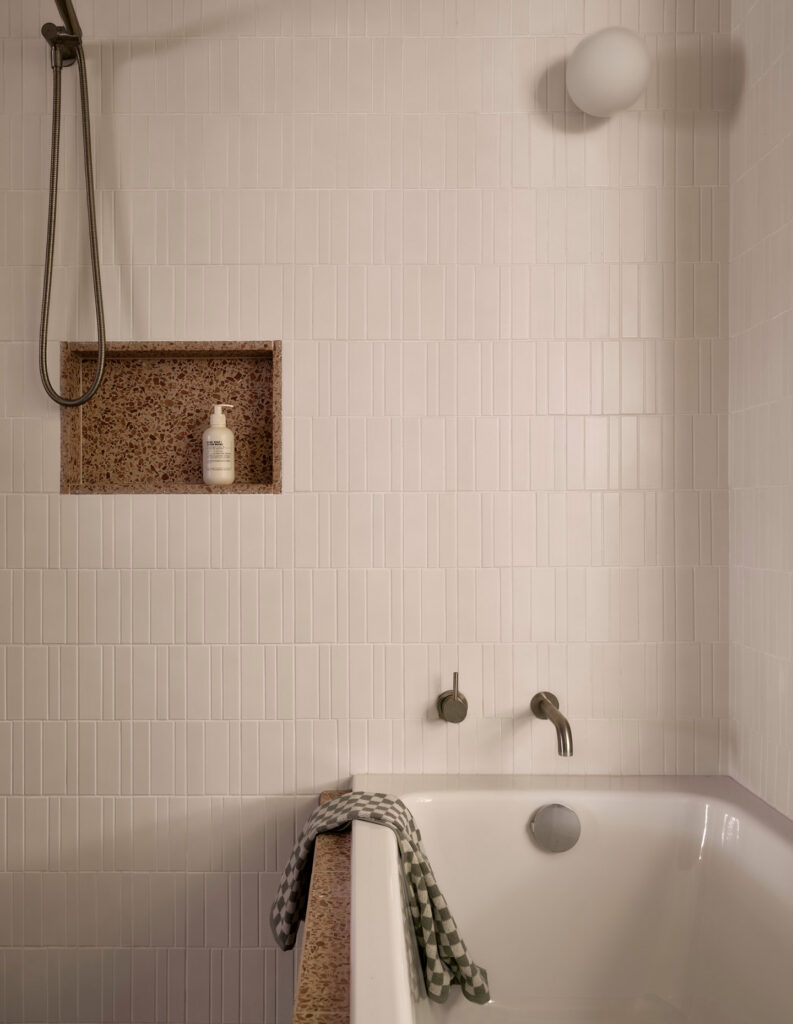
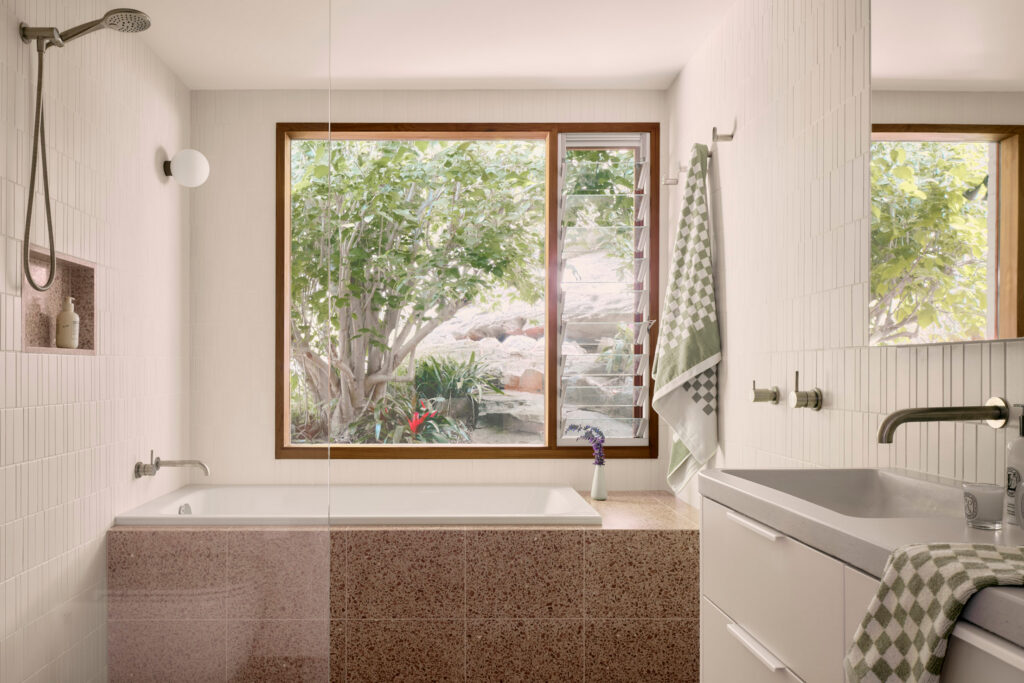
As the house has three bedrooms, it was imperative that the sole bathroom could provide all that a family of four might require. To achieve this, Pang reconfigured the original space, utilising every millimetre. Small-format wall tiles and red-toned terrazzo flooring reference the brick and rock materiality of the dwelling, while a new louvred window frames views of the surrounding greenery and supports better ventilation.
This is certainly a petite project; however, Pang has redesigned the home with big results. The renovation has been completed sympathetically to the home’s original architectural features, finishes reflect the surrounding landscape, and there is a connection between people and spaces that invites harmony and wellbeing. In this home, it is the small moments of design that make all the difference.
Charmaine Pang has achieved a wonderful result and, having completed a master plan for the remainder of the home, perhaps in the future there will be a total renovation.
However, with the public spaces redesigned, House in East Ryde becomes a family home ready to face the next decades with style and grace. In this project, incremental improvements have made enormous gains in living better and showcase the art of the architect to perfection.