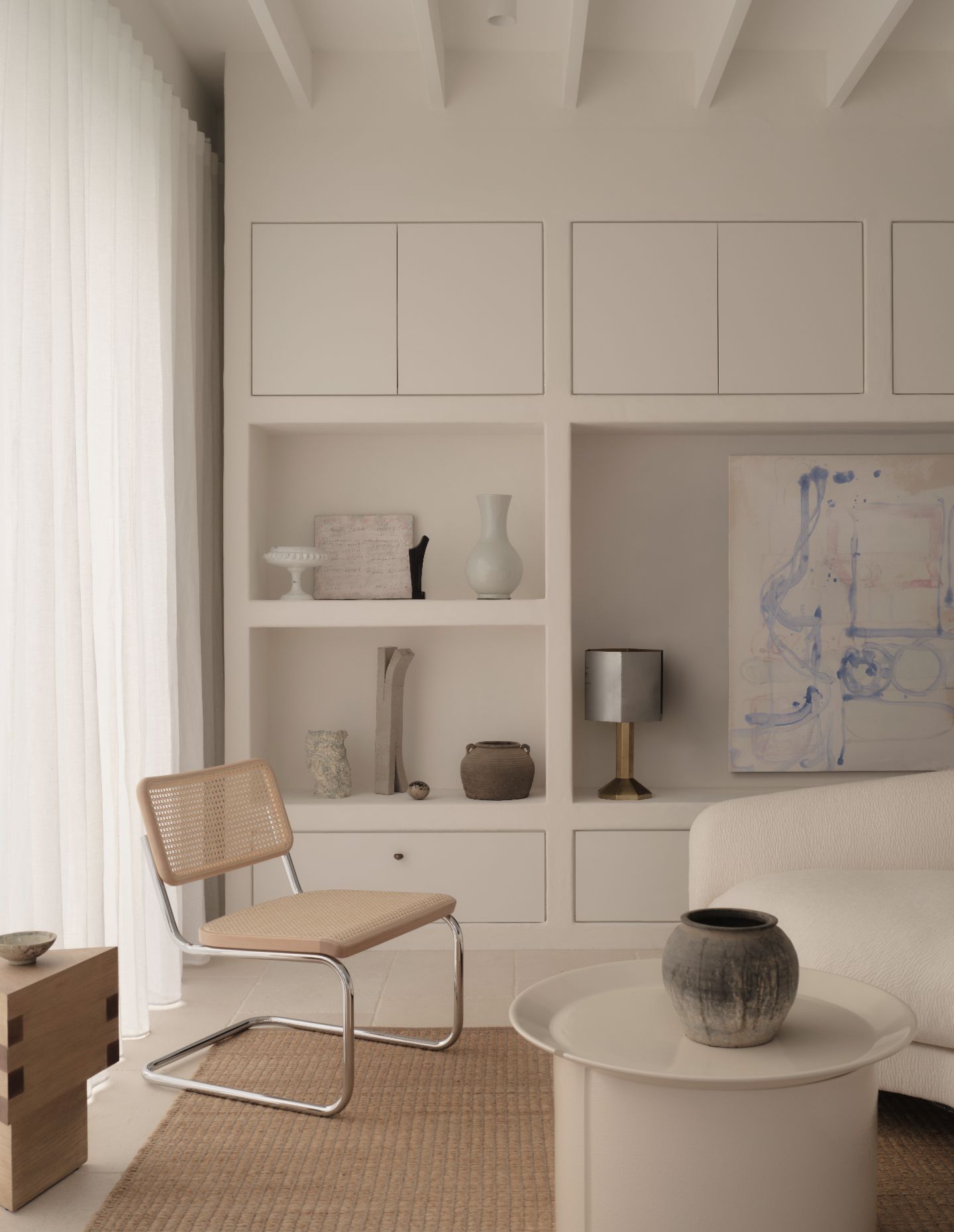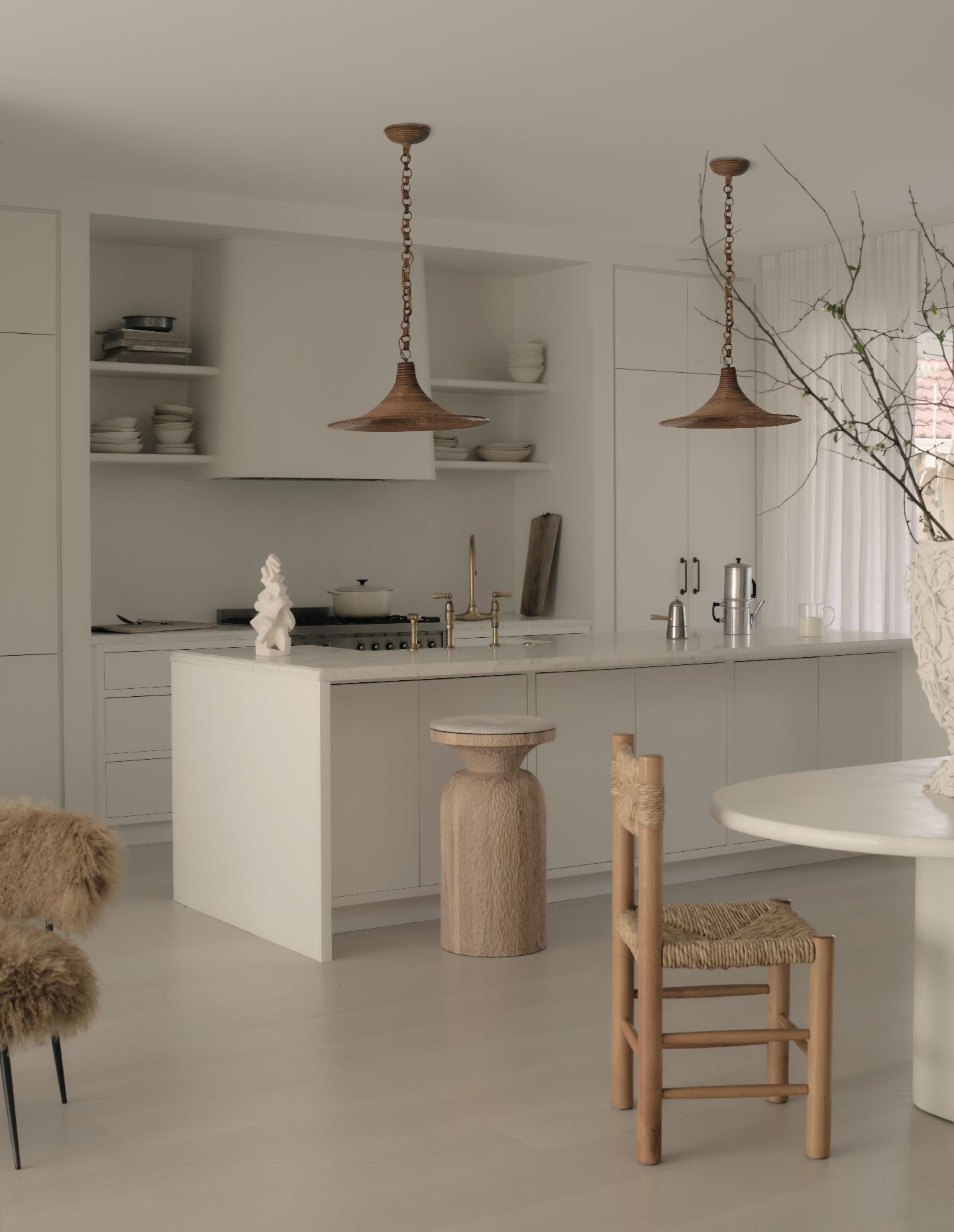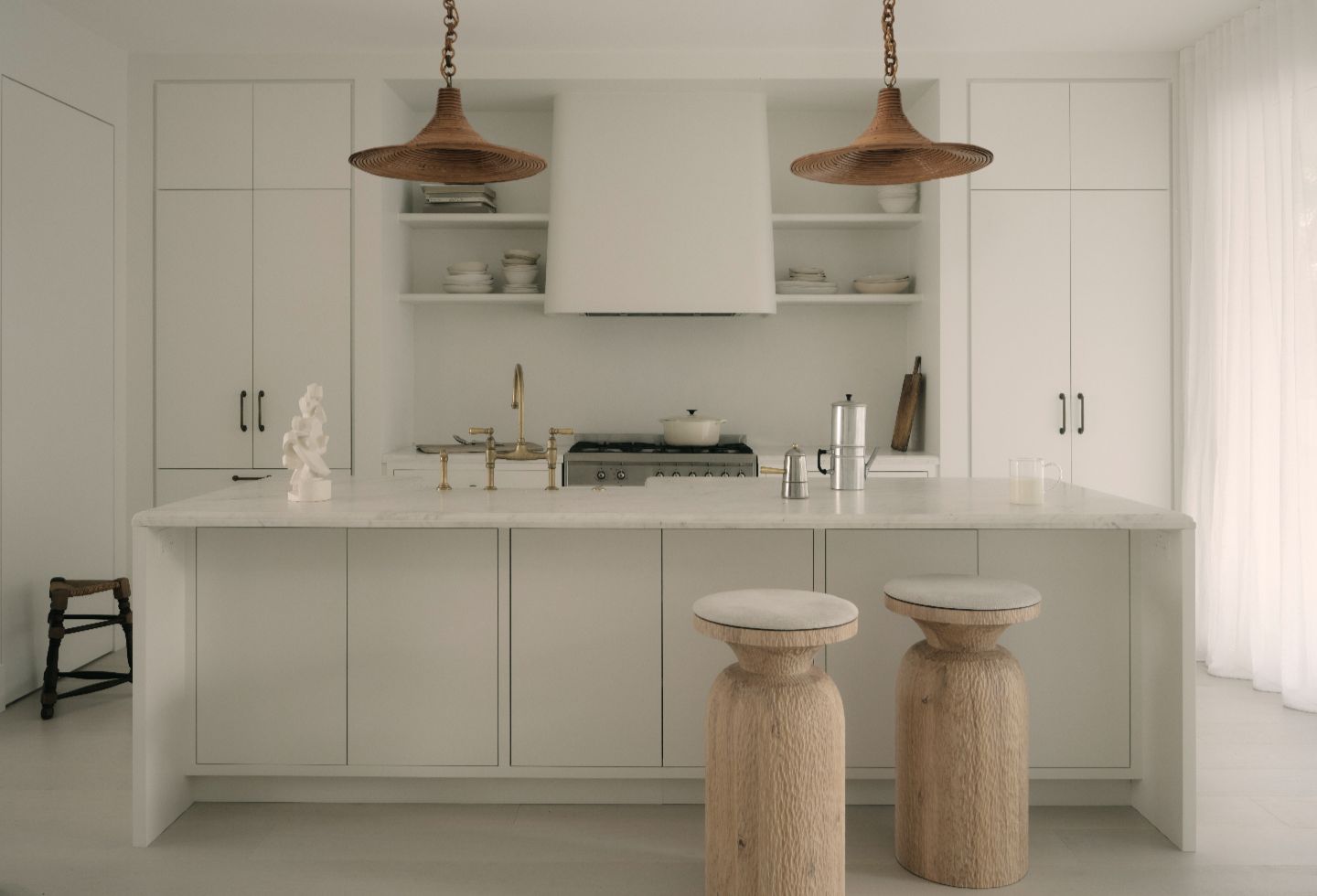

For a Sydney family with three daughters approaching their teenage years, the brief for this home was to create space without losing connection.
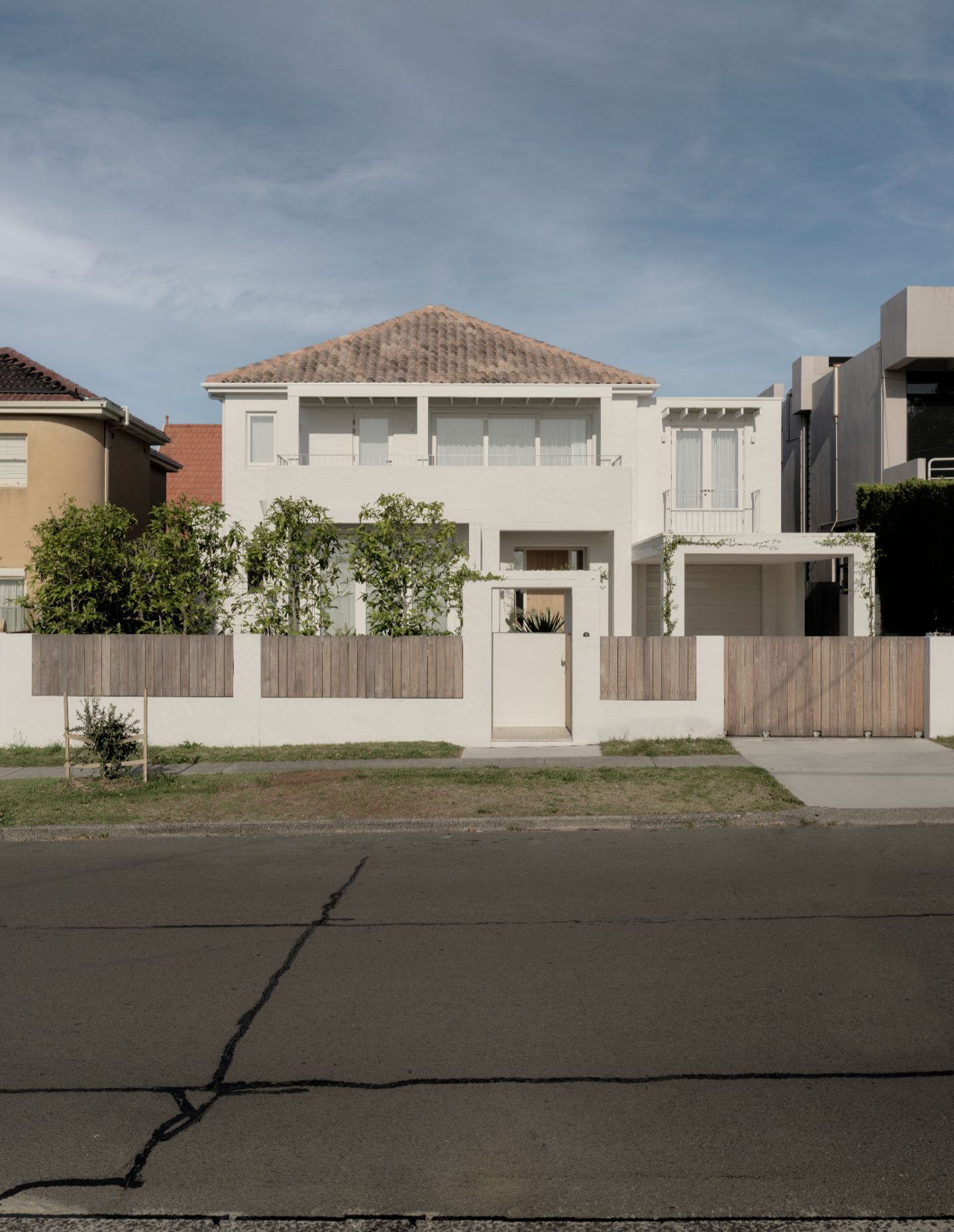
Working together for the first time, architect Ricci Bloch and interior designer Jemma Brender reshaped the house through a series of deliberate structural moves. “There were a few key interventions,” says Bloch. “The project was alterations and additions to an existing P&O style house and it didn’t feel big or private enough for their growing family.”
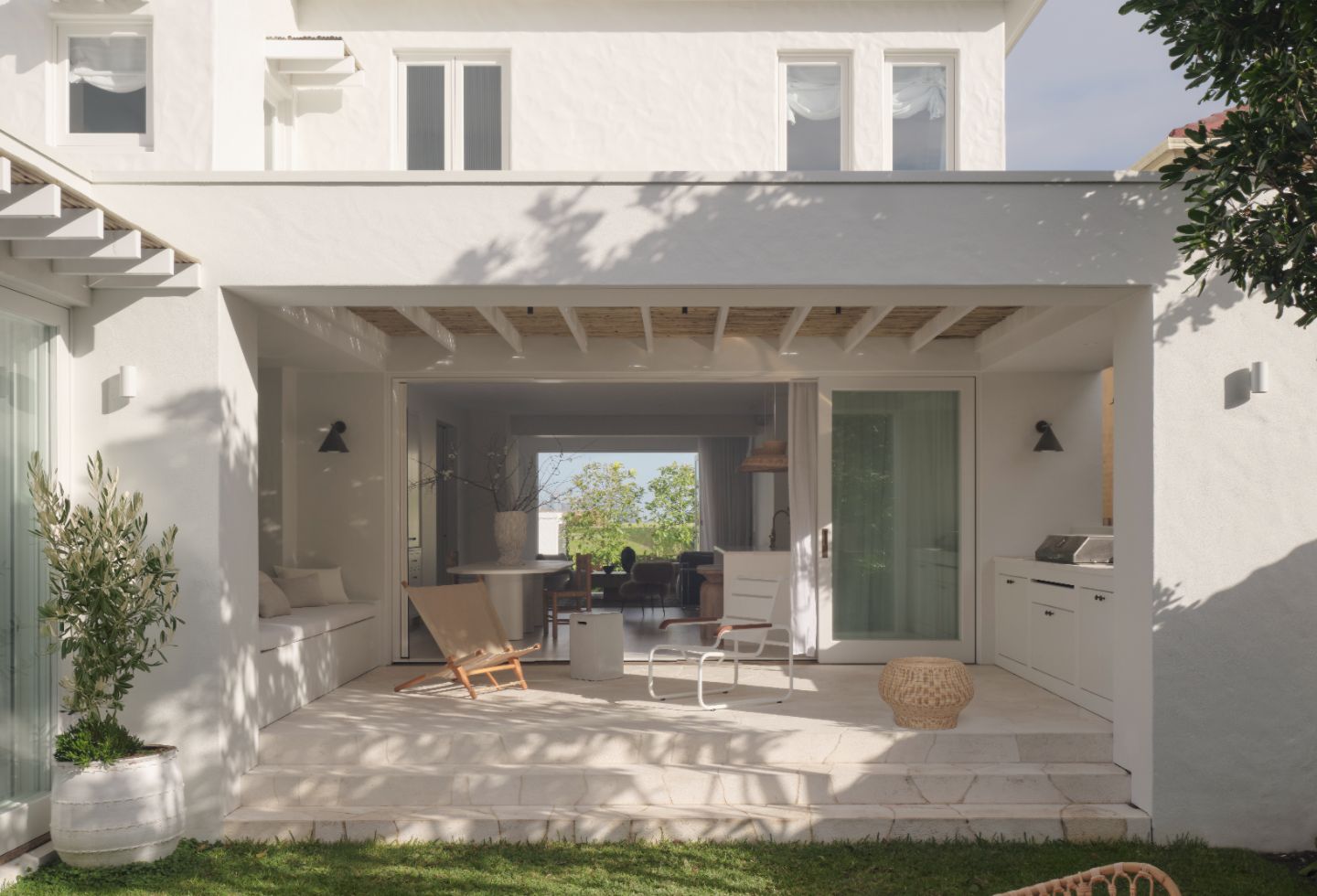
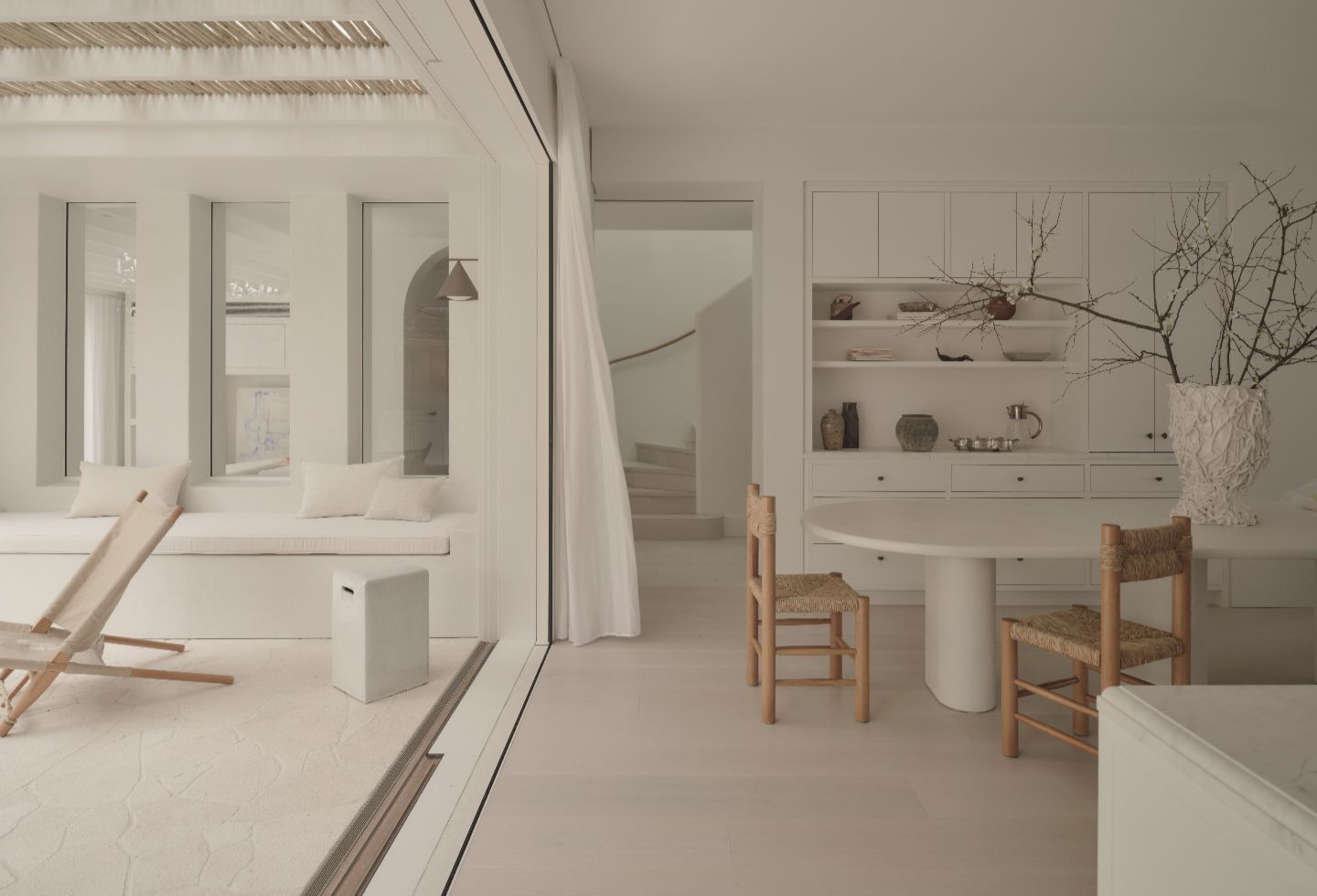
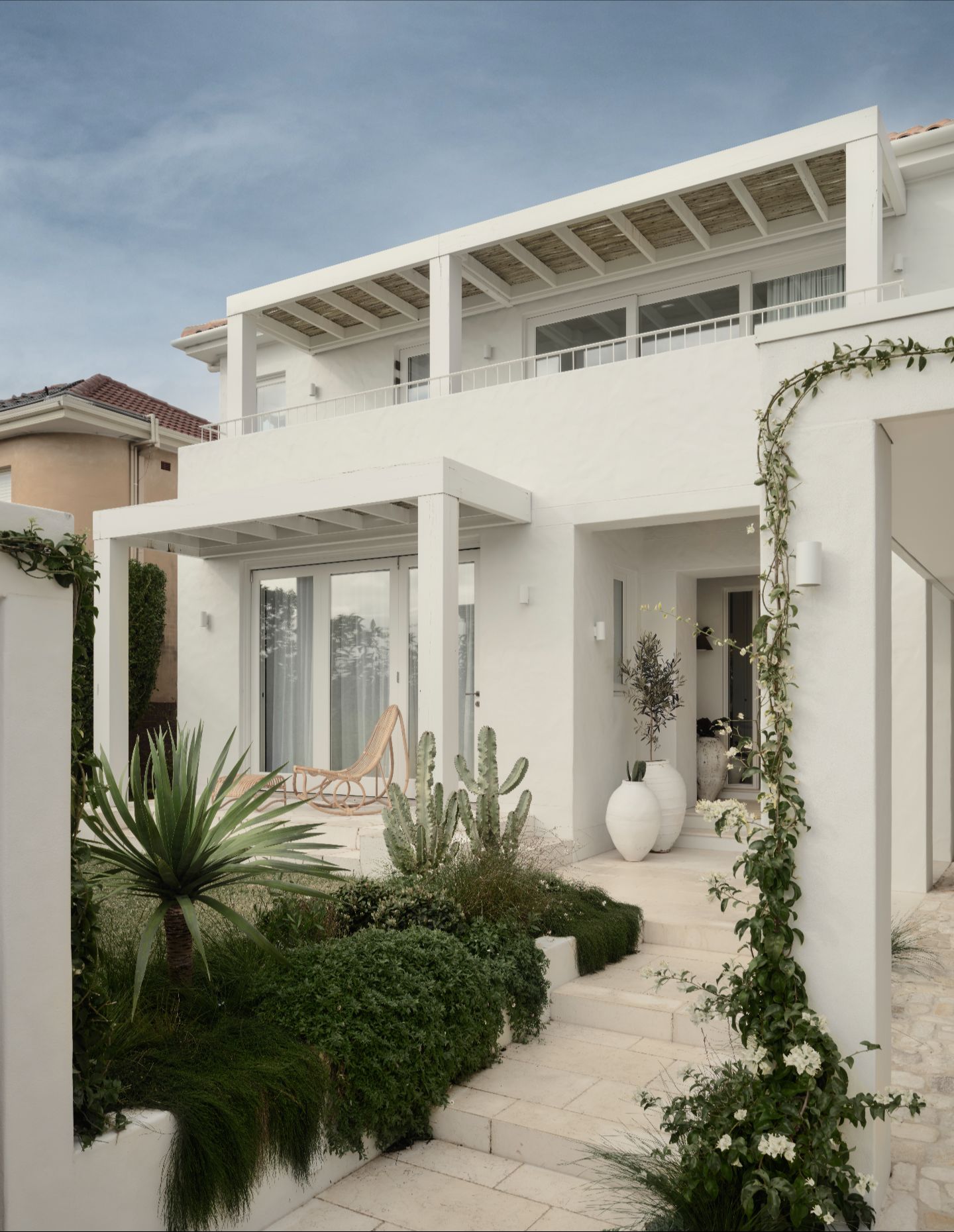
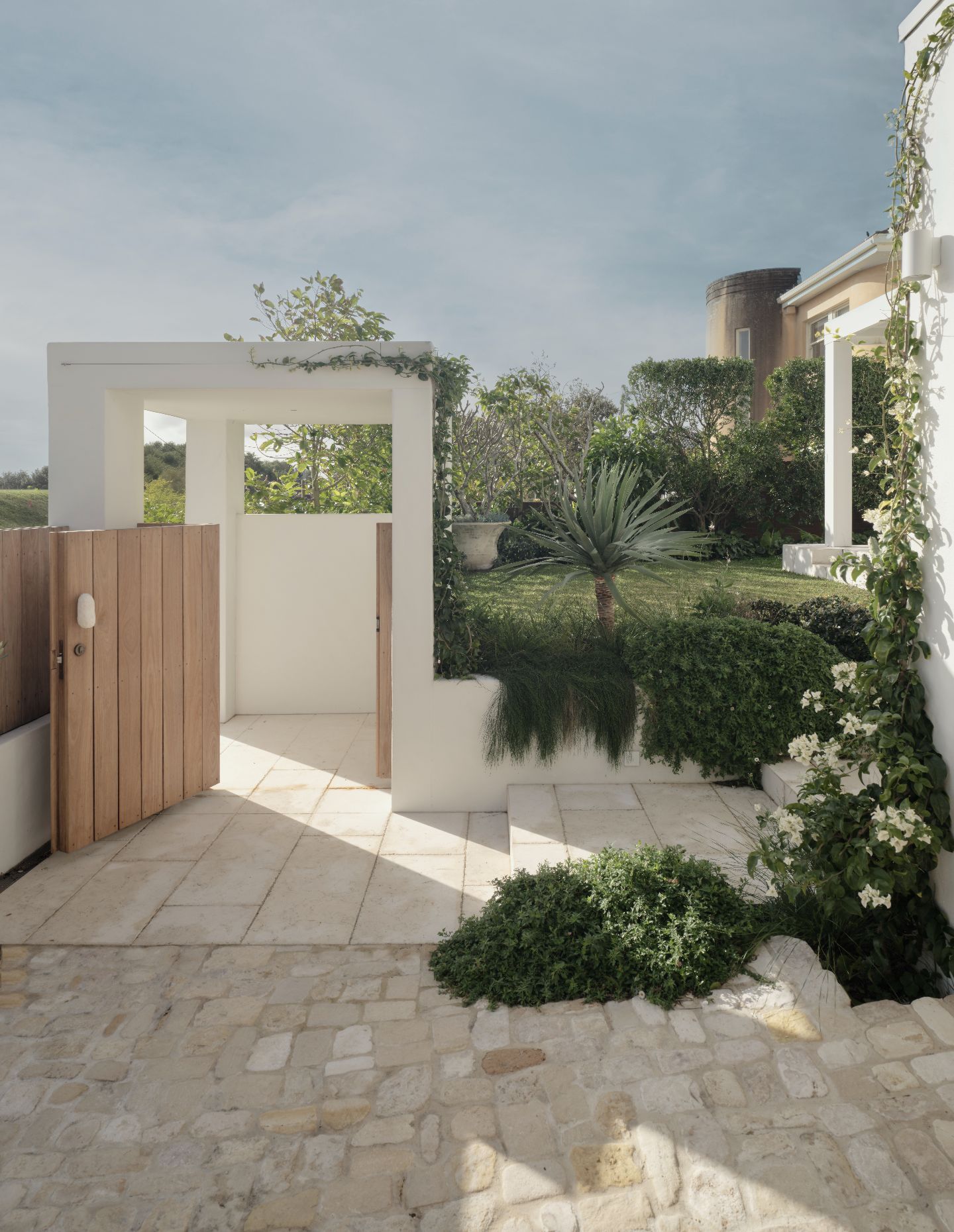
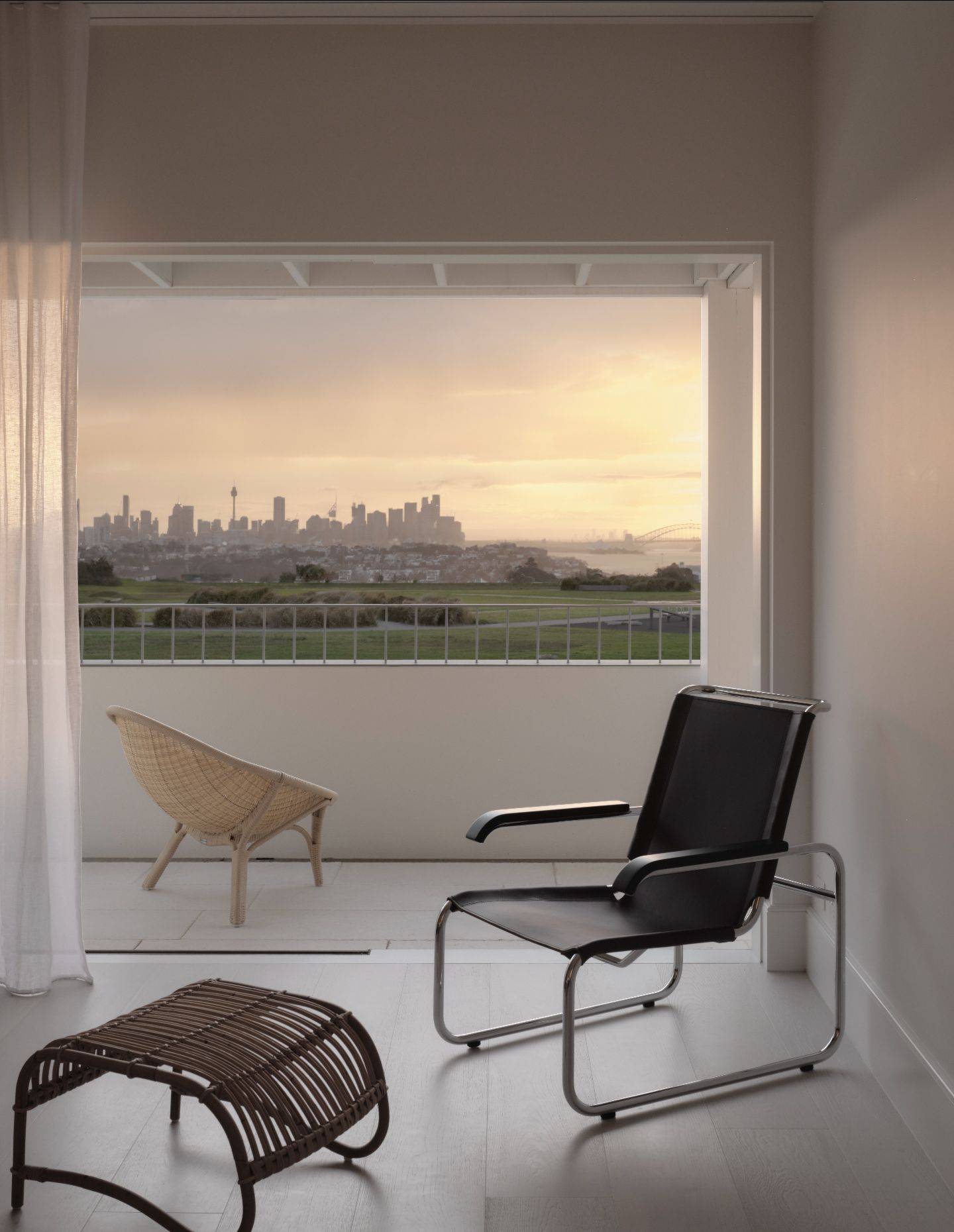
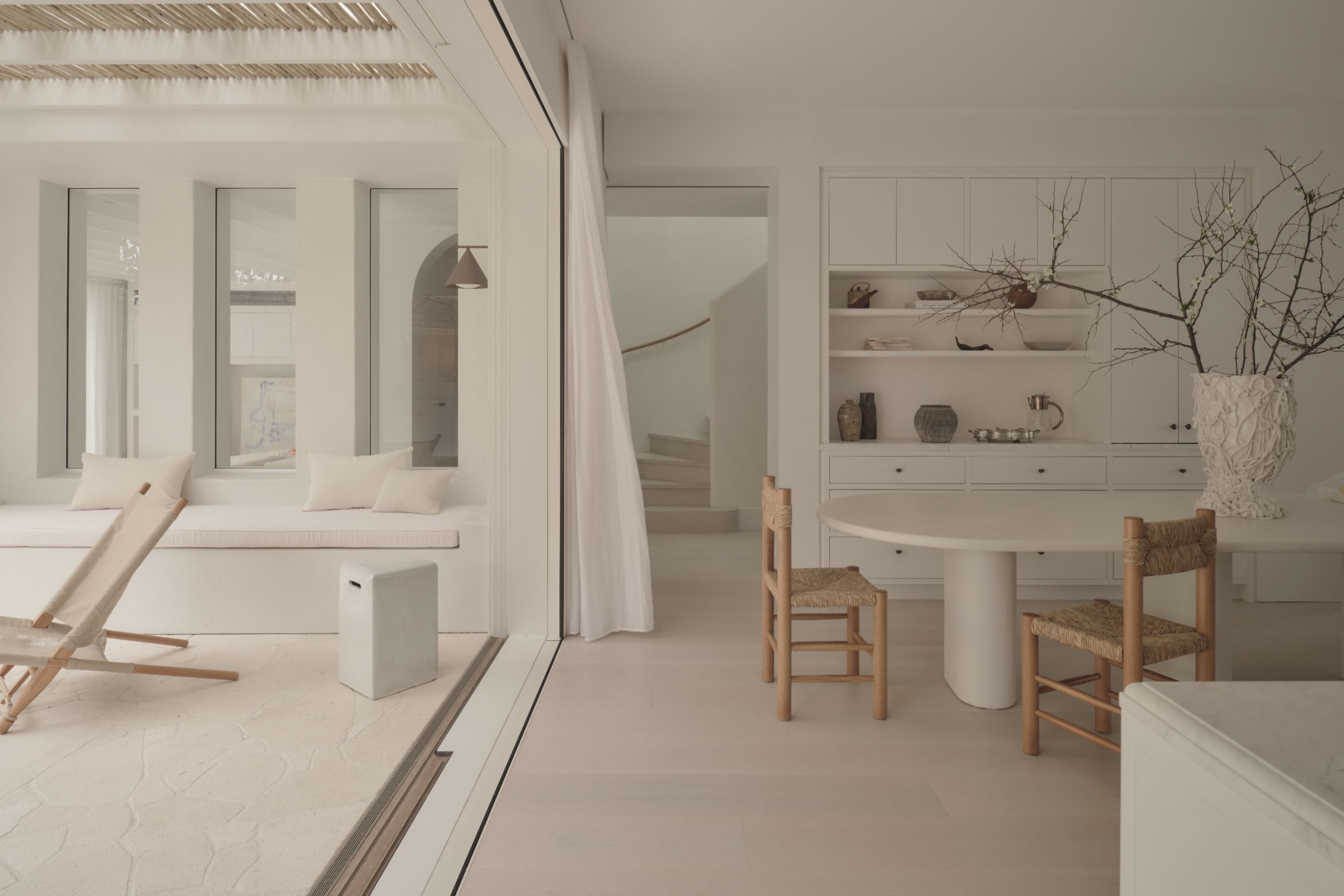
The most significant shift was spatial. The kitchen, living and dining areas were opened and extended northward, relocating the kitchen and adding a scullery that doubles as a flower-drying room. The living zone was reoriented east to west to improve flow between interior and garden, opening onto a covered terrace and connecting directly to outdoor spaces at both the front and rear. “Previously they didn’t have direct access to the garden at both the front and back,” Bloch explains. “We wanted to maximise the use of the site including gardens.”
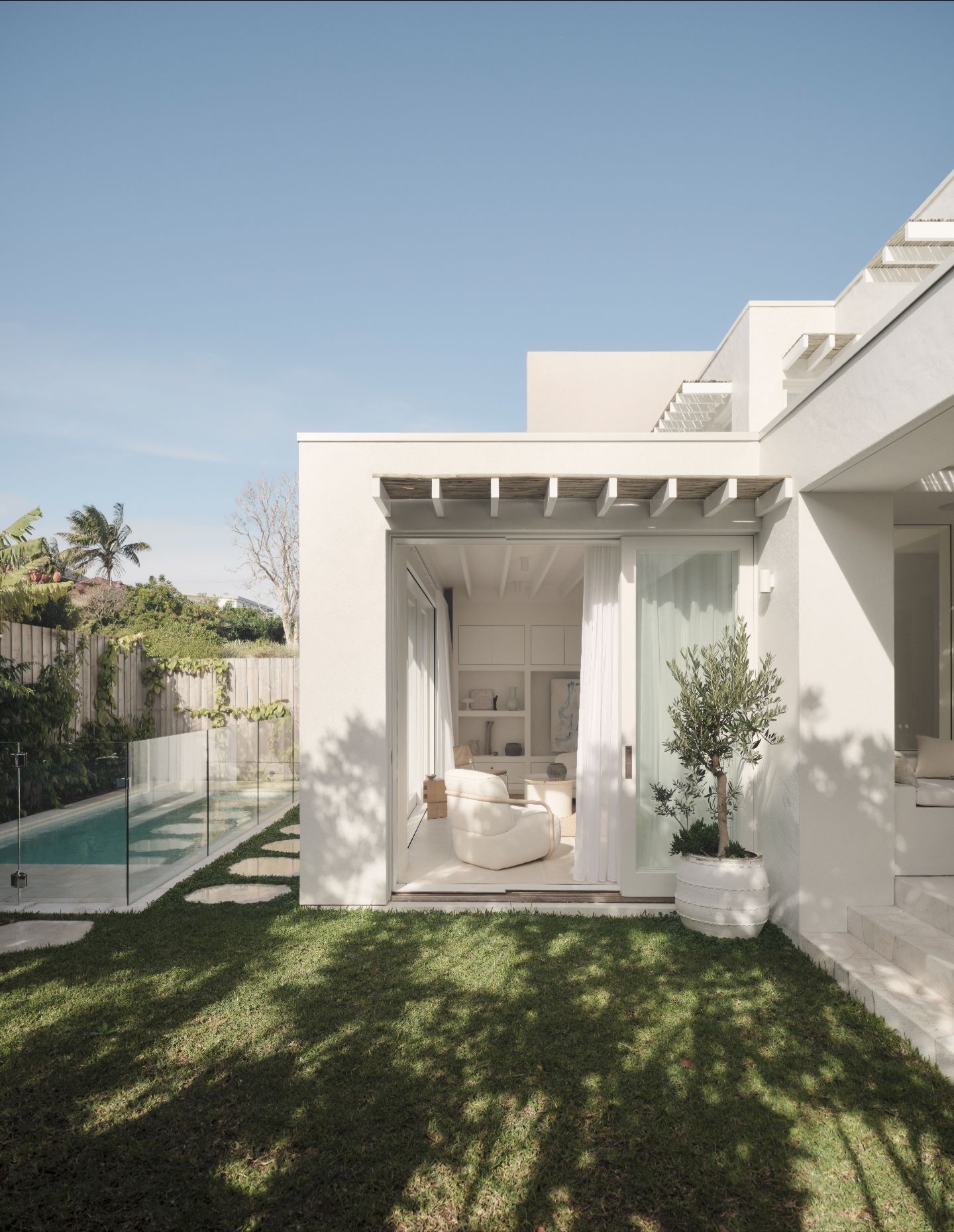
An L-shaped extension along the southern boundary introduced a secondary living space that wraps around the pool and garden. This rumpus room, slightly lowered, provides privacy while remaining visually linked to the main living areas. The result is more space on a single level, allowing the family to inhabit the house together while also retreating when needed.
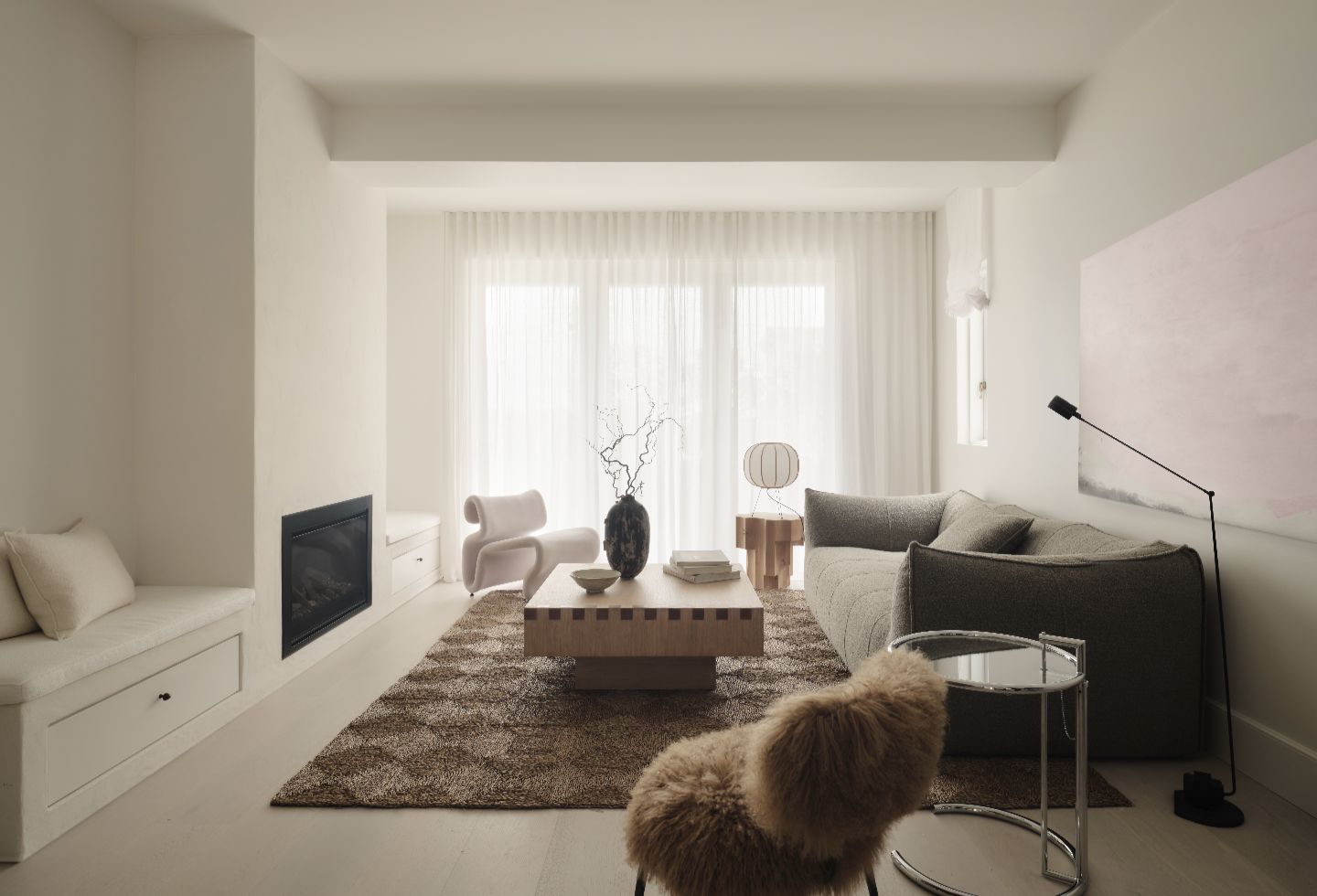
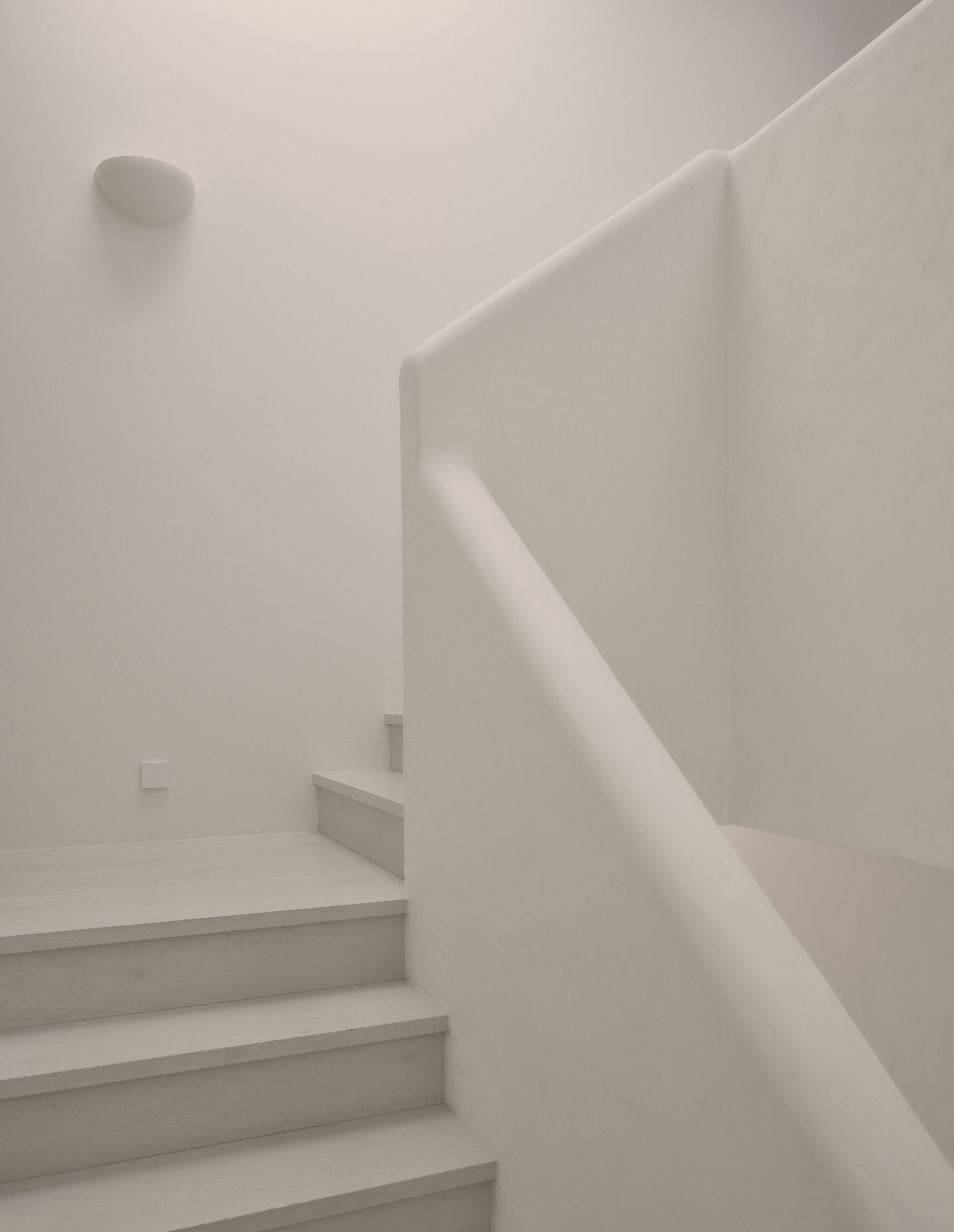
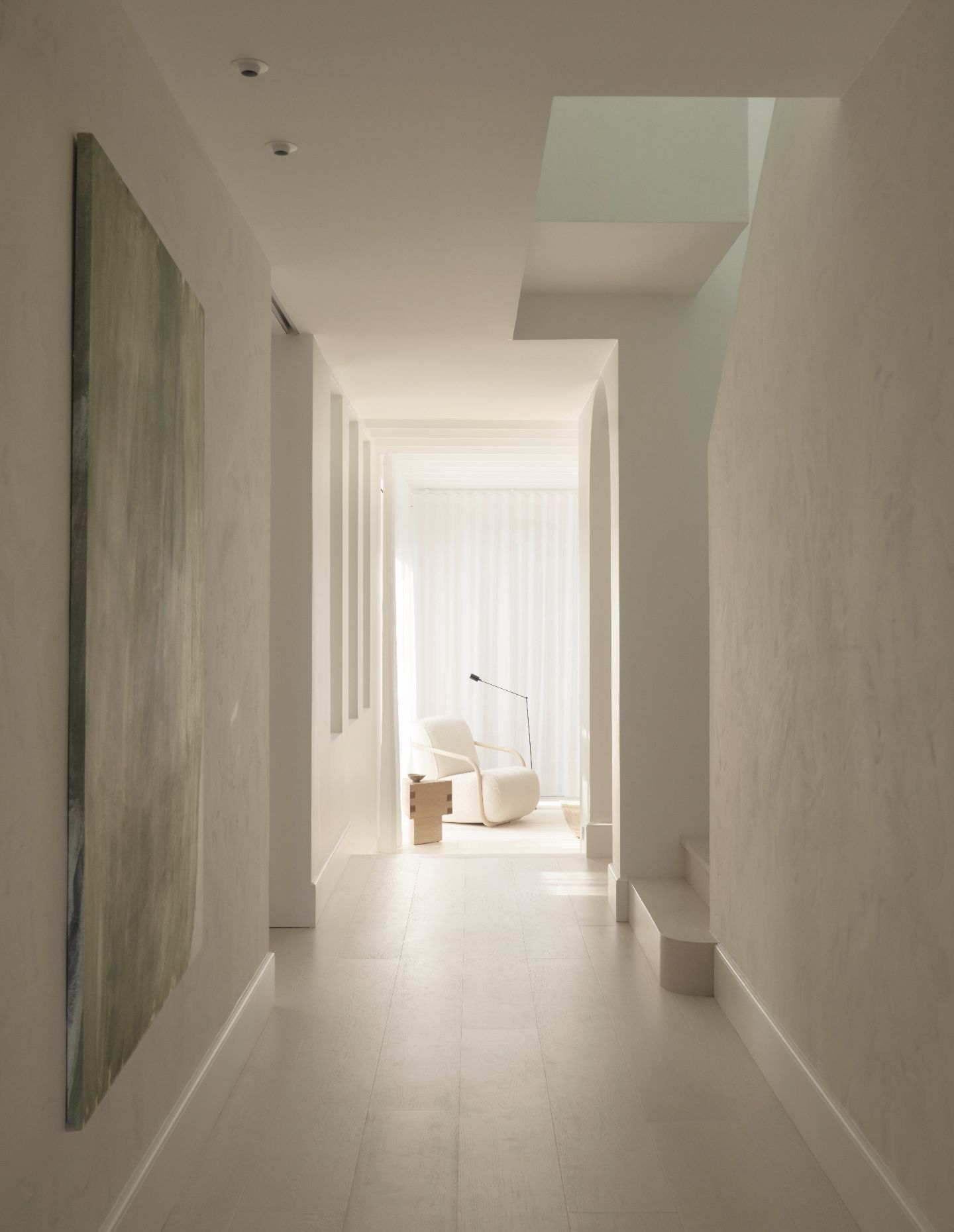
Light became a design material in its own right: rather than simply enlarging openings, Bloch and Brender shaped how light enters and moves. Skylights were introduced above showers and the stairwell, casting shifting shadows across walls throughout the day. Linear glazed openings along the corridor, inspired by Luis Barragán, filter ethereal light into the interior. “You’re seeing the shadows cast on the walls move throughout the day,” Bloch notes. “The light filtering through these fixed openings evokes a sense of tranquillity.”
The pool, positioned parallel to the new rumpus wing, throws morning light deep into the house, amplified by reflective surfaces including glossy tiles and microcement. Eucalyptus poles lining the terrace roof cast patterned shadows across floors and walls, softening the architecture with movement and rhythm.
Related: Doing more with less by the Tasmanian coast
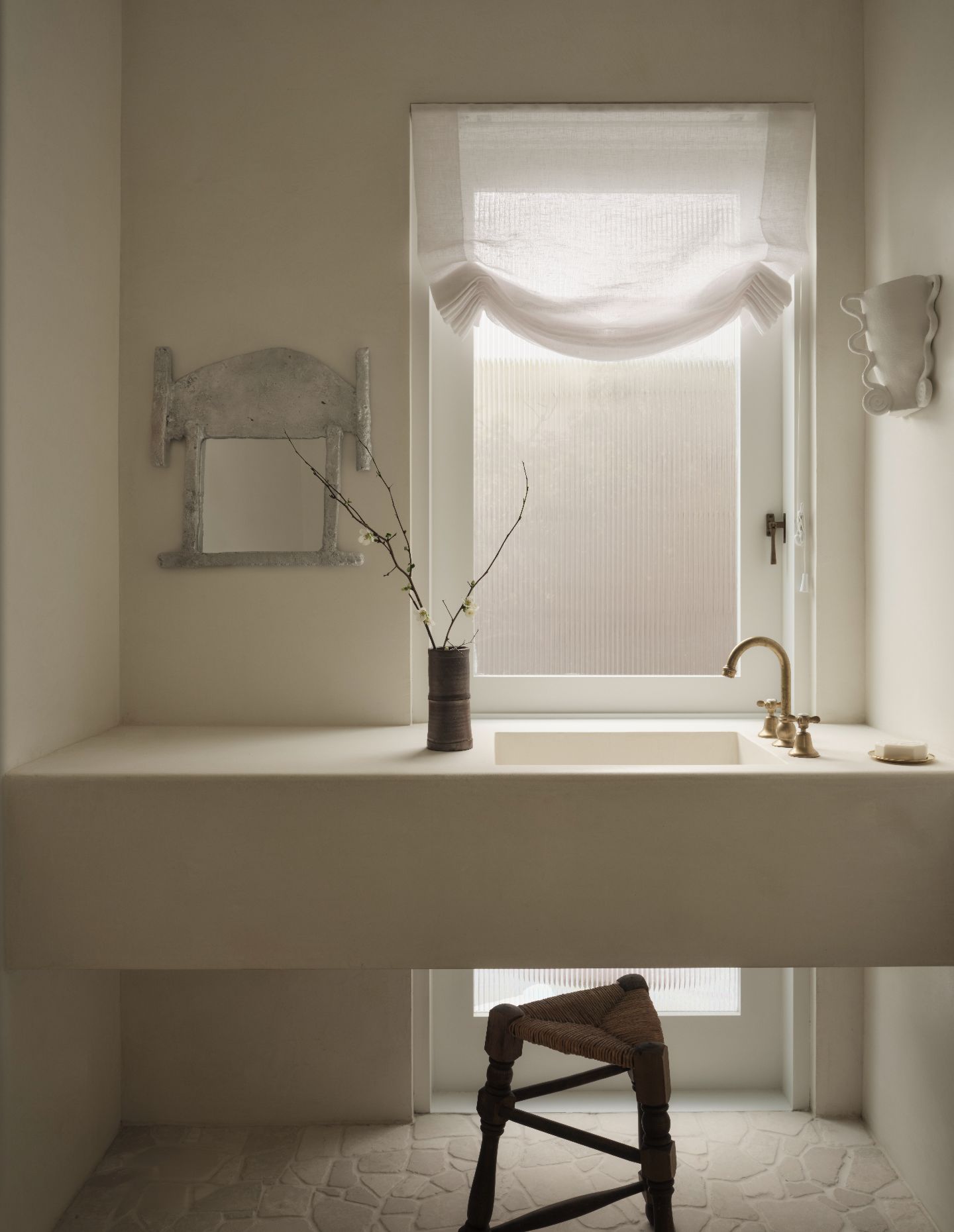
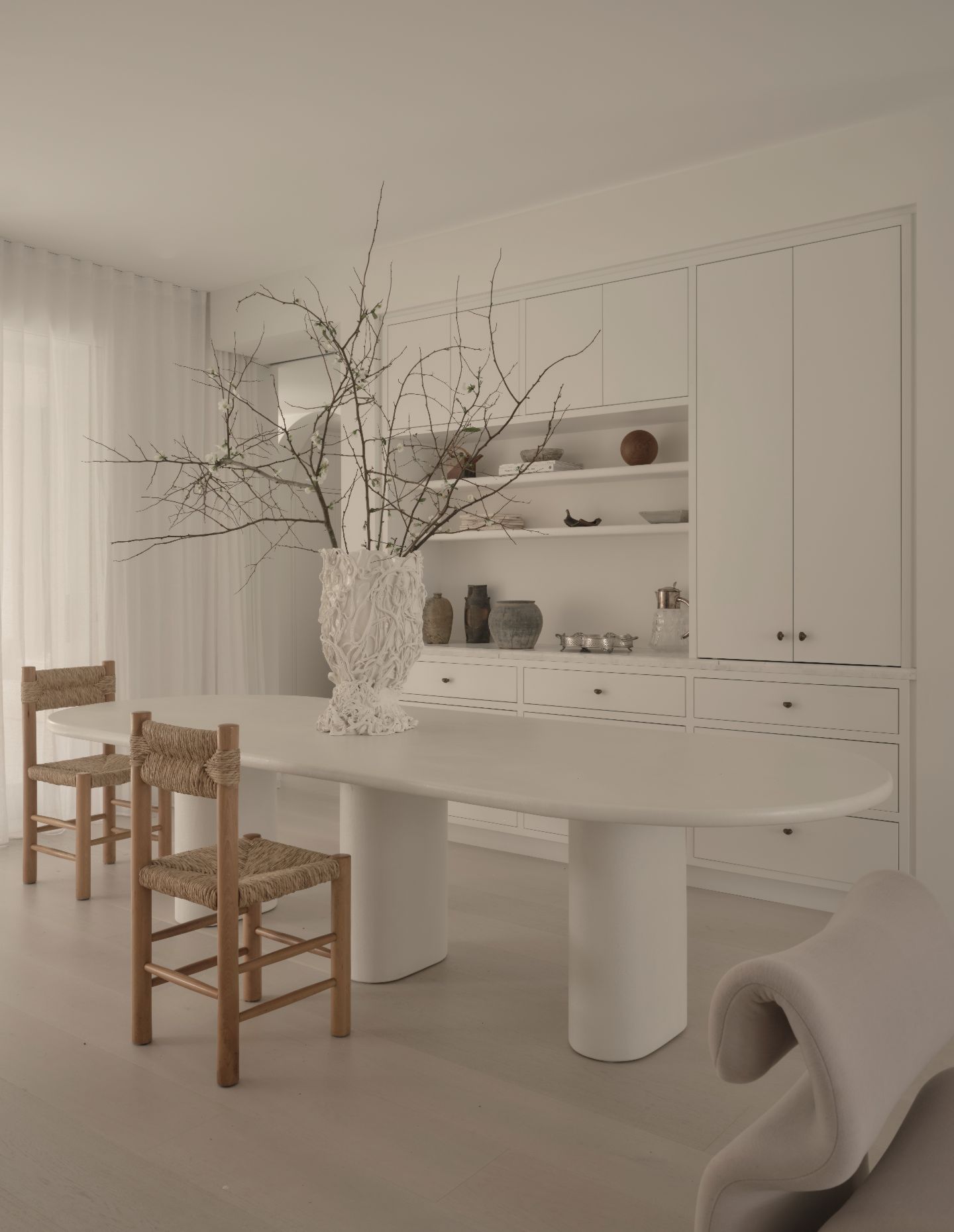
Materiality replaces colour as the primary atmospheric tool. Brender worked with subtle tonal shifts rather than bold contrasts. “The subtle variations in textured surfaces — tumbled limestone, microcement, aged brass and wire-brushed oak — introduce depth and richness without relying on bold tones,” she explains. “Rather than colour creating contrast, it is the interplay of materiality that animates the space.”
Light catches the irregular edges of stone, the grain of timber and the patina of brass, creating an environment that feels grounded and calm. The restrained palette allows the house to feel cohesive, even as it shifts between communal and private zones.
Privacy was resolved through careful layering rather than separation. The original corridor was retained and extended to form a spine along the ground floor, from which spaces fold off. Living areas can be closed with cavity sliding doors; the rumpus room is visually concealed from the corridor; service spaces step down discreetly between zones. Upstairs, split levels were reconfigured to give the older daughters independence, while the master suite and youngest daughter’s room occupy a quieter upper zone.
Beyond aesthetics, Mediterranean living informed the architecture’s logic. “The open-plan configuration, oriented around entertaining and a fluid connection between the front and rear terraces, embodies the essence of Mediterranean living,” says Brender. Boundaries dissolve between inside and outside, allowing daily life to unfold with ease.
Looking back, Brender reflects that enabling the living and kitchen areas to open fully to both gardens most changed how the family uses the home. “This visual and physical connection expands the perceived scale of the space, introducing openness and spatial fluidity that was absent in the original layout.” A dedicated playroom further supports family dynamics, allowing entertaining and everyday life to coexist without conflict.
What emerges is a house that feels both expansive and intimate. The architecture supports privacy without isolation, connection without compromise. Through structure, light and texture, Bloch and Brender have created a home that will carry this family through its next chapter — airy, grounded and quietly Mediterranean in spirit.