
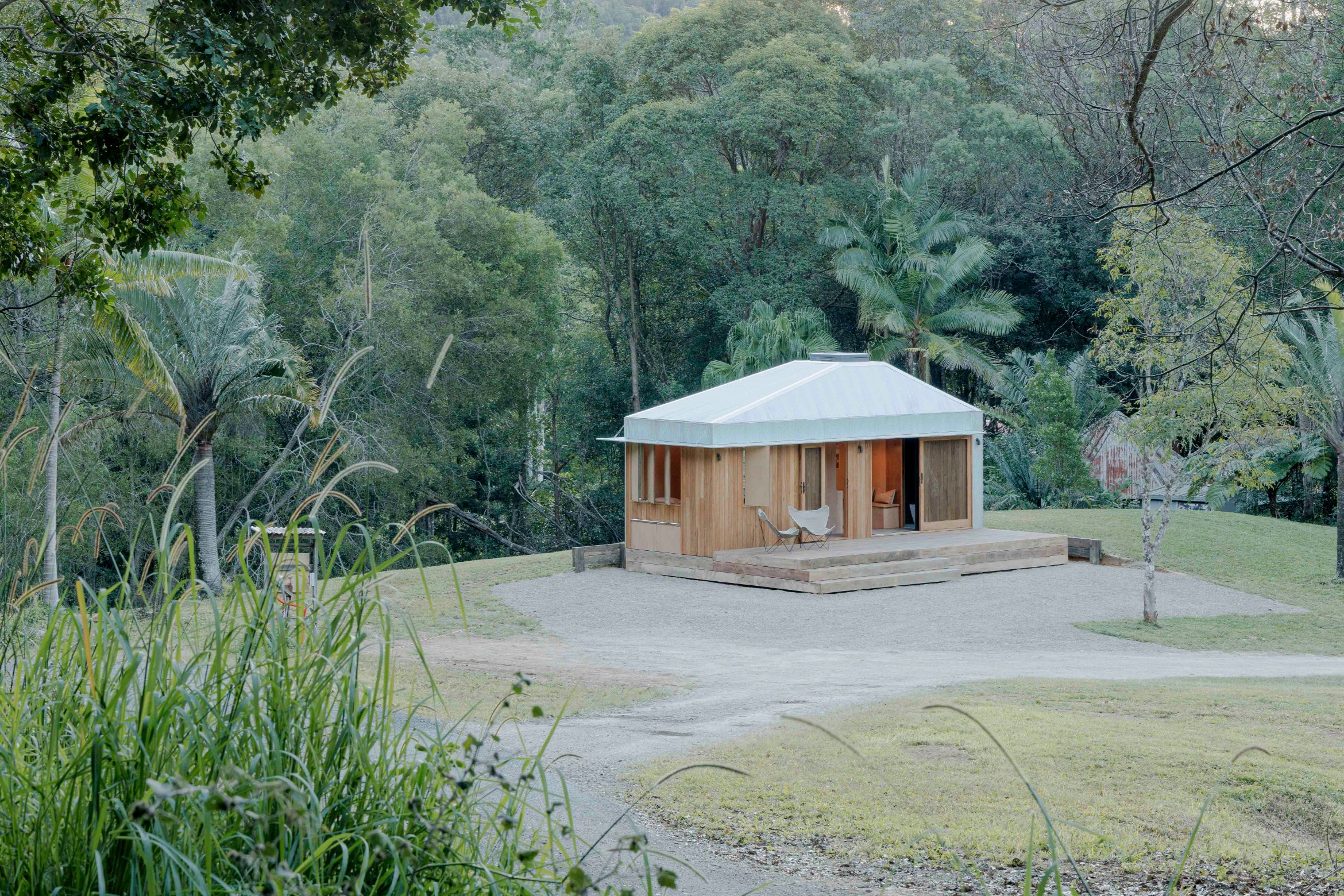
Byron Bay-based builder Chris King is reconsidering the future of mobile architecture through The Oculus – the inaugural model from his new venture Retreat House. Faced with the escalating costs and inefficiencies of the conventional building industry, Chris pivoted his attention, skill set and resources towards being part of the solution. The result is accommodation that amalgamates contemporary architecture with energy-efficient and climate-responsive design. The Oculus, which proposes a response to sustainable, small-footprint living, has launched for pre-order.
Having worked in the industry for over 30 years, King’s wealth of knowledge as an experienced builder and leader, complemented by his passion towards making an impact in the industry, is evident throughout projects undertaken across one of Australia’s most iconic and expensive regions – Northern New South Wales. Known for his collaborative approach, ethical building and distinctly timber architecture, King has built a strong network and an even stronger reputation. However, his experienced team is to credit for the exceptional standard of craftsmanship and attention to detail in The Oculus.
“We have a responsibility as builders to learn more and encourage that influence where we can. I feel passionate about the groundswell in the industry of good builders who care about building energy-efficient homes,” notes Chris King.
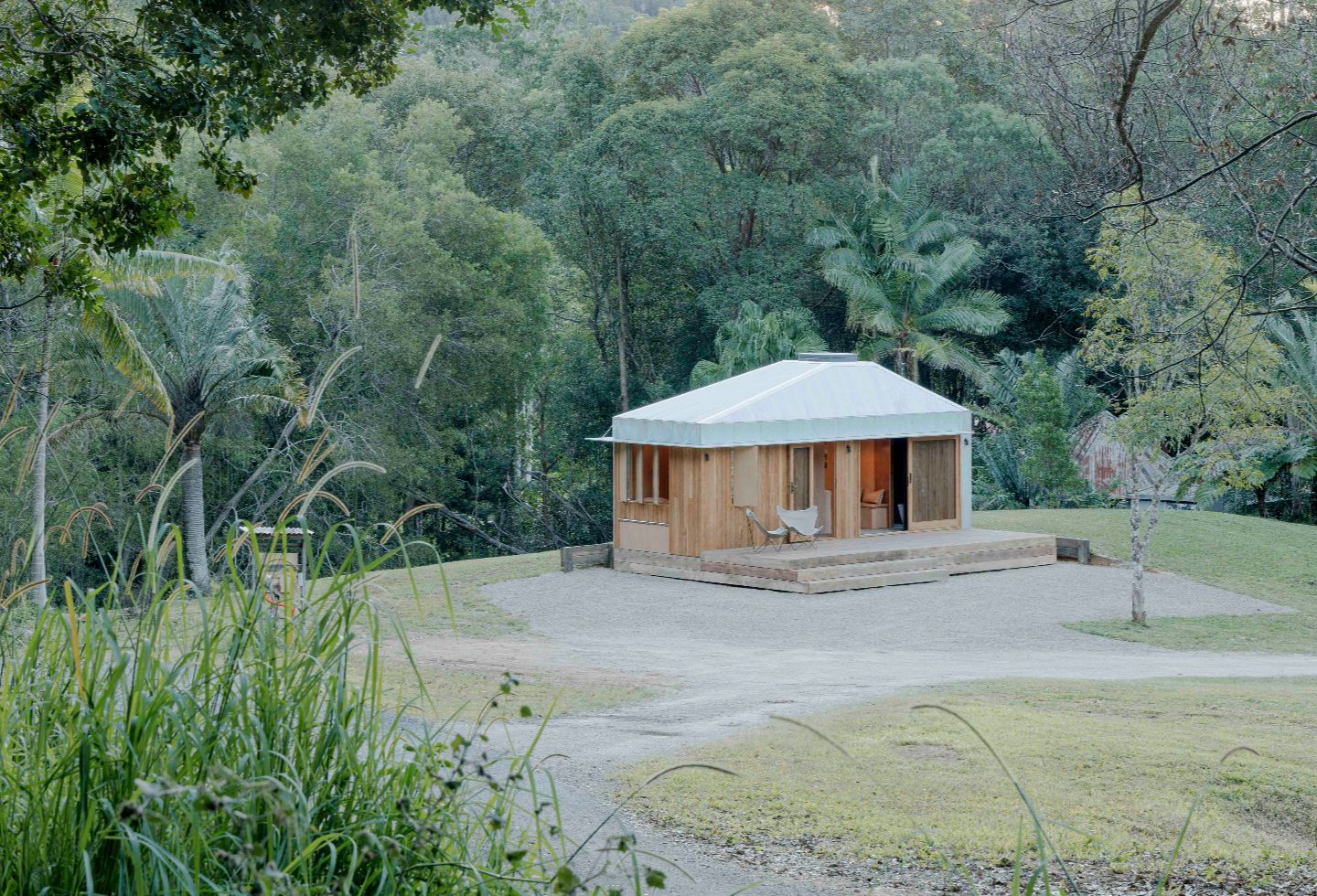
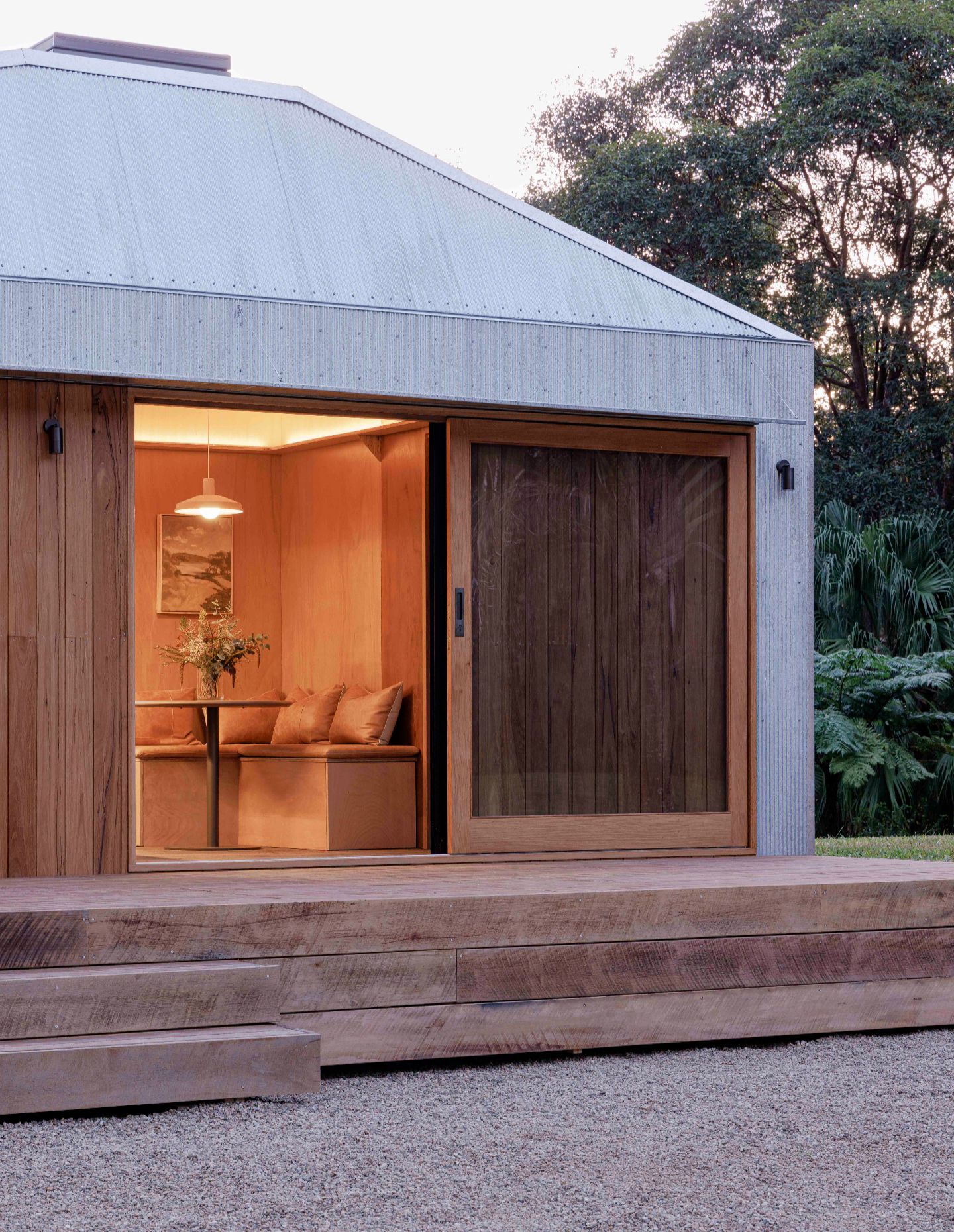
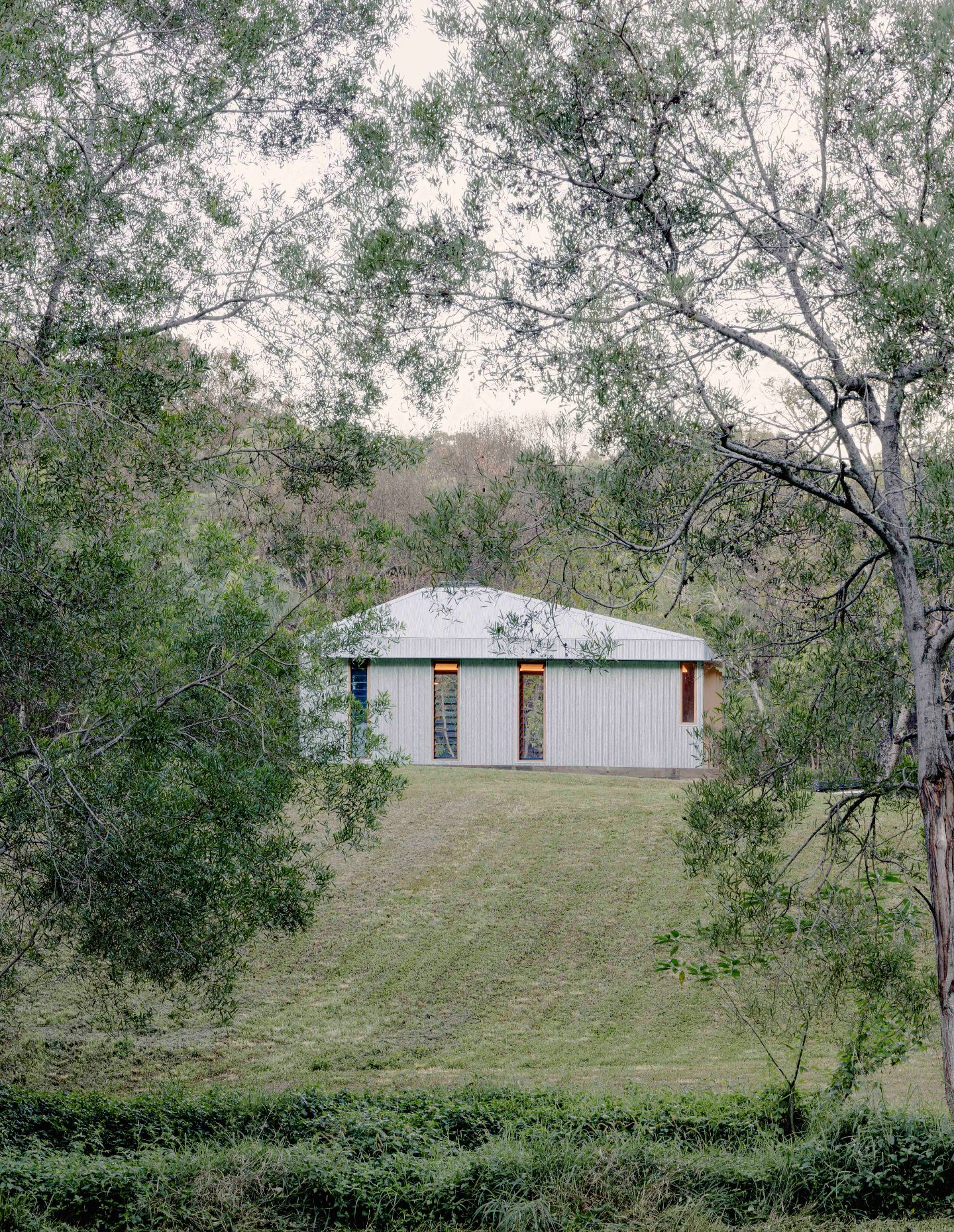
A twenty-one-square-metre, steel-framed, mobile building that is road-ready and suitable for subtropical climates across Australia, the Oculus derives its name from the central skylight in the roofline, which acts both as an environmental and aesthetic consideration. Referring to the utilitarian honesty of classic Australian sheds as precedent, every aspect was conceived with climate-responsiveness in mind.
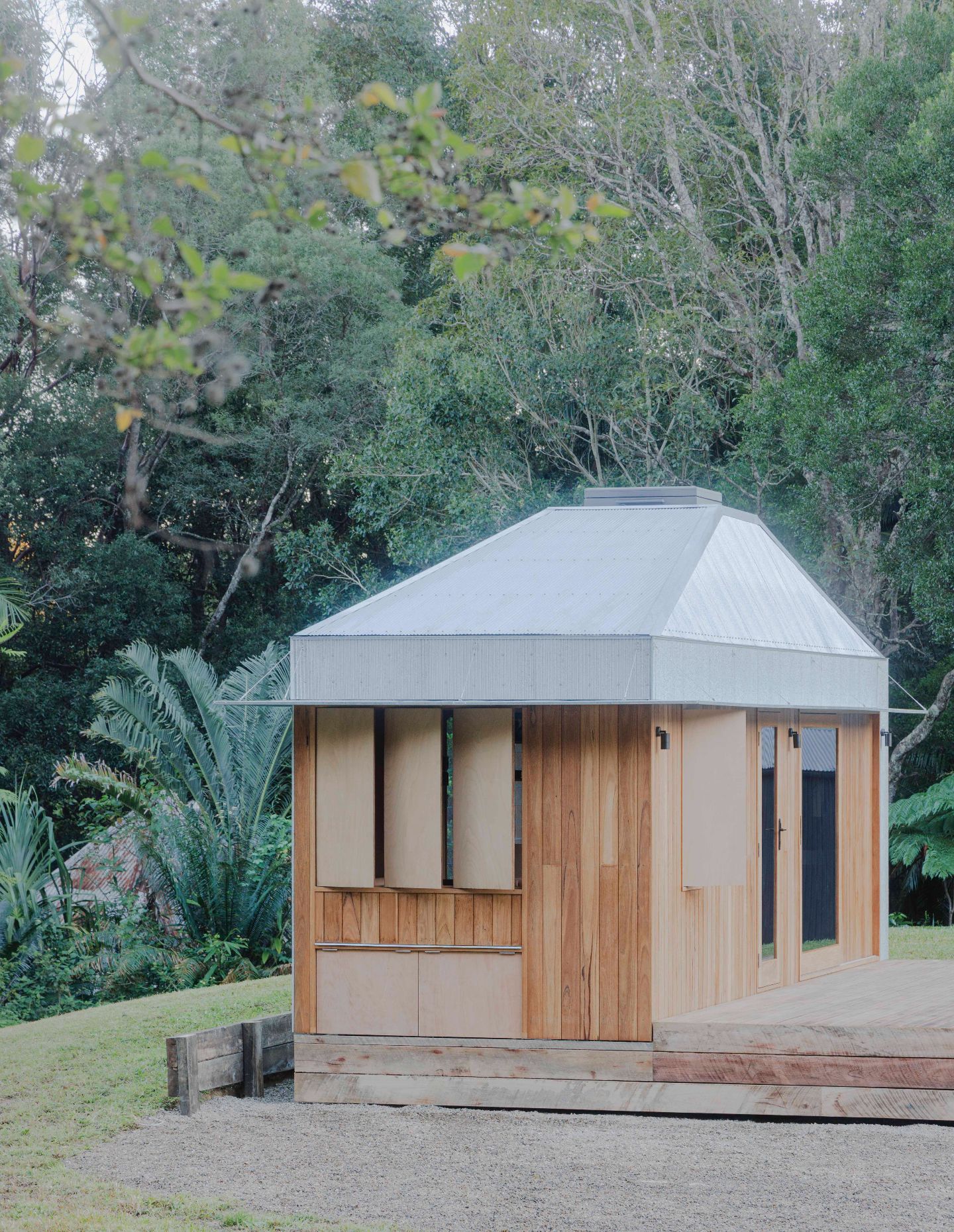
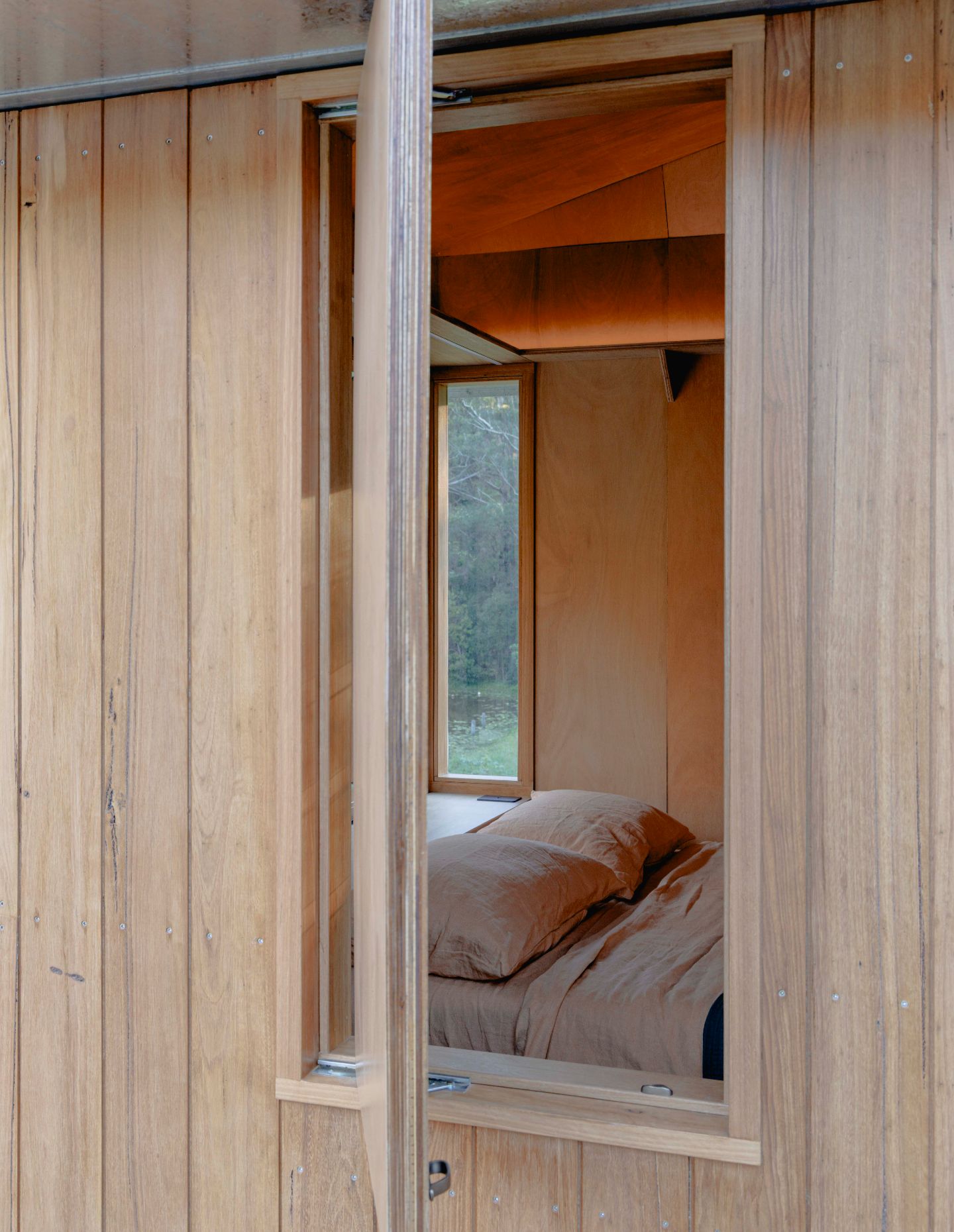
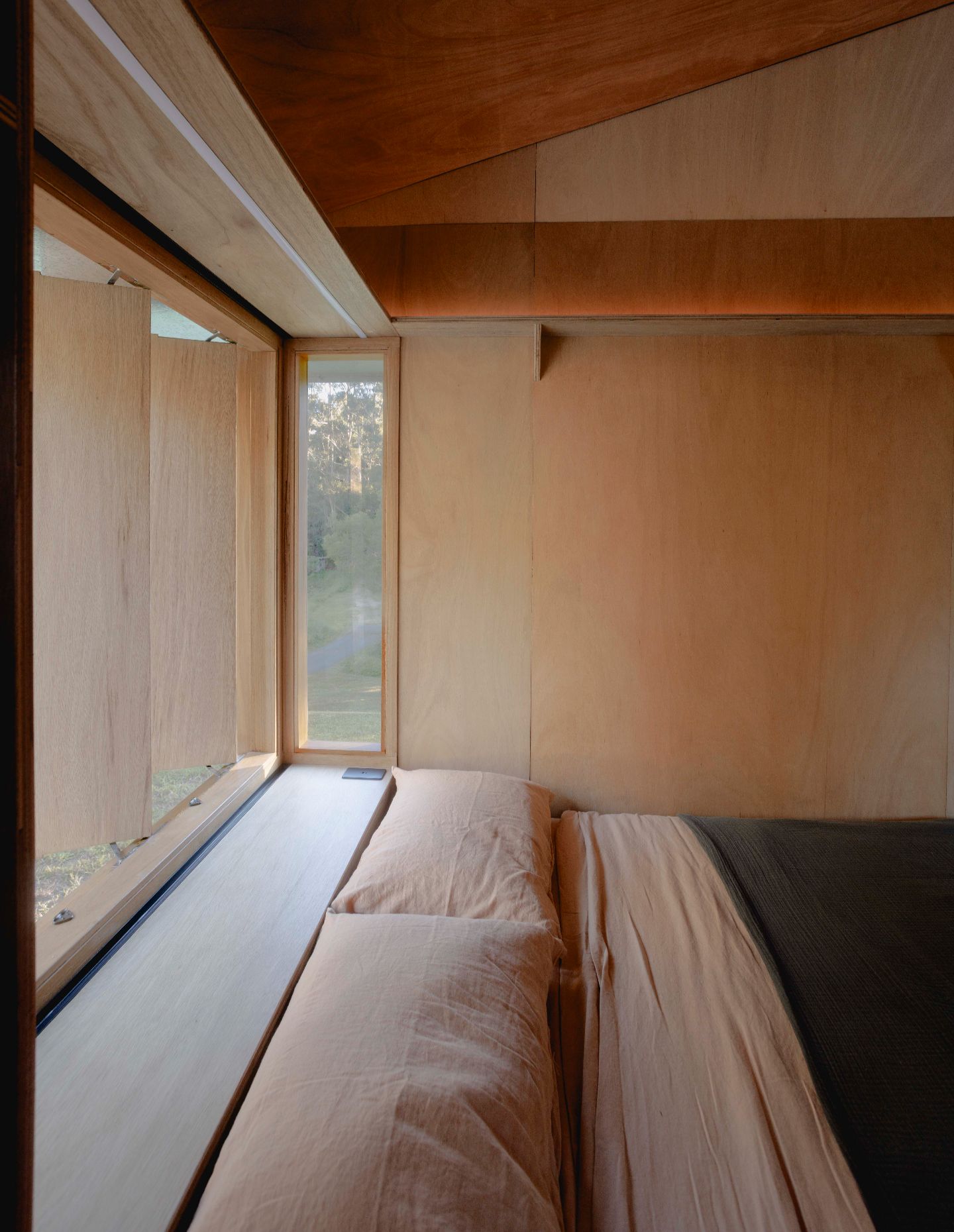
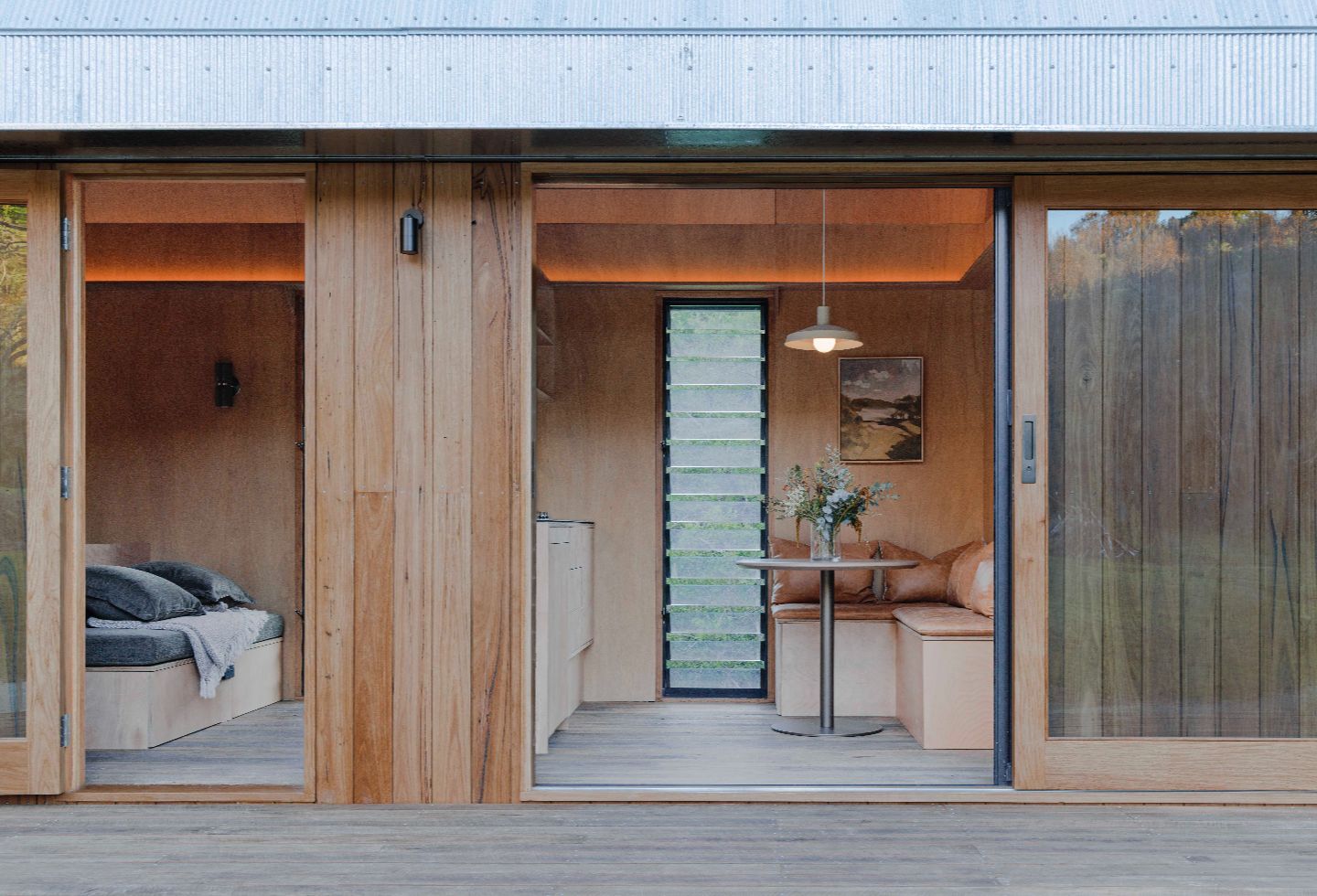
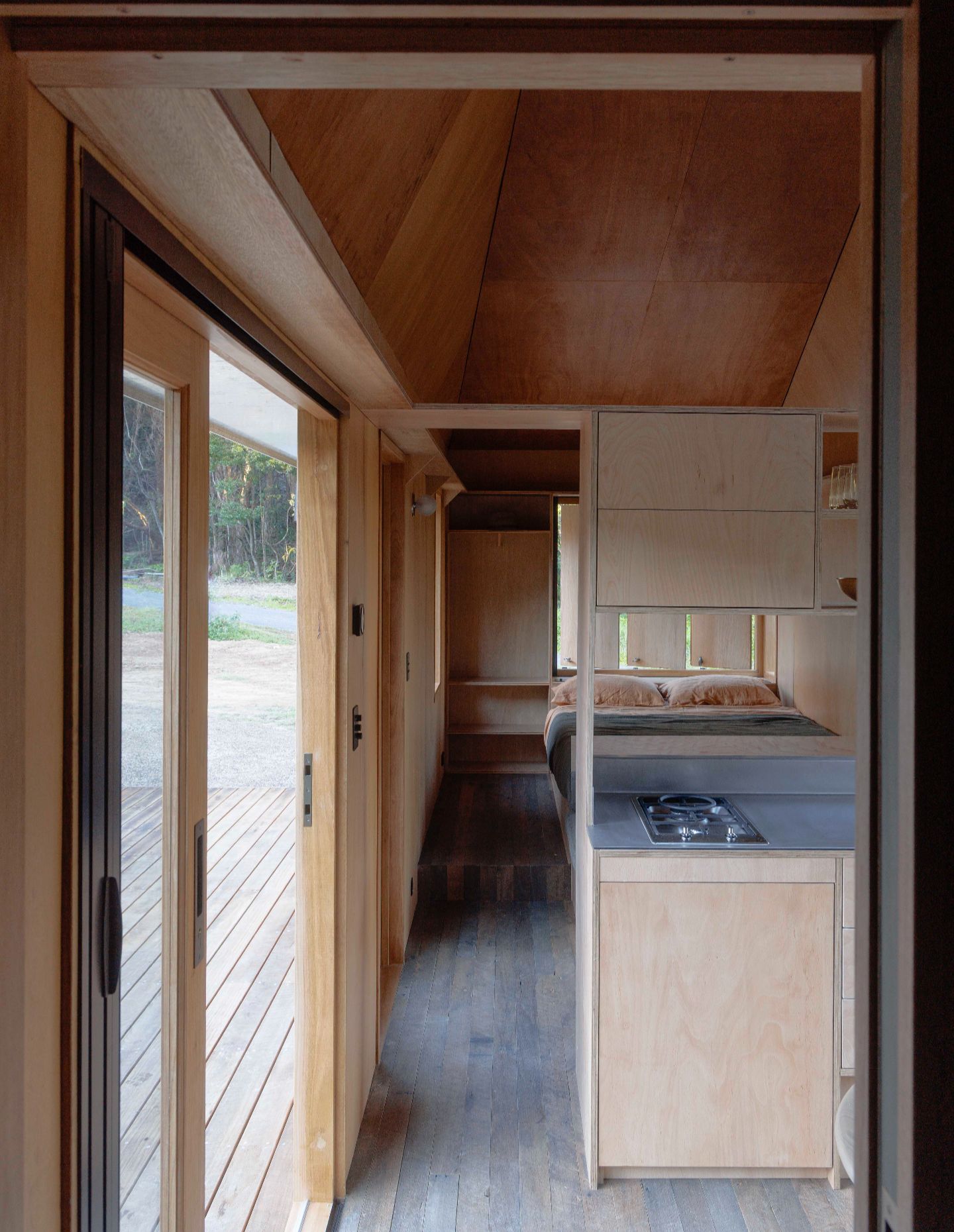
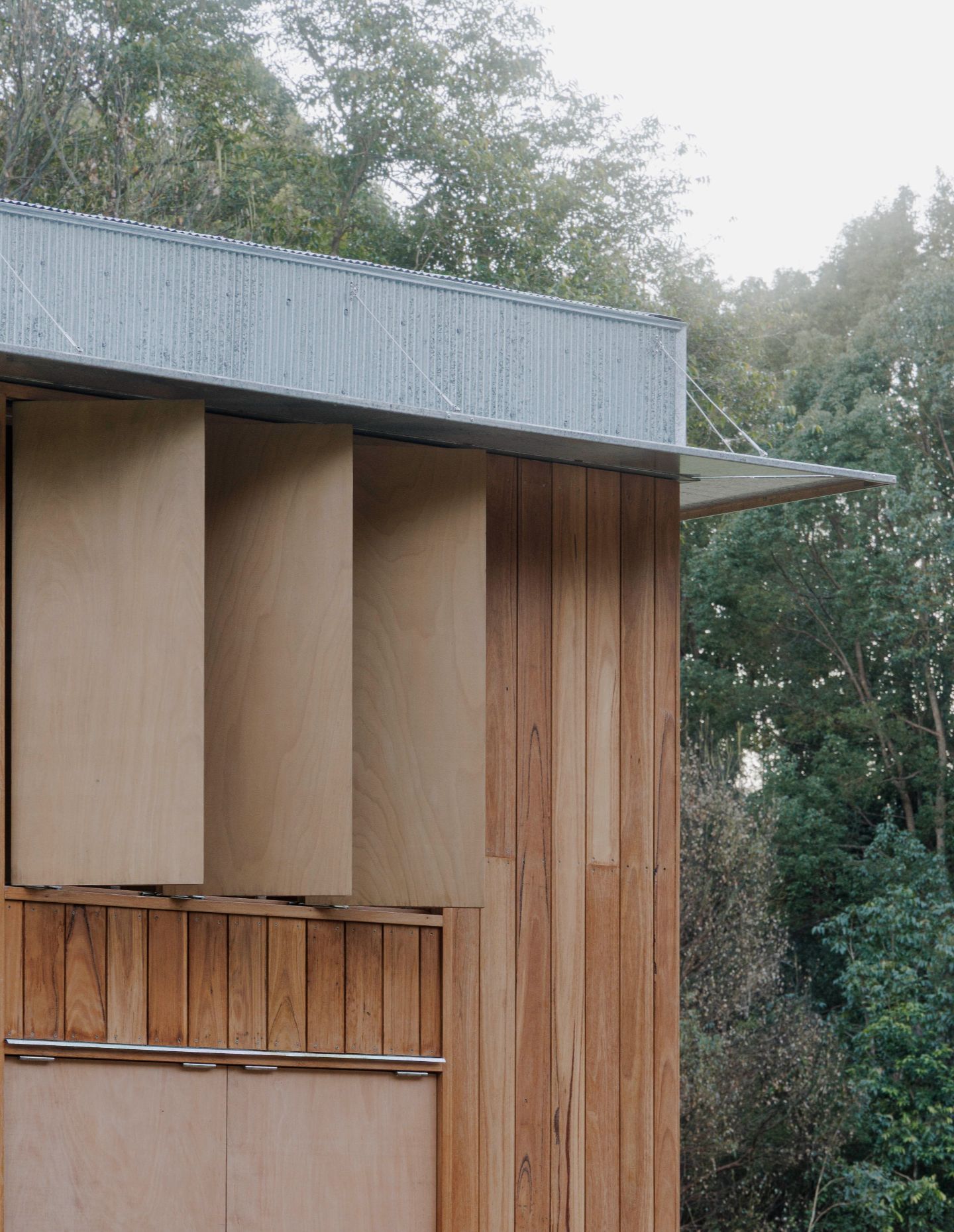
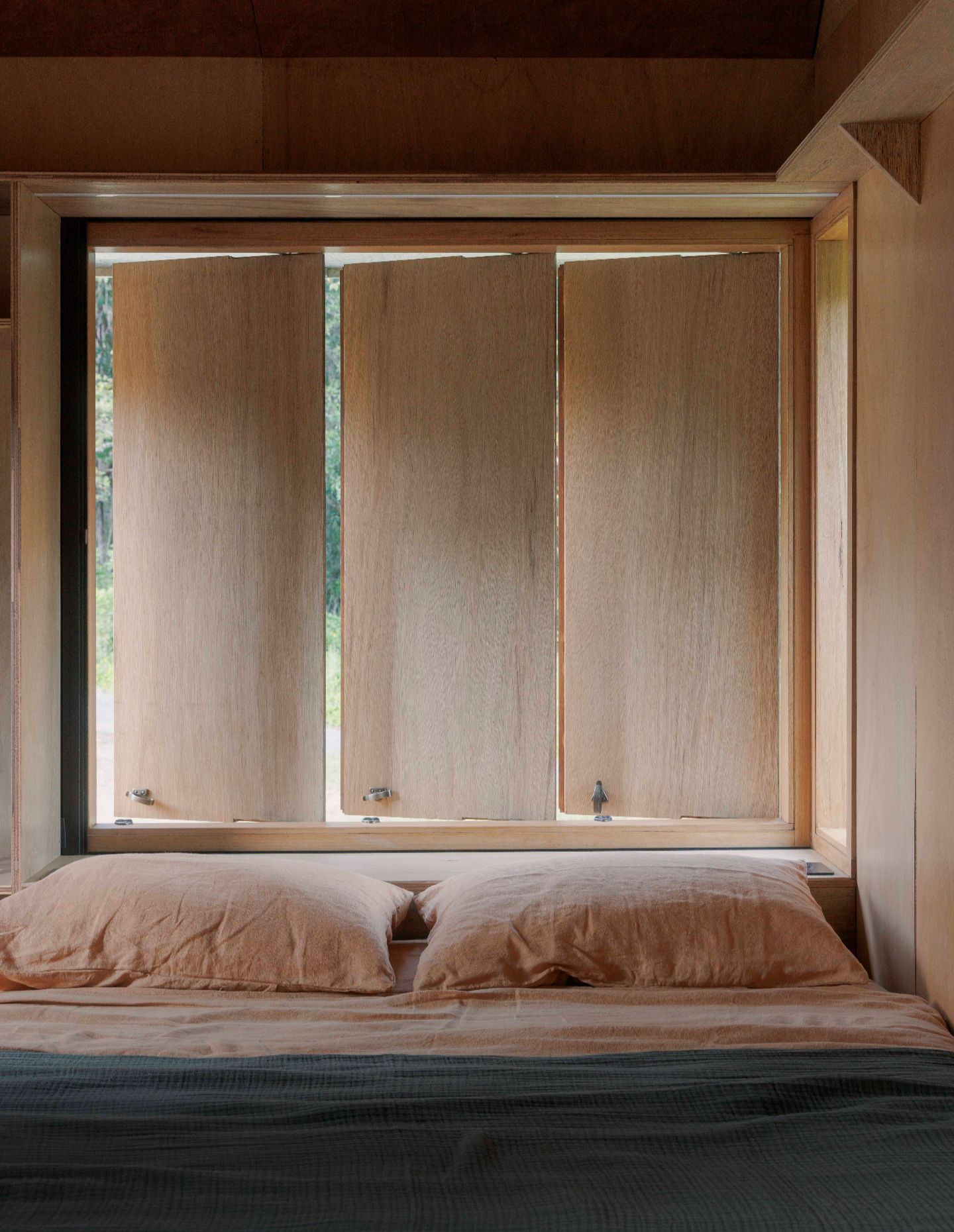
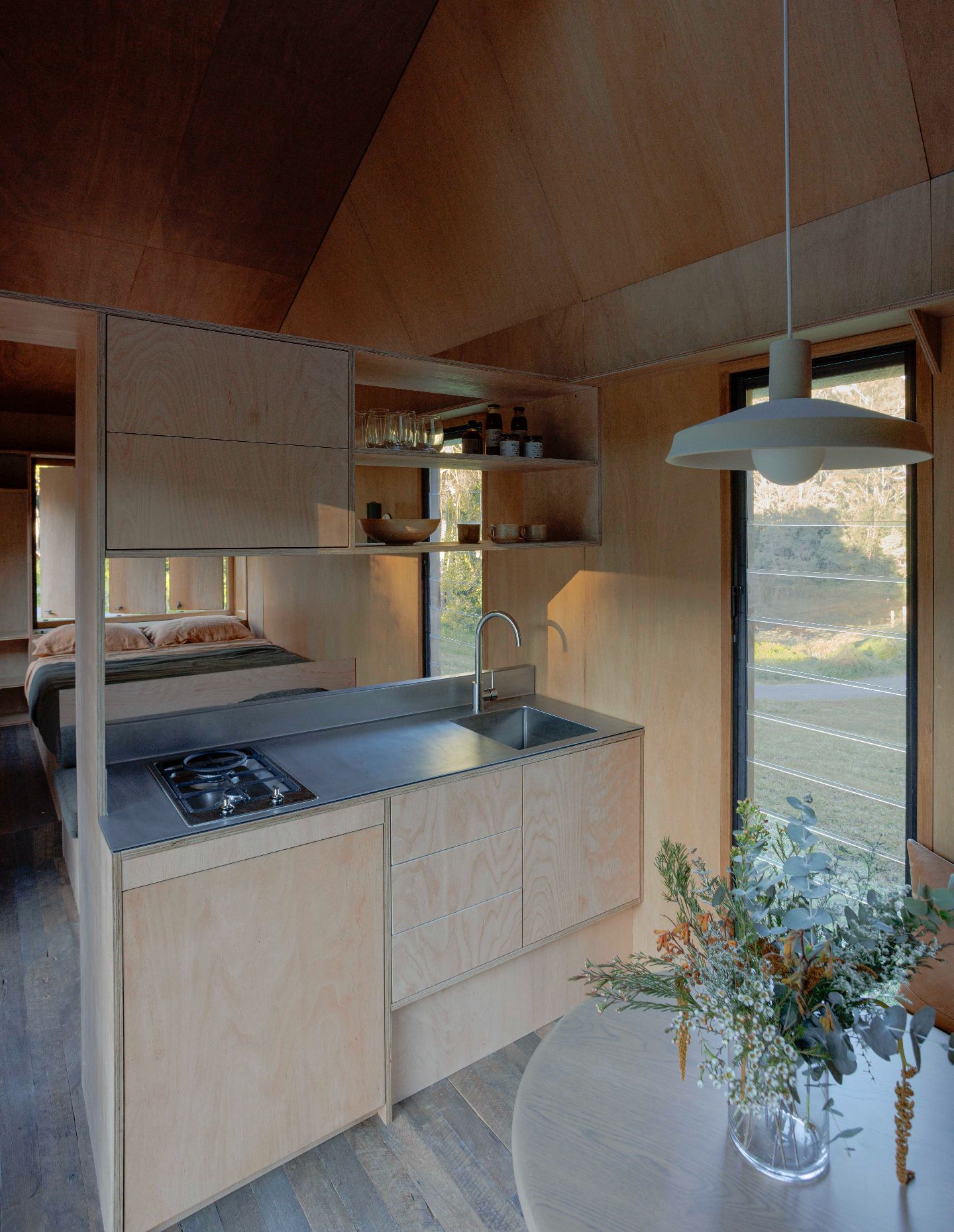
The design comprises sculptural roofing, removable eaves, an operable skylight, strategically placed fenestration, expansive louvres and well insulated airtight walls to ensure excellent ventilation, reduce mold risk and minimise heat gain. Corrugated steel wraps the exterior, while the interior is a melting pot of modern and natural elements including hardwood ply lining and joinery, recycled wire brushed barn flooring and contemporary and locally sourced finishes. The home’s compact size further maximises its efficiency by reducing its carbon footprint.
Related: Eco living in the city
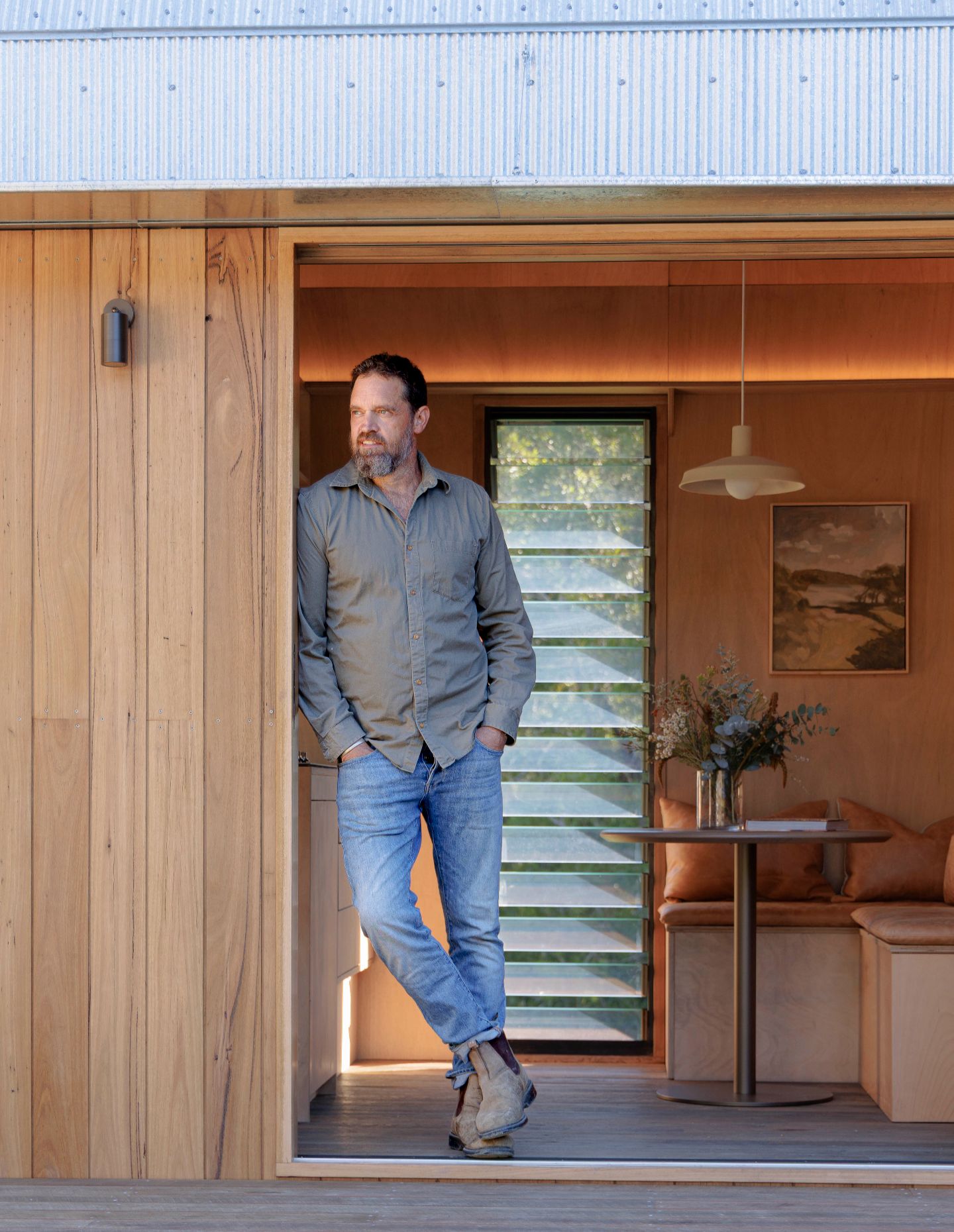
“The future of residential builds in Australia needs to be more diverse. It’s not just about the standard house block; people, especially in cities, will need to find ways to increase density but maintain amenity,” notes King. “I think tiny homes are perfect places to try different things – because they are small, they are very responsive to their environment, so one must carefully consider the impact of heat, rain and moisture.”
“The material palette and expressed joinery evoke a sense of familiarity and simplicity,” says Hayley Pryor, Architect for Retreat House. Without a permanent locale, the structure needed to adapt to rural and urban environments, depending on the surrounding context it would call home, which was achieved with a limited and natural palette suitable to an array of settings.
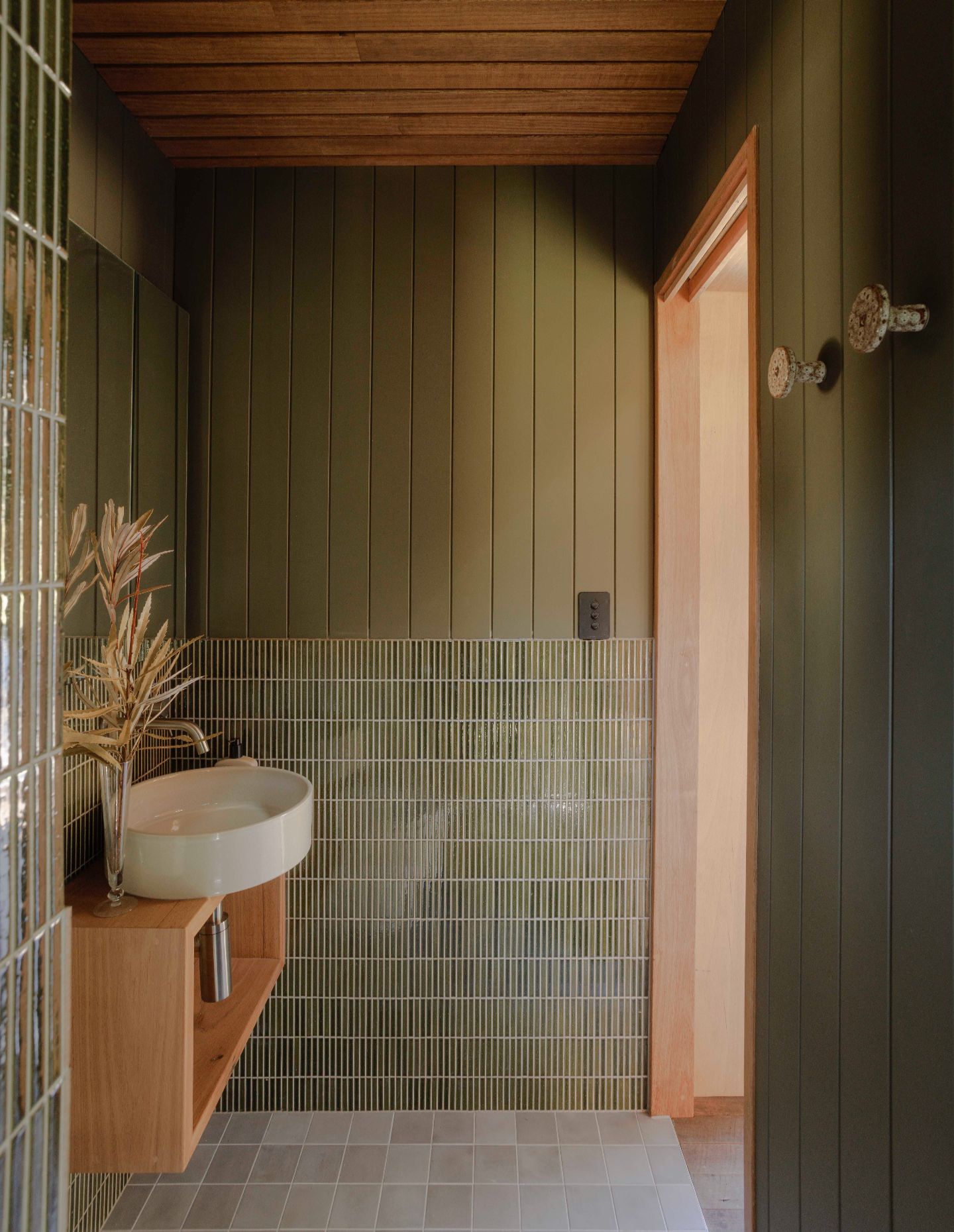
A functional, full-height bathroom with a handmade blackbutt vanity anchors the wet area, while ceiling is lined with glosswood timber and ceramic tiles handmade in Japan. The home is illuminated with modern lighting solutions, improving aesthetic and usability. “This isn’t minimalism for its own sake – it’s a deliberate, function-led approach, proving that small-scale living doesn’t mean sacrificing good design,” adds Skye McCloud-Taylor, interior designer for Retreat House.
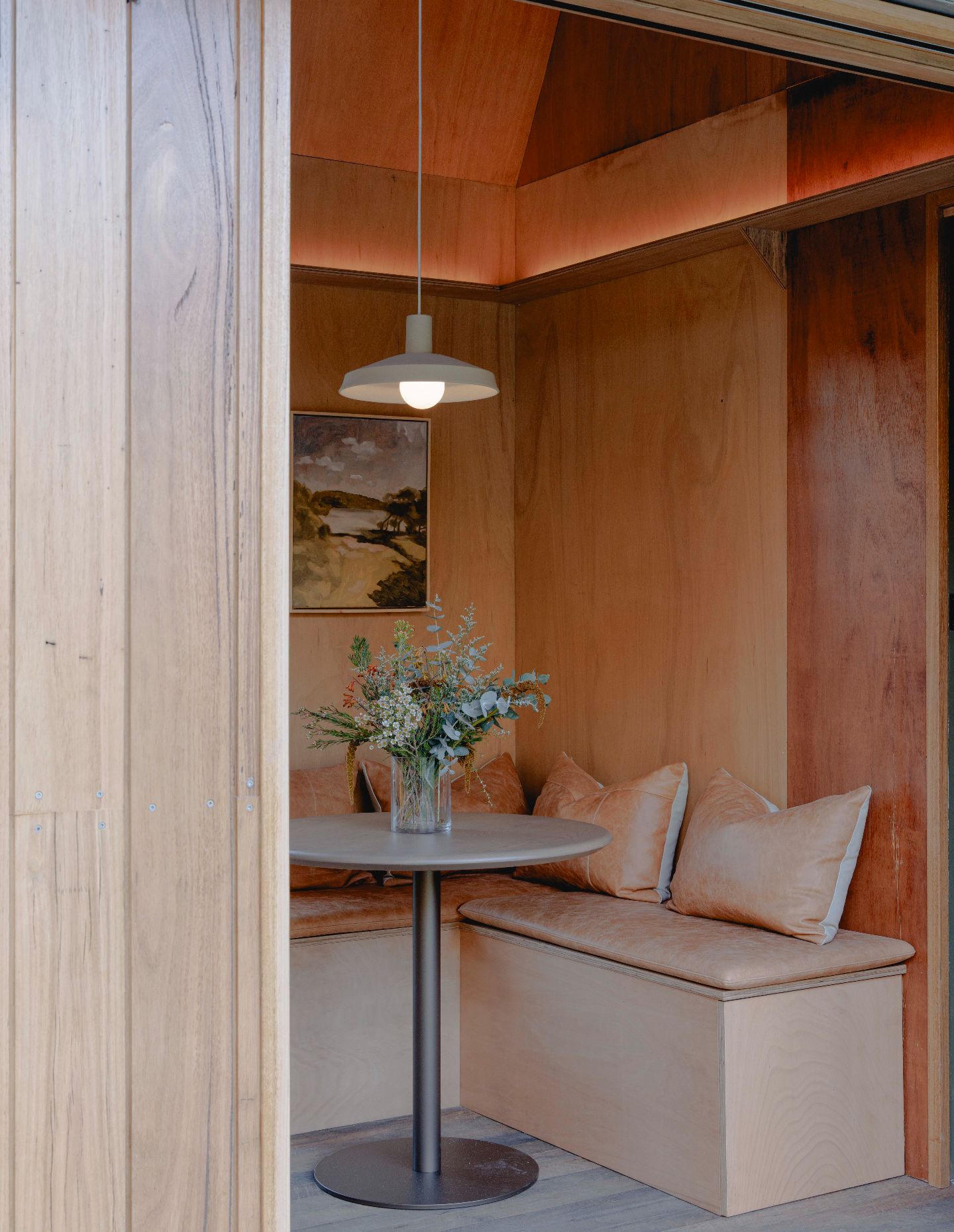
The interior includes a kitchenette, which, similar to larger-scale homes, is central. A built-in nook for meals is orientated underneath the centralised skylight, while integrated storage is tucked into joinery at every opportunity. Additionally, external pull-out solutions maximise storage space, while a vast sliding door and custom-built timber deck allow the living space to flow into the outdoors.
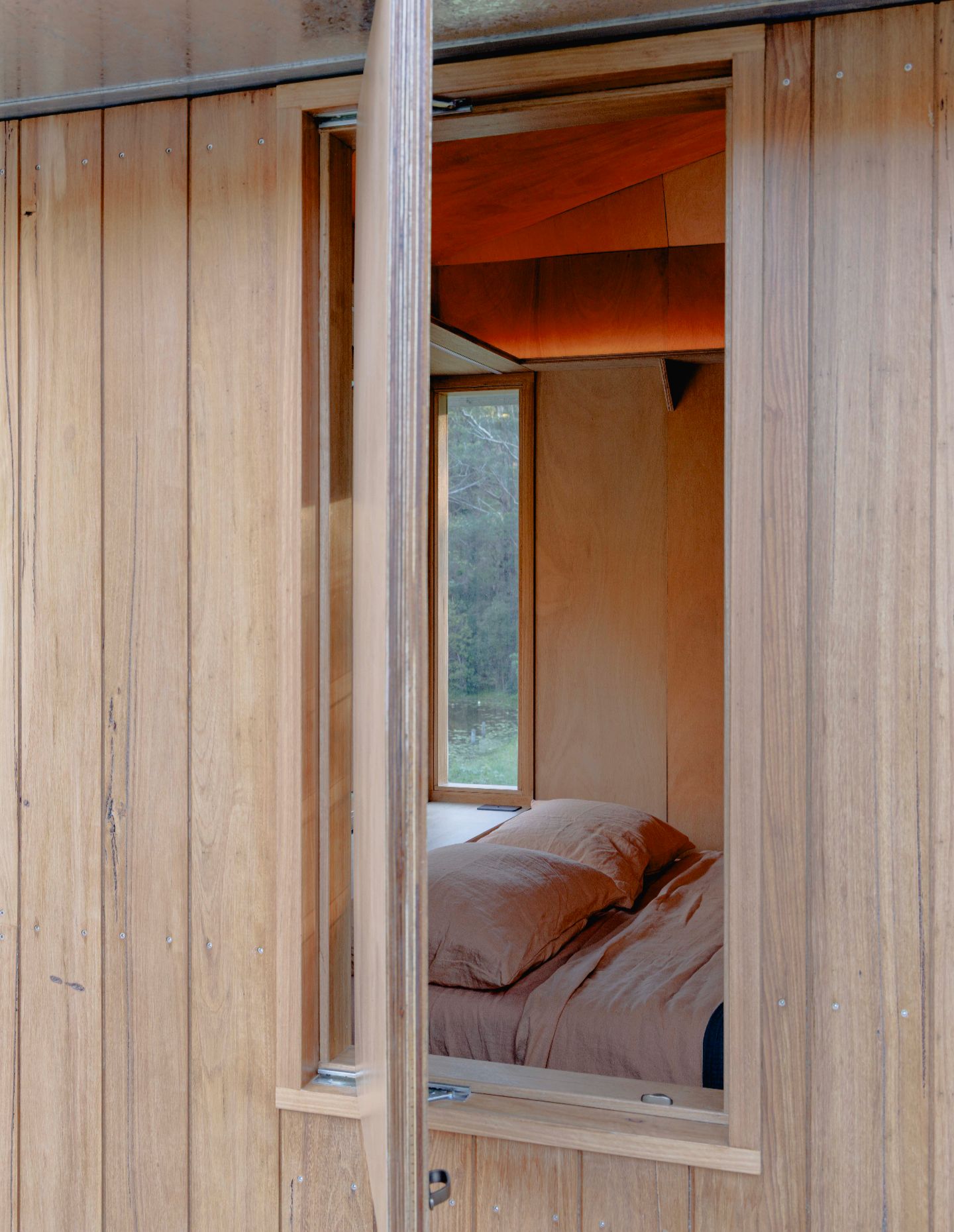
“Retreat House has become my sanctuary, offering simpler times with fewer distractions,” King concludes. The project represents a shift in the way we approach housing in Australia. With land becoming increasingly scarce and expensive, the team perceive these adaptable homes as a solution to the growing need for housing.