
Milan Design Week is only partly about products. The better presentations use furniture, lighting, kitchens and bathrooms as a way into something larger: a mood, a spatial idea, a sharper point of view about how design might be lived with. So far this year, the strongest projects have been the ones with a clear internal logic. Some are overtly theatrical, others almost withholding. A few are simply very well staged. Together, they suggest a week less interested in blunt spectacle than in atmosphere and material intelligence.
Aesop, The Factory of Light
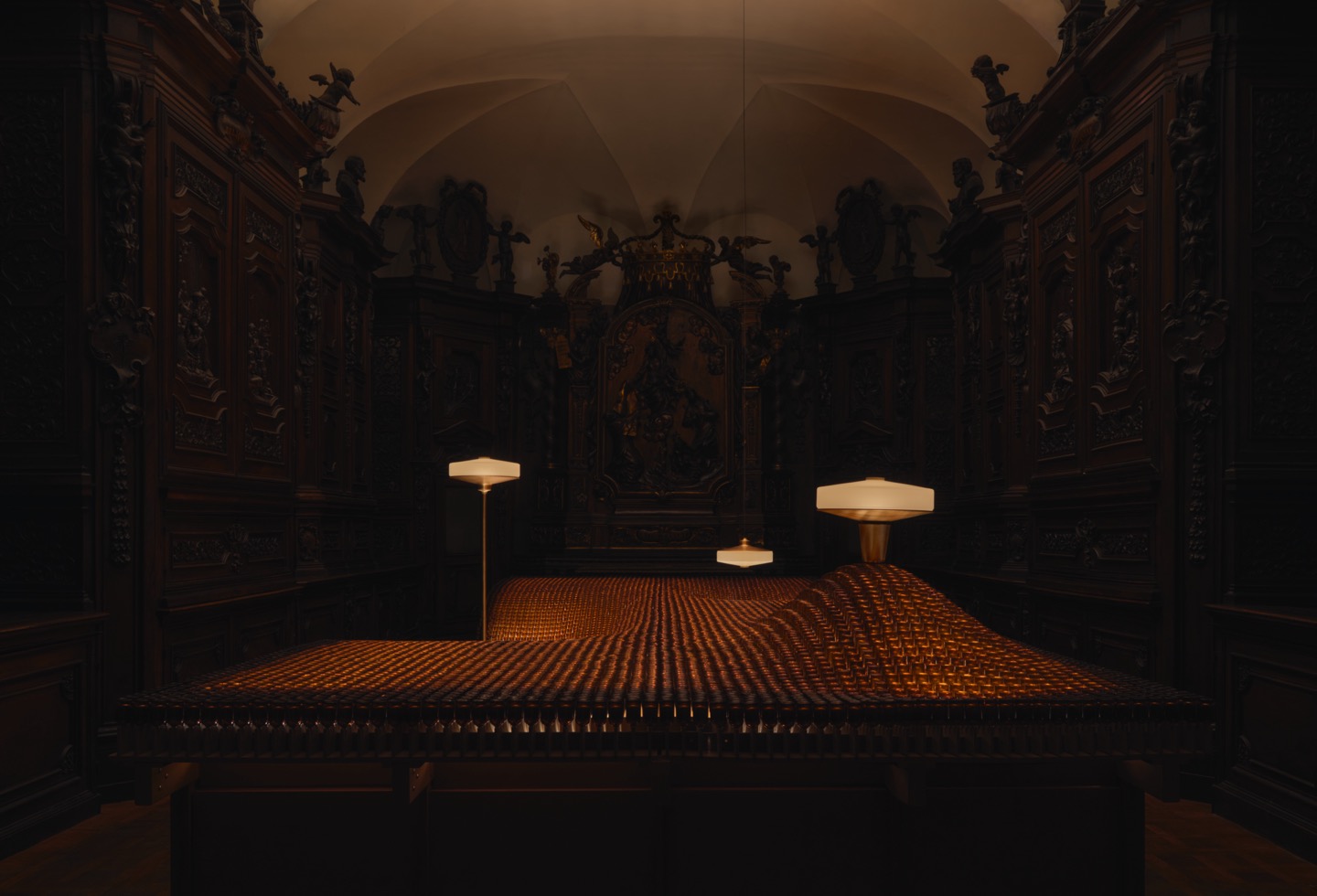
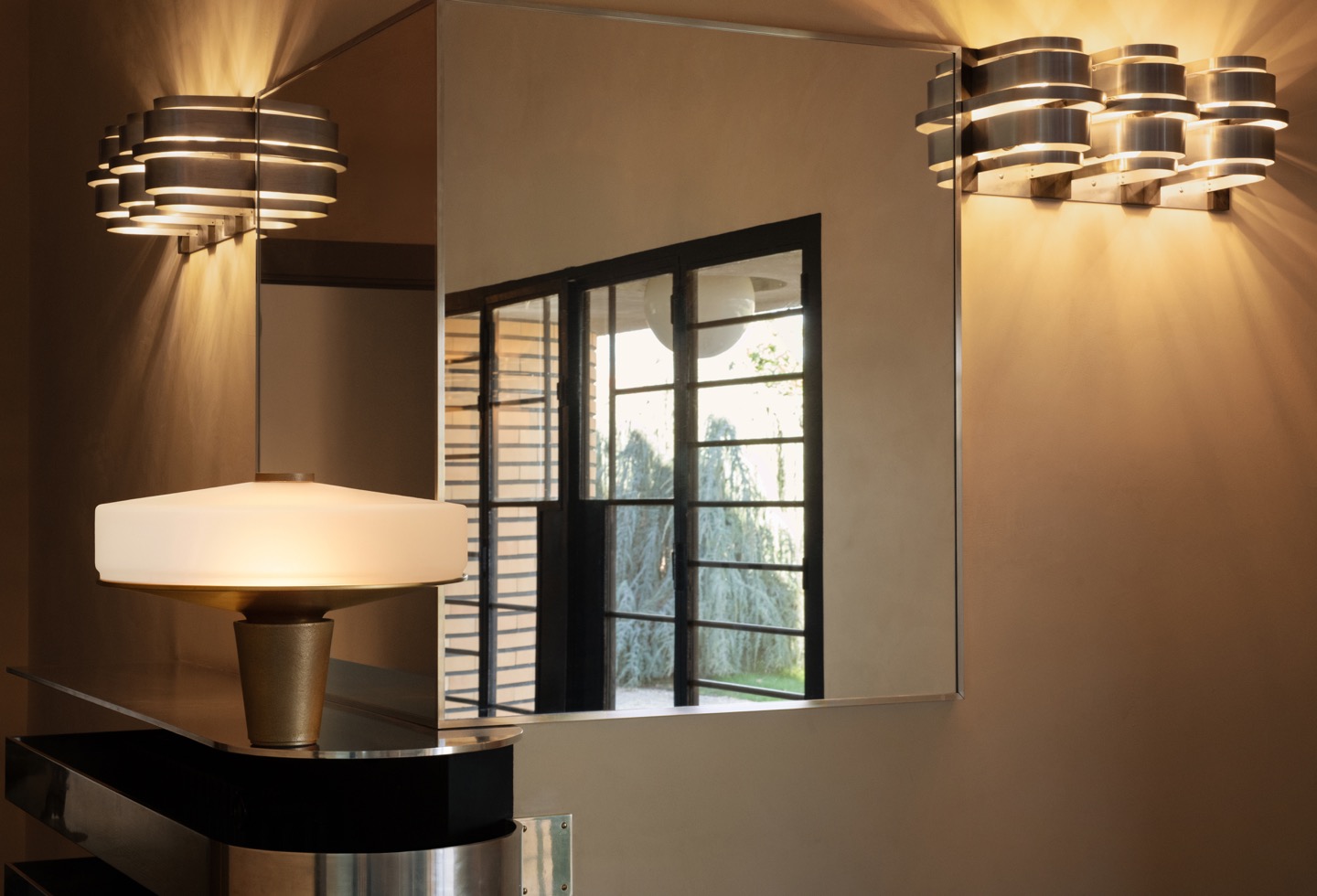
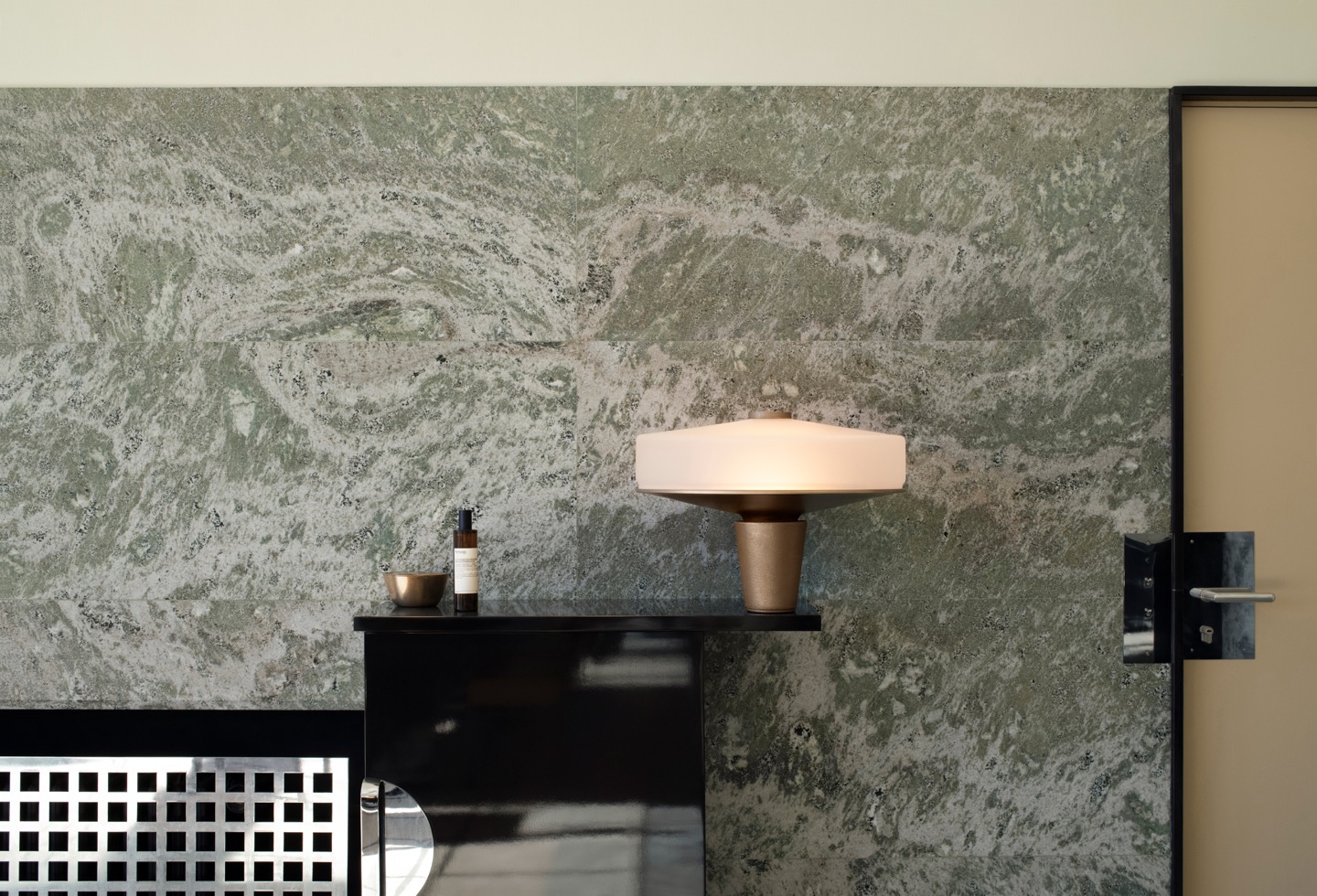
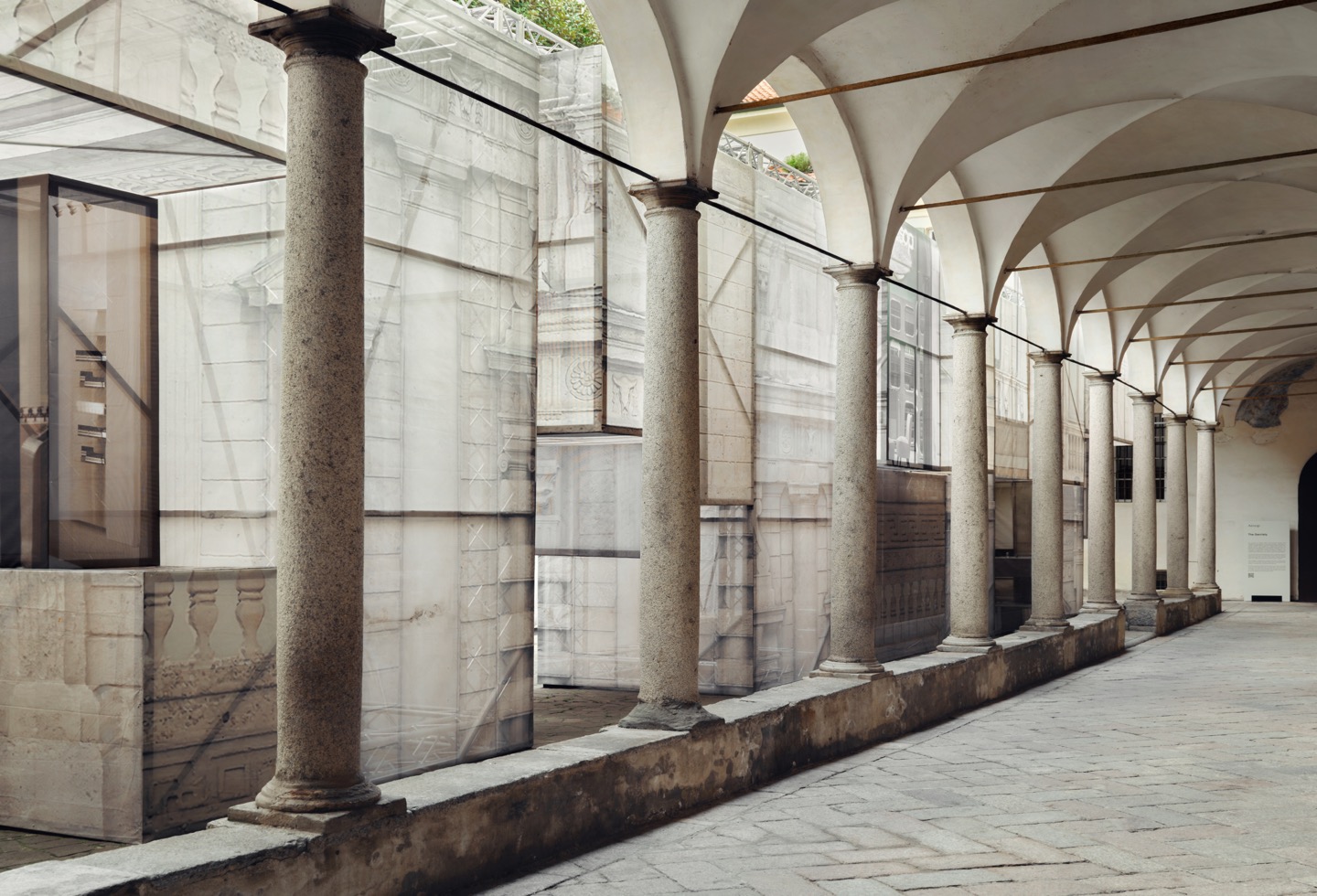
One of the most resolved installations comes from Aesop, whose Factory of Light is set within Santa Maria del Carmine and designed by Australian architect Rodney Eggleston of March Studio. That Australian link matters, but so does the fact that the project feels genuinely thought through rather than merely atmospheric. The installation uses light as both subject and medium, tracing the making of the new Aposē lamp through four rooms — Hear, See, Touch and Smell — while also returning to the brand’s long-running preference for low, warm, carefully modulated illumination. Salvaged restoration tarpaulins become translucent walls; leftover fragrance bottles are repurposed into a shimmering amber landscape in the sacristy; brass, glass and scent are handled with the same composed precision as the architecture. It is brand theatre, certainly, but unusually disciplined brand theatre. The project explores how Aesop’s approach to spaces, objects and formulations has been guided by “an understanding of how to best harness light,” says Garance Delaye.
Moroso, I feel space / Geometriæ by Front
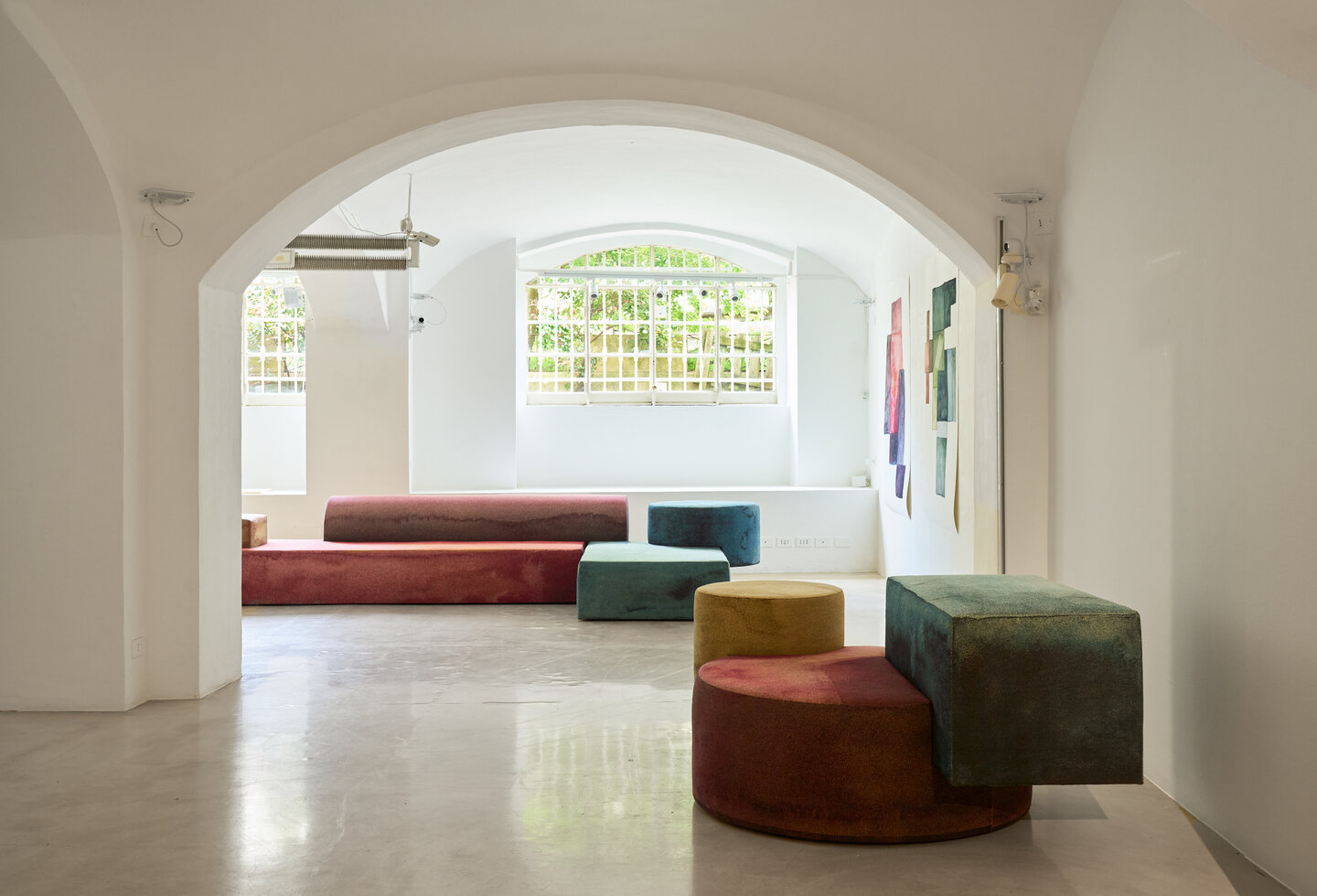
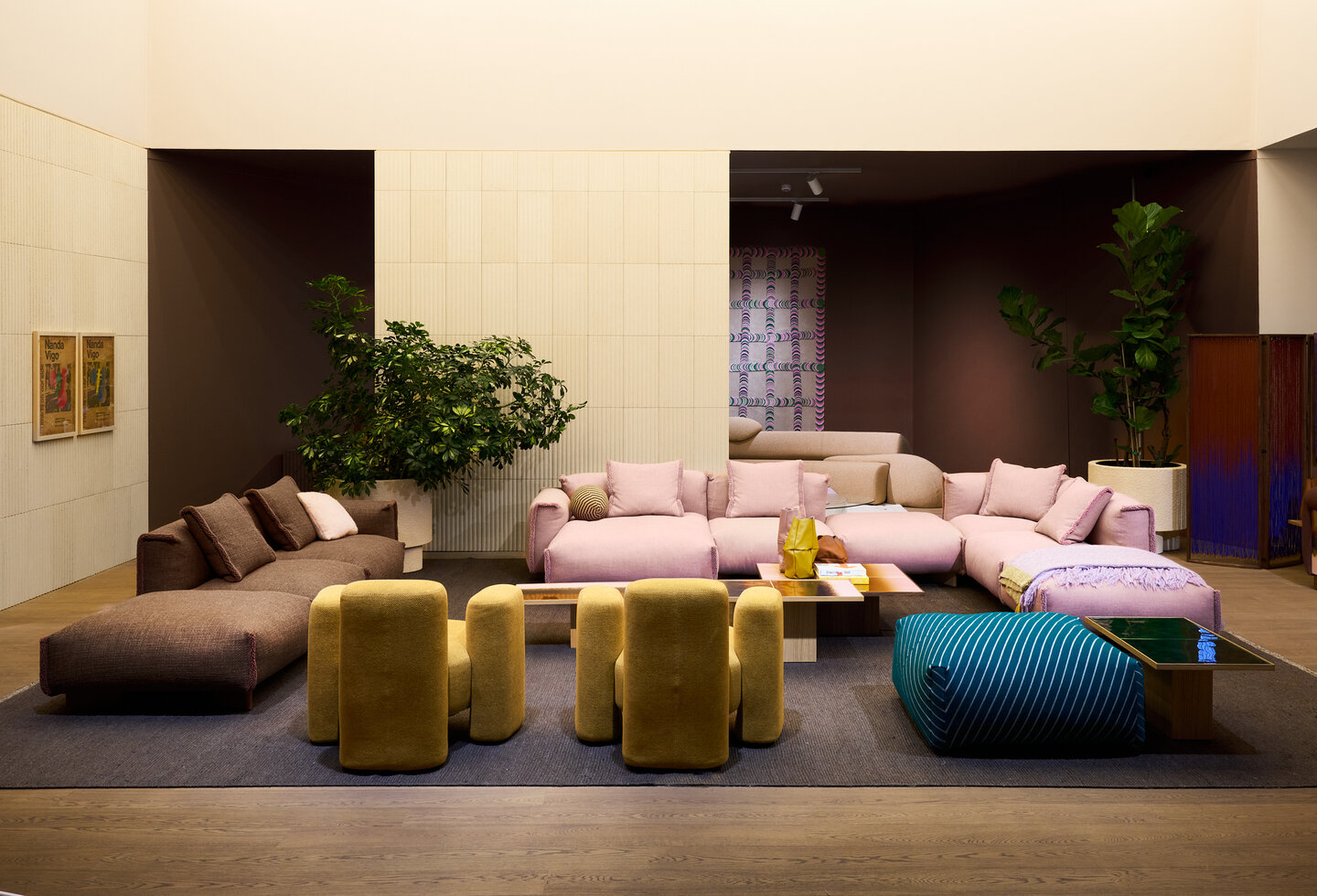
Moroso’s Milan presence this year is split between its Via Pontaccio flagship and Colombo’s Gallery, but the thread joining them is a concern with furniture as something perceptual as much as physical. At the flagship, Patricia Urquiola’s I feel space reworks the showroom as a sequence of material and chromatic shifts, treating space as something felt through movement, touch and proximity rather than simply seen. Within that larger composition, Front’s Geometriæ stands out as one of the more interesting new projects around town. Using jacquard surfaces derived from drawings and paintings, the Swedish duo turns geometry into a small perceptual problem: cubes, spheres and cylinders appear to carry their own light and shadow, so that the seating oscillates between actual mass and optical effect. Seen again at Colombo’s Gallery, Geometriæ reads even more clearly as an inquiry into how form is recognised and destabilised.
Laufen, When Time Becomes Material / PAR by Konstantin Grcic
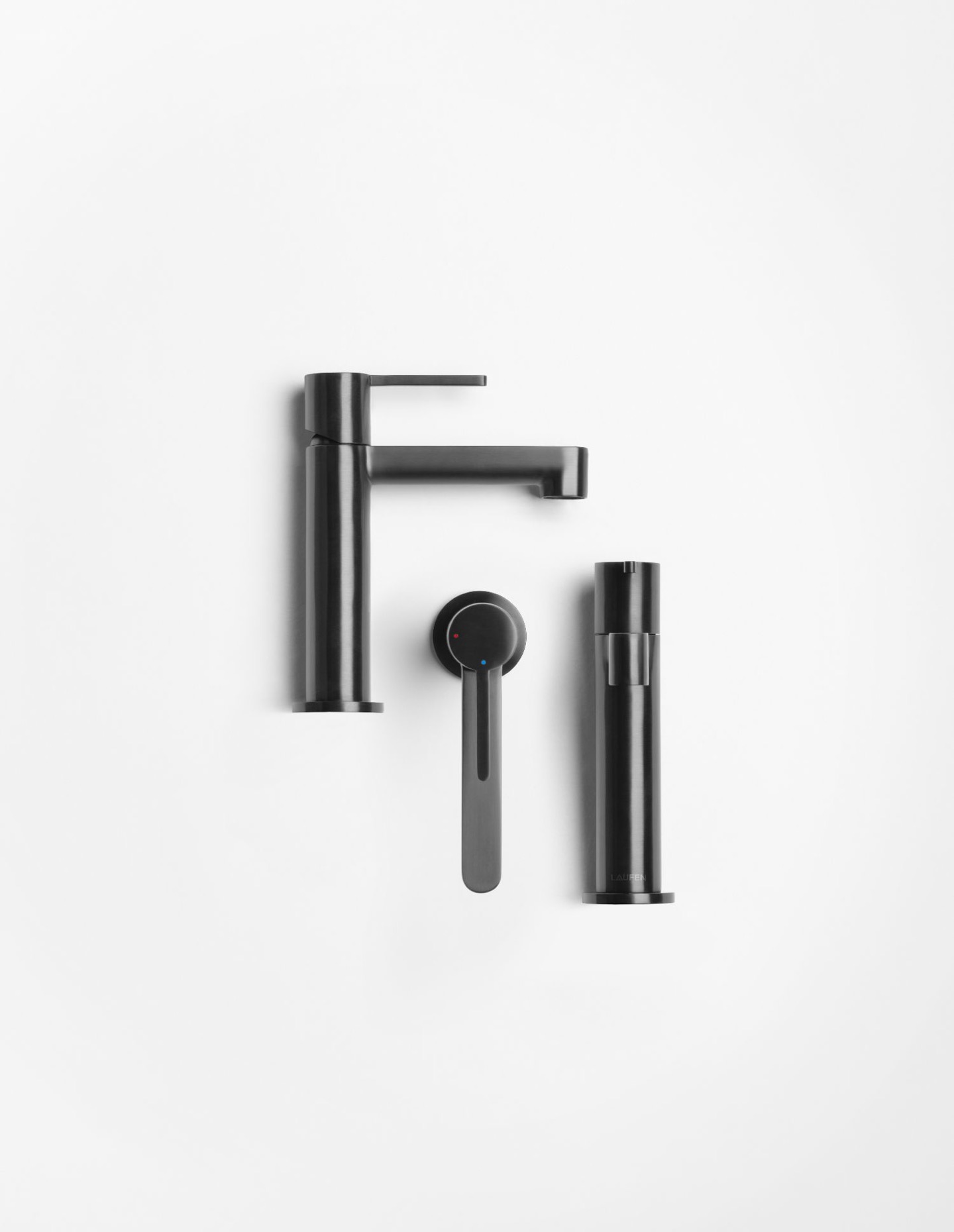
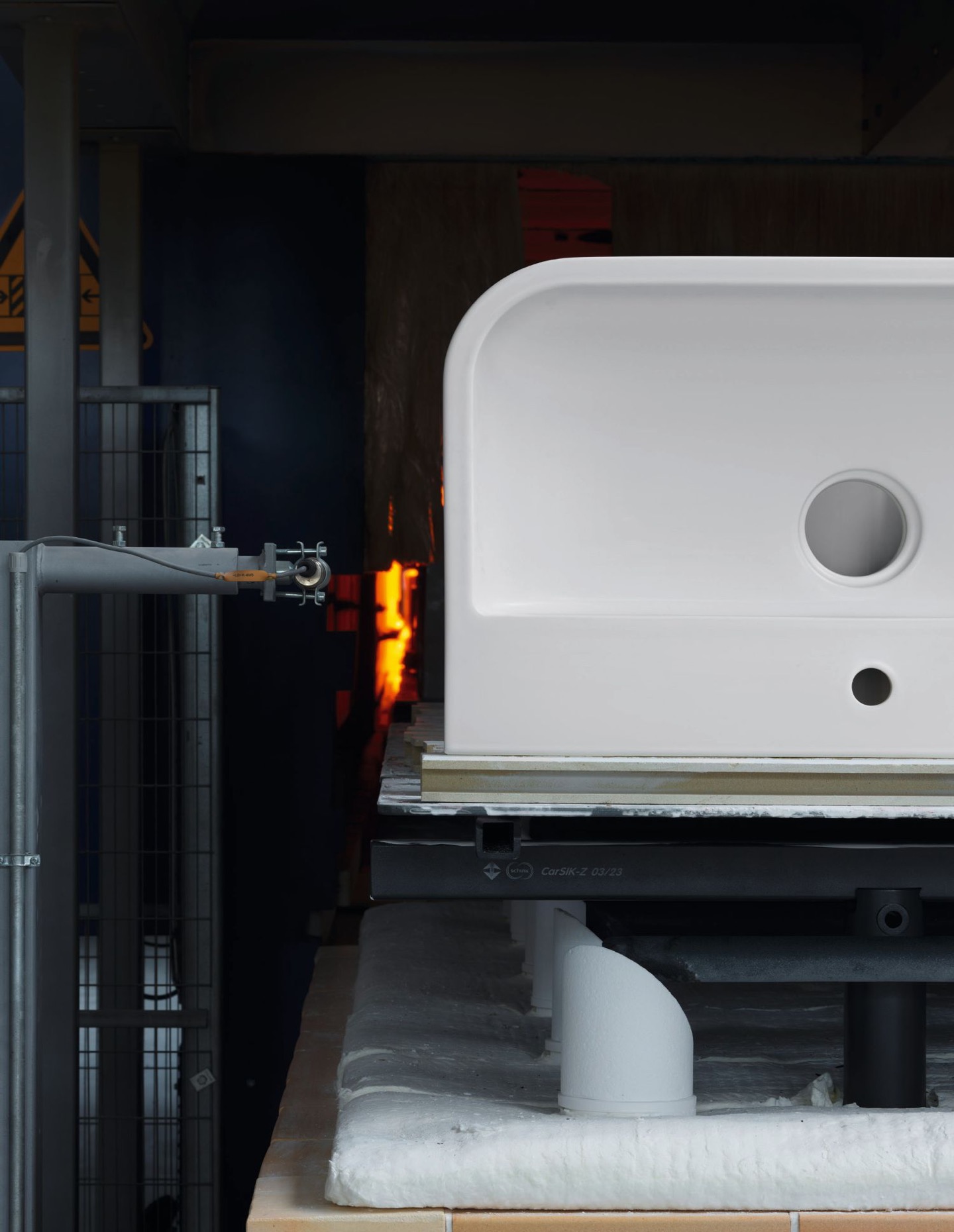
At Laufen Space Milano, Konstantin Grcic introduces a bathroom collection designed with later life in mind without making it feel remedial. When Time Becomes Material presents the new PAR collection inside a cylindrical wooden structure, framing the bathroom as a place where time is lived through routine rather than measured by the clock. PAR is designed for older users, but the language is understated and exacting rather than explanatory. Ceramics, furniture, accessories and the new FIL faucet line are all handled with the same restraint, supporting daily life without turning support into spectacle. The installation’s key line — that the bathroom becomes “a quiet companion” — could easily have tipped into cliché, but the project earns it through formal control. There is a strong manufacturing story here as well, with the collection produced in Laufen’s electric tunnel kiln in Gmunden and positioned as part of the brand’s ongoing material research in Saphirkeramik. But what lands most is the dignity of the premise itself.
Related: Milan apartments to step inside during design week
Molteni&C, Responsive Nature
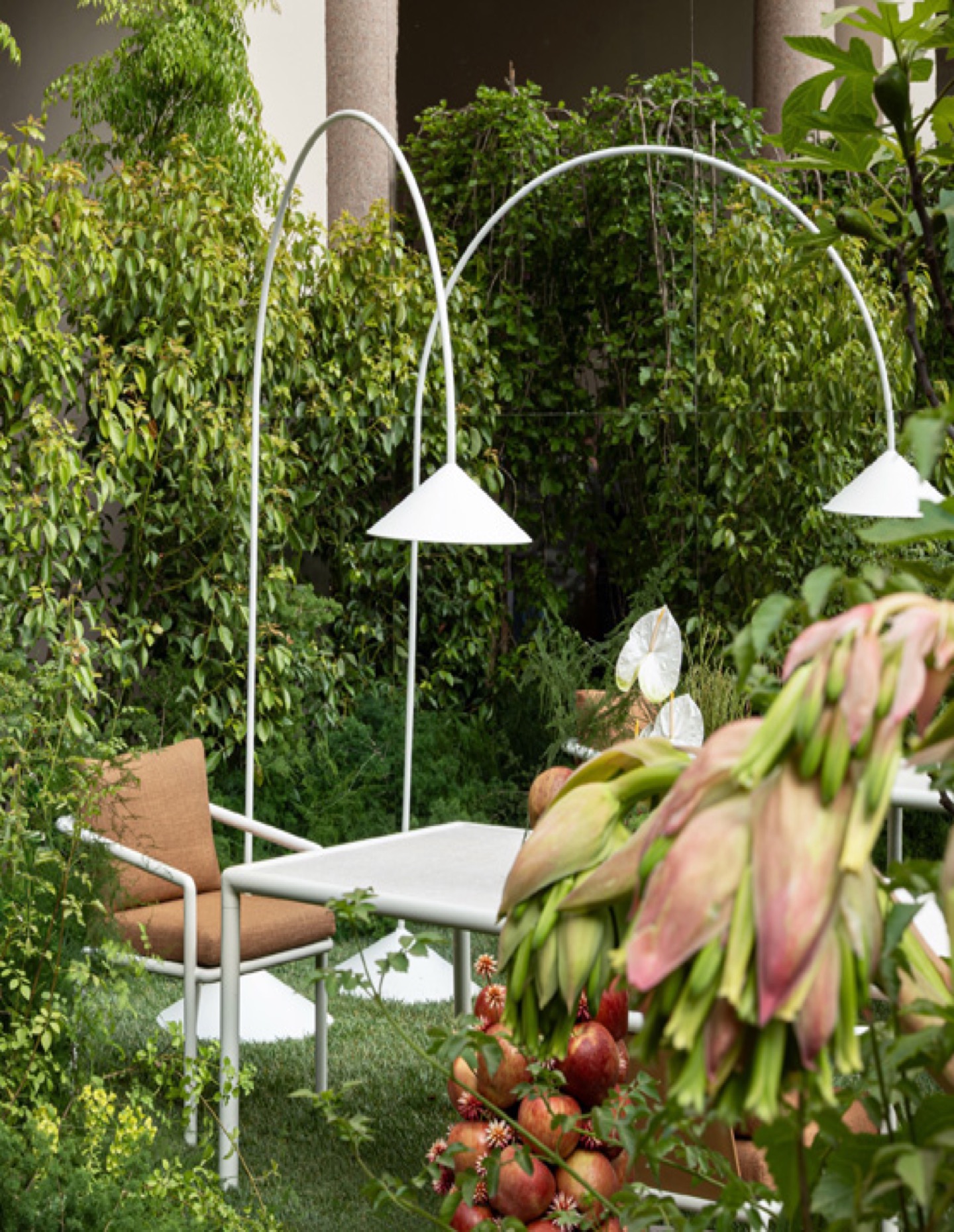
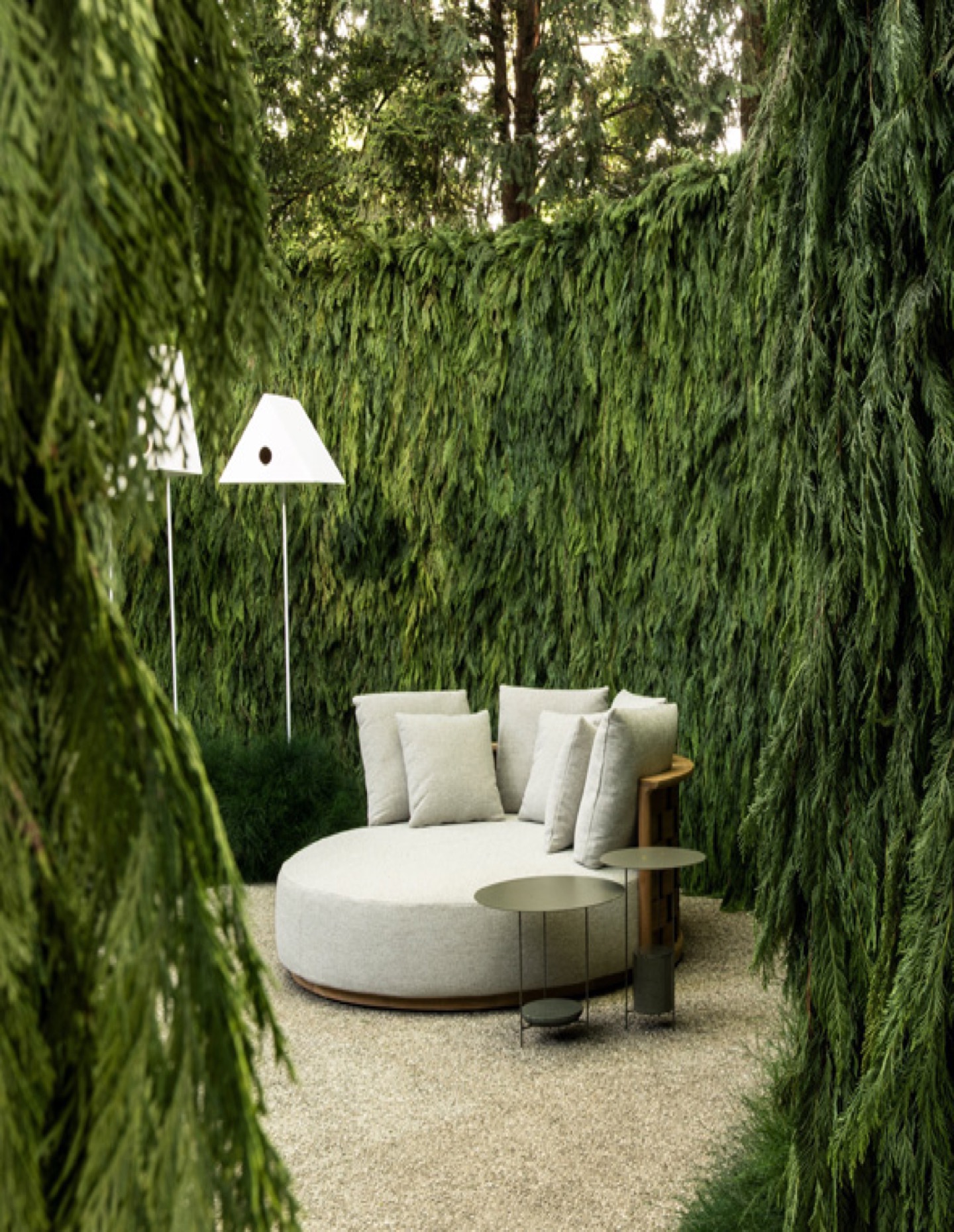
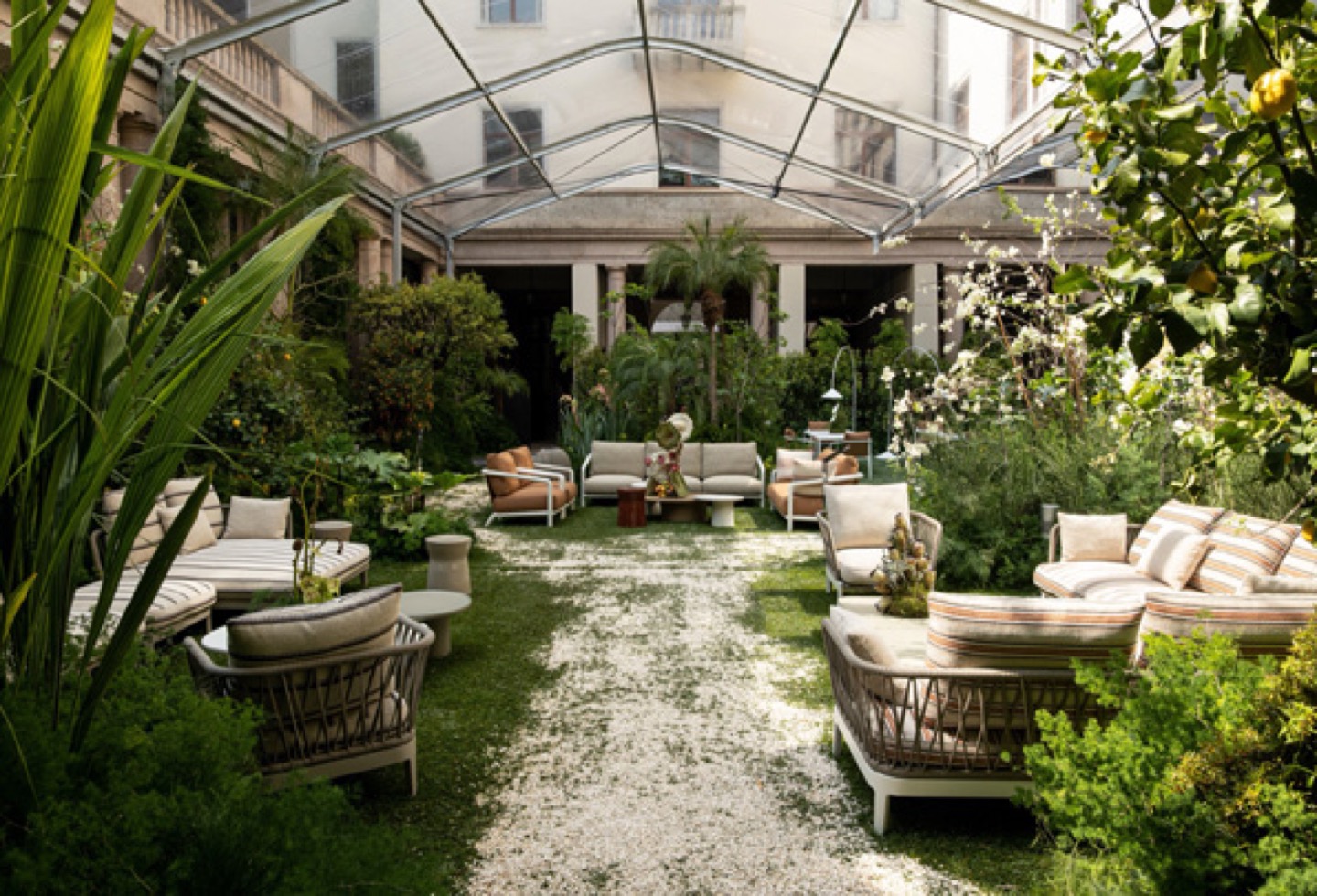
Elisa Ossino Studio’s Responsive Nature for Molteni&C is immersive, legible and rich enough to sustain a proper walk-through. Conceived for Garden Senato alongside the brand’s 2026 outdoor collection curated by Vincent Van Duysen, it is organised as a sequence of six botanical worlds, from the lushness of a contemporary Eden to a “third landscape” of semi-wild growth, an aquatic garden, a geometric hortus botanicus, a pale lunar garden and, finally, a digitally generated ecosystem in the exit corridor. That might sound over-programmed on paper, but the project is held together by a consistent spatial device: screens that filter views, slow the body and frame the relationship between furniture and vegetation. Sound by Bang & Olufsen and lighting by Vibia add another layer, but they do not overwhelm the gardens themselves. Ossino’s strongest instinct here is not maximalism but pacing. Responsive Nature works because it unfolds in chapters, each distinct, none overworked.
Gaggenau, Presence
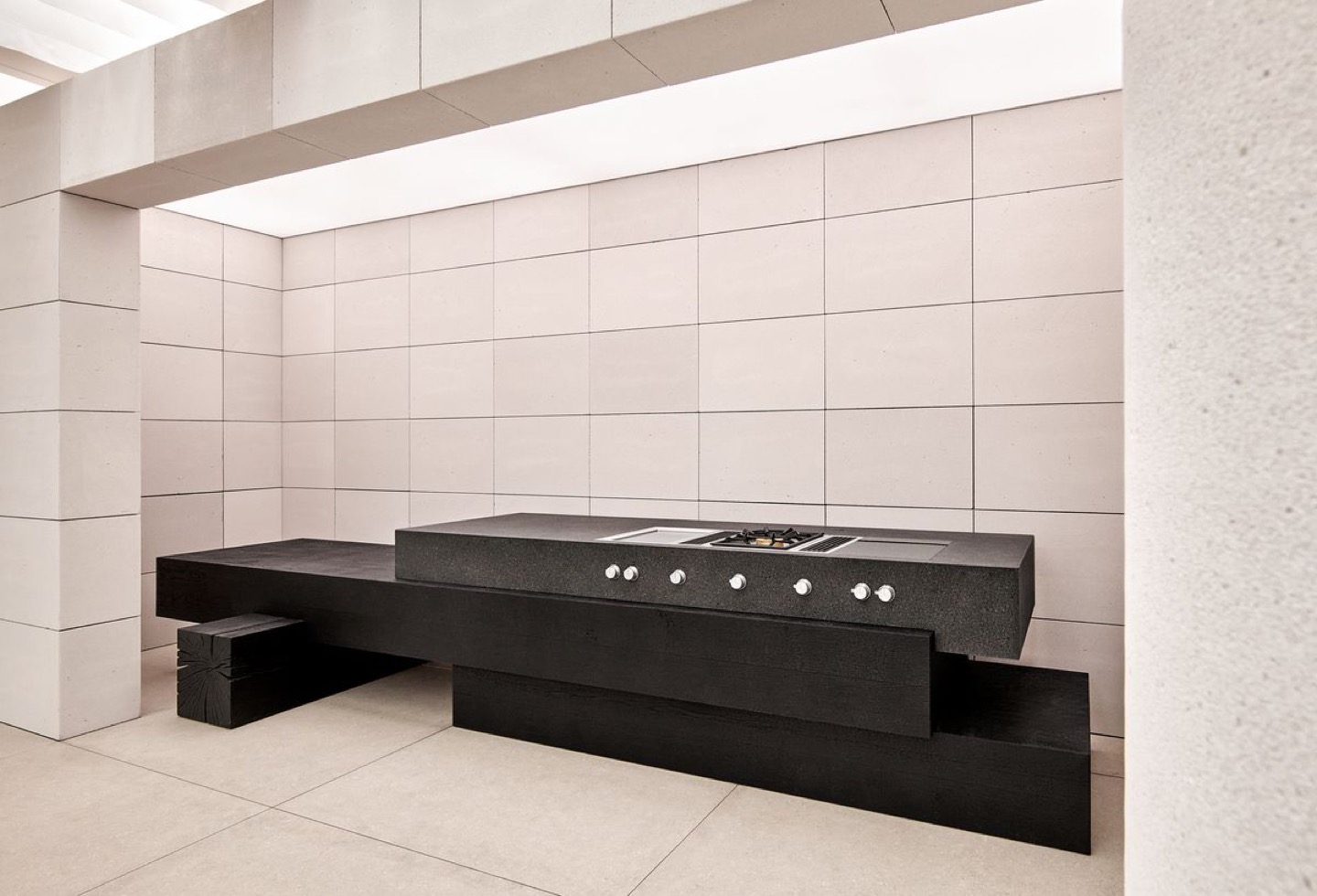
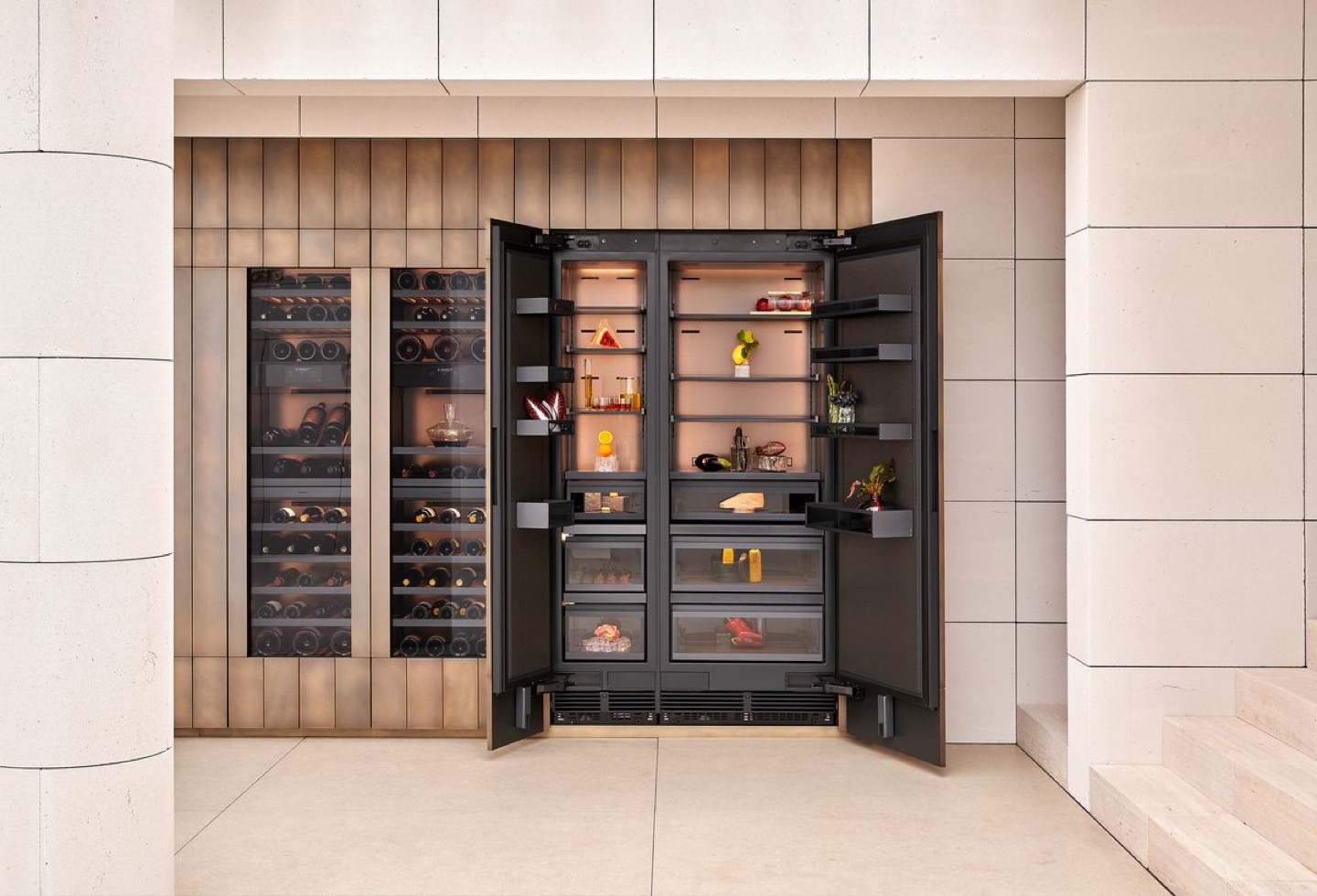
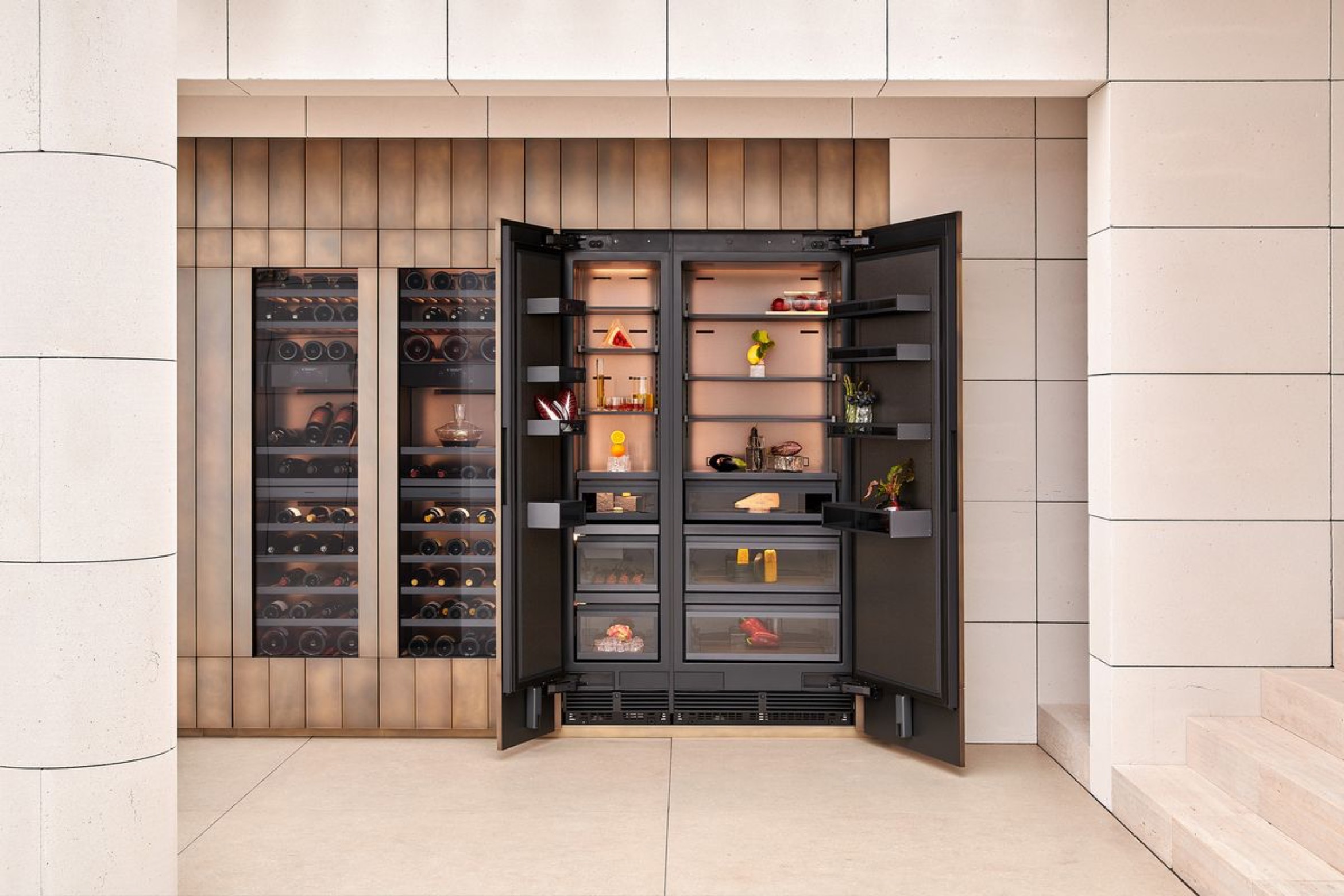
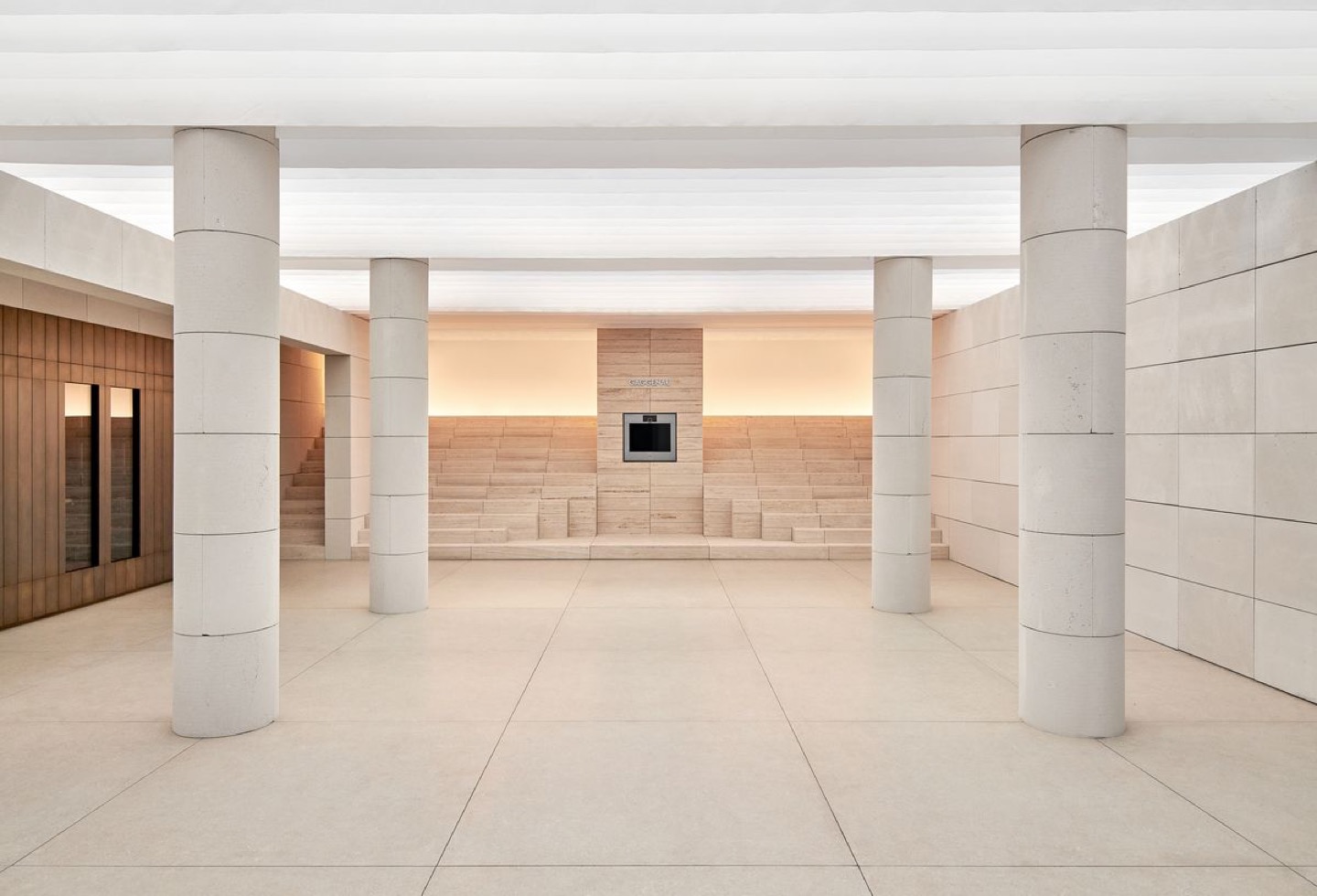
In the gardens of Villa Necchi Campiglio, Gaggenau’s Presence is a study in control. Developed with Munich studio 1zu33 and realised by Conduk, the installation uses a sequence of materials and focal points to present appliances as part of an architectural composition rather than as isolated objects. Travertine, mirrored glass, basalt, burnt wood and brass all do their part, but the project’s strength lies in its refusal to overstate. The appliances are embedded in the structure and encountered through rhythm, placement and proportion, which is a more intelligent strategy than the usual luxury-brand insistence on drama. There is also a culinary layer developed with chef Tohru Nakamura, who serves a light dashi throughout the week. It is a neat move: sensory, yes, but in keeping with the installation’s overall discipline. Dr Peter Goetz describes Presence as an expression of refinement through “architecture, proportion and material.”
UniFor, MTM – Made to Measure / Giuditta / Non Places
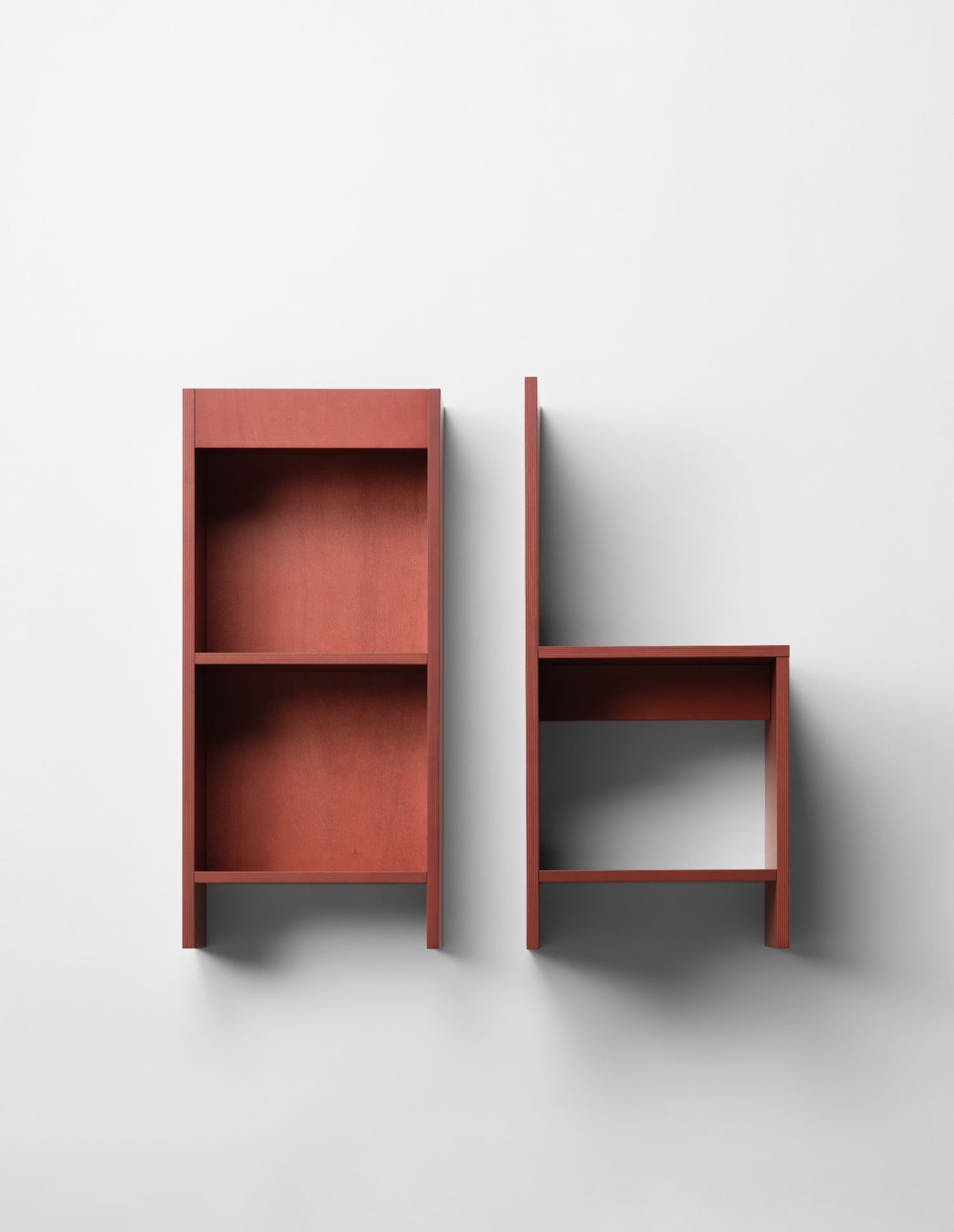
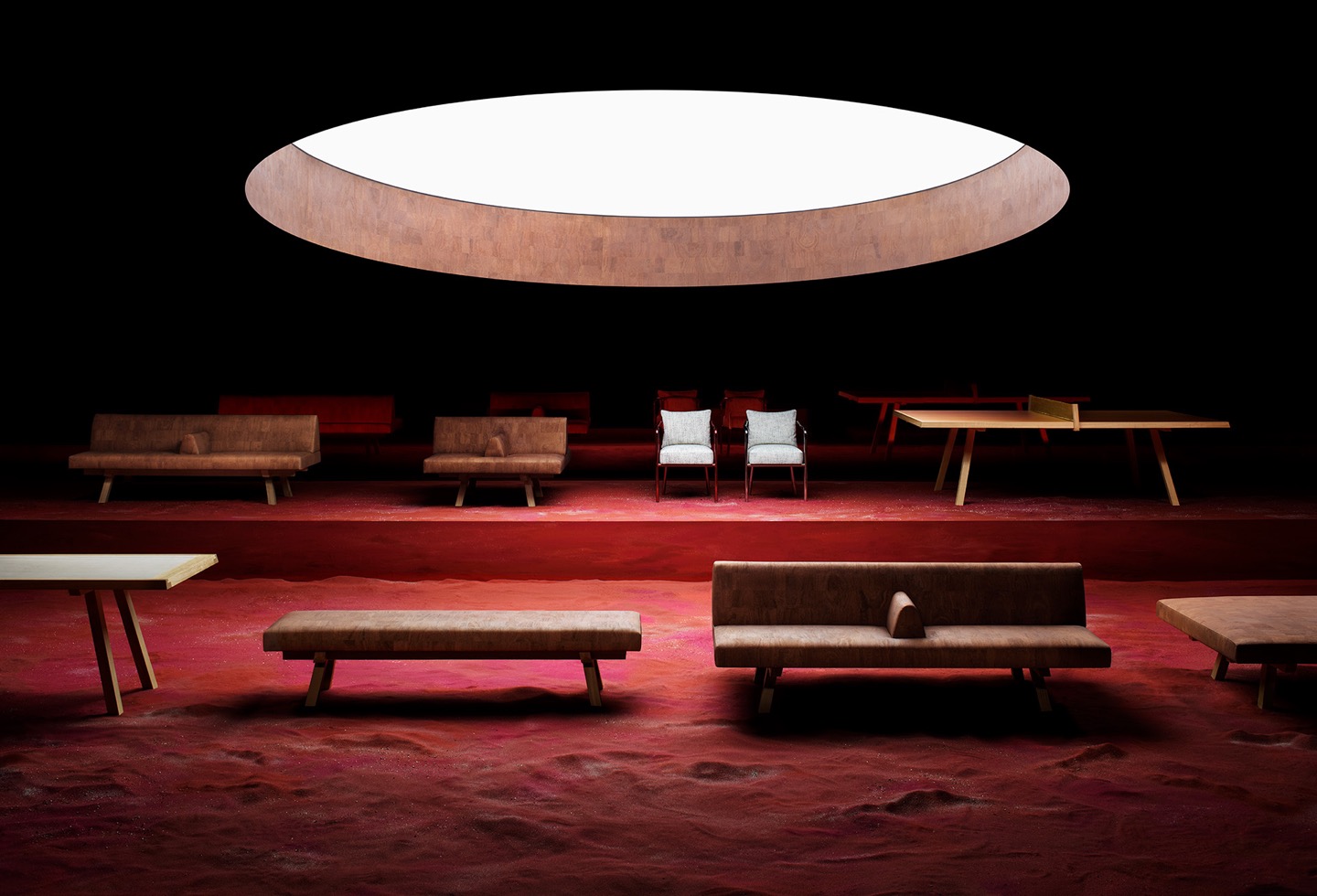
UniFor has one of the week’s most rigorous presentations. At Spazio UniFor, Herzog & de Meuron’s new MTM and Giuditta families are installed within Non Places, a Studio Klass concept that refuses the usual showroom shorthand. MTM is built around a repeatable 12-degree geometry and a structural principle that scales from communal tables to benches, sofas and a table-tennis version without losing coherence. Giuditta, by contrast, revisits a more familiar chair type in walnut and steel, with elegance and stackability handled in equal measure. Studio Klass’s contribution is crucial. By placing the work inside a curved glass cylinder, on a red mineral ground and beneath a suspended luminous ellipse, the designers strip away any fixed lifestyle reading and let the products hold space on their own terms. As Studio Klass co-founder Marco Maturo puts it, the idea was to construct “a neutral, as yet undetermined condition” in which the objects could register as autonomous presences. That sounds abstract, but in person it is likely one of the clearest exhibition arguments of the week.
Tongue & Groove, Established & Sons, Raw Edges
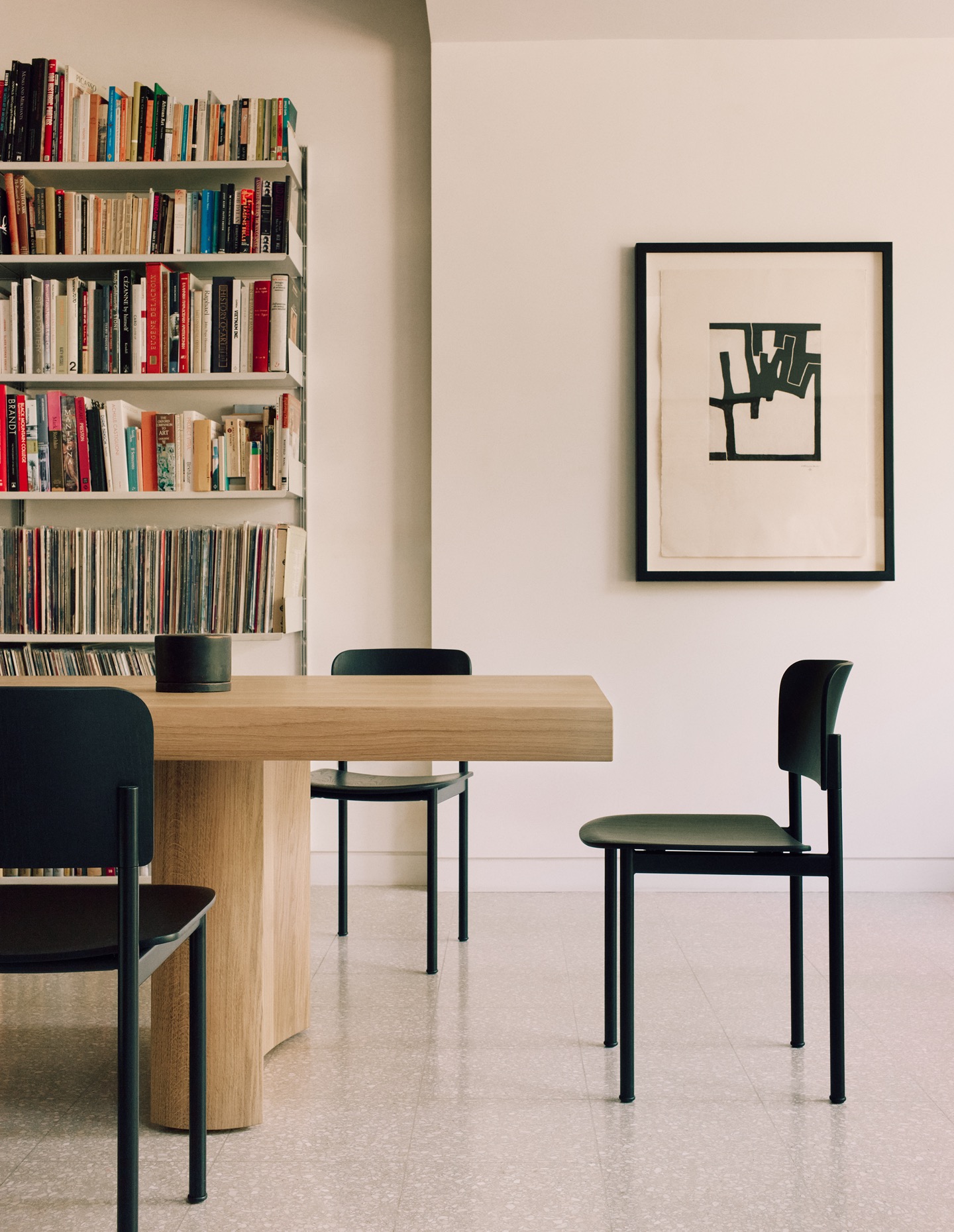
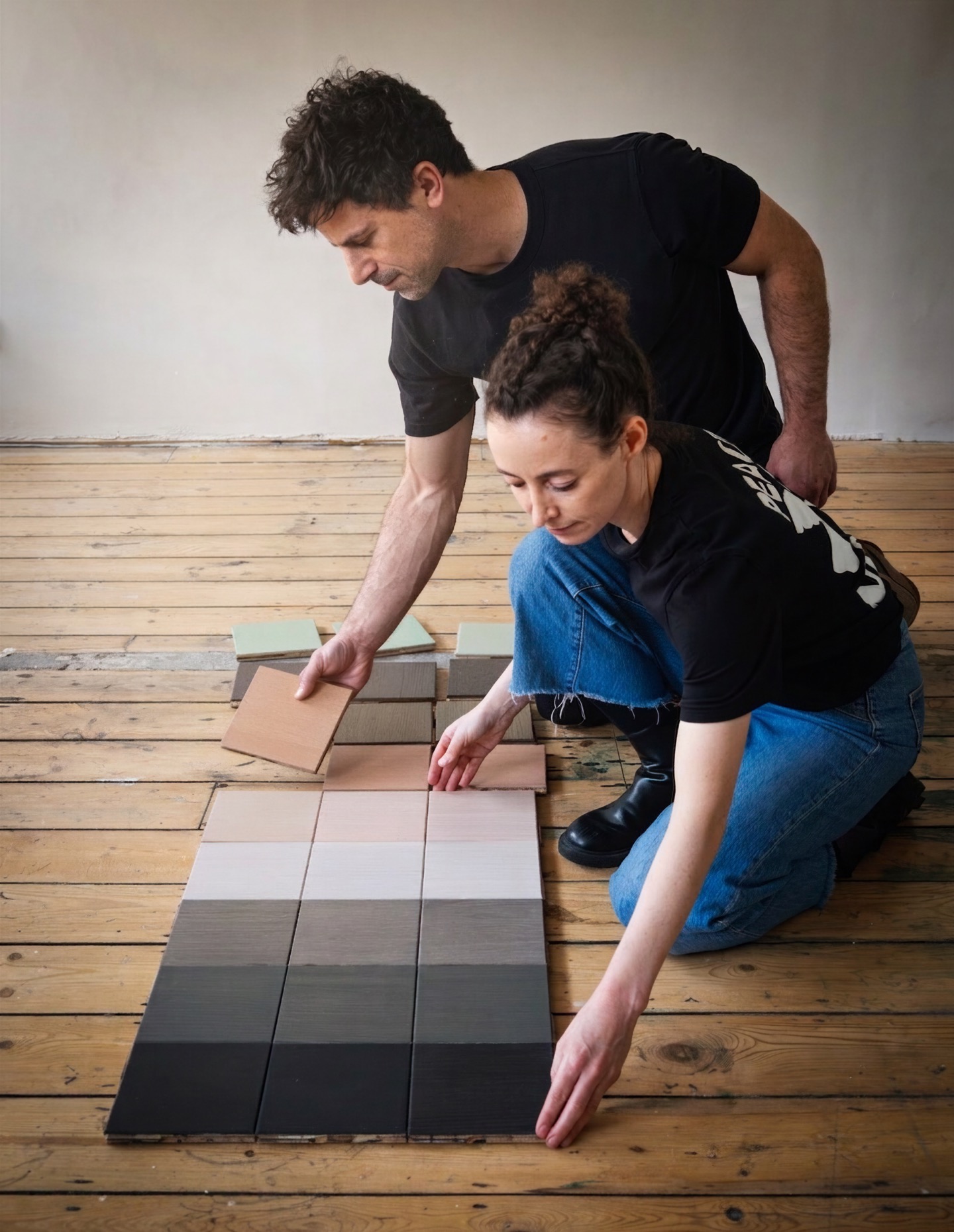
Established & Sons’ presentation this year folds new Raw Edges pieces into a broader story about continuity, evolution and collaboration. Stack returns in new Olive and Blush finishes, Side Stack condenses the original into a more compact format, and Plates Shelving extends the studio’s interest in modular display through a set of circular steel shelves in Black and Corten. The most architecturally interesting move, though, is GridWork flooring, developed with Tongue & Groove. Here, Raw Edges’ interest in grid, colour and subtle misalignment is translated into solid oak flooring, hand-dyed in warm neutral tones and designed with an interlocking system that allows multiple configurations.
V-ZUG, Table Rituals
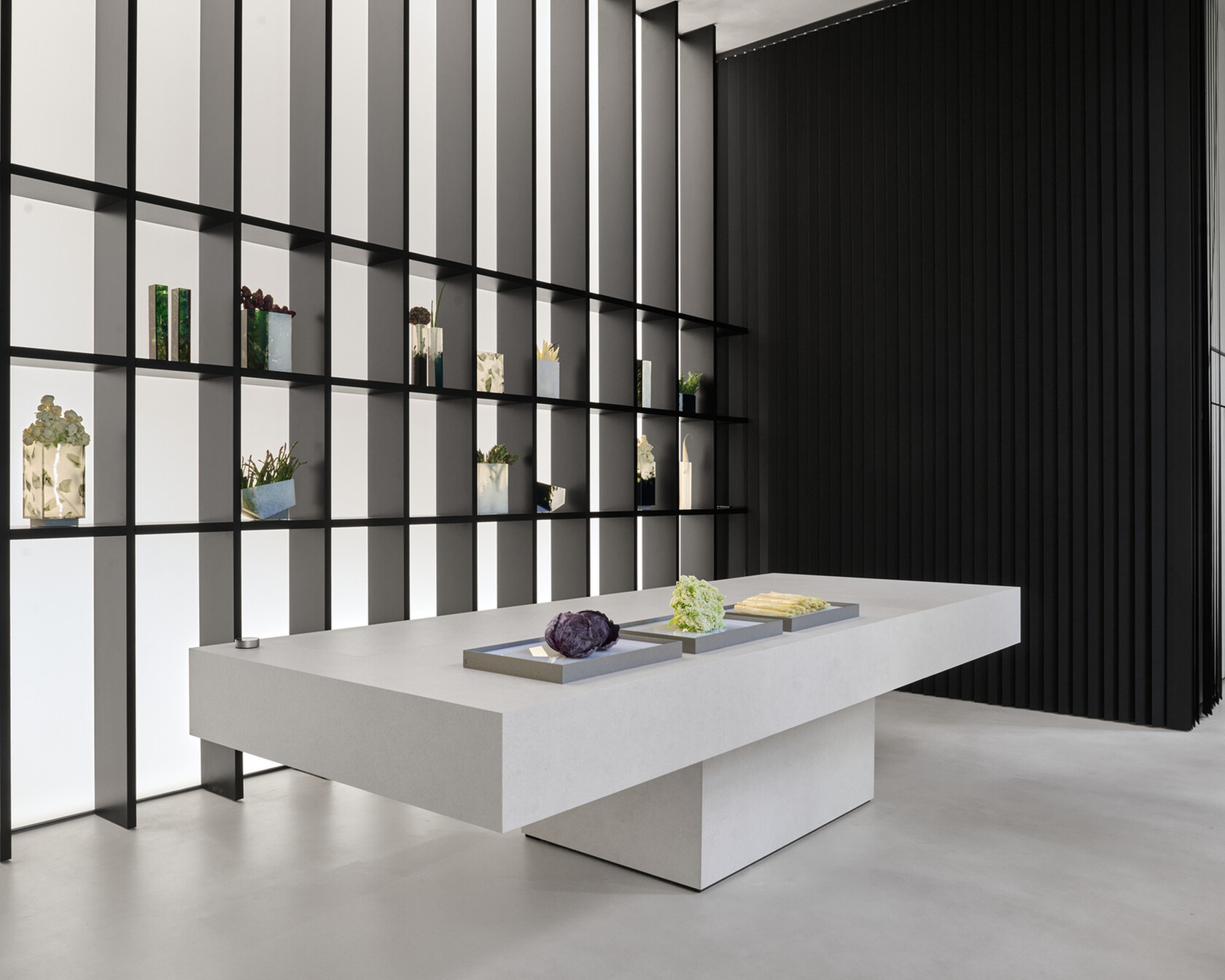
Elisa Ossino’s second appearance in this round-up is very different in tone. For V-ZUG, she has created Table Rituals, a quieter, more domestic installation that places a long sculptural table at its centre and uses it to shift attention back toward gesture, exchange and the daily choreography of the kitchen. The project also introduces Integra, V-ZUG’s invisible induction system embedded into a mineral surface developed with Inalco, but the point is not technical theatre. Ossino says she wanted to make everyday gestures visible again — “quiet, poetic and shared” — and that phrase neatly captures the installation’s strongest quality. Technology recedes; action comes forward. A performance by Teatro delle Moire, with costume-like textile sculptures by Matteo Idini, extends the idea by turning kitchen movements into something closer to scored ritual.
Triennale Milano
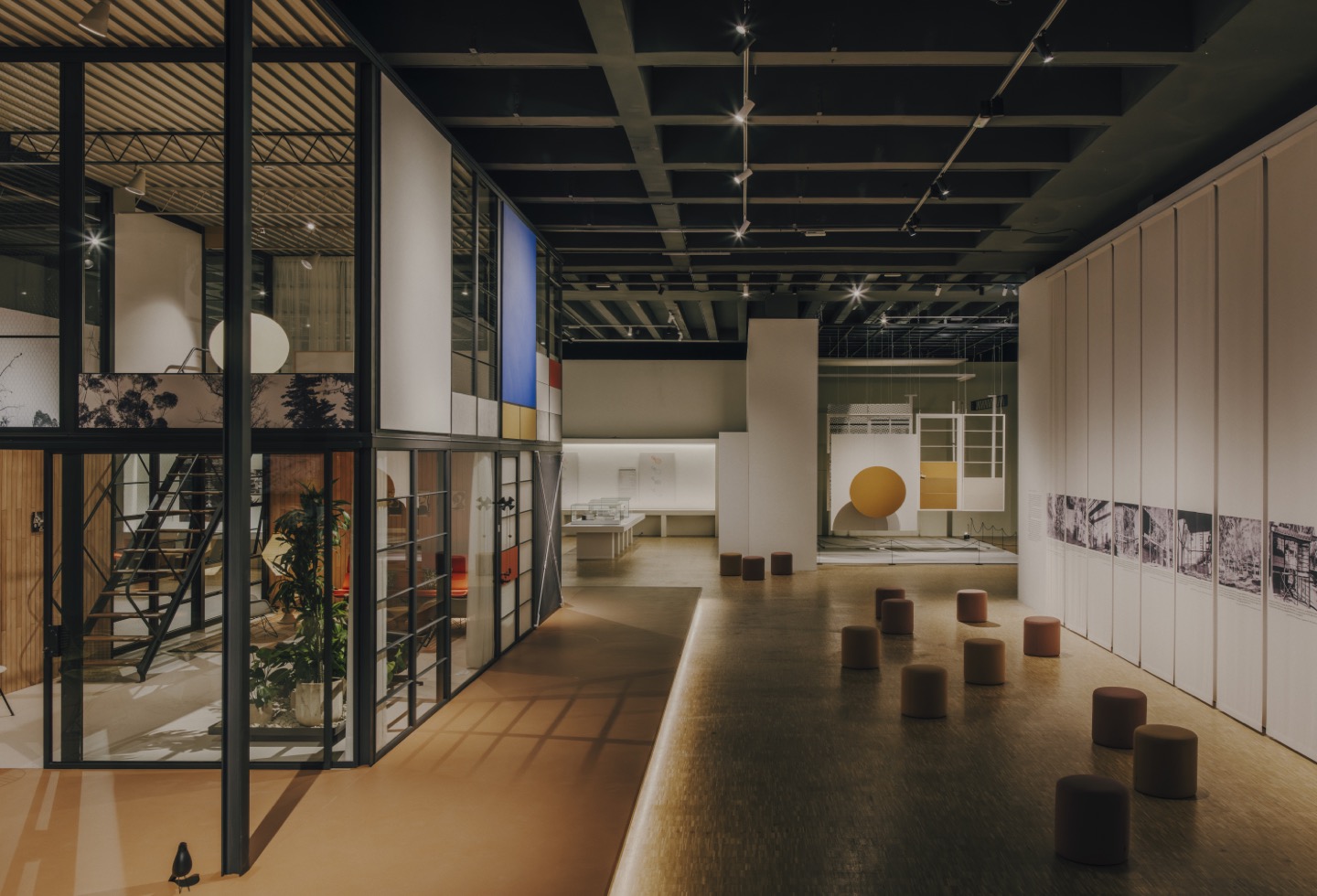
The Triennale remains the place to reset your eyes. This year, that means two particularly strong exhibitions. The first is The Eames Houses, presented by the Eames Office alongside the debut of the Eames Pavilion System developed with Kettal. Drawing on extensive archival research, the exhibition argues convincingly for architecture as a central thread in Charles and Ray Eames’ practice, rather than a secondary concern beside the furniture. Full-scale pavilion installations sit alongside drawings, photographs, films and newly commissioned models, giving the whole project real depth. Nearby, Edward Barber | Jay Osgerby. Alphabet offers a large monographic survey of the London designers’ work, from early furniture and product design through to major commissions, with prototypes, sketches and unreleased material used to show how the studio’s thinking has evolved over time. Together they give the Triennale a seriousness that feels useful during a week so full of faster pleasures.